The Masai Mara conservancies, explained.
One ecosystem, two very different ways to experience it. Understand what each reserve and conservancy permits — and find the one that fits the safari you have in mind.
The same wildlife — two different worlds.
The Greater Masai Mara is made up of the government-run National Reserve at its heart, and a ring of private conservancies leased from Maasai landowners around it. They share the same wildlife and the same horizon — but the rules, the crowds and the freedoms could not be more different.
The reserve is where the great river crossings happen and where every budget is catered for, but you share it with everyone. The conservancies cap vehicle numbers, forbid day visitors, and open up night drives and walking safaris — a quieter, more exclusive wilderness, at a price. Here is exactly what each one offers.
Five corners of the Mara.
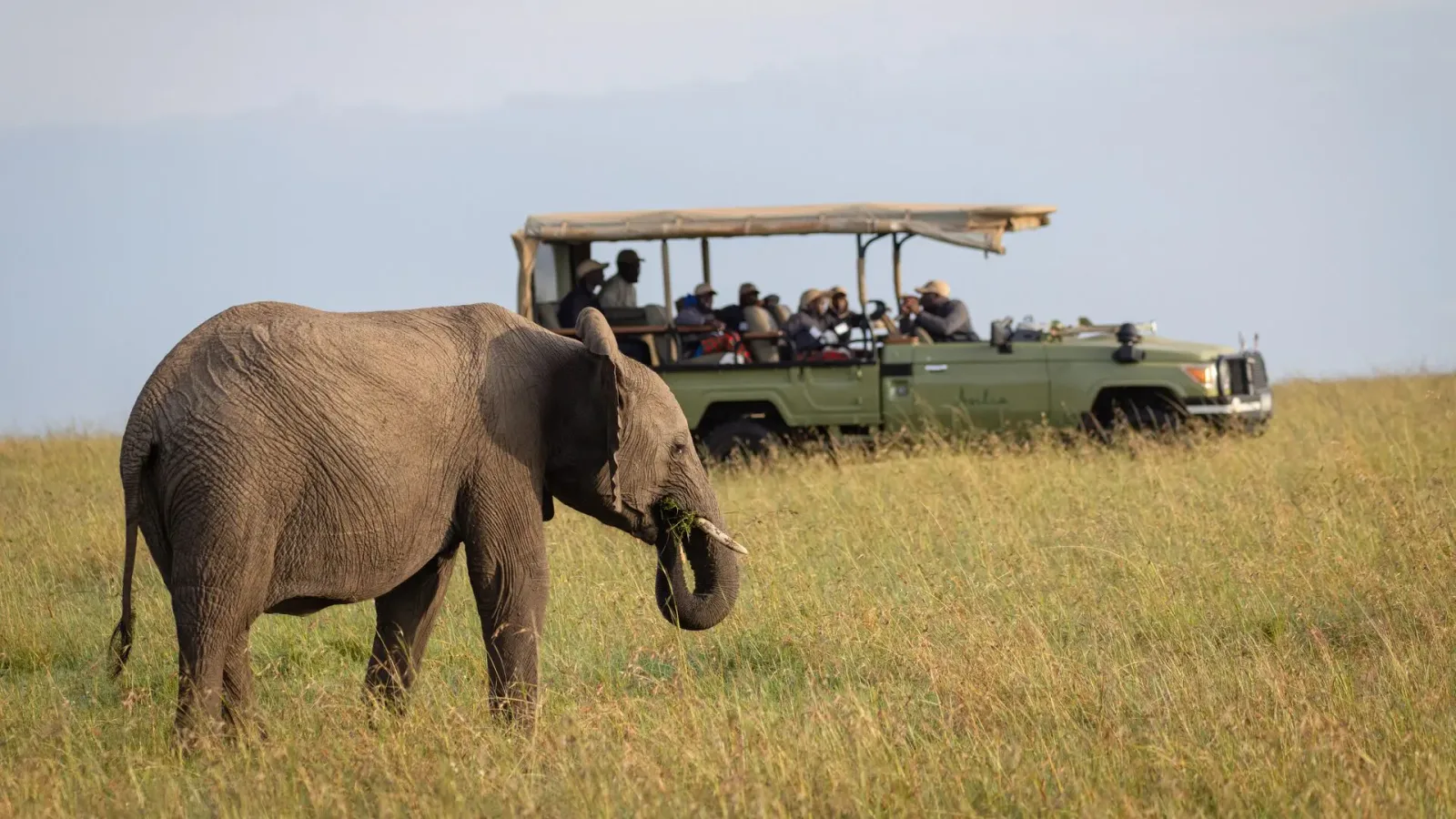
Masai Mara National Reserve
The 1,510 km² government-run heart of the ecosystem — and the only place to witness the great Mara River crossings of the wildebeest migration. Game density is exceptional and accommodation spans every budget, but you share the plains with every other vehicle in the Mara.
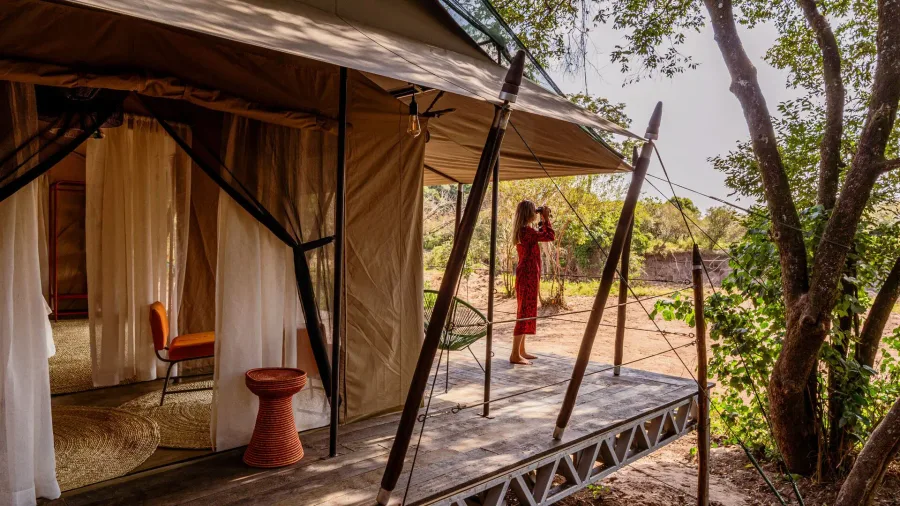
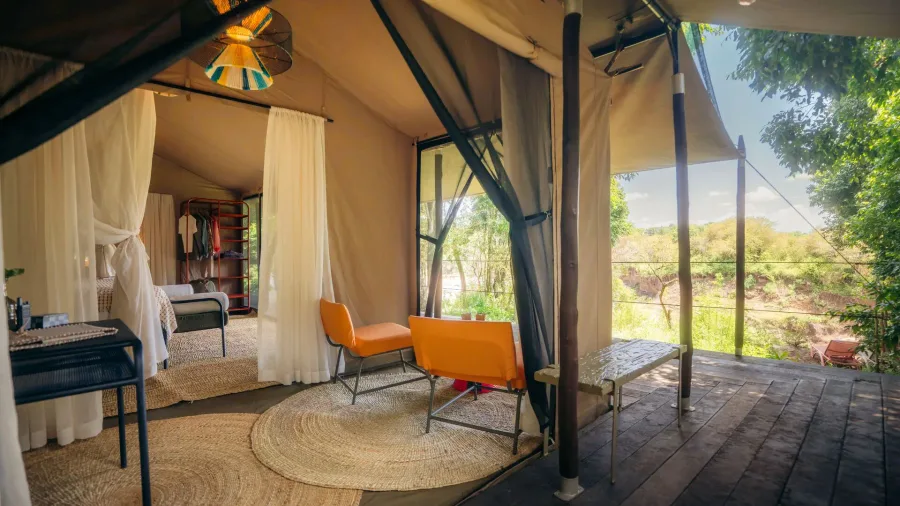
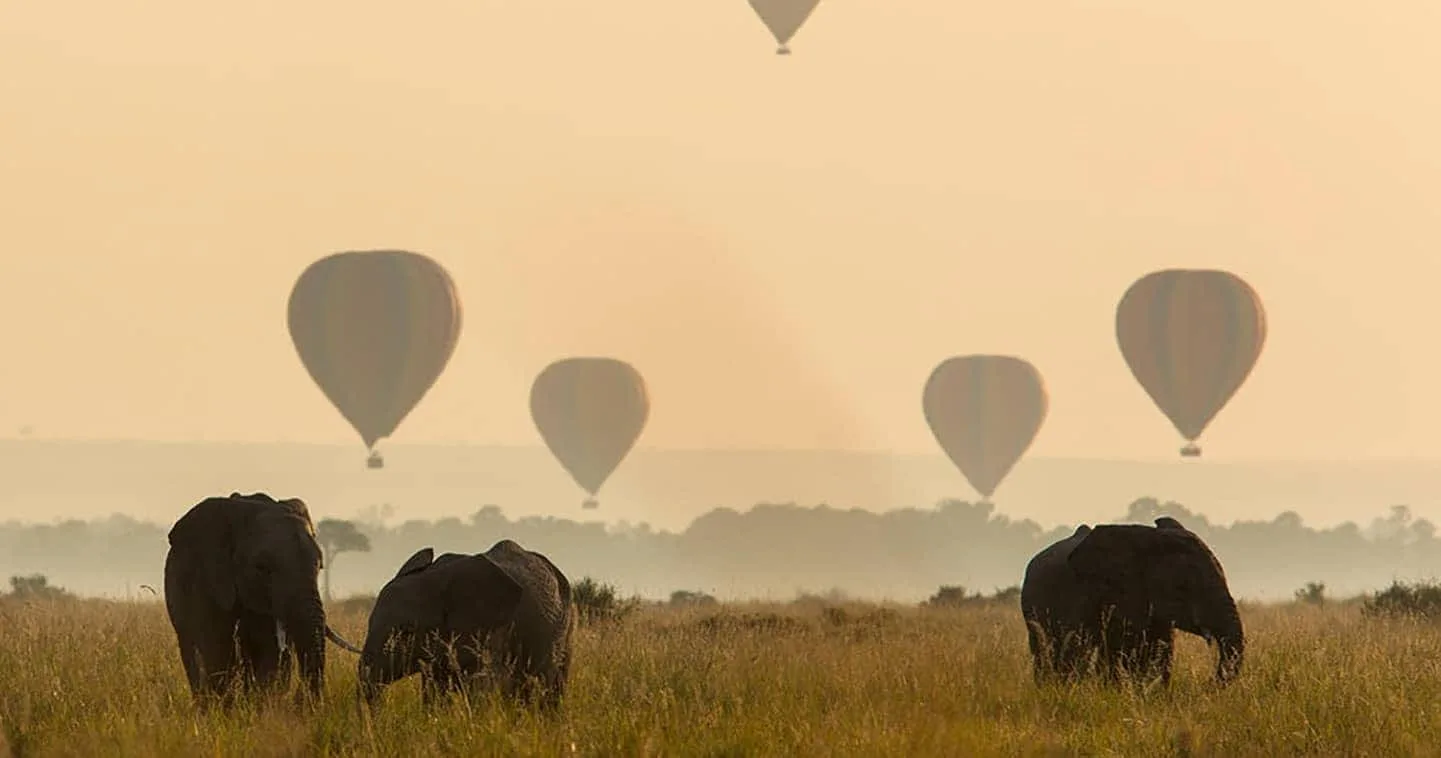
Mara Triangle
The western third of the reserve, managed separately by the Mara Conservancy. Same migration, same river crossings — but far fewer vehicles, immaculate roads and rigorously enforced off-road rules. The connoisseur’s corner of the public Mara, and the launch point for the Mara’s celebrated dawn balloon safaris.
Mara North Conservancy
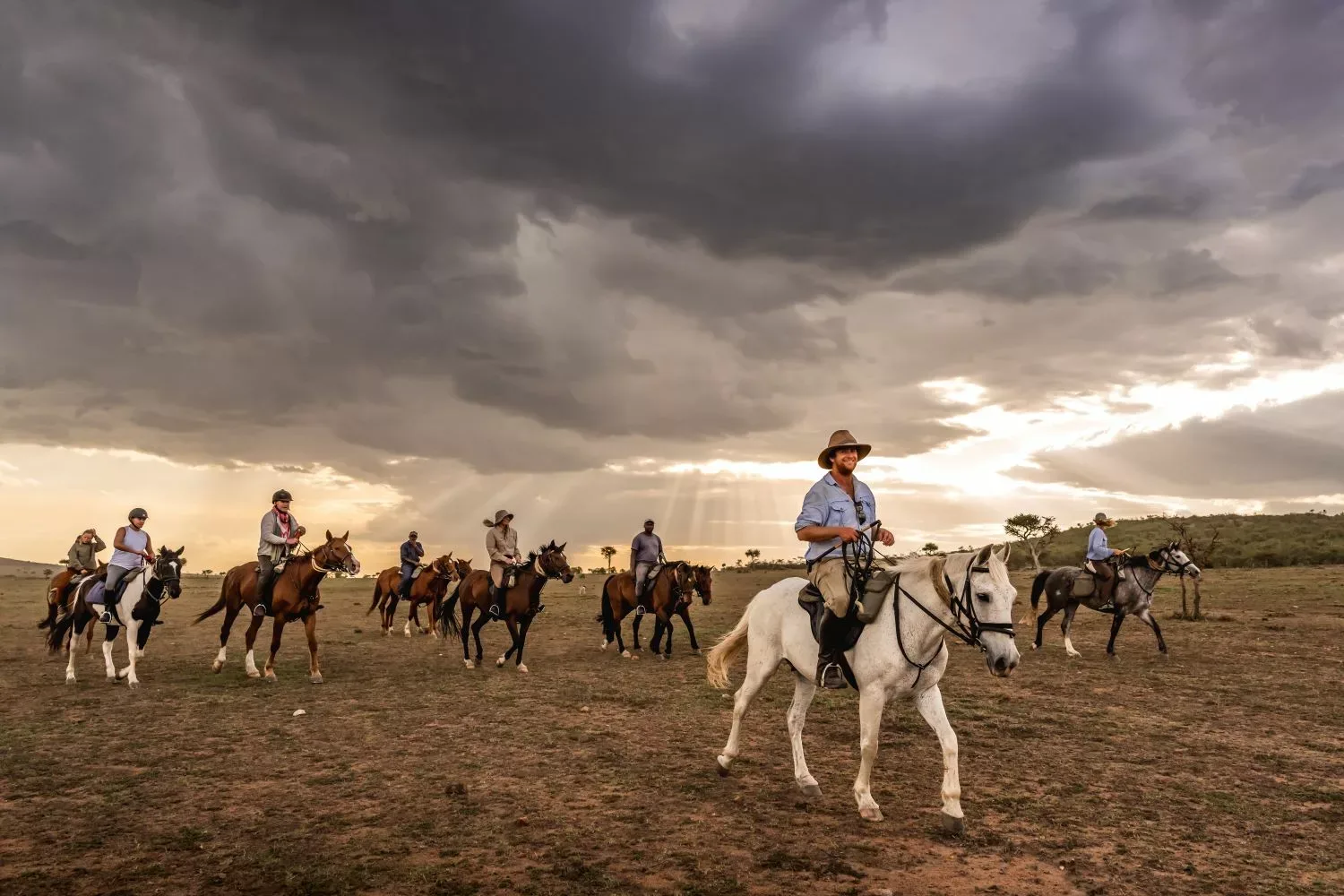
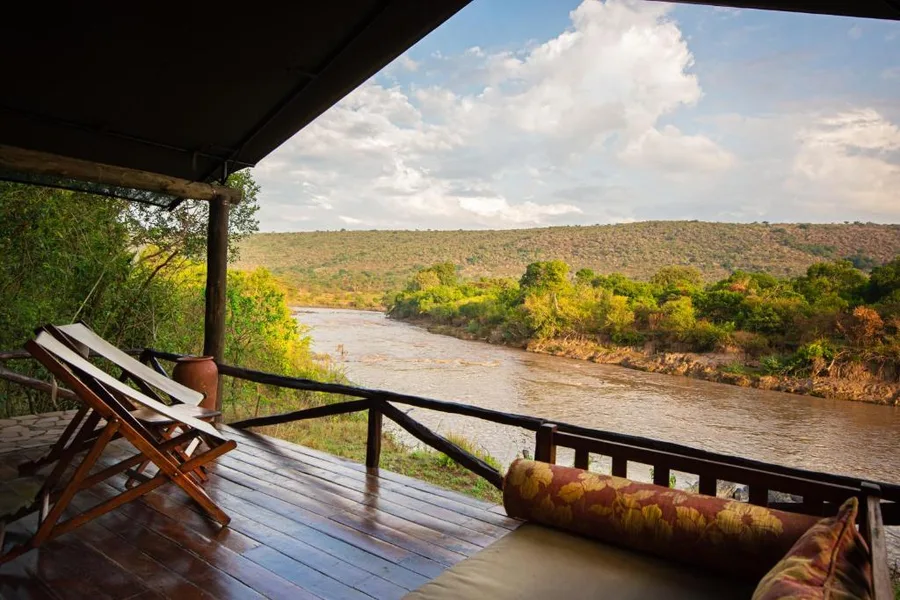
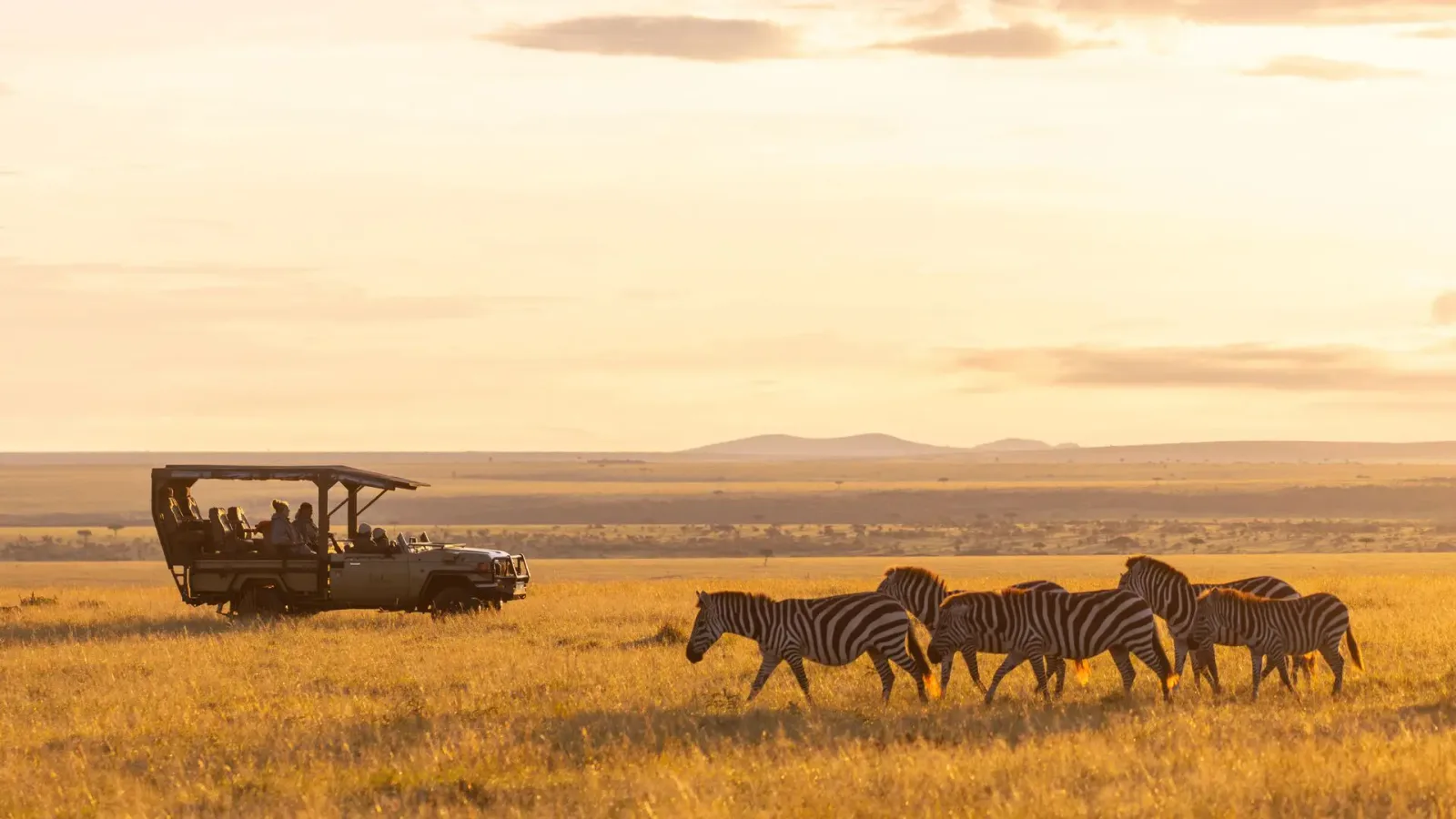
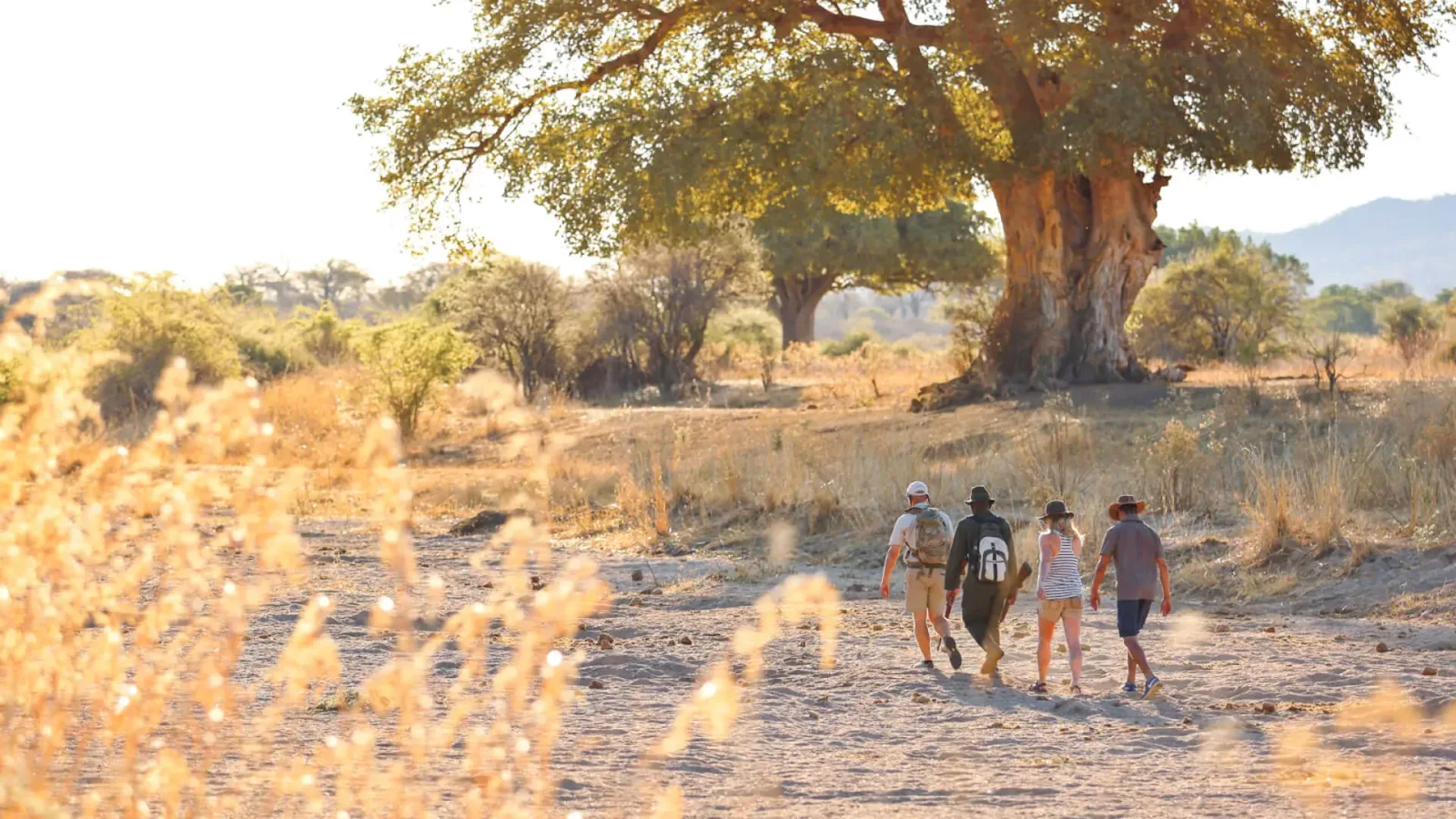
A 320 km² private conservancy bordering the reserve, shared by a limited collection of camps. No day visitors, strictly capped vehicle numbers, and freedoms the reserve forbids — night drives, walking safaris, even horseback riding across the plains. Superb resident big cats and dramatic escarpment scenery.
Naboisho Conservancy
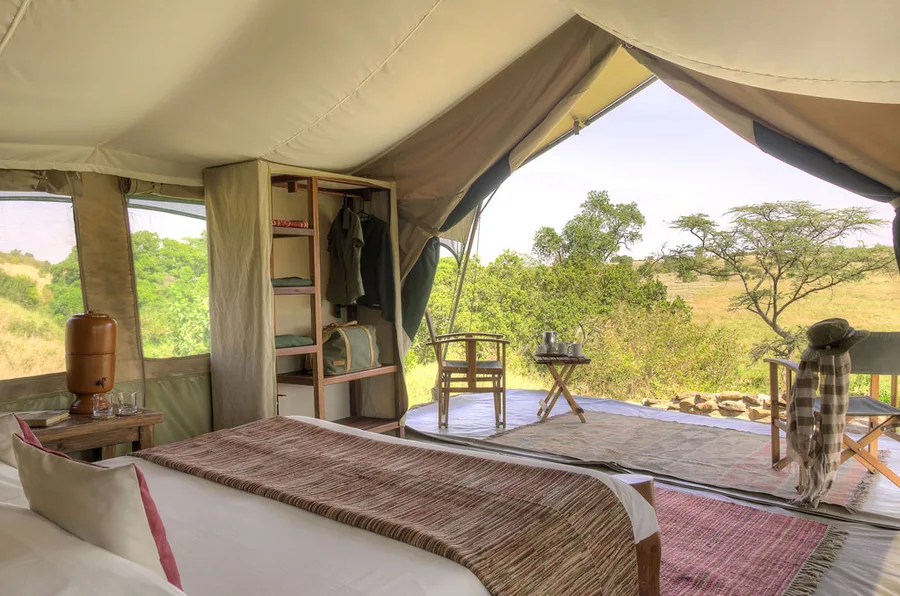
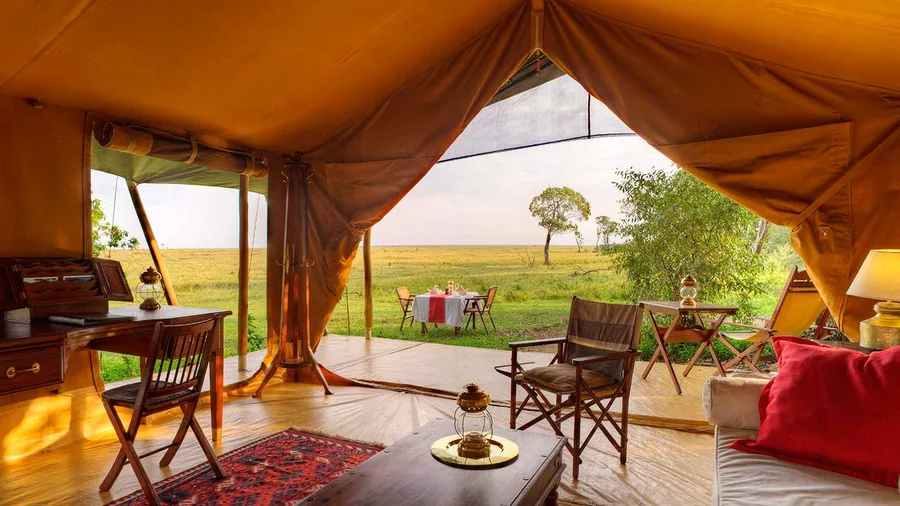
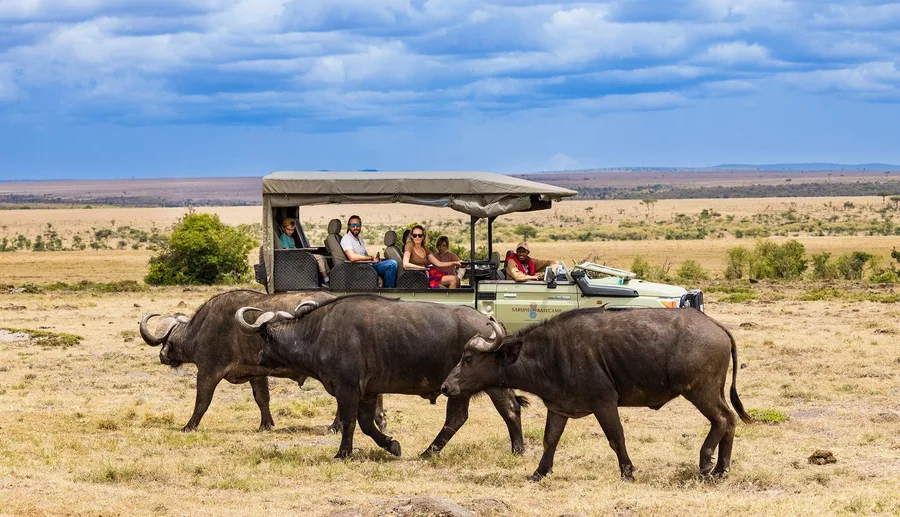
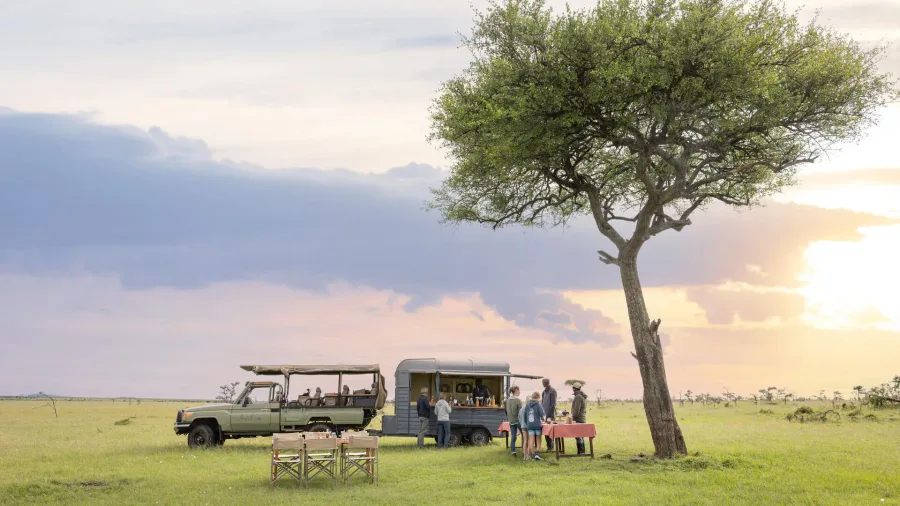
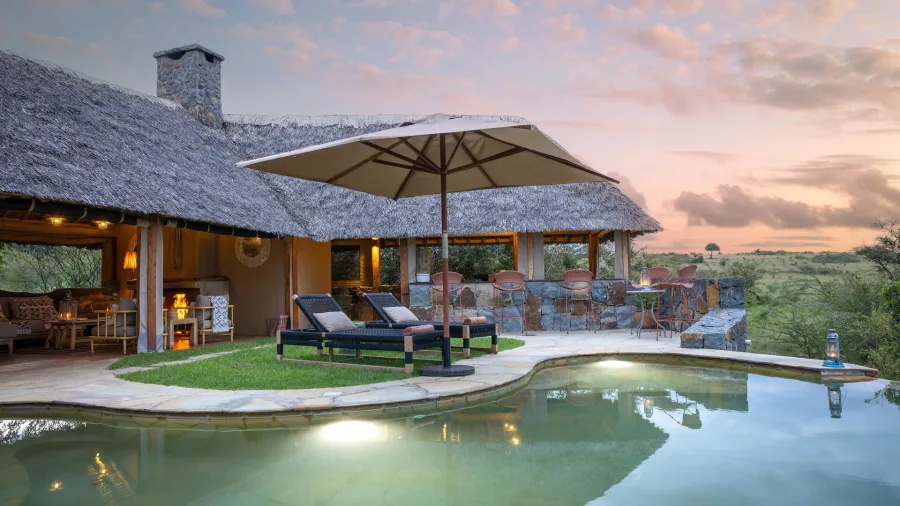
One of the most exclusive corners of the whole ecosystem — a low-bed-number conservancy with one of the highest lion densities in Africa. Vehicle limits are strict, the guiding is exceptional, and walking safaris and sundowners on the plains are part of every stay.
Olare Motorogi Conservancy
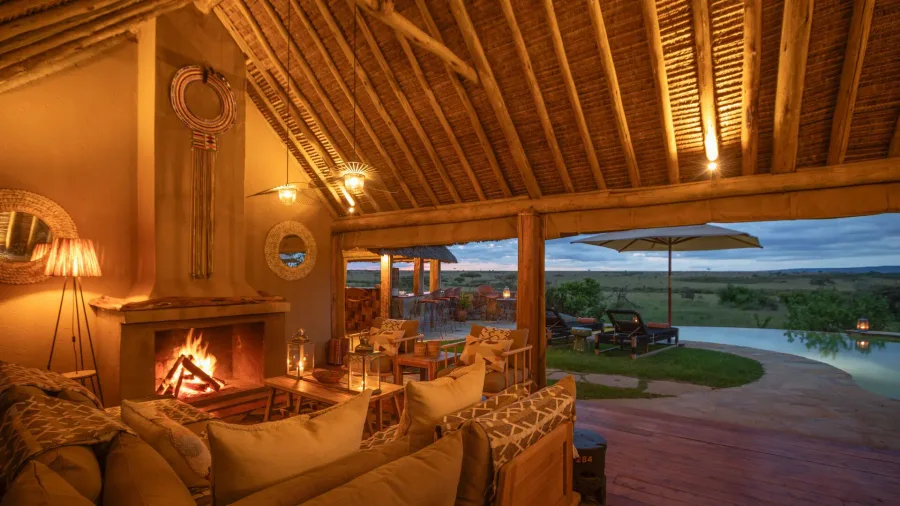
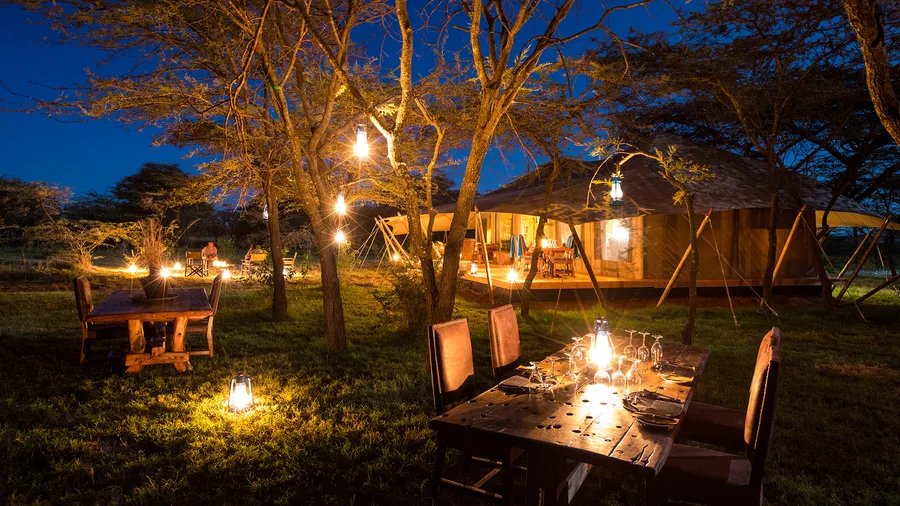
A flagship conservancy directly bordering the reserve, famed for maintaining one of the lowest guest-densities in the entire Mara — roughly one tent per 700 acres. Outstanding predator action, full conservancy freedoms, private bush dining, and an utterly uncrowded wilderness.
The whole Mara, compared.
Match the Mara to your trip.
The National Reserve or Mara Triangle — the river crossings, the widest choice of camps, and every price point. The classic Mara experience.
Mara North, Naboisho or Olare Motorogi. The private conservancies open up freedoms the reserve forbids — on foot, after dark, and far from the crowds.
Naboisho and Olare Motorogi hold among the lowest vehicle densities in the Mara — exceptional big cats, and the feeling of having the wilderness to yourself.
Conservancies, answered.
The Masai Mara National Reserve is government-run, open to day visitors and all vehicles, and is the only area where you can see the wildebeest river crossings. The conservancies are private, leased from Maasai landowners, with strictly limited vehicle numbers, no day visitors, and the freedom of night drives and walking safaris.
Night drives are not permitted inside the National Reserve or the Mara Triangle, but they are allowed in the private conservancies such as Mara North, Naboisho and Olare Motorogi.
The migration river crossings happen inside the National Reserve and Mara Triangle. Conservancies bordering the reserve, like Mara North, sit adjacent to the action, while Naboisho and Olare Motorogi see seasonal migration movement.
Walking safaris are not permitted in the public reserve, but are a key feature of the private conservancies including Mara North, Naboisho and Olare Motorogi.
Olare Motorogi and Naboisho are the most exclusive, maintaining among the lowest guest-densities in the entire ecosystem — roughly one tent per several hundred acres.
Not sure which Mara is right for you?
Our Nairobi-based specialists have stayed across every conservancy on this page. Tell us how you like to travel, and we will match you to the perfect corner of the Mara — and design the safari around it.