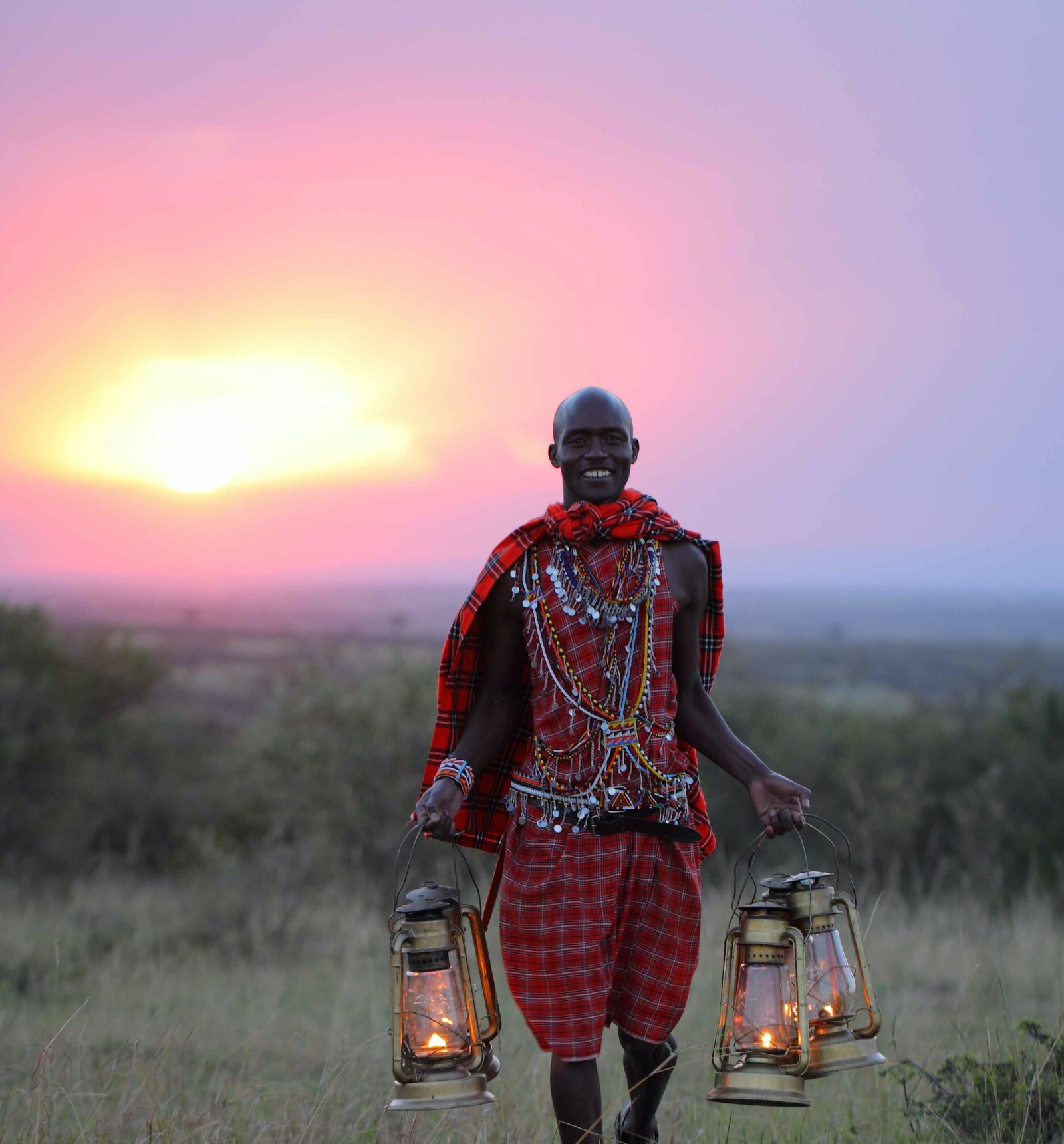
Zimbabwe is for the safari traveller who wants to go deeper. The thunder of Victoria Falls, the great elephant herds of Hwange, the wild floodplains of Mana Pools where you walk and canoe among the game, and the ancient granite hills of Matobo. Its guides are among the finest in Africa and its parks are uncrowded. We build each Zimbabwe journey by hand.
Zimbabwe rewards the traveller who wants substance over crowds. You can stand in the spray of one of the natural wonders of the world, walk within sight of elephant with a guide who trained for years to take you there, drift past hippo in a canoe on the Zambezi, and track rhino on foot through ancient hills. Its national parks are among the least crowded in the region, and its safari guiding is widely held to be the best in Africa. We put the pieces together so the journey flows.

The Zambezi falls more than a hundred metres into a narrow gorge here, sending up a plume of spray that can be seen from far away. The local name, Mosi-oa-Tunya, means the smoke that thunders, and it fits. You can walk the rainforest path with the falls roaring beside you, take a scenic flight over the gorge, or watch the sun go down on a river cruise among hippo and elephant. It is one of the great natural sights on earth, and a fitting place to begin or end a Zimbabwe journey.

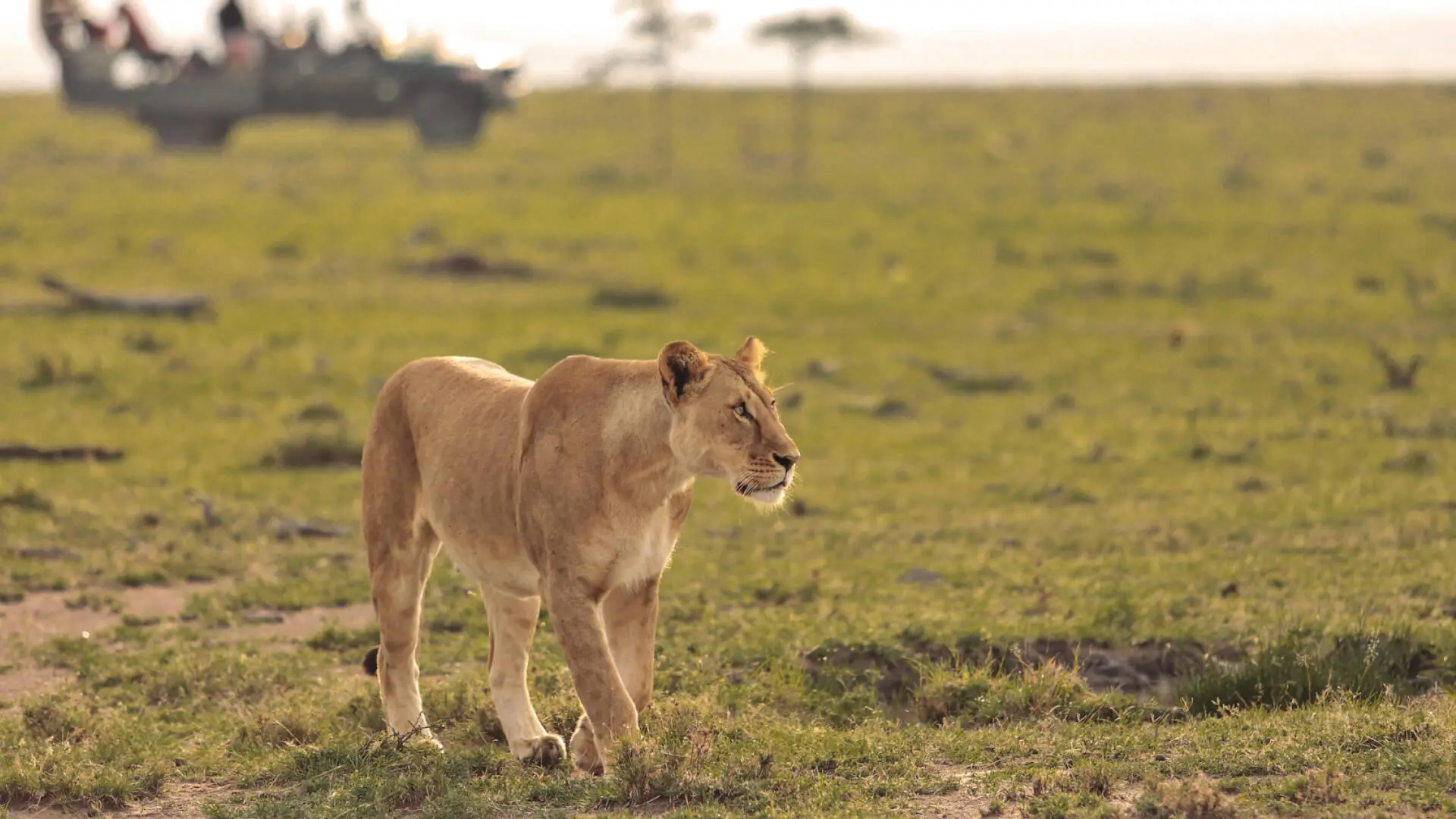
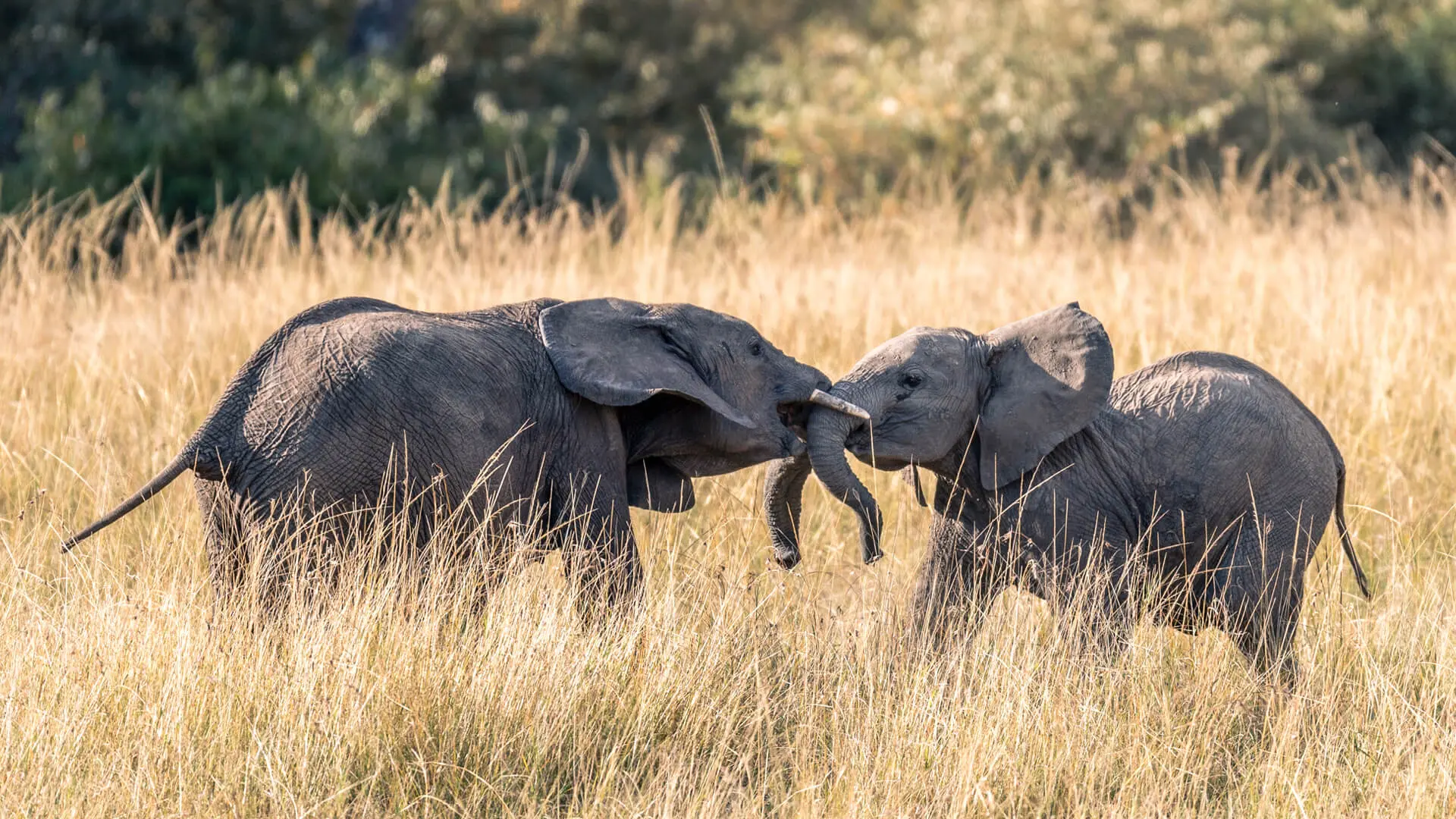
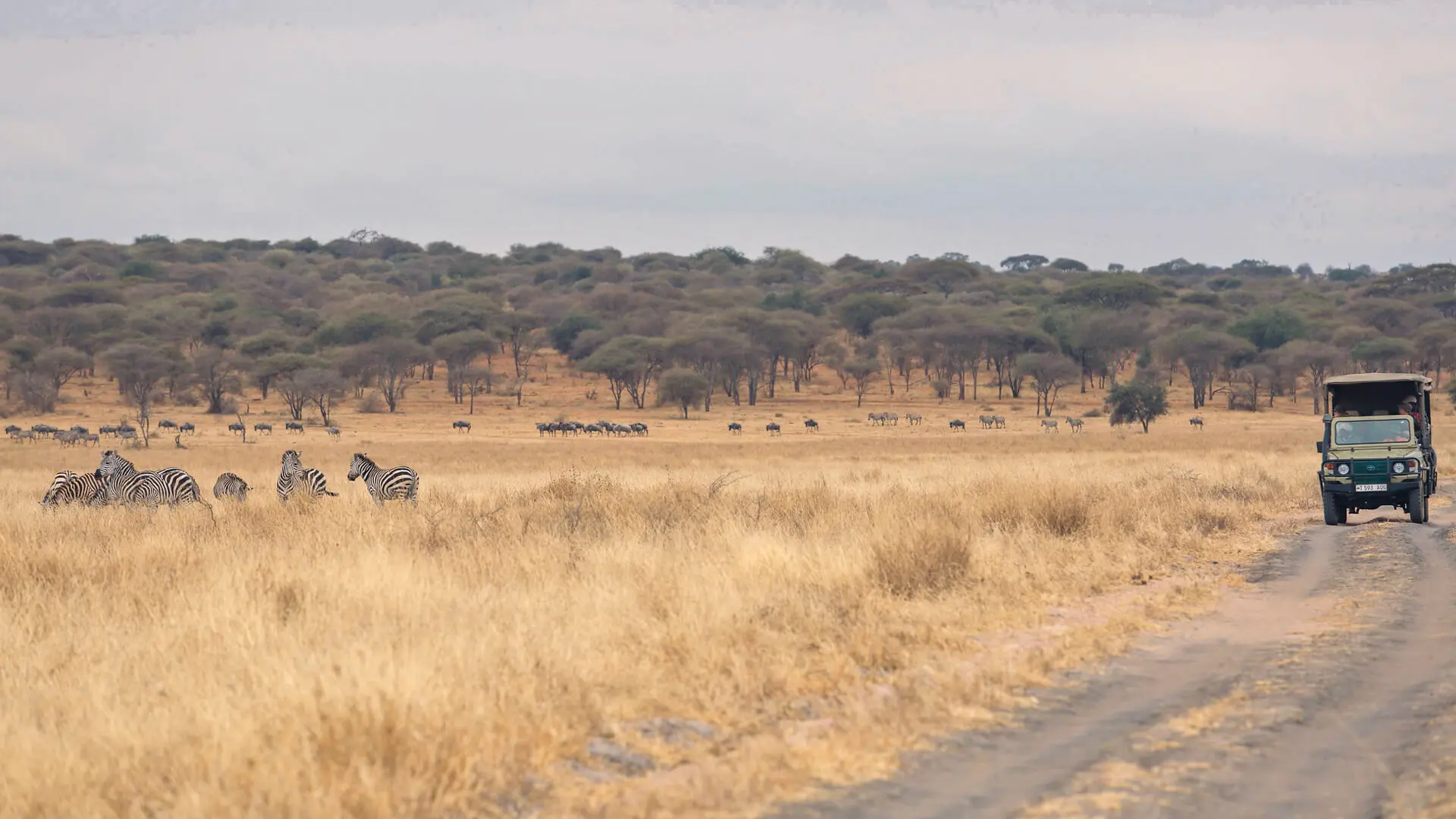
Hwange is Zimbabwe's largest national park, a vast wilderness of teak forest, open grassland and waterholes on the edge of the Kalahari. It is best known for its elephant, which gather in their hundreds at the pumped waterholes in the dry season, one of the great wildlife sights in Africa. Lion, wild dog, buffalo and giraffe are all here in good numbers, and the camps overlooking the waterholes let you sit still and watch the wildlife come to you.

Mana Pools is a UNESCO World Heritage Site on the banks of the Zambezi, and one of the few places in Africa where you can explore on foot and by canoe. The floodplain draws elephant, buffalo and big cats down to the river, and the old forest of winterthorn trees gives the park its famous cathedral light. This is wild, low-volume safari at its best, for travellers who want to be in the landscape rather than driving through it.

Matobo is a landscape of balancing granite boulders and whaleback hills, sacred to the local people and rich in history. It is one of the best places in Africa to track both black and white rhino on foot, walking quietly with a guide until you are close. The hills hold thousands of years of San rock art in their caves, and the view from World's View is one of the finest in the country. It is a place of wildlife and deep human story together.

Lake Kariba is one of the largest man-made lakes in the world, a vast inland sea where the shoreline of Matusadona National Park meets the water. Drowned trees stand silver against the surface, elephant come down to drink, and the sunsets are extraordinary. The classic way to explore is by houseboat, drifting from one bay to the next with game viewing, fishing and quiet evenings on the water. It is an unusual and restful way to end a safari.

Tell us how you like to travel and what you most want to see. We will build a Zimbabwe journey around you, from the falls to the floodplains.