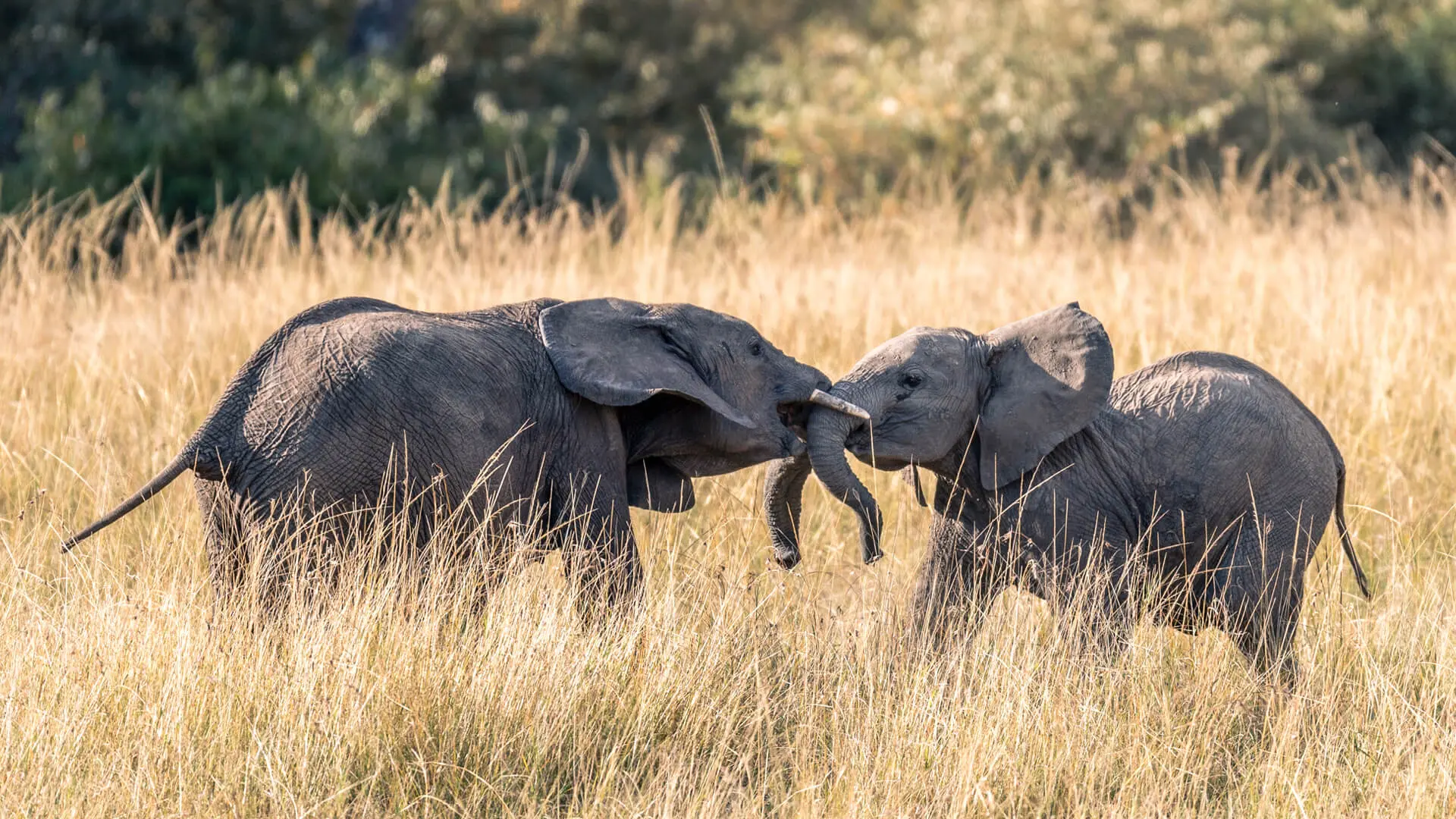
Northern Kenya · The Special Five
SamburuNational Reserve.
Remote, arid and utterly distinctive — a wild northern frontier along the Ewaso Nyiro River, home to five rare species found nowhere else in Kenya.
Remote, arid and utterly distinctive — a wild northern frontier along the Ewaso Nyiro River, home to five rare species found nowhere else in Kenya.
Cross the equator into Kenya’s northern frontier and the landscape changes completely — the open grasslands of the south give way to rugged hills, doum palms and the life-giving Ewaso Nyiro River winding through semi-desert.
This is Samburu: remote, uncrowded and home to the famous ‘Special Five’ — the Grevy’s zebra, reticulated giraffe, gerenuk, Somali ostrich and Beisa oryx, arid-adapted species you will not find in the Mara or Amboseli. Add big elephant herds, leopard along the river and the warmth of the Samburu people, and you have one of Kenya’s most rewarding and characterful safaris.
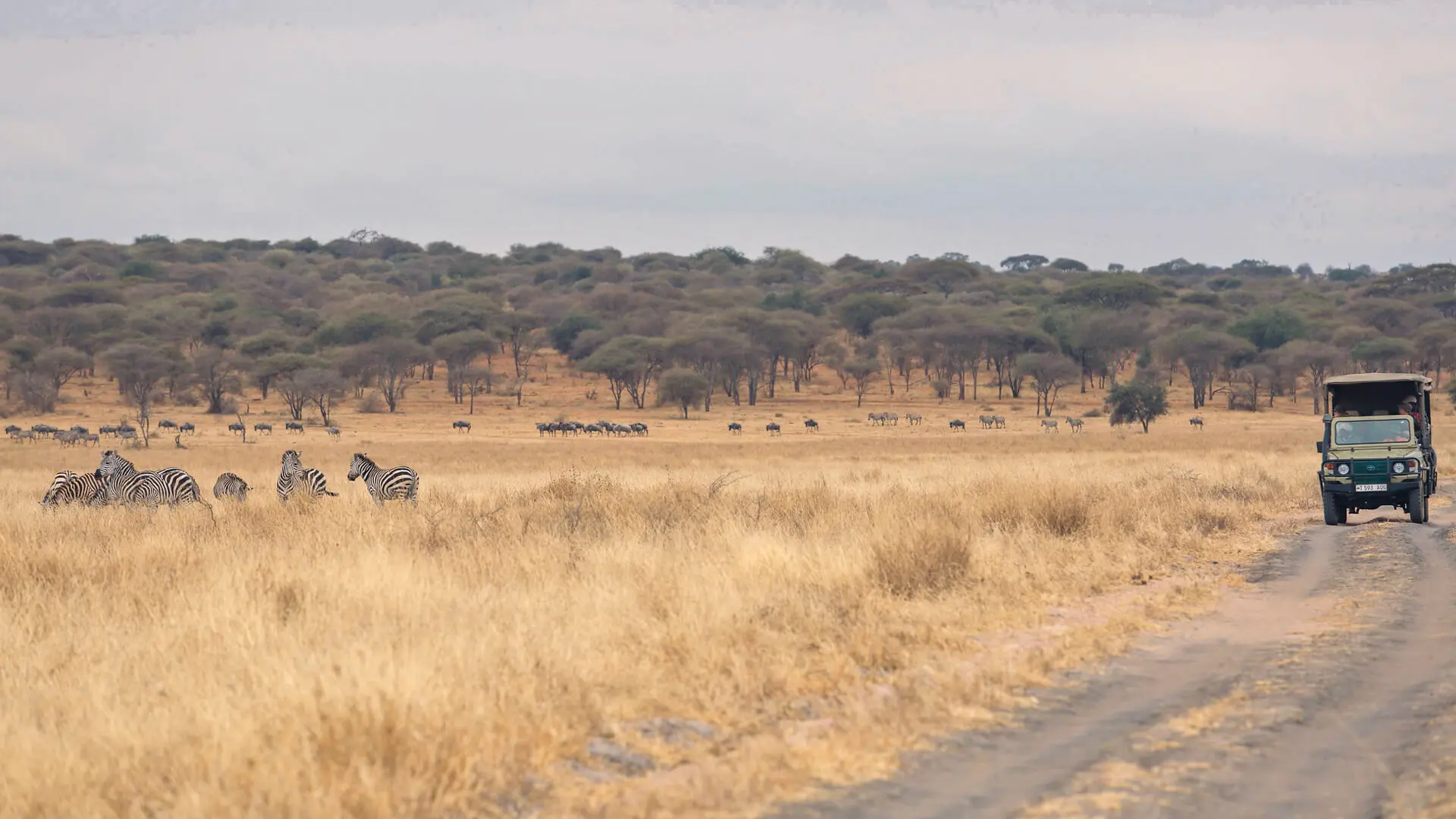
From focused Special Five expeditions to cultural encounters and northern circuits — every Samburu safari we plan is private, crafted around you.
A complete circuit taking in Samburu’s Special Five alongside the Great Rift Valley lakes and the Masai Mara.
The grand tour — Samburu, Laikipia, the Aberdares, Lake Nakuru and the Mara across ten unhurried days.
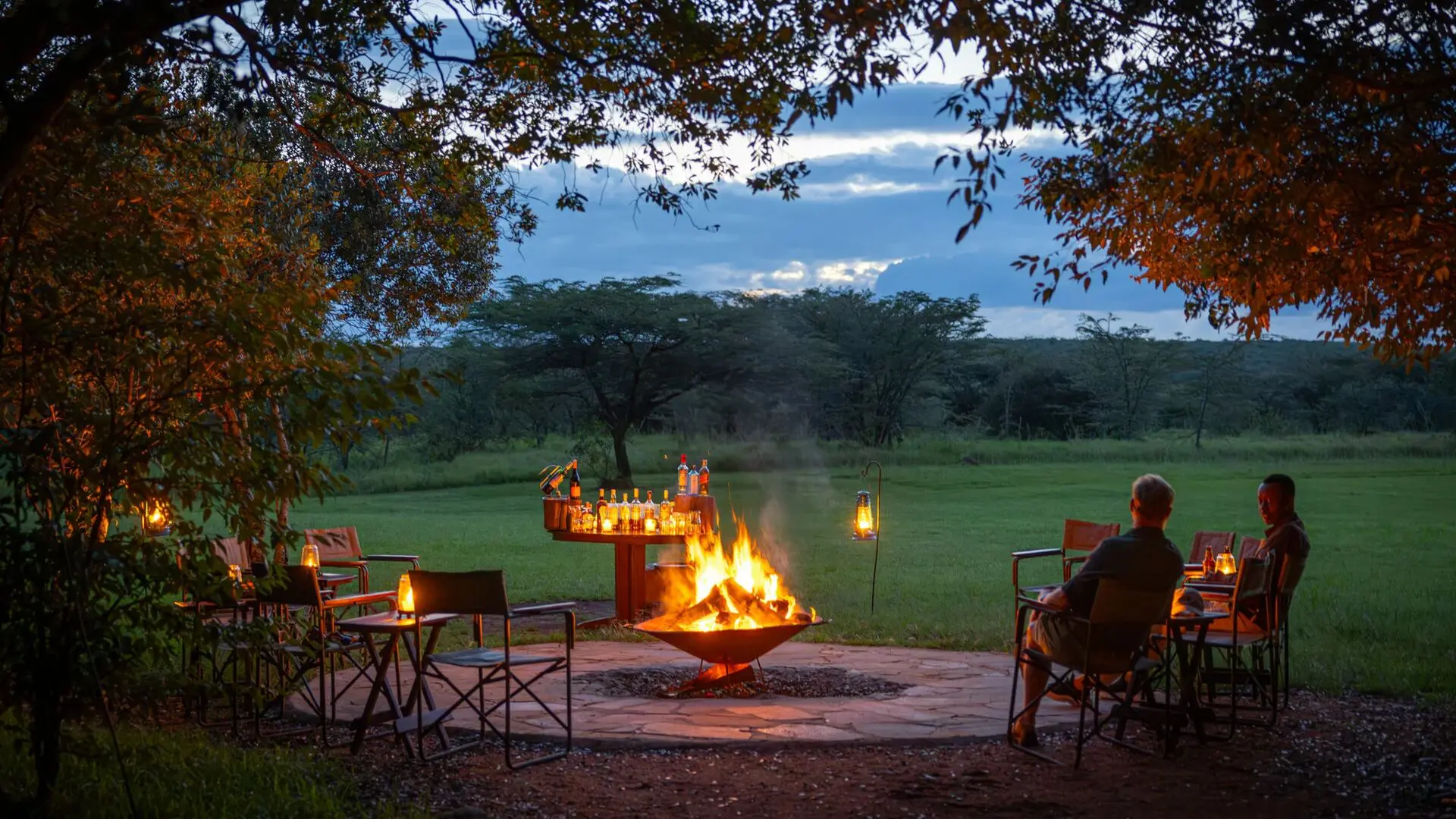
Intimate riverside camps in Samburu paired with the romance of the Mara — private dining and star-bed nights.
A focused short stay built around finding all five of Samburu’s rare northern species along the Ewaso Nyiro.
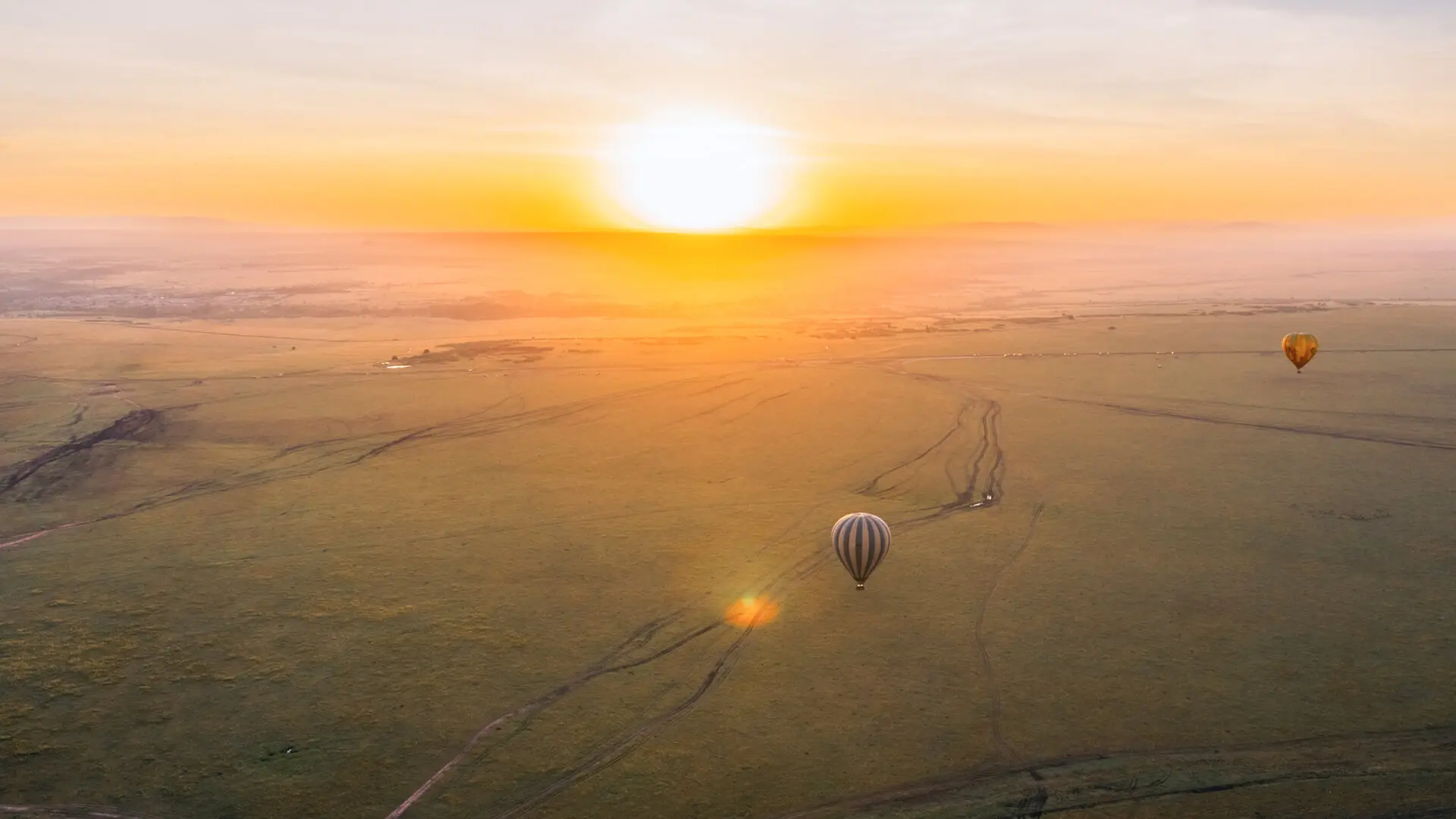
Skip the long drive north — fly straight to the reserve for a swift, seamless luxury escape.
Wildlife by day and a genuine Samburu village encounter — dance, beadwork and pastoralist life.
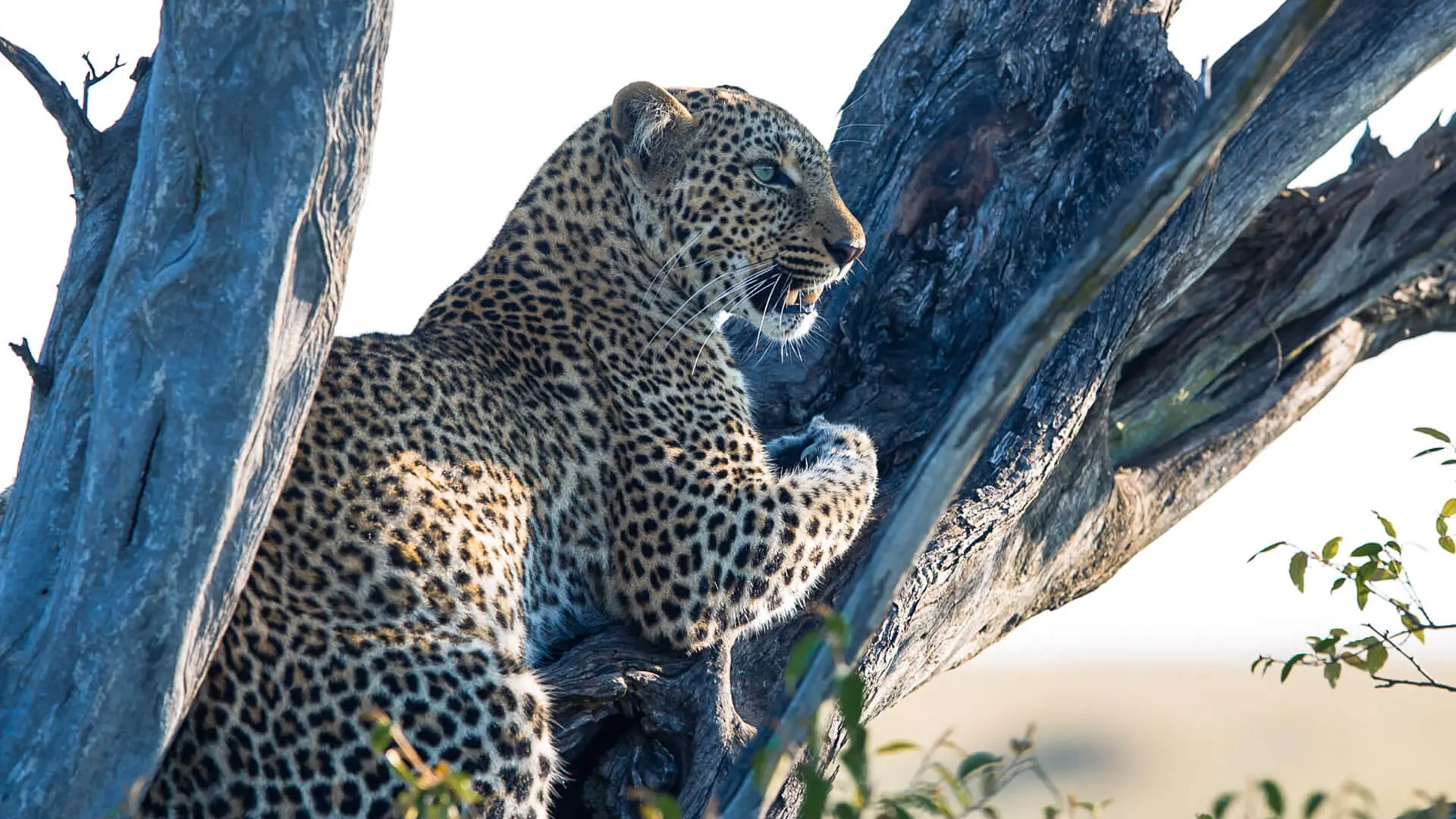
A northern circuit pairing Samburu’s rare species with the conservancies of Laikipia and the slopes of Mount Kenya.
Family-friendly riverside lodges, junior-ranger activities and a Samburu cultural visit children love.
A Samburu safari costs roughly $250 to $900+ per person per day, depending on your accommodation, season, and whether you drive or fly in. Because Samburu sits in the remote north, fly-in transfers add to the cost but save hours of driving.
Peak dry season (July–October) costs more than the green season (April–June, November).
The biggest single factor — from comfortable camps to exclusive boulder-set lodges.
Flying north saves 5-6 hours each way but adds to the cost. Road is scenic and economical.
Private vehicles are most cost-effective for groups of 4+. Smaller groups pay more per person.
Morning and afternoon drives along the Ewaso Nyiro in search of the Special Five and big cats.
Meet the Samburu people — traditional dress, dance, beadwork and a pastoralist way of life.
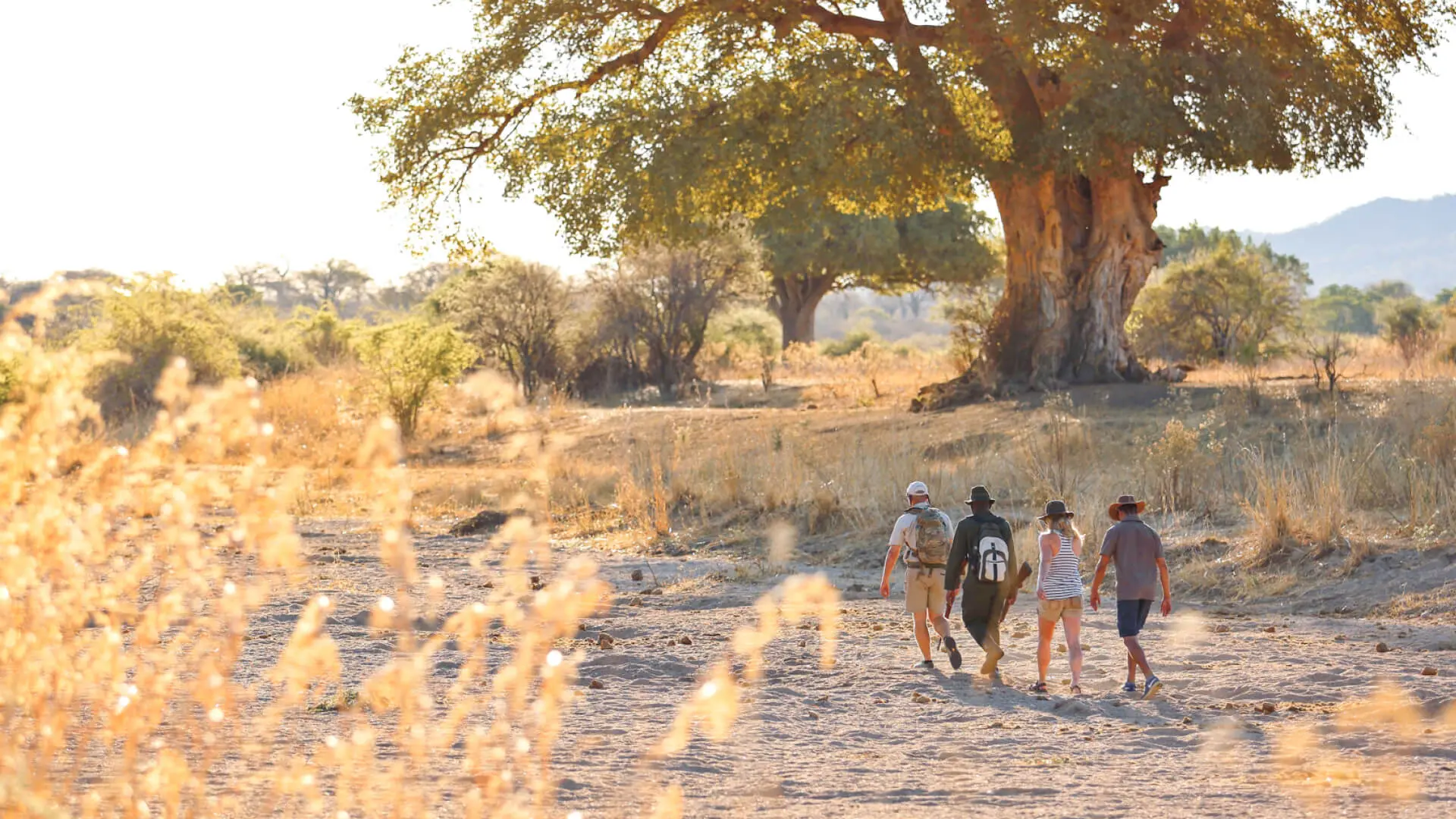
On foot with an armed Samburu guide in the surrounding conservancies — tracks, plants and birds.
A drink at golden hour on the riverbank as elephants come down to drink — the Samburu evening ritual.
The driest months concentrate wildlife along the Ewaso Nyiro River, making the Special Five and big cats easiest to find. The busiest and most reliable season — book ahead.
A second dry window with excellent game viewing, clear skies and good photographic light, slightly quieter than the July peak.
The landscape turns lush after the rains. Dramatic skies, superb photography, newborn wildlife and the lowest rates of the year — with the trade-off of occasional showers.
Short rains bring fresh growth and bird migration. Fewer visitors, green scenery and good value, with wildlife still readily seen near the river.
Samburu lies about 320km north of Nairobi. You can drive through the scenic Rift Valley and Mount Kenya region, or fly in by light aircraft to a reserve airstrip.
Samburu is not only a wildlife reserve — it is the homeland of the Samburu people, semi-nomadic pastoralists closely related to the Maasai, whose lives revolve around cattle, camels and goats across this arid land.
A visit to a Samburu village is one of the reserve’s most memorable experiences: vivid traditional dress, rhythmic dance, intricate beadwork and a warm, unhurried insight into a way of life that has endured for centuries. Many lodges sit within community conservancies, so your stay directly supports Samburu landowners and conservation.
Plan a cultural visitOur most comprehensive guides — created by our guides and specialists from decades of northern Kenya experience.
How to find and identify all five of Samburu’s rare northern species, where they gather, and how they differ from their southern cousins.
Read the guideFrom boulder-set Saruni Samburu to riverside Elephant Bedroom and Sasaab — which camp suits your budget and travel style.
Explore lodgesHow Samburu combines with Laikipia, Ol Pejeta and Mount Kenya for a complete, uncrowded northern safari.
Explore destinationsTransparent breakdown of what drives Samburu pricing — lodge tiers, seasons, fly-in vs road, and how to get the best value.
Compare costsWho the Samburu people are, what to expect on a village visit, and how to engage respectfully and meaningfully.
Read the guideMonth-by-month guidance on game viewing, photography, green-season value and how to time your Samburu safari.
View seasons“We saw all five of the Special Five in two days. Samburu felt wild and completely our own — barely another vehicle in sight.”
“The Samburu village visit was the highlight of our whole Kenya trip. Genuine, warm and unforgettable.”
“Elephants walking past our tent on the river at breakfast. Saruni Samburu was magical and the guiding was superb.”
The Samburu Special Five are five rare, arid-adapted species found in Kenya's northern reserves but not in the southern parks: the Grevy's zebra (larger, narrow-striped), the reticulated giraffe, the gerenuk (a long-necked antelope that browses standing on its hind legs), the Somali ostrich (blue-grey legs), and the Beisa oryx. Spotting all five is the signature achievement of a Samburu safari.
Samburu lies in Kenya's arid northern frontier, about 320km north of Nairobi along the southern bank of the Ewaso Nyiro River. It covers 165 square kilometres and forms part of a greater ecosystem alongside the adjacent Buffalo Springs and Shaba reserves and several community conservancies. The nearest towns are Archer's Post and Isiolo.
You can drive from Nairobi (roughly 5-6 hours through the Rift Valley and Mount Kenya region) or take a scheduled light-aircraft flight to one of the reserve's airstrips, which takes around 1-1.5 hours. We arrange all transfers, road or fly-in, as part of your package.
The dry months of June to October and December to March are best for game viewing, when wildlife concentrates along the Ewaso Nyiro River and vegetation is sparse. July to October is peak season. The green season of April-June and November brings dramatic skies, fewer visitors, excellent photography light and lower rates.
Two to three nights is ideal to find the Special Five and enjoy the river, the cultural encounters and unhurried game drives. Samburu pairs beautifully with a southern circuit (Masai Mara, Amboseli) or with Laikipia and Mount Kenya on a northern loop.
Samburu has large elephant herds drawn to the river, plus lion, leopard and cheetah. It was made famous by the lioness 'Kamunyak' who adopted oryx calves, and by the conservationists George and Joy Adamson. The reserve also records over 450 bird species.
Inside the national reserve itself, activities are limited to day game drives. However, the surrounding community conservancies (such as Kalama and West Gate) and private lodges offer night drives, guided bush walks, and other activities not permitted within the reserve boundaries.
Samburu is remote, arid and far less crowded than the Mara, with a completely different landscape of doum palms, rugged hills and a single life-giving river. Its wildlife is distinct, the Special Five are found here and not in the south, and its cultural identity, the Samburu people, gives it a strong sense of place. It trades the Mara's open grasslands and migration for solitude, scenery and rare species.
Yes, exceptionally so. The Samburu people are semi-nomadic pastoralists closely related to the Maasai, and a visit to a Samburu village (manyatta) is one of the reserve's highlights, offering insight into traditional dress, dance, beadwork and a pastoralist way of life centred on cattle, camels and goats.
Samburu offers a range from luxury to comfortable mid-range, many set right on the Ewaso Nyiro River. Standout options include Saruni Samburu (built among boulders with views toward Mount Kenya), Sasaab, Elephant Bedroom Camp, Samburu Intrepids, Ashnil Samburu and Samburu Serena. We match the camp to your style and budget.
Absolutely, and we recommend it. Samburu combines naturally with the Masai Mara and Amboseli for a complete Kenya safari, or with Laikipia, Ol Pejeta and Mount Kenya for a northern circuit. Several of our classic itineraries include Samburu.
Yes. Samburu National Reserve is a well-established, managed safari destination visited by travellers year-round. As with any safari, you travel with experienced guides and stay in vetted lodges and camps, and we handle all logistics and transfers.
The Ewaso Nyiro is the lifeline of Samburu, a permanent river flowing through an otherwise semi-arid landscape. It draws wildlife, elephants, big cats, antelope and birds, to its banks and supports the lush riverine forest of doum palms and acacia that lines its course, making the riverfront the prime area for game viewing and lodge locations.
Yes. Several Samburu lodges welcome families and offer spacious accommodation, and the mix of wildlife, river settings and rich cultural encounters appeals to all ages. We can recommend family-friendly camps and tailor the pace for children.
Outstanding. The combination of dramatic arid scenery, the river, the rare Special Five species and excellent golden-hour light makes Samburu a photographer's reserve. The green season in particular delivers moody skies and rich colour.
Neutral-coloured lightweight clothing, a warm layer for cool mornings, a wide-brimmed hat, sunscreen, good binoculars and a camera with a zoom lens. Samburu is hot and dry by day and cooler at dawn, so layers matter. We send a full packing guide once you book.
Yes. Many Samburu-area lodges sit within or partner community conservancies, and a share of your stay directly supports Samburu landowners, anti-poaching and wildlife research, including longstanding work to protect the endangered Grevy's zebra and reticulated giraffe.
A Samburu safari typically ranges from around $250 per person per day for comfortable mid-range camps up to $900+ per person per day for exclusive luxury lodges with fly-in access. Because Samburu is remote, fly-in transfers add to the cost but save hours of driving. Season, lodge tier and group size are the main price factors.
Our Nairobi-based specialists know the northern frontier intimately. Tell us how you like to travel and we’ll craft the perfect Samburu safari — and the journey around it.