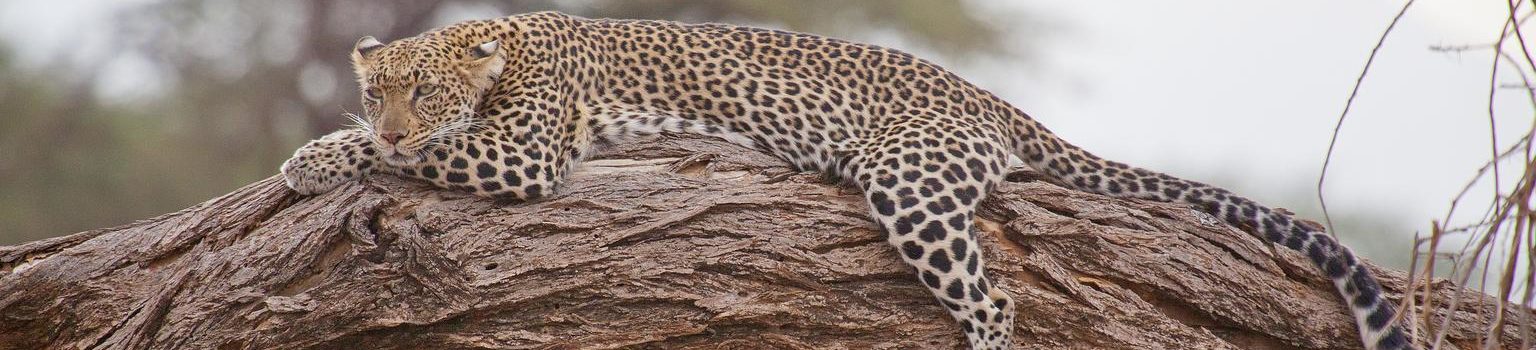

A sea Turtle.
This image is released under Creative Commons CC0. Copyright and related or neighboring rights to this image has been waived. You are free to adapt and use for commercial purposes without attributing the original author or source. Although not required, a link back is appreciated.
Sea turtles are one of the Earth’s most ancient creatures. The seven species that can be found today have been around for 110 million years, since the time of the dinosaurs. The sea turtle’s shell, or “carapace” is streamlined for swimming through the water. Unlike other turtles, sea turtles cannot retract their legs and head into their shells. Their color varies between yellow, greenish and black depending on the species.
What sea turtles eat depends on the subspecies, but some common items include jellyfish, seaweed, crabs, shrimp, sponges, snails, algae and mollusks.
It is difficult to find population numbers for sea turtles because male and juvenile sea turtles do not return to shore once they hatch and reach the ocean, which makes it hard to keep track of them.
Sea turtles spend most of their lives in the water, where not much information can be gathered on their behavior. Most of what is known about sea turtle behavior is obtained by observing hatchlings and females that leave the water to lay eggs. Sea turtles, like salmon, will return to the same nesting grounds at which they were born. When females come to the shore they dig out a nest in the ground with their back flippers, bury their clutch of eggs and return to the ocean. After hatching, the young may take as long as a week to dig themselves out of the nest. They emerge at night, move toward the ocean and remain there, solitary, until it is time to mate.