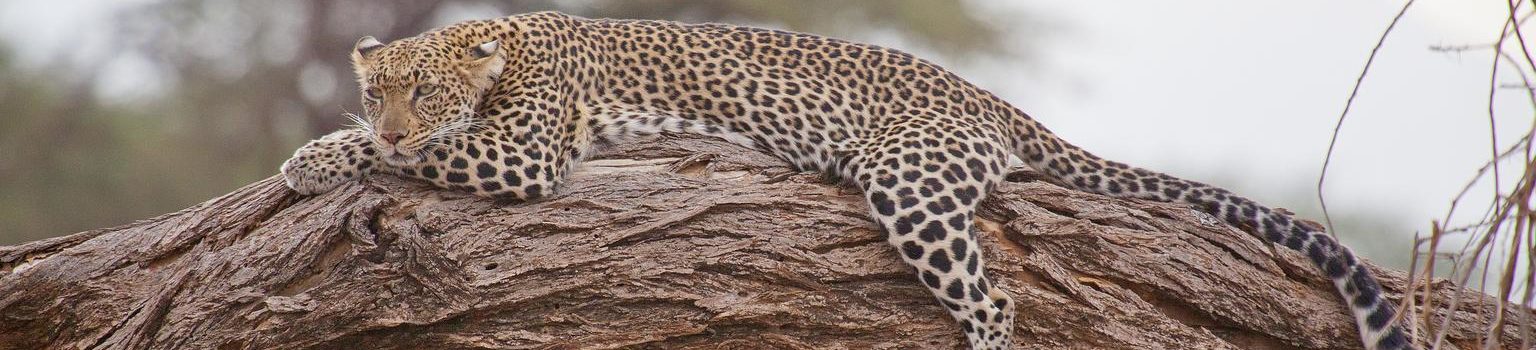

Meerkats in the wild in Africa.
This image is released under Creative Commons CC0. Copyright and related or neighboring rights to this image has been waived. You are free to adapt and use for commercial purposes without attributing the original author or source. Although not required, a link back is appreciated.
Meerkats are known for being incredibly cooperative and ridiculously cute, but there’s so much more to discover about these gregarious, often stalwartly erect mammals from Africa. Here’s some interesting trivia about meerkats, also called suricates, including how they like to live, eat, sleep and more.
Meerkats hang out in large groups — called a mob or a gang. This can be as many as 50 animals, but usually, they stick together in a more manageable congregation of 10-15 individuals. The mob is composed of several family groups, according to the National Zoo, with usually one dominant pair in each family. The meerkat families don’t have to be related to belong to the same group. Females are typically the dominant members of the mob.
Although they are excellent diggers, meerkats usually live in burrows dug by other animals such as ground squirrels. These burrows have an average of 15 entrance and exit holes, with tunnels and chambers at several levels, some as deep as 6.5 feet (2 meters). The deeper tunnels stay at a constant, comfortable temperature, whether it’s hot or cold outside. A meerkat mob has several burrow systems, complete with toilet and sleeping chambers, within its territory and moves from one to another every few months.
As they forage in broad daylight in the open and away from the den, meerkats are susceptible to attack, especially by jackals and raptors. While digging, they glance around frequently for these predators. The prospect of being taken by surprise is met by sentinel behaviour. One meerkat takes up a raised position on a termite mound or tree branch, where it sits erect and watches. The others are aware the sentinel is on duty and can thus spend more time digging. If the sentinel sees a predator approaching, it alerts the others with a high-pitched call, and the pack scatters for cover. Pack members take turns doing this in no particular order; they do not, however, act as sentinels before they have eaten their fill, benefiting first from the early warning. Sentinels, therefore, are not really the altruists they were once thought to be.