Planning a trip to Kenya in July? You’re in for a truly magical experience. With clear skies, crisp mornings, and the start of the Great Wildebeest Migration in the Maasai Mara, July is one of the best times to visit Kenya for a safari, mountain trekking, or even a beach escape on the Indian Ocean coast.
This comprehensive guide covers everything you need to know about visiting Kenya in July—including weather conditions, where to go, what to pack, wildlife highlights, accommodation options, and smart travel tips.
What’s the Weather Like in Kenya in July?
If you’re planning to visit Kenya in July, you’re choosing one of the most favorable months for travel, especially for wildlife viewing. July is part of Kenya’s long dry season, which typically spans from late June to October. This means sunny days, minimal rainfall, cool mornings and evenings, and excellent conditions for safaris, trekking, and even beach holidays.
July Marks the Start of Kenya’s Peak Season
After the rains of April and May, July brings a welcome shift:
- Dry and stable weather returns
- Dust-free skies, perfect for photography
- Minimal humidity, making travel more comfortable, even in tropical zones
Average Temperatures in Key Regions
| Location | Daytime Temp | Night Temp | Weather Notes |
| Nairobi | 19–23°C | 10–13°C | Cool and dry; bring a light jacket |
| Maasai Mara | 20–25°C | 8–12°C | Cold mornings, warm days |
| Amboseli | 22–28°C | 12–15°C | Warm days, cool evenings |
| Mount Kenya | 10–18°C | 2–8°C | Chilly with occasional frost at night |
| Mombasa / Diani | 26–29°C | 22–24°C | Pleasant beach weather, lower humidity |
☁️ Note: Kenya’s climate is influenced by elevation. Higher-altitude areas like Nairobi and the Masai Mara are noticeably cooler than coastal and lowland regions.
Kenya in July – Updated Weather Patterns
July falls right in the middle of Kenya’s dry season, and it remains one of the most reliable months for safari travel. However, recent years have shown some subtle shifts in weather behaviour that are worth noting when planning your trip.
Across most regions, July is still generally cool, dry, and stable, but temperatures and rainfall patterns can vary slightly more than in the past. In places like Nairobi and the central highlands, daytime conditions remain mild (around 20°C–23°C), while early mornings and evenings can feel noticeably colder, especially in higher altitude areas such as Nanyuki, Naivasha, and Eldoret, where temperatures can drop to around 10°C or lower at night.
Rainfall in July is usually at its lowest point of the year, but it is no longer completely “dry” in all regions. Some highland and western areas can still experience light, short showers or drizzles, often driven by localised weather systems rather than long rainy seasons. This makes the landscapes slightly greener than the traditional dry-season image of Kenya.
On the coast, destinations like Mombasa, Diani, and Malindi remain warm and humid but slightly breezy, with occasional cloud cover and brief light showers. Sea conditions are generally calm, making it still a good beach season, though not as hot or sunny as January–March.
One of the most important patterns in recent years is the slightly increased weather variability—with occasional colder-than-usual mornings in central Kenya and unpredictable short rain bursts even during the dry season. However, these changes do not disrupt travel and often add atmosphere to safari experiences.
Overall, July continues to offer excellent safari conditions, with clear skies, great visibility, and concentrated wildlife around water sources. It also coincides with the Great Migration in the Maasai Mara, making it one of the most sought-after months for game viewing.
How to Dress for July Weather in Kenya
Layering is key. Mornings on safari can be quite cold, especially in the Mara, Samburu, or Laikipia. But once the sun rises, it warms up quickly.
Here’s what to pack:
- Lightweight, breathable clothing for daytime
- Warm fleece or jacket for early game drives
- Hat and sunglasses for sun protection
- Scarf or buff for dust on open-top vehicles
- Swimsuit and sandals for the coast or pool lodges
Pro Tip: Lodges in safari areas often provide hot water bottles or blankets for morning drives.
How July Weather Affects Safari and Travel
The dry weather in July has a huge impact on safari success:
- Animals gather at permanent water sources, making them easier to find
- Grass is shorter, making predators and big cats easier to spot
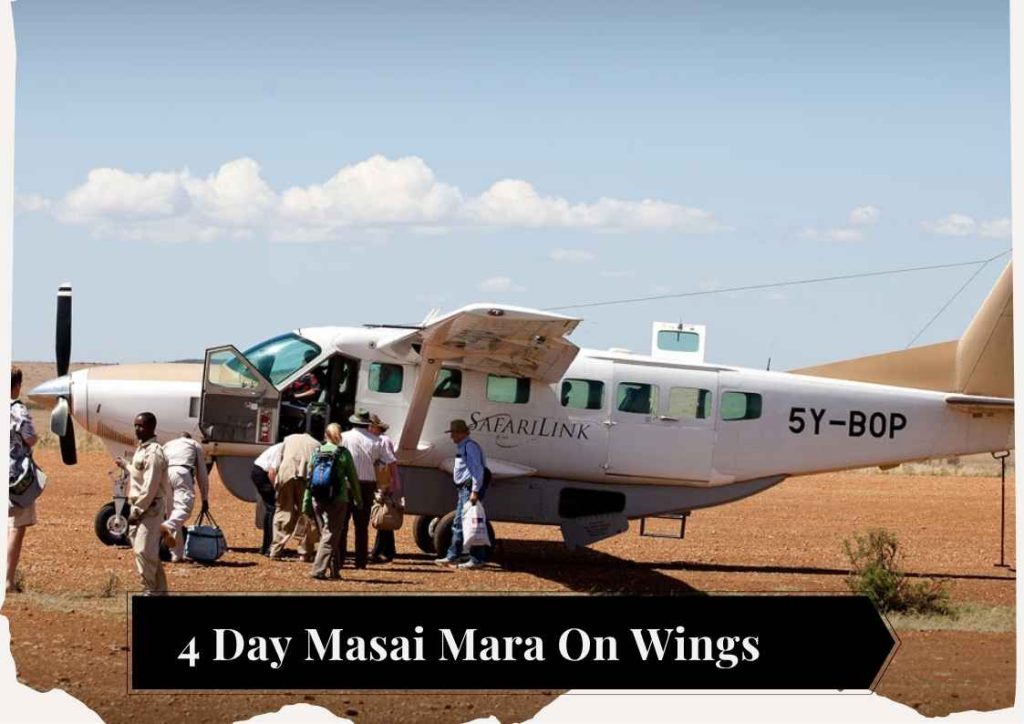
- Roads and airstrips are dry and accessible, reducing travel delays
- Fewer insects and mosquitoes compared to the wet season
Even in traditionally humid regions like the coast, July brings cooler, more pleasant conditions, making it an ideal time for both bush and beach holidays.
Special Note: Weather on Mount Kenya in July
If you’re trekking or climbing Mount Kenya in July:
- Expect cold mornings, sometimes below freezing at higher elevations
- Skies are mostly clear and dry, which makes July a prime time for summiting
- Carry thermals, gloves, and a waterproof jacket—conditions can shift quickly in the mountains
Why Visit Kenya in July?
Kenya in July delivers a perfect blend of adventure and comfort. Here’s why travelers love it:
- The Great Migration begins in the Maasai Mara
- Wildlife is concentrated around water sources due to dry conditions
- National parks are accessible, with fewer muddy roads
- Best time for trekking Mount Kenya
- Great beach weather on the coast, with fewer crowds than December
Best Places to Visit in Kenya in July
1. Maasai Mara National Reserve
- Highlight: The Great Wildebeest Migration kicks off
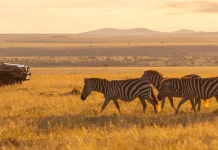
- Thousands of wildebeest and zebras move from the Serengeti into the Mara
- Top-notch predator sightings: lions, cheetahs, leopards
2. Amboseli National Park
- Famous for huge elephant herds and views of Mt. Kilimanjaro
- July’s clear skies make it a photographer’s dream
3. Lake Nakuru
- Great for spotting flamingos, rhinos, and giraffes
- Ideal for bird watchers in dry season
4. Mount Kenya
- July is one of the best months for trekking and climbing
- Clear trails, minimal rainfall
5. Diani Beach / Mombasa
- Lower humidity and calm waters make July a great time for relaxing after safari
Wildlife & Safari Experience in July
July is one of the best months to go on safari in Kenya. It marks the official start of peak safari season, thanks to the dry weather, excellent wildlife visibility, and the dramatic arrival of the Great Wildebeest Migration in the Maasai Mara.
Whether you’re a first-time visitor or a seasoned safari-goer, July offers extraordinary wildlife encounters across Kenya’s parks and conservancies.
2026 Great Migration Timing Outlook: What Travelers Should Expect
Following the earlier-than-usual movement patterns seen in 2025, safari experts expect the 2026 Great Migration season to remain somewhat dynamic and less predictable than the traditional safari calendars of the past.
In 2025, wildebeest herds began arriving around the northern Serengeti and Sand River regions earlier than many operators expected, with some of the first notable Mara River crossings recorded by mid-July. Favorable rainfall across parts of the Serengeti ecosystem encouraged steady northward movement earlier in the season compared to 2024, when the most dramatic crossings were concentrated mainly from late July into August.
Based on these recent patterns, many guides and trackers expect that July 2026 could once again see earlier migration activity, particularly if rainfall in Tanzania decreases sooner and grazing conditions begin improving toward Kenya’s Maasai Mara ecosystem.
However, one of the clearest lessons from recent years is that the Great Migration is becoming increasingly weather-driven rather than strictly calendar-driven. Rainfall distribution across the Serengeti-Mara ecosystem now plays a major role in determining exactly when and where the herds move. In some seasons, the wildebeest may remain longer in northern Serengeti if water and grazing conditions stay favorable there, while in other years they may push into the Mara earlier than expected.
For 2026, travelers should therefore think in terms of migration windows rather than exact guaranteed crossing dates. While dramatic Mara River crossings can never be promised on a specific day, the overall period from late July through September is still expected to offer the highest chances of witnessing large herd movements, predator interactions, and iconic crossing scenes.
Another trend increasingly observed is that migration activity often stretches later into the season than older safari guides suggest. In 2025, crossing activity continued well into September and even October in some sectors due to uneven rainfall patterns across the region. Similar extended movement patterns may continue in 2026 depending on weather conditions.
For travelers planning a Kenya safari, July 2026 remains one of the strongest periods to visit the Masai Mara — especially for those hoping to combine peak safari conditions, cooler dry-season weather, and the possibility of early migration action before the busiest peak crowds later in the season.
Pro Tip: Book accommodations in the Mara Triangle or near river crossing points like Kichwa Tembo or Talek for front-row seats to the action.
Why July Is Ideal for General Wildlife Viewing
Even beyond the migration, July offers exceptional game viewing conditions throughout Kenya:
- Dry weather causes animals to congregate near water sources, making them easier to spot.
- Bush and grassland vegetation is sparse, enhancing visibility on game drives.
- Predators are active, taking advantage of easier hunting conditions.
- Fewer mosquitoes and biting insects make the experience more comfortable.
This is the best time to see the Big Five—lion, elephant, buffalo, leopard, and rhino—especially in:
- Maasai Mara
- Ol Pejeta Conservancy
- Amboseli National Park
- Lake Nakuru National Park
Highlight Parks & What You’ll See in July
Maasai Mara National Reserve
- Great Migration (wildebeest, zebras, gazelles)
- Big Cats (lions, leopards, cheetahs)
- River crossings and predator-prey interaction
Amboseli National Park
- Herds of up to 100+ elephants with Mount Kilimanjaro as a backdrop
- Giraffes, buffalo, lions
- Drier plains make animals easier to locate
Lake Nakuru National Park
- High rhino population (both black and white rhino)
- Water birds including flamingos (water levels depending)
- Baboon cliffs, lions, and Rothschild’s giraffes
Ol Pejeta Conservancy
- Home to the last two northern white rhinos on Earth
- Great place to spot leopards, chimps, and black rhinos
- Night game drives and conservation experiences available
Samburu National Reserve
- Unique “Samburu Special Five”: Grevy’s zebra, Somali ostrich, Beisa oryx, gerenuk, and reticulated giraffe
- Fewer crowds than southern parks
- Excellent for photographers and returning visitors
Game Viewing Timeline in a Typical July Safari Day
- Early Morning (6:00–9:00am): Best time for predators and big cats
- Midday (11:00–3:00pm): Animals are less active, but elephants and hippos may be spotted near water
- Late Afternoon (4:00–6:30pm): Golden hour for photography, and a second chance at big sightings
Travel Tip: Choose lodges that offer private vehicles or guided walking safaris for more personalized wildlife experiences.
Conservation & Responsible Tourism
July’s influx of travelers supports Kenya’s conservation efforts. Visiting private conservancies like:
- Naboisho Conservancy (Mara)
- Ol Kinyei Conservancy
- Borana Conservancy
helps fund anti-poaching initiatives and community development while offering intimate safari experiences with fewer vehicles.
Family & First-Time Safaris in July
July is a great month for family travel:
- Reliable sightings keep kids engaged
- Many lodges offer family tents, child-friendly guides, and shorter game drives
- Dry conditions = fewer bugs and muddy roads
Lodges like Sarova Mara, Porini Mara Camp, and Tortilis Camp Amboseli offer well-organized safari programs for families.
Photography in July: Crisp, Golden, and Wild
- Clear skies and low humidity mean less atmospheric distortion
- Morning and evening light is rich and golden—ideal for landscape and wildlife shots
- Dry season dust adds a dramatic tone to images, especially with backlighting
Bring a zoom lens (200mm or more), plenty of memory cards, and dust protection for your gear.
Cultural Experiences & Local Activities
While July is mostly known for safaris, there are rich cultural experiences to explore:
- Visit a Maasai village near the Mara
- Cooking classes in Nairobi or the coast
- Explore open-air craft markets in Nairobi or Mombasa
- Cultural festivals may vary by year—check for updated events listings
July Travel Costs and Crowds

July is peak season, so:
- Safaris and lodges charge high-season rates
- Book at least 3–6 months in advance for best availability
- Parks can be busy, especially the Mara—consider private conservancies for exclusivity
TIP: Book early morning game drives and avoid midday crowds in high-traffic parks.
Updated Kenya National Park Fees (2025–2026 Overview)
Kenya Wildlife Service (KWS) recently revised park entry fees, with most adjustments taking effect in late 2025 and continuing through 2026. The changes mainly affect non-resident entry fees, while East African citizen and resident categories remain significantly lower.
Most KWS-managed parks such as Amboseli, Lake Nakuru, Tsavo East, Tsavo West, Nairobi National Park, Meru, and Aberdare now follow a more structured tier system based on park category.
Premium Parks (e.g. Amboseli, Lake Nakuru)
- Non-resident adults: ~USD 90 per person per day
- Children (3–17 years): ~USD 45
- These are now considered Kenya’s “premium safari parks” due to wildlife density and demand.
Urban & Popular Parks (e.g. Nairobi National Park)
- Non-resident adults: ~USD 80 per person per day
- Slightly lower than premium parks, but still increased compared to previous years.
Standard Wilderness Parks (e.g. Tsavo East, Tsavo West, Meru, Aberdare)
- Non-resident adults: ~USD 70–80 per person per day
- These remain more affordable while still offering strong wildlife experiences.
Masai Mara (County-managed reserve – separate system)
- High season (July–December): ~USD 200 per adult per day
- Low season (Jan–June): ~USD 100 per adult per day
- Children (9–17 years): ~USD 50 per day
- Under 8 years: free
- The Mara remains the most expensive park in Kenya during peak migration season.
What This Means for July Travel
July falls in the high season, meaning:
- Masai Mara fees are at their peak (migration season pricing applies)
- Demand-driven parks (Amboseli, Nakuru) are busier
- Budget planning is more important due to higher conservation costs
- KWS parks remain stable in pricing, but overall safari cost increases due to peak-season demand
Where to Stay in Kenya in July
Budget Options
- Enchoro Wildlife Camp (Maasai Mara)
- Mara Manyatta Camp
- Affordable Airbnbs in Nairobi or Mombasa
Mid-Range Options
- Ashnil Mara Camp
- Amboseli Serena Safari Lodge
- Voyager Beach Resort, Mombasa
Luxury Options
- Angama Mara
- Elewana Sand River
- andBeyond Bateleur Camp
- Hemingways Watamu (coastal luxury)
Look for lodges with family tents, kids’ clubs, or private guides for added value.
What to Pack for Kenya in July
- Lightweight long-sleeve shirts (for sun and bugs)
- Warm layers for chilly mornings
- Comfortable safari shoes/boots
- Wide-brim hat & sunglasses
- Sunscreen & insect repellent
- Binoculars & camera
- Swimsuit for beach stays or hotel pools
Check out our Kenya Safari Itineraries for July
Domestic flights are available between parks and to the coast to reduce travel time.
Frequently Asked Questions
Is July a good time to visit Kenya?
Absolutely. It’s part of the dry season—ideal for safaris, trekking, and beach trips. It’s also the beginning of the Great Wildebeest Migration.
Can I see the wildebeest migration in July?
Yes, in mid to late July, large herds typically cross into Kenya from the Serengeti.
Are lodges expensive in July?
Yes. That’s because July is high season. Expect to pay more, but also get excellent wildlife viewing and dry weather in return.
What should I wear on safari in July?
Layers. Mornings and evenings are cold, but days are sunny. Think: light long sleeves, fleece, comfortable shoes, and a hat.
Final Thoughts: Why July May Be the Best Time to Visit Kenya Before 2027
Kenya in July is truly unforgettable. From witnessing the dramatic Great Migration in the Maasai Mara to relaxing on the coast or exploring Kenya’s cool highlands, July offers some of the country’s very best safari and travel experiences.
It is also worth noting that 2027 will be an election year in Kenya, which can sometimes bring periods of political campaigning, uncertainty, demonstrations, or temporary disruptions in major towns and cities. While Kenya’s main tourism destinations such as the Masai Mara, Amboseli, Samburu, Diani, and other safari areas are typically calm and unaffected, election periods can still influence traveller confidence, logistics, and international travel advisories.
For this reason, many travellers may find that July 2026 offers an ideal opportunity to experience Kenya at its best before the 2027 election cycle begins dominating headlines and travel discussions.
Safari regions generally continue operating normally even during election years, but some visitors prefer travelling beforehand to avoid:
- possible advisory updates from foreign governments,
- increased political activity in cities,
- occasional transport or scheduling disruptions,
- and the uncertainty that can affect tourism demand overall.
For families, honeymooners, photographers, and first-time safari travellers, July remains one of Kenya’s ultimate sweet spots — combining peak wildlife viewing, cooler comfortable weather, and world-class safari experiences.