Home Blog Page 16

Safari Clothes For Women

Man and woman wearing safari clothing

Going on a safari is a thrilling adventure that requires careful preparation, especially when it comes to choosing the right clothing. Women embarking on this journey need attire that ensures comfort, protection, and style amidst the wild and often unpredictable African landscapes. This article aims to guide women in selecting the best safari clothes, highlighting essential items, considerations for different seasons, and sustainable choices. Whether you are a seasoned traveler or planning your first safari, this guide will help you prepare for a memorable experience in the wild.

Key Considerations for Safari Clothing

When packing for a safari, it’s crucial to consider the unique demands of the environment. Here are the main factors to keep in mind:

Climate and Weather Conditions

Safaris often take place in regions with varying temperatures and weather conditions. Early mornings and evenings can be chilly, while midday temperatures soar. Therefore, packing layers is essential. Lightweight, breathable fabrics are ideal for hot weather, while warmer layers are necessary for cooler times.

Comfort and Mobility

Safaris involve a lot of movement, whether you are walking through bushland or bouncing along in a 4×4 vehicle. Your clothing should allow for easy movement and all-day comfort. Avoid tight or restrictive garments that can cause discomfort during long hours of activity.

Safety from Insects and Wildlife

Insect bites can be a significant concern on safari, particularly from mosquitoes that may carry diseases like malaria. Clothing that covers your skin, such as long sleeves and pants, can help protect against bites. Additionally, neutral and earth-tone colors are recommended to blend into the environment and avoid attracting unwanted attention from wildlife.

Practicality and Functionality

Safari clothing should be practical, with features like multiple pockets for easy access to essentials like maps, cameras, and water bottles. Quick-drying materials are also beneficial, as they allow for easy washing and drying in the field.

Essential Safari Clothing Items

Tops

Lightweight, Breathable Shirts

When it comes to tops, comfort and breathability are key. Look for lightweight, moisture-wicking fabrics that will keep you cool during the heat of the day. A good safari shirt should also provide some UV protection to shield your skin from the harsh sun.

women safari shirt

This women’s long sleeve safari shirt is the perfect choice for adventurous travelers who want comfort, protection, and style in one lightweight package. Crafted with Omni-Shade UPF 50 fabric, it offers top-tier sun protection against harmful UVA/UVB rays, making it ideal for long days on safari under the African sun.

Recommended Brands and Products:

Long-Sleeved Options

Long sleeves are essential for protecting your skin from both the sun and insects. Choose shirts with roll-up sleeves for versatility, allowing you to adapt to changing temperatures throughout the day.

Recommended Brands and Products:

  • Patagonia Women’s Sunshade Technical Hoody: This lightweight hoody provides UPF 50+ protection and features a relaxed fit for comfort.
  • REI Co-op Sahara Long-Sleeve Shirt: With its moisture-wicking fabric and roll-up sleeves, this shirt is both practical and stylish.

Bottoms

Convertible Pants/Shorts

Convertible pants that can transform into shorts are highly practical for safari trips. They offer the versatility needed for fluctuating temperatures and different activities throughout the day.

Women’s Convertible-Zip-Off-Quick-Dry-Pants

Recommended Brands and Products:

  • Women’s Hiking Pants Convertible Quick Dry Stretch
great women safari pants
  • These pants are made from durable, stretchy material and can easily convert into shorts, providing flexibility and comfort.

Durable, Quick-Drying Materials

Look for pants and shorts made from durable, quick-drying fabrics that can withstand the rigors of the bush. These materials also make it easy to wash and dry your clothes overnight.

Recommended Brands and Products:

  • The North Face Women’s Paramount Active Convertible Pants: These versatile pants are made from quick-drying fabric, ensuring comfort and practicality.
  • Arc’teryx Women’s Sabria Pant: Known for their durability and stretch, these pants are ideal for rugged terrain.

Outerwear

Jackets and Vests for Layering

Layering is crucial for safaris, as temperatures can vary significantly throughout the day. Lightweight jackets and vests are perfect for adding an extra layer of warmth when needed.

a woman's safari jacket

Recommended Brands and Products:

Waterproof and Windproof Options

waterproof and windproof jacket
waterproof and windproof jacket great for women safari

Having a waterproof and windproof jacket on hand is essential, especially if you are traveling during the rainy season or venturing into areas with unpredictable weather.

Recommended Brands and Products:

  • Marmot Women’s PreCip Eco Jacket: This jacket is lightweight, waterproof, and eco-friendly, making it a great choice for wet conditions.
  • The North Face Women’s Resolve 2 Jacket: Durable and fully waterproof, this jacket is designed to keep you dry in the harshest weather.

Footwear

Sturdy, Comfortable Boots

A good pair of boots is perhaps the most important item of clothing for a safari. They need to be sturdy, comfortable, and suitable for walking on uneven terrain. Look for boots with good ankle support and a solid grip.

Recommended Brands and Products:

  • Merrell Women’s Moab 2 Mid Waterproof Hiking Boot
great shoes for women on safari
  • Known for their comfort and durability, these boots are perfect for long walks in the bush.
  • Salomon Women’s X Ultra 3 Mid GTX Hiking Boots: These boots offer excellent traction and support, ideal for rugged landscapes.

Sandals and Casual Shoes for Camp

While boots are essential for safari activities, it’s also a good idea to have a pair of comfortable sandals or casual shoes for relaxing around camp.

Recommended Brands and Products:

  • Teva Women’s Original Universal Sandal: These sandals are comfortable, durable, and easy to slip on and off.
  • KEEN Women’s Whisper Sandal: Lightweight and breathable, these sandals are great for casual wear around camp.

Accessories for Safari

Hats and Headwear

Sun Hats, Caps, and Scarves

Protecting your head and neck from the sun is crucial on safari. Wide-brimmed hats, caps, and scarves can provide much-needed shade and protection.

Recommended Brands and Products:

  • Tilley LTM6 Airflo Hat: This hat offers excellent sun protection, ventilation, and durability.
  • Columbia Women’s Global Adventure Packable Hat: Lightweight and packable, this hat is perfect for travel.

Sunglasses

UV Protection, Polarized Lenses

Quality sunglasses are essential for protecting your eyes from the intense African sun. Look for UV protection and polarized lenses to reduce glare.

Recommended Brands and Products:

  • Ray-Ban Women’s Erika Polarized Sunglasses: Stylish and effective, these sunglasses offer excellent UV protection.
  • Maui Jim Women’s Honi Polarized Sunglasses: Known for their superior lens quality, these sunglasses provide crystal-clear vision and excellent UV protection.

Backpacks and Bags

Daypacks for Essentials

A small, durable daypack is essential for carrying your daily essentials such as water, snacks, camera gear, and a first aid kit. Look for backpacks with comfortable straps and multiple compartments for organization.

Recommended Brands and Products:

  • Osprey Daylite Plus Daypack: This lightweight, versatile pack is perfect for day trips and short hikes.
  • REI Co-op Flash 18 Pack: Simple yet functional, this pack is great for carrying essentials on a safari.

Durable, Water-Resistant Materials

When selecting a bag, durability and water resistance are key. This ensures that your gear stays safe and dry, even in unpredictable weather conditions.

Recommended Brands and Products:

  • Patagonia Black Hole Pack 25L: Made from durable, weather-resistant material, this pack is ideal for rough conditions.
  • The North Face Women’s Borealis Backpack: With its sturdy build and multiple compartments, this backpack is perfect for organized travel.

Other Accessories

Binoculars, Cameras, and Other Gadgets

To fully enjoy and document your safari experience, certain gadgets and accessories are invaluable. Binoculars are essential for wildlife viewing, and a good camera can help capture those once-in-a-lifetime moments.

Recommended Brands and Products:

  • Nikon Monarch 5 Binoculars: These high-quality binoculars offer excellent clarity and a wide field of view.
  • Canon EOS Rebel T7i DSLR Camera: Known for its user-friendly features and high-quality photos, this camera is great for capturing safari adventures.
  • Garmin inReach Mini: This compact satellite communicator is perfect for staying connected and safe in remote areas.

Safari Clothing for Different Seasons

Dry Season Clothing Tips

During the dry season, temperatures can vary greatly between day and night. It’s important to pack versatile clothing that can be layered.

  • Morning and Evening: Wear a base layer such as a long-sleeved shirt, topped with a fleece jacket or vest. Convertible pants are ideal for this time of day.
  • Midday: As temperatures rise, remove outer layers and opt for lightweight, breathable shirts and shorts.

Packing Checklist for Dry Season:

  • Lightweight long-sleeved shirts
  • Convertible pants
  • Fleece jacket or vest
  • Wide-brimmed hat
  • Sunglasses
  • Sunscreen

Wet Season Clothing Tips

The wet season brings frequent rain showers and higher humidity. Waterproof and quick-drying clothing is essential to stay comfortable and dry.

  • Rain Protection: A high-quality rain jacket is a must. Waterproof pants can also be useful during heavy downpours.
  • Humidity: Opt for moisture-wicking, quick-drying fabrics to stay comfortable in humid conditions.

Packing Checklist for Wet Season:

  • Waterproof rain jacket
  • Quick-drying shirts and pants
  • Waterproof boots
  • Wide-brimmed hat with a chin strap (to keep it secure in the wind)
  • Insect repellent clothing or accessories

Sustainable and Ethical Safari Clothing Choices

Importance of Sustainability in Travel Clothing

Choosing sustainable and ethically produced clothing is not only beneficial for the environment but also supports fair labor practices. Sustainable clothing brands often use eco-friendly materials and manufacturing processes, reducing the environmental impact of your safari wardrobe.

Brands Focusing on Eco-Friendly and Ethical Production

Recommended Brands and Products:

  • Patagonia: Known for its commitment to environmental sustainability, Patagonia offers a range of eco-friendly clothing options.
  • PrAna: This brand focuses on sustainable materials and ethical manufacturing practices.
  • Tentree: For every item purchased, Tentree plants ten trees, making it a great choice for eco-conscious travelers.

Tips for Making Sustainable Choices

  • Choose Organic and Recycled Materials: Look for clothing made from organic cotton, recycled polyester, and other eco-friendly materials.
  • Opt for Versatile Pieces: Invest in high-quality, versatile items that can be worn in multiple settings and seasons, reducing the need for excessive clothing.
  • Support Ethical Brands: Research and support brands that prioritize fair labor practices and environmental sustainability.

Conclusion

Embarking on a safari is a unique and exhilarating experience that requires careful planning and preparation, especially when it comes to your wardrobe. By choosing the right safari clothes, you can ensure comfort, protection, and practicality throughout your adventure. Remember to consider the climate, opt for versatile and durable items, and prioritize sustainability in your choices.

As you prepare for your safari, take advantage of the recommended brands and products mentioned in this guide to make informed decisions. With the right clothing, you can fully immerse yourself in the beauty and wonder of the wild, creating unforgettable memories along the way.

Best Travel Shoes for Toddlers

0
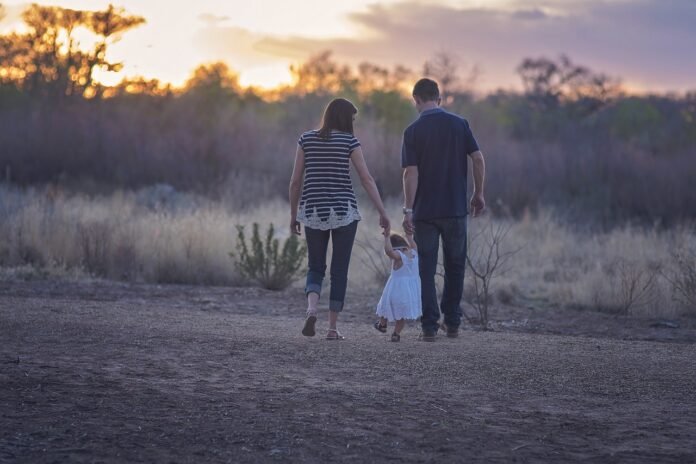
toddler traveling with parents

Traveling with toddlers can be a joyful yet challenging experience. Among the many preparations parents need to make, selecting the right shoes for their little ones is crucial. The right pair of shoes can make a significant difference in comfort and safety, ensuring your child enjoys the trip as much as you do. Let us explore the best travel shoes for toddlers, including how to pack them, the types available, whether toddlers need sandals, and recommendations for the best travel sandals.

Why Travel Shoes Matter for Toddlers

Choosing the right travel shoes for toddlers is essential for several reasons:

  • Comfort and Safety: Toddlers are constantly on the move. Comfortable shoes with good support can prevent blisters and injuries, making travel more enjoyable for both the child and the parents.
  • Support for Growing Feet: Proper shoes provide the necessary support for growing feet, aiding in healthy foot development.
  • Versatility and Durability: Travel shoes need to withstand various environments and conditions. Durable shoes that are easy to clean can handle anything from city sidewalks to nature trails.

Types of Travel Shoes for Toddlers

When selecting travel shoes for your toddler, consider the following types:

  1. Sneakers: Ideal for most activities, providing comfort, support, and protection. Look for lightweight, breathable materials.
  2. Sandals: Perfect for warmer climates and beach trips. Choose sandals with closed toes for added protection.
  3. Boots: Necessary for cold weather or rugged terrains. Ensure they are insulated and waterproof.
  4. Water Shoes: Great for trips involving water activities. These shoes dry quickly and protect feet from sharp objects.

Features to Look for in Travel Shoes

When shopping for toddler travel shoes, keep an eye out for these essential features:

  • Proper Fit and Support: Shoes should fit snugly without being too tight. Look for cushioned insoles and arch support.
  • Breathability: Breathable materials like mesh or leather help keep feet cool and dry.
  • Easy to Clean: Travel can get messy, so choose shoes that are easy to wipe down or machine wash.
  • Durability: Opt for high-quality shoes that can withstand rough use and different weather conditions.

Do Toddlers Need Sandals?

Sandals can be a great addition to your toddler’s travel wardrobe, especially for warm-weather destinations or beach trips. Here are some benefits:

  • Ventilation: Sandals allow air to circulate, preventing sweaty, uncomfortable feet.
  • Easy On and Off: Toddlers can often put sandals on and take them off by themselves, fostering independence.
  • Versatility: Good sandals can be used for casual walking, water activities, and even some light hiking.

Best Travel Sandals for Toddlers

Here are some top recommendations for travel sandals that combine comfort, support, and durability:

  1. Keen Newport H2 Sandals
    • Pros: Durable, closed-toe design, excellent grip, and machine washable.
    • Cons: Slightly heavier than other sandals.
  2. Teva Hurricane XLT 2 Sandals
    • Pros: Lightweight, comfortable, easy to adjust, and versatile for different activities.
    • Cons: Less toe protection compared to closed-toe designs.
  3. Stride Rite Made2Play Phibian Sneaker Sandal
    • Pros: Hybrid design offering the benefits of both sneakers and sandals, quick-drying, and easy to clean.
    • Cons: May run slightly small, so consider sizing up.
  4. Salt Water Sandals by Hoy Shoe
    • Pros: Classic design, durable leather, and water-friendly.
    • Cons: Takes some time to break in the leather.
  5. Crocs Kids’ Classic Clog
    • Pros: Lightweight, easy to clean, versatile, and comfortable.
    • Cons: Less support compared to other options.

How to Pack Toddler Shoes for Travel

Packing toddler shoes efficiently can save space and keep your luggage organized. Here are some tips:

  • Stuff Shoes with Small Items: Utilize the space inside shoes by stuffing them with socks, small toys, or other compact items.
  • Use Shoe Bags: Place each pair of shoes in a separate shoe bag to prevent dirt from spreading to your clothes.
  • Pack in the Corners: Shoes are bulky, so pack them in the corners or bottom of your suitcase to maximize space.
  • Choose Versatile Shoes: Limit the number of shoes by choosing versatile pairs that can be worn in different situations.

Conclusion

Investing in the right travel shoes for your toddler can make your trip more enjoyable and stress-free. From comfortable sneakers to versatile sandals, selecting shoes that fit well, offer support, and are easy to clean is key. Remember to pack efficiently and consider the specific needs of your destination when choosing footwear. With the right preparation, your toddler will be ready to explore the world comfortably and safely.

By carefully selecting and packing the best travel shoes, you can ensure your toddler’s feet are well-protected and comfortable, allowing them to fully enjoy the adventures that await.

Pregnancy Travel Packing List

pregnant woman

Traveling while pregnant requires careful planning and consideration. Your comfort and well-being take priority, but that doesn’t mean you have to compromise on enjoying your trip. The key is to pack smartly, focusing on items that will keep you comfortable, healthy, and happy. Here’s a detailed breakdown of what you need to include in your pregnancy travel packing list.

Essential Documents and Information

When traveling during pregnancy, it’s important to have all necessary documents and information at hand. These include:

1. Medical Records

Carry a copy of your prenatal medical records, including your doctor’s contact information, details about your pregnancy, any medications you’re taking, and your due date. This information is crucial in case you need medical assistance while traveling.

2. Travel Insurance

Ensure your travel insurance covers pregnancy-related issues. Bring a copy of your insurance policy and contact details for emergency assistance.

3. Identification

Have your ID, passport (if traveling internationally), and any other necessary identification readily available.

4. Travel Itinerary

Keep a copy of your travel itinerary, including flight details, hotel reservations, and transportation bookings.

5. Emergency Contacts

List emergency contacts, including your healthcare provider and close family or friends who should be notified in case of an emergency.

Comfortable Clothing

Comfort is key when traveling during pregnancy. Choose clothing that is both practical and stylish.

1. Maternity Clothes

Pack a variety of maternity clothes suitable for the climate of your destination. Include comfortable tops, stretchy pants, leggings, and dresses.

2. Comfortable Shoes

Opt for supportive shoes that are easy to slip on and off. Avoid high heels and choose flats, sneakers, or sandals with good arch support.

3. Maternity Underwear

Bring breathable, comfortable maternity underwear and bras that provide adequate support.

4. Layers

Pack layers to accommodate changing temperatures, including light sweaters, cardigans, and a jacket.

5. Swimwear

If you’re heading to a warm destination, don’t forget a maternity swimsuit.

Health and Wellness Essentials

Your health and well-being are paramount during your trip. Here’s what you should pack:

1. Prenatal Vitamins

Bring enough prenatal vitamins to last the duration of your trip.

2. Medications

Pack any prescribed medications in their original packaging along with a copy of the prescription.

3. First Aid Kit

Include basic first aid supplies such as band-aids, antiseptic wipes, and pain relievers that are safe during pregnancy.

4. Hydration

A reusable water bottle is essential to stay hydrated, especially during long flights or car rides.

5. Compression Socks

These can help reduce swelling and improve circulation during long periods of sitting.

6. Anti-Nausea Remedies

Pack ginger candies, acupressure wristbands, or any doctor-recommended anti-nausea medication to combat morning sickness.

7. Hand Sanitizer and Wipes

Keep hand sanitizer and wipes handy for hygiene purposes.

8. Medical Notes

If you have any specific medical conditions or allergies, carry notes detailing these for quick reference.

Maternity Travel Gear

Certain travel gear can significantly enhance your comfort while on the move.

1. Travel Pillow

A U-shaped travel pillow can provide neck support and make sleeping easier during travel.

2. Belly Band

A maternity belly band offers additional support for your growing belly, reducing discomfort during prolonged sitting or walking.

3. Portable Foot Rest

A portable footrest can help you elevate your feet and improve circulation, especially on long flights.

4. Lightweight Blanket

A lightweight, compact blanket can keep you warm and comfortable in chilly airplanes or hotel rooms.

5. Back Support Cushion

A lumbar support cushion can help alleviate back pain during long periods of sitting.

6. Maternity Belt

A maternity belt can provide extra support to your lower back and abdomen, particularly useful for longer trips.

Snacks and Hydration

Staying nourished and hydrated is essential during pregnancy, especially while traveling.

1. Healthy Snacks

Pack a variety of healthy snacks such as nuts, dried fruits, granola bars, and whole-grain crackers.

2. Fresh Fruits

Include easy-to-carry fresh fruits like apples, bananas, and oranges.

3. Hydration Packets

Electrolyte hydration packets can be added to water to help maintain hydration levels.

4. Protein Bars

Protein bars are a convenient and nutritious snack option.

5. Nut Butters

Single-serving packets of nut butters provide a quick and healthy energy boost.

6. Herbal Teas

Bring some herbal teas that are safe during pregnancy, such as ginger or peppermint tea.

Entertainment and Comfort Items

Travel can be long and tiring, so it’s important to bring items that will keep you entertained and comfortable.

1. Books and Magazines

Pack a few books or magazines to read during your journey.

2. Tablet or E-Reader

Load your tablet or e-reader with your favorite books, movies, or TV shows.

3. Music and Podcasts

Download music and podcasts to enjoy during your trip.

4. Headphones

Bring comfortable headphones for listening to audio content without disturbing others.

5. Eye Mask

An eye mask can help you sleep better during flights or car rides.

6. Earplugs

Earplugs can block out noise, making it easier to rest in noisy environments.

7. Travel Journal

A travel journal is a great way to document your journey and create lasting memories.

Beauty and Personal Care Products

Maintaining your usual beauty routine can help you feel fresh and comfortable.

1. Skincare Products

Bring your regular skincare products, including moisturizer, cleanser, and sunscreen.

2. Makeup

Pack minimal makeup essentials like foundation, mascara, and lip balm.

3. Hair Care

Bring travel-sized shampoo, conditioner, and any hair styling products you use.

4. Deodorant

Include deodorant to stay fresh throughout your travels.

5. Toothbrush and Toothpaste

Don’t forget your toothbrush and toothpaste for oral hygiene.

6. Facial Wipes

Facial wipes can help you freshen up on the go.

7. Body Lotion

Pack a travel-sized body lotion to keep your skin hydrated.

8. Nail Care Kit

A small nail care kit with clippers, a file, and nail polish is handy to have.

Emergency Kit

Being prepared for emergencies is always a good idea, especially when traveling while pregnant.

1. Contact Information

Have a list of important contacts, including your doctor and local emergency services.

2. Extra Cash

Carry extra cash in case you need it for emergencies.

3. Portable Charger

A portable charger ensures your phone is always powered up.

4. Basic First Aid

Include bandages, antiseptic cream, and any medications you might need.

5. Flashlight

A small flashlight can be very useful in case of power outages or emergencies.

6. Copies of Important Documents

Keep copies of your ID, insurance policy, and medical records in a separate location.

The Best Travel Microphones: A Comprehensive Guide

travel microphone

Whether you’re a podcaster, musician, remote worker, or streamer, having the right microphone can make all the difference in your travel setup. This comprehensive guide categorizes the best travel microphones across various needs, ensuring you find the perfect match for your on-the-go audio requirements.

1. Best Travel Microphone for Podcasting

Blue Yeti Nano

  • Why It’s Great: Compact yet powerful, the Blue Yeti Nano offers exceptional sound quality with multiple pickup patterns (cardioid and omnidirectional).
  • Features: USB connectivity, zero-latency headphone output, easy plug-and-play setup.
  • Ideal For: Podcasters who need reliable, high-quality recordings in various environments.

2. Best Travel Wireless Microphone

Rode Wireless GO II

  • Why It’s Great: This wireless system is incredibly portable and offers excellent audio quality with a built-in microphone and the option to use external lavalier mics.
  • Features: Dual-channel receiver, up to 7 hours of battery life, 200m range.
  • Ideal For: Content creators and vloggers who need mobility and flexibility in their audio recording setup.

3. Best Travel Microphone for Musicians

Shure MV88+ Video Kit

  • Why It’s Great: The Shure MV88+ is a versatile microphone that delivers professional sound quality and comes with a tripod, phone clamp, and cables.
  • Features: Stereo recording, various DSP preset modes, USB and Lightning connectivity.
  • Ideal For: Musicians who want to capture high-fidelity audio performances on the go.

4. Best Travel USB Microphone

Audio-Technica ATR2100x-USB

  • Why It’s Great: This dynamic USB/XLR microphone is durable and offers both USB and XLR outputs, making it versatile for different recording setups.
  • Features: Cardioid pattern, headphone jack with volume control, compatible with Mac and Windows.
  • Ideal For: Podcasters and voice-over artists looking for a reliable USB microphone.

5. Best Travel Mobile Microphone

Apogee MiC Plus

  • Why It’s Great: The Apogee MiC Plus is a high-quality, compact condenser microphone that connects directly to your iOS device, Mac, or PC.
  • Features: PureDIGITAL connection, 46dB of mic preamp gain, cardioid polar pattern.
  • Ideal For: Mobile journalists and musicians who need studio-quality recording capabilities on their smartphones.

6. Best Travel Microphone for Work

Samson Go Mic

  • Why It’s Great: Small and portable, the Samson Go Mic offers great sound quality and flexibility with its USB connection and clip-on design.
  • Features: Cardioid and omnidirectional patterns, plug-and-play operation, foldable design.
  • Ideal For: Professionals who need a reliable microphone for remote work and virtual meetings.

7. Best Travel Microphone for Conference Calls

Jabra Speak 510

  • Why It’s Great: This speakerphone is designed for conference calls, providing clear audio and easy Bluetooth and USB connectivity.
  • Features: 360-degree microphone coverage, 15 hours of battery life, compact design.
  • Ideal For: Business travelers who frequently participate in conference calls and need clear communication.

8. Best Travel Microphone for Public Speaking

Sennheiser EW 135P G4

  • Why It’s Great: This wireless handheld microphone system offers professional-grade audio quality and reliable transmission.
  • Features: UHF wireless system, robust metal housing, up to 330 feet range.
  • Ideal For: Public speakers and presenters who need a dependable wireless microphone for various venues.

9. Best Travel Microphone for a Portable Studio

Zoom H5 Handy Recorder

  • Why It’s Great: The Zoom H5 is a versatile audio recorder with interchangeable mic capsules, making it perfect for creating a portable recording studio.
  • Features: Four-track recording, X/Y microphone capsule, built-in effects.
  • Ideal For: Filmmakers, musicians, and podcasters who need a comprehensive recording solution.

10. Best Travel Wireless Microphones

Saramonic Blink 500 B2

  • Why It’s Great: This wireless microphone system is compact, easy to use, and provides high-quality audio for two-person interviews.
  • Features: Dual-channel receiver, 50m range, built-in microphone and lavalier options.
  • Ideal For: Interviewers and vloggers who require a lightweight and reliable wireless mic setup.

11. Best Travel Microphones for Streaming

Elgato Wave:3

  • Why It’s Great: Designed specifically for streamers, the Elgato Wave:3 offers superior audio quality and seamless integration with streaming software.
  • Features: USB-C connection, cardioid pattern, Clipguard technology to prevent distortion.
  • Ideal For: Streamers who need a professional and easy-to-use microphone for their live broadcasts.

Conclusion

Choosing the right travel microphone depends on your specific needs, whether it’s for podcasting, music recording, work, or public speaking. Each of these microphones offers unique features tailored to various applications, ensuring you have the best audio quality no matter where you are.

Best Sandals for Walking in Europe

0
a ma with a woman walking with sandals in Europe

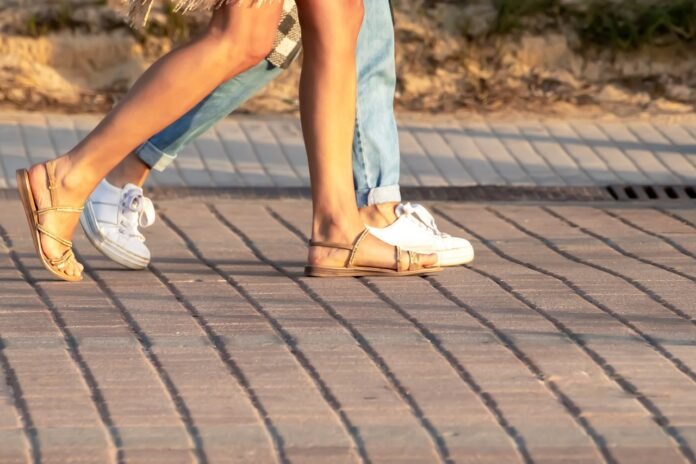
Exploring Europe’s charming streets, historic landmarks, and scenic vistas requires comfortable and durable footwear. Sandals, with their breathability and ease, are an excellent choice for walking through Europe during the warmer months. Here’s a curated list of the best sandals for walking in Europe, designed to keep your feet comfortable and stylish throughout your adventures.

1. Teva Women’s Tirra Sandal

Features:

  • Adjustable Straps: Provides a custom fit for all-day comfort.
  • EVA Foam Footbed: Cushions your feet, offering excellent support.
  • Rugged Outsole: Ensures stability and grip on various terrains.

Why They’re Great for Europe: Teva Women’s Tirra Sandals are perfect for navigating cobblestone streets and uneven surfaces. The adjustable straps allow for a snug fit, reducing the risk of blisters and foot fatigue. Additionally, their stylish design pairs well with both casual and semi-formal outfits.

2. ECCO Yucatan Sandal

Features:

  • Receptor Technology: Enhances stability and dynamic support.
  • Comfortable Footbed: Made of soft microfibers for all-day comfort.
  • Durable Rubber Outsole: Provides excellent traction.

Why They’re Great for Europe: ECCO Yucatan Sandals are renowned for their comfort and durability. Ideal for long days of sightseeing, they offer superior support and cushioning. The sturdy construction makes them suitable for diverse European terrains, from sandy beaches to rocky trails.

3. Birkenstock Arizona Soft Footbed Sandal

Features:

  • Contoured Cork Footbed: Conforms to the shape of your foot.
  • Soft Suede Lining: Provides a comfortable feel against the skin.
  • Adjustable Straps: Ensures a secure and customizable fit.

Why They’re Great for Europe: Birkenstock Arizona Sandals are a classic choice for travelers. The soft footbed provides exceptional comfort, making them ideal for extensive walking. Their timeless design also adds a touch of European style to your wardrobe.

4. KEEN Newport H2 Sandal

Features:

  • Water-Resistant Upper: Suitable for wet conditions.
  • Toe Protection: Protects feet from stubbing and injuries.
  • Multi-Directional Lugs: Offer superior grip and traction.

Why They’re Great for Europe: KEEN Newport H2 Sandals are versatile and practical, making them perfect for both city explorations and nature hikes. Their water-resistant properties are ideal for European destinations with unpredictable weather. Plus, the closed-toe design offers added protection on rough trails.

5. Chaco Z/Cloud Sandal

Features:

  • LUVSEAT Footbed: Provides arch support and alignment.
  • Adjustable Straps: Customize the fit for maximum comfort.
  • Durable Outsole: Offers excellent traction on various surfaces.

Why They’re Great for Europe: Chaco Z/Cloud Sandals are designed for ultimate comfort and durability. The LUVSEAT footbed supports your feet, reducing strain during long walks. These sandals are perfect for active travelers who plan to engage in various outdoor activities while exploring Europe.

Tips for Choosing the Best Walking Sandals for Europe

When selecting the best sandals for your European adventure, consider the following factors:

  • Comfort: Look for sandals with cushioned footbeds and arch support to prevent foot fatigue.
  • Durability: Choose sandals made from high-quality materials that can withstand extensive use.
  • Fit: Ensure the sandals have adjustable straps for a customizable fit.
  • Traction: Opt for sandals with sturdy outsoles that provide good grip on various surfaces.
  • Style: Select versatile designs that can be paired with different outfits.

Conclusion

Choosing the right sandals can make a significant difference in your travel experience. The sandals listed above combine comfort, durability, and style, making them perfect companions for your European adventures. Whether you’re strolling through Parisian boulevards, hiking the Swiss Alps, or exploring the ancient ruins of Rome, these sandals will keep your feet happy and ready for more exploration.

The African Terrain and Its Effects on Shoes

0
hiking shoes

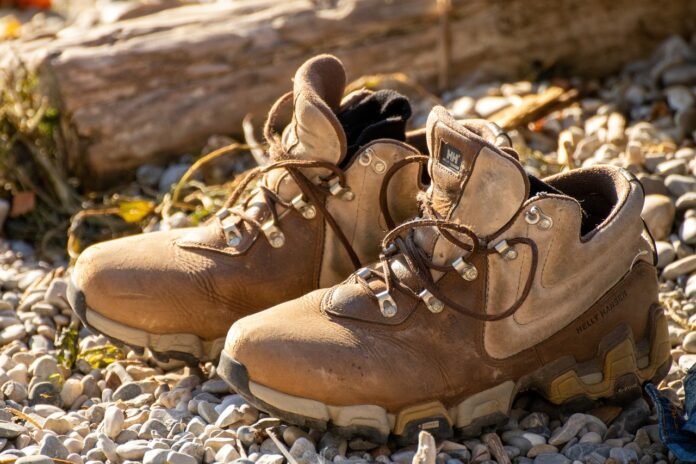
Africa’s diverse and dynamic terrain poses unique challenges and considerations for footwear, especially for those embarking on safaris. Understanding the specific impacts of various African landscapes on shoes is crucial for ensuring comfort, safety, and durability during your adventures. This guide looks into the effects of the African terrain on shoes, covering day temperatures, thorns from acacia trees, types of rocks, soil, creatures, myths, and facts about boots and snake protection.

Understanding the African Terrain

1. Savannahs and Grasslands

The African savannahs, typified by the Serengeti and the Maasai Mara, are vast, open plains with scattered trees and grasses.

Effects on Shoes:

  • Temperature Extremes: Daytime temperatures can soar, making breathable materials essential to prevent overheating and discomfort.
  • Hard Soil: The compacted soil can be unforgiving on the feet, necessitating sturdy soles with good shock absorption.
  • Acacia Thorns: These sharp thorns can puncture thin soles and even penetrate some upper materials, demanding robust and puncture-resistant footwear.

Recommended Footwear:

  • Lightweight boots with breathable yet durable materials.
  • Thick, puncture-resistant soles to guard against thorns and hard soil.

2. Deserts and Arid Regions

Deserts like the Sahara and Kalahari feature sandy expanses, rocky outcrops, and extreme temperature variations.

Effects on Shoes:

  • Loose Sand: Walking on sand requires shoes with excellent grip to prevent slipping and minimize sand ingress.
  • Temperature Fluctuations: High daytime heat and cold nights necessitate materials that can adapt to both extremes without causing discomfort.
  • Sharp Rocks: Rocky areas can quickly wear down soles, requiring footwear with strong, abrasion-resistant soles.

Recommended Footwear:

  • Desert boots or trail shoes with good ventilation and strong grip.
  • Reinforced toe caps and thick soles to handle rocky terrain.

3. Mountainous Areas

The Rift Valley, Mount Kilimanjaro, and the Atlas Mountains offer steep, rugged, and uneven terrains.

Effects on Shoes:

  • Uneven Ground: Stability and ankle support are critical to prevent injuries on steep and rocky trails.
  • Cold Temperatures: Higher elevations can be cold, requiring insulation in footwear to keep feet warm.
  • Loose Gravel: Traction is crucial to navigate loose and slippery gravel.

Recommended Footwear:

  • High-ankle hiking boots with excellent support and cushioning.
  • Deep-lugged soles for superior grip on rocky and gravelly surfaces.

4. Forests and Rainforests

The Congo Basin and other rainforest areas are characterized by dense vegetation, wet conditions, and muddy trails.

Effects on Shoes:

  • Wet and Muddy Conditions: Waterproof or water-resistant materials are necessary to keep feet dry and prevent slipping.
  • Vegetation and Roots: Thick undergrowth and exposed roots can trip and scratch, requiring durable and protective footwear.
  • Humidity: High humidity levels can cause discomfort and promote blisters in non-breathable shoes.

Recommended Footwear:

  • Waterproof hiking boots with good breathability.
  • Strong, flexible soles to navigate muddy and root-covered trails.

Protective Features Against Flora and Fauna

Thorns and Plant Hazards

  • Acacia Thorns: These are common in savannahs and can easily puncture weak footwear. Shoes with thick, reinforced soles and tough upper materials are essential.
  • Other Plant Life: Dense underbrush and sharp grasses in various terrains necessitate high-top boots to protect ankles and lower legs from scrapes and punctures.

Wildlife Encounters

  • Snake Protection: While snake encounters are relatively rare, the risk exists. High-top boots made of thick leather or synthetic materials provide a barrier against bites.
  • Insect and Small Animal Protection: Insects like ticks and small creatures such as scorpions can pose threats. High-top boots that seal well around the ankle prevent these pests from entering.

Myths and Facts About Boots and Snake Protection

Myths:

  • All Boots are Snake-Proof: Not all boots offer protection against snake bites. Specific snake-proof boots are designed with materials and construction techniques to prevent penetration.
  • Tall Boots are Uncomfortable: Modern high-top boots are designed with comfort features such as padded collars, breathable materials, and ergonomic soles, making them suitable for long walks.

Facts:

  • High Boots Offer Better Protection: High-top boots indeed provide better protection against thorns, bites, and environmental hazards compared to low-cut shoes.
  • Leather is a Reliable Material: Leather remains a preferred material for safari boots due to its durability, adaptability to different temperatures, and resistance to thorns and bites.

Practical Advice for Safari Travelers

Breaking In Your Shoes

  • Preparation: Wear your new shoes on several walks before your trip to break them in and prevent blisters.
  • Socks: Use quality hiking socks that wick away moisture and add cushioning.

Multiple Pairs

  • Versatility: Carry a lighter pair of shoes for evenings or less demanding activities.
  • Backup: Having a second pair ensures you are not left without footwear if one pair gets damaged.

Maintenance

  • Cleaning: Regularly clean your shoes to remove dirt and debris that can wear down materials.
  • Treatment: Treat leather boots with appropriate products to maintain flexibility and water resistance.

Local Advice

  • Consult Guides: Local guides can offer valuable insights into terrain-specific footwear needs.
  • Weather Checks: Keep abreast of local weather conditions, which can change rapidly and impact footwear requirements.

The African terrain, with its varied landscapes and climatic conditions, significantly impacts footwear choices for safari travelers. From the scorching deserts to the dense rainforests, each environment presents unique challenges that require specific footwear features. By understanding these effects and choosing appropriate shoes, you can ensure comfort, safety, and an enhanced experience during your African safari. Equip yourself with the right footwear, and step confidently into the heart of Africa’s natural wonders.

Best Toddler Travel Car Seats

0
toddler travel car seat

Traveling with a toddler can be a daunting task, especially when considering their safety and comfort. Choosing the right travel car seat is crucial to ensuring a smooth journey. This comprehensive guide covers what to look for in a toddler travel car seat, whether all car seats are suitable for all babies, tips for keeping your toddler entertained during travel, and reviews of some of the best toddler travel car seats available on the market.

What to Look for in a Toddler Travel Car Seat 

When selecting a travel car seat for your toddler, several factors should be considered to ensure safety, comfort, and convenience. Here are the key aspects to keep in mind:

Safety Features

  • Harness System: Look for a five-point harness system, which includes two shoulder straps, two waist straps, and one between the legs. This type of harness distributes impact forces more evenly and is more secure.
  • Side-Impact Protection: Choose a car seat with enhanced side-impact protection to safeguard your toddler in the event of a side collision.
  • Crash Test Ratings: Ensure the car seat meets or exceeds federal safety standards. Check for additional certifications, such as from the National Highway Traffic Safety Administration (NHTSA).

Comfort

  • Padding and Support: The car seat should have ample padding and support, particularly around the head, neck, and body. Look for adjustable headrests and reclining options.
  • Breathable Fabrics: Opt for car seats with breathable, machine-washable fabrics to keep your child comfortable and make cleaning easier.

Portability

  • Weight and Size: For travel purposes, a lightweight and compact car seat is ideal. It should be easy to carry and fit in various vehicles, including rental cars and taxis.
  • Ease of Installation: Choose a car seat that is easy to install and uninstall. Features like LATCH (Lower Anchors and Tethers for Children) systems and clear installation guides are beneficial.

Versatility

  • Convertible Features: Some car seats can convert from rear-facing to forward-facing and even to a booster seat. This versatility can be advantageous for growing toddlers.
  • Longevity: Consider car seats that can accommodate your child as they grow, providing extended use and better value for money.

Top Toddler Travel Car Seats: Reviews and Ratings

To help you choose the best car seat for your toddler, we have reviewed some of the top-rated options on the market. Here are our top picks, along with what we like and don’t like about each one.

Graco 4Ever DLX 4 in 1 Car Seat <a name

Overview: The Graco 4Ever DLX 4 in 1 Car Seat is designed to grow with your child, offering four modes: rear-facing, forward-facing, high-back booster, and backless booster.

What We Like:

  • Versatility: Can be used for up to 10 years, accommodating children from 4 to 120 pounds.
  • Safety Features: Includes a steel-reinforced frame, integrated belt lock-off, and ProtectPlus Engineered for enhanced crash protection.
  • Comfort: Ample padding and multiple recline positions ensure comfort for long trips.
  • Ease of Installation: Equipped with an InRight LATCH system and easy-to-read level indicators.

What We Don’t Like:

  • Size and Weight: Heavier and bulkier than some other travel car seats, which may make it less convenient for frequent transfers between vehicles.
  • Price: Higher price point compared to other models, though it offers extended use.

Britax Marathon ClickTight Convertible Car Seat 

Overview: The Britax Marathon ClickTight is a highly regarded convertible car seat known for its ease of installation and robust safety features.

What We Like:

  • ClickTight Installation: Simplifies installation, ensuring a secure fit without the need for complex adjustments.
  • Safety: Features a steel frame, energy-absorbing base, and side-impact protection.
  • Comfort: Plush padding and multiple recline options for enhanced comfort.
  • Durability: Built with high-quality materials for long-lasting use.

What We Don’t Like:

  • Weight: Heavier than some other options, which can be cumbersome when traveling frequently.
  • Price: Higher cost compared to some other convertible car seats.

Cosco Scenera NEXT Convertible Car Seat 

Overview: The Cosco Scenera NEXT is an affordable and lightweight convertible car seat, perfect for travel and everyday use.

What We Like:

  • Affordability: Budget-friendly option without compromising on safety.
  • Lightweight: Easy to carry and transfer between vehicles.
  • Compact Size: Fits well in smaller cars and is convenient for air travel.
  • Safety: Meets federal safety standards and includes side-impact protection.

What We Don’t Like:

  • Basic Features: Lacks some of the advanced features and padding found in more expensive models.
  • Limited Longevity: Smaller size means it may be outgrown faster compared to other convertible car seats.

Evenflo Maestro Sport Harness Booster Car Seat 

Overview: The Evenflo Maestro Sport is a versatile car seat that transitions from a harness booster to a belt-positioning booster, offering extended use for growing toddlers.

What We Like:

  • Affordability: Priced competitively, making it an excellent value for a combination seat.
  • Lightweight: Easy to carry and transfer, ideal for travel.
  • Dual Function: Can be used as a harness booster (22-50 pounds) and a belt-positioning booster (40-110 pounds).
  • Cup Holders: Integrated cup holders for convenience.

What We Don’t Like:

  • Padding: Less padded compared to higher-end models, which might affect long-term comfort.
  • Installation: Can be slightly challenging to install securely in some vehicles.

Safety 1st Guide 65 Convertible Car Seat 

Overview: The Safety 1st Guide 65 is a compact and budget-friendly convertible car seat that offers good safety features and comfort for travel.

What We Like:

  • Compact Design: Fits well in smaller cars and is easy to travel with.
  • Affordability: Reasonably priced, making it accessible for many families.
  • Safety: Features side-impact protection and meets federal safety standards.
  • Versatility: Suitable for rear-facing (5-40 pounds) and forward-facing (22-65 pounds).

What We Don’t Like:

  • Basic Features: Lacks some of the advanced features and plush padding found in more premium models.
  • Harness Adjustments: Adjusting the harness can be cumbersome compared to other models.

Are All Car Seats Suitable for All Babies?

Not all car seats are suitable for all babies, as different stages of a child’s development require different types of car seats. Here’s a breakdown of the various types and their suitability:

Infant Car Seats

  • Suitable For: Newborns and infants up to around 12 months or until they reach the maximum height and weight limit specified by the manufacturer.
  • Features: Rear-facing position, portable, often comes with a detachable base.

Convertible Car Seats

  • Suitable For: Infants and toddlers, usually from birth up to 40-65 pounds.
  • Features: Can be used in both rear-facing and forward-facing positions, providing extended use as the child grows.

Forward-Facing Car Seats

  • Suitable For: Toddlers and young children who have outgrown the rear-facing car seat, typically from 2 years old up to 65 pounds.
  • Features: Face forward, include a five-point harness system for safety.

Booster Seats

  • Suitable For: Older children who have outgrown their forward-facing car seats, usually from 4 years old and up to 100 pounds or more.
  • Features: Elevate the child so that the vehicle’s seatbelt fits properly, can be high-back or backless.

Factors to Consider

  • Age and Weight: Ensure the car seat is appropriate for your child’s age and weight. Always check the manufacturer’s guidelines.
  • Developmental Needs: Consider your child’s physical development and behavior. Some toddlers may require additional support or specific features to ensure comfort and safety.
  • Vehicle Compatibility: Ensure the car seat fits well in your vehicle and can be securely installed.

How to Keep Your Toddler Entertained During Travel

Long journeys can be challenging for toddlers, who have shorter attention spans and may become restless. Here are some tips to keep your little one entertained:

Bring Toys and Books

  • Favorite Toys: Pack a few of your toddler’s favorite toys that are easy to handle and do not pose a choking hazard.
  • Interactive Books: Board books with flaps, textures, and interactive elements can keep toddlers engaged for a while.

Snacks and Drinks

  • Healthy Snacks: Bring a variety of healthy snacks like fruit slices, cheese sticks, and crackers. Avoid sugary snacks that can lead to hyperactivity.
  • Spill-Proof Cups: Use spill-proof cups for drinks to avoid messes.

Electronic Devices

  • Tablets and Smartphones: Load these devices with educational apps, games, and videos suitable for toddlers. Ensure screen time is limited and supervised.
  • Headphones: Child-friendly headphones can help toddlers enjoy their favorite shows or music without disturbing others.

Comfort Items

  • Blankets and Stuffed Animals: Familiar items like a favorite blanket or stuffed animal can provide comfort and security during travel.
  • Travel Pillow: A small travel pillow can support your toddler’s head and neck, making naps more comfortable.

Games and Activities

  • Travel Games: Simple travel games like “I Spy,” sticker books, and coloring books can be entertaining and pass the time.
  • Music and Stories: Play their favorite songs or audio stories to keep them engaged and relaxed.

Frequent Breaks

  • Stretch and Move: Plan for regular breaks during long trips to let your toddler stretch, move around, and burn off some energy.
  • Bathroom Breaks: Ensure you make frequent stops for bathroom breaks, especially if your toddler is potty training.

Best Travel Sandals for Men

0
men's travel sandals on the beach

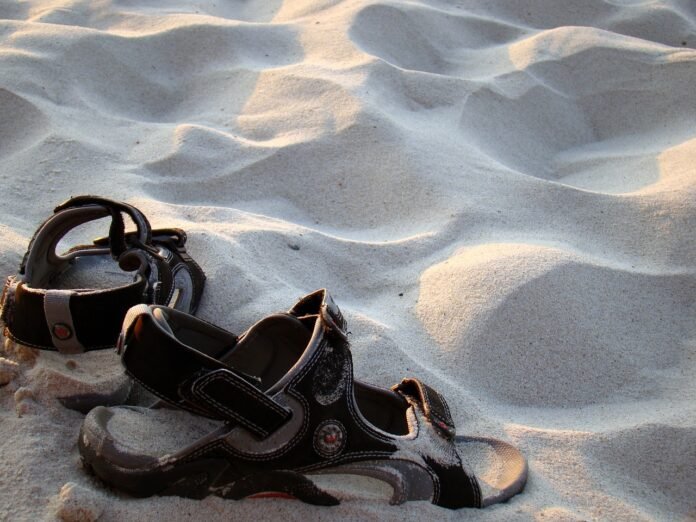
Traveling is an enriching experience, but it often requires thoughtful preparation, particularly when it comes to footwear. For men, finding the perfect pair of sandals that cater to various travel scenarios—whether it’s walking through city streets, relaxing on a beach, exploring the wild on a safari, camping, hiking rugged terrains, or simply easing tired feet in the evening—is crucial.

Importance of Arch Support in Travel Sandals

Before diving into specific recommendations, it’s essential to understand why arch support matters. Arch support helps distribute pressure across your feet, improves posture, reduces stress on your knees and back, and prevents foot pain. For travelers, this means more comfort and fewer chances of injury during long walks or hikes.

Best Men’s Sandals for Different Travel Scenarios

Walking with Arch Support

When exploring new cities or walking long distances, comfort and support are paramount. Sandals with arch support are designed to offer stability and reduce fatigue. Some top picks include:

  1. Birkenstock Arizona
    • Pros: Excellent arch support, durable construction, and adjustable straps for a custom fit.
    • Cons: Heavier than other sandals, takes time to break in.
    • Who it’s for: Ideal for urban explorers who need robust support and comfort.
ECCO Yucatan men sandals
  1. ECCO Yucatan
    • Pros: Lightweight, great arch support, and versatile design suitable for various activities.
    • Cons: Higher price point.
    • Who it’s for: Perfect for travelers who value comfort and versatility in their footwear.

Beach Travel

Sandals for the beach should be water-resistant, quick-drying, and comfortable. Here are some top recommendations:

Teva Hurricane XLT2 men
  1. Teva Hurricane XLT2
    • Pros: Water-friendly, durable, and good arch support.
    • Cons: Less stylish for casual wear.
    • Who it’s for: Beachgoers who need functional and supportive sandals.
  1. Reef Fanning
    • Pros: Built-in bottle opener, good arch support, and comfortable.
    • Cons: Can be slippery on wet surfaces.
    • Who it’s for: Ideal for beach enthusiasts looking for a fun and practical sandal.

Africa Safari

For a safari, you need sandals that can handle rough terrain while providing comfort and protection.

  1. KEEN Newport H2
    • Pros: Closed-toe design for protection, excellent grip, and good arch support.
    • Cons: Can be bulky.
    • Who it’s for: Safari adventurers who need sturdy, protective sandals.
  2. Chaco Z/2 Classic
    • Pros: Durable, adjustable straps, and great arch support.
    • Cons: Takes time to adjust to the fit.
    • Who it’s for: Perfect for those who need reliable and adjustable sandals for varied terrain.

Camping and Hiking

Camping and hiking require sandals that are rugged, supportive, and comfortable for extended wear.

  1. Merrell All Out Blaze Sieve
    • Pros: Excellent traction, water-friendly, and good arch support.
    • Cons: Can feel heavy for some users.
    • Who it’s for: Campers and hikers who need durable, water-friendly sandals.
  2. Teva Terra Fi 5 Universal
    • Pros: Great support, rugged outsole, and adjustable straps.
    • Cons: Heavier than other hiking sandals.
    • Who it’s for: Hikers looking for robust and supportive sandals for tough trails.

Rough Terrain

When tackling rough terrains, you need sandals that offer protection, grip, and support.

  1. Salomon Techamphibian 4
    • Pros: Excellent grip, protective toe cap, and great support.
    • Cons: Limited style options.
    • Who it’s for: Adventurers navigating challenging terrains who need reliable protection and support.
  2. KEEN Targhee III
    • Pros: Waterproof, great traction, and supportive.
    • Cons: Bulkier design.
    • Who it’s for: Ideal for those traversing rough and wet terrains.

Evening Comfort

After a long day of activities, slipping into a pair of comfortable sandals can be incredibly soothing. Here are some recommendations:

  1. OOFOS OOahh Slide
    • Pros: Superior cushioning, great for recovery, and lightweight.
    • Cons: Not suitable for extensive walking.
    • Who it’s for: Perfect for evening relaxation and foot recovery.
  2. Hoka One One ORA Recovery Slide
    • Pros: Excellent cushioning, supportive, and lightweight.
    • Cons: Less versatile for other uses.
    • Who it’s for: Ideal for travelers needing superior comfort after long days.

Health Benefits of Wearing Sandals

Improved Foot Health

Wearing sandals with proper arch support can prevent foot-related issues such as plantar fasciitis, heel spurs, and overpronation. They allow your feet to breathe, reducing the risk of fungal infections and blisters.

Enhanced Comfort

Sandals designed for travel often feature cushioned footbeds and ergonomic designs, providing enhanced comfort compared to traditional shoes.

Better Posture

Proper arch support helps maintain a natural foot position, promoting better posture and reducing strain on your back and joints.

Packing Your Sandals for Travel

Space-Saving Tips

  • Use packing cubes: These can help organize and compress your sandals, saving space.
  • Stuff them: Place socks, underwear, or small items inside your sandals to maximize space.
  • Flat packing: Lay sandals flat against the sides of your suitcase to utilize space efficiently.

Protecting Your Sandals

  • Use a shoe bag: Protect your sandals from dirt and damage by placing them in a shoe bag.
  • Separate clean and dirty: Keep dirty sandals separate from your clean clothes using a plastic bag or a designated compartment.

Wearing Sandals During Long Flights

Pros

  • Comfort: Sandals can be more comfortable than closed shoes during long flights, allowing your feet to breathe.
  • Easy removal: They are easy to slip on and off during security checks and while relaxing on the flight.
  • Swelling: They accommodate foot swelling better than tight shoes.

Cons

  • Cold feet: Airplane cabins can be cold, so your feet might get chilly.
  • Less protection: Sandals offer less protection from bumps or spills.

Recommendations

  • Compression socks: Wear compression socks with your sandals to keep your feet warm and reduce swelling.
  • Bring a backup: Pack a pair of socks in your carry-on to wear if your feet get cold.

Comparison of the Best Sandals

Birkenstock Arizona

  • Pros: Outstanding arch support, durable, customizable fit.
  • Cons: Heavy, requires break-in period.
  • Who it’s for: Ideal for city explorers needing robust support.

ECCO Yucatan

  • Pros: Lightweight, versatile, excellent arch support.
  • Cons: Expensive.
  • Who it’s for: Travelers valuing comfort and multi-activity use.

Teva Hurricane XLT2

  • Pros: Water-friendly, durable, supportive.
  • Cons: Less stylish.
  • Who it’s for: Functional choice for beachgoers.

KEEN Newport H2

  • Pros: Protective, good grip, supportive.
  • Cons: Bulky.
  • Who it’s for: Safari adventurers needing sturdy protection.

Chaco Z/2 Classic

  • Pros: Durable, adjustable, great arch support.
  • Cons: Takes time to fit properly.
  • Who it’s for: Those needing reliable sandals for varied terrain.

Merrell All Out Blaze Sieve

  • Pros: Excellent traction, water-friendly, supportive.
  • Cons: Heavy for some.
  • Who it’s for: Campers and hikers requiring durability.

Salomon Techamphibian 4

  • Pros: Great grip, protective, supportive.
  • Cons: Limited style.
  • Who it’s for: Adventurers on challenging terrains.

OOFOS OOahh Slide

  • Pros: Superior cushioning, lightweight, great for recovery.
  • Cons: Not for extensive walking.
  • Who it’s for: Evening relaxation and foot recovery.

Hoka One One ORA Recovery Slide

  • Pros: Excellent cushioning, supportive, lightweight.
  • Cons: Less versatile.
  • Who it’s for: Superior comfort after long days.

Conclusion

Choosing the right travel sandals for men involves considering the specific needs of your journey. Whether you require excellent arch support for city walking, water-friendly designs for the beach, sturdy protection for safaris, rugged durability for hiking, or pure comfort for evening relaxation, there’s a perfect pair out there for you. By understanding the benefits of arch support and selecting sandals suited to your travel activities, you can ensure comfort, support, and enjoyment throughout your adventures.

Best Travel Air Mattress

Travel Air Mattress

When planning your travels, comfort during sleep can dramatically enhance your experience. Whether it’s a camping trip, a family visit, or any adventure that takes you away from your cozy bed, having a reliable travel air mattress can make a world of difference. In this guide, we delve into the best travel air mattresses on the market, each offering unique benefits tailored to meet the needs of the weary traveler seeking a good night’s sleep. From ultra-lightweight designs to durable options that withstand the rigors of nature, we explore an array of choices to help you find the perfect match for your journey.

How to Choose a Travel Air Mattress

Choosing the right air mattress for travel involves several factors that contribute to overall sleep quality and user convenience. Below, we discuss key aspects such as comfort and support, size and weight, ease of use, and durability.

Comfort and Support

The thickness and material of an air mattress are pivotal in determining comfort. A thicker mattress will generally offer better support and insulation from the ground, which is particularly important in cold environments. Memory foam tops or flocked surfaces can also enhance comfort, providing a softer layer that mimics the feel of a traditional mattress.

Size and Weight

The size of your air mattress should align with your available space and the size of your tent if you’re camping. Single, twin, queen, and king sizes are available, with the larger sizes offering more space and comfort but typically weighing more. For those traveling light, especially backpackers, an ultra-light air mattress that can roll up compactly is ideal. Weight becomes a critical consideration if you’re carrying the mattress over long distances.

Ease of Use

An air mattress that inflates and deflates quickly and easily is crucial for travel. Some mattresses come with built-in pumps while others require manual or battery-operated pumps. The valve design can also impact inflation and deflation times, so look for one that prevents air leakage both during use and while setting up.

Durability and Materials

The durability of an air mattress is largely determined by the materials used in its construction. Look for puncture-resistant materials if you plan to use the mattress outdoors. Reinforced seams and multi-layer construction can also enhance durability, ensuring that the mattress holds up well against wear and tear.

Top 5 Travel Air Mattresses

1. Aerobed Pakmat Air Mattress

  • Description: The Aerobed Pakmat is an environmentally friendly option, ideal for outdoor enthusiasts. It does not require a pump as it inflates with the included hand pump that doubles as its carry case.
  • Pros:
    • Extremely lightweight and portable.
    • Hand pump/case included, no batteries required.
    • Eco-conscious design.
  • Cons:
    • Less insulation from cold surfaces.
    • Limited cushioning compared to thicker models.
  • Key Features:
    • Weight: 5 pounds
    • Material: Phthalate-free PVC
    • Size: Twin

2. Therm-a-Rest NeoAir Xlite Ultralight Backpacking Air Mattress

  • Description: Designed for the ultimate backpacker, the NeoAir Xlite is known for its minimal weight and packed size. Its innovative technologies offer excellent warmth and comfort without the bulk.
  • Pros:
    • Ultra-lightweight and compact.
    • Good insulation properties.
    • Durable material and design.
  • Cons:
    • More expensive than some other models.
    • Noisy when shifting sleep positions.
  • Key Features:
    • Weight: 12 ounces
    • Material: Ripstop nylon
    • Size: Available in multiple sizes

3. Intex Comfort Plush Elevated Dura-Beam Airbed

  • Description: For those who prefer a bit of luxury even while on the road, the Intex Comfort Plush offers the height and feel of a traditional bed. Its built-in electric pump makes inflation and deflation effortless.
  • Pros:
    • High level of comfort with a plush top.
    • Elevated height makes getting in and out easier.
    • Quick and easy setup.
  • Cons:
    • Bulkier when packed down.
    • Requires access to electricity for the pump.
  • Key Features:
    • Weight: 19 pounds
    • Material: Vinyl
    • Size: Queen

4. Lightspeed Outdoors 2-Person PVC-Free Air Bed

  • Description: Ideal for couples or those wanting more space, this mattress is made from PVC-free materials, offering a healthier, more environmentally friendly option.
  • Pros:
    • PVC-free, less chemical smell.
    • Stable and comfortable for two people.
    • Includes battery-operated pump.
  • Cons:
    • Batteries not included.
    • Heavier than single-person models.
  • Key Features:
    • Weight: 6 pounds
    • Material: TPU
    • Size: Queen

5. King Koil Luxury Raised Air Mattress

  • Description: The King Koil offers a luxury sleep experience with added spinal support and a built-in pillow. Its enhanced coil technology ensures firm support throughout the night.
  • Pros:
    • Built-in pump for easy inflation.
    • Enhanced back and spine support.
    • Durable construction.
  • Cons:
    • Heavier, less ideal for long treks.
    • Requires electricity for the pump.
  • Key Features:
    • Weight: 17 pounds
    • Material: PVC
    • Size: Queen

Tips for Maintaining Your Air Mattress

Maintaining your travel air mattress is key to ensuring it remains comfortable and functional over multiple uses. Here are some effective tips to help you take care of your mattress:

  1. Proper Inflation: Do not overinflate your mattress, as this can stretch the material and lead to leaks. Inflate your mattress to about 90% capacity for optimal comfort and durability.
  2. Use a Protective Cover: Whenever possible, use a protective cover or a mattress pad. This not only adds an extra layer of comfort but also protects the mattress from punctures and abrasions, especially when used outdoors.
  3. Regular Cleaning: Clean your air mattress regularly using a mild soap and warm water solution. Avoid using harsh chemicals as they can damage the materials. Make sure the mattress is completely dry before packing it away to prevent mold and mildew buildup.
  4. Avoid Direct Sunlight: Prolonged exposure to direct sunlight can degrade the materials of your air mattress. When not in use, store it in a cool, dark place.
  5. Check for Air Leaks: Regularly check for any signs of air leaks, especially after an outdoor adventure. Small punctures can be repaired with a patch kit designed for air mattresses.
  6. Proper Storage: When not in use, fully deflate your mattress, fold it carefully without sharp bends, and store it in a protective bag in a dry area. Avoid placing heavy items on top of the stored mattress.

Following these tips can greatly extend the life of your travel air mattress, ensuring it remains a reliable part of your travel gear.

FAQs About Travel Air Mattresses

Let’s answer some common questions about travel air mattresses to help clarify any additional concerns:

  1. How can I ensure my air mattress stays inflated all night?
    • Make sure the mattress is correctly inflated and check the valve to ensure it’s tightly closed. Consider the ambient temperature, as cold air can cause the mattress to appear deflated overnight.
  2. Can I use an air mattress for everyday use?
    • While air mattresses are great for temporary arrangements, they are not designed for long-term daily use. Frequent use can lead to quicker wear and might not provide the necessary support for continuous sleep.
  3. Is there a difference between indoor and outdoor air mattresses?
    • Yes, outdoor mattresses are typically made with more durable materials to withstand rougher terrain and conditions. Indoor mattresses might offer more comfort features but less durability against the elements.
  4. How do I fix a puncture in my air mattress?
    • Most air mattresses come with a patch kit. To fix a puncture, apply the adhesive to the patch, place it over the punctured area, and apply pressure until it adheres strongly to the mattress surface.
  5. Are there environmentally friendly air mattresses?
    • Yes, some brands specialize in eco-friendly materials that are PVC-free and less harmful to the environment. These options are great for those looking to minimize their ecological footprint.

Conclusion

Having explored a range of travel air mattresses that cater to different needs and preferences, from lightweight models for backpacking to luxurious options for those who prioritize comfort. Remember, the right air mattress can make a significant difference in your travel experience, providing you with the rest you need to enjoy your adventures fully.

What Equipment Do You Need For Wildlife Photography

Man doing photography

Wildlife photography is a thrilling and challenging genre that requires a blend of technical skill, patience, and the right equipment. To capture stunning images of animals in their natural habitats, photographers must be well-prepared and equipped with the appropriate gear. This guide will provide an in-depth look at the essential equipment needed for wildlife photography, from cameras and lenses to accessories and field gear.

1. Cameras

DSLR vs. Mirrorless

Choosing the right camera is crucial for wildlife photography. Both DSLR and mirrorless cameras have their advantages.

  • DSLR Cameras: These cameras are known for their robustness and extensive lens options. They feature an optical viewfinder, which can be beneficial for tracking fast-moving subjects in real-time. DSLRs typically have longer battery life, which is a significant advantage during long shooting sessions in the wild.
  • Mirrorless Cameras: These cameras are lighter and more compact than DSLRs. They offer advanced autofocus systems and high frame rates, making them ideal for capturing quick action. Mirrorless cameras also provide a real-time digital viewfinder, which can be advantageous in low-light conditions.

Important Camera Features

When selecting a camera for wildlife photography, consider the following features:

  • Autofocus System: Look for a camera with a fast and accurate autofocus system. Wildlife photography often involves capturing moving subjects, so a reliable autofocus is essential.
  • Frame Rate: A high frame rate (measured in frames per second, or fps) allows you to capture a series of images in quick succession. This is particularly useful for action shots.
  • Sensor Size: Full-frame sensors offer better image quality and low-light performance, but crop sensors provide more reach, effectively increasing the focal length of your lenses.
  • Weather Sealing: Wildlife photographers often work in challenging conditions. A camera with weather sealing can withstand dust, moisture, and extreme temperatures.

2. Lenses

Telephoto Lenses

A good telephoto lens is indispensable for wildlife photography. These lenses allow you to get close-up shots of animals from a distance, minimizing the risk of disturbing them.

  • Focal Length: Lenses with focal lengths ranging from 200mm to 600mm are ideal for wildlife photography. They provide the necessary reach to photograph animals in their natural habitats.
  • Aperture: A wide aperture (such as f/2.8 or f/4) allows more light into the lens, which is beneficial in low-light conditions. It also helps create a shallow depth of field, isolating the subject from the background.

Prime vs. Zoom Lenses

  • Prime Lenses: These lenses have a fixed focal length and typically offer better image quality and wider apertures. However, they lack the flexibility of zoom lenses.
  • Zoom Lenses: Zoom lenses offer variable focal lengths, providing more versatility in the field. They are ideal for situations where you cannot move closer to or further from the subject.

3. Tripods and Supports

Tripods

A sturdy tripod is essential for stabilizing your camera, especially when using heavy telephoto lenses or shooting in low-light conditions.

  • Material: Carbon fiber tripods are lightweight and durable, making them ideal for field use. Aluminum tripods are more affordable but heavier.
  • Head Type: Gimbal heads are popular among wildlife photographers as they provide smooth movement and support for heavy lenses. Ball heads offer flexibility and are suitable for lighter setups.

Monopods

Monopods provide support and stability while being more portable than tripods. They are useful for situations where you need to move quickly or have limited space.

Bean Bags

Bean bags are versatile supports that can be used on various surfaces, such as the ground, vehicle windows, or tree branches. They are lightweight and easy to carry, making them a practical option for wildlife photographers.

4. Camera Bags and Backpacks

A good camera bag or backpack is essential for protecting and organizing your gear in the field.

  • Padding and Protection: Look for bags with ample padding to protect your equipment from shocks and impacts. Waterproof or weather-resistant materials are also beneficial.
  • Accessibility: Choose a bag that allows easy access to your gear. Sling bags and backpacks with side openings can be convenient for quickly retrieving your camera and lenses.
  • Capacity: Consider the amount of gear you need to carry. A larger backpack can accommodate multiple lenses, a tripod, and personal items, while a smaller bag may be sufficient for shorter excursions.

5. Additional Accessories

Teleconverters

Teleconverters are optical devices that attach between the camera body and lens, increasing the effective focal length. They are useful for extending the reach of your lenses without carrying additional heavy glass.

Camera Traps

Camera traps are motion-activated cameras that allow you to capture images of wildlife without being present. They are ideal for photographing elusive or nocturnal animals.

Remote Shutter Releases

Remote shutter releases help minimize camera shake when taking long exposures or using high magnification. They are available in wired and wireless versions.

Flash and Lighting Gear

While natural light is often preferred for wildlife photography, there are situations where additional lighting can be beneficial. External flashes and reflectors can help illuminate subjects in low light or create fill light to reduce harsh shadows.

Cleaning Kits

Keeping your equipment clean is crucial, especially when working in dusty or humid environments. A good cleaning kit should include a blower, brushes, microfiber cloths, and lens cleaning solution.

6. Clothing and Personal Gear

Clothing for Various Climates

Appropriate clothing is essential for staying comfortable and protected in the field.

  • Layering: Dress in layers to adapt to changing weather conditions. Moisture-wicking base layers, insulating mid-layers, and waterproof outer layers are recommended.
  • Camouflage: Wearing neutral or earth-toned clothing helps you blend into your surroundings, reducing the likelihood of disturbing wildlife.

Footwear

  • Hiking Boots: Sturdy, waterproof hiking boots provide support and protection for your feet. Look for boots with good traction for navigating uneven terrain.
  • Gaiters: Gaiters protect your lower legs and feet from mud, water, and debris. They are particularly useful in wet or muddy conditions.

Safety Gear

  • First Aid Kit: A basic first aid kit is essential for treating minor injuries in the field.
  • Navigation Tools: A map, compass, and GPS device can help you navigate unfamiliar terrain.
  • Insect Repellent: Protect yourself from insects, especially in areas where ticks or mosquitoes are prevalent.

7. Practical Tips for Wildlife Photography

Research and Preparation

  • Know Your Subject: Research the behavior and habitat of the animals you intend to photograph. Understanding their habits will increase your chances of capturing compelling images.
  • Scout Locations: Visit potential shooting locations in advance to familiarize yourself with the terrain and lighting conditions.

Ethical Considerations

  • Respect Wildlife: Always prioritize the welfare of the animals. Avoid disturbing them or altering their natural behavior.
  • Follow Regulations: Adhere to local regulations and guidelines for wildlife photography. Obtain necessary permits and respect protected areas.

Technical Tips

  • Use the Right Settings: Adjust your camera settings to suit the conditions. Use a fast shutter speed to freeze motion and a narrow aperture for a greater depth of field.
  • Patience and Persistence: Wildlife photography requires patience and persistence. Spend time observing and waiting for the right moment to capture the shot.
  • Composition: Pay attention to composition. Use techniques like the rule of thirds, leading lines, and framing to create visually appealing images.

Conclusion

Wildlife photography is a rewarding pursuit that allows you to connect with nature and capture its beauty. Equipping yourself with the right gear and knowledge is essential for success. By investing in quality equipment, preparing thoroughly, and respecting wildlife, you can create stunning images that inspire and educate others about the natural world. Whether you are a beginner or an experienced photographer, the adventure of wildlife photography awaits with endless opportunities to explore and capture the wonders of nature.

- Advertisement -

POPULAR ARTICLES