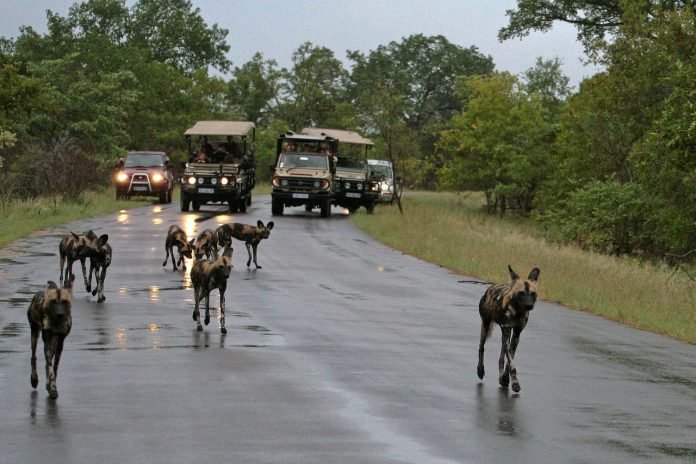
If your prime focus is a safari then Kenya is the better choice over South Africa. This is because Kenya has a more wild safari feel than South Africa. South Africa’s Kruger National Park is tarmac road whereas in kenya no park is tarmac.If however you want to experience more than wildlife then South Africa has a lot to offer.
South Africa has better lodges not to say that Kenya doesn’t but South Africa has lodges to meet almost every budget. In Kenya you are either going budget, mid range or luxury and you may not have a wide range in between those option.
Security
South Africa is known for having a high crime rate from armed robbery, rape, carjacking, mugging and smash and grab attacks. Even so visitors and tourist a like visiting South Africa who stick to the main tourist areas and avoid local townships should be just fine. Kenya on the other hand is relatively safe and one should excersise the usual caution when traveling.
These Are Some Things To Do In South Africa
Visit Cape Town
Cape Town is a must see for anyone wanting to experience South Africa. It is a multi-cultural city with great views at table mountain, awesome beaches and also a shoppers paradise. Its also one of the most visited cities in Africa.
Go Scuba Diving
Cape Town is great for those wanting to go diving. The mixing of warm and cold ocean currents here make it great for scuba diving. There are also lots of wrecks to explore on the ocean floor.
Go Wine Tasting
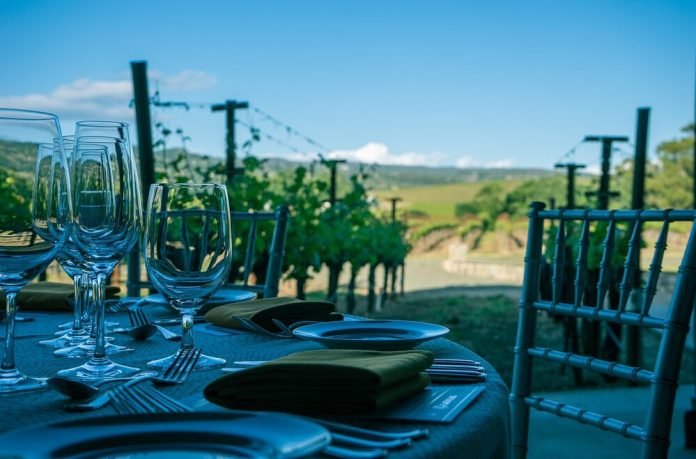
If you are visiting the Western cape then wine tasting on South Africa’s wine land is a must do for every wine lover. South African wine tours offers travellers an opportunity to sample some of the world’s finest wines and see how they are produced. It is important to noted that unlike European wine tasting tours South Africa’s wine tasting tours don’t often include cellar tours.
Go Whale Watching
Between June and November is the perfect whale watching season in South Africa and you are likely to spot Southern right whales, Bryde’s whales and the famous killer whale.
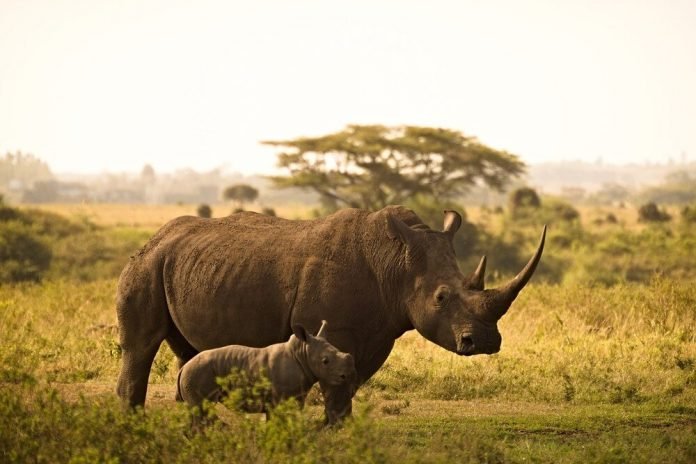
In the 1900s safaris where an African hunting expedition. Gone are those days. Most of Africa’s wildlife isn’t where it used to be. In 1960 there were about 100,000 black rhinos alone in Africa today, there are about 5,000 left in the wild.
Today’s safaris are designed with conservation in mind. Africa’s wildlife and eco-system is very fragile and can only accommodate a certain number of visitors. To ensure that the balance is maintained the number of visitors have to be limited one way of doing that is by charging high prices.
High prices also help with conservation as most of the revenue collected is put back into sustaining the eco system.
Most African countries have a tourism policy that promotes ‘high price-low density’ to protect fragile ecosystems from mass human traffic the way Uganda charges $ 700 for a gorilla permits and Rwanda charges $ 1500 for their gorilla permits with only 96 permits available each day in Rwanda.
Infrastructure
When there is little to no infrastructure, things cost more everything airports, highways, railway lines and even hotels. Transporting goods and services to remote areas is more difficult and therefore more expensive.
Case in point the Okavango delta in Botswana is only accessible by small planes or boats which makes getting there more expensive than say the Kruger National Park in South Africa which you can drive to.
Complicated Logistics
Some of Africa’s best safari lodges and camps are in total wildeness. Staff usually live on the lodge’s premises, which means all meals, laundry, accommodation, uniforms, toiletries, entertainment, transport and medical attention has to be provided.
In addition, many camps offer services like private butlers, babysitters, private guides, birding experts and complimentary laundry, which means additional staff. Then there is the supplies to the lodge which is everything from Food, drinks for visitors, toiletries and more. And this is before we consider ‘behind the scenes’ staff like builders, maintenance men to ensure the generators keep working, anti-poaching units and housekeeping.
Bushcamp Company in Zambia pays for scouts to conduct anti-poaching patrols.
Why are Botswana safaris so expensive
There are other factors that make safaris in Botswana more expensive than in other African countries.
Botswana is a very popular safari destination and its popularity means that there is high demand for accommodation. This in turn drives up prices as these lodges have a limited capacity.
Another factor is that Botswana has a policy of high prices for low numbers. The thinking behind this policy is that by charging high prices, they will discourage mass tourism and protect their fragile ecosystems.
Botswana also has a lot of infrastructure costs. Building and maintaining roads, airports, and other infrastructure is very expensive but it is also one of the richest countries in terms of mineral wealth in Africa. Almost 70-80% of export earnings are attributed to diamond mining.
It therefore does not need tourism foreign exchange like other countries in the region and can focus more on quality than quantity.
When you add up all these factors, it is not surprising that Botswana safaris are some of the most expensive in Africa. But for many people, they are also some of the best.
Accommodation Options On Safari
While on safari you will often be spoilt for choice when it comes to accommodation. However, this is not always the case. In some remote areas, there may be only be one or two lodges or camp.
One reason for this is because before most of these lodges and camps are created an environmental impact study has to be conducted. This is to make sure that the development will not have a negative impact on the surrounding environment.
The process often leads to less structures being approved and therefore a higher demand for the few that are available.
This is one of the reasons why accommodation in the Okavango Delta is often more expensive than elsewhere.
Tented Camps and Luxury Lodges
Some of the most luxurious accommodations are to be experienced while on an African safari. Tented camps and luxury lodges often come with a high price tag but they offer an incredible experience.
These accommodations are in some places all-inclusive which means that your meals, drinks, and activities are included in the price. This can make for a very relaxing safari as you don’t need to worry about budgeting for extra costs.
Also there are all kinds of amenities from Wi-Fi, to swimming pools and spas.
&beyond bateleur camp is a prime example of a luxury tented camp
Facilities Include:-
-Tents with private plunge pools
-Spa treatments
-Wine tastings
-Laundry service
-Butler service
-Private game drives
Mfuwe Lodge is arguably the best place from which to explore all that South Luangwa has to offer.
Facilities Include:-
-Tents with private plunge pools
-Spa treatments
-Wine tastings
-Laundry service
Cost per night $630 per person
Flatdogs jackalberry tree house in South Luangwa National Park Zambia sits atop a raised platform and accessed by a flight of steps, this tree house provides guests with complete privacy as well as stunning views.
Cost per night $500 per person
Sanctuary Olonana is an exceptional luxury safari lodge set on a private stretch of the Mara River in the heart of Kenya’s most famous game reserve.
Peak Season rates: $ 1250 per person per night.
Sanctuary Swala Camp is located in a secluded area of Tarangire National Park, one of the most exciting and least visited parks in the country.
Peak Season rates: $ 1,040 per person per night.
Park Fees
When visiting a national park or game reserve, you will have to pay what is called a conservation fee. This is a fee that goes towards the conservation of the area.
The price of these fees can vary depending on the country and the park but they are usually around $30-$50 per day. In some cases, they can be more expensive. For example, the Serengeti National Park in Tanzania charges $80 per person per day.
A part from the park fees charged per person there are also vehicle fees charged depending on the size and weight of the vehicle.
Conservation fees are generally included in the price of safari packages.
Tips and Gratuities
While tips and gratuities are not mandatory, they are often expected and when you considered that it is recommended that you tip a tour guide $20-$30 per day and a game ranger $10-$20 per day, these can quickly add up.
Travel Insurance
Its always advisable to take out travel insurance when going on safari. This is because medical care in remote areas can be very expensive. If you need to be evacuated by air ambulance, the cost can be upwards of $10,000.
Some safari companies will require that you have travel insurance before you to book a trip with them.
Also should you need to cancel your trip after paying for it, your travel insurance may cover you for some of the cost.
Health and Vaccines Requirements
Depending on which country you are travelling to, you may need certain vaccinations. For example, if you are travelling to certain parts of Tanzania, you will need to get a Yellow Fever vaccine.
The cost of vaccinations can vary depending on your country of residence and which vaccinations you need.
Flight Tickets
Most African safari travelers are from the United States, Europe and the far East. With the distances involved, flights to Africa are not cheap. The cost of an air ticket from JFK to Nairobi, for example, can be as high as $2,000.
However, there are ways to get around this. Many airlines offer discounts if you book your flights several months in advance. There are also times when its cheaper to travel, such as during the shoulder seasons.
Another way to save on flights is by using air miles or points from credit cards.
Conservation Efforts By Camps And Lodges
Some the money earned from guest on safari goes towards local conservation efforts. These efforts help to ensure that the wildlife and their habitat are protected. Many safari camps and lodges have their own conservation programs which they fund.
&Beyond, which runs 29 lodges on the continent has a partnership with Africa Foundation to work with the leaders of villages around its properties. The company also supports land and marine life by relocating rhinos and other endangered species to habitats with a low risk of poaching and, most recently, secured three island properties where they can support monitoring and research efforts.
&Beyond also runs a Rhino Conservation Program in South Africa where they use some of the money earned from guests to help fund anti-poaching initiatives as well as rhino conservation projects.
In Mozambique &Beyoud Vamizi’s conservation team is responsible for one of East Africa’s longest standing turtle monitoring programs.
Serena hotels also have a number of conservation initiatives which they fund through the money earned from guests. These initiatives include supporting local communities, protecting wildlife, and conserving energy and resources.
Other conservation initiates include:
The Safari Collection – In partnership with the MARA PREDATOR CONSERVATION PROGRAMME that funds research, education and training to help reduce human-wildlife conflict have a conservation car based at Sala’s Camp Masai Mara daily to monitor the big cats in the isolated southern sector of the reserve. It collects data on their movements and sightings are passed on to the Mara predator conservation programme.
The Safari Collection has also been engaged in eye clinics, school programmes, dental clinics for communities within the areas where they have their camps and lodges and the Grevy’s zebra emergency feeding programme. A program that was designed to save the rare Grevy’s zebra from starvation. It continues to be one of the key conservation initiatives that The Safari Collection is involved in.
Singita – Their programs focus on restoring ecosystems and re-establishing corridors linking protected areas.
They also work with the Malilangwe Trust’s Nutrition Programme that gives young school children porridge everyday. This kids who come from poor backgrounds often go to school on an empty stomach.
Asilia Africa – Asilia Africa’s positive impact in the communities and conservation areas in which they operate is a result of their Community & Conservation Fund.
Wilderness Safaris – Their Community & Conservation Fund is used to finance a number of different projects in the communities and conservation areas where they operate. These projects include:
– Health care
– Education
– Water and sanitation
– Conservation initiatives
– Livelihoods projects
Some of the specific projects that they have funded include:
– A mobile health clinic in the Makgadikgadi Pans National Park in Botswana which provides health care to the local communities
– A school in the Okavango Delta which provides education to children from the local communities
– A water project in the Kunene Region of Namibia which provides clean water to the local communities
– A conservation project in the Linyanti Wildlife Reserve in Botswana which is working to protect the elephants in the area
– A livelihoods project in Zambia which is helping local communities to develop sustainable livelihoods
In Conclusion
These are just some of the many reasons why African safaris can be so expensive. However, it is important to remember that the money spent on a safari goes towards supporting conservation efforts and local communities. So, while it may be expensive, an African safari is also an investment in the future of the continent.
Wildlife viewing is superb in both countries and one of the best places to see Lions, Rhino, Buffalo, Leopard and Elephants is the Ngorongoro crater in Tanzania. Tanzania also offers you the opportunity to see chimpanzee at Rubondo Island, Mahale Mountains and Gombe Stream. At Kenya’s Masai Mara you should be able to spot the Big Five too.
Kenya has more private conservancies as compared to Tanzania, so if you are keen to extend your safari beyond game drives, then consider staying in private parts of the Mara if you want to see the Wildebeest Migration and be able to go off-road, go on a horse back safari and learn more about the Maasai way of life.
As neighbours, they obviously share a common border, a sizable chunk of which consists of Serengeti National Park on the Tanzanian side and the Masai Mara National Reserve on the Kenyan side, together forming the Serengeti-Mara Ecosystem – one of the biggest and most protected ecosystems on Earth. It spans approximately 30 000 square kilometres (12 000 square miles)
This means that the Serengeti and Masai Mara form one contiguous ecosystem, artificially ‘divided’ by humankind (there is no physical border, so animals are free to move as they always have, but humans have to go through checkpoints)
The northern part of Kenya – near Samburu – is dry and hilly, meaning unusual species are found here the likes of beisa oryx, reticulated giraffe, Somali ostrich, gerenuk (giraffe gazelle) and Grevy’s zebra.
A Grevy’s Zebra In Samburu
Grevy’s zebras are the largest of the zebra species. It is distinguished by its unique stripes, which are as distinctive as human fingerprints. Grevy zebra are more closely related to the wild ass than the horse, while the plains zebra is more closely related to the horse. They are also are taller, have larger ears, and have narrower stripes than plains zebras. They are the largest of the zebra species.
As far as wildlife viewing is concerned both countries are evenly matched with the scale tilting slightly in favor of Tanzania.
Best Beach Holidays
Both countries Kenya and Tanzania share a common coastline along the warm Indian Ocean a well as Lake Victoria.
They both have great beaches that share the same weather patterns. Tanzania’s Zanzibar and Kenya’s Lamu.
Zanzibar
Zanzibar is a small island just off the coast of Tanzania. The island isn’t only home to beautiful tropical beaches, but also has a rich history.
Stone Town Zanzibar
Zanzibar old town” Stone Town” also known as also known as Mji Mkongwe, is the first place that visitors to the island get to experience. The main area of interest is the old stone buildings in the centre of town and the narrow maze of streets between, which is home to hundreds of small shops selling carvings and other souvenirs.
The northern tip of Zanzibar is the most popular for beach holidays the areas known as Kendwa and Nungwi. Kendwa is known for its more luxurious hotels and pristine white sand beaches, and the hotels are also a little more expensive. Near by there is Nungwi beach. This is where beach tourism on the island first started. This beach is beautiful during the day and gives you a perfect sunset over the ocean in the evening.
Zanzibar Beach
In Conclusion
Why Is Kenya Better Than Tanzania
With Kenya being a wealthier country than Tanzania, Kenya’s travel infrastructure is better and more reliable. They have more hotels and guesthouses, it is easier to exchange foreign money to shillings as all major banks can do so, and public transportation is ample. Also Kenya safari’s cost less in general compared to Tanzania although Tanzania parks tend to be less crowded during peak seasons when visitor numbers increase.
For those looking for a beach vacation or holiday, Africa has so much to offer with its allure of white pristine beaches.
The African continent has approximately 18,950 miles/30,500 kilometers of shoreline and with it, an innumerable array of spectacular beaches.
Certain African countries will always be more popular travel destinations for those seeking an African beach holiday for a variety of reasons but do you know which country in Africa has the best beaches?
When it comes to determining where to go for the best beaches, this can get tricky as these countries have thousands of pristine white sandy beaches, which is widely accessible, offers gorgeous sunsets, great weather, and warm ocean waters.
Around the world, pristine beaches beckon tourists and locals alike with their powdery-soft shores and turquoise blue waters and nothing comes close to the defination of best beaches like the beaches of seychelles.
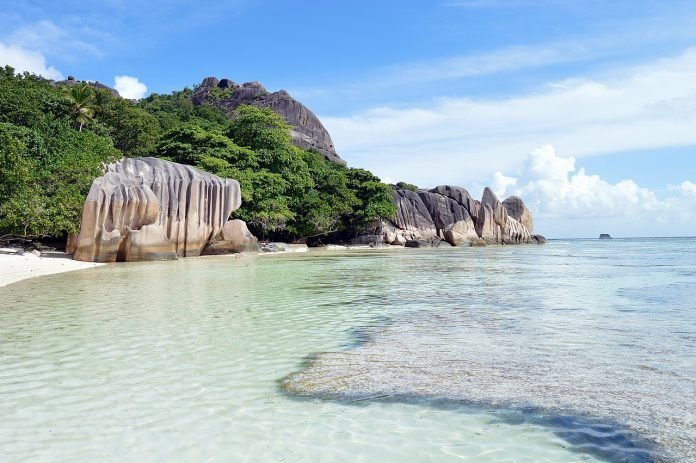
The Seychelles Islands have long been one of the world’s most romantic destinations and its beaches are known globally as the best in the world. Of all the beaches of the seychelles Islands, Anse Source d’Argent is the most beautiful, award-winning beach of Seychelles and is located in La Digue.
This beach has been dubbed the most beautiful beach in the world for several years due to its azure waters, pristine white sands and the pink granite boulders that make it the unique attraction it is.
Towering boulders and palms dot the perimeter of this beautiful white-sand beach, and a nearby coral reef keeps the waters calm and ideal for wading.
It is also has the label of the world’s most photographed beach which is no surprise as this place feels unreal.
Having said that it’s a great place to soak up the sunshine or go snorkeling but because of its perfect beauty also makes it a popular stop for visiting day-trippers.
This beach has around 11 coves which are separated by boulders that provide for some privacy. If you want to escape the crowd that usually flocks to the beach, walk past the first cove which is the most crowded and reach the next cove past the boulders.
Seychelles comes under the neighboring islands of Africa and is only a mere ferry ride away, it can be easily accessed by those who want a relaxing and enchanted beach holiday away from the busy city life and can also be a wonderful addition to an African wildlife safari.
Best Time to Go: April to May or October to November
Quirimbas Archipelago, Mozambique
Quirimbas Islands are located off northeastern Mozambique, near Pemba, the capital of the province of Cabo Delgado.
Around 32 islands make up the archipelago, including Ibo, Matemo, Medjumbe, Quirimba, Metundo, Quisiva, Vamizi Island and Rolas Island.
The beaches of Mozambique are largely unexplored and unspoilt, providing the perfect environment for sea turtles to lay their eggs.
See Pictures of Beach, Swimming Turtle Beach, Mozambique Thanks to the efforts of local villagers, rangers.
Lamu Archipelago, Kenya
Kenya’s best beaches and islands are to be found in the north, around the Lamu Archipelago a stunning and remote part of the Indian Ocean. The beaches in Kenya can be divided into two main groups: those found on the coast – many of which are protected – and those off the coast: some of which are accessible only by boat. Lamu is one if the off the coast beaches. It is made up of several islands, beaches and coral reefs, with several coral cays, beaches and reefs. All of these are rich with marine life. The best of them is Shela Beach, which features in a number of postcards and holiday brochures. The beach is breathtaking and rated among the best in Africa. It’s also Perfect forfamilies, budget travelers, couples, honeymooners and adventurers.
Some of the activities you can do in Lamu include: diving, snorkeling, swimming, kayaking in the mangroves, biking, shopping and exploring.
In conclusion
Of all the beach vacation spots in Africa seychelles Anse Source D’Argent is considered as the best beach in Africa. This absolutely breathtaking beach is a perfect spot for individuals who love to stay close to nature, who appreciate a quiet beach, as well as families and groups who want to relax so in our opinion seychelles has the best beaches in Africa.
If you are planning an African beach vacation then you must consider this amazing place. Come here because this is the best beach in Africa!! Even better combine your seychelles vacation with a Kenya Safari, South Africa safari or even a Botswana safari for a true African vacation.
When it comes to African Safaris East and Southern African countries have a lot to offer and each is unique in its own way. No two Africa countries are a like even though they may share similar eco-systems.
Our top pick for the best African country for a safari is Kenya. For those seeking an authentic wildlife focused experience off the beaten track Kenya has an edge compared to Southern African countries and it’s safari accommodation are just as luxurious as those of Southern African countries the likes of South Africa.
What most people may not know is that Kenya is the original African safari country and the word safari actually comes from the swahili word meaning travel. Inspite of the competition offered by countries in Southern Africa the likes of South Africa and Botswana its still considered among the best wildlife viewing countries today, offering the classic safari experience.
The Masai Mara Game Reserve remains the most prolific area for big cat viewing, and arguably the best game viewing overall.
Then there is the wildebeest migration. The largest migration of mammals on the face of the earth and the mara river where this spectacle takes place.
Cultural & Historical Sites
When it comes to culture and historical sites and while it may not have the same level of resorts like South Africa, Kenya has great historical sites the likes of Gedi Ruins, Lamu Old Town and Fort Jesus.
Built by the Portuguese at the end of the 16th century, Fort Jesus stands at the southern edge of Mombasa, over a spur of coral rock.
It was kept under Portuguese control for one century, and is testimony to the first successful attempt by Western civilization to control the Indian ocean trade routes
-Mt Kenya
Kenya is also home to the second highest peak in Africa. Mount Kenya straddles the equator about 193 km north-east of Nairobi and about 480 km from the Kenyan coast. At 5,199 m, Mt Kenya is the second highest mountain in Africa.
-The Great Rift Valley
Best Beaches In The World
-Watamu
The pure white sandy beaches of Watamu, which slides gently into shallow, turquoise water, forms part of the Malindi Marine Reserve Park, a marine protected area. The snorkeling and diving around the offshore coral formations is said to be the best in East Africa.
Watamu is also an important breeding ground for green and hawksbill turtles.
Amboseli
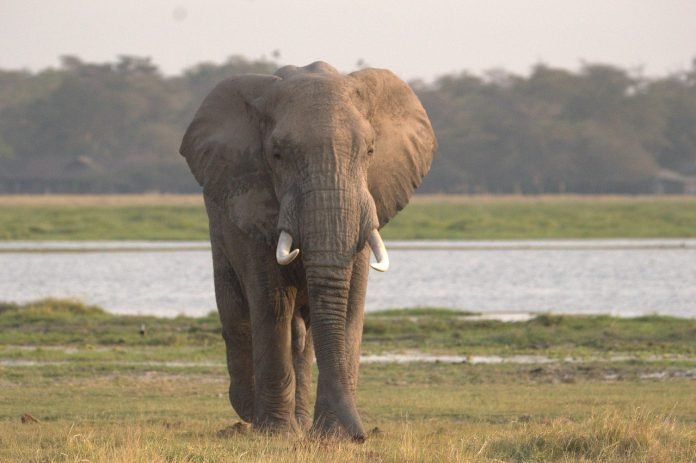
Amboseli National Park is famous for its huge elephants herds and the scenic views of Mount Kilimanjaro on the background with wildlife on the foreground. It is also the best place to view Mount Kilimanjaro on a clear day.
If you want to experience the annual wildebeest migration and are visiting between July and October then the Masai Mara is the best park to visit. If however you are visiting between January – February then Serengeti would be a great choice because at this time its wildebeet calving season.
What Animals To See
Both these parks have a wide array of animals to see.
A leopard – Can Be Seen in Serengeti and Masai Mara.A Zebra In Masai Mara Kenya – Image by Pete Ball from PixabayAn Elephant with calf – Image by azeret33 from Pixabay
Park Fees
Both Masai Mara and serengeti have a park fees ranging around $70 per day of adults but with serengeti there is high and low season park fee rates with low season rates at $59 these differences in park fees would be felt if staying long or traveling as a group and would make serengeti park fees cheaper than masai mara.
Accommodation Options
Both Masai Mara and serengeti have great accommodation options and you are likely to be spoilt for choice no matter which destination you pick.
One of the best dining experiences is in the wild and both Serengeti and masai mara offer it.
Sundowner
A sundowner is a great safari experience and dates back to the 1920s when Africa was one huge wilderness and cocktails where served at sunset. This experience often opens with an evening game drive, ideally timed to catch the predators as they emerge into the cool of the evening.
Sundowners are often set a distance from the lodge or camp. You will often arrive at the site just as the sun begins to set. The site could be located high above the plains on anLookout Hill with magnificent panoramic views of the surrounding area.
Sometimes there will be a blazing camp fire a safari bar, a hot canapé-counter, seating, safari lanterns, Maasai warriors and a guitarist (plus bathroom facilities).
A Sundowner – Masai Mara
Serengeti Vs Masai Mara Which Is Better – In Conclusion
Each of these eco-systems Masai Mara and Serengeti are unique in their own way. The serengeti is vast and its eco-system encompasses a vast range of different habitats and landscapes which cannot be easily explored in a short period of time. The Masai Mara is about a fifth of the size of serengeti and the wildlife is more concentrated so if you have a limited time then the masai mara will offer you a better wildlife experience.
If you are a wildlife and nature lover then YES the masai mara is certainly worth visiting. With close to 90 species of mammals and birds not to mention the greatest spectacle on earth, the annual migration. The legendary wildebeest is known for its migration in masai mara. Over a million wildebeest and zebra cross the crocodile infested waters of the mara river in search of fresh pasture.
Where Is Masai Mara?
The masai mara national park lies in the south west of Kenya’s Narok county in East Africa and borders the serengeti in Tanzania and is considered Africa’s most famous eco-system.
Is Masai Mara A Wonder Of The World?
Kenya’s Masai Mara Ecosystem has been classified among the ‘Seven Wonders of the Modern World” in a poll of experts due to the spectacular great migration when over 1 million wildebeests and more than hundred thousands of zebras cross the Mara River coming from the Serengeti to the Masai Mara in search of water and greener pastures. This is not however to be confused by the ancient 7 wonders of the world.
For many animals mara river is the most hazadous river in Africa because of its crocodiles.
Every year tourists flock to masai mara to witness the greatest wildlife spectacule on earth. The annual wildebeest migration which occurs between the serengeti and masai mara where the wildebeests have to cross the trecherous mara river.
The mara river is the only river in this region that carriers water all year round. Only here can the heavy hoofed animals of the masai mara find drinking water in plenty. For many animals the mara river that meanders for nearly 400km through the savannah is the most hazadous river in the whole of Africa because of its crocodiles.
What Is Masai Mara Famous For?
It is the wildebeest migration that the masai mara is famous for and although the serengeti and masai mara are one eco-system in two different countries the mara river crossing and action is best watched from the Kenyan side which is masai mara.
What Causes The Wildebeests And Animals To Migrate?
The mechanism that triggers the migration is the weather. Sometime around October, thunder clouds build on the horizon and the rains begin to move south signaling the start of one of the greatest mass movement of animals on the planet. It begins with the action of a single animal then driven by ancient instincts the rest of the animals flow.
How Much Does It Cost To Visit Masai Mara?
The cost of your masai mara safari will depend on several factors from means of transport to the game reserve, accommodation while you are there, duration of your accommodation, your resident status as residents pay different rates from non residents as well as the activities you are engaged in while you are there.
Just as a guideline:
A 2 Night Masai Mara Safari at a mid-range lodge would start at $
A 3 Night Luxury Masai Mara Safari at a Luxury Tented Camp Would start at
A 2 Night Budget Masai Mara Safari and a budget lodge would start at
These are just some of the animals found in the masai mara and whether you are able to see them will depend on the time of year and just how knowageable your wildlife guide is as animals such as the leopard can be very hard to spot in a vast area such as the mara with an Area of 1,510 Km2 (580 sq miles)
How Many Days Do You Need In Masai Mara?
The number of days you need in the mara will depend on what you want experience at the mara. Ideally for normal wildlife viewing a minimum of 3 days and 2 nights is perfectly fine. As this should be ample time to see some of the mara’s wildlife.
So…Is Masai Mara Expensive?
Masai Mara has a wide range of accommodations to suit a wide range of budgets. The only thing you might not be able to reduce is the park fee which is charged per day and costs $70 per day for non resident adults. Here is why we don’t think masai mara is expensive.
Masai Mara Park Fees
Non Residents
Non Resident Adult Staying inside the park -$70 per day Non Resident Adult Staying outside the park -$80 per day
Non Resident Child inside the park $40 per day Non Resident Child outside the park $45 per day
Non Resident Student Adult $40 Non Resident Student Child $20