Home Blog Page 26

13 Things To Do In Masai Mara

0
masai mara game drive
Wildebeest Masai Mara Safari

When it comes to a Masai Mara Safari, game drives are the most common and most popular activity in Masai Mara and these game drives are adventures through the park on 4×4 open roof safari van or a Land Cruiser experiencing the wildlife and nature upclose without enteracting with the wildlife. Being almost a silent observer of the wildlife and nature.

There is more to Masai Mara Adventure than just game drives. Here are 15 things to do in masai mara.

Go on A Game Drive

A game drive is an adventure that entails viewing wildlife in the comfort of a 4×4 open-sided safari vehicle. It is often done at dawn or late in the evening when the animals are more active as the sun isn’t too hot.

Walking Safaris

Walking safaris offer tourists opportunities to spot birds, wildlife in the savannah on foot.

Nature walks can be done in the main Mara reserve though longer treks and walking safaris only happen in conservancies and concessions outside the main reserve.

Concessions to the north offer more privacy at luxury tented camps and special activities like walking safaris. Visitor numbers in these concessions are also often less even during the busy tourist season.

Go On A Night Game Drive

A night game drive is a wonderful opportunity to spot predators and prey alike.

If the mara wilderness is magical by day, by night it promises nocturnal theatre on a magnificent scale. 

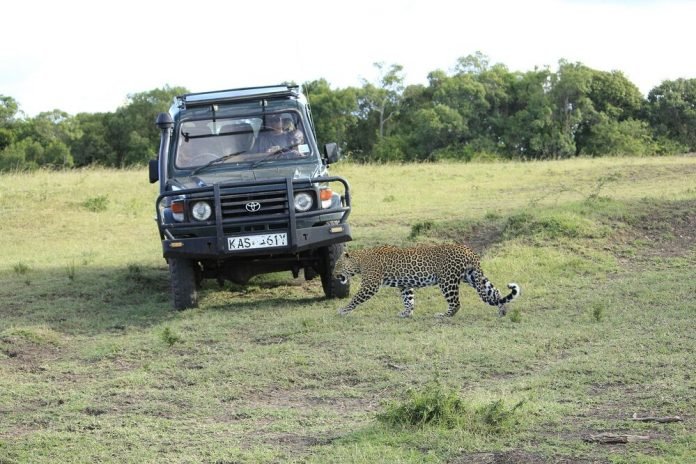
The night belongs to the hunters and this is when lions and the leopards and most active. It’s also the only time when you could catch a glimpse of elusive nocturnal creatures as aardvarks, cape hares and bush babies.

Night game drives are only possible in conservancies and private concessions in the mara.

Go On A Balloon Safari

A thrilling and romantic once in a lifetime experience, Balloon Safaris take place at dawn and are costly yet so worth the price. The price of a balloon safari in Masai Mara is $410 per person for an adult and $300 per child for a children below the age of 12 years.

Take to the skies in a hot air balloon and enjoy a magnificent bird’s eye view of animals such as wildebeests, buffalo, giraffe, elephants and the life giving mara river while floating in the air.

Bush Breakfast

Game drives at dawn offer the best chance of exciting wildlife encounters. Being able to eat a freshly cooked breakfast after doing it is even better! 

Picture an early morning wake-up call, followed by a drive into the wilderness. Then, as the sun rises and light floods the landscape, you hop down from your safari vehicle to survey the african wilderness. Your table awaits you. No fellow diners: just you and your partner if you are traveling with one and our chef and your driver, with a hot meal and glass of bubbly alongside delicious buffet delicacies.

Masai Mara Balloon safaris also end with a bush breakfast but you don’t have to go on a balloon safari to enjoy a bush breakfast.

Horse Riding

One of the most exhilarating experiences on Safari is to explore the raw wilderness of Africa on horseback. The thrill of being close to magnificent animals while on horseback is a special attraction.

Horse riding Safaris in Masai Mara cannot be done in the main Reserve and are therefore only offered in surrounding areas of the larger Maasai Mara region which includes private conservancies and conssesions. These areas have just as much wildlife as the main reserve as there are no fences that seperate the main reserve and the conservancies.

Visit A Maasai Village

A visit to the Masai Mara region would not be complete without a visit to a Maasai village. This is also an opportunity which delivers a unique insight into arguably the most iconic tribal group in East Africa.

See The Migration

Every year, about two million wildebeest and 20,000 plains game (wildebeest, zebra, and gazelle) travel from Tanzania’s Serengeti to Kenya’s Masai Mara in search of abundant grazing pastures and life-giving water. 

This is an absolute must for every wildlife enthusiast’s bucket list if you are in Kenya during the time of the wildebeest migration which occurs sometime between July and October each year.

Visit The Mara River

The Mara River is key to the wildebeest migration spectacle, as it is the only source of water during the dry season and the only habitat for some of the largest Nile crocodiles in Africa. It also provides the only permanent source of water for the largest remaining overland migration in the world of 1.2 million wildebeest, and it sustains the large populations of wildlife species in the mara.

Experience A Sundowner

After a day filled with exciting safari activities and wildlife viewing, the perfect way to round it off is with a Basecamp sundowner in the bush. Watch as the sun dip below the horizon with the sights and sounds of Africa all to yourselves while sipping on a refreshing drink enjoyed under an Acacia tree

Go On A photo Safari

The Mara is known for it’s wildebeest migration but some of the best photos are often not of the migration as the mara river crossing can be brutal.

The wildlife population offers great opportunities for photography. Off course you will often have to work harder to get good shots of the Big Cats, the Big 5 and the elusive leopard.

Aerial Photography

On of the best places for an aerial photography is over the Mara. This can be done on hot air ballon or even from a helicopter.

Go On A Mobile Camp Safari

If you would like to explore a camping safari then setting up a mobile camp at the Naboisho Conservancy can be a thrilling experience. You can spend one or more nights at different campsites staying at Dorobo Mobile Camp and feel the thrill of sleeping in the middle of a bush surrounded by the sounds lions and hyena. You will have Maasai guides and guards to make your stay as safe as possible. A true African Safari Adventure.
21 Things To Do In Mombasa

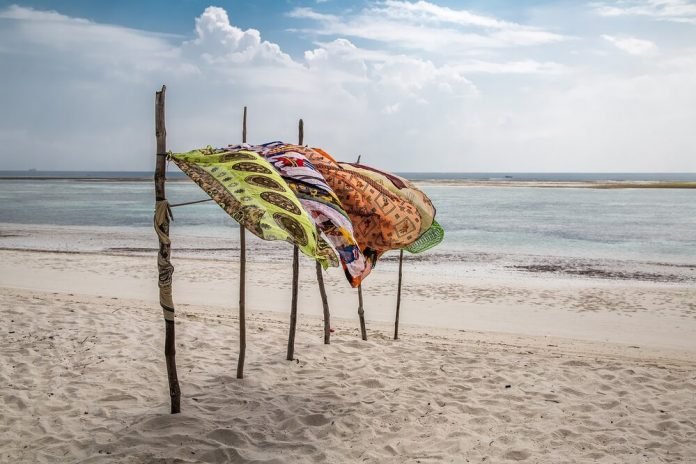
the beach mombasa

Mombasa is the second-largest city of Kenya and offers the travelers an exotic taste of African tropic which is steeped in centuries of history. There are a number of amazing tourist places and locations and the following are 21 things to do in mombasa.

Haller Park

Haller Park of Mombasa is a great visit for all the animal lovers. This park was formerly called Bamburi Nature Trail.

Haller Park was a project of Dr. René Haller that began in 1971 when he gave the abandoned limestone quarries a facelift to a thriving nature reserve.

This place is one of the busiest offshore reserves of Kenya and happens to be a major tourist attraction among all the travelers. The Mombasa Marine National Park protects seagrass beds, mangroves, sandy beaches, and the coral reef.

Snorkeling

Skiing, snorkeling, parasailing, and windsurfing are the highlights of mombasa’s beaches and are rated as the most exciting things to do in Mombasa.

Deep Sea Diving

Dive deep to explore one of the world’s richest scuba diving sites. It is an entirely new experience. The reefs of the sea in Mombasa are habitat to several species of fish that are usually stalked by lurking undersea predators.

Mombasa’s Old Town

Visit Mombasa’s old town, one of the most sought-after places of Mombasa for the tourists is the Old Town which is nothing but a reminiscent of the days when the Portuguese had their rule in the city.

It is also just a walking distance from Fort Jesus is Mombasa Old Town.which was built by the portuguese. This Old Town harbors the Old Port of Mombasa, where traditional sailing boats (dhows) from India, Persia, Arabia, and Somalia once docked.

The inhabitants of this town are mostly Asian, Arab, and European origin and the beautiful architecture truly reflects their respective culture.

Visit Fort Jesus

Fort Jesus is Mombasa’s most popular tourist attraction and is located along the coastline. It is a fine example of Portuguese architecture.

Fort Jesus was the only fort maintained by the Portuguese on the Swahili Coast, and is recognised as a testament to the first successful attempt by a Western power to establish influence over the Indian Ocean trade. Cairato, the designer of the fort, was inspired by Italian architect Pietro Cataneo, while the master builder was Gaspar Rodrigues.

Every Friday to Sunday evening, there’s a Sound and Light Show at Fort Jesus… You’ll be transported back in time, about 400 years, on a sensational journey that resurrects the Legacy and History of Fort Jesus & Mombasa!.

Visit Diani

South of Mombasa, Diani Beach has long been a popular spot for European beach-goers and there are many beach resorts to choose from.

Diani Beach is one of the most popular beaches in Mombasa. It’s also the most developed area south of Mombasa and has beautiful beachscapes despite being so busy.

An assortment of stylish hotels offering tremendous accommodation services along Diani Beach will offer you brilliant services. Southern Palms Beach Resort is among the best hotels found in this area.

Shelly Beach

The south coast beaches of Mombasa are also home to rainforests with abundant wildlife and birds. Shelly Beach is known to be the closest beach to Mombasa on the south coast, further followed by Tiwi Beach and Diani Beach respectively.

Mamba Village

Mamba Village is situated in Nyali and happens to be East Africa’s largest crocodile farm. Get to learn about these fascinating reptiles. In addition, take a horseback ride and enjoy the amazing botanical garden and its aquarium.

Mamba village hosts daily tours of the tourists along with the farm and a separate playground for the kids to enjoy when they fall prey to boredom.

Nyali

Nyali is known for its many high-class hotels and residential houses, modern standards, and long white sand beaches making it a popular destination for both local and foreign tourists.

The first stop of the north coast beaches of Mombasa is Nyali Beach which is then followed by Bamburi and Shanzu.

You can go swimming, sun-bathing, or walking in Shelly Beach, Shanzu Beach, Nyali Beach.

Visiting the Wild Waters is among the top fun things to do in Nyali, Mombasa. The park is in Nyali, Opposite the Mombasa Golf Club, and just a few kilometers from Mombasa Town.

Nyali is also great for shopping

For an exclusive shopping experience with a wide selection of famous brands like Converse, Woolworth’s and the likes of Levi’s for the latest and trending fashions, City Mall Nyali is the place to be.

Tamarind

Tamarind Mombasa is a great place to unwind and enjoy a drink or two. With its enviable location, it is definitely a great venue to soak up some rays as well as escape from the hustle and bustle of the traffic on Nyali Bridge.

Mombasa Marine National Park

Mombasa Marine National Park and Reserve is the best destination to visit if you enjoy the best water activities in Mombasa. It is Kenya’s most popular marine reserve offering water sports in Mombasa.

Mombasa Marine National Park is a highly visited site in Kenya and an important tourist spot, as well as home to some of the country’s most unique flora and fauna. It also protects important habitats, including mangroves, seagrass beds, sandy beaches, and coral reefs.

Bamburi Beach

Bamburi is a commercial, industrial and local electoral, administrative and a tourist and residential area on the Kenyan north-coast which extends from the coastline on the Indian ocean to the surrounding middle and low-income settlements on the mainland. Administratively, Bamburi is in the Kisauni sub-county of Mombasa and has tourist and beach-front facilities, which include international and local hotels and parks such as Serena International Beach Hotel, Sai Rock Hotel, Kahamas H otel, Haller Park and Butterfly Pavilion.

The beautiful convolvulus or bindweed flowers together with the coconut trees lining Bamburi Beach shores make it the perfect getaway for a memorable holiday or a weekend gateaway.

Cultural Tours

Mombasa is a perfect blend of Arabia, India, Africa and its rich culture can be intoxicating.

One of the biggest festivals is the Mombasa Carnival and is organized by the Ministry of Tourism. This event takes place in the month of November every year and is all about amazing music, dances, and costumes represented by different cultures.

Go On An African Safari

Mombasa is a great place from which to go on a Kenyan safari. Close by are the Tsavo East and Tsavo West National park. There is also amboseli National park known for its elephants.

Swahili Dishes

Among the fun things to do in Mombasa would be to sample Swahili dishes.

Mombasa has a rich culinary heritage, making it a special destination for food lovers. For local and Swahili dishes like pilau, Biriani, Mishkaki, and Nyama Choma, head to The Recoda Restaurant Mombasa, located near the famous elephant tusks. You can also sample these foods late in the evening on mombasa’s streets.

Visit Maasai Market

Do you feel like going for a little shopping? If so then head on to Mombasa’s Masai Market which entertains a lot of offerings for all the tourists and travelers. Here, you will find a variety of beautiful local artifacts and souvenir.

Visit Gede Ruins

Gede Ruins are one of the most mysterious yet attractive places of Kenya. Gede Ruins are the relics of one of the Arab-African settlements found along the East-African coast. A 12th century Swahili village, which inhabited about 2,500 people and was abandoned mysteriously in the 16th century.

Watamu Marine National Park

Watamu Marine National Park was established in 1968, Watamu Marine National Park is Kenya’s first and probably the most beautiful marine park. The reserve which boasts a rich marine life, white sand beaches, and clear waters, is visited by large numbers of tourists and locals.

Nguuni Nature Sanctuary

Situated along the Nguu Tatu Hills, and just a ten minute drive from Bamburi, Nguuni Nature Sanctuary is home to a diverse range of African wildlife and makes for a beautiful place to both explore and relax with friends and family.

Mama Ngina’s Drive

Mama Ngina drive is a 1.2 mile (2500-step) route located next to Likoni ferry. It offers scenic view of the indian ocean and cool temperatures away from the Mombasa Island heat.

Butterfly House

Located in the grounds of Fort Jesus, Mombasa Butterfly house is a Butterfly conservatory housing different species of Butterflies.

One of the best live butterfly exhibits in Africa, Mombasa Butterfly House presents you with a paradise of tropical butterflies and unforgettable experience.

How Much Does A Safari In Kenya Cost?

0
safari lodge
A Cheetah In Kenya

Consider travelling outside of the peak season if you can to reduce the cost of your safari. If you would like to know how much does a Safari cost in Kenya, then the break down below is for you.

How Much Does A Safari Cost In Kenya?

Price per Night All-Inclusive Safaris

Low Season $200 – $399 per person per night

Mid-Season $399 – $400 per person per night

Peak Season $400 – $600 per person per night

These prices include:

-Park fees charged per night, accommodation and all meals while on safari, transport using a safari vehicle, transfer to/from Airport on arrival and departure date Prices exclude:

Extras at the lodge or tented camp i.e. drinks, telephone, laundry etc, international flight into East Africa, departure taxes – Visa and any related fees, tips to porters and drivers

Please note that this is just a price guide.

Most experienced safari experts work on a set mark-up. If you don’t like the price, ask them to consider different accommodation options to drop the price. The choice of accommodation within Kenya’s park vary widely in price and facilities provided. Within the same park you can have a luxury safari experience or a budget experience with only the essentials. Keep in mind that accommodation in different areas like Masai-Mara during the peak season can be on high demand so if that’s when you are planning to travel then you should book your safari early to avoid the dissapointment that would come from you not being able to find accommodation.

Making Your Kenya Safari More Affordable

One of the ways to make your safari more afforable and reduce how much a Kenya safari cost is by adding people to your safari.

So when its only one person traveling he/she has to meet all the costs of hiring the safari vehicle and the number of days it will be used.

However, if you are sharing a 7-seater van, which is about $150 per day or a 7-seater 4×4 Land cruiser costing about $230 per day, the cost is shared among the seven people which is not the case when its only one person travelling.

Traveling With Children – Family Safaris

If you are traveling with children, those over 12 years will pay the full adult rate. Parks also charge a lesser fee for children under the age of 12 years and children 2 years don’t get to pay anything.

Your travel costs will also include park fees, and other related costs necessary to make your safari a success.

The time of the year you choose to travel also has a huge impact on the cost of your safari.

Low Season

Visiting from November to February also has its fans – this is often the time for migrating birds, the rains rarely disrupt travel, and the country’s national parks are also green and bushy. Most travelers avoid March to May because of the heavy rainy season which can be hell when on a safari even with a 4 x 4 vehicle.

Peak Season

One of the most expensive times to go on safari is during the peak season of late June to October. This is because this is the best time to see wildlife and is also the time when the great wildebeest migration is happening at the mara river in masai mara.

Air Transfers

Air transfers also known as Fly In Safaris, usually via Kenya’s capital Nairobi, can be expensive, but are often the solution to reducing the amount of time one spends on the road.

They are very common given the road networks in Kenya and sometimes the distances between Kenya’s parks and game reserves.

They are also used to maximize the amount of time you’ll get to spend in the parks themselves.

To bring the cost down you can have a mixure of both driving and air travel. You drive between closer camps and lodges, but use flights to reach some further destinations such as the Samburu Game Reserve.

In general if you are not moving a lot you will save on your vacation one of the ways to do this is to throw in a beach vacation after your safari where you can unwind at the beach without too many activities that involve traveling.

It is important to note that most Kenya safari packages offered by tour operators will include transport, accommodation, all meals, park fees, game drives and activities.

Travel insurance

We would advice that you should get travel insurance cover— especially on an expensive trip to Kenya, this can be helpful incase things don’t go according to plan.

Other factors to consider while costing your safari to Kenya are;

Travel Visas, International Flights, Tips, Laundry, Souvenirs, duration of your stay, drinks and beverages and airport transfers.

Safari activities also affect the cost of your safari. Activities such as number of game drives in a day, and extras such as balloon safaris.

The Cost Of A Masai Mara Balloon Safari

Hot Air Balloon ride price in Masai Mara is USD 410 per person for adults and USD 300 for children below 12 years of age.

Tips for Saving Money

One of the ways of saving money on your Kenya safari is to avoid the well known parks like Masai Mara if you are traveling during peak season.

Just like the Masai Mara, Amboseli National Park is also very popular and is often included in many safari itineraries. If you opt for other parks such as Meru National Parks, Lake Nakuru or even Tsavo you could reduce the cost as these areas don’t experience the same demand as the large and more famous National parks.

Many of Kenya’s safari regions are far apart and so there is an established safari flight network. Obviously if you fly to several regions and stay only 2 nights in each place, it will cost you more than if you visited fewer places and stayed more nights in each.

What Are Kenya’s Safaris Like?

So, how much are we talking? Well, at a minimum expect to pay $299 per person, per night at a quiet time of year. But, for the really superb places with the best guides and wildlife experiences it’s not at all uncommon to pay anything from US$600-1,000 a night.

Why so Expensive?

These safari camps lease the land from the local communities on the condition that the land is managed in a manner that is of benefit to both people and wildlife. The fees you pay to stay on a conservancy or a park go toward paying the land leasing fees as well as various community and environmental projects.

Meanwhile, conservancies on private ranchland have to make enough money for the landowner to financially justify turning his land over to wildlife conservation and tourism instead of cattle ranching. In other words, staying in a conservancy is not just a great safari experience but it’s also very good news for the local ecosystem.

Takeaway

A Safari In Kenya offers a wide variety of adventures and experiences. More that the likes of Mara Safari but if you are looking for an adventure of a life time then keep in mind that the activities will cost you and most of all your accommodation choices as well as the duration of your safari will be the biggest factors affecting the price of your Kenya safari.

Where to go on the safari is really one of the most important things to consider so and Kenya as a safari destination will not disappoint.

How Much Is An African Safari

0
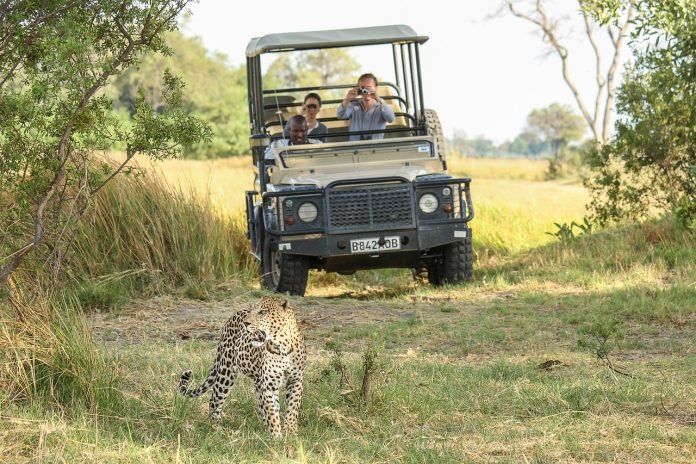
Leopard on an african safari
Wilidlife Okavango Delta

One of the best things you can ever do when it comes to travel is visit Africa for an African Safari. So you may ask, How much is an African Safari?

Safaris in Africa come in all sorts of budgets and experiences, from budget camping, to mid range lodges and camps to luxury tented camps and lodges.

This means there’s something for everyone, and it’s all just waiting for you on an African safari adventure. So, as far as the cost of African safari vacations we’ll break it down for you; rest assured that you’ll find options for every budget, making this fantastic adventure yours for the taking.

When You Visit Affects How Much You Pay – Seasons Affect Cost

Visiting much of Africa during the school holidays will cost you more than visiting outside the holiday season as this is often considered high season. Another factor affection the cost of your safari will be the rains. The rains affect Africa’s National parks in serveral ways.

  1. With the rains comes plenty of water which makes it harder to see wildlife as they will not congregate near water holes so they will be more dispersed.
  2. The rains also make most of Africa’s parks except the likes of Kruger National Park in South Africa inaccessible. This is because during the rainy season the parks will be muddy and present a challenge even on a 4×4 vehicle.

Where You Go Determines What You Pay

Many have noted that Southern Africa, has a better road infrastructure and even more luxurious Safari accommodations than East Africa and is better for those wanting a self drive safari experience not to mention that camping safaris are also easier.

Having Said that, East Africa, which consists of Kenya, Tanzania, Uganda and Rwanda offers a more authentic off the beaten track African Safari experience than Southern Africa.

One of the best ways to reduce the cost of your African safari would be to increase the number of people you are traveling with. This should reduce the cost of transport as the more people who travel in a vehicle the less the cost of transport per person.

Travel Visas

While visa regulations will vary from country to country, the average cost for a travel visa is roughly $50 USD. The best way to make certain you have all the paperwork you need for your African safari is to work with a reputable list of regulatory bodies, or talk to us Today.

Accommodation Type

As with any holiday, accommodation is going to eat up the lion’s share of your African Safari budget. Starting at the very top are the highly exclusive, luxury tented camps often found in private concessions or conservancies these will offer you not just game drives but a variety of options including night game drives, horse riding and even elephant back safaris. There are also the mid-range lodges that will offer you great accommodation but depending on where you are in Africa they may be located outside the park. Then there are budget camping also available for the budget travelers.

Takeaway

To know how much a safari will cost, it is important to know what factors, such as park fees and accommodation, affect the cost. Consider traveling in a lower season or choosing an option that doesn’t require air travel when moving from one park to another or from the city to the national park.

Seasonality, level of accommodation and the destinations you’re visiting all affect travel costs.

Kenya Safaris 2022

0

For those looking for Kenya Safaris 2022, The ultimate kenya safari to many is checking off the Big Five and other popular wildlife at a go. This is possible, but not an ideal way to go about it. A proper Kenya Safari is all about the experience – go out in the wild and watch wildlife in their natural habitat. That said, here are the best places for a safari adventure in Kenya in 2019.

Aberdare National Park

An Aberdare National Park Safari gives off a real countryside vibe. Located near Mt. Kenya, it is relatively cold and usually plagued by an early morning mist that quickly dissipates as the sun rises. It has two contrasting habitats; The Kinangop Plateau comprised of a moorland and the Salient comprised of dense lush rainforest and a series of hills dotted with waterfalls.

Due to its high altitude, it provides some of the best panoramic views, hiking and wildlife experiences. But you have to be on high alert as the thick vegetation forms a good hideout for the animals. Elephants, leopards, hyenas, buffaloes, black rhino and even the rare black leopard are some of the wildlife you will encounter.

Amboseli National Park

A short distance from Nairobi, Amboseli is where to go in Kenya to get classic views of Mount Kilimanjaro, ironically situated across the border in Tanzania. There’s great big game viewing as well – especially around the Amboseli’s wetland areas – although it’s a popular and busy park at the best of times so expect to share your sightings with other visitors.

Laikipia Plateau: private reserves & outstanding accommodation

Kenya’s newest safari destination lies north of Nairobi on the rim of the Great Rift Valley. An area of thriving private reserves, luxurious family-friendly accommodation and huge honeymoon views, Laikipia is a must-do for those who want an air of exclusivity and a diverse Kenya safari experience away from the crowds.

Samburu National Reserve

The Samburu National Reserve is located in the North of Kenya in the desert. It’s located on the banks of the stunning, dark red Ewaso Ng’iro river. The landscape is absolutely breathtaking, with rust red terrain and sparse greenery, you will be consistently in awe of your surroundings. Unlike Solio Reserve, Samburu isn’t as protected and therefore spotting animals can be a little harder but your guides are very knowledgeable and are therefore able to take you to areas where they know there will be more wildlife. You will be in with a chance to to spot leopards, lions, cheetahs, elephants, giraffes and more here.

As aforementioned the landscape is beautiful, whilst you’d presume a desert would be complete sparse, there is considerable vegetation making it a desirable home for all the wildlife in the area. Unlike at Solio, for game drives here you will be rising with the sun to witness the best of the wildlife. This is because the heat here, as is the case for most safaris, means the animals tend to seek shelter for the peak hours of the day.

Masai Mara National Reserve

The Masai Mara is arguably the most well known reserve and also tribe to tourists visiting Kenya. Located South of Nairobi the Masai Mara is on the border with Tanzania’s Serengeti. Not only is the Mara infamous but it’s also home to the ‘Big 5’, a key attraction bring visitors to the Masai Mara. If you haven’t heard of the Big 5 beforehand then in Africa these are regarded as; lion, leopard, buffalo, elephant and white/black rhinos. If you’re interested in witnessing the annual migration then the Masai Mara is a prime location to see this occur, between the months of June and September. Of all of Kenya’s National Reserve’s this is probably up there with the most ‘touristy’ but if you want to see a great selection of wildlife and experience the Masai Mara tribe then this is definitely a must on your list of parks to visit in Kenya.

Lamu

Lying just off Kenya’s far north coast is a string of beautiful Indian Ocean islands – Lamu, Manda, Pate, Kiwayu and Manda Toto – known collectively as the Lamu Archipelago. An area of archaeological and historical interest as well as great natural beauty, these islands are well worth visiting for a more tranquil and away-from-the-crowds Kenya beach holiday, especially when compared to the busier and more developed central and southern parts of the coast.

Largely unvisited until quite recently, the Lamu Archipelago is now home to some lavishly luxurious accommodation in stunning settings. Popular as a post-safari add-on, activities include snorkelling and scuba diving (best between November and March when the water is clearest), historical walking tours, dhow sailing trips, sea kayaking and diving with dolphins. Flying is the best way to reach the archipelago and the airport is located on Manda Island from where you will be transferred to your hotel or lodge by boat.

Conclusion

Kenya Safaris 2022 – Kenya has a lot to offer the adventure seeker. The traditional famous game reserves of Masai Mara, Amboseli but also the little known but yet intimate and private wildlife concessions and give you more liberty to explore with things like night game drives, horse riding safaris and more.

The Big 5 Kenya Safari

0
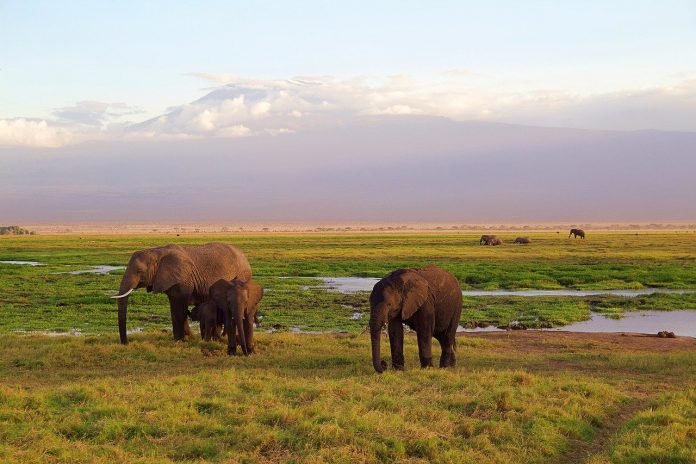
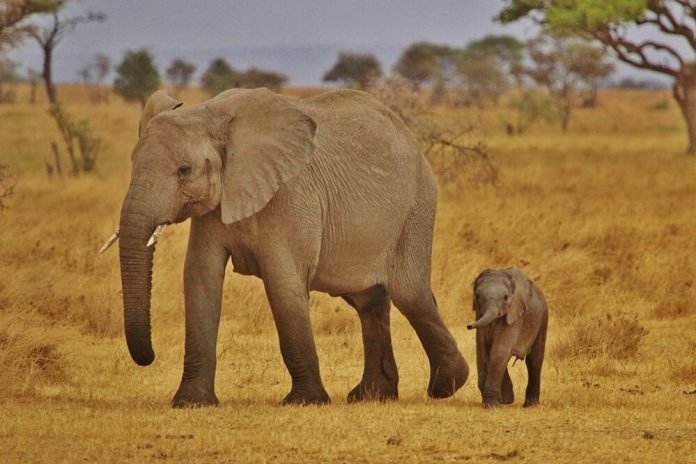
elephant in kenya big five safari
A Lioness In Kenya

You’ve surely heard of Africa’s Big Five. The lion, leopard, Cape buffalo, elephant and rhino are typically the African wildlife that make up the big five on a Kenya safari.

The term was coined in the late 1800s during Africa’s colonial period, and referred to what trophy hunters considered the most challenging and dangerous animals to hunt on foot.

Most of today’s Africa safari visitors are armed with cameras, the Big 5 are still perhaps the most exciting encounter on a safari. Here are some of the best places to see the Big 5 in Kenya.

Masai Mara

Kenya’s Masai Mara is perhaps one of the best places in Kenya to see the Big 5. These include the lion, the rhinoceros, the buffalo, the leopard, as well as the Cape Buffalo. One of the best Masai Mara safaris is the Masai Mara Big Five Safari. It will take you on a 6-hour game drive on the Masai Mara with several chances to see these animals living in the wild.

Amboseli

Amboseli Has Elephants, Lions, Buffalo but unfortunately Rhinos are now extinct in Amboseli.

You are also not guaranteed to see Leopards in Amboseli. You can however see rhinos in the nearby Tsavo West National Park.

Loisaba Conservancy

Four of Africa’s Big Five can be found in Loisaba Conservancy: lion, leopard, elephant and Cape buffalo. And there are plans to introduce the black rhino in to the conservancy soon.

Kenya’s Wildlife Eden

While you may not experience all of the big five in most of Kenya’s wildlife parks it is important to note that Kenya has lots of wildlife species it is actually a wildlife Eden where safari as we know it today was born.

If you’re a list-checker-off-er, then you’ll definitely want to go beyond the Big Five by seeking out Kenya’s Northern Five.

The Kenya Northern Five are the 

Reticulated giraffe, Grevy’s zebra, the beisa oryx, the gerenuk and the Somali ostrich

They’re all also endangered species, making them extra special if you do get to spot all five species.

That means there are a whole lot more Kenyan animals to see on safari beyond the Big Five.

Takeaway

The big 5 are the Lions, Elephants, Giraffes, Rhinos, and Leopards and you can find them on a Kenya Safari especially Kenya’s Masai Mara. There are also many other species of animals that can be seen in Kenya so don’t limit yourself to the big five.

Karen Blixen

0
karen blixen
Karen Blixen Museum Schreibkraft, CC BY-SA 3.0 https://creativecommons.org/licenses/by-sa/3.0, via Wikimedia Commons

Once at the foot of the Ngong Hills, 10 kilometers from Nairobi’s city centre, is now the Karen Blixen Museum. Baron Bror von Blixen Fincke, and Danish author Karen Blixe owned the farm.

National Museums of Kenya took over the house in 1985 and it opened as a museum on the year. In Kenya, the Karen Blixen Museum reflects a time when European settlers and a British colonial government ruled the African people.

Visitors can visit Karen Blixen Museum in Kenya or her childhood home, Rungstedlund in Denmark, is still accessible to visitors.

The Karen Blixen Museum carries many of Blixeans furniture acquired from Lady McMillan, who had purchased them when Blixine left Africa. Museum house has been considered a significant cultural landmark, not only for its association with Blixen, but also as a cultural representative of Kenya’s European settlement, as well as highlighting its distinctive architectural style, the late 19th century style of building.

Karen Blixen The Writter

Karen Blixen who the museum is named after, is also known by her pseudonym, Isak Dinesen, and is famous for her memoir, Out of Africa, and for several works of fiction, including Seven Gothic Tales (1934) and Winter’s Tales (1942)

The book by Blixen Out Of Africa, is a nonfiction memoir which Karen wrote moved back to Denmark. In this work, she reflected on her life as a settler in Kenyan from 1914 to 1931.

The book has remained an important-and lasting-fixture in the study of Kenya’s colonial history since it’s publication in 1937.

At the time of the publication of her most famous work, Out of Africa, Karen Blixen was not well known and, because she had published under her pseudonym Isak Dinesen, many people had thought she was a man.

Her image was also solidified globally by the 1985 Oscar award-winning movie adaptation of the book in the movie Out Of Africa.

Despite mixed reviews from critics, Out of Africa was a commercial success and won seven Academy Awards including Best Picture and Best Director for Pollack.

The success of Out of Africa highlighted the time and place in which she lived—even though it was not without controversy. The Karen Blixen Museum is also an example of a different Kenya, as is her writing as it is surrounded by affluent suburbs.

Is Kruger or Serengeti better

0
elephant Serengeti
Hyena Kruger National Park

Here is a comparison of two of Africa’s most iconic safari parks and destinations to try and answer the question, Is Kruger or Serengeti better. The Serengeti National Park is in East Africa and lies within the Mara eco-system along the northern border of Tanzania with Kenya, Kruger National Park on the other hand is in Southern Africa and lies in the north of South Africa across the provinces of Mpumalanga and Limpopo.

Kruger Safari

Kruger National Park is one of Africa’s most accessible game parks. It borders Mozambique to the east and Zimbabwe in the north, and the Crocodile River to the south. Covering an area about the same size as the whole of Israel, a little smaller than Belgium and about a third of the size of Ireland. Kruger hosts a variety of habitats with a wide variety of wildlife and indigenous plant species, making it a great safari destination.

Serengeti Safari

Sprawling across 5,700 square miles of northern Tanzania in East Africa, making it the second largest protected area in Tanzania after Selous game reserve. Serengeti National Park makes up one of the oldest ecosystems in the world-one whose climate, vegetation, and fauna has barely changed for millions of years. Today the park is a major wildlife attraction, especially during the Great Wildebeest Migration, when over a million hoofed animals migrate in search of better pastures.

Part of the Greater Serengeti Ecosystem also includes private game reserves and wildlife conservancies along with The Masai Mara National Reserve. One of the largest protected ecosystems in the world, the Serengeti-Mara Ecosystem which covers an area of over 40 000 km².

Game Viewing

Both the Serengeti and Kruger National Park offer incredible wildlife experiences, including lions, elephants, wildebeests, zebras, gazelles, among so many others. Cheetahs are a common sight in the southern part of Serengeti national Park, while they are rather hard and fewer in the central part of Kruger National Park South Africa.

Birding Safaris

Both of these parks have over 500 bird species recorded in the individual parks, making them great destinations for birding safaris. Travelers looking for great birding safaris destinations in Africa are likely to be torn between choosing Kruger or Serengeti national Park.

If you could only visit one of them, which one should it be?

The Best time to visit Kruger would be during the dry season (July to early October) when vegetation is low and wildlife is concentrated at watering points, while Serengeti is at its best over December to May, when the wildebeest are concentrated in the south.

Wildebeest Migration

Many would agree that if you are visiting during the wildebeest migration then of the two parks, Serengeti offers the world’s best game viewing. The wildebeest migration is the highlight of the Serengeti’s annual cycle.

Wildebeest, zebras, and gazelles follow the rainfall through the Serengeti ecosystem to find fresh grasslands. Lion, hyena, wild dog and cheetah are among the predators attracted by the migration.

This drama reaches its climax when the wildebeest are forced to cross the crocodile infested Mara river. When instinct trumps fear the first animals jump into the river triggering a frenzy of hooves, horns and splashing water.

If seeing the great migration is what you are most interested in then Serengeti national Park is the best place to go, in that case there is no need for you to be torn between Serengeti national Park or Kruger for this as this can only be experienced in two parks Serengeti and Masai Mara and not in Kruger National Park South Africa.

Safari Cost

The average daily cost (per person) in Serengeti National Park is bond to be higher generally speaking when while the average daily cost in Kruger National Park is cheaper when you factor in accommodation, food, transportation, and activities such as game drives and park fees.

Generally speaking, traveling to Kruger National Park would let you spend less money overall if you are looking to cut costs. You could still go on a luxury Kruger safari a more luxurious travel style by staying in nicer hotels, eating at more expensive restaurants, taking tours, and experiencing more activities.

Takeaway – Is Kruger or Serengeti better?

Serengeti even though it might be more expensive to travel to offers a better and more authentic African Safari experience as there are no paved roads like Kruger and if you want to see the wildebeest migration then you can only see it in Serengeti and Masai Mara not Kruger National park. However, if you can afford the luxury of visiting both of these parks then by all means do, because you will not be disappointed.

The Best Shoes for a Safari

0
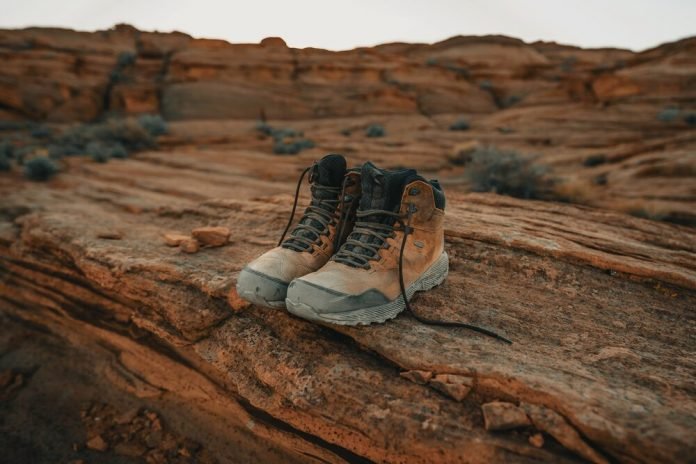
safari boots
Photo by Clay Banks on Unsplash

Choosing the wrong footwear can make your safari a sour one.

Getting the wrong shoes can actually make or break your safari trip. Especially if you will be venturing into the African wilderness where there are no shops or retail store to get a shoe replacement.

This article will help you identify some comfortable shoes that you can take on your African safari.

Make sure you have walked them in before you depart for your safari so you are comfortable and comfortable with the shoes you choose.

Pack Light

While traveling you want to minimize on travel accessories and definitely leave fins, goggles and gadgets at home. Same with shoes only carry the shoes you are going to use on your travel.

You will need some light comfortable shoes or even trainers for when you are in the cities and towns. You will need hiking shoes if you will be on safari and possibly walking on the African savannah. And finally you will need a pair of sandals or flip flops is you will be spending time at the beach and also for the evenings when you are at the lodge or hotel.

Comfort

If you are walking through muddy forest conditions, sand, or river crossings, a medium-high-rise, waterproof boot with a built-in tongue will keep water and sand out and keep you comfortable.

You should expect your hiking boots to show less dirt if they are darker. Go for a comfortable, strong, and lightweight pair of shoes. For wet conditions, you must purchase a boot with traction in its soles, and you should have higher ankle padding for support and to prevent pesky ants.

If you are paranoid about being bitten by a snake, wear mid- or tall hiking boots (safari boots) instead of low hiking shoes for your ankle protection. Wearing tall hiking boots is overkill for me personally, and they can be very uncomfortable in the hot months

Don’t Pack Too Many Shoes

It is also important to pack light. Shoes are often heavy, bulky travel items and will cost you more with the airlines and also be an inconvenience while traveling.

Our Top Picks Best Safari Shoes

best safari boots for men

Rockport Men’s Storm Surge Water Proof Plain Toe Boot

Why We Love Them

  • The textile lining enhances breathability, ensuring a comfortable feel throughout the day.
  • The EVA outsole and footbed deliver flexible, lightweight impact absorption for a smooth and effortless stride.
  • Featuring truTech technology, these shoes offer additional lightweight shock absorption, reducing foot fatigue.
  • Equipped with Hydro-Shield, the seam-sealed waterproof construction and materials provide reliable protection against the elements, keeping your feet dry in wet conditions.

Rockport Men’s Storm Surge are light very comfortable for men.

The “Tank” Work Boots for Men by EVER BOOTS are an excellent choice for an African safari. Here’s why these boots stand out for such an adventure:

great boots for safari

Durability and Protection

  • Leather Construction: Made from nubuck leather, these boots offer excellent durability, which is essential for the rugged terrains typically encountered on an African safari.
  • Reinforced Stitches: Ensures the boots can withstand the demands of varied and rough landscapes, from rocky trails to dense bush areas.

Comfort for Long Wear

  • All-Day Comfort: With a padded collar and a design focused on comfort, these boots can be worn for extended periods without causing discomfort, making them perfect for long safari days.
  • Support and Maneuverability: Tall ankle-length boots provide a perfect blend of support and flexibility, crucial for both walking and vehicle-based safari activities.

Stability and Safety

  • Wide Rubber Sole: Offers excellent grip and stability, reducing the risk of slipping on uneven or wet surfaces. This is particularly important in areas where footing can be unpredictable.
  • Solid Arch Support: Provides added stability and reduces foot fatigue, which is beneficial when spending long hours on your feet.

Practical Features

  • Soft Toe Design: Offers protection without the heaviness of a steel toe, making the boots lighter and easier to wear for prolonged periods.
  • Removable Insoles: Allows for customization with orthotics if needed, ensuring maximum comfort and support tailored to your feet.

Sustainable Manufacturing

  • LWG Certified Tannery: The leather used is from a Leather Working Group certified tannery, supporting responsible leather production and adding an eco-friendly aspect to your purchase.

User Satisfaction

  • High Ratings: With a 4.4 out of 5 stars rating from over 16,000 reviews, these boots are well-regarded by customers for their quality, fit, and comfort. Positive feedback about their durability and value underscores their suitability for demanding activities like safaris.

Value for Money

  • Affordable Pricing: Priced at $69.88 (with potential savings for Prime members), these boots offer great value given their features and build quality, making them a cost-effective option for your safari adventure.

Versatility

  • Multiple Uses: Beyond safaris, these boots are suitable for various activities such as construction work, landscaping, and general manual labor, making them a versatile addition to your footwear collection.

The EVER BOOTS “Tank” Work Boots combine durability, comfort, stability, and eco-friendly manufacturing, making them an excellent choice for the challenging and diverse conditions of an African safari.

Types of Shoes for Safari

Here are the main types of shoes suitable for a safari adventure:

1. Hiking Boots

Hiking boots are a popular choice for safaris due to their durability and support. These boots provide excellent ankle support, which is essential for navigating uneven terrain. They also offer good traction, which helps prevent slips and falls on rocky or muddy paths. Look for lightweight, breathable materials to keep your feet cool in the hot African climate.

2. Trail Shoes

Trail shoes are a lighter alternative to hiking boots and are ideal for less rugged terrain. They offer a good balance between comfort and support, with durable soles that provide adequate grip. These shoes are typically more breathable than hiking boots, making them a great option for warmer days.

3. Safari Boots

Specifically designed for safari conditions, safari boots are typically made from high-quality leather or canvas. They are comfortable, durable, and provide good ankle support. The soles are designed to handle various terrains, from sandy deserts to grassy plains. Some safari boots also come with features like water resistance and moisture-wicking linings.

4. Sandals

While not suitable for all safari activities, sandals can be a good option for downtime around the camp or during casual strolls in safe areas. Opt for sturdy sandals with closed toes to protect your feet from insects and thorns. Sandals with adjustable straps ensure a secure fit and added comfort.

5. Sneakers

For those who prefer a more casual option, sneakers can be suitable for safari if they have sturdy soles and provide good support. However, they may not offer the same level of protection and durability as hiking boots or trail shoes. Choose sneakers made from breathable materials to keep your feet cool.

Advantages and Disadvantages of Sneakers Over Boots for an African Safari

When preparing for an African safari, the choice between sneakers and boots can significantly impact your comfort and experience. Here are the key advantages and disadvantages of wearing sneakers compared to boots:

Advantages of Sneakers

  1. Comfort: Sneakers are generally lighter and more flexible than boots, providing greater comfort for long periods of walking or standing.
  2. Breathability: Most sneakers are designed with breathable materials, helping to keep your feet cool in the hot African climate.
  3. Ease of Movement: The lightweight nature of sneakers allows for easier and quicker movement, making them ideal for less rugged terrain and casual strolls.
  4. Versatility: Sneakers can double as casual shoes for downtime around the camp, reducing the need to pack multiple pairs of shoes.

Disadvantages of Sneakers

  1. Support: Sneakers typically offer less ankle support compared to boots, increasing the risk of sprains or injuries on uneven terrain.
  2. Durability: The materials and construction of sneakers may not withstand the harsh conditions of a safari as well as sturdy hiking boots or safari boots.
  3. Traction: Sneakers often provide less traction, which can be a disadvantage on slippery or rocky surfaces common in safari landscapes.
  4. Protection: Sneakers offer less protection against potential hazards like thorns, rocks, and insect bites, which are more effectively shielded by boots.

While sneakers offer comfort and breathability, they may fall short in providing the necessary support, durability, and protection needed for the diverse and often challenging conditions of an African safari. Consider the specific activities and terrain of your safari to make an informed choice between sneakers and boots.

How to Choose Your Safari Shoes

Choosing the right shoes for your safari involves considering various factors such as terrain, vegetation, travel season, shoe weight, and the specific activities you’ll be engaging in. Here’s a guide to help you make the best choice:

Terrain

  • Sandy Terrain: For sandy landscapes, opt for lightweight, breathable shoes that prevent sand from entering, such as trail shoes or safari boots with tight-fitting closures.
  • Rocky Terrain: For areas with sharp rocks, choose footwear with robust soles and good traction to protect your feet and provide stability. Hiking boots are ideal for these conditions.

Vegetation

  • Thorny Vegetation: In regions with acacia thorn trees or similar vegetation, footwear that offers good coverage and protection is essential. Boots made from thick, durable materials can help prevent injuries from thorns.

Travel Season

  • Rainy Season: During the rainy season, waterproof or water-resistant footwear is crucial. Look for boots or shoes with moisture-wicking linings to keep your feet dry.
  • Dry Season: In the dry season, prioritize breathable materials to keep your feet cool. Lightweight hiking boots or trail shoes are suitable choices.

Weight and Comfort

  • Lightweight Options: Even if opting for boots, choose lightweight models to avoid fatigue during long walks. Trail shoes or modern hiking boots made from advanced materials can provide both support and comfort.
  • Compromises: Depending on your activities, you might compromise on certain features. For example, if your safari involves mostly vehicle-based game drives, you can choose comfortable sneakers over heavy boots.

Activities

  • Walking Safaris: If you plan on walking safaris, prioritize ankle support and sturdy soles. Hiking boots or safari boots are recommended.
  • Vehicle-Based Safaris: For primarily vehicle-based safaris, lighter shoes like trail shoes or even sturdy sneakers can be sufficient.

Choose safari shoes based on the terrain, vegetation, season, and activities you’ll be engaging in. Prioritize comfort and protection while considering the weight of the shoes to ensure an enjoyable safari experience.

Advice for Footwear in Hot Climates

Based on the scientific findings and material performance, the following advice is offered for selecting footwear for hot climates:

  • Choose Breathable Materials: Opt for shoes with highly breathable uppers like mesh to ensure effective heat and moisture management.
  • Consider Activity Level: For active use, such as hiking or walking in hot climates, prioritize footwear that offers both breathability and good heat dissipation.
  • Footwear Design: Select shoes that combine breathable materials with appropriate coverage to protect from sun exposure while allowing adequate air flow.

Maintenance and Care: Regularly maintain and condition materials like leather to prevent them from becoming overly dry and brittle.

The Kind Of Sandals You Should Pack

You should also bring a pair of sandals or flip flops for pool areas if you will be spending some time at the pool.

Also if you are planning a coastal or beach vacation, flip flops or sandals would be appropriate.

In hot weather, you can wear flip flops everyday, but I prefer good quality sandals that have a thick sole. To avoid irritation, thick soles are designed for comfort.

You can use them to walk around camp, you should choose thick-soled sandals. Thorns are an issue in Africa, and thin-soled sandals will not protect your feet.

The best sandals I have used are from companies that make high-quality sandals that last a long time even after your African safari adventure.

Takeaway

It is important to pack light when going on an African safari. Comfort is very important and you shouldn’t place too much weight on your feet. It is also important to dress accordingly at the lodge and beach.

South Africa Safaris Adventure Beach Holidays

0
south africa adventure
A Leopard In Kruger National Park

South Africa Safaris have a lot to offer African Safari travelers and visitors. Kruger National Park’s private reserves present the country’s most reliable and ideal Big 5 game viewing location, while Cape Town’s table mountain and its surrounding wine valleys offer an elegant, Mediterranean twist to a South African tour.

South Africa is home to 21 national parks, 8 World Heritage sites and over 3,500 kilometers of coastline.

South Africa Safaris

A South African safari adventure offers something for everyone: from Cape Town to Kruger, and from Zulu Kingdom to Durban’s Golden Mile. While on South Africa Safaris, you may want to combine your vacation with a luxury cruise to Botswana’s okavango delta, as we have handpicked the best bush lodges, camps, cruises, and safari guides in both countries to ensure you get the most out of your safari adventure.

South Africa is a land of great diversity, begging for you to explore. Across the sun-kissed horizons of this country, you will see culture, wildlife, and mountains.

So What About – Things To Do In South Africa?

Meet rhinos and elephants and giraffes in South Africa and enjoy a four-course meal at a luxury safari camp all on the same day.

Cape Winelands

Enjoy cycling in the cape Winelands to finding ostriches in Good Hope Nature Reserve, indulge in limitless adventures in South Africa.

South Africa Family Safaris

South Africa is also perfect for family vacations. Take your family on an adventure of a lifetime as you see the Big Five in one of the few places in sub Saharan Africa where you can truly experience a malaria free safari.

Historical Tours

Experience the life of Nelson Mandela on a personalized legacy tour that spans both the political and civil life of one of South Africa’s greatest leaders. Follow in the footsteps of Mandela from childhood to his presidency with expert guides who will give you a distinctive tribute to Soweto.

Sun City

As one of the best holiday resorts in South Africa, Sun city is a great place to visit especially if you have kids. Known as the Valley of Waves and sprawled along the border of the Pilanesberg National Park, This Resort enjoys the fine distinction of being the only surf-and-safari destination within a two-hour drive of Johannesburg.

Malaria Free Safaris

Go on a malaria free safari in South Africa’s Pilanesberg National park and still get the opportunity to see the big five.

Few destinations can truly encapsulate astounding wildlife experiences and enthralling cosmopolitan delights South Africa is a shopping and a party destination.

Visit Jo burg – The City Of Gold

It’s easy to get lost in Johannesburg, South Africa’s largest city. Take a township tour of Soweto, visit the Liliesleaf farm, the area where Nelson Mandela was captured, or visit the Apartheid museum and Learn about the origins of Apartheid under Dutch and British rule and the hard-fought struggle for freedom which followed, contrasted by the cultural cacophany of urban South Africa in the 21st century.

Shark Cage Diving

For the thrill seekers, it’s an opportunity of diving with Great White Sharks at Dyer Island in Gansbaai, South Africa on a full-day shark cage diving tour.

Whale Watching

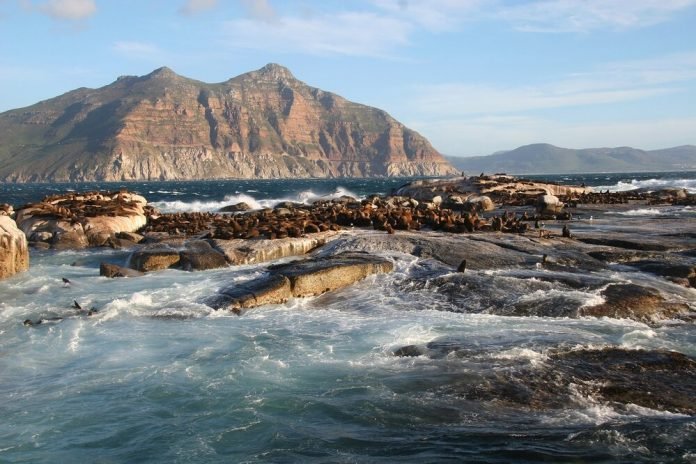
Located along the Garden Route, Plettenberg Bay’s swirling estuaries, wide, empty beaches, and steep, wave-lashed cliffs make it a visually striking destination. It’s also an excellent spot for seeing South Africa’s marine life. From its hills and clifftops you can potentially see humpback whales, southern right and Bryde’s whales, as well as Cape fur seals and bottlenose dolphins riding the waves.

Go Skiing In Africa

The Drakensberg region full of dramatic snow-capped peaks . Should you visit here in the winter months, take the opportunity to ski and you can tell your friends you went skiing in Africa.

South Africa Beach Holidays

Combine your South Africa wildlife safari with a beach holiday. Visit one of the beaches along the Cape Peninsula. The ocean views from Stellenberg will leave you breathless.

Kruger Safari

For most people a South Africa Safari would not be complete without a game drive at this famous wildlife reserve.

As the most famous national park in South Africa, the Kruger National Park offers a thrilling African Safari experience. Get up close with nature and the wildlife. Kruger is home to over 130 species including elephants, rhinos, buffalo, lions, leopards and zebras as well as a wide selection of birds.

Sabi Sand Game Reserve

The sabi sand game reserve is located adjacent to the Kruger National Park in the Lowveld of Mpumalanga, South Africa and is the oldest private game reserve in Southern Africa.

Often lauded as the most prestigious private reserve in South Africa sabi sand is a great place to experience the African adventure and this is due in part to the reserve’s longstanding conservation efforts.

We feature a wide range and some of the best safari lodges & camps in spectacular settings. Here are a few of our favorites South African accommodation:

FAQs

Do I need a visa to travel to South Africa?. (Source: www.adventure-life.com

Will I have internet access while in South Africa?. (Source: www.adventure-life.com) and

What is internet access like in South Africa?. (Source: www.adventure-life.com)

Internet connection in South Africa is almost as good as any developed country. In the major towns and cities like Johannesburg and Cape Town, which are very developed metropolitan centers. However, once you are in the more rural and remote areas, especially in the middle of your safari do not expect to have internet access. In most of the lodges however you will have internet access. (Source: www.adventure-life.com)

Can I use my cell phone while in South Africa?. (Source: www.adventure-life.com)

South Africa’s 220-240v power uses the South Africa BS-546 outlets, with three round prongs (not the same as Italian or European voltages). Both step down converters and plug adapters will be required for US devices. (Source: www.adventure-life.com)

The Best Time To Visit South Africa

South Africa is incredibly diverse, and the best time to visit will vary based on what you would like to experience out of a South African Safari Holiday. Having said that, rest assured that no matter when you travel to South Africa, you will have a memorable experience.

For wildlife Viewing the best time to visit South Africa is from May to September as the cooler winter months in the northern regions bring superb conditions for viewing big game.

For whale watching and to see the migratory southern right or humpback whales. The best months are August to October. With the Hermanus Whale Festival taking place in late September or early October in Southern Africa. 

South Africa Safaris Covid 19 Guide

- Advertisement -

POPULAR ARTICLES