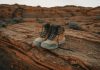
Welcome to our comprehensive guide on what to pack for a Zambia safari. Zambia offers a unique and thrilling safari experience, with its stunning landscapes, diverse wildlife, and pristine national parks. To ensure you have a comfortable and enjoyable trip, it’s crucial to pack the right items. Here’s what you need to know based on the insights from Eric of Coachella Safaris and our expertise.
Clothing
Neutral Colors
Wear neutral colors such as gray, beige, or khaki. Bright colors can startle wildlife, while dark colors attract insects.
Shorts and Pants
Pack shorts for the hot daytime temperatures. For cooler mornings and evenings, bring long pants, preferably those that can zip off into shorts.
Shirts
Bring both short-sleeved and long-sleeved shirts. Long sleeves offer protection from the sun and insects.
Outerwear
Include a fleece sweater for chilly mornings and evenings. A lightweight, waterproof jacket is also advisable for unexpected rain showers.
Swimwear
Don’t forget your swimming attire for relaxing at the lodge pool.
Headwear
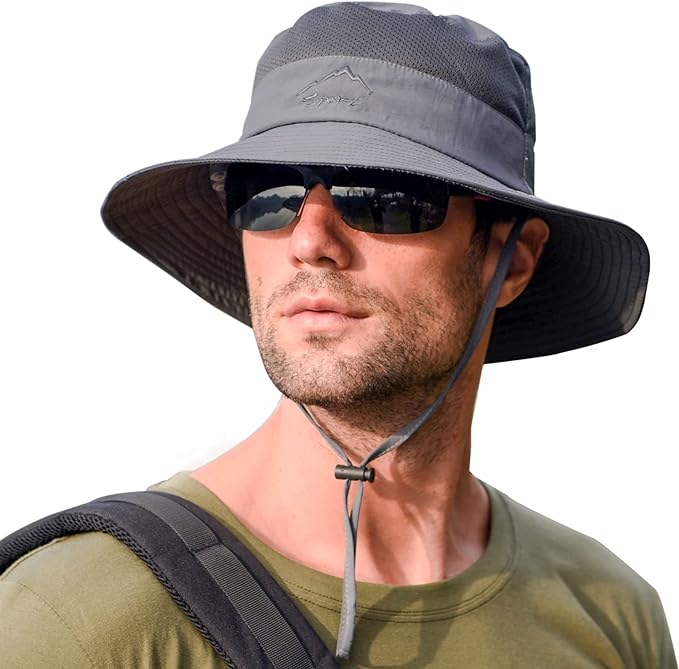
Pack a cap for sun protection during the day and a beanie to keep warm in the evenings.
Footwear
Water Shoes: If you’re venturing into the Okavango Delta or other wet areas, water-resistant shoes are essential.
Hiking Boots: Durable, high boots are recommended for protection against abrasions and infections while walking in the bush.
Accessories
Sunglasses: Protect your eyes from the bright African sun.
Scarf or Bandana: Useful for protecting your neck from the sun or as a dust mask.
Backpack: A small backpack with a water bladder is handy for day trips and hikes.
Personal Care
Sunscreen: High SPF sunscreen to protect your skin from sunburn.
Insect Repellent: A repellent with DEET to ward off mosquitoes and other insects.
First Aid Kit: Include basics like bandages, antiseptic wipes, and any personal medication.
Hand Sanitizer: To maintain hygiene, especially in remote areas.
Lip Balm: With SPF for sun protection.
Toiletries: Biodegradable soap, shampoo, and toothpaste to minimize environmental impact.
Documentation and Money
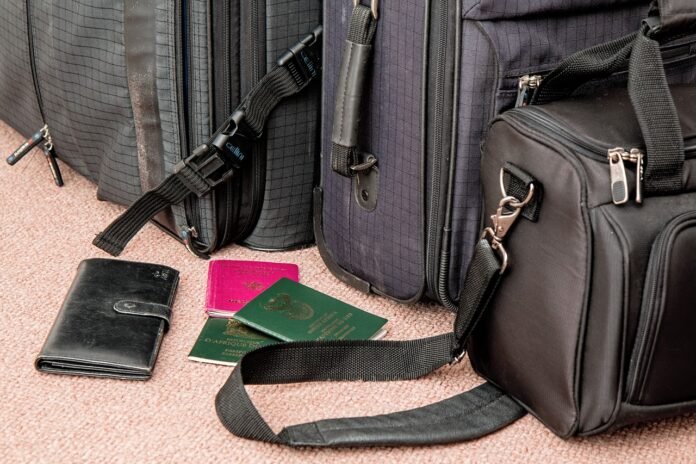
Passport and Visas: Ensure your passport is valid for at least six months beyond your travel dates. Check visa requirements for your nationality.
Vaccination Certificate: Proof of yellow fever vaccination may be required.
International Birth Certificate: For travelers with young children.
Money: US dollars and a Visa or Mastercard. Note that ATMs may not be widely available, especially in rural areas.
Baggage
Opt for soft, duffel bags instead of hard suitcases to save space and for easier storage in safari vehicles.
Final Tips
Laundry: Many lodges offer laundry services, so you can pack light and have your clothes washed during your stay.
Electronics: Don’t forget your camera, spare batteries, and memory cards to capture the stunning wildlife and landscapes.
Binoculars: A must-have for spotting wildlife from a distance.
Adaptors and Power Banks: Ensure you have the right plug adaptors and a power bank for charging your devices.
By following this packing list, you’ll be well-prepared for an unforgettable Zambia safari experience. Safe travels and enjoy your adventure in the wild!
Embarking on a Serengeti safari is a dream for many adventurers. The vast savannas, abundant wildlife, and breathtaking landscapes make it a unique and unforgettable experience. To ensure you have a smooth and enjoyable trip, packing the right gear is crucial. This comprehensive guide will detail what to pack for a Serengeti safari, covering clothing for different seasons and activities, detailed packing lists for men and women, footwear, sunglasses, and other essential items.
Dry Season (June to October): This is the best time for game viewing. Days are warm with temperatures ranging from 20°C to 30°C (68°F to 86°F), while nights can be cool, dropping to around 10°C (50°F).
Wet Season (November to May): The landscape is lush, and it’s the calving season for many animals. Daytime temperatures are similar to the dry season, but it can be humid, and afternoon thunderstorms are common.
Clothing for a Serengeti Safari
Choosing the right clothing for a Serengeti safari involves considering the climate, activities, and comfort. Layering is key to adapting to the fluctuating temperatures throughout the day.
Clothing by Season
Dry Season (June to October)
For Women:
Tops: Lightweight, moisture-wicking t-shirts and long-sleeve shirts in neutral colors like khaki, beige, or olive green. These colors blend into the environment and minimize insect attraction.
Bottoms: Comfortable, breathable pants and shorts. Convertible pants are a versatile option.
Jacket: A warm fleece or down jacket for chilly mornings and evenings.
Hat: A wide-brimmed hat for sun protection.
Scarf: A lightweight scarf for dust and sun protection.
For Men:
Tops: Similar to women’s recommendations, opt for lightweight, moisture-wicking t-shirts and long-sleeve shirts in neutral colors.
Bottoms: Breathable pants and shorts. Convertible pants are also suitable.
Jacket: A warm fleece or down jacket.
Hat: A wide-brimmed hat.
Scarf: A lightweight scarf.
Wet Season (November to May)
For Women:
Tops: Long-sleeve shirts and t-shirts made of quick-drying, moisture-wicking fabrics. Neutral colors are still recommended.
Bottoms: Quick-drying pants and shorts.
Rain Jacket: A waterproof, breathable rain jacket.
Hat: A wide-brimmed hat.
Scarf: A lightweight scarf.
For Men:
Tops: Long-sleeve shirts and t-shirts in quick-drying, moisture-wicking fabrics.
Bottoms: Quick-drying pants and shorts.
Rain Jacket: A waterproof, breathable rain jacket.
Hat: A wide-brimmed hat.
Scarf: A lightweight scarf.
Clothing by Activities
Game Drives
Game drives are the highlight of any Serengeti safari. Comfort and practicality are paramount.
For Women:
Tops: Long-sleeve shirts to protect from the sun and insects.
Bottoms: Comfortable pants or shorts.
Jacket: A warm layer for early morning and evening drives.
Footwear: Comfortable, closed-toe shoes or lightweight hiking boots.
For Men:
Tops: Long-sleeve shirts for sun and insect protection.
Cape Town, the Mother City of South Africa, is known for its diverse culture, stunning landscapes, and vibrant fashion scene. Whether you’re exploring the city’s iconic landmarks or soaking up the sun on its beautiful beaches, knowing what to wear in Cape Town for each season is essential to blend in with the locals and enjoy your trip comfortably. Here’s your comprehensive guide to what to wear in Cape Town, based on its unique climate and fashion trends. We also have advise on what to pack for those visiting Cape Town.
Spring (September to November)
Spring in Cape Town is a time of blooming flowers and mild weather, with temperatures ranging from 11°C (52°F) to 21°C (70°F). The city comes alive with color, making it the perfect time to explore its natural beauty.
Packing List:
Tees and Vests: Opt for trendy men t-shirts or women t-shirts with seasonal prints to stay cool and stylish.
Light Jacket or Jersey: For cooler days and evenings, a light jacket or jersey is essential.
Maxi Dress: A long, flattering maxi dress is perfect for the mild spring weather.
Boots: Bring a pair of flat combat-style boots for walking and hiking.
Summer in Cape Town is warm and dry, with temperatures averaging between 16°C (60°F) and 26°C (79°F). The city’s beaches and outdoor activities are in full swing, attracting tourists from around the globe.
Packing List:
Swimsuit: A must-have for enjoying the city’s stunning beaches like Camps Bay and Clifton.
Denim Shorts: A staple for staying cool and stylish in the heat.
Hat: Choose a floppy straw hat or a bowler hat for sun protection and style.
Crossbody Bag: Keep your essentials secure while exploring.
Summer Dress: A light, pastel-print dress is perfect for the hot weather.
Vests/Tank Tops: Keep cool with sleeveless tops in the latest print trends.
High-Waisted Jeans: Trendy and comfortable for cooler evenings.
Sunglasses: Protect your eyes while enjoying the African sun.
Autumn (March and April)
Autumn in Cape Town sees a slight drop in temperature, with averages around 18°C (64°F) to 20°C (68°F). The weather is still pleasant, making it a great time to explore the city’s cultural attractions.
Packing List:
Hoodies: Casual and warm, with some protection against rain showers.
Jeans: Opt for darker colors like burgundy or black for style and comfort.
Jacket or Parka: A waterproof jacket is essential for the occasional rain.
Boots: Keep your feet dry and comfortable with sturdy boots.
Jumper: Choose a chic jumper in your preferred color for cooler days.
Shorts: Distressed denim or black shorts are versatile and stylish.
Leggings: A comfortable alternative to jeans, perfect for layering.
Long Sleeve Tops: Great for layering on cooler days.
Umbrella: Be prepared for rain with a sturdy umbrella.
Vests/Tank Tops: For warmer days or as layers under jackets.
Winter (May to August)
Winter in Cape Town is characterized by strong winds and wet weather, with temperatures ranging from 8°C (46°F) to 18°C (64°F). It’s a quieter season, often referred to as the ‘secret season’ due to the changing weather.
Packing List:
Umbrella: Essential for the increased rainfall and strong winds.
Waterproof Raincoat: Stay dry with a stylish, waterproof coat.
Leather Jacket: Perfect for transitioning between day and night while staying warm.
Jeans: Choose warm colors like oxblood or black for a stylish look.
Leggings: Versatile and comfortable for various outfits.
Leather Shorts: Pair with stockings for a warm and fashionable look.
Boots: Opt for lined, flat boots for warmth and rain protection.
Denim Long Sleeve Shirt: Fashionable and warm for layering.
Stockings: Wear with shorts or dresses to stay warm and stylish.
Warm Scarf: Protect yourself from the cold winds while adding a pop of color.
Travel Tips:
Skirts and Dresses: In autumn and winter, pair these with stockings to stay warm.
Accessories: Bring your favorite jewelry to personalize your outfits.
Heels: A pair can be handy for fancy restaurants or clubs.
Camera: Capture the breathtaking scenery and vibrant city life.
Bonus: Wine Tasting in Stellenbosch
If you’re a wine enthusiast, consider a day trip to Stellenbosch, South Africa’s famous wine-producing region. Just a short drive from Cape Town, you can enjoy wine tasting, cheese nibbles, and the beautiful countryside with views of the Simonsberg Mountain slopes.
Activities in Cape Town and Recommended Clothing
Cape Town offers a wide range of activities, each requiring specific clothing to ensure comfort and enjoyment. Here’s a guide to what to wear for some popular activities in the city:
Clothing: Breathable, moisture-wicking layers, comfortable hiking pants or shorts, and a lightweight windbreaker or rain jacket.
Footwear: Sturdy hiking boots or trail shoes with good grip.
Accessories: Hat, sunglasses, and a backpack for water and snacks.
2. Beach Days (Camps Bay, Clifton, Boulders Beach):
Clothing: Swimsuit, light cover-up or sarong, and a beach hat.
Footwear: Flip-flops or sandals.
Accessories: Sunglasses, beach towel, and sunscreen.
3. Wine Tasting (Stellenbosch, Franschhoek):
Clothing: Smart casual attire, such as a summer dress or a collared shirt with chinos.
Footwear: Comfortable flats or loafers; avoid high heels as vineyards often have uneven terrain.
Accessories: Sunhat and a light cardigan or shawl for cooler cellars.
4. Water Activities (Surfing, Kayaking, Shark Cage Diving):
Clothing: Swimsuit or wetsuit, depending on the activity and water temperature.
Footwear: Water shoes or surf booties.
Accessories: Rashguard for sun protection, goggles or a snorkel mask if needed.
5. Cultural Tours (District Six Museum, Bo-Kaap, Robben Island):
Clothing: Comfortable, casual attire like a t-shirt and jeans or a casual dress.
Footwear: Comfortable walking shoes or sneakers.
Accessories: Light jacket or sweater, as indoor venues can be cool.
6. Outdoor Dining and Nightlife (V&A Waterfront, Long Street):
Clothing: Smart casual or evening attire, depending on the venue. A dress or blouse with skirt/pants for women, and a collared shirt with jeans or trousers for men.
Footwear: Stylish flats or heels for women, and dress shoes for men.
Accessories: A light jacket or wrap for cooler evenings.
Clothing: Sporty, flexible attire like leggings or athletic shorts, and a breathable top.
Footwear: Sturdy sneakers or sport-specific shoes.
Accessories: Helmet (usually provided), gloves for grip, and protective eyewear if necessary.
8. Wildlife and Nature Excursions (Safari, Whale Watching):
Clothing: Neutral-colored clothing for safaris (to blend with the environment), layers for changing temperatures, and a waterproof jacket for boat trips.
Footwear: Comfortable walking or hiking shoes.
Accessories: Binoculars, a wide-brimmed hat, and sunscreen.
Travel Tips:
Layering is key, as temperatures can vary throughout the day and between activities.
Sun Protection: Always carry sunscreen, sunglasses, and a hat to protect against the strong South African sun.
Comfort and Practicality: Prioritize comfort and functionality in your clothing choices, especially for active or outdoor activities.
By dressing appropriately for each activity, you’ll ensure a comfortable and enjoyable experience while exploring the diverse attractions of Cape Town.
Embarking on a Masai Mara safari is an adventure of a lifetime. As you prepare to witness the breathtaking landscapes and the iconic wildlife of Kenya, it’s essential to pack the right clothing to ensure a comfortable and enjoyable experience. Here’s your ultimate guide on what to wear on a Masai Mara safari, crafted by a seasoned travel expert.
1. Layer Up for Changing Temperatures
The key to dressing for a safari in the Masai Mara is layering. Mornings can be chilly, often in single digits, especially during game drives in open vehicles.
Layering clothing is a strategic approach to dressing that involves wearing multiple layers of garments, each serving a specific function. This method is particularly effective for outdoor activities like safaris, where weather conditions can vary significantly throughout the day. The science behind layering lies in its ability to provide insulation, moisture management, and adaptability, while also saving space and weight in your luggage.
The Science of Layering
Base Layer: The primary purpose of the base layer is moisture management. It sits closest to your skin and is responsible for wicking sweat away, keeping you dry and comfortable. Materials like merino wool, synthetic fibers (e.g., polyester), and silk are excellent choices for base layers due to their moisture-wicking properties.
Mid Layer: The mid-layer’s role is insulation. It traps warm air near your body, providing a buffer against the cold. Fleece, down, and synthetic insulated jackets are popular mid-layer options. They are lightweight yet effective at retaining heat.
Outer Layer: Also known as the shell layer, the outer layer protects you from wind, rain, and snow. It should be breathable to allow moisture from the inner layers to escape and waterproof or water-resistant to keep external moisture out. Materials like Gore-Tex or other breathable membranes are commonly used for outer layers.
Advantages of Layering
Adaptability: Layering allows you to adjust your clothing based on the current weather conditions. You can add or remove layers as needed to stay comfortable throughout the day.
Efficiency: Instead of carrying a bulky, heavy jacket, you can layer multiple lighter garments. This not only saves space in your luggage but also provides more versatility.
Moisture Management: By wicking sweat away from your body, the base layer helps prevent you from getting cold due to damp clothing. The breathable outer layer allows this moisture to evaporate, keeping you dry.
Insulation: The trapped air between layers acts as an excellent insulator, keeping you warmer than a single thick garment would.
If you’re staying in a luxury camp, pack a smart-casual outfit for evening dinners in the bush. Many luxury packages like this 4-day Fly-In Safari have the option of including elegant sundowners and campfire experiences where you’ll want to look the part.
Fit: Ensure that each layer fits well without being too tight. Layers should be able to move freely over one another without restricting movement.
Materials: Choose materials that complement each other. For example, a moisture-wicking base layer paired with an insulating fleece mid-layer and a breathable, waterproof outer layer.
Accessibility: Make sure you can easily add or remove layers without too much hassle. This is particularly important for the outer layer, which you may need to take on and off frequently.
2. Choose the Right Fabrics
Opt for breathable, moisture-wicking fabrics like cotton, linen, or performance blends. These materials will keep you cool during the hot afternoons and are comfortable for long periods of sitting in a safari vehicle. Avoid dark colors, which can attract tsetse flies; instead, go for neutral tones like khaki, olive, or beige that blend with the natural surroundings.
A great shirt for your Masai Mara safari. With a UPF 50+ rating, this shirt offers maximum protection against harmful UVA and UVB rays. By combining essential sun protection, moisture management, functional design, and versatile style, making it an excellent choice for anyone looking to explore the great outdoors. Whether you’re by the Mara River or observing the great wildebeest migration, this shirt ensures that your focus remains on the experience, not the elements.
Offers a fantastic blend of functionality and style, suitable for outdoor adventures such as a safari in the Masai Mara. While similar in its core functions to the men’s version, this women’s shirt is tailored to provide specific features that enhance comfort and practicality for female adventurers.
Comfortable, Stylish, and Protective: Essential Women’s Safari Shirt
When planning for a safari, it’s important to have clothing that not only protects but also provides comfort and convenience. The women’s UPF 50 long sleeve shirt is designed to meet these needs perfectly.
Optimal UV Protection: Just like its male counterpart, this shirt boasts a UPF 50 rating, offering maximum protection against the sun’s harmful rays. This feature is particularly crucial in the open landscapes of the Masai Mara, where shade can be scarce and the sun relentless.
Enhanced Breathability and Comfort: Tailored for women, this shirt features a mesh-lined vented back that greatly increases breathability, keeping the wearer cool in the heat of the African savanna. The quick-dry polyester fabric also wicks moisture away from the body, ensuring that you stay dry and comfortable throughout your adventure.
Versatile and Practical Design: The roll-up sleeves provide flexibility in adjusting to changing temperatures, making it easy to switch between long and short sleeves as the day progresses. This adaptability makes the shirt perfect for the varying conditions of a safari day, from cool early mornings to the hot midday sun.
Convenient Storage Options: The shirt includes two chest pockets for easy storage of essentials like lip balm, sunblock, or small gadgets. Additionally, a sunglasses hanger loop is a thoughtful touch, providing a practical spot to keep your sunglasses secure and within reach.
Aesthetic and Functional Color Choices: Available in colors such as Khaki, Amy Green, and Camo, the shirt not only functions well but also fits seamlessly into the safari setting, allowing wearers to feel a part of their environment while also standing out in style.
Convertible Efficiency: One of the standout features of these pants is their ability to convert into shorts with a simple zip at the knees. This feature is incredibly beneficial in the Masai Mara, where morning temperatures can be cool, and midday can bring intense heat. Transition seamlessly between different activities and temperatures without ever needing to change your outfit.
High-Performance Fabric: Constructed from a blend of 88% Nylon and 12% Spandex, these pants offer a stretchy, breathable fabric that moves with you. Whether you’re climbing into safari vehicles or trekking through bushy terrains, the fabric’s quick-dry and water-resistant properties ensure that you remain comfortable and dry throughout your adventures.
Designed for Mobility and Comfort: The pants feature an elastic waist and articulated knees, which enhance comfort and mobility. This is crucial for long drives in a safari jeep or when you need to quickly adapt to the dynamic environments of the Masai Mara. The 4-way stretch fabric also prevents tearing, ensuring durability no matter the activity.
Secure and Accessible Storage: With six functional cargo pockets, these pants are designed to keep all your essential items secure and accessible. This includes two slant hand pockets, a thigh Velcro pocket, a thigh anti-slip zipper pocket, and two Velcro back pockets. Whether it’s your camera, maps, or snacks, everything you need is within reach without compromising on safety.
Multi-Environment Suitability: Available in a range of colors like Khaki, Navy, and Sage Green, these pants are not only functional but also aesthetically suited to the natural colors of the safari environment. The variety ensures that you can choose the best match for blending into the wilderness while maintaining a stylish appearance.
3. Protect Yourself from the Sun
The African sun can be intense, so it’s crucial to protect your skin. Wear a wide-brimmed hat that provides shade for your face, neck, and ears. Sunglasses with UV protection will shield your eyes from the harsh glare. Don’t forget to apply a high-SPF sunscreen regularly, especially on exposed areas.
4. Footwear Matters
Pack Light: Minimize travel accessories and only carry shoes you will use on your travel. Shoes are often heavy, bulky travel items that can be inconvenient and costly with airlines.
City and Town Shoes: Light comfortable shoes or trainers are suitable for cities and towns.
Safari and Hiking Shoes: For safaris and possible walks on the African savannah, you’ll need hiking shoes. Choose a medium-high-rise, waterproof boot with built-in tongue to keep water and sand out. Opt for a comfortable, strong, and lightweight pair with traction soles for wet conditions and higher ankle padding for support.
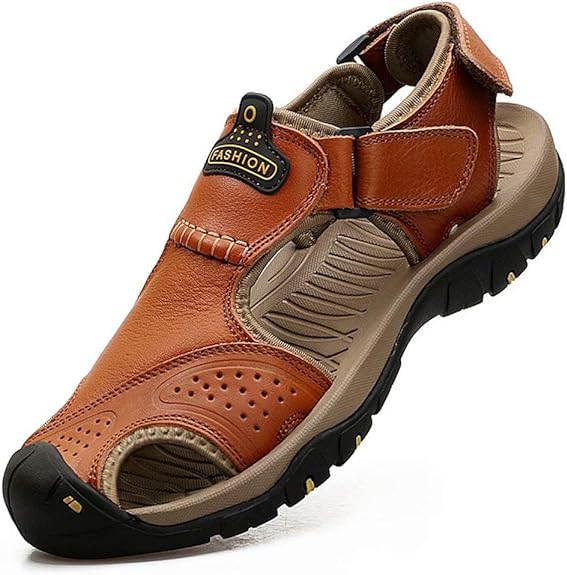
Evening Footwear: Pack a pair of sandals or flip flops for evenings at the lodge or hotel. Thick-soled sandals are recommended for comfort and protection against thorns.
5. Evening Attire
Evenings in the Masai Mara can be relaxed yet cool. Opt for casual, comfortable clothing like long pants and a long-sleeved top. Many safari lodges have a casual dining atmosphere, so there’s no need for formal wear. However, it’s always good to check with your lodge for any specific dress codes.
6. Essential Accessories
Binoculars: Enhance your wildlife viewing experience with a good pair of binoculars.
Camera Gear: Don’t forget your camera and extra batteries or memory cards to capture the unforgettable moments.
Insect Repellent: Protect yourself from mosquito bites by using insect repellent, especially during dawn and dusk.
Travel Mug: A spill-proof travel mug is handy for keeping your coffee warm during early morning game drives.
Power Bank: Keep your electronic devices charged with an external battery pack, as you’ll be using them extensively for photos and navigation.
7. Be Prepared for the Unexpected
Lastly, always pack a light rain jacket or poncho, even in the dry season. Weather in the Masai Mara can be unpredictable, and a sudden shower can occur. Additionally, a small daypack is useful for carrying your essentials during game drives.
By following these guidelines on what to wear on a Masai Mara safari, you’ll be well-equipped to enjoy the majestic beauty of the African wilderness in comfort and style. We offer a comprehensive guide on what to pack for your Mara safari for those interested in learning more.
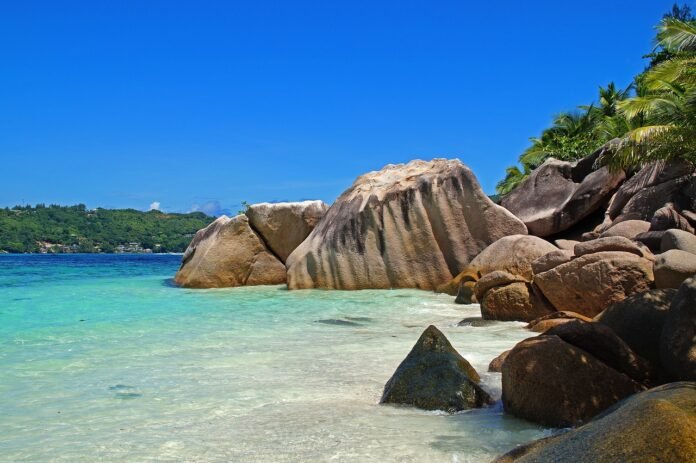
Embarking on a journey to the Seychelles is like stepping into a postcard of paradise. With its crystal-clear waters, lush landscapes, and vibrant culture, this archipelago offers an escape like no other. But before you dive into the wonders of this tropical haven, it’s essential to pack smartly to ensure a seamless and enjoyable experience. Here’s your ultimate packing guide for the Seychelles.
Essential Documents
Passport: Ensure it’s valid for the duration of your stay.
Travel Documents: Include hotel vouchers, transfer vouchers, and all confirmations from your travel provider.
Driving License: If you plan to rent a car, bring your national or international driving license.
Health Insurance Documents: Always be prepared for any unexpected medical needs.
Credit Cards and Cash: Carry euros for convenience, but you can also withdraw Seychelles rupees upon arrival.
Diving Certificate: If you’re planning to explore the underwater world, don’t forget your certification.
Clothing and Accessories
Beachwear: Pack your favorite bathing suit and a beach dress for those lazy days by the sea.
Light Clothing: Shorts, t-shirts, tank tops, and summer clothes are perfect for the tropical climate.
Headwear: A hat or cap will protect you from the sun.
Sunscreen: Opt for a high-factor sunscreen (SPF 50 recommended) to protect your skin.
Aftersun: Soothe your skin after a day in the sun.
Mosquito Repellent and Bug Bite Cream: Keep those pesky insects at bay.
Personal Hygiene Items: Pack shampoo, shower gel, and a small hair dryer (if needed).
Medicines: Include painkillers, antihistamines, anti-nausea tablets, anti-diarrhea tablets, motion sickness medications, and plasters.
Packing Tips
Pack Light: The Seychelles is a casual, laid-back destination, so you won’t need too many heavy or formal clothes.
Prepare for the Weather: Although it’s mostly sunny, a light rain jacket or umbrella can come in handy for sudden showers.
Beach Bag Essentials: Don’t forget to pack your snorkeling gear, a book, and a hat for your beach days.
Stay Organized: Use packing cubes or bags to keep your belongings organized and easily accessible.
Useful Tips for Your Seychelles Adventure
In addition to packing smartly, here are some valuable tips to enhance your Seychelles experience:
Visit Beautiful Beaches: Don’t miss the stunning beaches on the west side of the islands. They’re perfect for sunbathing, swimming, and simply relaxing.
Snorkeling and Diving: With its clear waters and abundant marine life, Seychelles is a haven for snorkeling and diving enthusiasts. Explore the underwater world at various schools and islands.
Car Rentals: Renting a car is a convenient way to explore the islands at your own pace. Look for affordable rental options to make the most of your trip.
Duty-Free Shopping: Take advantage of duty-free shopping, especially for luxury items like diamonds.
Accommodation: Seychelles offers a range of accommodation options, from opulent hotels to budget-friendly guesthouses. Many hotels boast spacious rooms with stunning views.
Food: Indulge in the diverse culinary scene, from local Creole dishes to international cuisine. Meals are reasonably priced, with an average cost of five to six dollars per meal.
Visit Long Beach: Long Beach is renowned for its clear waters and picturesque coastline. It’s the perfect spot for a relaxing day by the sea.
Cultural Destinations: Immerse yourself in Seychelles’ rich culture and history by visiting markets, art galleries, and local museums.
National Reserve: Explore the Vallee de Mai, a UNESCO World Heritage Site known for its unique flora and fauna. It’s a must-visit for nature lovers.
Weather and Seasons: Seychelles has a tropical climate, but be mindful of the rainy and dry seasons when planning your trip. Aim for the best weather to fully enjoy your stay.
Navigation: Use Google Maps to navigate the islands and discover new places. It’s a handy tool for getting around.
Safety: While Seychelles is generally safe, it’s always important to take standard precautions and stay aware of your surroundings.
Remember to respect the local culture and environment as you enjoy the beauty and hospitality of Seychelles. With these tips and your comprehensive packing list, you’re all set for an unforgettable tropical adventure!
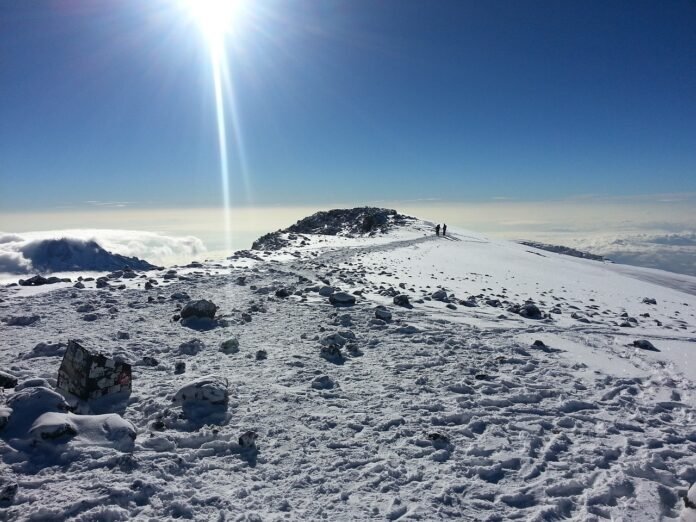
Climbing Mount Kilimanjaro, the highest peak in Africa, is an exhilarating adventure that requires careful preparation and planning. To ensure a successful and enjoyable trek, it’s essential to pack wisely, taking into account the diverse climates and terrains you’ll encounter. Here’s a comprehensive packing guide to help you gear up for the adventure of a lifetime.
Essential Bags
Day Bag
Capacity: Opt for a 30-liter waterproof backpack.
Features: Ensure it has a hydration bladder pocket, comfortable straps, and hip belts for support.
Purpose: Carry essentials like water, snacks, and layers for daily hiking.
Main Bag
Type: A soft, waterproof duffel bag or backpack (80 liters or more).
Weight Limit: Adhere to the 15-kilo limit set by the national park.
Porters: This bag will be carried by porters, so pack items you won’t need during the day.
Collapsible Duffel Bag
Use: For storing non-essential items at the starting hotel.
Clothing
Base Layers
Material: Merino wool t-shirts and thermal leggings for insulation.
Function: Wicks moisture and provides warmth.
Hiking Pants
Variety: Pack a lighter pair for warmer days and a thicker pair for cooler temperatures.
Mid-Layers
Vest: A merino wool vest for additional warmth.
Puffy Jacket: Essential for insulation during colder segments.
Outer Layers
Rain Jacket and Pants: Waterproof gear to protect against rain and wind.
Gaiters: To prevent mud and water from entering your boots.
Camp/Sleeping Wear
Comfort: Fleece pants and a fleece jacket for relaxation and warmth at camp.
Summit Night Gear
Layers: Layer up with thermal leggings, fleece leggings, hiking pants, rain pants, thermal tops, a vest, a fleece, a puffy jacket, and a rain jacket for the summit ascent.
Headwear
Protection: A waterproof hat for sun and rain, and a warm beanie or toque for cold temperatures.
Gloves
Variety: Light gloves for hiking and warm mittens for summit night.
Face Protection
Coverage: Buffs and a balaclava to shield against wind and cold.
Socks and Underwear
Material: Wool hiking socks and comfortable bras. Include a warm pair of socks for summit night.
Accessories
Sunglasses
Protection: UV-protected, wrap-around sunglasses for high-altitude sun exposure.
Hand and Foot Warmers
Warmth: Essential for keeping extremities warm during the summit night.
Hydration
Capacity: A 2-liter hydration pack and a 1-liter Nalgene bottle. Porters provide filtered water daily.
Headlamp
Necessity: Essential for night hiking, especially on summit night. Bring extra batteries.
Hot Water Bottle
Comfort: Can be filled with hot water at camp for warmth at night.
Toiletries and Hygiene
Sunscreen and Lip Balm
Protection: High SPF for protection against intense UV rays.
Toothpaste and Toothbrush
Oral Hygiene: For daily dental care.
Face Wipes and Dry Shampoo
Cleaning: Refresh and clean without water.
Moisturizer
Skin Care: Prevents skin from drying out in the harsh mountain climate.
Wilderness Wipes and Microfiber Towel
Bathing: For cleaning and drying off.
First Aid and Medications
First Aid Kit
Preparedness: Stocked with essential items for minor injuries and ailments.
Medications
Altitude Sickness: Diamox, Advil, anti-nausea tablets, and electrolyte powders.
Electronics
Power Bank
Capacity: A 20,000 milliamp-hour battery pack to keep devices charged.
E-reader
Entertainment: For reading during downtime.
Smartwatch
Tracking: To monitor hikes and health.
Camera
Memories: With extra batteries for capturing the breathtaking scenery.
Miscellaneous
Snacks
Energy: Favorite snacks to maintain energy and appetite.
Packing Cubes and Shoe Bags
Organization: For organizing and separating gear.
Universal Adapter
Charging: For charging electronics before and after the hike.
Some essential tips to keep in mind for your Kilimanjaro climb
Test Your Gear: Ensure comfort and functionality before the climb.
Keep it Slow: Maintain a slow and steady pace to aid in acclimatization and increase your chances of reaching the summit.
Pack Wisely: Follow the packing list closely and avoid overpacking. Every item should be essential for the climb.
Stay Hydrated: Drink 2-3 liters of water daily to keep your body hydrated and aid in acclimatization.
Prepare Physically: Engage in a training plan that builds cardiovascular endurance and simulates hiking in hills or mountains.
Protect Your Skin: Use high SPF sunscreen and wear protective clothing to shield against the strong UV rays at high altitude.
Care for Your Feet: Choose well-fitted boots and take measures to prevent blisters, such as proper lacing and using tape on sore spots.
Respect the Mountain: Follow the Leave No Trace principles and ensure all waste is carried back down.
Acclimatize Properly: Listen to your body and give it time to adjust to the altitude. Avoid alcohol and caffeine during the climb.
Dress for the Summit: Prepare for cold temperatures with appropriate layers, including thermal leggings, fleece, and a thick down jacket.
Value Your Support Team: Engage with and show appreciation for your porters, guides, and support crew, who are essential to your journey.
By following these tips and adhering to the comprehensive packing guide, you’ll be well-equipped to embark on the adventure of a lifetime and conquer the Roof of Africa.
Cape Town, known as the Mother City, is a vibrant and diverse destination that offers a unique blend of natural beauty, cultural heritage, and urban sophistication. Whether you’re exploring the iconic Table Mountain, lounging on the beautiful beaches, or indulging in the culinary delights, packing appropriately will enhance your experience. Here’s a comprehensive guide on what to pack for your Cape Town adventure.
Packing Checklist
Luggage
Soft-Sided Duffel Bag or Backpack: Ideal for ease of handling and flexibility, especially if you plan to explore beyond the city.
Daypack: Perfect for day trips, hikes, and city exploration.
Clothing
Cape Town’s weather can be unpredictable, with the possibility of experiencing four seasons in one day. Layering is key.
Lightweight Clothing: T-shirts, shorts, and breathable tops for warm days.
Warm Layers: A fleece or lightweight jacket for cooler evenings and windy conditions.
Waterproof Jacket: Essential for unexpected rain showers.
Comfortable Pants: Jeans or cargo pants for urban exploration and cooler days.
Dresses/Skirts: Casual or semi-formal for dining out or beach visits.
Swimwear: For the beautiful beaches and hotel pools.
Undergarments and Socks: Enough for your trip duration, considering laundry opportunities.
Footwear
Comfortable Walking Shoes: For city walks and light hiking.
Sandals/Flip-Flops: For beach days and casual outings.
Dress Shoes: For more formal occasions or fine dining experiences.
Accessories
Sunglasses: Protect your eyes from the bright South African sun.
Hat: A wide-brimmed hat or cap for sun protection.
Scarf: Versatile for warmth, sun protection, or accessorizing.
Daypack or Tote Bag: For carrying essentials during day trips.
Gadgets and Electronics
Camera: Capture the stunning landscapes and cityscapes.
Smartphone and Charger: Stay connected and navigate the city.
Power Bank: Keep your devices charged on the go.
Universal Travel Adapter: South Africa uses unique plug types (M and N).
Personal Items
Toiletries: Travel-sized shampoo, conditioner, toothpaste, etc.
Sunscreen: High SPF for strong UV rays.
Insect Repellent: Especially if visiting during warmer months.
Medications: Prescription drugs and basic first-aid items.
Beach Essentials
Beach Towel: Lightweight and quick-drying.
Beach Bag: To carry your beach essentials.
Snorkeling Gear: If you plan to explore the underwater world.
Safety and Security
Travel Insurance: Always advisable for international travel.
Money Belt or Neck Pouch: Keep your valuables secure and discreet.
Copies of Important Documents: Passport, visa, and insurance details.
Final Tips
Check the Weather: Cape Town’s weather can change rapidly, so check the forecast before you pack.
Dress Respectfully: When visiting religious or cultural sites, dress modestly.
Stay Hydrated: Bring a reusable water bottle to stay hydrated while exploring.
Be Prepared for Adventure: Whether it’s hiking up Table Mountain or wine tasting in the Cape Winelands, pack for a variety of experiences.
By following this comprehensive packing guide, you’ll be well-prepared to embrace all that Cape Town has to offer, from its stunning natural landscapes to its vibrant urban life. Enjoy your journey to one of the most beautiful cities in the world!
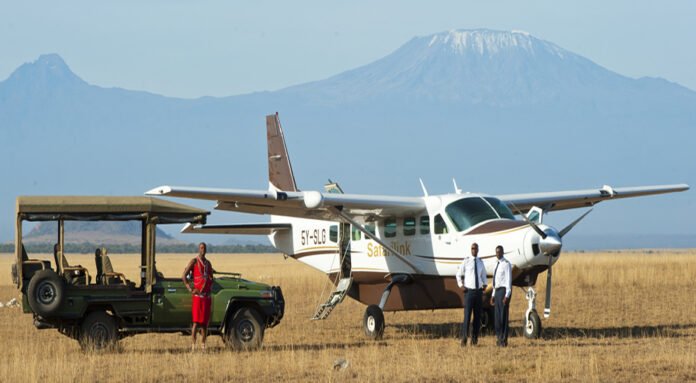
Embarking on a safari to Amboseli National Park is an unforgettable experience. With its stunning views of Mount Kilimanjaro, diverse wildlife, and picturesque landscapes, it’s essential to come prepared. Here’s a comprehensive guide on what to pack for your Amboseli safari adventure.
Packing Checklist
Lightweight Duffel Bag
Ripstop Wheeled Duffel, Telescoping Handle, 30″ Rating: 4.5 out of 5 stars (3,816 ratings) Price: $99.86 Color Options: Black, Blue, Red Size: 30″ (also available in 26″ and 35″) External Dimensions: 33’’ – 41″ x 16’’ x 14.5’’ (LxWxH) Interior Capacity: 87 Liters Weight: 10.6 lb or 4.81kg Features: Wheeled duffel in black for traveling in comfortable, convenient style. Durable design with 100% polyester top. Multiple zippered front and main compartments for easy organizing and secure storage.
Opt for a soft-sided duffel bag for ease of handling during flights and transfers. Amboseli, like Masai Mara, has similar luggage restrictions on light aircraft. A duffel bag with multiple compartments can help organize your belongings efficiently.
Clear Toiletry Bag
Following Kenya’s ban on single-use plastics, a clear, TSA-approved toiletry bag is essential. This will facilitate quick security checks and adhere to environmental regulations.
Comfortable Clothing
Pack neutral-colored clothes to blend in with the surroundings and avoid attracting insects. Include:
Light clothing for the warm days
Warm layers for cooler mornings and evenings
A waterproof jacket for unexpected rain showers
Footwear
Bring comfortable walking shoes or boots for game drives and nature walks. Sandals or flip-flops are also handy for lounging around your lodge or camp.
Sun Protection
The African sun can be intense, so pack:
A wide-brimmed hat
High-SPF sunscreen
Polarized sunglasses to reduce glare
Insect Repellent
Choose a repellent containing DEET for effective protection against mosquitoes and other insects.
Hydration and Health
Reusable Water Bottle: Stay hydrated while reducing plastic waste. Consider a bottle with a built-in filter for added safety.
Medication: Bring any prescription meds, as well as over-the-counter remedies for common ailments like headaches, upset stomach, and allergies. Don’t forget anti-malarial tablets.
Gadgets and Accessories
Camera: Capture the breathtaking landscapes and wildlife. A zoom lens can be beneficial for distant shots.
Binoculars: Enhance your wildlife viewing experience. Compact, high-powered binoculars are ideal.
Power Bank: Keep your devices charged during long days in the bush.
Universal Adapter: Ensure compatibility with Kenyan outlets.
Personal Items
Sports Bra: Essential for bumpy rides on safari tracks.
Swimwear: Many lodges have pools where you can cool off.
Travel Insurance: Always a wise precaution for unexpected events.
Miscellaneous
Daypack: For carrying essentials during game drives.
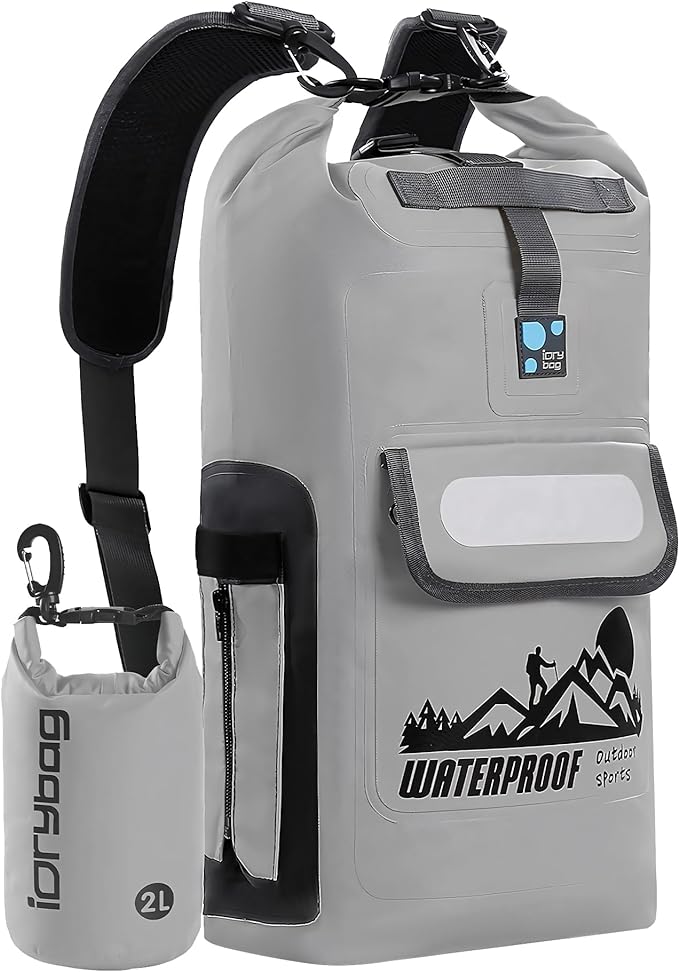
Dry Bag: Protect your electronics and important documents from dust and water.
Snacks: Energy bars or trail mix can be handy for long days.
Final Tips
Packing Cubes: Use these to organize your items and save space.
Copy of Important Documents: Keep a digital copy of your passport, visa, and travel insurance.
Cultural Respect: Dress modestly when visiting local villages or communities.
With this comprehensive packing list, you’ll be well-prepared for an incredible safari experience in Amboseli National Park. Remember to pack light, stay comfortable, and embrace the adventure that awaits!
Embarking on a South African safari is an adventure of a lifetime. To ensure a seamless experience, it’s essential to pack smartly. Here’s a comprehensive guide to what you should bring, including some top picks available on Amazon for your convenience.
Clothing and Footwear
Lightweight, Breathable Clothing: Opt for neutral colors like beige, khaki, or olive to blend in with the surroundings and avoid attracting insects.
Long-Sleeved Shirts and Pants: These provide protection from the sun and insects.
Warm Layers: Mornings and evenings can be chilly, so pack a fleece or a lightweight jacket.
Comfortable Walking Shoes: A pair of sturdy, comfortable shoes is a must for game walks.
Why: South African Safaris often involve walking on uneven terrain. Proper footwear prevents blisters and provides necessary support.
The Columbia Women’s Newton Ridge Plus Waterproof Amped Hiking Boot is Perfect for a South African Safari
Advanced Technology for Ultimate Comfort
Techlite™ Lightweight Midsole
Why We Love It: The Techlite™ lightweight midsole offers superior cushioning and high energy return, ensuring long-lasting comfort even during extended periods of walking or hiking. This feature is particularly important for safaris, where you may spend hours on your feet exploring various terrains.
What to Consider: Make sure to break in the boots before your trip to ensure maximum comfort from day one.
Seam-Sealed Waterproof Construction
Why We Love It: The waterproof construction keeps your feet dry and comfortable, no matter the weather conditions. This is crucial for safaris, which can involve unexpected rain showers or crossing streams.
What to Consider: While the boots are waterproof, pairing them with moisture-wicking socks can help manage sweat and prevent blisters.
Practical Features
Lightweight and Easy to Pack
Why We Love It: Despite their sturdy construction, these boots are relatively lightweight, making them easy to pack without adding excessive weight to your luggage. This is particularly beneficial for travelers trying to pack light for their safari.
What to Consider: While they are lightweight, make sure to pack them in a way that prevents damage during transit, such as placing them at the bottom of your suitcase with other items packed around them for support.
Hand-Washable and Easy to Maintain
Why We Love It: The hand-washable feature ensures you can easily clean the boots after a muddy trek, keeping them in good condition throughout your safari. This is especially useful for maintaining the appearance and longevity of the boots.
What to Consider: Allow enough time for the boots to dry thoroughly after washing to prevent any moisture-related issues.
Timberland Men’s White Ledge Mid Waterproof Hiking Boot
Why We Love It: The premium full-grain leather upper not only looks good but also provides excellent durability and waterproofing. This ensures your feet stay dry and comfortable, whether you encounter morning dew, unexpected rain, or shallow streams.
What to Consider: While full-grain leather is highly durable, it can take a bit longer to break in. Start wearing the boots well before your safari to ensure maximum comfort.
Seam-Sealed Waterproof Construction
Why We Love It: The seam-sealed construction guarantees that no water seeps in, making these boots reliable in wet conditions. This feature is particularly beneficial for the unpredictable weather you might face on a South African safari.
What to Consider: Regular maintenance, such as cleaning and applying leather conditioner, will help maintain the waterproof properties and prolong the life of the boots.
Sandals or flip-flops for camp or lodge
Hat and Sunglasses: Protect yourself from the sun with a wide-brimmed hat and UV-protective sunglasses.
Camera and Lenses: Capture the breathtaking landscapes and wildlife with a quality camera. Consider the Sony Alpha a6400 Mirrorless Camera for its fast autofocus and compact size.
Extra Batteries and Memory Cards: Ensure you have enough power and storage for your camera and other electronics.
Portable Power Bank: Keep your devices charged with a reliable power bank like the Anker PowerCore 10000.
Health and Safety
Sunscreen and Insect Repellent: Protect your skin from the sun and prevent insect bites.
First Aid Kit: Include essentials like band-aids, antiseptic wipes, and pain relievers.
Personal Medications: Don’t forget any prescription medications you may need.
Water Bottle: Stay hydrated with a reusable water bottle.
Miscellaneous
Travel Backpack: Choose a comfortable, durable backpack to carry your essentials. The Osprey Daylite Plus Daypack is a popular choice for its versatility and comfort.
Travel Adapters: South Africa uses Type M plug sockets, so bring suitable adapters for your electronics.
Dry Bag: Protect your valuables from dust and water with a dry bag.
By packing wisely and choosing the right products, you can ensure a comfortable and memorable safari experience in South Africa. Don’t forget to check the latest travel guidelines and restrictions before your trip. Safe travels!
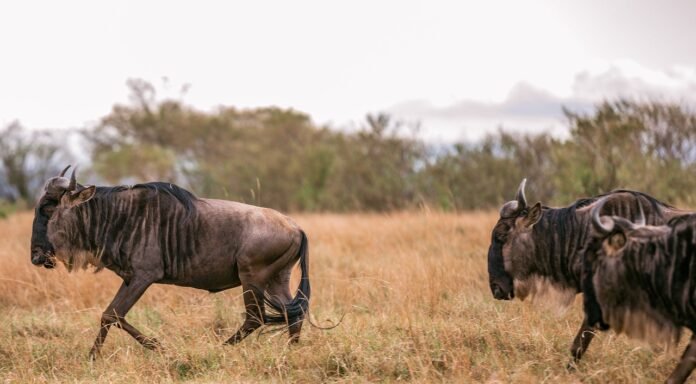
The Great Wildebeest Migration is a natural spectacle that takes place every year in East Africa. It is one of the world’s most awe-inspiring natural events, and has been occurring for thousands of years. Every year, over two million wildebeest and zebras travel in search of fresh grass and water across the Serengeti and Masai Mara eco-system.
The migration is a wonder of the natural world and is regarded as one of the greatest wildlife shows on earth. However, to make the most of the experience, it’s important that you as a safari traveler, know the best time to witness the migration and where you should be at different times of the year.
Factors that Affect the Migration
The wildebeest migration is influenced by various factors such as weather patterns, availability of pasture and water, predator-prey dynamics, and the wildebeest mating cycle. These factors determine the timing and location of the migration in both Masai Mara and Serengeti.
Seasons and Locations of the Migration in Masai Mara and Serengeti
The Great Wildebeest Migration is divided into three main seasons, namely the calving season, the river crossing season, and the return journey. During the calving season, which occurs in January and February, the wildebeest give birth to around 500,000 calves or about 8,000 calves per day. This is an important event as it brings a new generation of animals into the migration cycle.
The river crossing season typically begins in July and August when hundreds of thousands of animals cross the powerful Mara River. It is a momentous event, with animals struggling and often being swept away by the current. As the rains subside, the herd begins its return journey to Tanzania’s southern Serengeti around late October.
Best Time to Witness the Migration in Serengeti
The Serengeti National Park in Tanzania is the starting point of the Great Wildebeest Migration. Here are the recommended times to witness the migration in Serengeti:
January to February: Calving Season in Serengeti
The calving season is one of the most thrilling times to witness the migration. It takes place between January and February, where over 500,000 wildebeest give birth to their young in the southern Serengeti plains. The newborn wildebeest attracts predators such as lions, cheetahs, and hyenas, providing an opportunity for visitors to witness the predator-prey dynamics.
June to July: River Crossing Season in Serengeti
The river crossing season is arguably the most dramatic phase of the Great Wildebeest Migration. It takes place between June and July, where the wildebeest, zebras, and other herbivores cross the crocodile-infested Mara River from the Serengeti to Masai Mara. This period offers a spectacle of dust, noise, and drama, as thousands of animals make the dangerous crossing while trying to avoid the predators.
September to October: The Return Journey in Serengeti
The return journey is the last phase of the Great Wildebeest Migration, and it takes place between September and October. During this period, the wildebeest and other herbivores return to the Serengeti National Park, after spending several months in Masai Mara in search of fresh grass.
Best Time to Witness the Migration in Masai Mara
Masai Mara Game Reserve is the most popular destination for witnessing the Great Wildebeest Migration in Kenya. Here are the recommended times to witness the migration in Masai Mara:
July to September: River Crossing Season in Masai Mara
The river crossing season in Masai Mara takes place between July and September, where the wildebeest and other herbivores cross the Mara River from Tanzania’s Serengeti National Park. This period provides a spectacular show of nature, as visitors witness the animals brave the river while trying to avoid the predators.
October to November: The Return Journey in Masai Mara
The return journey of the Great Wildebeest Migration in Masai Mara takes place between October and November. During this period, the wildebeest and other herbivores return to the Serengeti National Park, after spending several months in Masai Mara in search of fresh grass.
Tips for Witnessing the Migration
To make the most of the Great Wildebeest Migration, visitors should consider the following tips:
Book your safari early: The Great Wildebeest Migration is a popular attraction, and many people travel to Masai Mara and Serengeti to witness the spectacle. It’s advisable to book your safari early to avoid missing out on the experience.
Choose a knowledgeable guide: The wildebeest migration is a complex phenomenon, and a knowledgeable guide can provide valuable insights into the behavior and movements of the animals.
Be patient and flexible: The timing and location of the migration can vary from year to year, and visitors should be patient and flexible with their itinerary to witness the migration.
In conclusion
Witnessing the Great Wildebeest Migration in Masai Mara and Serengeti is a once-in-a-lifetime experience that should not be missed. By knowing the best times to visit each park, visitors can maximize their chances of seeing the wildebeest migration in action. From the river crossings in Masai Mara to the calving season in Serengeti, each season offers a unique experience that is sure to leave a lasting impression. By following the tips mentioned above and planning ahead, visitors can witness one of the most extraordinary natural events in the world. So, pack your bags, grab your camera, and get ready to witness the Great Wildebeest Migration in all its glory.