Rwanda is a stunning country known for its rolling green hills, rich culture, and incredible wildlife. Whether you’re trekking through Volcanoes National Park in search of mountain gorillas, exploring the vibrant streets of Kigali, or venturing out to Lake Kivu, dressing appropriately is essential. The climate and activities you’ll engage in will significantly influence what you should pack.
1. Overview of Rwanda’s Climate
Rwanda’s climate is mild, mostly due to its elevation, with temperatures varying between regions. Kigali, the capital, sits at an altitude of around 1,500 meters (4,920 feet), making it generally cooler than other equatorial cities. Rwanda experiences two main seasons:
- Dry Season: June to September (short dry season) and December to February (long dry season).
- Rainy Season: March to May (long rainy season) and October to November (short rainy season).
The dry seasons are the most popular times to visit for outdoor activities such as gorilla trekking, but the country’s beauty can be enjoyed year-round. Understanding the climate will help guide your wardrobe choices for different activities and regions.
Temperature Ranges:
- Daytime: Between 20°C and 27°C (68°F to 81°F), depending on the location.
- Nighttime: Can drop to around 12°C to 16°C (54°F to 61°F), especially in mountainous areas.
While the temperature is relatively consistent throughout the year, the rainy season requires additional preparation as the rain can come unexpectedly, and the ground can become muddy—particularly in the mountainous regions.
2. What to Wear in Kigali: Urban Attire
Kigali is Rwanda’s bustling capital and is known for its clean streets, modern infrastructure, and stylish locals. The city offers a mix of casual and slightly more formal wear, depending on where you’re going.
General Style Tips for Kigali:
- Comfortable and Stylish: Kigali is a modern city, and its residents take pride in dressing well. Light, breathable clothing like cotton or linen is ideal for daytime activities. For women, modest sundresses, skirts, and light blouses are perfect. For men, light trousers or chinos paired with short-sleeved shirts work well.
- Evenings and Social Settings: Evenings can get cooler, especially during the dry season, so packing a light sweater or jacket is advisable. If you plan to visit any upscale restaurants or cafes, business casual attire will fit right in.
- Footwear: While Kigali’s streets are clean and well-maintained, you will be doing a lot of walking. A comfortable pair of shoes, like sneakers or flats, is recommended. If you plan to visit art galleries, markets, or museums, lightweight shoes that offer support are ideal.
What to Wear for Different Activities in Kigali:
- Exploring Markets and Cultural Sites: Opt for casual yet presentable clothing. Lightweight pants or a skirt paired with a cotton top will keep you comfortable.
- Dining Out: For Kigali’s higher-end restaurants, a semi-formal outfit is ideal. Women might consider a knee-length dress with a shawl or cardigan, while men can wear collared shirts with dress pants.
- Nightlife: While not as loud as other capital cities, Kigali has a burgeoning nightlife scene. For an evening out, dress in smart-casual attire. Women could opt for a nice blouse with jeans or a casual dress, while men might go for a button-up shirt and dark pants.
3. What to Wear for Gorilla Trekking
One of the highlights of any trip to Rwanda is gorilla trekking in Volcanoes National Park. The terrain is rugged, and you may need to hike for several hours through dense forest to find the gorillas, so proper gear is crucial.
Essentials for Gorilla Trekking:
- Long-sleeved Shirts and Trousers: The forest is full of thorny plants and stinging insects. Long sleeves and pants will help protect your skin. Opt for moisture-wicking, breathable fabrics that dry quickly.
- Waterproof Jacket: Even during the dry season, rain showers are common in the mountains. A lightweight, packable rain jacket is a must.
- Layers: Mornings in the mountains can be chilly, but once you start hiking, you’ll warm up. Dressing in layers will allow you to adjust to changing temperatures.
- Gaiters: These are useful to protect your lower legs from mud, plants, and insects as you trek through the undergrowth.
- Gloves: You may need to grasp onto branches or vines as you hike, so gloves will protect your hands. Lightweight, breathable gloves are ideal.
- Hat: A wide-brimmed hat or cap will protect you from the sun and rain. Make sure it’s something you can pack easily.
- Socks: Wear moisture-wicking hiking socks that keep your feet dry. Bring an extra pair of socks in case your feet get wet.
- Backpack: A small, durable daypack with a rain cover is useful for carrying essentials like water, snacks, and extra layers.
Footwear for Gorilla Trekking:
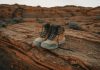
- Hiking Boots: Sturdy, waterproof hiking boots with good ankle support are non-negotiable. The trails can be muddy, steep, and uneven, so you’ll want something with a solid grip.
- Extra Tip: Break in your boots before your trip to avoid blisters.
4. What to Wear in the National Parks
Beyond gorilla trekking, Rwanda’s national parks offer opportunities for wildlife viewing, hiking, and exploring diverse ecosystems. Each park has its own climate and terrain, so your attire will need to match the specific activity.
Akagera National Park (For Safari):
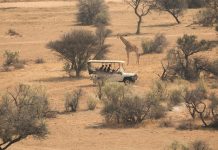
Akagera National Park is located in the lowlands of eastern Rwanda and offers a classic African safari experience with game drives. The area is warmer than the highlands, so lighter clothing is appropriate.

- Safari Clothing: Light, neutral-colored clothing works best for blending in with the environment. Avoid bright colors as they can scare animals away.
- Layers: Mornings can be cool, but the temperature heats up quickly. Lightweight layers are key.
- Sun Protection: Bring a wide-brimmed hat, sunglasses, and a high-SPF sunscreen to protect yourself from the intense equatorial sun.
- Footwear: While you’ll spend most of your time in a vehicle, a comfortable pair of walking shoes or sandals is useful for walking around camp or short walks.
Nyungwe Forest National Park (For Hiking and Chimpanzee Trekking):
Nyungwe is a tropical rainforest, and the trails can be slippery, especially during the rainy season.
- Long-sleeved Hiking Gear: Similar to gorilla trekking, you’ll want moisture-wicking clothing that covers your arms and legs.
- Waterproof Jacket: Rain is frequent in Nyungwe, so always have a waterproof jacket on hand.
- Hiking Boots: Sturdy boots are a must due to the steep terrain and muddy paths.

5. Beach and Lake Destinations: Lake Kivu
Lake Kivu, situated on Rwanda’s western border, is a beautiful and serene destination perfect for relaxation and water-based activities.
What to Wear for Beach and Lake Activities:
- Swimwear: Modest swimwear is recommended as Rwanda is a conservative country. Women might prefer a one-piece or tankini, and men should stick to longer swim trunks.
- Cover-Ups: Lightweight cover-ups, like sarongs or kaftans, are great for wearing over your swimwear when walking around the lake area.
- Casual Clothing: For lounging or exploring the local towns, light cotton shorts and t-shirts will keep you comfortable in the warm climate.
Footwear:
- Flip-flops or Sandals: Comfortable sandals or flip-flops are perfect for the beach or walking along the lake.
- Water Shoes: If you plan to engage in any water sports, consider bringing water shoes to protect your feet from sharp rocks.
6. Rwanda’s Seasons & What to Wear
Rwanda experiences four distinct seasons:
- Long Rainy Season (March–May)
- Long Dry Season (June – August)
- Short Rainy Season (September–December)
- Short Dry Season (January–February)
Each season brings different weather conditions that can impact your wardrobe choices. Here’s a breakdown of what to expect and what to wear during each period:
Long Rainy Season (March–May)
This is Rwanda’s wettest season, with heavy and frequent rainfall, particularly in mountainous and forested areas. The temperature remains mild, ranging between 15°C and 25°C (59°F–77°F), but the high humidity can make it feel warmer. Roads and trails can become muddy and slippery, especially in national parks.
What to Wear:
- Waterproof rain jacket or poncho – Essential for staying dry during sudden downpours.
- Water-resistant hiking boots – A must-have if you plan on trekking, as trails can get muddy.
- Quick-dry, moisture-wicking fabrics – Helps keep you comfortable in the humid conditions.
- Long-sleeved shirts and pants – Protects against insects, particularly in forested areas.
- Gaiters – Useful for keeping mud out of your boots during treks.
- Layered clothing – Temperatures can drop in higher altitudes, so bring a light fleece or sweater.
Best Activities for This Season:
- Gorilla trekking (rain gear is crucial)
- Cultural and city tours
- Lake Kivu relaxation (expect occasional rain)
Long Dry Season (June–August)
This is Rwanda’s most popular travel season, with clear skies, less rainfall, and cooler temperatures, ranging from 12°C to 26°C (54°F–79°F). Evenings, particularly in high-altitude areas like Volcanoes National Park and Nyungwe Forest, can be quite cold.
What to Wear:
- Lightweight layers – Mornings and evenings can be chilly, so pack a warm sweater or fleece.
- Comfortable walking shoes or sandals – Ideal for exploring cities and towns.
- Neutral-colored, breathable clothing – If going on safari, choose khaki or olive-colored clothes.
- Warm jacket or hoodie – Needed for early morning game drives and hikes in high-altitude regions.
- Sunscreen, sunglasses, and a hat – The equatorial sun is strong even in cooler months.
Best Activities for This Season:
- Gorilla and chimpanzee trekking (best time for clear trails)
- Safari in Akagera National Park
- Exploring Kigali and cultural sites
Short Rainy Season (September–December)
This period brings moderate rainfall, but showers are typically shorter and less intense than in the long rainy season. Temperatures range between 16°C and 27°C (61°F–81°F), with increased humidity.
What to Wear:
- Light rain jacket or poncho – Essential for unexpected showers.
- Hiking boots with good grip – Useful for jungle treks and exploring muddy paths.
- Breathable long-sleeved shirts and pants – Helps with sun protection and keeping insects away.
- A light sweater or fleece – Evenings in highland areas can still be cool.
Best Activities for This Season:
- Safari trips (wildlife is still easy to spot)
- Gorilla and chimpanzee trekking (forests are lush and beautiful)
- Visiting Lake Kivu (expect occasional showers)
Short Dry Season (January–February)
Similar to the long dry season, this period sees minimal rainfall and warm temperatures, ranging from 15°C to 28°C (59°F–82°F). It’s an excellent time for outdoor adventures before the heavy rains return.
What to Wear:
- Light, breathable fabrics – Cotton and linen are ideal for staying cool.
- Comfortable walking shoes – Essential for city tours and cultural visits.
- Neutral-colored clothing for safaris – Helps with blending into the environment.
- A light sweater or jacket – Nights can still be chilly, especially in hilly regions.
- Sunscreen, sunglasses, and a hat – Sun protection is important during this dry, warm period.
Best Activities for This Season:
- Gorilla and chimpanzee trekking
- City and cultural explorations
- Hiking in Volcanoes or Nyungwe National Park
7. Cultural Considerations: Dressing Respectfully in Rwanda
Rwanda is a conservative country, and modesty is highly valued. While casual and comfortable attire is accepted, it’s important to respect local customs, especially in rural areas and when visiting cultural sites.
What to Avoid:
- Revealing Clothing: Avoid shorts, tank tops, or clothes that expose too much skin, particularly when visiting villages, churches, or cultural monuments.
- Bright Colors in Certain Areas: In the national parks, stick to neutral colors to avoid distracting wildlife.
For Women:
- Modesty: Women should avoid overly revealing clothes and opt for skirts, dresses, or pants that cover the knees when in more traditional settings.
For Men:
- Smart Casual: Even in informal settings, Rwandan men often dress smartly. Casual jeans or trousers paired with a polo or button-down shirt are appropriate in most situations.
8. Additional Tips: Footwear, Accessories, and Travel Gear
Footwear:
- Everyday Walking Shoes: Comfortable sneakers or walking shoes are ideal for daily activities.
- Hiking Boots: For any treks or national park visits, sturdy, waterproof boots are a must.
Accessories:
- Sun Protection: Sunglasses, hats, and sunscreen are essential year-round.
- Insect Repellent: Particularly in national parks, bring a good insect repellent to protect yourself from mosquitoes and other insects.
Travel Gear:
- Daypack: A sturdy, water-resistant backpack is useful for day trips.
- Reusable Water Bottle: Staying hydrated is important, especially at higher altitudes.
Conclusion
Packing for Rwanda requires a mix of adventure-ready gear and comfortable, modest clothing. Whether you’re exploring Kigali’s vibrant streets, trekking through rainforests, or relaxing by Lake Kivu, dressing appropriately will ensure a comfortable and culturally respectful visit. With the right preparation, you’ll be ready to enjoy all the beauty Rwanda has to offer, regardless of the season or activity.