Home Blog Page 14

Desert Sandals

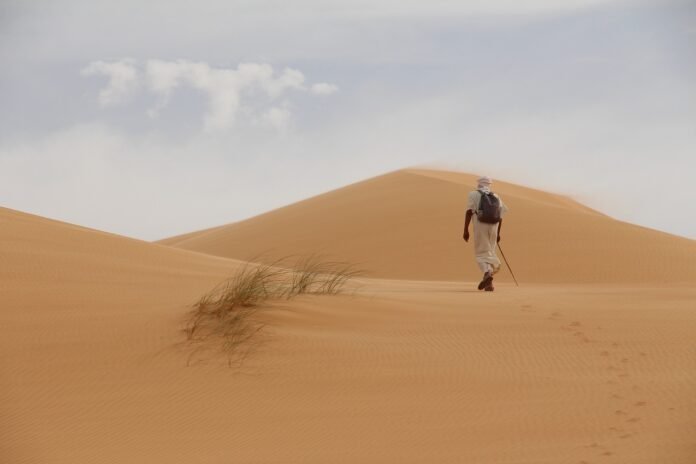
traveler wearing sandals in the desert

When embarking on a desert safari, choosing the right footwear is crucial. The harsh, hot, and often unpredictable desert environment demands sandals that offer comfort, durability, and protection. This comprehensive guide will explore the best types of desert sandals, ideal materials, what makes great desert sandals, and provide detailed reviews of top options for both men and women. We’ll also discuss why some people prefer sandals to shoes in the desert and debate which is better. Let’s dive in and find your perfect desert companion!

1. Best Types of Sandals for the Desert

Desert environments require sandals that can handle extreme heat, rough terrain, and provide adequate support. Here are some of the best types of sandals for the desert:

1.1. Hiking Sandals

Hiking sandals are designed to offer the best of both worlds: the breathability and lightness of a sandal with the support and protection of a hiking shoe. These are perfect for those who plan on tackling rugged desert trails.

Features:

  • Thick, durable soles
  • Adjustable straps for a secure fit
  • Good arch support and cushioning

Pros:

  • Excellent for rough terrain
  • Breathable and quick-drying
  • Versatile for different activities

Cons:

  • Heavier than other types of sandals
  • Can be pricier

Why We Love Them: Hiking sandals provide stability and comfort, making them ideal for long desert treks.

1.2. Sport Sandals

Sport sandals are designed for active wear and are perfect for those engaging in activities like dune bashing, sandboarding, or casual hikes.

Features:

  • Lightweight construction
  • Adjustable straps
  • Non-slip soles

Pros:

  • Lightweight and comfortable
  • Good for various activities
  • Often water-resistant

Cons:

  • Less support compared to hiking sandals
  • Might not last as long on rugged terrain

Why We Love Them: Sport sandals are versatile and comfortable, making them great for a wide range of desert activities.

1.3. Closed-Toe Sandals

Closed-toe sandals offer added protection for your toes while still providing the ventilation of a sandal. These are great for more rugged terrain or if you prefer a bit more protection.

Features:

  • Covered toe area
  • Sturdy construction
  • Adjustable straps

Pros:

  • Extra protection for toes
  • Good for rough terrain
  • Still breathable

Cons:

  • Can be heavier
  • Less breathable than open-toe designs

Why We Love Them: Closed-toe sandals strike a balance between protection and comfort, making them suitable for tougher desert conditions.

2. Best Materials for Desert Sandals

The material of your desert sandals plays a crucial role in comfort, durability, and performance. Here are some of the best materials to look for:

2.1. Leather

Leather is a popular choice for desert sandals due to its durability and comfort. It molds to the shape of your foot over time, providing a custom fit.

Pros:

  • Durable and long-lasting
  • Comfortable fit over time
  • Breathable

Cons:

  • Can be expensive
  • Requires maintenance

Why We Love It: Leather offers a luxurious feel and durability, making it a great investment for serious adventurers.

2.2. Synthetic Fabrics

Synthetic materials like nylon and polyester are commonly used in sport and hiking sandals. These materials are lightweight, quick-drying, and durable.

Pros:

  • Lightweight and breathable
  • Quick-drying
  • Often more affordable

Cons:

  • Might not last as long as leather
  • Can retain odors

Why We Love It: Synthetic fabrics are perfect for those who need a versatile, easy-to-maintain sandal.

2.3. Rubber

Rubber is commonly used for the soles of desert sandals. It provides excellent grip and durability, essential for navigating rough desert terrain.

Pros:

  • Durable and sturdy
  • Great traction
  • Often water-resistant

Cons:

  • Can be heavy
  • Might not be as breathable

Why We Love It: Rubber soles ensure you have the grip and stability needed for desert adventures.

3. What Makes Great Desert Sandals?

Several factors contribute to making great desert sandals. Here are the key elements to consider:

3.1. Comfort

Comfort is paramount when choosing desert sandals. Look for features like cushioned soles, arch support, and adjustable straps to ensure a perfect fit.

3.2. Durability

Desert conditions can be tough on footwear. Opt for sandals made from durable materials like leather or high-quality synthetic fabrics and those with sturdy rubber soles.

3.3. Breathability

Breathability is crucial in hot desert climates. Ensure the sandals have adequate ventilation to keep your feet cool and dry.

3.4. Protection

Depending on the terrain, you might need extra protection. Closed-toe designs or sandals with protective toe caps can prevent injuries from rocks and debris.

3.5. Traction

Good traction is essential for stability on sandy, rocky, or uneven surfaces. Look for sandals with non-slip rubber soles.

4. Desert Sandals for Men

Men’s desert sandals are designed to offer durability and comfort for various activities. Here are some top picks:

4.1. Teva Hurricane XLT2

Teva men's desert sandals

Pros:

  • Durable and lightweight
  • Excellent traction
  • Adjustable straps for a secure fit

Cons:

  • Can take time to break in
  • Limited color options

Why We Love Them: Teva Hurricane XLT2 offers a great balance of comfort, durability, and versatility, making them perfect for desert adventures.

4.2. KEEN Newport H2

Pros:

  • Closed-toe protection
  • Durable and water-resistant
  • Comfortable for all-day wear

Cons:

  • Heavier than some other options
  • Can retain sand and debris

Why We Love Them: KEEN Newport H2 provides excellent protection and comfort, ideal for rugged desert terrain.

4.3. Chaco Z/Cloud

Pros:

  • Superior arch support
  • Adjustable straps for a custom fit
  • Durable construction

Cons:

  • Can be bulky
  • Higher price point

Why We Love Them: Chaco Z/Cloud offers unparalleled support and comfort, perfect for long desert hikes.

5. Desert Sandals for Women

Women’s desert sandals are crafted to offer both style and functionality. Here are some top choices:

5.1. Teva Tirra

Pros:

  • Lightweight and comfortable
  • Great traction
  • Adjustable straps for a secure fit

Cons:

  • May not provide enough support for rough terrain
  • Limited color options

Why We Love Them: Teva Tirra combines comfort and functionality, making them ideal for various desert activities.

5.2. KEEN Whisper

Pros:

  • Closed-toe design for protection
  • Lightweight and breathable
  • Excellent traction

Cons:

  • Can retain sand and debris
  • Limited arch support

Why We Love Them: KEEN Whisper offers protection and breathability, perfect for adventurous women.

5.3. ECCO Yucatan

Pros:

  • Excellent arch support
  • Durable and comfortable
  • Versatile for different activities

Cons:

  • Higher price point
  • Can be heavier than other options

Why We Love Them: ECCO Yucatan provides exceptional support and durability, making them perfect for extended desert trips.

6. Why Some People Prefer Sandals to Shoes in the Desert

Many people prefer sandals to shoes in the desert for several reasons:

6.1. Breathability

Sandals offer superior breathability, keeping feet cool and dry in hot climates.

6.2. Comfort

The open design of sandals reduces pressure points and allows for a more comfortable fit, especially during long walks.

6.3. Versatility

Sandals can be worn in a variety of situations, from hiking to casual wear, making them more versatile than shoes.

6.4. Quick-Drying

Sandals made from synthetic materials dry quickly, making them ideal for crossing streams or dealing with unexpected rain.

6.5. Ease of Use

Sandals are easy to put on and take off, which is convenient when navigating through sand or water.

7. Sandals vs. Shoes in the Desert: Which Is Better?

Choosing between sandals and shoes for desert use depends on several factors, including the type of activity, terrain, and personal preference.

7.1. Shoes

Pros:

  • Better protection from rocks and debris
  • Often provide more support
  • Can be more durable

Cons:

  • Less breathable
  • Heavier and bulkier
  • Can be less comfortable in hot weather

7.2. Sandals

Pros:

  • Superior breathability
  • Lighter and more comfortable
  • Quick-drying and versatile

Cons:

  • Less protection for toes
  • Can allow sand and debris to enter
  • Might offer less support

Conclusion: For rugged, rocky terrain, shoes might offer the necessary protection and support. However, for general desert use, especially in hot climates, sandals provide unmatched breathability and comfort. Ultimately, the choice depends on the specific needs and preferences of the individual.
Ultimate Guide to Safari Photography

0
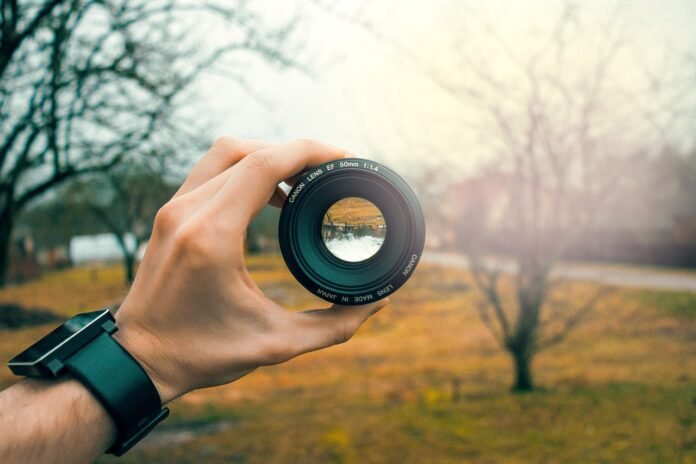
A man checking out a lens before wildlife photography

Safari photography offers a thrilling experience of capturing the majestic wildlife in their natural habitat. Whether you’re a novice or an experienced photographer, understanding the intricacies of safari photography can significantly enhance your ability to take stunning images. This guide provides a comprehensive overview, from the basics to expert tips, on camera settings, dealing with challenges, and choosing the best gear for photographing moving subjects.

7 Days Kenya Big Cat Photo Safari

1. Understanding the Basics of Safari Photography

1.1. The Essence of Safari Photography

Safari photography is about capturing wildlife and landscapes in their natural environments. It requires patience, respect for nature, and a keen eye for detail. The key is to tell a story through your images, showcasing the beauty and behavior of wildlife.

1.2. Essential Gear

  • Camera: A DSLR or mirrorless camera with fast autofocus and good low-light performance.
  • Lenses: Telephoto lenses (e.g., 70-200mm, 100-400mm) are crucial for close-ups, while wide-angle lenses (e.g., 24-70mm) are great for landscapes.
  • Tripod/Monopod: For stability, especially in low light.
  • Extra Batteries and Memory Cards: Wildlife photography can be unpredictable; be prepared for long sessions.
  • Protective Gear: Dust covers, rain sleeves, and lens hoods to protect your equipment.

1.3. Basic Camera Settings

  • Shooting Mode: Aperture Priority (A/Av) for control over depth of field or Shutter Priority (S/Tv) for controlling motion blur.
  • ISO: Start with ISO 100-400 in daylight; increase in low light.
  • Aperture: Wide apertures (f/2.8 – f/5.6) for portraits; narrower (f/8 – f/11) for landscapes.
  • Shutter Speed: Fast speeds (1/1000s or higher) for action shots; slower speeds (1/250s – 1/500s) for less movement.
  • Focus Mode: Continuous/AI Servo for tracking moving subjects.

2. Advanced Techniques for Stunning Wildlife Photography

2.1. Mastering Exposure

Balancing the exposure triangle (aperture, shutter speed, ISO) is crucial. Overexposing can blow out highlights, while underexposing can lose detail in shadows. Use exposure compensation (+/-) to fine-tune your settings.

2.2. Autofocus Techniques

  • Single Point AF: Use for precise focus on a stationary subject.
  • Dynamic AF/Zone AF: Useful for tracking moving subjects.
  • Back Button Focus: Assign focus to a button other than the shutter to prevent accidental refocusing.

2.3. Composition Tips

  • Rule of Thirds: Place subjects off-center for a balanced composition.
  • Leading Lines: Use natural lines to guide the viewer’s eye.
  • Framing: Use natural elements like trees or rocks to frame your subject.
  • Negative Space: Don’t be afraid to include empty space to highlight your subject.

3. Challenges in Safari Photography and How to Overcome Them

3.1. Lighting Conditions

  • Harsh Sunlight: Shoot during golden hours (early morning or late afternoon) for softer light.
  • Low Light: Use higher ISOs, wider apertures, and slower shutter speeds, but watch for noise.
  • Backlighting: Use it creatively for silhouettes or fill flash to illuminate subjects.

3.2. Animal Behavior

Understanding animal behavior helps in anticipating movements. Patience and observation are key. Study your subjects to predict their actions and position yourself accordingly.

3.3. Safety Concerns

Maintain a safe distance from wildlife. Respect their space and follow the guidance of local experts and rangers. Never disturb or provoke animals for the sake of a shot.

4. Best Cameras and Lenses for Safari Photography

4.1. Top Camera Picks

  • Canon EOS R5: Excellent autofocus and image quality.
  • Nikon Z7 II: High resolution and robust build.
  • Sony A1: Fast burst rate and exceptional detail.

4.2. Recommended Lenses

  • Canon RF 100-500mm f/4.5-7.1L IS USM: Versatile telephoto lens.
  • Nikon AF-S NIKKOR 200-500mm f/5.6E ED VR: Great for long-distance shots.
  • Sony FE 200-600mm f/5.6-6.3 G OSS: Superb reach and image stabilization.

4.3. Accessories for Enhanced Performance

  • Teleconverters: Extend the reach of your lenses.
  • Bean Bags: Stabilize your camera on vehicle windows.
  • Camera Straps: Comfortable and secure for long periods.

5. Practical Tips for Successful Safari Photography

5.1. Preparing for the Safari

  • Research Locations: Know the best parks and reserves for the wildlife you want to photograph.
  • Plan Your Gear: Pack efficiently, considering weight restrictions and accessibility.
  • Health Precautions: Vaccinations, medications, and adequate hydration.

5.2. In the Field

  • Patience is Key: Wait for the right moment rather than taking hundreds of shots.
  • Stay Quiet: Avoid disturbing the animals with noise.
  • Use Burst Mode: Capture fast-moving actions with continuous shooting.

5.3. Post-Processing Techniques

  • Editing Software: Adobe Lightroom and Photoshop for advanced editing.
  • Basic Adjustments: Exposure, contrast, and sharpness.
  • Advanced Techniques: Noise reduction, selective color correction, and cropping.

6. Ethical Considerations in Wildlife Photography

6.1. Respect for Wildlife

Always prioritize the welfare of animals over getting the perfect shot. Avoid actions that could stress or endanger them.

6.2. Ethical Guidelines

  • No Baiting: Do not use food or calls to lure animals.
  • Stay in Vehicles: Most safaris require staying inside vehicles for safety and minimal disturbance.
  • Leave No Trace: Ensure you leave the environment as you found it.
7 Days Kenya Big Cat Photo Safari

Conclusion

Safari photography is a rewarding pursuit that combines the love of nature with the art of photography. By mastering camera settings, understanding animal behavior, and respecting ethical guidelines, you can capture breathtaking images that tell powerful stories. Whether you’re a beginner or an expert, this guide aims to equip you with the knowledge and techniques needed to excel in safari photography. So, pack your gear, plan your adventure, and immerse yourself in the wild to create stunning photographic memories.

Safari Clothes

women safari clothing

Safari adventures offer a unique opportunity to connect with nature and witness incredible wildlife in their natural habitats. Whether you’re exploring the African savannah, trekking through jungles, or embarking on a desert safari, the right attire is essential for comfort, safety, and an enjoyable experience. This article will guide you through the essentials of safari clothes for both men and women, helping you choose the best outfits for your next adventure.

Wearing appropriate safari clothes is crucial for several reasons. The harsh outdoor conditions, unpredictable weather, and the need to blend into natural surroundings require a thoughtful selection of clothing. Moreover, comfort and practicality play vital roles in ensuring that you can fully enjoy the experience without being hindered by unsuitable attire.

In this comprehensive guide, we will explore the key features of safari clothes, various types of garments suited for safaris, essential accessories and gear, and provide valuable packing tips.

Essential Features of Safari Clothes

When selecting safari clothes, there are several essential features to consider. These features ensure that your attire is suitable for the diverse conditions you may encounter during a safari.

Fabric Choices Choosing the right fabric is paramount. Look for breathable and moisture-wicking materials such as cotton, linen, and synthetic blends. These fabrics help keep you cool and dry, even in hot and humid conditions. Avoid heavy fabrics that can trap heat and make you uncomfortable.

Color Considerations Neutral tones are ideal for safari clothing. Colors like khaki, beige, olive, and brown help you blend into the natural environment, reducing the chances of startling wildlife. Bright colors can attract insects and make you more noticeable to animals, which is best avoided.

Durability and Functionality Safari clothes should be durable and functional. Opt for garments with reinforced stitching, multiple pockets for storage, and features like roll-up sleeves or zip-off pants. These functional elements enhance convenience and ensure your clothes can withstand rugged conditions.

Versatility and Layering Layering is key for adapting to changing temperatures. Choose versatile pieces that can be easily layered, such as lightweight jackets, vests, and long-sleeve shirts. This allows you to adjust your outfit according to the weather, ensuring comfort throughout the day.

Types of Safari Clothes

Understanding the different types of safari clothes available will help you build a practical and stylish wardrobe for your adventure.

Tops

Shirts and Blouses Long-sleeve shirts and blouses made from breathable materials are essential for sun protection and insect prevention. Look for shirts with roll-up sleeves and ventilation features. Women’s UPF 50 Long Sleeve UV Sun Protection Safari Shirts offer excellent options designed for outdoor activities. Advanced Moisture Control technology pulls moisture away to keep you cool and dry. Fabric surface is stain resistant and easy to maintain.

woman wearing long sleeve safari shirt

Tank Tops and T-Shirts For hot days, tank tops and t-shirts made from moisture-wicking fabrics provide comfort. Choose options with a relaxed fit to allow airflow. Neutral colors and quick-drying materials are ideal.

Bottoms

Pants Cargo pants and convertible pants are popular choices for safari bottoms. Cargo pants offer ample pocket space for storing essentials, while convertible pants can be zipped off into shorts, providing versatility. PrAna and Patagonia offer durable and stylish options.

Shorts and Skirts When the weather is hot, shorts and skirts made from lightweight, breathable fabrics are great choices. Look for knee-length options to protect your skin from the sun and insects. Brands like Columbia and The North Face offer practical and stylish options.

Outerwear

Jackets and Vests A lightweight jacket or vest is essential for early mornings and evenings when temperatures drop. Look for options with multiple pockets and ventilation features. Brands like Arc’teryx and Patagonia offer high-quality outerwear suitable for safari conditions.

women safari jacket

Rain Gear A waterproof jacket and pants are essential for unexpected rain showers. Choose packable options that can be easily carried in your daypack. Hount Women’s Lightweight Hooded Raincoat offer reliable rain gear.

women safari rain coat

Footwear

Boots Ankle-high boots or hiking boots provide support and protection during long walks and hikes. Look for waterproof and breathable options. Brands like Merrell and Salomon are known for their durable and comfortable boots.

Sandals and Sneakers For less strenuous activities, comfortable sandals or sneakers are ideal. Look for options with good arch support and sturdy soles. Teva and Keen offer great options for safari adventures.

Accessories and Gear

In addition to clothing, certain accessories and gear enhance comfort and safety during a safari.

Hats and Headwear A wide-brimmed hat or a cap provides essential sun protection. Look for options with UPF (Ultraviolet Protection Factor) ratings. Tilley and Sunday Afternoons offer stylish and functional headwear.

Scarves and Bandanas Scarves and bandanas serve multiple purposes, from sun protection to dust prevention. Lightweight and breathable options are best. Brands like Buff and REI offer versatile choices.

Sunglasses Polarized sunglasses protect your eyes from harmful UV rays and reduce glare. Choose options with sturdy frames and scratch-resistant lenses. Brands like Oakley and Ray-Ban are popular choices.

Bags A durable backpack or crossbody bag is essential for carrying essentials like water, snacks, and a camera. Look for options with multiple compartments and comfortable straps. Brands like Osprey and Deuter offer reliable options.

Belts and Utility Accessories A sturdy belt can be useful for securing pants and carrying small items. Utility accessories like multi-tools and compasses are also handy. Brands like Leatherman and Gerber offer high-quality tools.

Packing Tips for a Safari Trip

Packing for a safari requires careful planning to ensure you have everything you need without overpacking.

Packing Light and Smart Choose versatile clothing pieces that can be mixed and matched. Stick to neutral colors and avoid heavy fabrics. Opt for lightweight and compact items.

Layering and Mix-and-Match Strategies Layering is essential for adapting to temperature changes. Pack a mix of short-sleeve and long-sleeve shirts, as well as lightweight jackets and vests. This allows you to add or remove layers as needed.

Must-Have Items for Comfort and Safety

  • Sunscreen and insect repellent
  • Reusable water bottle
  • Travel-sized toiletries
  • First aid kit
  • Binoculars for wildlife viewing
  • Camera with extra batteries and memory cards

Style Tips for Safari Clothing

Balancing functionality with style is possible with the right approach.

Balancing Functionality with Style Choose clothing that meets the practical needs of a safari while allowing you to express your personal style. Look for pieces with functional features that also look good.

Incorporating Personal Style Add a touch of personal style with accessories like scarves, hats, and jewelry. Opt for items that are both practical and stylish.

Outfit Inspiration and Ideas

  • Classic Safari Look: Pair a khaki shirt with cargo pants, a wide-brimmed hat, and ankle-high boots. Add a lightweight jacket for cooler mornings and evenings. Complete the look with a crossbody bag and polarized sunglasses.
  • Casual and Comfortable: Combine a moisture-wicking t-shirt with convertible pants that can be zipped off into shorts. Choose neutral colors like beige or olive. Add a cap, comfortable sneakers, and a backpack for a relaxed yet practical outfit.
  • Chic Safari Style: Wear a linen blouse with a pair of tailored shorts or a skirt. Accessorize with a wide-brimmed hat, stylish sunglasses, and lightweight jewelry. Opt for comfortable sandals or loafers and a small crossbody bag for a chic look that doesn’t sacrifice functionality.
  • Adventure-Ready: Go for a breathable tank top paired with cargo pants or shorts. Add a lightweight vest with multiple pockets for extra storage. Choose sturdy hiking boots and a wide-brimmed hat. Carry a durable backpack and wear polarized sunglasses for a ready-for-anything outfit.

Conclusion

Embarking on a safari is an exciting adventure that requires thoughtful preparation, especially when it comes to your wardrobe. Choosing the right safari clothes for women ensures you are comfortable, protected, and able to fully enjoy your experience in the great outdoors.

What to Pack for Lamu

0

Lamu, an enchanting island off the coast of Kenya, beckons travelers with its rich history, vibrant culture, and stunning beaches. Whether you’re visiting for a short getaway or an extended vacation, packing appropriately is crucial to make the most of your experience. This guide will help you understand what to pack for Lamu, considering the seasons, activities, cultural norms, and specific needs for both men and women.

Why Lamu is Special

Lamu Island is a UNESCO World Heritage site known for its unique Swahili culture, historical architecture, and laid-back atmosphere. The island’s charm lies in its car-free streets, where donkeys are the primary mode of transport, and the friendly locals who welcome visitors with open arms. Lamu offers a blend of beautiful beaches, water activities, historical exploration, and cultural experiences that make it a must-visit destination.

Seasons in Lamu

Lamu experiences a tropical climate with warm temperatures year-round. However, understanding the seasons can help you pack better.

  • Dry Season (June to October): This is the best time to visit Lamu, with sunny days, cooler temperatures, and minimal rainfall. It’s perfect for beach activities and outdoor exploration.
  • Short Rainy Season (November to December): Expect occasional showers, but it remains warm and mostly sunny. It’s a great time to visit if you prefer fewer tourists.
  • Long Rainy Season (March to May): This period sees the most rainfall, but the island is lush and beautiful. It’s ideal for those who enjoy a quieter, more introspective experience.

What to Pack for the Dry Season

Clothing

  • Lightweight Clothing: Pack breathable, lightweight fabrics like cotton and linen to stay cool.
  • Swimwear: Essential for beach days and water activities. Consider packing at least two sets.
  • Sun Hat and Sunglasses: Protect yourself from the strong sun.
  • Sandals and Flip-Flops: Comfortable footwear for walking around the sandy streets.
  • Evening Wear: Casual dresses for women and light trousers with shirts for men. Evenings can be slightly cooler, so consider packing a light sweater or shawl.

Accessories

  • Sunscreen: A high SPF is essential to protect against the tropical sun.
  • Insect Repellent: To guard against mosquitoes, especially in the evenings.
  • Reusable Water Bottle: Stay hydrated in the heat.
  • Beach Bag: For carrying your essentials to the beach.

What to Pack for the Rainy Season

Clothing

  • Raincoat or Waterproof Jacket: Essential for sudden showers.
  • Quick-Dry Clothing: Fabrics that dry quickly are beneficial.
  • Waterproof Footwear: To navigate wet streets comfortably.
  • Umbrella: A compact travel umbrella can be handy.

Accessories

  • Dry Bags: To protect your electronics and valuables from getting wet.
  • Extra Insect Repellent: Rain brings more mosquitoes, so be prepared.
  • Moisture-Wicking Clothes: To stay comfortable during humid conditions.

Activities in Lamu and What to Pack

Beach and Water Activities

Lamu offers pristine beaches and a variety of water sports, including snorkeling, diving, and dhow sailing.

  • Snorkeling and Diving Gear: If you prefer your own equipment, pack a mask, snorkel, and fins.
  • Water Scooter: For those planning to spend sometime under water this is a must have gadget as it will give you a whole new underwater experience.
water scooter
  • Waterproof Camera: To capture underwater adventures.
gopro camera
  • Swimwear: Quick-dry and comfortable.
  • Beach Towel or Sarong: Lightweight and easy to carry.
  • Water Shoes: Protect your feet from sharp coral and rocks.
water shoes

Historical and Cultural Exploration

Lamu is rich in history with many cultural sites to explore, such as Lamu Old Town, museums, and historical buildings.

  • Comfortable Walking Shoes: For exploring narrow streets and historical sites.
  • Modest Clothing: Respect local customs by wearing clothing that covers shoulders and knees, especially when visiting mosques and cultural sites.
  • Hat and Sunglasses: For sun protection during day tours.
  • Guidebook or App: To enhance your understanding of the sites you visit.

Shopping and Dining

Lamu’s markets and restaurants offer a unique glimpse into the local culture and cuisine.

  • Casual Wear: Light and comfortable clothing for a relaxed shopping and dining experience.
  • Reusable Shopping Bags: Eco-friendly and handy for carrying purchases.
  • Cash: Many local vendors may not accept credit cards.

Packing for Men

Clothing

  • T-Shirts and Polo Shirts: Light, breathable, and casual.
  • Shorts and Light Trousers: Comfortable for both day and evening wear.
  • Swimwear: At least two pairs for beach activities.
  • Light Sweater or Jacket: For cooler evenings or air-conditioned interiors.
  • Comfortable Footwear: Sandals for the beach and closed shoes for exploring.

Accessories

  • Sunscreen and Sunglasses: Essential for sun protection.
  • Insect Repellent: Especially useful during the rainy season.
  • Waterproof Watch: Handy for water activities.
  • Hat: To protect against the sun.

Packing for Women

Clothing

  • Summer Dresses and Skirts: Light, airy, and perfect for the warm climate.
  • Tops and Blouses: Light fabrics that cover shoulders when needed.
  • Swimwear: A couple of options for the beach.
  • Light Scarf or Shawl: For modesty in cultural sites or as a wrap for cooler evenings.
  • Comfortable Footwear: Sandals for the beach, comfortable shoes for walking.

Accessories

  • Sunscreen and Sunglasses: Must-haves for sun protection.
  • Insect Repellent: Essential, particularly in the evenings.
  • Beach Bag: For carrying essentials.
  • Jewelry and Accessories: Keep it simple and lightweight.

Cultural Considerations

Lamu is a predominantly Muslim area, and respecting local customs is important. Dress modestly, especially when away from the beach. Women should cover their shoulders and knees, and men should avoid walking shirtless outside of the beach areas. When visiting mosques or religious sites, ensure to dress conservatively.

How to Dress and What to Wear in Lamu

General Guidelines

  • Modesty: Respect local customs by dressing modestly, especially in public areas away from the beach.
  • Breathable Fabrics: Choose light, breathable fabrics to stay comfortable in the heat.
  • Layering: Evenings can be cooler, so having a light sweater or shawl is useful.
  • Comfort: Opt for comfortable footwear and clothing, as you’ll likely be walking and exploring a lot.

Conclusion

Packing for Lamu requires consideration of the climate, activities, and cultural norms. By following this guide, you can ensure a comfortable and respectful experience, allowing you to fully enjoy the unique charm and beauty of Lamu Island. Whether you’re lounging on the beach, exploring historical sites, or immersing yourself in the local culture, being well-prepared will enhance your visit to this enchanting destination.

Best Mirrorless Camera for Safari

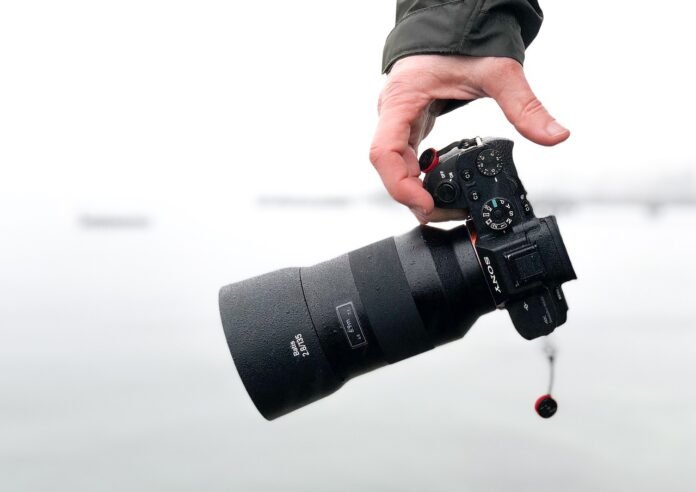
a man holding a mirrorless camera

When planning a safari, capturing the majestic wildlife and breathtaking landscapes becomes a priority for many. A mirrorless camera offers the perfect blend of advanced features, portability, and versatility, making it an excellent choice for safari enthusiasts. In this comprehensive guide, we’ll explore the best mirrorless cameras for safari, covering options for beginners, videography, photography, and professionals. We’ll also discuss what makes for a great safari camera, the types of lenses you’ll need, and essential camera settings to maximize your photography experience.

What Makes for a Great Safari Camera?

Before diving into specific camera models, it’s essential to understand the key features that make a mirrorless camera ideal for safari photography:

  1. Portability: Safaris often involve long treks and limited luggage space. A lightweight and compact camera is easier to handle and carry.
  2. Durability: The camera should withstand harsh conditions, including dust, humidity, and occasional bumps.
  3. Fast Autofocus: Wildlife can be unpredictable. A camera with fast and accurate autofocus ensures you capture the moment quickly.
  4. High Burst Rate: For action shots of moving animals, a high burst rate allows you to take multiple frames per second.
  5. Excellent Image Quality: A camera with a high-resolution sensor and good low-light performance will produce stunning images.
  6. Versatile Lenses: Having a range of lens options, especially telephoto lenses, is crucial for capturing distant subjects.

Best Mirrorless Cameras for Beginners

1. Sony Alpha a6100

Sony Alpha a6100

Why It’s Great: The Sony Alpha a6100 is an excellent entry-level mirrorless camera for safari photography. It features a 24.2 MP APS-C sensor, providing high-resolution images with great detail. The camera’s fast autofocus and Real-time Eye AF for animals ensure sharp images of moving wildlife.

  • Pros:
    • Lightweight and compact design
    • Fast autofocus system
    • 4K video recording
    • User-friendly interface
  • Cons:
    • Limited weather sealing
    • Smaller battery life

Ideal For: Beginners looking for an affordable yet capable camera for both photography and videography on safari.

2. Fujifilm X-T30 II

Fujifilm X-T30 II

Why It’s Great: The Fujifilm X-T30 II combines retro design with modern technology. It boasts a 26.1 MP APS-C sensor, excellent color reproduction, and a fast autofocus system. The compact size and intuitive controls make it a favorite among beginners.

  • Pros:
    • High-resolution sensor
    • Impressive color reproduction
    • Fast autofocus
    • Compact and lightweight
  • Cons:
    • Limited battery life
    • Smaller grip for larger hands

Ideal For: Beginners who appreciate great image quality and classic camera design.

Best Mirrorless Cameras for Videography

3. Panasonic Lumix GH5

Panasonic Lumix GH5

Why It’s Great: The Panasonic Lumix GH5 is renowned for its video capabilities. It features a 20.3 MP Micro Four Thirds sensor and offers 4K video recording at up to 60 fps. The in-body image stabilization ensures smooth footage, even in handheld shooting scenarios.

  • Pros:
    • Exceptional video quality
    • 4K recording at 60 fps
    • In-body image stabilization
    • Weather-sealed body
  • Cons:
    • Smaller sensor compared to APS-C and full-frame
    • Heavier than some other mirrorless options

Ideal For: Videographers who want professional-quality video recording on safari.

4. Sony Alpha a7S III

Sony Alpha a7S III

Why It’s Great: The Sony Alpha a7S III is a powerhouse for videographers. With a 12.1 MP full-frame sensor, it excels in low-light conditions. It supports 4K video recording at 120 fps, providing stunning slow-motion capabilities. The advanced autofocus system ensures precise focus during video shoots.

  • Pros:
    • Exceptional low-light performance
    • 4K video at 120 fps
    • Fast and reliable autofocus
    • Excellent build quality
  • Cons:
    • High price point
    • Limited to 12.1 MP for stills

Ideal For: Professional videographers seeking top-tier video performance and low-light capabilities.

Best Mirrorless Cameras for Photography

5. Canon EOS R6

Canon EOS R6

Why It’s Great: The Canon EOS R6 is a versatile camera for both photography and videography. It features a 20.1 MP full-frame sensor with excellent image quality and dynamic range. The Dual Pixel CMOS AF II system ensures fast and accurate autofocus, making it ideal for capturing wildlife.

  • Pros:
    • High-quality full-frame sensor
    • Advanced autofocus system
    • 4K video recording
    • Robust build quality
  • Cons:
    • Relatively lower resolution for stills
    • Expensive

Ideal For: Photographers who need a versatile and reliable camera for safari adventures.

6. Nikon Z6 II

Nikon Z6 II

Why It’s Great: The Nikon Z6 II offers a 24.5 MP full-frame sensor with excellent image quality and low-light performance. It features a fast and accurate autofocus system, dual card slots, and a durable, weather-sealed body, making it a reliable choice for safari photography.

  • Pros:
    • High-resolution sensor
    • Excellent low-light performance
    • Dual card slots
    • Weather-sealed body
  • Cons:
    • Limited native lens selection
    • Higher price point

Ideal For: Serious photographers who demand high performance and durability.

Best Mirrorless Cameras for Professionals

7. Sony Alpha a1

Sony Alpha a1

Why It’s Great: The Sony Alpha a1 is a flagship camera designed for professional photographers and videographers. It features a 50.1 MP full-frame sensor, 8K video recording, and an astonishing 30 fps burst rate. The advanced autofocus system ensures you never miss a shot.

  • Pros:
    • Ultra-high-resolution sensor
    • 8K video recording
    • Fast burst rate
    • Professional-grade build quality
  • Cons:
    • Extremely high price point
    • Large file sizes require ample storage

Ideal For: Professional photographers and videographers who need the best of the best.

8. Canon EOS R5

Canon EOS R5

Why It’s Great: The Canon EOS R5 is another top-tier option for professionals. It features a 45 MP full-frame sensor, 8K video recording, and a fast and accurate autofocus system. The weather-sealed body ensures durability in challenging safari conditions.

  • Pros:
    • High-resolution sensor
    • 8K video recording
    • Advanced autofocus system
    • Robust build quality
  • Cons:
    • High price point
    • Potential for overheating during extended 8K video recording

Ideal For: Professionals who need high-resolution images and video capabilities in a durable package.

The Type of Lens You Will Need on Safari

Choosing the right lens is just as important as selecting the camera. On safari, you’ll encounter various subjects, from wide landscapes to distant wildlife. Here are some essential lens types:

  1. Telephoto Lenses: These lenses, typically ranging from 70-200mm to 600mm, are essential for capturing distant wildlife. They allow you to get close-up shots without disturbing the animals.
  2. Wide-Angle Lenses: A wide-angle lens (16-35mm) is ideal for capturing the vast landscapes and scenic views of the safari.
  3. Standard Zoom Lenses: Lenses like the 24-70mm provide versatility, allowing you to capture a range of subjects from landscapes to portraits.
  4. Prime Lenses: Prime lenses offer excellent image quality and wider apertures for low-light situations. A 50mm or 85mm prime can be useful for portrait shots of fellow safari-goers or guides.

Essential Camera Settings for Safari Photography

To get the most out of your mirrorless camera on safari, understanding and using the right settings is crucial:

  1. Aperture Priority Mode (A or Av): This mode allows you to control the aperture while the camera adjusts the shutter speed. A wider aperture (f/2.8 – f/5.6) is ideal for isolating subjects with a blurred background.
  2. Shutter Priority Mode (S or Tv): Use this mode to control the shutter speed. Faster speeds (1/1000s or higher) are necessary for freezing fast-moving animals.
  3. ISO Settings: Adjust the ISO to maintain a proper exposure. In low light, increase the ISO, but be mindful of noise. Modern mirrorless cameras handle higher ISO settings well.
  4. Autofocus Settings: Utilize continuous autofocus (AF-C) for moving subjects. Many mirrorless cameras offer eye-tracking AF, which is excellent for capturing sharp images of wildlife.
  5. Burst Mode: Set your camera to burst mode to capture multiple frames per second. This is particularly useful for action shots.
  6. White Balance: Use the auto white balance or set it according to the lighting conditions. For consistency, you can also shoot in RAW and adjust the white balance in post-processing.
  7. Metering Mode: Matrix or evaluative metering works well for most situations. Spot metering can be useful for backlit subjects or high-contrast scenes.

How to Use Your Mirrorless Camera on Safari 

Here are some practical tips for using your mirrorless camera effectively on safari:

  1. Plan Your Shots: Anticipate where the animals might be and plan your compositions. Think about framing, light direction, and potential movements of the subjects.
  2. Stay Ready: Wildlife can appear suddenly. Keep your camera on and your finger on the shutter button. Using a strap or harness can help keep the camera ready while allowing you to move freely.
  3. Silent Shooting: Enable silent or electronic shutter mode if your camera supports it. This helps avoid startling the animals with shutter noise.
  4. Stabilize Your Camera: Use a monopod or bean bag to stabilize your camera, especially when using heavy telephoto lenses. This reduces camera shake and helps in capturing sharp images.
  5. Respect Wildlife: Maintain a safe and respectful distance from the animals. Avoid making sudden movements or noises that could disturb them.
  6. Backup Your Photos: Bring multiple memory cards and regularly backup your photos to a portable hard drive or cloud storage if possible. This ensures you don’t lose any precious shots.

Sample Camera Settings for Common Safari Scenarios

To further assist you in capturing stunning safari photographs, here are some recommended settings for various common scenarios:

Wildlife in Motion

  • Mode: Shutter Priority (S/Tv)
  • Shutter Speed: 1/1000s or faster
  • ISO: Auto ISO, with a range up to 3200 or 6400 depending on lighting conditions
  • Autofocus: Continuous AF (AF-C) with animal eye-tracking if available
  • Burst Mode: High-speed continuous shooting

Portraits of Animals

  • Mode: Aperture Priority (A/Av)
  • Aperture: Wide (f/2.8 – f/5.6)
  • ISO: Auto ISO, set to a maximum of 1600
  • Autofocus: Single AF (AF-S) with focus on the animal’s eyes
  • Metering: Spot metering to expose the animal correctly

Landscapes and Scenic Views

  • Mode: Aperture Priority (A/Av)
  • Aperture: Narrow (f/8 – f/16) for greater depth of field
  • ISO: 100 or 200 for maximum image quality
  • Autofocus: Single AF (AF-S), focusing a third into the scene
  • Metering: Evaluative or matrix metering

Low Light or Dawn/Dusk Shots

  • Mode: Manual (M)
  • Aperture: Wide (f/2.8 – f/4)
  • Shutter Speed: Adjust according to available light, typically slower (1/60s – 1/250s)
  • ISO: 1600 or higher, depending on the camera’s low-light performance
  • Autofocus: Single AF (AF-S) or manual focus if AF struggles in low light
  • Stabilization: Use a tripod or steady support

Recommended Mirrorless Cameras and Lens Combinations

Sony Alpha a1 with Sony FE 200-600mm f/5.6-6.3 G OSS

Why This Combo Works: The Sony Alpha a1’s high resolution and fast burst rate, paired with the versatile telephoto range of the 200-600mm lens, make it perfect for capturing distant wildlife in stunning detail.

Canon EOS R5 with Canon RF 100-500mm f/4.5-7.1L IS USM

Why This Combo Works: The high-resolution sensor of the Canon EOS R5 and the extended reach of the RF 100-500mm lens provide exceptional image quality and versatility for both close-ups and distant subjects.

Nikon Z6 II with Nikon Z 70-200mm f/2.8 VR S

Why This Combo Works: The Nikon Z6 II’s excellent low-light performance and fast autofocus, combined with the fast aperture and superior optics of the 70-200mm lens, are ideal for dynamic and well-lit wildlife shots.

Fujifilm X-T30 II with Fujifilm XF 55-200mm f/3.5-4.8 R LM OIS

Why This Combo Works: For beginners, the compact and user-friendly X-T30 II, along with the lightweight and versatile 55-200mm lens, offers an excellent balance of portability, affordability, and performance.

Conclusion

Choosing the right mirrorless camera and lenses for a safari can significantly enhance your experience and the quality of your photographs and videos. From entry-level options like the Sony Alpha a6100 and Fujifilm X-T30 II to professional-grade models like the Sony Alpha a1 and Canon EOS R5, there’s a mirrorless camera for every skill level and need. Pairing these cameras with the right lenses, such as telephoto and wide-angle options, ensures you’re well-equipped to capture the incredible wildlife and landscapes of your safari adventure.

What to Wear in Nairobi

0
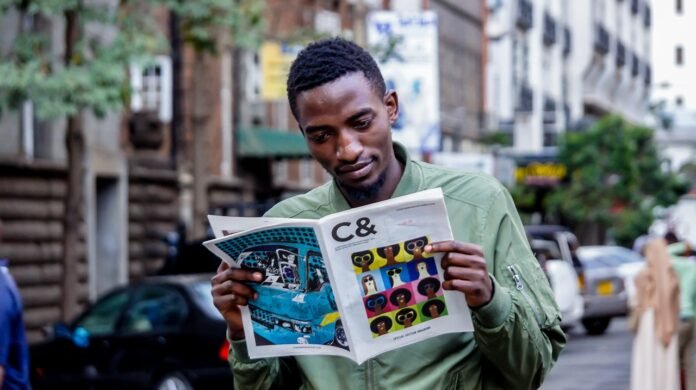
a man walking on the streets of Nairobi

Nairobi, Kenya’s bustling capital, is a city of contrasts, where the modern and traditional coexist harmoniously. Its unique position near the equator gives it a mild climate that’s pleasant year-round, making it a popular destination for tourists. Knowing what to wear in Nairobi can greatly enhance your experience, allowing you to blend in with the locals and feel comfortable in various settings. This comprehensive guide will take you through the best attire for each season, suggest suitable clothing for different activities, and provide insights into the local dress code.

kenya safaris

Understanding Nairobi’s Climate

General Weather Overview

Nairobi enjoys a subtropical highland climate due to its high elevation. This results in moderate temperatures throughout the year, without the extreme highs and lows seen in many other parts of the world. Typically, daytime temperatures range from 20°C to 25°C (68°F to 77°F), while nighttime temperatures can drop to around 10°C to 14°C (50°F to 57°F).

Seasonal Variations

While Nairobi doesn’t experience the four traditional seasons, its weather can be divided into four distinct periods:

  1. Hot and Dry (January to March)
  2. Long Rains (April to June)
  3. Cool and Dry (July to September)
  4. Short Rains (October to December)

Understanding these periods will help you pack appropriately for your trip.

What to Wear in Nairobi by Season

January to March: Hot and Dry

Weather: This is the warmest time of the year, with minimal rainfall and plenty of sunshine.

Suggested Attire:

Light weight convertible pants great for Nairobi and safari
  • Lightweight Clothing: Opt for breathable fabrics like cotton and linen. T-shirts, shorts, and light dresses are perfect for daytime.
  • Sun Protection: A wide-brimmed hat, sunglasses, and sunscreen are essential to protect against the strong equatorial sun.
  • Evening Wear: Though days are hot, evenings can be cooler. A light jacket or sweater is advisable.

Activities: This is an excellent time for outdoor activities like safaris, hiking, and exploring the city’s parks and gardens.

April to June: Long Rains

Weather: Expect heavy rainfall, especially in the afternoons and evenings. Temperatures remain moderate.

Suggested Attire:

  • Waterproof Gear: A waterproof jacket or poncho and an umbrella are must-haves. Consider quick-dry clothing.
  • Layering: Light layers are ideal as they can be adjusted depending on the fluctuating temperatures.
  • Footwear: Waterproof shoes or boots will keep your feet dry and comfortable.

Activities: Indoor activities, such as visiting museums and shopping malls, are preferable. Safaris are still possible, but roads can be muddy.

July to September: Cool and Dry

Weather: This is the coolest time of the year, with temperatures often dropping to around 10°C (50°F) at night.

Suggested Attire:

  • Warm Layers: Long-sleeved shirts, sweaters, and a good-quality jacket are necessary.
  • Comfortable Pants: Jeans or other durable pants will keep you warm.
  • Footwear: Closed shoes, such as sneakers or boots, are ideal.

Activities: This is peak tourist season for safaris, as the cool, dry weather makes for comfortable game viewing. It’s also a great time for outdoor adventures and city tours.

October to December: Short Rains

Weather: Rainfall is less intense than during the long rains, and temperatures are warmer.

Suggested Attire:

  • Versatile Clothing: Light to medium-weight clothing is suitable. A rain jacket is useful for sudden showers.
  • Layering: Similar to the long rains, layers will help you adjust to changing conditions.
  • Footwear: Waterproof shoes are recommended.

Activities: This period is good for all kinds of activities, from safaris to city tours. The landscape is lush and green after the rains, making it particularly beautiful for photography.

Dressing for Activities in Nairobi

Safaris

Recommended Clothing:

  • Neutral Colors: Khaki, beige, and olive are ideal as they blend in with the surroundings and do not attract animals.
  • Comfortable Attire: Lightweight, long-sleeved shirts and pants to protect against the sun and insects.
  • Accessories: A wide-brimmed hat, sunglasses, and a scarf or bandana can protect against dust and sun.
women safari pants
Women Safari Pants Light Weight Quick dry

City Tours and Cultural Visits

Recommended Clothing:

  • Casual Wear: Comfortable, casual attire is suitable for most city explorations. T-shirts, jeans, and casual dresses are appropriate.
  • Respectful Dress: When visiting religious sites or more conservative areas, opt for modest clothing that covers shoulders and knees.

Business and Formal Events

Recommended Clothing:

  • Business Attire: Nairobi’s business scene is quite formal. Suits, dress shirts, and formal shoes are standard for men. Women should consider business suits, dresses, or skirts with blouses.
  • Formal Events: For evening events, smart casual or semi-formal attire is often expected. A nice dress or a button-down shirt with trousers can work well.

Dining and Nightlife

Recommended Clothing:

  • Smart Casual: For dining out and nightlife, smart casual is the norm. Men can wear collared shirts and chinos, while women might opt for dresses or stylish tops with skirts or trousers.
  • Comfortable Shoes: Many venues are quite modern, but comfortable shoes are still a good idea for walking between destinations.

Local Fashion vs. Tourist Attire

Traditional Kenyan Attire

Kitenge and Kanga: These colorful fabrics are commonly worn in Kenya. They can be tailored into various styles, including dresses, skirts, and shirts.

Maasai Shuka: This traditional cloth is often worn by the Maasai people and is recognizable by its vibrant red and blue checks.

Modern Nairobi Fashion

Nairobi is a fashion-forward city, with many locals embracing contemporary styles. You’ll see a mix of Western fashion and traditional African influences.

Popular Trends:

  • Smart Casual: Nairobians often dress smartly, even for casual outings. Think tailored jeans, stylish tops, and trendy footwear.
  • Colorful Prints: Bold prints and patterns are popular, reflecting Kenya’s vibrant culture.

Tourist Tips: Blending In and Standing Out

Blending In:

  • Respect Local Customs: Dress modestly, especially in more traditional areas. Cover shoulders and knees when required.
  • Avoid Flashy Items: Leave expensive jewelry and flashy accessories at home to avoid attracting unwanted attention.

Standing Out:

  • Embrace Local Styles: Consider incorporating local fabrics and styles into your wardrobe. Buying a kitenge outfit or a Maasai shuka can be a great souvenir and a conversation starter.
  • Be Comfortable: Above all, ensure your clothing is comfortable and suitable for the activities you have planned.

Practical Tips for Packing

Essential Items

  • Lightweight Clothing: For warm weather.
  • Warm Layers: For cooler evenings and early mornings.
  • Waterproof Jacket: Especially during the rainy seasons.
  • Comfortable Footwear: Suitable for walking and various activities.

Footwear Choices

  • Sneakers or Walking Shoes: Comfortable for city tours and light hikes.
  • Sandals: Great for warm days and casual outings.
  • Boots: Waterproof boots are ideal for safaris and rainy seasons.

Accessories and Miscellaneous Items

  • Sunglasses and Hat: For sun protection.
  • Insect Repellent: Especially for safaris and outdoor activities.
  • Reusable Water Bottle: Staying hydrated is crucial.
  • Power Adapter: Kenya uses the British-style plug (Type G).

Shopping for Clothing in Nairobi

Local Markets and Boutiques

Maasai Market: A popular spot for buying traditional Kenyan fabrics, jewelry, and crafts.

Toi Market: Known for second-hand clothing, you can find great deals on unique items.

Popular Malls and Shopping Centers

Sarit Centre and Westgate Mall: Both offer a mix of local and international brands, making them convenient for a variety of shopping needs.

Village Market: A more upscale option, with a range of boutiques and designer stores.

Recommended Brands and Designers

  • KikoRomeo: Known for contemporary African fashion.
  • Jua Kali: Offers trendy, locally-made clothing.
  • Sandstorm Kenya: Specializes in high-quality bags and accessories, often made from local materials.
kenya safaris

Conclusion

Dressing appropriately in Nairobi not only ensures your comfort but also shows respect for the local culture. By understanding the climate, planning your wardrobe for various activities, and blending local fashion with your personal style, you’ll be well-prepared for a memorable visit to this vibrant city.

What to Wear Mombasa

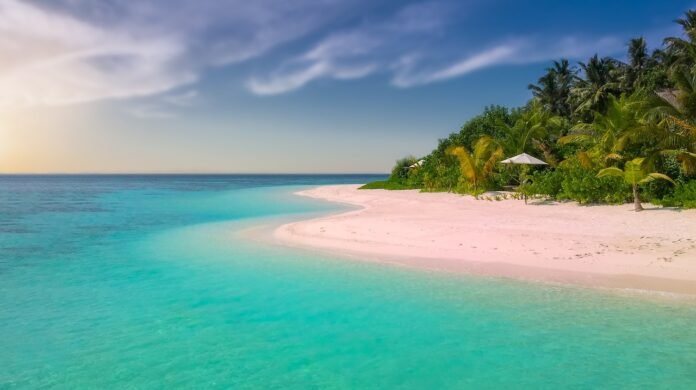
mombasa beach

Mombasa, Kenya’s second-largest city, is a vibrant coastal destination known for its stunning beaches, rich history, and diverse culture. Whether you’re planning a relaxing beach holiday, an adventure through the city, or visits to cultural and religious sites, packing the right items is essential. This comprehensive guide will help you prepare for your trip, ensuring you have everything you need for a comfortable and enjoyable stay.

Clothing Essentials

For the Beach

Men:

  • Swim Trunks: Opt for quick-dry swim trunks that are comfortable and stylish.
  • Beach Shirts: Lightweight, short-sleeve shirts or tank tops are perfect for the beach. Look for materials like cotton or linen that breathe well.
  • Flip-Flops/Sandals: Comfortable footwear is essential for walking on the sand.
  • Sun Hat/Cap: A wide-brimmed hat or cap will protect your face from the sun.

Women:

  • Swimwear: Pack a few swimsuits or bikinis. Choose styles that you feel comfortable and confident in.
  • Cover-Ups: Lightweight sarongs, kaftans, or beach dresses are ideal for wearing over swimwear.
  • Beach Sandals: Comfortable sandals or flip-flops are a must for the beach.
  • Sun Hat: A wide-brimmed hat offers excellent sun protection.

General Tips for Beachwear:

  • Sun Protection: Pack sunscreen with a high SPF, sunglasses, and a beach umbrella or tent for extra shade.
  • Towels and Mats: Bring a beach towel and a mat or blanket for lounging.
  • Beach Bag: A spacious, water-resistant bag to carry all your beach essentials.

For the Hotel

Most hotels in Mombasa are located on or near the beach, so the clothing you wear at the hotel can typically be worn at the beach as well. Opt for comfortable, casual attire that allows you to transition seamlessly between the two.

Men:

  • Casual Shirts: Polo shirts, t-shirts, and light button-down shirts are perfect for lounging at the hotel.
  • Shorts: Comfortable shorts in materials like cotton or linen.
  • Footwear: Sandals or casual shoes for walking around the hotel grounds.

Women:

  • Casual Dresses: Sundresses or maxi dresses that are both comfortable and stylish.
  • Tops and Shorts: Lightweight tops paired with shorts or skirts.
  • Footwear: Sandals or comfortable flats for hotel wear.

Exploring Mombasa City

Mombasa is a bustling city with a rich cultural heritage like Fort Jesus, spice market and The Old Town. When exploring the city, it’s important to dress modestly, especially when visiting cultural and religious sites.

Men:

  • Shirts: Lightweight, long-sleeve shirts that cover the arms.
  • Pants: Lightweight trousers or khakis that are comfortable for walking.
  • Footwear: Comfortable walking shoes or sandals.

Women:

  • Tops: Long-sleeve blouses or tops that cover the shoulders and chest.
  • Pants/Skirts: Long skirts or trousers. If you choose to wear skirts, ensure they are knee-length or longer.
  • Headscarf: A scarf to cover your head when visiting mosques or other religious sites.
  • Footwear: Comfortable walking shoes or sandals.

Cultural Considerations

Mombasa is a cultural Islamic city, and it’s essential to dress modestly when visiting cultural and religious sites such as mosques. Here are some tips to ensure you are respectful of local customs:

  1. Cover Shoulders and Knees: Both men and women should ensure their shoulders and knees are covered when visiting mosques and other religious sites.
  2. Avoid Tight and Revealing Clothing: To avoid unwanted attention and respect local customs, opt for loose-fitting clothing that doesn’t cling to the body.
  3. Head Coverings for Women: Women should carry a scarf or shawl to cover their heads when entering mosques.

Practical Packing Tips

Clothing:

  • Lightweight and Breathable Fabrics: Choose clothes made from natural fibers like cotton and linen, which are breathable and comfortable in the heat.
  • Layering Pieces: Pack items that can be layered for cooler evenings or air-conditioned spaces.
  • Versatile Pieces: Bring clothing items that can be mixed and matched to create multiple outfits.

Footwear:

  • Comfortable Walking Shoes: Essential for exploring the city and walking on uneven surfaces.
  • Flip-Flops/Sandals: Necessary for the beach and casual wear around the hotel.
  • Dress Shoes: For evenings out or more formal occasions.

Accessories:

  • Sunglasses: Protect your eyes from the strong coastal sun.
  • Hats/Caps: Wide-brimmed hats for sun protection.
  • Bags: A small backpack or crossbody bag for day trips and a larger tote for the beach.
  • Water Bottle: Staying hydrated is crucial in the warm climate.

Toiletries:

  • Sunscreen: High SPF to protect your skin from sunburn.
  • Insect Repellent: Mosquitoes can be a nuisance, especially in the evenings.
  • Personal Hygiene Products: Pack travel-sized versions of your essentials.

Electronics:

  • Camera: To capture the beautiful scenery and moments.
  • Chargers and Adapters: Ensure you have the necessary adapters for your electronics.
  • Power Bank: Useful for keeping your devices charged during day trips.

Specific Packing Lists

Men’s Packing List

Clothing:

  • 3-4 swim trunks
  • 5-7 t-shirts or casual shirts
  • 3-4 pairs of shorts
  • 2-3 pairs of lightweight trousers
  • 1-2 long-sleeve shirts for visiting cultural sites
  • 1 lightweight jacket or sweater for cooler evenings

Footwear:

  • Flip-flops/sandals
  • Comfortable walking shoes
  • Casual shoes for evenings

Accessories:

  • Sunglasses
  • Sun hat/cap
  • Small backpack or day bag

Toiletries:

  • Sunscreen
  • Insect repellent
  • Personal hygiene products

Electronics:

  • Camera
  • Chargers and adapters
  • Power bank

Women’s Packing List

Clothing:

  • 3-4 swimsuits or bikinis
  • 3-4 cover-ups or beach dresses
  • 5-7 tops or blouses
  • 3-4 pairs of shorts or skirts
  • 2-3 long skirts or trousers for visiting cultural sites
  • 1-2 long-sleeve blouses for modest dressing
  • 1 lightweight jacket or sweater for cooler evenings

Footwear:

  • Beach sandals/flip-flops
  • Comfortable walking shoes
  • Casual shoes for evenings

Accessories:

  • Sunglasses
  • Wide-brimmed sun hat
  • Headscarf for visiting religious sites
  • Small backpack or day bag

Toiletries:

  • Sunscreen
  • Insect repellent
  • Personal hygiene products

Electronics:

  • Camera
  • Chargers and adapters
  • Power bank

Packing for Specific Activities

Beach Activities

When planning to spend time at the beach, consider the following items:

  • Snorkeling Gear: If you enjoy snorkeling, bring your own mask and snorkel.
  • Water Shoes: Protect your feet from sharp rocks and coral.
  • Waterproof Phone Case: Keep your phone safe from water and sand.

City Exploration

For exploring Mombasa city, pack items that will keep you comfortable and respectful of local customs:

  • Comfortable Walking Shoes: Essential for exploring on foot.
  • Reusable Water Bottle: Stay hydrated while walking around.
  • Guidebook/Map: Handy for navigating the city and finding points of interest.

Cultural and Religious Site Visits

When visiting cultural and religious sites, it’s important to dress modestly and respectfully:

  • Long-Sleeve Shirts and Pants/Skirts: Ensure your shoulders and knees are covered.
  • Headscarf: Women should bring a scarf to cover their heads when entering mosques.
  • Respectful Footwear: Shoes that are easy to remove, as you may need to take them off before entering certain sites.

Final Tips for a Successful Trip

  1. Check the Weather: Mombasa has a tropical climate with warm temperatures year-round. Check the weather forecast before you pack to ensure you’re prepared for any variations.
  2. Stay Hydrated: The coastal climate can be dehydrating. Always carry a water bottle and drink plenty of fluids.
  3. Respect Local Customs: Be mindful of cultural norms and dress modestly when appropriate to show respect for the local community.
  4. Pack Light: Choose versatile clothing items that can be mixed and matched to minimize luggage.
  5. Stay Safe: Keep valuables secure and be aware of your surroundings, especially in crowded areas.

By following this packing guide, you’ll be well-prepared for your trip to Mombasa. Enjoy the beautiful beaches, rich culture, and vibrant city life, all while staying comfortable and respectful of local customs.

What to Wear in the Okavango Delta

0
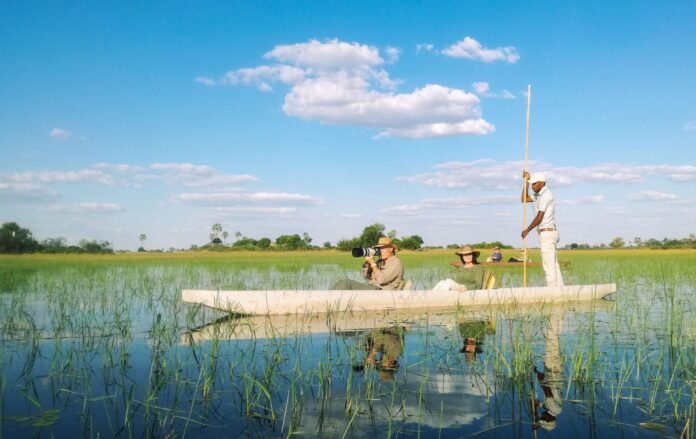
Tourists Okavango Delta

The Okavango Delta in Botswana is one of the most stunning natural landscapes in the world, known for its diverse wildlife and unique ecosystem. When planning a trip to this magnificent destination, knowing what to wear is crucial for comfort, protection, and practicality. This comprehensive guide will help you pack appropriately for every season, ensuring that you are well-prepared to enjoy your adventure to the fullest.

Understanding the Seasons in the Okavango Delta

The Okavango Delta experiences distinct seasons that influence what you should wear during your visit. The key seasons are:

  • Summer (November to March)
  • Autumn (April to May)
  • Winter (June to August)
  • Spring (September to October)

Each season presents different weather conditions, from scorching heat to cool evenings, requiring specific clothing and gear.

Summer (November to March)

Climate and Conditions

Summer in the Okavango Delta is characterized by hot temperatures and occasional heavy rains. Daytime temperatures can soar to 35°C (95°F) and above, while nights are generally warm.

What to Wear

Men

  • Lightweight, breathable shirts: Opt for long-sleeved shirts to protect against the sun and insects. Light colors like khaki, beige, or light green are ideal as they reflect heat and blend into the environment.
  • Convertible pants: Lightweight pants that can be zipped off into shorts offer versatility. They are practical for varying temperatures throughout the day.
  • Sun hat: A wide-brimmed hat will protect your face and neck from the intense sun.
  • Sunglasses: High-quality sunglasses with UV protection are essential.

Women

  • Breathable blouses and tops: Long-sleeved, loose-fitting blouses made from breathable materials like cotton or moisture-wicking fabrics are recommended.
  • Convertible pants or skirts: Lightweight, breathable pants or skirts that cover the legs can protect against sunburn and insect bites.
  • Sun hat: A wide-brimmed hat or a cap with a neck flap will shield you from the sun.
  • Sunglasses: UV-protected sunglasses are necessary to protect your eyes from the bright sunlight.

Kids

  • Lightweight clothing: Long-sleeved shirts and lightweight pants to protect from the sun and insects.
  • Sun hats: Wide-brimmed hats to keep the sun off their faces and necks.
  • Sunglasses: Kid-friendly UV-protected sunglasses.

Footwear

  • Men, Women, and Kids: Lightweight, breathable hiking shoes or sturdy sandals with good grip. Ensure they are comfortable for walking and offer protection against the terrain and potential wildlife encounters.

Activity-Based Clothing Guide

Morning Game Drives

Typical Conditions: Early starts mean cold temperatures that warm up as the day progresses. Game drives are one of the main highlights of a safari, offering a chance to see wildlife at its most active.

Clothing Tips:

  • Dress in layers: Start with a thermal base layer, add a fleece jacket, and top with a windbreaker or warm coat.
  • Neutral colors: Wear muted tones like beige, green, or brown to blend in with the environment and avoid startling animals.
  • Warm hat and gloves: Essential for the early morning chill.
  • Scarf or buff: Useful for protecting against dust and cold winds.

Mokoro Excursions

Typical Conditions: Mokoro (traditional dugout canoe) excursions involve sitting low in the water, offering a tranquil and unique way to explore the delta’s waterways.

Clothing Tips:

  • Quick-dry shorts or pants: You may get wet, so choose materials that dry quickly.
  • Lightweight, long-sleeve shirt: Protects against the sun and insects.
  • Water-resistant shoes: Keep feet dry and comfortable.
  • Hat with a chin strap: Prevents your hat from blowing away in the wind.

Walking Safaris

Typical Conditions: Walking safaris involve trekking through various terrains and offer an intimate way to experience the delta’s flora and fauna.

Clothing Tips:

  • Comfortable, sturdy hiking boots: Essential for support and comfort.
  • Long pants: Protects against brush, thorns, and insects.
  • Light, moisture-wicking shirts: Keeps you cool and dry.
  • Hat with a wide brim: Provides sun protection.
  • Sunglasses and sunscreen: Necessary for protection against the sun.

Evening Drives and Bush Dinners

Typical Conditions: Cooler temperatures in the evening provide an opportunity to dress up a bit more for special dinners or sundowner drives.

Clothing Tips:

  • Smart-casual attire: Comfortable yet slightly more formal than daytime safari wear.
  • Warm layers: A stylish, warm shawl or jacket for women, and a nice sweater or jacket for men.

Comfortable shoes: Ensure you can still move around easily.

Tips for Protection

  • Sunscreen: Apply broad-spectrum SPF 30 or higher sunscreen regularly, especially on exposed skin.
  • Insect repellent: Use a repellent with DEET or picaridin to protect against mosquitoes and other insects.
  • Hydration: Carry a reusable water bottle and stay hydrated. The heat can be intense, and dehydration is a risk.

Packing Light

  • Quick-dry clothing: Pack items that dry quickly and can be washed easily.
  • Multi-purpose items: Choose clothing that can serve multiple purposes, such as convertible pants or versatile tops.
  • Limit footwear: Bring one pair of sturdy shoes and one pair of sandals to reduce bulk.

Autumn (April to May)

Climate and Conditions

Autumn sees a drop in temperatures with more comfortable days and cooler nights. This season is less humid, making it more pleasant for outdoor activities.

What to Wear

Men

  • Layered clothing: A combination of short-sleeved and long-sleeved shirts, along with a lightweight jacket or fleece for cooler mornings and evenings.
  • Comfortable pants: Lightweight pants or cargo shorts for daytime comfort.
  • Sun hat: Continue to wear a wide-brimmed hat for sun protection.

Women

  • Layered clothing: Light blouses, T-shirts, and a lightweight jacket or cardigan for layering.
  • Versatile pants or skirts: Comfortable pants or skirts suitable for varying temperatures.
  • Sun hat: A wide-brimmed hat remains essential for sun protection.

Kids

  • Layered outfits: Lightweight, long-sleeved shirts and pants with a warm jacket or hoodie for cooler times.
  • Sun hats: Continue to protect children with wide-brimmed hats.

Footwear

  • Men, Women, and Kids: Comfortable, sturdy walking shoes. Hiking boots are also a good option for exploring the terrain.

Tips for Protection

  • Sunscreen and insect repellent: Continue using sunscreen and insect repellent as needed.
  • Layering: Layering is key to adjusting to changing temperatures throughout the day.

Packing Light

  • Interchangeable layers: Pack items that can be layered for warmth and removed as temperatures rise.
  • Compact outerwear: Choose lightweight, packable jackets or fleeces.

Winter (June to August)

Climate and Conditions

Winter in the Okavango Delta can be surprisingly cold, especially during the early mornings and evenings. Daytime temperatures are moderate, but nights can drop to near freezing.

What to Wear

Men

  • Warm layers: Thermal underwear, long-sleeved shirts, and a warm fleece or down jacket.
  • Warm pants: Insulated pants or lined trousers for added warmth.
  • Beanie and gloves: Essential for keeping warm during cold mornings and evenings.

Women

  • Layered warmth: Thermal tops and bottoms, warm sweaters, and a down or insulated jacket.
  • Warm pants or leggings: Insulated pants or leggings to keep warm.
  • Beanie and gloves: Protect your extremities from the cold with a beanie and gloves.

Kids

  • Layered clothing: Thermal underwear, warm shirts, sweaters, and a jacket.
  • Warm pants: Insulated or lined pants.
  • Beanie and gloves: Ensure children have a warm hat and gloves for chilly mornings.

Footwear

  • Men, Women, and Kids: Insulated, waterproof hiking boots or shoes to keep feet warm and dry.

Tips for Protection

  • Stay warm: Layer clothing to trap heat and remove layers as temperatures rise.
  • Sun protection: Even in winter, the sun can be strong. Use sunscreen and wear a hat and sunglasses during the day.
  • Stay dry: Winter can also bring occasional rain, so pack a waterproof jacket or poncho.

Packing Light

  • Packable warmth: Choose down or synthetic jackets that are warm yet compressible.
  • Multi-use items: Items like scarves or buffs can serve multiple purposes, such as providing warmth or sun protection.

Spring (September to October)

Climate and Conditions

Spring marks the transition from the cooler winter to the hot summer. Temperatures begin to rise, with warm days and mild nights.

What to Wear

Men

  • Light layers: Short-sleeved shirts for daytime and a light jacket or long-sleeved shirt for cooler mornings and evenings.
  • Comfortable pants: Lightweight pants or cargo shorts.
  • Sun hat: Continue to use a wide-brimmed hat for sun protection.

Women

  • Breathable clothing: Light blouses or T-shirts for daytime, with a light cardigan or jacket for layering.
  • Versatile bottoms: Lightweight pants, skirts, or shorts.
  • Sun hat: A wide-brimmed hat remains essential.

Kids

  • Layered outfits: Lightweight shirts and pants with a warm layer for the cooler times.
  • Sun hats: Wide-brimmed hats for sun protection.

Footwear

  • Men, Women, and Kids: Comfortable walking shoes or hiking boots for daytime activities.

Tips for Protection

  • Sun protection: Continue using sunscreen, hats, and sunglasses.
  • Insect protection: Use insect repellent, especially in the evenings.

Packing Light

  • Transitional layers: Pack clothes that can transition from cooler mornings to warm afternoons.
  • Compact outerwear: Lightweight, packable jackets or sweaters.

General Tips for Dressing in the Okavango Delta

Clothing Colors

  • Neutral colors: Wear neutral colors like beige, khaki, and olive green to blend into the environment and avoid attracting wildlife attention.
  • Avoid bright colors: Bright colors can attract insects and may startle wildlife.

Fabrics and Materials

  • Breathable fabrics: Choose natural fibers like cotton or moisture-wicking synthetic fabrics to stay cool and comfortable.
  • Quick-dry materials: Opt for clothing that dries quickly to cope with occasional rain or sweat.

Local Dress and Cultural Considerations

  • Modesty: The local culture in Botswana values modesty. Avoid revealing clothing and opt for more conservative attire.
  • Respectful dress: Cover shoulders and knees when in public or interacting with local communities.

Packing Essentials

  • Reusable water bottle: Staying hydrated is crucial, especially in hot weather.
  • First aid kit: A small kit with essentials like band-aids, antiseptic wipes, and any personal medications.
  • Binoculars and camera: To enhance your wildlife viewing experience.
  • Travel documents and copies: Keep your passport, travel insurance, and copies of important documents in a secure place.

Conclusion

Visiting the Okavango Delta is a remarkable experience that requires thoughtful preparation, especially when it comes to clothing. By understanding the seasonal variations and packing appropriately, you can ensure comfort and protection throughout your adventure.

Can You Wear Shorts on Safari?

1
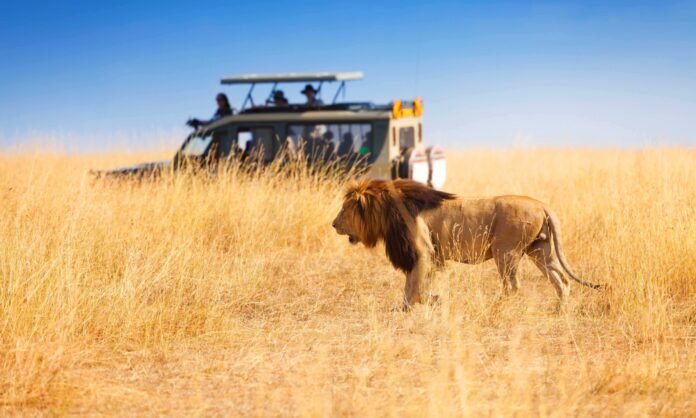
A group of tourists on an African safari

Going on safari is an adventure of a lifetime, filled with the anticipation of encountering majestic wildlife and soaking in the breathtaking landscapes of Africa. One of the common questions asked by many safari-goers is: “Can you wear shorts on safari?” The simple answer is yes, but there are several considerations to keep in mind to ensure comfort, safety, and cultural appropriateness. In this comprehensive guide, we’ll explore the do’s and don’ts of wearing shorts on safari, covering everything from climate and practical tips to cultural sensitivities and specific dress codes.

1. The Practicality of Wearing Shorts on Safari

Wearing shorts on safari can be both practical and comfortable, especially during the hot midday sun. However, the suitability of shorts depends on various factors such as the specific activities planned, the time of day, and the region you are visiting.

Pros of Wearing Shorts:

  • Comfort: Shorts can provide comfort in the heat, allowing for better ventilation and ease of movement.
  • Ease of Packing: Shorts are lightweight and easy to pack, making them convenient for travel.
  • Versatility: They can be paired with different types of footwear and tops, suitable for various casual settings.
Women Quick Dry Lightweight Safari Shorts

Cons of Wearing Shorts:

  • Exposure to Elements: Shorts leave your legs exposed to the sun, insects, and thorny vegetation.
  • Cultural Considerations: In some regions and situations, shorts may be considered inappropriate or disrespectful.

2. Climate Considerations

The climate in safari regions can vary significantly throughout the day and across different seasons. Understanding these variations is crucial for making the right wardrobe choices.

Morning and Evening Chill

  • Cold Mornings: Early morning game drives can be surprisingly chilly, even in the hottest months. Temperatures can drop significantly, making shorts impractical. Long trousers and a warm jacket are advisable.
  • Evening Coolness: Similarly, evenings can cool down quickly. It’s important to bring along layers that you can add as the temperature drops.

Midday Heat

  • Hot Afternoons: During the day, especially around midday, temperatures can soar. This is when shorts can be most comfortable. Light, breathable fabrics are recommended to keep cool.

3. Safety and Comfort Tips

Men’s Waterproof Lightweight Shorts

When choosing to wear shorts on safari, there are a few safety and comfort tips to keep in mind to ensure a pleasant experience.

Protection from the Sun

  • Sunscreen: Apply a high-SPF sunscreen to all exposed skin, including your legs.
  • Hat and Sunglasses: Protect your face and eyes with a wide-brimmed hat and UV-protection sunglasses.

Insect Protection

  • Insect Repellent: Use a strong insect repellent to guard against mosquitoes and other biting insects.
  • Long Socks: Consider wearing long socks that can be pulled up to provide additional coverage against insect bites and scratches from vegetation.

Footwear

  • Sturdy Shoes: Opt for closed-toe shoes or hiking boots for game drives and walks. These provide better protection than sandals.

4. Cultural Sensitivities and Dress Codes

While shorts may be acceptable in many safari settings, it’s important to respect local customs and dress codes, especially when visiting areas with significant cultural or religious considerations.

Visiting Local Communities

  • Modesty: In many African communities, modest dress is appreciated. Women, in particular, should avoid shorts and opt for longer skirts or trousers when interacting with locals.
  • Respecting Traditions: When visiting traditional villages or engaging in community activities, wearing longer garments can help show respect for local customs.

Religious Sites

  • Islamic Mosques: In regions with large Muslim populations, such as Mombasa, Lamu, and Zanzibar, visiting mosques requires modest attire. Both men and women should avoid shorts and cover their arms and legs.
  • Local Churches: Similar to mosques, some Christian churches may have dress codes that discourage shorts, especially for women.

5. Special Considerations for Female Travelers

Female travelers should be particularly mindful of their attire when choosing to wear shorts on safari. While shorts are generally acceptable within the confines of hotels, lodges, and during game drives, there are specific situations where more conservative dress is required.

Safari Settings

  • Game Drives: Shorts are typically acceptable for game drives, but women should bring along a lightweight scarf or wrap to cover their legs when necessary.
  • Lodges and Camps: Within the boundaries of safari lodges and camps, shorts are generally fine. However, it’s always a good idea to check the specific lodge’s dress code.

Urban Areas and Local Interactions

  • Cities and Towns: When exploring cities or towns, especially in conservative regions, women should opt for longer skirts, dresses, or trousers.
  • Cultural Sensitivity: Dressing modestly when meeting locals can enhance interactions and show respect for their traditions.

6. Hotel and Lodge Dress Codes

Different hotels and lodges have varying dress codes, particularly for dining areas. It’s essential to be aware of these to avoid any discomfort or embarrassment.

Specific Hotels

  • Severin Sea Lodge, Mombasa: This lodge has a strict dress code for dining areas. Shorts are not allowed for men in the dining room, and smart casual attire is required.

General Guidelines

  • Dining Attire: Many lodges prefer guests to dress smartly for dinner. Men might be required to wear long trousers and collared shirts, while women may need to wear dresses or skirts.
  • Pool Areas: Shorts and swimwear are typically acceptable around the pool, but it’s advisable to cover up when moving to other areas of the lodge.

Conclusion

Wearing shorts on safari is generally acceptable and can be a comfortable choice, especially during the hotter parts of the day. However, it’s crucial to consider the climate, cultural sensitivities, and specific dress codes of the places you visit. By being mindful of these factors, you can ensure a respectful and enjoyable safari experience.

Key Takeaways

  • Morning and Evening: Wear layers to handle the chill.
  • Midday Heat: Shorts are comfortable but protect against the sun and insects.
  • Cultural Sensitivity: Dress modestly when visiting local communities and religious sites.
  • Dress Codes: Check specific hotel and lodge dress requirements, particularly for dining.

By following these guidelines, you’ll be well-prepared to make the most of your safari adventure, enjoying both the comfort of your attire and the respect of the local customs.

What to Wear in Windhoek

0
windhoek namibia

Windhoek, the capital city of Namibia, is a vibrant and dynamic place that offers a unique blend of cultural influences and natural beauty. Whether you’re planning a visit for business, tourism, or adventure, knowing what to wear in Windhoek is essential for comfort and convenience. This guide explores the various aspects of dressing in Windhoek, including local attire, seasonal clothing, appropriate outfits for different activities, and footwear recommendations.

safari pants
Men’s convertible safari pants quick drying

Understanding Local Fashion

Windhoek’s fashion scene is a fascinating mix of traditional African attire and modern Western styles. The local men and women dress in a way that reflects their rich cultural heritage while embracing contemporary trends.

Local Men’s Dress:

  • Traditional Wear: Namibian men often wear traditional attire during cultural events and special occasions. This includes garments like the “Herero suit,” which is a formal suit influenced by German colonial uniforms, often adorned with vibrant patterns.
  • Everyday Wear: On a daily basis, men in Windhoek typically wear casual Western-style clothing. This includes jeans, T-shirts, and shirts. Business attire is common in the professional setting, where suits and ties are the norm.

Local Women’s Dress:

women safari pants
Women’s safari pants lightweight and quick drying
  • Traditional Wear: Namibian women proudly wear traditional dresses, especially during cultural festivals and ceremonies. The “Ohorokova” dress is a notable traditional garment, characterized by its colorful and elaborate designs.
  • Everyday Wear: Similar to the men, women in Windhoek generally wear modern Western clothing. This includes dresses, skirts, blouses, and pants. Business attire for women often includes skirts or pantsuits.
women safari shirt

Breathable UV Protection Shirt

A lightweight button-up shirt, designed specifically for hot-weather situations, built from a fast-drying, breathable blended fabric with UPF 50+ sun protection.

Seasonal Clothing Guide

Windhoek experiences a semi-arid climate with distinct seasons, making it important to dress according to the weather.

Summer (October to April):

  • Temperatures: Summer in Windhoek can be very hot, with temperatures ranging from 20°C (68°F) to 35°C (95°F) or higher.
  • Clothing Tips: Light, breathable fabrics are essential for staying cool. Opt for cotton or linen materials. T-shirts, tank tops, shorts, and sundresses are suitable for daytime wear. For evenings, when it can cool down a bit, consider lightweight long-sleeve shirts or blouses and trousers.
women shorts

Women Casual Summer Shorts

Combines comfortable, function and fashion. Quick-dry and lightweight fabric wicks away sweat from your skin, keeping you from getting damp while outdoor active or athletic. Water resistant fabric and UPF 50+ sun protection function, to provide great protection against harmful ultraviolet rays

Winter (May to September):

  • Temperatures: Winter in Windhoek is milder, with daytime temperatures ranging from 7°C (45°F) to 23°C (73°F). Nights can be quite cold, often dropping to near freezing.
  • Clothing Tips: Layering is key in winter. During the day, light sweaters or long-sleeve shirts paired with jeans or pants are comfortable. For the cold mornings and evenings, bring a warm jacket or coat, along with scarves and hats.

Dressing for Activities

Windhoek offers a variety of activities, from city tours to outdoor adventures. Here’s how to dress for different occasions:

City Exploration and Cultural Tours:

  • What to Wear: Comfortable casual wear is ideal for exploring the city. Opt for light and breathable clothing in summer and layered outfits in winter. Comfortable walking shoes or sandals are recommended for navigating the city streets.

Business Meetings and Formal Events:

  • What to Wear: For business meetings, formal attire is expected. Men should wear suits or smart trousers with dress shirts and ties. Women should opt for business suits, skirts, or dresses. Closed-toe shoes are appropriate for both men and women.

Outdoor Adventures and Safaris:

  • What to Wear: For safaris and outdoor activities, practical and comfortable clothing is essential. Wear lightweight, long-sleeve shirts and pants to protect against the sun and insects. Neutral colors like khaki, beige, and olive are ideal for blending into the natural environment. A wide-brimmed hat and sunglasses will provide additional sun protection. Sturdy hiking boots or sneakers are a must for walking on uneven terrain.

Evening Dining and Socializing:

  • What to Wear: For dining out or social events in the evening, smart-casual attire is appropriate. Men can wear collared shirts and chinos, while women might choose stylish dresses or blouses with skirts or trousers. Comfortable yet elegant footwear is suitable for both men and women.

Footwear Recommendations

Choosing the right footwear is crucial for comfort and safety in Windhoek. Here are some suggestions based on different activities:

Everyday Wear:

  • Men: Casual shoes like loafers, sneakers, or sandals are suitable for daily wear. For a more formal look, dress shoes are appropriate.
  • Women: Comfortable flats, sandals, or low-heeled shoes are ideal for everyday use. For business settings, closed-toe heels or loafers are recommended.

Outdoor Activities:

  • Men and Women: Sturdy hiking boots or sneakers with good grip are essential for outdoor adventures. Waterproof and breathable options are preferable. For activities near water, consider wearing water-resistant sandals or shoes.

Evening and Formal Events:

  • Men: Dress shoes such as oxfords or loafers are perfect for formal occasions. Ensure they are polished and in good condition.
  • Women: Elegant heels, ballet flats, or dressy sandals complement evening and formal attire. Choose shoes that are both stylish and comfortable, especially if you’ll be standing or walking for extended periods.

Final Tips for Dressing in Windhoek

  1. Adapt to the Weather: Always check the weather forecast before packing and dress accordingly. Windhoek’s weather can be quite variable, so being prepared for both hot days and cool nights is important.
  2. Cultural Sensitivity: While modern clothing is widely accepted, showing respect for local customs by dressing modestly, especially in rural areas or during cultural events, is appreciated.
  3. Sun Protection: The sun in Namibia can be intense. Always wear sunscreen, a hat, and sunglasses to protect yourself from UV rays.
  4. Hydration: Carry a reusable water bottle to stay hydrated, especially during the hot summer months.
  5. Travel Light: Windhoek is a relatively casual city, so there’s no need to overpack. Choose versatile pieces that can be mixed and matched.

Conclusion

Dressing appropriately for Windhoek, Namibia, involves understanding the local culture, adapting to the climate, and choosing the right attire for various activities. Whether you’re exploring the city, embarking on a safari, attending a business meeting, or enjoying an evening out, this guide provides comprehensive advice to ensure you’re well-prepared and comfortable. With the right clothing and footwear, you can fully enjoy the diverse experiences that Windhoek has to offer.

- Advertisement -

POPULAR ARTICLES