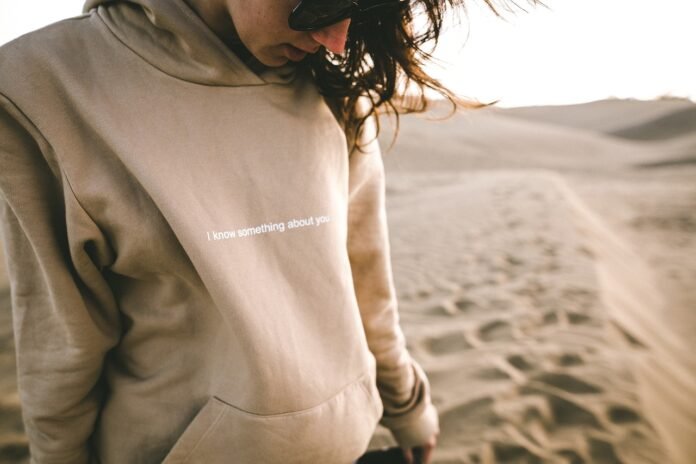
An African safari adventure requires proper preparation, especially in terms of clothing. The right gear ensures comfort, safety, and enjoyment throughout the journey. One of the most important pieces of safari clothing is the hoodie. A good safari hoodie provides protection against the elements, ensures comfort, and offers practical features for the adventure. In this guide, we explore the best safari hoodies available for men, women, and kids, and also touch upon other essential safari clothing and accessories.
2. Key Features of a Good Safari Hoodie
When choosing a safari hoodie, several key features must be considered:
Material: Look for lightweight, breathable, and moisture-wicking fabrics like cotton blends or performance synthetics.
Protection: A good hoodie should offer protection from the sun (UPF rating), wind, and insects.
Comfort: Ensure the hoodie fits well and allows for a full range of motion.
Pockets: Multiple pockets for storing essentials like maps, snacks, and tools.
Durability: The hoodie should be able to withstand rugged use and frequent washing.
3. Best Safari Hoodies for Men
Top Picks
Columbia Men’s Silver Ridge Lite Hoodie
Patagonia Men’s R1 Fleece Hoodie
REI Co-op Sahara Shade Hoodie
Detailed Reviews
Columbia Men’s Silver Ridge Lite Hoodie
Material: Omni-Wick advanced evaporation and Omni-Shade UPF 40 sun protection.
Features: Breathable, lightweight, quick-drying fabric, and zippered chest pocket.
Comfort: The fit is relaxed yet athletic, allowing for free movement.
Durability: High-quality stitching and fabric ensure long-lasting use.
Ideal For: Hot climates and extended outdoor activities.
Patagonia Men’s R1 Fleece Hoodie
Material: Polartec Power Grid fabric for warmth and breathability.
Features: Snug-fitting hood, zippered chest pocket, and thumb loops.
Comfort: Slim fit with stretchy material for enhanced mobility.
Durability: Designed for rugged use, highly durable.
Ideal For: Cooler climates and multi-day adventures.
REI Co-op Sahara Shade Hoodie
Material: Polyester with UPF 50+ sun protection.
Features: Moisture-wicking, quick-drying, and side-venting panels.
Comfort: Lightweight with a loose fit for maximum airflow.
Durability: Well-constructed with reinforced seams.
Ideal For: Warm weather and sun-intensive environments.
4. Best Safari Hoodies for Women
Top Picks
Outdoor Research Women’s Echo Hoodie
Arc’teryx Women’s Sinsola Hoody
The North Face Women’s Canyonlands Hoodie
Detailed Reviews
Outdoor Research Women’s Echo Hoodie
Material: AirVent moisture management with UPF 15 sun protection.
Features: Anti-odor technology, flat-seam construction, and thumb loops.
Comfort: Ultralight and breathable for high activity levels.
Durability: High-performance fabric designed for active use.
Ideal For: Intense physical activities and warm weather.
Arc’teryx Women’s Sinsola Hoody
Material: Socora polyester fabric, offering sun protection and breathability.
Features: Adjustable hood, zippered pocket, and articulated patterning.
Comfort: Trim fit with a soft, comfortable feel.
Durability: Tough and resilient material for outdoor use.
Ideal For: Varied climates and all-day wear.
The North Face Women’s Canyonlands Hoodie
Material: Stretchy polyester fleece for warmth and mobility.
Features: Zippered hand pockets, media-compatible design.
Comfort: Cozy and snug, suitable for layering.
Durability: Built for heavy use, withstanding multiple washes.
Ideal For: Cooler climates and casual outdoor activities.
5. Best Safari Hoodies for Kids
Top Picks
Patagonia Kids’ Sunshade Hoody
Columbia Youth Boys’ Terminal Tackle Hoodie
North Face Youth Glacier Full Zip Hoodie
Detailed Reviews
Patagonia Kids’ Sunshade Hoody
Material: Quick-drying, lightweight polyester with UPF 50+.
Features: Hood and thumb loops for added protection.
Comfort: Soft and non-restrictive, perfect for kids’ movements.
Durability: High-quality fabric that endures rough use.
Ideal For: Hot and sunny environments, outdoor play.
Columbia Youth Boys’ Terminal Tackle Hoodie
Material: Omni-Shade UPF 50 fabric and Omni-Wick technology.
Features: Moisture-wicking, breathable, and lightweight.
Comfort: Relaxed fit with stretch for active kids.
Durability: Designed to withstand frequent use and washing.
Ideal For: All-day outdoor activities in warm weather.
North Face Youth Glacier Full Zip Hoodie
Material: Durable, pill-resistant fleece.
Features: Hand pockets, full-zip design for easy wear.
Comfort: Soft and warm, ideal for layering.
Durability: Tough fabric for active kids.
Ideal For: Cooler climates and versatile use.
6. Other Essential Safari Clothing
Shirts and Tops
Men: Columbia Silver Ridge Lite Shirt, REI Co-op Sahara T-Shirt.
Men: Oakley Crankshaft, Ray-Ban RB2132 New Wayfarer.
Women: Maui Jim Peahi, Smith Optics Lowdown 2.
Kids: Julbo Looping 3, Ray-Ban Junior RJ9052S.
Hats and Caps
Men: Tilley LTM6 Airflo Hat, Columbia Bora Bora Booney II.
Women: Sunday Afternoons Adventure Hat, Wallaroo Hat Company Women’s Victoria Fedora.
Kids: Sunday Afternoons Kids’ Play Hat, Columbia Youth Snap Back Hat.
Backpacks and Daypacks
Men: Osprey Stratos 34, Deuter Futura Vario 50+10.
Women: Gregory Jade 38, Osprey Sirrus 36.
Kids: Deuter Fox 30, CamelBak Mini M.U.L.E.
A safari adventure is an exciting and unforgettable experience. However, to make the most of it, having the right clothing and accessories is essential. The best safari hoodies for men, women, and kids offer protection, comfort, and practicality. Additionally, other safari clothing such as shirts, pants, and footwear, along with must-have accessories like binoculars, sunglasses, hats, and backpacks, play a crucial role in enhancing your safari experience. Equip yourself and your family with these essentials to ensure a safe, comfortable, and enjoyable adventure in the wild.
When embarking on a safari adventure, one of the most critical pieces of gear you’ll need is a reliable pair of walking shoes. The African terrain, known for its rugged beauty, presents a unique set of challenges that require specialized footwear. This guide will explore what makes great walking shoes for safari, the specific challenges posed by the African landscape, and provide recommendations for both men and women. We’ll also compare walking in cities versus the savannah and other scenarios to help you make an informed choice.
What Makes Great Walking Shoes for Safari?
Durability and Protection
Sturdy Construction: Safari walking shoes must be built to withstand harsh conditions. Look for shoes with reinforced stitching and high-quality materials.
Protective Soles: The soles should be thick and durable to protect against sharp objects like thorns and rocks.
Comfort and Support
Cushioning: Ample cushioning is essential to absorb shock and provide comfort during long walks.
Arch Support: Proper arch support helps prevent foot fatigue and injuries.
Breathability: In the hot African climate, breathable materials like mesh can help keep your feet cool and dry.
Traction and Stability
Non-Slip Soles: Good traction is crucial for navigating various terrains, from loose gravel to wet grass.
Ankle Support: Mid to high-cut shoes offer additional support and help prevent ankle injuries.
The Challenges of African Terrain
Thorny Acacia Trees
One of the primary challenges of walking on safari is the presence of thorny acacia trees. These trees, prevalent across the African savannah, have long, sharp thorns that can easily penetrate thin-soled shoes.
Thorn Size: Acacia thorns can range from 1 to 4 inches in length, making them a significant hazard.
Penetration Risk: Thorns can easily puncture thin soles, leading to painful injuries and potential infections.
Other Terrain Challenges
Rocky Paths: Uneven and rocky paths require shoes with excellent grip and shock absorption.
Sandy Terrain: Walking on sandy ground necessitates lightweight shoes with good ventilation to prevent overheating.
Wet and Muddy Areas: Waterproof shoes or those with quick-drying materials are beneficial in wet conditions.
Recommended Shoes: As detailed in the sections above.
Other Scenarios
Walking in Rainforests
Terrain: Wet, muddy, and dense vegetation.
Footwear Requirements: Waterproof shoes with good traction and quick-drying capabilities.
Recommended Shoes:
Men: Lowa Renegade GTX Mid, Vasque Breeze AT GTX.
Women: La Sportiva Nucleo High GTX, Salewa Mountain Trainer Mid GTX.
Walking in Deserts
Terrain: Hot, sandy, and dry.
Footwear Requirements: Lightweight, breathable shoes with good ventilation and protection from sand.
Recommended Shoes:
Men: Salomon XA Pro 3D, Columbia Redmond V2.
Women: Merrell Siren Edge 3, Altra Lone Peak 4.5.
Choosing the right walking shoes for your Kenya safari, South Africa Safari, or even a Serengeti Safari is crucial to ensure comfort, safety, and enjoyment during your adventure. The African terrain, with its thorny acacia trees and varied landscapes, demands footwear that offers durability, protection, support, and traction. By selecting shoes that meet these criteria, you can confidently explore the stunning beauty of the savannah and beyond.
Whether you’re navigating rocky paths, sandy stretches, or wet areas, the recommendations provided in this guide will help you find the perfect pair of walking shoes for your safari.
Kruger National Park, one of Africa’s largest game reserves, is a dream destination for wildlife enthusiasts and nature lovers. Covering almost 20,000 square kilometers in northeastern South Africa, it offers a unique safari experience with its diverse ecosystems and abundance of wildlife. Planning a trip to Kruger requires careful consideration of what to wear, given the park’s varying climates and activities. This comprehensive guide will help you prepare for your adventure by detailing the best clothing and essentials for men, women, and children, tailored to each season and activity.
Understanding Kruger’s Climate
Kruger National Park experiences a subtropical climate with distinct wet and dry seasons. Understanding the weather patterns will help you pack appropriately:
Summer (October to March): Hot and wet, with temperatures ranging from 20°C to 35°C (68°F to 95°F). Afternoon thunderstorms are common.
Winter (April to September): Dry and mild, with temperatures ranging from 9°C to 28°C (48°F to 82°F). Early mornings and evenings can be quite cold.
An essential piece of gear for anyone venturing into the outdoors, especially in hot and sunny conditions like kruger. Built with UPF 50+ sun protection, this shirt offers a strong defense against harmful UV rays, making it perfect for long hours on game drives, hikes, or fishing trips. Its roll-up sleeves and mesh-lined vented back provide breathability and the flexibility to adapt to changing temperatures throughout the day. Made from lightweight, quick-drying fabric,
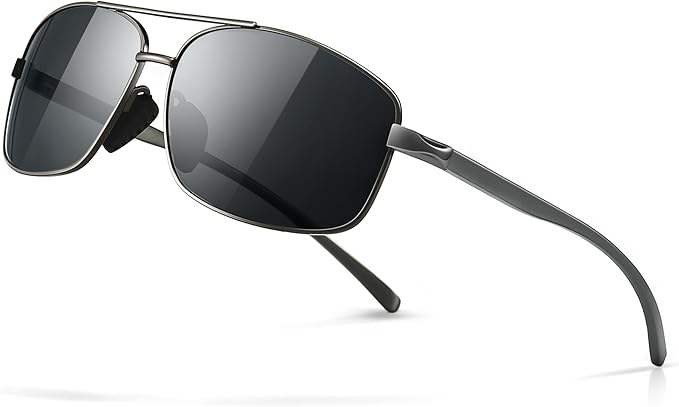
Built for Comfort. Ready for Action:Lightweight, balanced, and designed for motion. The flexible TR90 arms and smooth-fit nose pads make all-day wear feel effortless.
This women’s long sleeve safari shirt is the perfect choice for adventurous travelers who want comfort, protection, and style in one lightweight package.
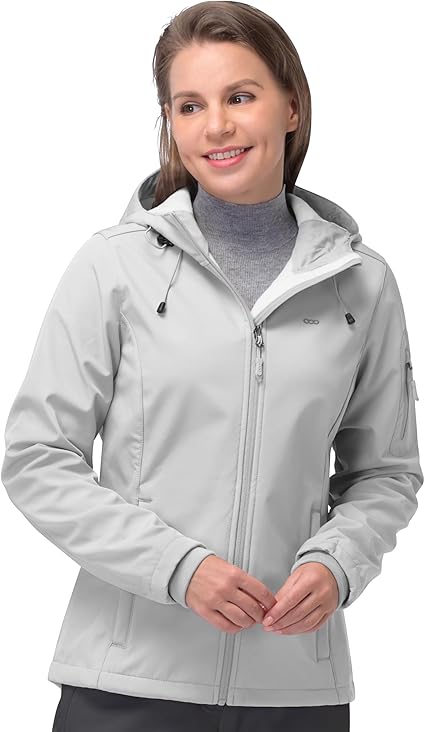
This women’s 3-layer softshell jacket is a smart and reliable choice for safari adventures, especially in colder or unpredictable weather. Designed with performance and protection in mind, it features a rugged yet flexible outer shell that resists stains and abrasions—perfect for the rigors of bush travel.
Neutral-colored tops and pants: Comfortable and non-restrictive.
Warm layers: Essential for cooler times.
For Children:
Comfortable, neutral-colored clothing: Lightweight and breathable.
Warm layers: For the cooler parts of the day.
Bush Walks
For Men:
Long-sleeved shirts: Lightweight but protective against the sun and insects.
Sturdy hiking pants: Durable and comfortable.
Hiking boots: Ankle support and good grip.
For Women:
Protective clothing: Long sleeves and pants to protect against the sun and insects.
Hiking boots: Comfortable with good ankle support.
For Children:
Long-sleeved shirts and pants: To protect from sun and insects.
Hiking boots: Comfortable and supportive.
Camping
For Men:
Layered clothing: To adapt to changing temperatures.
Comfortable pants and shirts: Lightweight and breathable.
Hat and sunglasses: For sun protection.
For Women:
Comfortable, layered clothing: Versatile for different weather conditions.
Sun protection: Hat and sunglasses are essential.
For Children:
Versatile clothing: Lightweight and breathable layers.
Sun protection: Hats and sunglasses are necessary.
Bird Watching
For Men:
Neutral-colored clothing: To blend into the environment.
Comfortable shoes: Lightweight and supportive for walking.
For Women:
Camouflage or neutral clothing: To avoid startling the birds.
Comfortable walking shoes: Lightweight and supportive.
For Children:
Neutral or camouflage clothing: To help them blend in.
Comfortable shoes: Suitable for walking.
Essential Footwear
Men:
Hiking boots: Essential for bush walks and any terrain.
Comfortable sneakers: For general wear and game drives.
Sandals: Useful for casual wear around camp.
Women:
Hiking boots: Necessary for bush walks and rough terrain.
Comfortable sneakers: For general use and game drives.
Sandals: For casual settings.
Children:
Hiking boots: Important for safety during walks.
Comfortable sneakers: Versatile for general use.
Sandals: Suitable for casual wear.
Other Essentials to Pack
Sun Protection:
Sunscreen: Broad-spectrum with high SPF.
Lip balm: With SPF protection.
Insect Repellent:
Mosquito repellent: Essential to prevent bites.
After-bite lotion: For relief if bitten.
Accessories:
Binoculars: For wildlife and bird watching.
Camera: To capture memorable moments.
Water bottle: Stay hydrated.
Backpack: For carrying essentials on bush walks.
First aid kit: Basic medical supplies for minor injuries.
Conclusion
Packing the right clothing and essentials for your trip to Kruger National Park can significantly enhance your safari experience. By considering the season, activities, and the specific needs of men, women, and children, you can ensure a comfortable and enjoyable adventure.
Safari hats are essential for anyone planning a safari. These hats are designed to provide protection from the sun, shield your face from insects, and keep you cool during your adventure. Whether you’re exploring the savannah, trekking through the Serengeti, or simply enjoying a nature walk, a safari hat is a must-have accessory.
Safari Hats for Men
Features to Look For
When choosing a safari hat for men, look for features like:
Wide Brim: A wide brim provides ample shade, protecting your face, neck, and shoulders from the harsh sun.
Breathable Material: Materials like cotton, mesh, or straw allow for ventilation, keeping your head cool.
Adjustable Fit: An adjustable chin strap or sizing band ensures a snug fit, preventing the hat from blowing away in the wind.
Water Resistance: A water-resistant hat is ideal for unexpected rain showers.
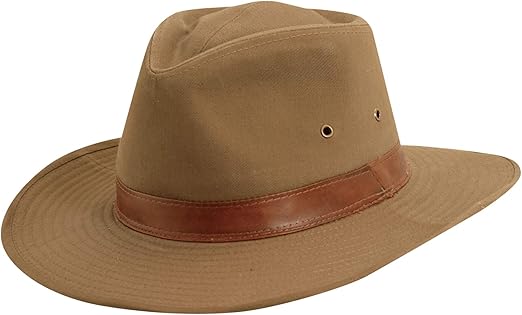
Be the explorer you’ve always wanted to be, and let the world be your canvas with this cap. The shapeable 3 brim and faux leather sweatband provide the look and comfort you need in sun, shade, and more.
Disadvantages: Can be less breathable, synthetic feel.
Polyester
Advantages: Quick-drying, durable, and often UV-resistant.
Disadvantages: Can feel less natural, less breathable than cotton.
Straw
Advantages: Highly breathable, natural look.
Disadvantages: Less durable, can be uncomfortable for extended wear.
Mesh
Advantages: Excellent ventilation, lightweight.
Disadvantages: Less protective against sun if not combined with other materials.
Packing Your Safari Hat
Packing your safari hat properly ensures it maintains its shape and functionality. Here are some tips:
Choose a Packable Hat: Look for hats specifically designed to be crushable or foldable.
Stuff the Crown: Fill the crown of the hat with socks or small clothing items to help it retain its shape.
Place Strategically: Pack the hat in the center of your suitcase, surrounded by other soft items for protection.
Use a Hat Box: For more delicate or expensive hats, consider using a hat box for travel.
Should You Wear Your Safari Hat Before the Safari?
It’s a good idea to wear your safari hat before your trip. This allows you to:
Ensure Comfort: Break in the hat and adjust it for a comfortable fit.
Test Functionality: Make sure it stays secure and provides adequate protection.
Adapt to Conditions: Get used to wearing it in various weather conditions.
Why You Need a Hat on Safari
Wearing a hat on safari is essential for several reasons:
Sun Protection: Safaris often involve long hours in direct sunlight. A hat protects your face, neck, and shoulders from harmful UV rays.
Heat Management: A good hat can help keep you cool by providing shade and promoting ventilation.
Insect Protection: A hat with a wide brim can help keep insects away from your face and neck.
Visibility: Hats with bright colors or reflective elements can improve your visibility to others in your group.
FAQs
What is the best type of hat for a safari?
The best type of hat for a safari is one that offers excellent sun protection, is made from breathable materials, has a wide brim, and fits securely.
How do I choose the right size safari hat?
Measure the circumference of your head where the hat will sit and refer to the manufacturer’s sizing chart. Adjustable features can also help achieve a perfect fit.
Can I wear any hat on a safari?
While you can wear any hat, it’s best to choose one designed for outdoor activities, offering sun protection, durability, and breathability.
How do I clean my safari hat?
Follow the manufacturer’s instructions. Generally, hand washing with mild soap and air drying is recommended.
Do I need a hat with a chin strap?
A chin strap helps keep your hat secure, especially in windy conditions, making it a valuable feature for a safari hat.
Conclusion
A safari hat is an indispensable piece of gear for anyone planning to explore the wild. Whether you are shopping for men, women, kids, or toddlers, there are numerous options designed to offer the best protection and comfort. By considering key features such as sun protection, material, fit, and style, you can find the perfect hat for your adventure.
South Africa’s landscapes and cities provide a plethora of activities that demand the right footwear. From rugged trails to urban streets, and sandy beaches to scenic game reserves, each environment requires specific shoe features to maximize comfort and enjoyment. Whether you’re hiking through lush mountains, enjoying a city tour, or relaxing by the ocean, we’ve got you covered with the best shoe recommendations for both men and women.
Hiking and Nature Walks
South Africa is renowned for its breathtaking natural beauty, which includes mountain ranges, forests, and coastal trails. Here are some top hiking destinations and the ideal shoes for these adventures.
Drakensberg Mountains
Location: KwaZulu-Natal and Lesotho border
The Drakensberg Mountains offer some of the most scenic and challenging hikes in South Africa. The rugged terrain and varying weather conditions require durable, supportive footwear.
Recommended Shoes:
Men:Salomon X Ultra 3 GTX – Waterproof, excellent traction, and supportive for long hikes.
Women:Merrell Moab 2 Mid Waterproof – Durable, comfortable, and provides great ankle support.
Table Mountain
Location: Cape Town
Table Mountain, with its iconic flat top, offers various hiking trails ranging from easy to challenging. The weather can change rapidly, so waterproof and sturdy shoes are essential.
Recommended Shoes:
Men:Columbia Newton Ridge Plus II – Waterproof, lightweight, and great grip.
Women:KEEN Targhee II Mid – Comfortable, supportive, and waterproof.
Tsitsikamma National Park
Location: Eastern Cape
This national park is part of the Garden Route and offers beautiful forest trails and coastal walks. The terrain can be uneven and sometimes slippery, necessitating reliable hiking shoes.
Recommended Shoes:
Men:Adidas Terrex Swift R2 GTX – Breathable, lightweight, and excellent grip.
Women:The North Face Hedgehog Fastpack GTX – Comfortable, durable, and waterproof.
Safaris and Game Drives
Exploring South Africa’s famous game reserves requires footwear that combines comfort with functionality, as you’ll be spending long hours in vehicles and possibly on foot.
Kruger National Park
Location: Mpumalanga and Limpopo provinces
Kruger is one of the largest game reserves in Africa, known for its diverse wildlife. Shoes should be comfortable for long drives and sturdy for short walks.
Recommended Shoes:
Men:Timberland Earthkeepers – Durable, comfortable for long periods, and stylish.
Women:ECCO Track 25 High – Supportive, comfortable, and suitable for uneven terrain.
Addo Elephant National Park
Location: Eastern Cape
Famous for its elephant population, this park offers both game drives and walking safaris. Footwear should be robust and comfortable.
Recommended Shoes:
Men:Clarks Bushacre 2 Desert Boot – Comfortable, versatile, and stylish.
Women:Blundstone Original 500 Series – Durable, comfortable, and suitable for various terrains.
Beach Activities
South Africa’s coastline is dotted with stunning beaches ideal for relaxation and water sports. The right sandals and water shoes can make all the difference.
Cape Town offers a mix of historical sites, vibrant neighborhoods, and scenic waterfronts.
Recommended Shoes:
Men:New Balance 990v5 – Comfortable, stylish, and supportive for long walks.
Women:Skechers Go Walk Joy – Lightweight, comfortable, and perfect for urban exploration.
Johannesburg
Location: Gauteng
Johannesburg is South Africa’s largest city, known for its dynamic art scene, historical sites, and bustling markets.
Recommended Shoes:
Men:Nike Air Max 270 – Stylish, comfortable, and great for walking.
Women:Adidas Ultraboost 21 – Comfortable, supportive, and stylish for city walks.
Evening and Casual Wear
When the sun sets, and it’s time to enjoy a relaxed evening out, comfortable yet stylish footwear is key.
Men’s Evening Sandals:
Birkenstock Arizona Sandals – Classic, comfortable, and stylish for casual evenings.
Women’s Evening Sandals:
Vionic Rest Kirra Backstrap Sandal – Elegant, supportive, and perfect for a night out.
For casual evening wear, both men and women should opt for shoes that are not only stylish but also comfortable enough to wear after a day full of activities.
South Africa’s diverse activities and landscapes demand an array of footwear to ensure comfort, safety, and style. Whether you’re trekking through the Drakensberg Mountains, strolling along Durban’s beaches, or exploring the vibrant streets of Cape Town, the right shoes can make all the difference.
Mozambique is a beautiful country with a variety of activities to enjoy, from relaxing on pristine beaches to embarking on thrilling safaris. Dressing appropriately for these activities, while considering the local climate and cultural norms, is essential. This guide will help you prepare for your trip, ensuring you have everything you need for a memorable and comfortable stay in Mozambique.
2. Understanding Mozambique’s Climate
Mozambique has a tropical climate with two distinct seasons: the wet season (summer) from November to March and the dry season (winter) from April to October. The coastal areas are generally warm and humid, while the inland regions can be cooler, especially in the evenings. Understanding these climate variations will help you pack the right clothing for your trip.
Chargers and power adapters (Mozambique uses Type C, F, and M plugs)
For Children
Extra swimwear and cover-ups
Child-friendly sunscreen and insect repellent
Hats and sunglasses
Lightweight, comfortable clothing
Favorite snacks and entertainment for travel
8. Additional Tips and Considerations
Respect Local Customs: When visiting religious sites or rural areas, dress modestly to show respect for local customs.
Stay Hydrated: The tropical climate can be very warm, so carry a water bottle and stay hydrated.
Health Precautions: Consult your doctor about necessary vaccinations or medications, and consider bringing mosquito nets if you’re staying in rural areas.
Currency: The local currency is the Mozambican Metical (MZN). Credit cards are widely accepted in urban areas, but it’s wise to carry some cash for rural regions.
Safety: Mozambique is generally safe for tourists, but take common-sense precautions, such as not walking alone at night and keeping valuables secure.
Conclusion
Packing for a trip to Mozambique involves a mix of comfortable, practical, and culturally appropriate clothing. By understanding the local climate and planning for the activities you’ll be enjoying, you can ensure a comfortable and enjoyable trip. Whether you’re lounging on the beach, exploring vibrant cities, or embarking on a safari adventure, this guide will help you pack everything you need for a memorable experience in Mozambique.
When you think of a perfect day at the beach, what comes to mind? Sun, sand, and sea, of course. But to fully enjoy these elements, protecting your eyes is paramount. Sunglasses are not just a fashion accessory; they are essential for safeguarding your eyes against harmful UV rays and glare. This article explores the best beach sunglasses, highlighting what to look for and how to choose the perfect pair for your next seaside adventure.
What to Look for When Selecting Beach Sunglasses
UV Protection
The most critical factor when selecting beach sunglasses is ensuring they offer full UV protection. Ultraviolet (UV) rays from the sun can cause significant damage to your eyes, leading to conditions such as cataracts, macular degeneration, and even skin cancer around the eyes. Beach environments amplify these risks due to the reflection of UV rays off the water and sand.
To ensure your sunglasses provide adequate protection, look for labels that specify 100% UV protection or UV400. This means the lenses block all UVA and UVB rays, offering comprehensive protection. Additionally, consider sunglasses with wraparound frames that minimize the amount of UV light entering from the sides.
Lens Quality and Material
High-quality lenses are essential for clear vision and comfort. When selecting beach sunglasses, choose lenses made from durable materials such as polycarbonate or Trivex. These materials are not only lightweight but also highly resistant to impact, making them ideal for beach activities where sand and water can create wear and tear.
Opt for lenses with anti-scratch coatings to prolong their lifespan. Polarised lenses are another excellent option, as they reduce glare from reflective surfaces like water, providing better visual clarity and reducing eye strain.
Frame Durability and Comfort
Beach environments can be harsh on sunglasses, so selecting a durable frame is crucial. Look for frames made from materials like nylon or acetate, which are known for their strength and flexibility. Metal frames can also be a good choice, but ensure they are corrosion-resistant to withstand exposure to saltwater.
Comfort is equally important, especially if you plan to wear your sunglasses for extended periods. Lightweight frames with adjustable nose pads and temple tips provide a customized fit, preventing discomfort and slippage during beach activities.
Is Bigger Always Better?
Benefits of Larger Sunglasses
Larger sunglasses have gained popularity not only for their fashion appeal but also for their functional benefits. Oversized sunglasses provide more extensive coverage, protecting a larger area of your face from UV rays. This extra coverage helps shield the sensitive skin around your eyes from sunburn and reduces the risk of developing skin cancer in these areas.
Moreover, larger lenses offer a wider field of vision and minimize the amount of light that can enter from the sides, enhancing overall visual comfort. This is particularly beneficial in bright beach environments where glare can be intense.
Situations Where Smaller Sunglasses are Preferable
While oversized sunglasses have their advantages, smaller sunglasses can be more practical in certain situations. If you engage in active beach sports such as volleyball or surfing, smaller, snug-fitting sunglasses may stay in place better and be less likely to fall off. They also tend to be lighter, reducing the risk of pressure points and discomfort during high-intensity activities.
In addition, smaller sunglasses can be easier to store and carry around. They often come with more compact cases, making them convenient for travel and everyday use.
Full UV Protection
Why UV Protection is Essential
UV protection is not just a marketing gimmick; it’s a critical feature that can prevent long-term eye damage. Prolonged exposure to UV rays can lead to photokeratitis, a painful condition similar to sunburn but affecting the cornea. Chronic exposure increases the risk of cataracts, which cloud the lens of the eye, and macular degeneration, a leading cause of blindness in older adults.
The beach is one of the most UV-intense environments due to the reflection of sunlight off the water and sand. This reflection can significantly increase your exposure to UV rays, making comprehensive UV protection a non-negotiable feature for beach sunglasses.
How to Ensure Sunglasses Offer Full UV Protection
When shopping for beach sunglasses, always check the label for UV protection information. Sunglasses should block 100% of UVA and UVB rays, which is often indicated by a UV400 label. Be wary of cheap sunglasses that may not provide adequate protection despite dark lenses.
For added assurance, consider purchasing sunglasses from reputable brands known for their quality and adherence to safety standards. If you already own sunglasses and are unsure about their UV protection, many optical stores offer testing services to measure the UV blockage of your lenses.
The Bigger, The Better
Advantages of Oversized Sunglasses
Oversized sunglasses are more than just a fashion statement. Their larger lenses provide superior protection by covering a greater portion of your face, reducing the amount of UV radiation and glare that reaches your eyes. This extensive coverage is particularly beneficial at the beach, where reflective surfaces can increase your exposure to harmful rays.
Additionally, oversized sunglasses often feature wider temples, which help block peripheral light and further enhance visual comfort. This can be especially useful when reading, lounging, or engaging in leisurely beach activities where glare can be distracting.
Style and Fashion Considerations
While functionality is crucial, style should not be overlooked. Oversized sunglasses have become a staple in beach fashion, often associated with a glamorous, celebrity-inspired look. They come in various shapes and colors, allowing you to express your personal style while staying protected.
When choosing oversized sunglasses, consider the shape of your face. Round frames can complement square or angular faces, while square or rectangular frames often suit round or oval faces. Experimenting with different styles can help you find the perfect pair that balances fashion and function.
Polarised Sunglasses
What are Polarised Lenses?
Polarised lenses are specially designed to reduce glare from reflective surfaces such as water, sand, and roads. They contain a unique filter that blocks intense, horizontally reflected light, allowing only vertical light to pass through. This results in significantly reduced glare and improved visual clarity.
Benefits of Polarised Lenses for the Beach
At the beach, glare from the water and sand can be particularly intense, causing discomfort and making it difficult to see clearly. Polarised sunglasses are ideal for these conditions, as they enhance contrast and color perception, making it easier to see underwater objects, read on the beach, or simply enjoy the view without squinting.
In addition to reducing eye strain, polarised lenses can also improve safety by enhancing your ability to see hazards in your environment, such as sharp objects in the sand or obstacles in the water. This makes them a practical choice for both leisurely beach days and more active pursuits.
The Right Lens Color
How Lens Color Affects Vision and Protection
The color of your sunglasses lenses can significantly impact your visual experience and protection levels. Different lens colors filter light in various ways, enhancing contrast, reducing glare, or improving depth perception. Here are some common lens colors and their benefits:
Gray Lenses: Provide true color perception and reduce overall brightness without distorting colors. Ideal for bright, sunny days.
Brown/Amber Lenses: Enhance contrast and depth perception, making them suitable for variable light conditions.
Green Lenses: Offer good color balance and reduce glare while providing high contrast.
Blue/Red Lenses: Primarily used for fashion, but can also enhance color perception and reduce glare in specific conditions.
Best Lens Colors for Beach Activities
For beach activities, gray and brown lenses are often the best choices. Gray lenses maintain natural color balance and are excellent for bright sunlight, making them ideal for beach environments. Brown lenses, on the other hand, enhance contrast and depth perception, which can be useful for activities such as beach volleyball or paddleboarding.
Green lenses are also a good option, as they provide a balance of color contrast and glare reduction. Ultimately, the best lens color depends on your specific needs and preferences, but any of these options can offer excellent protection and visual clarity at the beach.
Floating Sunglasses
Importance of Floating Sunglasses for Beachgoers
One of the most frustrating things that can happen at the beach is losing your sunglasses in the water. Floating sunglasses are designed to solve this problem. Made with lightweight materials that allow them to float on the surface of the water, these sunglasses are perfect for beachgoers who enjoy swimming, boating, or any water-related activities.
The ability to float ensures that if your sunglasses fall off while you’re in the water, they won’t sink and be lost forever. This feature can save you money and prevent the inconvenience of having to replace your sunglasses frequently.
Top Features to Look for in Floating Sunglasses
When selecting floating sunglasses, consider the following features:
Material: Look for frames made from lightweight, buoyant materials such as TPX (thermoplastic), which help the sunglasses stay afloat.
Fit and Comfort: Ensure the sunglasses fit snugly and comfortably to prevent them from slipping off during active water sports.
Durability: Choose sunglasses with scratch-resistant and impact-resistant lenses to withstand the rigors of beach activities.
UV Protection: As with all beach sunglasses, ensure they offer 100% UV protection.
Some popular brands offering high-quality floating sunglasses include Rheos, Maui Jim, and Oakley.
Portable Folded Sunglasses
Benefits of Portable Folded Sunglasses
Portable folded sunglasses offer a unique blend of convenience and style. These sunglasses are designed to fold into a compact size, making them easy to carry in your pocket, bag, or even a small case. This portability is particularly useful for beachgoers who want to travel light and avoid carrying bulky accessories.
Folded sunglasses are not just practical; they are also stylish. Many brands offer a variety of designs and colors, allowing you to stay fashionable while enjoying the convenience of easy storage and transportation.
Best Portable Sunglasses Models
When choosing portable folded sunglasses, look for models that combine functionality with style. Some top recommendations include:
Ray-Ban Folding Wayfarer: A classic design that folds neatly for easy portability, offering both style and UV protection.
Persol PO0714: Known for their high-quality craftsmanship and elegant design, these sunglasses provide a luxurious option for beachgoers.
SunGod Renegades: A more affordable option with customizable features, including lens and frame colors, and a durable, foldable design.
Differences Between Men’s and Women’s Sunglasses
Design and Style Differences
Men’s and women’s sunglasses often differ in terms of design and style. Women’s sunglasses typically feature more diverse and vibrant color options, as well as a variety of shapes such as cat-eye, oversized, and butterfly. These designs cater to a range of fashion preferences and face shapes.
Men’s sunglasses, on the other hand, tend to have more classic and understated designs. Common styles include aviators, wayfarers, and rectangular frames. The color palette is usually more neutral, with shades of black, brown, and gray being prevalent.
Functional Differences
While the primary function of sunglasses is to protect the eyes, there can be subtle differences in functionality between men’s and women’s sunglasses. For example:
Size and Fit: Men’s sunglasses are often larger and have wider frames to accommodate larger facial structures. Women’s sunglasses may have narrower frames and smaller lenses.
Nose Bridge and Temple Length: These elements can be adjusted to better fit the anatomical differences between men and women, ensuring greater comfort and stability.
Overall, while there are stylistic and functional differences, the core features of UV protection and lens quality remain the same for both men’s and women’s sunglasses.
FAQs
What are the most important features to look for in beach sunglasses?
The most important features to look for in beach sunglasses include 100% UV protection, polarised lenses to reduce glare, durable and comfortable frames, and appropriate lens color for your specific needs. Additionally, features like floating capability and foldability can add extra convenience for beach activities.
How can I tell if my sunglasses have full UV protection?
To ensure your sunglasses offer full UV protection, look for labels or tags that specify 100% UV protection or UV400. This indicates that the lenses block all UVA and UVB rays. If in doubt, you can have your sunglasses tested at an optical store.
Are polarised lenses worth the extra cost?
Yes, polarised lenses are worth the extra cost, especially for beachgoers. They significantly reduce glare from reflective surfaces like water and sand, providing clearer vision and reducing eye strain. This makes them ideal for a wide range of beach activities.
Can lens color really make a difference?
Yes, lens color can make a difference in your visual experience and protection. Different lens colors enhance contrast, reduce glare, and improve depth perception in various light conditions. For beach activities, gray, brown, and green lenses are generally the most effective.
Why are some sunglasses more expensive than others?
The cost of sunglasses can vary based on factors such as brand reputation, lens quality, frame material, and additional features like polarisation and special coatings. High-end sunglasses often use superior materials and craftsmanship, providing better durability, comfort, and protection.
Are there any benefits to oversized sunglasses?
Yes, oversized sunglasses provide more extensive coverage, protecting a larger area of your face from UV rays and glare. They can also enhance visual comfort by blocking more peripheral light and adding a stylish touch to your beachwear.
What are floating sunglasses, and who should consider them?
Floating sunglasses are designed to float on the surface of the water, making them ideal for beachgoers who engage in water activities. If you frequently swim, boat, or participate in water sports, floating sunglasses can prevent the inconvenience of losing your eyewear in the water.
How do portable folded sunglasses work?
Portable folded sunglasses are designed with hinges that allow them to fold into a compact size. This makes them easy to store and carry, providing convenience for beach trips and travel. They unfold into full-size sunglasses when needed, offering the same level of protection and style.
Conclusion
Choosing the best beach sunglasses involves considering a variety of factors, from UV protection and lens quality to frame durability and style. Whether you prefer oversized sunglasses for their extensive coverage, polarised lenses for glare reduction, or floating sunglasses for water activities, there are plenty of options to suit your needs.
Embarking on a safari adventure in Kenya is an exciting experience that promises breathtaking landscapes, incredible wildlife sightings, and unforgettable memories. However, one crucial aspect that can significantly impact your safari experience is how well you pack. This comprehensive guide will help you navigate the complexities of packing for a Kenya safari, ensuring you have everything you need while adhering to luggage restrictions and making smart choices about the type of luggage you bring.
2. International Luggage Allowances
Before you even set foot in Kenya, it’s important to understand the international luggage allowances that will apply to your flight. While these can vary depending on the airline, class of service, and your destination, there are some general guidelines that can help you prepare.
Checked Luggage
Most international airlines allow passengers to check in one or two pieces of luggage, with each piece typically weighing no more than 23 kg (50 lbs). Business and first-class passengers often have higher allowances, sometimes up to 32 kg (70 lbs) per piece. It’s crucial to check with your specific airline to confirm their policies, as exceeding the weight limit can result in hefty fees.
Hand Luggage
In addition to checked luggage, you are usually permitted to bring one carry-on bag and a personal item (such as a handbag or laptop bag) on board. The dimensions of the carry-on bag typically must not exceed 55 x 35 x 20 cm (21.5 x 13.5 x 7.5 inches) and should weigh no more than 7-10 kg (15-22 lbs). The personal item should be small enough to fit under the seat in front of you.
Permissible Items in Hand Luggage
When it comes to hand luggage, airlines are quite specific about what you can and cannot bring. Essential items include:
Travel documents and identification.
Medications and medical devices.
Valuable items such as electronics and jewelry.
A change of clothes and basic toiletries (in case your checked luggage is delayed).
Reading material and entertainment for the flight.
Snacks and a reusable water bottle (empty when passing through security).
It’s also worth noting that liquids in your hand luggage must comply with the 100 ml rule and fit into a single, transparent, resealable plastic bag.
3. Domestic Flights in Kenya
Once you arrive in Kenya, you may need to take domestic flights to reach popular safari destinations such as the Masai Mara, Amboseli, or Samburu. These flights have more stringent luggage restrictions due to the smaller aircraft used.
Checked Luggage
For most domestic flights within Kenya, particularly those operated by airlines like SafariLink and Air Kenya, the luggage allowance is typically limited to 15 kg (33 lbs) per passenger. This limit is strictly enforced, as the small planes used for these routes have limited cargo space.
Hand Luggage
In addition to the checked luggage, you are usually allowed one small carry-on bag, which should not exceed 5 kg (11 lbs). The dimensions for this bag are generally smaller than those for international flights, so it’s important to pack efficiently.
4. Luggage Tips for Nairobi and Maasai Mara
To make your safari experience as smooth as possible, consider these practical tips for managing your luggage:
Leave Excess Luggage in Nairobi
Many travelers find it convenient to leave excess luggage at their hotel in Nairobi. Most hotels offer secure storage facilities, allowing you to keep items you won’t need on your safari safe until you return. This is especially useful if you plan to travel to other destinations in Kenya after your safari.
Pack Strategically
Pack only the essentials for your safari and leave non-essential items behind. This not only helps you comply with the strict luggage weight limits on domestic flights but also makes it easier to move around once you reach your safari destination.
5. Recommended Luggage Types
Choosing the right type of luggage for your Kenya safari is crucial. The rough terrain and limited luggage space on safari vehicles and small planes make some types of luggage more suitable than others.
Duffel Bags vs. Soft-Sided Luggage
For a safari, duffel bags and soft-sided luggage are highly recommended over hard-shell suitcases. Here’s why:
Flexibility: Duffel bags and soft-sided luggage can be more easily squeezed into tight spaces, whether in the cargo hold of a small plane or the back of a safari vehicle.
Weight: These bags are generally lighter than hard-shell suitcases, allowing you to maximize the weight of your packed items.
Durability: Good-quality duffel bags and soft-sided luggage are built to withstand rough handling and can endure the rigors of a safari environment.
Why Soft-Sided Bags are Preferred
Soft-sided bags are preferred for safaris because they can be easily maneuvered and fit into tight spots. They are also less likely to cause damage to the interiors of safari vehicles. Additionally, they can expand slightly to accommodate souvenirs and other items you might pick up during your trip.
6. Maximum Luggage Weight and Dimensions
As mentioned earlier, the maximum luggage weight for domestic flights to safari destinations in Kenya is 15 kg (33 lbs). It’s essential to adhere to this limit to avoid additional charges and ensure that your luggage can be accommodated on the small aircraft.
Recommended Luggage Options
When selecting luggage for your Kenya safari, consider the following options:
Duffel Bags: Look for duffel bags made of durable, water-resistant material with sturdy zippers and reinforced handles. Brands like Patagonia, North Face, and Eagle Creek offer excellent options.
Backpacks: A good-quality backpack can serve as your carry-on bag and is ideal for day trips and hikes during your safari. Look for features like padded straps, multiple compartments, and hydration compatibility.
Soft-Sided Suitcases: If you prefer a suitcase, opt for a soft-sided model with strong zippers and a lightweight frame. Brands like Samsonite and Travelpro offer reliable options.
7. Kenya Safari Luggage Recommendations
Here are some specific product recommendations to help you pack efficiently and travel comfortably:
Whether you are an avid adventurer, a frequent traveler, or someone who simply needs a dependable bag for substantial storage, the Gothamite wheeled duffle bag is an excellent choice. Its combination of durability, capacity, and ease of use makes it the perfect companion for a memorable and hassle-free safari in Kenya.
The North Face Men’s Base Camp Voyager
Known for its toughness and versatility, this duffel is a favorite among adventurers.
Backpacks
Lightweight Camping and Backpacking Backpack with Rain Cover
The SwissGear Opulence Expandable Spinner Luggage Collection luggage–expands to give you an ample amount of packing space when needed. This luggage features a locking push/pull telescope handle system and eight 360-degree multi-directional spinner wheels for convenient portability.
8. Comprehensive Kenya Safari Packing List
Packing for a safari requires careful planning to ensure you have everything you need without overpacking. Here’s a comprehensive packing list to help you prepare:
Clothing
Lightweight, breathable clothing: Neutral colors (khaki, beige, olive) are best for blending into the environment.
Long-sleeved shirts and pants: For protection against the sun and insects.
Short-sleeved shirts and shorts: For warmer days.
Fleece or jacket: Mornings and evenings can be cool.
Swimwear: If your lodge or camp has a pool.
Hat: Wide-brimmed for sun protection.
Scarf or bandana: For dust and sun protection.
Footwear
Sturdy hiking boots or shoes: Comfortable and broken-in.
Sandals or flip-flops: For relaxing at the lodge.
Socks: Moisture-wicking and comfortable.
Accessories
Sunglasses: UV protection.
Binoculars: Essential for wildlife viewing.
Camera and accessories: Extra batteries, memory cards, and lens cleaning kit.
Daypack: For carrying essentials on game drives and hikes.
Essentials for the Safari
Insect repellent: Preferably with DEET.
Sunscreen: High SPF and water-resistant.
First aid kit: Basic supplies and any personal medications.
Reusable water bottle: Stay hydrated.
Power bank: For charging electronics.
Health and Safety Items
Prescription medications: Ensure you have enough for the entire trip and a copy of your prescription.
Basic first aid supplies: Band-aids, antiseptic wipes, pain relievers, anti-diarrhea medication, and motion sickness tablets.
Malaria prophylaxis: Consult your doctor before the trip.
Hand sanitizer: For maintaining hygiene.
Personal Items
Travel documents: Passport, visa (if required), travel insurance, and copies of important documents.
Cash and credit cards: For tips and purchases (small denominations of local currency are useful).
Guidebooks and maps: For information about the parks and wildlife.
Journal or notebook: To document your experiences.
Reading material: Books or e-reader for leisure time.
Toiletries: Travel-sized shampoo, conditioner, soap, toothpaste, toothbrush, deodorant, razor, and any other personal items.
Laundry soap: For hand washing clothes.
Optional Items
Travel pillow and blanket: For comfort during long flights and drives.
Snacks: High-energy snacks like nuts, granola bars, and dried fruit.
Headlamp or flashlight: Useful for nighttime activities.
Ziplock bags: For protecting electronics and organizing smaller items.
9. Conclusion
Preparing for a Kenya safari involves more than just packing your bags; it requires careful consideration of luggage types, weight restrictions, and essential items to ensure a comfortable and enjoyable experience. By understanding international and domestic luggage allowances, choosing the right type of luggage, and following the comprehensive packing list provided, you’ll be well-prepared for your adventure.
Embarking on a safari adventure is an exhilarating experience that offers the chance to witness some of the most majestic wildlife on the planet in their natural habitat. Capturing these moments requires a reliable camera that can handle the diverse conditions of the wild. Enter the bridge camera: a versatile, all-in-one option that bridges the gap between compact cameras and DSLRs. In this comprehensive guide, we’ll explore why bridge cameras are an excellent choice for safari photography and highlight the best models for various needs, including budget, beginners, birding, and more.
What is a Bridge Camera?
A bridge camera, also known as a superzoom camera, is a type of digital camera that combines features from both compact cameras and DSLRs. They are called “bridge” cameras because they bridge the gap between these two types of cameras, offering a middle ground for photographers who want more control and better image quality than a compact camera but aren’t ready to invest in or carry the bulk of a DSLR.
Key Features of Bridge Cameras:
Fixed Lens: Unlike DSLRs, bridge cameras come with a fixed lens, which means you can’t change the lens. However, these lenses often have a very wide zoom range, making them highly versatile.
Electronic Viewfinder (EVF): Most bridge cameras feature an electronic viewfinder, which allows you to see the image through the camera’s sensor rather than through a mirror system.
Manual Controls: Bridge cameras offer manual control over settings such as shutter speed, aperture, and ISO, similar to DSLRs.
Compact Size: While larger than most compact cameras, bridge cameras are generally smaller and lighter than DSLRs, making them more portable.
Why Choose a Bridge Camera for Safari?
Bridge cameras are particularly well-suited for safari photography for several reasons:
Versatility: The wide zoom range allows you to capture wide-angle landscapes and close-up shots of distant animals without changing lenses.
Portability: They are lighter and more compact than DSLRs, making them easier to carry around during long safari excursions.
Ease of Use: With intuitive controls and automatic modes, bridge cameras are accessible for photographers of all skill levels.
Cost-Effective: Bridge cameras are generally more affordable than high-end DSLRs and their accompanying lenses.
Best Budget Bridge Camera for Wildlife
For those looking to capture stunning wildlife shots without breaking the bank, the Canon PowerShot SX70 HS is an excellent choice. This camera offers a powerful 65x optical zoom lens, which is perfect for getting up close to animals from a safe distance. Additionally, it features a 20.3-megapixel sensor and 4K video recording, ensuring high-quality images and videos.
Key Features:
Zoom: 65x optical zoom
Sensor: 20.3 MP
Video: 4K UHD
Image Stabilization: Yes
Price: Under $600
Best Bridge Camera for Beginners
If you’re new to photography and want a user-friendly camera that delivers excellent results, the Panasonic Lumix FZ80 is an ideal option. This camera boasts a 60x optical zoom lens, a 18.1-megapixel sensor, and 4K photo and video capabilities. It also includes a variety of automatic modes and a touchscreen interface, making it easy to use for beginners.
Birding safaris require a camera with exceptional zoom capabilities and fast autofocus to capture birds in flight. The Nikon Coolpix P1000 stands out as the best bridge camera for birding. With a staggering 125x optical zoom lens, you can capture even the most distant birds with incredible detail. The camera also features a 16.1-megapixel sensor and 4K UHD video recording.
Finding a high-quality bridge camera under $500 can be challenging, but the Sony Cyber-shot DSC-HX400V fits the bill perfectly. This camera offers a 50x optical zoom lens, a 20.4-megapixel sensor, and Full HD video recording. It also includes built-in Wi-Fi and GPS, making it a great choice for travelers.
Bridge cameras are excellent for safari photography for several reasons:
Wide Zoom Range: The powerful zoom lenses allow you to capture both wide landscapes and detailed shots of distant animals.
Portability: Their compact size and lighter weight make them easier to carry during long safari trips.
Ease of Use: With a variety of automatic and manual modes, bridge cameras can be used by photographers of all skill levels.
Cost-Effective: They offer a good balance of features and affordability compared to DSLRs and mirrorless cameras.
Do Bridge Cameras Take Good Photos?
Yes, bridge cameras can take excellent photos, especially with the right settings and conditions. They are equipped with high-quality sensors and lenses that can produce sharp, detailed images. Additionally, modern bridge cameras often include advanced features such as image stabilization, 4K video recording, and fast autofocus, all of which contribute to better photo quality.
Is a Bridge Camera Better Than a DSLR?
The choice between a bridge camera and a DSLR depends on your specific needs and preferences. Here are some considerations:
Advantages of Bridge Cameras:
Portability: Bridge cameras are generally more compact and lighter than DSLRs.
Zoom Range: Bridge cameras offer a much wider zoom range with their fixed lenses.
Ease of Use: They are typically easier to use, with more intuitive controls and automatic modes.
Advantages of DSLRs:
Image Quality: DSLRs generally have larger sensors, which can result in better image quality, especially in low light conditions.
Interchangeable Lenses: DSLRs allow you to change lenses to suit different types of photography.
Manual Controls: DSLRs offer more advanced manual controls and customization options.
Camera Settings for Bridge Wildlife Photography
To get the best results from your bridge camera during a safari, consider the following settings:
Aperture Priority Mode (A or Av): Use this mode to control the depth of field and ensure your subject is in sharp focus while the background is blurred.
Shutter Speed: Use a fast shutter speed (1/500s or faster) to freeze the motion of fast-moving animals.
ISO: Keep the ISO as low as possible to reduce noise, but increase it if needed to maintain a fast shutter speed.
Continuous Shooting Mode: Use this mode to capture multiple shots in quick succession, increasing your chances of getting the perfect shot.
Autofocus: Use continuous autofocus (AF-C) to keep moving subjects in focus.
Image Stabilization: Make sure this is enabled to reduce blur from camera shake.
Other Safari Camera Options to Consider
While bridge cameras are a great choice for safari photography, there are other options worth considering:
DSLR Cameras: For those who want the highest image quality and the ability to change lenses, DSLRs are a top choice. Models like the Nikon D7500 and Canon EOS 90D offer excellent performance for wildlife photography.
Mirrorless Cameras: These cameras offer similar image quality to DSLRs but are generally more compact and lightweight. The Sony Alpha a6400 and Fujifilm X-T30 are popular choices for safari photography.
Compact Cameras: If you prefer an even more portable option, high-end compact cameras like the Sony RX100 VII or Panasonic Lumix LX100 II provide excellent image quality in a small package.
Action Cameras: For capturing video footage or unique perspectives, action cameras like the GoPro HERO9 Black are rugged and versatile.
Conclusion
Choosing the best camera for your safari adventure depends on your specific needs, preferences, and budget. Bridge cameras offer a fantastic balance of versatility, portability, and affordability, making them an excellent choice for capturing stunning wildlife photos. Whether you’re a beginner, a seasoned photographer, or someone on a budget, there’s a bridge camera out there that will meet your needs and help you document your safari experience in breathtaking detail.
Gorilla trekking is an adventure of a lifetime, allowing nature enthusiasts and wildlife lovers to observe some of the most magnificent creatures on Earth in their natural habitat. However, the experience requires thorough preparation, especially when it comes to your gear. Among the essentials, choosing the right pair of gorilla trekking shoes is paramount. In this guide, we have some top recommended gorilla trekking boots. We also explore why waterproof trekking shoes are a must, the kind of forest terrain you’ll encounter, and the top features to look for in the perfect pair of gorilla trekking shoes.
Best Gorilla Trekking Shoes for Men and Women
Best Gorilla Trekking Shoes for Men
When it comes to gorilla trekking, men need shoes that provide exceptional support, durability, and waterproofing. Here are some top picks:
Ankle Support: High-cut design for maximum ankle protection.
Unisex Options
Some trekking shoes are designed to offer optimal performance for both men and women, providing a versatile option for any trekker:
1. Altra Lone Peak 4.5
Waterproofing: Available in a waterproof version with eVent fabric.
Durability: Quick-dry air mesh and rugged sole.
Comfort: FootShape toe box and Zero Drop platform enhance natural foot positioning.
Traction: MaxTrac outsole with multi-directional lugs for superior grip.
Ankle Support: Low-cut design with optional gaiter attachments for added protection.
2. Hoka One One Speedgoat 4
Waterproofing: Available in a GTX version with Gore-Tex membrane.
Durability: Reinforced upper with 3D-printed overlays for added support.
Comfort: Lightweight EVA midsole for cushioning.
Traction: Vibram Megagrip outsole for exceptional grip on wet and dry surfaces.
Ankle Support: Low to mid-cut design for flexibility and support.
Why Waterproof Shoes Are Essential for Gorilla Trekking
1. Moist and Slippery Terrain
Gorilla trekking typically takes place in the dense, tropical rainforests of Africa, such as those in Uganda, Rwanda, and the Democratic Republic of Congo. These forests are characterized by high humidity and frequent rainfall, creating a perpetually moist environment. The forest floor is often wet and muddy, with trails that can become extremely slippery. Waterproof shoes ensure your feet remain dry, reducing the risk of blisters and other foot-related issues that can ruin your trekking experience.
2. Stream and River Crossings
In addition to the wet forest floor, gorilla trekking often involves crossing small streams and rivers. Waterproof shoes keep your feet dry even when you have to step into shallow water, providing comfort and preventing the growth of bacteria and fungi that thrive in moist conditions.
3. Protection Against Environmental Hazards
The thick vegetation and rough terrain in gorilla habitats can pose several hazards, including sharp rocks, thorny bushes, and insects. Waterproof trekking shoes are typically designed with durable materials that offer excellent protection against these elements, ensuring your feet are well-guarded throughout the trek.
Understanding the Terrain: Challenges of Gorilla Trekking
Gorilla trekking trails vary in difficulty, but they generally involve navigating through dense forest, steep hills, and uneven ground. Here are some specific terrain features you might encounter:
1. Dense Vegetation
The tropical rainforests where gorillas live are rich in vegetation. Trekkers often have to push through thick underbrush, vines, and low-hanging branches. Shoes with good ankle support and robust construction can help protect your feet and ankles from scratches and strains.
2. Muddy and Slippery Trails
Due to the frequent rainfall, the trails are often muddy and slippery. Proper trekking shoes with non-slip soles are crucial for maintaining balance and preventing falls. Look for shoes with deep treads that can grip the wet ground effectively.
3. Rocky and Uneven Surfaces
The forest floor is not just mud and leaves; it often has rocky and uneven patches. Shoes with a sturdy sole and good cushioning are essential to provide stability and protect your feet from sharp rocks and uneven surfaces.
4. Steep Inclines and Declines
Gorilla trekking may require ascending and descending steep hills. Shoes with excellent grip and support are necessary to navigate these inclines safely. Lightweight yet durable shoes can help reduce fatigue during these strenuous parts of the trek.
Key Features to Look for in Gorilla Trekking Shoes
When selecting the perfect pair of shoes for gorilla trekking, consider the following features:
1. Waterproofing
As highlighted earlier, waterproof shoes are essential. Look for shoes with a waterproof membrane, such as Gore-Tex, which keeps water out while allowing your feet to breathe.
2. Durability
The shoes should be made of high-quality, durable materials that can withstand the rough terrain and protect your feet from environmental hazards.
3. Comfort and Fit
Comfort is crucial, as you’ll be walking for several hours. Choose shoes that fit well, offer good arch support, and have adequate cushioning. Break them in before your trip to avoid blisters.
4. Traction
Good traction is necessary to navigate the slippery and uneven terrain. Look for shoes with deep, multi-directional lugs on the outsole that provide excellent grip.
5. Ankle Support
Ankle support helps prevent sprains and strains, especially on uneven ground. Mid to high-cut shoes provide better support for your ankles.
6. Breathability
While waterproofing is crucial, your shoes should also be breathable to allow moisture from sweat to escape, keeping your feet dry and comfortable.
Preparing for Your Gorilla Trekking Adventure
1. Breaking In Your Shoes
One of the most important steps in preparing for your trek is breaking in your new shoes. Wear them on shorter hikes and walks to ensure they fit well and do not cause blisters. This will also help you get used to the feel of the shoes and make any necessary adjustments.
2. Pairing with the Right Socks
Invest in good quality hiking socks that provide cushioning and wick moisture away from your feet. Avoid cotton socks as they retain moisture, which can lead to blisters.
3. Foot Care Tips
Keep your feet dry and clean during the trek. Carry an extra pair of socks to change into if needed. Apply blister prevention products, such as moleskin or blister tape, on areas prone to friction.
Conclusion
The right preparation and choosing the right pair of gorilla trekking shoes is a crucial part of preparing for your adventure. The moist and slippery terrain of the tropical rainforests demands waterproof, durable, and comfortable footwear. With the right shoes, you can focus on the incredible experience of observing gorillas in their natural habitat without worrying about your feet. Invest in quality footwear, break them in properly, and pair them with the right socks to ensure a comfortable and unforgettable gorilla trekking adventure.