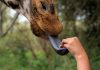
Embarking on a safari in Africa is a dream for many, a bucket-list experience that promises encounters with nature’s most magnificent creatures in their natural habitats. However, one question that often arises is: what age is best for a safari in Africa? While the appeal of a safari transcends age, there are distinct advantages to experiencing it at different stages of life. This article explores why early adulthood might be particularly rewarding for safari-goers, the wide range of activities available, and how safaris cater to various age groups.
The Advantages of Early Adulthood: Safaris in Your 20s
Your 20s are often characterized by a sense of adventure, physical fitness, and the desire to explore the unknown. These traits make early adulthood an ideal time for a safari for several reasons:
Energy and Stamina: Safaris often involve long days of game drives, walking tours, and other physically demanding activities. In your 20s, you are more likely to have the energy and stamina to fully engage in these activities without feeling too fatigued.
Adventure-Seeking Mindset: Younger travelers tend to seek out thrilling experiences. Safaris offer a range of exhilarating activities such as hot air balloon rides over the Serengeti, guided bush walks, and even night safaris, which can be particularly appealing to those with a taste for adventure.
Flexibility: Early adulthood typically offers more flexibility in terms of time and responsibilities, making it easier to plan and take extended trips. This flexibility can allow for more immersive experiences and the ability to explore multiple destinations within Africa.
Activities on Offer for the Adventurous Spirit
Safaris are not just about game drives in open vehicles. For those who crave action and adventure, there are numerous activities to indulge in:
Hot Air Balloon Safaris: Drift over the plains of the Serengeti or Masai Mara at dawn, witnessing the wildlife below and the breathtaking landscape from a unique vantage point.
Walking Safaris: Get up close and personal with nature on guided walking tours. This offers a chance to learn about the smaller details of the ecosystem, including flora, insects, and tracking animal footprints.
Night Safaris: Experience the thrill of the African bush after dark. Night drives offer the opportunity to see nocturnal animals such as leopards, hyenas, and owls.
Cultural Visits: Engage with local communities, learning about their traditions, lifestyles, and conservation efforts. This can provide a deeper understanding of the region beyond its wildlife.
Adventure Sports: In some safari destinations, activities like white-water rafting, bungee jumping, and zip-lining are available, adding an extra dose of adrenaline to your trip.
Safari for All Ages
While early adulthood might be an optimal time for a safari, the experience is by no means exclusive to this age group. Safaris are designed to cater to a broad spectrum of ages, from young children to retirees.
Safaris for Families and Young Children
Introducing children to the wonders of a safari can be a profoundly educational and enriching experience. Many lodges and camps are family-friendly, offering:
Specialized Kids’ Programs: Activities tailored to engage young minds, such as junior ranger programs, storytelling sessions, and educational games.
Family Rooms and Private Guides: Accommodations that ensure comfort for families, along with private guides who can customize the experience to suit the interests and attention spans of younger travelers.
Shorter Game Drives: To keep children engaged without overwhelming them, some operators offer shorter, more focused game drives.
Safaris for Retirees and Older Adults
For those in their golden years, safaris offer a perfect blend of relaxation and excitement. Operators often provide amenities and services that cater to older travelers, such as:
Luxury Lodges and Tented Camps: High-end accommodations that offer comfort, gourmet dining, and stunning views of the surrounding landscapes.
Leisurely Pace: Activities and game drives can be tailored to a more relaxed pace, allowing for ample rest and relaxation.
Accessibility: Many safari lodges are designed to be accessible, with features like step-free walkways, wheelchair-friendly vehicles, and attentive staff to assist with any special needs.
Ultimately, the best age for a safari in Africa is any age. While experiencing a safari in your 20s can be particularly exhilarating due to the physical capabilities and adventurous spirit typical of early adulthood, safaris are wonderfully inclusive. They offer a range of activities and accommodations that can be tailored to suit the needs and interests of young children, adventurous young adults, and older travelers alike. Whether you are looking to explore on foot, enjoy the comfort of a luxury lodge, or engage in high-octane activities, there is a safari experience waiting for you, regardless of your age.
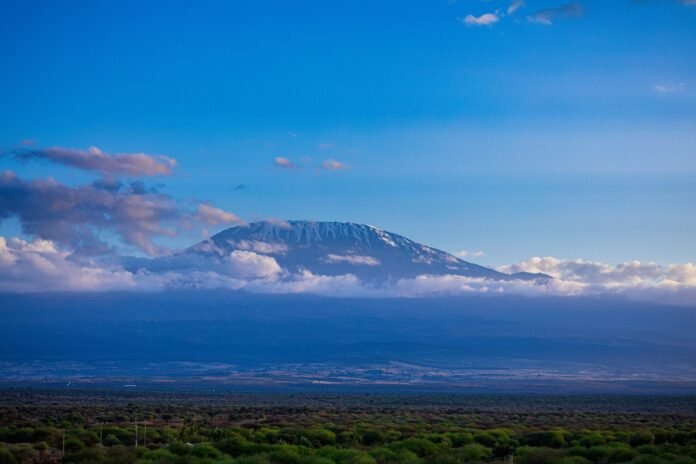
Amboseli National Park, located in southern Kenya, is one of Africa’s premier safari destinations, known for its stunning views of Mount Kilimanjaro and diverse wildlife. Whether you’re planning a trip during the dry season or navigating the park’s rainy periods, dressing appropriately is crucial for a comfortable and enjoyable experience. This comprehensive guide will provide you with detailed advice on what to wear in Amboseli, catering to women, men, and children. We’ll cover seasonal considerations, layering techniques, packing essentials, and the best types of luggage to bring. Additionally, we’ll discuss the importance of durable safari clothing and the advantages they offer.
Seasonal Considerations in Amboseli
Dry Season (June to October)
The dry season in Amboseli is characterized by clear skies, warm days, and cooler nights. This is the peak season for wildlife viewing as animals gather around the few remaining water sources.
Temperature Range: Daytime temperatures range from 20°C to 30°C (68°F to 86°F), while nighttime temperatures can drop to 10°C to 15°C (50°F to 59°F).
Rainy Season (November to May)
Amboseli experiences two rainy seasons: the short rains (November to December) and the long rains (March to May). The park is lush and green during these periods, with more dispersed wildlife due to abundant water sources.
Temperature Range: Daytime temperatures range from 25°C to 35°C (77°F to 95°F), with nights being warmer, around 15°C to 20°C (59°F to 68°F).
What to Wear in Amboseli: General Tips
Women
Dry Season
Daytime: Lightweight, breathable tops (preferably long-sleeved for sun protection) paired with khaki or beige shorts or trousers.
Evening: A lightweight sweater or jacket to keep warm during cooler evenings.
Footwear: Comfortable hiking boots for daytime excursions and sandals for evenings.
Rainy Season
Daytime: Quick-dry, moisture-wicking tops and trousers. Consider a light rain jacket or poncho.
Evening: A warm fleece or jacket, especially during the long rains when temperatures can drop significantly.
Footwear: Waterproof hiking boots and sandals for lodge wear.
Men
Dry Season
Daytime: Breathable, moisture-wicking shirts (long-sleeved recommended) and durable shorts or trousers.
Evening: A warm jacket or sweater.
Footwear: Sturdy hiking boots for safaris and comfortable sandals for the lodge.
Rainy Season
Daytime: Quick-dry shirts and trousers. A lightweight rain jacket is essential.
Evening: A fleece or insulated jacket for added warmth.
Footwear: Waterproof boots and sandals for evenings.
Children
Dry Season
Daytime: Lightweight, sun-protective clothing. Long-sleeved shirts and trousers to prevent sunburn.
Evening: A warm sweater or jacket.
Footwear: Comfortable, durable shoes or boots, and sandals for the lodge.
Rainy Season
Daytime: Quick-dry, moisture-wicking clothing. A rain jacket is a must.
Evening: Warm layers, such as a fleece jacket.
Footwear: Waterproof boots and evening sandals.
The Importance of Layering
Layering is key to staying comfortable in Amboseli, given the significant temperature fluctuations between day and night.
Base Layer
Material: Lightweight, moisture-wicking fabrics such as merino wool or synthetic blends.
Function: Keeps sweat away from the skin, ensuring you stay dry and comfortable.
Mid Layer
Material: Insulating fabrics like fleece or down.
Function: Provides warmth during cooler mornings and evenings.
Outer Layer
Material: Windproof, waterproof, and breathable materials.
Function: Protects against wind and rain during the rainy season and offers an additional layer of warmth.
Packing Essentials for Amboseli
Clothing
Tops: Lightweight, long-sleeved shirts (3-5), T-shirts (2-4), and a warm sweater or fleece (1-2).
Bottoms: Durable trousers (2-3), shorts (1-2), and a waterproof pair (1).
Outerwear: A lightweight rain jacket and a warm jacket.
Undergarments: Moisture-wicking underwear and socks.
Accessories: Hat with a brim, sunglasses, and a scarf or bandana.
Footwear
Hiking Boots: Comfortable, durable, and preferably waterproof.
Sandals: For use around the lodge or camp.
Trainers: Optional, for additional comfort.
Other Essentials
Swimwear: Some lodges have pools.
Sleepwear: Lightweight and comfortable.
Laundry Bag: For dirty clothes.
Toiletries: Essentials in travel-sized containers.
First Aid Kit: Including any personal medications.
Electronics: Camera, binoculars, and chargers.
Documents: Passport, travel insurance, and park permits.
How to Pack: Choosing the Right Bag
Duffel Bag
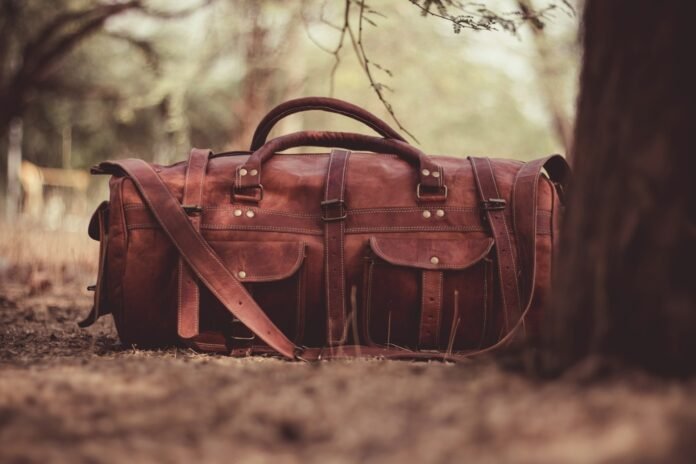
Why Choose a Duffel Bag: Duffel bags are flexible, easy to pack, and can be squeezed into tight spaces, making them ideal for safari vehicles and small planes.
Features to Look For: Durable material, water resistance, multiple compartments, and comfortable carrying straps.
Avoiding Hard Case Luggage
Flexibility: Hard cases are rigid and can be difficult to fit into safari vehicles.
Weight: They tend to be heavier, reducing your overall weight allowance.
Durability: While they protect contents, they are less practical for the flexible and often bumpy nature of safari travel.
Footwear: What to Wear and When
Hiking Boots
Usage: Essential for daily safari activities, providing support and protection.
Features: Waterproof, breathable, with good ankle support and a sturdy sole.
Trainers
Usage: Useful for light walks around the lodge or less rugged excursions.
Features: Comfortable, breathable, with a good grip.
Sandals
Usage: Perfect for evenings and around the lodge.
Features: Comfortable, durable, with adjustable straps for a secure fit.
Advantages of Durable Safari Clothing
Lightweight
Benefit: Easy to pack and carry, reducing overall luggage weight.
Practicality: Makes movement easier during game drives and walks.
Quick-Drying
Benefit: Ideal for the rainy season or washing on the go.
Practicality: Reduces the need for packing large quantities of clothing, as items can be washed and dried quickly.
Built-in Sun Protection
Benefit: Protects skin from harmful UV rays.
Practicality: Allows for extended periods outdoors without worrying about sunburn.
Versatility
Benefit: Many safari clothes are designed to be multi-functional, with features like zip-off trousers that convert to shorts.
Practicality: Saves space in your luggage by reducing the number of items needed.
Lodges and Laundry Services
Convenience: Most lodges in Amboseli offer laundry services, allowing you to pack fewer items.
Benefit: Enables you to travel lighter and ensures you always have clean clothes available.
Preparing for a safari in Amboseli requires thoughtful packing and the right clothing to ensure comfort and protection. By understanding the seasonal variations and layering techniques, choosing the appropriate footwear, and packing efficiently with the right type of luggage, you’ll be well-prepared for an unforgettable Amboseli safari adventure.
Safari evenings offer a magical transition from the excitement of daytime adventures to the serene beauty of the African night. The right attire ensures you remain comfortable and protected from the elements while looking your best. Whether you’re enjoying sundowners by the fire, taking part in evening entertainment at the lodge, or dining al fresco, choosing the appropriate clothing is key.
Understanding Safari Evening Activities
Sundowners
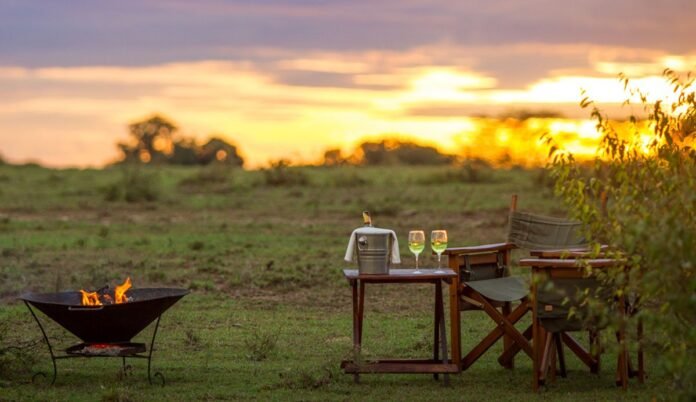
Sundowners are a cherished safari tradition, involving enjoying a drink while watching the sunset. These moments are usually spent outdoors, often on a deck or a scenic spot in the bush.
Evening Entertainment at the Lodge
Evening entertainment can vary from lodge to lodge but often includes traditional dances, storytelling, or even wildlife talks. This typically takes place in communal areas that can be both indoors and outdoors.
Dinners and Star Gazing
Dinner on safari is an elegant affair, often served in dining rooms or outdoor settings under the stars. Stargazing, a peaceful end to the evening, might follow dinner, offering a chance to unwind and reflect on the day’s adventures.
Clothing Essentials for Safari Evenings
Men’s Safari Evening Attire
Shirts
Lightweight Long-sleeved Shirts:Long Sleeve Safari shirt to provide coverage from mosquitoes and keep you warm as temperatures drop.
Light Jacket or Wrap: Necessary for warmth as the evening progresses.
Shawls or Scarves: Versatile accessories that add both style and warmth.
Creating Your Safari Evening Style
Combining Safari and Regular Clothing
Blending safari-specific clothing with regular attire can create a unique and stylish evening look. Consider pairing classic safari items like khakis and linen shirts with more contemporary pieces from your regular wardrobe.
For Men:
Pair a safari shirt with well-fitted jeans and loafers for a casual yet refined look.
Combine a classic polo with chinos and a light jacket for an effortlessly stylish ensemble.
For Women:
Match a flowing maxi dress with a safari jacket for an elegant yet practical outfit.
Combine a safari blouse with a pair of tailored pants or a skirt for a sophisticated look.
Adding Personal Twists
Your personal style should shine through even in the wilderness. Add unique accessories and elements to your outfits to make them truly yours.
Accessories:
Hats: Stylish and practical, a wide-brimmed hat can add a touch of elegance.
Jewelry: Opt for simple, understated pieces that won’t get in the way.
Bags: A small crossbody bag can be both practical and stylish for evening activities.
Layering: Use layers to adapt to temperature changes and add depth to your look. Mix and match textures and colors to create visually appealing outfits.
Weather Considerations
Namib Desert
Evening Temperatures:
Summer (November to April): The Namib desert experiences warm evenings, temperatures ranging from 20-25°C (68-77°F).
Winter (May to October): Cool evenings, temperatures dropping to 5-10°C (41-50°F).
Clothing Tips:
Summer: Lightweight, breathable fabrics are essential. Opt for short sleeves and light trousers.
Winter: Layering is crucial. A warm jacket or fleece will be necessary to stay comfortable.
Masai Mara, Kenya
Evening Temperatures:
Dry Season (June to October):Masai Mara experiences cool evenings, temperatures around 10-15°C (50-59°F).
Wet Season (November to May): Mild evenings, temperatures around 15-20°C (59-68°F).
Clothing Tips:
Dry Season: A warm sweater or fleece, along with a light jacket, will keep you cozy.
Wet Season: A waterproof jacket and breathable clothing are advisable to stay comfortable and dry.
Kruger National Park, South Africa
Evening Temperatures:
Summer (October to March): Warm evenings, temperatures around 20-25°C (68-77°F).
Winter (April to September): Cool evenings, temperatures can drop to 5-10°C (41-50°F).
Clothing Tips:
Summer: Light, breathable fabrics and short sleeves. Consider a light jacket for later in the evening.
Winter: Layering is essential. A warm jacket, hat, and gloves might be needed for particularly cold nights at Kruger.
Dressing for safari evenings requires a thoughtful blend of style and practicality. Understanding the activities you’ll partake in and the weather conditions will help you choose the right attire. By combining safari-specific clothing with items from your regular wardrobe, you can create a unique and stylish look that reflects your personal style while keeping you comfortable.
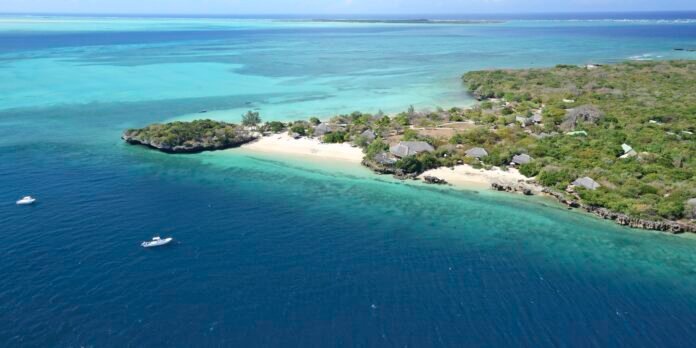
The Quirimbas Archipelago, a stunning collection of islands off the northern coast of Mozambique, is a paradise for travelers seeking pristine beaches, vibrant marine life, and a rich cultural experience. Whether you’re planning a family vacation, a romantic getaway, or an adventurous solo trip, knowing what to wear and pack for Quirimbas is essential. This guide provides detailed advice on clothing for men, women, and kids, tailored to different times of the year and activities, along with a comprehensive packing list and tips on the best times to visit.
Best Times to Visit Quirimbas
Quirimbas enjoys a tropical climate, with distinct wet and dry seasons:
Dry Season (May to October): This is the best time to visit, with pleasant temperatures averaging between 24°C to 29°C (75°F to 84°F). The weather is dry, making it perfect for beach activities, snorkeling, diving, and exploring the islands.
Wet Season (November to April): This period sees higher temperatures, averaging between 27°C to 32°C (81°F to 90°F), with increased humidity and frequent rain showers. While some might find this season less appealing due to the weather, it’s still a great time for activities like bird watching and experiencing the lush, green landscape.
Local currency (Mozambican Metical) and/or credit cards
Sunscreen (reef-safe)
Insect repellent
Personal medications
Reusable water bottle
Sunglasses
Hats or caps
Beach towels
Snorkeling gear (if not renting)
Specific for Men:
Swim shorts
Lightweight shirts and trousers
Casual and evening footwear
Light sweater or jacket (dry season)
Rain jacket (wet season)
Sturdy hiking shoes
Specific for Women:
Swimsuits and cover-ups
Lightweight dresses, skirts, and tops
Casual and evening footwear
Light cardigan or shawl (dry season)
Rain jacket (wet season)
Sturdy hiking boots
Specific for Kids:
Swimsuits and UV-protective shirts
Lightweight, breathable clothing
Comfortable, waterproof shoes
Light jackets or sweaters
Sturdy hiking shoes
Best Times to Visit Quirimbas and Why
Dry Season (May to October): This is the ideal time for most travelers due to the pleasant weather. It’s perfect for beach activities, snorkeling, and diving because the sea is calmer and clearer. Hiking and exploring the islands are more comfortable without the intense heat and humidity. Additionally, this period sees fewer mosquitoes, reducing the risk of mosquito-borne diseases.
Wet Season (November to April): Although it’s hotter and more humid, the wet season offers its own unique experiences. The landscape is lush and green, and it’s an excellent time for bird watching as migratory birds are present. The occasional rain showers often occur in the late afternoon or evening, leaving plenty of time during the day for activities. For those interested in experiencing local culture, this period also includes several local festivals and events.
Activity-Specific Clothing and Gear
Beach Activities:
Swimwear suitable for the climate (quick-dry options are preferable in the wet season)
Rash guards for extra sun protection
Lightweight, breathable cover-ups and sarongs
Waterproof sandals or flip-flops
Snorkeling and Diving:
Dive suits or rash guards
Reef-safe sunscreen
Snorkeling gear (mask, snorkel, fins)
Hiking and Exploring:
Moisture-wicking and quick-dry clothing
Sturdy, comfortable hiking boots or shoes
Hats and sunglasses for sun protection
Light rain jacket (wet season)
Daypack for carrying essentials
Evening Outings:
Light sweaters or jackets (dry season)
Casual yet elegant clothing for dining out
Comfortable closed-toe shoes
Additional Tips
Local Customs: Respect local customs and dress modestly when visiting villages or religious sites. For women, carrying a scarf or shawl to cover shoulders when needed is a good practice.
Sun Protection: The sun can be intense, so always wear sunscreen, hats, and sunglasses, and stay hydrated.
Insect Protection: Mosquitoes can be prevalent, especially in the wet season. Use insect repellent and consider wearing long sleeves and pants in the evenings.
Quirimbas is a beautiful and diverse destination, offering a variety of activities year-round. By packing appropriately and dressing for the season and activities, you can ensure a comfortable and enjoyable trip. Whether you’re lounging on the beach, exploring vibrant coral reefs, or hiking through lush landscapes, being prepared with the right clothing and gear will enhance your experience.
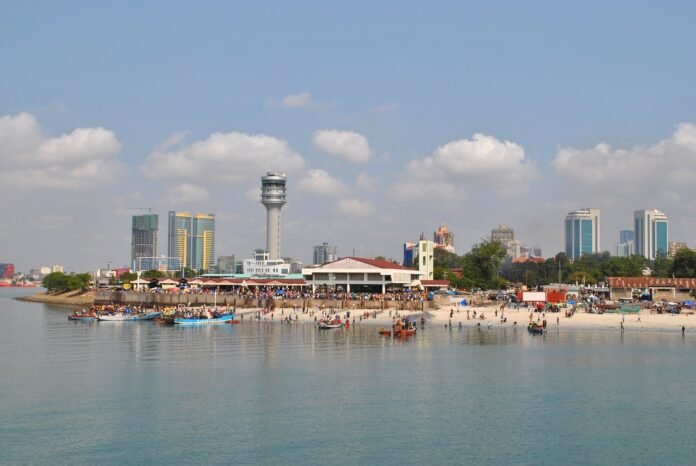
Dar es Salaam, Tanzania’s largest city, is a vibrant and diverse destination known for its rich cultural heritage, bustling markets, and beautiful beaches. Whether you’re planning a vacation or a business trip, knowing what to wear can make your experience more comfortable and enjoyable. This guide covers everything you need to know about dressing in Dar es Salaam, taking into account the city’s climate, cultural considerations, and the types of activities you might engage in.
Understanding the Climate
Dar es Salaam has a tropical climate with two distinct seasons: the dry season and the wet season. Here’s a breakdown of the weather throughout the year:
Dry Season (June to October): During these months, the weather is warm and dry with temperatures ranging from 25°C to 30°C (77°F to 86°F). This is the peak tourist season, and it’s an excellent time for outdoor activities.
Short Rainy Season (November to December): This period experiences short, intermittent showers. Temperatures remain warm, averaging around 27°C to 32°C (81°F to 90°F).
Long Rainy Season (March to May): Expect heavy rainfall and high humidity. Temperatures range from 24°C to 30°C (75°F to 86°F). This season can be challenging for travel, but the lush landscapes are beautiful.
Hot Season (January to February): This is the hottest time of the year, with temperatures often exceeding 32°C (90°F) and high humidity.
Dressing for Different Seasons
Dry Season (June to October)
For Men:
Lightweight Shirts: Opt for breathable fabrics like cotton or linen. Short-sleeved shirts are ideal for the daytime.
Trousers and Shorts: Lightweight trousers or khaki shorts are comfortable and versatile.
Footwear: Comfortable sandals or breathable sneakers are suitable for exploring the city.
For Women:
Dresses and Skirts: Light, airy dresses or skirts made of cotton or linen are perfect for staying cool.
Blouses and Tops: Choose short-sleeved or sleeveless tops that are loose-fitting.
Footwear: Sandals or comfortable flats are ideal for walking around.
For Kids:
T-shirts and Shorts: Lightweight and breathable clothing is essential for kids to stay comfortable.
Hats: A wide-brimmed hat to protect them from the sun.
Footwear: Comfortable sandals or sneakers.
Short Rainy Season (November to December)
For Men:
Waterproof Jacket: A lightweight, waterproof jacket will come in handy during sudden showers.
Long-Sleeved Shirts: To protect against mosquitoes, especially in the evenings.
Footwear: Waterproof shoes or sandals.
For Women:
Light Raincoat: A portable raincoat or poncho.
Long Skirts or Trousers: Lightweight but full-coverage options to stay dry and protected.
Footwear: Waterproof sandals or flats.
For Kids:
Rain Jackets: Lightweight rain jackets to keep them dry.
Long Pants: To protect against mosquitoes.
Footwear: Waterproof shoes or sandals.
Long Rainy Season (March to May)
For Men:
Quick-Dry Clothing: Shirts and trousers made from quick-dry fabrics are ideal.
Umbrella: A compact umbrella for sudden downpours.
Footwear: Waterproof shoes or boots to navigate wet conditions.
For Women:
Waterproof Outerwear: A durable, waterproof jacket.
Long Dresses or Trousers: Quick-dry materials are recommended.
Footwear: Waterproof boots or shoes.
For Kids:
Rain Gear: Waterproof jackets and pants.
Long-Sleeved Tops and Pants: To stay protected from insects.
Footwear: Waterproof boots or shoes.
Hot Season (January to February)
For Men:
Breathable Fabrics: Lightweight cotton or linen shirts.
Shorts and Trousers: Comfortable, breathable options.
Footwear: Sandals or lightweight sneakers.
For Women:
Light Dresses and Tops: Cotton or linen materials.
Shorts and Skirts: Comfortable and breathable.
Footwear: Sandals or open-toed shoes.
For Kids:
Light Clothing: Breathable fabrics like cotton.
Hats and Sunscreen: To protect from the sun.
Footwear: Comfortable sandals or sneakers.
Cultural Considerations
Dar es Salaam is a culturally diverse city with a mix of traditional and modern influences. While it is relatively liberal, it is essential to respect local customs and traditions, especially in more conservative areas. Here are some general guidelines:
Modesty: While beachwear is acceptable at the beach, more modest clothing is recommended in public areas. Women should avoid wearing revealing clothing, and men should avoid going shirtless outside of beach areas.
Religious Sites: When visiting mosques or other religious sites, dress modestly. Women should cover their heads and shoulders, and men should wear long trousers.
Local Fashion: Many locals wear traditional clothing, such as kanga and kitenge for women and kanzu for men. These vibrant fabrics can be a great addition to your wardrobe and a way to respect local culture.
Activities and What to Wear
Beach and Water Activities
For Men:
Swimwear: Comfortable swim trunks.
Cover-up: A lightweight shirt or rash guard for sun protection.
Footwear: Flip-flops or water shoes.
For Women:
Swimwear: A comfortable swimsuit.
Cover-up: A sarong or beach dress.
Footwear: Sandals or flip-flops.
For Kids:
Swimwear: Comfortable swimsuits.
Sun Protection: Rash guards and hats.
Footwear: Water shoes or flip-flops.
City Exploration
For Men:
Casual Wear: Lightweight shirts and trousers or shorts.
Hat and Sunglasses: For sun protection.
Footwear: Comfortable walking shoes or sandals.
For Women:
Casual Wear: Light dresses, skirts, or trousers.
Accessories: Hat and sunglasses.
Footwear: Comfortable flats or sandals.
For Kids:
Casual Wear: T-shirts and shorts.
Sun Protection: Hats and sunscreen.
Footwear: Comfortable sneakers or sandals.
Hiking and Outdoor Adventures
For Men:
Activewear: Moisture-wicking shirts and trousers.
Sun Protection: Hat and sunglasses.
Footwear: Sturdy hiking boots or shoes.
For Women:
Activewear: Comfortable, moisture-wicking tops and bottoms.
Sun Protection: Hat and sunglasses.
Footwear: Durable hiking boots or shoes.
For Kids:
Activewear: Comfortable, breathable clothing.
Sun Protection: Hats and sunscreen.
Footwear: Sturdy hiking shoes or boots.
What to Pack
When packing for Dar es Salaam, consider the climate, cultural norms, and the activities you plan to engage in. Here’s a comprehensive packing list:
Clothing
Lightweight Shirts and Tops: Preferably in breathable fabrics like cotton or linen.
Trousers and Shorts: Comfortable and versatile options.
Dresses and Skirts: Light and airy for women.
Swimwear: For beach and pool activities.
Light Jacket or Sweater: For cooler evenings.
Waterproof Jacket or Poncho: Especially for the rainy season.
Undergarments and Sleepwear: Comfortable and breathable.
Footwear
Comfortable Walking Shoes: Essential for city exploration.
Sandals or Flip-flops: For the beach and casual outings.
Hiking Boots: If you plan on hiking or engaging in outdoor adventures.
Waterproof Shoes: Useful during the rainy season.
Accessories
Hat: Wide-brimmed for sun protection.
Sunglasses: To protect your eyes from the sun.
Sunscreen: High SPF to protect your skin.
Insect Repellent: Essential, especially during the rainy season.
Umbrella: Compact and easy to carry.
Scarf or Shawl: For modesty when visiting religious sites.
Miscellaneous
Travel Documents: Passport, visa, and travel insurance.
Medications: Any prescription medications and a basic first-aid kit.
Reusable Water Bottle: To stay hydrated.
Camera: To capture your adventures.
Guidebook or Maps: Useful for navigating the city.
Dressing appropriately for Dar es Salaam involves considering the city’s tropical climate, cultural norms, and the activities you plan to undertake. By packing versatile, lightweight clothing and accessories, you’ll be prepared for whatever your trip might bring. Whether you’re exploring the vibrant city streets, relaxing on the beach, or embarking on outdoor adventures, this guide ensures you’re well-prepared to enjoy your time in Dar es Salaam.
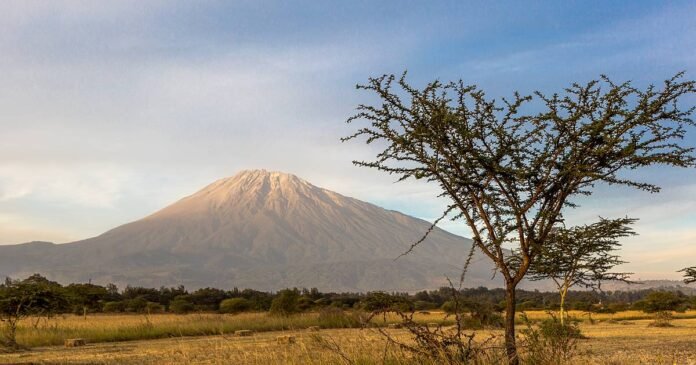
Arusha, Tanzania, is a vibrant city known as the gateway to some of Africa’s most famous national parks and safari destinations. Nestled at the foot of Mount Meru and located near the Serengeti, Ngorongoro Crater, and Kilimanjaro, Arusha offers a unique blend of urban and natural experiences. Whether you’re planning a safari, climbing Kilimanjaro, or exploring the city, knowing what to wear is crucial to ensure comfort, safety, and style. This guide will help you prepare for every season and situation, covering clothing recommendations for men, women, and children, and providing a detailed safari checklist.
Understanding Arusha’s Climate and Seasons
Arusha’s climate is characterized by two main seasons: the dry season and the rainy season. Understanding these seasons will help you pack appropriately for your trip.
Dry Season (June to October)
Weather: The dry season is the coolest and most pleasant time of the year, with daytime temperatures ranging from 20°C to 25°C (68°F to 77°F). Nighttime temperatures can drop to around 10°C (50°F).
Conditions: Clear skies, low humidity, and minimal rainfall. Ideal for safaris and outdoor activities.
Rainy Season (November to May)
Short Rains (November to December): Brief, sporadic showers with warm temperatures.
Long Rains (March to May): Heavier and more consistent rainfall with higher humidity.
Weather: Daytime temperatures range from 24°C to 30°C (75°F to 86°F), with higher humidity during the long rains.
Conditions: Lush landscapes and blooming flora, but some roads may become muddy and difficult to navigate.
What to Wear During the Dry Season
During the dry season, comfort and practicality are key. Here’s what you should pack:
General Recommendations
Lightweight Layers: Mornings and evenings can be cool, so pack lightweight layers that you can add or remove as the temperature changes.
Breathable Fabrics: Choose breathable fabrics like cotton and linen to stay cool during the day.
Sun Protection: Include a wide-brimmed hat, sunglasses, and sunscreen to protect against the strong African sun.
Men
Shirts: Light, breathable shirts (both short and long sleeves) to protect from the sun and cool evenings.
Pants: Lightweight trousers or convertible pants that can zip off into shorts.
Footwear: Comfortable walking shoes or boots and a pair of sandals.
Women
Tops: Breathable blouses and t-shirts, preferably with sleeves for sun protection.
Bottoms: Lightweight pants, capris, or skirts.
Footwear: Comfortable walking shoes or sandals, and a pair of dressier flats for evenings.
Children
Clothing: Lightweight, breathable clothes that cover the skin to protect from the sun.
Hats: Wide-brimmed hats to shield their faces and necks.
Footwear: Sturdy sandals or sneakers.
What to Wear During the Rainy Season
The rainy season requires preparation for wet and humid conditions. Here’s what you should consider:
General Recommendations
Waterproof Gear: Pack a waterproof jacket and consider waterproof pants if you’ll be outdoors frequently.
Quick-Dry Fabrics: Choose clothing made from quick-dry fabrics to stay comfortable when caught in a downpour.
Footwear: Waterproof shoes or boots are essential to keep your feet dry and comfortable.
Men
Rain Jacket: A lightweight, waterproof jacket.
Pants: Quick-dry trousers or shorts.
Footwear: Waterproof hiking boots and a pair of sandals for dry periods.
Women
Rain Jacket: A stylish, yet functional waterproof jacket.
Bottoms: Quick-dry pants, capris, or skirts.
Footwear: Waterproof shoes or boots, and a pair of sandals.
Children
Rain Gear: Waterproof jackets and pants.
Clothing: Quick-dry outfits that are easy to change.
Footwear: Waterproof boots or sturdy sneakers.
Clothing Recommendations for Men
When packing for Arusha, men should focus on versatile, practical, and comfortable clothing that can adapt to changing weather conditions.
Essential Items
Shirts: Pack a mix of short and long-sleeve shirts. Long sleeves can protect against sunburn and mosquitoes.
Pants: Lightweight, breathable trousers, and a pair of shorts for warmer days.
Jackets: A lightweight fleece or sweater for cool mornings and evenings, and a waterproof jacket for the rainy season.
Footwear: Comfortable walking shoes or hiking boots, and a pair of sandals for casual wear.
Accessories: A wide-brimmed hat, sunglasses, and a scarf or buff for sun and dust protection.
Clothing Recommendations for Women
Women visiting Arusha should aim for practical yet stylish clothing that can be layered and adapted to different activities and weather conditions.
Essential Items
Tops: Pack breathable blouses, t-shirts, and long-sleeve shirts for sun protection.
Bottoms: Lightweight pants, capris, and skirts. Avoid tight-fitting clothes for better comfort in the heat.
Dresses: Lightweight dresses that are easy to pack and comfortable to wear.
Jackets: A light fleece or sweater for cooler evenings, and a waterproof jacket for the rainy season.
Footwear: Comfortable walking shoes, sandals, and a pair of dressier flats for evenings.
Accessories: A wide-brimmed hat, sunglasses, and a scarf or pashmina for sun and dust protection.
Clothing Recommendations for Children
Children need practical and comfortable clothing that can withstand outdoor activities and varying weather conditions.
Essential Items
Tops: Breathable t-shirts and long-sleeve shirts for sun protection.
Bottoms: Lightweight pants and shorts.
Jackets: A light sweater or fleece for cooler weather, and a waterproof jacket for rainy days.
Footwear: Sturdy sandals or sneakers, and waterproof boots.
Accessories: Wide-brimmed hats, sunglasses, and plenty of sunscreen.
Arusha as a Gateway to Safari Destinations
Arusha is not only a vibrant city but also a strategic hub for exploring some of Africa’s most renowned safari destinations. Its location and infrastructure make it an ideal starting point for safari adventures.
Key Safari Destinations Accessible from Arusha
Serengeti National Park: Famous for the Great Migration, where millions of wildebeest, zebras, and antelopes move across the plains.
Ngorongoro Crater: A UNESCO World Heritage site, home to diverse wildlife including the Big Five (lion, leopard, elephant, buffalo, and rhino).
Tarangire National Park: Known for its large elephant herds and baobab trees.
Lake Manyara National Park: Offers stunning views and is famous for its tree-climbing lions and large flocks of flamingos.
Why Arusha is the Perfect Gateway
Proximity to Major Parks: Arusha is close to many of Tanzania’s top safari destinations, making it a convenient base.
Infrastructure: The city has a well-developed tourism infrastructure, including hotels, restaurants, and transport services.
Guided Tours: Numerous tour operators based in Arusha offer guided safaris, making it easy to organize trips to various parks.
Essential Safari Packing Checklist
Going on a safari requires careful planning and packing to ensure you are well-prepared for the experience. Here’s a comprehensive checklist:
Clothing
Neutral-Colored Clothing: Opt for beige, khaki, and olive colors to blend in with the environment and avoid attracting insects.
Long-Sleeve Shirts and Pants: Protect against sunburn and insect bites.
Hat: Wide-brimmed for sun protection.
Jacket: Lightweight, waterproof, and warm for early morning and evening drives.
Comfortable Shoes: Sturdy walking shoes or hiking boots.
Socks: Comfortable, breathable socks.
Accessories
Sunglasses: Protect your eyes from the sun’s glare.
Sunscreen: High SPF to protect against the intense sun.
Insect Repellent: To guard against mosquitoes and other insects.
Binoculars: Essential for wildlife viewing.
Camera: To capture your safari memories.
Flashlight or Headlamp: Useful for navigating campsites at night.
Practical Items
Backpack: Lightweight and durable for carrying daily essentials.
Water Bottle: Stay hydrated during your safari drives.
First Aid Kit: Basic medical supplies for minor injuries or illnesses.
Snacks: Energy bars or dried fruit for long drives.
Guidebooks: Wildlife and bird guides to enhance your safari experience.
Additional Tips for a Successful Trip to Arusha
Health and Safety
Vaccinations: Check with your healthcare provider for recommended vaccinations before traveling to Tanzania. Common recommendations include Hepatitis A, Hepatitis B, Typhoid, and Yellow Fever.
Malaria Prevention: Arusha is in a malaria zone, so consult your doctor about prophylactic medication and use insect repellent and mosquito nets.
Travel Insurance: Ensure you have comprehensive travel insurance that covers health, accidents, and trip cancellations.
Cultural Considerations
Modest Clothing: While Arusha is relatively liberal, it’s respectful to wear modest clothing, especially when visiting rural areas or religious sites. Women should consider covering their shoulders and knees.
Local Etiquette: Learn a few basic Swahili phrases, such as “Jambo” (Hello) and “Asante” (Thank you), to enhance your interactions with locals.
Photography: Always ask for permission before taking photos of people, particularly in Maasai villages and other traditional communities.
Packing Essentials
Travel Documents: Passport, visa (if required), travel itinerary, and copies of important documents.
Money: Carry a mix of cash (Tanzanian shillings and US dollars) and credit/debit cards. ATMs are available in Arusha, but it’s wise to have some cash on hand for remote areas.
Technology: Chargers, power bank, and travel adapters (Tanzania uses Type D and G plugs).
Exploring Arusha
Local Markets: Visit markets like the Maasai Market for unique souvenirs and cultural artifacts.
Cultural Tours: Engage in cultural tours to learn about the traditions and lifestyles of local tribes, such as the Maasai and Meru.
Mount Meru: Consider a hike up Mount Meru for stunning views and a less crowded alternative to Kilimanjaro.
Safari Etiquette and Tips
To make the most of your safari experience, follow these additional tips:
Be Patient: Wildlife sightings can be unpredictable. Patience and quiet observation often lead to the best encounters.
Respect Wildlife: Keep a safe distance from animals and avoid making loud noises or sudden movements.
Follow Guide Instructions: Always listen to your safari guide’s advice and instructions for safety and optimal wildlife viewing.
Limit Litter: Preserve the natural environment by disposing of waste properly and minimizing your ecological footprint.
Arusha, Tanzania, is a remarkable destination offering a mix of urban charm and access to some of Africa’s most iconic safari destinations. Whether you’re exploring the city, embarking on a thrilling safari, or planning a climb up Mount Kilimanjaro, being prepared with the right clothing and gear is essential for a comfortable and enjoyable experience.
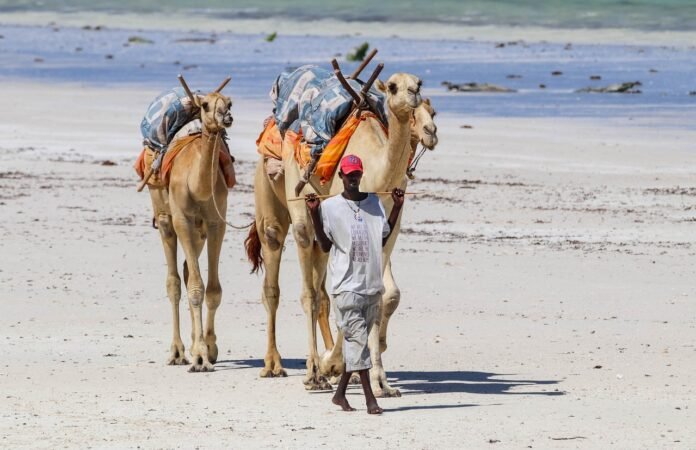
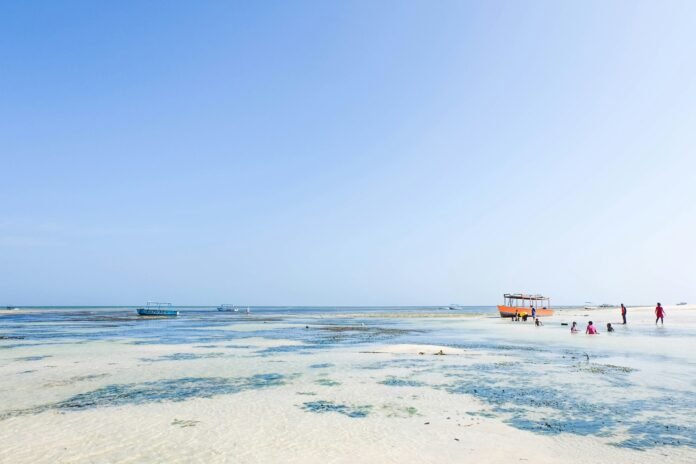
Diani Beach, located on the Indian Ocean coast of Kenya, is a paradise known for its white sandy beaches, turquoise waters, and lush greenery. As a popular tourist destination, Diani offers a variety of activities ranging from beach lounging and water sports to cultural excursions and vibrant nightlife. To fully enjoy your stay in Diani, it’s essential to pack appropriately for the tropical climate and diverse activities. This guide will help you determine what to wear and pack, ensuring comfort, style, and practicality for men, women, and children.
Understanding Diani’s Climate and Seasons
Diani experiences a tropical climate characterized by warm temperatures and high humidity year-round. However, the weather can be broadly divided into two main seasons:
Dry Season (June to October): This is the most popular time to visit Diani, as the weather is warm and sunny with minimal rainfall. Temperatures range from 24°C (75°F) to 30°C (86°F), making it ideal for beach activities and outdoor adventures.
Rainy Season (April to May and November to December): During these months, Diani receives significant rainfall, often in the form of heavy afternoon showers. While the temperatures remain warm, ranging from 26°C (79°F) to 31°C (88°F), the increased humidity and wet conditions can affect your packing choices.
Understanding these seasons will help you pack the right clothing and accessories for your trip, ensuring you’re prepared for all types of weather and activities.
What to Wear: General Guidelines
When packing for Diani, it’s essential to focus on lightweight, breathable fabrics to stay comfortable in the tropical climate. Here are some general guidelines:
Fabrics: Opt for natural fibers like cotton, linen, and rayon, which allow your skin to breathe and keep you cool.
Sun Protection: Diani’s sun can be intense, so pack a wide-brimmed hat, sunglasses with UV protection, and high-SPF sunscreen.
Evening Wear: While Diani is relatively casual, some upscale restaurants and resorts may require slightly dressier attire. Lightweight trousers or dresses are ideal for evenings out.
What to Wear for Men
Casual Wear
For men, casual wear in Diani revolves around comfort and practicality. Consider packing the following items:
T-Shirts and Polos: Lightweight cotton or moisture-wicking materials are perfect for staying cool.
Shorts: Opt for quick-dry fabrics that are comfortable for both beach and casual outings.
Swimwear: Bring a couple of pairs of swim trunks for beach days and water activities.
Evening and Dining
Evening wear in Diani can be relaxed yet stylish:
Light Trousers and Chinos: Ideal for a smart-casual look.
Casual Shirts: Linen or cotton shirts that can be dressed up or down.
Footwear: Loafers or dress sandals are suitable for most evening venues.
Activities
Diani offers a range of activities that require specific clothing:
Hiking Gear: Lightweight, breathable clothing and sturdy shoes for exploring trails.
Water Sports Attire: Rash guards and board shorts for surfing, snorkeling, and other water sports.
Footwear
Choose versatile footwear to match different activities:
Comfortable Walking Shoes: For exploring towns and hiking.
Flip-Flops: Essential for the beach.
Water Shoes: Protect your feet during water activities.
What to Wear for Women
Casual Wear
Women can enjoy a mix of stylish and comfortable casual wear in Diani:
Dresses and Skirts: Light, flowy dresses and skirts are perfect for the beach and casual outings.
Shorts and Tank Tops: Breathable fabrics that keep you cool.
Swimwear: Pack a variety of swimsuits for different beach days.
Evening and Dining
Evening wear can be both elegant and comfortable:
Sundresses and Maxi Dresses: Ideal for dining out and evening strolls.
Light Cardigans or Shawls: Useful for cooler evenings or air-conditioned places.
Footwear: Stylish sandals or flats to complement your outfit.
Activities
Prepare for Diani’s diverse activities with the right attire:
Athletic Wear: Comfortable and moisture-wicking for outdoor activities.
Swim Cover-Ups: For moving between the beach and other locations.
Footwear
Choose versatile and stylish footwear:
Sandals and Espadrilles: Comfortable for walking and stylish enough for dining out.
Athletic Shoes: For hiking and adventure activities.
What to Wear for Kids
Casual Wear
Kids need comfortable and practical clothing for Diani’s climate:
T-Shirts and Shorts: Lightweight and easy to wash.
Swimsuits: Multiple pairs to rotate during beach days.
Sun Hats and Rash Guards: Protect against the strong sun.
Evening Wear
Pack comfortable yet smart outfits for kids:
Dresses or Trousers and Shirts: Suitable for dining out or evening activities.
Footwear: Comfortable shoes that can be easily slipped on and off.
Activities
Kids will need durable and comfortable clothes for various activities:
Play Clothes: Easy-to-clean outfits for playtime.
Water-Friendly Attire: Rash guards and quick-dry shorts for water sports.
Footwear
Footwear for kids should be practical and comfortable:
Sneakers: For active days and exploring.
Sandals: Easy to wear and remove.
Water Shoes: Protect little feet during water activities.
Packing Tips for Different Activities
Beach and Water Activities
For beach lovers and water sports enthusiasts:
Swimwear: Multiple sets to rotate.
Cover-Ups: Lightweight and quick-drying.
Snorkel Gear: If you prefer to use your own equipment.
Adventure and Outdoor Activities
For those planning to explore beyond the beach:
Hiking Shoes: Sturdy and comfortable for trails.
Breathable Clothing: Moisture-wicking and quick-dry fabrics.
Hats and Sunglasses: Essential for sun protection.
Cultural Visits and Dining Out
When visiting local attractions or dining at nicer establishments:
Modest Clothing: Respectful for cultural sites.
Light Jackets or Shawls: For cooler evenings or air-conditioned places.
Nightlife
For enjoying Diani’s nightlife:
Smart Casual Outfits: Comfortable yet stylish.
Comfortable Evening Shoes: For dancing or walking.
Packing for a trip to Diani requires a balance of comfort, practicality, and style. By understanding the climate and activities available, you can ensure you have the right clothing and accessories for a memorable and enjoyable vacation. Whether lounging on the beach, exploring local culture, or enjoying the vibrant nightlife, being well-prepared will enhance your Diani experience.
Malindi, located on Kenya’s eastern coast, is a vibrant town known for its stunning beaches, rich history, and lush landscapes. When packing for Malindi, consider the tropical climate—warm and humid with occasional rain showers. Lightweight, breathable clothing and sun protection are crucial for comfort and safety. This guide breaks down what each family member should pack, ensuring you’re prepared for any adventure Malindi offers.
General Packing Tips
Before diving into specific packing lists for men, women, and children, here are some general tips to keep in mind:
Check the Weather: Although Malindi typically has warm weather, checking the forecast will help you pack more accurately.
Use a Packing List: A checklist ensures you don’t forget essentials.
Pack Light: Aim for versatility in clothing to keep your luggage manageable.
Consider Cultural Sensitivity: Respect local customs, especially when visiting religious or cultural sites.
Leave Room for Souvenirs: Malindi offers unique crafts and souvenirs that you might want to bring back.
Packing for Men
Clothing
Lightweight Shirts: Pack a mix of short-sleeve and long-sleeve shirts made from breathable fabrics like cotton or linen. These are perfect for keeping cool and protecting from the sun.
Examples: Button-down shirts, polo shirts, t-shirts.
Shorts and Lightweight Trousers: Comfortable for day activities. Opt for materials that dry quickly.
Packing for Malindi requires a balance between comfort, practicality, and respect for the local culture. Whether you’re relaxing on the beach, exploring historical sites, or embarking on a safari, this guide ensures you’re well-prepared for every adventure. By packing thoughtfully, you can focus on enjoying all that Malindi has to offer, creating memories that will last a lifetime.
Embarking on a Zimbabwe safari promises an unparalleled adventure filled with breathtaking landscapes and incredible wildlife. However, the key to enjoying this experience lies in dressing appropriately for the climate and activities you’ll encounter. This comprehensive guide will walk you through everything you need to know about Zimbabwe safari clothing, including what to wear based on the season, specific safari activities, and packing checklists for both men and women for different trip durations.
Understanding Zimbabwe’s Climate and Seasons
Before diving into the specifics of safari clothing, it’s essential to understand Zimbabwe’s climate. The country experiences a subtropical climate with distinct wet and dry seasons, which significantly influence your clothing choices.
Dry Season (May to October): This period is characterized by warm days and cool nights. Temperatures range from 25°C (77°F) during the day to around 7°C (45°F) at night.
Wet Season (November to April): The wet season brings heavy rains and high humidity. Daytime temperatures can soar to 30°C (86°F) or higher, with cooler evenings.
Dressing for the Seasons
Dry Season Safari Clothing
Men:
Lightweight, long-sleeved shirts: Opt for breathable fabrics like cotton or linen to stay cool and protect against the sun.
Convertible pants: These can be converted into shorts, providing versatility for varying temperatures.
Fleece jacket or sweater: Essential for chilly early mornings and evenings.
Wide-brimmed hat: Protects against the sun’s rays.
Hiking boots or sturdy walking shoes: Ideal for game drives and walking safaris.
Sunglasses and sunscreen: To protect your eyes and skin from UV rays.
Women:
Light, long-sleeved blouses: Breathable materials such as cotton or moisture-wicking fabrics are ideal.
Convertible pants or capris: Versatile for both warm days and cooler evenings.
Lightweight scarf: Can double as sun protection or a cover for cooler moments.
Fleece jacket or sweater: For warmth during the cooler parts of the day.
Comfortable, sturdy shoes: Essential for walking safaris and game drives.
Wide-brimmed hat, sunglasses, and sunscreen: To protect against the sun.
Wet Season Safari Clothing
Men:
Moisture-wicking, quick-dry shirts: Essential for managing humidity and staying comfortable.
Lightweight, breathable pants: Opt for materials that dry quickly.
Rain jacket or poncho: For protection against sudden downpours.
Water-resistant boots: To keep feet dry during wet conditions.
Wide-brimmed hat and waterproof sunscreen: For sun and rain protection.
Women:
Quick-dry tops and blouses: Ideal for managing humidity and staying cool.
Light, breathable pants or capris: Comfortable and quick-drying.
Rain jacket or poncho: To stay dry during rain showers.
Water-resistant shoes or sandals: For navigating wet conditions.
Wide-brimmed hat and waterproof sunscreen: For protection from the elements.
Safari Activities and What to Wear
Game Drives
Men and Women:
Neutral-colored clothing: Earth tones like khaki, olive, and brown blend in with the environment and minimize disturbance to wildlife.
Long-sleeved shirts and pants: Protects against sunburn and insect bites.
Comfortable, closed-toe shoes: Essential for climbing in and out of safari vehicles.
Light jacket or sweater: For early morning and late afternoon drives when temperatures can drop.
Walking Safaris
Men and Women:
Sturdy, comfortable hiking boots: Essential for navigating rough terrain.
Long pants and long-sleeved shirts: To protect against vegetation and insect bites.
Wide-brimmed hat and sunglasses: For sun protection.
Small backpack: To carry essentials like water, snacks, and a camera.
Insect repellent: To guard against mosquitoes and other insects.
Bird Watching
Men and Women:
Neutral, muted colors: To blend in with the surroundings and avoid startling birds.
Lightweight, breathable clothing: To stay comfortable during long periods of stillness.
Comfortable walking shoes or boots: For traversing birding trails.
Hat and sunglasses: For sun protection.
Binoculars and a bird guidebook: Essential tools for birdwatching.
Canoeing and Water-Based Activities
Men and Women:
Quick-dry clothing: Essential for comfort after getting wet.
Water shoes or sandals: For traction and protection in wet environments.
Wide-brimmed hat and sunglasses: For sun protection.
Light rain jacket or windbreaker: To stay dry and warm.
Dry bag: To keep personal items safe from water.
Packing Checklists for Different Trip Durations
Three-Day Zimbabwe Safari Packing List
Men:
2 lightweight, long-sleeved shirts
1 short-sleeved shirt
1 pair of convertible pants
1 pair of shorts
1 fleece jacket or sweater
1 wide-brimmed hat
1 pair of sturdy shoes
1 rain jacket (wet season)
Sunglasses and sunscreen
Personal toiletries
Insect repellent
Women:
2 lightweight, long-sleeved blouses
1 short-sleeved top
1 pair of convertible pants or capris
1 pair of shorts
1 lightweight scarf
1 fleece jacket or sweater
1 wide-brimmed hat
1 pair of comfortable shoes
1 rain jacket (wet season)
Sunglasses and sunscreen
Personal toiletries
Insect repellent
One-Week Zimbabwe Safari Packing List
Men:
4 lightweight, long-sleeved shirts
2 short-sleeved shirts
2 pairs of convertible pants
1 pair of shorts
1 fleece jacket or sweater
1 wide-brimmed hat
1 pair of sturdy shoes
1 pair of casual evening shoes
1 rain jacket (wet season)
Sunglasses and sunscreen
Personal toiletries
Insect repellent
Extra socks and underwear
Women:
4 lightweight, long-sleeved blouses
2 short-sleeved tops
2 pairs of convertible pants or capris
1 pair of shorts
1 lightweight scarf
1 fleece jacket or sweater
1 wide-brimmed hat
1 pair of comfortable shoes
1 pair of casual evening shoes
1 rain jacket (wet season)
Sunglasses and sunscreen
Personal toiletries
Insect repellent
Extra socks and underwear
Essential Safari Gear
Regardless of the duration of your safari, certain gear is essential to enhance your experience and ensure comfort and safety.
Binoculars: Crucial for wildlife viewing.
Camera with extra batteries and memory cards: To capture the stunning scenery and wildlife.
Travel-sized first aid kit: For minor injuries and ailments.
Water bottle: Stay hydrated during your adventures.
Headlamp or flashlight: Useful for navigating campsites at night.
Guidebooks and maps: For a better understanding of the flora, fauna, and geography.
Packing Tips
Layering: The key to staying comfortable in varying temperatures. Start with a moisture-wicking base layer, add an insulating layer, and top with a weatherproof outer layer.
Neutral Colors: Stick to earth tones like khaki, brown, and olive to blend in with the natural environment and avoid attracting insects.
Quality Over Quantity: Invest in high-quality, versatile clothing items that can be mixed and matched.
Lightweight and Quick-Dry Fabrics: Essential for comfort and ease of packing.
Pack Light: Safari lodges often offer laundry services, allowing you to pack fewer items and reuse clothing.
A Zimbabwe safari is a thrilling adventure that requires careful planning, particularly when it comes to clothing. By understanding the climate, packing appropriate clothing for different activities, and following our detailed packing checklists, you’ll be well-prepared to enjoy every moment of your safari.
Embarking on an African safari is an exciting adventure that promises unforgettable encounters with wildlife, breathtaking landscapes, and a deep dive into the natural beauty of the continent. Whether you’re headed to the savannas of Kenya, the deserts of Namibia, or the lush plains of Tanzania, packing the right luggage is crucial for a smooth and enjoyable journey. In this comprehensive guide, we will explore the best duffel bags for safaris, including rolling duffel bags, discuss luggage restrictions across various African countries, and provide packing tips based on the duration of your safari.
Best Duffel Bags for Safaris
1. Rolling Duffel Bags
When selecting a rolling duffel bag for your safari, durability, mobility, and storage capacity are key considerations. Here are some top recommendations:
Here’s a quick summary of why the Eddie Bauer Expedition Duffel Bag 2.0 (34L, Black) would be an excellent choice for a safari duffel bag:
Lightweight and Well-Designed: Customers appreciate its lightweight design and roomy interior, making it a practical choice for extended travels.
Ample Storage: Features a two-section main compartment with an under-lid zip pocket and a separate laundry compartment with Polygiene odor control, offering organized and spacious packing.
Patented Stand-Alone Feature: Ensures the duffel remains upright whether empty or loaded, providing convenience during travel.
Smooth Transit: Equipped with an ergonomic retracting telescoping handle and reinforced inline skate wheels for smooth and easy transportation, even on rough terrain.
Comfort and Durability: Integrated compression straps eliminate loose ends, making it ideal for carrying large loads on extended trips.
Travel-Friendly Dimensions: With dimensions of 34″ x 15.5″ x 14″ and a volume of 129L, it’s sturdy and easy to maneuver over cobblestone streets and up stairs.
Sustainable Design: Crafted with eco-friendly materials and methods, reflecting Eddie Bauer’s commitment to sustainability and inclusivity.
Osprey Sojourn 80L/28″ The Osprey Sojourn combines the convenience of a rolling suitcase with the flexibility of a duffel bag. It has a sturdy frame, durable wheels, and a removable harness system, allowing you to carry it like a backpack when needed.
2. Soft-Sided Duffel Bags
Soft-sided duffel bags are a popular choice for safaris due to their flexibility and ease of storage. Here are some of the best options:
Patagonia Black Hole Duffel 70L This versatile duffel bag is known for its durability and water-resistant properties. It features multiple carrying options, including backpack straps, and can be compressed for easy storage.
REI Co-op Roadtripper Duffel 100L The REI Co-op Roadtripper is a budget-friendly option that doesn’t compromise on quality. It’s lightweight, spacious, and features reinforced handles and seams for added durability.
Filson Medium Duffel Bag For those who appreciate classic style and premium materials, the Filson Medium Duffel Bag is an excellent choice. Made from water-repellent fabric and bridle leather, it combines ruggedness with elegance.
African Safari Luggage Restrictions
When planning a safari, it’s essential to be aware of the luggage restrictions imposed by various countries and local airlines. Here’s a breakdown of the restrictions in some popular safari destinations:
South Africa
Domestic Flights: Most domestic flights, including those to safari destinations like Kruger National Park, allow a maximum of 20 kg (44 lbs) of checked luggage. Carry-on luggage is usually limited to 7 kg (15 lbs).
Zambia
Domestic Flights: For flights to national parks such as South Luangwa and Lower Zambezi, the luggage limit is generally 15 kg (33 lbs) for checked baggage and 5 kg (11 lbs) for carry-on luggage.
Botswana
Domestic Flights: Luggage restrictions are typically strict, with a maximum of 20 kg (44 lbs) for checked baggage and 5 kg (11 lbs) for carry-on. Soft-sided bags are strongly recommended due to the limited cargo space in smaller aircraft.
Namibia
Domestic Flights: The standard luggage allowance is 20 kg (44 lbs) for checked luggage and 5 kg (11 lbs) for carry-on. Soft-sided duffel bags are preferred to optimize space in smaller planes.
Mozambique
Domestic Flights: Most flights to safari destinations such as Gorongosa National Park have a luggage limit of 15 kg (33 lbs) for checked bags and 5 kg (11 lbs) for carry-on luggage.
Zimbabwe
Domestic Flights: For flights to areas like Hwange National Park, the luggage allowance is generally 20 kg (44 lbs) for checked baggage and 5 kg (11 lbs) for carry-on. Soft-sided bags are advised.
Tanzania
Domestic Flights: Flights to safari hotspots like Serengeti and Ngorongoro Crater usually have a luggage limit of 15 kg (33 lbs) for checked luggage and 5 kg (11 lbs) for carry-on. Soft-sided duffel bags are recommended.
Kenya
Domestic Flights: Luggage restrictions for flights to destinations such as Masai Mara, Amboseli, and Samburu are typically 15 kg (33 lbs) for checked bags and 5 kg (11 lbs) for carry-on. Soft-sided bags are required, and hard-sided luggage may not be accepted.
Uganda
Domestic Flights: For flights to national parks like Bwindi and Queen Elizabeth, the luggage limit is usually 15 kg (33 lbs) for checked baggage and 5 kg (11 lbs) for carry-on. Soft-sided duffel bags are preferred.
Rwanda
Domestic Flights: Luggage allowances are generally 15 kg (33 lbs) for checked luggage and 5 kg (11 lbs) for carry-on. Soft-sided bags are recommended due to space constraints in smaller aircraft.
What Size Duffel Bag for Safari?
The size of your duffel bag will depend on the duration of your safari and the amount of clothing and gear you need to pack. Here’s a guide based on different safari lengths:
3-Day Safari
For a short 3-day safari, a 40-50L duffel bag should suffice. You’ll need essentials such as:
A warm layer for cooler evenings (e.g., a fleece jacket or sweater)
Underwear and socks
A hat and sunglasses
Toiletries and medications
Camera and binoculars
1-Week Safari
For a week-long safari, a 50-70L duffel bag is ideal. Your packing list might include:
7 sets of lightweight, breathable clothing
2 warm layers for cooler mornings and evenings
Underwear and socks
A hat and sunglasses
Toiletries and medications
Camera, binoculars, and chargers
A swimsuit (if your lodge has a pool)
Lightweight hiking shoes or boots
10-Day Safari
For a more extended 10-day safari, opt for a 70-100L duffel bag. You’ll need:
10 sets of lightweight, breathable clothing
3 warm layers for varying temperatures
Underwear and socks
A hat and sunglasses
Toiletries and medications
Camera, binoculars, and chargers
A swimsuit
Lightweight hiking shoes or boots
A small daypack for excursions
Laundry Options at Safari Lodges
Many safari lodges offer laundry services, allowing you to pack lighter and keep your clothes fresh throughout your trip. Here are some common laundry options:
On-Site Laundry Services
Most mid-range to luxury safari lodges provide on-site laundry services, either included in the price or for an additional fee. This service typically includes washing, drying, and ironing, and your clothes are usually returned within 24 hours.
Self-Service Laundry
Some lodges have self-service laundry facilities with washing machines and dryers available for guest use. You may need to bring or purchase detergent.
Hand-Washing
In more remote or budget-friendly accommodations, you might need to hand-wash your clothes. Bringing a small amount of travel detergent and a portable laundry line can be helpful.
Type of Luggage Best Suited for Safari
When it comes to safari travel, soft-sided duffel bags are the best choice due to their flexibility, ease of handling, and ability to fit into small aircraft cargo holds. Here’s why:
Flexibility and Storage
Soft-sided duffel bags can be easily compressed and stored in tight spaces, making them ideal for small planes and safari vehicles. They are also lightweight, allowing you to maximize your luggage allowance for other essentials.
Durability
High-quality duffel bags are made from durable, water-resistant materials that can withstand rough handling and exposure to the elements. Look for bags with reinforced seams and heavy-duty zippers.
Ease of Handling
Duffel bags with multiple carrying options, such as backpack straps and grab handles, are convenient for navigating through airports, lodges, and safari vehicles. Rolling duffel bags provide added mobility on flat surfaces.
Compliance with Local Regulations
In many safari destinations, including Kenya’s Wilson Airport, local flights to popular safari areas like Masai Mara, Amboseli, and Samburu only allow soft-sided luggage. Hard-sided suitcases may need to be left behind, and you may be required to purchase a soft-sided or duffel bag if you don’t have one.
Choosing the right duffel bag for your safari is essential for a hassle-free and enjoyable experience. Whether you opt for a rolling duffel bag or a soft-sided duffel bag, ensure it meets the luggage restrictions of your safari destination and can accommodate your packing needs. By considering factors such as bag size, durability, and ease of handling, you’ll be well-prepared for your adventure into the wild. Remember to pack light, take advantage of laundry services at lodges, and enjoy the incredible journey that awaits you on your African safari.