Home Blog Page 11

How Do I Pack For East Africa Safari?

East African Savannah

East Africa is a dream destination for many travelers, offering a rich diversity of landscapes, cultures, and wildlife experiences. From the vast savannahs of Kenya and Tanzania to the dense forests of Uganda and Rwanda, this region has something for every adventurer. Whether you’re planning a wildlife safari, a mountain climbing expedition, a beach vacation, or even a thrilling gorilla trek, knowing what to pack is crucial to ensure a smooth and enjoyable journey. This comprehensive guide will help you prepare for your East African adventure by outlining essential items to pack, what to leave behind, and how to pack efficiently.

Overview of East Africa: What to Expect

Before diving into the packing list, it’s essential to understand what East Africa encompasses and the activities you might indulge in. The region is made up of Kenya, Tanzania, Uganda, and Rwanda, each offering unique experiences:

  • Kenya: Famous for the Masai Mara and its spectacular wildebeest migration, as well as beautiful beaches along the Indian Ocean.
  • Tanzania: Home to the Serengeti, Ngorongoro Crater, and Mount Kilimanjaro, the highest peak in Africa.
  • Uganda: Known for its mountain gorillas in Bwindi Impenetrable Forest and the stunning Lake Victoria.
  • Rwanda: A small but beautiful country, often called the “Land of a Thousand Hills,” renowned for its gorilla trekking and Volcanoes National Park.

The climate in East Africa varies depending on the region and altitude. Coastal areas are warm and humid, while highland areas can be cooler. Understanding the weather and terrain of your destinations will help you pack appropriately.

Essential Activities in East Africa and What to Pack

1. Wildlife Safari

East Africa is synonymous with wildlife safaris. Whether you’re exploring the Masai Mara, Serengeti, or Amboseli, encountering the Big Five—lion, elephant, buffalo, leopard, and rhino—is almost guaranteed. Here’s what you should pack:

  • Clothing:
    • Lightweight, breathable clothes in neutral colors (khaki, green, beige) to blend in with the environment.
    • Long-sleeved shirts and pants to protect against mosquitoes and the sun.
    • A wide-brimmed hat or cap for sun protection.
    • A light jacket or fleece for early morning and evening game drives.
    • Comfortable walking shoes or boots.
  • Accessories:
    • Binoculars for spotting distant wildlife.
    • A camera with a zoom lens to capture the perfect shot.
    • Sunscreen, insect repellent, and sunglasses.
    • A reusable water bottle to stay hydrated.
  • Bags:
    • A soft-sided duffel bag or backpack, as many safari vehicles have limited storage space.
    • A daypack for carrying essentials during game drives.
  • Additional Items:
    • A guidebook or wildlife checklist to keep track of the animals you encounter.
    • A flashlight or headlamp for use in camps or lodges with limited electricity.

2. Gorilla Trekking

Gorilla trekking is a once-in-a-lifetime experience, and packing the right gear is vital for a successful trek in the forests of Uganda or Rwanda.

  • Clothing:
    • Long-sleeved shirts and long pants to protect against scratches from thorny bushes.
    • Waterproof hiking boots with good ankle support.
    • Gaiters to keep mud and insects out of your boots.
    • A waterproof jacket and pants, as the forests can be damp and rainy.
    • Gloves to protect your hands while grabbing onto vegetation.
  • Accessories:
    • A sturdy walking stick (often provided by guides) for stability on steep or slippery trails.
    • A waterproof daypack to carry your essentials, including snacks and water.
    • A hat and sunscreen for sunny days.
  • Bags:
    • A small, lightweight backpack for carrying essentials like your camera, water, and snacks.
    • A dry bag or waterproof cover to protect your electronics from rain.
  • Additional Items:
    • Insect repellent to ward off mosquitoes and other bugs.
    • High-energy snacks, such as nuts or granola bars, to keep your energy levels up during the trek.
    • A camera with a good zoom lens for capturing the gorillas from a safe distance.

3. Beach Vacation

If you’re planning to unwind on the beautiful beaches of Zanzibar, Diani, or Mombasa, your packing list will differ significantly from that of a safari or trekking expedition.

  • Clothing:
    • Lightweight, breathable clothing such as shorts, t-shirts, and sundresses.
    • Swimwear and a cover-up for the beach.
    • A wide-brimmed hat and sunglasses for sun protection.
    • Flip-flops or sandals for walking on the beach.
    • A light sweater or shawl for cooler evenings.
  • Accessories:
    • A beach bag to carry your essentials.
    • Sunscreen with high SPF to protect against the strong equatorial sun.
    • A reusable water bottle to stay hydrated.
    • A good book or e-reader for relaxation.
  • Bags:
    • A small daypack or beach bag for carrying your towel, sunscreen, and other beach essentials.
  • Additional Items:
    • Snorkeling gear (optional, as it can often be rented at your destination).
    • A waterproof camera or phone case for capturing underwater moments.
    • Aloe vera or after-sun lotion to soothe any sunburns.

4. Mountain Climbing

For those looking to conquer Mount Kilimanjaro or Mount Kenya, packing the right gear is crucial for both safety and comfort.

  • Clothing:
    • Base layers for moisture-wicking and warmth.
    • Insulating layers, such as fleece or down jackets.
    • A waterproof and windproof outer shell to protect against the elements.
    • Thermal gloves, socks, and a beanie for cold summit nights.
    • Hiking boots with good traction and ankle support.
    • Gaiters to keep out dirt, snow, and rain.
  • Accessories:
    • A headlamp with extra batteries for early morning starts and evening campsites.
    • Trekking poles to help with balance and reduce strain on your knees.
    • A good quality sleeping bag rated for sub-zero temperatures.
    • Sunglasses with UV protection to shield your eyes from the intense sun at high altitudes.
  • Bags:
    • A large backpack (50-70 liters) to carry your gear, or a duffel bag if using porters.
    • A daypack for carrying essentials during your climb, such as water, snacks, and extra layers.
  • Additional Items:
    • High-energy snacks and electrolyte tablets to maintain energy levels.
    • A portable water filter or purification tablets for safe drinking water.
    • A first aid kit with altitude sickness medication, blister treatment, and pain relievers.

What Not to Pack: Avoiding Unnecessary Items

When packing for an East Africa safari, it’s just as important to know what to leave behind. Overpacking can make your journey cumbersome and costly, especially with strict weight limits on internal flights.

1. Avoid Plastic Bags

East African countries have strict regulations against plastic bags due to their environmental impact. Kenya, in particular, has one of the world’s strictest bans on plastic bags, with hefty fines for violators. Instead, use reusable bags for packing and shopping.

2. Unnecessary Gadgets

Leave behind heavy laptops, tablets, and other electronics unless they are essential for your trip. A smartphone with a good camera can often replace multiple gadgets.

3. Heavy Books

While it might be tempting to bring along several books, they can add unnecessary weight. Instead, consider using an e-reader or downloading audiobooks.

4. Expensive Jewelry

Leave valuable jewelry at home to avoid the risk of loss or theft. Simple, inexpensive accessories are more practical for travel.

5. Too Many Clothes

Pack versatile clothing items that can be mixed and matched. Remember that many lodges and camps offer laundry services, so you don’t need to pack an outfit for every day.

How to Pack Light: Tips and Tricks

Packing light is essential for an East African safari, especially if you’ll be taking domestic flights with strict baggage limits. Here are some tips to help you pack efficiently:

1. Choose Versatile Clothing

Select clothing that can be layered and worn in different combinations. Neutral colors work well across different environments, and lightweight fabrics dry quickly and pack down small.

2. Use Packing Cubes

Packing cubes can help you organize your belongings and compress your clothing, maximizing the space in your luggage.

3. Limit Shoes

Shoes can take up a lot of space and weight. Try to limit yourself to two or three pairs: hiking boots, comfortable walking shoes, and sandals or flip-flops.

4. Pack Travel-Sized Toiletries

Instead of bringing full-sized toiletries, opt for travel-sized versions or transfer products into smaller containers. Many products, like shampoo and conditioner, are available in solid forms that take up less space and won’t leak.

5. Wear Bulky Items

If you have bulky items like a jacket or hiking boots, wear them during your travel days to save space in your luggage.

Frequently Asked Questions (FAQs)

1. What is the best time to visit East Africa?

The best time to visit East Africa varies depending on your activities. The dry season (June to October) is ideal for wildlife safaris as animals gather around water sources. For gorilla trekking, the dry seasons of June to September and December to February are the best times as the trails are less muddy. Beach vacations are great year-round, but the coastal regions experience two rainy seasons (March to May and October to December). For mountain climbing, January to March and June to October are the best periods due to the clearer skies and lower chances of rain.

2. What vaccinations do I need for East Africa?

Before traveling to East Africa, consult with a travel clinic or your healthcare provider about necessary vaccinations. Common vaccinations include Yellow Fever (mandatory for entry into some countries), Hepatitis A and B, Typhoid, and Tetanus. Additionally, anti-malarial medication is highly recommended, especially if you’re visiting areas with a high risk of malaria.

3. Do I need a visa to travel to East Africa?

Visa requirements vary by nationality and country. Kenya, Tanzania, Uganda, and Rwanda all require visas for most travelers. However, they offer an East Africa Tourist Visa, which allows multiple entries into Kenya, Uganda, and Rwanda for 90 days. Tanzania requires a separate visa. Always check the specific entry requirements for each country before traveling.

4. What currency will I use?

The primary currencies in East Africa are the Kenyan Shilling (KES), Tanzanian Shilling (TZS), Ugandan Shilling (UGX), and Rwandan Franc (RWF). U.S. dollars are widely accepted, especially for larger transactions such as paying for safaris, hotels, and tours. However, for smaller purchases, local currency is preferred. ATMs are available in major cities, but it’s advisable to carry some cash when traveling to remote areas.

5. Can I drink tap water in East Africa?

It is generally not safe to drink tap water in East Africa. Stick to bottled or filtered water, and avoid ice in drinks unless you’re sure it’s made from purified water. Many lodges and hotels provide filtered water, and you can also carry a portable water filter or purification tablets.

6. How do I handle tipping on a safari?

Tipping is customary in East Africa, especially in the tourism and service industries. On a safari, it’s typical to tip your guide, driver, and lodge staff. The amount varies, but a good rule of thumb is $10-$15 per day for guides and $5-$10 per day for lodge staff. Always tip in the local currency or U.S. dollars.

7. Is it safe to travel in East Africa?

East Africa is generally safe for tourists, but it’s essential to follow standard travel precautions. Avoid walking alone at night, be cautious with your belongings, and follow the advice of your guides and local authorities. In national parks and on safari, always listen to your guide and never approach wild animals on your own.

8. What should I wear on a safari?

On safari, comfort and practicality are key. Wear neutral-colored clothing to blend into the environment, protecting yourself from the sun and insects with long sleeves and pants. A wide-brimmed hat, sunglasses, and sturdy shoes are also recommended. Keep in mind that mornings and evenings can be chilly, so bring a warm jacket or fleece.

Packing for an East African safari involves careful consideration of the diverse activities and climate. By focusing on versatile, lightweight clothing, essential gear, and avoiding unnecessary items, you can ensure a hassle-free and enjoyable adventure. 
What To Pack For Zimbabwe

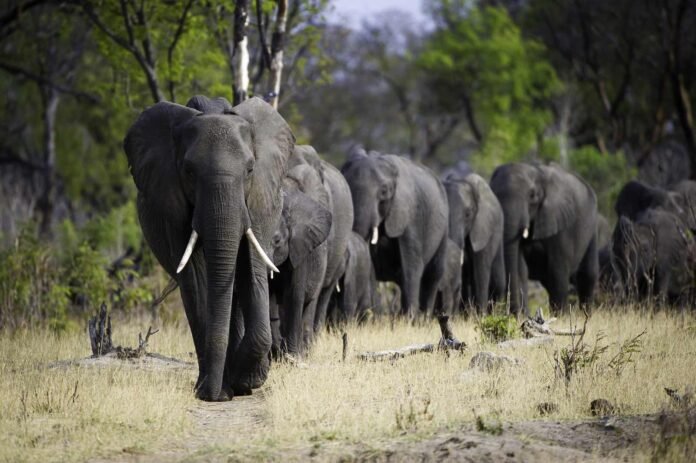
Elephants spotted on A Zimbabwe Safari

Zimbabwe is a captivating country located in Southern Africa, bordered by countries like South Africa, Botswana, Zambia, and Mozambique. Known for its breathtaking landscapes, rich wildlife, and the iconic Victoria Falls, Zimbabwe offers a blend of adventure, nature, and cultural experiences. Whether you’re an avid wildlife enthusiast, an adventure seeker, or someone interested in exploring Africa’s cultural heritage, Zimbabwe has something to offer.

Before going into the specifics of what to pack, it’s essential to understand the diverse experiences that await you in Zimbabwe. From the vast savannas of Hwange National Park to the bustling streets of Harare, your packing list needs to cater to a variety of environments and activities.

2. Understanding Zimbabwe’s Climate and Geography

Zimbabwe has a varied climate, largely influenced by altitude. The country experiences a tropical climate with distinct wet and dry seasons. The rainy season typically occurs from November to March, while the dry season extends from April to October. However, temperatures can vary significantly depending on the region and time of year.

  • Highveld (Harare and surrounding areas): The highveld region, where Harare is located, enjoys a temperate climate. During the dry season, daytime temperatures range from 20°C to 25°C (68°F to 77°F), while nights can be cool, especially in winter (May to August) when temperatures can drop to around 7°C (45°F).
  • Lowveld (Victoria Falls, Hwange, and southern regions): The lowveld is generally warmer, with summer temperatures ranging between 25°C to 35°C (77°F to 95°F). During the dry season, temperatures can be more moderate, but the region remains warmer than the highveld.
  • Eastern Highlands: This area is cooler and wetter, particularly in the rainy season. Expect mist and occasional rain, even during the dry season, and cooler temperatures that may require warmer clothing.

Understanding this climate diversity is crucial for packing the right clothing and gear, especially if your itinerary covers multiple regions.

3. Clothing Essentials

a. General Clothing Guidelines

When packing for Zimbabwe, versatility is key. Your clothing should be lightweight, breathable, and suitable for layering. Natural fabrics like cotton and linen are ideal as they help keep you cool in the heat. Consider the following when planning your wardrobe:

  • Lightweight and breathable clothing: Given the warm temperatures, pack light, breathable garments such as t-shirts, long-sleeve shirts, and shorts. Avoid synthetic fabrics that can trap heat and moisture.
  • Layering options: Mornings and evenings can be cool, especially in higher altitudes. Pack a few layers such as light jackets, fleece pullovers, and scarves that you can add or remove as needed.
  • Neutral colors: Choose neutral colors like khaki, beige, olive, or brown. These colors not only blend well into the natural surroundings (making them ideal for safari) but also help you avoid drawing unwanted attention, particularly in rural areas.

b. Safari and Outdoor Clothing

For those planning to go on a safari or spend significant time outdoors, your clothing should be functional and protective:

  • Long-sleeve shirts and pants: These are essential for protection against the sun and insects. Opt for lightweight, breathable materials with moisture-wicking properties.
  • Hats and caps: A wide-brimmed hat or cap will provide necessary protection from the sun.
  • Warm jacket: Even during the dry season, early morning and evening game drives can be chilly. A warm jacket or fleece is essential, especially in the winter months.
  • Rain jacket or poncho: If you’re traveling during the rainy season, a lightweight, waterproof jacket or poncho is a must.

c. Urban and Cultural Experience Clothing

When visiting cities like Harare or Bulawayo, or participating in cultural experiences, your clothing should be more refined and respectful:

  • Casual but neat attire: In urban areas, dress casually but neatly. Lightweight pants, collared shirts, or casual dresses are appropriate. Avoid overly casual items like ripped jeans or graphic t-shirts with offensive designs.
  • Modest clothing: Respect local customs by avoiding overly revealing clothing, particularly in rural areas or when visiting religious or cultural sites.

d. The Camouflage Clothing Ban

One crucial consideration when packing for Zimbabwe is the prohibition of camouflage-patterned clothing. This ban is strictly enforced as wearing camouflage or military-style clothing can be construed as impersonating military personnel, which is illegal.

  • Avoid all camouflage or military-inspired clothing: This applies to all items, including shirts, pants, jackets, hats, and accessories. Even carrying a camouflage-patterned bag could cause issues.
  • Opt for neutral and earthy tones: Instead of camouflage, choose neutral tones that are suitable for safari and travel without causing confusion.

4. Footwear: What You Need

Choosing the right footwear for your trip is just as important as selecting the right clothing. Your footwear needs will vary depending on the activities planned:

  • Sturdy walking shoes or boots: For safaris, hikes, and outdoor activities, pack a pair of sturdy, comfortable walking shoes or boots. These should have good grip and be broken in before your trip to avoid blisters.
  • Sandals or flip-flops: Comfortable sandals or flip-flops are perfect for relaxing at your accommodation, walking around town, or wearing in hot weather.
  • Dress shoes (optional): If you plan on dining in upscale restaurants or attending formal events, pack a pair of dress shoes. However, this is optional and depends on your itinerary.

5. Travel Accessories and Gear

Beyond clothing and footwear, there are several travel accessories and gear items that will enhance your comfort and convenience while in Zimbabwe.

a. Bags and Luggage

Given the luggage restrictions on small flights, packing efficiently is essential:

  • Soft-sided duffel bag: For safaris and small flights, opt for a soft-sided duffel bag. These are more practical for the limited luggage compartments on small aircraft and are easier to pack.
  • Daypack: A lightweight, durable daypack is essential for carrying your daily essentials, such as water, snacks, camera, and personal items. Look for a pack with multiple compartments and comfortable straps.
  • Money belt or neck pouch: To keep your passport, money, and other valuables secure, consider using a money belt or neck pouch. This adds an extra layer of security, particularly in crowded areas.

b. Electronics and Gadgets

Bringing the right electronics will help you capture memories and stay connected during your trip:

  • Camera and accessories: Zimbabwe is a photographer’s dream, so don’t forget your camera. Bring extra memory cards, batteries, and a sturdy camera bag. If you’re into wildlife photography, consider a telephoto lens.
  • Power bank: A portable power bank is essential for keeping your devices charged, especially during long days on safari or when you’re away from power sources.
  • Travel adapter: Zimbabwe uses the Type D and G power outlets, with a voltage of 220-240V. Ensure you have the correct travel adapter for your devices.
  • Smartphone: Your smartphone can serve multiple purposes – from navigation and communication to photography and entertainment. Make sure it’s unlocked if you plan to use a local SIM card.

c. Toiletries and Personal Care Items

While some personal care items may be available locally, it’s best to pack your preferred products:

  • Basic toiletries: Bring travel-sized versions of your shampoo, conditioner, soap, toothpaste, and deodorant. Many lodges provide basic toiletries, but it’s good to have your own.
  • Hand sanitizer and wet wipes: These are useful for maintaining hygiene, especially in remote areas where water may be limited.
  • Moisturizer and lip balm: The dry climate can be harsh on your skin, so pack a good moisturizer and lip balm to keep your skin hydrated.
  • Toilet paper or tissues: It’s a good idea to carry a small roll of toilet paper or a pack of tissues, especially if you’ll be traveling in remote areas where restrooms may not be well-stocked.

6. Health and Safety Essentials

When traveling to Zimbabwe, ensuring that you have the right health and safety items is crucial for a comfortable and worry-free trip. Here’s what you should include in your packing list:

a. First Aid Kit and Medications

A well-stocked first aid kit can be a lifesaver in remote areas where medical facilities might not be easily accessible.

  • Basic first aid kit: Include bandages, antiseptic wipes, adhesive tape, gauze pads, tweezers, and scissors. Also, pack a digital thermometer, safety pins, and a small pair of medical gloves.
  • Prescription medications: If you take prescription medication, ensure you bring enough for the entire duration of your trip. It’s also advisable to carry a copy of your prescription, just in case.
  • Over-the-counter medications: Include pain relievers (such as ibuprofen or aspirin), anti-diarrheal tablets, antihistamines, motion sickness tablets, and any other medication you might need.
  • Malaria prophylaxis: Zimbabwe is a malaria-endemic country, especially in lower-altitude areas like Victoria Falls and Hwange. Consult your doctor about malaria prophylaxis and make sure to bring enough medication for your stay.

b. Sun Protection

Zimbabwe’s sun can be intense, particularly during the dry season. Protecting yourself from harmful UV rays is essential.

  • High-SPF sunscreen: Choose a broad-spectrum sunscreen with at least SPF 30 and make sure it’s water-resistant if you’ll be swimming or sweating.
  • Wide-brimmed hat: A wide-brimmed hat offers better sun protection than a cap and is a must-have for safaris and outdoor activities.
  • Sunglasses: Protect your eyes with a good pair of sunglasses that offer UV protection. Polarized lenses are ideal for reducing glare.

c. Mosquito and Insect Repellents

In addition to malaria, there are other insect-borne diseases that can be a concern in Zimbabwe. Be prepared with the right protection.

  • Insect repellent: Bring a high-quality insect repellent containing DEET, Picaridin, or another effective active ingredient. Apply it to exposed skin, especially during the evening and night.
  • Insect-repellent clothing: Consider clothing treated with insect repellent or bring a fabric spray to treat your clothing.
  • Mosquito net (if not provided): Some lodges provide mosquito nets, but it’s a good idea to verify this beforehand. If not provided, consider bringing your own lightweight, portable mosquito net.

7. Special Considerations

When traveling in Zimbabwe, there are a few unique considerations that could impact what and how you pack. Being aware of these factors can help ensure that you’re fully prepared.

a. Luggage Restrictions on Small Flights

One of the most important considerations is the luggage allowance on small domestic flights. These flights, which you might take to reach remote areas like Hwange National Park or Mana Pools, often have strict weight limits.

  • Weight limits: The luggage allowance is typically 20 kg (44 lbs) per person, which includes both checked luggage and carry-on bags. Exceeding this limit could result in additional charges or even the need to leave some items behind.
  • Soft-sided bags: Soft-sided duffel bags are recommended for small flights because they are easier to fit into tight luggage compartments.
  • Packing efficiently: Given the weight limit, pack only the essentials. Take advantage of laundry services offered by most lodges and camps to reduce the number of clothing items you need to bring.

b. Laundry Services at Lodges and Camps

Many lodges and safari camps in Zimbabwe offer same-day laundry services, which can be a game-changer when packing.

  • Laundry services: Most high-end and mid-range lodges offer complimentary or reasonably priced laundry services. This allows you to pack fewer clothes, particularly bulky items, and still have clean clothing throughout your trip.
  • Quick-dry clothing: If you plan on doing your own laundry, consider bringing quick-dry clothing that can be washed and dried overnight. A small travel clothesline can also be useful for drying clothes in your room.
  • Laundry soap: If you prefer to wash your own clothes, pack a small amount of travel laundry soap.

8. Packing Tips for Specific Activities

Zimbabwe offers a wide range of activities, from thrilling safaris to serene hikes and cultural tours. Each activity might require specific gear and clothing, so it’s important to tailor your packing list to your planned itinerary.

a. Safari

Safaris are the highlight of many trips to Zimbabwe, and proper preparation is key to a successful experience.

  • Binoculars: A good pair of binoculars is essential for spotting wildlife at a distance. Even if your guide provides binoculars, having your own can enhance the experience.
  • Camera gear: For capturing wildlife, a camera with a good zoom lens is important. Bring extra batteries and memory cards, as you’ll be taking a lot of photos.
  • Neutral-colored clothing: As mentioned earlier, stick to neutral colors like khaki, brown, and olive to blend in with the environment. This minimizes disturbances to the animals and helps you avoid attracting insects.
  • Reusable water bottle: Staying hydrated is crucial, especially during long game drives. A reusable water bottle will help you keep water handy while reducing plastic waste.

b. Hiking and Adventure Activities

Zimbabwe’s diverse landscapes offer excellent hiking opportunities, from the misty Eastern Highlands to the rugged terrain around Victoria Falls.

  • Hiking boots: For any serious hiking, sturdy, broken-in hiking boots with good ankle support are a must. Lightweight trail shoes can suffice for less challenging hikes.
  • Lightweight daypack: A small daypack is useful for carrying water, snacks, a first aid kit, and any extra layers you might need on a hike.
  • Trekking poles: If you’re planning on hiking in mountainous or uneven terrain, consider bringing trekking poles for added stability.
  • Rain gear: A lightweight, packable rain jacket is important for hikes, especially in the Eastern Highlands, where the weather can change quickly.

c. City Tours and Cultural Visits

Zimbabwe’s cities and cultural sites offer a different kind of experience that requires slightly different attire and gear.

  • Guidebook and phrasebook: A travel guidebook can enhance your understanding of the places you visit. A phrasebook or translation app can also be helpful for communicating in Shona or Ndebele, the main local languages.
  • Respectful attire: When visiting cultural sites, dress modestly out of respect for local customs. Avoid sleeveless tops, short skirts, or shorts.
  • Small gifts or tokens: If you plan to visit local communities or participate in cultural exchanges, consider bringing small gifts or tokens of appreciation, such as school supplies or other useful items.

d. Victoria Falls

Victoria Falls is one of the most iconic attractions in Zimbabwe, and a visit here can include a mix of sightseeing, adventure, and relaxation.

  • Waterproof gear: If you plan to get up close to the falls, such as during a guided walk or boat ride, bring a waterproof jacket or poncho. The spray from the falls can soak you quickly.
  • Quick-dry clothing: Clothes made from quick-dry fabrics are ideal for activities around the falls, where you might get wet. This includes swimsuits if you plan to swim in the Devil’s Pool or take a dip in the Zambezi River.
  • Camera protection: Protect your camera from the mist with a waterproof cover or dry bag. This will help you capture stunning photos without damaging your equipment.
  • Adventure gear: If you’re planning on bungee jumping, white-water rafting, or other adrenaline-pumping activities, ensure you have suitable clothing and footwear for each activity.

What Not to Pack for Zimbabwe

When packing for a trip to Zimbabwe, it’s just as important to know what not to bring as it is to know what to pack. To ensure a smooth and enjoyable journey, avoid bringing the following items:

a. Camouflage or Military-Inspired Clothing

As mentioned earlier, wearing camouflage-patterned or military-inspired clothing is strictly prohibited in Zimbabwe. This rule applies to all clothing items and accessories that could be construed as mimicking military attire.

  • Reason: Camouflage clothing is associated with military personnel, and wearing it can lead to misunderstandings with authorities. To avoid unnecessary trouble, leave any camouflage items, including hats, jackets, pants, and bags, at home.

b. Excessive Cash

While it’s important to carry some cash for small purchases, it’s unwise to carry large sums of money.

  • Reason: Carrying too much cash can make you a target for theft. Instead, bring a mix of cash and a reliable credit or debit card. In Zimbabwe, the US dollar is widely accepted, so it’s best to bring US dollars in small denominations.

c. Valuable or Expensive Jewelry

Zimbabwe is a relatively safe destination, but like any country, it’s better to avoid wearing valuable or flashy jewelry.

  • Reason: Expensive jewelry can attract unwanted attention and increase the risk of theft. It’s safer to leave valuable items at home and opt for inexpensive, minimal jewelry that won’t stand out.

d. High-Heeled Shoes

While high heels might be suitable for some city environments, they are impractical for most activities in Zimbabwe, particularly safaris and outdoor excursions.

  • Reason: The terrain in Zimbabwe, especially on safaris or hikes, is often uneven and rugged. High-heeled shoes can be uncomfortable and unsafe in these conditions. Stick to practical, comfortable footwear like walking shoes, boots, or sandals.

e. Bulky Clothing

Packing light is crucial, especially due to the luggage restrictions on small flights within Zimbabwe. Bulky clothing items, like heavy coats or large sweaters, can take up too much space and add unnecessary weight to your luggage.

  • Reason: The weather in Zimbabwe generally doesn’t require heavy clothing. Even in cooler regions, layering lighter items is more practical and space-saving. If you need warmth, opt for a lightweight jacket or fleece that can be easily packed.

f. Non-Essential Electronics

While some electronics, like your smartphone and camera, are essential, others might be better left at home. Items like hairdryers, electric razors, and multiple gadgets can add unnecessary weight and take up valuable space.

  • Reason: Most lodges and accommodations offer basic amenities like hairdryers. Additionally, the power supply in Zimbabwe can be unreliable in some areas, making it less practical to bring multiple electronic devices. Consider bringing only the electronics that are essential for your trip.

g. Food Items or Snacks

It might be tempting to pack your favorite snacks or food items, but it’s generally unnecessary.

  • Reason: Zimbabwe has a wide variety of food options, and most accommodations offer full-board services. Additionally, bringing food across borders can sometimes result in customs issues, so it’s best to avoid packing food items unless you have specific dietary needs that might be difficult to meet locally.

h. Unnecessary Paperwork

While it’s important to have essential documents like your passport, visa (if required), and travel insurance, avoid carrying unnecessary paperwork or large amounts of printed materials.

  • Reason: Most travel information can be stored digitally on your smartphone or tablet. Reducing the amount of paperwork not only saves space but also minimizes the risk of losing important documents. Keep digital copies of your essential documents backed up in case of emergencies.

Packing for a trip to Zimbabwe requires careful planning, as the country’s diverse environments and activities call for a variety of clothing, gear, and personal items. Whether you’re heading out on a safari, exploring the majestic Victoria Falls, or immersing yourself in Zimbabwe’s rich cultural heritage, having the right items in your luggage will ensure that you’re prepared for whatever your adventure brings.

How much does an African safari cost for a family of 4?

0
Kids out on a family safari

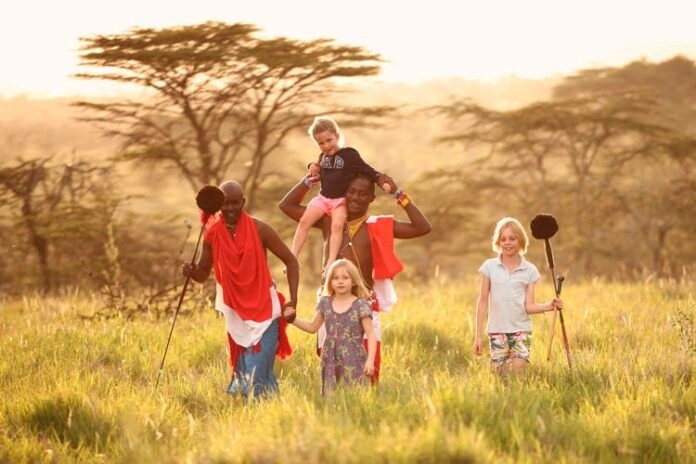
Embarking on an African safari is often considered a once-in-a-lifetime experience, offering families the opportunity to immerse themselves in the breathtaking beauty of the continent’s diverse wildlife and landscapes. However, planning such a trip, especially for a family of four, can be a complex endeavor with numerous variables influencing the cost. From the choice of destination and type of safari to accommodations and travel logistics, each decision plays a significant role in determining the overall expense. This comprehensive guide aims to provide a detailed breakdown of the costs associated with an African safari for a family of four, helping you budget effectively and make informed decisions.

1. Understanding the Basics of African Safaris

1.1 What Constitutes an African Safari?

An African safari typically involves guided tours within wildlife reserves or national parks, where participants can observe animals in their natural habitats. Safaris can range from basic self-drive experiences to luxurious, fully-guided tours. The essence of a safari is to provide an up-close encounter with Africa’s iconic wildlife, including the Big Five: lions, elephants, rhinos, leopards, and buffaloes.

1.2 Popular Safari Destinations

The cost of an African safari can vary significantly depending on the destination. Here are some of the most popular countries for safaris and a brief overview of what they offer:

10 day kenya safari itinerary
  • Kenya: Known for the Masai Mara, a reserve famous for the Great Migration, Kenya offers a blend of luxury and mid-range safari options.
  • Tanzania: Home to the Serengeti and Ngorongoro Crater, Tanzania is ideal for those interested in witnessing large herds of wildlife and dramatic landscapes.
  • South Africa: Kruger National Park is South Africa’s crown jewel, offering a range of safaris from budget to luxury. South Africa is also popular for family-friendly safaris.
  • Botswana: Known for the Okavango Delta and Chobe National Park, Botswana offers exclusive, high-end safari experiences with a focus on conservation.
  • Namibia: Etosha National Park and the Namib Desert provide unique safari experiences, combining wildlife viewing with surreal landscapes.

2. Major Cost Components of an African Safari

2.1 Accommodation

Types of Accommodation:

  • Lodges: These can range from budget to luxury and often include meals and guided game drives.
  • Tented Camps: These vary from basic tents with shared facilities to luxurious glamping setups with en-suite bathrooms and gourmet dining.
  • Budget Campsites: These are often the most economical option, especially for self-drive safaris, but they require bringing your own camping gear or renting it locally.

Cost Breakdown:

  • Luxury Lodges: $400 – $2,000 per person per night
  • Mid-Range Lodges/Tented Camps: $150 – $400 per person per night
  • Budget Campsites: $10 – $50 per person per night

For a family of four, assuming a mid-range lodge, accommodation costs can range from $600 to $1,600 per night, depending on the season and location.

2.2 Safari Type

Guided Safaris: These safaris include a guide and often a driver, providing expert knowledge about the wildlife and environment. Costs include transportation within the park, park entry fees, and sometimes meals.

Self-Drive Safaris: These offer more flexibility and are often cheaper. However, they require renting a vehicle and possibly hiring a guide, as well as organizing your own accommodation.

Specialty Safaris: These might include walking safaris, hot air balloon safaris, or photographic safaris. Such experiences come with additional costs but offer unique perspectives on the wildlife.

Cost Breakdown:

  • Guided Safaris: $200 – $800 per person per day
  • Self-Drive Safaris: $150 – $300 per person per day (including vehicle rental)
  • Specialty Safaris: $300 – $1,500 per person per day

For a guided safari, a family of four can expect to pay between $800 and $3,200 per day, depending on the type of safari and the level of luxury.

2.3 Flights and Transfers

4 day masai mara safari

International Flights: The cost of flights to Africa will largely depend on your country of origin, the destination, and the season.

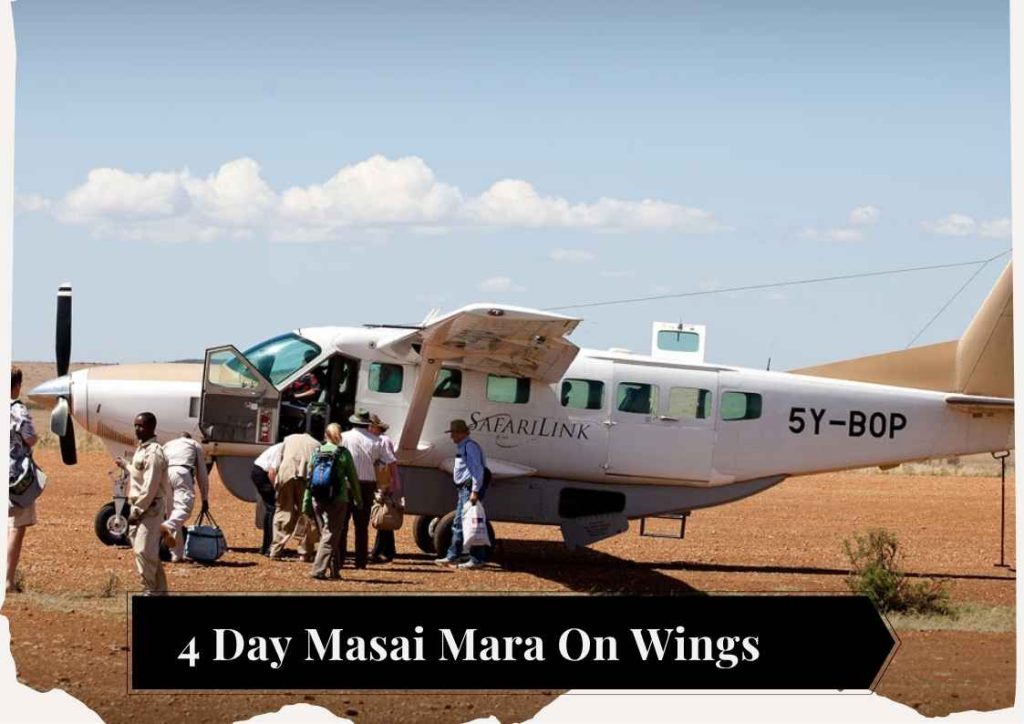
Internal Flights: Many safari destinations require additional flights within Africa to reach remote parks or reserves. These flights can be costly but are often necessary for accessing the best wildlife areas.

Ground Transfers: These include transportation from airports to lodges or between different parks. The costs vary depending on the distance and type of transport (e.g., private vehicle, shared shuttle, or charter plane).

Cost Breakdown:

  • International Flights: $800 – $2,500 per person
  • Internal Flights: $150 – $600 per person per flight
  • Ground Transfers: $50 – $300 per person per transfer

For a family of four, international flights could range from $3,200 to $10,000, while internal flights and transfers might add another $2,000 to $5,000, depending on the complexity of the itinerary.

2.4 Park Fees and Permits

Most national parks and reserves in Africa charge entry fees, which are often used for conservation efforts. Some parks also require permits for certain activities, such as gorilla trekking in Uganda or Rwanda.

Cost Breakdown:

  • Daily Park Fees: $20 – $150 per person per day
  • Special Permits (e.g., Gorilla Permits): $600 – $1,500 per person

For a typical safari, daily park fees for a family of four can range from $80 to $600, depending on the park and activities planned. If gorilla trekking is included, this could add another $2,400 to $6,000 to the total cost.

2.5 Food and Beverages

Many safari packages include meals, particularly if you stay in lodges or tented camps. However, if you are on a self-drive safari or staying in accommodations that do not include meals, you will need to budget for food and drinks.

Cost Breakdown:

  • All-Inclusive Lodges: Meals included
  • Mid-Range Dining: $10 – $30 per person per meal
  • High-End Dining: $50 – $100 per person per meal

For a family of four, dining costs can range from $120 to $400 per day if meals are not included in your accommodation.

2.6 Miscellaneous Costs

Travel Insurance: Essential for covering potential medical emergencies, trip cancellations, or lost luggage. Costs vary based on the coverage and the duration of the trip.

Tips: Tipping guides, drivers, and lodge staff is customary. The amount varies by country and the level of service.

Souvenirs and Additional Activities: Depending on the location, you may want to purchase local crafts or participate in additional activities like village tours or cultural experiences.

Cost Breakdown:

  • Travel Insurance: $100 – $400 per person
  • Tips: $10 – $30 per day per person
  • Souvenirs and Activities: $50 – $300 per person

For a family of four, these miscellaneous costs could add an additional $1,000 to $2,500 to the overall budget.

3. Budgeting for an African Safari: Sample Itineraries

3.1 Budget Safari: South Africa Self-Drive

  • Destination: Kruger National Park
  • Duration: 7 days
  • Accommodation: Budget Campsites
  • Safari Type: Self-Drive
  • Estimated Total Cost: $5,000 – $7,000

This option is ideal for families who are comfortable with self-guiding and camping. It allows for flexibility and is one of the most affordable ways to experience an African safari.

3.2 Mid-Range Safari: Kenya’s Masai Mara

  • Destination: Masai Mara National Reserve
  • Duration: 7 days
  • Accommodation: Mid-Range Lodge
  • Safari Type: Guided Safari
  • Estimated Total Cost: $12,000 – $18,000

A mid-range safari in Kenya’s Masai Mara offers a balance of comfort and adventure. It’s suitable for families looking for guided experiences with knowledgeable local guides.

3.3 Luxury Safari: Botswana’s Okavango Delta

  • Destination: Okavango Delta
  • Duration: 7 days
  • Accommodation: Luxury Lodge
  • Safari Type: All-Inclusive Guided Safari
  • Estimated Total Cost: $30,000 – $40,000

For families seeking a high-end, once-in-a-lifetime experience, a luxury safari in Botswana’s Okavango Delta provides exclusivity, top-notch service, and some of the best wildlife viewing opportunities in Africa.

4. Additional Considerations

4.1 Best Time to Go

The cost of an African safari can vary depending on the time of year. The dry season (typically from June to October) is often the best time for wildlife viewing but also the most expensive. The wet season (November to May) can offer lower prices, fewer crowds, and lush landscapes, but wildlife may be harder to spot.

4.2 Health and Safety

It’s essential to consider health and safety when planning a safari, especially with children. Vaccinations, malaria prevention, and understanding the safety protocols in parks and lodges are crucial.

4.3 Cultural Sensitivity and Ethical Considerations

When embarking on an African safari, it’s important to approach the experience with cultural sensitivity and an awareness of ethical practices. This not only ensures a respectful interaction with local communities but also contributes to the sustainability and preservation of the environment and wildlife.

4.3.1 Engaging with Local Communities

Many safari destinations are located near indigenous communities who have lived in harmony with the land for generations. As a visitor, showing respect for their traditions, customs, and way of life is crucial. This might include:

  • Learning Basic Phrases: In the local language, greetings and simple phrases can go a long way in building rapport.
  • Supporting Local Enterprises: Purchase souvenirs from local artisans or participate in community-led tours or cultural experiences. This helps channel tourism revenue directly into the local economy.
  • Being Mindful of Photography: Always ask permission before photographing people, and respect their wishes if they decline.

4.3.2 Responsible Wildlife Tourism

The allure of an African safari lies in the opportunity to observe wildlife in their natural habitat. However, it’s essential to ensure that your safari does not harm the animals or their environment. Consider the following:

  • Choose Ethical Operators: Select safari companies that prioritize conservation and operate with strict guidelines to minimize disturbance to wildlife.
  • Avoid Animal Encounters: Resist the temptation to engage in activities that involve direct contact with wildlife, such as petting or riding, as these often involve unethical practices.
  • Practice Eco-Friendly Habits: This includes minimizing waste, avoiding single-use plastics, and adhering to guidelines about staying in vehicles and keeping a safe distance from animals.

5. How to Save Money on an African Safari

While African safaris can be expensive, there are several strategies to help manage costs without compromising the experience:

5.1 Travel During the Off-Season

The off-season, typically during the rainy months, can offer significant discounts on accommodation and flights. While wildlife viewing might be less predictable, the parks are less crowded, and the landscapes are lush and green. Some animals, like migratory birds, are more abundant during this time.

5.2 Opt for Group Tours

Joining a group tour can lower costs significantly, as expenses such as transportation, guides, and even accommodation are shared among the participants. Group safaris can also offer a social experience, where you can meet other like-minded travelers.

5.3 Book Early or Last-Minute

Booking early can secure lower rates, especially for flights and popular lodges that fill up quickly. Conversely, if you have flexible travel dates, booking last-minute can sometimes result in discounts as operators fill up unsold spots.

5.4 Consider Self-Catering Options

In some safari destinations, especially in South Africa, self-catering accommodations are available within national parks. These come equipped with kitchen facilities, allowing families to prepare their own meals and save on dining costs.

5.5 Use Local Tour Operators

Booking directly with local tour operators can sometimes be more cost-effective than using international agents. Local operators often have better knowledge of the area and can offer more competitive pricing on accommodations, activities, and guides.

6. Preparing for Your Safari: Practical Tips

Planning an African safari involves careful preparation to ensure a smooth and enjoyable experience. Below are some practical tips to help you get ready:

6.1 Packing Essentials

Packing the right items can make a big difference in your safari experience. Some essentials include:

  • Clothing: Lightweight, neutral-colored clothing is best for blending into the environment. Pack layers, as mornings can be chilly, even in warmer climates. Don’t forget a wide-brimmed hat, sunglasses, and a rain jacket.
  • Footwear: Comfortable, closed-toe shoes are essential, especially if your safari includes walking tours.
  • Sunscreen and Insect Repellent: The African sun can be intense, and in some regions, mosquitoes can be a concern, particularly during the wet season.
  • Binoculars and Camera: High-quality binoculars enhance wildlife viewing, and a good camera with a zoom lens will help capture the memories.
  • Medication: Bring any necessary prescriptions, as well as a basic first-aid kit, and malaria prophylaxis if recommended for your destination.

6.2 Preparing Children for a Safari

If traveling with children, it’s important to prepare them for the safari experience:

  • Education: Teach your children about the wildlife and cultures they will encounter. This can build excitement and foster respect for the environment.
  • Safety Briefings: Make sure your children understand the importance of following safety guidelines, such as staying quiet during game drives and always listening to the guide.
  • Entertainment: While safaris are thrilling, there can be long periods of driving or waiting. Bring books, games, or tablets to keep children entertained during downtime.

6.3 Health and Vaccination Requirements

Different African countries have varying health and vaccination requirements. Some key considerations include:

  • Vaccinations: Common vaccinations required or recommended include Yellow Fever, Hepatitis A and B, Typhoid, and Tetanus. It’s important to check the specific requirements for each country you plan to visit.
  • Malaria Prevention: Many safari destinations are in malaria-prone areas, so prophylaxis is often recommended. Consult with a healthcare provider to determine the best course of action.
  • Travel Insurance: Comprehensive travel insurance is essential, covering medical emergencies, evacuation, and trip cancellations. Ensure your policy covers safari-related activities.

7. Planning the Itinerary: Tailoring the Safari to Your Family’s Interests

An African safari offers a diverse range of experiences, from game drives to cultural tours. Tailoring the itinerary to your family’s interests can enhance the overall experience.

7.1 Wildlife Viewing

Depending on the destination, you can choose safaris that focus on specific wildlife experiences:

  • Big Five Safaris: Popular in countries like Kenya, Tanzania, and South Africa, these safaris focus on viewing lions, elephants, rhinos, leopards, and buffaloes.
  • Gorilla and Chimpanzee Trekking: In Uganda, Rwanda, and the Congo, trekking through rainforests to see gorillas and chimpanzees is a unique and awe-inspiring experience.
  • Birdwatching: For families interested in ornithology, destinations like Botswana and Zambia offer exceptional birdwatching opportunities.

7.2 Cultural Experiences

Incorporating cultural experiences into your safari can provide a deeper understanding of the regions you visit:

  • Maasai Village Tours: In Kenya and Tanzania, visiting a Maasai village offers insights into the traditional lifestyles of this iconic tribe.
  • San Bushmen Walks: In Botswana and Namibia, walking with the San people provides an opportunity to learn about their survival skills and ancient traditions.
  • Cultural Festivals: Time your safari to coincide with local festivals or events to experience the vibrant cultures of Africa.

7.3 Adventure Activities

For families seeking a bit of adventure, consider adding some of these activities to your safari itinerary:

  • Hot Air Balloon Rides: Floating over the Serengeti or Masai Mara at dawn offers a breathtaking perspective on the wildlife and landscapes below.
  • Walking Safaris: Led by experienced guides, walking safaris allow you to experience the bush up close and learn about the smaller details of the ecosystem.
  • Canoeing and Boating Safaris: In places like the Okavango Delta, exploring the waterways by boat or canoe offers a different vantage point and the chance to see aquatic wildlife.

An African safari is an investment in experiences and memories that will last a lifetime. While the costs can be substantial, understanding the various factors that influence the price allows you to tailor the safari to fit your budget and expectations. Whether you opt for a budget-friendly self-drive adventure or a luxurious guided tour, the key to a successful safari lies in careful planning, respect for the environment, and an openness to the incredible diversity Africa has to offer.

Luxury Safari Packing List

A game drive on a luxury safari jeep

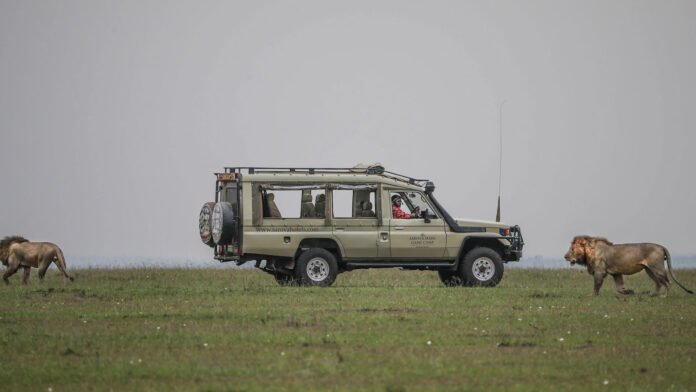
Embarking on a luxury safari is an exciting experience that combines the raw beauty of the African wilderness with the comforts and elegance of premium accommodations. As you prepare for this once-in-a-lifetime adventure, it’s crucial to pack wisely, ensuring you look the part while remaining comfortable and practical. This guide will walk you through everything you need to pack, from luggage to clothing, accessories, and essentials for men, women, and children. Whether you’re a seasoned traveler or a first-time safari-goer, this packing list will ensure you’re well-prepared for the adventure ahead.

Choosing the Right Luggage

Luggage Selection

When it comes to selecting luggage for your luxury safari, remember that less is more. The focus should be on practicality, ease of movement, and suitability for your safari vehicle. Unlike urban vacations, safaris often involve light aircraft transfers with strict weight limits (usually around 33 pounds or 15 kilograms, including carry-ons), and space on these flights is limited. Therefore, soft-sided duffel bags are highly recommended.

Duffel Bags and Soft-Sided Luggage

Soft-sided luggage is preferred because it can be easily stowed in small spaces and is generally more forgiving in terms of weight and size restrictions. A high-quality duffel bag with durable material and multiple compartments for organization is ideal. Consider the following options:

  • Patagonia Black Hole Duffel Bag (55L): This bag is rugged, weather-resistant, and has enough space to carry all your essentials. It’s also lightweight and can be easily carried on your shoulder.
  • The North Face Base Camp Duffel (50L): Another excellent choice, known for its durability and spaciousness. This bag can withstand rough handling and varying weather conditions.
  • Osprey Transporter Duffel (65L): A premium option with a water-resistant exterior and convenient backpack straps for versatile carrying options.

Why Hard Case Luggage is Not Recommended

While hard-case luggage is great for urban travel, it’s not suitable for safaris. These bags are often too rigid to fit into the tight storage spaces of safari vehicles and small planes. They can also be cumbersome when traveling over uneven terrain. Stick to soft-sided options that offer flexibility and ease of use.

Safari Clothing: Look Good, Stay Comfortable

Clothing Essentials

Your clothing choices on safari should combine style, comfort, and practicality. Opt for neutral tones like khaki, beige, olive, and brown, which blend into the natural environment, making it easier to observe wildlife without attracting unwanted attention. Avoid bright colors and dark blue or black, as these can attract insects like tsetse flies.

For Men

  • Shirts: Lightweight, moisture-wicking, long-sleeve shirts are ideal. Consider options like the Columbia Men’s Silver Ridge Lite Long Sleeve Shirt or the ExOfficio Men’s BugsAway Breez’r Shirt, which offer protection against insects and the sun.
  • Pants: Convertible pants that can turn into shorts are practical. The prAna Stretch Zion Convertible Pants are comfortable and functional, offering sun protection and quick-drying fabric.
  • Jacket: A lightweight, waterproof jacket is essential for early morning game drives. The Arc’teryx Zeta SL Jacket is a top pick for its packability and weather resistance.

For Women

  • Tops: Lightweight, breathable tops with sun protection are crucial. The Columbia Women’s Tamiami II Long Sleeve Shirt is a great option, offering UPF 40 protection and moisture-wicking capabilities.
  • Bottoms: Cargo pants or leggings made from breathable material are recommended. The Outdoor Research Women’s Ferrosi Pants are a versatile option, providing comfort and durability.
  • Dress: A casual safari dress like the PrAna Women’s Opal Dress is perfect for evening dinners at the lodge.
  • Jacket: The Patagonia Women’s Torrentshell 3L Jacket is lightweight, waterproof, and packs down small, making it an ideal choice for unpredictable weather.

For Children

  • Tops and Pants: Pack lightweight, long-sleeve tops and pants that provide sun protection and comfort. Brands like REI Co-op and Columbia offer great options for kids.
  • Jackets: A lightweight fleece or jacket, like the Columbia Kids’ Benton Springs Fleece Jacket, is perfect for cooler mornings and evenings.

Footwear

Comfortable, durable footwear is essential for a safari. You’ll likely be spending long hours in the bush, so investing in the right shoes is crucial.

  • Safari Boots: Sturdy boots like the Merrell Moab 2 Mid Waterproof Hiking Boots or the Salomon Quest 4D 3 GTX offer excellent ankle support, grip, and waterproofing, making them perfect for game drives and walking safaris.
  • Trainers: For those who prefer something lighter, Nike Air Zoom Terra Kiger 7 or Adidas Terrex Swift R2 GTX are great for lighter walks and general use around the camp.
  • Sandals: For relaxing at the lodge or short walks, consider packing a pair of comfortable sandals like the Teva Hurricane XLT2 or the Chaco Z/Cloud Sandals.

Accessories: Stylish and Practical

Sunglasses

The African sun can be harsh, so a good pair of polarized sunglasses is essential. Look for options that offer UV protection and are comfortable for extended wear.

  • For Men: Ray-Ban RB2132 New Wayfarer Polarized Sunglasses offer classic style with modern functionality.
  • For Women: The Maui Jim Women’s Punchbowl Polarized Sunglasses are stylish and provide excellent protection.
  • For Children: The Julbo Kid’s Solan Sunglasses are durable and provide 100% UV protection.

Safari Hat

A wide-brimmed safari hat will protect you from the sun and add a touch of classic safari style to your outfit.

  • For Men: The Tilley Endurables LTM6 Airflo Hat is lightweight, breathable, and provides UPF 50+ protection.
  • For Women: The Wallaroo Women’s Victoria Sun Hat is stylish and offers broad coverage, with UPF 50+ sun protection.
  • For Children: The Sunday Afternoons Kids’ Play Hat is a versatile option with a neck flap for added sun protection.

Binoculars

For wildlife viewing, a pair of high-quality binoculars is a must-have. You’ll want to choose binoculars with good magnification and a wide field of view.

  • Recommended Model: The Nikon Monarch 5 8×42 is a popular choice, offering excellent clarity and durability.

Camera

While your smartphone might suffice for casual photos, a good camera will capture the stunning landscapes and wildlife in high quality.

  • For Beginners: The Canon EOS Rebel T8i DSLR is user-friendly and delivers high-quality images.
  • For Enthusiasts: The Sony Alpha a7 III Mirrorless Camera is an excellent option for those looking to take their photography to the next level.
  • For Pros: The Nikon Z7 II Mirrorless Camera is a powerful tool for capturing every detail of your safari adventure.

Water Bottle and Hot & Cold Mug

Staying hydrated is crucial, so pack a durable, insulated water bottle. A hot and cold mug is also handy for enjoying your coffee or tea during early morning game drives.

  • Water Bottle: The Hydro Flask Standard Mouth Water Bottle (21 oz) is insulated to keep your drinks cold or hot for hours.
  • Hot & Cold Mug: The YETI Rambler 14 oz Mug is a great option, keeping your beverages at the right temperature throughout the day.

Insect Repellent

Insect bites can be a nuisance, so pack a high-quality repellent to keep them at bay. Look for products containing DEET or natural alternatives like lemon eucalyptus.

  • Recommended: The Sawyer Products 20% Picaridin Insect Repellent is effective against mosquitoes, ticks, and other insects.

Electronics and Power Solutions

Portable Power Backup

Even though you’re staying in luxury lodges, these locations are often in remote areas where electricity may be limited. Portable power banks are essential for keeping your devices charged.

  • Recommended: The Anker PowerCore 26800 Portable Charger offers high-capacity power with multiple USB ports, making it ideal for charging smartphones, cameras, and other electronics.

Headlamp or Flashlight

A reliable source of light is essential for navigating the camp at night or during early morning starts.

  • Recommended: The Black Diamond Spot 350 Headlamp is lightweight, powerful, and has multiple light settings.

Safari Essentials for Men, Women, and Children

Men’s Packing List

  • Lightweight long-sleeve shirts and pants
  • Safari hat and sunglasses
  • Waterproof jacket
  • Safari boots and trainers
  • Binoculars and camera
  • Water bottle and hot & cold mug
  • Insect repellent
  • Portable power backup
  • Evening wear for lodge dinners

Women’s Packing List

  • Breathable tops, pants, and a casual dress
  • Sun hat and polarized sunglasses
  • Lightweight jacket
  • Comfortable sandals and trainers
  • Camera and binoculars
  • Water bottle and insulated mug
  • Insect repellent
  • Portable power bank

Children’s Packing List

  • Long-sleeve shirts and pants in breathable, lightweight fabric
  • Sun hat with neck protection and child-friendly sunglasses
  • Lightweight jacket or fleece for cooler weather
  • Comfortable, closed-toe shoes or trainers
  • A pair of sandals for relaxing at the lodge
  • Small binoculars (like the Bushnell Falcon 7×35)
  • Kid-sized water bottle (such as the CamelBak Eddy Kids Bottle)
  • Insect repellent suitable for children (e.g., OFF! FamilyCare Insect Repellent)
  • A few favorite books, games, or travel-sized toys to keep them entertained
  • Portable charger or power bank for any electronics or tablet they might use

Games and Activities for Children

While a well-chosen lodge should have child-friendly activities, it’s wise to bring along some additional entertainment for downtime. Here are some suggestions:

  • Travel Journal: Encourage your child to document their safari experiences with a travel journal. Include colored pencils or markers to make it more engaging.
  • Card Games: Compact and easy to pack, card games like Uno or Go Fish can keep kids occupied during quiet moments.
  • Puzzle Books: Crosswords, word searches, or Sudoku puzzles are perfect for keeping young minds active.
  • Audiobooks or Podcasts: Load up a device with educational or entertaining audiobooks and podcasts tailored to their age and interests.

Luxury Safari: Extra Comforts and Pampering

Even in the wild, your luxury safari experience is designed to pamper you with the highest standards of comfort and service. Here are a few additional items to elevate your safari experience:

Skincare and Beauty Essentials

  • Moisturizer with SPF: The African sun can be intense, so a moisturizer with built-in SPF, such as La Roche-Posay Anthelios Melt-in Milk Sunscreen SPF 60, is essential.
  • Lip Balm with SPF: Protect your lips with a hydrating lip balm like Jack Black Intense Therapy Lip Balm SPF 25.
  • After-Sun Lotion: In case of sunburn, an after-sun lotion like Aloe Vera Gel can soothe and heal your skin.
  • Luxury Toiletries: While your lodge will likely provide toiletries, bringing your favorites, such as L’Occitane Shower Oil or Molton Brown Body Wash, can make your stay even more indulgent.

Relaxation Aids

  • Travel Pillow and Blanket: A compact travel pillow like the Trtl Pillow and a lightweight blanket can enhance your comfort during long drives or flights.
  • Essential Oils: A small bottle of essential oils, such as lavender or eucalyptus, can be a calming addition to your safari experience, especially when dealing with any stress or travel fatigue.

Luxury Reading Material

  • Safari-Themed Books: Bring along a safari-themed book like Out of Africa” by Isak Dinesen or “The Elephant Whisperer” by Lawrence Anthony to immerse yourself further into the experience.
  • Magazines or E-Reader: Download your favorite luxury travel or lifestyle magazines to enjoy during downtimes, or pack an e-reader like a Kindle Paperwhite for a more lightweight option.

Frequently Asked Questions (FAQs)

What is the best time of year to go on a luxury safari?

The best time for a safari varies depending on the destination, but generally, the dry season (June to October) is ideal for wildlife viewing as animals congregate around water sources. The wet season (November to April) offers lush landscapes, fewer tourists, and the opportunity to see newborn animals, though it can be more challenging for game viewing.

What should I avoid wearing on safari?

Avoid bright colors, particularly white, as they can scare animals away. Dark blue and black should also be avoided as they attract tsetse flies. Stick to neutral tones like khaki, beige, and olive. Additionally, avoid wearing strong perfumes or lotions that could attract insects or animals.

Can I wear shorts on safari?

Yes, you can wear shorts during the day, especially when it’s hot. However, long pants are recommended for game drives and walks to protect against insects, sunburn, and thorny bushes.

Do I need to pack formal clothing?

While most luxury lodges have a casual dress code, some may have more formal dining options in the evenings. Packing a smart-casual outfit, like a sundress or a pair of chinos with a button-down shirt, is advisable.

Is it safe to bring expensive electronics?

Yes, luxury safari lodges typically offer secure storage options in your room. However, it’s always wise to bring protective cases for your electronics, particularly for cameras and binoculars, to shield them from dust and potential bumps during game drives.

How much cash should I bring?

Although most luxury lodges accept credit cards, it’s useful to have some cash for tips and small purchases, particularly in local markets. U.S. dollars are widely accepted in many safari destinations, but it’s always good to have some local currency on hand as well.

Will I need a power adapter?

Yes, you will likely need a power adapter depending on the country you’re visiting. Research the specific plug type required for your destination and consider bringing a universal travel adapter like the Epicka Universal Travel Adapter. Also, remember that electricity may not be available 24/7, so having a portable power bank is crucial.

What type of binoculars is best for safari?

A good pair of binoculars with 8x or 10x magnification and a wide field of view is ideal for safari. The Nikon Monarch 5 8×42 is highly recommended for its clarity, durability, and ease of use.

How do I protect myself from mosquitoes?

Wear long-sleeved clothing in the evenings, use a DEET-based insect repellent, and sleep under a mosquito net if provided. Some lodges also offer mosquito coils or plug-in repellents in rooms.

Should I pack snacks?

While luxury lodges provide ample food, including snacks during game drives, bringing a few personal favorites is never a bad idea, especially if you have specific dietary preferences.

What kind of camera should I bring?

For the best wildlife photography, a DSLR or mirrorless camera with a zoom lens (at least 200mm) is recommended. The Sony Alpha a7 III is a fantastic option for enthusiasts, offering high image quality and excellent performance in low light.

Is travel insurance necessary?

Absolutely. Travel insurance that covers medical emergencies, trip cancellations, and lost luggage is highly recommended, especially in remote areas where medical facilities may be limited.

Packing Smart for Your Luxury Safari

A luxury safari is a unique adventure that requires thoughtful packing. By choosing the right luggage, clothing, and accessories, you’ll not only look the part but also ensure your comfort and safety. Remember to prioritize neutral colors, breathable fabrics, and practical items that will serve you well in the wild. Whether you’re traveling solo, with a partner, or with your family, this comprehensive packing list will help you prepare for an unforgettable journey into the heart of Africa’s wilderness.

Can You Do Safaris From Nairobi?

0
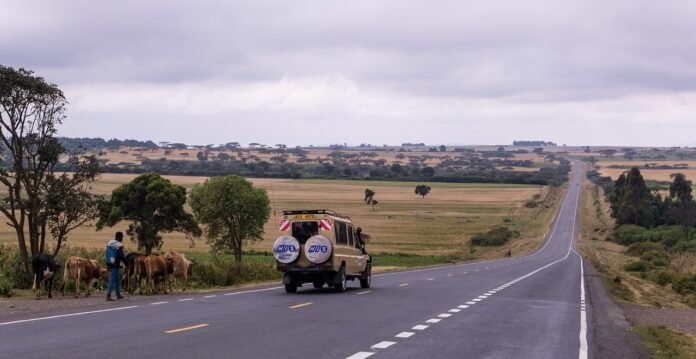
A safari vehicle heading to Masai Mara from Nairobi

When travelers think of Kenya, they often imagine wide savannahs, majestic wildlife, and unforgettable safari experiences. What many don’t realize is that Nairobi, the bustling capital of Kenya, is a fantastic gateway to some of the most iconic safari destinations in the country. Yes, you can absolutely do safaris from Nairobi! In fact, most Kenyan safaris start here. Whether you’re flying into Nairobi or are already in the city, Safari Travel Plus can craft a perfect itinerary tailored to your needs. 

The Role of Nairobi in Kenyan Safaris

Nairobi is not just the capital city of Kenya; it is the heartbeat of the country, a vibrant hub where the modern world meets rich culture and tradition. As the primary entry point for most international travelers, Nairobi serves as the ideal starting point for any Kenyan safari.

From the skyscrapers of the Central Business District to the nearby Nairobi National Park, where you can spot lions against the backdrop of city buildings, Nairobi offers a unique blend of urban and natural beauty. But the real adventure begins when you leave the city behind and embark on a safari to explore the stunning landscapes and diverse wildlife that Kenya is famous for.

At Safari Travel Plus, we specialize in creating safari experiences that start in Nairobi, ensuring that your journey is as smooth and enjoyable as possible.

Planning Your Safari with Safari Travel Plus

Crafting a Personalized Itinerary

4 day masai mara safari

The key to a successful safari lies in meticulous planning, and that’s where we come in. Whether you’re planning your trip months in advance or are looking for a last-minute adventure, Safari Travel Plus will craft an itinerary that caters to your preferences, time constraints, and budget.

From the moment you contact us, our team of experts will work with you to understand your needs. We’ll discuss your interests, the types of animals you want to see, the parks you wish to visit, and the kind of accommodation you prefer—be it luxury lodges, tented camps, or budget-friendly options.

Once we have a clear picture, we’ll create a customized itinerary that ensures you make the most of your time in Kenya. This includes booking all accommodations, arranging transport, and scheduling activities, so all you have to do is relax and enjoy the experience.

Arriving in Nairobi: Airport Pickup and Hotel Arrangements

For those flying into Nairobi, your safari adventure begins the moment you step off the plane. Nairobi is served by Jomo Kenyatta International Airport (JKIA), one of the busiest airports in Africa. Whether your flight arrives at 3 AM or 3 PM, our team will be there to welcome you.

If your flight arrives during the early hours and you’re too tired to start your safari immediately, don’t worry. Knowing your flight schedule in advance, we will have already booked a hotel for you. Upon arrival, we’ll transfer you to your hotel, where you can freshen up and catch some sleep before the safari begins around 9 AM.

For those arriving at more convenient times, we’ll pick you up directly from the airport, or from your hotel, and head straight to the start of your safari. We believe in making your experience as stress-free as possible, so leave the logistics to us!

Starting Your Safari

Early Morning Arrivals: Hotel Transfers and Rest

One of the challenges of international travel is the arrival times, which are often in the early hours of the morning. At Safari Travel Plus, we understand that after a long flight, you need time to rest before embarking on your adventure. That’s why, if your flight arrives in Nairobi before dawn, we arrange for a comfortable hotel stay where you can rest and prepare for your safari.

After a few hours of sleep, you’ll be refreshed and ready to start your journey into the wild. Your driver-guide will pick you up at the hotel around 9 AM, and your safari will officially begin.

Flying Safaris: Departures from Wilson Airport

For those opting for a flying safari, Nairobi’s Wilson Airport is your departure point. Wilson Airport is a smaller, more relaxed airport than JKIA, and it’s where most domestic flights to safari destinations like the Masai Mara, Amboseli, and Samburu depart.

If your itinerary includes a flying safari, we will arrange a transfer from your hotel to Wilson Airport. The flights are typically short, offering stunning aerial views of Kenya’s landscapes. Once you land, your safari guide will be waiting to take you on an unforgettable adventure.

Road Safaris: Beginning Your Journey at 9 AM

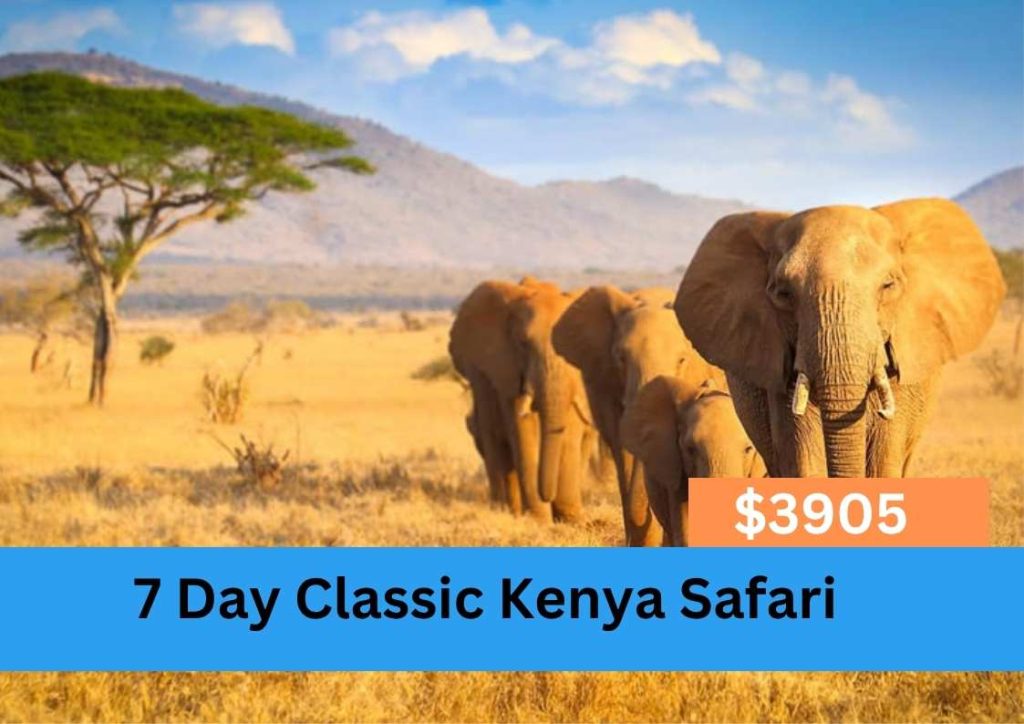
7 day calssic kenya safari

For those who prefer to travel by road, our road safaris typically start at 9 AM. We’ll pick you up from your hotel or residence in Nairobi, and your journey will begin. Road safaris offer a unique opportunity to see more of Kenya’s diverse landscapes, from the rolling hills and lush greenery to the arid plains and rugged terrain.

Our vehicles are comfortable and well-equipped for long journeys, ensuring that you travel in style. We also make regular stops for refreshments and to stretch your legs, making the journey as enjoyable as the destination.

Popular Safari Destinations from Nairobi

Masai Mara National Reserve

The Masai Mara is perhaps Kenya’s most famous safari destination, renowned for its incredible wildlife, including the Big Five—lion, leopard, elephant, buffalo, and rhino. The reserve is also the site of the Great Migration, where millions of wildebeest and zebras cross the Mara River in search of greener pastures.

Safaris to the Masai Mara can be done by road or by flight, and it is typically a 5-6 hour drive or a 45-minute flight from Nairobi. Whether you choose a luxury lodge or a more rustic tented camp, your experience in the Mara will be unforgettable.

Amboseli National Park

Located at the foot of Mount Kilimanjaro, Amboseli National Park offers some of the best views of Africa’s tallest mountain. The park is famous for its large herds of elephants, which are often seen against the backdrop of the snow-capped peak.

A road safari from Nairobi to Amboseli takes about 4 hours, making it a popular choice for travelers who want to see iconic wildlife and breathtaking scenery.

Tsavo East and Tsavo West National Parks

Together, Tsavo East and Tsavo West form one of the largest national parks in the world, offering vast, untamed wilderness and a variety of landscapes. Tsavo is known for its red elephants, lions, and the chance to see the endangered black rhino.

Tsavo is about a 5-hour drive from Nairobi, making it a great destination for those who want to experience the raw beauty of Kenya’s wilderness.

Lake Nakuru National Park

Lake Nakuru is famous for its flamingos, which sometimes number in the millions, creating a stunning pink shoreline. The park is also home to rhinos, giraffes, and numerous bird species.

It’s just a 3-hour drive from Nairobi, making it a great option for a shorter safari or as part of a larger itinerary that includes other parks in the Great Rift Valley.

Why Book Your Safari in Advance

Peak Season Considerations

10 day kenya safari itinerary

Kenya’s peak safari season runs from July to October, coinciding with the Great Migration in the Masai Mara. During this time, demand for safaris is high, and accommodations can fill up quickly. To secure your preferred lodges, camps, and vehicles, we strongly recommend booking your safari well in advance.

At Safari Travel Plus, we often require a deposit to secure your booking, especially during peak season. This deposit is typically around 30% of the total cost but can vary depending on the time of year and the specific itinerary. The remaining balance can be paid upon arrival in Nairobi, before your safari begins.

Booking in advance not only guarantees your spot during the busy season but also gives you peace of mind knowing that all details are taken care of.

Payment Procedures and Deposits

To make the booking process as convenient as possible, we accept various forms of payment, including credit cards, bank transfers, and mobile money options. The initial deposit secures your booking, and the balance can be settled in Nairobi before your safari starts.

If you’re already in Nairobi, you can call us to arrange your safari, and we can take care of the payment while picking you up for your adventure. We aim to be as flexible as possible, understanding that travel plans can change. Should you need to adjust your itinerary, our team is always on hand to assist.

Making Last-Minute Arrangements

Already in Nairobi? Contact Us for Immediate Safari Plans

For those who find themselves in Nairobi with a sudden urge to experience the wild, Safari Travel Plus is ready to organize a last-minute safari tailored to your needs. Even if you hadn’t planned on a safari before arriving, there’s no need to miss out. Simply give us a call, and we’ll handle everything—from arranging transport and accommodation to planning your itinerary.

Whether you have a day, a weekend, or a week, we can create a safari package that fits your schedule. We can pick you up from your hotel, residence, or even a business meeting in Nairobi, and have you exploring Kenya’s stunning landscapes in no time. And since you can settle payments on the spot, the process is hassle-free and swift.

Last-Minute Safari Options

If you’re unsure of where to go on such short notice, some popular options for a quick safari from Nairobi include:

  • Nairobi National Park: Perfect for a half-day or full-day excursion, this park is just a short drive from the city center and offers a unique experience where you can see wildlife against the backdrop of Nairobi’s skyline.
  • Lake Naivasha and Hell’s Gate National Park: Ideal for a day trip, these locations offer a blend of wildlife viewing, scenic landscapes, and activities like boat rides and hiking.
  • Ol Pejeta Conservancy: Located about 3-4 hours from Nairobi, this conservancy is famous for its rhino sanctuary and the opportunity to see the “Big Five” in a more intimate setting.

Frequently Asked Questions (FAQs)

To help you prepare for your safari, here are answers to some of the most frequently asked questions.

What is the best time of year to go on a safari from Nairobi?

The best time for a safari in Kenya depends on what you want to see. The dry seasons, from June to October and from late December to March, are ideal for wildlife viewing. This is when animals congregate around water sources, making them easier to spot. The Great Migration in the Masai Mara typically occurs between July and October, making this period particularly popular. However, each season has its own charm, and Kenya’s parks are accessible year-round.

How long does a typical safari last?

The length of a safari can vary depending on your interests and the time you have available. A typical safari can last anywhere from 2-7 days. For example:

  • 2-3 days: Perfect for a quick getaway to nearby parks like the Masai Mara or Amboseli.
  • 4-5 days: Ideal for exploring multiple parks, such as combining Masai Mara with Lake Nakuru or Amboseli.
  • 7+ days: Great for an in-depth exploration that might include the Masai Mara, Amboseli, Tsavo, and even coastal destinations like Diani Beach.

What should I pack for my safari?

Packing for a safari requires some thought, as you’ll need to be prepared for a range of conditions. Here are some essentials:

  • Clothing: Light, breathable fabrics in neutral colors are best. Layers are key, as mornings and evenings can be cool, while midday temperatures can rise significantly. Don’t forget a hat, sunglasses, and a good pair of walking shoes.
  • Gear: A good camera with a zoom lens is essential for capturing wildlife. Binoculars are also handy. Don’t forget a flashlight, extra batteries, and a power bank for your devices.
  • Health and Safety: Bring sunscreen, insect repellent, and any personal medications. A basic first aid kit is also a good idea.

Is it safe to travel to and from Nairobi?

Yes, it is safe to travel to and from Nairobi. Nairobi is a major international city with all the amenities you would expect, including hospitals, restaurants, and transportation options. While Nairobi has areas that are safer than others, like any large city, most travelers experience no issues. Safari Travel Plus ensures that all transfers and accommodations are in safe areas, and our guides are trained to prioritize your safety at all times.

Can I customize my safari itinerary?

Absolutely! At Safari Travel Plus, we specialize in creating custom itineraries tailored to your interests and schedule. Whether you want to focus on photography, cultural experiences, or a specific type of wildlife, we can design a safari that meets your desires. We’re also flexible, so if you need to make changes during your safari, our team is on hand to adjust your plans as needed.

Your Safari Awaits

Nairobi is more than just a stopover on the way to Kenya’s national parks; it is the perfect launchpad for an unforgettable adventure. Whether you’re planning well in advance or looking for a spontaneous escape into the wild, Safari Travel Plus is here to make your dream safari a reality. From airport pickups and hotel stays to meticulously planned itineraries and personalized experiences, we handle every detail so you can focus on the experience.

Whether you’re watching a lion stalk its prey in the Masai Mara, witnessing the majestic elephants of Amboseli against the backdrop of Kilimanjaro, or marveling at the pink flamingos of Lake Nakuru, Kenya’s natural beauty is waiting to be discovered.

Ready to plan your safari from Nairobi? Click here to explore our safari packages starting from Nairobi and let us start crafting your perfect adventure today!

What To Wear In Cairo Egypt

A view of Cairo and Nile Egypt

Cairo, Egypt’s bustling capital, is a city where ancient traditions blend with modern lifestyles. For visitors and expatriates alike, navigating the cultural and climatic nuances of what to wear can be challenging. Whether you’re preparing for a vacation, planning an extended stay, or getting ready for a business trip, this guide will help you understand the local dress codes and choose the right attire for any occasion.

1. Understanding the Cultural Context

Before diving into specific clothing advice, it’s crucial to understand the cultural context in Cairo. Egypt is a predominantly Muslim country, and while Cairo is relatively cosmopolitan compared to other parts of the country, traditional values and customs are still respected.

Islamic traditions influence many aspects of life in Cairo, including how people dress. Modesty is highly valued, and while you won’t be expected to dress exactly like locals, showing respect for cultural norms will enhance your experience and interactions. This doesn’t mean you need to wear traditional Islamic clothing, but it does suggest a certain level of conservatism in your clothing choices.

2. General Dress Code Tips for Tourists

As a tourist, your main goal should be to dress comfortably while also respecting local customs. Here are some general tips:

  • Modesty: Both men and women should opt for clothing that covers the shoulders, chest, and knees. While you may see locals wearing more revealing clothing, especially in upscale neighborhoods or tourist spots, dressing modestly helps avoid unwanted attention and shows respect for the local culture.
  • Loose-fitting Clothes: Given the heat, particularly in summer, loose-fitting clothes made of breathable fabrics like cotton or linen are advisable. These materials will keep you cool and comfortable while providing the necessary coverage.
  • Layering: Egypt’s temperatures can fluctuate between day and night, especially in winter. Layering is a practical way to stay comfortable throughout the day. A lightweight jacket or shawl can be easily added or removed as needed.
  • Footwear: Cairo involves a lot of walking, often on uneven pavements or sandy surfaces. Comfortable walking shoes, such as sturdy sandals or sneakers, are essential.

3. What to Wear in Cairo Throughout the Year

Cairo’s climate varies significantly across the seasons. Understanding these variations can help you pack appropriately.

Spring (March to May)

Spring in Cairo is characterized by mild temperatures, with averages ranging between 20°C (68°F) and 30°C (86°F). It’s a pleasant time to visit, as the weather is warm but not overwhelmingly hot.

  • For Women: Lightweight long-sleeved tops paired with loose-fitting pants or a maxi skirt are ideal. A light scarf can be handy if you need to cover your shoulders or if it gets breezy.
  • For Men: Long-sleeved shirts and lightweight trousers are suitable. A light jacket or sweater might be necessary for cooler evenings.

Summer (June to August)

Summer in Cairo is scorching, with temperatures often exceeding 35°C (95°F) and sometimes climbing above 40°C (104°F). The heat can be intense, so dressing appropriately is crucial.

  • For Women: Loose, breathable fabrics are key. Long, flowing dresses or skirts paired with light blouses work well. Avoid synthetic materials, as they can trap heat.
  • For Men: Linen or cotton shirts and trousers are recommended. Consider wearing a wide-brimmed hat for sun protection, and don’t forget sunglasses and sunscreen.

Fall (September to November)

Fall sees a gradual decrease in temperature, with averages ranging from 25°C (77°F) to 30°C (86°F). It’s a comfortable time to be in Cairo, with warm days and cooler nights.

  • For Women: Similar to spring, opt for long skirts or pants with lightweight tops. A cardigan or light jacket may be necessary for the evenings.
  • For Men: Long-sleeved shirts with trousers or jeans work well. A light jacket can be useful as temperatures dip in the evening.

Winter (December to February)

Winter in Cairo is mild compared to many other places, but it can still get chilly, especially at night, with temperatures ranging from 10°C (50°F) to 20°C (68°F).

  • For Women: Layering is key. A long-sleeved top with a sweater or jacket, paired with pants or a long skirt, will keep you comfortable. A warm scarf can be useful for added warmth.
  • For Men: A warm sweater or jacket over a long-sleeved shirt is advisable. Trousers or jeans are suitable for daytime wear, and a heavier coat might be needed in the evening.

4. Can You Wear Jeans in Cairo?

Yes, you can wear jeans in Cairo. Jeans are a versatile and widely accepted form of clothing in the city, worn by both locals and tourists alike. However, there are a few considerations to keep in mind:

  • In the Heat: During the summer months, jeans might feel too heavy and uncomfortable due to the heat. Opt for lighter fabrics if you’re visiting during this time.
  • Cultural Sensitivity: While jeans are acceptable, make sure they are not too tight or revealing. Skinny jeans or ripped jeans might attract unwanted attention, especially in more conservative areas.
  • Versatility: Jeans are suitable for casual outings, exploring the city, or visiting tourist sites. However, for formal events or business meetings, trousers or more formal attire would be more appropriate.
safari cargo pants for Egypt
Quick Dry Lightweight Zip Off Breathable Pants

5. How Expatriates Dress in Cairo

Expatriates in Cairo tend to blend their own cultural styles with local customs, leading to a diverse fashion landscape. Here’s how expats generally dress:

  • At Work: In professional settings, expatriates usually dress in business attire similar to what they would wear in their home countries, but with a conservative twist. For men, this often means suits or dress shirts with trousers, and for women, it means modest dresses, skirts, or tailored pants with blouses.
  • Casual Wear: On weekends or during leisure activities, expats often wear casual clothing like jeans, t-shirts, and dresses. However, they still tend to avoid overly revealing outfits to respect local norms.
  • Social Events: For social gatherings or events, expatriates might dress more stylishly, similar to what they would wear in a Western city, but with a mindful approach to modesty. Women may wear dresses or skirts that are knee-length or longer, paired with a shawl or cardigan if the outfit is sleeveless.
  • Religious Considerations: Some expatriates, especially women, might choose to cover their hair with a scarf or wear more conservative clothing if they are attending religious sites or events, though this is usually a personal choice rather than a requirement.

6. Dressing for a Business Meeting in Cairo

If you’re in Cairo for business, dressing appropriately for meetings is crucial to make a good impression and show respect for local customs.

Men’s Business Attire

  • Suits: A well-tailored suit in a neutral color such as black, navy, or gray is the safest choice. Lightweight fabrics are preferable due to the heat. Ensure your suit is clean, pressed, and well-fitted.
  • Shirts: A long-sleeved dress shirt in white or light colors is standard. Avoid overly bold patterns or bright colors, as they might be seen as unprofessional.
  • Ties: Wearing a tie is recommended. Conservative patterns and colors are best suited for business settings.
  • Shoes: Polished leather shoes in black or brown are appropriate. Make sure your shoes are clean and in good condition.
  • Accessories: Keep accessories minimal. A wristwatch and a simple belt will suffice. Avoid flashy or excessive jewelry.

Women’s Business Attire

  • Suits or Dresses: Women should opt for a tailored suit, whether it’s a pantsuit or a skirt suit, or a conservative dress that falls below the knee. Avoid sleeveless outfits unless you pair them with a blazer or cardigan.
  • Blouses: A modest blouse or top with a high neckline is appropriate. Avoid low-cut or sheer tops.
  • Skirts and Pants: If wearing a skirt, ensure it is knee-length or longer. Tailored trousers are also acceptable and should be well-fitted but not too tight.
  • Shoes: Closed-toe shoes are preferred in business settings. Heels should be moderate, not too high, and shoes should be in good condition.
  • Accessories: Keep jewelry simple and elegant. A scarf can add a stylish yet professional touch and can also be used to cover up when necessary.

7. Is It Compulsory to Wear a Hijab?

No, it is not compulsory for non-Muslim women to wear a hijab in Cairo or any part of Egypt. The hijab, a headscarf worn by many Muslim women, is a personal choice and is not required by law for tourists or expatriates.

However, there are certain situations where covering your head with a scarf might be advisable or required:

  • Religious Sites: When visiting mosques or other Islamic religious sites, it’s respectful and often mandatory for women to cover their hair with a scarf. Many mosques will provide scarves if you don’t have one, but it’s a good idea to carry your own.
  • Rural or Conservative Areas: In more conservative areas outside of Cairo, you might feel more comfortable and show respect by covering your hair. This is not a strict rule, but it can help you blend in and avoid unwanted attention.
  • Social Events: In certain social settings, particularly if you’re invited to a local family gathering or a formal event, wearing a hijab might be appreciated, though not necessary. Observing how other women are dressed can guide your choice.

For day-to-day activities, you can dress as you would normally, with the understanding that modesty is valued. A loose scarf can be a versatile accessory, allowing you to cover up quickly if needed.

8. Islamic Dress Code for Men and Women

Understanding the Islamic dress code can provide insights into the local culture and help you choose your clothing in a way that aligns with cultural norms, especially if you’re attending religious or formal events. While tourists and expatriates are not required to adhere strictly to these codes, being aware of them can help in respecting the local customs.

Islamic Dress Code for Men

  • Modesty: In Islamic culture, modesty is key for both men and women. Men are expected to cover their bodies from the navel to the knee at a minimum. In practice, this usually means wearing long pants and a shirt that covers the shoulders.
  • Loose Clothing: Men often wear loose-fitting clothes to avoid outlining the shape of the body, which is considered more modest. Traditional garments like the galabeya (a long robe) are still commonly worn by many men in Cairo, particularly in rural areas.
  • Head Covering: While not as common as for women, some men wear a taqiyah (a small cap) or a headscarf, particularly during prayer or in religious settings.
  • Beards: Growing a beard is common among many Muslim men, as it is considered a sign of following the Prophet Muhammad. However, this is a personal choice and not a strict requirement.
  • Footwear: Men typically wear closed shoes or sandals. In religious settings, shoes are usually removed before entering prayer areas.
Desert sandals perfect for hiking and Cairo Egypt
Great Sandals For Men Egypt and Cairo

Islamic Dress Code for Women

  • Hijab: The hijab is a headscarf that covers the hair and neck, leaving the face visible. While it’s the most common form of head covering, other styles such as the niqab (which covers the face except for the eyes) and burqa (which covers the entire face and body) are also observed, though less common in Cairo.
  • Modesty and Loose Clothing: Women are expected to dress modestly, covering their entire body except for their face, hands, and feet. This is often achieved with long, loose-fitting clothing that doesn’t outline the body’s shape.
  • Abaya and Galabeya: Some women wear the abaya, a long black robe, or a galabeya, which is a long dress that covers the body. These are more common in conservative settings or among women who observe traditional dress codes.
  • Colors and Fabrics: While black is a common color for the abaya, women often wear brightly colored or patterned scarves. In general, darker and more subdued colors are preferred for modesty, but there is no strict rule against wearing colorful clothing as long as it is modest.
  • Jewelry: Modesty extends to accessories as well, and while wearing jewelry is allowed, it is generally understated.
  • Makeup: Wearing makeup is not forbidden, but the idea is to maintain modesty, so heavy or flashy makeup might be frowned upon in more conservative circles.

9. Final Tips and Recommendations

When traveling or living in Cairo, dressing appropriately is key to feeling comfortable and respectful of the local culture. Here are some final tips to help you navigate your wardrobe choices:

  • Blend in Where Possible: While it’s clear you’re a visitor, making an effort to blend in with local customs through your attire will be appreciated and can enhance your experience.
  • Comfort First: Cairo’s climate can be challenging, especially in the summer. Prioritize comfort by choosing breathable fabrics and loose-fitting clothes.
  • Carry a Scarf: For women, a scarf is a versatile accessory that can be used to cover your hair when needed or to add a layer for modesty. It’s lightweight and easy to carry, making it a practical addition to your outfit.
  • Respect Religious Sites: Always be mindful of how you dress when visiting religious sites. For men, this might mean wearing long pants and a long-sleeved shirt, and for women, covering your hair and ensuring your arms and legs are fully covered.
  • Pack Layers: Given the temperature variations throughout the day and across different seasons, packing layers is a good strategy. Lightweight jackets, shawls, or cardigans can help you stay comfortable.
  • Watch Your Step: Comfortable, durable footwear is crucial, as Cairo’s streets can be uneven, and you’ll likely be doing a lot of walking. Closed shoes are also recommended for dusty environments.
  • Respect Local Customs: While you may see some locals dressing in a more modern, Western style, it’s important to respect the broader cultural norms by dressing modestly, especially in more traditional or conservative areas.

Dressing appropriately in Cairo requires a balance between comfort, practicality, and respect for the local culture. By following these guidelines, you’ll not only enhance your experience in this vibrant city but also show respect for the traditions and customs that are an integral part of life in Egypt. 

What To Wear In Dodoma Tanzania

People going about their business in Dodoma Tanzania

When traveling to Dodoma, the capital city of Tanzania, dressing appropriately is essential not only for comfort but also for respecting the local culture. This guide will help you navigate what to wear in Dodoma, covering everything from traditional clothing and day-to-day wear to activity-specific outfits and packing essentials. Whether you’re exploring the city, going on a safari, or planning a trip to Zanzibar, we’ve got you covered.

1. Understanding the Local Culture and Climate

Before diving into specifics, it’s important to understand Dodoma’s climate and the cultural expectations around clothing.

Climate Overview

Dodoma experiences a semi-arid climate, characterized by warm temperatures throughout the year. The dry season (May to October) is typically cooler, while the wet season (November to April) is hotter and more humid. Temperatures can range from 20°C to 30°C (68°F to 86°F) during the day, with cooler evenings.

Cultural Considerations

Tanzania is a predominantly conservative society, and Dodoma, as the capital, embodies this in its dress code. While the city is modernizing, traditional values still hold strong, especially in how people dress. Modesty is key for both men and women, and it’s important to respect local customs by avoiding overly revealing clothing.

2. What the Locals Wear

Dodoma is a melting pot of various Tanzanian cultures, and this diversity is reflected in the local attire. Understanding what locals wear can provide insight into how to dress appropriately during your visit.

2.1. Kitenge: The Heart of Tanzanian Fashion

Kitenge is a vibrant, colorful fabric worn by many Tanzanians, including those in Dodoma. It’s a versatile material used to make dresses, skirts, blouses, and headscarves for women, and shirts or full outfits for men.

  • For Women: Kitenge dresses are often tailored to fit, with styles ranging from simple straight dresses to more elaborate designs with ruffles and layers. Women also use kitenge to create headscarves, a common accessory in Tanzania.
  • For Men: Men may wear kitenge shirts paired with trousers. These shirts are typically short-sleeved and can be worn for both casual and semi-formal occasions.

2.2. Modern Clothing: Jeans and T-shirts

While kitenge is popular, everyday wear in Dodoma is often more casual, especially among the younger population.

  • Jeans: Both men and women frequently wear jeans. Given the warm climate, lightweight, breathable jeans are recommended. They are suitable for most casual outings in the city.
  • T-shirts: T-shirts are common among locals and are an easy go-to for tourists as well. Opt for cotton T-shirts to stay cool in the heat. Both plain and graphic T-shirts are acceptable, though it’s best to avoid overly provocative or controversial imagery.

2.3. Footwear: From Sandals to Sneakers

  • Sandals: Given the heat, sandals are a popular choice among locals. Simple leather sandals are both practical and culturally appropriate.
  • Sneakers: For more active days or when exploring the city on foot, sneakers are a good option. Lightweight and breathable designs are preferable.

3. What to Wear for Women

As a woman visiting Dodoma, balancing comfort, style, and cultural sensitivity is key. Here’s how to dress appropriately:

3.1. Dresses and Skirts

  • Maxi Dresses: Long, flowy maxi dresses are perfect for Dodoma’s warm climate. They provide coverage while keeping you cool.
  • Midi Skirts: Midi skirts that fall below the knee are also a great choice. Pair them with a lightweight blouse or T-shirt for a comfortable yet modest outfit.

3.2. Tops and Blouses

  • Short-Sleeved Blouses: Opt for blouses with short sleeves or cap sleeves. Avoid sleeveless tops unless you’re layering them with a shawl or cardigan.
  • Tunics: Loose-fitting tunics are ideal, especially when paired with leggings or slim trousers.

3.3. Headscarves and Accessories

  • Headscarves: While not mandatory, wearing a headscarf can be a respectful gesture, particularly when visiting religious sites or rural areas.
  • Accessories: Simple jewelry, like beaded necklaces or earrings, can complement your outfit without drawing too much attention.

3.4. Footwear

  • Flats or Sandals: Comfortable flat sandals are ideal for daily wear. Choose styles with supportive soles for walking.
walking sandals for Dodoma, Tanzania
  • Sneakers: If you plan to do a lot of walking, consider packing a pair of comfortable sneakers.

4. What to Wear for Men

Men’s fashion in Dodoma is straightforward but requires attention to cultural norms. Here’s what to consider:

4.1. Shirts and T-shirts

  • Short-Sleeved Shirts: Lightweight, short-sleeved shirts are perfect for Dodoma’s warm weather. Neutral or pastel colors are versatile and culturally appropriate.
  • T-shirts: Basic cotton T-shirts in solid colors or simple patterns are a safe bet. Avoid overly casual designs like tank tops in public spaces.

4.2. Trousers and Shorts

  • Trousers: Lightweight chinos or linen trousers are ideal for staying cool while looking polished. Jeans are also acceptable but may be too warm during the hottest months.
  • Shorts: Shorts are acceptable in more casual settings, but they should be knee-length or longer.

4.3. Footwear

  • Loafers: For a slightly dressier look, loafers or casual dress shoes are a good choice. They can easily transition from day to evening wear.
  • Sneakers: Comfortable sneakers are great for exploring the city or engaging in outdoor activities.

5. Activity-Based Clothing

Dodoma offers a variety of activities, from city tours to outdoor adventures. Here’s how to dress for specific experiences:

5.1. Exploring the City

  • Casual Outfits: When exploring Dodoma’s markets, cafes, or landmarks, opt for casual but neat clothing. A cotton dress or lightweight trousers with a T-shirt is ideal.
  • Comfortable Shoes: Wear comfortable sandals or sneakers, as you’ll likely be walking a lot.

5.2. Visiting Religious Sites

  • Modest Clothing: When visiting churches, mosques, or other religious sites, ensure your shoulders and knees are covered. Women might consider wearing a headscarf out of respect.
  • Closed Shoes: Opt for closed-toe shoes, such as loafers or flats, as some sites may require them.

5.3. Outdoor Adventures

  • Hiking Gear: If you plan on hiking in the nearby mountains or national parks, wear moisture-wicking clothing and sturdy hiking boots. Long trousers and long-sleeved shirts will protect against the sun and insects.
  • Safari Wear: On safari, neutral-colored clothing is best. Opt for beige, khaki, or olive green to blend in with the environment. A wide-brimmed hat and sunglasses are also essential.

5.4. Day Trips to Zanzibar

If you’re planning a side trip to Zanzibar, you’ll need to adjust your wardrobe for the island’s tropical climate.

  • Beachwear: Pack swimwear for the beach, but be mindful of local customs—cover up when you’re not on the beach.
  • Lightweight Clothing: Lightweight, breathable fabrics like cotton or linen are perfect for the island’s humid climate. Sundresses, shorts, and T-shirts are all great options.
  • Evening Attire: For evenings, a maxi dress for women or a linen shirt for men is ideal. Remember that Zanzibar is also conservative, so avoid overly revealing outfits.

6. Packing Essentials for Dodoma

To ensure a comfortable and enjoyable trip to Dodoma, here’s a list of essential items to pack:

6.1. Clothing Essentials

  • Lightweight, Breathable Fabrics: Pack clothing made from materials like cotton, linen, or moisture-wicking synthetics to stay cool.
nice t shirts that can be worn in Dodoma
  • Modest Clothing: Ensure you have a variety of modest clothing items, especially if you plan to visit religious sites or rural areas.
  • Versatile Footwear: Bring comfortable sandals, sneakers, and a pair of dressier shoes for evening outings.

6.2. Accessories

  • Sunglasses: The sun in Dodoma can be intense, so a good pair of sunglasses is a must.
sunglasses
  • Hat: A wide-brimmed hat will protect you from the sun during outdoor activities or on safari.
  • Scarf or Shawl: A lightweight scarf can be useful for covering your head or shoulders when needed.

6.3. Tech and Gadgets

  • Power Bank: Power outages can occur, so a power bank is essential to keep your devices charged.
  • Travel Adapter: Tanzania uses the British-style plug (type G), so bring a suitable travel adapter.
  • Camera: Whether you’re exploring the city or going on safari, you’ll want to capture the memories, so don’t forget your camera or smartphone.

6.4. Health and Hygiene

  • Sunscreen: Protect your skin from the strong African sun with a high-SPF sunscreen.
  • Insect Repellent: Mosquitoes can be a problem, especially during the rainy season, so pack an effective insect repellent.
  • Hand Sanitizer: A travel-size hand sanitizer is handy for keeping clean while on the go.

6.5. Miscellaneous

  • Reusable Water Bottle: Staying hydrated is crucial, especially in Dodoma’s warm climate. A reusable water bottle is eco-friendly and ensures you have access to water throughout your travels.
  • Small First-Aid Kit: A basic first-aid kit with band-aids, antiseptic wipes, pain relievers, and any personal medications can be incredibly useful in case of minor injuries or ailments.
  • Notebook and Pen: Whether for jotting down travel notes, keeping track of expenses, or noting down local phrases, a small notebook and pen can be quite handy.
  • Travel Guidebook or Map: While smartphones are useful, having a physical map or guidebook can be helpful, especially in areas with limited internet access.

7. Dressing for Specific Scenarios in Dodoma

To help you prepare even further, let’s discuss what to wear for a few specific scenarios you might encounter while in Dodoma.

7.1. Business Meetings

If your trip to Dodoma involves business meetings or formal events, you’ll want to dress smartly while keeping the local climate and customs in mind.

  • For Men: A lightweight suit or a collared shirt with chinos is appropriate. Avoid heavy fabrics; instead, opt for breathable materials. A tie is generally not required unless it’s a very formal occasion.
  • For Women: A modest dress or a blouse paired with a skirt or trousers works well. As always, ensure your outfit is not too revealing. Closed-toe shoes or smart flats are ideal.

7.2. Attending a Wedding or Cultural Event

Tanzanian weddings and cultural events are vibrant and colorful affairs. If you’re lucky enough to be invited, dressing appropriately is crucial.

  • Kitenge or Kanga: Wearing a kitenge or kanga outfit is a great way to participate in the local culture. These fabrics come in a variety of beautiful patterns and can be tailored to your liking.
  • Formal Attire: If you’re not wearing traditional clothing, opt for formal attire that aligns with local customs—nothing too revealing or flashy. For men, a smart shirt and trousers with polished shoes are suitable. For women, a modest dress with elegant accessories is perfect.

7.3. Going to a Local Market

Dodoma’s markets are bustling with activity and offer a unique glimpse into everyday Tanzanian life. Dressing appropriately will help you blend in and stay comfortable.

  • Casual and Comfortable: Wear casual, breathable clothing like a loose T-shirt and lightweight trousers or a skirt. This will keep you cool as you navigate the busy market stalls.
  • Secure Footwear: Comfortable sandals or sneakers are recommended, as you’ll likely be walking on uneven surfaces.
  • Crossbody Bag or Backpack: A secure, hands-free bag will keep your belongings safe and leave your hands free to browse and shop.

8. Travel Tips for Dodoma

Finally, to wrap up this comprehensive guide, here are a few travel tips to help you make the most of your time in Dodoma:

8.1. Respect Local Customs

Tanzania is known for its warm hospitality, but it’s important to respect local customs, especially in more conservative areas. Dress modestly, especially when visiting religious sites or rural villages, and be mindful of your behavior in public.

8.2. Stay Hydrated

Dodoma’s warm climate means you’ll need to drink plenty of water to stay hydrated. Always carry a water bottle with you, especially during outdoor activities.

8.3. Plan for Power Outages

Power outages are not uncommon in Dodoma, so be prepared. Keep your devices charged, carry a power bank, and have a flashlight or headlamp handy in case of an evening outage.

8.4. Learn Basic Kiswahili Phrases

While English is widely spoken, especially in tourist areas, learning a few basic phrases in Kiswahili (the national language of Tanzania) can enhance your experience and help you connect with locals. Simple greetings, thank yous, and questions are appreciated and can make interactions more enjoyable.

8.5. Be Prepared for Limited Internet Access

While Dodoma is the capital, internet access can be spotty, especially outside major hotels and restaurants. If you need to stay connected, consider purchasing a local SIM card with a data plan or using offline maps and resources.

Dodoma, Tanzania’s capital, is a city rich in culture, history, and natural beauty. By dressing appropriately and packing wisely, you can fully enjoy all that Dodoma has to offer. 

How Many Days Do You Need In Murchison Falls?

0
Murchison Falls National Park

Murchison Falls National Park, located in northwestern Uganda, is a breathtaking destination known for its diverse wildlife, stunning landscapes, and the majestic Murchison Falls. The park offers a range of activities, from game drives and boat safaris to bird watching and chimpanzee trekking. Planning the perfect trip to Murchison Falls can be challenging, especially when deciding how many days to allocate. In this blog, we will explore the ideal duration for a visit to Murchison Falls, considering various factors such as combining it with other parks, including gorilla trekking, and ensuring you get the most out of your wildlife experience in Uganda.

Understanding Murchison Falls National Park

The Majestic Murchison Falls

At the heart of the park lies the awe-inspiring Murchison Falls, where the Nile River narrows from 50 meters to just 7 meters and plunges 45 meters down, creating a thunderous roar and a spectacular rainbow-filled mist. This natural wonder is the centerpiece of the park and a must-see for any visitor.

Diverse Wildlife

Murchison Falls National Park is home to a wide variety of wildlife. Visitors can expect to see:

  • Elephants: These gentle giants are frequently spotted in the park, often near the riverbanks.
  • Lions and Leopards: The park is a prime location for big cat sightings, especially during game drives.
  • Buffaloes: Large herds of buffaloes roam the savannahs.
  • Giraffes: The park is one of the few places in Uganda where you can see Rothschild giraffes.
  • Hippos and Crocodiles: The Nile River is teeming with hippos and crocodiles, particularly visible during boat safaris.
  • Birds: With over 450 bird species, including the rare shoebill stork, the park is a bird watcher’s paradise.

Planning Your Visit to Murchison Falls

Factors to Consider

wildlife in Murchison Falls
Antelopes in Murchison Falls

When planning your visit to Murchison Falls National Park, several factors will influence the ideal duration of your stay:

  1. Activities: The types of activities you wish to engage in, such as game drives, boat safaris, and nature walks.
  2. Combination with Other Parks: Whether you plan to visit other national parks in Uganda.
  3. Gorilla Trekking: If you aim to combine your trip with a gorilla trekking experience in Bwindi Impenetrable Forest or Mgahinga Gorilla National Park.
  4. Travel Time: The time it takes to travel to and from Murchison Falls and between other destinations.
  5. Personal Preferences: Your pace of travel and how much time you enjoy spending in nature.

Ideal Duration for Different Scenarios

Standalone Visit to Murchison Falls

If Murchison Falls is your sole wildlife destination in Uganda, a 3 to 4-day visit is recommended. This duration allows you to:

  • Day 1: Arrive at Murchison Falls, settle into your accommodation, and enjoy a relaxed evening.
  • Day 2: Full-day game drive, exploring the northern sector of the park where wildlife is most abundant.
  • Day 3: Morning boat safari to the base of Murchison Falls, followed by a hike to the top of the falls for spectacular views. Afternoon relaxation or optional activities such as bird watching.
  • Day 4: Departure, with optional morning activities if time allows.

Combining Murchison Falls with Other Parks

Combining Murchison Falls with other parks in Uganda offers a richer and more varied experience. A 7 to 10-day itinerary can include Murchison Falls, Kibale National Park for chimpanzee trekking, Queen Elizabeth National Park for more game drives, and Bwindi Impenetrable Forest for gorilla trekking.

Example Itinerary:

  • Day 1: Arrive in Murchison Falls.
  • Day 2-3: Explore Murchison Falls (game drives, boat safari, and hike).
  • Day 4: Travel to Kibale National Park.
  • Day 5: Chimpanzee trekking in Kibale.
  • Day 6: Travel to Queen Elizabeth National Park.
  • Day 7: Game drive and boat safari in Queen Elizabeth.
  • Day 8: Travel to Bwindi Impenetrable Forest.
  • Day 9: Gorilla trekking in Bwindi.
  • Day 10: Departure.

Combining Murchison Falls with Gorilla Trekking

Gorilla trekking is a once-in-a-lifetime experience and can be combined with a visit to Murchison Falls for a comprehensive Ugandan wildlife adventure. A 10 to 12-day itinerary is ideal for this combination, allowing sufficient time for travel, acclimatization, and enjoying each activity.

Example Itinerary:

  • Day 1: Arrive in Murchison Falls.
  • Day 2-3: Explore Murchison Falls (game drives, boat safari, and hike).
  • Day 4: Travel to Kibale National Park.
  • Day 5: Chimpanzee trekking in Kibale.
  • Day 6: Travel to Queen Elizabeth National Park.
  • Day 7: Game drive and boat safari in Queen Elizabeth.
  • Day 8: Travel to Bwindi Impenetrable Forest.
  • Day 9: Gorilla trekking in Bwindi.
  • Day 10: Relaxation day in Bwindi or travel to Lake Bunyonyi for relaxation.
  • Day 11-12: Departure.

Activities in Murchison Falls National Park

Game Drives

Game drives in Murchison Falls offer the best opportunity to see a variety of wildlife, including the Big Five (lion, leopard, elephant, buffalo, and rhino). The northern sector of the park, particularly the Buligi game tracks, is teeming with wildlife. Morning and evening drives are most productive as animals are more active during these times.

Boat Safaris

The boat safari to the base of Murchison Falls is a highlight of any visit. The cruise offers close encounters with hippos, crocodiles, and a myriad of bird species. The dramatic approach to the falls, with the thunderous roar of the water and the sight of the falls themselves, is an unforgettable experience.

Hiking to the Top of the Falls

A hike to the top of Murchison Falls provides a different perspective and a sense of the sheer power of the falls. The trail is well-marked and offers panoramic views of the Nile River and the surrounding landscape.

Bird Watching

With over 450 species of birds, including the iconic shoebill stork, Murchison Falls is a birdwatcher’s paradise. The varied habitats, from savannah and woodland to riverine and swamp, support a rich diversity of birdlife.

Chimpanzee Trekking

The nearby Budongo Forest, part of the Murchison Falls Conservation Area, offers excellent chimpanzee trekking opportunities. A guided trek through the forest provides a chance to see these fascinating primates in their natural habitat.

Wildlife in Murchison Falls National Park

Murchison Falls is home to an impressive array of wildlife, making it a premier safari destination in Uganda.

Mammals

  • Elephants: Frequently seen near the river and in the savannah.
  • Lions: Often spotted lounging in the sun or hunting in the early morning and late afternoon.
  • Leopards: These elusive cats are more challenging to spot but can be seen on occasion.
  • Buffaloes: Large herds roam the grasslands, often seen during game drives.
  • Giraffes: Rothschild giraffes are a common sight in the park.
  • Hippos and Crocodiles: Abundant in the Nile River, especially visible during boat safaris.

Birds

  • Shoebill Stork: A rare and sought-after sighting for birdwatchers.
  • African Fish Eagle: Frequently seen along the riverbanks.
  • Goliath Heron: The world’s largest heron can be spotted in the park.
  • Kingfishers: Various species of kingfishers are common around water bodies.

Reptiles and Amphibians

  • Nile Crocodiles: Large and impressive, these reptiles are a highlight of the boat safari.
  • Monitor Lizards: Often seen basking in the sun near water bodies.

Best Time to Visit Murchison Falls

The best time to visit Murchison Falls National Park is during the dry seasons, from December to February and June to September. During these periods, the weather is more predictable, and wildlife is easier to spot as animals gather around water sources. The park is accessible year-round, but the rainy seasons (March to May and October to November) can make some roads challenging to navigate.

Accommodations in Murchison Falls

Murchison Falls offers a range of accommodation options to suit different budgets and preferences:

Luxury Lodges

  • Paraa Safari Lodge: Offers stunning views of the Nile River and luxurious amenities.
  • Chobe Safari Lodge: Located in the eastern part of the park, known for its beautiful setting and excellent service.
  • Bakers Lodge: An intimate, eco-friendly lodge on the southern bank of the Nile.

Mid-Range Lodges

  • Pakuba Safari Lodge: Situated in the northwest of the park, offering comfortable accommodation and good wildlife viewing opportunities.
  • Murchison River Lodge: A family-friendly lodge with beautiful views of the Nile and a relaxed atmosphere.

Budget Options

  • Red Chilli Rest Camp: A popular choice for budget travelers, offering basic accommodation and camping facilities.
  • Shoebill Campsite: Located near the Nile, ideal for those looking for an affordable yet scenic stay.

Combining Murchison Falls with Other Parks

Combining Murchison Falls with other national parks in Uganda can create a comprehensive and diverse wildlife experience. Here’s how you can integrate Murchison Falls with other popular parks in Uganda:

Kibale National Park

Chimpanzee Trekking: Kibale is renowned for its high population of chimpanzees and offers one of the best chimpanzee trekking experiences in Africa. Spending a couple of days here allows you to trek with these primates and explore the lush forest.

Queen Elizabeth National Park

Game Drives and Boat Safaris: Known for its diverse ecosystems, Queen Elizabeth National Park offers a variety of wildlife viewing opportunities. Game drives in the Kasenyi Plains, boat safaris on the Kazinga Channel, and the chance to see tree-climbing lions in the Ishasha sector make this park a must-visit.

Bwindi Impenetrable Forest

Gorilla Trekking: One of the most sought-after experiences in Uganda is gorilla trekking in Bwindi. Spending a few days here to trek and possibly enjoy some of the cultural experiences with the local communities adds a unique element to your trip.

Lake Mburo National Park

Walking Safaris and Horseback Riding: A smaller park but rich in wildlife, Lake Mburo offers a more intimate safari experience. Walking safaris and horseback riding are popular activities here, offering a different perspective from traditional game drives.

Ziwa Rhino Sanctuary

Rhino Tracking: On your way to or from Murchison Falls, you can stop at the Ziwa Rhino Sanctuary to track rhinos on foot. This sanctuary is working to reintroduce rhinos to Uganda, and it offers a rare opportunity to see these magnificent creatures up close.

Sample Itineraries

7-Day Itinerary: Murchison Falls and Queen Elizabeth National Park

Day 1: Arrival and transfer to Murchison Falls.

  • Day 2: Full-day game drive and boat safari in Murchison Falls.
  • Day 3: Morning hike to the top of the falls, travel to Kibale National Park.
  • Day 4: Chimpanzee trekking in Kibale, travel to Queen Elizabeth National Park.
  • Day 5: Game drive in the Kasenyi Plains and boat safari on the Kazinga Channel.
  • Day 6: Morning game drive in the Ishasha sector, return to Kampala.
  • Day 7: Departure.

10-Day Itinerary: Murchison Falls, Kibale, Queen Elizabeth, and Bwindi

Day 1: Arrival and transfer to Murchison Falls.

  • Day 2: Game drive and boat safari in Murchison Falls.
  • Day 3: Hike to the top of the falls, travel to Kibale National Park.
  • Day 4: Chimpanzee trekking in Kibale, travel to Queen Elizabeth National Park.
  • Day 5: Game drive in Queen Elizabeth, travel to Bwindi.
  • Day 6: Gorilla trekking in Bwindi.
  • Day 7: Relaxation or cultural activities in Bwindi.
  • Day 8: Travel to Lake Mburo National Park.
  • Day 9: Walking safari and horseback riding in Lake Mburo.
  • Day 10: Return to Kampala and departure.

Practical Considerations for Visiting Murchison Falls

Travel Logistics

Access: Murchison Falls is accessible by both road and air. By road, it is approximately a 5-6 hour drive from Kampala. Charter flights are available to airstrips near the park, reducing travel time significantly.

Park Fees: Ensure you are aware of the park entrance fees, which are typically paid per person per day. Additional fees may apply for specific activities such as boat safaris and chimpanzee trekking.

Health and Safety

Vaccinations and Health: Ensure you are up-to-date with vaccinations, including yellow fever, hepatitis, and typhoid. Malaria prophylaxis is also recommended as Uganda is a malaria-endemic country.

Safety Tips: While Murchison Falls is generally safe for tourists, always follow the guidance of your tour guides and park rangers. Be cautious near wildlife and do not leave your vehicle during game drives unless in designated areas.

Packing Essentials

Clothing: Pack light, breathable clothing suitable for the warm climate. Long-sleeved shirts and pants are useful for protection against insects. A good pair of walking shoes or hiking boots is essential.

Gear: Bring binoculars, a camera with a zoom lens, and a hat for sun protection. Don’t forget insect repellent and sunscreen.

Documents: Carry copies of your passport, travel insurance, and any necessary permits for activities like gorilla and chimpanzee trekking.

Murchison Falls National Park is a jewel in Uganda’s crown, offering an array of activities and spectacular wildlife experiences. Whether you are combining it with other parks or focusing solely on Murchison Falls, the duration of your stay can significantly enhance your experience. A standalone visit of 3 to 4 days provides a solid introduction, while combining it with other parks or gorilla trekking warrants a longer stay of 7 to 12 days to fully appreciate the diverse beauty and adventure Uganda has to offer. With careful planning and consideration, your visit to Murchison Falls and its surrounding parks will be a memorable and enriching wildlife adventure.

What To Wear Bazaruto

Bazaruto

Bazaruto, an idyllic archipelago off the coast of Mozambique, is renowned for its stunning beaches, crystal-clear waters, and diverse marine life. Whether you’re planning a relaxing beach vacation, an adventurous water sports trip, or a family getaway, knowing what to wear and pack can make your experience more enjoyable. This guide will help you prepare for Bazaruto’s varying weather conditions and the wide range of activities available, ensuring you have everything you need for a perfect trip.

Seasonal Guide to Bazaruto Weather

Summer (November to March)

  • Weather: Hot and humid with occasional rainfall, temperatures range from 25°C to 35°C (77°F to 95°F).
  • Activities: Ideal for beach outings, snorkeling, diving, and water sports.

Autumn (April to June)

  • Weather: Warm and dry, temperatures range from 20°C to 30°C (68°F to 86°F).
  • Activities: Excellent for outdoor activities, such as hiking and exploring the islands.

Winter (July to September)

  • Weather: Mild and dry, temperatures range from 15°C to 25°C (59°F to 77°F).
  • Activities: Perfect for exploring the wildlife and enjoying cooler outdoor adventures.

Spring (October)

  • Weather: Transition period with rising temperatures, ranging from 20°C to 30°C (68°F to 86°F).
  • Activities: Great for all types of activities, as the weather is comfortable and conducive to both relaxation and exploration.

Best Times to Visit Bazaruto:

  • Autumn (April to June): Ideal for pleasant weather and fewer tourists.
  • Winter (July to September): Best for outdoor activities and wildlife exploration.
  • Spring (October): Perfect for enjoying a mix of warm weather and various activities.

Men’s Clothing Guide

Summer Attire

  • Beachwear: Lightweight swim trunks, rash guard, and flip-flops.
  • Casual Wear: Breathable t-shirts, linen shirts, shorts, and sandals.
  • Evening Wear: Light trousers or chinos, short-sleeve shirts, and loafers.

Autumn Attire

  • Beachwear: Swim trunks, UV-protection shirt, and water shoes.
  • Casual Wear: Polo shirts, cargo shorts, and comfortable walking shoes.
  • Evening Wear: Long-sleeve shirts, light sweaters, and casual trousers.

Winter Attire

  • Beachwear: Swim trunks, wetsuit or thermal rash guard (for cooler water), and sandals.
  • Casual Wear: Long-sleeve t-shirts, lightweight jackets, and jeans.
  • Evening Wear: Warm sweaters, light jackets, and khaki pants.

Spring Attire

  • Beachwear: Swim trunks, tank tops, and flip-flops.
  • Casual Wear: T-shirts, shorts, and sneakers.
  • Evening Wear: Casual shirts, light jackets, and comfortable pants.

Activity-Specific Clothing

  • Beach: Swim trunks, rash guard, sun hat, and sunglasses.
  • Hiking: Breathable t-shirts, hiking shorts or pants, sturdy hiking boots, and a hat.
  • Water Sports: Quick-dry swimwear, water shoes, and a wetsuit or rash guard.
  • Dining Out: Smart-casual attire like polo shirts, trousers, and loafers.

Women’s Clothing Guide

Summer Attire

  • Beachwear: Swimsuits, sarongs, wide-brim hats, and flip-flops.
  • Casual Wear: Sundresses, tank tops, shorts, and sandals.
  • Evening Wear: Light dresses, skirts, and stylish sandals.

Autumn Attire

  • Beachwear: Bikinis, cover-ups, sun hats, and water shoes.
  • Casual Wear: Capris, blouses, and comfortable walking shoes.
  • Evening Wear: Maxi dresses, light cardigans, and wedge sandals.

Winter Attire

  • Beachwear: Swimsuits, beach wraps, and flip-flops.
  • Casual Wear: Long-sleeve tops, jeans, and light jackets.
  • Evening Wear: Warm dresses, scarves, and closed-toe shoes.

Spring Attire

  • Beachwear: Swimsuits, cover-ups, and flip-flops.
  • Casual Wear: T-shirts, skirts, and comfortable shoes.
  • Evening Wear: Light dresses, shawls, and stylish flats.

Activity-Specific Clothing

  • Beach: Swimsuits, cover-ups, sun hats, and sunglasses.
  • Hiking: Breathable tops, hiking shorts or pants, sturdy hiking boots, and a hat.
  • Water Sports: Quick-dry swimsuits, water shoes, and a wetsuit or rash guard.
  • Dining Out: Elegant dresses, skirts, blouses, and stylish sandals or flats.

Kids’ Clothing Guide

Summer Attire

  • Beachwear: Swimsuits, rash guards, sun hats, and sandals.
  • Casual Wear: T-shirts, shorts, and sneakers.
  • Evening Wear: Light sweaters, shorts, and comfortable shoes.

Autumn Attire

  • Beachwear: Swimsuits, UV-protection shirts, and water shoes.
  • Casual Wear: Polo shirts, capris, and comfortable shoes.
  • Evening Wear: Long-sleeve shirts, light sweaters, and pants.

Winter Attire

  • Beachwear: Swimsuits, thermal rash guards, and sandals.
  • Casual Wear: Long-sleeve tops, jeans, and lightweight jackets.
  • Evening Wear: Warm sweaters, jackets, and comfortable pants.

Spring Attire

  • Beachwear: Swimsuits, cover-ups, and flip-flops.
  • Casual Wear: T-shirts, shorts, and comfortable shoes.
  • Evening Wear: Light jackets, sweaters, and pants.

Activity-Specific Clothing

  • Beach: Swimsuits, rash guards, sun hats, and sunglasses.
  • Hiking: Breathable tops, hiking shorts or pants, sturdy hiking boots, and a hat.
  • Water Sports: Quick-dry swimsuits, water shoes, and a wetsuit or rash guard.
  • Dining Out: Smart-casual attire like polo shirts, dresses, and comfortable shoes.

Packing Checklist

Essentials for Everyone

  • Sunscreen
  • Sunglasses
  • Hats
  • Swimwear
  • Flip-flops or sandals
  • Comfortable walking shoes
  • Light jackets or sweaters
  • Reusable water bottles
  • Insect repellent
  • Personal toiletries

Men’s Specific Items

  • Swim trunks
  • Rash guards
  • Lightweight shirts and shorts
  • Casual evening wear (shirts, trousers)
  • Sturdy hiking boots (if hiking)

Women’s Specific Items

  • Swimsuits
  • Sarongs or cover-ups
  • Sundresses and light tops
  • Evening dresses and shawls
  • Comfortable flats or sandals

Kids’ Specific Items

  • Swimsuits
  • Rash guards
  • Sun hats
  • Comfortable clothing for outdoor activities
  • Evening sweaters or jackets

Activity-Specific Items

  • Beach: Beach towels, beach bag, and waterproof phone case.
  • Hiking: Backpack, water bottles, and first-aid kit.
  • Water Sports: Snorkeling gear, wetsuits, and water shoes.
  • Dining Out: Smart-casual attire for evenings.
The View of Bazaruto from above

Bazaruto offers a paradise-like experience with its pristine beaches, lush landscapes, and diverse activities. By dressing appropriately for the weather and planned activities, you can ensure a comfortable and enjoyable trip. Remember to pack essentials, consider the seasonal weather, and prepare for the specific activities you plan to enjoy. Whether you’re exploring the underwater wonders or hiking the scenic trails, being well-prepared will enhance your Bazaruto adventure.

How many Days On Safari Is Enough?

0
Tourists on a game drive

Going on a safari is a dream for many travelers, offering an unparalleled opportunity to experience the wild beauty of Africa. Deciding how many days to spend on safari is crucial to making the most of this adventure. This article will explore the optimal length of a safari trip, considering various factors such as the cost of travel, who you’re traveling with, and what you want to experience. Whether you’re traveling from Europe or the United States or already in Africa, we’ll discuss different scenarios and offer recommendations for creating the perfect safari itinerary.

The Cost of Travel and Optimal Safari Length

Long-Haul Travel Considerations

For travelers coming from Europe or the United States, the cost and time involved in reaching Africa can be significant. Given the investment in airfare and the time spent traveling, it makes sense to maximize your safari experience. A two-night safari might seem like a quick and cost-effective option, but it doesn’t allow enough time to truly immerse yourself in the African wilderness.

To make the most of your trip, consider spending at least a week on safari. This longer duration allows you to explore multiple parks, witness a variety of wildlife, and engage in different activities without feeling rushed. A one-week safari also provides a buffer for any unexpected delays or changes in plans, ensuring a more relaxed and enjoyable experience.

Weekend Safaris for Local Travelers

If you’re already in Africa, perhaps living in or visiting a nearby city, a weekend safari can be a fantastic getaway. In this case, a two-night safari can be sufficient, offering a quick escape from the urban hustle and a chance to reconnect with nature. Many local travelers opt for weekend safaris to nearby parks, which are more manageable in terms of travel time and cost.

Traveling with Children

Adapting the Safari Pace

When traveling with children, it’s essential to consider their comfort and energy levels. Young children might find the constant movement from one park to another exhausting. To ensure an enjoyable experience for everyone, it’s advisable to slow down the pace of your safari. Instead of hopping from one park to another daily, plan longer stays in each destination. This approach minimizes travel time and allows children to acclimate to their surroundings, making the experience more enjoyable for the whole family.

Family-Friendly Safari Destinations

Some safari destinations are particularly well-suited for families. Parks with a variety of activities, such as guided nature walks, educational programs, and safe viewing platforms, can keep children engaged and excited. Destinations like the Masai Mara in Kenya or the Kruger National Park in South Africa offer excellent family-friendly safari experiences, with accommodations and activities tailored to families with children.

Combining Multiple Safari Destinations

Varied Landscapes and Wildlife

Combining several safari destinations can enhance your experience by showcasing the diversity of Africa’s landscapes, wildlife, and activities. Each park offers unique experiences, and visiting multiple parks allows you to witness a broader range of wildlife and scenery.

For example, combining a visit to the Maasai Mara with Amboseli National Park in Kenya offers a contrasting experience. The Maasai Mara is known for its vast savannahs and the Great Migration, while Amboseli is famous for its large elephant herds and views of Mount Kilimanjaro. Similarly, a trip to the Serengeti in Tanzania can be paired with the Ngorongoro Crater for a diverse and enriching safari experience.

Ideal Combinations

  • Maasai Mara and Amboseli (Kenya): Experience the Great Migration in Maasai Mara and the stunning elephant herds in Amboseli.
  • Serengeti and Ngorongoro Crater (Tanzania): Witness the endless plains of the Serengeti and the unique ecosystem of the Ngorongoro Crater.
  • Kruger National Park and Sabi Sands (South Africa): Enjoy the extensive wildlife of Kruger and the exclusive game viewing in Sabi Sands.

Tailoring the Safari to Your Needs

Conference and Business Travelers

If you find yourself in Africa for a conference or business trip, taking a short safari can be a perfect way to unwind and experience the continent’s natural beauty. A two or three-night safari offers a refreshing break and a chance to see some wildlife without taking too much time away from your primary agenda. Destinations like Nairobi National Park in Kenya or Pilanesberg National Park in South Africa are conveniently located near major cities, making them ideal for a quick safari getaway.

Extended Vacations

For those with extended vacations, a multi-week safari can be a once-in-a-lifetime experience. With three weeks or more, you can explore multiple countries and parks, each offering unique wildlife and landscapes. A multi-country safari, such as combining Kenya, Tanzania, and Seychelles, provides a rich and varied experience, from savannahs to beaches.

Sample Itineraries for Different Durations

  • 3-Day Safari: Ideal for conference attendees or short business trips. Visit a nearby park like Nairobi National Park or Pilanesberg National Park.
  • 1-Week Safari: Perfect for travelers from Europe or the United States. Combine two or three parks, such as the Maasai Mara, Amboseli, and Lake Nakuru in Kenya.
  • 2-Week Safari: Explore more regions and parks, such as the Serengeti, Ngorongoro Crater, and Tarangire National Park in Tanzania.
  • 3-Week Safari: Experience a multi-country adventure, combining Kenya, Tanzania, and Seychelles for a mix of wildlife and beach relaxation.

Combining Safari with a Beach Experience

Cost and Relaxation Benefits

Combining a safari with a beach vacation can be an excellent way to balance adventure with relaxation. After days of thrilling game drives and early morning wake-ups, unwinding on a serene beach offers the perfect contrast. This combination can also help manage costs. While on safari, you’ll incur daily expenses for game drives, park fees, and other activities. In contrast, a beach vacation primarily involves accommodation and meals, making it a more budget-friendly option after an action-packed safari.

Popular Safari and Beach Combinations

  • Kenya and Seychelles: Experience the wildlife of Maasai Mara and then relax on the pristine beaches of Seychelles.
  • Tanzania and Zanzibar: Combine the Serengeti safari with the cultural and beach experiences in Zanzibar.
  • South Africa and Mauritius: Enjoy the diverse wildlife in Kruger National Park and then head to Mauritius for a beach retreat.

Destination Activities and Safari Duration

Activity-Driven Safari Length

The activities you wish to engage in can significantly influence the duration of your safari. Some destinations offer a wide range of activities that require more time to fully experience.

  • Victoria Falls (Zimbabwe/Zambia): Known for its dramatic waterfalls and adventure activities, a safari here might include white water rafting, helicopter rides, wildlife safaris, and bungee jumping. To fit all these activities, plan for at least five to seven days.
  • Serengeti (Tanzania): A Serengeti safari can include game drives, balloon safaris, and even horse riding. These activities, combined with the vastness of the park, suggest a stay of at least six to eight days.

Specific Activity Considerations

Victoria falls
The View from Victoria Falls
  • White Water Rafting and Adventure Sports: Destinations like Victoria Falls require more time to safely and thoroughly enjoy each adventure activity.
  • Balloon Safaris: These typically require early morning starts and can be a highlight of your trip, necessitating an additional day or two.
  • Cultural and Educational Activities: Many parks offer cultural tours and educational programs, which can add depth to your safari experience but also require more time.

Overland Travel and Extended Adventures

Epic Overland Journeys

For the truly adventurous, overland travel offers a unique and immersive safari experience. Overland journeys, such as traveling from Cape Town to Nairobi, can take several weeks and provide an in-depth exploration of diverse landscapes, cultures, and wildlife.

  • Cape Town to Nairobi: This epic journey can take several weeks, passing through South Africa, Namibia, Botswana, Zimbabwe, Zambia, Malawi, Tanzania, and Kenya. Each country offers unique attractions and experiences, making this an unforgettable adventure.

Planning an Overland Safari

  • Duration: Plan for at least three to four weeks to cover significant ground and experience each destination.
  • Logistics: Overland travel requires careful planning, including visas, accommodation, and transportation.
  • Activities: Each country along the route offers unique activities, from game drives and cultural tours to adventure sports and beach relaxation.

Determining how many days on safari is enough depends on various factors, including the cost and time of travel, who you’re traveling with, and what you want to experience. For travelers coming from far away, a one-week safari is ideal to make the most of the trip. Weekend safaris work well for local travelers, while those with more time can combine multiple destinations or even countries for a diverse and enriching experience.

Consider the needs of your travel companions, especially if you have children, and tailor your itinerary to ensure a comfortable and enjoyable experience for everyone. Combining safari destinations offers a chance to see a variety of landscapes and wildlife, enhancing your overall experience.

- Advertisement -

POPULAR ARTICLES