Home Blog Page 10

What Is The Best Safari In Nairobi?

0
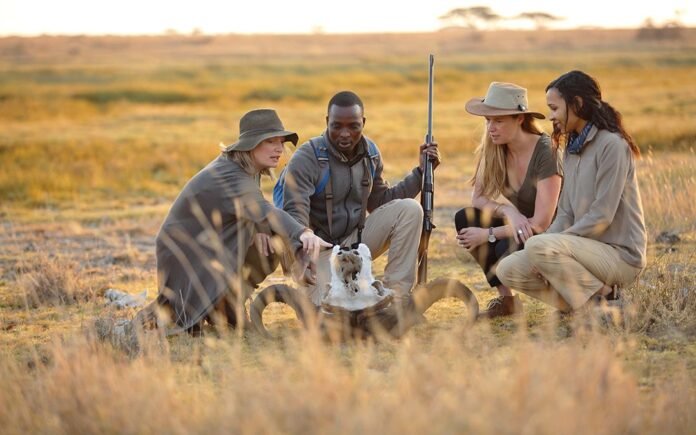
Tourist on a walking safari outside Nairobi

When you think of Nairobi, the bustling capital city of Kenya, your mind might conjure images of urban life, vibrant markets, and a melting pot of cultures. However, what might surprise you is that Nairobi offers a unique and thrilling experience: the opportunity to go on a safari within the city limits. This is thanks to the Nairobi National Park, the only national park in the world situated within a capital city. This guide will explore what makes Nairobi National Park a special safari destination, what animals you can expect to see, and why it’s ideal for those with limited time.

Additionally, we’ll explore other safari options that are easily accessible from Nairobi, including day trips and multi-day excursions, highlighting the best parks, animals, and experiences Kenya has to offer.

Nairobi National Park: The Only Urban Safari in the World

A Unique Experience in the Heart of the City

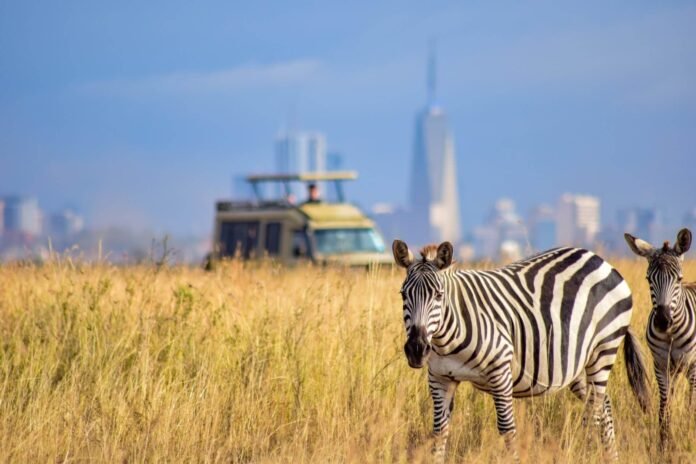
Nairobi National Park, established in 1946, is a remarkable conservation area located just 7 kilometers from the city center. Covering approximately 117 square kilometers, this park is a haven for wildlife, offering an authentic safari experience without the need to venture far from the urban jungle. It is often referred to as “The World’s Wildlife Capital” because it provides a rare opportunity to see wild animals against the backdrop of Nairobi’s skyline.

What to Expect on a Safari in Nairobi National Park

While Nairobi National Park is a fantastic place for a short safari, it’s important to manage your expectations in terms of wildlife sightings. The park is home to a wide range of animals, but you will not find the full Big Five here. The Big Five—a term coined by big-game hunters to refer to the lion, leopard, rhinoceros, elephant, and Cape buffalo—are considered the top attractions on a traditional African safari. However, Nairobi National Park offers its own unique allure with a rich array of wildlife, including:

  • Lions: The park has a healthy population of lions, and it’s not uncommon to spot them lounging in the shade or stalking prey.
  • Rhinoceroses: Nairobi National Park is a sanctuary for both black and white rhinos, making it one of the few places where you can see these majestic creatures in close proximity to a city.
  • Giraffes: The park is home to a large number of Maasai giraffes, which are easily spotted as they graze on the acacia trees.
  • Buffaloes: Large herds of African buffaloes roam the park, often seen near waterholes.
  • Zebras and Antelopes: The plains of the park are dotted with zebras, gazelles, and various species of antelopes.
  • Birdlife: For bird enthusiasts, the park is a paradise with over 400 species of birds, including ostriches, crowned cranes, and secretary birds.

Ideal for Short Safaris

Nairobi National Park is perfect for those who have limited time but still want to experience the thrill of a safari. A half-day or full-day visit can provide a satisfying wildlife experience, and the convenience of being so close to the city means you can easily incorporate it into a busy itinerary. Early morning and late afternoon are the best times to visit, as these are the cooler periods when animals are most active.

The Importance of Multi-Day Safaris: Beyond Nairobi National Park

While Nairobi National Park offers a unique and convenient safari experience, it’s not a substitute for the immersive adventure that comes with a multi-day safari. A truly great safari requires at least two nights in the wilderness, allowing you to fully experience the natural beauty, diverse landscapes, and abundant wildlife that Kenya is renowned for. Let’s explore some of the best parks for an extended safari experience.

Amboseli National Park: A Paradise for Elephant Lovers

Located approximately 240 kilometers southeast of Nairobi, Amboseli National Park is one of Kenya’s most popular safari destinations. It’s famous for its large herds of elephants and the stunning backdrop of Mount Kilimanjaro, the highest peak in Africa.

Why Visit Amboseli?

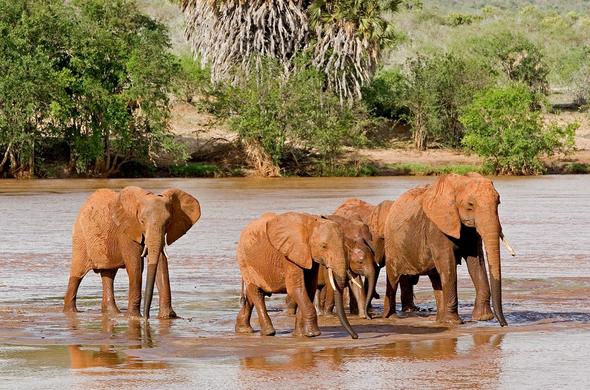
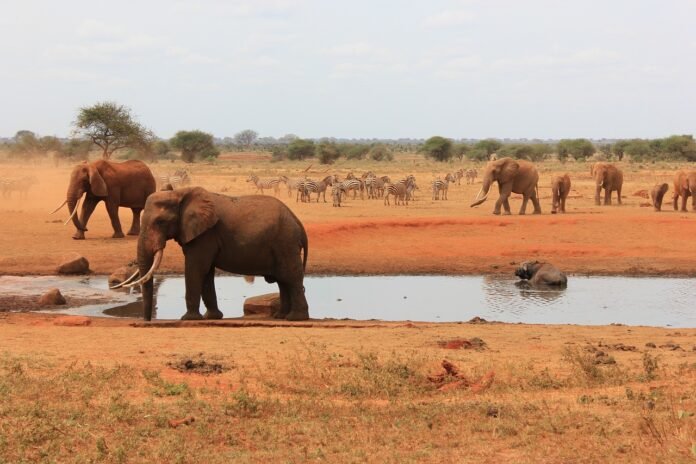
  • Elephant Herds: Amboseli is known for its large population of elephants, often seen in family groups against the breathtaking backdrop of Mount Kilimanjaro.
  • Diverse Wildlife: In addition to elephants, the park is home to lions, cheetahs, zebras, wildebeests, giraffes, and a variety of bird species.
  • Scenic Views: The park’s open plains, acacia woodlands, and marshes provide diverse habitats for wildlife, making it an excellent spot for photography.

A two-night stay in Amboseli allows you to explore the park thoroughly, with morning and evening game drives offering the best opportunities to see wildlife.

Maasai Mara National Reserve: The Crown Jewel of Kenyan Safaris

masai mara balloon safari
A balloon safari over Masai Mara one of the best way to view the Mara

The Masai Mara is perhaps the most famous safari destination in Kenya, if not Africa. Located about 280 kilometers southwest of Nairobi, it’s known for its incredible wildlife, particularly the Great Migration, where millions of wildebeests, zebras, and gazelles cross the Mara River from the Serengeti in Tanzania.

Why Visit the Maasai Mara?

  • The Great Migration: Witnessing the Great Migration is a once-in-a-lifetime experience, often referred to as the “World Cup of Wildlife.” The dramatic river crossings, where animals brave the crocodile-infested waters, are particularly iconic.
  • Big Five: The Maasai Mara is one of the best places to see the Big Five. Lions are particularly abundant, and leopards and cheetahs are often spotted.
  • Cultural Experience: A visit to a Maasai village can be an enriching cultural experience, providing insight into the traditional way of life of the Maasai people.

A multi-day safari in the Masai Mara is essential to fully appreciate its vastness and biodiversity. Staying in one of the many luxury lodges or tented camps allows for an immersive experience, with game drives, bush walks, and hot air balloon safaris.

Samburu National Reserve: A Unique and Uncrowded Safari Experience

Located in the northern part of Kenya, Samburu National Reserve offers a different kind of safari experience. It’s less crowded than the Maasai Mara or Amboseli, providing a more intimate encounter with wildlife.

Why Visit Samburu?

  • Unique Wildlife: Samburu is home to several species not found in the southern parks, including the Grevy’s zebra, reticulated giraffe, Somali ostrich, and gerenuk (a long-necked antelope).
  • Scenic Beauty: The Ewaso Ng’iro River runs through the park, attracting a variety of animals to its banks. The landscape is characterized by rugged hills, acacia trees, and open savannah.
  • Cultural Encounters: The reserve is in close proximity to Samburu villages, offering opportunities to learn about the culture and traditions of the Samburu people.

A two- or three-night stay in Samburu allows you to explore the reserve’s distinct ecosystems and enjoy game drives that showcase its unique wildlife.

Safari Day Trips from Nairobi: A Taste of the Wild

For those who have even less time, or who want to sample different environments without committing to a multi-day safari, there are several excellent day trip options from Nairobi. These day trips allow you to experience a variety of landscapes and wildlife within a few hours’ drive of the city.

Amboseli National Park Day Trip

One of the best places with the best views of Kilimanjaro is Amboseli

A day trip to Amboseli National Park from Nairobi is possible, although it requires an early start and a late return due to the distance. However, the reward is worth it, as you can spend a full day exploring the park’s diverse habitats and observing its famous elephant herds.

Lake Nakuru National Park Day Trip

Located about 160 kilometers northwest of Nairobi, Lake Nakuru National Park is a favorite for day-trippers. The park is centered around Lake Nakuru, one of the Rift Valley’s soda lakes, which is often fringed with thousands of flamingos.

Highlights of Lake Nakuru National Park:

  • Birdwatching: The lake is a birdwatcher’s paradise, with over 400 bird species, including flamingos, pelicans, and herons.
  • Rhinos and Leopards: The park is a sanctuary for both black and white rhinos and has one of the highest concentrations of leopards in Kenya.
  • Scenic Beauty: The park offers stunning views from the Baboon Cliff, and the forests and grasslands provide a picturesque setting for game drives.

A day trip to Lake Nakuru allows you to experience the park’s rich birdlife, rhinos, and stunning landscapes, making it a perfect quick getaway from Nairobi.

Lake Naivasha Day Trip

Lake Naivasha, located about 90 kilometers from Nairobi, is a beautiful freshwater lake surrounded by forests of acacia trees and overlooked by Mount Longonot, a dormant volcano. It’s a great destination for a relaxing day trip.

Highlights of Lake Naivasha:

  • Boat Rides: A boat trip on Lake Naivasha is a must-do, offering close encounters with hippos and a variety of waterbirds, including fish eagles.
  • Crescent Island: A visit to Crescent Island, a private sanctuary, allows for walking safaris where you can spot giraffes, zebras, and antelopes in a serene setting.
  • Hells Gate National Park: Nearby Hells Gate National Park offers the opportunity for hiking, rock climbing, and cycling amidst stunning geothermal scenery.

Lake Naivasha is an ideal day trip for those looking to combine wildlife viewing with relaxation and outdoor activities.

The Best Multi-Day Safaris from Nairobi: Crafting the Ultimate Safari Experience

For those who have the time and the desire for a more immersive experience, multi-day safaris from Nairobi offer an unparalleled opportunity to explore Kenya’s rich biodiversity, varied landscapes, and cultural heritage. These longer safaris allow you to travel to some of the most famous and lesser-known parks in the country, providing a deeper understanding of the region’s ecosystems and wildlife. Below, we outline some of the best multi-day safari options that begin in Nairobi and take you to Kenya’s premier wildlife destinations.

The Masai Mara: The Ultimate Wildlife Spectacle

Safari Duration: 3 to 7 days
Best Time to Visit: July to October (Great Migration), but wildlife viewing is excellent year-round.

The Masai Mara is often the centerpiece of a Kenyan safari, and for good reason. It’s one of the most wildlife-rich areas in Africa, offering breathtaking scenes of predator-prey interactions and the awe-inspiring Great Migration. A multi-day safari in the Masai Mara allows you to fully appreciate its vastness and the variety of experiences it offers.

Suggested Itinerary:

  • Day 1: Depart Nairobi in the morning, arriving in the Masai Mara by early afternoon. After lunch at your lodge or camp, embark on an evening game drive to start your wildlife adventure.
  • Day 2: Full-day game drive with a packed lunch to explore the Mara Triangle and the Mara River, where the famous river crossings occur during the Great Migration.
  • Day 3: Morning game drive followed by a visit to a Maasai village to learn about the Maasai culture. Optional hot air balloon safari at sunrise, offering spectacular aerial views of the landscape and wildlife.
  • Day 4: Another day of game drives, focusing on areas with high predator activity or following the migration herds, depending on the time of year.
  • Day 5: Morning game drive before returning to Nairobi, or continue to another safari destination such as Lake Nakuru or Amboseli.

Why Combine Masai Mara with Other Parks?
Combining the Masai Mara with other parks such as Amboseli or Samburu allows you to experience a greater diversity of landscapes, wildlife, and cultural encounters. The Mara’s rolling grasslands and riverine forests contrast beautifully with Amboseli’s dry plains and the towering presence of Mount Kilimanjaro, while Samburu offers a glimpse into the arid, rugged terrain of northern Kenya and its unique wildlife species.

Samburu and Buffalo Springs: The Untamed North

Safari Duration: 3 to 5 days
Best Time to Visit: June to October and December to March

For those seeking a safari off the beaten path, Samburu National Reserve and its neighboring Buffalo Springs and Shaba reserves provide a less crowded yet equally rewarding experience. These parks are known for their dramatic landscapes, which include dry riverbeds, rocky outcrops, and sparse acacia vegetation.

Suggested Itinerary:

  • Day 1: Depart Nairobi and drive to Samburu, arriving in time for lunch. In the afternoon, take your first game drive and keep an eye out for the Samburu Special Five: the Grevy’s zebra, reticulated giraffe, Somali ostrich, gerenuk, and Beisa oryx.
  • Day 2: Full-day game drive in Samburu and Buffalo Springs, focusing on the Ewaso Ng’iro River, which attracts elephants, crocodiles, and various bird species. Visit the rocky escarpments to search for leopards.
  • Day 3: Morning game drive followed by an optional cultural visit to a Samburu village. In the afternoon, explore the less-visited Shaba National Reserve, known for its picturesque landscape and large populations of lions and leopards.
  • Day 4: Another day of game drives or return to Nairobi with an option to stop at Ol Pejeta Conservancy for a different wildlife experience.

Why Combine Samburu with Other Parks?
Combining Samburu with the Masai Mara or Laikipia offers a contrast in landscapes and wildlife. While Samburu is characterized by its semi-arid environment and unique species, Laikipia and the Masai Mara provide lush savannahs teeming with different wildlife. This combination allows for a comprehensive safari experience that showcases the full spectrum of Kenya’s natural beauty.

Amboseli and Tsavo: The Elephant Kingdom

Safari Duration: 4 to 6 days
Best Time to Visit: June to October and January to February

Amboseli National Park is often paired with Tsavo West and Tsavo East National Parks to create a safari that highlights the impressive diversity of Kenya’s southern region. Amboseli is renowned for its large elephant herds and stunning views of Mount Kilimanjaro, while the Tsavo parks offer vast wilderness areas and a wide range of wildlife.

Suggested Itinerary:

  • Day 1: Depart Nairobi for Amboseli National Park, arriving in time for lunch. Enjoy an afternoon game drive focusing on the park’s famous elephant herds and the spectacular views of Kilimanjaro.
  • Day 2: Full-day game drive in Amboseli, exploring its varied habitats including swamps, woodlands, and open plains. In the evening, relax at your lodge with a view of the elephants against the backdrop of the mountain.
  • Day 3: Morning game drive in Amboseli before heading to Tsavo West National Park. Arrive in Tsavo for an afternoon game drive, visiting the Mzima Springs to see hippos and crocodiles.
  • Day 4: Explore the lava flows and caves of Tsavo West, and search for the park’s famous red elephants, colored by the iron-rich soil. In the afternoon, drive to Tsavo East for a game drive en route to your lodge or camp.
  • Day 5: Full-day game drive in Tsavo East, one of the largest parks in Kenya, known for its rugged wilderness, large elephant herds, and the Lugard Falls on the Galana River.
  • Day 6: Return to Nairobi or continue to the coast for some relaxation on the beaches of Mombasa or Diani.

Why Combine Amboseli and Tsavo?
Combining Amboseli and Tsavo provides a diverse safari experience, from the iconic elephants of Amboseli to the expansive wilderness of Tsavo. The contrast between Amboseli’s open plains and the rocky, volcanic terrain of Tsavo ensures that each day offers something new and exciting. This combination also allows for potential extensions to Kenya’s coastal areas, offering a mix of wildlife and beach relaxation.

The Laikipia Plateau: A Conservation Success Story

Safari Duration: 3 to 5 days
Best Time to Visit: Year-round

Laikipia, located to the northwest of Mount Kenya, is a region known for its innovative conservation efforts and diverse wildlife. Unlike traditional national parks, Laikipia consists of private conservancies where wildlife conservation and community development go hand in hand. This area is particularly appealing to those looking for a more exclusive and personalized safari experience.

Suggested Itinerary:

  • Day 1: Depart Nairobi and fly to one of Laikipia’s airstrips. Upon arrival, enjoy a game drive en route to your lodge or camp. Spend the afternoon on a guided walk or horseback safari, an activity unique to the conservancies in this region.
  • Day 2: Full-day game drive across the conservancies, with a focus on spotting the Big Five as well as rarer species such as wild dogs and the endangered black rhino. Participate in community-based activities to learn about the conservation efforts in the area.
  • Day 3: Morning game drive or guided walk, followed by an afternoon of relaxation or a visit to one of the local ranches. Optional activities include camel trekking, fly camping, or even a night game drive.
  • Day 4: Return to Nairobi or continue your safari in the nearby Meru National Park or the Aberdare Mountains.

Why Combine Laikipia with Other Parks?
Laikipia is an excellent addition to a traditional Kenyan safari, particularly when combined with the Masai Mara or Samburu. Its emphasis on conservation and community involvement offers a unique perspective on wildlife tourism, and the region’s varied activities—such as horseback riding and walking safaris—provide a more diverse and engaging experience.

Nairobi: The Gateway to Kenya’s Safari Wonders

Nairobi’s status as a major transportation hub makes it the ideal starting point for any safari in Kenya. Jomo Kenyatta International Airport (JKIA) and Wilson Airport connect Nairobi to almost every major safari destination in the country, as well as to neighboring countries.

Key Benefits of Starting Your Safari in Nairobi:

  • Convenient Access: Nairobi’s airports provide quick and easy access to the best safari destinations in Kenya, with many flights taking less than an hour.
  • Diverse Options: Whether you want to visit the Masai Mara, Amboseli, Samburu, or even cross into Tanzania for the Serengeti, Nairobi serves as the perfect launchpad.
  • Combination Safaris: Starting your safari in Nairobi allows you to craft a custom itinerary that combines several parks, offering a comprehensive wildlife experience. For example, you can begin with a day or two in Nairobi National Park before flying to the Masai Mara, followed by a visit to Laikipia or Samburu, and ending with a beach holiday on the Kenyan coast.
  • Cultural and Historical Experiences: Nairobi itself is rich in culture and history, with attractions like the Karen Blixen Museum, the Giraffe Centre, and the David Sheldrick Wildlife Trust offering unique experiences that complement a safari.

Kenya is a land of incredible biodiversity, where each park and reserve offers a different perspective on the country’s natural wonders. While Nairobi National Park provides a unique and convenient urban safari experience, it is just the beginning of what Kenya has to offer. For those with more time, the country’s diverse landscapes—from the snow-capped peaks of Mount Kilimanjaro to the rolling savannahs of the Masai Mara—provide countless opportunities for deeper exploration and adventure.
Which Area of Masai Mara Is Best?

0
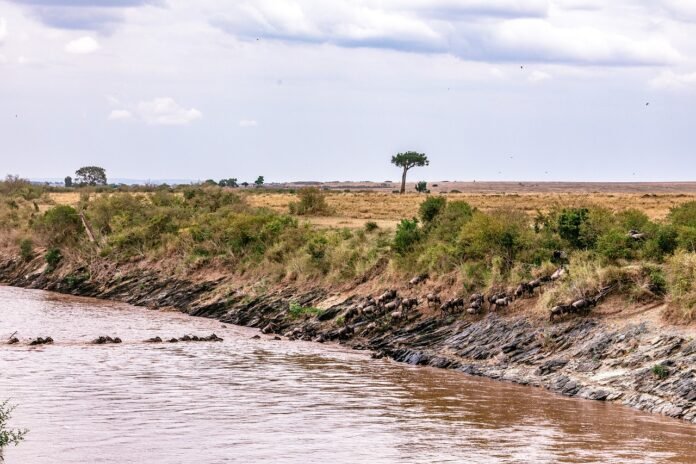
wildebeest crossing the Mara river one of the best places to witness the migration

The Masai Mara, one of Africa’s most iconic safari destinations, offers an unparalleled wildlife experience, attracting nature enthusiasts, photographers, and adventurers from around the globe. Renowned for its breathtaking landscapes, diverse ecosystems, and, most famously, the annual Great Wildebeest Migration, the Masai Mara is a dream destination for anyone seeking an authentic African safari experience.

However, the Masai Mara is vast, encompassing several distinct areas, each offering unique attractions and experiences. From the Mara River, where the dramatic scenes of the wildebeest migration unfold, to the quieter conservancies that offer exclusive, crowd-free game viewing, the choices can be overwhelming. 

1. The Mara River: Heart of the Wildebeest Migration

The Mara River is arguably the most famous part of the Masai Mara, particularly during the wildebeest migration, which takes place between July and October. This area becomes a stage for one of nature’s most dramatic spectacles as over 1.5 million wildebeests, accompanied by hundreds of thousands of zebras and gazelles, brave the crocodile-infested waters of the Mara River in their quest for greener pastures.

1.1. Why Choose the Mara River Area?

  • The Great Migration: The Mara River area is the epicenter of the migration spectacle. Witnessing a river crossing is a once-in-a-lifetime experience, characterized by chaotic scenes of animals plunging into the water, predators lurking nearby, and the sheer will of nature on full display.
  • High Predator Concentration: The abundance of prey during the migration attracts a significant number of predators. Lions, leopards, cheetahs, and hyenas can be seen in action, offering incredible opportunities for wildlife photography and observation.
  • Iconic Landscapes: The Mara River area is characterized by rolling grasslands, acacia woodlands, and the meandering river itself, offering some of the most iconic African landscapes.

1.2. Best Lodges and Camps in the Mara River Area

Staying near the Mara River offers easy access to the migration action, but it also means you’ll be in a popular area. Some of the top accommodations in this area include:

.

  • Rekero Camp: Overlooking a crossing point in the Talek River, the spectacle of the Great Migration can be enjoyed from the expansive deck in front of camp.

2. The Central Plains: Abundant Wildlife and Iconic Safari Experiences

The Central Plains of the Masai Mara, encompassing areas such as the Musiara Swamp and the Mara Triangle, are known for their high concentration of wildlife throughout the year. These plains offer a quintessential safari experience with endless game drives, stunning landscapes, and the chance to see the Big Five.

2.1. Why Choose the Central Plains?

  • Year-Round Wildlife Viewing: Unlike the Mara River, which is most famous during the migration, the Central Plains offer consistent game viewing opportunities year-round. The area is home to resident lion prides, elephants, giraffes, and a variety of antelope species.
  • The Mara Triangle: The western part of the Masai Mara, known as the Mara Triangle, is less crowded than the eastern side of the reserve. Managed by the Mara Conservancy, this area offers well-maintained roads, fewer vehicles, and some of the best game viewing in the Mara.
  • Photographic Opportunities: The open landscapes of the Central Plains are ideal for photography, offering unobstructed views of wildlife and the dramatic African skies.

2.2. Best Lodges and Camps in the Central Plains

Accommodations in the Central Plains range from luxury lodges to more affordable camps, all offering excellent access to the diverse wildlife of the region.

  • Mara Plains Camp: Located in the Olare Motorogi Conservancy, this camp offers a luxurious and intimate safari experience with access to both the Central Plains and the quieter conservancy areas.
  • Kichwa Tembo Tented Camp: Situated on the western side of the Masai Mara, Kichwa Tembo offers stunning views of the plains and is ideally located for game drives in the Mara Triangle.
  • Mara Bush Camp: A more affordable option, this camp is located in the heart of the Mara, providing easy access to the best game viewing areas.

3. The Private Conservancies: Exclusive, Crowd-Free Safari Experiences

One of the most appealing aspects of the Masai Mara is the array of private conservancies surrounding the main reserve. These conservancies offer a more exclusive and intimate safari experience, with limited vehicle numbers, diverse activities such as night game drives and walking safaris, and the chance to explore areas off-limits to vehicles in the main reserve.

3.1. Why Choose a Private Conservancy?

  • Crowd-Free Game Viewing: The private conservancies limit the number of visitors, ensuring a more private and uncrowded safari experience. This is especially appealing during peak season when the main reserve can become quite busy.
  • Night Game Drives and Walking Safaris: Unlike the main reserve, where night drives and walking safaris are not allowed, the conservancies offer these activities, providing a different perspective on the Mara’s wildlife.
  • Conservation and Community Support: Staying in a conservancy supports local Maasai communities and conservation efforts, as a portion of your fees goes directly to these initiatives.

3.2. Best Private Conservancies and Their Highlights

There are several private conservancies surrounding the Masai Mara, each offering unique experiences and accommodations.

3.2.1. Olare Motorogi Conservancy

  • Wildlife and Scenery: Olare Motorogi is known for its diverse landscapes, including riverine forests, open savannahs, and rocky outcrops. The conservancy is home to a healthy population of predators, including some of the largest lion prides in the Mara.
  • Top Lodges:
    • Mara Plains Camp: As mentioned earlier, this luxurious camp offers an intimate and exclusive safari experience with excellent access to both the conservancy and the main reserve.
    • Mahali Mzuri: Sir Richard Branson’s luxury safari camp offers stunning views and exceptional service, making it one of the top choices in the conservancy.

3.2.2. Mara North Conservancy

  • Exclusive Game Viewing: Mara North is one of the most exclusive conservancies, with only a handful of camps allowed to operate, ensuring an incredibly private safari experience. The conservancy is home to a variety of wildlife, including elephants, leopards, and cheetahs.
  • Top Lodges:
    • Elephant Pepper Camp: This small, eco-friendly camp offers a true bush experience with luxury touches, making it a perfect choice for those seeking an authentic safari.
    • Saruni Mara: A boutique lodge offering stunning views, personalized service, and access to some of the best wildlife viewing in the Mara.

3.2.3. Naboisho Conservancy

  • Rich Cultural Experiences: Naboisho Conservancy not only offers excellent wildlife viewing but also rich cultural experiences with the Maasai people. The conservancy is also known for its efforts in community-based conservation.
  • Top Lodges:
    • Naboisho Camp: This camp offers guided walking safaris, night drives, and cultural visits, providing a well-rounded safari experience.
    • Eagle View Camp: Known for its elevated position offering panoramic views, Eagle View Camp provides a luxurious yet eco-friendly safari experience.

4. The Lesser-Known Areas: Hidden Gems of the Masai Mara

While the Mara River, Central Plains, and private conservancies are the most popular areas, there are lesser-known regions of the Masai Mara that offer unique experiences away from the crowds. These areas are ideal for those seeking solitude and a more off-the-beaten-path adventure.

4.1. The Lemek Conservancy

  • Untouched Wilderness: Lemek Conservancy, located north of the main reserve, offers pristine wilderness with few visitors. The area is home to a variety of wildlife, including elephants, buffalo, and leopards.
  • Cultural Interaction: The conservancy is closely connected with the local Maasai communities, offering opportunities for cultural exchanges and visits to traditional Maasai villages.
  • Top Lodges:
    • Enkerende Tented Camp: A small, intimate camp offering a true bush experience with the opportunity for walking safaris and cultural visits.
    • Royal Mara Safari Lodge: Situated on the banks of the Mara River, this lodge offers a blend of luxury and wilderness, with access to both the conservancy and the main reserve.

4.2. The Mara Siana Conservancy

  • Diverse Landscapes: Mara Siana Conservancy is known for its varied landscapes, including hills, valleys, and rivers, providing diverse habitats for wildlife.
  • Less Crowded: This conservancy is one of the least crowded areas of the Masai Mara, making it ideal for those seeking a peaceful and private safari experience.
  • Top Lodges:
    • Sanctuary Olonana: A luxury tented camp offering stunning views and exceptional service, Sanctuary Olonana is situated along the Mara River and offers guests an immersive experience into the rich wildlife and landscapes of the Mara Siana Conservancy. The camp provides guided bush walks, bird watching, and cultural visits, adding to the diversity of activities available.
  • Siana Springs Tented Camp: A more traditional option, Siana Springs is set in a lush oasis near the conservancy. It offers spacious tents and a classic safari experience with easy access to game viewing in the surrounding areas.

4.3. The Ol Kinyei Conservancy

  • Pioneering Conservation Efforts: Ol Kinyei Conservancy was one of the first to adopt a community-based conservation model, where land is leased from Maasai landowners to protect wildlife habitats. The conservancy is celebrated for its success in conservation and community involvement.
  • Pristine and Exclusive: Ol Kinyei is one of the most pristine and exclusive conservancies, with limited accommodation options ensuring minimal human impact on the environment. The conservancy is home to a range of wildlife, including large herds of elephants, lions, and cheetahs.
  • Top Lodges:
    • Porini Mara Camp: An eco-friendly camp that emphasizes low-impact tourism, Porini Mara Camp offers a true wilderness experience with opportunities for walking safaris and night drives. The camp is small and intimate, with just six tents, ensuring a personal and peaceful stay.
    • Gamewatchers Adventure Camp: This is a more rustic and budget-friendly option within Ol Kinyei, offering a genuine safari experience with simple yet comfortable accommodations. The camp is ideal for those who prioritize wildlife and conservation over luxury.

5. Activities Beyond Game Drives: Horse Riding, Balloon Safaris, and More

While traditional game drives are the highlight of any safari, the Masai Mara offers a variety of unique activities that allow visitors to experience the landscape and wildlife in different ways. These activities are particularly prevalent in the private conservancies, where regulations are more flexible.

5.1. Horse Riding Safaris

  • An Immersive Experience: Horse riding safaris offer a unique way to explore the plains of the Masai Mara, allowing you to get up close to wildlife without the noise of a vehicle. These safaris are typically conducted in private conservancies where the terrain is varied and ideal for horseback riding.
  • Top Conservancies for Horse Riding:
    • Mara North Conservancy: Known for its open savannahs and diverse wildlife, Mara North offers one of the best environments for horse riding safaris. Several lodges, including Sosian Lodge and Offbeat Mara Camp, offer horseback safaris as part of their activities.
    • Olare Motorogi Conservancy: Another excellent choice for horse riding, with its rolling hills and scenic landscapes, provides a beautiful backdrop for this activity.

5.2. Hot Air Balloon Safaris

  • A Bird’s Eye View: One of the most breathtaking experiences in the Masai Mara is a hot air balloon safari. As the balloon rises with the dawn, you’ll have the chance to view the Mara’s vast landscapes and wildlife from above, often with the added bonus of seeing the sunrise over the savannah.
  • Popular Launch Sites:
    • Mara River Area: Many hot air balloon safaris launch from sites near the Mara River, offering views of the river, the Great Migration (if in season), and the surrounding plains.
    • Central Plains: The wide-open spaces of the Central Plains are ideal for balloon safaris, with the added advantage of spotting the Big Five from above.

5.3. Walking Safaris and Bush Walks

  • Connect with Nature: Walking safaris offer an intimate way to explore the Masai Mara, allowing you to connect with the environment and observe the smaller details that are often missed during game drives. Walking safaris are typically led by experienced Maasai guides who share their knowledge of the flora, fauna, and local culture.
  • Best Conservancies for Walking Safaris:
    • Naboisho Conservancy: Known for its varied terrain and abundant wildlife, Naboisho offers excellent walking safari experiences. Camps such as Naboisho Camp and Eagle View Camp provide guided walks as part of their activities.
    • Ol Kinyei Conservancy: This conservancy is also highly recommended for walking safaris, with its untouched landscapes and focus on conservation.

5.4. Night Game Drives

  • Nocturnal Encounters: Night game drives offer the opportunity to witness the Masai Mara’s nocturnal wildlife, including elusive species such as aardvarks, porcupines, and genets, as well as predators like lions and leopards on the hunt.
  • Top Areas for Night Game Drives:
    • Private Conservancies: Night game drives are not permitted in the main Masai Mara National Reserve, but they are a highlight in the surrounding conservancies. Naboisho, Olare Motorogi, and Mara North are particularly noted for their night drives.

6. Planning Your Safari: Practical Tips and Considerations

To make the most of your Masai Mara safari, it’s important to plan carefully, taking into account the time of year, type of experience you’re seeking, and the specific interests you have in terms of wildlife and activities.

6.1. When to Visit

  • Best Time for the Great Migration: If witnessing the Great Migration is your primary goal, plan your visit between July and October. This is when the herds typically cross the Mara River, although the exact timing can vary year by year.
  • Year-Round Wildlife: For those interested in general wildlife viewing, the Masai Mara offers fantastic opportunities throughout the year. The dry season (June to October) is generally the best time for game viewing as animals are more concentrated around water sources, but the green season (November to May) offers lush landscapes, fewer tourists, and excellent bird watching.

6.2. Choosing the Right Accommodation

  • Luxury vs. Rustic: The Masai Mara offers a wide range of accommodation options, from ultra-luxurious lodges to more rustic tented camps. Your choice will depend on your budget, the level of comfort you desire, and the type of safari experience you’re seeking.
  • Location Matters: Choose your accommodation based on the areas of the Masai Mara you wish to explore. If the migration is your focus, opt for lodges near the Mara River. For a more exclusive experience, consider staying in one of the private conservancies.

6.3. Safari Etiquette

  • Respect Wildlife: Always maintain a respectful distance from animals and follow the guidance of your safari guide. Do not make loud noises or sudden movements that could disturb the wildlife.
  • Support Conservation: By choosing eco-friendly lodges and camps, and following responsible tourism practices, you can help support the conservation of the Masai Mara’s unique ecosystems.

Choosing the best area of the Masai Mara depends on your specific interests and what you hope to experience during your safari. Whether you’re drawn to the dramatic scenes of the wildebeest migration along the Mara River, the abundant wildlife of the Central Plains, or the exclusivity and unique activities offered by the private conservancies, the Masai Mara has something to offer every type of traveler.

For those seeking the thrill of witnessing the Great Migration, the Mara River area is undoubtedly the top choice. However, if you prefer a more peaceful, crowd-free experience with opportunities for activities like night game drives and walking safaris, the private conservancies offer an unparalleled safari experience. The lesser-known areas, such as Lemek and Mara Siana, provide hidden gems for those looking to explore off the beaten path.

Nairobi National Park Tour Van Charges?

0
A tour vehicle at Nairobi National Park

Nairobi National Park, situated just a few kilometers from the bustling city center of Kenya’s capital, is a unique wildlife sanctuary. It offers an unparalleled experience for tourists and locals alike, where you can witness a variety of wildlife species against the backdrop of Nairobi’s skyline. Whether you are an avid wildlife photographer, a tourist looking for a quick safari, or a local resident seeking a weekend getaway, a tour of Nairobi National Park is an adventure worth embarking on.

One of the most important considerations when planning a visit to Nairobi National Park is the cost, particularly the charges related to hiring a tour van. This article delves into the details of the tour van charges, the value offered, and why sharing the cost with a group can make your trip more affordable.

Overview of Nairobi National Park

Before diving into the specifics of tour van charges, it’s important to understand what Nairobi National Park offers. The park, established in 1946, covers an area of 117 square kilometers and is home to a wide array of wildlife, including lions, giraffes, zebras, rhinos, and over 400 species of birds. It is the only national park in the world that is so close to a capital city, making it an exceptional destination for those who wish to experience the wild without venturing far from urban amenities.

Importance of a Tour Van in Nairobi National Park

One of the best ways to explore Nairobi National Park is by hiring a tour van. These vehicles are specifically designed for game drives, offering elevated seating for better views and windows that can be opened for clear photography opportunities. A tour van ensures that you have a comfortable and safe journey through the park, which is particularly important given the rough terrain in some parts of the park.

Moreover, hiring a tour van comes with the added benefit of having a knowledgeable driver who often doubles as a guide. The drivers are familiar with the park’s layout, wildlife hotspots, and the best times for sightings, which significantly enhances the quality of your safari experience.

Breakdown of Tour Van Charges

The standard charge for hiring a tour van for a half-day visit to Nairobi National Park is $200. This fee covers several aspects that are crucial for a successful and enjoyable safari:

  1. Van Entry Fee to the Park: The $200 charge includes the entry fee for the tour van itself. This fee is separate from the individual park entrance fees that each visitor must pay. The park entry fee for the van ensures that your vehicle is allowed into the park, where you can traverse the designated game drive tracks.
  2. Driver Allowance: Included in the $200 is the driver’s allowance. This is an essential component as the drivers not only operate the vehicle but also act as guides, offering insights into the park’s wildlife, ecosystems, and the best spots for sightings. Their experience and knowledge are invaluable, making the safari more informative and engaging.
  3. Half-Day Duration: The standard tour van charge is for a half-day trip, which typically lasts around four to five hours. This is sufficient time to explore significant portions of the park, spot various animals, and take plenty of photographs.

Cost Distribution Among Passengers

One of the key advantages of hiring a tour van for Nairobi National Park is the potential for cost-sharing among passengers. The $200 fee is a fixed cost, meaning it remains the same regardless of the number of passengers. This makes the tour van an economical option for groups.

  • Single Traveler: For a solo traveler, the cost remains $200, which can seem steep. However, the exclusivity of the tour can be a significant advantage, offering a personalized experience.
  • Couples: For two people, the cost is halved, with each person paying $100. This makes it a more affordable option for couples looking to enjoy a private safari experience.
  • Groups: The more people you have in the van, the cheaper the cost per person. For example:
    • A group of 4 would each pay $50.
    • A group of 6 would each pay about $33.
    • A group of 8 would each pay $25.

This cost-sharing model makes the tour van option particularly attractive for families, friends, or groups traveling together. It allows for a more budget-friendly safari experience without compromising on the quality of the tour.

Additional Costs to Consider

While the $200 covers the tour van and driver, there are other costs that visitors need to account for:

  1. Individual Park Entry Fees: The van charge does not include the park entry fees for each passenger. As of the latest information, the entry fees for Nairobi National Park are as follows:
    • Residents: Ksh 430 for adults and Ksh 215 for children.
    • Non-Residents: $43 for adults and $22 for children.
    • Citizens: Ksh 430 for adults and Ksh 215 for children.

These fees must be paid separately and are per person.

  1. Snacks and Refreshments: Depending on the time of your visit, you might want to bring along snacks and drinks. While the park has a picnic site where you can stop for refreshments, it’s advisable to bring your own supplies, especially if you have dietary preferences.
  2. Photography Equipment: If you are keen on wildlife photography, consider renting or bringing professional-grade cameras and lenses. The park offers numerous opportunities for capturing stunning wildlife moments, and having the right equipment can make a significant difference.
  3. Souvenirs and Miscellaneous Purchases: There are several curio shops around the park entrance where you can purchase souvenirs. While this is optional, it’s worth considering if you want to bring back a memento from your visit.

Value for Money

Hiring a tour van for Nairobi National Park at $200 offers excellent value for money, especially when shared among a group. The cost covers essential aspects that ensure a seamless and enjoyable experience, including the convenience of having a dedicated vehicle and a knowledgeable driver-guide. When you factor in the potential for cost-sharing, the price becomes even more reasonable, making it an attractive option for both small and large groups.

Comparing Tour Van Costs with Other Safari Options

When planning a safari to Nairobi National Park, it’s important to compare the cost of hiring a tour van with other available options. Here’s how it stacks up:

  1. Self-Drive Option: Some visitors might consider driving their own vehicle into the park. While this could initially seem like a cheaper option, it comes with several disadvantages:
    • Lack of Expertise: Unless you are familiar with the park, you might miss out on key wildlife sightings.
    • Vehicle Requirements: Not all vehicles are suitable for the park’s terrain. Hiring a tour van ensures you have the right vehicle for the job.
    • Stress of Navigation: Driving in the park requires constant attention to the road and navigation, which can detract from the enjoyment of the safari.
  2. Guided Tours by Safari Companies: Many safari companies offer fully guided tours, which might include additional services such as meals, park fees, and more. However, these tours are often more expensive and less flexible compared to hiring a tour van and organizing your own visit.
  3. Walking Safaris: Nairobi National Park also offers guided walking safaris. While these provide a different experience, they are more limited in scope and do not cover as much ground as a tour van can in a half-day.

Tips for Maximizing Your Nairobi National Park Tour Van Experience

To get the most out of your Nairobi National Park visit, consider the following tips:

  1. Book in Advance: To secure a tour van, especially during peak seasons, it’s advisable to book in advance. This ensures you get the date and time that best suits your schedule.
  2. Morning vs. Afternoon Safaris: Wildlife is generally more active in the early morning and late afternoon. If possible, choose these times for your safari to increase your chances of seeing a variety of animals.
  3. Dress Appropriately: Wear comfortable clothing suitable for the weather. Early mornings can be chilly, while midday can be quite warm. Layers are recommended, and don’t forget a hat and sunscreen.
  4. Bring Binoculars: While the tour van offers good visibility, bringing a pair of binoculars can enhance your experience, allowing you to spot distant animals more clearly.
  5. Be Patient and Respectful: Wildlife viewing requires patience. Respect the animals by keeping noise to a minimum and following the guide’s instructions. Remember, this is their home, and disturbing them can ruin the experience for everyone.
  6. Safety First: Always remain in the vehicle unless instructed otherwise by your guide. Nairobi National Park is home to wild animals, and safety should always be a priority.

Environmental and Ethical Considerations

Visiting Nairobi National Park is not just about the thrill of seeing wildlife; it’s also about contributing to conservation efforts. The park plays a crucial role in protecting endangered species, such as the black rhinoceros, and in preserving Kenya’s natural heritage.

When hiring a tour van, consider the following ethical and environmental practices:

  1. Choose Responsible Operators: Ensure that the tour van operator you hire is committed to ethical practices, including minimizing disturbance to wildlife and respecting park regulations.
  2. Minimize Waste: Bring reusable water bottles and avoid single-use plastics. Dispose of any waste responsibly.
  3. Support Conservation Efforts: Part of your park entry fees goes towards conservation. Consider making an additional donation or supporting local conservation projects.

Frequently Asked Questions (FAQs)

1. What is included in the $200 tour van charge?

The $200 fee covers the entry of the van into Nairobi National Park, the driver’s allowance, and the use of the van for a half-day tour. It does not include individual park entry fees, meals, or personal expenses.

2. Can I share the tour van with others to reduce costs?

Yes, the $200 charge is per van, not per person. This means that the more people you have in the van, the cheaper it becomes per individual. It’s a great option for families, friends, or groups.

3. How do I book a tour van for Nairobi National Park?

Booking a tour van can typically be done through safari companies, online platforms, or directly through operators at the park. It’s advisable to book in advance, especially during peak tourist seasons.

4. Is the tour van charge different for residents and non-residents?

No, the tour van charge of $200 is the same regardless of the passengers’ residency status. However, the individual park entry fees do vary for residents, non-residents, and citizens.

5. What time does a half-day tour usually start?

Half-day tours typically start early in the morning or in the late afternoon, coinciding with peak wildlife activity times. Morning tours often begin around 6:30 AM, while afternoon tours start around 2:00 PM.

Nairobi National Park offers an extraordinary wildlife experience right at the doorstep of Kenya’s capital city. Hiring a tour van for a half-day safari at $200 is a cost-effective and convenient way to explore the park, especially when shared among a group. The value of having a dedicated vehicle, a knowledgeable driver-guide, and the comfort of a well-equipped van cannot be overstated.

Call Us Today for a safari Van to Nairobi National Park.

Amboseli or Ol Pejeta

0
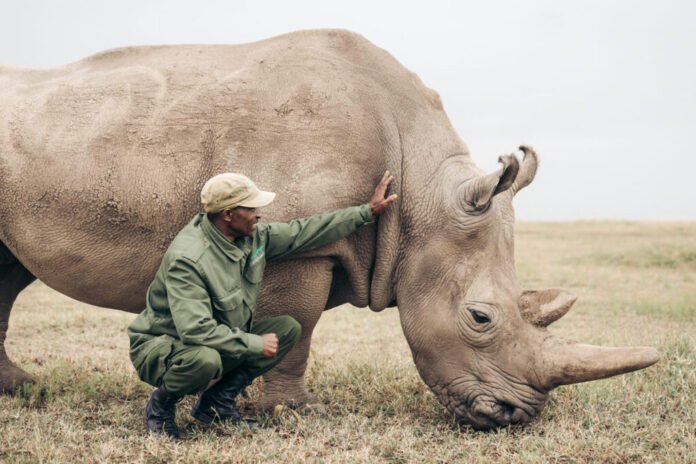
A ranger with a rhino at Ol Pejeta

Amboseli National Park and Ol Pejeta Conservancy are two popular wildlife sanctuaries in Kenya. Amboseli, famous for its large elephant herds and stunning views of Mount Kilimanjaro, offers a classic African safari experience. In contrast, Ol Pejeta is a conservancy known for its conservation efforts, particularly in protecting endangered species like the black rhino and chimpanzees.

In this article, we will compare these two destinations across various aspects to help travelers make an informed decision on where to visit.

1. Topography and Landscape

Amboseli National Park

Amboseli National Park is located in the southern part of Kenya, near the Tanzanian border. The park covers an area of about 392 square kilometers and is characterized by its flat, open plains and swamps. The most iconic feature of Amboseli’s landscape is the majestic Mount Kilimanjaro, Africa’s highest peak, which lies just across the border in Tanzania. On clear days, the snow-capped peak of Kilimanjaro provides a stunning backdrop for wildlife viewing.

The park is also known for its wetlands, which are fed by underground rivers originating from Mount Kilimanjaro’s melting snow. These wetlands create a lush environment in contrast to the otherwise dry and dusty plains, making Amboseli a unique and diverse ecosystem.

Key Features of Amboseli’s Topography:

  • Flat, open plains
  • Wetlands and swamps
  • Proximity to Mount Kilimanjaro

Ol Pejeta Conservancy

Ol Pejeta Conservancy is located in Laikipia County, in central Kenya. It covers an area of about 360 square kilometers and is part of the larger Laikipia Plateau. The landscape of Ol Pejeta is a mix of grasslands, acacia woodlands, and riverine forests. The conservancy is bordered by the Ewaso Nyiro River, which supports a diverse range of flora and fauna.

Unlike the flat terrain of Amboseli, Ol Pejeta’s landscape is more varied, with rolling hills, rocky outcrops, and dense bush. This diverse topography supports a wide variety of wildlife habitats, making it one of the most biodiverse conservancies in Kenya.

Key Features of Ol Pejeta’s Topography:

  • Rolling hills and rocky outcrops
  • Grasslands, acacia woodlands, and riverine forests
  • Ewaso Nyiro River

2. Wildlife

Amboseli National Park

Amboseli is renowned for its large herds of elephants, which are the park’s main attraction. The elephants of Amboseli are known for their impressive tusks, and visitors often see them up close as they move through the park. In addition to elephants, Amboseli is home to a variety of other wildlife, including lions, cheetahs, leopards, giraffes, zebras, and wildebeests. The park’s wetlands attract a large number of waterbirds, making it a paradise for birdwatchers.

Key Wildlife in Amboseli:

  • Large herds of elephants
  • Lions, cheetahs, and leopards
  • Giraffes, zebras, and wildebeests
  • Waterbirds in the wetlands

Ol Pejeta Conservancy

Ol Pejeta is known for its conservation efforts, particularly in protecting endangered species. The conservancy is home to the last two remaining northern white rhinos in the world, as well as a significant population of black rhinos. In addition to rhinos, Ol Pejeta has a healthy population of other big game species, including lions, leopards, elephants, and buffaloes. The conservancy also has a chimpanzee sanctuary, which is the only place in Kenya where you can see these primates.

Key Wildlife in Ol Pejeta:

  • Northern white rhinos and black rhinos
  • Lions, leopards, elephants, and buffaloes
  • Chimpanzees in the Sweetwaters Chimpanzee Sanctuary
  • Endangered Grevy’s zebras

3. Activities

Amboseli National Park

Amboseli offers a range of activities that allow visitors to explore its unique landscape and wildlife. Some of the most popular activities include:

  • Game Drives: The most common way to explore Amboseli, game drives allow visitors to see the park’s diverse wildlife up close.
  • Bird Watching: With over 400 species of birds, Amboseli is a paradise for bird watchers.
  • Guided Walks: Some lodges offer guided walks with Maasai guides, providing an opportunity to learn about the local culture and ecosystem.
  • Cultural Visits: Visitors can explore nearby Maasai villages to learn about the Maasai culture and traditions.
  • Photography: The stunning views of Mount Kilimanjaro and the abundance of wildlife make Amboseli a favorite destination for photographers.

Ol Pejeta Conservancy

Ol Pejeta offers a variety of activities, many of which focus on conservation and wildlife protection. Popular activities include:

  • Game Drives: Ol Pejeta offers both day and night game drives, giving visitors a chance to see nocturnal animals.
  • Rhino Tracking: Visitors can participate in guided walks to track black rhinos, learning about their behavior and conservation efforts.
  • Chimpanzee Sanctuary Visits: The Sweetwaters Chimpanzee Sanctuary offers a unique opportunity to see rescued chimpanzees in a natural setting.
  • Lion Tracking: Visitors can join rangers on a lion tracking experience, learning about lion behavior and conservation.
  • Community Visits: Ol Pejeta works closely with local communities, and visitors can participate in cultural experiences to learn about local traditions.
  • Cycling Safaris: The conservancy offers cycling safaris, allowing visitors to explore the landscape on two wheels.
  • Horseback Safaris: For a different perspective, visitors can go on a horseback safari through the conservancy.

4. Accessibility

Distance from Nairobi

  • Amboseli National Park: Amboseli is located approximately 240 kilometers (150 miles) southeast of Nairobi. The drive takes about 4-5 hours, depending on road conditions. There are also regular flights from Nairobi’s Wilson Airport to Amboseli, which take about 45 minutes.
  • Ol Pejeta Conservancy: Ol Pejeta is located approximately 210 kilometers (130 miles) north of Nairobi. The drive takes about 3-4 hours, depending on traffic and road conditions. There are also regular flights from Nairobi’s Wilson Airport to Nanyuki, which is the nearest airstrip to Ol Pejeta. The flight takes about 35 minutes, followed by a 30-minute drive to the conservancy.

Transportation Options

  • Amboseli National Park:
    • By Road: The most common way to reach Amboseli is by road. The journey from Nairobi takes about 4-5 hours, and the route is generally in good condition, although some sections can be rough, especially during the rainy season.
    • By Air: Several airlines operate daily flights from Nairobi’s Wilson Airport to Amboseli’s airstrip. The flight takes about 45 minutes, and many lodges offer transfers from the airstrip to their properties.
  • Ol Pejeta Conservancy:
    • By Road: The drive from Nairobi to Ol Pejeta takes about 3-4 hours. The road is mostly paved and in good condition, making it a comfortable drive.
    • By Air: There are regular flights from Wilson Airport in Nairobi to Nanyuki Airstrip, which is the nearest airstrip to Ol Pejeta. The flight takes about 35 minutes, followed by a 30-minute drive to the conservancy.

5. Park Fees

Amboseli National Park

  • Entry Fees:
    • Non-residents: USD 80 per adult per day low season and $ 100 per adult High Season
    • Residents: KES 860 per adult per day
    • Citizens: KES 430 per adult per day
  • Vehicle Fees:
    • Non-residents: USD 75 per day
    • Residents: KES 1,030 per day
    • Citizens: KES 515 per day

Ol Pejeta Conservancy

  • Entry Fees:
    • Non-residents: USD 110 per adult per day
    • East African Residents: KES 3,500 per adult per day
    • East African Citizens: KES 1,750 per adult per day
  • Special Activities:
    • Rhino tracking: USD 40 per person
    • Chimpanzee Sanctuary visit: Included in the entry fee
    • Night game drives: USD 70 per person
    • Lion Tracking: USD 70 per person

Note: Fees may vary slightly depending on the season and the specific activities chosen. It’s advisable to check the official websites or contact the parks directly for the most up-to-date pricing.

7. Environmental Impact

The environmental impact of visiting a wildlife area is an important consideration for eco-conscious travelers. Both Amboseli National Park and Ol Pejeta Conservancy have implemented measures to minimize their ecological footprints, but they differ in their approaches and challenges.

Amboseli National Park

Amboseli’s ecosystem is particularly fragile due to its location in a semi-arid region. The park faces several environmental challenges, including water scarcity, human-wildlife conflict, and habitat degradation. However, Amboseli also plays a crucial role in protecting large elephant populations and other wildlife.

Environmental Challenges:

  • Water Scarcity: Amboseli’s wetlands are sustained by the underground rivers flowing from Mount Kilimanjaro. However, climate change and upstream activities have reduced water flow, putting pressure on the park’s ecosystems.
  • Human-Wildlife Conflict: As human populations around the park grow, the encroachment of agricultural activities has led to increased conflict between wildlife and local communities.
  • Habitat Degradation: Overgrazing by livestock and the impact of tourism have led to some degradation of the park’s natural habitats.

Conservation Efforts:

  • Community Involvement: Amboseli works closely with local Maasai communities to promote sustainable land use and reduce human-wildlife conflict.
  • Wildlife Corridors: Initiatives have been implemented to maintain wildlife corridors that allow animals to migrate between Amboseli and neighboring ecosystems, reducing the pressure on the park’s resources.

Ol Pejeta Conservancy

Ol Pejeta is a model of conservation in Kenya, with a strong focus on sustainable practices and community involvement. The conservancy operates under a not-for-profit model, with all revenues reinvested into conservation and community projects.

Environmental Challenges:

  • Land Use Pressure: Like Amboseli, Ol Pejeta faces pressure from surrounding communities, but it has been more successful in managing these through its community outreach programs.
  • Tourism Impact: While tourism is crucial for funding conservation, it also poses risks to the environment. Ol Pejeta manages this by limiting visitor numbers and promoting low-impact activities.

Conservation Efforts:

  • Endangered Species Protection: Ol Pejeta is home to the last two northern white rhinos and has a significant population of black rhinos. The conservancy is a leader in rhino conservation efforts in Africa.
  • Community Engagement: The conservancy runs various programs aimed at improving the livelihoods of neighboring communities while promoting conservation. This includes healthcare, education, and sustainable agriculture initiatives.
  • Low-Impact Tourism: Ol Pejeta emphasizes sustainable tourism by limiting the number of visitors and promoting eco-friendly activities such as walking and cycling safaris.

Environmental Impact Comparison:

  • Amboseli National Park: The environmental impact of visiting Amboseli can be higher due to the park’s ecological sensitivity and the challenges of managing large numbers of tourists in a fragile environment.
  • Ol Pejeta Conservancy: Ol Pejeta’s model of low-impact, conservation-focused tourism generally results in a lower environmental footprint for visitors, making it a better choice for those concerned about their impact on the environment.

8. FAQs

Q: Which destination is better for seeing elephants?

  • A: Amboseli is renowned for its large elephant herds, which are one of the main attractions of the park. Visitors can see elephants up close, often with the stunning backdrop of Mount Kilimanjaro. Ol Pejeta also has elephants, but the populations are smaller compared to Amboseli.

Q: Can I see the Big Five in Amboseli or Ol Pejeta?

  • A: Amboseli is home to four of the Big Five: elephants, lions, leopards, and buffaloes. However, it lacks rhinos. Ol Pejeta, on the other hand, is one of the best places in Kenya to see the Big Five, including both black and white rhinos.

Q: Which park is better for cultural experiences?

  • A: Amboseli offers more opportunities for cultural interactions with the Maasai people, as the park is located in the heart of Maasailand. Visitors can visit Maasai villages and learn about their customs and traditions. Ol Pejeta also offers cultural experiences, but they are more focused on community development and conservation.

Q: How do the accommodation options compare?

  • A: Both Amboseli and Ol Pejeta offer a range of accommodation options, from budget campsites to luxury lodges. Amboseli’s accommodations often offer views of Mount Kilimanjaro, while Ol Pejeta’s lodges and camps are more focused on eco-friendly practices and close proximity to wildlife.

Q: Is it safe to visit these parks?

  • A: Both Amboseli and Ol Pejeta are safe to visit. Kenya’s safari destinations are well-managed and secure, with rangers and guides ensuring visitor safety. However, as with all travel, it’s important to follow the advice of your guide and be aware of your surroundings.

Q: Which park is more suitable for families?

  • A: Both parks are suitable for families, but Ol Pejeta might be slightly better due to its variety of activities, including educational experiences at the chimpanzee sanctuary and rhino tracking. The conservancy’s focus on conservation can also be a great educational experience for children.

Q: What are the best times to visit Amboseli and Ol Pejeta?

  • A: The best time to visit Amboseli is during the dry seasons (June to October and January to February), when wildlife is concentrated around the water sources, making it easier to spot animals. Ol Pejeta is a year-round destination, but the dry seasons (June to September and January to February) also offer the best wildlife viewing opportunities.

Q: How do Amboseli and Ol Pejeta contribute to conservation?

  • A: Amboseli contributes to conservation by protecting key wildlife species, particularly elephants, and working with local communities to promote sustainable land use. Ol Pejeta is heavily involved in conservation, particularly through its efforts to protect endangered species like rhinos and chimpanzees. The conservancy’s not-for-profit model ensures that all revenue is reinvested into conservation and community projects.

9. Conclusion

Choosing between Amboseli National Park and Ol Pejeta Conservancy depends on your specific interests and what you hope to experience on your safari. Amboseli offers iconic views of Mount Kilimanjaro and unparalleled elephant sightings, making it ideal for those seeking a classic safari experience with cultural enrichment. However, its environment is more fragile, and the impact of tourism is more pronounced.

Ol Pejeta, on the other hand, is a model of sustainable tourism and conservation. It offers a more varied wildlife experience, including the chance to see rhinos and chimpanzees, and engages visitors in conservation efforts. The conservancy’s lower environmental impact and diverse activities make it an excellent choice for eco-conscious travelers and families.

Both destinations offer unforgettable experiences, but the best choice will depend on your personal preferences, whether you prioritize conservation, specific wildlife encounters, or cultural experiences. Whichever you choose, both Amboseli and Ol Pejeta promise to deliver a memorable and enriching safari adventure in Kenya.

Lightweight Duffle Bag For Safari

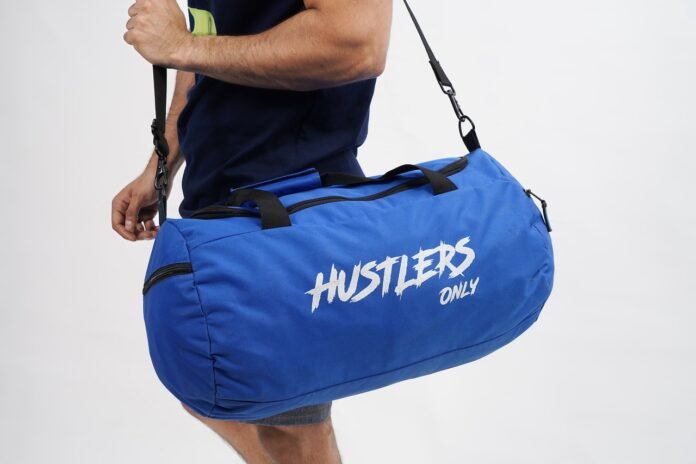
man with a duffel bag

Whether you’re traversing the vast plains of the Serengeti, exploring the Okavango Delta, or navigating the rugged terrains of Kruger National Park, one thing is certain: having the right luggage is crucial for a smooth and enjoyable journey.

A lightweight duffle bag is an ideal companion for a safari adventure, balancing portability, capacity, and durability. In this comprehensive guide, we’ll explore why a duffle bag is the best choice for an African safari, how to pack efficiently, what essentials to bring, and what items to leave behind. We’ll also address frequently asked questions to ensure you’re fully prepared for your journey.

Whether you’re a seasoned traveler or a first-time explorer, this guide will help you navigate the challenges of safari packing with ease. Let’s dive in and get you ready for the adventure of a lifetime!

Why a Lightweight Duffle Bag is the Best Luggage for an African Safari 

When choosing luggage for an African safari, a lightweight duffle bag stands out as the top choice for several reasons:

  1. Flexibility and Portability: Unlike hard-shell suitcases, duffle bags are made from soft, pliable materials that allow you to squeeze them into tight spaces, such as the trunk of a safari vehicle or the overhead compartment of a small plane. Their flexibility makes them easy to carry and stow, even in the most rugged conditions.
  2. Weight Considerations: Many safari operators impose strict weight limits on luggage, especially for those traveling on small charter flights between camps. A lightweight duffle bag helps you maximize your packing capacity while staying within the weight restrictions, which typically range between 15 to 20 kilograms (33 to 44 pounds).
  3. Durability: The best duffle bags for safaris are made from durable, water-resistant materials that can withstand the rough and tumble of outdoor adventures. Look for bags made from high-quality nylon, canvas, or polyester with reinforced stitching and robust zippers to ensure your belongings stay safe and dry.
  4. Ease of Use: Duffle bags often come with multiple carrying options, such as shoulder straps, handles, and backpack-style straps. This versatility allows you to adapt to different situations, whether you’re carrying your bag through a busy airport or hauling it across uneven terrain.
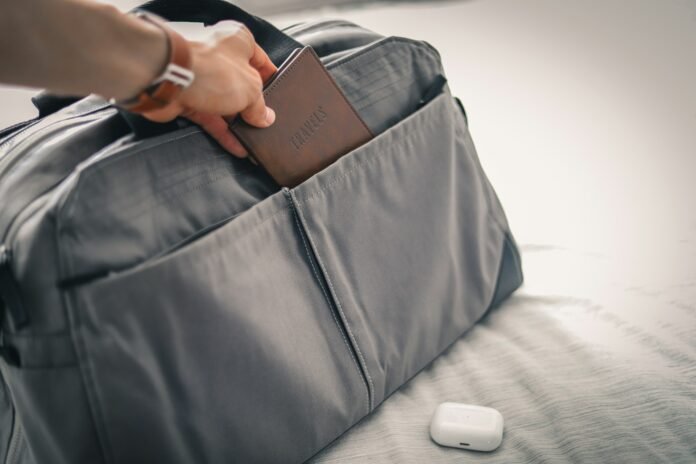
  5. Organizational Features: While duffle bags are known for their spacious interiors, many models also include additional compartments, pockets, and compression straps to help you stay organized. This is particularly useful on a safari, where quick access to essentials like cameras, binoculars, and travel documents is crucial.
  6. Aesthetics and Style: Finally, duffle bags come in a variety of colors and styles, allowing you to choose one that matches your personal taste. Whether you prefer a classic, understated look or something more vibrant and eye-catching, there’s a duffle bag to suit your preferences.

Top Recommendations for Safari Duffle Bags:

  • Patagonia Black Hole Duffel 60L: Known for its durability and water resistance, this bag is perfect for the rigors of safari travel. The 60L capacity is ideal for a week-long adventure.
  • North Face Base Camp Duffel 50L: Another excellent option, this duffel is rugged, weather-resistant, and comes with backpack straps for easy carrying.
  • Filson Medium Rugged Twill Duffle Bag: For those who prefer a touch of luxury, this bag combines style with functionality, offering a tough twill exterior and leather accents.

How to Pack for an African Safari

Packing for an African safari requires careful consideration of the environment, climate, and the activities you’ll be participating in. Here’s a step-by-step guide on how to pack efficiently:

1. Plan According to the Weather

African safaris often involve extreme weather conditions, ranging from hot, sunny days to cool, chilly mornings and evenings. Layering is key to staying comfortable throughout the day.

  • Base Layer: Start with moisture-wicking fabrics to keep sweat at bay. Lightweight, breathable t-shirts and long-sleeve shirts are ideal.
  • Mid Layer: Pack a fleece or lightweight jacket for cooler mornings and evenings.
  • Outer Layer: A waterproof and windproof jacket is essential for unexpected rain showers or windy conditions.

2. Consider the Safari Dress Code

While safaris are generally casual, there are some guidelines to keep in mind:

  • Neutral Colors: Opt for earth tones like khaki, olive, and beige to blend into the environment and avoid attracting insects. Bright colors can startle wildlife and should be avoided.
  • Comfortable Footwear: Bring sturdy, closed-toe shoes or hiking boots for walking safaris and camp activities. A pair of lightweight sandals or slip-ons is useful for downtime at the lodge.
  • Hats and Sunglasses: A wide-brimmed hat and UV-protective sunglasses are essential for shielding yourself from the sun.

3. Pack Essential Safari Gear

Certain items are must-haves for a successful safari experience:

  • Binoculars: High-quality binoculars are crucial for getting a closer look at distant wildlife.
  • Camera Gear: Bring a camera with a good zoom lens, extra batteries, and memory cards. A dry bag or waterproof case will protect your gear from dust and moisture.
  • Travel Adapter: Ensure you have the correct adapter for charging your electronics, as plug types vary across Africa.

4. Organize Your Belongings

To keep your duffle bag organized, use packing cubes or compression bags. These help separate clothing, gear, and toiletries, making it easier to find what you need.

  • Packing Cubes: Separate your clothing by type or outfit for easy access.
  • Toiletry Bag: Keep your toiletries in a waterproof, zippered bag to prevent leaks.
  • Document Organizer: Store passports, tickets, travel insurance, and other important documents in a dedicated pouch.

5. Balance Weight and Space

Given the weight restrictions on safari flights, prioritize lightweight and versatile items. Roll your clothing to save space and avoid wrinkles. Place heavier items at the bottom of your bag and lighter items on top.

What to Pack for an African Safari

Knowing what to pack for your safari is critical to ensure comfort, safety, and preparedness. Here’s a detailed checklist of the items you’ll need:

1. Clothing

  • T-Shirts and Long-Sleeve Shirts: Pack 3-4 lightweight, moisture-wicking t-shirts and 2-3 long-sleeve shirts for layering and sun protection.
  • Trousers and Shorts: 2-3 pairs of lightweight trousers and 2 pairs of shorts. Convertible pants (that can zip off into shorts) are a great space-saving option.
  • Fleece Jacket or Sweater: For warmth during early morning and evening game drives.
  • Waterproof Jacket: A compact, waterproof jacket to protect against rain and wind.
  • Underwear and Socks: 5-7 pairs of each, made from quick-drying, moisture-wicking fabrics.
  • Sleepwear: Lightweight pajamas for warm nights and something warmer for cooler evenings.
  • Swimwear: For pools at lodges or camps, and potentially for boat safaris.

2. Footwear

  • Hiking Boots or Sturdy Shoes: For walking safaris and general use.
  • Sandals or Slip-Ons: For relaxing at the lodge or camp.

3. Accessories

  • Wide-Brimmed Hat: To protect your face and neck from the sun.
  • Sunglasses: Polarized lenses with UV protection are ideal.
  • Buff or Scarf: Protects your neck from the sun and can be used to keep dust at bay.
  • Lightweight Gloves: Useful for early morning drives in cooler months.

4. Safari Gear

  • Binoculars: A good pair with a magnification of at least 8×42 is recommended.
  • Camera: With a zoom lens, extra batteries, and memory cards.
  • Flashlight or Headlamp: For navigating camps at night.
  • Field Guide: A wildlife identification book to enhance your safari experience.

5. Toiletries and Health Items

  • Sunscreen: SPF 30 or higher, with broad-spectrum protection.
  • Insect Repellent: With DEET to protect against mosquitoes and other insects.
  • Personal Medication: Bring enough for the duration of your trip, along with copies of prescriptions.
  • First Aid Kit: Include basics like band-aids, antiseptic wipes, and pain relievers.
  • Hand Sanitizer: Useful for quick cleanups on the go.
  • Wet Wipes: For freshening up during long game drives.

6. Travel Essentials

  • Travel Documents: Passport, visa (if required), travel insurance, flight tickets, and copies of important documents.
  • Money: Local currency, a credit card, and a small amount of U.S. dollars (widely accepted in many African countries).
  • Travel Journal and Pen: To document your experiences.
  • Reusable Water Bottle: To stay hydrated throughout the day.

7. Extras

  • Books or E-Reader: For downtime between game drives.
  • Snacks: Non-perishable snacks like nuts or energy bars for long days in the bush

8. Electronics

  • Power Bank: To keep your devices charged during long days out in the field.
  • Travel Adapter: Ensure it’s compatible with the plug types used in the countries you’ll be visiting.
  • Phone and Charger: Pre-loaded with essential apps like maps, translation, and weather.
  • Portable Speaker: A small, lightweight option for playing music during downtime (optional).
  • External Hard Drive or Cloud Storage: For backing up photos and videos.

What Not to Pack for an African Safari

While it’s important to be prepared, overpacking can be a burden, especially with the weight and space limitations that come with safari travel. Here’s a list of items you should leave at home:

1. Bulky Luggage

Avoid bringing hard-shell suitcases or large, unwieldy bags. They’re difficult to manage in small safari vehicles and may exceed the luggage weight limits imposed by charter flights.

2. Excessive Clothing

Less is more when it comes to safari packing. You won’t need a new outfit for every day. Instead, focus on versatile, quick-drying clothing that can be re-worn. Laundry services are often available at camps and lodges.

3. Valuables

Expensive jewelry, watches, or other valuable items should be left at home. The safari environment can be tough on delicate items, and you don’t want to risk losing something irreplaceable.

4. Bright or Camouflage Clothing

Bright colors can attract insects and disturb wildlife, while camouflage patterns are often associated with military personnel in many African countries, making them inappropriate for civilian wear. Stick to neutral, earth-toned clothing.

5. Non-Essential Gadgets

Laptops, tablets, and other non-essential electronics can be more of a hassle than a help. Not only do they add weight to your luggage, but they also may not be practical given the often limited electricity in remote safari camps. If you bring them, ensure they are packed securely and consider leaving them at your lodge during outings.

6. Heavy Books

While it’s tempting to bring reading material for downtime, consider opting for an e-reader or downloading books onto your phone instead of packing several heavy books. This will save space and weight.

7. High-Heeled Shoes or Formal Attire

There’s no need for formal clothing or dress shoes on safari. The environment is casual, and the focus is on comfort and practicality. Leave high heels and other formalwear at home.

8. Large Amounts of Cash

While it’s wise to carry some local currency and U.S. dollars, avoid bringing large amounts of cash. Credit cards are widely accepted in most tourist areas, and ATMs are available in major towns and cities. Safaris are typically all-inclusive, reducing the need for carrying extra cash.

9. Unnecessary Toiletries

Many camps and lodges provide basic toiletries, so there’s no need to pack full-size bottles of shampoo, conditioner, or soap. Opt for travel-sized containers or use what’s provided at your accommodation.

10. Heavy or Large Camera Gear

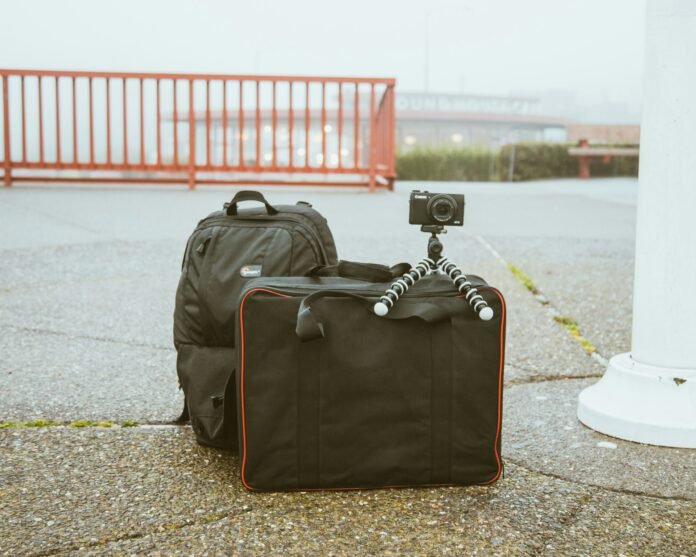
Unless you’re a professional photographer, there’s no need to bring an extensive array of camera equipment. A good DSLR or mirrorless camera with a versatile zoom lens should suffice. Consider the weight and bulkiness of additional lenses, tripods, and other accessories.

Frequently Asked Questions (FAQ) 

1. What is the best type of luggage for an African safari?

The best type of luggage for an African safari is a lightweight, soft-sided duffle bag. These bags are flexible, making them easy to stow in small spaces, and they are typically more durable and water-resistant than hard-shell suitcases. Look for a duffle bag with sturdy zippers, reinforced seams, and multiple carrying options.

2. How much luggage can I bring on a safari?

Most safari operators impose strict weight limits on luggage, especially for travelers flying on small charter planes. The typical allowance is between 15 to 20 kilograms (33 to 44 pounds), including both checked luggage and carry-on. It’s important to check with your specific operator before you pack to ensure you comply with their guidelines.

3. What clothing should I wear on an African safari?

Safari clothing should be comfortable, practical, and suited to the environment. Neutral-colored, lightweight, and moisture-wicking fabrics are ideal. Layering is key, as temperatures can vary significantly throughout the day. Bring a mix of t-shirts, long-sleeve shirts, lightweight trousers, and a warm jacket or fleece for cooler mornings and evenings. A wide-brimmed hat, sunglasses, and sturdy footwear are also essential.

4. Do I need any special gear for a safari?

Yes, there are a few essential items you should bring on a safari:

  • Binoculars: For spotting wildlife from a distance.
  • Camera: With a good zoom lens to capture photos of animals in their natural habitat.
  • Sunscreen and Insect Repellent: To protect against the sun and bugs.
  • Reusable Water Bottle: Staying hydrated is crucial in the often hot and dry conditions.

5. Can I do laundry while on safari?

Many safari lodges and camps offer laundry services, either complimentary or for a small fee. This means you can pack lighter and re-wear clothing throughout your trip. However, keep in mind that laundry services may be limited in more remote areas, and delicate items might not be suitable for the local washing methods.

6. Should I bring a first aid kit?

It’s a good idea to bring a basic first aid kit with essentials like band-aids, antiseptic wipes, pain relievers, and any personal medications. Most safari lodges are well-equipped to handle minor medical issues, but it’s always better to be prepared, especially in remote areas where access to medical facilities may be limited.

7. Is it safe to drink the water on safari?

In many parts of Africa, tap water is not safe to drink, so it’s best to stick to bottled or filtered water. Most lodges and camps provide safe drinking water, either in the form of bottled water or filtered water stations. Carry a reusable water bottle that you can refill throughout the day.

8. Do I need to tip on safari?

Tipping practices vary depending on the country and the specific lodge or camp. Generally, it’s customary to tip your safari guide and the lodge staff who serve you during your stay. Some lodges have a communal tip box, while others may prefer tips to be given directly to individuals. As a guideline, consider tipping your guide around $10-$20 per person per day and lodge staff $5-$10 per person per day.

9. What should I do with my valuables on safari?

Most safari lodges and camps provide safes where you can store valuables like passports, money, and electronics. It’s advisable to leave expensive jewelry and non-essential valuables at home. When traveling, keep your important documents and valuables in a secure, easy-to-access location, like a money belt or a zippered pocket in your bag.

10. Is there Wi-Fi on safari?

Many safari lodges and camps offer Wi-Fi, but the connection can be slow or intermittent, especially in remote areas. Don’t expect to be able to stream videos or download large files. Safari is a great opportunity to disconnect from technology and fully immerse yourself in the natural environment. If staying connected is important, consider bringing a portable Wi-Fi device or checking with your provider about international data plans.

11. What should I expect in terms of food and dining?

Most safari lodges and camps offer high-quality, all-inclusive dining experiences, often with a mix of local and international cuisine. Meals are typically served buffet-style or as set menus, with options for special dietary requirements. Expect to enjoy hearty breakfasts, light lunches, and multi-course dinners, often served in a communal dining area where you can share stories with fellow travelers.

12. How do I handle money and payments on safari?

While on safari, most expenses, including meals, drinks, and activities, are included in your package. However, you may need cash for tipping, souvenir shopping, or additional activities. U.S. dollars are widely accepted in many safari destinations, and credit cards can be used at most lodges. It’s a good idea to carry a small amount of local currency for incidentals. ATMs are available in larger towns, but may not be accessible in remote areas.

Conclusion

Packing for an African safari is all about striking the right balance between being prepared and traveling light. A lightweight duffle bag is your best option, offering the flexibility, durability, and capacity needed to handle the unique demands of safari travel. By carefully selecting what to bring—and what to leave behind—you’ll ensure that your luggage is manageable and that you’re well-equipped for every adventure.

What Not To Pack For Safari

0
A man Packing for a safari

Whether you’re heading to the plains of Kenya’s Masai Mara, the savannas of Tanzania’s Serengeti, or the lush Okavango Delta in Botswana, proper packing is essential to ensure a smooth and enjoyable journey. However, knowing what not to pack is just as important as knowing what to bring. The wrong items can cause inconvenience, draw unwanted attention, or even get you into legal trouble.

This article will guide you through the items that you should leave out of your safari luggage, focusing on various categories including baggage types, clothing choices, and electronic devices. By the end of this article, you’ll be better prepared to pack smartly and appropriately for your safari adventure, ensuring a seamless experience from start to finish.

1. Hard-Sided Suitcases or Luggage

One of the first things to reconsider when packing for a safari is the type of luggage you use. A hard-sided suitcase, while excellent for urban travel, is not suited for the rugged and sometimes unpredictable environments you’ll encounter on a safari.

The Downside of Hard-Sided Luggage

  1. Weight and Size Restrictions: Most safari planes have strict weight and size limitations. These small aircrafts often transport guests between different camps, and the baggage compartments are designed to accommodate soft, flexible bags rather than rigid, bulky ones. Hard-sided luggage can easily exceed these limitations, causing unnecessary complications and even additional fees.
  2. Inflexibility: Safari camps and lodges typically have limited storage space. Soft-sided duffel bags or backpacks can be squeezed into tight spaces and can handle being tossed around, unlike their hard-sided counterparts.
  3. Durability in Harsh Conditions: The rough terrain of a safari destination can be tough on luggage. Hard-sided cases, though sturdy, may not hold up well against the dirt roads, sand, and dust you’ll encounter, especially if they get scratched or dented.

The Better Alternative: Soft-Sided Duffel Bags

Soft-sided duffel bags or travel packs are much more appropriate for a safari. They are lightweight, flexible, and easy to stow away, making them ideal for small planes and safari vehicles. Look for options made of durable, water-resistant materials that can withstand the rigors of travel in the African bush.

2. Single-Use Plastic Bags

When packing for a safari, it’s crucial to be aware of the environmental regulations in the countries you’ll be visiting. Several East African nations, including Kenya, Tanzania, Rwanda, and Uganda, have implemented strict bans on single-use plastic bags. These bans are part of broader efforts to reduce plastic waste and protect the environment, particularly in areas rich in wildlife and natural beauty.

Why Single-Use Plastic Bags Are Banned

  1. Environmental Impact: Single-use plastic bags contribute significantly to pollution. They are often discarded improperly, leading to litter that can harm wildlife and degrade natural habitats. This is particularly problematic in areas where animals may mistake plastic for food, leading to ingestion that can cause serious health issues or death.
  2. Legal Repercussions: The bans are strictly enforced, and travelers found carrying single-use plastic bags, including duty-free shopping bags, could face fines or even imprisonment. Airport security may confiscate these items upon arrival, leading to inconvenience and delays.

What to Use Instead

  • Zip-Lock Bags: While single-use plastic bags are banned, zip-lock bags are generally permitted and can be a useful alternative. They’re excellent for organizing small items, protecting electronics from moisture, and keeping toiletries from leaking.
  • Reusable Shopping Bags: Consider packing a few lightweight, reusable shopping bags. These are not only eco-friendly but also practical for carrying items during your travels.

3. Camouflage or Military-Inspired Clothing

While it might seem like a good idea to wear camouflage clothing on safari, especially for blending in with your surroundings, this type of attire is actually not recommended—and in some cases, it’s outright prohibited.

Issues with Camouflage Clothing

  1. Legal Restrictions: In several Southern African countries, including Zimbabwe, wearing camouflage or military-inspired clothing is against the law. The reasoning behind this is to prevent civilians from being mistaken for military personnel or poachers, which could lead to misunderstandings or even dangerous situations.
  2. Unwanted Attention: Even in countries where it is not illegal, wearing camouflage can draw unnecessary attention from both authorities and locals. It’s best to avoid clothing that might make you stand out in a way that could be misinterpreted.
  3. Appropriate Safari Attire: Instead of camouflage, opt for neutral, earth-toned clothing such as khaki, brown, and green. These colors are perfect for blending into the natural environment and are less likely to attract insects like tsetse flies, which are drawn to dark colors.

4. Hair Dryers and High-Wattage Electronics

When planning your safari, it’s essential to understand the limitations of the camps and lodges you’ll be staying in, especially when it comes to electricity. Many safari camps operate on solar power or generators, and as such, they have limited electrical capacity. This can make it challenging to use high-wattage devices like hair dryers.

Challenges of Using Hair Dryers on Safari

  1. Limited Electrical Supply: Safari camps are often located in remote areas where power is a luxury. The electrical systems in these camps are usually designed to support basic needs such as lighting, charging devices, and operating small appliances. High-wattage devices like hair dryers can easily overload these systems, causing power outages or damage to equipment.
  2. Environmental Considerations: Using high-power appliances like hair dryers can go against the eco-friendly ethos of many safari camps, which strive to minimize their impact on the environment. Embracing a more natural look during your safari not only helps you conserve energy but also aligns with the spirit of the experience.

Alternatives and Solutions

  • Leave the Hair Dryer at Home: Consider leaving your hair dryer at home and embracing the natural elements of the safari. With the warm and often dry climate, your hair will dry quickly on its own.
  • Portable, Low-Wattage Devices: If you must bring an appliance, look for portable, low-wattage options designed for travel. However, even these may not be supported in all camps, so it’s best to confirm with your accommodation beforehand.

5. Drones

Drones are becoming increasingly popular among travelers for capturing stunning aerial footage. However, when it comes to safari, drones are generally prohibited, and bringing one along could lead to confiscation or fines.

Reasons Drones Are Not Allowed

  1. Disturbance to Wildlife: Drones can be extremely disruptive to animals. The noise and presence of a drone can cause stress or panic among wildlife, potentially leading to dangerous situations both for the animals and the humans nearby.
  2. Legal Restrictions: Many countries, including those in Africa, have strict regulations regarding drone usage. In most national parks and game reserves, drones are banned to protect wildlife and ensure the safety of all visitors. Some countries require permits to operate drones, and these permits can be difficult to obtain.
  3. Privacy Concerns: Drones can also infringe on the privacy of other guests, which is a significant concern in safari camps where tranquility and the experience of nature are paramount.

What to Use Instead

  • High-Quality Cameras: Instead of a drone, bring a high-quality camera with a good zoom lens. You’ll be able to capture close-up shots of wildlife without disturbing them or breaking any rules.
  • Binoculars: A good pair of binoculars is essential for spotting animals from a distance. Many lodges also provide guests with binoculars for game drives.

6. Unnecessary Gadgets and Electronics

In our tech-driven world, it’s easy to feel the need to bring a variety of gadgets and electronics on every trip. However, when going on safari, it’s wise to limit the number of electronic devices you pack.

Why Leave Unnecessary Gadgets Behind?

  1. Limited Charging Facilities: As mentioned earlier, safari camps often have limited power supply. With priority given to essentials like lighting and refrigeration, there may be little or no access to charging facilities for multiple devices. Additionally, the use of power strips or multiple chargers can strain the camp’s electrical system.
  2. Risk of Damage or Loss: The harsh conditions of the African bush, combined with the constant movement between camps, increase the risk of damage to delicate electronics. Dust, moisture, and bumpy rides can all take a toll on your gadgets. Moreover, there’s always the possibility of misplacing or losing items during travel.
  3. Immersion in Nature: Safari is about disconnecting from the hustle and bustle of everyday life and immersing yourself in the natural world. Constantly using electronic devices can detract from this experience, making it harder to fully appreciate the sights and sounds around you.

What to Bring Instead

  • Essential Electronics: Limit your electronics to essentials like a camera, smartphone, and maybe a small tablet or e-reader. A power bank can also be helpful for charging on the go.
  • Offline Maps and Guides: Download maps, guides, and reading material before you leave home so that you can access them offline, without relying on power or internet connections.

7. Excessive Toiletries and Beauty Products

When packing for a safari, it’s easy to overestimate the amount of toiletries and beauty products you’ll need. However, the simplicity of camp life means that you’ll likely require fewer items than you think.

The Problem with Overpacking Toiletries

  1. **Weight and Space Considerations**: Safari camps often recommend traveling light, and overpacking toiletries can quickly add unnecessary weight and bulk to your luggage. Most camps provide basic toiletries such as soap, shampoo, and conditioner, which reduces the need to bring full-sized versions of these products from home.
  1. Environmental Impact: Many camps are located in environmentally sensitive areas and follow strict guidelines to minimize their impact on the natural surroundings. The use of non-biodegradable products, especially in large quantities, can harm local ecosystems. This includes products with microbeads, aerosol sprays, or chemicals that may contaminate water sources.
  2. Customs Restrictions: Some countries have restrictions on bringing in certain items, particularly those containing alcohol or other regulated substances. Overpacking toiletries might mean carrying products that could be confiscated at customs, leading to unnecessary delays or fines.

What to Pack Instead

  • Travel-Sized Items: Opt for travel-sized versions of your essential toiletries. These are not only lighter and more compact but also more likely to meet carry-on regulations if you’re flying on small planes within the safari region.
  • Eco-Friendly Products: Consider packing eco-friendly toiletries that are biodegradable and free from harmful chemicals. Solid versions of shampoo, conditioner, and soap can also be a great space-saving and environmentally-friendly alternative.
  • Minimalist Approach: Simplify your beauty routine for the duration of your safari. With limited access to electricity and time spent outdoors, you’ll find that heavy makeup and elaborate hair care are unnecessary. Embrace a natural look and enjoy the freedom it brings.

8. Non-Essential Jewelry and Valuables

While it might be tempting to bring along your favorite jewelry or valuable items to look stylish or feel secure, these items are best left at home during a safari.

Risks of Bringing Valuables

  1. Theft or Loss: The more valuable items you bring, the greater the risk of them being lost or stolen. Safari camps, though generally safe, are not immune to theft. Additionally, the constant movement between lodges, vehicles, and planes increases the likelihood of misplacing small items like jewelry.
  2. Practicality and Necessity: On safari, the focus is on practicality. Expensive jewelry and other valuables have little use in the bush and can even be a hindrance. For example, wearing flashy items might attract unwanted attention or be uncomfortable during long game drives.
  3. Damage from Environmental Conditions: The harsh conditions of a safari—dust, sand, moisture—can damage delicate jewelry. Gold, silver, and precious stones might tarnish or scratch, leading to unnecessary wear and tear.

Alternative Approach

  • Minimal Accessories: If you must bring accessories, choose simple, inexpensive items that you wouldn’t mind losing. A basic watch, for example, can be more practical and less risky than a luxury timepiece.
  • Secure Storage: For any small valuables you do bring (like a camera or smartphone), ensure you have a secure, waterproof bag or case to protect them from the elements and keep them safe during travel.

9. Heavy Books or Multiple Reading Materials

For many travelers, a good book is a must-have item on any trip. However, when packing for a safari, it’s important to consider the weight and bulk of traditional books and the practicality of bringing multiple reading materials.

Downsides of Packing Heavy Books

  1. Weight: Books, particularly hardcovers, can add significant weight to your luggage. Given the strict weight restrictions on many safari flights, every ounce counts, and heavy books can quickly tip the scales.
  2. Space: Books take up valuable space in your bag, which could be used for more essential items like clothing, gear, or medical supplies. This is particularly important when you’re trying to pack efficiently for a trip with varied activities and weather conditions.
  3. Environmental Exposure: The dust and humidity of the African bush can be harsh on paper. Books might get dirty, damp, or damaged in the unpredictable conditions of a safari.

Better Alternatives

  • E-Readers: E-readers like a Kindle or Nook are perfect for safari travel. They are lightweight, can hold thousands of books, and often have long battery lives—ideal for trips with limited access to electricity. Just be sure to pack a waterproof case and a solar charger or power bank.
  • Pre-Downloaded Content: If you prefer reading on a tablet or phone, make sure to download all your books and magazines beforehand. This way, you won’t need to rely on internet connectivity during your safari.

10. Brightly Colored Clothing

While it might seem counterintuitive, brightly colored clothing is not recommended for safari. These colors can stand out in the natural environment and might affect your wildlife viewing experience.

Why Bright Colors Are a Bad Idea

  1. Visibility to Wildlife: Bright colors, such as red, yellow, or white, can be easily spotted by animals, which may cause them to avoid you or become agitated. The goal of a safari is to observe wildlife in their natural habitat without disturbing them, and wearing conspicuous colors can hinder this experience.
  2. Attraction of Insects: Some insects, particularly tsetse flies, are attracted to bright or dark colors, especially blue. These flies can deliver painful bites, and avoiding colors that attract them can make your experience more comfortable.
  3. Disruption of Group Unity: Safari guides often recommend wearing neutral, earthy tones that blend in with the environment. If you’re in a group, wearing similar colors can help the group appear as a single, non-threatening entity to the animals, enhancing your wildlife encounters.

What to Wear Instead

  • Earth Tones: Stick to colors like khaki, olive, tan, and brown, which help you blend into the surroundings and avoid drawing attention from both animals and insects.
  • Comfortable, Breathable Fabrics: Choose lightweight, breathable materials that will keep you cool and protected from the sun. Clothing with UV protection is also a good choice for the hot African sun.

11. High-Heeled Shoes or Inappropriate Footwear

The allure of dressing up for dinner at a luxury safari lodge might tempt some travelers to pack high-heeled shoes or dressy footwear. However, these items are not practical for a safari.

The Problem with Packing High Heels

  1. Unsuitable for Terrain: Safari terrain is rough, with dirt paths, uneven ground, and sometimes rocky trails. High heels or dress shoes are simply not suitable for these conditions and could lead to discomfort, injury, or damage to the shoes.
  2. Space and Weight: Packing bulky or heavy footwear that you’re unlikely to wear more than once is not an efficient use of your limited luggage space. Instead, prioritize versatile, comfortable shoes that can handle various activities.
  3. Practicality: Safari is all about practicality, and your footwear should reflect that. The focus should be on comfort, durability, and protection from the elements and insects.

Better Footwear Choices

  • Sturdy Walking Shoes or Hiking Boots: These are essential for game walks and any activities that involve trekking through the bush. Look for shoes with good grip, ankle support, and that are well broken in to avoid blisters.
  • Lightweight Sneakers: A pair of lightweight, breathable sneakers is perfect for general wear around the camp or during travel days.
  • Sandals: Comfortable, durable sandals are ideal for relaxing at the lodge or during hotter parts of the day. Choose options with closed toes if you’re worried about insects or thorns.

12. Perfumes and Strongly Scented Products

While it might be second nature to pack your favorite perfume or cologne for a trip, it’s best to leave these items at home when heading out on safari.

Why You Should Skip Perfume

  1. Attraction of Insects: Strong scents can attract a variety of insects, including mosquitoes and bees. Given that some of these insects carry diseases like malaria, it’s better to avoid anything that might draw them to you.
  2. Impact on Wildlife: Animals have an acute sense of smell, and strong, unfamiliar scents can disturb them. This can alter their natural behavior, making them more cautious or aggressive, which could diminish the quality of your wildlife encounters.
  3. Overpowering in Close Quarters: Safari vehicles and small planes mean spending extended periods in close quarters with other travelers. Strong scents can be overwhelming in these settings, particularly in the hot climate, where smells tend to intensify.

Alternatives to Consider

  • Unscented or Mildly Scented Products: Opt for unscented or very lightly scented toiletries to minimize your scent profile in the bush. Many brands offer fragrance-free versions of deodorant, lotion, and sunscreen, which are ideal for safari.
  • Natural Bug Repellent: Instead of perfume, bring a natural, plant-based insect repellent that is effective without being overpowering. Some repellents even have a neutral or pleasant scent, making them a practical choice for safari.

Packing for a safari requires careful consideration of the unique challenges and conditions you’ll face in the African wilderness. By leaving out items like hard-sided luggage, single-use plastic bags, and camouflage clothing, you can ensure that you’re both prepared and compliant with local regulations. Likewise, understanding the limitations of your safari camp—whether it’s power restrictions or the prohibition of drones—will help you pack efficiently and avoid unnecessary hassles.

Ultimately, the goal of a safari is to immerse yourself in nature, observing wildlife in its natural habitat with minimal impact. By packing thoughtfully and leaving behind unnecessary items, you’ll not only enhance your own experience but also contribute to the preservation of these incredible environments. So, as you prepare for your adventure, remember: less is often more when it comes to a successful safari packing list.

Is Tsavo better than Masai Mara?

0
Sunrise on safari

Kenya is home to some of Africa’s most iconic wildlife reserves, with the Masai Mara and Tsavo National Parks standing out as two of the most famous. We will be looking at the question, Is Tsavo better than Masai Mara? Both parks offer extraordinary safari experiences, but they cater to different kinds of travelers, each with its own unique appeal. In this article, we will explore whether Tsavo is better than Masai Mara by comparing them based on animal abundance, activities available, crowd management, topography, and history. Ultimately, the answer will depend on what kind of safari experience you’re seeking.

Tsavo Safari

Kenya Wildlife & Beach Safari

A 11 day Kenya safari that takes you to the major wildlife parks including Masai Mara, Tsavo amboseli and Lake Nakuru National parks there after to Mombasa for a beach holiday experience.

1. Overview of Masai Mara

The Masai Mara National Reserve is undoubtedly one of the most celebrated wildlife destinations in the world. Known for its vast savannahs and an astonishing diversity of wildlife, the Mara is the quintessential African safari destination. Covering approximately 1,510 square kilometers, it is smaller than Tsavo but packs a punch in terms of wildlife density and the variety of experiences it offers.

1.1. Abundance of Wildlife

The Masai Mara is synonymous with the Great Migration, one of the most spectacular wildlife events on Earth. Each year, from July to October, over 1.5 million wildebeest, accompanied by hundreds of thousands of zebras and gazelles, migrate from the Serengeti in Tanzania to the Masai Mara in search of greener pastures. This event attracts predators, including lions, cheetahs, and hyenas, creating unparalleled opportunities for wildlife viewing.

Even outside the migration period, the Mara is teeming with wildlife. The Big Five (lion, elephant, buffalo, leopard, and rhinoceros) are relatively easy to spot, and the open landscapes make game viewing relatively straightforward. The reserve is also home to over 450 bird species, making it a birdwatcher’s paradise.

1.2. Activities in Masai Mara

The Masai Mara offers a plethora of activities that cater to different interests:

  • Game Drives: Morning and evening game drives are the most popular activities, allowing visitors to see the Mara’s rich wildlife.
  • Hot Air Balloon Safaris: Floating over the Mara at dawn offers a unique perspective of the vast plains and the animals below. It’s an unforgettable experience that often ends with a champagne breakfast in the bush.
  • Guided Nature Walks: Some areas around the Mara offer guided walks where you can learn about the smaller creatures, plants, and the ecosystem as a whole.
  • Cultural Visits: Visits to local Maasai villages provide insight into the traditional lifestyle of the Maasai people, their customs, and their role in conserving the Mara.
  • Horseback Safaris: In some private concessions, you can explore the Mara on horseback, allowing you to get closer to the wildlife in a way that’s not possible by vehicle.
  • Night Game Drives: In certain conservancies bordering the Mara, night game drives are available, offering a chance to see nocturnal animals like leopards and hyenas.
1.3. Crowds and Environmental Impact

One of the downsides of the Masai Mara, particularly during the peak migration season, is the crowding. The spectacle of the Great Migration draws thousands of tourists, leading to traffic jams of safari vehicles, especially around river crossings where the herds of wildebeest and zebras brave crocodile-infested waters.

While the tourism revenue is vital for conservation, the high number of vehicles can disrupt the animals and degrade the environment. The noise, pollution, and physical presence of so many vehicles can negatively impact wildlife behavior and the delicate ecosystems they rely on.

The good news is that staying in private conservancies around the Mara can offer a more exclusive experience with fewer crowds. These conservancies are typically less crowded, and the tourism revenue generated here directly benefits local communities, which in turn helps in wildlife conservation.

2. Overview of Tsavo National Park

Tsavo National Park is one of Kenya’s oldest and largest parks, covering approximately 22,000 square kilometers. It is divided into two sections: Tsavo East and Tsavo West. Despite its size and richness in wildlife, Tsavo remains less visited than the Masai Mara, offering a more remote and wild safari experience.

2.1. Tsavo East vs. Tsavo West
  • Tsavo East: The larger of the two sections, Tsavo East is characterized by vast arid plains, red earth, and the meandering Galana River. The park is famous for its large herds of elephants, often covered in red dust from the soil. The flat landscape makes it harder to spot wildlife compared to Tsavo West, but the park’s size means you can drive for hours without encountering another vehicle.
  • Tsavo West: Tsavo West is more popular for wildlife viewing due to its diverse landscapes, which include volcanic hills, swamps, natural springs, and dense acacia woodlands. The Ngulia Rhino Sanctuary, Mzima Springs, and Shetani Lava Flow are some of the key attractions. Mzima Springs, in particular, is a highlight, offering underwater viewing of hippos and crocodiles. Tsavo West also has a higher concentration of wildlife in certain areas, making it easier to spot animals compared to Tsavo East.
2.2. Wildlife in Tsavo

Tsavo is home to the Big Five, but spotting them can be more challenging than in the Masai Mara due to the park’s size and denser vegetation. However, this makes every sighting even more rewarding. Tsavo is particularly renowned for its elephants, often referred to as the “Red Elephants of Tsavo” due to their red-colored dusting.

The park is also home to a variety of other wildlife, including giraffes, zebras, buffaloes, and predators like lions and leopards. The birdlife is also impressive, with over 500 species recorded in the park.

2.3. Activities in Tsavo

While Tsavo may not offer the same range of activities as the Masai Mara, it provides a more rugged and authentic wilderness experience:

  • Game Drives: Like in the Mara, game drives are the primary way to explore Tsavo. The vastness of the park means you can often go hours without seeing another vehicle, providing a true sense of isolation and wilderness.
  • Nature Walks: Guided walks, especially around lodges and camps, offer insights into the flora and smaller fauna of the park.
  • Mzima Springs Visit: Mzima Springs is a series of natural springs that attract a wide variety of animals. There is a viewing chamber where you can see hippos and fish underwater, making it a unique experience in Tsavo West.
  • Lava Flows and Volcanic Landscapes: Tsavo West is dotted with volcanic cones and lava flows, with Shetani Lava Flow being one of the most famous. It’s a fascinating area to explore, offering insights into the geological history of the region.
  • Bird Watching: With its diverse habitats, Tsavo is excellent for bird watching. The mix of arid and lush areas attracts a wide range of species.
2.4. Crowds and Management

Tsavo, due to its size and relative remoteness, experiences far fewer tourists compared to the Masai Mara. This makes it an excellent choice for those seeking solitude and an unspoiled wilderness experience. The lack of crowds also means less environmental degradation and disturbance to wildlife.

Managing such a vast park comes with challenges, but the division into East and West makes it more manageable. Each section has its own unique attractions, which helps distribute tourism more evenly across the park.

3. Topography and Vegetation: Tsavo vs. Amboseli

The topography and vegetation of Tsavo contrast sharply with those of Amboseli National Park, another popular Kenyan park located relatively close to Tsavo.

3.1. Tsavo

Tsavo’s landscape is diverse, ranging from the flat, arid plains of Tsavo East to the volcanic hills, dense woodlands, and riverine vegetation of Tsavo West. The red soil, characteristic of the region, adds to the distinctiveness of the landscape. The Galana River in Tsavo East and the Mzima Springs in Tsavo West provide crucial water sources in this otherwise dry environment, attracting a wide range of wildlife.

3.2. Amboseli

In contrast, Amboseli is dominated by open plains and swamps fed by underground water from Mount Kilimanjaro. The park is much smaller than Tsavo and is famous for its large elephant herds and stunning views of Kilimanjaro. The swamps attract a high concentration of wildlife, making it one of the best places in Africa for up-close wildlife encounters, especially elephants.

The vegetation in Amboseli is sparse, with open grasslands dominating the landscape, making wildlife easier to spot. This is different from Tsavo, where denser vegetation in some areas can make animal sightings more challenging.

4. The History of the Man-Eaters of Tsavo

One of the most fascinating chapters in the history of Tsavo is the story of the Man-Eaters of Tsavo. In 1898, during the construction of the Kenya-Uganda Railway, two maneless male lions terrorized the construction crews. Over several months, these lions killed and ate numerous workers, halting the construction of the railway.

The lions, which became known as the Man-Eaters of Tsavo, were eventually killed by Lt. Col. John Henry Patterson. The exact number of people killed by the lions is disputed, with estimates ranging from 35 to over 135. The incident remains one of the most notorious in the history of human-wildlife conflict.

The skulls and skins of the lions are now on display at the Field Museum in Chicago, where they continue to captivate visitors with their terrifying legacy. The Man-Eaters of Tsavo have also been the subject of numerous books, documentaries, and even a Hollywood movie, The Ghost and the Darkness. The story of these lions adds a layer of intrigue and mystery to Tsavo, contributing to the park’s allure for those interested in history as much as wildlife.

5. Comparing the Overall Experience: Is Tsavo better than Masai Mara?

When deciding whether Tsavo or Masai Mara is the better destination, it largely depends on what kind of safari experience you are looking for. Both parks offer unique and memorable experiences, but they cater to different preferences.

5.1. Wildlife Viewing
  • Masai Mara: If your primary goal is to see a large variety of animals, particularly during the Great Migration, the Masai Mara is hard to beat. The density of wildlife, the ease of spotting animals, and the spectacular migration make the Mara a top choice for first-time safari-goers and wildlife photographers.
  • Tsavo: Tsavo offers a more challenging but rewarding experience. The wildlife is more spread out, and the landscape is more rugged, which can make sightings more elusive. However, the sense of solitude and the wild, untamed nature of the park provide a different kind of thrill. It’s ideal for those who want to feel like they are truly in the wilderness, far from the crowds and the beaten path.
5.2. Activities and Experiences
  • Masai Mara: The range of activities in the Masai Mara is extensive, from game drives to hot air balloon rides, cultural visits, and even horseback safaris. The private conservancies around the Mara offer additional experiences like night game drives and walking safaris, making it a versatile destination for all types of travelers.
  • Tsavo: Tsavo is more focused on the traditional safari experience, with game drives being the main activity. However, the park’s sheer size and diversity of landscapes—from the dry plains to volcanic hills—make every drive an adventure. The Mzima Springs and volcanic sites in Tsavo West provide unique experiences not found in the Mara.
5.3. Crowds and Accessibility
  • Masai Mara: The Masai Mara’s popularity is both a blessing and a curse. While it offers some of the best wildlife viewing in Africa, this also means it can get crowded, especially during the peak migration season. The higher concentration of tourists can detract from the feeling of being in the wild and can have negative impacts on the environment.
  • Tsavo: In contrast, Tsavo’s remote location and vast size mean that you are unlikely to encounter many other vehicles, even during peak seasons. This solitude enhances the experience of being in a true wilderness and makes Tsavo an excellent choice for those who want to escape the crowds and enjoy a more tranquil safari.
5.4. Conservation and Environmental Impact
  • Masai Mara: The high levels of tourism in the Masai Mara have raised concerns about the long-term sustainability of the ecosystem. The impact of so many vehicles on the environment, particularly during the migration, has led to increased efforts to promote responsible tourism and conservation. Staying in eco-friendly lodges and visiting during the off-peak season are ways to reduce your impact.
  • Tsavo: Tsavo’s lower visitor numbers mean that it faces fewer immediate environmental pressures compared to the Mara. However, the park’s vast size presents challenges for anti-poaching efforts and wildlife management. Supporting conservation initiatives in Tsavo, such as those aimed at protecting its famous elephant herds, is crucial for the park’s future.

6. Which Park Should You Choose?

Choosing between Tsavo and Masai Mara ultimately comes down to personal preference and what you want out of your safari experience.

  • Choose Masai Mara if:
    • You want to witness the Great Migration.
    • You prefer a high density of wildlife and easy sightings.
    • You enjoy a variety of activities, from hot air ballooning to cultural visits.
    • You don’t mind sharing the experience with other tourists.
    • You are on a shorter trip and want to maximize your chances of seeing the Big Five.
  • Choose Tsavo if:
    • You seek solitude and a less crowded experience.
    • You are drawn to rugged, diverse landscapes and the challenge of spotting wildlife in a wilder setting.
    • You are interested in the history of the Man-Eaters of Tsavo.
    • You prefer a longer, more adventurous safari that involves exploration and discovery.
    • You want to experience the contrast between the arid plains and lush springs in one of Kenya’s largest national parks.

7. Combining Tsavo and Masai Mara

For those who have the time and the inclination, combining a visit to both Tsavo and Masai Mara can offer the best of both worlds. This way, you can experience the high-density wildlife and diverse activities of the Mara, followed by the solitude and raw wilderness of Tsavo. Many safari operators offer customized itineraries that include both parks, often with additional stops in other key areas like Amboseli or Nairobi National Park.

8. Practical Considerations

  • Accessibility: The Masai Mara is more accessible from Nairobi, with daily flights and a relatively short drive. Tsavo is farther away, with access typically via a longer drive or a flight to one of the park’s airstrips.
  • Accommodation: Both parks offer a range of accommodation options, from luxury lodges to budget campsites. However, the Mara’s popularity means it has more options, including high-end lodges with all-inclusive packages. Tsavo’s accommodation tends to be more spaced out, in keeping with the park’s vastness.
  • Best Time to Visit: The best time to visit the Masai Mara is during the Great Migration (July to October), though wildlife is abundant year-round. Tsavo is good to visit throughout the year, with wildlife congregating around water sources during the dry season (June to October).

In conclusion, the Masai Mara excels in providing an intense wildlife experience with a variety of activities and the chance to witness the Great Migration, but this comes at the cost of crowds and a more commercialized atmosphere. Tsavo, on the other hand, offers a more remote and authentic wilderness experience, with vast landscapes, fewer tourists, and unique historical significance.

Ultimately, both parks are extraordinary in their own right, and the choice between them should be guided by what you want to get out of your safari. Whether you choose the action-packed Masai Mara or the tranquil, untamed Tsavo, you’re sure to have an unforgettable adventure in one of the world’s greatest wildlife destinations. For those with the time and resources, experiencing both parks will provide a rich and diverse understanding of Kenya’s unparalleled natural beauty.

Which Park Has The Most Wildlife?

Masai Mara generally offers more dense and visible wildlife concentrations, especially big cats and the Big Five. It’s particularly famous for the Great Migration (July–October).
Tsavo is larger and wilder, with plenty of elephants, lions, and buffalo, but the animals are often more spread out and harder to spot.

Is Tsavo National Park less crowded than Masai Mara?

Yes, Tsavo tends to be less crowded, especially outside the main lodges. It’s ideal for travelers seeking a more remote and rugged experience.
Masai Mara, due to its fame, can be quite busy during peak season.

Which is better for first-time safari-goers?

Masai Mara is usually recommended for first-timers due to its guaranteed wildlife sightings, open savannahs, and iconic safari landscapes.
Tsavo might appeal more to repeat safari-goers or those seeking something off the beaten path.

Are there differences in landscapes between the two?

Yes.
Masai Mara: Rolling savannahs, acacia trees, riverine forests.
Tsavo: Diverse terrain including red-earth plains, volcanic hills, and lava flows. Tsavo East is drier and flatter; Tsavo West is more lush and dramatic with hills and springs.

Is Tsavo better for elephant sightings?

Yes. Tsavo is famous for its “red elephants”, which dust themselves in the park’s red soil. It has one of the largest elephant populations in Kenya.

How do the safari experiences differ?

Masai Mara: High wildlife density, luxury lodges, cultural visits with the Maasai people.
Tsavo: A more authentic, wild safari with fewer vehicles, more walking safaris (especially in Tsavo West), and rugged charm.

Which park is more accessible?

Masai Mara: Easily accessible from Nairobi by road or short flight (~45 mins).
Tsavo: Split into Tsavo East and West, both reachable by road or train (SGR) from Nairobi or Mombasa.

Which is better for combining with a beach holiday?

Tsavo, due to its proximity to Mombasa and the Kenyan coast, is ideal for combining safari and beach. You can even take the SGR train from Tsavo to the coast in a few hours.

Is Tsavo cheaper than Masai Mara?

Generally yes. Tsavo safaris can be more affordable, especially with road travel and mid-range lodges. Masai Mara, with its premium camps and fly-in safaris, can be more expensive.

Can I visit both in one trip?

Absolutely. Many travelers combine Masai Mara and Tsavo in a longer Kenya itinerary to experience both the iconic and the wild sides of safari.

What To Pack For Tsavo National Park Safari

Elephants In Tsavo National Park

Embarking on a safari in Tsavo National Park, Kenya, is a dream for many travelers. With its vast savannah, majestic wildlife, and breathtaking landscapes, Tsavo offers a unique safari experience. However, to fully enjoy this adventure, packing wisely is essential. This comprehensive guide will help you prepare by covering what to pack, how to dress, and what to leave behind, ensuring you’re ready for any scenario—whether it’s an early morning game drive or a rainy season trek.

1. Understanding Tsavo National Park

Overview of the Park

Tsavo National Park, located in southeastern Kenya, is one of the oldest and largest national parks in the country, covering over 21,000 square kilometers. The park is divided into two sections: Tsavo East and Tsavo West. Each side offers unique experiences, from the red-dusted plains of Tsavo East to the dramatic landscapes and abundant wildlife of Tsavo West.

Key Activities and Experiences

Tsavo is renowned for its wildlife, including the famous “red elephants,” lions, leopards, and over 500 species of birds. Visitors can enjoy game drives, guided walks, bird watching, and even night safaris. Key attractions include the Yatta Plateau, Mzima Springs, and the Lava Flows of Tsavo West.

Climate and Seasonal Considerations

Tsavo experiences a tropical climate with two primary seasons: the dry season (June to October) and the rainy season (March to May and November to December). Temperatures can range from cool mornings to hot afternoons, with average temperatures between 20°C and 30°C (68°F to 86°F). Knowing the climate will help you pack appropriately for the conditions.

2. Clothing Essentials

Dressing for Morning Game Drives

Morning game drives typically start early, often before sunrise, when the air is crisp and cool. It’s crucial to dress in layers to accommodate the fluctuating temperatures throughout the day.

  • Base Layer: Opt for a lightweight, moisture-wicking shirt. Merino wool or synthetic fabrics are great choices as they keep you warm without overheating.
  • Middle Layer: A fleece or insulated jacket will provide warmth during those chilly mornings.
  • Outer Layer: A windproof and waterproof jacket is essential, especially if you’re visiting during the rainy season.
  • Pants: Comfortable, breathable pants are ideal. Convertible pants that zip off into shorts can be handy for warmer afternoons.
  • Accessories: A warm hat and gloves can make a significant difference during cold mornings.

Seasonal Dressing: Dry vs. Rainy Season

  • Dry Season (June to October): During the dry season, the days are hot, and the nights can be cold. Light, breathable fabrics are ideal for daytime, while warm layers are needed for evenings and mornings.
  • Rainy Season (March to May, November to December): Expect cooler temperatures and wet conditions. Waterproof clothing, including a rain jacket and waterproof pants, is a must. Quick-drying fabrics are recommended.

Clothing Tips for Men, Women, and Children

  • Men: Opt for neutral-colored clothing like khaki, brown, or olive green, which blends in with the environment and doesn’t attract insects. Long-sleeved shirts and pants protect against the sun and bugs. A wide-brimmed hat offers additional sun protection.
  • Women: Similar to men, women should choose neutral-colored, lightweight, and breathable clothing. Consider packing a scarf or shawl, which can double as a head covering or extra layer.
  • Children: For children, pack comfortable, durable clothing. Layers are key for adapting to changing temperatures. Ensure they have a hat for sun protection and a lightweight jacket for cooler moments.

3. Footwear and Accessories

The Best Shoes for Safari

Footwear is one of the most critical aspects of your safari wardrobe. You’ll need shoes that are comfortable, durable, and suitable for various terrains.

  • Hiking Boots: Sturdy, well-fitting hiking boots are perfect for walks and treks. Choose waterproof options with good ankle support.
  • Safari Shoes: Lightweight, breathable shoes are ideal for game drives and casual wear around the lodge. Look for shoes with a good grip for safety on uneven terrain.
  • Sandals: Comfortable sandals can be useful for relaxing around the camp during downtime, especially in the evenings.

Essential Accessories for Sun Protection and Comfort

  • Hat: A wide-brimmed hat is essential to protect against the sun. Look for one with a chin strap to keep it secure during windy game drives.
  • Sunglasses: Polarized sunglasses with UV protection will shield your eyes from the harsh African sun.
  • Bandana/Scarf: A bandana or scarf can protect your face from dust and sun.
  • Gloves: During colder months, gloves are necessary for those early morning drives.

4. Travel Gear and Gadgets

Must-Have Safari Gear

  • Daypack: A small, comfortable daypack is useful for carrying your essentials during game drives, such as your camera, water bottle, and extra layers.
  • Packing Cubes: These are great for organizing your clothes and making it easier to find items in your suitcase.
  • Dry Bag: A dry bag will protect your electronics and documents from water damage during the rainy season.
  • Portable Charger: Ensure your devices stay charged with a portable power bank. Solar chargers are also a good eco-friendly option.

Electronics and Photography Equipment

  • Camera: A good-quality camera with a zoom lens is essential for capturing the incredible wildlife. Consider a lens with at least 200-300mm range.
  • Binoculars: These are vital for spotting distant animals. A compact pair with a magnification of 8x or 10x is ideal for safari.
  • Flashlight/Headlamp: A flashlight or headlamp is handy for navigating in the dark, especially in camps without much lighting.

5. Toiletries and Health Essentials

Basic Toiletries

  • Biodegradable Soap/Shampoo: Opt for eco-friendly products to minimize your impact on the environment.
  • Wet Wipes: These are handy for quick refreshes when you don’t have access to water.
  • Toothbrush and Toothpaste: A travel-sized toothbrush and toothpaste are sufficient.

Medications and Health Precautions

  • Prescription Medications: Ensure you have enough of your prescribed medications for the entire trip, along with copies of your prescriptions.
  • Malaria Prophylaxis: Tsavo is a malaria zone, so consult with your doctor about taking antimalarial medication.
  • First Aid Kit: Pack a basic first aid kit with band-aids, antiseptic wipes, pain relievers, and any other essentials.
  • Insect Repellent: A strong insect repellent with DEET is crucial to protect against mosquitoes and other insects.

Sun Protection and Insect Repellents

  • Sunscreen: High SPF sunscreen is a must, even during cooler months. Reapply regularly throughout the day.
  • Lip Balm with SPF: Protect your lips from the sun with a lip balm that has SPF.
  • After Sun Lotion: Aloe vera gel or after-sun lotion can be soothing after a day in the sun.

6. Safari-Specific Packing: Binoculars, Cameras, and More

Photography Equipment

Photography is a big part of the safari experience. Alongside your camera and lenses, don’t forget the following:

  • Extra Memory Cards: Safari trips offer countless photo opportunities, so pack additional memory cards.
  • Camera Bag: A padded, waterproof camera bag will protect your equipment from the elements.
  • Lens Cleaning Kit: Dust is inevitable on safari, so a lens cleaning kit is essential.

Binoculars and Guides

  • Binoculars: As mentioned earlier, binoculars are key for spotting wildlife. Ensure they are lightweight and have a comfortable strap.
  • Field Guide: A field guidebook specific to East African wildlife will enhance your experience by helping you identify the animals and birds you encounter.

Daypacks and Organizers

  • Daypack: Choose a comfortable, lightweight daypack to carry your essentials. Look for one with multiple compartments for easy organization.
  • Packing Organizers: Use packing cubes or zip-lock bags to organize smaller items like toiletries, chargers, and snacks.

7. What Not to Pack

When packing for a safari, it’s essential to prioritize lightweight and functional items, leaving behind anything unnecessary or impractical. Here’s a list of items you should avoid packing:

Heavy and Bulky Luggage

  • Hard-Sided Suitcases: Safari vehicles have limited space, and hard-sided suitcases can be cumbersome. Opt for soft-sided, duffel bags that are easier to pack into vehicles.
  • Excessive Luggage: Stick to the essentials. Most safari lodges and camps have laundry services, so you can wash clothes instead of packing too many outfits.

Flashy or Bright-Colored Clothing

  • Bright Colors: Avoid packing brightly colored clothing, such as red, yellow, or orange, as these can attract insects and may even disturb the wildlife. Stick to neutral tones like khaki, olive, brown, or beige.
  • Camouflage Clothing: In some African countries, wearing camouflage is restricted to military personnel. To avoid any confusion or legal issues, it’s best to leave camouflage gear at home.

Non-Essential Gadgets and Valuables

  • Jewelry and Valuables: Leave expensive jewelry and valuables at home. Not only are they unnecessary on a safari, but they also increase the risk of loss or theft.
  • Multiple Electronics: You don’t need to bring every gadget you own. Stick to essentials like your camera, smartphone, and possibly a tablet or e-reader. Leave unnecessary electronics behind to minimize the risk of damage or loss.

High-Heeled Shoes and Dressy Outfits

  • High Heels: Safari is all about comfort and practicality. High heels are impractical and won’t be used on rough terrains. Opt for comfortable, sturdy shoes instead.
  • Formal Clothing: Unless you have a specific formal event planned, there’s no need to pack dressy outfits. Safari lodges typically have a casual dress code.

Food Items

  • Perishable Foods: Bringing perishable food items is not recommended, as they can attract wildlife and spoil in the heat. Most lodges provide ample meals and snacks, so there’s no need to pack additional food.
  • Alcohol: While some may enjoy a drink at the end of a long day, it’s better to purchase alcohol locally rather than bringing it with you, due to airline regulations and the risk of breakage.

Too Many Books or Magazines

  • Heavy Reading Material: Books can add unnecessary weight to your luggage. If you enjoy reading, consider downloading e-books on a Kindle or another e-reader.

8. Packing FAQs

How much luggage is allowed on safari?

Most safari operators recommend packing light, as space in safari vehicles is limited. Typically, the luggage allowance is 15-20 kg (33-44 lbs) per person, including hand luggage. It’s also important to use soft-sided bags rather than hard-shell suitcases to make packing in vehicles easier.

Can I bring snacks or food?

While it’s generally not necessary to bring your own snacks—since most lodges provide them—if you have specific dietary needs or preferences, it’s advisable to bring non-perishable snacks like nuts, energy bars, or dried fruit. Always ensure they are sealed properly to avoid attracting animals.

What should I pack for children?

When packing for children, prioritize comfort and protection from the elements. Here are some key items:

  • Comfortable Clothing: Layered outfits for varying temperatures.
  • Sun Protection: A wide-brimmed hat, sunglasses, and sunscreen.
  • Insect Repellent: Child-safe repellent to protect against mosquitoes.
  • Entertainment: Small toys, books, or games for downtime.
  • Comfort Items: A favorite blanket or stuffed toy for familiarity in an unfamiliar environment.

9. Packing Tips and Tricks

Packing for a safari can be challenging, especially if you’re trying to keep your luggage light while ensuring you have everything you need. Here are some practical tips and tricks to help you pack efficiently:

Using Packing Cubes and Organizers

Packing cubes are a game-changer for organizing your luggage. They help you categorize your items—such as tops, bottoms, underwear, and accessories—making it easier to find what you need without unpacking everything.

  • Color-Code or Label: Use different colored packing cubes or label them to identify the contents quickly.
  • Compression Cubes: These can also help reduce the volume of your clothing, allowing you to pack more efficiently.

Rolling Clothes vs. Folding

  • Rolling Clothes: Rolling clothes rather than folding them can save space and minimize wrinkles. This method is especially useful for items like t-shirts, pants, and lightweight jackets.
  • Flat Packing: For bulkier items like fleece jackets or sweaters, folding them flat may be more space-efficient.

Tips for Packing Light but Smart

  • Mix and Match: Choose clothing items that can be mixed and matched to create different outfits with minimal pieces. Stick to neutral colors that can be easily paired.
  • Versatile Clothing: Pack versatile items like convertible pants, which can be zipped off into shorts, or a shawl that can be used as a scarf, blanket, or head cover.
  • Limit Footwear: Bring one pair of sturdy walking shoes, a pair of sandals, and if necessary, lightweight shoes for the evenings.

Waterproofing Your Luggage

If you’re traveling during the rainy season, waterproofing your luggage is essential:

  • Rain Covers: Use rain covers for your backpack and daypack.
  • Dry Bags: Store your electronics, important documents, and other valuables in dry bags inside your luggage.
  • Plastic Bags: Pack your clothes in large zip-lock bags or use plastic bags within your luggage to keep them dry.

Prepare a Safari Daypack

Your daypack is an essential part of your safari gear, as it will hold everything you need during your daily excursions. Here’s what you should include:

  • Camera and Binoculars: Ensure they’re easily accessible for those spontaneous wildlife sightings.
  • Water Bottle: Staying hydrated is crucial, especially in the African heat.
  • Sunscreen and Insect Repellent: Reapply these throughout the day.
  • Snacks: If you’re prone to hunger between meals, pack a few non-perishable snacks.
  • Field Guide: A small guidebook can help you identify animals and birds you encounter.
  • Jacket or Sweater: Mornings can be cool, so bring a light jacket or sweater.
  • Notebook and Pen: If you enjoy journaling or noting down the wildlife you see, keep a small notebook and pen handy.

Packing for a safari in Tsavo National Park requires careful consideration of the climate, activities, and practicalities of traveling in the African wilderness. By focusing on versatile, comfortable clothing, essential gear, and leaving behind unnecessary items, you’ll be well-prepared for the adventure of a lifetime.

Remember, the key to a successful safari experience is to pack light, stay flexible, and prioritize your comfort and safety. 

What To Pack For Tanzania

Luggage of an African safari traveler

Tanzania is a land of awe-inspiring landscapes, teeming wildlife, and vibrant cultures. Whether you’re heading to the iconic Serengeti for a safari, scaling the heights of Mount Kilimanjaro, or exploring the stone town of Zanzibar, knowing what to pack is crucial for a smooth and enjoyable trip. This guide will help you navigate the essentials and specifics, ensuring you are prepared for every leg of your Tanzanian adventure. We’ll cover everything from clothing for different seasons to the must-have gear for each destination, along with tips on what to leave behind and answers to common questions.

1. Overview of Tanzania’s Top Safari Destinations

Before diving into the packing list, it’s important to understand the key destinations in Tanzania, as what you pack will vary depending on where you’re headed:

Serengeti National Park

The Serengeti is synonymous with African safaris. Famous for the Great Migration, where millions of wildebeest and zebras traverse its plains, the Serengeti’s vast savannas offer exceptional wildlife viewing all year round. The park experiences two main seasons: the dry season (June to October) and the wet season (November to May).

Ngorongoro Crater

This UNESCO World Heritage Site is home to an incredible concentration of wildlife, including the Big Five (lion, leopard, elephant, buffalo, and rhino). The climate here is generally cooler due to the high altitude, so layers are essential.

Tarangire National Park

Known for its large elephant herds and baobab trees, Tarangire offers a more off-the-beaten-path safari experience. The park experiences a similar seasonal pattern to the Serengeti, with a pronounced dry season.

Zanzibar Archipelago

After your safari, unwind on the idyllic beaches of Zanzibar. The archipelago is famous for its white sand beaches, coral reefs, and historic Stone Town. Zanzibar has a tropical climate, with hot and humid conditions most of the year and two rainy seasons.

Mount Kilimanjaro

For the adventurous, climbing Mount Kilimanjaro is a once-in-a-lifetime experience. As Africa’s highest peak, the mountain offers a range of climatic zones, from tropical at the base to arctic at the summit, requiring specialized gear.

2. Clothing Essentials: A Guide by Season and Gender

2.1 Packing for the Dry Season (June to October)

For Men:

  • Lightweight, breathable shirts: Pack a mix of short and long-sleeved shirts in neutral colors like khaki, beige, or olive to blend in with the environment and avoid attracting insects.
  • Convertible pants: Pants that can zip off into shorts are practical for fluctuating temperatures throughout the day.
  • Fleece jacket or sweater: Mornings and evenings can be chilly, especially in the Serengeti and Ngorongoro Crater.
  • Wide-brimmed hat: Essential for protection against the strong African sun.
  • Sunglasses: Polarized lenses are best for reducing glare during game drives.

For Women:

  • Breathable blouses and tops: Long-sleeved options can protect against the sun and insects.
  • Convertible pants or capris: Comfortable for both warm days and cooler evenings.
  • Lightweight scarf: Can be used for sun protection, as a head covering, or even as a light wrap.
  • Fleece or lightweight jacket: Necessary for cooler mornings and nights.
  • Wide-brimmed hat: To shield from the sun and stay stylish on safari.

For Children:

  • Comfortable, durable clothing: Long-sleeved shirts and pants to protect against the sun and insect bites.
  • Light jacket or hoodie: To keep them warm during early morning game drives.
  • Sun hat with a strap: Ensures it stays on during bumpy rides.

2.2 Packing for the Rainy Season (November to May)

For Men:

  • Waterproof jacket: A lightweight rain jacket with a hood is essential.
  • Quick-dry clothing: Synthetic fabrics that dry quickly are ideal in case you get caught in a downpour.
  • Waterproof pants: Helps keep you dry and comfortable during wet conditions.
  • Gaiters: If you’re venturing on foot, these will keep your feet dry and protected.

For Women:

  • Rainproof poncho or jacket: A poncho is easy to throw over your clothing and provides ample coverage.
  • Quick-dry pants and tops: To minimize discomfort if you get wet.
  • Waterproof boots: Essential for navigating muddy terrains.
  • Gaiters: Useful for protecting your lower legs and feet from rain and mud.

For Children:

  • Rain jacket with a hood: Ensure it’s lightweight but effective in keeping them dry.
  • Waterproof boots: Essential for puddle-jumping and muddy paths.
  • Quick-dry clothing: To keep them comfortable if they get wet.

2.3 Footwear for Safari

General Tips:

  • Comfort is key: You’ll spend a lot of time on your feet, whether on game drives or walking safaris, so ensure your footwear is broken in and comfortable.
  • Neutral colors: Stick to neutral colors to avoid attracting unwanted attention from wildlife.

For Men, Women, and Children:

  • Sturdy hiking boots: Preferably waterproof and with good ankle support, these are a must for any walking safari or exploring uneven terrain.
  • Comfortable sandals: For lounging around the camp or exploring towns like Arusha and Stone Town.
  • Closed-toe shoes: To protect against insects and other hazards during night walks.

3. Destination-Specific Packing Lists

3.1 Serengeti National Park and Ngorongoro Crater

Must-Have Items:

  • Binoculars: Essential for spotting distant wildlife.
  • Camera gear: Including spare batteries and memory cards. A telephoto lens is recommended for capturing close-ups of animals.
  • Insect repellent: To ward off mosquitoes and other insects, especially during the wet season.
  • Sunscreen: High SPF protection to guard against the equatorial sun.
  • Field guide or app: Handy for identifying birds, mammals, and plants.

What to Leave Behind:

  • Brightly colored clothing: This can disturb wildlife, making it harder to blend in during your safari.
  • Bulky luggage: Space in safari vehicles is limited, so opt for soft-sided bags.

3.2 Zanzibar Archipelago

Must-Have Items:

  • Swimwear: For enjoying the pristine beaches and resort pools.
  • Snorkeling gear: If you plan on exploring the coral reefs.
  • Light, airy clothing: Cotton or linen outfits are perfect for the hot and humid climate.
  • Beach shoes or water shoes: To protect your feet from sharp coral or hot sand.
  • Sarong or beach cover-up: Useful for transitioning from the beach to town or your hotel.

What to Leave Behind:

  • Heavy footwear: Unless you’re planning to hike, heavy shoes aren’t necessary on the island.
  • Expensive jewelry: To avoid any loss or theft, it’s best to leave valuables at home.

3.3 Mount Kilimanjaro

Must-Have Items:

  • Thermal base layers: Essential for warmth as you ascend to higher altitudes.
  • Insulated jacket: Temperatures can drop significantly, especially at night.
  • Hiking poles: To assist with balance and reduce strain on your knees during the climb.
  • Headlamp with extra batteries: For night treks and early morning summit attempts.
  • Hydration system: A CamelBak or similar hydration pack is ideal for staying hydrated on the go.

What to Leave Behind:

  • Non-essential electronics: Leave behind anything you don’t absolutely need, as power sources are limited on the mountain.
  • Heavy books: Opt for a lightweight e-reader if you want to bring reading material.

4. Activities and Gear: Preparing for the Best Experiences

4.1 Safari Activities

  • Game Drives: Comfortable clothing that allows you to move easily is key. Don’t forget your camera, binoculars, and a wildlife guidebook.
  • Walking Safaris: Sturdy hiking boots, long pants, and a hat are essential. Carry a daypack with water, snacks, and a first aid kit.
  • Hot Air Balloon Safari: Dress warmly in layers, as it can be chilly in the early morning.

4.2 Zanzibar Activities

  • Snorkeling/Diving: A rash guard or wetsuit can provide protection from the sun and jellyfish stings. Bring a waterproof camera to capture underwater scenes.
  • Cultural Tours in Stone Town: Wear lightweight, modest clothing in respect for local customs. Comfortable walking shoes are recommended.
  • Spice Tours: Light, breathable clothing and a hat are ideal for wandering through spice plantations.

4.3 Climbing Mount Kilimanjaro

  • Summit Night: Prepare for extreme cold with layers, a thermal sleeping bag, and chemical hand warmers.
  • Day Treks: A lightweight daypack, sun protection, and plenty of water are essentials for daily hikes.
  • Camping Gear: If you’re camping, ensure your tent is suitable for high-altitude conditions, and bring a comfortable sleeping mat.

5. What Not to Pack: Avoiding Common Mistakes

When preparing for a trip to Tanzania, it’s important to be mindful of what to pack—and equally important to know what to leave behind. Overpacking or bringing unnecessary items can add stress to your journey and make it harder to navigate through airports, lodges, and campsites. Below are some items you should avoid packing:

1. Heavy Luggage:

  • Reason: Many safari camps and lodges have strict weight limits for luggage, especially if you’re flying on small planes between parks. Soft-sided bags are preferred as they fit better in the luggage compartments of smaller aircraft and safari vehicles.
  • Alternative: Opt for a durable, lightweight duffel bag or backpack that’s easy to carry and can fit in tight spaces.

2. Expensive Jewelry and Valuables:

  • Reason: There’s no need for flashy jewelry on safari, and expensive items can make you a target for theft or simply get lost.
  • Alternative: Leave these items at home and bring simple, functional accessories that you don’t mind losing or damaging.

3. Too Many Electronics:

  • Reason: Power outlets can be scarce in remote areas, and bringing multiple devices means more cables and chargers to keep track of.
  • Alternative: Bring only the essentials, such as a camera, smartphone, and perhaps an e-reader. A portable power bank is useful for recharging devices on the go.

4. Unnecessary Clothing:

  • Reason: Overpacking clothes can weigh you down and many items won’t get used. For example, formal wear isn’t necessary for most Tanzanian destinations.
  • Alternative: Stick to versatile, neutral-colored clothing that can be layered. Plan to do laundry at lodges, which many offer at reasonable rates.

5. Non-Environmentally Friendly Products:

  • Reason: Some personal care products, such as certain sunscreens and insect repellents, can harm local ecosystems.
  • Alternative: Opt for eco-friendly, biodegradable products that are safer for both you and the environment.

6. Plastic Bags:

  • Reason: Tanzania has banned plastic bags to combat pollution. Carrying them could lead to fines or confiscation at customs.
  • Alternative: Use reusable cloth bags or other sustainable packing solutions.

7. Flashy or Bright-Colored Clothing:

  • Reason: Bright colors can attract unwanted attention from wildlife and insects.
  • Alternative: Pack clothing in neutral tones like beige, khaki, olive, and brown, which are better suited for blending into the natural surroundings.

8. High-Heeled Shoes:

  • Reason: High heels are impractical for safari activities and can be unsafe on uneven terrain.
  • Alternative: Bring comfortable, flat-soled shoes like hiking boots, sandals, or sneakers.

6. Frequently Asked Questions (FAQs)

Q1: What are the luggage restrictions for internal flights in Tanzania?

A: For most domestic flights within Tanzania, including those to safari destinations, the luggage allowance is typically 15 kg (33 lbs) per person, including hand luggage. Soft-sided bags are preferred due to the limited cargo space on small aircraft.

Q2: Is it necessary to bring my own mosquito net?

A: It’s generally not necessary to bring your own mosquito net, as most safari lodges and camps provide them. However, if you’re staying in budget accommodations or camping, you might want to pack a portable, treated mosquito net for extra protection.

Q3: What kind of electrical adapters do I need?

A: Tanzania uses type D and G plugs (three rectangular prongs). The standard voltage is 230V, and the frequency is 50Hz. If your devices aren’t compatible with this, you’ll need a voltage converter and plug adapter.

Q4: Do I need to pack a first aid kit?

A: While most safari lodges and camps have basic first aid supplies, it’s a good idea to bring a small personal first aid kit with essentials like band-aids, antiseptic wipes, pain relievers, and any prescription medications you require.

Q5: Should I bring cash, and in what currency?

A: Yes, bring cash, preferably in U.S. dollars, as it’s widely accepted for tips, souvenirs, and some services. Make sure the bills are from 2006 or later, as older notes are often not accepted. It’s also a good idea to carry some Tanzanian shillings for smaller purchases and tipping.

Q6: Is there any specific clothing I should wear for cultural respect?

A: When visiting local communities or cities like Stone Town, it’s respectful to wear modest clothing that covers your shoulders and knees. This is especially important in Zanzibar, which is predominantly Muslim.

Q7: Do I need to bring my own snacks?

A: While most lodges and safari camps provide ample food, you might want to bring some of your favorite snacks, especially if you have dietary restrictions or preferences. Energy bars, nuts, and dried fruit are good options for long days of travel or trekking.

Q8: Can I bring a drone for photography?

A: Drones are banned in most national parks and protected areas in Tanzania due to concerns about wildlife disturbance and privacy. It’s best to check with the specific park or reserve you’re visiting and obtain the necessary permits if allowed.

Q9: Should I pack a swimsuit?

A: Absolutely! Many safari lodges and hotels in Tanzania have swimming pools, and if you’re heading to Zanzibar, you’ll want to enjoy the beautiful beaches and water activities.

Q10: What’s the best way to keep valuables safe?

A: Use the safes provided at your accommodations to store valuables such as passports, cash, and electronics. Carry a money belt or hidden pouch for essentials when traveling.

7. Final Tips and Recommendations

7.1 Packing Smart: The Rule of Layers

  • Tanzania’s climate can vary dramatically between different regions and times of day. The best way to stay comfortable is to dress in layers that you can add or remove as needed. Start with a moisture-wicking base layer, add an insulating layer like a fleece, and top it off with a waterproof or windproof jacket.

7.2 Preparing for the Unexpected

  • Safaris and outdoor adventures can be unpredictable. Pack a few extra items like a lightweight poncho, a small sewing kit, and a headlamp or flashlight with extra batteries. These can come in handy during unexpected situations, such as a sudden downpour or a power outage.

7.3 Packing for Responsible Travel

  • Tanzania’s pristine landscapes and wildlife are some of the country’s biggest attractions, so it’s important to minimize your environmental impact. Use reusable water bottles, avoid single-use plastics, and dispose of waste properly. Consider offsetting your carbon footprint from flights by donating to conservation projects.

7.4 Staying Healthy

  • Don’t forget to pack any prescription medications you take regularly, as well as an ample supply of over-the-counter remedies for common travel ailments like diarrhea, headaches, and allergies. It’s also a good idea to bring a small supply of electrolytes to stay hydrated, especially in hot or high-altitude areas.

7.5 Double-Check Entry Requirements

  • Before you pack, double-check Tanzania’s entry requirements. This includes visas, vaccinations (such as yellow fever), and COVID-19 regulations. Make sure your passport is valid for at least six months beyond your planned departure date.

7.6 Leave Room for Souvenirs

  • Tanzania is known for its beautiful handicrafts, including Maasai beadwork, Tanzanite gemstones, and hand-carved wooden items. Leave some extra space in your luggage to bring home a piece of Tanzania with you.

Packing for Tanzania involves careful consideration of the various climates, activities, and cultural contexts you’ll encounter. From the arid plains of the Serengeti to the humid beaches of Zanzibar, having the right gear and clothing can make all the difference in your comfort and enjoyment.

How To Pack Light For African Safari

0
traveler trying to pack light

Embarking on an African safari is an adventure of a lifetime, a journey into the heart of nature’s most awe-inspiring landscapes and the chance to witness wildlife in its most natural setting. However, packing for a safari can be challenging, especially if you’re aiming to travel light. With limited luggage space and a need for practical, versatile clothing, it’s important to make every item count. This guide will take you through the essentials, focusing on clothing and gear that serve multiple purposes, are lightweight, and can be easily managed during your safari experience.

1. Understanding the Safari Environment

African safaris can take place across a variety of environments, from the open savannas of the Serengeti to the dense bush of the Okavango Delta. Understanding the environment you’ll be in is crucial for packing appropriately. Temperatures can vary widely, with hot days and cool nights, and there may be a mix of dry and wet conditions depending on the time of year and region. This diversity requires a thoughtful approach to packing, ensuring you have what you need without being weighed down by unnecessary items.

2. The Benefits of Packing Light

Packing light for an African safari has numerous advantages:

  • Mobility: Light packing means you can move more freely, whether you’re jumping on and off safari vehicles or boarding small planes that have strict luggage limits.
  • Efficiency: With fewer items, it’s easier to stay organized and quickly find what you need.
  • Comfort: Less luggage means less stress and physical strain, allowing you to fully enjoy your adventure.
  • Flexibility: When you pack light, you’re more adaptable to different situations, like changing weather or unexpected travel delays.

3. Choosing Multi-functional Clothing

The cornerstone of packing light is selecting clothing that can serve multiple purposes. Multi-functional clothing minimizes the number of items you need to pack while maximizing their usefulness.

Convertible Pants

men's safari pants
Quick dry men’s convertible safari pants

Convertible pants are one of the most versatile pieces of clothing you can bring on safari. These pants can easily switch between full-length trousers and shorts by zipping off the lower legs. This versatility is particularly useful in varying weather conditions, allowing you to adapt quickly to the heat of the day or the cool of the evening.

great women safari pants
Women’s light quick dry safari pants

When choosing convertible pants, look for options made from lightweight, breathable materials that are also quick-drying. This ensures comfort in warm weather and easy maintenance during your trip. Neutral colors like khaki, olive, or tan are ideal, as they blend into the natural environment and don’t attract too much heat.

Shirts with Roll-up Sleeves

A good safari shirt is another essential item. Opt for long-sleeved shirts with roll-up sleeves, which provide versatility in how you wear them. Long sleeves offer protection from the sun, insects, and brush, while rolled-up sleeves can keep you cool in the heat.

Many safari shirts also come with built-in sun protection and are made from moisture-wicking materials, which can help regulate your body temperature. Choose shirts in earthy tones to avoid startling wildlife and to stay cooler under the sun.

Versatile Outerwear

While Africa is generally warm, mornings and evenings can be chilly, and you may encounter unexpected weather changes. A lightweight, waterproof jacket is essential for these situations. Look for jackets that are packable, meaning they can be folded into a small pouch, making them easy to carry in your daypack.

Another great option is a fleece jacket or vest, which provides warmth without being bulky. These can be layered over your safari shirt and under your waterproof jacket, offering flexibility in changing conditions.

4. Footwear Essentials

Footwear is one of the most important considerations when packing for a safari. Since you’ll likely be on your feet a lot, it’s crucial to choose the right shoes that balance comfort, durability, and functionality.

Comfortable Walking Shoes

women safari boots
Waterproof Women’s boot great for safari

A good pair of walking shoes or lightweight hiking boots is indispensable for a safari. These shoes should provide excellent support and grip, especially if you plan on doing any bush walks. Look for shoes that are breathable, quick-drying, and made from durable materials that can withstand rough terrain.

nice pair of trainers great for safaris
Nice pair of men trainers lightweight for those who don’t want boots

It’s also essential to break in your shoes before your trip to avoid blisters and discomfort. Choose neutral colors that won’t show dirt easily and will blend with your safari outfits.

Sandals for Relaxation

men's sandals

In addition to your walking shoes, pack a pair of lightweight sandals. These are perfect for relaxing around the lodge or camp after a day of game drives. Look for sandals that are easy to slip on and off, durable, and comfortable for walking short distances.

Sandals can also be useful in wet environments, such as around pools or during brief showers, provided they have non-slip soles.

5. The Art of Layering

Layering is a key strategy for maximizing the versatility of your clothing while minimizing the number of items you need to pack. By layering, you can adjust your clothing throughout the day as temperatures fluctuate, and you’ll also be able to wear pieces multiple times without feeling like you’re wearing the same outfit over and over.

Using Layers to Maximize Outfit Versatility

Start with a moisture-wicking base layer, such as a lightweight T-shirt or tank top. This layer will be in direct contact with your skin, so it’s important that it manages sweat effectively to keep you comfortable.

Over your base layer, add a long-sleeved shirt or a lightweight sweater. This mid-layer provides warmth when needed but can be easily removed if the temperature rises. Choose items made from breathable, quick-drying fabrics to ensure comfort.

The outer layer should be something that can protect you from the elements, like a waterproof jacket or a windbreaker. This layer will be the most exposed to dirt and wear, so durability is key.

Outer Layers for Warmth and Protection

In the early mornings and late evenings, temperatures can drop significantly, especially in open vehicles. A good outer layer, such as a fleece or insulated jacket, is crucial for staying warm. These layers should be easy to put on and take off, allowing you to adjust your outfit as the day progresses.

Scarves, hats, and gloves are also useful for colder times, and they don’t take up much space in your luggage. A scarf can double as a head covering or a blanket on chilly flights or drives.

6. Quick-Dry Clothing for Convenience

When traveling light, the ability to wash and quickly dry your clothes is a significant advantage. Quick-dry fabrics are designed to be lightweight, breathable, and moisture-wicking, making them ideal for safaris.

Benefits of Quick-Dry Fabrics

Quick-dry clothing allows you to pack fewer items since you can easily wash them in your lodge or hotel and have them ready to wear the next day. These fabrics are also less likely to retain odors, which means you can wear them multiple times between washes.

Look for clothing made from synthetic fibers like polyester or nylon, which dry faster than cotton. Some garments also have anti-microbial treatments that help reduce odor buildup, making them even more practical for extended use.

Laundry Services and How to Leverage Them

Many lodges and safari camps offer laundry services, often at no additional cost or for a nominal fee. This service is incredibly convenient and allows you to pack fewer clothes, knowing you can have them washed during your trip.

To make the most of this, bring a small amount of travel detergent so you can hand wash any delicate items yourself if needed. It’s also a good idea to bring a portable clothesline or a few clothespins so you can hang up items to dry in your room.

7. Packing Other Essentials

In addition to clothing, there are other essential items you’ll need for your safari. The key is to prioritize lightweight, multi-functional items that won’t take up too much space in your luggage.

Toiletries and Personal Care Items

When it comes to toiletries, opt for travel-sized versions of your essentials or invest in reusable travel bottles that you can fill with your favorite products. Solid toiletries, like shampoo bars, are also a great option as they don’t count towards liquid restrictions and are often lighter than their liquid counterparts.

Consider bringing:

  • Sunscreen: Choose a high SPF and a formulation that is sweat-resistant.
  • Insect Repellent: Essential for keeping mosquitoes and other insects at bay.
  • Moisturizer: The sun and wind can dry out your skin, so pack a good moisturizer to keep your skin hydrated.
  • Lip Balm with SPF: To protect your lips from the harsh sun.

Safari Gear: Hats, Sunglasses, and Daypacks

A wide-brimmed hat is crucial for sun protection, helping to shield your face, neck, and ears from harmful UV rays. A hat with a chin strap is ideal, as it will stay secure even in windy conditions and a good pair of binoculars.

Sunglasses with UV protection are another must-have. They’ll protect your eyes from the intense African sun and help reduce glare during game drives.

great binocular for wildlife safari

A small daypack is essential for carrying your daily essentials, such as your camera, sunscreen, water bottle, and snacks. Look for a pack that’s lightweight, with padded straps for comfort and multiple compartments to keep your items organized. Some daypacks also come with hydration reservoirs, which can be convenient for staying hydrated during long game drives or bush walks.

8. Final Packing Tips

Packing light for an African safari requires thoughtful planning and careful selection of your gear. Here are some additional tips to ensure you’re well-prepared:

Stick to a Neutral Color Palette

When choosing your clothing, stick to neutral, earthy tones like beige, khaki, olive, and brown. These colors blend well with the natural surroundings, making it easier for you to observe wildlife without standing out. Bright colors can attract insects or disturb animals, so it’s best to avoid them.

Prioritize Comfort and Functionality

While it might be tempting to pack a few stylish outfits, comfort and functionality should be your primary concerns. You’ll likely spend long hours in vehicles and exposed to the elements, so choose clothing that is comfortable to wear for extended periods. Lightweight, breathable fabrics that allow for freedom of movement are ideal.

Use Packing Cubes

Packing cubes can help you organize your luggage more efficiently and keep your clothing and gear easily accessible. By compartmentalizing your items, you can quickly locate what you need without having to rummage through your entire bag. This is especially useful when you’re staying at multiple locations during your safari.

Consider the Weight Limits

Many safaris involve taking small charter flights between camps, which often have strict weight limits for luggage, typically around 33 pounds (15 kg) including hand luggage. Make sure to weigh your bags before you leave home to ensure you’re within the allowed limit. If you’re over the limit, consider leaving non-essential items behind or opting for lighter alternatives.

Don’t Forget the Tech

While your primary focus on safari will be on the wildlife and scenery, bringing the right tech gear can enhance your experience. Consider packing a camera with a good zoom lens to capture wildlife from a distance, along with extra batteries and memory cards. A portable power bank can keep your devices charged, especially if you’re staying in remote areas with limited access to electricity.

If you plan to use your smartphone for photos or navigation, a waterproof, dustproof case is advisable to protect it from the elements.

Documentation and Travel Essentials

Ensure you have all necessary travel documents, including your passport, visa (if required), travel insurance, and any necessary vaccination records. It’s also a good idea to bring printed copies of your itinerary, lodge confirmations, and emergency contact numbers.

A money belt or a concealed pouch can be useful for keeping your passport, cash, and credit cards secure while traveling.

Pack a First-Aid Kit

While most lodges and camps will have basic first aid supplies, it’s wise to pack a small personal first-aid kit with essentials like band-aids, antiseptic wipes, pain relievers, and any prescription medications you may need. Including rehydration salts and anti-diarrheal medication can also be useful, especially if you’re traveling to remote areas where medical facilities may be limited.

Packing light for an African safari doesn’t mean compromising on comfort or preparedness. By choosing versatile, multi-functional clothing, prioritizing quick-dry fabrics, and strategically selecting your gear, you can streamline your packing process and ensure you have everything you need for a successful and enjoyable safari adventure.

Remember, the key to packing light is to focus on essentials, eliminate redundancies, and think creatively about how each item can serve multiple purposes. With the right approach, you’ll be well-equipped to experience the wonders of the African wilderness without the burden of heavy luggage.

- Advertisement -

POPULAR ARTICLES