Home Blog Page 9

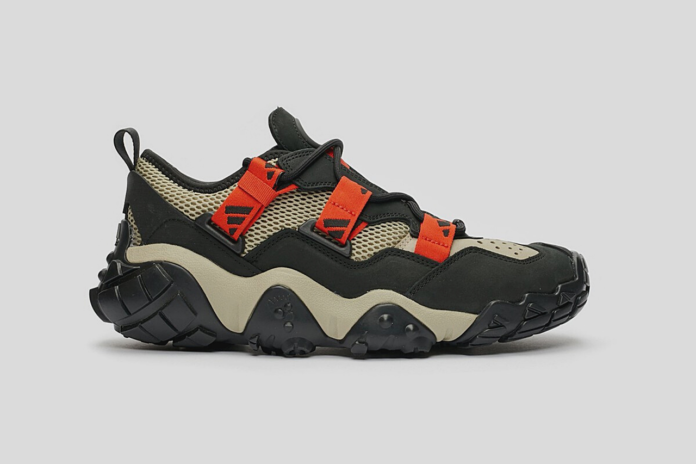
Best Sneakers For Safari

safari sneakers

Safaris are the epitome of adventure, offering an unparalleled opportunity to connect with nature and witness wildlife in their natural habitats. Whether you’re traversing the vast plains of the Serengeti, exploring the dense jungles of Uganda, or experiencing the arid landscapes of Namibia, the right footwear is essential to ensuring your comfort and safety. Traditionally, boots have been the go-to choice for such excursions, but a growing number of adventurers are turning to sneakers. In this article, we’ll explore the best sneakers for safari, explore why sneakers can work well for safari, and compare them to the more conventional boots. By the end, you’ll have all the information you need to make an informed choice for your next wild adventure.

Why Sneakers Can Work for Safari

When planning a safari, the first image that comes to mind might be that of rugged boots, designed to protect against the harsh elements of the wilderness. However, with advancements in sneaker design and materials, sneakers are increasingly becoming a viable option for safari-goers. Here’s why:

1. Lightweight Comfort

One of the biggest advantages sneakers have over traditional boots is their lightweight design. Safari adventures often involve long hours of walking and standing, and the added weight of boots can lead to fatigue. Sneakers, on the other hand, are typically made with lighter materials, reducing the strain on your feet and legs. This is particularly beneficial during hot weather, as heavy boots can exacerbate heat-related discomfort.

2. Breathability

Sneakers are generally more breathable than boots. Many modern sneakers are constructed with mesh or other breathable materials that allow air to circulate, keeping your feet cool and dry. This is crucial in safari environments where temperatures can soar, and sweaty feet can lead to blisters and discomfort.

3. Flexibility and Cushioning

Sneakers are designed with flexibility and cushioning in mind, which can make them more comfortable for walking on varied terrains. The cushioning provided by sneakers can absorb shock from rough paths and uneven ground, reducing the impact on your joints and minimizing the risk of injury. Their flexible soles also allow for a more natural foot movement, which can be beneficial when navigating rocky or uneven surfaces.

4. Versatility

Sneakers offer versatility that boots might lack. While boots are often designed specifically for rugged outdoor activities, sneakers can transition more easily between different environments. After your safari, you might explore a city, visit local markets, or enjoy a casual dinner—activities where sneakers would be more appropriate than boots.

5. Quick Drying

Many modern sneakers are made with materials that dry quickly if they get wet, which can be an advantage if you encounter rain, cross streams, or walk through morning dew. This feature helps prevent the growth of bacteria and odors, which can be a common issue in the humid conditions often encountered on safaris.

6. Reduced Break-In Period

Boots often require a break-in period before they’re comfortable for extended wear, which can be a challenge if you’re planning a safari shortly after purchasing new footwear. Sneakers, however, usually come with minimal break-in requirements, allowing you to enjoy your safari without the worry of blisters or discomfort.

Comparison: Boots vs. Sneakers for Safari

While sneakers have many benefits, they are not without their limitations, especially when compared to traditional safari boots. Below, we compare the two types of footwear across several important factors to help you determine which might be the better choice for your safari.

1. Protection

  • Boots: One of the primary reasons many opt for boots is the superior protection they offer. High-quality boots are designed to shield your feet from hazards such as sharp rocks, thorns, and even snake bites. The high-ankle design of many boots also provides support and protection against twisting your ankle on uneven ground.
  • Sneakers: While sneakers offer some degree of protection, they typically lack the reinforced materials found in boots. Sneakers often have lower cut designs, which can leave your ankles exposed to injuries and bites. Additionally, sneakers might not offer the same level of protection against the elements, such as water and mud.

2. Durability

  • Boots: Boots are generally more durable than sneakers. They are constructed with tougher materials that can withstand harsh conditions over long periods. This makes them a reliable choice for safaris, particularly those that involve long treks or multiple days in the wild.
  • Sneakers: Sneakers, especially those not specifically designed for outdoor activities, may not hold up as well under the rigors of a safari. They can wear out more quickly, particularly if subjected to rough terrain, making them a less durable option compared to boots.

3. Comfort

  • Boots: While modern boots are designed with comfort in mind, they are often heavier and stiffer than sneakers, which can lead to discomfort over extended periods. The break-in period required for many boots can also be a drawback for those who prioritize immediate comfort.
  • Sneakers: Sneakers generally win in the comfort category. Their lightweight, flexible design, combined with superior cushioning, makes them more comfortable for long walks and extended wear. The minimal break-in period also means they’re ready to wear straight out of the box.

4. Versatility

  • Boots: While boots excel in rugged outdoor environments, they are less versatile when it comes to transitioning between different activities. Wearing boots in urban settings or during casual activities might feel cumbersome and out of place.
  • Sneakers: Sneakers are highly versatile and can easily transition from the safari to the city. This makes them a more practical option if your travel plans include activities beyond just the safari.

5. Support

  • Boots: Boots typically offer superior support, particularly around the ankle. This is crucial when traversing uneven terrain, as it can help prevent ankle injuries. The stiffer soles of boots also provide more support underfoot, which can be beneficial when carrying heavy loads or walking on rocky ground.
  • Sneakers: While sneakers do offer some level of support, they generally lack the ankle support provided by boots. This can be a disadvantage on challenging terrains where ankle stability is crucial. However, for relatively flat or less demanding environments, the support offered by sneakers may be sufficient.

6. Weight

  • Boots: The weight of boots can be a significant drawback. Heavier footwear can lead to faster fatigue, particularly in hot weather or during long walks. This is one of the main reasons why some safari-goers prefer sneakers, especially for less intense activities.
  • Sneakers: Sneakers are considerably lighter, which can make a huge difference over the course of a day. The lighter weight reduces fatigue, making them a better option for those who prioritize comfort and ease of movement.

7. Traction

  • Boots: Boots generally offer superior traction, with soles designed to grip the ground even in slippery or muddy conditions. This makes them ideal for challenging terrains where losing your footing could lead to injury.
  • Sneakers: While some sneakers are designed with decent traction, they generally don’t match the grip provided by boots. On slick or loose surfaces, sneakers may be more prone to slipping.

Best Sneakers for Safari: Top Picks

Now that we’ve discussed why sneakers can be a good option for safaris and how they compare to boots, let’s look at some of the best sneakers you can consider for your adventure. These selections are based on comfort, durability, breathability, and overall suitability for safari environments.

1. Merrell Men’s Moab 2 Ventilator

  • Overview: The Merrell Moab 2 Ventilator is a highly popular option for outdoor activities, including safaris. It combines the comfort of a sneaker with some of the ruggedness of a boot, making it a versatile choice for varied terrains.
  • Features:
    • Breathable mesh lining
    • Durable suede leather and mesh upper
    • Vibram outsole for superior traction
    • Cushioned heel for shock absorption
  • Why It’s Great for Safari: This shoe offers a great balance of protection and comfort, making it suitable for a range of safari activities. The breathability ensures your feet stay cool, while the durable construction can handle rough terrain.

2. Salomon XA Pro 3D V8

  • Overview: The Salomon XA Pro 3D V8 is a trail running shoe that performs exceptionally well in rugged environments. It’s built for durability and support, making it a strong contender for safari footwear.
  • Features:
    • 3D Advanced Chassis for stability
    • Contagrip MA outsole for superior grip on all surfaces
    • Quicklace system for easy adjustment
    • Sensifit technology for a snug fit
  • Why It’s Great for Safari: This sneaker is designed to handle rough, uneven terrain with ease, providing excellent stability and grip. Its lightweight design also ensures you remain comfortable throughout the day.

3. Adidas Terrex Swift R3 GTX

  • Overview: The Adidas Terrex Swift R3 GTX is a lightweight, waterproof sneaker that offers great protection against the elements while maintaining the comfort and flexibility of a sneaker.
  • Features:
    • GORE-TEX waterproof lining
    • Continental Rubber outsole for excellent traction
    • Lightweight EVA midsole for cushioning
    • TPU overlays for added durability
  • Why It’s Great for Safari: This shoe is ideal for those who might encounter wet conditions during their safari. The waterproof lining keeps your feet dry, while the robust construction ensures they can handle tough terrains.

4. Nike ACG Air Nasu

  • Overview: Nike’s ACG (All Conditions Gear) line is designed for outdoor adventures, and the Air Nasu is no exception. It’s a sturdy and reliable sneaker that balances durability with comfort, making it a solid choice for safari-goers.
  • Features:
    • Rugged outsole with aggressive traction pattern
    • Lightweight, breathable upper
    • Responsive cushioning for comfort
    • Reinforced toe cap for added protection
  • Why It’s Great for Safari: The Nike ACG Air Nasu offers a blend of durability and lightweight comfort. The aggressive traction ensures stability on uneven ground, while the breathable upper helps keep your feet cool in hot climates. Its reinforced toe cap provides additional protection, making it a well-rounded option for various safari environments.

5. The North Face Ultra 111 WP

  • Overview: The North Face Ultra 111 WP is a waterproof trail shoe that’s designed for long-lasting comfort and protection in rugged conditions. It combines the best of both sneakers and boots, offering a sturdy design without compromising on flexibility.
  • Features:
    • Waterproof DryVent membrane
    • Protective toe cap
    • UltraATAC rubber outsole for grip
    • EVA midsole for lightweight cushioning
  • Why It’s Great for Safari: This sneaker is perfect for those expecting to encounter wet or muddy conditions during their safari. The waterproof membrane ensures your feet stay dry, while the tough outsole provides excellent traction on a variety of surfaces. The added cushioning also makes it comfortable for extended wear.

6. La Sportiva Spire GTX

  • Overview: La Sportiva is known for its high-performance outdoor footwear, and the Spire GTX is no exception. This shoe combines advanced technology with a durable, waterproof design, making it an excellent choice for safari adventures.
  • Features:
    • GORE-TEX Surround technology for waterproofing and breathability
    • Vibram XS Trek outsole for superior grip
    • Impact Brake System for shock absorption
    • STB Control System for stability
  • Why It’s Great for Safari: The La Sportiva Spire GTX is built to handle tough conditions while keeping your feet dry and comfortable. Its advanced outsole technology ensures you maintain grip on slippery or loose terrain, while the waterproof design is perfect for unpredictable weather.

7. Hoka One One Speedgoat 4

  • Overview: The Hoka One One Speedgoat 4 is a trail running shoe known for its exceptional cushioning and comfort. It’s designed for tough trails and provides ample support and protection, making it a great option for safari.
  • Features:
    • Vibram Megagrip rubber outsole for traction
    • Lightweight foam midsole for cushioning
    • Reinforced upper for added durability
    • Wide toebox for comfort and stability
  • Why It’s Great for Safari: The Speedgoat 4’s cushioning makes it ideal for long days on your feet, while the Vibram outsole ensures excellent grip on various surfaces. The reinforced upper provides durability, and the wide toebox ensures comfort, even after hours of walking.

Considerations When Choosing Sneakers for Safari

Choosing the right sneakers for your safari requires careful consideration of several factors. Below are some key points to keep in mind when selecting your footwear.

1. Terrain and Environment

The type of terrain you’ll be traversing plays a crucial role in determining the best footwear. If your safari involves walking on rocky, uneven ground, a sneaker with a more rugged outsole and better ankle support may be necessary. Conversely, if you’re sticking to flatter, well-trodden paths, a lighter, more flexible sneaker might suffice.

2. Climate

The climate of your safari destination should also influence your choice. In hot and dry environments, breathability is key to keeping your feet cool and comfortable. However, if you’re heading into a wet or humid area, waterproofing becomes more important to prevent your feet from getting soaked and uncomfortable.

3. Duration of Wear

Consider how long you’ll be wearing your sneakers each day. If your safari involves long hikes or full-day treks, comfort and cushioning should be prioritized to avoid fatigue and foot pain. Additionally, the fit of the shoe is critical—make sure there’s enough room to accommodate any swelling that might occur after hours of walking.

4. Weight of the Footwear

The weight of your footwear can have a significant impact on your overall comfort during a safari. Lightweight sneakers reduce the amount of energy required to lift your feet with each step, making them ideal for longer activities. However, lighter shoes might compromise on protection and durability, so finding a balance is essential.

5. Protection

Consider the level of protection you need based on the potential hazards of your environment. If you’re trekking through areas with lots of thorny bushes, sharp rocks, or the possibility of encountering snakes, a sneaker with reinforced materials and a sturdy build is important.

6. Fit and Comfort

Proper fit is non-negotiable when choosing safari sneakers. Ill-fitting shoes can lead to blisters, hot spots, and discomfort, which can significantly detract from your safari experience. Make sure to try on several options and test them with the socks you plan to wear on your safari.

7. Break-In Time

Consider the break-in time required for the sneakers. Ideally, you want to choose a pair that feels comfortable right out of the box or requires minimal breaking in. This is especially important if you’re purchasing your footwear close to your departure date.

Tips for Preparing Your Sneakers for Safari

Once you’ve selected the perfect pair of sneakers for your safari, there are a few additional steps you can take to ensure they’re ready for the adventure.

1. Wear Them Before the Trip

Even if your sneakers don’t require extensive breaking in, it’s a good idea to wear them for a few walks or hikes before your safari. This will help you identify any potential issues with fit or comfort and give you time to address them.

2. Choose the Right Socks

Pair your sneakers with high-quality, moisture-wicking socks that are appropriate for the climate you’ll be in. In hot environments, breathable, lightweight socks are essential, while in cooler or wetter climates, you might opt for slightly thicker socks that provide warmth and additional cushioning.

3. Consider Adding Insoles

If you need extra arch support or cushioning, consider adding insoles to your sneakers. Custom or aftermarket insoles can enhance comfort and provide better support, especially if you’re prone to foot fatigue or have specific foot conditions.

4. Waterproofing

Even if your sneakers are not fully waterproof, you can apply a waterproof spray to provide additional protection against water and mud. This can be particularly useful if you’re unsure of the weather conditions or expect to encounter wet areas.

5. Lace Them Properly

Proper lacing can make a significant difference in comfort and support. Make sure your sneakers are laced snugly but not too tight, and consider using specific lacing techniques that provide better ankle support or reduce pressure on certain parts of your foot.

When Boots Might Be a Better Option

While sneakers can be an excellent choice for safari, there are certain situations where traditional boots might still be the better option. Here are a few scenarios where boots might be preferable:

1. Extreme Terrain

If your safari will involve navigating particularly rugged, rocky, or uneven terrain, the added protection and support of boots might be necessary. Boots are designed to handle such environments and can provide the stability and protection needed to avoid injury.

2. Heavy Loads

If you’re carrying a heavy backpack or equipment during your safari, the additional support offered by boots can help prevent foot and ankle strain. The stiffer soles and higher ankle support found in boots can make a significant difference when carrying extra weight.

3. Cold or Wet Conditions

In cold or wet climates, boots offer better insulation and waterproofing than most sneakers. If you’re expecting to encounter rain, mud, or cold temperatures, boots can keep your feet warmer and drier, reducing the risk of discomfort or frostbite.

4. Extended Duration in the Wilderness

For multi-day treks deep into the wilderness, where you might not have access to comfortable resting places, the durability and protection of boots can be crucial. They’re designed to withstand continuous wear and harsh conditions better than most sneakers.

Choosing the right footwear for your safari is a critical decision that can significantly impact your overall experience. While traditional boots have long been considered the standard for safari adventures, modern sneakers offer a viable alternative that shouldn’t be overlooked. Sneakers can provide superior comfort, breathability, and versatility, making them an excellent choice for many safari-goers, particularly those who prioritize lightweight footwear and who will be navigating less extreme terrains.

When selecting the best sneakers for your safari, consider the specific conditions you’ll be facing, including the terrain, climate, and duration of your activities. Pay attention to features such as traction, support, and waterproofing to ensure your sneakers meet the demands of your adventure. By preparing your sneakers properly and choosing the right pair, you can enjoy a comfortable and memorable safari experience, whether you’re trekking through the African savannah or exploring dense rainforests.
How To Book Safaris In Kenya?

0
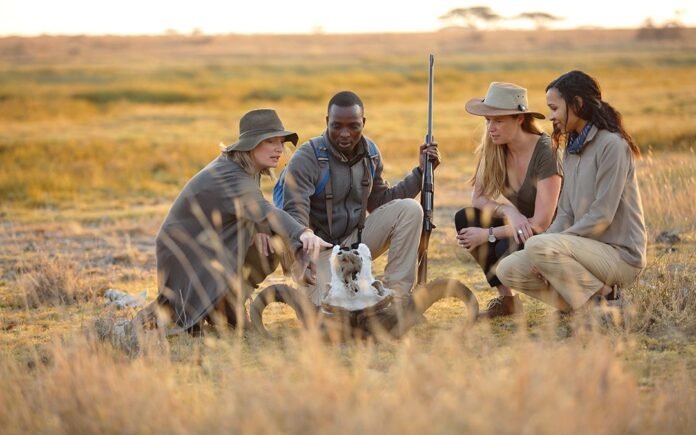
Tourists On a Kenya Safari Walking

A Kenyan safari is a dream for many, promising incredible wildlife encounters, breathtaking landscapes, and a chance to experience one of the most biodiverse countries in Africa. Whether you are an East African resident or a non-resident visitor, planning the perfect safari requires careful consideration of factors like timing, budget, and the experience you’re after.

This guide will walk you through everything you need to know about booking a safari in Kenya, including pricing, how to book with tour operators like Safari Travel Plus, the best times to visit, and even what to pack. Let’s get started!

kenya safaris

1. Types of Safaris in Kenya

Kenya offers a range of safari options to suit different preferences, budgets, and schedules. Here are the most common types of safaris:

1.1 Single-Park Safaris

For those with limited time or a desire to focus on a particular park’s wildlife and scenery, a single-park safari is ideal. The most popular choices include:

1.2 Combination Park Safaris

For a more comprehensive Kenyan experience, combination park safaris allow you to explore multiple parks. This provides a richer wildlife experience and a chance to see various landscapes. Popular combinations include:

  • Maasai Mara and Amboseli: Enjoy the best of both worlds with wildlife diversity and iconic landscapes.
  • Lake Nakuru and Maasai Mara: A great way to combine birdwatching with classic African safari experiences.
  • Samburu and Maasai Mara: Samburu offers a more arid, less-visited park, while Maasai Mara delivers the quintessential Kenyan safari experience.

1.3 Safari and Beach Combination

A safari and beach combination allows you to experience both Kenya’s rich wildlife and its beautiful coastline. This is particularly popular for honeymooners or those looking for a relaxing break after an adventurous safari. Mombasa, Diani Beach, and Lamu are all fantastic beach destinations to combine with a Kenyan safari.

1.4 Day Trips

For those short on time, Kenya offers excellent day-trip options:

  • Amboseli Day Trip: A quick journey to see elephants and Kilimanjaro’s majestic backdrop.
  • Lake Nakuru Day Trip: Perfect for birdwatchers and wildlife enthusiasts who want a shorter safari experience.

2. Booking Safaris in Kenya with a Tour Operator

Booking a safari through a tour operator like Safari Travel Plus simplifies the process, ensuring you make the most of your time in Kenya. Here are some advantages and what you can expect when booking through us.

2.1 Why Choose Safari Travel Plus

We are based in Nairobi, Kenya’s capital and gateway to most safari destinations. This allows us to arrange last-minute safaris, especially during the low season. However, booking in advance is essential for the high season when accommodation options fill up fast.

Safari Travel Plus offers:

  • Tailor-made safaris to fit your budget, preferences, and available time.
  • Expert itineraries crafted by our experienced safari specialists.
  • Flexible options, including private vehicle safaris or group-joining safaris.
  • Short-notice bookings in low seasons but the recommendation to book in advance for high seasons.
  • 24/7 support from our knowledgeable, friendly team.

2.2 Private Vehicle Safaris vs Group Joining Safaris

  • Private Vehicle Safaris: You’ll have an entire 4×4 Land Cruiser (also called a safari jeep) to yourself. This allows for more flexibility in your schedule, privacy, and a personal experience with your guide.
  • Group Joining Safaris: This is an option for budget-conscious travelers who don’t mind sharing a vehicle with others. It’s a cost-effective way to experience a safari, though flexibility might be limited as you’re working with a group schedule.

Advantages of Private Vehicle Safaris:

  • More personalized experience.
  • Flexibility in itinerary.
  • Ideal for families or small groups of friends.

Advantages of Group Joining Safaris:

  • Lower cost.
  • Meet and share experiences with like-minded travelers.

2.3 Value Proposition

With Safari Travel Plus, we aim to provide great value for your money, offering:

  • Flexible payment options and budget considerations.
  • Expert local knowledge, ensuring you visit the best parks at the right times.
  • Fully customizable

safaris to suit your preferences, whether you’re looking for a luxury experience or a more affordable adventure.

  • Access to well-maintained 4×4 Land Cruisers, which provide a comfortable and safe ride even on rough terrains. These vehicles are fully equipped for safaris, with pop-up roofs for better wildlife viewing.
  • Highly experienced and friendly driver-guides, who not only ensure your safety but also enhance your experience with their knowledge of wildlife and the environment.

3. Resident and Non-Resident Rates

When planning your safari in Kenya, understanding the pricing structure is crucial. Different rates apply depending on whether you’re an East African resident or a non-resident. Prices are divided into two main categories: accommodation rates and park entry fees.

3.1 Accommodation Rates

Kenya has a wide range of accommodations, from budget camps to luxury lodges, with prices that vary depending on the location, season, and residency status.

  • East African Residents (EAC citizens): Generally benefit from lower accommodation rates compared to non-residents. These discounts are offered to citizens of Kenya, Uganda, Tanzania, Rwanda, and Burundi. Always carry your residence or identification documents to access these rates.
  • Non-Residents: Pay higher rates, especially in luxury lodges or exclusive camps.

3.2 Park Entry Fees

Kenya’s national parks and reserves charge entry fees that are crucial for maintaining these natural spaces. Again, there are different fees for East African residents and non-residents.

  • Maasai Mara National Reserve:
    • East African Residents: KES 1,000–2,000 per adult per day.
    • Non-Residents: USD 200 per adult per day.
  • Amboseli National Park:
    • East African Residents: KES 800–1,500 per adult per day.
    • Non-Residents: USD 70 per adult per day.
  • Lake Nakuru National Park:
    • East African Residents: KES 800–1,500 per adult per day.
    • Non-Residents: USD 60 per adult per day.

These rates are subject to change, so it’s always good to confirm the exact rates with your tour operator before booking.

4. Best Time to Go on Safari in Kenya

Kenya offers fantastic safari experiences year-round, but the best time to visit depends on what you want to see and your tolerance for weather conditions.

4.1 High Season (July to October)

This is the most popular time for safaris, especially because of the Great Migration in the Maasai Mara, when millions of wildebeest and zebras cross from Tanzania’s Serengeti into Kenya. The dry season also makes wildlife easier to spot as animals gather around water sources.

  • Advantages:
    • Prime wildlife viewing, especially the migration.
    • Dry conditions make game drives more pleasant.
  • Disadvantages:
    • Higher prices for accommodation and park entry.
    • Parks, especially Maasai Mara, can be crowded.

4.2 Low Season (April to June)

This is Kenya’s rainy season, and while it might seem less appealing, there are some significant benefits to going on safari during this period.

  • Advantages:
    • Lower prices for accommodation and park entry.
    • Fewer tourists, so you’ll have a more exclusive experience.
    • The landscapes are lush and green, making it a great time for photography.
  • Disadvantages:
    • Rain can make game drives more challenging, as roads can become muddy.
    • Some lodges and camps may close during the low season.
    • Wildlife can be harder to spot due to the dense vegetation.

4.3 Shoulder Season (November to March)

This is a great time to visit Kenya as it offers a balance between good weather and fewer crowds.

  • Advantages:
    • Good wildlife viewing as animals remain close to water sources.
    • Less crowded parks compared to the high season.
  • Disadvantages:
    • Prices are still higher compared to the low season.

5. What to Pack and What to Wear on Safari

Packing for a safari is all about being practical and prepared for varied conditions. The key is to pack light, but make sure you have everything you need for a comfortable and safe experience.

5.1 What to Pack

  • Clothing: Light, breathable fabrics like cotton are ideal for warm days, but bring layers for early mornings and evenings, which can be cooler. Neutral colors like beige, khaki, and olive are best as they blend with the environment and won’t attract unwanted attention from animals.
  • Footwear: Comfortable, closed-toe shoes are a must, especially for any walking safaris. A pair of sandals for downtime at the lodge is also useful.
  • Hat and Sunglasses: To protect yourself from the intense African sun.
  • Sunblock and Lip Balm: Even on cloudy days, the sun can be harsh, so protect your skin.
  • Insect Repellent: Malaria is present in some parts of Kenya, so insect repellent is crucial.
  • Binoculars and Camera: Don’t miss out on those long-range wildlife sightings—bring a good pair of binoculars and a camera with a decent zoom lens.

5.2 What to Wear

During the day, temperatures can get quite high, so opt for light, breathable clothing in natural, muted colors. At night or during early morning game drives, temperatures drop, so pack a warm jacket or fleece.

  • Daytime: T-shirts, shorts, or lightweight trousers.
  • Evening/early morning: Warm jacket or fleece, long-sleeved shirts, and trousers to protect against mosquitoes.
  • Footwear: Comfortable hiking shoes for game walks and lighter shoes or sandals for relaxing at camp.

6. Our Safari Vehicles and Guides

At Safari Travel Plus, we believe the right vehicle and guide can make or break your safari experience.

6.1 4×4 Land Cruiser Safari Vehicles

We use 4×4 Land Cruisers for our safaris, also known as safari jeeps. These vehicles are perfectly suited for Kenya’s often rugged and uneven terrains. Here’s why they are the preferred choice:

  • Durability: Able to navigate the rough, unpaved roads in national parks.
  • Comfort: Spacious interiors with ample legroom.
  • Pop-Up Roof: For unobstructed views during game drives.
  • Safety: Equipped with safety features to handle off-road conditions.

6.2 Our Drivers and Guides

Our drivers are not only experienced but are also knowledgeable about Kenya’s wildlife, flora, and fauna. Their expertise can transform a good safari into an exceptional one. Here’s what you can expect:

  • Professionalism: Punctual, courteous, and committed to ensuring you have the best experience.
  • Wildlife Expertise: They know the best spots to see particular animals and can identify various species.
  • Personalized Experience: Whether it’s a private safari or a group tour, they tailor the experience based on your interests.

7. Advantages of Booking with Safari Travel Plus

At Safari Travel Plus, we strive to provide value and quality service to ensure your Kenyan safari is unforgettable. Here are some of the benefits of booking with us:

  • Tailor-Made Safaris: Whether you want a luxury safari, budget-friendly experience, or something in between, we can design a safari that fits your needs.
  • Expertise: With years of experience in the industry, we know how to create the perfect itinerary, select the best accommodations, and ensure you experience Kenya’s wildlife at its best.
  • Flexibility: We offer both last-minute and advance bookings, depending on your needs. Our team is always ready to help you plan a trip that fits your schedule.
  • Safety and Comfort: Our 4×4 safari vehicles are well-maintained and fully equipped for a comfortable ride, while our guides ensure you’re safe throughout the trip.
  • Personalized Attention: From the time you land in Nairobi to the moment you depart, our team is on hand to take care of all the details.

Booking a safari in Kenya is an exciting adventure, and with Safari Travel Plus, the process is easy and stress-free. Whether you’re planning a last-minute trip or a carefully thought-out journey, we offer everything you need to create the perfect safari experience. With various options from single-park to combination safaris, private vehicle safaris, or group-joining safaris, we cater to all types of travelers and budgets. Our expert guides, well-equipped safari vehicles, and custom itineraries ensure that you get the most out of your time in Kenya.

So, whether you’re an East African resident looking for an affordable getaway or a non-resident eager for a once-in-a-lifetime experience, Safari Travel Plus can make your dream safari a reality. Let us handle the details while you focus on enjoying Kenya’s stunning landscapes and incredible wildlife.

Is Uganda or Kenya better for safari?

0
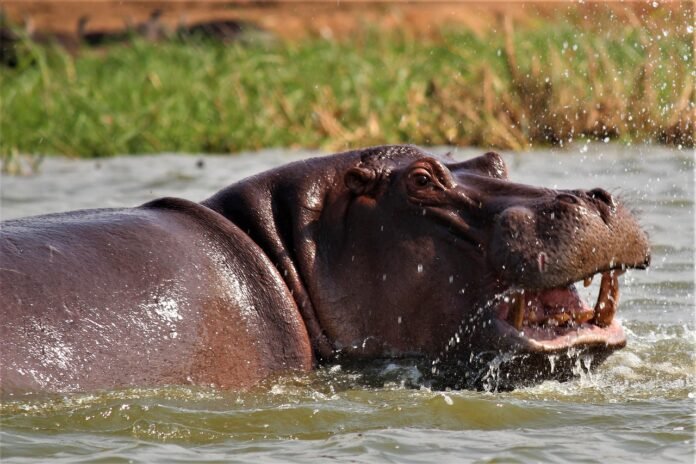
A Hippo spotted during a Uganda Safari

When planning an East African safari, Kenya and Uganda often emerge as top contenders. Both countries offer unique experiences that promise unforgettable adventures in the wild. However, deciding between them can be challenging due to their distinct landscapes, wildlife, cultural experiences, and logistical factors. Let us have a detailed comparison between Uganda and Kenya, covering various aspects such as accommodation, activities, wildlife, costs, vegetation, landscapes, beach safaris, cultural experiences, birding, photography, and more. By the end, you should have a clearer understanding of which destination might be better suited for your dream safari.

1. Wildlife and Safari Experiences

Kenya: The Big Five and Iconic Safaris

Kenya is synonymous with classic African safaris. Home to the “Big Five” (lion, elephant, buffalo, leopard, and rhinoceros), Kenya offers one of the most diverse and concentrated wildlife experiences on the continent. The Maasai Mara National Reserve is particularly famous for the Great Migration, where millions of wildebeest, zebras, and gazelles cross the Mara River in search of fresh grazing lands. This spectacle, one of the Seven Natural Wonders of the World, is a highlight for many visitors.

Other notable wildlife reserves in Kenya include Amboseli National Park, known for its large elephant herds and views of Mount Kilimanjaro, and Tsavo National Parks, which offer vast, untouched wilderness and a variety of wildlife. For a more exclusive experience, private conservancies adjacent to the Maasai Mara provide intimate encounters with wildlife, often without the crowds.

Uganda: Primates and Unique Wildlife Encounters

Uganda, often referred to as the “Pearl of Africa,” offers a different kind of wildlife experience, particularly famous for its primate encounters. The country’s most iconic wildlife attraction is the endangered mountain gorilla, found in the Bwindi Impenetrable Forest and Mgahinga Gorilla National Park. Trekking to see these gentle giants is a once-in-a-lifetime experience, with Uganda hosting over half of the world’s remaining mountain gorilla population.

Uganda is also home to the chimpanzees of Kibale National Park, where you can enjoy chimpanzee tracking, a thrilling activity that brings you face to face with our closest relatives. Besides primates, Uganda offers traditional safari experiences in parks like Murchison Falls National Park and Queen Elizabeth National Park, where you can spot lions, elephants, buffalo, and various antelope species.

Verdict

Kenya is the better choice if you’re looking for a classic safari with opportunities to see the Big Five and witness the Great Migration. However, if you’re interested in unique wildlife experiences like gorilla and chimpanzee tracking, Uganda offers something truly special.

2. Accommodation Types

Kenya: Luxury to Budget Options

Kenya’s well-established tourism industry means that it offers a wide range of accommodation options to suit all budgets. Luxury lodges and tented camps in the Maasai Mara, Amboseli, and Laikipia regions provide five-star services, gourmet dining, and spectacular views over the savannah. Many of these luxury accommodations are eco-friendly, contributing to conservation efforts while providing high-end amenities.

For those on a budget, Kenya also offers numerous mid-range lodges, budget camps, and community-run campsites, allowing travelers to experience the wilderness without breaking the bank. Nairobi, the capital, provides numerous options from international hotels to boutique stays, serving as a convenient base before or after your safari.

Uganda: Eco-Lodges and Intimate Stays

Uganda’s accommodation scene, while less developed than Kenya’s, is rapidly growing, especially in regions around the national parks. Uganda is known for its eco-lodges and intimate stays that blend seamlessly with the natural environment. In areas like Bwindi and Kibale, lodges often offer rustic yet comfortable accommodations with direct views of the forest, enhancing the feeling of being immersed in nature.

While luxury options are available, particularly around popular parks, Uganda is better known for its mid-range lodges and budget guesthouses that offer warm hospitality and personalized service. The lodges here often focus on sustainability, using locally sourced materials and supporting nearby communities.

Verdict

Kenya offers a wider range of accommodation options, especially at the luxury end of the market. Uganda, while less varied, provides more intimate and eco-friendly stays, ideal for those seeking a closer connection with nature.

3. Activities Beyond Game Drives

Kenya: Balloon Safaris, Cultural Visits, and More

Kenya offers a plethora of activities that go beyond the traditional game drive. A hot air balloon safari over the Maasai Mara is a popular choice, providing a bird’s-eye view of the plains and the wildlife below, often followed by a champagne breakfast in the bush. Cultural visits to Maasai villages allow travelers to learn about the Maasai people’s way of life, their traditions, and their connection to the land.

Other activities include horseback safaris, walking safaris, and boat rides in places like Lake Naivasha. For the adventurous, hiking Mount Kenya or exploring the Hell’s Gate National Park on foot or by bike adds a different dimension to the safari experience.

Uganda: Gorilla Trekking, River Cruises, and Adventure Sports

Uganda is best known for its gorilla trekking, a physically demanding but immensely rewarding activity. Chimpanzee tracking is another highlight, offering a different primate experience in the dense forests of Kibale. Beyond primates, Uganda offers unique activities such as a boat cruise on the Nile in Murchison Falls National Park, where you can see hippos, crocodiles, and a variety of bird species.

For thrill-seekers, Uganda’s adventure capital, Jinja, located on the shores of Lake Victoria, offers white-water rafting, bungee jumping, and kayaking on the Nile River. Additionally, hiking opportunities abound in places like the Rwenzori Mountains, also known as the “Mountains of the Moon,” and Mount Elgon.

Verdict

Kenya offers a broader range of traditional safari activities and cultural experiences, while Uganda provides more adventurous and unique activities, particularly for those interested in primates and water-based adventures.

4. Vegetation and Landscape

Kenya: Classic Savannah and Diverse Ecosystems

Kenya’s landscape is incredibly diverse, ranging from the open savannahs of the Maasai Mara to the arid deserts of the north, the lush highlands of central Kenya, and the coastal forests of the east. The savannah, dotted with acacia trees, is the iconic African landscape many travelers envision when they think of a safari. In contrast, areas like the Aberdare Range and Mount Kenya offer dense forests and alpine moorlands.

The Great Rift Valley, which runs through Kenya, is another dramatic feature, with lakes, escarpments, and volcanic formations. Lakes such as Nakuru and Naivasha attract flamingos and other waterbirds, adding to the diversity of the landscape.

Uganda: Lush Forests and Rolling Hills

Uganda is often described as the “Switzerland of Africa” due to its lush, rolling hills and fertile landscapes. The country’s scenery is dominated by forests, lakes, and rivers, with less open savannah compared to Kenya. The Bwindi Impenetrable Forest is a prime example of Uganda’s verdant beauty, offering misty, dense forests that are home to mountain gorillas and countless bird species.

The Rwenzori Mountains, with their snow-capped peaks, provide a stunning contrast to the lowland forests and savannahs of places like Queen Elizabeth National Park. Uganda’s portion of the Great Rift Valley includes the Albertine Rift, known for its biodiversity and scenic lakes such as Lake Albert and Lake Edward.

Verdict

Kenya offers more of the classic African savannah landscape, while Uganda is ideal for those who appreciate lush forests, mountains, and diverse ecosystems.

5. Cost of Safari

Kenya: Premium Pricing for Premium Experiences

Kenya is generally more expensive than Uganda, particularly when it comes to high-end safaris. The Maasai Mara, in particular, commands premium prices, especially during the Great Migration season. Luxury lodges and private conservancies can be quite costly, though they offer exceptional service, exclusivity, and often include activities like guided walks and night drives.

Park entry fees in Kenya are also relatively high, adding to the overall cost of the safari. However, Kenya offers a range of options for budget travelers, including public campsites and budget lodges, particularly in less tourist-heavy areas.

Uganda: Affordable with Unique Offerings

Uganda tends to be more affordable than Kenya, especially for mid-range and budget travelers. Gorilla trekking permits, while expensive, are a significant portion of the cost, but the overall cost of accommodation, park fees, and other activities is generally lower than in Kenya. Uganda’s lower tourist numbers also mean that prices are more competitive, and travelers can often enjoy a more personalized experience for less.

Budget-friendly options in Uganda include community lodges, guesthouses, and lower-cost camps in areas surrounding national parks. However, luxury options are available and are often less expensive than their Kenyan counterparts.

Verdict

Uganda is generally more affordable, making it an attractive option for budget-conscious travelers, while Kenya offers premium experiences at a higher cost.

6. Beach Safari Experience

Kenya: Indian Ocean Coastline and Exotic Islands

Kenya’s coastline along the Indian Ocean is renowned for its white sandy beaches, warm waters, and vibrant coral reefs. The coastal city of Mombasa offers a mix of cultural history and beach resorts, while further south, Diani Beach is famous for its luxury beachfront resorts and water sports like snorkeling, diving, and kite surfing.

For a more exclusive experience, travelers can visit the Lamu Archipelago, a UNESCO World Heritage site known for its Swahili culture, historical architecture, and secluded beaches. Kenya’s beach destinations are easily accessible from its major safari areas, making it convenient to combine a beach safari with a traditional wildlife safari.

Uganda: Freshwater Beaches and Lake Victoria

While Uganda is a landlocked country, it still offers unique beach experiences, primarily around Lake Victoria, the largest freshwater lake in Africa. Entebbe, situated on the shores of Lake Victoria, features sandy beaches where visitors can relax, enjoy water sports, or take boat trips to nearby islands such as the Ssese Islands, a collection of 84 islands known for their tranquility, wildlife, and fishing opportunities.

While Uganda’s lake beaches lack the tropical appeal of Kenya’s Indian Ocean coast, they offer a peaceful retreat with opportunities for birding, fishing, and exploring local cultures. Lake Bunyonyi, surrounded by terraced hills, is another picturesque destination where visitors can enjoy swimming, canoeing, and relaxing by the water.

Verdict

Kenya clearly excels in the beach safari experience with its idyllic Indian Ocean coastline and luxurious beach resorts. Uganda’s freshwater beaches around Lake Victoria provide a serene alternative, but they don’t quite match the allure of Kenya’s coastal offerings.

7. Cultural Experiences

Kenya: Rich Cultural Diversity and Maasai Heritage

Kenya is a melting pot of cultures, with over 40 ethnic groups, each with its own traditions and customs. The Maasai people, with their distinctive dress, beadwork, and semi-nomadic lifestyle, are among the most famous and frequently visited by tourists. Cultural visits to Maasai villages are often included in safari itineraries, offering insights into their way of life, traditional dances, and crafts.

Beyond the Maasai, Kenya offers a variety of cultural experiences, from the Swahili culture along the coast, with its rich history influenced by Arab and Persian traders, to the Kikuyu, Luo, and other ethnic groups inland. Festivals, markets, and community-based tourism initiatives allow travelers to engage with local cultures more deeply.

Uganda: Authentic Encounters and Community-Based Tourism

Uganda offers a rich tapestry of cultural experiences, with over 50 different ethnic groups. The Baganda, Banyankole, and Bakiga are among the largest, each with its own language, traditions, and history. One of Uganda’s most unique cultural experiences is the Batwa community visit near Bwindi Impenetrable Forest, where visitors can learn about the Batwa’s ancient forest-dwelling lifestyle.

Community-based tourism is strong in Uganda, with many opportunities to engage with local people in a meaningful way, from visiting local schools and markets to participating in traditional music and dance. Uganda’s cultural experiences are often more intimate and less commercialized than those in Kenya, offering a deeper connection with the people and their way of life.

Verdict

Both countries offer rich cultural experiences, but Uganda’s community-based tourism initiatives and authentic encounters with smaller, less commercialized groups provide a more immersive experience. Kenya, however, offers a broader range of cultural experiences, especially for those interested in the iconic Maasai culture.

8. Birding Opportunities

Kenya: A Birding Paradise with Diverse Habitats

Kenya is a birding paradise, with over 1,100 recorded bird species, thanks to its diverse habitats ranging from coastal mangroves to highland forests and arid savannahs. The Rift Valley lakes, such as Lake Nakuru and Lake Bogoria, are famous for their flamingo populations, while the Kakamega Forest, a remnant of the Guineo-Congolian rainforest, is home to a variety of forest-dwelling species.

The Maasai Mara, though primarily known for big game, is also excellent for birding, with over 450 species recorded, including the lilac-breasted roller, Kenya’s national bird. Birdwatchers can enjoy spotting a wide variety of species on dedicated birding safaris or as part of a broader wildlife safari.

Uganda: Africa’s Premier Birding Destination

Uganda is often considered Africa’s premier birding destination, with over 1,060 recorded species in a relatively small area, making it one of the highest concentrations of birds per square kilometer in Africa. The Albertine Rift, in particular, is home to many endemic species, making Uganda a must-visit for serious birders.

Key birding sites in Uganda include the Bwindi Impenetrable Forest, where rare species like the African green broadbill can be spotted, and Murchison Falls National Park, known for the shoebill stork, one of the most sought-after birds in Africa. The diverse habitats, from montane forests to papyrus swamps, provide opportunities to see a wide variety of birds, often in the same trip.

Verdict

Uganda is the top choice for dedicated birders, offering a higher density of bird species in a variety of habitats. Kenya also offers excellent birding, particularly in its Rift Valley lakes and forest reserves, making it a strong contender for those combining birding with traditional safaris.

9. Photography and Filming

Kenya: Iconic Landscapes and Wildlife Filming Hub

Kenya’s dramatic landscapes and abundant wildlife have made it a favorite destination for wildlife photographers and filmmakers. The open savannahs of the Maasai Mara provide ideal conditions for capturing stunning images of the Big Five, cheetah hunts, and the Great Migration. Kenya has also been the setting for numerous wildlife documentaries, including the famous BBC series “Big Cat Diary.”

The diverse landscapes, from Mount Kenya to the Amboseli swamps with Kilimanjaro as a backdrop, offer photographers a variety of stunning settings. Kenya’s established infrastructure and experienced guides also make it easier for photographers and filmmakers to get the shots they need.

Uganda: Pristine Landscapes and Unique Filming Opportunities

Uganda’s lush landscapes and unique wildlife, particularly the mountain gorillas, have attracted filmmakers and photographers looking for something different. The dense forests of Bwindi and Kibale offer challenging but rewarding conditions for wildlife photography, particularly for capturing close-up shots of primates in their natural habitat.

Uganda’s less developed tourism industry means that photographers and filmmakers can often work in more pristine environments, with fewer tourists and more opportunities for unique footage. The dramatic scenery of the Rwenzori Mountains and the power of Murchison Falls also provide breathtaking backdrops for nature photography.

Verdict

Kenya is the better choice for photographers and filmmakers looking to capture iconic African wildlife and landscapes with established infrastructure. Uganda, however, offers unique opportunities to film primates and work in more pristine and less crowded environments, making it ideal for those seeking something off the beaten path.

10. Accessibility and Infrastructure

Kenya: Well-Developed Tourism Infrastructure

Kenya’s tourism infrastructure is well-developed, with numerous international flights arriving daily at Nairobi’s Jomo Kenyatta International Airport, making it a convenient entry point for travelers. The network of domestic flights and well-maintained roads ensures that most national parks and reserves are easily accessible.

Safari lodges and camps in Kenya are generally well-established, offering a range of services from Wi-Fi to airstrips for fly-in safaris. Kenya’s well-developed infrastructure also includes reliable healthcare facilities in major cities and tourist areas, providing peace of mind for travelers.

Uganda: Growing Infrastructure with Some Challenges

Uganda’s infrastructure is rapidly improving, but it is not as developed as Kenya’s. Entebbe International Airport, near the capital Kampala, is the main entry point, with a growing number of international flights. However, road conditions in some parts of Uganda can be challenging, particularly during the rainy season, making travel slower and less predictable.

Domestic flights are available to key destinations, but road travel is often necessary to reach remote parks like Bwindi. Healthcare facilities in Uganda are improving, but they may not be as readily available or as advanced as those in Kenya, especially in rural areas.

Verdict

Kenya’s well-developed tourism infrastructure makes it more accessible and convenient for travelers, particularly those who value ease of travel and reliable services. Uganda, while improving, may present more challenges, particularly in terms of road travel and healthcare availability.

11. Health and Safety Considerations

Kenya: Standard Precautions and Reliable Healthcare

Travelers to Kenya should take standard health precautions, including vaccinations for yellow fever, hepatitis, and typhoid, and taking malaria prophylaxis. Kenya’s healthcare system is generally reliable, with good facilities available in Nairobi and other major cities. Safari lodges and camps often have arrangements with flying doctors for emergencies.

Safety in Kenya has improved in recent years, but travelers should still be cautious, particularly in urban areas where petty crime can occur. Staying informed about the current situation and following travel advisories is recommended.

Uganda: Similar Health Precautions with Focus on Malaria

Health considerations for Uganda are similar to those for Kenya, with vaccinations and malaria prophylaxis recommended. Uganda’s healthcare system is improving, but facilities in rural areas can be limited, so having comprehensive travel insurance that includes emergency evacuation is advisable.

Uganda is generally safe for tourists, with the main risks being petty crime in urban areas and the occasional disruption due to political unrest. Gorilla trekking and other activities in remote areas are well-regulated, with safety briefings and professional guides ensuring that risks are minimized.

Verdict

Both countries require similar health precautions, but Kenya has more advanced healthcare facilities, particularly in tourist areas. Uganda’s healthcare system is improving, but travelers should ensure they have adequate insurance and be prepared for more basic conditions in rural areas.

So Which is Better for Safari?

The choice between Uganda and Kenya for a safari ultimately depends on your interests, budget, and the type of experience you’re seeking.

  • Kenya is the better option if you’re looking for a classic African safari with opportunities to see the Big Five, witness the Great Migration, and enjoy a wide range of luxury accommodations and activities. Its well-developed infrastructure, iconic landscapes, and established tourism industry make it a convenient and rewarding destination for all types of travelers.
  • Uganda, on the other hand, offers a more unique and intimate safari experience, particularly for those interested in primate encounters, birding, and exploring lush, less-crowded landscapes. Uganda is the ideal destination for adventurous travelers seeking gorilla and chimpanzee trekking, as well as those interested in more immersive cultural experiences and pristine natural settings. Although its infrastructure is less developed compared to Kenya, Uganda offers excellent value for money and the chance to experience Africa in a more authentic and off-the-beaten-path way.

Final Recommendations

  1. For First-Time Safari Goers: If this is your first safari and you want the quintessential African experience with a high likelihood of seeing a wide variety of wildlife, including the Big Five, Kenya is likely the better choice. The ease of travel, diverse landscapes, and iconic wildlife encounters make it a perfect introduction to Africa.
  2. For Adventure Seekers and Primatologists: If you’re looking for adventure and are particularly interested in primates, Uganda is unmatched. The thrill of gorilla and chimpanzee trekking in dense forests, coupled with the opportunity to explore lesser-known national parks, makes Uganda a dream destination for those seeking something more offbeat and unique.
  3. For Birding Enthusiasts: Both countries are exceptional birding destinations, but Uganda edges out Kenya due to its incredible bird density and the variety of habitats in close proximity. If birdwatching is your primary goal, Uganda should be at the top of your list.
  4. For Photographers and Filmmakers: Kenya offers unparalleled opportunities for capturing the iconic African wilderness, particularly in the Maasai Mara and other well-known parks. However, if you’re looking to document primates or work in more untouched and quiet environments, Uganda provides an excellent alternative.
  5. For Luxury Travelers: Kenya has a more developed luxury safari industry with a greater number of high-end lodges and exclusive experiences. If comfort and top-tier service are priorities, Kenya is the better option.
  6. For Budget Travelers: Uganda generally offers more affordable safari experiences without compromising on the quality of wildlife encounters. It’s an excellent choice for travelers who want a rich experience at a lower cost.
  7. For Beach-Lovers: If a beach safari is important to you, Kenya’s Indian Ocean coast is unbeatable. The combination of world-class beaches, rich marine life, and cultural history makes Kenya an ideal destination for those wanting to blend a wildlife safari with a beach holiday.

Accessibility and Logistics

  • Travel Convenience: Kenya’s well-connected airports and extensive road network make it more accessible for travelers, especially those on tight schedules. Uganda’s travel infrastructure is improving, but travelers should be prepared for more challenging road conditions and potentially longer travel times between destinations.
  • Health and Safety: Both countries require similar health precautions, but Kenya’s more developed healthcare system and established tourism infrastructure offer an added level of comfort, especially for first-time visitors or those with health concerns.

Cultural Insights

Both Kenya and Uganda offer enriching cultural experiences, but the nature of these experiences differs. Kenya’s Maasai culture is widely recognized and easily accessible, making it ideal for visitors wanting to learn about one of Africa’s most iconic tribes. Uganda’s cultural experiences are often more varied and immersive, providing a deeper connection to local communities and less commercialized interactions.

The Overall Experience

In summary, both Kenya and Uganda have their own unique strengths and appeal to different types of travelers:

  • Kenya is the choice for those seeking classic safaris, luxury accommodations, and a well-established tourism industry with a mix of wildlife and cultural experiences. It’s a place where you can enjoy the full range of African landscapes, from savannahs to beaches, with a high standard of service and amenities.
  • Uganda is for those who crave a more intimate, adventurous, and affordable safari experience, with a focus on primates, birding, and community-based tourism. It offers a closer connection to nature and local cultures, with the added allure of trekking through some of Africa’s most beautiful and remote forests.

Ultimately, the best safari destination between Uganda and Kenya depends on your personal preferences, the type of wildlife encounters you seek, your budget, and how you want to experience Africa’s rich landscapes and cultures. Whether you choose the iconic savannahs of Kenya or the lush forests of Uganda, both countries promise a safari experience that will leave you with unforgettable memories of Africa’s wild beauty.

What to Wear in Riyadh

1
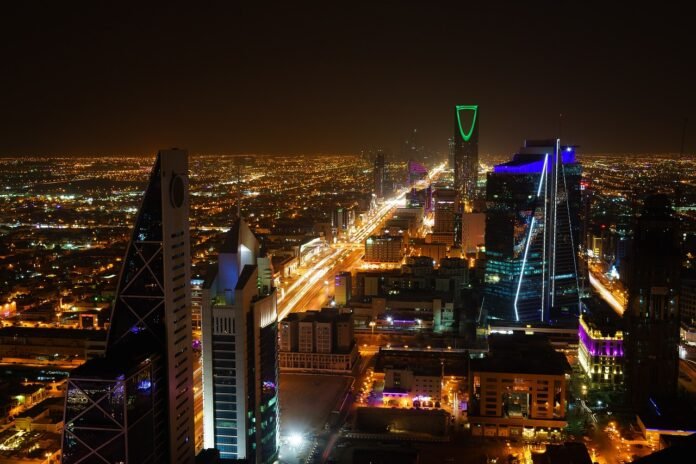
View of Riyadh city

Riyadh, the capital of Saudi Arabia, is a city of significant cultural and historical importance. As a hub of commerce and tradition, it attracts a diverse range of visitors, from tourists exploring its ancient sites to business professionals attending high-level meetings. However, Riyadh is also a place where traditional values and Islamic customs strongly influence daily life, particularly in terms of dress code. Understanding what to wear in Riyadh is crucial for anyone planning to visit or work there, as it not only demonstrates respect for the local culture but also ensures comfort and ease during your stay.

This article provides a detailed guide on how to dress appropriately in Riyadh, covering the needs of both men and women, tourists, expatriates, and business professionals. It addresses common concerns such as whether you can wear jeans, the necessity of a hijab, and the specific dress codes for different settings. By the end of this guide, you’ll have a clear understanding of how to dress in a way that is respectful, appropriate, and comfortable for Riyadh’s unique environment.

Understanding the General Dress Code in Riyadh

Light convertible desert pants

Riyadh, like much of Saudi Arabia, adheres to a conservative dress code rooted in Islamic traditions. The concept of modesty is central to Saudi culture, and this is reflected in the way both men and women are expected to dress. Modesty in dress typically means covering the body adequately, avoiding tight or revealing clothing, and choosing garments that do not draw unnecessary attention.

The dress code in Riyadh can also vary slightly depending on the season. Summers in Riyadh are extremely hot, with temperatures often exceeding 40°C (104°F). Lightweight, breathable fabrics are essential to stay comfortable, but it’s important to balance this with the need for modesty. In winter, while temperatures are cooler, the emphasis on covering up remains the same, though layering might be necessary.

Dress Code for Tourist Women in Riyadh

For female tourists, dressing modestly is of paramount importance in Riyadh. Women are generally expected to cover their arms, legs, and avoid wearing tight-fitting or revealing clothing. While the abaya—a long, black cloak worn over clothing—is traditionally worn by Saudi women, it has also become customary for female tourists to wear an abaya when in public spaces. This is less about strict legal requirements and more about blending in and showing respect for local customs.

However, it’s important to note that while the abaya is widely worn, the hijab (a headscarf covering the hair) is not mandatory for non-Muslim tourists. That said, carrying a scarf is advisable, as some places might require it, and it’s always useful for showing extra respect when visiting more conservative areas or religious sites.

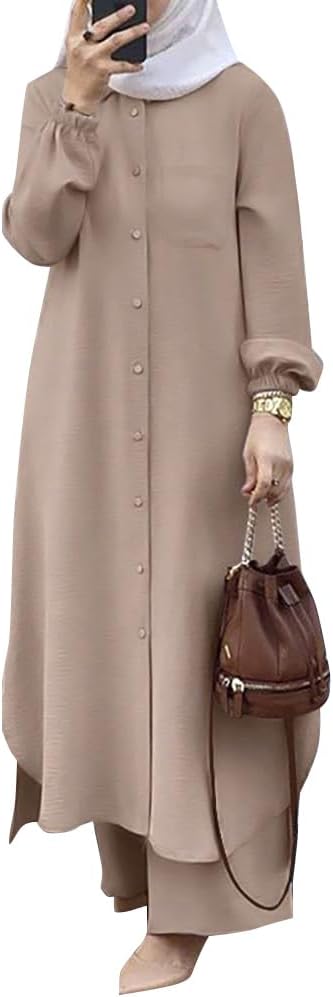
abaya for Saudi Arabia

If you’re a woman traveling to Saudi Arabia—even if you’re not Muslim—packing a modest two-piece set like this long-sleeve button-down shirt and pants abaya outfit is both practical and respectful. Saudi Arabia has a conservative dress code, especially in public spaces, and modest clothing is essential for blending in and showing cultural sensitivity.

When choosing what to pack, think in terms of loose-fitting tops with long sleeves, maxi skirts, or loose pants. Light, breathable fabrics like cotton or linen are ideal, given the climate. Footwear should be practical and respectful; sandals are fine for general sightseeing, but closed shoes might be more appropriate for formal settings or religious sites.

Packing Tips for Female Tourists:

  • Long, loose-fitting tops (avoid sleeveless or low-cut designs).
  • Maxi skirts, loose trousers, or wide-leg pants.
  • A light abaya for public spaces.
  • A scarf for covering your hair if needed.
  • Comfortable and modest footwear.
Men’s Desert Sandals A must have for afternoons or when dressed down

Dress Code for Tourist Men in Riyadh

Male tourists in Riyadh are also expected to dress modestly. This means wearing long trousers and avoiding shorts in public spaces. Shirts should have sleeves, though short sleeves are generally acceptable. While Saudi men traditionally wear a thobe (a long, white robe), this is not expected of tourists, though you may choose to wear one for comfort or cultural immersion.

Jeans are acceptable as long as they are not tight-fitting or overly casual. For example, ripped or distressed jeans should be avoided, as they may be seen as disrespectful in more conservative areas. Polo shirts, button-down shirts, and even t-shirts (as long as they aren’t graphic or too tight) are suitable for most casual outings.

For formal settings, a more conservative approach is advisable, which includes wearing long sleeves, trousers, and avoiding overly bright or flashy colors.

Packing Tips for Male Tourists:

Lightweight long trousers
  • Lightweight long trousers (avoid shorts in public).
  • Shirts with sleeves (short sleeves are generally acceptable).
  • A light jacket or sweater for cooler evenings.
  • Practical, comfortable footwear.

Expatriates’ Dress Code in Riyadh

Expatriates living in Riyadh often find themselves navigating a more nuanced dress code than tourists. While there is some flexibility, particularly within private compounds or expatriate communities, in public spaces, the same rules of modesty apply.

For expatriate women, wearing an abaya in public is expected, though in more private or mixed expatriate settings, Western-style clothing may be more acceptable. However, even in these settings, modesty is still valued, and it’s advisable to avoid clothing that is overly revealing.

Expatriate men can generally wear Western business or casual attire, but should still adhere to the modesty guidelines when in public. This means long trousers and shirts with sleeves. In work environments, the dress code may be more relaxed, depending on the company and its policies, but it’s always safer to err on the side of formality.

One key difference for expatriates is the gradual adaptation to Saudi norms over time. While initially, it might feel restrictive, many expatriates find ways to blend their own style with the expectations of Saudi culture, often opting for clothing that is both modest and comfortable.

Business Dress Code in Riyadh

When attending business meetings in Riyadh, dressing appropriately is crucial to making a good impression. The business environment in Saudi Arabia is formal, and your attire should reflect professionalism and respect for the local culture.

For Men: Male business attire in Riyadh is typically very formal. A conservative suit and tie are standard, with dark colors like black, navy, or gray being the most appropriate. Shirts should be long-sleeved, and while white is a safe choice, light colors can also be acceptable. Given Riyadh’s heat, it’s important to choose lightweight, breathable fabrics for suits and shirts.

Footwear should be formal, with polished dress shoes being the norm. It’s advisable to avoid overly flashy or casual shoes, and instead opt for classic styles in black or dark brown. In some business settings, particularly in government or with conservative partners, you may encounter Saudi men wearing a traditional thobe. While you are not required to wear a thobe, demonstrating cultural awareness by dressing modestly and professionally is crucial.

Business Attire Tips for Men:

Wear a conservative suit (preferably in dark colors like black, navy, or gray).

Opt for long-sleeved dress shirts in white or light colors.

A tie is essential for formal business meetings.

Choose polished, formal shoes in black or dark brown.

Avoid flashy accessories or casual attire.

For Women: For women, dressing for business in Riyadh involves striking a balance between professionalism and modesty. While wearing an abaya is common in public spaces, within the confines of a business setting, you may wear formal business attire beneath the abaya. The abaya itself should be simple, elegant, and preferably in a dark color.

Beneath the abaya, a tailored suit or a conservative dress paired with a blazer is appropriate. Ensure that the dress or skirt falls below the knee and that the top covers the arms fully. While you are not required to wear a hijab in most business settings, carrying a scarf is advisable in case you enter a more conservative environment.

Footwear should be conservative and professional. Closed-toe shoes with a modest heel are the norm. Accessories should be understated; avoid large, flashy jewelry and opt for simple, elegant pieces.

Business Attire Tips for Women:

Wear a modest abaya over formal business attire.

Beneath the abaya, opt for a tailored suit or a conservative dress with a blazer.

Ensure skirts or dresses fall below the knee and that tops cover the arms.

Closed-toe shoes with a modest heel are appropriate.

Carry a scarf for situations where additional modesty may be required.

Islamic Dress Code for Women

The Islamic dress code for women in Riyadh is deeply rooted in the principle of modesty, which is a key component of Islamic teachings. In Saudi Arabia, this often translates to the wearing of an abaya, a loose-fitting, full-length robe that covers the body, and in some cases, a hijab or niqab.

Key Garments:

Abaya: This is the most common outer garment for women in Saudi Arabia. It is usually black, though other dark colors may also be worn. The abaya is designed to cover the entire body except for the face, hands, and feet.

Hijab: The hijab refers to a headscarf that covers the hair, neck, and sometimes the shoulders. While not mandatory for non-Muslim women, wearing a hijab in certain areas, particularly near religious sites or in conservative gatherings, is a sign of respect.

Niqab: This is a veil that covers the face, leaving only the eyes visible. It is worn by some women in Saudi Arabia, though it is not compulsory for tourists or expatriates.

The primary purpose of the Islamic dress code is to promote modesty and to prevent drawing unnecessary attention. For Muslim women living in or visiting Riyadh, adhering to this dress code is not only a religious obligation but also a social norm.

Guidelines for Muslim Women:

Wear a loose-fitting abaya that covers the entire body.

Use a hijab to cover the hair and neck.

If choosing to wear a niqab, ensure it covers the face properly, leaving only the eyes visible.

Avoid bright colors or flashy decorations on the abaya, opting for darker, more subdued colors.

Islamic Dress Code for Men

The Islamic dress code for men in Riyadh also emphasizes modesty, though it is less restrictive compared to the dress code for women. The key is to dress in a way that is respectful and avoids extravagance.

Key Garments:

Thobe (or Thawb): The thobe is a traditional long robe worn by men, typically made from cotton or a cotton blend, which is ideal for the hot climate of Saudi Arabia. The thobe is usually white, but it can also be found in other colors, particularly during the cooler months.

Thobe For Men Comes in Different colors

Ghutra/Shemagh: This is a head covering worn by men, often paired with an agal (a black cord) to hold it in place. The ghutra is usually white, but the shemagh, which has a red and white checkered pattern, is also popular.

Keffiyeh Arab Head Scarf for Men 

Bisht: The bisht is a traditional cloak worn over the thobe on special occasions or in more formal settings. It is usually black or brown and is often embroidered with gold or silver.

The dress code for men is less about covering specific parts of the body and more about maintaining a modest and respectful appearance. The thobe is not mandatory for expatriates or tourists, but it is a common choice among Saudi men due to its comfort and cultural significance.

Guidelines for Muslim Men:

Wear a thobe that is loose-fitting and modest.

Consider wearing a ghutra or shemagh, especially in more formal or traditional settings.

Kaftan for men

Avoid overly extravagant or flashy clothing, opting instead for simple and modest attire.

Addressing Common Questions

Can You Wear Jeans in Riyadh? Yes, jeans can be worn in Riyadh, but with some caveats. For both men and women, jeans should be loose-fitting and not overly tight or ripped. While jeans are acceptable in more casual settings, they may not be appropriate for formal or religious environments. Pairing jeans with a longer top that covers the hips is a good way to ensure modesty while staying comfortable.

Is It Compulsory to Wear a Hijab for Tourists and Expatriates? No, it is not compulsory for non-Muslim female tourists or expatriates to wear a hijab in Riyadh. However, it is advisable to carry a scarf, as there may be situations where wearing one is required or where it shows respect, such as when visiting religious sites or more conservative areas.

What Happens If Someone Doesn’t Adhere to the Dress Code? Saudi Arabia, including Riyadh, has relaxed some of its strict dress code laws in recent years, especially for foreigners. However, it’s still important to dress modestly and respectfully. Failing to adhere to the dress code might result in being asked to change clothes or, in rare cases, a warning from local authorities. It’s always best to err on the side of caution and follow local norms to avoid any issues.

Dressing appropriately in Riyadh is about more than just following rules; it’s about showing respect for the local culture and traditions. Whether you’re a tourist, an expatriate, or a business traveler, understanding the dress code can enhance your experience and help you blend in more comfortably.

For tourists, modesty is key—women should opt for an abaya and loose-fitting clothing, while men should avoid shorts and sleeveless shirts. Expatriates can find a balance between their personal style and local customs, and business travelers should adhere to formal, conservative attire to make a positive impression.

While Riyadh is modernizing in many ways, its deep cultural roots remain, and dressing appropriately is a simple yet effective way to show respect and navigate the city with ease. By following these guidelines, you can ensure that your time in Riyadh is both enjoyable and respectful of the local customs.

Why Can’t You Wear White On Safari?

0
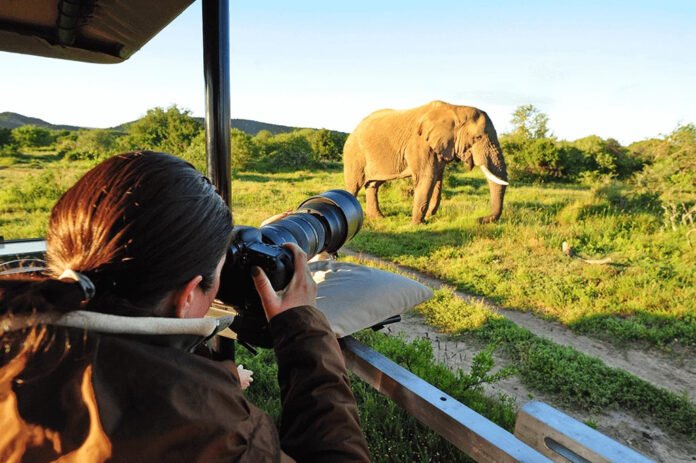
A lady on safari wearing neutral colours

Going on a safari is a dream adventure for many, offering a unique chance to witness wildlife in their natural habitat. However, preparing for a safari involves more than just packing your bags; it’s about understanding the environment you’ll be entering. One common question among first-time safari-goers is: Why can’t you wear white on safari? This question might seem trivial, but it holds significant importance for anyone looking to have a comfortable and successful experience.

In this comprehensive guide, we’ll explore why wearing white is not recommended on safari, delve into the specific conditions of the safari environment, and discuss the ideal types of clothing and accessories to bring along. This includes everything from the right kind of hat and sunglasses to the best shoes and cameras. By the end of this article, you’ll be well-prepared to make the most of your safari experience.

The Safari Environment: Understanding the Terrain

Before we discuss clothing, it’s crucial to understand the environment you’ll be navigating on a safari. Most safari destinations, particularly in Africa, are characterized by open savannahs, woodlands, and desert-like conditions. The terrain can vary from dry, dusty plains to wetter, marshy areas, depending on the season and the specific region.

  • Dust and Dirt: One of the most defining features of the safari environment is the pervasive dust and dirt. Whether you’re driving through a national park in a 4×4 or walking on a guided tour, the dry conditions can stir up significant amounts of dust. This dust clings to everything, including your clothes, making it nearly impossible to keep anything clean, especially lighter colors like white.
  • Sun Exposure: The African sun is intense and can be relentless, especially during midday. This exposure not only affects your skin but also the colors and materials of your clothing. Light colors, such as white, can reflect light, making you more noticeable to animals, and they offer less UV protection.
  • Temperature Fluctuations: Safaris often involve early morning and late evening drives when temperatures can drop significantly. During the day, however, it can get extremely hot. This requires layering of clothes, which we’ll discuss in more detail later.

Why White is a No-Go on Safari

The main reason why white is not recommended on safari is that it’s highly impractical in the dusty, dirty conditions of the bush. Let’s break down the key reasons:

  1. Dust and Dirt Visibility: White clothing highlights dust and dirt, making it look grimy almost immediately. Safari vehicles are open to the elements, and with the frequent stops and starts, dust kicks up everywhere. Wearing white will likely result in your clothing looking dirty within minutes, which can be uncomfortable and unsightly.
  2. Wildlife Visibility: Safaris are about blending into the environment as much as possible to observe wildlife without disturbing them. White stands out in the natural landscape, making you more visible to animals. This can either scare them away or, in rare cases, attract unwanted attention from curious or potentially dangerous animals.
  3. Reflective Properties: White and other light colors reflect sunlight, which can cause glare. This is not just uncomfortable for you but can also be a nuisance to your fellow travelers. Additionally, the reflection can be a signal to animals, potentially altering their behavior.
  4. Heat Management: While it’s true that white reflects sunlight and can keep you cooler, it’s also less effective at providing UV protection. Safaris often expose you to the sun for extended periods, and having clothing that provides adequate protection from harmful UV rays is crucial.

The Ideal Safari Clothing

Now that we understand why white is impractical, let’s look at the clothing that is recommended for safari. The key to safari clothing is to prioritize comfort, durability, and functionality while ensuring you blend into the environment.

1. Neutral Colors

Safari Pants convertible to shorts if required.
  • Khaki, Olive, and Brown: These colors are the go-to for safari clothing. They blend well with the natural surroundings, reducing your visibility to wildlife. Additionally, these earthy tones are great at concealing dust and dirt, keeping you looking cleaner throughout the day.
  • Darker Greens and Browns: These colors are excellent for evening safaris when the light is low. They provide better concealment in the shadows and are less likely to attract insects, which are often drawn to lighter colors.

2. Lightweight and Breathable Fabrics

  • Cotton and Linen: These natural fabrics are breathable and comfortable, making them ideal for the hot, dry conditions typical of many safari environments. They allow air to circulate, helping to keep you cool.
  • Moisture-Wicking Materials: While cotton is comfortable, it doesn’t dry quickly. Consider moisture-wicking materials for underlayers, especially if you’re likely to sweat. These fabrics pull moisture away from your skin, keeping you dry and comfortable.

3. Long Sleeves and Pants

woman wearing long sleeve safari shirt
Long Sleeve UV Sun Protection Safari Shirts
  • Protection from the Sun: Long sleeves and pants protect your skin from the harsh sun, reducing the risk of sunburn. They also offer a barrier against insects, including mosquitoes, which can be a concern in some safari areas.
  • Lightweight Layering: Despite the heat, it’s important to have layers. Early mornings and late evenings can be chilly, so having a lightweight jacket or fleece is advisable.

4. Insect-Repellent Clothing

  • Permethrin-Treated Fabrics: Some safari clothing is treated with permethrin, an insect repellent that’s particularly effective against mosquitoes. This is especially important in areas where malaria is a concern.
Insect repellent clothing

Safari Accessories: The Essential Gear

Along with clothing, the right accessories can significantly enhance your comfort and experience on safari. Here’s a breakdown of the must-have items:

1. Hats

  • Wide-Brimmed Hat: A wide-brimmed hat is essential for protecting your face, neck, and ears from the sun. Look for one with a strap to keep it secure on windy drives.
  • Cap with Neck Flap: Another good option is a cap with a neck flap, which offers additional protection while keeping your head cool.

2. Sunglasses

  • Polarized Lenses: Sunglasses with polarized lenses are crucial for reducing glare from the sun and enhancing your ability to spot wildlife. Make sure they offer 100% UV protection.
  • Wraparound Design: Sunglasses with a wraparound design help keep dust out of your eyes, which can be a problem on windy days.

3. Footwear

  • Sturdy Walking Shoes: Comfortable, sturdy walking shoes or lightweight hiking boots are ideal for safari. They provide the necessary support and protection, especially if you’ll be doing any walking safaris.
  • Breathable Socks: Pair your shoes with moisture-wicking, breathable socks to keep your feet dry and comfortable. This will also help prevent blisters.

4. Camera Equipment

  • DSLR or Mirrorless Camera: A good quality camera is a must for capturing the incredible wildlife and landscapes on safari. A DSLR or mirrorless camera with a telephoto lens (200mm or more) will allow you to capture animals from a distance.
  • Spare Batteries and Memory Cards: Always bring extra batteries and memory cards. The last thing you want is to run out of storage or power just as you spot a rare animal.
  • Lens Cleaning Kit: Dust can be a major issue on safari, so a lens cleaning kit is essential for keeping your camera gear in top condition.

5. Binoculars

Binoculars for Adults and Kids, Large Eyepiece Waterproof Binocular with Low Light Vision
  • High-Quality Binoculars: Binoculars are a must-have for spotting wildlife that’s far away. Look for a pair with a magnification of at least 8×42, which offers a good balance between power and field of view.
  • Compact and Lightweight: Choose binoculars that are compact and lightweight, as you’ll likely be carrying them around your neck or in your bag for extended periods.

6. Daypack

  • Lightweight Daypack: A small, lightweight daypack is perfect for carrying your essentials, such as sunscreen, insect repellent, camera gear, and water.
  • Hydration Pack: Some daypacks come with a built-in hydration system, which can be convenient for staying hydrated during long drives or walks.
Hydration Pack Backpack with 3L TPU Water Bladder

7. Sun Protection

  • Sunscreen: High SPF sunscreen is non-negotiable on safari. The sun’s rays are strong, and you’ll often be exposed for hours at a time.
  • Lip Balm with SPF: Don’t forget to protect your lips with a lip balm that includes SPF.

8. Insect Repellent

  • DEET-Based Repellent: Insect repellent is crucial, especially in areas where malaria is present. DEET-based repellents are highly effective, though there are natural alternatives like citronella for those who prefer them.
  • Insect Repellent Wristbands: For added protection, consider wearing insect repellent wristbands, which can help keep mosquitoes at bay.

Practical Tips for Safari Clothing and Gear

Now that you know what to bring, here are some practical tips to ensure you’re well-prepared:

  1. Test Your Gear: Before you go, make sure all your clothing and gear are comfortable and in good working order. Wear your shoes, test your binoculars, and try out your camera gear to ensure everything is functioning correctly.
  2. Pack Light, But Smart: Safari vehicles often have limited space, so pack only what you need. Choose versatile clothing that can be mixed and matched to create different outfits.
  3. Layering is Key: Given the temperature fluctuations, layering is essential. Start with a moisture-wicking base layer, add a lightweight shirt, and have a jacket or fleece on hand for when it gets cooler. This will allow you to adapt to the changing temperatures throughout the day.
  1. Keep Essential Items Accessible: When on safari, things can happen quickly, and you may need to grab your camera, binoculars, or sunscreen at a moment’s notice. Keep these essentials within easy reach in your daypack or in pockets.
  2. Plan for Laundry: If you’re on an extended safari, you won’t be able to bring enough clothes for each day. Check if your lodge or camp offers laundry services, or pack a small amount of detergent to wash clothes yourself. Quick-dry fabrics are ideal for this purpose.
  3. Mind the Weather: Safari destinations can have unpredictable weather. Even in the dry season, a sudden downpour is possible. Pack a lightweight, waterproof jacket that can be easily stowed in your daypack.

Specialty Gear for a Safari

In addition to the basics, there are some specialty items that might not be on your initial packing list but could prove invaluable on your safari adventure.

1. Buff or Scarf

  • Dust Protection: A buff or scarf is versatile and can be used to protect your face from dust while on game drives. It can also serve as additional sun protection or be used to keep warm during cooler mornings and evenings.
  • Multipurpose Use: Buffs can be worn in various ways—around the neck, over the nose and mouth, or as a headband—making them a multifunctional accessory.

2. Safari Jacket or Vest

  • Pockets for Essentials: A safari jacket or vest with multiple pockets is highly practical for carrying small items such as a flashlight, notepad, pen, or small camera accessories.
  • Lightweight Yet Durable: Look for a jacket made from lightweight, breathable material that is still durable enough to withstand the bush environment. Some jackets are also water-resistant, which is helpful if you encounter unexpected rain.

3. Gloves

  • Protection from the Elements: If you plan on going on a walking safari or doing any early morning or evening drives, gloves can protect your hands from the cold. Opt for lightweight, flexible gloves that won’t interfere with your ability to handle binoculars or cameras.
  • Thorn Protection: In some regions, especially those with acacia trees or similar thorny vegetation, gloves can protect your hands from scratches if you’re moving through dense brush.

4. Travel Adapter and Charger

  • Universal Adapter: Since you’ll be traveling to a foreign country, a universal travel adapter is essential for charging your electronic devices. Be sure it’s compatible with the local power outlets.
  • Portable Charger: A portable charger or power bank is invaluable, especially if you’re using your camera or smartphone extensively throughout the day. Safari camps might not always have reliable electricity, so having a backup power source ensures you won’t miss capturing those perfect moments.

5. Field Guide

  • Wildlife Identification: A field guide specific to the region you’re visiting can enhance your safari experience. It allows you to identify and learn more about the animals and birds you encounter. Some travelers also like to keep a small journal to document sightings and experiences.
  • Mobile Apps: If you prefer digital options, there are several mobile apps available that offer detailed information about wildlife and bird species in different safari regions. These apps often include checklists, which can be a fun way to track what you’ve seen.

6. First-Aid Kit

  • Basic Medical Supplies: A small first-aid kit is always a good idea when traveling in remote areas. Include basics like adhesive bandages, antiseptic wipes, pain relievers, and any personal medications.
  • Blister Care: If you’re doing any walking, blister care is crucial. Pack moleskin, blister pads, or other treatments to address hot spots before they become problematic.

What to Leave Behind

Just as important as knowing what to pack is knowing what to leave behind. Certain items, while seemingly practical, may not be suitable or necessary for a safari:

1. Bright Colors and Bold Patterns

  • Avoid Bright Colors: Bright colors like red, yellow, or blue are highly visible and can be distracting or startling to wildlife. Stick to the neutral, earthy tones that are recommended.
  • No Camouflage: While it might seem like camouflage would be a good choice, it’s often discouraged or even illegal in some countries because it can be associated with military personnel. Check local regulations before packing any camouflage clothing.

2. Heavy, Non-Breathable Fabrics

  • Denim and Leather: Heavy fabrics like denim and leather are impractical for safari. They are not breathable and can become uncomfortable in the heat. They also take a long time to dry if they get wet.

3. Expensive Jewelry and Valuables

  • Leave Valuables at Home: There’s no need for expensive jewelry or other valuables on safari. Not only do they draw unwanted attention, but they can also be easily lost or damaged in the bush.
  • Simple Accessories: If you like to wear accessories, opt for simple, durable pieces that won’t get in the way of your activities or attract unwanted attention.

4. Overly Scented Products

  • Avoid Strong Fragrances: Strongly scented perfumes, lotions, or deodorants can attract insects and are also noticeable to wildlife. Choose unscented or lightly scented products to minimize this risk.

5. Excessive Luggage

  • Pack Smart: Safari vehicles often have limited space for luggage, and many small planes that take you to remote safari locations have strict weight limits. Pack only what you need and opt for soft-sided luggage, which is easier to stow.

A safari is a once-in-a-lifetime experience that requires thoughtful preparation, particularly when it comes to clothing and gear. Understanding why you shouldn’t wear white on safari is just the beginning. The dusty, often harsh environment necessitates practical, durable, and comfortable clothing and accessories that blend into the natural surroundings and protect you from the elements.

By choosing neutral-colored, breathable clothing, and equipping yourself with the right accessories like hats, sunglasses, and binoculars, you’ll not only be more comfortable but also increase your chances of having successful wildlife encounters. Remember to pack smart, test your gear before you go, and be mindful of what’s practical for the environment you’ll be in.

By following this guide, you can focus on enjoying the incredible landscapes and wildlife, creating memories that will last a lifetime, and making the most of your safari adventure.

What Is A Sundowner On A Safari?

0
A safari sundowner at sunset

The African safari experience is one that is filled with magic, wonder, and a deep connection to nature. While the wildlife and landscapes are the primary draws, there are other, subtler aspects of a safari that leave an indelible mark on the heart. Among these is the tradition of the “sundowner.” A sundowner on safari is not just a time for drinks; it’s a ritual that celebrates the end of a day in the wild, with the golden hues of the setting sun as the backdrop. This article explores the essence of a sundowner, its significance in the safari experience, the best destinations for enjoying this tradition, and what to expect from a sundowner setup.

The Essence of a Sundowner: A Toast to the Day

The Origins of the Sundowner

The term “sundowner” originates from the colonial era in Africa. British settlers and adventurers would often end their day with a drink as the sun set, a moment of relaxation after the exertions of the day. Over time, this tradition became a beloved part of the safari experience, where it was adopted by guides and travelers alike. The sundowner is now an integral part of the safari, symbolizing a moment of peace and reflection after a day of exploring the wild.

The Importance of Sundowners on Safari

A safari can be an intense experience, filled with the excitement of tracking animals, the awe of seeing predators in action, and the tranquility of the African plains. By the time the sun begins to dip towards the horizon, both the body and mind yearn for a moment of respite. This is where the sundowner comes in, providing the perfect opportunity to unwind and absorb the day’s adventures.

But a sundowner is more than just a moment of relaxation. It is a communal experience, often shared with fellow travelers and guides, where stories of the day’s sightings are recounted, and the marvels of the African bush are appreciated in a quieter, more reflective manner. The combination of a drink in hand, the camaraderie of the group, and the stunning visual of the setting sun creates a powerful, almost spiritual moment that is hard to replicate in any other setting.

The Ritual of the Sundowner

The sundowner typically begins in the late afternoon as the day’s activities wind down. Your guide will often choose a scenic spot, perhaps a hilltop or a clearing that offers an unobstructed view of the sunset. It’s not uncommon for these locations to be carefully selected based on the day’s safari route, ensuring a seamless transition from the last game drive of the day to the sundowner spot.

As you arrive at the location, the guide or a member of the safari team will set up a small, portable bar. The drinks served often include gin and tonic—a favorite among many safari-goers—along with a selection of other spirits, wine, beer, and non-alcoholic options. Accompanying the drinks are light snacks, such as biltong (a type of cured meat similar to jerky), nuts, and sometimes more elaborate canapés depending on the level of luxury offered by the safari lodge or camp.

Once the drinks are poured and the snacks laid out, there is little to do but sit back, relax, and watch as the sky transitions from blue to shades of orange, pink, and purple. The air is filled with the sounds of the African bush—birds calling as they settle in for the night, distant animal calls, and the gentle rustling of leaves. It is a moment that invites quiet contemplation and deep appreciation for the beauty of nature.

Top Safari Destinations for Sundowners

Africa is vast and diverse, with countless safari destinations that offer unique landscapes and wildlife experiences. Below are some of the most iconic safari destinations where the sundowner experience is nothing short of magical.

1. Serengeti National Park, Tanzania

The Serengeti is arguably one of the most famous safari destinations in the world, known for its vast savannas and incredible wildlife, including the annual Great Migration. The endless plains provide the perfect backdrop for a sundowner, with the golden grass stretching out as far as the eye can see. Imagine sipping your drink as the sun sets over the Serengeti, painting the sky in deep hues while herds of wildebeest and zebras graze in the distance. Lodges like Four Seasons Safari Lodge Serengeti and Singita Grumeti offer luxurious sundowner experiences, often with a setup that includes elegant seating, gourmet snacks, and a selection of fine wines and spirits.

2. Masai Mara, Kenya

A sundowner in Masai Mara
Tourists in Masai Mara enjoying a sundowner

Just across the border from the Serengeti lies the Masai Mara, another iconic safari destination known for its abundant wildlife and picturesque landscapes. The Mara’s rolling hills and acacia-dotted plains make for stunning sunset views. Many lodges and camps in the Masai Mara, such as the luxurious Angama Mara or Kichwa Tembo, offer sundowners in prime locations, sometimes even on elevated decks or kopjes (rocky outcrops) that provide panoramic views of the Mara. As you watch the sun dip below the horizon, you might even hear the distant roar of a lion or the call of a hyena, reminding you that the African night is just beginning.

3. Okavango Delta, Botswana

The Okavango Delta is one of the most unique safari destinations in Africa, a vast inland delta that floods annually, creating a maze of waterways, islands, and lush vegetation. Sundowners in the Okavango Delta are often enjoyed on a boat, drifting gently along the channels as the sun sets, casting a golden glow over the water. Alternatively, you might find yourself on a secluded island, where a small campfire adds to the atmosphere. Lodges like Vumbura Plains and Mombo Camp offer exquisite sundowner setups, complete with local gin and tonics, canapés made from fresh, locally sourced ingredients, and an ambience that is both serene and surreal.

4. Kruger National Park, South Africa

Kruger National Park is one of Africa’s largest and most well-known game reserves, offering a variety of ecosystems and a high density of wildlife. Sundowners in Kruger are often enjoyed from elevated viewpoints or riverbanks, where you can watch elephants come to drink as the sun sets. The diversity of the landscape means that every sundowner location offers something different, from vast open savannas to dense forests. Lodges like Singita Lebombo and Londolozi are known for their luxurious sundowner experiences, which might include a pop-up bar with premium spirits, artisanal snacks, and even a small musical accompaniment to enhance the experience.

5. Hwange National Park, Zimbabwe

Hwange is Zimbabwe’s largest national park, known for its large elephant herds and diverse wildlife. The park’s vast, open landscapes provide some of the best sunset views in Africa. Sundowners in Hwange are often set up near waterholes, where you can watch as animals come to drink in the fading light. The contrast of the golden sun against the deep green of the bush creates a stunning visual, making for an unforgettable sundowner experience. Lodges like The Hide and Somalisa Camp offer classic sundowner setups, with a range of drinks and snacks, and a focus on creating a relaxed, intimate atmosphere.

6. Sossusvlei, Namibia

For a completely different sundowner experience, Sossusvlei in the Namib Desert offers something truly special. The towering red dunes and the stark, dry landscapes create a surreal backdrop for a sundowner. As the sun sets, the colors of the sand and sky shift dramatically, creating a mesmerizing spectacle. Sundowners in Sossusvlei are often enjoyed on top of a dune, with nothing but the vast desert around you. Lodges like Sossusvlei Desert Lodge and Little Kulala offer luxury desert experiences, including sundowners with fine wines, champagne, and gourmet snacks, making it an unforgettable way to end a day in the desert.

7. Luangwa Valley, Zambia

A sundowner in South Luangwa National Park
A sundowner South Luangwa National Park

South Luangwa National Park is often referred to as one of the best-kept secrets of African safaris. The park is renowned for its walking safaris and rich wildlife, particularly leopards. Sundowners in Luangwa are typically enjoyed along the banks of the Luangwa River, where you can watch hippos wallowing in the water as the sun sets. The remote and wild nature of Luangwa means that your sundowner is often a private, intimate affair, with only the sounds of the bush around you. Lodges like Time + Tide Chinzombo and Mfuwe Lodge provide authentic sundowner experiences, with local beverages and snacks that complement the rustic, untouched beauty of the area.

The Sundowner Setup: What to Expect

The sundowner experience can vary significantly depending on the level of luxury provided by your lodge or camp, but there are certain elements that are common to most sundowner setups.

1. Location, Location, Location

The success of a sundowner often hinges on the location. Guides typically select spots that offer the best possible view of the sunset, whether it’s a hill overlooking the plains, a riverbank with animals in view, or a quiet clearing in the bush. These locations are chosen not just for their views but also for their atmosphere—a good sundowner spot should feel secluded and peaceful, far removed from the hustle and bustle of everyday life.

2. The Portable Bar

At the heart of the sundowner setup is the portable bar. This can range from a simple cooler with a few drinks to a fully stocked bar complete with glassware, mixers, and a variety of spirits. In more luxurious settings, you might find a beautifully crafted wooden bar that has been set up in the bush, with all the trimmings of a high-end cocktail bar. Common drink choices include:

  • Gin and tonic, which is a quintessential safari drink, often infused with botanicals or served with a twist of local fruits or herbs.
  • Local beers, which provide a refreshing option for those who prefer something lighter.
  • Wines, often from South Africa’s famous vineyards, offering a variety of reds and whites to suit different palates.
  • Whiskey or brandy, for those who enjoy a stronger drink to savor as the night draws in.
  • Non-alcoholic options, such as fresh juices, soft drinks, and flavored waters, ensuring that everyone can enjoy the sundowner ritual, regardless of their preference for alcohol.

3. The Snacks

Sundowners are often accompanied by a selection of snacks, which can range from simple and traditional to elaborate and gourmet. In classic safari style, the snacks often include:

  • Biltong: This dried, cured meat is a staple in southern Africa and is similar to jerky. It’s typically made from beef or game and is packed with flavor, making it an excellent snack to pair with your drink.
  • Nuts: Cashews, peanuts, and macadamias are common, often roasted and seasoned to complement the beverages.
  • Cheese and crackers: A selection of cheeses, sometimes local varieties, along with crackers or breadsticks, provides a more substantial snack option.
  • Canapés: In more luxurious settings, you might be treated to gourmet canapés, such as smoked salmon blinis, mini quiches, or bruschettas topped with fresh, local ingredients.
  • Fresh fruit: Depending on the season and location, fresh fruits like mango, pineapple, or grapes might be offered, providing a sweet and refreshing contrast to the savory snacks.

4. Ambiance and Seating

The ambiance of a sundowner is crucial to the experience. While some setups are designed to be enjoyed standing, allowing guests to move around and take in different views, others offer comfortable seating arrangements. This could include:

  • Camp chairs: Portable and comfortable, these chairs are often set up in a semi-circle facing the sunset, creating a communal yet relaxed atmosphere.
  • Blankets and cushions: For a more intimate and cozy feel, blankets and cushions might be spread out on the ground, encouraging guests to sit back, relax, and maybe even lie down to gaze up at the sky as the stars begin to emerge.
  • Lanterns and candles: As the sun dips below the horizon and darkness begins to set in, the soft glow of lanterns or candles might be used to light the area, adding to the magical atmosphere. In more luxurious camps, there might even be a small fire or tiki torches, creating a warm and inviting space.

5. The Safari Guide’s Role

The safari guide plays an integral role in the sundowner experience. Beyond setting up the location and ensuring everything runs smoothly, they often share stories, provide insights into the day’s sightings, and answer any questions guests might have. Their knowledge of the area and its wildlife adds depth to the experience, turning the sundowner into not just a time for relaxation, but also an opportunity to learn more about the environment you’re in.

In many cases, the guide’s enthusiasm and love for the bush are contagious, and it’s not uncommon for guests to feel a deep sense of connection to the land and its creatures during this time. This is especially true when the guide shares personal anecdotes or tribal legends that add a cultural dimension to the experience.

6. Timing and Duration

A sundowner typically lasts about an hour, starting just before the sun begins its descent and continuing until the last light fades from the sky. The timing is crucial, as the entire experience is centered around the spectacle of the sunset. Depending on the location, the duration might be extended to allow for stargazing, especially in areas where light pollution is minimal, and the night sky is filled with stars.

In some destinations, like the deserts of Namibia or the bushveld of Botswana, the transition from day to night is especially dramatic, with the landscape taking on a whole new character as the stars appear. In these cases, the sundowner might naturally flow into the evening, with guests lingering around the fire or bar, enjoying the peacefulness of the night.

The Sundowner Experience: Beyond the Drink

While the sundowner is certainly a time to enjoy a drink and relax, it is also much more than that. It’s a ritual that encapsulates the essence of the safari experience—a moment to pause, reflect, and appreciate the natural beauty that surrounds you. Here are a few ways in which the sundowner enhances the overall safari experience:

1. Connection to Nature

The sundowner allows you to connect deeply with the environment. As you watch the sun sink below the horizon, you become acutely aware of the rhythms of the natural world. The transition from day to night is a powerful reminder of the passage of time and the cycles of nature. It’s a moment to take a deep breath, feel the breeze on your skin, and listen to the sounds of the bush as it transitions into the nocturnal phase.

2. Reflection and Contemplation

Safaris are often intense experiences, filled with the thrill of wildlife encounters and the awe of natural beauty. The sundowner provides a quiet time to reflect on the day’s experiences, whether it was the excitement of seeing a lion hunt, the joy of watching a herd of elephants, or the simple pleasure of being in such a wild and beautiful place. It’s a time to process these experiences, allowing them to settle into your memory as moments to be cherished.

3. Social Bonding

Sundowners are often shared with other guests and the safari guides, creating a communal experience. It’s a time to swap stories, share laughter, and build connections with fellow travelers. The relaxed atmosphere of a sundowner encourages conversation, and many friendships have been formed over a shared drink as the sun sets over the African plains. For those traveling with family or friends, it’s a perfect time to bond and create shared memories.

4. Cultural Insights

In some parts of Africa, the sundowner experience is enriched with cultural elements. For example, in areas where local tribes play a role in the safari experience, the sundowner might include traditional music, dance, or storytelling. This adds a cultural dimension to the experience, giving you a deeper understanding of the people who live in harmony with the land you are exploring.

In Namibia, you might experience a sundowner with the San people, learning about their ancient traditions and survival skills. In Kenya’s Masai Mara, you might be treated to a Maasai warrior dance, a powerful display of the tribe’s cultural heritage. These cultural elements provide a richer, more immersive experience, allowing you to connect not just with the land but with the people who have called it home for generations.

The sundowner is a quintessential part of the safari experience, one that captures the magic, tranquility, and beauty of Africa in a single moment. Whether you are sipping a gin and tonic on the vast plains of the Serengeti, watching the sunset over the Okavango Delta from a mokoro (dugout canoe), or enjoying a glass of wine on a Namibian dune, the sundowner is a time to pause, reflect, and appreciate the incredible journey you are on.

As you plan your safari, consider the destinations where the sundowner experience will be most memorable, and look forward to this unique ritual that adds so much to the overall experience. From the breathtaking landscapes to the camaraderie of fellow travelers, and from the delicious drinks to the quiet moments of reflection, the sundowner is a highlight of any safari, offering a perfect blend of relaxation, celebration, and connection to nature.

Whether you are an experienced safari-goer or embarking on your first adventure, the sundowner will undoubtedly become one of your most cherished memories—a moment when time seems to stand still, and the beauty of Africa reveals itself in its full glory.

What To Wear In Rabat

Rabat

When planning a trip to Rabat, Morocco, understanding the local dress code is crucial to ensure comfort, respect for cultural norms, and an enjoyable experience. Rabat, the capital city, is a blend of modernity and tradition, and this is reflected in how people dress. In this article, we will cover various aspects of dressing in Rabat, including what to wear as a tourist (both for women and men), the dress code for expatriates, business attire guidelines, and the Islamic dress code. By the end of this article, you will have a clear understanding of how to dress appropriately in Rabat, no matter the occasion.

Understanding Rabat’s Cultural Context

Rabat is one of Morocco’s most cosmopolitan cities, home to government institutions, embassies, and a growing expatriate community. While Morocco is a predominantly Muslim country with deep-rooted traditions, Rabat’s atmosphere is relatively more relaxed compared to other cities like Fez or Marrakesh. However, being aware of cultural sensitivities, especially in terms of clothing, is important for all visitors.

Modernity Meets Tradition

Rabat showcases a mix of old and new, where the traditional medina coexists with modern shopping malls, cafes, and business districts. This blend of cultures is also reflected in the way people dress. While you’ll see younger Moroccans in trendy, Western-style clothing, traditional garments like the djellaba and kaftan are still prevalent, especially among older generations.

Dressing as a Tourist in Rabat: Women and Men

As a tourist in Rabat, your attire should strike a balance between comfort and cultural sensitivity. Rabat’s climate is Mediterranean, characterized by hot summers and mild winters. The city is quite walkable, with many attractions accessible on foot, so comfortable footwear and breathable clothing are essential.

Women’s Clothing: What to Wear and What to Avoid

When it comes to dressing as a female tourist in Rabat, modesty is key. Although Rabat is more liberal than some other Moroccan cities, it’s still important to respect local customs.

1. Tops:

  • Recommended: Lightweight, long-sleeved blouses or shirts are ideal. These provide sun protection and respect the local preference for modesty.
  • Avoid: Sleeveless tops, low-cut blouses, and crop tops. If you prefer short sleeves, make sure they cover at least your upper arms.

2. Bottoms:

  • Recommended: Loose-fitting pants, maxi skirts, or long dresses. Jeans are also acceptable, particularly in darker colors.
  • Avoid: Short skirts, shorts, or tight-fitting clothes that could attract unwanted attention.

3. Footwear:

  • Recommended: Comfortable walking shoes, sandals, or flats. Rabat’s streets can be uneven, so opt for footwear that provides good support.
  • Avoid: High heels, unless you’re attending a specific event where they are appropriate.

4. Accessories:

  • Recommended: A wide-brimmed hat, sunglasses, and a light scarf. A scarf can be handy not only for sun protection but also for covering your head if you visit religious sites.
  • Avoid: Flashy jewelry or accessories that might attract attention.

5. Can You Wear Jeans?

  • Yes, you can wear jeans in Rabat. They are quite common and practical, especially in darker shades. Pair them with a modest top for a balanced look.

Men’s Clothing: Practicality and Respect

Male tourists in Rabat have slightly more flexibility, but they should still aim for a conservative style, particularly in certain areas or situations.

1. Tops:

  • Recommended: Short or long-sleeved shirts and polo shirts are suitable. T-shirts are also fine, but avoid those with offensive prints.
  • Avoid: Sleeveless shirts or tank tops, especially in religious or more conservative settings.

2. Bottoms:

  • Recommended: Lightweight trousers, chinos, or jeans. Cargo pants are also a practical option for sightseeing.
  • Avoid: Shorts, particularly in the medina or when visiting religious sites. If you do wear shorts, ensure they are knee-length or longer.

3. Footwear:

  • Recommended: Comfortable walking shoes, loafers, or sandals. Ensure your footwear is suitable for long walks.
  • Avoid: Flip-flops or beach sandals when exploring the city, as they offer little support and may be seen as too casual.

4. Accessories:

  • Recommended: Sunglasses, a sun hat, and a small backpack or crossbody bag for carrying essentials.
  • Avoid: Flashy accessories or expensive-looking items that could draw attention.

5. Can You Wear Jeans?

  • Yes, jeans are a versatile and acceptable choice for men in Rabat. Darker colors are preferable, and pairing them with a neat shirt or polo will keep your look polished yet relaxed.

Expatriates in Rabat: Adapting to Local Norms

Expatriates living in Rabat enjoy a certain degree of freedom when it comes to clothing, but they often blend their personal style with local customs to show respect and to integrate more smoothly into Moroccan society.

Everyday Wear for Expatriate Women

For expatriate women, daily wear in Rabat can be a mix of Western and Moroccan styles. Many expatriates opt for modest versions of their regular clothing, often incorporating elements of Moroccan dress.

1. Tops and Dresses:

  • Loose blouses, tunics, and long dresses are popular choices. Many expat women find that layering is key, especially when transitioning from private to public spaces.
  • It’s common to see expat women in Rabat wearing kaftans or djellabas, particularly during special occasions or religious holidays. These garments are both stylish and culturally appropriate.

2. Bottoms:

  • Trousers, jeans, and maxi skirts are all practical options. Many expatriates choose to wear clothing that doesn’t cling too tightly to the body.
  • Expat women often opt for darker colors and more conservative cuts, especially when commuting or in more traditional neighborhoods.

3. Footwear:

  • Comfortable yet stylish shoes are a must. Many expatriates prefer flats, sandals, or low-heeled shoes.
  • In business settings, expatriate women might wear dressier shoes, though they should still prioritize comfort.

Everyday Wear for Expatriate Men

Expatriate men in Rabat typically adopt a smart-casual style, which is both comfortable and respectful of local norms.

1. Tops:

  • Collared shirts, polos, and casual button-downs are popular. These are often worn with the sleeves rolled up, especially in warmer weather.
  • T-shirts are acceptable, but they should be plain or with non-offensive designs.

2. Bottoms:

  • Trousers, chinos, and jeans are common among expat men. Some expatriates may choose to wear Moroccan-style trousers for a more local look.
  • Shorts are generally avoided in formal settings but may be worn casually at home or in more relaxed environments.

3. Footwear:

  • Loafers, boat shoes, and other casual yet smart footwear are typical. Sandals are acceptable in informal settings.
  • Sneakers are common among expatriates, particularly for casual outings or when running errands.

Dressing for a Business Meeting in Rabat: Men and Women

Rabat is a hub for diplomatic and business activities, and dressing appropriately for business meetings is crucial. While the city is relatively liberal, the business environment tends to be more formal and conservative.

Business Attire for Women

Women attending business meetings in Rabat should aim for a professional look that balances modesty with style.

1. Suits and Dresses:

  • Recommended: A tailored suit or a conservative dress with a blazer is ideal. Opt for neutral or darker colors like black, navy, or gray. Dresses should be knee-length or longer.
  • Avoid: Bright colors, bold patterns, and tight-fitting clothing. Sleeveless dresses should be paired with a jacket or cardigan.

2. Blouses and Shirts:

  • Recommended: High-quality blouses or shirts in solid colors or subtle patterns. Long sleeves are preferred, but short sleeves are acceptable if they cover the shoulders.
  • Avoid: Low-cut tops or sheer fabrics. Ensure that blouses are not too tight or revealing.

3. Bottoms:

  • Recommended: Matching trousers or a knee-length skirt. Pencil skirts are acceptable if they are not too tight.
  • Avoid: Miniskirts, shorts, or trousers with flashy embellishments.

4. Footwear:

  • Recommended: Closed-toe shoes with a moderate heel, such as pumps or flats. Ensure your shoes are polished and in good condition.
  • Avoid: Open-toe sandals, excessively high heels, or overly casual shoes.

5. Accessories:

  • Recommended: Simple, elegant jewelry and a professional handbag or briefcase. A scarf can add a touch of sophistication while also being functional.
  • Avoid: Flashy or oversized jewelry and accessories that draw too much attention.

Business Attire for Men

For men, business attire in Rabat is quite traditional and leans towards the formal side.

1. Suits:

  • Recommended: A well-fitted suit in a dark color like navy, black, or charcoal is ideal. Ensure that the suit is clean, pressed, and fits properly.
  • Avoid: Light-colored or overly casual suits. Avoid flashy patterns or unconventional colors.

2. Shirts:

  • Recommended: Long-sleeved dress shirts in white, light blue, or other neutral tones are recommended. Make sure the shirt is neatly pressed and made of high-quality fabric. French cuffs can add a touch of formality.
  • Avoid: Loud patterns, short-sleeved dress shirts, or shirts with logos. Avoid wearing shirts that are too tight or too loose.

3. Ties:

  • Recommended: A conservative tie in a solid color or with a subtle pattern. The tie should complement your suit and shirt without drawing too much attention.
  • Avoid: Novelty ties, overly bright colors, or bold patterns that might seem unprofessional.

4. Footwear:

  • Recommended: Polished leather shoes in black or brown are the norm. Oxfords or brogues are great options. Make sure your shoes are well-maintained and comfortable enough for a full day of meetings.
  • Avoid: Casual shoes, sneakers, or sandals. Scuffed or worn-out shoes are also inappropriate for business settings.

5. Accessories:

  • Recommended: A leather belt that matches your shoes, a classic wristwatch, and a professional briefcase or portfolio. Cufflinks and a pocket square can add a subtle touch of elegance.
  • Avoid: Excessive jewelry, flashy watches, or overly casual accessories.

Hijab and Islamic Dress Code in Rabat

Understanding the role of the hijab and the broader Islamic dress code is essential for anyone visiting or living in Rabat. While Morocco is a Muslim-majority country, the approach to Islamic dress can vary widely, influenced by factors like age, social status, and personal beliefs.

Is It Compulsory to Wear a Hijab?

In Morocco, including Rabat, wearing a hijab (headscarf) is not compulsory for women, whether they are locals, expatriates, or tourists. However, many Moroccan women choose to wear the hijab as a sign of modesty and religious observance. For non-Muslim visitors, there is no expectation to wear a hijab in public spaces. However, if you are visiting a mosque or a religious site, it is respectful to cover your head, and often it is required.

For Muslim expatriates or visitors who do wear a hijab, Rabat is a welcoming city where you will find a variety of styles and ways to incorporate the hijab into everyday fashion, from traditional to modern looks.

Islamic Dress Code for Women

The Islamic dress code for women emphasizes modesty and is guided by principles found in Islamic teachings. While Rabat is relatively liberal, understanding these guidelines can help you dress in a way that is respectful of the local culture.

1. General Guidelines:

  • Modesty: Women are encouraged to dress in a way that covers their body, particularly the arms, legs, and chest. This doesn’t mean you must wear traditional Islamic clothing, but your outfit should not be overly revealing.
  • Loose Clothing: Clothing should not be tight-fitting or see-through. Many women opt for garments like the djellaba, kaftan, or loose trousers, which are both comfortable and modest.
  • Head Covering: While the hijab is not compulsory, it is a significant aspect of Islamic dress for many women. The hijab covers the hair, neck, and sometimes the shoulders, while leaving the face visible.

2. Traditional Garments:

  • Djellaba: A long, loose-fitting robe with a hood, worn by both men and women. The djellaba is popular for everyday wear and can be seen in both urban and rural areas.
  • Kaftan: A long, flowing dress that is often worn on special occasions. The kaftan is typically more ornate than the djellaba, featuring intricate embroidery or beadwork.

3. Modern Interpretations:

  • Blending Styles: Many women in Rabat blend traditional Islamic garments with modern fashion. For example, you might see women wearing a djellaba with stylish flats or a hijab paired with jeans and a long tunic.
  • Color and Fabric Choices: While traditional Islamic dress is often associated with muted colors, modern interpretations in Rabat may include brighter colors and a variety of fabrics, reflecting personal style while maintaining modesty.

Islamic Dress Code for Men

The Islamic dress code for men is generally less prescriptive than for women, but it still emphasizes modesty and respectability.

1. General Guidelines:

  • Modesty: Men are encouraged to dress modestly, which typically means covering the body from the neck to below the knees. Tight or revealing clothing is discouraged.
  • Simplicity: Islamic teachings often emphasize simplicity in dress, avoiding excessively flashy or ostentatious clothing.

2. Traditional Garments:

  • Djellaba: Like the women’s version, the djellaba for men is a long, loose-fitting robe with a hood. It is commonly worn in both everyday and religious contexts.
  • Qamis (or Thobe): A long garment that reaches the ankles, typically worn during religious ceremonies or prayers. It is similar to the djellaba but without the hood and often made from lighter fabrics.

3. Modern Interpretations:

  • Western Influence: Many Moroccan men in Rabat, especially younger generations, wear Western-style clothing such as jeans, shirts, and jackets while adhering to the principles of modesty.
  • Business and Formal Wear: In professional settings, men often wear Western-style suits and ties, which are considered both respectful and appropriate within the context of Islamic guidelines.

Dressing appropriately in Rabat, Morocco, involves understanding and respecting the cultural and religious context of the city. Whether you are a tourist, an expatriate, or a business traveler, your clothing choices can help you blend in with the local community and show respect for Moroccan traditions.

For tourists, the key is to balance comfort with modesty, opting for lightweight, loose-fitting clothing that covers the shoulders and knees. Jeans are acceptable for both men and women, provided they are paired with modest tops. Expatriates often find that blending Western styles with elements of traditional Moroccan dress is both practical and respectful.

For business meetings, dressing formally is essential. Women should opt for tailored suits, dresses with blazers, and closed-toe shoes, while men should wear well-fitted suits, dress shirts, and polished leather shoes. The hijab is not compulsory for women, but covering your head may be required when visiting religious sites.

Finally, understanding the Islamic dress code—emphasizing modesty and simplicity—can guide you in making clothing choices that are respectful of local customs. By adhering to these guidelines, you will not only feel comfortable in Rabat but also demonstrate respect for Morocco’s rich cultural and religious heritage.

Best Day Trip From Nairobi

0
zebra spotted during a day trip from Nairobi

Nairobi, the vibrant capital of Kenya, is not just a bustling metropolis; it is also surrounded by some of the most stunning natural landscapes and cultural sites in East Africa. These locations make for perfect day trips, whether you’re looking to escape the city’s hustle, explore wildlife, immerse yourself in culture, or simply enjoy the breathtaking scenery. In this guide, we’ll explore 13 of the best day trips from Nairobi, detailing who each trip is best suited for, what to expect, how long it takes to get there, and the activities you can enjoy. In the end, we’ll highlight the best overall day trip based on the criteria discussed.

1. Nairobi National Park

Who It’s Best For: Wildlife enthusiasts, families with children, photographers

What to Expect: Nairobi National Park is unique as it is located just a short distance from Nairobi’s city center, making it one of the easiest day trips. This park offers an authentic safari experience, where you can see a variety of animals, including lions, giraffes, zebras, and rhinos, all against the backdrop of the city skyline.

Travel Time: 30 minutes from the city center

Activities:

  • Game drives: Ideal for spotting wildlife early in the morning or late afternoon.
  • Safari walks: A more intimate way to explore the park and its smaller creatures.
  • Bird watching: With over 400 species of birds, this is a haven for bird lovers.
  • Visit the Ivory Burning Site Monument: Learn about Kenya’s conservation efforts.

2. The David Sheldrick Wildlife Trust

Who It’s Best For: Families with young children, conservationists, animal lovers

What to Expect: The David Sheldrick Wildlife Trust is a world-renowned elephant orphanage that rescues and rehabilitates baby elephants. Visitors can watch the adorable elephants during their feeding and mud-bathing sessions, making it a heartwarming experience.

Travel Time: 45 minutes from the city center

Activities:

  • Elephant feeding: Observe and even interact with baby elephants during their feeding times.
  • Adopt an elephant: Support conservation efforts by adopting an orphaned elephant.
  • Learn about conservation: Educational talks provide insight into elephant conservation.

3. Giraffe Centre

Who It’s Best For: Families with children, animal lovers, photographers

What to Expect: The Giraffe Centre is home to the endangered Rothschild giraffe. Visitors can feed and interact with these gentle giants, making it an ideal trip for families and those interested in conservation.

Travel Time: 45 minutes from the city center

Activities:

  • Feeding giraffes: Experience the thrill of feeding giraffes from a raised platform.
  • Nature trail: Take a walk through the adjacent nature trail to spot birds and smaller wildlife.
  • Educational talks: Learn about giraffe conservation and efforts to protect this endangered species.

4. Karura Forest

Who It’s Best For: Nature lovers, fitness enthusiasts, families, couples

What to Expect: Karura Forest is an urban forest offering a serene escape from the city’s noise. The forest is well-maintained and offers a variety of activities such as hiking, cycling, and picnicking.

Travel Time: 20 minutes from the city center

Activities:

  • Hiking and walking trails: Explore over 50 kilometers of trails, including a beautiful waterfall.
  • Cycling: Rent a bike and ride through the forest’s designated paths.
  • Picnicking: Enjoy a peaceful picnic in one of the many designated areas.
  • Visit the caves and waterfall: Discover hidden gems within the forest.

5. Ngong Hills

Who It’s Best For: Adventure seekers, hikers, fitness enthusiasts

What to Expect: The Ngong Hills offer a challenging yet rewarding hike with panoramic views of the Great Rift Valley on one side and Nairobi on the other. This is a perfect trip for those who enjoy outdoor activities and breathtaking landscapes.

Travel Time: 1 hour from the city center

Activities:

  • Hiking: Tackle the undulating hills, with each peak offering stunning views.
  • Photography: Capture the picturesque scenery of the valley and surrounding landscapes.
  • Picnicking: Settle down at the summit for a well-earned picnic with a view.

6. Hell’s Gate National Park

Who It’s Best For: Adventure lovers, cyclists, nature enthusiasts, families

What to Expect: Hell’s Gate National Park is known for its dramatic landscapes, including towering cliffs, gorges, and geothermal hot springs. The park offers a unique experience where visitors can walk or cycle among wildlife, including zebras, giraffes, and buffalo.

Travel Time: 2 hours from Nairobi

Activities:

  • Cycling: Rent a bike and cycle through the park’s trails, a thrilling way to explore.
  • Rock climbing: Scale the famous Fischer’s Tower or the park’s cliffs.
  • Gorge walks: Explore the park’s stunning gorges with a guide.
  • Wildlife viewing: Spot animals on foot or by bike.

7. Lake Naivasha

Who It’s Best For: Bird watchers, nature lovers, photographers, families

What to Expect: Lake Naivasha is a freshwater lake located in the Great Rift Valley, surrounded by lush vegetation and abundant wildlife. The lake is home to a large population of hippos and over 400 bird species, making it a paradise for bird watchers and nature enthusiasts.

Travel Time: 1.5 to 2 hours from Nairobi

Activities:

  • Boat rides: Take a boat ride to see hippos up close and enjoy bird watching.
  • Crescent Island: Walk among wildlife on this peaceful island within the lake.
  • Bird watching: Spot a variety of birds, including fish eagles, pelicans, and kingfishers.
  • Visit nearby attractions: Combine your trip with a visit to Hell’s Gate National Park or Crater Lake.

8. Mount Longonot

Who It’s Best For: Experienced hikers, adventure seekers, nature lovers

What to Expect: Mount Longonot is a dormant stratovolcano that offers a challenging hike with rewarding views from the crater rim. The hike is demanding but provides a sense of accomplishment as you take in the panoramic views of the Great Rift Valley.

Travel Time: 2 hours from Nairobi

Activities:

  • Hiking: The main activity is the hike up to the crater rim, which takes about 4 to 5 hours round trip.
  • Crater rim walk: For the adventurous, you can walk around the entire crater rim.
  • Wildlife viewing: Spot animals such as zebras, giraffes, and antelopes within the park.

9. Ol Pejeta Conservancy

Who It’s Best For: Wildlife enthusiasts, families, conservationists

What to Expect: Ol Pejeta Conservancy is a premier wildlife sanctuary known for its pioneering conservation efforts, including being home to the last two northern white rhinos on earth. The conservancy offers a rich wildlife experience and is an ideal day trip for those passionate about conservation.

Travel Time: 3 hours from Nairobi

Activities:

  • Game drives: Enjoy a safari experience with opportunities to see the Big Five.
  • Visit the chimpanzee sanctuary: Learn about the rescue and rehabilitation of chimpanzees.
  • Rhino encounters: See the last two northern white rhinos and learn about the efforts to save this species.
  • Night game drives: For a different experience, consider a night game drive to see nocturnal animals.

10. Kiambethu Tea Farm

Who It’s Best For: History buffs, tea lovers, families, couples

What to Expect: Kiambethu Tea Farm is one of Kenya’s oldest tea farms, offering a glimpse into the history of tea production in Kenya. Visitors can tour the farm, learn about the tea-making process, and enjoy a relaxing day in the cool highlands.

Travel Time: 1 hour from Nairobi

Activities:

  • Farm tour: Learn about the history of tea in Kenya and see how tea is grown and processed.
  • Tea tasting: Enjoy a freshly brewed cup of tea while overlooking the lush tea fields.
  • Walk through indigenous forest: Explore the surrounding forest with a guide to learn about the local flora and fauna.
  • Lunch in the garden: Enjoy a traditional Kenyan meal in the serene garden setting.

11. The Great Rift Valley

Who It’s Best For: Geology enthusiasts, nature lovers, photographers

What to Expect: The Great Rift Valley is a stunning geological feature that offers breathtaking views and numerous activities. A day trip here allows visitors to appreciate the valley’s vastness and explore some of its highlights, such as lakes, craters, and viewpoints.

Travel Time: 1.5 to 2 hours from Nairobi

Activities:

  • Photography: Capture the dramatic landscapes and panoramic views of the valley.
  • Hiking: Explore trails around various lakes and craters within the valley.
  • Visit lakes and hot springs: Visit Lake Elementaita, Lake Nakuru, or the hot springs at Lake Bogoria.
  • Bird watching: The valley is a haven for bird species, especially flamingos.

12. Amboseli National Park

Who It’s Best For: Wildlife enthusiasts, photographers, nature lovers

What to Expect: Amboseli National Park is famous for its stunning views of Mount Kilimanjaro and its large herds of elephants. It is one of the best places in Kenya to see these majestic creatures up close in their natural habitat. The park also offers excellent opportunities for wildlife photography, with the snow-capped peak of Kilimanjaro providing a dramatic backdrop.

Travel Time: 4 hours from Nairobi

Activities:

  • Game drives: Spot elephants, lions, cheetahs, and a variety of other wildlife.
  • Photography: Capture the iconic images of wildlife with Mount Kilimanjaro in the background.
  • Bird watching: Amboseli is home to over 400 bird species, including pelicans, kingfishers, and crakes.
  • Cultural visits: Visit a Maasai village to learn about the local culture and traditions.

13. Lake Nakuru National Park

Who It’s Best For: Bird watchers, wildlife photographers, families, nature lovers

What to Expect: Lake Nakuru National Park is renowned for its vast flocks of flamingos that famously line the shores of Lake Nakuru, creating a pink-hued spectacle. The park is also home to a variety of wildlife, including rhinos, lions, and leopards, making it a great destination for both bird watching and wildlife viewing.

Travel Time: 2.5 to 3 hours from Nairobi

Activities:

  • Bird watching: Witness thousands of flamingos and other bird species, making it a birder’s paradise.
  • Game drives: Explore the park’s diverse ecosystems and spot animals like rhinos, lions, and buffalo.
  • Visit Makalia Falls: A picturesque waterfall located within the park, perfect for photography.
  • Picnicking: Enjoy a picnic by the lake while surrounded by the park’s natural beauty.

Choosing the Best Day Trip from Nairobi

Each of these day trips offers a unique experience, catering to different interests and preferences. However, if we were to choose one “best” day trip based on accessibility, the diversity of activities, and the overall experience, Amboseli Day Trip stands out as the top pick.

Why Amboseli National Park is the Best Day Trip

Stunning Scenery: Amboseli National Park is renowned for its breathtaking landscapes, dominated by the towering presence of Mount Kilimanjaro, Africa’s highest peak. The sight of wildlife roaming freely against the backdrop of the snow-capped mountain is an iconic image that captures the essence of African safaris. The park’s open plains, swamps, and acacia woodlands create a diverse and picturesque setting that enhances the overall experience.

Close Wildlife Encounters: Amboseli is famous for its large herds of elephants, often seen in close proximity to visitors. The elephants here are known for their tolerance of vehicles, allowing for intimate viewing and photography opportunities. In addition to elephants, the park is home to a variety of other wildlife, including lions, cheetahs, buffalo, and giraffes, making it a prime location for wildlife enthusiasts.

Cultural Experience: A visit to Amboseli also offers the chance to interact with the local Maasai community. The Maasai people, with their vibrant traditions and customs, add a rich cultural dimension to the day trip. Visiting a Maasai village provides insights into their way of life, traditional dances, and crafts, making your trip both educational and memorable.

Photography Opportunities: Amboseli is a paradise for photographers. The combination of abundant wildlife, diverse landscapes, and the majestic backdrop of Mount Kilimanjaro offers unparalleled opportunities for capturing stunning images. The park’s unique light, especially during sunrise and sunset, creates dramatic and beautiful scenes that are a photographer’s dream.

Accessible Yet Remote: Although it’s a bit further from Nairobi compared to some other day trips (around 4 hours by road), Amboseli’s remoteness contributes to its appeal. The journey itself is an adventure, taking you through scenic landscapes and rural communities. Upon arrival, the park’s expansive wilderness offers a true sense of escape from the city’s hustle, making the effort to get there well worth it.

Variety of Activities: Amboseli offers more than just wildlife viewing. Visitors can engage in bird watching, enjoy a picnic in the wild, or explore the park’s swamps and observation points for panoramic views. The park’s ecosystem, which includes five different habitats, ensures that every visit is filled with diverse and exciting experiences.

Conservation Success Story: Amboseli is also a testament to successful conservation efforts. The park is managed in a way that balances the needs of wildlife with those of the local communities, making it a model for sustainable tourism. Visitors to Amboseli not only enjoy an exceptional safari experience but also contribute to the ongoing conservation of this unique environment.

Final Thoughts

Whether you’re a local resident or a tourist visiting Nairobi, these 13 day trips provide a wonderful escape into the natural and cultural wonders surrounding the city. From the wild savannas of Amboseli to the tranquil tea plantations of Kiambethu, there’s a trip here to suit every taste and interest. 

Best Day Bag for Safari

safari day bag

When planning for a safari, one of the most essential items you’ll need is a reliable day bag. Whether you’re embarking on a thrilling game drive or a guided walking tour, having a day bag can significantly enhance your experience by keeping your essentials close at hand. From your safari camera gear to snacks, a well-chosen day bag will ensure you’re prepared for whatever the wild has in store.

But what exactly is a day bag, and what makes one ideal for a safari? In this comprehensive guide, we’ll dive deep into these questions, explore the key features that make a great safari day bag, and review some of the best options available on the market. By the end of this article, you’ll have all the information you need to choose the perfect day bag for your next adventure.

What is a Day Bag?

A day bag is a compact, lightweight bag designed to carry your essentials for a day trip or short excursion. Unlike larger backpacks or rucksacks meant for extended travels, day bags are smaller, usually ranging between 10 to 30 liters in capacity. Their primary function is to hold items you might need during the day, such as water, snacks, sunscreen, a camera, and other personal items.

On a safari, a day bag is particularly useful. Safaris often involve long hours in the wild, whether you’re in a safari vehicle, on foot, or even on a boat. A day bag ensures that you have easy access to important items without being weighed down by a full-sized backpack. It’s an essential part of your gear, keeping your hands free and your necessities within reach.

Key Features of a Great Safari Day Bag

Choosing the right day bag for a safari requires careful consideration of several key features. Here’s what to look for:

  1. Durability: Safaris can be tough on gear, with exposure to rough terrain, dust, and unpredictable weather. A durable day bag made from heavy-duty materials like ripstop nylon or polyester is essential. Look for bags that are also water-resistant or come with a rain cover to protect your belongings during unexpected downpours.
  2. Comfort: Since you’ll likely be carrying your day bag for hours at a time, comfort is paramount. Padded shoulder straps and a breathable back panel will help distribute weight evenly and prevent discomfort. Adjustable straps are also important to ensure the bag fits your body type perfectly.
  3. Capacity: The ideal size for a day bag depends on your specific needs, but for most safaris, a bag between 20 to 30 liters is sufficient. This capacity allows you to carry all your essentials without being too bulky. Look for bags with multiple compartments to help organize your items, making it easier to access what you need quickly.
  4. Accessibility: Quick access to your gear is crucial, especially when you need to capture a fleeting wildlife moment or grab a snack on the go. Bags with exterior pockets, side pouches for water bottles, and compartments designed for easy access will save you time and frustration.
  5. Safety: Safaris often take you into remote areas where security can be a concern. Consider a bag with anti-theft features such as lockable zippers, slash-proof materials, or RFID-blocking pockets to protect your valuables from theft or unauthorized scanning.
  6. Style and Design: While functionality is key, the style of your day bag also matters. In the wild, it’s beneficial to blend in with your surroundings. Opt for bags in earthy tones like khaki, brown, or green. Some bags even offer camouflage patterns, which can help you stay unobtrusive in the natural environment.

Top 7 Safari Day Bags

To help you find the best day bag for your safari, we’ve reviewed some of the top options available. Each of these bags excels in different areas, so you’re sure to find one that meets your specific needs.

1. Osprey Daylite Plus

Overview:
The Osprey Daylite Plus is a versatile, lightweight day bag that’s perfect for a wide range of activities, including safaris. With a capacity of 20 liters, it offers ample space for your daily essentials without being overly bulky.

Why We Like It:
This bag is a great all-rounder. It’s incredibly durable, thanks to its high-quality materials and robust construction. The ventilated back panel and padded straps ensure comfort, even during long days in the field. Additionally, the Daylite Plus can attach to several larger Osprey packs, making it a versatile option for extended trips.

Pros:

  • Lightweight and compact
  • Comfortable to wear for extended periods
  • Durable and well-constructed
  • Multiple compartments for organization

Cons:

  • Limited capacity for more extensive gear
  • Not fully waterproof, but water-resistant

Ideal For:
The Osprey Daylite Plus is ideal for those looking for a reliable and comfortable day bag for general safari use. Its lightweight design makes it perfect for shorter excursions or as an add-on to larger travel gear.

2. Patagonia Black Hole Pack 25L

Overview:
The Patagonia Black Hole Pack is known for its rugged durability and weather-resistant construction. With a 25-liter capacity, it’s a bit larger than some day bags, making it a great choice if you need extra space.

Why We Like It:
This bag’s standout feature is its weather resistance. Made from recycled polyester ripstop fabric with a TPU-film laminate and a durable water repellent (DWR) finish, the Black Hole Pack can withstand harsh conditions. It also features a sleek, minimalist design that doesn’t compromise on functionality.

Pros:

  • Extremely durable and weather-resistant
  • Spacious interior with multiple pockets
  • Eco-friendly materials
  • Comfortable shoulder straps and back panel

Cons:

  • Heavier than some other day bags
  • Lacks some quick-access pockets

Ideal For:
The Patagonia Black Hole Pack 25L is ideal for safari-goers who anticipate challenging weather conditions or need a bit more space for their gear. It’s also a great choice for those who prioritize eco-friendly products.

3. Thule Stir 20L

Overview:
The Thule Stir 20L is a sleek and versatile day bag that offers excellent functionality in a lightweight package. It’s designed with outdoor adventures in mind, making it a solid choice for safari excursions.

Why We Like It:
Thule is known for its high-quality outdoor gear, and the Stir 20L is no exception. This bag features a streamlined design that’s easy to carry and doesn’t get in the way during active pursuits. The adjustable sternum strap and hip belt provide added stability, making it comfortable for long days of exploration. Additionally, the bag is made from durable, water-resistant materials, ensuring your gear stays dry in light rain.

Pros:

  • Lightweight and easy to carry
  • Durable, water-resistant construction
  • Adjustable straps for a custom fit
  • Minimalist design with essential compartments

Cons:

  • Limited storage capacity for bulkier items
  • Lacks dedicated organization for smaller gear

Ideal For:
The Thule Stir 20L is perfect for minimalist travelers or those who prefer a lightweight, no-fuss bag for day trips. It’s ideal for shorter safaris or those who pack light and prioritize comfort and ease of movement.

4. Fjällräven Kånken 16L

Overview:
The Fjällräven Kånken is an iconic day bag, known for its timeless design and practical features. With a 16-liter capacity, it’s on the smaller side, making it a great option for short day trips or as a secondary bag.

Why We Like It:
The Kånken’s standout feature is its durable, water-resistant Vinylon F fabric, which can withstand the elements and rugged terrain. Despite its small size, it offers a spacious main compartment, two side pockets, and a front zippered pocket for easy organization. Its boxy design maximizes space, while the padded shoulder straps ensure comfort.

Pros:

  • Iconic design with a durable build
  • Water-resistant and easy to clean
  • Compact and lightweight
  • Available in a wide range of colors

Cons:

  • Smaller capacity might not suit everyone’s needs
  • Limited padding on the straps compared to other bags

Ideal For:
The Fjällräven Kånken 16L is ideal for those who appreciate classic design and need a smaller bag for day trips or light packing. It’s perfect for casual safari-goers who don’t need to carry a lot of gear and want a stylish, easy-to-carry option.

5. CamelBak M.U.L.E. Hydration Pack

Overview:
The CamelBak M.U.L.E. is a hydration pack that combines the functionality of a day bag with the convenience of an integrated water reservoir. With a 12-liter capacity for gear and a 3-liter hydration bladder, it’s perfect for hot and dry environments.

Why We Like It:
Hydration is crucial on a safari, especially in arid regions. The CamelBak M.U.L.E. makes staying hydrated easy, with its built-in hydration system that allows you to drink on the go without needing to stop and fumble with water bottles. The pack is also equipped with multiple pockets for organizing your gear, and its Air Director back panel helps keep you cool by promoting airflow.

Pros:

  • Integrated 3-liter hydration bladder
  • Lightweight and compact
  • Designed for comfort and ventilation
  • Multiple compartments for gear storage

Cons:

  • Limited storage capacity for larger items
  • Hydration bladder may take up space in the main compartment

Ideal For:
The CamelBak M.U.L.E. is ideal for safari-goers in hot climates where hydration is a priority. It’s perfect for active safaris involving walking or hiking, where easy access to water is essential.

6. Pacsafe Venturesafe X22

Overview:
The Pacsafe Venturesafe X22 is a secure and feature-rich day bag, specifically designed for travelers who prioritize safety and organization. With a 22-liter capacity, it’s versatile enough for various safari activities.

Why We Like It:
Pacsafe is renowned for its anti-theft features, and the Venturesafe X22 doesn’t disappoint. It includes RFID-blocking pockets, slash-proof materials, and lockable zippers, making it one of the safest options for carrying valuables on a safari. The bag is also well-organized, with multiple compartments to keep your gear in order.

Pros:

  • Exceptional anti-theft features
  • Durable and secure design
  • Comfortable to wear with adjustable straps
  • Well-organized interior with multiple pockets

Cons:

  • Slightly heavier due to security features
  • Higher price point compared to some other options

Ideal For:
The Pacsafe Venturesafe X22 is ideal for travelers who prioritize security and want to protect their valuables in potentially vulnerable environments. It’s perfect for safaris in regions where theft could be a concern or for those carrying expensive gear like cameras and electronics.

7. Deuter Speed Lite 20

Overview:
The Deuter Speed Lite 20 is a lightweight, compact day bag designed for fast-paced outdoor activities. With a 20-liter capacity, it’s perfect for those who need a versatile bag that won’t slow them down.

Why We Like It:
This bag is all about speed and comfort. The Speed Lite 20 features an ergonomic design with breathable mesh shoulder straps and a padded back panel that provides excellent ventilation. Its lightweight construction doesn’t sacrifice durability, as it’s made from ripstop nylon. The bag also includes multiple pockets for easy organization.

Pros:

  • Extremely lightweight and comfortable
  • Durable, ripstop nylon construction
  • Breathable design for hot climates
  • Good organizational pockets

Cons:

  • Minimalist design might lack features some users want
  • Limited capacity for larger gear

Ideal For:
The Deuter Speed Lite 20 is perfect for active safari-goers who prioritize speed, agility, and comfort. It’s ideal for walking safaris, birdwatching excursions, or any activity where you need to move quickly and efficiently.

How to Choose the Right Safari Day Bag for You

Choosing the right day bag for your safari adventure depends on several factors, including the type of safari, your specific needs, and personal preferences. Here’s a quick guide to help you decide:

  1. Consider Your Safari Type:
    • If you’re going on a walking safari, opt for a lightweight bag like the Deuter Speed Lite 20 or CamelBak M.U.L.E. that won’t slow you down.
    • For vehicle safaris, where you can carry a bit more, a larger bag like the Patagonia Black Hole Pack 25L might be more suitable.
  2. Assess Your Storage Needs:
    • If you’re carrying camera gear, consider a bag with ample padding and compartments, like the Osprey Daylite Plus or Pacsafe Venturesafe X22.
    • For minimal gear, a smaller, more compact bag like the Fjällräven Kånken 16L might suffice.
  3. Evaluate the Climate:
    • In hot, dry environments, a hydration pack like the CamelBak M.U.L.E. ensures you stay hydrated.
    • If you expect rain or harsh weather, consider a bag with robust weather resistance, like the Patagonia Black Hole Pack.
  4. Personal Preferences:
    • Consider the bag’s design, color, and brand if aesthetics are important to you.
    • Anti-theft features might be a priority if you’re carrying valuables or traveling in regions where security is a concern.

Choosing the best day bag for your safari is all about matching your needs with the right features. Whether you prioritize comfort, durability, hydration, or security, there’s a day bag out there that’s perfect for your adventure. Take the time to consider what you’ll be carrying, the conditions you’ll face, and your personal preferences to find the ideal bag.

Safari Gear

Tourists wearing safari clothing

Embarking on an African safari is an adventure like no other, offering the chance to witness wildlife in its natural habitat and experience the untamed beauty of nature. However, to make the most of this thrilling experience, it’s crucial to be equipped with the right gear. Whether you’re planning a short excursion or an extended journey into the wild, having the appropriate clothing, footwear, and accessories can make all the difference in comfort, safety, and enjoyment.

In this guide, we will cover essential safari gear for men, women, and children, ensuring that every member of the family is prepared for the adventure. From lightweight, breathable clothing to protective footwear and practical accessories, we’ve got you covered with top recommendations that will enhance your safari experience. Let’s dive into the essentials that will keep you comfortable and protected on your journey.

Safari Gear for Men

When it comes to safari gear for men, functionality and comfort are key. The right gear should protect you from the elements while allowing you to move freely as you explore the rugged terrain. Here’s a breakdown of the essential safari gear for men.

Clothing

The clothing you wear on a safari can significantly impact your comfort level. Opt for lightweight, breathable fabrics that keep you cool in the heat while providing some protection against insects and the sun.

  • Shirts: Choose long-sleeved, lightweight shirts made from breathable materials like cotton or moisture-wicking synthetic blends. Neutral colors like khaki, olive, and beige blend well with the environment, helping you stay cool and camouflaged. A great option is the Columbia Men’s Silver Ridge Lite Long Sleeve Shirt, which offers UPF 40 sun protection and excellent moisture management.
  • Pants and Shorts: Convertible pants are a practical choice for safaris, allowing you to switch between shorts and full-length pants as needed. Look for cargo pants with plenty of pockets for storing essentials. The prAna Stretch Zion Convertible Pants are a top pick, known for their durability, comfort, and quick-drying fabric.
  • Jackets: Even in warm climates, early mornings and evenings can be chilly. Pack a lightweight, packable jacket like the Patagonia Men’s Houdini Jacket. It’s windproof, water-resistant, and easily stashes away when not in use. 

Footwear

Your choice of footwear is critical for a safari, as you’ll likely be doing a lot of walking on uneven terrain. Proper safari boots should offer support, protection, and comfort.

  • Boots: A sturdy pair of hiking boots is essential. Opt for waterproof, breathable boots with good ankle support and a durable sole. The Merrell Moab 2 Mid Waterproof Hiking Boots are a favorite among safari-goers for their comfort, support, and traction. 
  • Socks: Don’t forget the importance of good socks. Choose moisture-wicking, cushioned socks to prevent blisters and keep your feet dry. The Darn Tough Hiker Micro Crew Socks are an excellent choice, offering durability and comfort. 

Accessories

Accessories can make a big difference in your comfort and safety on a safari. Here are some must-have items for men.

  • Hats: A wide-brimmed hat is essential to protect your face and neck from the sun. The Tilley LTM6 Airflo Hat offers excellent sun protection, breathability, and a stylish look. 
  • Sunglasses: Protect your eyes from the harsh sun with a pair of polarized sunglasses. The Maui Jim Peahi Polarized Sunglasses are a great choice, offering superior clarity and protection. 
  • Gloves: If you’re traveling to a colder region or plan on early morning game drives, pack a pair of lightweight gloves. The Seirus Innovation All Weather Gloves are versatile and provide warmth without bulk.

Technology and Gadgets

While not strictly necessary, having the right gadgets can enhance your safari experience.

  • Binoculars: A good pair of binoculars is invaluable on a safari, allowing you to spot wildlife from a distance. The Nikon Monarch 5 10×42 Binoculars are a top choice for their clarity, brightness, and durability.
  • GPS Devices: While you’ll likely have a guide, having a GPS device can be helpful if you venture out on your own. The Garmin GPSMAP 64st offers reliable navigation, even in remote areas.
  • Portable Chargers: Keeping your devices charged in the wild is essential. The Anker PowerCore 20100 Portable Charger is a reliable option with enough power to keep your devices going for days.

Safari Gear for Women

Women’s safari gear should combine functionality with comfort and a touch of style. The key is to choose items that are lightweight, versatile, and suited to the demands of a safari environment.

Clothing

Choosing the right clothing for a safari can make all the difference in your comfort level. Look for breathable, moisture-wicking fabrics that can handle the heat while providing protection from the elements.

  • Tops: Lightweight, long-sleeved shirts are ideal for protecting against the sun and insects. The ExOfficio Women’s BugsAway Halo Long Sleeve Shirt is a fantastic option, offering insect repellent properties and UV protection.
  • Pants and Shorts: Convertible pants are a versatile option, allowing you to adapt to changing temperatures. The Columbia Women’s Saturday Trail Convertible Pant is highly recommended for its comfort, durability, and sun protection.
  • Dresses and Skirts: For something a little different, consider a lightweight, moisture-wicking dress like the Patagonia Women’s Fleetwith Dress. It’s practical yet stylish, perfect for more relaxed safari activities.

Footwear

The right footwear is crucial for a successful safari. Women should look for shoes that provide support, protection, and comfort, especially for long days of walking and exploring.

  • Boots: A pair of sturdy hiking boots is essential. The Salomon Women’s X Ultra 3 Mid GTX Hiking Boots offer excellent support, traction, and waterproofing while still being lightweight enough for all-day comfort. These boots are perfect for navigating rugged terrain and will keep your feet dry and protected throughout your safari. 
  • Sandals: In addition to boots, you might want to bring a pair of comfortable sandals for downtime at the lodge. The Teva Women’s Tirra Sandals are a popular choice, providing comfort and support while allowing your feet to breathe. They are also durable enough for short walks around the camp.
  • Socks: Just as important as your footwear are the socks you wear. Opt for moisture-wicking, cushioned socks that prevent blisters and keep your feet dry. The Smartwool Women’s PhD Outdoor Light Crew Socks are an excellent choice, known for their comfort and durability. 

Accessories

Accessories are key to staying comfortable and protected while on safari. Here are some must-have items for women.

  • Hats: A wide-brimmed hat is essential for sun protection. The Sunday Afternoons Women’s Ultra Adventure Hat is lightweight, provides excellent coverage, and includes a neck cape for extra protection from the sun.
  • Sunglasses: Protect your eyes with a pair of high-quality polarized sunglasses. The Ray-Ban Women’s RB2132 New Wayfarer Polarized Sunglasses are a classic choice, offering both style and excellent UV protection.
  • Scarves and Buffs: A lightweight scarf or buff can be incredibly versatile, offering protection from the sun, dust, and wind. The Buff Original Multifunctional Headwear is a great option that can be worn in various ways and provides UV protection.

Travel Essentials

Packing the right travel essentials can make your safari more comfortable and enjoyable. Here are some items to consider.

  • Toiletry Kit: A compact toiletry kit is a must for keeping your essentials organized. The Sea to Summit Traveling Light Hanging Toiletry Bag is lightweight, durable, and has multiple compartments for all your needs.
  • Skincare Products: The sun can be harsh on your skin, so pack a high-SPF sunscreen like the Neutrogena Ultra Sheer Dry-Touch Sunscreen SPF 55. Don’t forget to bring a good lip balm with SPF, such as the Burt’s Bees All-Weather SPF 15 Moisturizing Lip Balm.
  • Multi-Purpose Pouches: Keeping your belongings organized while on safari can be a challenge. Multi-purpose pouches like the Eagle Creek Pack-It Specter Cube Set are perfect for organizing clothes, accessories, and other essentials in your bag.

Safari Gear for Children

When it comes to children, safari gear needs to be functional, comfortable, and fun. Keeping kids protected and comfortable in the wild is a priority, so here’s a guide to essential safari gear for children.

Clothing

Kids need lightweight, breathable clothing that protects them from the sun and insects while keeping them comfortable in the varying temperatures of the safari.

  • Tops: Long-sleeved shirts made from breathable, moisture-wicking fabrics are ideal. The Columbia Boys’ Silver Ridge III Long Sleeve Shirt and Columbia Girls’ Tamiami Long Sleeve Shirt offer excellent sun protection and are designed to keep kids cool and dry.
  • Pants and Shorts: Convertible pants are a great choice for kids, allowing them to switch between shorts and pants easily. The REI Co-op Sahara Convertible Pants for boys and girls are durable, comfortable, and provide UV protection.
  • Layers: Safaris can start chilly and warm up quickly, so layering is key. A lightweight fleece jacket like the Patagonia Kids’ Micro D Snap-T Fleece Jacket is perfect for keeping kids warm in the early mornings and evenings.

Footwear

Children’s footwear needs to be comfortable, durable, and suitable for walking on uneven terrain.

  • Shoes: A sturdy pair of hiking shoes is essential. The Keen Kids’ Targhee Low Waterproof Hiking Shoes are an excellent choice, offering durability, support, and waterproof protection. These shoes are designed to keep little feet comfortable and safe, even on the roughest paths.
  • Sandals: For downtime or less strenuous activities, a pair of comfortable sandals is a good idea. The Teva Kids’ Hurricane XLT 2 Sandals are durable, easy to wear, and provide excellent traction.
  • Socks: Just like adults, kids need moisture-wicking socks to keep their feet dry and blister-free. The Darn Tough Kids’ Hiker Micro Crew Cushion Socks are durable, comfortable, and perfect for long days of adventure.

Accessories

Accessories can help keep children comfortable and protected while adding a bit of fun to their safari experience.

  • Hats: A hat with a wide brim is essential for sun protection. The Sunday Afternoons Kids’ Play Hat offers excellent coverage, is adjustable, and comes in fun colors that kids will love.
  • Sunglasses: Protecting children’s eyes from the harsh sun is important. The Real Shades Kids’ Explorer Sunglasses are durable, flexible, and offer 100% UV protection, making them perfect for safari adventures.
  • Backpacks: A small backpack allows kids to carry their own essentials, like snacks, water, and a jacket. The Osprey Daylite Kids’ Backpack is lightweight, comfortable, and the perfect size for young adventurers.

Safety Gear and Gadgets

Keeping kids safe and entertained on a safari is crucial. Here are some items to consider packing.

  • Sunscreen and Insect Repellent: Protecting kids from the sun and insects is essential. Choose a kid-friendly sunscreen like Blue Lizard Australian Sunscreen SPF 30+ and a gentle insect repellent like Sawyer Products Premium Insect Repellent with 20% Picaridin.
  • Hydration Packs: Keeping kids hydrated is important, especially in hot climates. The CamelBak Kids’ Mini M.U.L.E. Hydration Pack is designed for young adventurers, making it easy for them to carry water and stay hydrated on the go.
  • Binoculars: For kids who want to feel like real explorers, a pair of lightweight binoculars can be a great addition. The Kidwinz Original Compact 8×21 Kids Binoculars are durable, easy to use, and perfect for little hands.

A safari is a once-in-a-lifetime adventure that can be made even more enjoyable with the right gear. Whether you’re preparing for the trip yourself or outfitting your family, having the proper clothing, footwear, and accessories is essential for comfort, safety, and an overall great experience.

By choosing gear that is functional, durable, and suited to the safari environment, you can ensure that every member of your group is prepared for the journey ahead. Be sure to explore the recommended products linked throughout this guide to find the perfect safari gear for men, women, and children. 

- Advertisement -

POPULAR ARTICLES