Home Blog Page 8

Tour Operator Online Presence Starts With A Website.

0
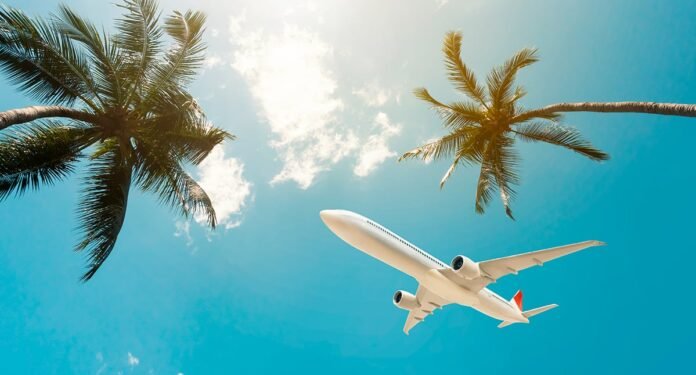
plane taking travelers on vacation

A website is essential for every business if they want to be taken seriously by potential customers. As an African safari tour operator our industry is no different.
As Travel businesses, we need to stand out from the competition and drive sales by having a great website that lists our products and services.

Why Websites Are Important For Businesses

Astra Starter Templates


A business website is a digital platform that serves as the online brand of a business. A website is essentially an extension of a business’s physical store or office and allows a business to connect to potential customers and clients worldwide.

A business website showcases a particular business’s operations and services.

Websites can be accessed anywhere in the world as long as the web user has internet access. This is an astronomical advantage as business websites can reach potential customers worldwide!

Having a website should therefore not be a forethought for a business but a necessity.

Types Of Travel Websites

CSSIgniter Travel Themes

The travel industry is large and very diverse and businesses may choose to specialize in a certain industry segment.

Therefore, a single website cannot fit all, and travel websites can be divided into different types that include the following:

  • Review and rating websites – These websites focus on travelers’ reviews and ratings for hotels, restaurants, tourist attractions, and much more.
  • Travel Blogs – Travel blogs are meant to share personal experiences, tips, and insights on the travel industry.
  • Booking websites – These websites are meant to help travelers find and reserve accommodations. They provide a vast list of hotels, resorts, vacation rentals, and more.
  • Flight Booking websites – These websites provide information on finding and booking flights.
  • Adventure and outdoor travel websites – These websites cater to adventure seekers and it provide information on outdoor adventures such as hiking, trekking, and extreme sports.
  • Cruise Booking websites – These websites provide information on cruise vacations. Cruise websites allow travelers to explore cruise options, look at destinations, book various cruise packages, and much more.
  • Local Travel Guides – These websites are more tired to showcase hidden gems and tips on local attractions for a particular area. They are mostly created by local experts or even travel bloggers.
  • Travel forums – Forums provide a platform for people to discuss topics they are interested in. Travel forums facilitate discussion around travel topics and news. People can ask questions, seek advice, share experiences, and much more.

Travel Website Essentials

Crocoblock JetBooking Rental Booking

The travel industry is highly competitive and is it essential that travel businesses stand out from the competition to drive potential customers to their sites.

There are essential features that a travel website needs to meet travelers’ requirements and needs.

The features every travel website should have include the following:

  • Multilingual Support – The top travel websites have a wide reach and can serve travelers from all over the world. To cater to different customers worldwide, it is critical travel websites integrate multilingual support.
  • Responsiveness – Website responsiveness refers to the way a website is displayed across different devices mostly desktop, mobile, and tablet. A travel website must be displayed adequately across devices so that travelers can have a great user experience.
  • Stunning Visuals – ‘Seeing is believing’ as they say. Having great images such as vacation spots and popular tourist attractions can invoke emotions in potential customers and make them take action in booking a vacation.
  • Easy Navigation – Website navigation assists web users in moving from one point or page to another within a website. An easy navigation experience improves the user experience and even leads to repeat users. It is therefore critical that travel websites have easy navigation to help travelers have a smooth experience from searching to booking a vacation.
  • Search and booking functionality – A high-converting travel website comes with search functionality to let travelers look at different travel destinations across the world and booking functionality to let them book their dream vacation without having to go through any third party.
  • Customer reviews and ratings – Potential travelers want to know how other travelers feel about different vacation spots. They can do this by looking at customer reviews and ratings and this lets them make a more informed decision before booking a particular vacation spot. The best travel websites provide website visitors with customer reviews and ratings.
  • Maps – Having interactive maps lets travelers know the exact location of a particular travel spot and this information can let them do things like planning their flights, booking accommodations, doing more research on a specific area, and more.
  • Secure Payment Options – Travelers need a secure payment method when they pay for their vacation and it is critical that travel websites have secure payment methods to ensure that customer’s payment data isn’t stolen by malicious actors.
  • Content – Informative content is a great way to stand out and provides more value to travelers. Creating content like blogs, travel tips, travel guides and more lets potential travelers have access to invaluable information that they can use to make an informed decision.

Factors To Consider When Creating A Travel Website

Crocoblock JetBooking Property Rental

Now that we know how important travel websites are, the next question for travel agencies and businesses is how to get started.

Creating a high-converting website that meets the main features and requirements means working with the best and most up-to-date web creation technologies.

Choosing the best and most adequate web technology to create your travel website may be a bit daunting, especially if this is your first time.

Luckily some factors will help you get started right away.

Content Management System (CMS)

WordPress List View

Websites are mostly created by developers who have the technical know-how when it comes to designing, coding, and deploying a website.

Hiring a developer or creating a development team for your travel business may be a challenging task. Travel businesses also have the option of going with a freelance developer. However, this too has its own pros and cons.

Luckily, there’s a solution known as a Content Management System.

A content management system (CMS) is software meant to aid users in creating, managing, and modifying content on a website without having technical knowledge or expertise.

In other words, you can create a full-fledged website without writing a single line of code!

The most popular content management system is WordPress.

WordPress 6.5

WordPress has several reasons why most developers and businesses prefer to use it and they include the following:

  • Regular Updates  WordPress is constantly evolving with updates that introduce new features and address security issues, ensuring it stays relevant.
  • Ease of Use – WordPress comes with a user-friendly and intuitive interface that makes managing content easy to use, especially for non-developers.
  • Customization with Themes and Plugins – WordPress allows users to customize their websites to match their business and brand. Users can do this through website themes and plugins which provide extra functionality.
  • Scalability – WordPress lets users build any kind of website from a simple blog to an enterprise-level website with millions of monthly visitors.
  • SEO Capabilities – WordPress is built with the best SEO practices in mind to let your website rank on search engines on Google.
  • Free and Open-Source – WordPress is free to download and use. Since it’s open-source, users have complete control over their websites and can modify the code to fit their needs.
  • E-Commerce Capabilities (via WooCommerce) – WordPress offers e-commerce capabilities mostly through WooCommerce, a popular WordPress plugin, that turns any website into a powerful e-commerce store.
  • Multilingual and Multi-Site Support – WordPress supports multilingual sites through plugins like WPML or Polylang, enabling businesses to reach global audiences.
  • Third-Party Integrations – WordPress integrates seamlessly with third-party services for different functionalities from email marketing to website automation.
  • Community Support – Due to the popularity of WordPress it has a vast global community who support each other through forums, blogs, YouTube tutorials, and meetups.

Website Hosting

Elementor Hosting Premium CDN

Website Hosting is an online service that makes a website accessible to Internet users.

When you purchase a hosting plan, you’re essentially renting space on a server for all the files and data related to the website.

Travel businesses must choose the right hosting plan that offers all the essential features they need to meet their business’s requirements.

Some features travel businesses should consider when choosing a hosting service provider include:

  1. Type of Hosting – There are different hosting services such as shared hosting, dedicated hosting, cloud hosting, and much more. Travel businesses should choose the best service depending on their needs.
  2. Security – The best hosting companies should provide top security features like SSL certificates to ensure their customer’s websites are safe and secure from hackers.
  3. Scalability – Hosting services should be able to scale when traffic increases to meet the needs of the business.
  4. Performance and Speed – The speed of a website can determine how a travel website ranks on search engines and influences the user’s experience.
  5. Customer Support – Customer support is important for businesses, as they can contact the hosting service provider for assistance in case they run into issues.

There are many other factors to consider when choosing a hosting provider.

Numerous companies offer hosting services like Siteground, Hostinger, and more.

Elementor Hosting has emerged as a great website hosting service as well.

Website Builder

Elementor Website Builder

Website builders assist web developers to design and create websites without having to write a single line of code.

WordPress website builders enhance the website-building experience by speeding up the web creation process while providing all the features needed to create a full-fledged website.

The most popular WordPress website builder is Elementor. Elementor is the number 1 WordPress website builder that WordPress web developers use to create beautiful and responsive websites.

Elementor’s leading feature is the live-drag-and-drop editor, which lets users design and create their websites using website element widgets while providing live editing.

Elementor’s Pro version has all the tools and features needed to create a high-converting website like WooCommerce BuilderPopup BuilderLanding Page Builder, and more.

WordPress Website Themes

Astra WordPress Theme Customizer

A WordPress theme is a pre-designed template that determines the look, feel, layout, and style of a website. Themes control the visual appearance, typography, color schemes, page layouts, and even some functionalities.

WordPress themes are pre-designed which means they are intended to assist web developers kick start their website creation process within minutes.

One of the most popular WordPress themes is Astra. Astra offers web creators a vast array of WordPress website themes that are meant to serve different industries.

Astra offers web creators the Starter Templates where developers can choose the website theme that fits their industry and brand.

CSSIgniter also offers travel businesses stunning themes for travel and hotels that they can customize to fit their brand.

Some of the features travel businesses should consider when choosing a website theme include:

  • Support and documentation
  • Speed and performance
  • SEO compatibility
  • Customization options
  • Security updates

WordPress Plugins

Crocoblock JetBooking Plugin

WordPress plugins are software add-ons that extend a WordPress website’s functionality.

These plugins integrate seamlessly with the WordPress core to provide extra features or capabilities, such as SEO tools, eCommerce platforms, contact forms, security enhancements, and more.

Plugins can be free, freemium, or paid, and they are installed directly from the WordPress Plugin Repository or other third-party sources.

As mentioned earlier, the Elementor website builder works seamlessly with numerous WordPress plugins, which is why it’s so popular.

Ultimate Addons for Elementor offers users widgets to create stunning and responsive WordPress websites while using Elementor website builder.

Crocoblock comes with a large array of plugins, known as JetPlugins, meant to solve different website needs.

Some of the Crocoblock JetPlugins that work perfectly on a travel website include:

  • Crocoblock JetAppointment – an appointment booking plugin that works well for booking services like car rentals and other services.

The Pros and Cons Of A Travel Website

Pros
  • Travel websites can reach potential customers worldwide.
  • They extend a business’s brand.
  • A travel website’s multilingual support can broaden the business’s reach and appeal.
  • Travel websites can simplify the booking process for customers.
  • Travel websites help businesses manage customers’ data like booking information and more.
Cons
  • Setting up a website can take a bit of time if businesses lack the technical know-how.
  • Businesses may be overwhelmed by the numerous web creation tools.
  • Websites could be targeted by hackers and provide a security risk.

Conclusion

Websites are a must for any business, as they open up many possibilities and can help companies to attract customers.

Travel businesses should prioritize creating a website to assist them in promoting their brand, attracting customers from all over the world, and driving sales.

Numerous tools make building a website easy and efficient and travel businesses should choose the most adequate tools when creating their websites.

Travel businesses should therefore take advantage of websites, especially in this digital economy.
Best Safari Sandals

0
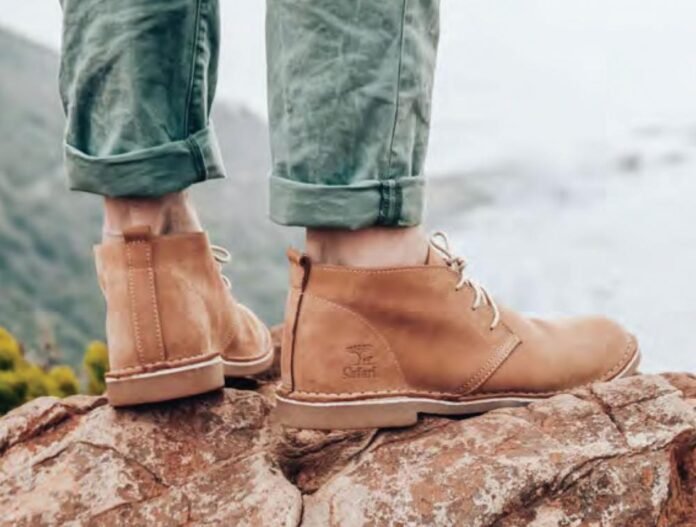
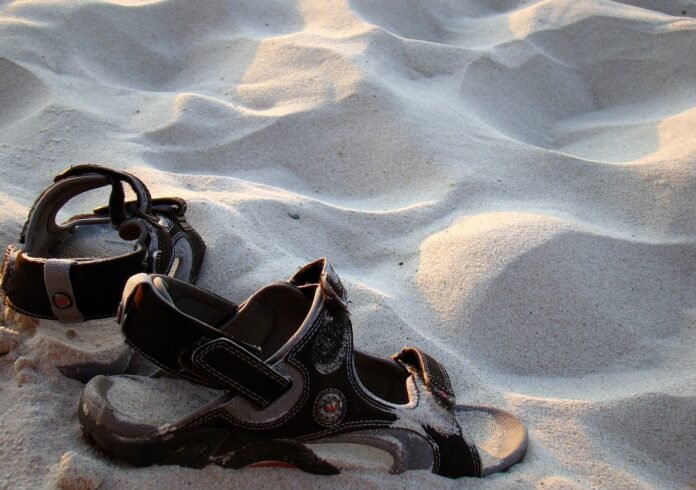
safari sandals in the dirt

Going on an African safari is a life-changing experience, promising breathtaking landscapes, exotic wildlife, and a front-row seat to nature’s incredible beauty. With all these unique attractions, it’s essential to be well-prepared, especially when it comes to footwear. Safari sandals, known for their durability, comfort, and versatility, have become an essential part of safari attire. Not only do they keep your feet cool and comfortable in hot climates, but they also offer remarkable benefits for outdoor adventures.

Best Safari Sandals for Men

When choosing safari sandals for men, focus on durability, comfort, and adaptability. The following sandals are renowned for their high-quality construction and safari-friendly features.

a. Teva Men’s Hurricane XLT2 Sandals

Quick-dry webbing made from recycled plastic
  • Features: Water-resistant straps, contoured EVA footbed, and non-slip rubber outsole.
  • Why They’re Great: Teva sandals are known for their durability, making them perfect for river crossings or wet grass. The Hurricane XLT2 offers superior arch support and cushioning, essential for longer safari walks.

b. KEEN Men’s Newport H2 Sandals

best men safari sandals
  • Features: Closed-toe protection, washable polyester webbing, and multi-directional lugs.
  • Why They’re Great: The closed-toe design protects against sticks and rocks, while the quick-drying material makes them ideal for wet environments. The sturdy outsole provides traction on loose or rocky ground.

Best Safari Sandals for Women

Women’s safari sandals should be lightweight, comfortable, and offer great foot support. Here are some top options designed with adventure in mind.

a. Teva Women’s Original Universal Sandals

Many customers appreciate the travel purpose, value for money, and quick drying feature.
  • Features: Lightweight, quick-drying straps, and cushioned EVA footbed.
  • Why They’re Great: These sandals are easy to pack and incredibly comfortable, making them ideal for lighter safari activities like vehicle game drives and lodge relaxation. Their minimalist design pairs well with most safari outfits.

b. Merrell Women’s Terran Lattice II Sandals

This water athletic sandal are just very comfortable
  • Features: Breathable mesh lining, microfiber footbed, and air cushion in the heel.
  • Why They’re Great: The Terran Lattice II offers extra arch support and shock absorption, making it a versatile option for different safari activities. These sandals are designed for all-day wear with ample breathability.

Why Sandals are a Must-Have for an African Safari

African safaris often involve unpredictable temperatures and varied terrains. A typical day might start off cool, heat up significantly by midday, and drop again after sunset. Sandals are ideal for these temperature changes, keeping your feet ventilated and comfortable. Beyond that, they offer advantages such as lightweight portability and easy drying, which are beneficial for certain terrains and climates.

Key Reasons to Wear Sandals on Safari:

  • Breathability: Open designs help your feet stay cool, preventing excessive sweating.
  • Lightweight and Packable: Unlike heavy boots, sandals can easily fit into your backpack or luggage.
  • Quick Drying: Safaris may take you through wet grass, rivers, or morning dew, and sandals dry faster than full shoes.
  • Ideal for Multiple Safari Settings: From lounging at the lodge to low-impact safari walks, sandals are versatile and provide adequate foot support.

Health Benefits of Safari Sandals

Safari sandals not only offer comfort but also come with a variety of health benefits suited to the African wilderness.

Improved Air Circulation and Foot Health

Safari sandals keep your feet cool by allowing air to circulate freely, which minimizes foot sweat and reduces the risk of blisters and fungal infections. Keeping feet dry and aired is essential in hot climates, where moist, enclosed shoes can quickly lead to discomfort.

Enhanced Foot Alignment

Many safari sandals come with contoured footbeds that align with your feet’s natural shape. Proper arch support in sandals can help prevent common issues such as plantar fasciitis and offer overall stability, which is crucial when walking on uneven ground.

Reduced Fatigue

The lightweight design of sandals reduces strain on your feet, ankles, and legs, making them an excellent option for long travel days. Less strain means you can walk comfortably for longer periods, enjoying the safari without discomfort.

Why Sandals Go Hand-in-Hand with Good Safari Shoes

While sandals provide comfort and breathability, traditional safari shoes or boots are often essential for more demanding activities. Having both sandals and sturdy safari shoes ensures you’re prepared for all kinds of terrain and activities.

Advantages of Having Both Sandals and Shoes

  • Flexibility for Different Activities: Sandals are perfect for game drives and lodge settings, while shoes provide stability on rocky trails or during hikes.
  • Protection from Hazards: Closed shoes offer additional protection in areas with thorny vegetation, while sandals provide ventilation for milder, open terrains.
  • Convenience: Having both options allows you to switch footwear as needed, ensuring optimal comfort and support throughout your journey.

Safari Activities You Can Do with Sandals

Safari sandals are ideal for several safari activities where heavy footwear may be unnecessary or uncomfortable.

a. Vehicle Game Drives

Game drives usually take place in safari vehicles, where minimal walking is required. Sandals are perfect for game drives, providing comfort and allowing feet to stay cool in the open air.

b. Lodge and Camp Activities

Sandals are excellent for relaxing at the lodge or camp between game drives. Whether you’re dining, exploring camp areas, or lounging, sandals offer comfort and style without sacrificing ease.

c. Easy Nature Walks

For lighter nature walks or exploring marked trails around camps, sandals with good grip and support are ideal. Avoid paths with thick vegetation or dense forests where you may need closed shoes for protection.

African Terrain and Landscape: Different Regions and Their Requirements

Africa’s diverse landscapes range from deserts and savannas to grasslands and tropical forests. Choosing the right safari sandals can depend on the specific terrain and climate.

South Africa vs. East Africa

  • South Africa: Regions like Kruger National Park are known for their dense bush and rocky outcrops, where sturdy sandals with durable outsoles are beneficial. Sandals are appropriate for game drives and short camp walks but may not be ideal for more intensive hiking.
  • East Africa: East African safaris, like those in Tanzania’s Serengeti or Kenya’s Maasai Mara, have a mix of open savannas and grasslands. Sandals with toe protection and strong grip are recommended to prevent slips on loose soil or during wet seasons.

Namib Desert

The Namib Desert’s sandy dunes and open plains demand sandals that can handle loose, dry sand. A lightweight, closed-toe sandal like KEEN’s Newport H2 is suitable to protect from hot sand and shifting ground.

Kalahari Desert

The Kalahari is characterized by semi-arid sandy savannas and dense shrubbery. Open sandals may be suitable for vehicle-based activities or short walks around camps, but closed-toe options provide better protection in thorny areas.

Serengeti

In the Serengeti, the dry season brings bare earth and dust, which can be uncomfortable for open sandals. Opt for sandals with a closed-toe feature and durable outsoles to manage loose gravel and dirt trails without compromising breathability.

Unique Hazards in African Terrains

  • Thorns and Sharp Vegetation: Certain areas, especially the Kalahari and bushlands, are home to thorny plants that can easily puncture thin sandal soles or open designs.
  • Hot Sand: Desert regions like the Namib can have searing hot sand, so choosing sandals with a closed-toe design and thick sole is essential for protection.
  • Uneven or Rocky Terrain: Rocky or uneven trails, common in places like Kruger National Park, require sandals with good grip and thick soles to avoid slips or twisted ankles.

Safari sandals are a valuable addition to any safari packing list. They offer unique benefits for safari-goers, providing comfort, breathability, and flexibility across various terrains and climates. While they are not a complete substitute for traditional safari shoes, they complement them beautifully, especially for vehicle game drives, relaxing at lodges, and light nature walks. By understanding the terrain and landscape of your destination—be it South Africa, East Africa, or the diverse desert landscapes of the Namib and Kalahari—you can choose the best safari sandals suited to your adventure.

With a pair of quality safari sandals, you’ll be well-equipped to explore Africa’s wild beauty in comfort and style.

African Safari Packages

0
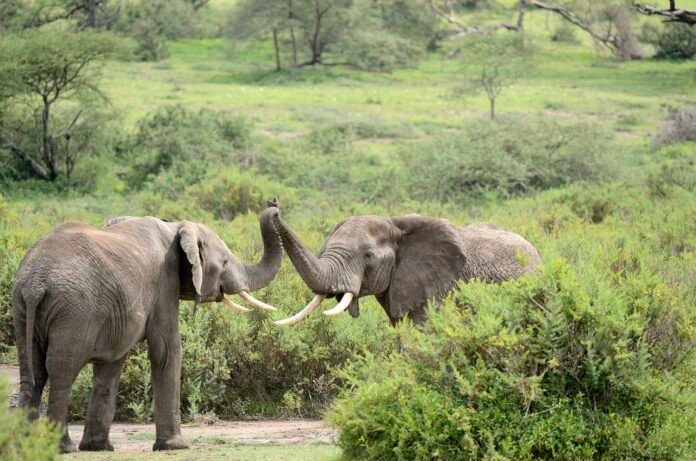
Elephants on an African Safari

1. What to Expect in an African Safari Package

An African safari package typically includes several key elements, designed to give travelers an unforgettable experience while maintaining comfort, safety, and excitement. Here’s a breakdown of what should be included:

  • Park Fees: This covers the cost of accessing national parks and reserves where wildlife viewing takes place. Fees can vary significantly depending on the country and the specific park.
  • Accommodation: From luxury lodges to budget campsites, accommodation varies depending on the type of package. Many premium safaris offer lodging in game reserves or near wildlife corridors, ensuring you stay close to the action.
  • Safari Transport: The safari vehicle is key to the experience. Packages typically include specialized 4×4 vehicles with open roofs for optimal game viewing. Some high-end packages may offer air transfers or private transportation between parks.
  • Guided Game Drives: These are the centerpiece of most safari packages, where professional guides take guests on daily drives to spot wildlife. Morning and evening drives are standard, but some packages offer exclusive night drives or walking safaris.
  • Meals: Most packages include full-board options with breakfast, lunch, and dinner. Cuisine often blends local and international flavors, with bush dinners or sundowners being unique experiences offered by some luxury packages.
  • Activities: Besides game drives, safari packages can include unique activities like hot air balloon rides, walking safaris, boat cruises, cultural visits to local communities, and more. These activities are often what differentiates one package from another.

2. Top-Ranked African Safari Destinations

Africa’s leading safari destinations are renowned for their diversity of wildlife, landscapes, and experiences. Below are some of the most popular countries for safari holidays:

  • Kenya: Known for the Great Migration in the Masai Mara, Kenya is one of the premier safari destinations in Africa. It offers abundant wildlife, scenic landscapes, and iconic safari experiences such as hot air balloon safaris.
  • Tanzania: Home to the Serengeti and Ngorongoro Crater, Tanzania boasts rich biodiversity and numerous world-renowned national parks. The country is often considered the best for witnessing the migration on a grander scale.
  • South Africa: Famous for the Kruger National Park, South Africa offers diverse safari experiences ranging from budget-friendly to ultra-luxury. It’s also known for combining safaris with beach or city escapes, especially around Cape Town.
  • Botswana: Known for its remote, pristine wilderness areas like the Okavango Delta, Botswana is ideal for travelers looking for exclusive, less-crowded safari experiences. It also offers excellent water-based safaris.
  • Zambia: Emerging as a hotspot for walking safaris, Zambia provides a less commercialized safari experience in parks like South Luangwa and Lower Zambezi. It is particularly known for adventurous travelers.

3. Safari Packages in Kenya

Kenya is a bucket-list destination for anyone wanting to experience Africa’s legendary wildlife. The country’s safari packages cater to various preferences, from luxury travelers to those on a budget.

Best Kenyan Safari Packages

  1. The Great Migration Safari (7 Days)
    Highlights:
    Masai Mara, Lake Nakuru, Amboseli National Park
    Includes:
    • Park fees for Maasai Mara, Lake Nakuru, Amboseli
    • Luxury accommodation at tented camps
    • Daily game drives, hot air balloon safari in Masai Mara
    • Cultural visit to Maasai village
      Rank: 9/10
      This package is ideal for witnessing the migration in the Masai Mara and enjoying iconic experiences like a balloon safari.
  2. Beach and Bush Safari (10 Days)
    Highlights: Maasai Mara, Tsavo East, Diani Beach
    Includes:
    • Accommodation in luxurious lodges and beachfront resorts
    • Park fees and game drives in Maasai Mara and Tsavo East
    • 4 days of beach relaxation in Diani with optional activities like snorkeling
      Rank: 8/10
      A perfect combination for those wanting both adventure and relaxation, this package balances a thrilling safari with a beach vacation on the Indian Ocean coast.

Kenya Safari Tips:

  • Best Time to Visit: June to October (dry season, Great Migration).
  • Unique Experiences: Balloon safaris, Maasai cultural visits, Big Five game drives.

4. Safari Packages in Tanzania

Tanzania’s Serengeti and Ngorongoro Crater are legendary, and the country offers incredible opportunities to spot wildlife. The diverse landscapes, from volcanic craters to vast plains, make Tanzania a top safari destination.

Best Tanzanian Safari Packages

  1. Serengeti and Ngorongoro Crater Safari (8 Days)
    Highlights: Serengeti, Ngorongoro Crater, Tarangire National Park
    Includes:
    • Park fees and guided game drives
    • Accommodation in luxury lodges within the Serengeti and near the crater
    • Guided walk to Maasai villages
      Rank: 9.5/10
      This package is an immersive experience in two of Africa’s most famous national parks, known for the migration and Big Five sightings.
  2. Northern Circuit Safari (10 Days)
    Highlights: Serengeti, Ngorongoro Crater, Lake Manyara, Tarangire
    Includes:
    • All park fees and luxury tented camp stays
    • Guided game drives in each park
    • Bush dinners and night game drives
      Rank: 9/10
      For travelers wanting to explore multiple parks, this package offers diverse landscapes and wildlife.

Tanzania Safari Tips:

  • Best Time to Visit: June to October, or December to February for calving season.
  • Unique Experiences: Serengeti migration, crater exploration, luxury tented camps.

5. Safari Packages in South Africa

South Africa’s safari experience is unique because it offers a mix of luxury, accessibility, and diverse ecosystems. The Kruger National Park is the crown jewel, but private reserves provide exclusive game-viewing opportunities.

Best South African Safari Packages

  1. Kruger and Cape Town Adventure (12 Days)
    Highlights: Kruger National Park, Cape Town, Table Mountain
    Includes:
    • Game drives in Kruger National Park
    • 5 days in Cape Town with wine tours, Table Mountain hike
    • Luxury lodges and hotel stays
      Rank: 9/10
      This package offers the best of both worlds: an exciting Big Five safari followed by the culture and beauty of Cape Town.
  2. Luxury Private Reserve Safari (7 Days)
    Highlights: Sabi Sands Private Game Reserve
    Includes:
    • Private guide and game drives
    • Stay in exclusive, luxury lodges
    • Sundowners, bush dinners, and walking safaris
      Rank: 8.5/10
      For travelers looking for a high-end, intimate safari experience, this package focuses on luxury and personalized service.

South Africa Safari Tips:

  • Best Time to Visit: May to September for Kruger, November to March for Cape Town.
  • Unique Experiences: Big Five safaris, Cape Town explorations, private reserves.

6. Safari Packages in Botswana

Botswana offers one of the most exclusive safari experiences in Africa, with its remote and unspoiled landscapes providing a pristine wilderness adventure.

Best Botswana Safari Packages

  1. Okavango Delta and Moremi Safari (7 Days)
    Highlights: Okavango Delta, Moremi Game Reserve
    Includes:
    • Guided mokoro (dugout canoe) safaris in the delta
    • Accommodation in eco-lodges
    • Game drives and walking safaris in Moremi
      Rank: 9/10
      This package focuses on Botswana’s famed water-based safaris, perfect for travelers seeking an off-the-beaten-path adventure.
  2. Chobe and Victoria Falls Safari (10 Days)
    Highlights:
    Chobe National Park, Victoria Falls
    Includes:
    • Boat cruises on the Chobe River
    • Guided tours of Victoria Falls
    • Game drives in Chobe National Park
      Rank: 8.5/10
      A perfect blend of safari and one of the world’s most iconic natural wonders, this package offers a diverse itinerary that balances thrilling wildlife experiences with an awe-inspiring visit to Victoria Falls.

Botswana Safari Tips:

  • Best Time to Visit: May to September (dry season, best for wildlife viewing).
  • Unique Experiences: Water-based safaris in the Okavango Delta, boat safaris, and intimate wildlife encounters due to fewer crowds.

7. Safari Packages in Zambia

Zambia is famous for its walking safaris and is a haven for the adventurous traveler seeking a more intimate and authentic safari experience. The country’s lesser-known parks, like South Luangwa and Lower Zambezi, offer some of the best wildlife viewing in Africa without the large crowds.

Best Zambian Safari Packages

  1. South Luangwa Walking Safari (6 Days)
    Highlights: South Luangwa National Park
    Includes:
    • Expert-guided walking safaris
    • Lodge and bush camp accommodation
    • Game drives and night safaris
      Rank: 9/10
      Perfect for travelers who want to experience wildlife up close, this package allows you to explore the bush on foot, accompanied by experienced guides.
  2. Lower Zambezi Canoe Safari (7 Days)
    Highlights: Lower Zambezi National Park
    Includes:
    • Guided canoeing along the Zambezi River
    • Accommodation in luxury tented camps
    • Game drives and walking safaris
      Rank: 8.5/10
      A mix of water-based activities and traditional game drives, this package is perfect for those seeking an adventurous twist on a traditional safari.

Zambia Safari Tips:

  • Best Time to Visit: May to October (dry season, best for walking safaris).
  • Unique Experiences: Walking safaris, canoeing safaris, night drives.

8. Best Safari Packages for Families

When traveling with family, it’s important to choose safari packages that are safe, comfortable, and offer plenty of activities for both adults and children. Many African lodges and camps now cater specifically to families, providing child-friendly activities and family suites.

Top Family-Friendly Safari Packages

  1. Kenya Family Safari (10 Days)
    Highlights:
    Masai Mara, Amboseli, Tsavo East
    Includes:
    • Family-friendly lodges with kids’ activities
    • Game drives tailored for families
    • Cultural experiences, such as visiting a Maasai village
      Rank: 9/10
      This package is ideal for families looking to experience Kenya’s diverse wildlife, with options for child-friendly game drives and educational activities.
  2. South Africa Family Safari and Cape Town (12 Days)
    Highlights: Kruger National Park, Cape Town
    Includes:
    • Family-focused game drives in private reserves
    • Beach days and kid-friendly tours in Cape Town
    • Luxury lodges with family suites
      Rank: 8.5/10
      Combining a Big Five safari with Cape Town’s diverse range of activities, this package offers plenty of variety for families.

Family Safari Tips:

  • Best Destinations: South Africa and Kenya are particularly well-suited for family safaris due to their range of family-friendly accommodations and activities.
  • Unique Experiences: Educational bush walks for children, family-oriented game drives, and cultural experiences.

9. Best Safari Packages for Couples

A safari can be the ultimate romantic getaway, offering seclusion, luxury, and incredible landscapes. Many safari lodges cater to honeymooners and couples by providing private game drives, exclusive lodges, and intimate dining experiences.

Top Romantic Safari Packages

  1. Honeymoon Safari in the Serengeti (7 Days)
    Highlights:
    Serengeti National Park, Ngorongoro Crater
    Includes:
    • Luxury tented camps and lodges
    • Private game drives and bush dinners
    • Hot air balloon safari over the Serengeti
      Rank: 9.5/10
      This package offers a perfect blend of luxury and adventure, ideal for couples seeking a once-in-a-lifetime romantic experience.
  2. Botswana Luxury Romantic Safari (8 Days)
    Highlights:
    Okavango Delta, Chobe National Park
    Includes:
    • Private tented accommodation
    • Romantic mokoro safaris and sunset cruises
    • Exclusive dining experiences in the bush
      Rank: 9/10
      For couples wanting an intimate and luxurious safari, Botswana provides a secluded experience with fewer tourists and exceptional service.

Couples Safari Tips:

  • Best Destinations: Tanzania’s Serengeti, Botswana’s Okavango Delta, and South Africa’s private reserves are perfect for romantic safaris.
  • Unique Experiences: Private game drives, romantic bush dinners, hot air balloon safaris.

10. Best Safari Packages for Solo Travelers

Solo travelers can also have an incredible experience on safari, with packages designed to provide adventure, camaraderie, and safety. Many lodges and tours offer group safaris that allow solo travelers to meet others while enjoying the wilderness.

Top Safari Packages for Solo Travelers

  1. Kenya Group Safari (7 Days)
    Highlights: Masai Mara, Lake Nakuru
    Includes:
    • Group game drives with like-minded travelers
    • Budget-friendly lodges
    • Cultural experiences and guided walks
      Rank: 8.5/10
      This package is perfect for solo travelers looking to join a group and experience Kenya’s wildlife in a more social setting.
  2. South Africa Budget Safari for Solo Travelers (6 Days)
    Highlights: Kruger National Park
    Includes:
    • Shared game drives and budget accommodation
    • Guided tours of Kruger and surrounding areas
    • Optional add-ons like bush walks and community visits
      Rank: 8/10
      A great value option for solo travelers, this package focuses on maximizing the safari experience while staying within budget.

Solo Traveler Safari Tips:

  • Best Destinations: Kenya and South Africa are particularly suited for solo travelers, thanks to their group safaris and budget-friendly options.
  • Unique Experiences: Meeting fellow travelers, guided group tours, and wildlife photography sessions.

11. Must-Do Activities in an African Safari

While game drives are the primary focus of most safaris, many packages offer additional activities that enhance the experience. Here are some of the must-do activities to look for when choosing a safari package:

Hot Air Balloon Safari

  • Best Destinations: Maasai Mara (Kenya), Serengeti (Tanzania)
  • Description: Soaring over the savannah in a hot air balloon offers a unique perspective on the landscape and wildlife below. This is a romantic and exciting addition to any safari.

Walking Safaris

  • Best Destinations: South Luangwa (Zambia), Kruger (South Africa), Maasai Mara (Kenya)
  • Description: Walking safaris provide a more intimate experience of the African bush, where expert guides teach you how to track animals and read the landscape.

Beach and Safari Combos

  • Best Destinations: Kenya (Diani Beach), Tanzania (Zanzibar), South Africa (Garden Route)
  • Description: For those who want to combine a thrilling safari with a relaxing beach vacation, packages that include both offer the best of both worlds.

Boat Safaris

  • Best Destinations: Chobe River (Botswana), Zambezi River (Zambia), Okavango Delta (Botswana)
  • Description: Boat safaris offer the chance to view wildlife from the water, often including hippos, crocodiles, and elephants coming to drink.

Cultural Tours

  • Best Destinations: Kenya (Maasai villages), Tanzania (Datoga and Hadzabe tribes)
  • Description: Many safaris include cultural visits to local communities, allowing travelers to learn about traditional ways of life and interact with indigenous groups.

Choosing the right African safari package depends on your budget, interests, and who you’re traveling with. Whether you’re a family seeking a kid-friendly adventure, a couple looking for romance in the wild, or a solo traveler seeking camaraderie, there’s a safari package tailored for you. From Kenya’s famous Masai Mara to Botswana’s pristine Okavango Delta, the choices are endless, and each destination offers unique experiences that make an African safari an unforgettable journey.

The key elements to look for in a safari package include park fees, comfortable accommodations, transport suited to the terrain, and activities that go beyond the typical game drive. By choosing packages that include must-do activities like hot air balloon safaris, walking safaris, and cultural tours, you’ll elevate your safari from a simple trip into an extraordinary adventure.

Start planning your African safari today, and prepare to witness nature at its most majestic!

Are Jeans Ok For Safari?

Someone packing jeans for safari

Planning a safari is a thrilling adventure, and one of the essential aspects to consider before embarking on your journey is what to wear. Safaris typically involve long days in hot and dusty environments, and your clothing can significantly impact your comfort and overall experience. A common question many travelers ask is, “Are jeans okay for safari?” While jeans are a staple in many wardrobes, they may not be the best choice for a safari.

This article will explore why jeans may not be ideal for a safari and present some lighter, more practical alternatives. We’ll cover the importance of choosing the right colors, fabrics, and features like pants that convert into shorts. By the end, you’ll have a clear understanding of what makes good safari attire and what to avoid.

Why Jeans Are Not Ideal for Safari

Jeans might seem like a durable and versatile option for outdoor activities, but they come with a set of drawbacks that make them less suitable for a safari. Let’s break down why jeans may not be the best choice for this adventure.

1. Heaviness and Heat Retention

Jeans are made from thick denim fabric, which is excellent for colder climates or casual wear but not ideal for the warm, often humid environments you’ll experience on safari. The dense material traps heat, making you feel uncomfortable during long drives in the sun or while walking through bushland.

On a safari, temperatures can soar during the day, and jeans will not provide the breathability you need. The thick fabric can cause you to overheat, sweat excessively, and generally feel uncomfortable.

2. Difficulty in Washing and Cleaning

Jeans are notorious for being difficult to clean and dry, especially in rugged or remote environments where access to laundry facilities is limited. If you’re on a multi-day safari, it’s unlikely you’ll have the luxury of washing and drying your clothes easily.

Denim takes longer to dry than lighter fabrics, and in humid conditions, your jeans may remain damp for hours, which is not only uncomfortable but also a breeding ground for bacteria. Mud, dirt, and dust also cling to denim, making it harder to stay clean while you’re out in nature.

3. Restricted Movement

Safaris often involve activities like climbing in and out of vehicles, hiking, or simply sitting in a cramped position for hours while on game drives. Jeans can restrict your movement because they are not as flexible as other fabrics, potentially leading to discomfort or even chafing. If you’re going to be spending a lot of time outdoors, you want clothing that allows for ease of movement.

Better Alternatives to Jeans for Safari

Given the challenges that jeans pose, it’s essential to consider alternatives that are lighter, more versatile, and better suited for the safari environment. Here are some recommended options.

1. Lightweight Convertible Pants

One of the best alternatives to jeans is lightweight convertible pants, which can be easily transformed into shorts. These pants are made from quick-drying materials like nylon or polyester, offering both functionality and comfort. Convertible pants are ideal for safaris because they allow you to adapt to changing temperatures throughout the day.

In the cool mornings and evenings, you can wear them as full-length pants to protect against the cold or insects. As the day heats up, you can zip off the lower legs and convert them into shorts for better airflow.

Benefits of Convertible Pants:

  • Lightweight and breathable, preventing overheating.
  • Quick-drying and easy to clean in case of spills or dirt.
  • Versatile, with the option to switch between pants and shorts.
  • Offer UV protection and insect repellent properties (if treated).

2. Cargo Pants

Cargo pants are another excellent option, offering both durability and practicality for safaris. Unlike jeans, cargo pants are designed to be lightweight and comfortable, made from materials that promote ventilation and wick moisture away from your body. Most cargo pants also come with plenty of pockets, allowing you to store essential items like sunscreen, a camera, or snacks.

Modern cargo pants are designed for outdoor activities, making them flexible enough for climbing, walking, and sitting for extended periods without feeling restricted. They also dry quickly, making them easier to maintain during your trip.

3. Moisture-Wicking Hiking Pants

Hiking pants are designed to handle rugged conditions, making them a great alternative to jeans. These pants are usually made from a blend of synthetic fabrics like nylon or polyester, which are lightweight, quick-drying, and breathable. They are specifically designed to wick moisture away from your skin, keeping you cool and dry in hot conditions.

Some hiking pants also come with built-in UV protection or are treated with insect-repellent finishes, adding another layer of functionality.

Why Choose Hiking Pants:

  • Lightweight and designed for mobility.
  • Moisture-wicking to keep you cool and dry.
  • Durable enough for rough terrains.
  • Some models offer additional protection from UV rays and insects.

The Importance of Earth Colors for Safari

When selecting safari clothing, one of the most critical factors to consider is color. You may wonder why color matters when you’re out in nature. The answer lies in how clothing interacts with the environment, animals, and the inevitable dirt you’ll encounter on a safari.

1. Hiding Dirt and Dust

Earth tones like khaki, olive, tan, and brown are not only neutral but are also excellent at camouflaging the dirt and dust that are unavoidable on safari. These colors help you maintain a cleaner appearance, even when you’re spending hours in dusty or muddy environments.

Light-colored clothing, like white or pastels, will quickly show dirt, and darker colors can make you feel hotter in direct sunlight. Choosing neutral earth tones allows you to stay cleaner for longer, reducing the need to constantly wash or change your clothes.

2. Blending with the Environment

Earth colors also help you blend in with your surroundings, which is important when you’re in close proximity to wildlife. Bright or bold colors can draw attention, not just from other safari-goers but also from animals. In contrast, muted tones like browns, greens, and tans are more likely to go unnoticed by the animals, allowing you to observe them without disturbing their natural behavior.

Quick-Drying Fabrics: A Must for Safari

As mentioned earlier, safaris often take place in hot and sometimes humid climates. The last thing you want is to wear clothes that stay damp after sweating or a surprise rain shower. Quick-drying fabrics are essential for ensuring comfort and hygiene throughout your safari.

1. Breathability and Comfort

Clothing made from quick-drying fabrics like polyester, nylon, or merino wool will not only dry faster but also allow for better air circulation. This helps to regulate your body temperature, keeping you cool in the heat and warm when it’s cooler in the mornings or evenings.

Breathable fabrics also reduce the buildup of sweat, preventing chafing or skin irritation that can occur with thicker, less absorbent fabrics like denim.

2. Low Maintenance

On a multi-day safari, laundry facilities may be limited or non-existent, so it’s crucial to have clothing that can be easily rinsed out and air-dried overnight. Quick-drying fabrics make this process much more convenient, ensuring you have fresh clothes each day without needing a dryer.

Jeans, on the other hand, can take days to dry completely, especially in humid conditions, leaving you with damp, uncomfortable clothing.

Key Features to Look for in Safari Pants

Now that we’ve covered some of the best fabric options and colors, let’s take a closer look at the specific features you should look for when shopping for safari pants.

1. Lightweight and Breathable Material

Your safari pants should be made from lightweight, breathable fabrics that keep you cool and comfortable. Materials like nylon, polyester, and merino wool are excellent choices because they allow air to flow freely, wick moisture away, and dry quickly.

Avoid heavy fabrics like denim or cotton, as they can become uncomfortable when damp or exposed to extreme heat.

2. Convertible Options

Pants that can convert into shorts are a great option for safaris. These allow you to adjust to fluctuating temperatures without needing to pack multiple pieces of clothing. Look for designs with durable zippers and easily detachable legs for added convenience.

3. Multiple Pockets

When you’re out on a game drive or walking safari, it’s handy to have extra pockets for your essentials. Look for pants with multiple pockets, preferably ones with zippers or Velcro closures to keep your belongings secure.

Cargo pants are particularly useful for this, as they often come with side and back pockets that provide ample storage space for items like a phone, binoculars, sunscreen, or a map.

4. Sun and Insect Protection

Some safari pants come with built-in UV protection, which can help protect your skin from the sun’s harmful rays. Look for pants with a UPF (Ultraviolet Protection Factor) rating of 30 or higher to ensure adequate sun protection.

Insect repellent-treated clothing can also be a lifesaver on safari, especially in areas where mosquitoes or tsetse flies are prevalent. Some outdoor brands offer pants pre-treated with insect repellent, providing an added layer of protection against bites.

What to Avoid When Choosing Safari Pants

While there are many great options for safari pants, there are also a few things you should avoid to ensure a comfortable and enjoyable experience.

1. Denim

As discussed, jeans are not suitable for safari. They are too heavy, difficult to clean, and take a long time to dry. Additionally, denim does not offer the flexibility or breathability needed for long days in the sun.

2. Tight or Restrictive Pants

Avoid pants that are too tight or restrictive, as they can limit your movement and cause discomfort during long game drives or walks. You want pants that offer a good balance between fit and flexibility. Opt for relaxed or slightly loose-fitting pants that allow for easy movement, especially when you need to climb in and out of safari vehicles or hike on uneven terrain.

3. Bright or Dark Colors

While dark colors like black or navy might seem practical, they can make you feel hotter under the intense African sun. Dark colors also attract insects, particularly tsetse flies, which can be a nuisance during your safari. Bright colors, on the other hand, are more likely to draw attention from wildlife and disrupt their natural behavior, which is the last thing you want when trying to observe animals in their habitat. Stick to neutral, earth-toned colors like khaki, olive, and brown.

4. Cotton Pants

Cotton is a popular fabric, but it is not ideal for safari. Cotton retains moisture, takes a long time to dry, and can become uncomfortable in hot and humid environments. If you sweat, cotton will absorb the moisture and stay wet for hours, leaving you feeling clammy and uncomfortable. Instead, opt for synthetic blends or lightweight materials designed for outdoor activities.

Additional Tips for Safari Clothing

In addition to choosing the right pants, there are a few other tips to keep in mind when packing for your safari adventure. Your clothing choices should prioritize comfort, practicality, and protection from the elements.

1. Layering for Temperature Changes

While the days can be hot, mornings and evenings on safari can get surprisingly chilly, especially in desert or mountainous regions. It’s a good idea to pack layers, such as lightweight long-sleeved shirts, fleece jackets, and a waterproof outer layer. This allows you to adjust to changing temperatures throughout the day without overpacking.

2. Long-Sleeved Shirts

Long-sleeved shirts made from lightweight, breathable fabrics can help protect your skin from the sun, as well as from insects. Look for shirts with roll-up sleeves or ventilation panels to help you stay cool while providing full coverage.

3. Hats and Sunglasses

A wide-brimmed hat is essential for protecting your face and neck from the sun. Baseball caps can work, but they don’t offer the same level of coverage as a safari hat with a wide brim. Sunglasses with UV protection are also a must for shielding your eyes from the intense African sun.

4. Footwear

Comfortable, durable footwear is crucial for safari. If your safari involves walking or hiking, opt for lightweight hiking boots or shoes with good ankle support. For game drives, a pair of breathable sneakers or closed-toe sandals will suffice. Remember that safari destinations can be dusty, so avoid open-toed sandals unless you’re at camp or in non-wildlife areas.

5. Insect Repellent and Sunscreen

While these aren’t clothing items, insect repellent and sunscreen are essential for any safari. Mosquitoes and other insects can be abundant, particularly in the evenings, so use insect repellent to avoid bites. Sunscreen with a high SPF will protect your skin from sunburn during long hours spent outside.

Conclusion: What Makes Good Safari Attire?

Choosing the right clothing for a safari can make all the difference between an enjoyable, comfortable adventure and a challenging, uncomfortable experience. While jeans are a common wardrobe staple, they are not the ideal choice for safari due to their heaviness, poor breathability, and difficulty in cleaning.

Instead, opt for lightweight, quick-drying, and breathable alternatives like convertible pants, cargo pants, or moisture-wicking hiking pants. These options will keep you cool, comfortable, and flexible during long days of game drives and outdoor exploration. Additionally, choosing earth-toned clothing will help you blend in with the environment, hide dirt, and avoid drawing attention from wildlife.

Do You Need Gloves for Gorilla Trekking?

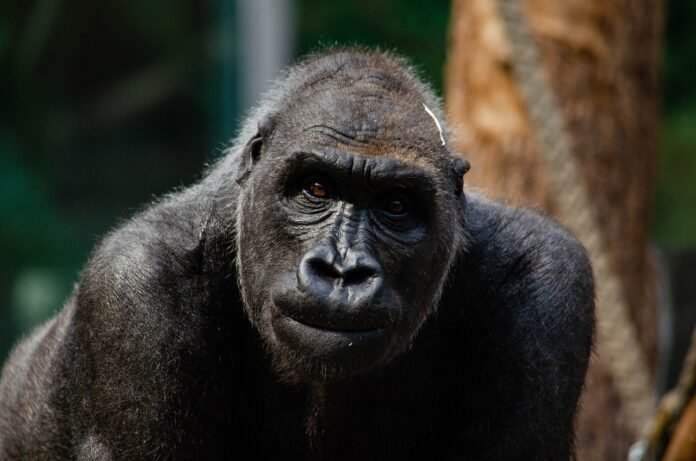
Gorilla seen during trekking

Gorilla trekking is one of the most exhilarating and unique experiences you can embark on in the wild. Trekking through dense forests in Uganda, Rwanda, or the Democratic Republic of Congo to observe mountain gorillas in their natural habitat is a once-in-a-lifetime opportunity. However, as thrilling as it is, this adventure poses many challenges that require proper preparation. One frequently asked question by those preparing for gorilla trekking is: Do I need gloves for gorilla trekking?

The short answer is yes, and in this article, we will explore why gloves are not just a good idea, but an essential piece of gear for this adventure. Additionally, we will recommend the best gloves to bring with you, ensuring that your trekking experience is both safe and enjoyable.

Why Do You Need Gloves for Gorilla Trekking?

Before diving into glove recommendations, it’s crucial to understand why gloves are an essential part of your gear for gorilla trekking. Here are some of the top reasons:

1. Protection Against Thorny Vegetation

The forests where gorillas live are dense, untamed, and teeming with different kinds of vegetation. You’ll find yourself trekking through a jungle full of thick bushes, thorns, sharp branches, and brambles. Some of the vegetation you’ll encounter includes stinging nettles, thorny bushes, and vines that can easily scratch or cut your hands if unprotected.

  • Gloves act as a protective layer, allowing you to push aside thorny plants or grab onto branches for support without worrying about getting hurt.
    Not only will they protect you from physical harm, but they also shield you from plants that may cause allergic reactions or irritation. Stinging nettles, for example, are common in these forests, and if you accidentally brush against them, they can leave a painful rash.

2. Increased Grip and Stability

During gorilla trekking, the terrain can be unpredictable. You’ll be walking on uneven, muddy ground, often in steep, slippery conditions. There will be times when you’ll need to grab tree roots, rocks, or vines for stability, especially when navigating through hills, valleys, or crossing streams.

  • Gloves enhance your grip on these surfaces, ensuring that you maintain balance and avoid accidents. Wet or muddy hands can easily slip, leading to potential falls or injuries.
    Whether it’s climbing over a rock or holding onto a vine to steady yourself, a pair of well-gripped gloves can make a world of difference.

3. Protection from Insects and Animal Encounters

In the jungle, you’ll encounter various insects, including mosquitoes, ants, and other creepy crawlies. While some insects may only cause mild irritation, others can pose health risks, especially in tropical environments.

  • Gloves act as a barrier against insect bites, especially when you need to put your hands on the ground or in the foliage for balance. Moreover, certain ants and other small creatures might be found in the thick vegetation, and you wouldn’t want them crawling over your bare skin.
    In some rare cases, while trekking through the forest, you might come into close contact with some of the smaller wildlife or even the gorillas themselves. It’s always advisable to minimize skin contact with wildlife to avoid zoonotic diseases (diseases that can pass from animals to humans).

4. Hygiene and Cleanliness

The jungle floor is often muddy, and your hands can quickly get dirty as you grab plants, vines, and rocks for support. Wearing gloves helps you keep your hands clean, avoiding the grime, mud, and dirt that inevitably collect while trekking.

  • This is especially important for keeping bacteria and pathogens at bay, particularly if you plan to have a snack or drink some water during your trek.
  • Additionally, wearing gloves minimizes the transfer of oils, dirt, and germs between your skin and the plants or animals in the forest, helping to maintain the delicate ecosystem.

5. Weather Protection

Gorilla trekking often takes place in mountainous regions, which means the weather can be unpredictable. Early mornings can be chilly, and the higher altitudes can bring cold or damp conditions.

  • Gloves keep your hands warm and dry, especially if you’re trekking in cold, rainy weather. Cold fingers can make it harder to grip things and can significantly reduce your comfort, while wet hands can lead to blisters or skin irritation over time.
    Even in warmer climates, gloves with moisture-wicking properties can help absorb sweat and prevent discomfort during long treks.

6. Minimizing the Risk of Injury

While the excitement of seeing gorillas in their natural habitat is the ultimate reward, you shouldn’t underestimate the physical demands of the trek. Wearing gloves helps prevent minor injuries such as:

  • Cuts from sharp rocks or thorny bushes
  • Bruises from gripping hard surfaces
  • Blisters from long periods of trekking

Preventing these small injuries ensures that your trek is as enjoyable as possible without distractions or discomfort from damaged hands.

7. Environmental Responsibility

By wearing gloves, you also practice environmental responsibility. Touching plants or disturbing the natural environment with bare hands can inadvertently damage delicate flora or disrupt the habitat of small animals and insects. Gloves allow you to interact with your surroundings in a more responsible manner.

Key Features to Look for in Gorilla Trekking Gloves

gorilla trekking gloves

Gorilla Trekking Gloves

Built with high-bulk thermal fabric, they effectively retain body heat while wicking away moisture—crucial for staying comfortable during early-morning treks in cool mountain climates. The anti-slip silicone grip on the palms ensures a firm hold on trekking poles or camera gear, and the touchscreen-compatible fingertips allow quick photo captures without exposing your hands. Soft, durable, and snug-fitting, they can be worn alone or layered under heavier gloves, making them ideal for the unpredictable conditions of gorilla trekking.

Now that we’ve established the importance of gloves for gorilla trekking, let’s discuss the key features you should look for when choosing the right pair:

  1. Durability: Gorilla trekking involves rough terrain, so you’ll need gloves made from strong, durable materials that can withstand thorns, rocks, and heavy use.
  2. Grip: Look for gloves with reinforced palms or grip pads. This will help you hold onto branches, rocks, or other surfaces without slipping.
  3. Breathability: Jungle trekking can get sweaty, so make sure the gloves are breathable to prevent overheating. Mesh panels or moisture-wicking fabrics can be helpful in this regard.
  4. Weather Resistance: Depending on the time of year and location, rain is likely, so water-resistant gloves are a good option. If you’re trekking in colder conditions, opt for gloves that also offer some insulation.
  5. Flexibility: You’ll need your fingers to be agile enough to grab onto things easily. Gloves that are too stiff or bulky can make it difficult to move your fingers.
  6. Insect Resistance: Some gloves offer extra protection against bugs by incorporating insect-repelling materials. This can be a bonus in mosquito-heavy areas.

Top Recommended Gloves for Gorilla Trekking

With so many options available, it’s important to choose gloves that meet the specific demands of gorilla trekking. Below are some highly recommended gloves that offer protection, comfort, and functionality.

1. Outdoor Research Men’s Alti Gloves

  • Best for Cold Weather

If your trek takes place in colder weather or during the rainy season, the Outdoor Research Men’s Alti Gloves are a fantastic option. They are waterproof and windproof, providing maximum protection against the elements. These gloves feature GORE-TEX technology for breathability, keeping your hands dry and comfortable.

  • Key Features:
    • Waterproof and windproof
    • Insulated for warmth in colder climates
    • Excellent grip with reinforced palms
    • Adjustable wrist strap for a snug fit

These gloves are durable enough to handle rough terrain while providing warmth and protection in even the most extreme conditions.

2. Mechanix Wear – Original Tactical Gloves

  • Best for General Trekking

For a more lightweight, flexible option, the Mechanix Wear Original Tactical Gloves are perfect for gorilla trekking. Originally designed for military use, they offer fantastic durability and protection without being bulky. The gloves feature a snug fit with a synthetic leather palm and a TrekDry material on the back, keeping your hands cool and comfortable.

  • Key Features:
    • Lightweight and breathable
    • Reinforced synthetic leather palms for added durability
    • Hook and loop closure for a secure fit
    • Excellent dexterity and flexibility

These gloves offer great protection from thorns and sharp vegetation while maintaining flexibility, making them a top choice for trekking in warmer conditions.

3. Black Diamond Crag Gloves

BLACK DIAMOND Mont Blanc Gloves Lightweight

The Black Diamond Mont Blanc Gloves are an excellent option for gorilla trekking, especially in humid or misty forest conditions. Inspired by extreme endurance races, they are built for high-performance movement, offering lightweight comfort, breathability, and a weather-resistant finish to protect against light rain or mountain mist.

  • Best for Versatile Grip

The Black Diamond Crag Gloves are popular among trekkers and climbers for their exceptional grip and comfort. These gloves provide a perfect balance between protection and dexterity. They have breathable mesh panels to prevent your hands from overheating, and their padded palms offer extra comfort when gripping rough surfaces.

  • Key Features:
    • Breathable and lightweight
    • Padded palms for extra grip
    • Hook and loop cuff closure for secure fit
    • Easy to pack and store

These gloves are ideal for those looking for a balance of grip, durability, and comfort in their trekking gear.

4. Simari Winter Gloves

  • Best for Affordability

If you’re looking for an affordable yet reliable option, the Simari Winter Gloves offer great value for your money. These gloves are designed for outdoor activities in cool weather, offering warmth, flexibility, and touchscreen compatibility. Although they are not as robust as higher-end gloves, they still provide adequate protection for moderate trekking conditions.

  • Key Features:
    • Warm and comfortable with elastic cuffs
    • Touchscreen compatibility
    • Anti-slip silicone palm for grip
    • Lightweight and packable

These gloves are a budget-friendly choice for those trekking in mild to cool weather, and their touchscreen feature is a nice added bonus for taking quick photos during your trek.

5. North Face Etip Gloves

  • Best for Lightweight Protection

The North Face Etip Gloves are a popular choice among hikers for their lightweight feel and touchscreen functionality. These gloves are made from stretch fleece, offering a snug fit that allows full dexterity while providing moderate protection from thorns and branches. They are ideal for warm-weather trekking.

  • Key Features:
    • Touchscreen-compatible fingertips
    • Four-way stretch fabric for comfort and dexterity
    • Silicone palm for grip
    • Lightweight and breathable

If you’re expecting warmer weather during your trek and want a glove that provides some protection without overheating, the North Face Etip Gloves are a great choice.

Additional Tips for Choosing and Using Gloves on Gorilla Trekking

When choosing gloves for gorilla trekking, there are a few other tips to keep in mind:

  • Fit is important: Make sure the gloves fit snugly but aren’t too tight. A good fit allows for better dexterity and comfort during long hours of trekking.
  • Carry a backup pair: It’s a good idea to carry a second pair of gloves, especially if you expect wet conditions. You don’t want to trek with soaked gloves, as it can cause discomfort and blisters.
  • Break them in before your trek: Wear your gloves during hikes or other outdoor activities before your gorilla trek. This ensures that they are comfortable and don’t cause blisters.
  • Layering for cold weather: If you’re trekking in very cold conditions, consider layering a thin pair of liner gloves under your main gloves for added warmth.

In summary, yes, you absolutely need gloves for gorilla trekking. They offer protection from thorns, insects, and weather conditions, as well as providing grip and stability during your trek. Choosing the right gloves can significantly improve your trekking experience, keeping your hands safe and comfortable as you navigate the rugged terrain.

From durable, weather-resistant gloves like the Outdoor Research Men’s Alti Gloves to lightweight, flexible options like the North Face Etip Gloves, there is a wide variety of choices to suit different trekking conditions. The key is to find gloves that fit well, offer good protection, and are suited to the specific environment of your trek.

By investing in the right gloves, you’ll be better prepared to enjoy every moment of your once-in-a-lifetime encounter with the magnificent mountain gorillas.

What to Wear in Rwanda

0
Rwanda Safari

Rwanda is a stunning country known for its rolling green hills, rich culture, and incredible wildlife. Whether you’re trekking through Volcanoes National Park in search of mountain gorillas, exploring the vibrant streets of Kigali, or venturing out to Lake Kivu, dressing appropriately is essential. The climate and activities you’ll engage in will significantly influence what you should pack.

1. Overview of Rwanda’s Climate

Rwanda’s climate is mild, mostly due to its elevation, with temperatures varying between regions. Kigali, the capital, sits at an altitude of around 1,500 meters (4,920 feet), making it generally cooler than other equatorial cities. Rwanda experiences two main seasons:

  • Dry Season: June to September (short dry season) and December to February (long dry season).
  • Rainy Season: March to May (long rainy season) and October to November (short rainy season).

The dry seasons are the most popular times to visit for outdoor activities such as gorilla trekking, but the country’s beauty can be enjoyed year-round. Understanding the climate will help guide your wardrobe choices for different activities and regions.

Temperature Ranges:

  • Daytime: Between 20°C and 27°C (68°F to 81°F), depending on the location.
  • Nighttime: Can drop to around 12°C to 16°C (54°F to 61°F), especially in mountainous areas.

While the temperature is relatively consistent throughout the year, the rainy season requires additional preparation as the rain can come unexpectedly, and the ground can become muddy—particularly in the mountainous regions.

2. What to Wear in Kigali: Urban Attire 

Kigali is Rwanda’s bustling capital and is known for its clean streets, modern infrastructure, and stylish locals. The city offers a mix of casual and slightly more formal wear, depending on where you’re going.

General Style Tips for Kigali:

  • Comfortable and Stylish: Kigali is a modern city, and its residents take pride in dressing well. Light, breathable clothing like cotton or linen is ideal for daytime activities. For women, modest sundresses, skirts, and light blouses are perfect. For men, light trousers or chinos paired with short-sleeved shirts work well.
  • Evenings and Social Settings: Evenings can get cooler, especially during the dry season, so packing a light sweater or jacket is advisable. If you plan to visit any upscale restaurants or cafes, business casual attire will fit right in.
  • Footwear: While Kigali’s streets are clean and well-maintained, you will be doing a lot of walking. A comfortable pair of shoes, like sneakers or flats, is recommended. If you plan to visit art galleries, markets, or museums, lightweight shoes that offer support are ideal.

What to Wear for Different Activities in Kigali:

  • Exploring Markets and Cultural Sites: Opt for casual yet presentable clothing. Lightweight pants or a skirt paired with a cotton top will keep you comfortable.
  • Dining Out: For Kigali’s higher-end restaurants, a semi-formal outfit is ideal. Women might consider a knee-length dress with a shawl or cardigan, while men can wear collared shirts with dress pants.
  • Nightlife: While not as loud as other capital cities, Kigali has a burgeoning nightlife scene. For an evening out, dress in smart-casual attire. Women could opt for a nice blouse with jeans or a casual dress, while men might go for a button-up shirt and dark pants.

3. What to Wear for Gorilla Trekking 

One of the highlights of any trip to Rwanda is gorilla trekking in Volcanoes National Park. The terrain is rugged, and you may need to hike for several hours through dense forest to find the gorillas, so proper gear is crucial.

Essentials for Gorilla Trekking:

  • Long-sleeved Shirts and Trousers: The forest is full of thorny plants and stinging insects. Long sleeves and pants will help protect your skin. Opt for moisture-wicking, breathable fabrics that dry quickly.
  • Waterproof Jacket: Even during the dry season, rain showers are common in the mountains. A lightweight, packable rain jacket is a must.
  • Layers: Mornings in the mountains can be chilly, but once you start hiking, you’ll warm up. Dressing in layers will allow you to adjust to changing temperatures.
  • Gaiters: These are useful to protect your lower legs from mud, plants, and insects as you trek through the undergrowth.
  • Gloves: You may need to grasp onto branches or vines as you hike, so gloves will protect your hands. Lightweight, breathable gloves are ideal.
  • Hat: A wide-brimmed hat or cap will protect you from the sun and rain. Make sure it’s something you can pack easily.
  • Socks: Wear moisture-wicking hiking socks that keep your feet dry. Bring an extra pair of socks in case your feet get wet.
  • Backpack: A small, durable daypack with a rain cover is useful for carrying essentials like water, snacks, and extra layers.

Footwear for Gorilla Trekking:

  • Hiking Boots: Sturdy, waterproof hiking boots with good ankle support are non-negotiable. The trails can be muddy, steep, and uneven, so you’ll want something with a solid grip.
  • Extra Tip: Break in your boots before your trip to avoid blisters.

4. What to Wear in the National Parks 

Beyond gorilla trekking, Rwanda’s national parks offer opportunities for wildlife viewing, hiking, and exploring diverse ecosystems. Each park has its own climate and terrain, so your attire will need to match the specific activity.

Akagera National Park (For Safari):

Akagera National Park is located in the lowlands of eastern Rwanda and offers a classic African safari experience with game drives. The area is warmer than the highlands, so lighter clothing is appropriate.

Safari Pants
  • Safari Clothing: Light, neutral-colored clothing works best for blending in with the environment. Avoid bright colors as they can scare animals away.
  • Layers: Mornings can be cool, but the temperature heats up quickly. Lightweight layers are key.
  • Sun Protection: Bring a wide-brimmed hat, sunglasses, and a high-SPF sunscreen to protect yourself from the intense equatorial sun.
  • Footwear: While you’ll spend most of your time in a vehicle, a comfortable pair of walking shoes or sandals is useful for walking around camp or short walks.

Nyungwe Forest National Park (For Hiking and Chimpanzee Trekking):

Nyungwe is a tropical rainforest, and the trails can be slippery, especially during the rainy season.

  • Long-sleeved Hiking Gear: Similar to gorilla trekking, you’ll want moisture-wicking clothing that covers your arms and legs.
  • Waterproof Jacket: Rain is frequent in Nyungwe, so always have a waterproof jacket on hand.
  • Hiking Boots: Sturdy boots are a must due to the steep terrain and muddy paths.

5. Beach and Lake Destinations: Lake Kivu

Lake Kivu, situated on Rwanda’s western border, is a beautiful and serene destination perfect for relaxation and water-based activities.

What to Wear for Beach and Lake Activities:

  • Swimwear: Modest swimwear is recommended as Rwanda is a conservative country. Women might prefer a one-piece or tankini, and men should stick to longer swim trunks.
  • Cover-Ups: Lightweight cover-ups, like sarongs or kaftans, are great for wearing over your swimwear when walking around the lake area.
  • Casual Clothing: For lounging or exploring the local towns, light cotton shorts and t-shirts will keep you comfortable in the warm climate.

Footwear:

  • Flip-flops or Sandals: Comfortable sandals or flip-flops are perfect for the beach or walking along the lake.
  • Water Shoes: If you plan to engage in any water sports, consider bringing water shoes to protect your feet from sharp rocks.

6. Rwanda’s Seasons & What to Wear

Rwanda experiences four distinct seasons:

  1. Long Rainy Season (March–May)
  2. Long Dry Season (June – August)
  1. Short Rainy Season (September–December)
  2. Short Dry Season (January–February)

Each season brings different weather conditions that can impact your wardrobe choices. Here’s a breakdown of what to expect and what to wear during each period:

Long Rainy Season (March–May)

This is Rwanda’s wettest season, with heavy and frequent rainfall, particularly in mountainous and forested areas. The temperature remains mild, ranging between 15°C and 25°C (59°F–77°F), but the high humidity can make it feel warmer. Roads and trails can become muddy and slippery, especially in national parks.

What to Wear:

  • Waterproof rain jacket or poncho – Essential for staying dry during sudden downpours.
  • Water-resistant hiking boots – A must-have if you plan on trekking, as trails can get muddy.
  • Quick-dry, moisture-wicking fabrics – Helps keep you comfortable in the humid conditions.
  • Long-sleeved shirts and pants – Protects against insects, particularly in forested areas.
  • Gaiters – Useful for keeping mud out of your boots during treks.
  • Layered clothing – Temperatures can drop in higher altitudes, so bring a light fleece or sweater.

Best Activities for This Season:

  • Gorilla trekking (rain gear is crucial)
  • Cultural and city tours
  • Lake Kivu relaxation (expect occasional rain)

Long Dry Season (June–August)

This is Rwanda’s most popular travel season, with clear skies, less rainfall, and cooler temperatures, ranging from 12°C to 26°C (54°F–79°F). Evenings, particularly in high-altitude areas like Volcanoes National Park and Nyungwe Forest, can be quite cold.

What to Wear:

  • Lightweight layers – Mornings and evenings can be chilly, so pack a warm sweater or fleece.
  • Comfortable walking shoes or sandals – Ideal for exploring cities and towns.
  • Neutral-colored, breathable clothing – If going on safari, choose khaki or olive-colored clothes.
  • Warm jacket or hoodie – Needed for early morning game drives and hikes in high-altitude regions.
  • Sunscreen, sunglasses, and a hat – The equatorial sun is strong even in cooler months.

Best Activities for This Season:

  • Gorilla and chimpanzee trekking (best time for clear trails)
  • Safari in Akagera National Park
  • Exploring Kigali and cultural sites

Short Rainy Season (September–December)

This period brings moderate rainfall, but showers are typically shorter and less intense than in the long rainy season. Temperatures range between 16°C and 27°C (61°F–81°F), with increased humidity.

What to Wear:

  • Light rain jacket or poncho – Essential for unexpected showers.
  • Hiking boots with good grip – Useful for jungle treks and exploring muddy paths.
  • Breathable long-sleeved shirts and pants – Helps with sun protection and keeping insects away.
  • A light sweater or fleece – Evenings in highland areas can still be cool.

Best Activities for This Season:

  • Safari trips (wildlife is still easy to spot)
  • Gorilla and chimpanzee trekking (forests are lush and beautiful)
  • Visiting Lake Kivu (expect occasional showers)

Short Dry Season (January–February)

Similar to the long dry season, this period sees minimal rainfall and warm temperatures, ranging from 15°C to 28°C (59°F–82°F). It’s an excellent time for outdoor adventures before the heavy rains return.

What to Wear:

  • Light, breathable fabrics – Cotton and linen are ideal for staying cool.
  • Comfortable walking shoes – Essential for city tours and cultural visits.
  • Neutral-colored clothing for safaris – Helps with blending into the environment.
  • A light sweater or jacket – Nights can still be chilly, especially in hilly regions.
  • Sunscreen, sunglasses, and a hat – Sun protection is important during this dry, warm period.

Best Activities for This Season:

  • Gorilla and chimpanzee trekking
  • City and cultural explorations
  • Hiking in Volcanoes or Nyungwe National Park

7. Cultural Considerations: Dressing Respectfully in Rwanda 

Rwanda is a conservative country, and modesty is highly valued. While casual and comfortable attire is accepted, it’s important to respect local customs, especially in rural areas and when visiting cultural sites.

What to Avoid:

  • Revealing Clothing: Avoid shorts, tank tops, or clothes that expose too much skin, particularly when visiting villages, churches, or cultural monuments.
  • Bright Colors in Certain Areas: In the national parks, stick to neutral colors to avoid distracting wildlife.

For Women:

  • Modesty: Women should avoid overly revealing clothes and opt for skirts, dresses, or pants that cover the knees when in more traditional settings.

For Men:

  • Smart Casual: Even in informal settings, Rwandan men often dress smartly. Casual jeans or trousers paired with a polo or button-down shirt are appropriate in most situations.

8. Additional Tips: Footwear, Accessories, and Travel Gear 

Footwear:

  • Everyday Walking Shoes: Comfortable sneakers or walking shoes are ideal for daily activities.
  • Hiking Boots: For any treks or national park visits, sturdy, waterproof boots are a must.

Accessories:

  • Sun Protection: Sunglasses, hats, and sunscreen are essential year-round.
  • Insect Repellent: Particularly in national parks, bring a good insect repellent to protect yourself from mosquitoes and other insects.

Travel Gear:

  • Daypack: A sturdy, water-resistant backpack is useful for day trips.
  • Reusable Water Bottle: Staying hydrated is important, especially at higher altitudes.

Conclusion

Packing for Rwanda requires a mix of adventure-ready gear and comfortable, modest clothing. Whether you’re exploring Kigali’s vibrant streets, trekking through rainforests, or relaxing by Lake Kivu, dressing appropriately will ensure a comfortable and culturally respectful visit. With the right preparation, you’ll be ready to enjoy all the beauty Rwanda has to offer, regardless of the season or activity.

Safari Boots

0
safari boots

When preparing for a safari, the right shoes is one of the most important gear choices you will make. Safari boots are essential for navigating Africa’s varied and challenging terrains, from rocky outcrops to muddy trails, desert sands, and thorny underbrush. Whether you’re exploring the savannahs of Kenya, the deserts of Namibia, or the rain-soaked paths of Uganda, the right safari boots will ensure your safety, comfort, and protection from the elements.

In this guide, we will dive deep into:

  • What to look for in safari boots
  • How to pick the right boots for different African terrains
  • Top safari boots for men, women, and children

By the end of this article, you’ll be well-equipped with all the information you need to select the perfect pair of boots for your African adventure.

1. What to Look for in Safari Boots

Safari boots need to withstand harsh conditions, offer comfort for long hikes, and protect your feet from natural hazards. Here are the key features to look for when choosing safari boots:

1.1 Durability

African terrains can be unforgiving. From thorny bushes to sharp rocks, your boots will need to endure constant wear and tear. Look for boots made from high-quality leather, tough fabrics, or durable synthetic materials designed to withstand rough use.

  • Leather boots: Highly durable and offer excellent protection, but may take time to break in.
  • Synthetic boots: Lighter and faster to break in but may not last as long as leather.

1.2 Comfort

Long safari walks require comfortable footwear. Look for boots with good arch support, cushioning, and a padded interior. The best boots should allow you to walk for hours without causing discomfort.

Key considerations for comfort include:

  • Cushioned insole: Absorbs shock and provides extra comfort for long walks.
  • Ankle support: Helps prevent sprains and injuries when walking on uneven ground.
  • Lightweight design: Heavy boots can cause fatigue, so lightweight boots are ideal.

1.3 Breathability

African climates vary, but many regions can get hot and humid, especially during the day. Breathable boots with moisture-wicking linings will keep your feet cool and dry.

Look for:

  • Mesh panels: Allow airflow and ventilation.
  • Moisture-wicking linings: Draw sweat away from your feet to prevent blisters.

1.4 Water Resistance

Rainy seasons in Africa can turn dry trails into muddy, slippery terrain. Even when it’s not raining, rivers, streams, and dew-drenched grass can leave your feet soaked. Boots with water-resistant or waterproof materials will help keep your feet dry.

Options include:

  • Waterproof boots: Fully sealed to prevent water from entering, but may be less breathable.
  • Water-resistant boots: Offer protection from splashes and light rain while remaining more breathable.

1.5 Traction

African terrain varies from sandy deserts to muddy forest paths, so having the right grip is crucial to prevent slipping. Look for boots with rugged outsoles designed for traction.

  • Deep lug soles: Ideal for muddy or rocky terrains, providing extra grip.
  • Rubber outsoles: Provide good traction on a variety of surfaces.

1.6 Protection from Thorns and Insects

African safaris often involve walking through thorny acacia bushes or areas with biting insects. Boots with thick soles and sturdy uppers will protect you from sharp thorns and help reduce the risk of insect bites, especially around the ankle area.

2. African Terrain: Challenges and Considerations

Africa’s diverse landscape presents a unique set of challenges for footwear. Each region has its own weather patterns and terrain types that influence the kind of boots you should choose. Below are some of the key terrains and the best types of boots for each.

2.1 Muddy Terrains During the Rainy Season

In countries like Uganda, Rwanda, and parts of Kenya, the rainy season transforms paths into muddy, slippery obstacles. Here, waterproof boots with strong ankle support and deep lugged soles are essential to prevent slipping and to keep your feet dry.

2.2 Rocky Outcrops and Mountains

The rugged hills of Tanzania’s Serengeti or the Drakensberg Mountains in South Africa can challenge your foot stability. You’ll need boots with excellent ankle support, a hard toe cap, and soles that provide a firm grip on rocky surfaces.

  • Recommended: Boots with durable leather, rubber outsoles, and shock-absorbing midsoles to reduce impact on joints during steep ascents or descents.

2.3 Desert-Like Conditions: Namibia and Botswana

Namibia’s deserts and Botswana’s Kalahari present hot, arid conditions with loose sand. Breathable, lightweight boots that offer protection from sand and heat are ideal for this environment.

  • Look for: Boots with moisture-wicking linings, breathable mesh panels, and thick soles that shield your feet from hot sand.

2.4 Thorny Bushes and Acacia Trees

If you’re walking through the bush in countries like Kenya or Zimbabwe, you’ll likely encounter acacia trees with sharp thorns. Durable boots made from thick materials like leather or reinforced synthetic fabrics will protect your feet and ankles from punctures.

2.5 River Crossings and Wetlands

In areas like the Okavango Delta in Botswana, you’ll encounter wetlands, rivers, and swampy areas. Waterproof boots with non-slip soles are crucial for these regions to keep your feet dry and stable.

3. Best Safari Boots for Men, Women, and Children

There are many excellent safari boots on the market tailored to the specific needs of men, women, and children. Below are some of the top-rated boots in each category.

3.1 Best Safari Boots for Men

Great safari boots

Skechers Men’s

These safari boots are built for durability and long-lasting performance, requiring no break-in period. Many customers love their versatility, describing them as a perfect blend of work boots and sneaker boots. Their lightweight design makes them comfortable for all-day wear and easy to carry on any safari adventure.

  • Timberland Men’s Earthkeepers: Made from premium full-grain leather, these boots are both durable and eco-friendly. They offer excellent waterproofing, making them ideal for wet and muddy conditions.
  • Salomon Men’s Quest 4D 3 GTX: Designed for rugged terrains, this boot provides great ankle support, durability, and a Gore-Tex membrane for waterproofing. Perfect for rocky and uneven ground.
  • Danner Men’s Mountain 600: Lightweight but sturdy, this boot is perfect for desert or dry regions, offering excellent grip and breathability.

3.2 Best Safari Boots for Women

  • Merrell Women’s Moab 2 Mid Waterproof: Known for its comfort and breathability, this boot is excellent for both dry and wet conditions. The boot also provides good ankle support and a Vibram sole for superior traction.
  • KEEN Women’s Targhee III: With waterproof leather, a rugged outsole, and a cushioned footbed, this boot is perfect for trekking through diverse terrains, from wet forests to arid savannahs.
  • Columbia Women’s Newton Ridge Plus Waterproof: A lightweight, waterproof hiking boot with excellent grip, ideal for long treks across various landscapes.

3.3 Best Safari Boots for Children

  • KEEN Kid’s Targhee Low Waterproof Hiking Shoe: Offering excellent comfort, waterproofing, and durability, this boot is perfect for younger adventurers. It also has excellent grip for various terrains.
  • Merrell Kid’s Chameleon 7 Access Mid A/C Waterproof Boot: This lightweight boot is easy for kids to wear and offers solid ankle support and waterproof protection.
  • Northside Unisex-Child Freemont Leather Mid Hiking Boot: Affordable and durable, this boot is a great option for children, offering a solid build and good traction.

4. How to Pick the Right Safari Boots

Choosing the right safari boots requires considering your destination, activity level, and personal preferences. Here are some tips to help you make the best decision.

4.1 Fit and Sizing

A proper fit is essential. Boots that are too tight can cause blisters, while boots that are too loose can lead to instability. Here’s how to ensure a good fit:

  • Wear the right socks: Try on boots with the socks you plan to wear on safari, as this can affect the fit.
  • Check for heel slippage: Your heel should stay in place without moving up and down as you walk.
  • Consider swelling: Your feet may swell in hot conditions, so make sure the boots have some room for expansion.

4.2 Material Choice

Different materials offer different benefits:

  • Leather: Tough and durable but requires breaking in.
  • Synthetic: Lighter and breathable but may not last as long as leather.
  • Gore-Tex or similar: Waterproof but breathable materials are great for wet conditions.

4.3 Break-in Time

Leather boots often require a longer break-in period, so make sure to wear them around the house or on short hikes before your safari. Synthetic boots typically require less break-in time, making them ideal for last-minute trips.

4.4 Boot Height

Ankle support is important for rough terrains, so mid- or high-cut boots are recommended for safaris. Low-cut boots or shoes may be more comfortable but can leave your ankles vulnerable to sprains and scratches.

4.5 Climate and Season

Consider the time of year and climate:

  • Hot climates: Look for breathable boots with moisture-wicking linings.
  • Rainy seasons: Waterproof boots with a higher cut and good traction are essential.

4.6 Price and Quality

While it’s tempting to save money, cheap boots often lack the durability and comfort needed for a safari. Investing in high-quality boots ensures they’ll last for years and provide the necessary protection.

5. How to Care for Safari Boots

Your safari boots are an investment, so it’s important to take care of them to ensure they last.

5.1 Cleaning

After every hike, clean your boots to remove dirt and debris. Use a brush or a damp cloth to wipe off mud and dust.

5.2 Conditioning Leather Boots

Leather boots need conditioning to stay supple and prevent cracking. Use a leather conditioner after cleaning to keep them in top condition.

5.3 Drying

If your boots get wet, avoid drying them in direct sunlight or with a heat source like a radiator, as this can damage the material. Instead, let them air dry in a well-ventilated area.

5.4 Storing

When storing your boots, keep them in a cool, dry place. Stuff them with newspaper or boot trees to help them retain their shape.

A well-chosen pair of safari boots can make the difference between a comfortable, safe journey and a miserable, injury-prone trek. Whether you’re braving muddy trails, arid deserts, or thorny underbrush, the right boots will keep your feet protected and comfortable throughout your African adventure. By considering your destination, the terrain, and the season, you can pick the perfect pair of safari boots for you, your family, or your travel companions.

With the information in this guide, you’re now ready to make an informed choice. Enjoy your safari adventure with confidence, knowing that your feet are well-protected!

Dubai Packages from Kenya

0
Dubai Package

Dubai, the shimmering jewel of the United Arab Emirates (UAE), has become a favorite destination for travelers worldwide. Known for its towering skyscrapers, luxurious shopping malls, desert safaris, and vibrant nightlife, Dubai offers a unique blend of modernity and tradition. For travelers in Kenya, Dubai is just a flight away, offering an unforgettable escape into a world of luxury, adventure, and unforgettable experiences.

Safari Travel Plus, a leading travel agency, takes pride in offering tailor-made Dubai packages from Kenya, ensuring a seamless and stress-free experience. Whether you’re planning a family vacation, a romantic getaway, or a solo adventure, we have various packages to suit your needs. We also provide comprehensive services, from flight bookings and visa processing to arranging accommodation and guided tours.

Why Choose Safari Travel Plus?

At Safari Travel Plus, we understand that each traveler has unique preferences. That’s why we offer a variety of Dubai travel packages, ensuring there is something for everyone. Our packages are not just limited to standard vacations; we go the extra mile to offer services that make your journey easier and more memorable. Here’s what you can expect when you choose us:

  • Flight Bookings: We handle all your flight arrangements, ensuring you get the best deals on airfares and the most convenient travel times.
  • Visa Assistance: Navigating the visa process can be daunting, but with our expert team, we assist you with all visa processing needs, ensuring a smooth and hassle-free experience.
  • Hotel Accommodations: We partner with top hotels in Dubai, from luxurious 5-star resorts to more budget-friendly options, to suit your preferences.
  • Tailored Tour Packages: Whether you’re looking for adventure, shopping, sightseeing, or relaxation, we customize the perfect package for your Dubai vacation.
  • Guided Tours: Our guided tours cover iconic attractions like the Burj Khalifa, Dubai Mall, Palm Jumeirah, and the famous desert safaris.

Let’s dive into the variety of Dubai packages we offer and explore the exciting options available for your next vacation.

Types of Dubai Travel Packages from Kenya

At Safari Travel Plus, we have curated different Dubai packages to cater to various interests and preferences. Here’s an overview of our most popular packages:

1. Luxury Dubai Experience Package

Dubai is synonymous with luxury, and this package is designed for travelers looking to indulge in opulence. Perfect for couples, honeymooners, or those seeking a high-end vacation experience, the Luxury Dubai Experience Package offers:

  • 5-Star Hotel Accommodations: Enjoy your stay at world-class hotels like the Burj Al Arab, Atlantis The Palm, or the Address Downtown.
  • Luxury Transfers: Private limousine airport transfers for the ultimate in comfort and style.
  • Exclusive City Tours: Private guided tours of Dubai’s most iconic landmarks, including Burj Khalifa and Dubai Marina.
  • Desert Safari with VIP Service: Embark on a thrilling desert safari with dune bashing, camel riding, and a gourmet BBQ dinner in a VIP desert camp setting.
  • Yacht Cruise on the Arabian Gulf: Enjoy a private yacht cruise along the Dubai coastline, taking in views of the Burj Al Arab and Palm Jumeirah.

Price Range: From $2000 per person, depending on the season and length of stay.

2. Family Adventure Package

Dubai is a family-friendly destination, with attractions for kids and adults alike. Our Family Adventure Package is ideal for Kenyan families looking to explore Dubai together. Highlights of this package include:

  • Accommodation at Family-Friendly Hotels: Stay at comfortable, family-oriented hotels like Jumeirah Beach Hotel or Rove Downtown.
  • Tickets to Theme Parks: Enjoy access to top Dubai attractions such as Legoland, Motiongate, and Wild Wadi Waterpark.
  • Dubai Aquarium & Underwater Zoo Visit: Explore marine life at one of the world’s largest indoor aquariums.
  • Day Trip to Abu Dhabi: Visit neighboring Abu Dhabi and explore the Sheikh Zayed Grand Mosque and Ferrari World.
  • Shopping Tour: Get guided shopping experiences in Dubai’s top malls, including Dubai Mall and Mall of the Emirates, with special discounts for kids’ items.

Price Range: From $1200 per adult and $800 per child for a 5-day, 4-night package.

3. Romantic Dubai Getaway Package

Dubai offers the perfect setting for a romantic vacation or honeymoon, with its breathtaking skyline, beautiful beaches, and luxurious experiences. Our Romantic Dubai Getaway package is designed to provide couples with unforgettable moments together.

  • Luxury Accommodations for Couples: Stay at romantic hotels such as the One&Only Royal Mirage or Waldorf Astoria on Palm Jumeirah.
  • Private Dinner Cruise on Dubai Creek: Savor a candle-lit dinner while cruising down the creek on a traditional dhow boat.
  • Couple’s Spa Day: Indulge in a relaxing spa day for two, featuring massages and treatments at a high-end spa.
  • Private Helicopter Tour: Experience an exhilarating helicopter ride over Dubai, offering panoramic views of the city’s iconic landmarks.
  • Desert Safari and Overnight Stay: Spend the night under the stars in a luxury desert camp, complete with private tents and romantic activities.

Price Range: From $2500 per couple for a 6-day, 5-night package.

4. Adventure Seekers Package

If you’re an adrenaline junkie, Dubai has a lot to offer in terms of adventure. Our Adventure Seekers package includes all the heart-pumping activities you can handle.

  • Skydiving Over Palm Jumeirah: Experience the thrill of skydiving from 13,000 feet, with a view of the iconic Palm Jumeirah below.
  • Dune Bashing and Sandboarding: Spend a day in the desert mastering the art of sandboarding and enjoying a fast-paced dune bashing adventure.
  • Jet Ski Tour: Race across the waters of the Arabian Gulf, with a jet ski tour that takes you around landmarks like Burj Al Arab and Atlantis.
  • Hot Air Balloon Ride: Soar over the Dubai desert at sunrise in a hot air balloon, with views of the Arabian landscape and desert wildlife.
  • Zip Lining at XLine Dubai Marina: Take on one of the world’s longest urban zip lines, flying over the Dubai Marina.

Price Range: From $1800 per person for a 5-day, 4-night package.

Things to Do and Places to Visit in Dubai

Dubai is a city that never ceases to amaze with its incredible architecture, world-class entertainment, and vibrant culture. Whether you’re interested in modern landmarks, desert adventures, or traditional markets, there’s something for everyone. Below, we explore the top things to do and places to visit in Dubai during your trip with Safari Travel Plus.

1. Explore the Burj Khalifa

Burj Khalifa view
Burj Khalifa

No visit to Dubai is complete without experiencing the Burj Khalifa, the tallest building. Standing at 828 meters, the Burj Khalifa dominates Dubai’s skyline and offers visitors a breathtaking view of the city from its observation decks.

  • At The Top Observation Deck: Located on the 124th and 125th floors, this observation deck provides 360-degree views of Dubai’s skyline, desert, and ocean. For a more exclusive experience, visit the At the Top SKY Lounge on the 148th floor, the highest observation deck in the world.
  • The Dubai Fountain: Situated right outside the Burj Khalifa, the Dubai Fountain performs choreographed water shows to music and lights every evening. These shows are free to watch and offer a perfect combination of entertainment and relaxation after a day of exploring.

Pro Tip: Book your tickets in advance to avoid long queues, especially for sunset visits when the view is most stunning.

2. Visit Dubai Mall

Connected to the Burj Khalifa is the Dubai Mall, the largest shopping and entertainment complex in the world. Whether you’re a shopaholic or not, Dubai Mall offers something for everyone:

  • Shopping Paradise: With over 1,200 stores, you’ll find everything from luxury brands like Chanel and Louis Vuitton to more affordable international chains.
  • Dubai Aquarium & Underwater Zoo: One of the largest indoor aquariums, it houses thousands of marine animals, including sharks, rays, and vibrant fish. You can walk through a glass tunnel that gives you a 270-degree view of the underwater world.
  • Ice Rink: The Dubai Mall also features a full-sized ice rink, offering fun for kids and adults alike, with skating lessons and public sessions available.
  • VR Park: Experience the latest in virtual reality entertainment at VR Park, which offers interactive, adrenaline-pumping games and rides.

Pro Tip: Plan to spend at least half a day here, as the mall is massive, and there’s a lot to see and do beyond just shopping.

3. Desert Safari Adventure

Dubai Desert Safari
A Dubai Desert Safari

Dubai’s desert safari is one of the most exciting and iconic experiences you can have in the UAE. It allows visitors to explore the vast desert landscapes and indulge in thrilling activities.

  • Dune Bashing: A popular activity where expert drivers take you on an exhilarating ride across the desert in a 4×4 vehicle.
  • Camel Riding: Experience the traditional mode of transport with a guided camel ride, allowing you to soak in the desert surroundings at a slower pace.
  • Sandboarding: Glide down Dubai’s towering sand dunes on a sandboard—similar to snowboarding but on sand.
  • BBQ Dinner and Entertainment: After your adventures, enjoy a lavish BBQ dinner at a desert camp while being entertained by traditional dance performances like belly dancing and Tanoura shows.

Pro Tip: The desert safari usually takes place in the afternoon and evening, so bring sunscreen, sunglasses, and a hat for the sun, but also pack a light jacket as desert temperatures drop in the evening.

4. Palm Jumeirah and Atlantis The Palm

The Palm Jumeirah is one of Dubai’s most iconic man-made islands, shaped like a palm tree and home to luxury hotels, residences, and world-class attractions.

  • Atlantis The Palm: One of the top attractions on the island is this luxurious resort, known for its underwater-themed rooms, aquarium, and entertainment options.
  • Aquaventure Waterpark: Located within Atlantis, it’s one of the largest waterparks in the world, featuring thrilling water rides, wave pools, and shark-filled lagoons.
  • The Lost Chambers Aquarium: Dive into the mythical lost city of Atlantis with this aquarium, home to over 65,000 marine creatures. You can explore 21 marine exhibits or book a special experience like diving with sharks.
  • Monorail Ride: To get an aerial view of the island, hop on the Palm Jumeirah Monorail, which offers scenic rides from the base of the island to the Atlantis resort.

Pro Tip: For the best views of Palm Jumeirah and Atlantis, consider booking a helicopter tour or skydive over the island for a truly unforgettable experience.

5. Dubai Marina and JBR (Jumeirah Beach Residence)

Dubai Marina is a bustling waterfront area featuring luxury yachts, skyscrapers, and a lively atmosphere.

  • Dubai Marina Walk: Stroll along the scenic waterfront promenade, lined with cafes, restaurants, and shops. It’s a perfect place for a relaxed evening walk.
  • Dhow Cruise: Take a traditional wooden boat (dhow) cruise along the marina. These cruises usually include dinner and live entertainment, offering a unique view of the city’s dazzling skyline at night.
  • JBR Beach: Just adjacent to Dubai Marina is Jumeirah Beach Residence (JBR), a popular public beach offering a laid-back vibe with clean white sands, water sports activities, and outdoor dining.
  • Ain Dubai: For spectacular views, don’t miss Ain Dubai, the world’s largest observation wheel located on Bluewaters Island, just off JBR. It offers stunning vistas of the city’s coastline and landmarks like the Burj Al Arab.

Pro Tip: Visit the area in the evening to enjoy the beautiful sunset views and cooler temperatures for a more comfortable experience.

6. Old Dubai: Al Fahidi District and Dubai Creek

For a glimpse into Dubai’s rich history and traditional culture, a visit to Old Dubai is a must. This part of the city contrasts with the modernity of Dubai’s skyscrapers and luxury malls.

  • Al Fahidi Historical District: Wander through the narrow, winding alleys of this historical area, filled with restored buildings, art galleries, and museums. The Dubai Museum, located in the Al Fahidi Fort, offers insights into the city’s transformation from a small fishing village to a global metropolis.
  • Dubai Creek: Take a traditional Abra boat ride across the Dubai Creek for a unique perspective of the city’s old trading port. The Creek divides the city into Deira and Bur Dubai and remains an important part of Dubai’s trading legacy.
  • Spice and Gold Souks: In Deira, explore the Spice Souk and Gold Souk, bustling traditional markets where you can buy everything from exotic spices and perfumes to gold jewelry.

Pro Tip: Bargaining is common practice in the souks, so don’t hesitate to negotiate for a better price.

7. Ski Dubai

Located inside the Mall of the Emirates, Ski Dubai is an indoor ski resort that offers a truly unique experience—skiing and snowboarding in the middle of the desert.

  • Ski Slopes: Ski Dubai has five different slopes of varying difficulty, including a 400-meter-long run for advanced skiers.
  • Snow Park: If skiing isn’t your thing, the Snow Park offers fun for everyone, with snowball fights, tobogganing, and a chance to interact with live penguins.
  • Penguin Encounter: Meet and greet the resident King and Gentoo penguins for a memorable, family-friendly experience.

Pro Tip: All necessary gear and clothing are provided as part of your ticket, so you don’t need to bring anything special except your excitement!

8. Dubai Miracle Garden

If you’re visiting Dubai between November and April, don’t miss the chance to explore the Dubai Miracle Garden, the world’s largest natural flower garden.

  • Floral Displays: The garden features over 50 million blooming flowers arranged in intricate designs and shapes, including a life-size Emirates A380 airplane made entirely of flowers.
  • Disney Avenue: A section of the garden is dedicated to larger-than-life floral sculptures of beloved Disney characters like Mickey Mouse.
  • Butterfly Garden: Adjacent to the Miracle Garden is the Dubai Butterfly Garden, home to over 15,000 species of butterflies in beautifully designed domes.

Pro Tip: Visit early in the morning to avoid crowds and the midday heat, as Dubai Miracle Garden can get quite busy.

9. Global Village

Global Village is an open-air cultural and entertainment park that showcases pavilions representing over 75 countries around the world.

  • Cultural Pavilions: Each pavilion offers products, performances, and food unique to the respective country, allowing visitors to explore the world in one place. From African handicrafts to Turkish sweets, you’ll find something from every corner of the globe.
  • Live Performances: Global Village hosts live shows, concerts, and cultural performances daily, including music, dance, and acrobatics.
  • Carnival Rides and Games: There’s also a dedicated amusement park area for kids and thrill-seekers, featuring rides, games, and attractions.

Pro Tip: Global Village is a seasonal attraction, typically open from late October to early April. Make sure to check the opening dates before planning your visit.

10. Dubai Opera

Located in Downtown Dubai, Dubai Opera is a world-class performing arts venue that hosts a wide range of performances, from opera and ballet to theater and live concerts.

  • Opera Performances: Dubai Opera regularly features world-renowned performances, including classical music, contemporary dance, and popular musicals.
  • Stunning Architecture: The building itself is a work of art, designed to resemble a traditional dhow boat. Even if you don’t catch a performance, the architecture is worth a visit.

Pro Tip: Check the event calendar in advance to book tickets to your preferred show, as Dubai Opera hosts limited-time performances.

How to Book a Dubai Package with Safari Travel Plus

Booking a Dubai package from Kenya with Safari Travel Plus is a seamless and straightforward process. Here’s how you can get started:

Step 1: Choose Your Preferred Package

Browse through our diverse Dubai packages and pick the one that suits your needs, whether it’s luxury, adventure, or budget-friendly.

Step 2: Get in Touch

Contact our dedicated team at Safari Travel Plus by phone or email. Our travel consultants will assist you in customizing your package to fit your preferences.

Step 3: Provide Necessary Details

We’ll need basic details such as your intended travel dates, the number of travelers, and your preferred hotel and activities. If you need help with your visa, we will also assist you in processing the required documents.

Step 4: Secure Your Booking

Once you’ve finalized the details, we will provide a payment plan and process your booking, ensuring that all travel logistics—flights, hotels, transfers, and tours—are arranged for you.

Step 5: Pack Your Bags!

After receiving your booking confirmation and visa approval, all that’s left is for you to pack your bags and enjoy your Dubai adventure.

Frequently Asked Questions (FAQs)

1. Do I need a visa to travel to Dubai from Kenya?

Yes, Kenyan citizens are required to obtain a visa before traveling to Dubai. Safari Travel Plus will assist you in processing your visa. We recommend applying for the visa at least 3-4 weeks before your planned travel date.

2. How long does it take to fly from Kenya to Dubai?

The flight from Nairobi, Kenya, to Dubai takes approximately 5 hours and 30 minutes. Safari Travel Plus will arrange your flights to ensure you have a comfortable and convenient journey.

3. What is the best time to visit Dubai?

The best time to visit Dubai is between November and March when the weather is cooler and more pleasant for outdoor activities. However, we offer packages year-round, and you can take advantage of off-season deals during the summer months.

4. Are your packages customizable?

Yes, all of our Dubai packages are fully customizable. Whether you want to add extra days, switch up the activities, or choose a different hotel, our team will work with you to create the perfect itinerary.

5. What type of currency is used in Dubai, and can I use my Kenyan Shillings there?

The currency used in Dubai is the United Arab Emirates Dirham (AED). Kenyan Shillings are not widely accepted, but you can easily exchange them for Dirhams at various exchange bureaus or use international credit/debit cards.

6. Is Dubai a safe destination for tourists?

Yes, Dubai is one of the safest cities in the world, with a very low crime rate. The city is highly secure, and tourists can comfortably explore without major concerns.

7. Are there any specific COVID-19 travel requirements?

As of now, Dubai has relaxed many of its COVID-19 travel restrictions. However, it is essential to stay updated on the latest requirements, including possible PCR testing, vaccination certificates, or health screenings, depending on the prevailing conditions.

8. What is included in the desert safari experience?

The desert safari typically includes dune bashing, camel rides, sandboarding, traditional Emirati entertainment (like belly dancing and Tanoura shows), and a BBQ dinner. Some luxury packages may offer private or VIP experiences.

Why Dubai is the Perfect Destination for Kenyans

Dubai’s close proximity to Kenya, its direct flight options, and its variety of experiences make it an attractive destination for Kenyan travelers. Whether you’re interested in shopping, sightseeing, or simply unwinding on its golden beaches, Dubai offers something for everyone.

Here are some reasons why Dubai is an excellent choice for Kenyans:

  • Cultural Diversity: Dubai is a melting pot of cultures, offering experiences that cater to various interests, whether you’re looking for local Emirati traditions or international luxury.
  • Shopping Paradise: Dubai is famous for its extravagant shopping malls, traditional souks, and duty-free shopping, making it a haven for shoppers.
  • Adventure and Relaxation: From adrenaline-pumping activities like skydiving and dune bashing to luxurious spa experiences and beach getaways, Dubai offers the perfect balance of thrill and relaxation.
  • Family-Friendly Atmosphere: Dubai boasts several family-oriented attractions, including theme parks, aquariums, and indoor entertainment centers, making it a top destination for family vacations.

Dubai is a vibrant and dynamic destination that promises an unforgettable experience for every traveler. Whether you’re after luxury, adventure, or a family holiday, Safari Travel Plus has the perfect package for you. We handle everything from flights to visa processing, accommodation, and tours, ensuring that your trip to Dubai is as seamless and enjoyable as possible.

So, what are you waiting for? Let Safari Travel Plus take you on the journey of a lifetime to Dubai! Contact us today and start planning your dream vacation.

Turkey Tour Packages from Kenya

0
Balloons in Cappadocia

Turkey, a country where East meets West, offers travelers a unique mix of ancient history, vibrant culture, and breathtaking landscapes. Whether you’re looking to explore the bustling markets of Istanbul, relax on the pristine beaches of the Mediterranean coast, or delve deep into the mysteries of ancient civilizations like the Romans and Byzantines, Turkey has something for everyone.

As a Kenyan traveler looking for the best Turkey holiday experience, Safari Travel Plus provides tailor-made tour packages to suit your preferences. From booking your flights to organizing personalized excursions, we handle everything to make your trip smooth and memorable.

Why Choose Safari Travel Plus for Your Turkey Vacation?

1. Comprehensive Travel Services

At Safari Travel Plus, we specialize in offering all-in-one travel services to simplify your travel experience. We take care of all the logistics involved, including:

  • Flight bookings: We have partnerships with major airlines flying from Kenya to Turkey, ensuring you get the best flight options at competitive prices.
  • Visa assistance: Turkey requires a visa for Kenyan citizens, and we help you navigate the application process, making it as stress-free as possible.
  • Accommodation arrangements: From luxury hotels to budget-friendly hostels, we offer a wide range of accommodation options tailored to your preferences and budget.
  • Personalized itineraries: Whether you’re interested in historical sites, adventure, or leisure, we create customized itineraries to match your interests.

2. Expertise in Turkey Tours

Our experience in organizing Turkey tour packages makes us the go-to choice for Kenyan travelers. We know Turkey inside out—from the bustling streets of Istanbul to the hidden gems in Cappadocia and the beaches of Antalya. Our local partnerships and insider knowledge ensure you get the most out of your trip. By choosing Safari Travel Plus, you are guaranteed a seamless and enriching experience.

3. Exceptional Customer Service

Your comfort and satisfaction are our top priorities. Our team of dedicated travel experts is available to assist you throughout your journey—from the moment you make your booking until you return home. We provide 24/7 support, so if you encounter any issues during your trip, we’re just a call away.

4. Tailored Packages for Different Travelers

We understand that every traveler is unique, which is why we offer a wide range of travel packages tailored to meet your specific needs:

  • Honeymoon packages for newlyweds.
  • Family packages with child-friendly itineraries.
  • Solo and group tours for adventurers and culture enthusiasts.
  • Luxury and budget packages to cater to different financial preferences.

Activities and Attractions in Turkey: What to Do

Turkey is an immensely diverse country with activities that cater to all kinds of travelers. Whether you’re interested in cultural experiences, adventure, or leisure, Turkey has something for everyone.

1. Explore Istanbul: The City of Two Continents

Istanbul Turkey

Istanbul, the largest city in Turkey, is a vibrant metropolis that spans two continents—Europe and Asia. Some of the top attractions in Istanbul include:

  • Hagia Sophia: This architectural wonder has stood for over 1,500 years and is a testament to Turkey’s rich history. It has served as a Byzantine cathedral, an Ottoman mosque, and now a museum.
  • Topkapi Palace: The grand residence of the Ottoman sultans for almost 400 years. It’s now a museum housing treasures like the famous Topkapi Dagger and the Spoonmaker’s Diamond.
  • The Blue Mosque: A stunning example of Ottoman architecture, with its iconic blue tiles and six towering minarets.
  • The Grand Bazaar: One of the oldest and largest covered markets in the world, where you can shop for everything from Turkish carpets to spices and jewelry.

2. Cappadocia: Land of Fairy Chimneys

Cappadocia is a surreal landscape of rock formations known as fairy chimneys. The area is perfect for adventure seekers and nature lovers. Must-do activities include:

  • Hot air balloon rides: Cappadocia is world-famous for its hot air balloon experiences, offering a bird’s-eye view of the stunning rock formations and valleys.
  • Exploring ancient cave dwellings: Cappadocia is home to ancient cave churches and underground cities that date back to the early Christian period.
  • Hiking and trekking: The region is full of beautiful valleys perfect for hiking, including the Rose Valley and the Ihlara Valley.

3. Pamukkale: The Cotton Castle

Pamukkale, known as the “Cotton Castle,” is one of Turkey’s most unique natural wonders. The white travertine terraces filled with warm, mineral-rich waters are not only beautiful but also have healing properties. Visitors can:

  • Swim in the ancient thermal pools: Take a dip in Cleopatra’s Pool, where legend has it that Cleopatra herself bathed.
  • Explore Hierapolis: This ancient Greco-Roman city was built near the hot springs, and its well-preserved ruins, including a grand theatre, are worth exploring.

4. Antalya: Mediterranean Beach Paradise

For those looking to relax by the sea, Antalya offers some of the best beaches in Turkey. The city is also known for its rich history and vibrant nightlife. Some top activities in Antalya include:

  • Sunbathing on Konyaalti Beach or Lara Beach.
  • Exploring the ancient city of Perge and its Roman amphitheater.
  • Visiting Düden Waterfalls, which cascade directly into the Mediterranean Sea.

5. Ephesus: The Ancient City of Wonders

Ephesus Turkey

Ephesus is one of the best-preserved ancient cities in the world and a UNESCO World Heritage site. Highlights of a visit to Ephesus include:

  • The Temple of Artemis: One of the Seven Wonders of the Ancient World.
  • The Library of Celsus: A beautifully restored Roman building.
  • The Great Theatre: Capable of seating 25,000 spectators, this theatre is a marvel of Roman engineering.

Safari Travel Plus Services: Flight Tickets and Tour Packages

At Safari Travel Plus, we provide a full range of travel services to make your Turkey trip hassle-free. Here’s what we offer:

1. Flight Tickets

We take care of all your flight needs, ensuring that you get the best deals on airfare from Kenya to Turkey. We work with a range of airlines, including Turkish Airlines, Emirates, Qatar Airways, and more. Our team will handle everything from booking your tickets to ensuring your seat preferences and meal choices are sorted.

2. Tour Packages

Our Turkey tour packages cater to a variety of interests and budgets. Some of our most popular packages include:

  • Cultural tours: Focused on Turkey’s rich historical and cultural landmarks.
  • Adventure tours: For thrill-seekers, including hot air balloon rides, hiking, and water sports.
  • Luxury tours: Enjoy Turkey in style with 5-star accommodation, fine dining, and private guides.
  • Family packages: Kid-friendly activities and family-oriented accommodation to ensure everyone has a good time.

3. Visa Assistance

Turkey requires Kenyan citizens to obtain a visa before arrival. Our team provides guidance on how to apply for an e-Visa or a sticker visa. We help you gather the necessary documents and ensure a smooth visa application process.

4. Transfers and Transport

We arrange airport transfers, intercity travel, and private transportation services, so you don’t have to worry about how to get around once you land in Turkey.

5. Guided Tours

All our tour packages include local, English-speaking guides who will enrich your experience with their knowledge of Turkey’s history, culture, and traditions.

Why Visit Turkey? Top Reasons to Explore

1. A Crossroads of Cultures

Turkey’s unique position as a bridge between Europe and Asia has made it a melting pot of cultures for centuries. The country boasts a rich history influenced by the Greeks, Romans, Byzantines, and Ottomans, making it an ideal destination for history buffs and culture enthusiasts.

2. Diverse Landscapes

From the Mediterranean beaches to the mountainous terrains of Eastern Turkey, the country offers a wide range of landscapes. Whether you’re into skiing, hiking, or simply soaking up the sun, Turkey’s natural beauty is breathtaking.

3. Rich Culinary Traditions

Turkish cuisine is known worldwide for its delicious flavors, influenced by Mediterranean, Middle Eastern, and Central Asian cooking. Don’t miss out on dishes like:

  • Kebabs: Grilled meats marinated with unique spices.
  • Meze platters: A selection of small dishes served before the main course.
  • Baklava: A sweet pastry made with layers of filo, nuts, and honey.

4. Affordable Luxury

Turkey offers excellent value for money, especially compared to other European destinations. You can enjoy luxury experiences—5-star hotels, private yacht cruises, and fine dining—at a fraction of the price you’d pay elsewhere.

5. Easy Accessibility

Turkey is well connected to Kenya with direct flights, making it an easily accessible destination. The country also offers a hassle-free e-Visa process for Kenyan citizens, further simplifying travel plans.

Frequently Asked Questions (FAQs)

1. Do Kenyan citizens need a visa to travel to Turkey?

Yes, Kenyan citizens need a visa to enter Turkey. You can apply for an e-Visa online or a sticker visa at the Turkish embassy.

2. How long is the flight from Kenya to Turkey?

A direct flight from Nairobi to Istanbul takes approximately 7-8 hours.

3. What is the best time to visit Turkey?

The best times to visit Turkey are during the spring (April to June) and autumn (September to November) when the weather is mild, and there are fewer tourists.

4. Is Turkey safe for travelers?

Yes, Turkey is generally a safe country for tourists. However, it’s always advisable to stay informed about local conditions and follow travel advisories.

5. What currency is used in Turkey?

The official currency is the Turkish Lira (TRY). Most places also accept major credit cards.

6. What should I pack for my Turkey trip?

Pack according to the season you’re visiting. Lightweight clothing for summer and warmer clothes for winter. Modest attire is recommended when visiting mosques.

Turkey is a captivating destination that promises an unforgettable experience for all types of travelers. Whether you’re a history lover, an adventure seeker, or simply looking for a relaxing getaway, Turkey has it all. With Safari Travel Plus, your dream vacation is just a step away. Let us handle the planning, so you can focus on making memories.

Europe Tour Packages From Kenya

0
Croatia Europe Tours

1. Introduction to Europe Tour Packages from Kenya

Europe is a treasure trove of experiences, offering everything from ancient ruins and medieval castles to modern cities and breathtaking natural landscapes. For Kenyan travelers looking to experience the best of Europe, choosing the right travel agency is crucial. Safari Travel Plus takes pride in offering comprehensive tour packages that are carefully curated to suit diverse preferences, ensuring you get the most out of your European adventure.

Whether you’re a history buff, a nature lover, or a cultural enthusiast, the tour packages offered by Safari Travel Plus include a wide array of activities and destinations to cater to your unique travel goals.

2. Why Choose Safari Travel Plus?

Safari Travel Plus is a renowned Kenyan travel agency known for its customer-centric approach and expertise in international travel. Here’s why choosing them for your Europe tour package is the best decision:

  • Customized Packages: Tailored to suit individual preferences, budgets, and schedules.
  • End-to-End Service: From flight bookings to hotel accommodations, guided tours, and local transportation, everything is handled seamlessly.
  • Expert Travel Advisors: Knowledgeable staff who provide recommendations based on your interests.
  • Affordable Pricing: Competitive pricing with no hidden charges.
  • Local Partnerships: Strong relationships with local tour operators across Europe for authentic experiences.

With Safari Travel Plus, you don’t just visit Europe—you experience it in its entirety.

3. Seamless Flight Bookings and Travel Logistics

The first step in your European journey is ensuring a smooth flight from Kenya to your first destination. Safari Travel Plus takes care of:

  • Flight bookings: Arranging the best flights from Nairobi to your preferred European city, be it Athens, Paris, Berlin, or Istanbul.
  • Visa Assistance: Providing assistance in obtaining Schengen visas for destinations like Croatia, Slovenia, Germany, and France, and individual visas for non-Schengen countries like Turkey.
  • Airport Transfers: Coordinating reliable airport transfers to ensure you start your journey stress-free.

Once you land in Europe, everything from hotel check-ins to daily excursions is organized meticulously, letting you focus solely on enjoying your trip.

4. Croatia: A Blend of History and Scenic Beauty

Croatia, with its mesmerizing coastline, crystal-clear waters, and historical cities, is a must-visit destination. Whether it’s the fortified city of Dubrovnik (famously known as the filming location of “Game of Thrones”) or the stunning islands of Hvar and Korčula, Croatia never fails to impress.

Must-Do Activities in Croatia:

  • Explore Dubrovnik’s Old Town: Walk along the ancient city walls and explore the architectural wonders within.
  • Sail the Adriatic Sea: A yacht tour or ferry ride between Croatia’s islands offers unforgettable views of the azure waters and rugged coastline.
  • Plitvice Lakes National Park: Wander through this UNESCO World Heritage Site with cascading waterfalls and lush greenery.
  • Wine Tasting in Istria: Taste the local wines and olive oils in this charming coastal region.

Whether you’re looking to relax on the beaches or dive into historical explorations, Croatia offers the perfect mix for any traveler.

5. Bosnia & Herzegovina: A Crossroads of Cultures

Bosnia & Herzegovina, located at the cultural crossroads of East and West, is often overlooked but offers a wealth of history and scenic beauty. From the iconic Stari Most bridge in Mostar to the stunning landscapes of the Bosnian countryside, this country is a blend of cultures, religions, and breathtaking nature.

Top Experiences in Bosnia & Herzegovina:

  • Visit Mostar’s Old Town: Stroll through this historic area and admire the famous Stari Most bridge.
  • Sarajevo’s Historic Sites: Discover the history of this city, known for its role in World War I and its multicultural heritage.
  • Explore the Dervish Monastery: Located near Blagaj, this 16th-century monastery sits at the foot of a cliff by the Buna River spring.
  • Una National Park: A haven for nature lovers, offering hiking trails, waterfalls, and kayaking adventures.

Bosnia & Herzegovina is a destination for travelers who appreciate history, culture, and serene landscapes.

6. Slovenia: The Hidden Gem of Europe

Slovenia might be small, but it packs a punch when it comes to natural beauty and outdoor adventures. Known for its lakes, caves, and the towering Julian Alps, Slovenia is ideal for travelers seeking outdoor activities and a peaceful escape from more tourist-heavy destinations.

Adventures to Experience in Slovenia:

  • Lake Bled: Take a traditional boat (pletna) to Bled Island and enjoy the scenic views of the surrounding Alps.
  • Postojna Cave: Explore the incredible underground world in one of Europe’s largest cave systems.
  • Ljubljana: Discover Slovenia’s capital city, filled with charming streets, castles, and a vibrant cultural scene.
  • Hiking in Triglav National Park: Enjoy hikes through the Julian Alps, featuring rivers, valleys, and waterfalls.

Slovenia is the perfect destination for nature enthusiasts looking for an off-the-beaten-path European adventure.

7. Turkey: Where East Meets West

Turkey
Turkey

Turkey is a country that straddles both Europe and Asia, offering a unique blend of cultures, history, and landscapes. From the bustling metropolis of Istanbul to the otherworldly landscapes of Cappadocia, Turkey offers a diverse range of experiences.

Unmissable Attractions in Turkey:

  • Istanbul’s Historic Sites: Visit the Hagia Sophia, Blue Mosque, and Topkapi Palace, and take a cruise along the Bosphorus.
  • Cappadocia Hot Air Balloon Ride: Float above the fairy-tale landscape of Cappadocia with its unique rock formations and ancient cave dwellings.
  • Pamukkale Thermal Pools: Relax in the warm, mineral-rich waters of these stunning white terraces.
  • Ephesus: Wander through the ancient ruins of this city, one of the best-preserved Roman cities in the Mediterranean region.

Turkey’s mix of modern cities, ancient ruins, and natural beauty make it a must-see for any traveler to Europe.

8. Greece: The Cradle of Western Civilization

Greece
Greece

Greece is known for its ancient ruins, picturesque islands, and delectable cuisine. From the grandeur of Athens to the idyllic beauty of Santorini, Greece offers an abundance of cultural and natural wonders.

Best Activities and Sights in Greece:

  • Acropolis of Athens: Visit this iconic symbol of Ancient Greece, with the Parthenon overlooking the city.
  • Island Hopping in the Cyclades: Explore islands like Mykonos, Naxos, and Santorini, known for their whitewashed buildings and turquoise waters.
  • Greek Cuisine Tour: Sample traditional Greek dishes like moussaka, souvlaki, and baklava in the local tavernas.
  • Delphi: Take a day trip to the ancient sanctuary of Delphi, once considered the center of the world in Greek mythology.

Greece offers a perfect mix of history, beaches, and vibrant local culture.

9. Germany: A Land of Castles and Modern Wonders

Germany offers something for everyone, from its rich history to its modern cities. Whether it’s the fairy-tale castles of Bavaria, the vibrant capital city of Berlin, or the scenic Rhine Valley, Germany provides endless possibilities for exploration.

Top Things to Do in Germany:

  • Visit Neuschwanstein Castle: This fairy-tale castle in Bavaria inspired Disney’s Sleeping Beauty Castle.
  • Berlin’s Historical Sites: Explore landmarks such as the Brandenburg Gate, the Berlin Wall, and Checkpoint Charlie.
  • Rhine River Cruise: Sail down the Rhine and marvel at the medieval castles and charming vineyards along the way.
  • Oktoberfest in Munich: Experience the world-famous beer festival in Munich, where you can enjoy traditional Bavarian food and culture.

Germany offers a perfect combination of historical and modern attractions, making it a versatile destination.

10. France: The Epitome of Elegance and Art

France

France is synonymous with romance, elegance, and art. From the iconic Eiffel Tower to the world-renowned museums of Paris, the vineyards of Bordeaux, and the French Riviera’s glamorous coastlines, France is a traveler’s dream.

Activities to Savor in France:

  • Paris City Tour: Visit the Eiffel Tower, Louvre Museum, and Notre-Dame Cathedral, and stroll through the charming streets of Montmartre.
  • Wine Tasting in Bordeaux: Explore the vineyards and sample world-class wines in this famous wine region.
  • French Riviera: Relax on the glamorous beaches of Nice, Cannes, and Saint-Tropez along the Mediterranean coast.
  • Château de Versailles: Take a day trip from Paris to visit the opulent palace of Versailles, with its stunning gardens and grand interiors.

France offers an unmatched experience of art, culture, and culinary excellence, making it an essential stop on any European tour.

11. Customizing Your Europe Tour Package

Safari Travel Plus allows you to customize your Europe tour package based on your interests and budget. Whether you want a focus on historical landmarks, cultural experiences, culinary tours, or outdoor adventures, Safari Travel Plus will design a bespoke itinerary that caters to your travel preferences.

You can choose to visit all the destinations mentioned above or focus on a few countries that interest you the most. Whether it’s a romantic getaway to Paris and Santorini or a history-filled trip through Croatia, Bosnia, and Turkey, the possibilities are endless.

Exploring Europe from Kenya is no longer a distant dream with the expertly curated tour packages from Safari Travel Plus. From booking your flights to designing the perfect itinerary and ensuring a seamless travel experience, Safari Travel Plus offers an unforgettable journey through some of Europe’s most breathtaking destinations. Whether you’re seeking adventure, culture, history, or relaxation, their tour packages provide the perfect balance of everything Europe has to offer.

So why wait? Embark on your European adventure with Safari Travel Plus today, and experience the magic of Europe like never before!

- Advertisement -

POPULAR ARTICLES