Home Blog Page 7

Best Camera for Desert Photography

0
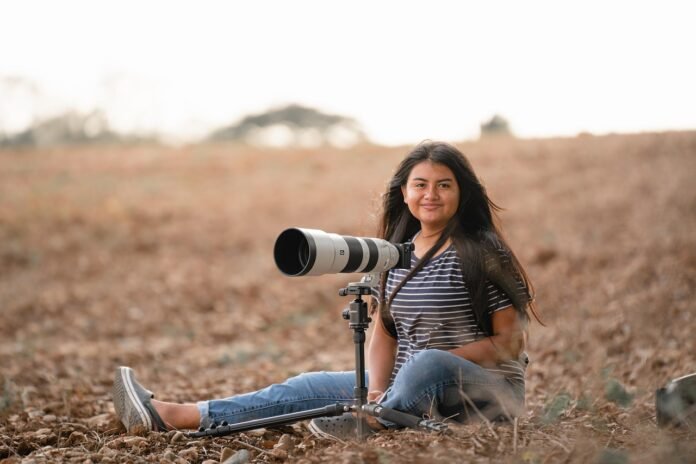
a woman doing desert photography

Desert photography offers unique opportunities to capture stunning landscapes, rich textures, and dramatic lighting. However, shooting in the harsh conditions of the desert requires durable, reliable equipment that performs well in extreme environments. This guide will explore the best cameras for desert photography across various skill levels—beginners, intermediates, and professionals. Additionally, we’ll discuss essential equipment for shooting in the desert, what features to look for, and the best lenses to elevate your desert photography.

Essential Equipment for Shooting in the Desert

Desert environments pose challenges such as extreme heat, sand, and intense sunlight. Before delving into cameras, let’s examine the essential equipment every desert photographer should have:

  1. Weather-Sealed Cameras
    Dust and sand are significant challenges in the desert. A camera with robust weather sealing ensures internal components remain protected, even in windy or sandy conditions.
  2. UV and Polarizing Filters
    UV filters reduce haze and enhance clarity, while polarizing filters cut glare from reflective surfaces like rocks and sand, enhancing color saturation.
  3. Sturdy Tripod
    Deserts often have strong winds, so invest in a durable tripod to stabilize your shots during long exposures or low-light conditions.
  4. Lens Cleaning Kit
    Sand can easily find its way onto your lenses. A lens cleaning kit is essential to keep your glass free of debris and smudges.
  5. Extra Batteries and Power Banks
    High temperatures can drain batteries faster than usual. Carry multiple batteries and a power bank to avoid running out of power mid-shoot.
  6. Protective Camera Bag
    Opt for a bag with a dust-proof design to protect your gear from the harsh desert elements.
  7. Proper Clothing and Accessories
    Bring a wide-brim hat, sunscreen, and water to stay safe and comfortable while shooting in the sun.

What to Look for in a Camera for Desert Photography

When choosing a camera for desert photography, consider the following features:

  1. Weather Resistance
    Look for cameras with dust and splash resistance, as they will be exposed to harsh elements.
  2. Dynamic Range
    Deserts often have high-contrast scenes with bright skies and dark shadows. A camera with excellent dynamic range ensures detail is preserved in both highlights and shadows.
  3. Image Stabilization
    Whether shooting handheld or in windy conditions, in-body image stabilization (IBIS) or lens stabilization is crucial for sharper images.
  4. Portability
    Lightweight cameras are ideal for long desert treks, especially when paired with compact lenses.
  5. Battery Life
    Choose a camera with good battery performance or the ability to use external battery grips.
  6. Video Capabilities
    If you plan to shoot video, look for cameras with 4K or higher resolution and good heat dissipation for extended recording.

Cameras for Beginners, Intermediate, and Professional Photographers

Best Cameras for Beginners

  1. Canon EOS Rebel T8i (EOS 850D)
    • Why We Like It: This entry-level DSLR is user-friendly and offers excellent image quality at an affordable price. Its 24.1MP sensor and Dual Pixel autofocus are perfect for beginners learning to shoot landscapes.
    • Weather Resistance: While not fully weather-sealed, its build quality can handle light dust exposure with care.
    • Additional Features: Guided UI mode helps beginners understand camera settings.
  2. Sony Alpha a6100
    • Why We Like It: Compact and lightweight, the a6100 is a great mirrorless option for beginners. Its fast autofocus and 24.2MP sensor deliver sharp, detailed images.
    • Weather Resistance: Limited, so caution is needed in extreme conditions.
    • Additional Features: Real-time Eye AF and 4K video for added versatility.
  3. Nikon Z30
    • Why We Like It: This mirrorless camera offers excellent image quality and ease of use. It has a 20.9MP APS-C sensor and is perfect for beginners exploring both photography and vlogging.
    • Weather Resistance: Minimal, but it’s lightweight and portable for quick adventures.

Best Cameras for Intermediate Photographers

  1. Fujifilm X-T5
    • Why We Like It: The X-T5 combines vintage aesthetics with cutting-edge features. Its 40MP APS-C sensor offers incredible detail, and its film simulation modes make desert tones pop.
    • Weather Resistance: Fully weather-sealed, ideal for desert conditions.
    • Additional Features: Compact size, 7-stop IBIS, and great dynamic range.
  2. Sony Alpha a7 IV
    • Why We Like It: A versatile full-frame mirrorless camera, the a7 IV excels in both photo and video. Its 33MP sensor captures stunning detail, and its autofocus is among the best.
    • Weather Resistance: Excellent, with a magnesium alloy body.
    • Additional Features: 5-axis IBIS and 4K 60fps video make it perfect for creatives.
  3. Canon EOS R6 Mark II
    • Why We Like It: The R6 Mark II is an outstanding all-around performer, with a 24.2MP full-frame sensor and incredible low-light capabilities.
    • Weather Resistance: Highly durable, suitable for rugged environments.
    • Additional Features: Advanced autofocus and high-speed shooting for capturing wildlife in desert settings.

Best Cameras for Professionals

  1. Nikon Z9
    • Why We Like It: Nikon’s flagship mirrorless camera is built for professionals who demand the best. Its 45.7MP sensor and 8K video capabilities are unmatched.
    • Weather Resistance: Exceptional, designed for extreme environments.
    • Additional Features: Blazing-fast autofocus and superior dynamic range make it perfect for dramatic desert shots.
  2. Sony Alpha a1
    • Why We Like It: The a1 is a powerhouse with a 50.1MP sensor, 30fps continuous shooting, and 8K video. It’s a dream for professionals capturing fast-moving desert wildlife or expansive landscapes.
    • Weather Resistance: Robust, with excellent sealing against dust and moisture.
    • Additional Features: Unparalleled autofocus and versatility for both photo and video.
  3. Canon EOS R5
    • Why We Like It: A professional-grade mirrorless camera with a 45MP sensor, the R5 delivers stunning detail and color accuracy.
    • Weather Resistance: Strong, with heat dissipation features for video recording in hot climates.
    • Additional Features: 8K video and high-speed shooting make it a top choice for serious photographers.

Best Lenses for Desert Photography

Choosing the right lens is just as important as selecting a camera. Here are some recommended lenses for desert photography:

  1. Wide-Angle Lenses
    • Why: Perfect for capturing vast landscapes and dramatic skies.
    • Recommendations:
      • Canon EF 16-35mm f/4L IS USM
      • Nikon Z 14-24mm f/2.8 S
      • Sony FE 12-24mm f/2.8 GM
  2. Telephoto Lenses
    • Why: Ideal for wildlife or isolating distant subjects.
    • Recommendations:
      • Canon RF 100-500mm f/4.5-7.1L IS USM
      • Nikon 70-200mm f/2.8 VR S
      • Sony FE 200-600mm f/5.6-6.3 G OSS
  3. Prime Lenses
    • Why: Offer exceptional sharpness and are great for low-light shots.
    • Recommendations:
      • Sigma 35mm f/1.4 DG HSM Art
      • Sony FE 50mm f/1.2 GM
      • Nikon Z 85mm f/1.8 S
  4. Macro Lenses
    • Why: Perfect for capturing intricate details like sand patterns or desert flora.
    • Recommendations:
      • Canon RF 100mm f/2.8L Macro IS USM
      • Nikon Z MC 105mm f/2.8 VR S
      • Sony FE 90mm f/2.8 Macro G OSS

Best All-Around Camera for Desert Photography

If you’re looking for a versatile camera that excels across skill levels and conditions, the Sony Alpha a7 IV is the top choice.

  • Why It’s the Best All-Around:
    • Balances image quality, dynamic range, and portability.
    • 33MP full-frame sensor captures stunning detail.
    • Excellent weather sealing ensures durability in harsh conditions.
    • Advanced autofocus and video capabilities make it versatile for any creative endeavor.

Desert photography can be both challenging and rewarding, and choosing the right equipment is essential to capturing the beauty of arid landscapes. Whether you’re a beginner, intermediate, or professional photographer, there’s a camera suited to your needs. Pair your camera with the right lens and protective gear to ensure a successful shoot. For the ultimate all-around performer, the Sony Alpha a7 IV stands out as the best choice, offering exceptional versatility and durability.

With the right tools and preparation, you’ll be ready to create breathtaking images of the desert’s unique beauty.
Safari Sundowner in Kenya: A Magical Experience in the Wild

0
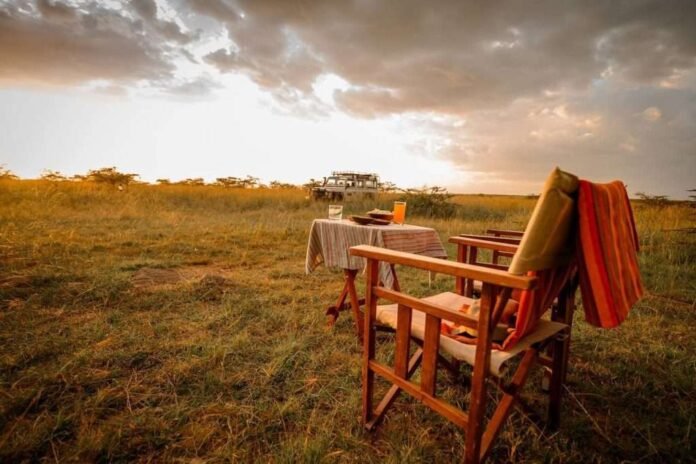
A Kenya safari sundowner

Picture this: the golden sun dips below the horizon, casting a warm glow over the vast African plains. A gentle breeze carries the earthy scent of the savannah as you sip a chilled glass of champagne. Behind you, a table adorned with gourmet treats stands ready for you to enjoy, and in the distance, lions roar softly to mark the coming night. This is the essence of a safari sundowner, one of the most magical moments you can experience on a Kenya safari.

Kenya, renowned for its breathtaking landscapes, iconic wildlife, and rich culture, is the ultimate destination for a safari adventure. Among its many highlights, the sundowner experience is a cherished tradition that elevates any safari journey. In this article, we’ll delve into the allure of a safari sundowner, explore why it’s a must-do activity, reveal how it’s set up, and showcase some of the most unforgettable sundowner itineraries you can enjoy in Kenya. Finally, we’ll explain why Safari Travel Plus is your best choice for planning this extraordinary experience.

What is a Sundowner?

A sundowner is much more than just a drink at sunset—it’s a celebration of nature, adventure, and the spirit of safari. The term originates from the colonial era when European explorers and settlers would pause at the end of a day’s journey to enjoy refreshments as the sun set. It became a ritual of relaxation and reflection, a time to toast to the beauty of the wilderness and share stories from the day’s adventures.

In the modern safari context, a sundowner is an intimate gathering in a picturesque location where travelers can soak in the breathtaking scenery as the day transitions into night. It’s a magical moment that perfectly encapsulates the serenity and splendor of the African wilderness.

Whether you’re perched on a hill overlooking the Masai Mara or standing by the shimmering waters of the Ewaso Nyiro River in Samburu, a sundowner transforms the sunset into a truly unforgettable experience.

Why You Should Experience a Sundowner While on Safari

Kenya’s sundowner tradition is not just an activity; it’s a sensory journey that combines stunning visuals, tantalizing flavors, and the raw beauty of nature. Here’s why you should make it an essential part of your safari:

1. Unparalleled Scenery

Kenya is home to some of the most diverse and awe-inspiring landscapes in Africa. From the rolling savannahs of the Masai Mara to the dramatic peaks of Mount Kilimanjaro in Amboseli, each sunset location offers a unique perspective. Watching the sun dip below the horizon, painting the skies in hues of gold, pink, and purple, is a sight that stays with you forever.

2. Wildlife Spectacles

Sunset is a fascinating time in the wild. Diurnal animals retreat to their shelters, nocturnal creatures emerge, and predators begin their nightly hunts. A sundowner places you in the heart of this transition, giving you a front-row seat to nature’s evening performance. Imagine sipping a cocktail while elephants graze nearby or witnessing giraffes silhouetted against the vibrant sky.

3. A Moment of Serenity

A safari can be packed with exciting activities, from game drives to cultural visits. A sundowner offers a much-needed pause, a chance to relax and absorb the day’s experiences. It’s a moment to connect with your surroundings and savor the peace of the wilderness.

4. Cultural Immersion

In Kenya, many sundowners are enhanced with touches of local culture. Maasai or Samburu guides might share traditional stories, perform dances, or showcase local music. This cultural enrichment adds depth and authenticity to the experience, leaving you with a greater appreciation for Kenya’s heritage.

How a Sundowner is Set Up

The magic of a sundowner lies in its thoughtful setup, designed to create an atmosphere of comfort and elegance in the heart of the wild.

1. Choosing the Perfect Location

The sundowner experience begins with selecting an ideal spot. Locations are chosen for their stunning vistas and tranquility. Whether it’s a hilltop offering panoramic views of the savannah or a riverside clearing shaded by acacia trees, the setting is always breathtaking.

2. Creating the Ambience

The setup is simple yet sophisticated:

  • Portable tables covered with crisp linens.
  • Comfortable chairs or cushions arranged to maximize the view.
  • Lanterns or candles providing a warm, inviting glow.

3. Curating the Menu

No sundowner is complete without a selection of drinks and snacks.

  • Drinks: A range of options, from sparkling champagne to refreshing gin and tonics, caters to every preference. Non-alcoholic choices like spiced teas or freshly squeezed juices are also available.
  • Snacks: Light bites such as samosas, roasted nuts, cheese platters, and fresh fruits complement the drinks perfectly. Gourmet touches, like smoked salmon canapés or chocolate-dipped strawberries, add a touch of luxury.

4. Adding the Finishing Touches

  • Cultural Elements: Local guides or tribespeople often contribute with traditional songs or dances.
  • Eco-Friendly Practices: Many operators prioritize sustainability by using reusable or biodegradable materials and ensuring minimal environmental impact.

Our Kenya Safari Sundowners Itineraries

At Safari Travel Plus, we’ve curated itineraries that ensure you experience the finest sundowners in Kenya’s most iconic locations. Here are some of our top picks:

1. Masai Mara Sundowner Safari

The Masai Mara, with its golden plains and abundant wildlife, is a dream destination for a sundowner.

  • Highlights:
    • Toasting the sunset from a hilltop with panoramic views of the Mara.
    • Witnessing the Great Migration during peak season (July-October).
    • Cultural storytelling by Maasai guides, adding depth to your experience.

2. Amboseli Sundowner Adventure

Set against the majestic backdrop of Mount Kilimanjaro, a sundowner in Amboseli is nothing short of spectacular.

  • Highlights:
    • Watching herds of elephants graze in the golden light.
    • Capturing iconic photographs with Africa’s highest peak in the background.

3. Samburu Sundowner Getaway

For those seeking a more remote and intimate experience, Samburu offers rugged beauty and unique wildlife.

  • Highlights:
    • Spotting rare species like the Grevy’s zebra and reticulated giraffe.
    • Enjoying sundowners by the Ewaso Nyiro River.

4. Tsavo National Park Sundowners

Tsavo’s vast wilderness and iconic red-dust elephants provide a dramatic setting for a sundowner.

  • Highlights:
    • Relaxing atop rocky outcrops with sweeping views.
    • Stargazing under the clear African sky after sunset.

Why Choose Safari Travel Plus for Your Kenya Safari Sundowner

Planning a safari requires expertise and attention to detail. At Safari Travel Plus, we pride ourselves on delivering seamless, unforgettable experiences. Here’s why we’re the ideal choice:

1. Expertise and Local Knowledge

With decades of experience in Kenya safaris, we have deep connections with local guides, tribes, and eco-lodges. Our knowledge ensures you experience the best of Kenya, from hidden gems to iconic highlights.

2. Tailored Itineraries

Every traveler is unique, and we believe your safari should reflect that. Our itineraries are fully customizable, allowing you to choose the destinations, activities, and accommodations that suit your preferences and interests.

3. Commitment to Sustainability

Preserving Kenya’s natural heritage is at the core of what we do. We partner with eco-conscious lodges and camps, minimize environmental impact, and promote responsible tourism practices.

4. Exceptional Customer Service

From the moment you inquire about a safari to the day you return home, our team is dedicated to ensuring your journey is flawless. We offer 24/7 support, transparent pricing, and expert guidance every step of the way.

Why Choose Kenya for Your Safari Experience

Kenya is a land of extraordinary diversity, offering something for every traveler.

1. Diverse Landscapes

From the savannahs of the Masai Mara to the lush forests of Kakamega and the pristine beaches of Diani, Kenya’s landscapes are as varied as they are beautiful.

2. Iconic Wildlife

Kenya is home to the Big Five (lion, elephant, buffalo, leopard, and rhino), the Great Migration, and countless other species. Its national parks and reserves are among the best in the world for wildlife viewing.

3. Rich Culture

Kenya’s people are as vibrant as its landscapes. Engaging with the Maasai, Samburu, or other tribes offers an opportunity to learn about their traditions, music, and way of life.

4. Accessibility and Luxury

Kenya boasts excellent safari infrastructure, with world-class lodges, efficient domestic flights, and experienced guides ensuring a smooth and luxurious journey.

Practical Tips for Enjoying a Sundowner

To make the most of your sundowner experience:

  • Arrive Early: Get to the location 20–30 minutes before sunset to soak in the atmosphere.
  • Dress Comfortably: Layered safari clothing ensures you stay warm as the evening cools.
  • Bring Essentials: A camera, binoculars, and perhaps a journal to capture your thoughts are must-haves.
  • Embrace the Moment: Leave distractions behind and fully immerse yourself in the beauty of the wilderness.

A safari sundowner in Kenya is more than just an activity—it’s a deeply moving experience that connects you to the heart of nature. With its stunning landscapes, iconic wildlife, and rich culture, Kenya is the ultimate destination for this magical tradition. By choosing Safari Travel Plus, you’ll enjoy a seamless, personalized journey that brings this unique moment to life.

Whether it’s raising a glass to the setting sun in the Masai Mara or marveling at the elephants of Amboseli, a Kenya safari sundowner is an unforgettable celebration of life in the wild.

Lake Nakuru or Masai Mara: Where Should You Go on Safari?

0
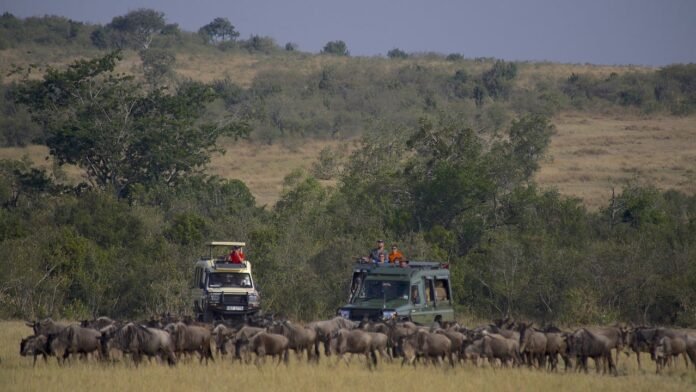
wildebeest at masai mara

Kenya is home to some of the world’s most renowned safari destinations, offering unparalleled opportunities to experience wildlife and breathtaking landscapes. Among the most popular parks are Lake Nakuru National Park and the Masai Mara National Reserve. Both offer unique experiences, but the question remains: where should you go on safari? In this comprehensive guide, we’ll explore the distinctions between these two destinations, the activities and accommodations available, and sample itineraries that can combine the best of Kenya’s safari circuit.

Lake Nakuru National Park: A Tranquil Gem

Unique Features of Lake Nakuru

Nestled in the Great Rift Valley, Lake Nakuru National Park is renowned for its shallow alkaline lake that attracts an abundance of wildlife. While it is smaller than the Masai Mara, its diverse ecosystems, including acacia woodlands, open savannah, and rocky escarpments, offer an intimate safari experience.

  • Flamingos and Birdlife: Lake Nakuru is globally famous for its flamingos, whose vibrant pink feathers create a stunning contrast against the lake’s blue waters. Though their numbers fluctuate due to changing water levels, the park remains a birdwatcher’s paradise with over 400 bird species.
  • Unique Wildlife: The park is a sanctuary for endangered species, including black and white rhinos. Visitors can also spot lions, leopards, buffalos, and Rothschild giraffes, among other animals.
  • Compact Size: With a manageable size of 188 square kilometers, Lake Nakuru allows visitors to explore its key highlights in a single day, making it an excellent choice for shorter excursions.

Activities at Lake Nakuru

flamingos in lake nakuru
  • Game Drives: Morning and evening game drives offer excellent opportunities to see wildlife, especially rhinos and flamingos.
  • Birdwatching: For bird enthusiasts, the park is an ideal destination for spotting diverse avian species.
  • Scenic Viewing: The breathtaking viewpoints, such as Baboon Cliff and Lion Hill, provide panoramic views of the lake and surrounding landscapes.

Accommodation Options

Lake Nakuru offers a variety of accommodations to suit all budgets:

  • Luxury Lodges: Sarova Lion Hill Game Lodge and Lake Nakuru Sopa Lodge provide upscale amenities with stunning views.
  • Mid-Range Options: Flamingo Hill Tented Camp offers a charming blend of comfort and affordability.
  • Budget Choices: Campsites and modest guesthouses in nearby Nakuru town cater to budget-conscious travelers.

Masai Mara: The Quintessential Safari Experience

Unique Features of the Masai Mara

The Masai Mara National Reserve is synonymous with the ultimate safari experience, thanks to its iconic landscapes and unparalleled wildlife. Spanning over 1,500 square kilometers, this sprawling reserve is part of the Serengeti ecosystem and hosts one of the greatest natural spectacles on Earth—the Great Migration.

  • The Big Five and Beyond: The Masai Mara is home to abundant populations of lions, elephants, buffalos, leopards, and rhinos, alongside cheetahs, zebras, and wildebeests.
  • The Great Migration: Every year, over two million wildebeests, zebras, and gazelles traverse the Mara River in a dramatic journey, attracting predators and providing unforgettable moments for safari-goers.
  • Cultural Experiences: The Maasai people offer visitors a glimpse into their rich traditions and lifestyle through cultural tours and village visits.

Activities at Masai Mara

balloon safari
Balloon safaris masai mara
  • Game Drives: The open plains of the Mara make it ideal for spotting wildlife, with some of the best game drives in Africa.
  • Hot Air Balloon Safaris: A sunrise balloon ride offers a bird’s-eye view of the Mara, complete with a champagne breakfast.
  • Walking Safaris and Cultural Visits: Explore the wilderness on foot or immerse yourself in Maasai culture through guided experiences.

Accommodation Options

Masai Mara offers a wide range of accommodations, from luxury lodges to budget-friendly campsites:

  • Luxury Lodges: AndBeyond Bateleur Camp and Angama Mara provide opulent stays with world-class services.
  • Tented Camps: Ashnil Mara Camp and Mara Serena Safari Lodge offer high-end tented accommodations amidst the bush.
  • Budget Options: Public and private campsites allow visitors to experience the Mara on a budget.

Masai Mara vs. Lake Nakuru: Key Differences

FeatureLake NakuruMasai Mara
Size188 sq. km1,510 sq. km
Wildlife HighlightsFlamingos, rhinosBig Five, Great Migration
AccessibilityClose to NairobiRequires longer travel
CrowdingLess crowdedOvercrowded in peak season
Ideal ForShort excursionsFull safari experiences
Park Fees$60 per person/day$200 per person/night

While the Masai Mara is ideal for extended safari experiences, Lake Nakuru is better suited for short day trips or as part of a larger Kenyan itinerary.

Challenges with Overcrowding in the Masai Mara

The Masai Mara’s immense popularity often leads to overcrowding during the peak season (July to October), especially around migration hotspots like the Mara River. This can detract from the safari experience as multiple vehicles converge on the same wildlife sightings.

Alternative Parks to Consider

  • Samburu National Reserve: Known for its unique species like the Grevy’s zebra and gerenuk, Samburu offers a quieter and equally rewarding safari.
  • Ol Pejeta Conservancy: Famous for its rhino conservation efforts, Ol Pejeta combines wildlife viewing with luxury accommodations.
  • Amboseli National Park: Known for its stunning views of Mount Kilimanjaro and large elephant herds.
  • Meru National Park: A hidden gem with diverse landscapes and fewer crowds.
  • Tsavo National Parks: Ideal for adventurous travelers seeking remote and expansive wilderness.

How to Combine Lake Nakuru and Masai Mara

For travelers wanting the best of both worlds, combining Lake Nakuru and Masai Mara into one itinerary is a great option.

7 Days Classic Safari

7 day calssic kenya safari

This all inclusive luxury Kenya Fly In Safari takes you to three of Kenya’s wildlife parks. Amboseli, Samburu, and Masai Mara. It also includes a balloon safari over the masai mara.

Expanding Your Safari: Other Kenyan Parks

Kenya’s incredible diversity of landscapes and ecosystems offers something for every traveler, whether you’re a first-time safari-goer or a seasoned adventurer. Beyond Lake Nakuru and the Masai Mara, the country boasts parks that stand out for their unique features, activities, and accessibility.

Amboseli National Park: Elephants and Kilimanjaro

What Makes Amboseli Unique?
Amboseli National Park is synonymous with its vast elephant herds and breathtaking views of Mount Kilimanjaro, Africa’s highest peak. This is a photographer’s paradise, as you can capture elephants grazing against the backdrop of snow-capped Kilimanjaro.

  • Wildlife: Alongside elephants, you’ll spot lions, cheetahs, buffalos, and a variety of bird species.
  • Cultural Experiences: Proximity to Maasai communities offers opportunities for cultural visits to experience the traditions of this iconic tribe.

Accessibility and Ideal Duration
Amboseli is a five-hour drive or a short flight from Nairobi, making it an excellent two- to three-day addition to your safari. It pairs well with parks in southern Kenya or a beach holiday in Mombasa due to its proximity to the coast. Amboseli’s airstrip supports fly-in safaris for travelers seeking convenience.

Samburu National Reserve: Rare Wildlife in the North

What Makes Samburu Unique?
Located in Kenya’s arid northern region, Samburu National Reserve is a hidden gem known for its specialized wildlife species and dramatic landscapes of rugged hills and the Ewaso Nyiro River.

  • The Samburu Five: Unique species found here include the Grevy’s zebra, reticulated giraffe, gerenuk (the giraffe gazelle), Somali ostrich, and beisa oryx.
  • Scenic Beauty: The Ewaso Nyiro River acts as a lifeline for wildlife and creates striking scenery.

Activities and Ideal Duration
Spend two to three days in Samburu to fully explore its wildlife and landscapes. Pair this with Laikipia for luxury accommodations like star beds, or head south to Nakuru or the Mara. Samburu’s airstrip makes flying safaris seamless.

Tsavo National Parks: Untamed Wilderness

What Makes Tsavo Unique?
Divided into Tsavo East and Tsavo West, these parks form Kenya’s largest protected area, offering vast, untamed wilderness with diverse landscapes.

  • Tsavo East: Known for its red-dusted elephants, iconic baobab trees, and the Yatta Plateau (the world’s longest lava flow).
  • Tsavo West: Features volcanic landscapes, natural springs (like Mzima Springs), and superb birdwatching opportunities.

Accessibility and Ideal Duration
Tsavo is well-suited for travelers heading to or from Mombasa, as it’s just a few hours’ drive from the coastal city. Spend three to five days exploring Tsavo East and West, or combine them with a beach holiday for a perfect mix of adventure and relaxation. Both parks have airstrips, making them easy to include in a flying safari.

Laikipia: Luxury and Conservation

What Makes Laikipia Unique?
Laikipia, located in central Kenya, is a model of private conservancy tourism, blending luxury accommodations, cutting-edge conservation, and diverse activities.

  • Exclusive Lodges: Stay in luxurious lodges like Loisaba or Ol Malo, which offer unique experiences like star beds, where you sleep under the African sky.
  • Night Game Drives: One of the few places in Kenya where night safaris are permitted, providing a chance to spot nocturnal animals like aardvarks and bush babies.
  • Community Engagement: Many conservancies in Laikipia work closely with local communities, offering authentic cultural interactions.

Accessibility and Ideal Duration
A two- to three-day stay in Laikipia pairs beautifully with Samburu or the Masai Mara. Laikipia’s private airstrips make it accessible for a flying safari.

Meru National Park: A Hidden Paradise

What Makes Meru Unique?
Meru National Park offers a remote, untouched safari experience with varied landscapes, from lush riverine forests to savannahs. It was the setting for the famous “Born Free” story about Elsa the lioness.

  • Wildlife: Meru is home to the Big Five, along with cheetahs, hippos, and diverse bird species.
  • Seclusion: With fewer visitors, Meru offers solitude and uninterrupted wildlife encounters.

Accessibility and Ideal Duration
Plan a three- to four-day visit to Meru, ideal for those seeking a quieter alternative to the more popular parks. Flights to Meru’s airstrip from Nairobi make it accessible for fly-in safaris.

Aberdare National Park: Forest and Waterfalls

What Makes Aberdare Unique?
This high-altitude park is known for its dense forests, stunning waterfalls, and cool mountain climate.

  • Wildlife: Spot elusive species like the giant forest hog, bongo antelope, and forest-dwelling elephants.
  • Unique Lodges: Treehouse-style accommodations like The Ark and Treetops Lodge offer a one-of-a-kind wildlife viewing experience from the comfort of your room.

Accessibility and Ideal Duration
Aberdare is a short drive from Nairobi, making it an ideal one- or two-night addition to a longer safari. Its location also allows easy combinations with Lake Nakuru or Samburu.

Combining Parks for a Diverse Safari

Kenya’s efficient network of roads, airstrips, and local tour operators makes it possible to combine multiple parks into a single itinerary. Here are some tips for creating a well-rounded safari:

How to Combine Parks

  1. Amboseli + Tsavo + Mombasa
    Start with a two-day Amboseli safari for Kilimanjaro views, then head to Tsavo for three days of wilderness before relaxing on Mombasa’s beaches.
  2. Laikipia + Samburu + Masai Mara
    Spend three days in Laikipia enjoying star beds and night game drives, two days in Samburu for unique wildlife, and end with four days in the Masai Mara for the Great Migration or a balloon safari.
  3. Lake Nakuru + Masai Mara + Amboseli
    Enjoy a one-day excursion in Nakuru, then spend three days in the Masai Mara for classic game drives and a balloon safari. Head to Amboseli for two days of elephant encounters and Kilimanjaro views.
  4. Meru + Aberdare + Laikipia
    For a quieter safari, combine three days in Meru, two days in Aberdare, and two days in Laikipia. Add luxury experiences like star beds or cultural interactions.

Activities to Enhance Your Safari

  • Balloon Safaris: Available in the Masai Mara, Amboseli, and Tsavo, these offer a stunning aerial perspective of the parks.
  • Star Beds in Laikipia: Sleep under the stars in open-air luxury while listening to the sounds of the wild.
  • Night Game Drives: Permitted in private conservancies like Laikipia, Samburu, and Ol Pejeta.
  • Walking Safaris: Experience the bush on foot in conservancies like Samburu or Laikipia.
  • Cultural Experiences: Visit Maasai, Samburu, or Turkana communities to learn about their rich traditions.

Why Flying Safaris Are Worth Considering

Flying safaris save time and allow you to cover vast distances in comfort. With numerous airstrips in parks like Amboseli, Masai Mara, Samburu, Tsavo, and Laikipia, you can easily connect remote destinations. These flights often offer stunning aerial views of Kenya’s landscapes, adding a unique dimension to your safari.

Why Choose Safari Travel Plus?

As a locally based tour operator, Safari Travel Plus offers unmatched expertise in crafting tailor-made and package safaris. Here’s why you should book with us:

  • Customized Itineraries: We create personalized experiences that cater to your preferences, whether it’s a luxury safari or a budget-friendly adventure.
  • Local Expertise: Our team has in-depth knowledge of Kenya’s parks, ensuring a seamless and enriching safari experience.
  • Competitive Pricing: Enjoy cost-effective safari packages without compromising on quality.
  • Sustainability: We promote responsible tourism, supporting local communities and conservation efforts.

By carefully considering your preferences and priorities, you can choose between Lake Nakuru and the Masai Mara—or combine them for a comprehensive Kenyan safari. Whether it’s the tranquility of Lake Nakuru or the grandeur of the Masai Mara, a journey with Safari Travel Plus guarantees an unforgettable adventure.

Content Creators and Travel: Why Safari Travel Plus Is Your Ultimate Partner for Kenyan Adventures

0
a content creator making YouTube videos

In today’s world of content creation, where competition for views, likes, and subscribers is fiercer than ever, standing out requires more than just impressive editing or catchy thumbnails. It takes originality, authenticity, and unique experiences to captivate an audience. For travel content creators, this means exploring beyond well-trodden paths and delivering fresh, engaging stories.

At Safari Travel Plus, we specialize in transforming how content creators, especially YouTubers, experience and document travel. By offering personalized, budget-friendly, and off-the-beaten-path experiences, we help creators craft unique, compelling content while immersing themselves in Kenya’s vibrant culture, stunning landscapes, and unmatched wildlife. Here’s how we work with content creators to deliver distinct travel experiences that elevate your content and set you apart.

Why Unique Travel Content Matters

The travel niche on platforms like YouTube is saturated with content showcasing mainstream tourist hotspots like Paris, New York, and Bali. While these destinations are undeniably beautiful, their overexposure makes it difficult for creators to offer fresh perspectives.

Kenya, with its breathtaking savannahs, rich culture, and incredible wildlife, offers a unique opportunity for creators to break away from the predictable. However, creating standout content in Kenya requires more than just a trip—it demands expert guidance, local insights, and curated experiences. That’s where we come in.

How Safari Travel Plus Supports Content Creators

1. Curating One-of-a-Kind Experiences

At Safari Travel Plus, we go beyond ordinary travel packages. We craft tailored experiences designed to help you create memorable, standout content that resonates with your audience. Here’s a taste of what we can offer:

  • Private Night Safaris: Capture Kenya’s nocturnal wildlife for a fresh, intriguing perspective that few have explored.
  • Cultural Immersion: Document authentic interactions with communities, such as participating in Maasai ceremonies or learning traditional cooking techniques in a local village.
  • Aerial Adventures: Film stunning vistas from a helicopter ride over the Rift Valley or the turquoise coastline of the Indian Ocean.
  • Hidden Wildlife Reserves: Explore lesser-known reserves like Samburu or Meru, offering rare wildlife encounters away from tourist crowds.
  • Luxury Glamping: Show your audience the perfect mix of adventure and comfort at exclusive glamping spots deep in the wild.

We work with you to ensure every experience aligns with your vision, helping you produce content that is not only engaging but also refreshingly unique.

2. Leveraging Local Knowledge

As locals, we know Kenya inside and out. Unlike generic travel agencies, we live here, and our deep connections allow us to offer you access to locations, events, and stories that most travelers never experience.

For content creators, this means:

  • Exclusive Locations: Access to private conservancies, secluded beaches, or historical sites that rarely feature in mainstream travel content.
  • Local Guides and Experts: Opportunities to interview conservationists, cultural leaders, and historians for rich storytelling.
  • Timely Tips: Avoiding tourist traps and crowds by planning your visits during the best times for filming.

Our insider knowledge ensures you capture Kenya at its most authentic and awe-inspiring, delivering unparalleled value to your audience.

3. Making Travel Affordable

We understand that high-quality content creation can be expensive, especially when travel costs pile up. That’s why we focus on making travel affordable without compromising on the quality of your experience.

Here’s how we help keep costs down:

  • Negotiated Discounts: Using our local network, we secure deals on accommodations, tours, and transport.
  • Custom Packages: We design itineraries to fit your budget while ensuring a rich and fulfilling travel experience.
  • Group Discounts: Join forces with other content creators to share costs and create collaborative content.

Our cost-effective solutions let you focus on what matters most—creating amazing content that grows your brand.

4. Supporting Your Unique Content Needs

Traveling as a content creator comes with specific requirements, from filming and editing to engaging with your audience. We understand these needs and offer services tailored to make your work easier:

  • Permits and Logistics: We handle permits for filming in national parks, cultural sites, or other restricted areas.
  • Internet Connectivity: We ensure your accommodations and stops have reliable internet for uploading or live streaming.
  • Equipment Transport: Our vehicles are equipped to safely carry your cameras, drones, and other gear.
  • Flexible Schedules: Our itineraries are designed to accommodate extra time for setting up shots, conducting interviews, or filming retakes.

With us handling the details, you can focus entirely on capturing incredible stories.

5. Fostering Collaboration Among Creators

Beyond individual travel, we encourage collaboration between content creators. We organize group trips, workshops, and creator meet-ups to help you:

  • Network with Peers: Connect with other creators to share ideas and insights.
  • Collaborate on Projects: Work on joint content that benefits everyone involved.
  • Expand Your Audience: Tap into each other’s audiences through cross-promotion and shared content.

These opportunities not only enrich your travel experience but also open doors for long-term creative partnerships.

Why Kenya Is the Ideal Destination for Content Creators

Kenya’s diversity in landscapes, cultures, and wildlife makes it a dream destination for travel content creators. Here’s what makes Kenya so special:

1. Wildlife Like No Other

Kenya is home to some of the world’s most iconic wildlife experiences, from witnessing the Great Migration in the Maasai Mara to encountering rare species like the Grevy’s zebra and rhinos in conservation areas.

2. Stunning and Diverse Landscapes

Whether it’s the snow-capped peaks of Mount Kenya, the golden savannahs, the lush Kakamega Forest, or the pristine beaches of Diani, Kenya offers endless visual variety for your content.

3. A Rich Cultural Tapestry

With 44 ethnic communities, Kenya is a cultural treasure trove. From the colorful beadwork of the Maasai to the Swahili heritage of the coastal region, there’s no shortage of stories to tell.

4. Adventure Awaits

Kenya is a playground for adventurers, offering hot air balloon rides, mountain trekking, camel safaris, kite surfing, and more.

Looking to the Future: Expanding Beyond Kenya

While Kenya is our current focus, we’re not stopping here. Our goal is to expand to other incredible destinations across Africa and beyond. By replicating our proven approach, we aim to help content creators explore untapped travel experiences globally.

For creators looking to pioneer new travel trends and build a unique niche, partnering with Safari Travel Plus opens doors to a world of opportunities.

Why Work with Safari Travel Plus?

As content creators ourselves in spirit, we know what it takes to craft compelling travel stories. At Safari Travel Plus, we’re more than just a travel agency—we’re your partners in creativity, adventure, and storytelling.

Here’s what sets us apart:

  • We Know Kenya: As locals, we bring insider knowledge that helps you uncover Kenya’s hidden gems.
  • We Tailor Everything to You: No cookie-cutter itineraries—everything is designed around your vision and goals.
  • We Make It Affordable: From negotiated discounts to flexible packages, we ensure you get maximum value for your budget.
  • We Handle the Details: From permits to logistics, we take care of the operational side so you can focus on creating.

Contact Us Today

Your next great adventure—and your next viral video—starts with Safari Travel Plus. Let us help you create unforgettable content that sets you apart from the crowd. Whether you’re filming a travel vlog, producing a documentary, or growing your lifestyle brand, we have the expertise and resources to make it happen.

Kenya is waiting, and so is your audience. Don’t settle for ordinary travel content when you can create extraordinary stories with us. Contact Safari Travel Plus today and let’s make your content dreams a reality.

Which African Country is the Safest for Safari?

0
Children on a child friendly safari

Embarking on an African safari is a transformative experience that combines adventure, nature, and wildlife. However, ensuring safety while enjoying this once-in-a-lifetime journey is paramount. Choosing the right safari destination can make a significant difference in terms of safety, convenience, and overall enjoyment. Whether you’re traveling with children, as a couple, solo, or in a group, prioritizing safety ensures a seamless and memorable experience.

This guide explores the top five safest African countries for safari: Kenya, Botswana, Tanzania, Namibia, and Zambia. Each destination offers unique wildlife experiences, family-friendly activities, and robust safety measures. Additionally, we’ll discuss considerations for planning safaris tailored to families, couples, and groups, as well as activities suited for various types of travelers. By the end, you’ll have a thorough understanding of what makes these destinations safe and the incredible adventures they offer.

What Makes a Destination Safe for Safari?

Before diving into the specific countries, it’s crucial to understand what factors contribute to a safe safari destination. Here are the key considerations:

  1. Malaria-Free Zones: Many safari destinations are located in regions where malaria is endemic. For families with young children, travelers with health concerns, or those seeking extra peace of mind, destinations with minimal or no malaria risk are highly desirable. Areas like Namibia’s central and southern regions or parts of South Africa offer excellent wildlife experiences without the need for antimalarial medication.
  2. Medical Services: Access to high-quality medical facilities is a crucial consideration for travelers. Countries with well-equipped hospitals, clinics, and quick access to emergency medical services are more attractive for safaris. Additionally, the presence of air evacuation services like AMREF Flying Doctors ensures that tourists can receive prompt medical attention even in remote areas.
  3. Crime and Security: Personal safety is paramount for a stress-free safari. Countries with low crime rates, particularly in tourist zones, are ideal. In addition, destinations with secure lodges, camps, and well-trained staff provide travelers with added assurance. Governments that prioritize tourism safety and actively patrol wildlife reserves further enhance security.
  4. Tourism Infrastructure: A well-developed tourism infrastructure plays a pivotal role in ensuring traveler safety. This includes reliable transportation systems, certified safari guides, well-maintained lodges, and clearly marked park trails. Countries with established tourism industries often have robust standards for service providers and ensure that safety protocols are adhered to rigorously.
  5. Emergency Rescue Services: Safari adventures can involve remote areas, making emergency response capabilities vital. Many safari operators partner with organizations that provide emergency airlifts and wildlife rescue assistance. These partnerships are invaluable in regions where hospitals or medical facilities may be hours away by road.
  6. Environmental Conservation Efforts: Countries with strong conservation policies and well-managed national parks create safer environments for both wildlife and visitors. These efforts minimize human-wildlife conflicts and ensure that ecosystems are preserved. Trained park rangers also play a critical role in monitoring wildlife and ensuring visitor safety.
  7. Road and Air Travel Safety: Reliable transportation within the destination is a critical safety factor. Well-maintained roads, experienced drivers, and certified airlines operating domestic flights ensure smooth and secure travel between parks, lodges, and other attractions. Countries with clear signage and safety protocols for self-drive safaris add an extra layer of convenience for independent travelers.
  8. Local Health Regulations: Safaris often involve international travel, so adherence to health regulations like COVID-19 protocols or vaccination requirements can make a destination more appealing. Transparent and efficient health screening processes at entry points and in tourist areas contribute significantly to traveler confidence.

By considering these factors, travelers can ensure that their safari experience is not only thrilling but also safe and worry-free. Choosing destinations that prioritize these safety measures guarantees an unforgettable adventure with peace of mind.

Why South Africa Didn’t Make the Top Five

South Africa is one of the most popular safari destinations in the world and boasts several malaria-free zones, particularly in areas like the Eastern Cape and Madikwe Game Reserve. These regions are ideal for families and travelers who wish to avoid the risks associated with malaria. Furthermore, South Africa’s tourism infrastructure is highly developed, offering world-class lodges, reliable transportation, and a wide variety of wildlife experiences.

However, South Africa did not make it to our top five safest safari destinations due to ongoing concerns about crime and general insecurity in certain parts of the country. While most safari regions and tourist routes are heavily policed and considered safe, venturing outside these areas can pose risks. Reports of theft, carjackings, and other crimes, particularly in urban areas like Johannesburg and Cape Town, highlight the need for vigilance when traveling in South Africa.

That said, sticking to well-established tourist routes and reputable safari operators significantly mitigates these risks. For example:

  • Private Game Reserves: Locations like Sabi Sands and Phinda are known for their excellent security and exclusive experiences.
  • Guided Tours: Opting for guided tours ensures you’re accompanied by knowledgeable professionals who prioritize your safety.
  • Transport Precautions: Using private transfers or flying between destinations reduces exposure to potentially unsafe areas.

South Africa remains a fantastic safari destination for those who take appropriate precautions. However, the heightened need for vigilance compared to the other countries on our list influenced its exclusion from the top five safest safari destinations.

Top 5 Safest African Countries for Safari

1. Kenya

Kenya is widely regarded as the birthplace of safari tourism, offering iconic destinations like the Maasai Mara and Amboseli National Park. Its well-established tourism infrastructure, professional guides, and excellent medical services make it one of the safest countries for safari.

  • Child-Friendly Activities:
    • Giraffe Centre (Nairobi): This interactive conservation center allows children to hand-feed Rothschild giraffes while learning about wildlife preservation.
    • David Sheldrick Wildlife Trust (Nairobi): Children can meet orphaned elephants, hear their rescue stories, and even adopt an elephant to support ongoing conservation efforts.
    • Family Safaris in Maasai Mara: Specialized lodges like Little Governors Camp offer tailored programs for kids, including wildlife tracking and cultural storytelling sessions.
  • Activities for Couples:
    • Hot Air Balloon Safaris: Glide over the Maasai Mara at sunrise, followed by a champagne breakfast in the wild.
    • Romantic Bush Dinners: Enjoy intimate dining under the stars in Amboseli, with Mount Kilimanjaro as a backdrop.
  • Small Group Highlights:
    • Photography Safaris: Kenya’s abundant wildlife and dramatic landscapes make it a paradise for photography enthusiasts.
    • Cultural Tours: Visit Maasai villages to learn about their traditions, crafts, and way of life.
  • Safety Features:
    • Kenya has well-established medical facilities in Nairobi and major cities.
    • Professional safari operators are trained in first aid and often coordinate with emergency air rescue services like AMREF Flying Doctors.

2. Botswana

Botswana is synonymous with exclusivity, offering high-end, low-impact tourism to preserve its pristine wilderness. The country’s political stability, emphasis on conservation, and low crime rates ensure a safe safari experience.

  • Child-Friendly Activities:
    • Okavango Delta Mokoro Rides: Gentle canoe trips through the delta’s tranquil waterways are perfect for older children to observe birds and smaller wildlife.
    • Junior Ranger Programs: Lodges in Chobe and Moremi Game Reserve host interactive activities where children learn tracking skills and conservation ethics.
    • Chobe National Park Game Drives: Known for its large elephant population, Chobe offers child-friendly safari vehicles for close encounters with wildlife.
  • Activities for Couples:
    • Private Bush Dinners: Share a romantic meal in the secluded Okavango Delta, surrounded by the sounds of nature.
    • Sunset Boat Cruises: Drift along the Chobe River, watching elephants and hippos as the sun sets.
  • Small Group Highlights:
    • Exclusive Mobile Camping Safaris: Ideal for small groups seeking a personalized and immersive wilderness experience.
    • Birdwatching in Moremi: Botswana’s diverse birdlife is a treat for ornithology enthusiasts.
  • Safety Features:
    • Many regions are malaria-free during the dry season.
    • The country boasts a low crime rate and excellent private medical facilities.

3. Tanzania

Tanzania’s expansive landscapes and natural wonders, from the Serengeti to Mount Kilimanjaro, make it a top safari destination. Its robust tourism infrastructure and emphasis on guided tours enhance safety for travelers.

  • Child-Friendly Activities:
    • Ngorongoro Crater Game Drives: The crater’s enclosed environment offers children an excellent chance to spot lions, zebras, and rhinos in one location.
    • Serengeti Balloon Safaris: While primarily for older children, this activity provides an unforgettable bird’s-eye view of the vast plains.
    • Cultural Tours in Arusha: Families can visit local communities to learn traditional crafts, music, and farming practices.
  • Activities for Couples:
    • Luxury Lodge Stays: Serengeti lodges offer spa treatments and private verandas overlooking the plains.
    • Beach Retreats in Zanzibar: After a thrilling safari, couples can unwind on the white sandy beaches of Zanzibar.
  • Small Group Highlights:
    • Guided Treks in Kilimanjaro’s Foothills: Explore lush forests and waterfalls with expert guides.
    • Witnessing the Great Migration: Group safaris to see this natural spectacle are unforgettable.
  • Safety Features:
    • Clinics in Arusha and Dar es Salaam are equipped to handle emergencies.
    • Tour operators often include emergency evacuation plans and satellite communication.

4. Namibia

Namibia’s dramatic desert landscapes, low population density, and reliable infrastructure make it one of Africa’s safest safari destinations. Its well-maintained roads and organized tourism services ensure a smooth experience for travelers.

  • Child-Friendly Activities:
    • Sandboarding in Swakopmund: A thrilling yet safe activity for adventurous kids.
    • Etosha National Park Game Drives: The park’s open landscapes and large salt pans make wildlife easy to spot.
    • Dune Climbing at Sossusvlei: Families can explore the towering red dunes of the Namib Desert together.
  • Activities for Couples:
    • Scenic Flights over the Skeleton Coast: Admire Namibia’s unique coastline from above.
    • Luxury Lodge Stays in Namib-Naukluft: Perfect for romantic retreats amid stunning desert scenery.
  • Small Group Highlights:
    • Self-Drive Safaris: Namibia’s excellent road network allows groups to explore at their own pace.
    • Stargazing Tours: The Namib Desert’s clear skies offer breathtaking views of the stars.
  • Safety Features:
    • The central and southern regions are malaria-free.
    • Namibia’s low crime rate and efficient lodges ensure peace of mind.

5. Zambia

Zambia, famous for its walking safaris and the iconic Victoria Falls, offers adventurous yet safe experiences. Its emphasis on guided activities and remote lodges adds an extra layer of security.

  • Child-Friendly Activities:
    • Boat Rides on the Zambezi River: Safe and exciting excursions that bring families close to nature.
    • Mosi-oa-Tunya National Park: Ideal for wildlife encounters near Victoria Falls without intense trekking.
    • Cultural Experiences: Children can learn about local traditions through village tours.
  • Activities for Couples:
    • Sunset Cruises: The Zambezi River’s romantic ambiance is perfect for couples.
    • Victoria Falls Candlelit Dinners: Dine with a view of the world’s largest waterfall.
  • Small Group Highlights:
    • Whitewater Rafting: Ideal for thrill-seeking groups.
    • Walking Safaris in South Luangwa: Experience the wilderness up close with expert guides.
  • Safety Features:
    • Reliable medical clinics near major tourist areas.
    • Guided tours are standard, minimizing risks associated with wildlife and terrain.

What to Consider When Planning a Safari

For Families:

  • Malaria-Free Zones: Prioritize destinations with little or no malaria risk.
  • Family-Friendly Lodges: Choose accommodations offering babysitting, kids’ menus, and interactive programs.
  • Travel Pace: Include plenty of downtime to avoid exhausting children.

For Couples:

  • Romantic Accommodations: Look for private lodges with luxurious amenities.
  • Exclusive Activities: Book private safaris, hot air balloon rides, or sunset cruises.
  • Combine Safari with Relaxation: End your safari with a stay at a nearby beach or spa.

For Groups:

  • Shared Experiences: Opt for group-friendly lodges and vehicles.
  • Activity Variety: Include options for different interests, such as birdwatching, trekking, or photography.
  • Cost Efficiency: Group packages often offer better rates for accommodations and tours.

Additional Safety Tips

  • Travel Insurance: Ensure your policy covers medical evacuation and safari-specific risks.
  • Emergency Services: Confirm the availability of airlifts and nearby clinics before booking.
  • Reputable Operators: Always book with certified tour companies that prioritize safety.
  • Vaccinations and Medications: Check vaccination requirements and carry necessary medications for your trip.

By selecting destinations that prioritize safety and offer diverse, unforgettable experiences, your African safari will be a cherished adventure. Whether you’re traveling with kids, a partner, or friends, these top five countries provide the perfect blend of excitement and peace of mind.

Kenya Safari Locations

0
tourist in the safari location, masai mara

Kenya is a top-tier safari destination, offering an unparalleled blend of breathtaking landscapes, abundant wildlife, and unique cultural experiences. This article will explore the country’s most iconic safari locations, detailing accommodation options, the best times to visit, unique features, topography, park fees, accessibility, and activities. We will also provide insights on how to combine these destinations for an unforgettable safari experience.

1. Masai Mara National Reserve

Recommended Accommodation

  • Luxury: Angama Mara, Mahali Mzuri
  • Mid-range: Basecamp Explorer, Mara Serena Safari Lodge
  • Budget: Mara Bush Camp, Enchoro Wildlife Camp

Best Time to Visit

  • Peak: July to October for the Great Migration.
  • Low season: April to May (wet season).

What Makes It Unique

  • The Great Migration, where over two million wildebeest, zebras, and gazelles cross the Mara River.
  • High density of predators, including lions, cheetahs, and leopards.
  • Cultural interactions with the Maasai community.

Topography

  • Rolling savannah plains with occasional acacia trees, rivers, and hills.

Park Fees

  • Non-residents: $100 per adult between 1st January – 30th June 2025 then $200 from 1st July to December 2025
  • Children fees: $50 From 9 years and above through out the year with children below 8 years Free entry.

Accessibility

  • By Road: 280 km from Nairobi (5-6 hours).
  • By Air: Several airstrips, including Olkiombo and Keekorok. Flights from Wilson Airport (Nairobi) take approximately 45 minutes.

Activities

  • Game drives (day and night).
  • Hot air balloon safaris.
  • Walking safaris.
  • Cultural visits to Maasai villages.

How to Combine

Masai Mara is ideal for combining with Lake Nakuru or Amboseli for varied landscapes and wildlife.

2. Amboseli National Park

Recommended Accommodation

  • Luxury: Tawi Lodge, Tortilis Camp.
  • Mid-range: Amboseli Serena Safari Lodge, Sentrim Amboseli.
  • Budget: Kibo Safari Camp, AA Lodge.

Best Time to Visit

  • Peak: June to October and January to February (dry seasons).

What Makes It Unique

  • Views of Mount Kilimanjaro, the tallest peak in Africa.
  • Large herds of elephants.
  • Swamps and springs that sustain diverse wildlife.

Topography

  • Open plains, acacia woodland, marshes, and swamps.

Accessibility

  • By Road: 240 km from Nairobi (4 hours).
  • By Air: Airstrips include Amboseli Airstrip. Flights from Wilson Airport take approximately 45 minutes.

Activities

  • Game drives.
  • Nature walks.
  • Birdwatching.
  • Cultural visits to Maasai villages.

How to Combine

Pair Amboseli with Tsavo National Parks for a broader wildlife experience.

3. Tsavo National Parks (East and West)

Recommended Accommodation

  • Luxury: Finch Hattons, Severin Safari Camp.
  • Mid-range: Voi Wildlife Lodge, Kilaguni Serena Safari Lodge.
  • Budget: Man Eaters Lodge, Ndololo Camp.

Best Time to Visit

  • Peak: June to October and January to February.

What Makes It Unique

  • Tsavo East: Vast landscapes and the Galana River.
  • Tsavo West: Mzima Springs, Shetani Lava Flows, and Rhino Sanctuary.
  • Home to the “red elephants” due to iron-rich soil.

Topography

  • Tsavo East: Semi-arid plains with seasonal rivers.
  • Tsavo West: Rugged terrain with volcanic features.

Accessibility

  • By Road: 240 km to Tsavo East; 260 km to Tsavo West from Nairobi.
  • By Air: Multiple airstrips, including Voi and Kilaguni. Flights from Nairobi take approximately 1 hour.

Activities

  • Game drives.
  • Guided walks.
  • Exploring lava flows.
  • Birdwatching.

How to Combine

Combine with Amboseli or the coastal destinations like Diani Beach for a diverse experience.

4. Lake Nakuru National Park

Recommended Accommodation

  • Luxury: Sarova Lion Hill Game Lodge.
  • Mid-range: Flamingo Hill Camp.
  • Budget: Campsites like Makalia.

Best Time to Visit

  • Peak: June to February.

What Makes It Unique

  • Famous for flamingos and other waterbirds.
  • Home to both black and white rhinos.
  • Unique acacia forests and waterfalls.

Topography

  • Rift Valley terrain with a soda lake and surrounding escarpments.

Accessibility

  • By Road: 160 km from Nairobi (2.5 hours).
  • By Air: No commercial flights; accessible by private charter to Naishi airstrip.

Activities

  • Game drives.
  • Birdwatching.
  • Hiking around Baboon Cliff.

How to Combine

Lake Nakuru works well with Masai Mara or Samburu for a varied wildlife experience.

5. Samburu National Reserve

Recommended Accommodation

  • Luxury: Saruni Samburu, Elephant Bedroom Camp.
  • Mid-range: Samburu Intrepids.
  • Budget: Umoja Campsite.

Best Time to Visit

  • Peak: June to October and December to March.

What Makes It Unique

  • Special Five: Grevy’s zebra, reticulated giraffe, Somali ostrich, beisa oryx, and gerenuk.
  • Proximity to Ewaso Ng’iro River.

Topography

  • Semi-arid landscapes with rugged hills and riverine forests.

Accessibility

  • By Road: 345 km from Nairobi (6 hours).
  • By Air: Flights from Wilson Airport to Samburu Airstrip take 1 hour.

Activities

  • Game drives.
  • Nature walks.
  • Birdwatching.

How to Combine

Combine Samburu with Meru National Park for a northern safari circuit.

6. Meru National Park

Recommended Accommodation

  • Luxury: Elsa’s Kopje.
  • Mid-range: Rhino River Camp.
  • Budget: Public campsites.

Best Time to Visit

  • Peak: June to September.

What Makes It Unique

  • Born Free story location.
  • Untamed wilderness with fewer crowds.

Topography

  • Rolling plains, rivers, and dense forests.

Accessibility

  • By Road: 350 km from Nairobi (6-7 hours).
  • By Air: Kinna and Mulika airstrips; flights from Nairobi take 1 hour.

Activities

  • Game drives.
  • Fishing.
  • Birdwatching.

How to Combine

Pair Meru with Samburu or Laikipia for a unique northern safari.

7. Ol Pejeta Conservancy

Recommended Accommodation

  • Luxury: Sweetwaters Serena Camp.
  • Mid-range: Ol Pejeta Bush Camp.

Best Time to Visit

  • Peak: June to October.

What Makes It Unique

  • Home to the last two northern white rhinos.
  • A leading conservancy for big cat sightings.

Topography

  • Grasslands and acacia woodland.

Accessibility

  • By Road: 200 km from Nairobi (3.5 hours).
  • By Air: Nanyuki Airstrip; flights take 45 minutes.

Activities

  • Game drives.
  • Horseback riding.
  • Night safaris.
  • Lion tracking.

How to Combine

Combine Ol Pejeta with Lake Nakuru or Samburu.

Safari Combination Tips

  1. Classic Circuit:
    • Masai Mara → Lake Nakuru → Amboseli → Tsavo.
  2. Northern Adventure:
    • Samburu → Ol Pejeta → Meru.
  3. Diverse Ecosystem Tour:
    • Masai Mara → Amboseli → Tsavo → Coastal safari.

Kenya offers a safari for every traveler. Whether you are drawn to the Great Migration, iconic landscapes, or rare species, the country’s national parks and reserves promise unforgettable adventures.

Let Safari Travel Plus Create Your Dream Safari

At Safari Travel Plus, we believe that safaris are more than just trips—they’re transformative experiences. By choosing us, you’re opting for:

  • Expertise honed from years of crafting personalized safaris.
  • Access to Kenya’s finest accommodations, guides, and exclusive activities.
  • A hassle-free, memorable journey designed around your needs.

Kenya’s wild beauty is waiting for you. Let us bring your dream safari to life. Contact Safari Travel Plus today to start planning your adventure!

Where to Go on Safari from Nairobi

0
Kichwa tembo camp which can be accessed from Nairobi

Nairobi, Kenya’s bustling capital city, is not only the political and economic hub of the nation but also a gateway to some of Africa’s most iconic safari destinations. Strategically positioned, Nairobi serves as the perfect starting point for exploring Kenya’s stunning national parks and reserves. Whether you’re a first-time visitor or a seasoned adventurer, the city’s accessibility, robust infrastructure, and wealth of safari options make it an excellent choice for planning your dream safari.

In this guide, we’ll explore the key parks and reserves you can access from Nairobi, discuss logistics, including drive times and air travel options, and provide tips on how to combine these destinations for an unforgettable experience.

Nairobi’s Strategic Position

Nairobi is home to Jomo Kenyatta International Airport (JKIA), the largest airport in East Africa, making it a natural starting point for international travelers. Just a short drive from the city center is Wilson Airport, Kenya’s busiest domestic airport, offering flights to various safari destinations across the country. Nairobi also boasts proximity to numerous national parks and reserves, allowing for seamless connections to iconic wildlife experiences.

Safari Destinations from Nairobi

1. Masai Mara National Reserve

  • Distance from Nairobi: Approximately 280 km (174 miles)
  • Drive Time: 5-6 hours by road
  • Flight Time: 45 minutes from Wilson Airport to several airstrips, including Keekorok, Ol Kiombo, and Mara Serena

The Masai Mara, renowned for the Great Migration and its abundant wildlife, is a top choice for visitors. The reserve’s open savannahs teem with lions, elephants, cheetahs, and wildebeests. Game drives, hot air balloon safaris, and cultural visits to Maasai villages make the Mara an unparalleled destination.

2. Lake Nakuru National Park

  • Distance from Nairobi: Approximately 160 km (99 miles)
  • Drive Time: 2.5-3 hours by road

Lake Nakuru is famous for its shimmering soda lake and vast flocks of flamingos. The park is also a sanctuary for endangered rhinos and offers stunning views from Baboon Cliff. Its proximity to Nairobi makes it a popular destination for shorter safaris or as part of a combination itinerary with the Masai Mara.

3. Amboseli National Park

  • Distance from Nairobi: Approximately 240 km (149 miles)
  • Drive Time: 4-5 hours by road
  • Flight Time: 40 minutes from Wilson Airport to Amboseli Airstrip

Amboseli, set against the backdrop of Mount Kilimanjaro, offers breathtaking scenery and excellent wildlife viewing. Known for its large elephant herds and striking landscapes, Amboseli is a favorite among photographers.

4. Tsavo National Parks (Tsavo East and Tsavo West)

  • Distance from Nairobi: Approximately 240-280 km (149-174 miles)
  • Drive Time: 5-6 hours by road
  • Flight Time: 1 hour from Wilson Airport to airstrips like Voi or Finch Hattons

Tsavo East and West together form one of the largest wildlife sanctuaries in the world. Tsavo East is famous for its red-dusted elephants, while Tsavo West offers rugged landscapes, including Mzima Springs and the Chyulu Hills.

5. Samburu National Reserve

  • Distance from Nairobi: Approximately 350 km (217 miles)
  • Drive Time: 6-7 hours by road
  • Flight Time: 1 hour from Wilson Airport to Samburu Airstrip

Located in Kenya’s northern region, Samburu is a haven for unique wildlife such as Grevy’s zebras, Somali ostriches, and gerenuks. Its arid landscapes and the Ewaso Nyiro River create a striking contrast to the greener southern parks.

Wilson Airport: Gateway to Kenya’s Safari Destinations

Wilson Airport in Nairobi offers the convenience of short flights to numerous safari destinations. Domestic airlines, including Safarilink and Air Kenya, operate daily flights to airstrips located within or near the national parks and reserves. Key airstrips include:

  • Masai Mara: Keekorok, Ol Kiombo, and Mara Serena Airstrips
  • Amboseli: Amboseli Airstrip
  • Samburu: Samburu Airstrip
  • Tsavo: Voi, Finch Hattons, and Kilaguni Airstrips

Flying from Wilson Airport significantly reduces travel time, making it possible to maximize your time in the parks.

Combining Safari Destinations

Kenya’s diverse landscapes and rich wildlife make it ideal for multi-park itineraries. Here are some popular combinations:

1. Amboseli and Masai Mara

This classic combination offers contrasting experiences. Amboseli’s open plains and Kilimanjaro views complement the Masai Mara’s dense wildlife and migration spectacle. Flights connect Amboseli Airstrip to the Masai Mara’s airstrips, making this combination seamless.

2. Masai Mara and Lake Nakuru

Pairing the Masai Mara with Lake Nakuru allows you to experience the dramatic migration and the serene beauty of Nakuru’s flamingos and rhinos. The parks are a short drive apart, making this combination ideal for road safaris.

3. Amboseli and Tsavo

For those seeking a more off-the-beaten-path adventure, combining Amboseli with Tsavo East and West offers stunning landscapes and diverse ecosystems. A road trip between these parks showcases Kenya’s varied terrain.

4. Samburu, Lake Nakuru, and Masai Mara

This itinerary takes you from the arid north to the lush savannahs of the south. Start in Samburu for unique wildlife, continue to Nakuru for flamingos, and end in the Masai Mara for the Big Five.

5. Kenya and Tanzania: Serengeti and Masai Mara

The Serengeti in Tanzania and the Masai Mara in Kenya form a continuous ecosystem, allowing visitors to witness the Great Migration as it crosses international borders. Safari Travel Plus specializes in cross-border itineraries, ensuring smooth logistics and unforgettable experiences.

Why Choose Safari Travel Plus?

At Safari Travel Plus, we understand that every traveler is unique. Whether you’re looking for a luxury getaway, a family-friendly safari, or an adventurous road trip, we tailor each itinerary to your preferences.

  • Tailor-Made Safaris: Customize your safari to include specific parks, activities, and accommodations.
  • Combination Safaris: Choose from our expertly designed multi-park itineraries, combining Kenya’s top destinations with Tanzania’s Serengeti and Ngorongoro Crater.
  • Expert Guidance: Our team of safari experts ensures seamless planning and logistics.
  • Convenience and Comfort: Enjoy a mix of road trips and flights for the best travel experience.

Sample Itinerary: Highlights of Kenya Safari

Day 1-2: Masai Mara
Fly from Nairobi to the Masai Mara. Spend two days exploring the reserve with game drives and cultural visits.

Day 3: Lake Nakuru
Drive to Lake Nakuru for a day of wildlife viewing and flamingo spotting.

Day 4-5: Amboseli
Drive or fly to Amboseli. Spend two days enjoying game drives and views of Mount Kilimanjaro.

Day 6-7: Tsavo West and Tsavo East
Drive to Tsavo. Explore its unique landscapes and wildlife before returning to Nairobi.

Planning Your Safari

When planning your safari, consider:

  • Time and Budget: Determine how many days you have and allocate a budget for accommodations, park fees, and travel.
  • Best Time to Visit: The dry season (June to October) is ideal for wildlife viewing, while the wet season offers lush landscapes and fewer crowds.
  • Modes of Transport: Combine flights and road travel for efficiency and variety.

Nairobi’s strategic location, robust transport options, and proximity to world-class parks make it the ultimate safari gateway. Whether you’re visiting the iconic Masai Mara, the scenic Amboseli, or the unique Samburu, Safari Travel Plus ensures your journey is seamless, tailored, and unforgettable. Let us help you create the safari of your dreams.

Kenya Safari and Beach Itinerary

0
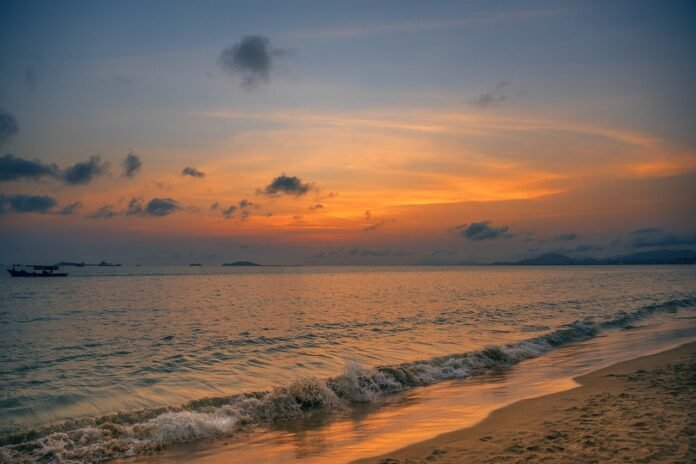
sunset in mombasa diani on a safari and beach experience.

Kenya, renowned for its breathtaking landscapes, iconic wildlife, and pristine coastline, offers travelers a unique opportunity to combine the thrill of a safari with the tranquility of a beach retreat. This harmonious blend of adventure and relaxation is an ideal way to explore the country’s diverse offerings while creating an unforgettable vacation. Whether you’re watching elephants roam the plains of Amboseli or lounging on the white sands of Diani Beach, Kenya’s safari and beach itineraries provide a seamless and enriching travel experience.

Why Combine a Safari with a Beach Getaway?

A safari is undoubtedly one of the most exhilarating experiences, immersing you in the wild and offering a chance to connect with nature like never before. However, safaris are also action-packed, with early morning game drives, long hours in the sun, and plenty of movement. Pairing this adventure with a few days at the beach allows travelers to unwind, recharge, and reflect on their incredible safari moments.

Benefits of Combining a Safari and Beach Vacation

  1. Relaxation After Adventure: The beach offers a tranquil counterpoint to the active safari experience. After days of game drives and exploring the wilderness, a seaside retreat lets you relax in comfort.
  2. Proximity to the Coast: Parks like Amboseli and Tsavo are conveniently located near Kenya’s coastline, making it easy to transition from safari to the beach.
  3. Cost Efficiency: Spending a few days at the beach can lower your overall trip costs since daily park fees—up to $200 per person per day during peak season—do not apply at the coast.
  4. Tailored Experiences: Kenya’s safari and beach options cater to families, solo travelers, and couples, offering diverse itineraries and accommodations for all preferences.

Perfect Parks to Pair with Kenya’s Coastline

Kenya’s diverse national parks and reserves are a major draw for visitors. Depending on your interests, you can choose parks that are easily accessible by road or air from the coast.

1. Amboseli National Park

  • Proximity: Amboseli is located about a five-hour drive from the Kenyan coast or a short flight away.
  • Highlights: Known for its iconic views of Mount Kilimanjaro, Amboseli is home to large herds of elephants and a variety of other wildlife, making it a popular choice for safari enthusiasts.
  • Combination: After exploring Amboseli, you can drive to Mombasa or take a short flight to the coast.

2. Tsavo East and Tsavo West National Parks

  • Proximity: Located a few hours from Mombasa by road, Tsavo East and West are some of Kenya’s largest parks, offering a wealth of wildlife and dramatic landscapes.
  • Highlights: These parks are famous for their “red elephants,” stunning waterfalls, and diverse habitats. Their location makes them ideal for a safari and beach combination.
  • Combination: Tsavo is particularly convenient for travelers looking to quickly transition to the coastal resorts of Diani, Malindi, or Watamu.

3. Masai Mara National Reserve

  • Proximity: While Masai Mara is farther from the coast, direct flights make it accessible within three hours.
  • Highlights: The Masai Mara is world-famous for the Great Migration, big cats, and incredible wildlife density.
  • Combination: Direct flights between Masai Mara and the coast simplify travel logistics, allowing you to enjoy the best of both worlds.

4. Lake Nakuru and Samburu National Reserve

  • Proximity: These parks are accessible via Nairobi, from where flights to the coast are available.
  • Highlights: Lake Nakuru offers stunning flamingo-filled vistas, while Samburu is known for its unique species, such as the reticulated giraffe and Grevy’s zebra.
  • Combination: Pair these parks with flights to Mombasa or Diani Beach for a varied itinerary.

Typical Safari and Beach Itineraries

Kenya’s safari and beach itineraries can be customized to suit your preferences. Here’s an outline of popular options:

Option 1: Kenya Wildlife & Beach Safari

Day 1: Nairobi – Maasai Mara Game Reserve

Morning departure via the Great Rift Valley to Maasai Mara.

Lunch upon arrival, followed by an afternoon game drive.

Overnight at Mara Sopa Lodge or similar.

Day 2: Maasai Mara Game Reserve

Early morning game drive or optional balloon safari (extra cost).

Relaxation at the lodge, followed by an afternoon game drive.

Dinner and overnight stay at the camp.

Day 3: Maasai Mara – Lake Nakuru National Park

Morning drive to Lake Nakuru, arriving for lunch at Sarova Lion Hill.

Afternoon game drive, followed by dinner and overnight at the lodge.

Day 4: Lake Nakuru – Amboseli National Park

Morning drive to Amboseli with lunch at Kibo Safari Camp.

Afternoon game drive until sunset, returning to the lodge for dinner.

Day 5: Amboseli National Park

Early morning game drive followed by breakfast and leisure time.

Afternoon game drive and overnight at Kibo Safari Camp.

Day 6: Amboseli – Tsavo West National Park

Morning drive to Tsavo West, arriving for lunch at Kilaguni Serena.

Afternoon game drive until sunset, then dinner and rest at the lodge.

Day 7: Tsavo West – Mombasa (Voyager Beach Resort)

Early morning game drive before breakfast.

Drive to Mombasa, arriving for lunch at Voyager Beach Resort (all-inclusive basis).

Day 8-10: Mombasa

Relax and enjoy the sandy beaches with optional excursions to Mombasa available (extra cost).

Accommodation on an all-inclusive basis.

Day 11: Mombasa – Nairobi (Jomo Kenyatta International Airport)

Breakfast at the resort, followed by a transfer to the airport for a flight to Nairobi to connect with your homeward journey.

    Option 2: Mombasa – Tsavo – Diani Beach

    1. Day 1-2: Arrive in Mombasa and transfer to Tsavo East or West. Enjoy game drives and overnight stays in the park.
    2. Day 3-5: Drive to Diani Beach for a relaxing beach retreat.
    3. Day 6: Return to Mombasa for departure.

    Option 3: Nairobi – Amboseli – Mombasa

    1. Day 1-2: Start in Nairobi and transfer to Amboseli by flight or road. Explore the park over two days.
    2. Day 3: Fly or drive to Mombasa. Check into a beach resort.
    3. Day 4-6: Relax at the beach, enjoying activities like snorkeling, diving, or dolphin spotting.
    4. Day 7: Return to Nairobi or depart directly from Mombasa.

    Flights Between Safari Parks and the Coast

    Kenya’s aviation network makes it easy to travel between safari destinations and the coast.

    Mombasa Air Services: Connecting the Coast and the Wild

    • Schedule: Mombasa Air offers daily flights from Mombasa to the Masai Mara and back. Flights typically take about three hours, depending on stops.
    • Stops: These flights may make interim stops to pick up or drop off passengers at other airstrips, but schedules are designed to minimize delays.
    • Costs:
      • One-way flight: $330 – $380 per person.
      • Return flight: $430 – $490 per person, inclusive of taxes.
    • Booking: Advanced booking is recommended, especially during peak seasons.

    Other Airlines

    Airlines like Safarilink and AirKenya also provide regular connections between key safari destinations and the coast, offering flexibility and convenience.

    Cost-Effective Travel Tips

    1. Beach Stays to Offset Costs: Daily park fees for safaris can add up quickly, particularly during peak seasons. Spending a few days at the beach, where there are no park fees, can significantly reduce overall costs.
    2. Tailored Packages: Tour operators like Safari Travel Plus can create customized itineraries that combine safari and beach experiences, optimizing travel time and expenses.
    3. Seasonal Offers: Traveling during shoulder seasons can yield lower flight and accommodation costs without compromising the experience.

    Who is This Itinerary Best For?

    Kenya’s safari and beach itineraries cater to various types of travelers:

    • Families: The combination offers something for everyone—wildlife for kids and relaxation for parents.
    • Couples: Romantic lodges and beach resorts make this an excellent choice for honeymooners or those seeking a getaway.
    • Solo Travelers: Guided safaris and friendly beach communities ensure a safe and engaging experience for solo adventurers.

    Beach Activities to Complement Your Safari

    After an action-packed safari, the Kenyan coast offers a plethora of activities:

    • Snorkeling and Diving: Explore vibrant coral reefs and marine life in Watamu or Diani.
    • Dolphin and Whale Watching: Visit Kisite-Mpunguti Marine Park for a chance to see dolphins and humpback whales.
    • Cultural Tours: Learn about Swahili culture and history in towns like Lamu and Malindi.
    • Relaxation: Unwind on the pristine beaches of Diani, sipping fresh coconut water and enjoying the warm Indian Ocean breeze.

    Kenya’s safari and beach combination is a perfect marriage of adventure and relaxation. From the wildlife-rich plains of the Masai Mara and Amboseli to the serene beaches of Diani and Mombasa, this itinerary offers a diverse and enriching travel experience. With seamless connections by road and air, cost-effective options, and activities for all types of travelers, Kenya provides the ideal setting for a memorable vacation. Whether you’re a family, couple, or solo traveler, a safari and beach itinerary in Kenya promises a journey like no other.

    Is Samburu Worth a Visit? A Comprehensive Guide to Kenya’s Hidden Gem

    0
    A giraffe spotted during a samburu safari

    Samburu National Reserve, located in northern Kenya, spans approximately 165 square kilometers. Nestled along the banks of the Ewaso Ng’iro River, Samburu offers a semi-arid climate that starkly contrasts with the lush savannas of Masai Mara. The region is part of a trio of reserves, including Buffalo Springs and Shaba, creating a vast wildlife corridor teeming with rare species and breathtaking landscapes. Samburu’s remoteness, coupled with its unique natural beauty, provides a sense of exclusivity and adventure.

    2. Wildlife in Samburu: Unique Species and Conservation Successes

    Samburu is home to an impressive array of wildlife, including several species not commonly found in other parts of Kenya. These animals are often referred to as the “Samburu Special Five”:

    • Reticulated Giraffe: Distinguished by their striking, polygonal white patterns, these giraffes are endemic to northern Kenya.
    • Grevy’s Zebra: The rarest of the zebra species, the Grevy’s zebra has narrow stripes and large, rounded ears.
    • Beisa Oryx: These antelopes are known for their long, straight horns and striking black-and-white facial markings.
    • Somali Ostrich: Unlike the common ostrich, the Somali ostrich has bluish-grey skin and is adapted to arid conditions.
    • Gerenuk: Also known as the giraffe gazelle, these elegant antelopes can stand on their hind legs to reach high foliage.
    Grevy’s Zebra

    In addition to these species, Samburu supports healthy populations of elephants, lions, leopards, cheetahs, and the endangered African wild dog. Bird enthusiasts will also find over 350 recorded bird species, including the vivid vulturine guineafowl and martial eagle.

    Conservation Highlights

    The Samburu region has made significant strides in wildlife conservation, particularly in protecting the Grevy’s zebra and elephants. The Save the Elephants organization, based in Samburu, is a global leader in elephant research and protection efforts.

    3. An Alternative to the Masai Mara: Serenity and Exclusivity

    While the Masai Mara is famed for its Great Migration, it can become overcrowded during peak season (July to October). Samburu provides a peaceful alternative, offering similarly rewarding game viewing without the throngs of tourists. The atmosphere in Samburu is quieter, allowing for intimate wildlife encounters and personalized safari experiences.

    Visitors can explore vast, open landscapes without the need to jostle for prime viewing spots, enhancing the feeling of wilderness and serenity. Moreover, the arid beauty of Samburu offers a stark contrast to the green plains of Masai Mara, providing travelers with a different perspective on Kenya’s diverse ecosystems.

    4. Activities in Samburu: Camel Rides, Star Beds, and Cultural Immersion

    Camel Rides Across the Desert

    Camel Rides In Samburu

    Camel riding is a quintessential Samburu experience, offering a unique way to traverse the rugged terrain. Led by Samburu guides, these excursions take visitors through arid plains and along riverbanks, providing an immersive connection to the land. Camel safaris range from short rides to multi-day expeditions, where guests can camp under the stars.

    Star Beds: Sleeping Under the African Sky

    Several lodges in Samburu offer “star beds,” where guests sleep in open-air platforms under a canopy of stars. These platforms are often elevated and situated in remote areas, allowing for breathtaking views of the night sky and the sounds of the African wilderness.

    Samburu Culture and Traditions

    Visitors to Samburu have the opportunity to engage with the local Samburu people, a semi-nomadic community closely related to the Maasai. Cultural visits provide insights into traditional practices, including beadwork, dancing, and storytelling. Guests can participate in village tours and learn about the Samburu’s deep connection to their environment.

    5. Topography and Vegetation: A Land of Stark Beauty

    Samburu’s landscape is defined by its rugged, semi-arid terrain, punctuated by dramatic hills and rocky outcrops. The Ewaso Ng’iro River, a lifeline for the region, meanders through the reserve, creating lush riverine forests of acacias and doum palms.

    Notable Features of Samburu’s Landscape

    • Koitogor and Ololokwe Hills: These towering rock formations provide a dramatic backdrop to the reserve’s plains.
    • Arid Plains and Lava Fields: The vast plains are dotted with hardy vegetation such as acacia trees, thorn bushes, and succulents.
    • Riverine Forests: The areas along the river are lush and green, creating a stark contrast with the dry, open plains.

    This unique blend of ecosystems supports a diverse range of flora and fauna, making Samburu a haven for photographers and nature lovers alike.

    6. Best Time to Visit Samburu: Seasons and Weather

    Samburu experiences a hot, dry climate, with temperatures ranging between 30-35°C (86-95°F) during the day. The best time to visit is during the dry season (June to October), when wildlife congregates around water sources, making game viewing more predictable.

    Seasonal Highlights

    • Dry Season (June to October): Best for game viewing; minimal rainfall ensures easy navigation through the reserve.
    • Wet Season (November to May): The landscape becomes greener, and birdwatching is at its peak. However, wildlife disperses, making sightings less predictable.

    7. Accommodation Options: Lodges, Camps, and Starbed Experiences

    Samburu offers a range of accommodation options, from luxurious lodges to eco-friendly tented camps. Many properties blend seamlessly with the natural environment, offering stunning views and personalized service.

    Luxury Lodges

    Sasaab Lodge
    • Sasaab Lodge: Known for its Moroccan-inspired architecture, Sasaab offers stunning views of the river and top-notch amenities.
    • Elephant Bedroom Camp: This intimate camp is located on the riverbank and offers close encounters with elephants.

    Tented Camps and Eco-Lodges

    • Samburu Intrepids: A family-friendly camp with spacious tents and excellent guides.
    • Saruni Samburu: Set atop a rocky outcrop, this lodge offers breathtaking panoramic views.

    Starbed Experiences

    • Loisaba Starbeds: Located on a nearby conservancy, these starbeds offer one of the most memorable ways to experience the African night sky.

    Conclusion: Why Samburu Should Be on Your Travel List

    Samburu offers a unique and rewarding alternative to Kenya’s more famous parks, combining exceptional wildlife, dramatic landscapes, and cultural authenticity. Whether you’re seeking a peaceful retreat from the crowds or an adventurous safari experience, Samburu delivers an unforgettable journey into the heart of Africa’s wild beauty.

    From camel rides across the desert to sleeping under a sky filled with stars, Samburu’s allure lies in its raw, untamed spirit. For travelers looking to explore a lesser-known side of Kenya, Samburu is undoubtedly worth a visit.

    Serengeti vs. Ngorongoro Crater: Which Safari Destination Is Better?

    0
    Zebra In Serengeti National Park

    When planning a safari in Tanzania, the Serengeti National Park and Ngorongoro Crater are two must-visit destinations. Both are UNESCO World Heritage sites known for their breathtaking landscapes, abundant wildlife, and unforgettable safari experiences. But which one should you choose? The answer depends on your travel preferences, budget, time, and desired activities. In this comprehensive guide, we’ll explore the differences between Serengeti and Ngorongoro across key categories, including accommodation, wildlife, activities, park fees, and the best time to visit.

    1. Overview of Serengeti and Ngorongoro Crater

    Serengeti National Park

    The Serengeti is one of Africa’s most iconic safari destinations, famous for its vast, seemingly endless plains that host the Great Migration, a spectacular event involving millions of wildebeest and zebras. Spanning 14,750 square kilometers, Serengeti’s diverse ecosystems include grasslands, acacia woodlands, and riverine forests, making it an ideal destination for game viewing year-round.

    Ngorongoro Crater

    Ngorongoro Crater, part of the larger Ngorongoro Conservation Area, is the world’s largest intact volcanic caldera. This 260-square-kilometer crater acts as a natural enclosure for wildlife, offering one of the highest concentrations of animals in Africa. Ngorongoro is often described as a “natural zoo” due to the ease with which visitors can see a variety of wildlife in a compact, scenic area.

    2. Accommodation: Luxury to Budget Options

    Serengeti Accommodation

    The Serengeti offers a wide range of accommodations, from luxury lodges to budget-friendly campsites.

    • Luxury Options:
      • Four Seasons Safari Lodge offers lavish rooms, infinity pools, and stunning views of the savannah.
      • Serengeti Bushtops provides luxury tented suites with private decks and hot tubs.
    • Mid-Range Options:
      • Serengeti Serena Safari Lodge blends traditional African design with modern comforts.
      • Kubu Kubu Tented Lodge offers spacious tents with en-suite bathrooms and prime game-viewing locations.
    • Budget Options:
      • Public Campsites like Nyani Campsite provide basic amenities but a prime location for adventurous travelers.

    Ngorongoro Accommodation

    Ngorongoro crater lodge

    Lodging around Ngorongoro ranges from opulent lodges perched on the crater rim to budget-friendly campsites.

    • Luxury Options:
      • Ngorongoro Crater Lodge is known for its opulence, offering breathtaking views of the crater below.
      • Sanctuary Ngorongoro Camp combines eco-friendly luxury with proximity to the crater floor.
    • Mid-Range Options:
      • Ngorongoro Serena Safari Lodge offers panoramic views from rooms styled to blend into the natural surroundings.
      • Rhino Lodge provides comfortable and affordable accommodations close to the crater.
    • Budget Options:
      • Simba Campsite is the go-to choice for budget travelers, offering basic facilities and easy access to the crater.

    3. Wildlife: Diversity and Density

    Wildlife in Serengeti

    The Serengeti is a haven for wildlife enthusiasts, especially those eager to witness the Great Migration.

    • Great Migration: Annually, over 1.5 million wildebeest, accompanied by zebras and gazelles, traverse the Serengeti in search of fresh grazing.
    • Predators: Serengeti is home to lions, cheetahs, leopards, and hyenas. The Seronera Valley, in particular, is known for its high concentration of big cats.
    • Other Iconic Species: Giraffes, elephants, hippos, and crocodiles can also be found throughout the park.

    Wildlife in Ngorongoro Crater

    Ngorongoro Crater is often preferred for its high density of wildlife, making it possible to see the Big Five in a single game drive.

    • Big Five Sightings: Lions, leopards, elephants, buffalo, and the rare black rhino are all present.
    • Resident Wildlife: Unlike the Serengeti’s migrating herds, most of the wildlife in the crater is resident, ensuring consistent sightings year-round.
    • Birdlife: Flamingos often flock to the crater’s soda lakes, adding vibrant color to the landscape.

    4. Activities: Game Drives, Cultural Visits, and More

    Hot Air Balloon In Serengeti National Park

    Activities in Serengeti

    • Game Drives: Visitors can embark on morning, afternoon, or full-day game drives to explore different areas of the Serengeti.
    • Hot Air Balloon Safaris: A unique way to witness the vast plains and the Great Migration from the sky.
    • Guided Nature Walks: Explore the Serengeti on foot with experienced guides to learn about the smaller flora and fauna.

    Activities in Ngorongoro Crater

    • Crater Game Drives: These offer a high chance of seeing diverse wildlife within a few hours.
    • Cultural Visits: Spend time with the Maasai tribes, learning about their traditions and way of life.
    • Crater Rim Walks: Guided walks around the crater rim provide stunning views and insights into the local ecosystem.

    5. Park Fees and Regulations

    • Serengeti National Park Fees:
      • Park entry fee: $70 per adult per day.
      • Vehicle fee: Around $30 per day.
      • Camping fees: Vary from $30 to $50 per person per night.
    • Ngorongoro Conservation Area Fees:
      • Crater entry fee: $70 per adult per day.
      • Crater vehicle fee: $300 per vehicle per day.
      • Conservation area entry fee: $60 per adult per day.

    Ngorongoro tends to be more expensive for single-day visits due to the high vehicle fees.

    6. Distance from Arusha and Accessibility

    Serengeti

    • Distance: Approximately 325 km from Arusha (7–8 hours by road).
    • Flights: Daily flights from Arusha to airstrips within the park.

    Ngorongoro Crater

    • Distance: About 180 km from Arusha (3–4 hours by road).
    • No airstrips, but easily accessible by road.

    Ngorongoro’s proximity to Arusha makes it ideal for shorter safaris.

    7. Best Parks to Combine with Serengeti and Ngorongoro

    Serengeti Combinations:

    Ngorongoro Combinations:

    • Serengeti National Park
    • Lake Eyasi (for cultural visits to the Hadzabe tribe)
    • Olduvai Gorge (archaeological site)

    8. Who Should Choose Each Destination?

    For Families:

    • Ngorongoro: Compact area and shorter game drives.
    • Serengeti: Great for older kids who can handle longer drives.

    For Couples:

    • Ngorongoro: Luxury lodges like Crater Lodge offer romantic experiences.
    • Serengeti: Hot air balloon rides create unforgettable moments.

    For Solo Travelers:

    • Ngorongoro: Group tours and easier navigation.
    • Serengeti: Best for adventurous solo travelers.

    For Short Safaris:

    • Ngorongoro: Perfect for maximizing wildlife sightings in one day.
    • Serengeti: Requires more time to explore thoroughly.

    9. Best Time to Visit

    Serengeti

    • Calving Season: January to March in the southern Serengeti.
    • River Crossings: July to September at the Mara River.
    • Dry Season: June to October for general game viewing.

    Ngorongoro Crater

    • Best Time: June to October for dry conditions.
    • Year-Round: Resident wildlife ensures consistent sightings.

    Conclusion: Which Is Better?

    For those seeking a compact, wildlife-dense experience, Ngorongoro Crater is the ideal choice. However, for those wanting to immerse themselves in a more expansive, classic safari adventure, Serengeti offers unparalleled opportunities, especially during the Great Migration. Ultimately, the best option is often to combine both for a truly unforgettable Tanzanian safari experience.

    - Advertisement -

    POPULAR ARTICLES