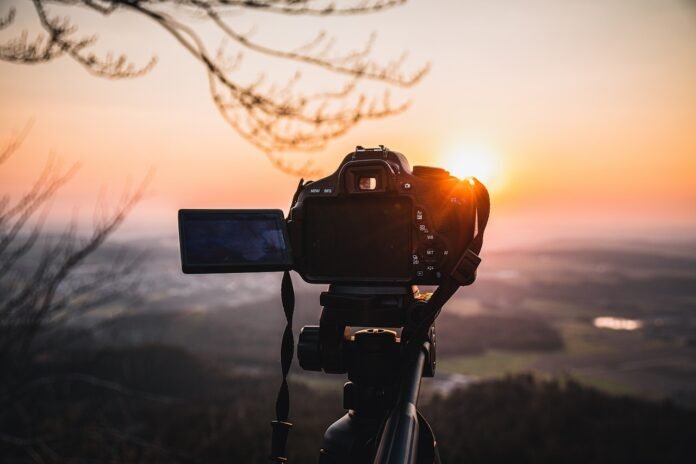
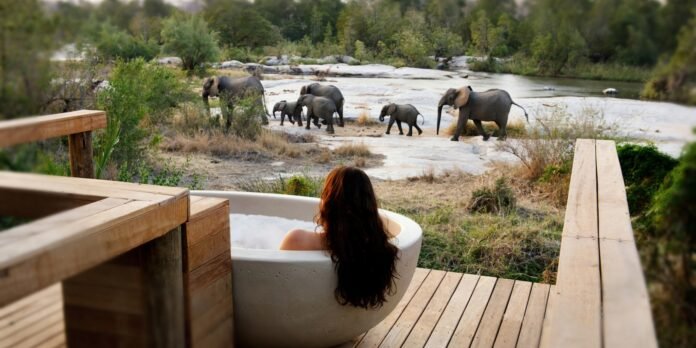
African safaris offer some of the most breathtaking wildlife photography opportunities in the world. Capturing stunning shots of animals in their natural habitat requires the right camera equipment. Whether you’re a beginner, a professional, or on a budget, selecting the best camera for African safari photography can significantly enhance your experience. This guide explores the best cameras for various skill levels, the differences between DSLR and mirrorless systems, essential wildlife photography settings, and the challenges of shooting on an African safari.
Choosing the Right Camera for Safari Photography
Best Camera for Beginners: Canon EOS 90D
Canon EOS 90D
The Canon 90D is a more powerful and future-proof DSLR than entry-level options like the Rebel T7 or Nikon D3500. It’s beginner-friendly but also has room for growth as you improve your photography skills.
Why the Canon EOS 90D is a Better DSLR for Safari:
✅ Fast Continuous Shooting – 10 fps, perfect for capturing wildlife in motion (compared to the Rebel T7’s 3 fps). ✅ Advanced Autofocus – 45 cross-type AF points (vs. only 9 on the T7), making it easier to track moving animals. ✅ High Resolution – 32.5MP sensor for sharper, more detailed wildlife shots. ✅ Long Battery Life – Around 1,300 shots per charge (great for all-day safaris). ✅ Weather-Sealed Body – More durable for dusty safari conditions. ✅ 4K Video (Uncropped) – Excellent for recording high-quality safari footage.
Best Lens for Safari with the Canon 90D:
Pair it with the Canon EF 100-400mm f/4.5-5.6L IS II USM for stunning long-range wildlife shots. If on a budget, the Canon EF 70-300mm f/4-5.6 IS II USM is a great alternative.
Verdict:
The Canon 90D is a more powerful and future-proof DSLR than entry-level options like the Rebel T7 or Nikon D3500. It’s beginner-friendly but also has room for growth as you improve your photography skills.
Best Camera for Professionals: Canon EOS R5
Canon EOS R5
Completely NEW Canon designed full-frame back-illuminated stacked CMOS 45MP sensor. Fast sensor read-out speeds allow for up to 30 fps electronic shutter performance.
Professional photographers need a camera that delivers top-tier image quality, fast autofocus, and high-speed shooting. The Canon EOS R5 is a mirrorless powerhouse that meets these demands, making it perfect for capturing the fast-paced action of an African safari.
Key Features:
Sensor: 45MP Full-frame CMOS
Autofocus: Dual Pixel CMOS AF II with 1053 AF points
Burst Rate: 20 fps (electronic shutter)
Video: 8K and 4K up to 120 fps
Weight: 738g
Why Professionals Love It:
Outstanding image quality with 45MP resolution.
Lightning-fast autofocus for tracking animals.
20 fps burst shooting for capturing fast-moving subjects.
Weather-sealed body for rugged safari conditions.
Exceptional video capabilities for high-quality wildlife footage.
Best Budget Camera: Nikon D5600
Nikon D5600
High-resolution sensor for sharp images. Lightweight and portable for easy travel. Affordable without compromising essential features and is also compatible with Nikon’s wide range of lenses, including telephoto options.
If you’re looking for a quality camera without breaking the bank, the Nikon D5600 is a fantastic option. It provides excellent image quality, user-friendly features, and affordability, making it a great choice for budget-conscious travelers.
Key Features:
Sensor: 24.2MP APS-C CMOS
Autofocus: 39-point AF system
Burst Rate: 5 fps
Video: 1080p at 60 fps
Weight: 465g
Why It’s a Great Budget Choice:
High-resolution sensor for sharp images.
Lightweight and portable for easy travel.
Affordable without compromising essential features.
Compatible with Nikon’s wide range of lenses, including telephoto options.
DSLR vs Mirrorless: Which is Better for Safari Photography?
Both DSLR and mirrorless cameras have advantages and disadvantages for safari photography. Here’s a quick comparison:
DSLR Advantages:
✔ Longer battery life – Ideal for multi-day safaris with limited charging options. ✔ Optical viewfinder – Provides a real-time, lag-free view of wildlife. ✔ Wider lens compatibility – Extensive range of telephoto lenses.
DSLR Disadvantages:
✘ Bulkier and heavier – Can be cumbersome during long game drives. ✘ Slower burst speeds – Less suited for capturing ultra-fast motion.
Mirrorless Advantages:
✔ Lighter and more compact – Easier to carry for long hours. ✔ Faster burst rates – Better for capturing fast-moving animals like cheetahs. ✔ Superior autofocus systems – More precise tracking of wildlife.
Mirrorless Disadvantages:
✘ Shorter battery life – Requires extra batteries for long safari days. ✘ Electronic viewfinder lag – Slight delay in real-time image rendering.
For beginners and budget-conscious travelers, a DSLR like the Canon Rebel T8i or Nikon D5600 offers reliability. For professionals, a mirrorless option like the Canon EOS R5 provides superior speed and image quality.
Essential Settings for Wildlife Photography
Capturing Fast-Moving Animals (Cheetahs, Birds in Flight)
Shutter Speed: 1/2000s or faster to freeze motion.
Aperture: Wide (f/4 – f/6.3) for a shallow depth of field.
ISO: Adjust based on lighting conditions (ISO 800-3200 for early morning or late afternoon).
Focus Mode: Continuous autofocus (AI Servo on Canon, AF-C on Nikon/Sony).
Burst Mode: Enable for rapid-fire shots.
Lens Stabilization: Optical stabilization (if available) can help with hand-held shots.
ISO: Lower settings (ISO 100-400) for better image quality.
Focus Mode: Single autofocus (One Shot AF on Canon, AF-S on Nikon/Sony).
Tripod Use: For longer focal lengths, a tripod or monopod can reduce camera shake.
General Safari Photography Tips
Use Manual Mode: Gives you full control over exposure settings.
Auto ISO with Max Limit: Helps adjust for changing light conditions while keeping noise manageable.
Back-Button Focus: Assigning focus to a button separate from the shutter allows for faster adjustments.
Use a Telephoto Lens: 200-600mm range is ideal for capturing wildlife at a distance.
Avoid Overexposure: Use exposure compensation (-0.3 to -1) to prevent blown-out highlights in bright conditions.
Best Time for Safari Photography
Golden Hours: Early morning (6 AM – 9 AM) and late afternoon (4 PM – 6 PM) offer the best lighting.
Midday Challenges: Harsh light creates high contrast and deep shadows. Use a polarizing filter to reduce glare.
Rainy Season vs. Dry Season: Dry season (June – October) provides better wildlife visibility, while the rainy season (November – May) offers lush backgrounds and dramatic skies.
Challenges of Safari Photography & How to Overcome Them
1. Dust and Weather Conditions
Solution: Use a rain cover, regularly clean your lens, and avoid changing lenses in open vehicles.
2. Motion from Safari Vehicles
Solution: Use a bean bag or monopod for stability, and shoot at higher shutter speeds.
3. Limited Close-Up Opportunities
Solution: A telephoto lens (200-600mm) is essential for capturing distant wildlife.
4. Battery Life Constraints
Solution: Carry extra batteries and a portable charger for extended shooting sessions.
5. Low Light Conditions
Solution: Use higher ISO settings, a fast lens (f/2.8-f/4), and avoid using flash to preserve natural ambiance.
Final Thoughts
Choosing the best camera for African safari photography depends on your experience level, budget, and preferences. Beginners will find the Canon Rebel T8i easy to use, professionals will appreciate the Canon EOS R5’s high performance, and budget-conscious travelers will benefit from the Nikon D5600’s affordability.
DSLRs offer durability and longer battery life, while mirrorless cameras provide faster performance and superior autofocus. Regardless of your choice, the right settings, timing, and preparation will help you capture breathtaking safari moments.
Ready to embark on your photography adventure? Invest in the right gear and start capturing Africa’s majestic wildlife like never before!
Planning an African safari is an exciting adventure, but choosing the right time to go can make all the difference. While many travelers flock to Africa during the dry season (June–October), January offers a unique and underrated safari experience that is just as rewarding—if not better in some ways.
January falls within Africa’s green season (November–April), a time when the landscapes transform into lush, vibrant paradises, teeming with life. The recent rains bring an abundance of fresh grass and water, creating ideal conditions for calving season—when many animals, including wildebeest, zebras, antelope, and buffalo, give birth to their young. This attracts hungry predators, leading to some of the most dramatic wildlife encounters of the year.
1. Kenya: Masai Mara & Amboseli
Kenya is one of the most popular safari destinations in Africa, and January offers an incredible opportunity to explore its world-famous parks at lower costs. With the short dry season in full swing, game viewing is exceptional, landscapes are lush from the previous rains, and there are fewer tourists compared to peak season. Two of Kenya’s best parks to visit in January are the Masai Mara National Reserve and Amboseli National Park.
4 Day Masai Mara Fly In Safari
A 4 day Masai Mara safari that takes you to masai mara by air.
January falls within Kenya’s short dry season, following the “short rains” of November and December. The landscape is still lush and green, making it a great time for photography while also offering good game viewing.
Masai Mara: Temperatures range between 12°C (54°F) at night and 28°C (82°F) during the day.
Amboseli: Slightly warmer, with daytime temperatures reaching 30°C (86°F).
Although the conditions are mostly dry, occasional light showers may still occur. However, they do not disrupt game drives significantly.
Activities & Wildlife in Masai Mara
The Masai Mara is Kenya’s premier wildlife destination, known for its vast savannahs, abundance of predators, and the annual Great Migration. Although the migration peaks between July and October, January is still an excellent time to visit due to the lower tourist numbers and high predator activity.
What to Expect in January
The lush green landscapes after the rains make for breathtaking scenery.
Big Five sightings (lion, elephant, buffalo, leopard, rhino) are common, with fewer safari vehicles around.
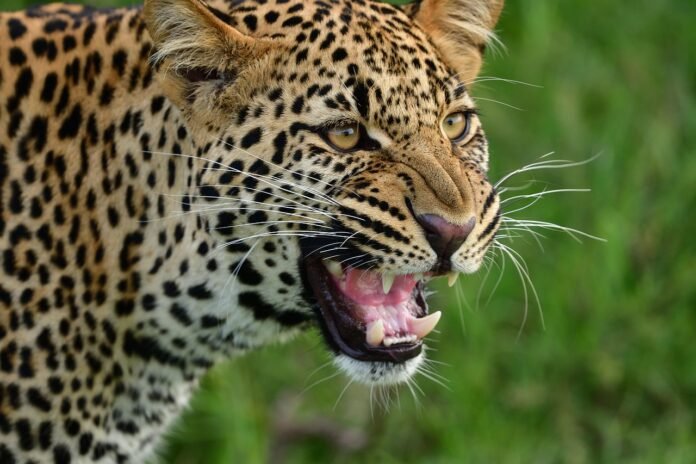
Predator activity is high—lions, cheetahs, and leopards take advantage of the young prey born during the December calving season.
Birdwatching is at its peak, with migratory species arriving in large numbers.
Top Activities in Masai Mara
Game Drives: Early morning and late afternoon game drives offer the best wildlife sightings.
Hot Air Balloon Safaris: January’s clear skies provide the perfect conditions for a breathtaking hot air balloon ride over the Mara.
Cultural Visits: Visit a Maasai village to experience traditional dance, storytelling, and the unique Maasai way of life.
Walking Safaris: Conducted in private conservancies bordering the reserve, walking safaris allow a close-up encounter with nature.
Activities & Wildlife in Amboseli
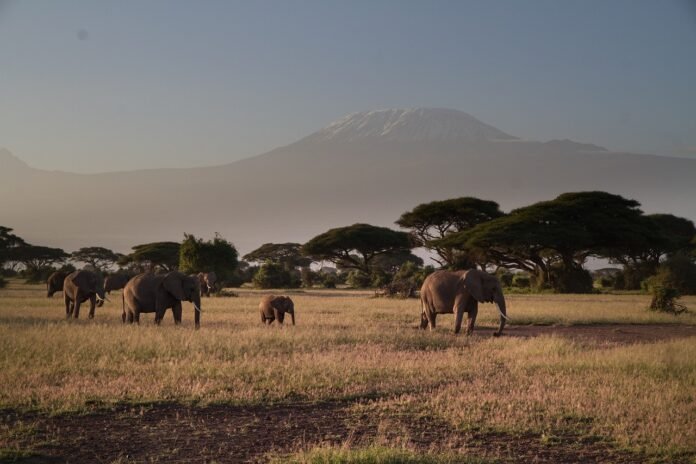
Amboseli National Park is famous for its large elephant herds and the stunning backdrop of Mount Kilimanjaro. Unlike the Mara, Amboseli offers a more open and arid landscape, making wildlife easier to spot.
What to Expect in January
Large herds of elephants, some of the biggest in Africa.
Excellent chances to see lions, cheetahs, hyenas, and giraffes.
Birdwatching is fantastic, with flamingos and other migratory species present.
Top Activities in Amboseli
Game Drives: Spot elephants and predators on morning and afternoon safaris.
Photographic Safaris: Capture elephants walking against the backdrop of Mount Kilimanjaro.
Guided Nature Walks: Some lodges offer walking safaris with Maasai guides.
Park Fees & Accommodation Costs
One of the major advantages of visiting Kenya in January is the off-peak pricing.
Masai Mara National Reserve Park Fees
$100 per adult per day (compared to $200 in peak season).
$50 per child per day.
If you stay in a private conservancy bordering the Mara, the fees may be slightly lower, and the experience is more exclusive.
Amboseli National Park Fees
$60 per adult per day.
$35 per child per day.
Accommodation Costs in January
Since January is not the peak season, you can find discounted rates on lodges and tented camps, sometimes up to 30-40% off.
Luxury Lodges: Prices range from $300–$800 per night in January (compared to $600–$1200 in peak season).
Mid-Range Lodges: Prices start at $150–$250 per night.
Budget Camps: Prices can be as low as $50–$100 per night.
Some great options include:
Masai Mara: Mara Serena Safari Lodge, Angama Mara, and Mara Explorer.
Amboseli: Ol Tukai Lodge, Tortilis Camp, and Amboseli Serena Safari Lodge.
Why Visit Masai Mara & Amboseli in January?
✅ Lower park fees and discounted accommodations compared to the high season. ✅ Fewer tourists, making for a more exclusive safari experience. ✅ Lush landscapes and excellent game viewing. ✅ Predator activity is high due to the calving season in the Mara. ✅ Incredible elephant sightings against Mount Kilimanjaro in Amboseli.
2. Tanzania: Serengeti & Ngorongoro Crater
Tanzania is one of the most breathtaking safari destinations in Africa, and January is a fantastic time to visit. The Serengeti is alive with the Great Migration’s calving season, while the Ngorongoro Crater offers dense wildlife populations in a stunning volcanic landscape. January falls within the short dry season, meaning comfortable temperatures, fewer tourists, and off-peak prices for accommodations and park fees.
Weather & Climate in January
Tanzania’s short dry season runs from late December to early March, making January an excellent time for wildlife viewing. The landscape remains lush and green due to the earlier short rains, creating stunning photographic opportunities.
Serengeti: Temperatures range from 15°C (59°F) at night to 28°C (82°F) during the day.
Ngorongoro Crater: Slightly cooler due to the higher altitude, with daytime temperatures around 23°C (73°F) and nights dropping to 10°C (50°F).
Light showers may still occur, but they do not significantly impact game viewing.
Wildlife & Activities in Serengeti
The Serengeti National Park is one of the most famous safari destinations in the world, covering nearly 15,000 square kilometers. While the park is best known for the Great Migration, January offers a unique experience—the calving season in the southern Serengeti.
What to Expect in January
The Great Migration herds gather in the Ndutu region (southern Serengeti) for calving season.
Over 500,000 wildebeest calves are born between late December and early February.
Predator activity is intense—lions, cheetahs, and hyenas hunt the vulnerable newborns.
The lush green plains provide an excellent backdrop for photography.
Top Activities in Serengeti
Game Drives: Early morning and evening game drives offer the best wildlife sightings.
Hot Air Balloon Safari: Soar over the vast Serengeti plains and witness the Great Migration from above.
Walking Safaris: Available in certain areas, allowing for an immersive bush experience.
Cultural Visits: Visit Maasai villages to learn about their traditions and lifestyle.
Wildlife & Activities in Ngorongoro Crater
The Ngorongoro Crater is one of the most spectacular natural wonders in Africa. This UNESCO World Heritage Site is the world’s largest inactive volcanic caldera, covering 260 square kilometers with a 600-meter-deep crater floor teeming with wildlife.
What to Expect in January
High concentration of wildlife, including the Big Five (lion, leopard, elephant, buffalo, and black rhino).
Over 30,000 animals live in the crater, making sightings almost guaranteed.
Unlike the Serengeti, wildlife is present year-round, as animals rarely leave the crater.
Lush green landscapes after the rains, making for beautiful scenery.
Top Activities in Ngorongoro
Game Drives: The crater floor offers some of the best wildlife densities in Africa.
Photography Safaris: Capture stunning landscapes and close-up animal encounters.
Hiking & Crater Rim Walks: Guided walks along the rim offer breathtaking views.
Park Fees & Accommodation Costs
Serengeti National Park Fees
$70 per adult per day.
$30 per child per day.
Ngorongoro Crater Fees
$70 per adult per day.
$30 per child per day.
$250 per vehicle to descend into the crater.
Accommodation Costs in January
Since January is off-peak season, many lodges offer discounts of up to 30-40%.
Luxury Lodges: $400–$1,200 per night (compared to $800–$2,000 in peak season).
Mid-Range Lodges: $200–$500 per night.
Budget Camps: $50–$150 per night.
Best Places to Stay:
Serengeti: Serengeti Serena Safari Lodge, &Beyond Serengeti Under Canvas, Four Seasons Serengeti.
✅ Lower park fees and discounted accommodations compared to peak season. ✅ Great Migration’s calving season—unique wildlife spectacle. ✅ Fewer crowds, making for a more exclusive safari experience. ✅ Green landscapes create beautiful photographic opportunities. ✅ Big Five sightings in Ngorongoro Crater are almost guaranteed.
3. Uganda: Queen Elizabeth & Bwindi Impenetrable National Park
Uganda is often overshadowed by its East African neighbors, but it offers some of the most diverse safari experiences on the continent. From classic game drives in Queen Elizabeth National Park to life-changing gorilla trekking in Bwindi Impenetrable National Park, Uganda provides an unforgettable adventure.
January is an excellent month to visit Uganda, as it falls within the dry season (December to February). This means better wildlife viewing, comfortable trekking conditions, and fewer tourists compared to peak periods.
Weather & Climate in January
Uganda enjoys an equatorial climate, meaning warm temperatures year-round, with some regional variations due to altitude.
Queen Elizabeth National Park: Temperatures range from 16°C (61°F) at night to 30°C (86°F) during the day.
Bwindi Impenetrable National Park: Due to its higher altitude, temperatures are cooler, ranging from 11°C (52°F) at night to 23°C (73°F) during the day.
January is part of Uganda’s short dry season, making it an ideal time for both traditional safaris and gorilla trekking.
Wildlife & Activities in Queen Elizabeth National Park
Located in western Uganda, Queen Elizabeth National Park is one of Uganda’s most visited wildlife destinations. The park covers 1,978 square kilometers and is home to over 95 mammal species and 600 bird species. It features diverse landscapes, including savannah, wetlands, forests, and lakes.
What to Expect in January
Excellent game viewing along the Kasenyi Plains, home to lions, leopards, elephants, and buffalo.
Tree-climbing lions in the Ishasha Sector, a unique phenomenon in East Africa.
Large herds of hippos and crocodiles along the Kazinga Channel.
Diverse birdlife, with migratory species arriving from Europe.
Top Activities in Queen Elizabeth National Park
Game Drives: Explore Kasenyi Plains and Ishasha for predator sightings.
Boat Safari on the Kazinga Channel: Watch hippos, elephants, and buffalo gather at the water’s edge.
Chimpanzee Trekking in Kyambura Gorge: A chance to see primates in a stunning rainforest setting.
Birdwatching: The park is a paradise for bird lovers, with over 600 species recorded.
Wildlife & Activities in Bwindi Impenetrable National Park
Bwindi Impenetrable National Park is a UNESCO World Heritage Site and home to nearly half of the world’s remaining mountain gorillas. This dense rainforest provides an intimate, once-in-a-lifetime gorilla trekking experience.
What to Expect in January
Gorilla trekking conditions are ideal, with less mud and drier trails than in the rainy season.
High chances of spotting gorillas, as trackers follow their movements daily.
Other primates, such as colobus monkeys and L’Hoest’s monkeys, are also present.
Top Activities in Bwindi Impenetrable National Park
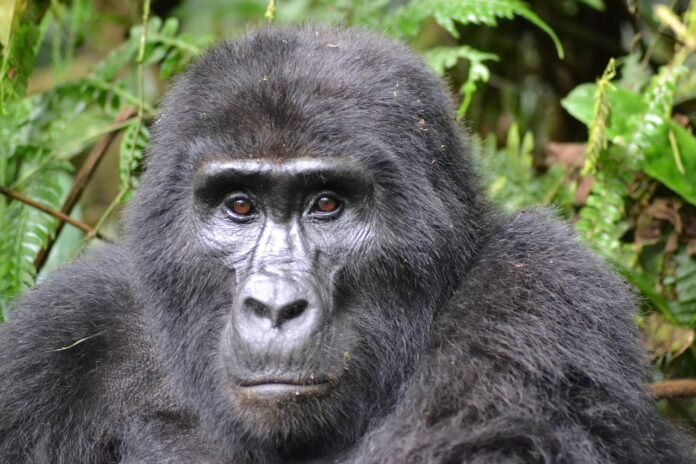
Gorilla Trekking: The main highlight, where visitors hike through the rainforest to observe a habituated gorilla family.
Nature Walks: Explore the Munyanga River Trail or Waterfall Trail for a diverse forest experience.
Cultural Visits: Interact with Batwa pygmies, the indigenous people of the forest, to learn about their traditional way of life.
Park Fees & Accommodation Costs
Queen Elizabeth National Park Fees
$40 per adult per day.
$20 per child per day.
$30 per vehicle per day (self-drive option).
Bwindi Gorilla Trekking Permit
$700 per person for foreign non-residents.
$600 per person for foreign residents.
$70 per person for East African citizens.
Permits must be booked in advance, as only eight visitors per gorilla family per day are allowed.
Accommodation Costs in January
January is high season for gorilla trekking, but you can still find discounted rates compared to peak months like July and August.
Luxury Lodges: $400–$1,000 per night.
Mid-Range Lodges: $150–$400 per night.
Budget Camps: $50–$150 per night.
Best Places to Stay:
Queen Elizabeth National Park: Mweya Safari Lodge, Kyambura Gorge Lodge, Ishasha Wilderness Camp.
✅ Dry season makes for easier gorilla trekking and better wildlife sightings. ✅ Fewer tourists than peak months (July–August), creating a more intimate safari experience. ✅ Affordable park fees and accommodation discounts compared to peak season. ✅ Diverse safari experiences, from game drives to gorilla trekking. ✅ Incredible birdwatching opportunities, with migratory species arriving.
4. Seychelles: Praslin & Mahe for Marine Safaris
While Africa is famous for its Big Five safaris, few travelers consider combining their adventure with a marine safari in Seychelles. Located in the Indian Ocean, just off the East African coast, Seychelles is an ideal post-safari destination for relaxation and ocean-based wildlife encounters. Its proximity to Kenya and Tanzania makes it easy to combine a classic savannah safari with a tropical island retreat, offering a perfect blend of thrilling game drives and serene beach experiences.
January is an excellent time to visit Seychelles, as the warm waters attract whale sharks, vibrant coral reef fish, and sea turtles. With lush landscapes and fewer crowds than peak months, this is one of the best times to experience the islands.
Weather & Climate in January
Seychelles has a tropical climate, meaning warm temperatures and humidity year-round. January falls within the northwest monsoon season, bringing warm temperatures, occasional rain showers, and excellent underwater visibility.
Mahé & Praslin: Temperatures range from 24°C (75°F) at night to 30°C (86°F) during the day.
Warm ocean temperatures (27°C–29°C or 80°F–84°F) create ideal conditions for snorkeling and diving.
While short rain showers can occur, they are usually brief and followed by sunshine. The waters remain calm, perfect for marine safaris, snorkeling, and island hopping.
Marine Wildlife & Activities in Seychelles
Unlike traditional African safaris, where you track big cats and elephants, a marine safari in Seychelles offers a chance to encounter majestic whale sharks, manta rays, dolphins, and vibrant coral reefs teeming with fish.
What to Expect in January
Whale sharks migrate through Seychelles from October to April, making January a prime time to swim with these gentle giants.
Hawksbill and green sea turtles can be spotted nesting on beaches or swimming in the reefs.
Dolphins and reef sharks are commonly seen in the waters around Mahé and Praslin.
Stunning coral reefs provide some of the best snorkeling and diving experiences in the Indian Ocean.
Top Activities in Seychelles
Snorkeling & Scuba Diving: Explore coral reefs in Sainte Anne Marine National Park, Curieuse Island, and Aldabra Atoll.
Boat Safaris & Dolphin Watching: Take a boat trip to spot spinner and bottlenose dolphins around Praslin and La Digue.
Whale Shark Snorkeling: The warm waters attract whale sharks, especially around Mahé and Silhouette Island.
Island Hopping: Visit La Digue, Curieuse, and Cousin Island, home to giant Aldabra tortoises and rare seabirds.
Why Combine Seychelles with an East African Safari?
Seychelles is just a 2-hour flight from Nairobi (Kenya) and a 3-hour flight from Dar es Salaam (Tanzania), making it an ideal extension to a safari in Kenya or Tanzania. Travelers often visit the savannahs for thrilling game drives and then unwind on Seychelles’ pristine beaches.
Safari & Beach Combo Itineraries
Kenya & Seychelles:
Start in Kenya: Explore the Masai Mara or Amboseli for the Big Five safari experience.
Fly to Seychelles: Relax on Mahé or Praslin with marine safaris and luxury beach lodges.
Tanzania & Seychelles:
Start in Tanzania: Witness the Great Migration in the Serengeti or explore Ngorongoro Crater.
Fly to Seychelles: Enjoy crystal-clear waters and ocean adventures.
Many luxury safari tour operators offer seamless safari-beach packages, including direct flights from Nairobi or Dar es Salaam to Seychelles.
Park Fees & Accommodation Costs
Marine Park Fees
While Seychelles does not have national park entry fees like Kenya or Tanzania, some marine parks and nature reserves require small conservation fees:
Sainte Anne Marine National Park: $15 per person.
Curieuse Island: $15 per person.
Aldabra Atoll: $25 per person for entry and snorkeling permits.
Accommodation Costs in January
January is considered shoulder season, meaning you can find discounted rates compared to peak months like December.
Luxury Resorts: $500–$1,500 per night (e.g., Four Seasons Seychelles, North Island Lodge).
Mid-Range Beach Hotels: $200–$500 per night (e.g., Constance Lemuria, Hilton Labriz Resort).
Budget Guesthouses & Self-Catering Villas: $100–$250 per night.
Best Places to Stay:
Mahé: Kempinski Seychelles, Carana Beach Hotel.
Praslin: Raffles Seychelles, Constance Lemuria.
La Digue: Le Domaine de L’Orangeraie.
Why Visit Seychelles in January?
✅ Ideal for a post-safari beach extension, with short flights from Kenya & Tanzania. ✅ Marine wildlife is at its peak, with whale sharks, dolphins, and sea turtles. ✅ Warm temperatures and excellent diving/snorkeling conditions. ✅ Fewer tourists and off-peak accommodation discounts. ✅ Stunning landscapes with lush greenery and pristine beaches.
5. Namibia: Etosha National Park & Skeleton Coast
Namibia offers one of the most unique safari experiences in Africa, with its vast desert landscapes, stark coastlines, and thriving wildlife populations. January is a fantastic time to visit, as the green season transforms the normally arid landscape into lush grasslands, attracting large numbers of herbivores and offering incredible birdwatching opportunities.
Two of the best places to visit in Namibia in January are Etosha National Park, known for its dramatic salt pan and rich wildlife, and the Skeleton Coast, a remote and hauntingly beautiful stretch of coastline teeming with marine life and desert-adapted animals.
Weather & Climate in January
Namibia has a hot and semi-arid climate, but January falls within the rainy season (November–April). The rains are usually brief and scattered, bringing relief from the heat and creating stunning green landscapes.
Etosha National Park: Temperatures range from 20°C (68°F) at night to 35°C (95°F) during the day. Afternoon thunderstorms provide a spectacular backdrop for photography.
Skeleton Coast: Cooler due to the influence of the Atlantic Ocean, with temperatures ranging from 15°C (59°F) at night to 25°C (77°F) during the day. Morning fog is common, adding to the region’s mystique.
Unlike in other parts of Africa where rains can disrupt game drives, Etosha’s gravel roads remain accessible, and wildlife remains easy to spot.
Wildlife & Activities in Etosha National Park
Etosha National Park is one of Africa’s premier wildlife destinations, covering 22,270 square kilometers and centered around the Etosha Pan, a vast salt flat that shimmers under the sun. While Etosha is most famous for its dry-season waterhole congregations, the green season (January–April) offers its own unique highlights.
What to Expect in January
Newborn wildlife—January is the calving season for zebras, antelopes, and wildebeest, making it an excellent time to see predators in action.
Lush, green landscapes provide beautiful photographic opportunities compared to the stark white salt pan of the dry season.
Excellent birdwatching, with migratory species like flamingos, European bee-eaters, and raptors arriving in large numbers.
Fewer tourists, creating a more exclusive safari experience.
Top Activities in Etosha
Game Drives: Morning and evening game drives offer chances to see elephants, rhinos, lions, and cheetahs in lush surroundings.
Birdwatching: Explore the seasonal floodplains and salt pans, which attract thousands of flamingos after the rains.
Self-Drive Safaris: Etosha is one of Africa’s best parks for self-drive adventures, with well-marked roads and reliable wildlife sightings.
Photography Safaris: Capture dramatic thunderstorms, vibrant greenery, and wildlife interactions.
Wildlife & Activities in the Skeleton Coast
The Skeleton Coast is one of Namibia’s most mysterious and hauntingly beautiful regions. Named for the shipwrecks and whale bones that litter its shores, this vast coastal desert is home to some of Africa’s most unique wildlife, including desert-adapted elephants, lions, and brown hyenas.
What to Expect in January
Cooler temperatures compared to the inland regions, thanks to the cold Benguela Current.
Dramatic fog formations caused by the ocean meeting the desert, creating eerie and beautiful landscapes.
Incredible marine life, including Cape fur seals, dolphins, and seabirds.
Desert-adapted wildlife, such as elephants, lions, and oryx, which survive in one of the harshest environments on Earth.
Top Activities in the Skeleton Coast
Scenic Flights: Take a light aircraft flight over the coast, viewing shipwrecks, endless dunes, and seal colonies from the air.
Cape Cross Seal Colony: Visit one of the world’s largest seal colonies, home to over 100,000 Cape fur seals.
4×4 Desert Safaris: Explore the Hoanib Valley in search of desert-adapted elephants and lions.
Shipwreck Tours: Discover the rusted remains of ships that met their fate along this treacherous coastline.
Park Fees & Accommodation Costs
Etosha National Park Fees
$6 per adult per day (for foreign visitors).
$1 per child per day (under 16 years).
$1 per vehicle per day.
Skeleton Coast Park Fees
$6 per adult per day.
Some private reserves and concessions have additional permit fees, depending on the activity.
Accommodation Costs in January
January is off-peak season, meaning lower accommodation prices in both Etosha and Skeleton Coast lodges.
Luxury Safari Lodges: $400–$1,200 per night (e.g., Ongava Lodge, Hoanib Skeleton Coast Camp).
Mid-Range Lodges & Camps: $150–$400 per night (e.g., Etosha Safari Lodge, Shipwreck Lodge).
Budget Rest Camps & Self-Catering Options: $50–$150 per night (e.g., Okaukuejo Camp, Halali Camp).
Some luxury lodges offer up to 40% discounts during the rainy season, making January a great time to visit on a budget.
Why Visit Namibia in January?
✅ Green landscapes create stunning photographic opportunities. ✅ Calving season means high predator activity. ✅ Excellent birdwatching, with thousands of flamingos and migratory species. ✅ Fewer tourists, making for a more exclusive safari experience. ✅ Lower accommodation costs and great discounts at luxury lodges.
6. South Africa: Kruger National Park & Madikwe
South Africa is one of the most accessible and diverse safari destinations in Africa, offering world-class wildlife viewing, luxury lodges, and excellent infrastructure. January, falling within the summer rainy season, brings lush green landscapes, newborn wildlife, and superb birdwatching opportunities. While some areas can be more challenging due to tall grass and occasional rainfall, the fewer crowds and off-peak prices make this an ideal time to visit.
Two of the best parks to visit in January are Kruger National Park, South Africa’s flagship wildlife reserve, and Madikwe Game Reserve, a malaria-free option with luxury accommodations and a high density of predators.
Weather & Climate in January
January falls in South Africa’s summer season, bringing warm temperatures, occasional afternoon thunderstorms, and vibrant green landscapes. While rain can sometimes make tracking wildlife a bit more challenging due to dense vegetation, it enhances the scenery, animal activity, and photographic opportunities.
Kruger National Park: Temperatures range from 20°C (68°F) at night to 32°C (90°F) during the day. Afternoon thunderstorms are common but short-lived.
Madikwe Game Reserve: Similar temperatures, ranging between 22°C (72°F) and 33°C (91°F), with occasional showers in the afternoon or evening.
The rains help fill up waterholes, leading to more dispersed wildlife but also dramatic predator-prey interactions as young animals are born and vulnerable to predators.
Wildlife & Activities in Kruger National Park
Kruger National Park is one of Africa’s most famous wildlife destinations, covering 19,485 square kilometers and home to an incredible diversity of animals. Despite the rainy season, January is one of the best times to visit for birdwatching and predator action.
What to Expect in January
Newborn wildlife—January is peak calving season for antelopes, attracting big cats like lions, leopards, and cheetahs.
Abundant predators, including lions, leopards, hyenas, and wild dogs, taking advantage of the vulnerable young prey.
Incredible birdwatching, with thousands of migratory species such as European rollers, kingfishers, and cuckoos.
Game Drives: Explore iconic routes such as the Sabie River Drive and Satara Plains, known for high predator densities.
Guided Bush Walks: Experience up-close encounters with nature, tracking animals on foot.
Night Safaris: Spot nocturnal animals like leopards, bush babies, and hyenas.
Self-Drive Safaris: Kruger is one of the best parks in Africa for self-drive adventures, with excellent road networks and well-marked trails.
Wildlife & Activities in Madikwe Game Reserve
If you’re looking for a luxurious, malaria-free safari experience, Madikwe Game Reserve is an excellent choice. Located on the border with Botswana, this 75,000-hectare reserve is home to the Big Five, wild dogs, and over 300 bird species.
What to Expect in January
High predator activity, especially lions, cheetahs, leopards, and wild dogs hunting young antelope calves.
Elephants, rhinos, and buffalo frequently seen at waterholes.
Fewer tourists, creating a more exclusive safari experience.
Fantastic birdwatching, with migratory species arriving from Europe and Asia.
Top Activities in Madikwe
Luxury Game Drives: Unlike Kruger, Madikwe is only accessible via guided safaris, ensuring exclusive wildlife sightings.
Photography Safaris: Capture dramatic landscapes and predator action in low-tourist density areas.
Bush Walks: Experience Malaria-free guided walking safaris, a unique way to see wildlife up close.
Park Fees & Accommodation Costs
Kruger National Park Fees
$27 per adult per day (for international visitors).
$14 per child per day.
Self-drivers must pay an additional conservation fee per vehicle.
Madikwe Game Reserve Fees
$20 per adult per day (conservation levy).
$10 per child per day.
Accommodation Costs in January
Since January is off-peak season, many lodges and camps offer discounted rates of up to 30-40% compared to peak months like July and August.
Luxury Lodges: $400–$1,200 per night (e.g., Londolozi, Singita, Jock Safari Lodge).
Mid-Range Lodges: $200–$500 per night (e.g., Skukuza Rest Camp, Elephant Plains Game Lodge).
Budget Camps & Self-Catering Options: $50–$150 per night (e.g., Lower Sabie Rest Camp, Satara Camp).
Madikwe is primarily a luxury safari destination, with all-inclusive private lodges such as Madikwe Safari Lodge, Tuningi Safari Lodge, and Jaci’s Safari Lodge offering premium safari experiences.
Why Visit South Africa in January?
✅ Off-peak season with fewer tourists and lower prices. ✅ Calving season means high predator activity. ✅ Incredible birdwatching with migratory species. ✅ Lush green landscapes create stunning photographic opportunities. ✅ Malaria-free safari option in Madikwe.
7. Botswana: Okavango Delta & Chobe National Park
Botswana is one of Africa’s most pristine and wildlife-rich safari destinations, offering high-quality, low-impact tourism for those seeking an authentic and exclusive experience. The country’s two most famous wildlife regions—the Okavango Delta and Chobe National Park—provide contrasting yet complementary safari experiences.
January is part of Botswana’s green season (November–April), when sporadic rains transform the arid landscapes into lush, vibrant grasslands. This time of year is fantastic for birdwatching, predator-prey interactions, and witnessing newborn wildlife, making it an underrated but rewarding time to visit.
Weather & Climate in January
January is the wet season in Botswana, but rain showers are typically short and occur in the late afternoon, leaving plenty of time for excellent game viewing. The green season also brings cooler temperatures compared to the dry season.
Okavango Delta: Temperatures range from 18°C (64°F) at night to 32°C (90°F) during the day. Occasional afternoon thunderstorms enhance the scenery and photography.
Chobe National Park: Similar temperatures, with daytime highs reaching 34°C (93°F) and slightly higher humidity levels near the Chobe River.
While some floodplains in the Okavango Delta may be inaccessible due to early flooding, January offers a mix of both water- and land-based safaris, creating a diverse and unique safari experience.
Wildlife & Activities in the Okavango Delta
The Okavango Delta, a UNESCO World Heritage Site, is one of the most spectacular safari destinations in the world. This vast inland river delta, fed by seasonal floods, creates an oasis of channels, islands, and floodplains teeming with wildlife.
What to Expect in January
Lush, green landscapes make for stunning photographic opportunities.
Abundant birdlife, including African fish eagles, carmine bee-eaters, and kingfishers.
High predator activity, with lions, leopards, and wild dogs taking advantage of the calving season.
Diverse safari experiences, including mokoro (canoe) safaris, boat safaris, and walking safaris.
Top Activities in the Okavango Delta
Mokoro (Dugout Canoe) Safaris: Glide through the flooded plains and reed-filled channels, spotting wildlife from a unique perspective.
Game Drives: Explore the Moremi Game Reserve, one of the most wildlife-dense areas in the Delta.
Boat Safaris: Navigate the permanent waterways, where hippos, crocodiles, and elephants thrive.
Walking Safaris: Get close to nature with a professional guide, tracking animals on foot.
Birdwatching: Spot both resident and migratory birds, with over 500 species recorded.
Wildlife & Activities in Chobe National Park
Located in northern Botswana, Chobe National Park is famous for its huge elephant herds, thriving predator populations, and the beautiful Chobe River, which sustains wildlife year-round.
What to Expect in January
Thousands of newborn animals, including impalas, zebras, and buffalo, attract predators like lions and leopards.
Huge elephant herds gather near the Chobe River, offering dramatic wildlife interactions.
Flooded plains create stunning landscapes, enhancing the safari experience.
Birdwatching is at its peak, with migratory species arriving from Europe and Asia.
Top Activities in Chobe National Park
Boat Safaris on the Chobe River: Spot elephants, hippos, and crocodiles from a unique vantage point.
Game Drives in Savuti & Linyanti: Explore areas famous for their large lion prides, leopards, and wild dogs.
Photography Safaris: The lush green backdrop enhances wildlife photography.
Birdwatching: Over 450 bird species, including African skimmers, fish eagles, and hornbills.
Park Fees & Accommodation Costs
Okavango Delta Park Fees
Moremi Game Reserve Fees:
$15 per adult per day (international visitors).
$10 per vehicle per day.
Chobe National Park Fees
$15 per adult per day.
$10 per child per day.
Accommodation Costs in January
January is low season, meaning you can find significant discounts on accommodation in both the Okavango Delta and Chobe.
Luxury Lodges: $600–$1,500 per night (e.g., Mombo Camp, Belmond Eagle Island Lodge).
Mid-Range Lodges: $300–$600 per night (e.g., Chobe Game Lodge, Camp Okavango).
Budget Camps & Self-Drive Lodges: $50–$250 per night (e.g., Chobe Safari Lodge, Third Bridge Camp).
Luxury lodges in private concessions often offer exclusive experiences with night drives and off-road safaris, making them worth the splurge.
Why Visit Botswana in January?
✅ Lush landscapes provide stunning scenery and excellent photography opportunities. ✅ Calving season means high predator activity and unique wildlife interactions. ✅ Fewer tourists make for a more intimate and exclusive safari experience. ✅ Lower accommodation costs compared to peak dry season (June–October). ✅ Best time for birdwatching, with migratory species arriving.
8. Mozambique: Gorongosa National Park & Bazaruto Archipelago
Mozambique is a hidden gem in the African safari scene, offering a unique combination of wildlife, tropical beaches, and marine safaris. Unlike more famous safari destinations, Mozambique’s parks remain less crowded and highly biodiverse, while its coastline is home to some of the most pristine marine ecosystems in the world.
January is a fantastic time to visit, as the green season transforms Gorongosa National Park into a lush paradise, teeming with birdlife, young animals, and predator activity. Meanwhile, the Bazaruto Archipelago offers some of the best diving and snorkeling in Africa, with warm waters and incredible marine life.
Weather & Climate in January
January falls in Mozambique’s wet season (November–April), bringing short, heavy rains and warm temperatures. However, the rain showers are mostly in the afternoon or evening, allowing plenty of time for game viewing and beach activities.
Gorongosa National Park: Temperatures range from 20°C (68°F) at night to 30°C (86°F) during the day. The park is lush and green, attracting herbivores and predators.
Bazaruto Archipelago: Coastal temperatures range from 24°C (75°F) to 32°C (90°F), with warm ocean waters (27°C–29°C or 80°F–84°F), perfect for snorkeling and diving.
While Gorongosa receives heavy rains, the region remains accessible for safaris, and the green season offers dramatic scenery, fewer tourists, and excellent birdwatching.
Wildlife & Activities in Gorongosa National Park
Once known as the “Serengeti of the South,” Gorongosa National Park is undergoing one of Africa’s most remarkable wildlife restoration efforts. After decades of decline, conservation programs have brought back elephants, lions, hippos, wild dogs, and diverse birdlife.
What to Expect in January
Lush landscapes create beautiful scenery and excellent photography opportunities.
Young animals (calving season) attract predators like lions, leopards, and hyenas.
Birdwatching is at its peak, with migratory species from Europe and Asia arriving.
Fewer tourists, offering a more exclusive safari experience.
Top Activities in Gorongosa
Game Drives: Spot lions, elephants, and antelope herds in their green-season habitat.
Walking Safaris: Explore wetlands, floodplains, and forests with experienced guides.
Boat Safaris: Navigate the Pungué River, spotting hippos, crocodiles, and waterbirds.
Birdwatching: With over 400 bird species, Gorongosa is one of Africa’s top birding destinations.
Marine Wildlife & Activities in Bazaruto Archipelago
Off the coast of Mozambique, the Bazaruto Archipelago is an idyllic marine safari destination, home to dolphins, sea turtles, dugongs, and whale sharks. The coral reefs surrounding these islands are some of the most pristine in Africa, making the area perfect for snorkeling, scuba diving, and island hopping.
What to Expect in January
Peak time for whale shark encounters, with sightings near Bazaruto and Tofo Beach.
Dugong sightings, a rare and endangered marine mammal found in Bazaruto’s seagrass beds.
Clear waters, ideal for snorkeling and diving.
Warm ocean temperatures, making beach activities enjoyable.
Top Activities in Bazaruto Archipelago
Snorkeling & Scuba Diving: Explore the coral reefs of Two Mile Reef, home to tropical fish, manta rays, and turtles.
Dugong Watching: Take a boat safari to spot these rare marine mammals.
Dolphin & Whale Shark Swimming: Join a guided snorkeling trip to swim alongside these gentle giants.
Deep-Sea Fishing: Try your hand at catch-and-release fishing for marlin, tuna, and sailfish.
Kayaking & Paddleboarding: Explore the turquoise waters and white-sand beaches.
Park Fees & Accommodation Costs
Gorongosa National Park Fees
$10 per adult per day (international visitors).
$5 per child per day.
Bazaruto Archipelago Marine Park Fees
$10–$20 per adult per day, depending on the specific island.
Additional boat fees apply for excursions.
Accommodation Costs in January
January is off-peak season, meaning you can find great discounts on lodges, beach resorts, and safari camps.
Luxury Safari Lodges & Beach Resorts: $400–$1,200 per night (e.g., Kisawa Sanctuary, &Beyond Benguerra Island).
Mid-Range Lodges & Hotels: $150–$400 per night (e.g., Azura Benguerra, Vilanculos Beach Lodge).
Budget Guesthouses & Self-Catering Options: $50–$150 per night.
Some eco-lodges and community-run camps in Gorongosa offer budget-friendly options for travelers looking for an authentic and immersive experience.
Why Visit Mozambique in January?
✅ Green season offers lush landscapes, fewer crowds, and great discounts. ✅ Incredible wildlife sightings in Gorongosa, including predators and newborn animals. ✅ One of the best months for whale sharks, dolphins, and dugongs in Bazaruto. ✅ Stunning beaches, warm waters, and excellent snorkeling/diving conditions. ✅ A perfect post-safari beach extension after visiting South Africa, Botswana, or Tanzania.
9. Zimbabwe: Hwange National Park & Mana Pools
Zimbabwe is one of Africa’s best-kept safari secrets, offering exceptional wildlife, fewer tourists, and diverse landscapes ranging from savannahs to riverine floodplains. The country’s top safari destinations—Hwange National Park and Mana Pools—offer vastly different experiences, making for an exciting and well-rounded adventure.
January falls within Zimbabwe’s green season (November–April), a time when the rains bring lush scenery, newborn animals, and excellent birdwatching. While some roads may be muddy and certain areas inaccessible, this time of year offers spectacular photography opportunities, dramatic predator-prey interactions, and lower accommodation prices.
Weather & Climate in January
January is part of Zimbabwe’s wet season, characterized by warm temperatures, afternoon thunderstorms, and vibrant landscapes. The rain transforms the usually dry terrain into a lush paradise, attracting large herds of herbivores and migratory birds.
Hwange National Park: Temperatures range from 18°C (64°F) at night to 30°C (86°F) during the day. Afternoon thunderstorms are common but short-lived.
Mana Pools National Park: Similar temperatures, with daytime highs reaching 32°C (90°F). The Zambezi River is full and flowing, creating spectacular scenery.
While the rainy season disperses wildlife, making game viewing slightly more challenging, it also means fewer tourists, better value for money, and exclusive safari experiences.
Wildlife & Activities in Hwange National Park
Hwange National Park is Zimbabwe’s largest and most diverse wildlife reserve, covering 14,600 square kilometers. It is home to one of the world’s largest elephant populations and more than 100 species of mammals.
What to Expect in January
Young animals (calving season) attract predators such as lions, leopards, cheetahs, and hyenas.
Fewer tourists, creating a more intimate and exclusive safari experience.
Diverse habitats, from open grasslands to teak forests, providing excellent photographic opportunities.
Incredible birdwatching, with over 400 species, including migratory birds from Europe and Asia.
Top Activities in Hwange
Game Drives: Explore Ngamo Plains and Kennedy Vlei, known for high predator activity.
Walking Safaris: Experience the thrill of tracking wildlife on foot with expert guides.
Photography Safaris: Capture dramatic skies, lush scenery, and wildlife interactions.
Birdwatching: Spot raptors, bee-eaters, and waders drawn to seasonal waterholes.
Despite the rains, many of Hwange’s artificial waterholes still attract elephants, buffalo, and antelope, ensuring good wildlife viewing.
Wildlife & Activities in Mana Pools National Park
Mana Pools National Park, a UNESCO World Heritage Site, is famous for its incredible concentration of wildlife along the Zambezi River. The park’s name, “Mana,” means “four” in the local Shona language, referring to the four large pools that attract animals year-round.
What to Expect in January
Lush, green landscapes make for breathtaking scenery.
Newborn animals, including impalas, warthogs, and buffalo, draw in predators.
The Zambezi River is full, allowing for amazing boat safaris and canoeing.
Excellent birdwatching, with species like African skimmers, carmine bee-eaters, and kingfishers.
Top Activities in Mana Pools
Canoe Safaris: Paddle along the Zambezi, encountering hippos, elephants, and crocodiles.
Boat Safaris: Explore the flooded landscapes, spotting wildlife from a different perspective.
Walking Safaris: Get up close to elephants, painted wolves (wild dogs), and lions on guided bush walks.
Fishing: Try your luck at catching tigerfish, one of Africa’s most prized freshwater fish.
Unlike other African parks, Mana Pools allows unguided walking, making it one of the most adventurous safari destinations.
Park Fees & Accommodation Costs
Hwange National Park Fees
$20 per adult per day (for international visitors).
$12 per child per day.
Mana Pools National Park Fees
$20 per adult per day.
$12 per child per day.
Accommodation Costs in January
Since January is off-peak season, many lodges and camps offer discounts of up to 40%, making luxury safaris more affordable.
Luxury Lodges: $500–$1,500 per night (e.g., Somalisa Camp, Ruckomechi Camp).
Mid-Range Lodges: $200–$500 per night (e.g., Hwange Safari Lodge, Zambezi Expeditions).
Budget Camps & Self-Catering Options: $50–$150 per night (e.g., Main Camp in Hwange, Nyamepi Camp in Mana Pools).
Some lodges in private concessions also offer night drives and off-road safaris, making them an attractive option for those seeking a more exclusive experience.
Why Visit Zimbabwe in January?
✅ Lush, green landscapes create beautiful photography opportunities. ✅ Calving season attracts predators, making for dramatic wildlife encounters. ✅ Fewer tourists mean a more intimate and exclusive safari experience. ✅ Excellent birdwatching, with thousands of migratory species arriving. ✅ Lower accommodation costs and great discounts at luxury lodges. ✅ Mana Pools offers incredible canoe safaris and walking safaris.
10. Zambia: South Luangwa & Lower Zambezi
Zambia is often regarded as one of Africa’s most authentic and wild safari destinations, offering remote wilderness, incredible walking safaris, and diverse ecosystems. January falls within the green season (November–April), a time when Zambia’s landscapes transform into a lush paradise, attracting migratory birds, young animals, and high predator activity.
Two of Zambia’s best parks—South Luangwa National Park and Lower Zambezi National Park—offer contrasting but complementary safari experiences, making them ideal destinations for a January adventure. While the rainy season makes some areas harder to access, it also brings dramatic scenery, fewer tourists, and great discounts on luxury lodges.
Weather & Climate in January
January is part of Zambia’s rainy season, meaning hot temperatures, occasional heavy rains, and lush landscapes. The rains usually come in short, dramatic bursts, followed by bright sunshine, ensuring good game viewing.
South Luangwa National Park: Temperatures range from 20°C (68°F) at night to 32°C (90°F) during the day. Heavy rains create seasonal floodplains and lagoons, attracting wildlife.
Lower Zambezi National Park: Similar temperatures, with daytime highs reaching 34°C (93°F). The Zambezi River swells, making it ideal for boat safaris and fishing.
While some areas may be inaccessible due to muddy roads, many lodges remain open, and the wet season attracts migratory birds, newborn animals, and unique safari opportunities.
Wildlife & Activities in South Luangwa National Park
South Luangwa National Park, often called the “Valley of the Leopard”, is one of Africa’s premier wildlife reserves, famous for its high predator densities and world-class walking safaris. Covering 9,050 square kilometers, the park is home to 60 mammal species and over 400 bird species.
What to Expect in January
Lush, green landscapes create stunning photographic opportunities.
Peak calving season, meaning young antelopes, zebras, and buffaloes attract predators.
Large numbers of leopards, lions, and wild dogs take advantage of the newborn prey.
Incredible birdwatching, with migratory species like carmine bee-eaters, pelicans, and storks flocking to the region.
Top Activities in South Luangwa
Game Drives: Explore areas around the Luangwa River, where elephants, hippos, and predators gather.
Walking Safaris: South Luangwa is the birthplace of the walking safari, allowing for intimate wildlife encounters with expert guides.
Night Drives: The park allows night safaris, providing a rare chance to see leopards hunting, civets, and hyenas.
Birdwatching: Spot vibrant species like African skimmers, fish eagles, and Lilian’s lovebirds.
Despite the rains, South Luangwa remains one of the best places for predator sightings in Africa, and the lush scenery enhances the safari experience.
Wildlife & Activities in Lower Zambezi National Park
Lower Zambezi National Park offers a completely different safari experience from South Luangwa. Set along the mighty Zambezi River, it provides stunning water-based safaris, dramatic escarpments, and excellent fishing opportunities.
What to Expect in January
Full rivers and floodplains, creating a paradise for water-based safaris.
Elephants, hippos, and buffaloes congregate near the Zambezi River, offering spectacular sightings.
High predator activity, including lions, leopards, and wild dogs, which follow prey along the river.
Exceptional birdwatching, with kingfishers, herons, and migratory species arriving in large numbers.
Top Activities in Lower Zambezi
Boat Safaris: Glide along the Zambezi, spotting elephants, crocodiles, and hippos up close.
Canoe Safaris: Paddle through water channels, offering intimate wildlife encounters.
Fishing Expeditions: Catch and release tigerfish, one of Africa’s most sought-after game fish.
Game Drives: Explore the woodlands and riverbanks, where predators stalk their prey.
Walking Safaris: Guided walks through the floodplains provide a unique perspective on tracking wildlife.
Lower Zambezi is one of the few national parks in Africa where you can combine traditional game drives with water-based activities, making it a must-visit destination in January.
Park Fees & Accommodation Costs
South Luangwa National Park Fees
$25 per adult per day (international visitors).
$20 per child per day.
Lower Zambezi National Park Fees
$30 per adult per day.
$15 per child per day.
Accommodation Costs in January
January is off-peak season, meaning significant discounts on luxury lodges and safari camps, sometimes up to 40% off peak-season prices.
Luxury Safari Lodges: $500–$1,500 per night (e.g., Chiawa Camp, Time + Tide Chongwe Camp).
Mid-Range Lodges & Bush Camps: $250–$600 per night (e.g., Kafunta River Lodge, Anabezi Camp).
Budget & Self-Catering Options: $50–$200 per night (e.g., Flatdogs Camp, Zikomo Safari Camp).
Since some roads become inaccessible, boat-based lodges in Lower Zambezi provide a great alternative, offering uninterrupted game viewing from the river.
Why Visit Zambia in January?
✅ Lush, green landscapes provide stunning photography opportunities. ✅ Calving season means high predator activity and unique wildlife interactions. ✅ Fewer tourists, making for a more exclusive safari experience. ✅ Excellent birdwatching, with thousands of migratory species arriving. ✅ Lower accommodation costs, with luxury lodges offering big discounts. ✅ South Luangwa offers world-class walking safaris and night drives. ✅ Lower Zambezi provides amazing boat and canoe safaris, perfect for water-based game viewing.
January is an exceptional month for an African safari, offering lush landscapes, fewer crowds, discounted accommodation, and incredible wildlife experiences. The green season brings newborn animals, intense predator activity, and exceptional birdwatching, while also providing fantastic photography opportunities with dramatic backdrops.
From the Great Migration’s calving season in Tanzania to mokoro safaris in Botswana’s Okavango Delta, and from walking safaris in Zambia to marine safaris in Seychelles, Africa offers a diverse range of unforgettable experiences. Whether you’re a wildlife enthusiast, a keen photographer, or simply looking for an off-the-beaten-path adventure, January presents a unique opportunity to explore Africa’s wilderness without the high-season crowds and prices.
Why Book Your Safari with Safari Travel Plus?
Planning a safari requires local expertise, personalized itineraries, and seamless logistics to ensure an unforgettable experience. This is where Safari Travel Plus stands out as the best choice for booking your African safari. Here’s why:
1. Tailor-Made Itineraries for Every Traveler
At Safari Travel Plus, we understand that every traveler is different. Whether you’re looking for a luxury safari, a family-friendly trip, a romantic honeymoon, or an adventurous off-the-grid experience, we customize your itinerary to match your budget, interests, and travel preferences.
2. Expert Local Knowledge & Insider Access
Our team of Africa travel experts has firsthand knowledge of the best safari destinations, lodges, and hidden gems across Kenya, Tanzania, Botswana, South Africa, Zambia, and beyond. We provide exclusive access to private reserves, luxury lodges, and unique wildlife encounters that aren’t available through mass-market tour operators.
3. Seamless Travel Planning & Logistics
From flights and transfers to park permits and lodge bookings, Safari Travel Plus takes care of every detail, ensuring a hassle-free and seamless travel experience. We handle everything—including visa guidance, private guides, and special requests—so you can simply enjoy your safari without worrying about logistics.
4. Exclusive Deals & Best-Value Pricing
January is a low-season safari month, and Safari Travel Plus secures the best discounts on luxury lodges, national park fees, and all-inclusive packages. Our strong partnerships with top lodges and camps allow us to offer exclusive deals that independent travelers can’t access.
5. Sustainable & Ethical Tourism
We are committed to conservation-focused travel, ensuring that local communities benefit from tourism and that wildlife conservation initiatives are supported. We work with eco-friendly lodges and ethical tour operators to provide safaris that are responsible and sustainable.
6. 24/7 Personalized Support
When you book with Safari Travel Plus, you’re not just getting a safari—you’re getting a team that supports you every step of the way. Our 24/7 customer support ensures that if you need assistance at any time during your trip, we are just a call away.
Kenya is one of the most exciting travel destinations in Africa, offering breathtaking safaris, stunning beaches, and rich cultural experiences. As a lady visiting Kenya, it’s essential to pack appropriately for the climate, terrain, and cultural considerations. While comfort is key, your wardrobe choices should also align with the practicalities of a safari and the cultural expectations in different regions.
This guide will help you dress appropriately in Kenya while ensuring you remain comfortable and stylish throughout your trip. Whether you’re heading on a safari, relaxing at the beach, or exploring cultural sites, here’s everything you need to know about what to wear in Kenya as a lady.
Dressing for a Safari in Kenya
A safari in Kenya is an unforgettable adventure filled with breathtaking landscapes, thrilling wildlife encounters, and immersive outdoor experiences. However, dressing appropriately for a safari is key to ensuring comfort, practicality, and protection against the elements. Since the Kenyan climate varies throughout the year, packing the right clothing will help you enjoy your safari without unnecessary discomfort.
Here’s an expanded guide on what to wear on a Kenyan safari, covering the best fabrics, colors, layering techniques, and essential accessories.
1. Understanding Kenya’s Safari Climate
Kenya has three distinct seasons, each influencing what you should wear on a safari:
Dry Season (June – October): Days are warm, but mornings and evenings can be chilly, especially in high-altitude areas like the Maasai Mara, Amboseli, and Laikipia.
Wet Season (March – May, November – December): Expect rain showers, humidity, and muddy terrain. Waterproof and quick-drying clothes are essential.
Cold Season (July – August, particularly in high-altitude safari destinations): Morning game drives can be extremely cold, so warm layers are necessary.
Your safari wardrobe should be versatile, allowing you to adapt to the changing temperatures throughout the day.
2. Morning and Evening Game Drives: Stay Warm and Comfortable
Early morning and late evening safaris are the best times for spotting wildlife, but they can be surprisingly cold. Since most safari vehicles are open-sided, the wind chill can make it feel even colder.
What to Wear on a Morning or Evening Game Drive
A warm fleece or jacket – Insulated layers are great for trapping body heat.
A long-sleeved shirt – Provides warmth and protection from the sun and mosquitoes.
Safari pants or jeans – Thick, comfortable pants keep you warm in chilly weather.
A beanie or hat – Helps retain body heat on cold mornings.
A scarf or buff – Can be used to cover your face from the cold wind and dust.
Gloves (for colder months) – If traveling between June and August, gloves are useful for early morning drives.
As the sun rises, temperatures quickly increase. Dressing in layers allows you to remove clothing as the day warms up.
3. Daytime Safari Attire: Stay Cool and Protected
Once the sun is up, daytime temperatures can range from warm to scorching hot. The key to dressing during the day is breathability and sun protection.
Best Fabrics for Safari Clothes
Cotton and linen – Lightweight and breathable, perfect for hot days.
Moisture-wicking fabrics – Helps keep sweat off your skin.
Quick-dry materials – Ideal for the wet season, as they dry faster than cotton.
What to Wear During the Day on Safari
Loose, long-sleeved shirts – Protects against the sun, insects, and dust.
Comfortable safari pants or convertible pants – Lightweight and breathable. Zip-off pants allow you to switch between shorts and trousers.
Neutral-colored clothing – Earthy tones (khaki, olive, brown, beige) help you blend into the environment and attract fewer insects.
A wide-brimmed hat – Essential for sun protection.
Comfortable, closed-toe shoes – Hiking boots or sturdy sneakers are best for walking safaris, while sandals are fine for game drives.
What NOT to Wear on Safari
White or bright-colored clothing – White shows dirt easily and can create glare in the sun. Bright colors, like red, can disturb wildlife.
Dark blue and black clothing – These colors attract tsetse flies, which can bite painfully.
Tight or synthetic clothing – Can feel uncomfortable in hot, humid weather.
4. Evening Safari Camp Attire: Comfort and Protection
After an adventurous day, you’ll likely relax at your lodge or tented camp in the evening. Nights can be cool, and mosquitoes become more active.
What to Wear in the Evenings
Long-sleeved tops and pants – Protects against mosquito bites.
A cozy sweater or fleece – Keeps you warm around the campfire or dining area.
Comfortable sandals or flats – For walking around the lodge.
A lightweight scarf or shawl – Adds warmth and an extra layer of comfort.
Packing for Luxury vs. Budget Safari Lodges
Luxury Safari Lodges – You may want a casual but elegant outfit for evening dining.
Budget or Tented Camps – Practical and comfortable clothing is all you need.
5. Sun Protection and Accessories
The African sun can be intense, especially during mid-day game drives. Protect yourself with the right accessories:
✔ A wide-brimmed hat – Keeps your face and neck shaded. ✔ Sunglasses with UV protection – Reduces glare from the bright sun. ✔ Sunscreen (SPF 30 or higher) – Essential for preventing sunburn. ✔ A lightweight scarf – Can be used to cover your neck from sun exposure. ✔ Lip balm with SPF – Helps prevent chapped lips in dry weather.
6. Footwear: Choosing the Right Safari Shoes
Your choice of shoes depends on the type of safari activities planned:
For Game Drives
Lightweight sneakers or comfortable sandals – Since most of your safari time is spent sitting in a vehicle, heavy boots are not necessary.
For Walking Safaris
Hiking boots or sturdy sneakers – Essential for bush walks where you may encounter rocky terrain, thorns, or insects.
For Evenings at the Lodge
Casual sandals or slip-on shoes – Comfortable for walking around your accommodation.
7. Packing List for a Safari in Kenya
Here’s a complete checklist to help you pack efficiently for your safari:
Clothing Essentials
✔ Lightweight long-sleeved shirts (cotton or linen) ✔ Safari pants or convertible pants ✔ A warm fleece or jacket for mornings and evenings ✔ Neutral-colored T-shirts or tops ✔ A wide-brimmed hat ✔ A scarf or shawl ✔ Comfortable hiking boots or sneakers ✔ Sandals for the lodge ✔ A beanie and gloves (for cold season safaris)
Accessories and Extras
✔ Sunglasses with UV protection ✔ High-SPF sunscreen ✔ Lip balm with SPF ✔ A reusable water bottle ✔ Insect repellent with DEET ✔ Moisture-wicking socks ✔ Digital Camera
Dressing for Cultural and Village Visits in Kenya
Kenya is a culturally diverse country with deep-rooted traditions, and dressing appropriately when visiting villages or engaging in cultural experiences is essential. While Kenya is generally welcoming to tourists, showing respect through your attire can enhance your interactions with locals and allow for a more immersive and enriching experience.
1. Modesty is Key in Rural and Traditional Areas
When visiting villages, such as those of the Maasai, Samburu, or Kikuyu communities, it is important to dress conservatively. These communities often adhere to traditional values, and wearing revealing clothing may be perceived as inappropriate or disrespectful.
What to Wear in Villages
Loose-fitting pants or long skirts: Opt for a comfortable maxi skirt or a pair of lightweight trousers. Avoid shorts, as they may be considered too revealing in rural settings.
A modest blouse or tunic: A short-sleeved or long-sleeved top that covers the shoulders is preferred over strappy tops or crop tops.
A light shawl or scarf: This can be used to cover your shoulders or chest area when needed. It’s also practical for sun protection.
Comfortable closed-toe shoes or sandals: Rural areas may have rough terrain, so avoid flimsy footwear.
What to Avoid in Villages
Shorts, miniskirts, or tight-fitting leggings
Low-cut tops or anything that exposes cleavage
Sheer or see-through clothing
Being mindful of your clothing ensures you are seen as a respectful visitor, and it can also help you feel more comfortable when interacting with locals.
2. Meeting a Kenyan Man’s Parents or Family
If your trip includes visiting a Kenyan friend’s or partner’s family, particularly in a traditional setting, it is crucial to dress modestly. In Kenyan culture, first impressions matter, and dressing conservatively will help you earn respect.
What to Wear When Meeting a Man’s Parents
A knee-length or longer dress/skirt: A maxi dress or an A-line skirt paired with a modest top is ideal.
A blouse with sleeves: Avoid strapless tops or plunging necklines. Opt for a modest blouse or a dress with short or long sleeves.
Minimal accessories and makeup: Overly flashy jewelry or heavy makeup may not be well received. Keep it simple and natural.
Flat shoes or low heels: Comfortable, polished flats or simple low heels will give you an elegant yet respectful appearance.
What to Avoid When Meeting a Man’s Parents
Tight-fitting or revealing outfits: This includes bodycon dresses, miniskirts, or crop tops.
Excessive perfume or heavy makeup: Subtlety is appreciated.
Overly casual outfits: Avoid ripped jeans, shorts, or anything too informal.
In many Kenyan families, especially in traditional or religious households, dressing modestly is seen as a sign of good upbringing and respect.
3. Dressing for Religious or Cultural Ceremonies
If you are attending a religious event, such as a church service or a traditional ceremony, your clothing should be appropriate for the setting. Kenyan churches and ceremonies often have a formal or semi-formal dress code.
What to Wear to a Church or Ceremony
A long dress or skirt with a modest blouse
A scarf or shawl if you need to cover your shoulders
Closed-toe shoes or elegant sandals
Women in Kenya often dress up for church and formal gatherings, so you may notice many wearing colorful traditional dresses or smart outfits.
4. Special Considerations for Visiting Muslim Communities
Kenya’s coastal regions, including Mombasa, Malindi, and Lamu, have a significant Muslim population. If you plan to visit these areas, it’s respectful to dress modestly when away from the beach or hotel.
What to Wear in Muslim Communities
A loose maxi dress or long skirt
A top that covers your shoulders and upper arms
A headscarf when visiting mosques or religious sites
Flat shoes or sandals
What to Avoid in Muslim Communities
Shorts, tank tops, or sleeveless dresses
Low-cut tops or dresses with high slits
Tight clothing like leggings without a long tunic
When visiting mosques, women should cover their heads, arms, and legs as a sign of respect. It is also customary to remove your shoes before entering a mosque.
5. Visiting Markets and Local Towns
Kenyan markets and towns are vibrant and full of activity. While there isn’t a strict dress code, dressing modestly will help you blend in better and avoid unwanted attention.
Markets can be crowded, so practical and comfortable clothing is the best choice.
Dressing for the Beach in Kenya
Kenya’s coastline is a paradise of white sandy beaches, crystal-clear waters, and vibrant marine life. Whether you’re visiting Diani Beach, Malindi, Watamu, or Lamu, dressing appropriately for the beach ensures comfort while also respecting local customs. While beachwear is generally relaxed, there are certain considerations to keep in mind regarding hotel dress codes and cultural norms when outside beach areas.
1. Beach Attire: Comfort and Freedom
Kenya’s beach destinations are perfect for sunbathing, swimming, and water sports, and you can wear what you feel most comfortable in.
What to Wear on the Beach
Swimsuits and bikinis – Whether you prefer a bikini, one-piece swimsuit, or tankini, anything goes while you’re on the beach.
Cover-ups and sarongs – A lightweight beach cover-up or kanga (a traditional East African wrap) is great for when you’re walking around outside the water.
Flip-flops or sandals – Easy to slip on and off when walking on the beach.
Sunglasses and a wide-brimmed hat – Essential for sun protection.
Light, breathable beach dresses – Sundresses, kaftans, and maxi dresses are perfect for relaxed strolls along the shore.
What to Avoid on the Beach
Nudity or topless sunbathing – This is not culturally acceptable in Kenya, even in private beach areas.
Excessively revealing swimwear – While bikinis are fine, extremely skimpy swimsuits may draw unwanted attention.
2. Dressing for Beach Activities
Kenya’s beaches offer a range of activities, from snorkeling and diving to dhow (traditional boat) excursions and beach horseback riding. Choose outfits that suit your planned activities.
For Water Sports and Boat Trips
A rash guard or water-resistant shirt for protection from the sun.
Quick-dry shorts or swim leggings for comfort.
Water shoes for rocky or coral-filled areas.
For Exploring Beach Towns and Markets
A loose, flowy sundress or tunic to stay cool.
Lightweight trousers or maxi skirts if you prefer more coverage.
Comfortable sandals for walking on cobblestone streets or sandy paths.
3. Hotel and Resort Dress Codes
Many resorts and hotels along Kenya’s coast have dress codes for dining areas, bars, and lounges. While casual beachwear is perfect for the sand, some establishments expect guests to cover up before entering public areas.
What to Wear at a Beach Resort
Casual yet neat outfits – Sundresses, maxi skirts, linen pants, or stylish shorts with a nice top.
Evening attire for dinner – While most hotels don’t require formal wear, some upscale resorts may request a smart casual look, such as:
A flowy evening dress or an elegant top with a skirt/pants.
Flat sandals or dressy sandals instead of flip-flops.
A lightweight shawl for breezy evenings.
What to Avoid in Hotel Dining Areas
Walking into restaurants in just your swimsuit.
Wearing wet clothes in common areas.
It’s always a good idea to check the specific dress code of your hotel beforehand to avoid any inconvenience.
4. Cultural Considerations in Coastal Regions
Kenya’s coastal region has a strong Islamic influence, especially in cities like Mombasa, Malindi, and Lamu. While beachwear is perfectly fine at resorts and private beaches, dressing modestly when away from the beach is a sign of respect for the local culture.
What to Wear When Visiting Coastal Towns and Markets
A lightweight maxi dress or loose trousers – Keeps you cool while offering appropriate coverage.
A tunic or blouse with sleeves – Helps you blend in with local norms.
A scarf or shawl – Can be draped over the shoulders or used as a head covering when visiting religious sites.
When Visiting Mosques or Cultural Sites
Women should cover their hair, shoulders, and legs when entering mosques.
A long skirt or loose pants is more appropriate than shorts.
A headscarf should be carried in case it’s required for entry.
What to Avoid in Towns and Villages
Walking around in just a bikini or swimsuit, especially outside resort areas.
Wearing overly tight or revealing clothing in conservative neighborhoods.
While locals are used to tourists and are generally understanding, dressing modestly in public areas shows cultural awareness and respect.
5. Packing List for the Beach in Kenya
✔ Swimsuits and bikinis ✔ Sarong, kanga, or beach cover-up ✔ Comfortable flip-flops or sandals ✔ Sunglasses and a wide-brimmed hat ✔ Lightweight sundresses or maxi dresses ✔ Loose linen trousers or shorts ✔ Casual tops for strolling around ✔ Rash guard and swim leggings for water sports ✔ A shawl or scarf for cultural visits
Packing List for Your Kenya Trip
Here’s a quick checklist to help you pack appropriately for your Kenyan adventure:
Safari Clothing
✔️ Neutral-colored lightweight shirts (long and short-sleeved) ✔️ Breathable pants and shorts ✔️ Warm fleece or jacket for morning game drives ✔️ Comfortable walking shoes or hiking boots ✔️ Wide-brimmed hat and sunglasses ✔️ Light scarf for sun protection ✔️ Insect repellent-treated clothing
Cultural and Village Visits
✔️ Modest maxi dresses or skirts ✔️ Blouses or tops with sleeves ✔️ Shawl or scarf for extra coverage
Beachwear and Coastal Outfits
✔️ Swimsuits and cover-ups ✔️ Lightweight dresses or kaftans ✔️ Flip-flops or sandals ✔️ Casual evening outfits for hotel dining ✔️ Headscarf for visiting mosques or cultural sites
Additional Essentials
✔️ Sunscreen (SPF 30+) ✔️ Mosquito repellent ✔️ Reusable water bottle ✔️ Digital Camera
Final Tips on Dressing in Kenya for Ladies
Layering is key – Mornings and evenings can be cold, but the afternoons can be hot.
Pack versatile clothing – Choose pieces that can mix and match for different occasions.
Respect cultural norms – Modest dressing is appreciated in traditional areas.
Comfort comes first – Ensure your outfits allow free movement for activities like game drives and sightseeing.
Stay practical – Avoid white and bright colors on safari to reduce glare and keep clothes cleaner.
By dressing appropriately for Kenya’s climate and culture, you’ll have a more comfortable and enjoyable trip while showing respect to the local communities. Pack smart, stay stylish, and get ready for an unforgettable adventure in Kenya!
Embarking on a safari in Kenya is an unforgettable experience, but determining the ideal number of days for your trip depends on several factors. Your travel style, interests, and companions play a crucial role in planning the perfect itinerary. Whether you’re traveling with kids, seeking a solo cultural and wildlife adventure, looking for a beach extension, capturing the best shots on a photographic safari, or exploring multiple parks, each scenario requires different planning. This article explores how long you should allocate for a safari in Kenya based on various traveler preferences.
1. Traveling with Kids
When traveling with children, it’s essential to balance adventure with comfort. Kids may not have the stamina for long game drives, and their interest may wane after several days. A 5 to 7-day safari is ideal, with stops at family-friendly destinations that provide engaging activities.
Suggested Itinerary:
Day 1-2: Arrival in Nairobi and visit to Nairobi National Park or the Giraffe Centre. These locations provide an easy introduction to wildlife without long hours on the road. The David Sheldrick Wildlife Trust is also a great stop, where kids can watch baby elephants being fed and playing in the mud.
Day 3-4: Travel to Maasai Mara for wildlife viewing with short, child-friendly game drives. Opt for morning and evening game drives to avoid the midday heat and fatigue. Many lodges offer babysitting services, allowing parents to enjoy an extended drive while kids engage in fun, guided activities at the lodge.
Day 5: Explore Lake Naivasha or Amboseli, where boat rides and viewing elephants can be fun for kids. Boat safaris at Lake Naivasha allow children to see hippos and birds up close, making for a unique experience that breaks up traditional game drives.
Day 6-7: Relaxing at a kid-friendly lodge or heading to the beach for a change of pace. Resorts near Mombasa, Diani, or Malindi offer shallow waters, gentle waves, and a host of activities like snorkeling, dhow rides, and visiting marine parks.
Key Considerations:
Choose lodges with family accommodations and amenities: Some camps offer play areas, kid-friendly meals, and educational programs tailored for young explorers.
Opt for national parks with short drives and diverse activities: Parks like Nairobi National Park and Lake Naivasha provide rich wildlife experiences without extensive travel time.
Include rest days between park visits to avoid fatigue: Children need downtime, so consider properties with pools, gardens, or short nature walks where they can relax and explore at their own pace.
Engage kids with interactive experiences: Many safari lodges offer junior ranger programs, where kids learn about wildlife tracking, conservation, and local cultures through fun, hands-on activities.
Pack smart: Bring snacks, games, and books to keep kids entertained during long transfers. Protective clothing and sunscreen are also essential for their comfort.
By incorporating a mix of adventure and relaxation, families can enjoy an enriching safari experience that captivates both children and adults.
2. Solo Traveler Seeking Cultural and Wildlife Safari
For a solo traveler looking to immerse in both Kenya’s rich culture and its incredible wildlife, a 7 to 12-day itinerary is recommended. This allows time to engage with local communities, explore diverse landscapes, and enjoy game drives at a comfortable pace without feeling rushed.
Suggested Itinerary:
Day 1-2: Nairobi exploration – Visit cultural sites such as the Bomas of Kenya, Karen Blixen Museum, and local markets. Engage with local artisans and sample traditional Kenyan cuisine.
Day 3-5: Maasai Mara for wildlife encounters and visiting a Maasai village. Participate in cultural exchanges, learn about Maasai traditions, and explore the stunning savannah.
Day 6-7: Lake Turkana or Samburu for an off-the-beaten-path cultural experience with the Samburu or Turkana tribes. Discover ancient rock art, unique desert-adapted wildlife, and traditional ways of life.
Day 8-9: Amboseli or Tsavo for a different wildlife setting. Amboseli offers incredible elephant encounters with Kilimanjaro as a backdrop, while Tsavo provides rugged, dramatic landscapes.
Day 10-12: Optional extension to Lamu for a cultural beach experience. Explore Swahili history, visit Old Town, and sail on a traditional dhow.
Key Considerations:
Opt for guided tours for deeper cultural engagement: A knowledgeable guide can provide insights into local traditions and enhance the experience.
Stay in lodges with social atmospheres to connect with other travelers: Boutique lodges, community-run accommodations, or hostels offer great opportunities to meet like-minded adventurers.
Choose parks with diverse wildlife and landscapes to maximize experiences: Visiting both the savannah and arid regions provides a fuller appreciation of Kenya’s natural beauty.
Balance adventure and relaxation: Since solo travelers often move at their own pace, incorporating a mix of thrilling safaris and downtime ensures a well-rounded trip.
By incorporating both cultural and wildlife experiences, solo travelers can have a deeply enriching safari that fosters a strong connection with Kenya’s landscapes and people.
3. Photographic Safari
Photography safaris require more time to capture the best moments, considering lighting, animal behavior, and weather conditions. A 10 to 14-day safari allows for patience and multiple visits to the best locations.
Suggested Itinerary:
Day 1-4: Maasai Mara for predators and dramatic landscapes, including lion hunts, cheetahs in action, and vast plains.
Day 5-7: Amboseli for elephant photography with Mount Kilimanjaro as a backdrop. The early morning and late evening light provide stunning photographic opportunities.
Day 8-10: Samburu or Laikipia for unique wildlife species and cultural portraits. Capture images of Grevy’s zebras, reticulated giraffes, and the vibrant local tribes.
Day 11-14: Lake Nakuru and Lake Bogoria for bird photography, especially flamingos. The contrasting colors of flamingos against alkaline lakes create mesmerizing shots.
Key Considerations:
Hire a private guide who understands photography needs: A guide experienced in photography can position the vehicle optimally for the best shots.
Use open-roof vehicles for optimal shots: Ensure the safari vehicle allows unobstructed views for capturing wildlife movements.
Stay in strategically located lodges near prime photography spots: Proximity to game-rich areas increases opportunities for golden-hour captures.
Plan for seasonal changes: Migration seasons, breeding periods, and dry vs. wet seasons affect wildlife activity and photographic opportunities.
Bring appropriate gear: Telephoto lenses, bean bags for stability, and extra batteries are crucial for capturing high-quality images.
A well-planned photographic safari ensures that travelers capture stunning images while enjoying Kenya’s breathtaking landscapes and wildlife diversity.
4. Short Business Trip or Conference with Limited Time
For business travelers or conference attendees with only a few days to spare, short excursions and quick safaris offer a great way to experience Kenya’s beauty without requiring an extensive itinerary.
Recommended Options:
Day Trip to Amboseli: A quick yet rewarding excursion offering stunning views of Mount Kilimanjaro and large elephant herds. Ideal for those looking to squeeze in a safari without extensive travel.
1-Night or 2-Night Maasai Mara Safari: While a single night in Maasai Mara may feel rushed given the travel time and game drives, a 2-night option allows for a more fulfilling experience with morning and evening safaris.
Nairobi Excursions: If time is extremely limited, consider visits to the Nairobi National Park, Giraffe Centre, David Sheldrick Elephant Orphanage, or Karen Blixen Museum for a quick taste of Kenya’s wildlife and culture.
Key Considerations:
Time Constraints: Ensure the itinerary fits within available free time between business commitments.
Travel Logistics: Use domestic flights where possible to maximize safari time.
Expectation Management: A short safari may not provide the depth of experience that a longer one does, but it still offers valuable wildlife encounters.
By selecting the right excursion, business travelers can make the most of their limited time and still experience Kenya’s spectacular wildlife and landscapes.
Final Thoughts
The ideal duration for a Kenyan safari depends on your travel style, budget, and interests. While a minimum of 5 days is required for a basic experience, 10-14 days ensures an immersive adventure. Whether you’re a family, solo traveler, photographer, or explorer, proper planning ensures a rewarding safari in Kenya.
Gorilla trekking in Rwanda and Uganda offers an unforgettable experience of photographing these majestic primates in their natural habitat. However, capturing breathtaking images in the dense rainforests of Volcanoes National Park (Rwanda) and Bwindi Impenetrable Forest (Uganda) comes with unique challenges—low light conditions, humidity, unpredictable weather, and fast-moving subjects.
Choosing the right camera and accessories is crucial to ensuring you get the best shots while protecting your gear from the elements. In this guide, we’ll explore the best cameras for gorilla trekking, suitable lenses, camera protection, and essential photography tips for both beginners and professionals.
Understanding the Shooting Conditions in Rwanda and Uganda
Gorilla trekking in Rwanda and Uganda presents a unique and challenging photography environment. Unlike traditional wildlife safaris on open savannas, capturing images of gorillas in their dense rainforest habitat requires an understanding of the terrain, lighting, and climate conditions. Proper preparation and knowledge of these factors will ensure you get the best possible shots while protecting your camera gear.
1. Weather and Climate: What to Expect
The mountain gorillas of Rwanda and Uganda live in high-altitude tropical rainforests, primarily in:
Volcanoes National Park (Rwanda) – Ranges from 2,500 to 4,500 meters (8,200 to 14,800 feet) in elevation.
Bwindi Impenetrable Forest (Uganda) – Ranges from 1,160 to 2,607 meters (3,800 to 8,550 feet) in elevation.
These regions experience cool temperatures, high humidity, and frequent rainfall, even during the dry seasons.
Rainfall Patterns
Both parks experience two primary seasons:
Dry Seasons (Best for Trekking & Photography)
June to September
December to February
Less rainfall but still some mist and occasional showers.
Wet Seasons (Challenging but Beautiful Lush Scenery)
March to May
October to November
Heavy rainfall, muddy trails, and misty conditions.
Even in the dry season, rain is common in the afternoons. Waterproofing your gear is essential to avoid damage.
Humidity & Temperature
Average temperatures range between 10°C to 25°C (50°F to 77°F).
High humidity levels (ranging from 77% to 90%) can cause lens fogging and condensation on your camera equipment.
🔹 Photography Tip: Keep silica gel packs in your camera bag to absorb moisture and prevent lens fogging.
2. Lighting Conditions: The Challenge of the Rainforest
One of the biggest challenges of photographing gorillas is the low-light environment created by the dense canopy of the rainforest. Unlike the bright, open plains of the Serengeti, these forests allow very little direct sunlight to penetrate, creating shadows, dim lighting, and high contrast situations.
Low-Light Photography Considerations
Dense foliage blocks sunlight, leading to dim lighting conditions even during the day.
Shadows on the gorillas’ dark fur can make them blend into the environment.
Mist and fog in the mornings create dramatic but challenging lighting situations.
Sunlight filtering through trees can create harsh contrast between bright and dark areas.
Solutions for Low-Light Photography
✅ Use a wide aperture (f/2.8 – f/5.6) – Allows more light into the sensor. ✅ Increase ISO (800-3200, depending on your camera’s low-light capabilities). ✅ Use a camera with excellent dynamic range – Helps balance shadows and highlights. ✅ Shoot in RAW – Allows for better post-processing flexibility. ✅ Enable image stabilization (IBIS or Lens VR/IS) – Helps with handheld shots.
🔹 Photography Tip: A full-frame camera will perform better in low light than an APS-C or Micro Four Thirds sensor. If using a crop sensor, consider a fast prime or zoom lens with a wide aperture.
3. Terrain and Trekking Challenges
Gorilla trekking involves hiking through steep, muddy, and densely forested trails. The journey to find a gorilla family can take anywhere from 1 to 6 hours, depending on their location.
Trail Conditions:
Steep slopes – You may need to climb up and down uneven trails.
Thick undergrowth – Expect to push through dense vegetation.
Mud and wet conditions – Rainfall can make trails slippery.
Altitude effects – At higher elevations, you may experience shortness of breath.
🔹 Photography Tip: Bring a lightweight camera backpack with a comfortable harness to distribute weight evenly during the trek.
Best Way to Carry Your Camera Gear While Trekking
Use a chest harness or camera holster (e.g., Cotton Carrier or Peak Design Capture Clip) to keep your camera accessible.
Keep your camera in a waterproof dry bag inside your backpack when not in use.
Use a lightweight tripod or monopod if you plan on capturing stable shots in low light.
🔹 Photography Tip: Hiring a porter (available in both Rwanda and Uganda) can be helpful, as they can carry your bag and allow you to focus on your shots.
4. Wildlife Behavior & Movement: Capturing the Best Shots
Gorillas are highly intelligent and expressive animals, and capturing their behaviors requires patience and quick reflexes. They are usually calm and slow-moving, but they can also be playful, curious, or even aggressive in certain situations.
Key Photography Considerations for Gorilla Behavior
Facial Expressions → Look for deep stares, yawns, or interactions between family members.
Social Bonds → Capture mother-infant interactions or grooming behaviors.
Silverback Moments → The dominant male may display chest-beating or dominance behaviors.
Feeding Scenes → Gorillas often eat leaves, stems, and fruits—excellent for storytelling shots.
Dealing with Movement & Fast Action
Use Continuous Autofocus (AI-Servo / AF-C) to track movement.
Shoot in burst mode (10fps or higher) to capture fleeting expressions.
Keep a safe distance (7 meters) as per trekking guidelines, but use a zoom lens for intimate shots.
🔹 Photography Tip: Always be ready to shoot, as gorillas can change positions quickly, and you might only have a few seconds to capture a perfect moment.
When photographing gorillas, it is essential to respect conservation rules and ethical photography guidelines.
Ethical Wildlife Photography Tips
✅ No flash photography – It can startle gorillas and affect their behavior. ✅ Remain quiet and respectful – Loud noises can disturb them. ✅ Follow ranger instructions – They ensure both your safety and the gorillas’ well-being. ✅ Keep 7 meters (21 feet) distance – Helps prevent disease transmission between humans and gorillas. ✅ Limit your movement – Sudden movements can alarm them.
🔹 Photography Tip: If a gorilla approaches you, stay still, do not make eye contact, and avoid sudden movements.
Best Cameras for Gorilla Trekking
Selecting the best camera for gorilla trekking involves considering several key factors: low-light performance, autofocus speed, portability, weather sealing, and battery life. Because you’ll be trekking in dense rainforests with dim lighting, mist, and fast-moving gorillas, your camera needs to perform well in these conditions while remaining lightweight for long hikes.
Here, we’ll cover beginner-friendly, professional, and vlogging cameras, explaining why they are suited for gorilla trekking, along with the best settings for capturing stunning shots.
Best Cameras for Beginners: Easy-to-Use & Lightweight Options
If you’re new to wildlife photography, you’ll want a camera that is lightweight, easy to operate, and has good autofocus. Entry-level cameras should still provide high-quality images in low light while offering fast burst rates to capture gorilla movements.
1. Canon EOS R7 (Best Mirrorless Camera for Beginners)
✅ Why We Recommend It for Gorilla Trekking:
Lightweight (612g) – Easy to carry on long treks.
32.5MP APS-C sensor – Delivers sharp images and allows cropping.
In-Body Image Stabilization (IBIS) – Helps with handheld shots in dim conditions.
4K video without crop – Great for recording your trek.
📸 Best Settings for Gorilla Trekking:
Shutter Speed: 1/400s – 1/800s.
Aperture: f/4 – f/5.6.
ISO: 1000 – 3200.
Autofocus Mode: AF-C with subject tracking.
🔹 Best Lens Pairing:Nikon Z 50-250mm f/4.5-6.3 VR – Versatile zoom with built-in vibration reduction (VR) for steady shots.
Best Cameras for Professionals: High-Performance & Advanced Features
For professional wildlife photographers, the priority is exceptional image quality, fast autofocus, and high ISO performance to handle dim lighting and quick gorilla movements.
3. Canon EOS R5 (Best All-Around Mirrorless for Wildlife Photography)
✅ Why We Recommend It for Gorilla Trekking:
45MP full-frame sensor – Delivers outstanding detail and flexibility for cropping.
Eye-tracking autofocus (Dual Pixel AF II) – Essential for focusing on gorilla faces.
The Masai Mara is one of Africa’s most iconic safari destinations, renowned for its breathtaking landscapes, abundant wildlife, and the spectacular Great Migration. Whether you’re seeking an unforgettable wildlife experience during the peak migration season, a budget-friendly adventure in the low season, or a well-balanced trip in the mid-season, there’s a perfect safari package for you.
This guide breaks down the best Masai Mara safari packages by season, highlights top accommodations, and provides expert tips to maximize your safari experience. We also explain how off-peak travel can save on park fees and why Safari Travel Plus is the best choice for your Masai Mara adventure.
Best Masai Mara Safari Packages by Season
Peak Season (July – October): The Great Migration Safari Packages
Peak season is the most popular time to visit the Masai Mara, as over 1.5 million wildebeests, zebras, and gazelles cross from Tanzania’s Serengeti into the Masai Mara, braving the crocodile-infested Mara River. This is the ultimate safari experience for wildlife enthusiasts, photographers, and first-time visitors looking for an unparalleled African adventure.
Why We Recommend These Packages
Guaranteed sightings of dramatic Mara River crossings
High predator activity, with lions, cheetahs, and leopards in action
Best game viewing conditions with dry, sunny weather
Premium lodges and tented camps located near key migration routes
Who Is It For?
First-time safari-goers wanting the best wildlife experience
Wildlife photographers and videographers
Luxury travelers seeking top-tier accommodations
Adventure seekers wanting front-row seats to nature’s most dramatic event
Recommended Peak Season Safari Packages
1. 5-Day Luxury Great Migration Safari
Accommodation: Sanctuary Olonana, Governors’ Camp, or Angama Mara
Highlights:
Witness the Mara River crossings firsthand
Guided game drives in custom 4×4 vehicles
Exclusive hot air balloon safari over the Mara
Sundowners overlooking the savannah
Cultural visits to a Maasai village
2. 7-Day Ultimate Migration Safari & Big Cats Experience
Accommodation: Rekero Camp, Serian Nkorombo Mobile Camp, Mara Serena Safari Lodge
Highlights:
Full-day game drives tracking the migration
Stay in mobile camps positioned along the river crossings
Guided walking safaris with Maasai warriors
Night game drives in private conservancies
Best Accommodation Choices During Peak Season
Mara Serena Safari Lodge – Offers breathtaking views of the Mara River
Sanctuary Olonana – Luxury tents overlooking a private section of the river
Governors’ Camp – Located near key crossing points with excellent wildlife proximity
When to Go for the Best Migration Experience
Late July – August: High chances of witnessing the first dramatic river crossings
September – October: Peak predator activity as herds move deeper into the reserve
Peak Season Travel Tips
Book early: Camps and lodges fill up fast; secure your spot 6-12 months in advance
Prepare for higher costs: Park fees are $200 per person per night, and premium lodges charge peak rates
Hire an expert guide: A knowledgeable guide enhances your chances of witnessing key wildlife moments
Mid-Season (November – February): Shoulder Season Safari Packages
Mid-season in the Masai Mara offers excellent wildlife viewing with fewer crowds and moderate prices. While the migration has moved south, resident wildlife remains abundant, making this a great alternative for those seeking quality safaris without peak season costs.
Why We Recommend These Packages
More intimate safari experiences with fewer vehicles at sightings
Great time to see big cats, elephants, and rhinos
Lodges and camps offer discounted rates compared to peak season
Who Is It For?
Couples and honeymooners seeking a quiet safari
Budget-conscious travelers wanting excellent game viewing without the high costs
Accommodation: Mara Explorer Camp or Kichwa Tembo Camp
Highlights:
Private game drives with fewer tourists around
Luxury bush dinners under the stars
Walking safaris with expert naturalists
2. 6-Day Romantic Masai Mara & Serengeti Safari
Accommodation: Cottar’s 1920s Camp, Mahali Mzuri
Highlights:
Exclusive tented camps with luxury spa services
Scenic bush picnics and sundowners
Hot air balloon safari with champagne breakfast
Best Accommodation Choices During Mid-Season
Mara Plains Camp – Exclusive and perfect for photography safaris
Mahali Mzuri – Sir Richard Branson’s luxury camp with sweeping savannah views
Cottar’s 1920s Camp – A nostalgic safari experience with classic elegance
Mid-Season Travel Tips
Park fees drop to $100 per person per night, making it more budget-friendly
Book flexible itineraries to take advantage of seasonal discounts
Low Season (March – June): Green Season Safari Packages
The low season, also known as the “Green Season,” brings lush landscapes and newborn wildlife. While it’s the least busy time of the year, it offers incredible value for money and a unique perspective of the Masai Mara.
Why We Recommend These Packages
Significantly lower prices on accommodation and park fees
Lush, green landscapes perfect for photography
Fewer tourists, providing a more intimate safari experience
Who Is It For?
Budget-conscious travelers wanting high-end experiences at lower costs
Wildlife photographers preferring dramatic landscapes and unique light
Travelers interested in baby animals and predator interactions
Recommended Low Season Safari Packages
1. 3-Day Budget Masai Mara Safari
Accommodation: Mara Leisure Camp or Basecamp Explorer
Highlights:
Affordable game drives with excellent wildlife viewing
Nature walks and cultural visits
Optional hot air balloon ride at discounted rates
2. 5-Day Family-Friendly Safari
Accommodation: Sarova Mara Game Camp, Mara Sopa Lodge
Highlights:
Interactive safari activities for kids
Guided walking safaris
Maasai cultural experiences
Low Season Travel Tips
Enjoy fewer crowds and reduced park fees ($100 per person per night)
Be prepared for occasional rain, but it rarely disrupts game drives
Great time for exclusive lodge deals and added-value activities
Why Choose Safari Travel Plus?
At Safari Travel Plus, we specialize in crafting personalized safari experiences tailored to your interests and budget. Here’s why we are the best choice for your Masai Mara safari:
Expert Local Guides: Our professional guides have intimate knowledge of the Masai Mara, ensuring the best wildlife encounters.
Handpicked Accommodations: We only recommend lodges and camps that offer excellent views, comfort, and authenticity.
Flexible & Customizable Packages: Whether you want luxury, mid-range, or budget safaris, we tailor each package to your needs.
Competitive Pricing: We offer the best deals, including discounts during the low and mid-seasons.
Sustainable Travel: We partner with eco-friendly lodges and support local Maasai communities.
Final Tips for an Unforgettable Masai Mara Safari
Book early for peak season to secure the best lodges and game-viewing spots.
Consider off-peak travel to save on costs while still enjoying fantastic wildlife.
Pack appropriately – lightweight clothing, binoculars, and a quality camera are must-haves.
Take a hot air balloon safari for a breathtaking aerial view of the Mara.
Choose a knowledgeable guide to enhance your safari experience.
Whether you’re chasing the Great Migration, looking for intimate wildlife encounters, or seeking an affordable African adventure, our expertly crafted Masai Mara safari packages ensure an experience of a lifetime.
Start Planning Your Dream Safari Today with Safari Travel Plus!
Amboseli National Park is one of Kenya’s most famous safari destinations, renowned for its breathtaking scenery and large elephant herds. Located in the southern part of the country, near the Tanzanian border, Amboseli offers visitors a chance to experience Kenya’s wildlife against the backdrop of the majestic Mount Kilimanjaro. But is it worth going to Amboseli? In this guide, we explore the park’s wildlife, scenery, accessibility, accommodation, and costs to help you decide if it’s the right safari destination for you.
Wildlife in Amboseli
Amboseli is famous for its incredible wildlife, particularly its large herds of free-ranging African elephants. Some of the key species you can expect to see in the park include:
Elephants – Amboseli is one of the best places in Africa to see elephants up close, thanks to the research and conservation efforts that have been ongoing for decades.
Lions – Though not as numerous as in the Maasai Mara, lions can still be spotted, often lounging in the open grasslands.
Cheetahs – Open plains make Amboseli a good place to see cheetahs as they hunt in the grasslands.
Buffaloes, Zebras, and Wildebeests – Large numbers of these herbivores roam the park, attracting predators.
Hyenas and Jackals – Often seen scavenging, particularly in the early mornings and late evenings.
Birdlife – Amboseli is home to over 400 bird species, including flamingos, pelicans, and raptors.
What About the Big Five?
Amboseli is a great place to see four of the Big Five (elephant, lion, buffalo, and leopard), but rhinos are no longer found in the park. Additionally, leopards are very elusive, and spotting one in Amboseli is quite rare. If your goal is to see the full Big Five, you may need to visit another park like the Maasai Mara or Ol Pejeta Conservancy.
Scenery and Vegetation
One of Amboseli’s biggest draws is its stunning scenery. The park’s open plains and sparse vegetation make wildlife easy to spot, making it a fantastic destination for first-time safari-goers.
Mount Kilimanjaro – The snow-capped peak of Africa’s tallest mountain provides a dramatic backdrop for photography.
Swamps and Marshlands – Permanent water sources like Enkongo Narok Swamp attract large numbers of animals, especially elephants and hippos.
Acacia Woodlands – Scattered trees provide shade and habitat for birds and smaller mammals.
Flat, Open Plains – Unlike the rolling savannahs of the Maasai Mara, Amboseli’s relatively flat landscape makes it easy to see animals from a distance.
How Easy Is It to See Wildlife?
One of Amboseli’s main advantages is how easy it is to see animals due to its open and flat terrain. You don’t need to go on long, strenuous game drives to find wildlife—elephants, zebras, and buffaloes are often visible even before you enter the park. Unlike other parks with dense vegetation where animals may be hidden, Amboseli offers excellent visibility, making it an ideal safari destination for those with limited time.
Observation Hill
A key attraction in Amboseli is Observation Hill, a raised viewpoint that offers panoramic views of the park and its swamps, herds of elephants, and Mount Kilimanjaro. It’s one of the few places in the park where you’re allowed to step out of your vehicle and enjoy the scenery on foot.
Amboseli for a Day Trip – A Perfect Short Safari
For visitors who don’t have several days to dedicate to a safari, Amboseli is an excellent day-trip destination. Since the park is relatively small (392 square kilometers), you can cover a significant portion of it in a single day and still see plenty of wildlife. It’s a great option for:
Travelers on a tight schedule.
Business visitors in Nairobi or Mombasa looking for a quick safari experience.
First-time safari-goers who want an easy and rewarding wildlife experience.
Maasai Villages – A Cultural Experience
Amboseli is not just about wildlife; it’s also home to the Maasai people, one of Kenya’s most iconic tribes. Visitors can take a cultural tour to a Maasai village, where they can:
Learn about Maasai traditions, including their unique dress, beadwork, and warrior culture.
Witness traditional dances and singing performances.
Visit Maasai homes (Manyattas) and understand their way of life.
Purchase authentic Maasai crafts and souvenirs.
A visit to a Maasai village adds a rich cultural dimension to your safari experience.
Conservation and Community Impact
Visiting Amboseli not only provides an unforgettable safari experience but also plays a crucial role in conservation and community development.
How Park Fees Support Conservation
Park entry fees are a primary source of funding for Amboseli’s conservation efforts. These fees help in:
Anti-poaching efforts to protect elephants and other endangered species.
Habitat preservation by maintaining the park’s delicate ecosystem.
Wildlife research and monitoring, which provides valuable data for conservation initiatives.
Lodges Supporting Local Communities
Many lodges and camps in Amboseli are committed to sustainability and community development. By staying at these lodges, visitors directly support:
Employment for local Maasai people, providing jobs in hospitality, guiding, and conservation roles.
Education programs that help fund local schools and scholarships for Maasai children.
Healthcare initiatives that improve medical access for nearby communities.
Eco-Friendly Lodges and Conservation Projects
Several lodges in Amboseli prioritize sustainability and conservation, including:
Tortilis Camp – Uses solar energy, recycles waste, and supports local conservation projects.
Ol Tukai Lodge – Works closely with local communities and funds conservation efforts.
Satao Elerai Camp – Partners with Maasai landowners to promote wildlife conservation outside the park.
By choosing eco-friendly accommodations, visitors help minimize their environmental impact while contributing to Amboseli’s long-term sustainability.
Where to Stay in Amboseli
Amboseli has a variety of accommodation options, from luxury lodges to budget-friendly camps. Two of the best options are:
Ol Tukai Lodge
Located inside the park, offering direct access to wildlife.
Spectacular views of Mount Kilimanjaro.
Comfortable rooms and excellent dining options.
Tortilis Camp
A luxury tented camp located just outside the park.
Stunning views and high-end amenities.
Private game drives and walking safaris available.
Both lodges offer an unforgettable safari experience with excellent services and amenities.
Accessibility – How Far is Amboseli from Major Cities?
One of Amboseli’s biggest advantages is its proximity to Nairobi and Mombasa, Kenya’s two largest cities. Here’s how it compares to other safari destinations:
Destination
Distance from Nairobi
Distance from Mombasa
Amboseli
240 km (4-5 hours)
430 km (7-8 hours)
Maasai Mara
280 km (5-6 hours)
550 km (8-9 hours)
Samburu
310 km (6-7 hours)
750 km (12+ hours)
Ol Pejeta
200 km (4-5 hours)
600 km (10+ hours)
For those short on time, Amboseli has an airstrip, and you can fly in from Nairobi or Mombasa in just about an hour. The Masai Mara also has airstrips for fly-in safaris.
Park Entry Fees – How Amboseli Compares
Park entry fees vary depending on the season:
Amboseli Fees
High Season: $100 per adult, $35 per child.
Low Season: $80 per adult, $20 per child.
Maasai Mara Fees (from July 2025 onwards)
$200 per adult per day.
$50 per child (9-17 years).
Free for children under 8 years.
Amboseli offers a more affordable option compared to the Masai Mara, making it a great value for travelers looking for an incredible safari experience without the high costs.
Activities in Amboseli
Apart from game drives, visitors can enjoy:
Guided nature walks offered by lodges.
Birdwatching, with over 400 species to spot.
Photography tours, taking advantage of Kilimanjaro’s stunning backdrop.
Cultural visits to Maasai villages.
Recommended Amboseli Safaris
For the best experience, we recommend booking with a local-based tour operator like Safari Travel Plus. Benefits include:
Expert guides with in-depth knowledge of Amboseli.
Tailored safari experiences based on your preferences.
Hassle-free booking, transport, and logistics.
Conclusion – Is Amboseli Worth Visiting?
Yes! Amboseli is absolutely worth visiting, especially if you:
Want to see large herds of elephants up close.
Appreciate stunning landscapes, particularly with Mount Kilimanjaro as a backdrop.
Have limited time but still want a rewarding safari experience.
Prefer a park that’s easily accessible from Nairobi or Mombasa.
While you won’t see rhinos and leopards easily, Amboseli’s abundant wildlife, beautiful scenery, and affordability make it one of Kenya’s best safari destinations. Additionally, by visiting, travelers play an essential role in conservation and community support, ensuring the park remains a haven for wildlife and the Maasai people for generations to come.
Going on a safari is an incredible experience, offering breathtaking landscapes, exotic wildlife, and unforgettable moments. Whether you’re capturing a majestic lion basking in the sun, a herd of elephants crossing the savanna, or a cheetah sprinting after its prey, having the right camera is essential.
As a beginner, choosing the right camera can be overwhelming. You need a device that balances ease of use with high-quality results. In this guide, we’ll walk you through the best beginner-friendly safari cameras for both photography and video, the ideal lenses for different scenarios, camera settings, how to pack your gear, and more.
What to Look for in a Safari Camera as a Beginner
Not all cameras are created equal when it comes to wildlife photography. Here’s what you should prioritize:
1. Ease of Use
As a beginner, you want a camera with intuitive controls, helpful auto modes, and a fast autofocus system to ensure you capture clear shots without extensive manual adjustments.
2. Portability & Weight
Safaris involve long drives and extended periods of time outdoors. Carrying heavy gear can be exhausting, so a lightweight mirrorless or bridge camera is preferable.
3. Zoom & Focal Length
Animals won’t always be close to your vehicle. A camera with a powerful zoom or a compatible telephoto lens (200mm or longer) is crucial for capturing distant subjects.
4. Fast Autofocus & Burst Mode
Wildlife moves unpredictably. A camera with fast autofocus and a high burst rate (10+ frames per second) helps capture split-second moments.
5. Low-Light Performance
Safaris often take place in the early morning or late evening when lighting conditions are challenging. A camera with good ISO performance and a wide aperture lens will help in low-light scenarios.
6. Image Stabilization
If you’re shooting from a moving safari vehicle or capturing handheld videos, built-in image stabilization helps prevent blurry shots and shaky footage.
7. Video Capabilities (For Vlogging & Filming)
If you want to record high-quality videos, look for a camera that supports 4K video with good stabilization and a flip-out screen for easy vlogging.
Best Safari Cameras for Beginners (Photography & Video)
1. Canon EOS R7 – Best All-Around Camera for Safari Photography
Canon EOS R7 Mirrorless Camera
With 4K 60p video capabilities, beginners can also capture stunning, high-quality footage of their journey. Combining ease of use with professional-grade features, the EOS R7 provides an accessible yet powerful tool for any aspiring wildlife photographer.
✔ Why We Recommend It: The Canon EOS R7 is a fantastic balance of beginner-friendliness and professional-level features. Its 32.5MP APS-C sensor delivers stunning details, and the Dual Pixel autofocus makes capturing wildlife easy.
Great Image Quality: The high-resolution APS-C sensor delivers sharp images.
Good Video Features:4K 60fps recording for smooth wildlife videos.
Lightweight & Weather-Sealed: Perfect for safaris.
❌ What We Don’t Like:
Limited Lens Selection (RF Mount): Compared to DSLRs, there are fewer budget-friendly lenses.
No Built-in GPS: Some photographers prefer geotagging their images.
For the Canon EOS R7, the best lens choice depends on your needs, but here are the top options for safari photography.
For the best safari kit, pairing the RF 100-500mm with a wide-angle option (like the RF 24-105mm or RF-S 18-150mm) will cover everything from sweeping landscapes to close-up animal shots!
💰 Price: ~$1,500 (body only)
2. Sony A6600 – Best for Vlogging & Video
✔ Why We Recommend It: If you plan on vlogging your safari adventure, the Sony A6600 is an excellent choice. It has industry-leading autofocus, in-body stabilization, and a flip-out screen for self-recording.
✅ What We Love:
Superior Autofocus: Sony’s Real-time Eye Tracking is perfect for wildlife.
Great Video Features:4K video with in-body stabilization.
Long Battery Life: Lasts up to 810 shots per charge.
❌ What We Don’t Like:
Limited Touchscreen Functionality: The touchscreen isn’t fully functional for menus.
Expensive Lenses: Some good zoom lenses for Sony’s E-mount are costly.
💰 Price: ~$1,400 (body only)
3. Nikon Z50 – Best Budget-Friendly Mirrorless Camera
✔ Why We Recommend It: The Nikon Z50 is a compact, lightweight mirrorless camera with a great balance of price and performance.
✅ What We Love:
Compact & Lightweight: Easy to carry on long safari days.
Good Image Quality:20.9MP APS-C sensor with good dynamic range.
4K Video with No Crop: Ideal for vlogging and wildlife filming.
❌ What We Don’t Like:
Limited Lenses: The Z-mount system has fewer affordable telephoto options.
💰 Price: ~$1,000 (with kit lens)
4. Panasonic Lumix FZ2500 – Best Budget All-in-One Safari Camera
✔ Why We Recommend It: If you want a single-camera solution without changing lenses, the FZ2500 is a powerful bridge camera with a 20x zoom lens built-in.
✅ What We Love:
No Need for Extra Lenses: Built-in 24-480mm zoom.
4K Video & Stabilization: Good for filming wildlife.
Budget-Friendly Alternative: Great for those not ready for an interchangeable lens system.
❌ What We Don’t Like:
Smaller Sensor: Lower image quality in low light compared to APS-C or full-frame cameras.
💰 Price: ~$1,200
Best Lenses for Safari Photography
Choosing the right lens is just as important as choosing the camera. Here are the best options for different safari scenarios:
Wildlife & Action Shots (Lions, Cheetahs, Birds in Flight)
✔ Canon RF 100-400mm f/5.6-8 IS USM (For Canon EOS R7) ✔ Sony 70-350mm f/4.5-6.3 G OSS (For Sony A6600) ✔ Nikon Z 50-250mm f/4.5-6.3 VR (For Nikon Z50)
Landscapes & Sunrises/Sunsets
✔ Canon RF 15-35mm f/2.8L IS USM ✔ Sony 10-18mm f/4 OSS ✔ Nikon Z 16-50mm f/3.5-6.3 VR
Camera Settings for Safari Photography
Here are recommended settings for different safari scenarios:
Fast-Moving Subjects (Cheetahs, Birds in Flight)
Shutter Speed:1/2000s or faster
Aperture:f/5.6 – f/8
ISO:Auto (or 400-800 in good light)
Autofocus Mode:Continuous AF (AI-Servo or AF-C)
Burst Mode:High-speed continuous
Big Five (Elephants, Lions, etc.)
Shutter Speed:1/500s – 1/1000s
Aperture:f/4 – f/8
ISO:Auto or 400-1600 in low light
Landscapes & Sunrises/Sunsets
Shutter Speed:1/10s – 1/60s (use a tripod)
Aperture:f/8 – f/16
ISO:100-400
Final Thoughts
For photography and video, the Canon EOS R7 is the best all-around choice. If you’re vlogging, go with the Sony A6600. If you need an affordable, all-in-one option, the Panasonic Lumix FZ2500 is great.
With the right camera and preparation, you’ll capture stunning wildlife shots and unforgettable safari moments.
Wildlife and nature photography demand precision, patience, and the right equipment. Whether you’re capturing a cheetah on the hunt, a whale gliding through the ocean, or the delicate details of an ant carrying a leaf, your gear must meet the challenge.
In this detailed guide, we’ll explore the best travel cameras for professional photographers across various scenarios, discuss essential camera settings, lenses, accessories, and provide expert tips on how to pack and prepare for travel.
1. Best Camera for Shooting Fast-Moving Wildlife (Cheetahs, Birds in Flight, etc.)
Capturing fast-moving wildlife requires high-speed autofocus, a fast burst rate, and excellent tracking capabilities. The unpredictability of wildlife means you need a camera that reacts instantly, ensuring sharp images even in challenging lighting conditions.
Key Considerations:
Autofocus Speed & Accuracy:
Your camera should have a high-performance autofocus (AF) system with subject-tracking AI to keep moving animals in focus. Look for real-time animal eye-tracking and deep-learning autofocus algorithms.
Frames Per Second (FPS):
High burst mode (15-30 FPS) ensures you capture the perfect frame when an animal is mid-stride or mid-flight.
Buffer Size & Memory Cards:
A large buffer prevents lag when shooting in RAW. CFexpress cards are ideal for fast data writing.
Low-Light Performance:
Wildlife is often most active during dawn or dusk, requiring a camera with high-ISO capabilities and low noise performance.
Weather Sealing:
Your camera should be resistant to dust, moisture, and extreme temperatures.
Top Camera Picks:
1. Canon EOS R3
24.1MP full-frame stacked CMOS sensor
30 FPS electronic shutter for high-speed bursts
Dual Pixel CMOS AF with deep-learning AI (tracks animals’ eyes, heads, and bodies)
ISO range 100-102,400 (expandable to 204,800)
Advanced weather sealing
2. Sony A1
50.1MP full-frame Exmor RS sensor
30 FPS continuous shooting with silent shutter
Real-time eye-tracking for animals and birds
8K video recording with excellent dynamic range
Dual CFexpress Type A and SD card slots
3. Nikon Z9
45.7MP stacked CMOS sensor
20 FPS RAW, 30 FPS JPEG, and 120 FPS at 11MP
Advanced AI-driven autofocus with subject detection
No mechanical shutter (eliminates shutter lag and wear)
Incredible high-ISO performance
Recommended Lens & Setup:
Telephoto Lenses:
Canon RF 100-500mm f/4.5-7.1L IS USM – Versatile zoom for distant wildlife
Sony FE 600mm f/4 GM OSS – Ideal for bird photography
Nikon Z 400mm f/2.8 TC VR S – Fast aperture for low-light conditions
Gimbal or Monopod:
DJI RS 3 Pro for video stability
Gitzo GM4552L monopod for mobility
High-Speed Memory Cards:
CFexpress Type B for fast buffer clearing
2. Best Camera for Professional Wildlife Video (Slow-Motion & 4K/8K Footage)
Capturing professional wildlife videos requires high-resolution recording, fast frame rates for slow-motion effects, and smooth stabilization for fluid motion.
Key Considerations:
High Frame Rate:
4K at 120 FPS or 240 FPS is essential for slow-motion wildlife footage.
8K Video Capability:
Provides incredible detail and allows cropping in post-production.
In-Body Stabilization (IBIS):
Helps capture steady handheld footage, crucial for wildlife video in remote locations.
Extended Battery Life:
Shooting video drains batteries quickly; spare batteries and external power solutions are necessary.
3. Panasonic GH6 (Best for Budget 4K Wildlife Video)
5.7K video at 60 FPS
4K at 120 FPS
Industry-leading IBIS for handheld shots
Recommended Setup:
External Recorder:Atomos Ninja V for ProRes RAW recording.
Tripod with Fluid Head:Manfrotto 502AH for smooth panning.
ND Filters: Helps achieve natural motion blur in bright conditions.
3. Best Camera for Macro Photography (Ants, Bees in Flight, Tiny Creatures)
Macro photography demands high resolution, precise focusing, and specialized lenses to capture tiny details unseen by the naked eye.
Key Considerations:
High Megapixels:
More pixels allow greater detail and cropping flexibility.
Focus Stacking Capability:
Helps achieve a deep depth of field in extreme close-ups.
Good Low-Light Performance:
Small subjects often require additional lighting.
Top Camera Picks:
1. Canon EOS R5
45MP sensor for exceptional detail
Focus bracketing for macro stacking
Excellent dynamic range
2. Nikon Z7 II
45.7MP sensor
High dynamic range for capturing fine details
Superb autofocus for small subjects
3. Sony A7R V
61MP full-frame sensor
AI-enhanced autofocus for tiny subjects
Pixel Shift technology for extreme detail
Recommended Setup:
Macro Lens:Canon RF 100mm f/2.8L Macro IS USM, Nikon Z MC 105mm f/2.8 VR S, Sony FE 90mm f/2.8 Macro G OSS
Macro Flash or LED Ring Light:Godox MF12
Tripod with Focusing Rail: For precise composition.
4. Best Camera for Landscape Photography
Landscape photography requires a high dynamic range, high-resolution sensor, and excellent weather sealing to handle diverse environments.
Key Considerations:
High Dynamic Range (HDR):
Essential for capturing highlights and shadows in one frame.
High Megapixels:
More detail allows for large prints and cropping.
Weather Sealing:
Protects against moisture, dust, and cold.
Top Camera Picks:
1. Fujifilm GFX 100S
102MP medium format sensor
Unmatched dynamic range
2. Sony A7R V
61MP full-frame sensor
Excellent color science
3. Nikon Z8
45.7MP
Built-in focus stacking
Recommended Setup:
Wide-Angle Lens:Sony 16-35mm f/2.8 GM, Nikon 14-24mm f/2.8 S
ND & Polarizing Filters: Reduce glare and enhance contrast.
Tripod & Remote Shutter: Prevents camera shake.
5. Best Camera for Desert Photography
Desert landscapes present unique challenges due to extreme temperatures, harsh sunlight, and fine dust particles that can damage camera equipment. To capture the beauty of sand dunes, vast horizons, and dramatic lighting, you need a camera that excels in harsh environments.
Key Considerations:
Heat Resistance & Weather Sealing:
Deserts can reach extreme temperatures, so a camera with effective heat dissipation and dust resistance is essential.
Golden Hour Shooting:
The best time for desert photography is during sunrise and sunset, when the sun is low, casting long shadows and rich colors.
Dynamic Range:
Strong sunlight creates harsh contrasts, requiring a camera with a high dynamic range (HDR).
Battery Life:
Heat drains batteries faster, so carry extra batteries or a solar charger.
Lens Protection:
A UV filter or lens hood helps protect against sand and lens flare.
Top Camera Picks:
1. Canon EOS R5
45MP full-frame sensor
Excellent dynamic range for capturing highlights and shadows
Durable, weather-sealed body
2. Sony A7R IV
61MP for high-detail desert landscapes
Strong weather sealing and dust protection
Exceptional battery efficiency in heat
3. Nikon Z8
45.7MP sensor
Advanced heat dissipation
Outstanding color reproduction in harsh sunlight
Recommended Setup:
Weather-Sealed Lenses:Sony 24-70mm f/2.8 GM II, Canon RF 15-35mm f/2.8L IS USM, Nikon Z 14-24mm f/2.8 S
Lens Hood:Prevents lens flare and protects against sand grains.
Silica Gel Packs:Absorbs moisture inside camera bags to prevent sensor fogging.
Extra Batteries & Solar Charger:Anker PowerPort Solar Lite is a great option.
6. Best Camera for Underwater Photography (Whales, Tiny Creatures, etc.)
Underwater photography requires specialized equipment, including waterproof housings, powerful lighting, and cameras with high ISO performance for low-light environments.
Key Considerations:
Waterproof Housing:
Professional cameras are not waterproof by default, so you need a high-quality dive housing (e.g., Nauticam, Sea & Sea).
High ISO Performance:
Light fades quickly underwater, requiring low-noise ISO settings for clear images.
Fast Autofocus:
Marine animals move swiftly, so fast and accurate autofocus is essential.
Color Correction Filters:
Water absorbs red light, making red filters or white balance adjustments necessary for accurate color reproduction.
Strobe Lights & Continuous Lighting:
Essential for illuminating dark underwater environments and bringing out true colors.
Top Camera Picks for Large Creatures (Whales, Sharks, Manta Rays):
1. Sony A1
8K video, 30 FPS
Fast autofocus for marine life
50.1MP for high-resolution underwater stills
2. Canon EOS R5
45MP sensor for exceptional detail
8K video for cinematic underwater shots
Reliable autofocus even in low visibility
3. Nikon Z9
8K video at 60 FPS
No blackout EVF for seamless tracking
Excellent in low-light conditions
Top Camera Picks for Macro Underwater Photography (Nudibranchs, Seahorses, Tiny Creatures):
1. Olympus OM-1 (Best Micro Four Thirds for Macro)
Compact and easy to maneuver underwater
Incredible IBIS for handheld close-ups
4K video at 60 FPS
2. Sony A7R V
61MP sensor for high-detail macro photography
AI-enhanced autofocus for precise subject tracking
Dome Port for Wide-Angle Lenses (for whales and large marine life)
Macro Ports for 90mm/100mm Lenses (for tiny creatures)
External Strobes or Lights:SeaLife Sea Dragon 5000+, Ikelite DS 161
7. How to Pack & Prepare for Travel Photography
Traveling with professional camera gear presents unique challenges, from airport security to unpredictable weather conditions. A well-planned packing strategy ensures that your equipment stays protected and functional.
Essential Packing Tips:
Use a Hard-Shell Waterproof Case:
Pelican 1535 Air is lightweight, meets carry-on regulations, and offers superior protection.
Carry Extra Memory Cards & External SSDs:
Store footage on SanDisk Extreme Pro SD cards and Samsung T7 SSD backups.
Silica Gel Packs:
Prevents moisture buildup in humid environments.
Spare Batteries & Portable Chargers:
Anker PowerCore 26800mAh provides power on the go.
Insurance for Gear:
Protects against loss, theft, or damage. Companies like PPA (Professional Photographers of America) offer worldwide coverage.
Label Your Gear with Contact Info:
In case of loss, having your name and email attached to your equipment increases the chance of recovery.
Customs & Permits:
Some countries require permits for professional photography equipment. Research regulations in advance.
8. Creative Ways to Capture Wildlife & Unique Photography Techniques
1. Using Remote Triggers for Close-Up Wildlife Shots
Set up a camera trap with a motion sensor (Camtraptions PIR Sensor). This allows you to photograph elusive wildlife up close without disturbing them.
2. Drone Photography for Unique Perspectives
Drones like the DJI Mavic 3 Pro provide breathtaking aerial views of wildlife, landscapes, and migration patterns.
3. Slow Motion for Dramatic Wildlife Footage
Recording at 240 FPS captures every detail of an eagle’s wings or a cheetah’s sprint.
Use a dome port (Aquatech P-Series Dome) to capture half-above, half-below water shots of marine animals.
5. Time-Lapse for Stunning Environmental Transitions
Cameras like the Sony A7R V have built-in intervalometers to create beautiful time-lapse sequences of wildlife migrations or changing landscapes.
Final Thoughts
The best travel camera depends on your shooting style and subject:
For fast-moving wildlife:Sony A1, Canon EOS R3, Nikon Z9
For cinematic wildlife video:Sony FX3, Canon R5C, Panasonic GH6
For macro photography:Sony A7R V, Canon R5, Olympus OM-1
For landscape photography:Fujifilm GFX 100S, Sony A7R V, Nikon Z8
For desert photography:Canon R5, Sony A7R IV, Nikon Z8
For underwater photography:Sony A1, Canon R5, Olympus OM-1
By carefully selecting your camera, lenses, and accessories, and preparing for travel with protective packing and extra gear, you’ll ensure that you capture breathtaking images—no matter where your photography journey takes you.
A romantic African safari is the ultimate adventure for couples seeking thrilling wildlife encounters, breathtaking landscapes, and intimate moments under the vast African skies. For couples traveling from the USA as well as around the world, we have curated an exclusive selection of safari destinations that combine luxury, adventure, and romance.
Top Destinations for a Romantic Safari
1. Serengeti National Park, Tanzania
A world-renowned safari destination, the Serengeti is famed for the Great Migration, where millions of wildebeest and zebras traverse the plains in search of fresh grazing lands. The Serengeti offers diverse ecosystems, ranging from open grasslands to woodlands, providing a habitat for a variety of wildlife, including the Big Five (lion, leopard, elephant, buffalo, and rhino).
Best Time to Visit:
June to October (Dry season: Best for wildlife viewing as animals gather around water sources)
January to February (Calving season: Ideal for witnessing newborn animals and predator action)
Activities:
Game Drives: Enjoy thrilling safaris across the vast Serengeti plains, spotting a plethora of wildlife.
Bush Walks: Get up close and personal with nature, learning about flora and fauna from expert guides.
Hot Air Balloon Safari: Witness the breathtaking sunrise over the Serengeti and enjoy a champagne breakfast in the bush.
Cultural Visits: Engage with the Maasai people and learn about their traditional way of life.
Recommended Itinerary:
7-Day Serengeti Romance Safari: Stay in luxury tented camps, experience exclusive game drives, and enjoy a private bush dinner under the stars.
2. Ngorongoro Crater, Tanzania
A UNESCO World Heritage Site, Ngorongoro Crater offers one of the most unique safari experiences with its enclosed ecosystem teeming with wildlife. The crater is home to over 25,000 animals, making it a perfect destination for couples seeking an intimate and immersive wildlife experience.
Best Time to Visit:
June to October (Dry season: Best wildlife viewing as animals are easier to spot)
December to February (Lush scenery, fewer crowds, and excellent photography opportunities)
Activities:
Game Drives: Explore the breathtaking volcanic caldera, spotting rhinos, lions, elephants, and flamingos.
Crater Rim Hikes: Take in spectacular panoramic views of the lush landscape surrounding the crater.
Cultural Tours: Visit local Maasai villages to understand their customs and way of life.
Amboseli offers the best views of Mount Kilimanjaro and is home to large herds of elephants, making it a spectacular setting for a romantic getaway. The park’s diverse landscapes, from swamps to acacia woodlands, provide a unique backdrop for an unforgettable safari experience.
Best Time to Visit:
June to October (Dry season, best for wildlife viewing as animals gather around water sources)
January to February (Good weather and clear views of Kilimanjaro)
Activities:
Game Drives: Observe large elephant herds, lions, cheetahs, and other wildlife in their natural habitat.
Bush Walks: Explore the diverse landscape on foot, discovering the park’s unique flora and fauna.
Cultural Excursions: Interact with the Maasai people and learn about their traditions and way of life.
Recommended Itinerary:
4-Day Amboseli Romantic Retreat: Stay in a luxury safari lodge, enjoy private game drives, and dine under the stars with Kilimanjaro as the backdrop.
4. Masai Mara National Reserve, Kenya
One of Africa’s most iconic safari destinations, the Masai Mara is famous for the Great Migration and its abundant wildlife. This reserve provides the quintessential safari experience, with rolling savannahs and unparalleled wildlife viewing.
Best Time to Visit:
July to October (Great Migration and best game viewing as animals cross the Mara River)
December to February (Good for predator sightings, lush landscapes, and fewer crowds)
Activities:
Game Drives: Spot lions, cheetahs, leopards, and the migration herds in their natural habitat.
Hot Air Balloon Safari: Get a bird’s-eye view of the Mara at sunrise, followed by a champagne breakfast.
Night Game Drives: Exclusive access to nocturnal animals and unique nighttime behaviors.
Cultural Tours: Visit Maasai villages to experience traditional dances, songs, and storytelling.
Recommended Itinerary:
6-Day Masai Mara & Serengeti Adventure: Combining two of the best migration hotspots with luxury stays.
5. Ol Pejeta Conservancy, Kenya
This exclusive conservancy is home to the last two northern white rhinos and offers an intimate safari experience away from the crowds. Ol Pejeta also plays a key role in wildlife conservation, making it a great choice for eco-conscious travelers.
Best Time to Visit:
June to October (Best wildlife viewing and minimal rainfall)
December to February (Lush greenery and less crowded than peak season)
Activities:
Game Drives: Experience close encounters with the Big Five in a less crowded setting.
Night Game Drives: Observe elusive nocturnal wildlife, including leopards and hyenas.
Chimpanzee Sanctuary Visit: Learn about rescued chimpanzees at Sweetwaters Sanctuary.
Recommended Itinerary:
3-Day Ol Pejeta Private Escape: Ideal for couples seeking seclusion, wildlife conservation experiences, and luxury accommodations.
6. Kruger National Park, South Africa
One of Africa’s largest game reserves, Kruger offers an array of luxury lodges and exceptional wildlife encounters, making it an excellent choice for couples looking for a blend of adventure and relaxation.
Best Time to Visit:
May to September (Dry season: Best game viewing with minimal vegetation)
November to April (Lush green landscapes, fewer crowds, and excellent birdwatching opportunities)
Activities:
Game Drives: Unparalleled wildlife viewing in one of Africa’s premier reserves.
Bush Walks: Explore the African bush with expert guides and learn about animal tracking.
Luxury Safari Lodges: Enjoy private suites with plunge pools, gourmet dining, and spectacular views.
Safari Travel Plus is a trusted tour operator based in Nairobi, Kenya, specializing in bespoke safari experiences for couples.
Why Choose Us?
Tailor-Made Itineraries: We customize every trip to suit your preferences and interests.
Exclusive Access: We work with private conservancies to offer uncrowded game viewing and intimate safari experiences.
Luxury and Comfort: Our accommodation partners provide the best in African hospitality with world-class amenities.
Expert Guides: Our professional guides ensure you have an unforgettable and educational safari experience.
Seamless Travel Planning: We handle everything from flights to accommodations, ensuring a stress-free and memorable journey.
Embark on a romantic adventure with Safari Travel Plus and create unforgettable memories in Africa’s most enchanting safari destinations. Contact us today to start planning your dream safari!