Home Blog Page 5

The Top Features Every Travel Website Must Have

0
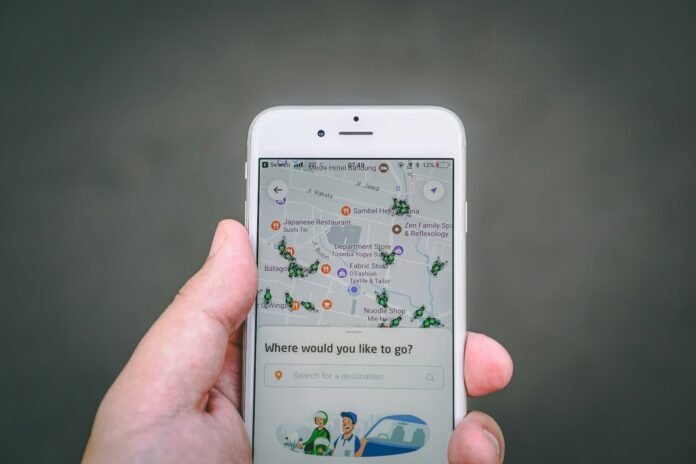
Mobile Travel Application

Travel websites are essential for travel businesses and agencies as they are the first thing potential customers interact with.

Businesses and agencies must get their website right as it could determine whether they can convert visitors into customers. There are features every travel website should have to provide the best user experience.

This blog post will go through the features every travel website should have to stand out from the competition.

Types of Travel websites

CSSIgniter Hotel Themes

The travel industry is large and very diverse, meaning that one website cannot meet the needs or specifications of every traveler.

Therefore, travel businesses and agencies can specialize in a particular niche.

The different types of travel websites are as follows:

  • Review and rating websites – These websites focus on travelers’ reviews and ratings for hotels, restaurants, tourist attractions, and much more.
  • Travel Blogs – Travel blogs are meant to share personal experiences, tips, and insights on the travel industry.
  • Booking websites – These websites are meant to help travelers find and reserve accommodations. They provide a vast list of hotels, resorts, vacation rentals, and more.
  • Flight Booking websites – These websites provide information on finding and booking flights.
  • Adventure and outdoor travel websites – These websites cater to adventure seekers and provide information on outdoor adventures such as hiking, trekking, and extreme sports.
  • Cruise Booking websites – These websites provide information on cruise vacations. Cruise websites allow travelers to explore cruise options, look at destinations, book various cruise packages, and much more.
  • Local Travel Guides – These websites are more tired to showcase hidden gems and tips on local attractions for a particular area. They are mostly created by local experts or even travel bloggers.
  • Travel forums – Forums provide a platform for people to discuss topics they are interested in. Travel forums facilitate discussion around travel topics and news. People can ask questions, seek advice, share experiences, and much more.

The Must-Have Features For Every Travel Website

Crocoblock JetBooking Property Rental

For travel businesses and agencies, a WordPress travel website requires specific features to enhance user experience, functionality, and business goals.

The main features a travel website must have include the following:

Responsive Design

Business professional using a tablet and laptop with a hot drink, focusing on digital content review.

Web users today access the internet across a wide range of devices mostly through their smartphones.

Modern websites must adjust to screen sizes, mostly desktop, mobile, and tablet. Website responsiveness aims to allow websites to adjust appropriately to a web visitor’s device.

Travel websites must be responsive to provide a better user experience and help convert potential customers.

Travel businesses can use a wide range of tools to create responsive websites such as Elementor, which provides the drag-and-drop live editor.

Booking Systems

Crocoblock JetBooking Hotel Booking

The main aim for most, if not all, travel websites is to convert web visitors into customers. When potential travelers find something they might like, the next action is to book the trip.

The best travel websites must provide the most efficient booking system to facilitate the booking process. A horrible and insufficient booking process may make or break a travel website and deter potential customers.

Some of the things travel companies should consider when setting up a booking system for their website include:

  • Online Booking Engine – allows users to book trips, accommodations, or activities directly on the travel company’s website.
  • Calendar Integration – Show real-time availability for tours or accommodations.
  • Payment Gateway – Integrate secure payment methods like PayPal, Stripe, or WooCommerce Payments.

Travel companies can employ multiple WordPress booking plugins such as Crocoblock JetBooking to create sufficient booking systems within minutes.

Destination Pages

CSSIgniter Travel Themes

Travelers want to see and have an idea of where their potential destination might be, which might determine whether they book a trip to the identified destination.

The best travel websites display destination pages that provide the most accurate information, allowing travelers to make the most informed decisions.

Some of the things travel businesses can do to make the best destination pages include highlighting popular destinations with high-quality images, videos, and detailed descriptions.

Additionally, they can include things to do, places to stay, local guides, and travel packages.

Travel businesses can employ WordPress website builders like the Elementor website builder to create responsive and beautiful travel destination pages.

Reviews and Testimonials

Crocoblock JetReviews Review Types

Reviews and testimonials are important for travel websites as they provide social proof from other travelers about the trips they’ve taken.

Reviews and testimonials are important as they help build trust between businesses and customers.

Travel businesses should prioritize putting reviews and testimonials on their websites to create trust with potential customers.

There are numerous WordPress plugins for travel agencies to use in implementing reviews within their website such as the Crocoblock JetReviews.

Interactive Maps

Crocoblock JetBooking Rental Booking

Maps are essential for travel websites after all, travelers are looking for various destinations all over the world to travel to.

Travel businesses can utilize maps appropriately on their websites by using tools like Google Maps or interactive plugins to highlight destinations, routes, or landmarks.

They can even go further by incorporating filters for activities, accommodations, or attractions on the map.

Travel Blog

A tidy home office desk setup with a computer, keyboard, and personal items, creating a cozy work atmosphere.

Blogs are a great and popular source of information for websites as they give essential information to web visitors are looking for.

Travel businesses can leverage this important asset by creating travel blogs that share travel tips, itineraries, destination guides, and customer stories to engage users and boost SEO.

Customizable Itineraries

image portal, website, laptop, internet, website, website, website, website, website

Websites continue to make the web browsing experience easier and more personalized by adding interactive features.

One such feature is providing customizable functions that let users alter the websites to match their needs.

Travel websites should provide tools for users to customize their travel plans by adding or removing activities.

This improves the web browsing experience and leads to higher web visits, increasing traffic.

Social Media Integration

web design, facebook, facebook page, small business, business, web, design, media, internet, network, website, social, communication, marketing, online, imac, apple computer, digital, internet marketing, digital marketing, social marketing, social media marketing, social networking, social media business, social media, social network, startup, home design, mockup, desktop, community, social media background, social media icon, web design, facebook, facebook, facebook, facebook, facebook, facebook page, facebook page, website, website, website, website, digital marketing, digital marketing, social media, social media

Social media has grown to become the largest form of media on the internet, and its influence continues to grow.

Businesses and companies worldwide have leveraged social media to their advantage to attract eyeballs to their products and services.

The travel industry is one of the areas impacted by social media, as travelers can document and share their travel experiences with potential travelers worldwide.

Travel businesses can integrate social media into their websites by adding sharing buttons for blog posts and tours and including Instagram feeds or galleries for visual appeal.

SEO Optimization

computer, statistics, traffic, digital marketing, website, online marketing, google, analytics, marketing, online, seo, digital, statistics, digital marketing, digital marketing, digital marketing, website, google, analytics, analytics, seo, seo, seo, seo, seo

SEO is important for every website today, as its main purpose is to make the website visible to search engines for web visitors to discover a website.

Travel businesses need to be discoverable online to showcase their services to potential travelers.

Travel businesses need to prioritize optimizing their websites to be SEO-friendly to have a strong online presence.

Gallery and media management

Crocoblock JetBooking Travel Agency

Pictures are worth a thousand words as they say and when it comes to the travel industry, nothing could be further from the truth.

Having rich media, such as images and videos can influence the decisions of travelers.

Travel websites should showcase visually appealing images and videos of destinations, activities, or accommodations.

They can go further by using sliders or carousels for an immersive experience.

Weather and Time Zone Information

weather, weather forecast, information, unusual, hot, cold, display, advertisement, communication, automatically, forecast, gray, brown, nature, silver, wood, glass, computer, clouds, rain, sunshine, weather forecast, weather forecast, weather forecast, weather forecast, weather forecast, forecast

Weather and time zone information is one of the most important, if not the most important that travelers look for.

Travelers can determine whether or not to visit a particular destination based on the weather.

It is essential for travel websites to include weather and time information, which will assist travelers in putting together their travel itineraries.

Multilingual Support

macbook, laptop, ipad, apple, computer, mobile, screen, monitor, business, internet, technology, design, web, mac, equipment, pc, mobility, electronic, keyboard, tablet, digital, notebook, communication, white, set, mockup, freelancer, workplace, workspace, office, desk, media, app, device, creative, template, advertising, collection, presentation, interface, application, website, advertising, website, website, website, website, website

The top-performing websites reach web users worldwide. Most of these web visitors are from different countries and access websites through their native language.

The best travel websites reach travelers worldwide, and it is essential that they have multilingual support to cater to travelers who speak various languages.

This is important as it will enable travelers from all backgrounds to plan their itineraries without worrying about which language the website will be displayed in.

User Account and Profiles

JetWooBuilder Account Logout Widget

A user profile is a collection of information that represents an individual’s identity and preferences within a particular system or platform

Travel websites should allow users to create accounts to save itineraries, make bookings, or manage preferences.

Security Features

cyber security, global, network, online, computer, technology, internet, security, data, information, web, protection, safety, secure, protect, safe, lock, cyber security, cyber security, cyber security, cyber security, cyber security, security, security

Websites are susceptible to attacks from malicious actors who are always looking to steal web users’s sensitive information.

Therefore, travel websites must implement security features to protect their website and their customer’s data. Mishandling users’ data could have catastrophic consequences for travel businesses, such as a lack of trust or reputational damage.

Travel businesses should, therefore, implement the most up-to-date security features on their websites, such as SSL certificates, secure payment options, and user data protection measures.

Analytics Integration

A clean, contemporary workspace featuring a desktop with analytics on the screen and plants for a fresh look.

Businesses need to track their website’s activity and get the best and most up-to-date information in order to make the best-informed decisions.

Travel websites are no different. Travel businesses need to track user behavior and website performance and they do this by using tools like Google Analytics.

Conclusion

Websites can make or break a business. A great user experience can drive more traffic to a company’s website and lead to customer conversions.

A bad website browsing experience can lead to a decrease in web traffic and drive away potential customers, affecting the business’s bottom line.

Travelers want to visit a website that offers all the necessary features they need to plan their travel itineraries without having to visit multiple other websites.

The best travel websites come with the latest features needed to assist travelers in planning their trips.
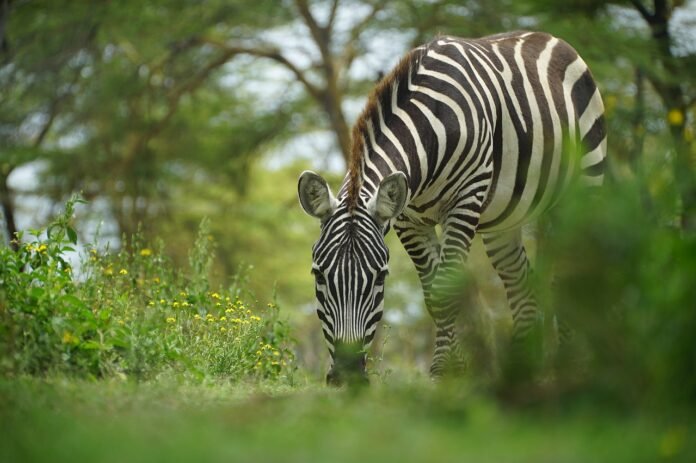
Kenya in March

0
A zebra spotted on a Kenya safari In March

March in Kenya offers a unique blend of experiences for travelers seeking both adventure and relaxation. As the country transitions into its long rainy season, visitors can take advantage of reduced park fees, fewer tourists, and lush, vibrant landscapes. This article delves into various aspects of traveling to Kenya in March, including park fees in the Maasai Mara, accommodation costs, weather conditions, packing recommendations, game viewing experiences, lodge occupancy, flight options, tour operator discounts, available activities, coastal destinations, festivals, and general packing tips.

Maasai Mara Park Fees in March

The Maasai Mara National Reserve is renowned for its abundant wildlife and breathtaking vistas. For non-resident adults visiting in March, the park entry fee is USD 100 per person per day. This rate applies from January 1st to June 30th, offering a more affordable opportunity compared to the peak season (July to December), when the fee rises to USD 200 per person per day. Children aged 9 to 17 years are charged USD 50 per day throughout the year, while those under 9 enjoy free entry. It’s important to note that these fees are valid for a 12-hour period from 6 am to 6 pm. Visitors staying outside the reserve are required to pay the daily entry fee, and those departing by road must exit by 10 am to avoid additional charges. For departures by air, guests should arrive at the airstrip by 10 am; extensions beyond this time may incur extra fees.

Accommodation Costs in the Maasai Mara

March falls within the low tourist season in Kenya, leading to more competitive accommodation rates in the Maasai Mara. Luxury tented camps, such as Governors Camp or Mara Explorer, typically charge around USD 300 per person per night during this period, whereas in the peak season, rates can soar to USD 600 or more. Mid-range lodges like Keekorok Lodge offer accommodations at approximately USD 150 per person per night in March, increasing to about USD 250 during peak months. Budget-conscious travelers can find tented camps for under USD 100 per person per night. The reduced number of tourists during March often results in more personalized service and attention, as staff can cater to a smaller group of guests.

Weather and Climate in March

March marks the onset of the long rainy season in Kenya, with rainfall typically beginning in the middle of the month. The weather varies across different regions:

  • Nairobi and Central Highlands: Temperatures range from 14°C (57°F) at night to 28°C (82°F) during the day. Rainfall increases as the month progresses, leading to greener landscapes.
  • Maasai Mara: Daytime temperatures average around 27°C (81°F), with nighttime lows of 12°C (54°F). The region receives about 15 cm (6 inches) of rain in March, primarily in the latter half of the month.
  • Mombasa and Coastal Areas: Coastal regions experience hotter and more humid conditions, with temperatures ranging from 23°C (73°F) at night to 34°C (93°F) during the day. Rainfall is relatively low in March, averaging 6 cm (2 inches).
     

Packing Recommendations for Families Traveling with Children

When traveling to Kenya in March, especially with children, it’s essential to pack appropriately for varying weather conditions and activities:

  • Clothing:
    • Lightweight, breathable fabrics: Pack cotton or linen clothing to stay cool in warmer regions.
    • Long-sleeved shirts and trousers: These provide protection against mosquitoes and the sun.
    • Warm layers: Include sweaters or jackets for cooler evenings and early mornings, particularly in highland areas.
    • Rain gear: Lightweight raincoats or ponchos are advisable due to the onset of the rainy season.
  • Footwear:
    • Closed-toe walking shoes or boots: Essential for bush walks and safaris to protect feet from rough terrain and insects.
    • Sandals: Useful for casual wear and coastal areas.
  • Accessories:
    • Sun protection: Wide-brimmed hats, sunglasses, and sunscreen with high SPF.
    • Insect repellent: Preferably with DEET to ward off mosquitoes.
    • Personal medications: Include any necessary prescriptions and a basic first-aid kit.
  • Miscellaneous:
    • Binoculars: Enhance wildlife viewing experiences.
    • Waterproof bags: Protect cameras and electronic equipment from rain.
    • Mosquito nets: While many accommodations provide them, it’s prudent to carry your own, especially if staying in budget lodgings.
       

Game Viewing in March: Easier or Harder?

The onset of rains in March transforms Kenya’s landscapes into lush, green environments. While this results in stunning scenery, it can also make game viewing slightly more challenging. The taller grass and availability of water sources mean animals are more dispersed and may not congregate around specific watering holes as they do in the dry season. However, the reduced tourist numbers during this period offer a more intimate and less crowded safari experience. Additionally, certain species, such as migratory birds, are more prevalent during the rainy season, providing unique viewing opportunities for bird enthusiasts.

Lodge and Camp Experience: Guest Occupancy and Service

March is considered a low season for tourism in Kenya, leading to lower occupancy rates in lodges and camps. Travelers during this time may find themselves among a select few guests, resulting in a quieter and more personalized experience. With fewer visitors, staff members are more attentive, ensuring top-tier service, customized meal options, and flexible activity schedules. For those who prefer solitude and exclusivity, this is an excellent time to visit. However, if you enjoy the buzz of a lively safari lodge filled with fellow travelers sharing their experiences, March may feel a bit too quiet.

Flights: International and Domestic Comparisons

International flights to Kenya in March tend to be more affordable than in peak season (July–October and December). Airlines often offer discounted fares due to lower demand, making this an economical time to travel. Round-trip flights from major international hubs such as London, New York, and Dubai can be significantly cheaper compared to the high season.

Domestic flights to safari destinations like Maasai Mara, Amboseli, and Samburu are also more affordable. Carriers such as Safarilink and AirKenya operate flights to these regions at reduced rates in March. Flights that might cost upwards of USD 400 in July could be as low as USD 250–300 in March. Additionally, with fewer passengers, flights are less crowded, making for a more relaxed travel experience.

Tour Operator Discounts and Special Offers

Tour operators frequently offer discounts during March to attract visitors. Many safari packages, which include game drives, accommodation, meals, and park fees, can be up to 30% cheaper compared to peak season rates. Private safaris, which are often expensive during the high season, become more accessible at this time, allowing for a more exclusive experience at a fraction of the cost.

30% Off In March

4 Day Masai Mara On Wings

Flying directly into the Masai Mara maximizes your time in the reserve, allowing for immersive experiences with the Big Five. This safari is an excellent choice for a March adventure in Kenya.

Activities to Enjoy in March

  • Safari Game Drives: While wildlife might be more spread out due to abundant water sources, game drives are still rewarding, with excellent opportunities to see big cats, elephants, and rhinos.
  • Bird Watching: March is an exceptional time for birdwatching, as migratory birds from Europe and Asia are present.
  • Cultural Experiences: Engage with Maasai and Samburu communities for authentic cultural interactions.
  • Hiking and Nature Walks: The lush green landscapes make for picturesque hiking experiences in areas such as Mount Kenya and the Aberdare Ranges.
  • Hot Air Balloon Safaris: Available in the Maasai Mara, these offer a breathtaking aerial view of the savannah, enhanced by the verdant landscapes of March.

Kenya’s Coastal Destinations: Mombasa, Lamu, and Malindi

The coastal regions of Kenya, including Mombasa, Lamu, and Malindi, remain warm and inviting in March. With daytime temperatures averaging around 32°C (90°F), this is an excellent time for beach vacations, diving, and snorkeling.

  • Mombasa: Offers rich Swahili culture, historical sites such as Fort Jesus, and vibrant beach resorts.
  • Lamu: A UNESCO World Heritage site, Lamu is ideal for those seeking tranquility, dhow sailing, and Swahili architecture. 
  • Malindi: Known for its white sandy beaches, deep-sea fishing, and proximity to the Watamu Marine National Park.

With fewer tourists, coastal resorts and boutique hotels offer better rates, and beach experiences are more serene.

Festivals and Events in March

  • Lamu Yoga Festival: Held annually in Lamu, this event attracts yoga enthusiasts from around the world.
  • East African Arts Festival: Hosted in Nairobi, showcasing regional art, music, and cultural performances.
  • Rhino Charge Preps: Though the main event is later in the year, March often sees early preparations and charity drives for conservation efforts.

What to Wear and Pack for Kenya in March

Clothing:

  – Light, breathable fabrics for daytime.

  – Long-sleeved shirts and trousers for mosquito protection.

  – Warm layers for chilly mornings and evenings.

  – Waterproof jacket or poncho due to occasional rains.

Footwear:

  – Comfortable walking shoes or boots for safari and hikes.

  – Sandals or flip-flops for coastal areas.

Other Essentials:

  – Sun protection: Hat, sunglasses, sunscreen.

  – Insect repellent (preferably with DEET).

  – Binoculars for game viewing.

  – Camera with waterproof protection.

  – Reusable water bottle to stay hydrated.

Conclusion:

March in Kenya offers a fantastic blend of affordability, fewer crowds, lush landscapes, and unique wildlife experiences. Whether you are looking for a budget-friendly safari, intimate game viewing, cultural experiences, or a relaxing beach holiday, this period presents an excellent opportunity to explore the country without the peak season rush. However, if you thrive on social energy and bustling safari lodges, you may want to consider traveling during a busier season. Ultimately, Kenya in March is an underrated gem for travelers seeking a more exclusive and cost-effective adventure.

How Many Days In Amboseli

0
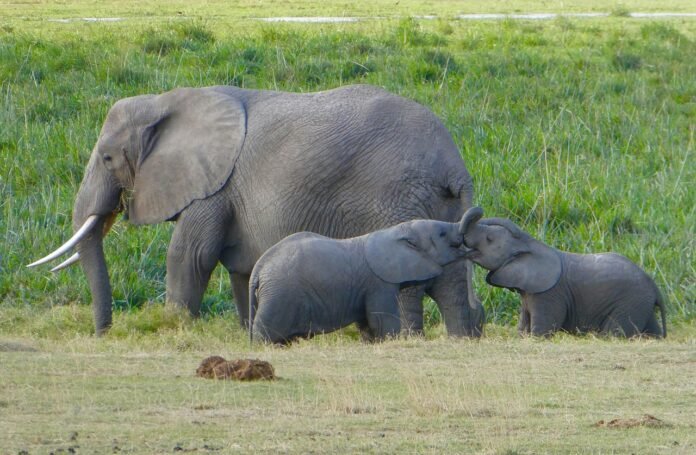
Elephants in amboseli

Amboseli National Park, one of Kenya’s most iconic wildlife destinations, is famous for its large elephant herds and breathtaking views of Mount Kilimanjaro. Whether you have a single day for an Amboseli day trip, a multi-day safari, or are combining it with other parks or even a beach vacation, the number of days you spend in Amboseli depends on your overall itinerary and travel goals. Here’s a guide to help you decide how many days you should allocate for Amboseli in your safari plan.

Amboseli Park Fees for Non-Residents and Residents

Amboseli National Park has different entry fees based on residency status:

  • Non-Residents: USD 100 per adult per day high season and $80 per adult low season. USD 35 per child per day.
  • Kenyan Citizens and East African Residents: KES 1000 per adult per day hgh season and KES 800 per adult low season, KES 250 per child per day.

Amboseli in a Single Day: Is a Day Trip Doable?

If you are pressed for time and only have a single day, an Amboseli day trip is feasible but requires careful planning. Amboseli is about a 4-5 hour drive from Nairobi, making a day trip possible but quite rushed. Most day-trippers leave Nairobi early in the morning (around 5 AM) and arrive in time for a mid-morning game drive. A lunch break at one of the lodges or picnic sites follows, before an afternoon game drive and a return trip to Nairobi.

Pros of an Amboseli day trip:

  • You get to experience the stunning scenery, including elephants with Kilimanjaro as a backdrop.
  • It’s an excellent way to see Amboseli’s highlights if you are short on time.
  • If lucky, you may see lions, cheetahs, and other predators along with Amboseli’s famous elephants.

Cons:

  • The trip can be exhausting due to the long drive from Nairobi and back.
  • You won’t have time for in-depth exploration.
  • Limited opportunities for sunrise or sunset photography, which are the best times for wildlife sightings.

2 to 3 Days in Amboseli: Perfect for a Balanced Safari

If you are on a 7-10 day Kenyan safari that includes other parks such as Maasai Mara, Lake Nakuru, or Tsavo, then 2 to 3 days in Amboseli is an ideal duration. This allows you to experience the park’s wildlife, landscapes, and various activities without feeling rushed.

Why 2-3 days is ideal:

  • You can enjoy multiple game drives at different times of the day, increasing your chances of seeing predators like lions, cheetahs, and hyenas.
  • A slower pace allows for better wildlife photography and relaxed game viewing.
  • More time for cultural experiences, such as visiting a Maasai village.
  • If staying at a lodge, you can enjoy the amenities, including spa treatments, guided walks, and sundowners with Kilimanjaro in the background.

Self-Drive in Amboseli

Self-driving in Amboseli is an option for those who prefer a more flexible and adventurous safari. The park has well-maintained dirt roads that are navigable with a 4×4 vehicle, especially during the dry season.

Pros of self-driving in Amboseli:

  • Flexibility to set your own schedule.
  • More affordable than guided tours.
  • Opportunity to explore at your own pace.

Cons:

  • Limited knowledge compared to professional guides.
  • Navigating wildlife sightings and best routes may be challenging.
  • Risk of vehicle getting stuck, especially in the wet season.

Visiting Amboseli from Mombasa

If you are in Mombasa and wish to visit Amboseli, you have a few options:

  1. By Road: This involves an approximately 8-10 hour drive via Tsavo East or Tsavo West National Park. Many travelers combine Amboseli with a Tsavo safari, making it a well-rounded experience.
  2. By Air: There are scheduled flights from Mombasa to Amboseli, taking about 1.5 hours. This is the best option for those who prefer a quicker, more comfortable journey.

Amboseli as Part of a Flight Package to Kenyan Parks

Many safari packages include flights between parks, making travel seamless and maximizing your time for wildlife viewing. Amboseli is often included in high-end flight safari itineraries alongside Maasai Mara, Samburu, and Laikipia. These packages typically involve staying in luxury lodges or tented camps, offering an exclusive safari experience.

Flying to Amboseli saves time and allows for a more relaxed schedule. It also offers breathtaking aerial views of Kenya’s landscapes, including the Great Rift Valley, Mount Kilimanjaro, and the vast savannahs.

Safari with Children: Why You Should Slow Down and Spend 3 Days in Amboseli

If you are traveling with children, spending at least 3 days in Amboseli is recommended. A slower pace ensures that kids do not get overwhelmed with long game drives. Many lodges cater to families with child-friendly activities, including:

  • Shorter, guided game drives tailored for kids.
  • Educational programs about wildlife and conservation.
  • Swimming pools and open play areas.
  • Opportunities to visit local Maasai villages and learn about their culture.

Spending more time in Amboseli allows children to rest between game drives and enjoy the surroundings without feeling rushed.

Wildlife Viewing in Amboseli: What to Expect

Amboseli is one of the easiest places in Kenya to see wildlife, thanks to its open plains and the seasonal swamps that attract animals. The park is renowned for its massive elephant herds, often seen walking gracefully against the backdrop of Mount Kilimanjaro. Other wildlife commonly spotted in Amboseli includes:

  • Lions (though not as frequently as in the Maasai Mara)
  • Cheetahs
  • Hyenas
  • Giraffes
  • Zebras
  • Wildebeests
  • Hippos
  • Numerous bird species, including flamingos in the wet season

However, Amboseli does not have all of the Big Five. The park lacks rhinos, so if seeing all five (lion, elephant, leopard, buffalo, and rhino) is your goal, you may need to combine Amboseli with Maasai Mara, Tsavo, or Laikipia.

Combining Amboseli with a Beach Vacation to Mombasa or Lamu

A safari and beach combination is one of the best ways to experience Kenya. Many travelers choose to spend a few days in Amboseli before heading to the coast for a relaxing beach getaway. Here’s how you can do it:

  1. Amboseli + Mombasa: After a 2-3 day safari, you can take a flight from Amboseli to Mombasa and unwind on the white sandy beaches of Diani or Nyali. Activities include snorkeling, deep-sea fishing, and exploring historical sites like Fort Jesus.
  2. Amboseli + Lamu: For a more secluded and cultural beach experience, Lamu Island is an excellent choice. A flight from Amboseli via Nairobi takes you to this UNESCO-listed Swahili town, where you can enjoy dhow cruises, rich history, and stunning beaches.

Why Choose Safari Travel Plus for Your Amboseli Safari?

For a seamless and unforgettable safari experience, consider booking with Safari Travel Plus, a reputable tour operator based in Nairobi, Kenya. Here’s why:

  • Expert Guides: Their experienced guides enhance your safari with in-depth wildlife knowledge and expert tracking skills.
  • Customized Itineraries: Whether you want a short safari, a luxury experience, or a family-friendly trip, they tailor packages to suit your needs.
  • Seamless Logistics: They handle all logistics, including airport transfers, flights, and accommodation, making your trip stress-free.
  • Affordable Packages: Competitive pricing ensures you get value for your money without compromising on quality.

Final Thoughts: How Many Days Should You Spend in Amboseli?

  • 1 Day: Doable but rushed, best if you are extremely short on time.
  • 2 Days: Sufficient for a quick safari experience, especially when combined with other parks.
  • 3 Days: Ideal for a well-paced safari, especially with children or if you want to explore Amboseli in-depth.
  • More than 3 Days: Not necessary unless you want a deep dive into Amboseli’s wildlife, photography, or cultural experiences.

Ultimately, Amboseli is a fantastic safari destination that fits into different types of itineraries. Whether you’re doing a day trip, a classic multi-park safari, or combining it with a beach escape, the number of days you spend depends on your travel style and overall Kenyan adventure.

By planning accordingly, you can make the most of your time in Amboseli and create unforgettable safari memories!

Best Travel Luggage in Durban: A Complete Guide for Every Traveler

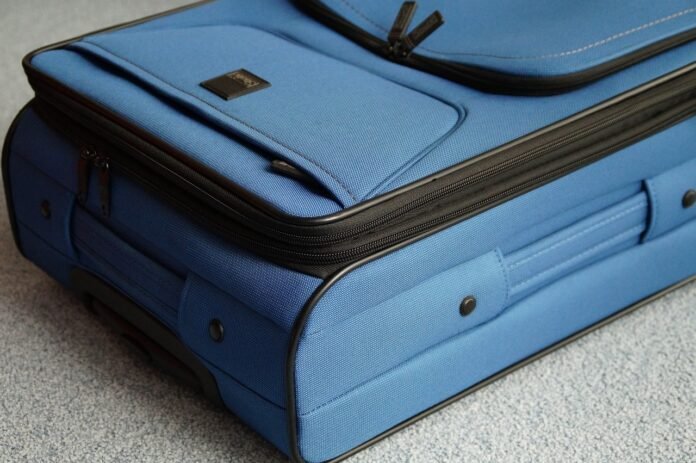
travel luggage in durban

Durban, known for its golden beaches, warm climate, and vibrant culture, is a popular travel destination. Whether you’re visiting for a beach holiday, an adventure trip, or a business meeting, choosing the right travel luggage is crucial. In this comprehensive guide, we’ll explore the best luggage for different travel needs, considering Durban’s climate, luggage specifications, and activity-based packing solutions.

1. Essential Travel Luggage Requirements for Durban

Before choosing your luggage, it’s important to consider key factors such as:

a) Durability and Material

Durban’s humid climate and occasional rain mean that your luggage should be water-resistant or at least come with a rain cover. Consider:

  • Hard-shell suitcases: Made from polycarbonate or ABS, they provide excellent protection against moisture.
  • Soft-shell luggage: Often made of nylon or polyester, these are lightweight and flexible but may require an additional rain cover.

b) Size and Weight Restrictions

  • Carry-on bags: Airlines flying to Durban (e.g., South African Airways, British Airways) typically allow carry-ons up to 7kg (15.4 lbs).
  • Checked luggage: Most international flights allow 23kg (50 lbs) per bag.

c) Security Features

Durban, like any major city, has areas where travelers should be cautious. Opt for luggage with:

  • TSA-approved locks
  • Anti-theft zippers
  • RFID-blocking compartments for passports and cards

2. Luggage Types for Different Travel Needs

Whether you’re a business traveler, a backpacker, or on a family vacation, your luggage needs will vary. Here’s a breakdown of the best luggage types for different kinds of travelers in Durban.

a) Business Travelers

For business professionals traveling to Durban for meetings or conferences:

  • Rolling carry-ons (20-22 inches): Ideal for short trips, easy to maneuver in airports.
  • Laptop backpacks with USB ports: Ensure security and easy access to devices.
  • Garment bags: Keep suits and dresses wrinkle-free.

b) Backpackers and Adventure Travelers

Durban offers stunning hiking trails, nature reserves, and beach activities. The best luggage options include:

  • Hiking backpacks (40-60L): Designed for carrying camping gear and essentials.
  • Waterproof dry bags: Essential for beach or kayaking trips.
  • Daypacks (20-30L): Ideal for short excursions and city sightseeing.

c) Families with Kids

Family travel requires well-organized and spacious luggage. Consider:

  • Large spinner suitcases (28-32 inches): Ideal for packing clothes, toiletries, and kids’ essentials.
  • Packing cubes: Keep each family member’s items separate.
  • Expandable duffel bags: Great for extra souvenirs and shopping.

d) Beach and Leisure Travelers

Durban’s sunny beaches require specific luggage items:

  • Waterproof totes and duffels: Perfect for carrying swimwear, sunscreen, and towels.
  • Mesh beach bags: Allow sand to escape, keeping belongings clean.
  • Cooler bags: Great for keeping drinks and snacks chilled during beach outings.

3. Weather Considerations for Luggage Selection

Durban’s subtropical climate affects luggage choices. Here’s what to keep in mind:

a) Summer (November – March)

  • Temperature: Hot and humid, averaging 25-30°C (77-86°F).
  • Luggage Tip: Opt for breathable fabrics like canvas or nylon backpacks. Pack light, moisture-wicking clothes.

b) Winter (June – August)

  • Temperature: Mild, 12-22°C (54-72°F).
  • Luggage Tip: Bring a mix of summer and light winter wear. A medium-sized suitcase (24-26 inches) is sufficient.

c) Rainy Season (September – April)

  • Luggage Tip: Use a water-resistant suitcase or backpack. A rain cover for backpacks is essential for outdoor activities.

4. Activity-Based Luggage Choices

Durban offers diverse activities, from city explorations to safaris. Here’s the best luggage for different activities:

a) Safari & Wildlife Adventures

  • Best Luggage: Duffel bags (50-70L) or soft-shell wheeled suitcases
  • Why? Safari vehicles have limited space. Soft luggage is easier to store.
  • Extras: Binocular cases, camera gear bags, and lightweight jackets.

b) Surfing & Water Sports

  • Best Luggage: Waterproof duffels and dry bags
  • Why? Protects gear from water and sand.
  • Extras: Separate compartments for wet and dry clothes.

c) Hiking & Outdoor Exploration

  • Best Luggage: 40-60L hiking backpacks with hydration packs
  • Why? Comfortable for long treks, includes waist straps for better weight distribution.
  • Extras: Lightweight sleeping bags, foldable trekking poles.

d) City Exploration & Shopping

  • Best Luggage: Crossbody bags, anti-theft backpacks
  • Why? Hands-free convenience and security.
  • Extras: RFID wallets, lightweight shopping totes.

5. Top Luggage Brands for Travel to Durban

a) Samsonite

  • Known for: Durability, TSA locks, spinner wheels
  • Best for: Business travelers and frequent flyers

b) American Tourister

  • Known for: Affordable, stylish hard-shell suitcases
  • Best for: Budget-conscious travelers

c) Osprey

  • Known for: High-quality hiking and travel backpacks
  • Best for: Adventure and backpacking trips

d) Nomatic

  • Known for: Minimalist, high-tech travel backpacks
  • Best for: Digital nomads and business travelers

6. Travel Packing Tips for Durban

a) Essential Packing List

  • Clothing: Lightweight summer wear, a rain jacket, casual beachwear
  • Footwear: Comfortable walking shoes, sandals, hiking boots
  • Toiletries: Sunscreen (SPF 30+), insect repellent, travel-size shampoo
  • Tech Gear: Universal power adapter, portable charger, waterproof phone case

b) Packing Strategies

  • Use Packing Cubes: Keep items organized and maximize space.
  • Roll Clothes Instead of Folding: Saves space and reduces wrinkles.
  • Distribute Weight Evenly: Heaviest items at the bottom of backpacks for balance.

7. Where to Buy Travel Luggage in Durban

Looking for quality travel luggage in Durban? Here are some recommended stores:

  • Cape Union Mart – Great for adventure and outdoor gear.
  • Tumi Durban – Premium luggage for business travelers.
  • Luggage Warehouse Durban – Wide selection of affordable suitcases and travel accessories.
  • Takealot & Makro (Online Stores) – Convenient online shopping with delivery options.

Conclusion

Choosing the right travel luggage for Durban depends on your travel style, activities, and the city’s climate. Whether you need a waterproof backpack for beach days, a durable suitcase for business trips, or a lightweight hiking pack for adventures, there are plenty of options available. By considering the luggage features, security, and packing strategies outlined in this guide, you can ensure a stress-free and enjoyable trip to Durban.

Best Time to Visit Tanzania

0
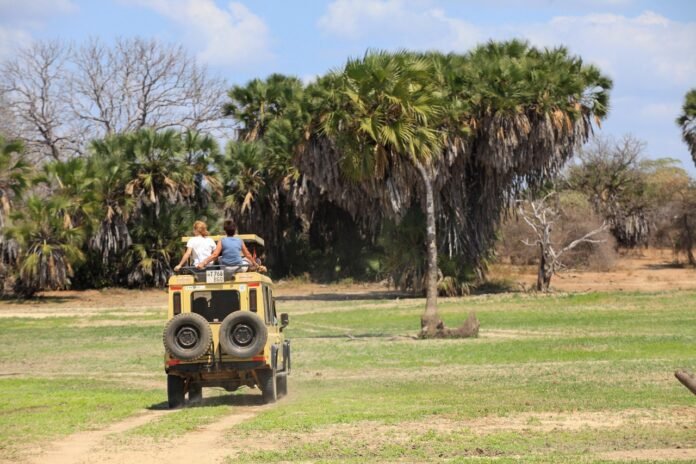
A couple on a Tanzania safari

Tanzania is a dream destination for travelers seeking world-class safaris, pristine beaches, and cultural experiences. However, the best time to visit varies based on activities, weather, and budget. This guide breaks down the optimal times to visit, considering factors like climate, wildlife viewing, and price fluctuations.

1. Understanding Tanzania’s Seasons and Climate

Tanzania experiences two main seasons:

  • Dry Season (June – October): Best for safaris and trekking, with clear skies and abundant wildlife.
  • Wet Season (November – May): Lush landscapes, fewer tourists, and budget-friendly travel.

The wet season has two parts:

  • Short rains (November – December): Light, sporadic showers.
  • Long rains (March – May): Heavy rainfall, affecting accessibility in some areas.

2. Best Time for a Safari in Tanzania

Serengeti National Park

A Maasai Looking over the Serengeti

Best Time to Visit: June – October (Dry Season) & January – February (Calving Season)

  • Weather: Dry and warm with little rainfall from June to October; short rains in November and December; warm temperatures in January and February.
  • Wildlife Highlights: Witness the Great Migration from June to October, as thousands of wildebeest and zebras traverse the plains. The calving season in January and February is an excellent time to see newborn animals and predator action.
  • Pricing: High season prices apply from June to October. Lower prices during the green season (March – May) due to rain and fewer tourists.
  • Activities: Game drives, hot air balloon safaris, and photography tours.

Ngorongoro Crater

Best Time to Visit: June – October (Dry Season)

  • Weather: Cooler due to high altitude; dry conditions make it easier to spot wildlife.
  • Wildlife Highlights: Home to the Big Five (lion, leopard, elephant, rhino, buffalo). Wildlife is concentrated in the crater, making sightings almost guaranteed.
  • Pricing: High season rates apply from June to October; discounts available in the wet season (March – May).
  • Activities: Game drives, guided crater tours, Maasai cultural visits.

Tarangire National Park

Best Time to Visit: June – October (Dry Season)

  • Weather: Warm and dry, with limited rainfall.
  • Wildlife Highlights: Large elephant herds, lions, leopards, and rare species like the fringe-eared oryx and gerenuk. Tarangire River attracts diverse wildlife in the dry months.
  • Pricing: Higher costs in peak season; lower rates during the wet season (November – May).
  • Activities: Game drives, walking safaris, birdwatching.

Lake Manyara National Park

Best Time to Visit: June – October (Dry Season), November – March (Birdwatching)

  • Weather: Warm and dry from June to October; occasional showers in the wet season (November – May).
  • Wildlife Highlights: Famous for tree-climbing lions, large flocks of flamingos, and diverse bird species.
  • Pricing: Peak season rates apply in the dry months; lower rates in the wet season.
  • Activities: Game drives, canoeing (during wet season), birdwatching.

Ruaha National Park

Best Time to Visit: June – October (Dry Season)

  • Weather: Dry and warm conditions make for excellent game viewing.
  • Wildlife Highlights: High predator concentration, large elephant herds, and diverse antelope species.
  • Pricing: More affordable than northern parks, with peak season prices in the dry months.
  • Activities: Game drives, walking safaris, birdwatching.

Selous Game Reserve (Nyerere National Park)

Best Time to Visit: June – October (Dry Season)

  • Weather: Warm and dry, making for ideal game viewing conditions.
  • Wildlife Highlights: Rich in elephants, hippos, crocodiles, and African wild dogs.
  • Pricing: Moderate, with peak season costs in the dry months.
  • Activities: Boat safaris, walking safaris, game drives, fishing.

Gombe Stream & Mahale Mountains National Parks

Best Time to Visit: July – October (Chimp Trekking)

  • Weather: Dry and warm, with ideal trekking conditions.
  • Wildlife Highlights: Famous for chimpanzee trekking and other primates.
  • Pricing: Generally expensive due to remote access and specialized tours.
  • Activities: Chimpanzee tracking, hiking, lake activities.

3. Best Time to Visit Zanzibar & Tanzania’s Beaches

Best Weather (June – October & December – February)

  • Why? Dry, sunny weather perfect for beach relaxation.
  • Best Places: Zanzibar, Pemba, Mafia Island.

Best Budget Beach Holidays (March – May)

  • Why? Significant price drops due to the rainy season.
  • Downside: Rain may affect beach activities.

4. Climbing Mount Kilimanjaro: Best Months

  • Best Time: January – March & June – October (dry season).
  • Worst Time: April – May (heavy rains make climbing difficult).

5. Price Comparison Across Seasons

Prices for safaris, Kilimanjaro treks, and beach resorts vary throughout the year. Below is a comparison of average costs.

MonthSafari (per person per day)Kilimanjaro Trek (per person)Beach Resort (per night)
January$500 – $700$2,000 – $3,000$200 – $400
February$500 – $700$2,000 – $3,000$200 – $400
March$350 – $500$1,500 – $2,500$150 – $300
April$300 – $450$1,400 – $2,200$100 – $250
May$300 – $450$1,400 – $2,200$100 – $250
June$450 – $650$1,800 – $2,800$180 – $350
July$600 – $900$2,200 – $3,500$250 – $500
August$600 – $900$2,200 – $3,500$250 – $500
September$500 – $800$2,000 – $3,200$200 – $400
October$450 – $700$1,800 – $2,800$180 – $350
November$350 – $500$1,500 – $2,500$150 – $300
December$500 – $750$2,000 – $3,200$200 – $450

Key Takeaways from the Price Chart

  • Budget travelers: March – May offers the lowest prices due to the rainy season.
  • Peak season (July – September): Expect the highest prices but the best wildlife experiences.
  • Shoulder seasons (November & early December, June & October): A good balance of price and quality experience.

6. Month-by-Month Breakdown

MonthBest ForWeather & Conditions
JanuaryKilimanjaro climbs, Serengeti calving seasonWarm, short rains, great for photography
FebruaryWildlife safaris, Zanzibar beachesHot and dry, peak calving season
MarchBudget safaris, birdwatchingStart of the wet season, fewer tourists
AprilLow-cost safaris, fewer crowdsHeavy rains, some lodges close
MayGreen landscapes, birdwatchingWet, but beautiful scenery
JuneBest for Serengeti safaris, KilimanjaroStart of dry season, Great Migration starts moving
JulyRiver crossings, beach holidaysCool, peak safari season
AugustPeak migration, ZanzibarExcellent wildlife viewing, high prices
SeptemberWildlife, fewer crowdsGreat safari conditions, slightly lower prices
OctoberGood balance of price & availabilityDry season ending, fewer tourists
NovemberBirdwatching, budget travelShort rains, some good safari deals
DecemberFestive beach holiday, wildlifeHigh season, warm weather

7. Conclusion

The best time to visit Tanzania depends on your priorities:

  • For safaris, June to October is ideal for wildlife spotting.
  • For Zanzibar beaches, December to February offers the best conditions.
  • For budget travelers, March to May provides excellent deals.
  • For adventure seekers, Kilimanjaro climbs are best between January – March and June – October.

No matter when you visit, Tanzania offers breathtaking experiences year-round. Choose your timing wisely to maximize your adventure!

When is the Best Time to Travel to Zanzibar?

0
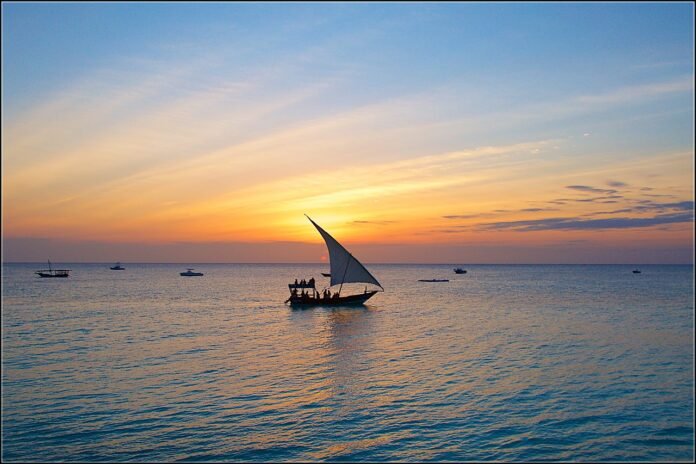
Zanzibar sunset

Zanzibar, a breathtaking archipelago off the coast of Tanzania, is a dream destination for travelers seeking pristine beaches, vibrant culture, and exotic adventures. Whether you’re looking for an idyllic beach getaway, an extension to an African safari, or a family-friendly vacation, choosing the right time to visit can make a significant difference in your experience. This guide explores the best time to travel to Zanzibar based on weather, tourist seasons, festival highlights, cost considerations, and its compatibility with an African safari.

Weather and Beach Conditions Throughout the Year

Zanzibar enjoys a tropical climate with warm temperatures year-round, making it a fantastic beach destination. However, weather patterns and sea conditions vary, affecting travel plans, water activities, and overall beach experiences. Understanding the seasonal differences can help visitors choose the best time to visit based on their preferences.

Dry Seasons: Best Weather for Beach Activities (June – October & December – February)

The dry seasons offer the most consistent sunny weather, calm seas, and ideal beach conditions for swimming, snorkeling, and diving.

  • June – October (Cooler Dry Season)
    • Temperatures range from 24°C to 29°C (75°F–84°F), making it a pleasant time for beach activities without excessive heat.
    • Best for: Sunbathing, swimming, snorkeling, and diving with excellent underwater visibility.
    • Ocean conditions: Gentle waves and clear waters, particularly in Nungwi, Kendwa, and Matemwe.
    • Wind conditions: Light breezes, especially in July and August, ideal for kite surfing in Paje.
  • December – February (Hotter Dry Season)
    • Temperatures rise to 28°C – 34°C (82°F–93°F), making this the hottest period of the year.
    • Best for: Scuba diving, dolphin tours, and deep-sea fishing.
    • Ocean conditions: Crystal-clear water and warm temperatures perfect for swimming.
    • Wind conditions: Light to moderate winds, creating good conditions for kitesurfing in Paje and Jambiani.

Rainy Seasons: Changing Beach Conditions (March – May & November)

Zanzibar experiences two rainy seasons, which affect beach conditions differently.

  • March – May (Long Rainy Season)
    • Expect heavy downpours, high humidity, and overcast skies, particularly in April and early May.
    • Beach conditions: Some seaweed accumulation on beaches, particularly on the east coast.
    • Ocean conditions: Choppier waters, reducing visibility for diving and snorkeling.
    • Best for: Budget travelers looking for off-season discounts, as accommodations offer lower rates.
  • November (Short Rainy Season)
    • Features brief but intense showers, usually in the late afternoon or evening.
    • Beach conditions: Still enjoyable, with mostly sunny mornings and occasional cloud cover.
    • Ocean conditions: Slightly rougher waters in some areas, but snorkeling and diving remain accessible.
    • Best for: Travelers looking for lower prices and fewer crowds while still enjoying decent weather.

Best Time for Water Activities

  • Snorkeling & Diving:
    • Best months: July – October & December – February (clear water, excellent visibility).
    • Avoid: April & May (low visibility due to heavy rains).
  • Kitesurfing & Windsurfing:
    • Best months: June – August & December – February (consistent winds in Paje & Jambiani).
  • Deep-Sea Fishing:
    • Best months: September – March (tuna, marlin, and sailfish are abundant).

No matter the season, Zanzibar’s beaches remain stunning and inviting, but choosing the right time ensures the best experience for swimming, diving, and enjoying the island’s natural beauty.

Annual Festivals and Cultural Highlights

Attending a festival can enhance your Zanzibar experience by offering a deeper connection to local traditions and entertainment.

Sauti za Busara (February)

  • One of Africa’s most renowned music festivals, featuring artists from across the continent.
  • Held in Stone Town, offering a vibrant mix of African beats, dance, and performances.
  • Provides an excellent opportunity to experience Zanzibar’s diverse music culture, from taarab to bongo flava.
  • Local food stalls and craft markets accompany the festival, making it an immersive experience.

Zanzibar International Film Festival (July)

  • Showcases African and international films, cultural exhibitions, and live performances.
  • One of East Africa’s most significant cultural events, attracting filmmakers and artists globally.
  • Includes workshops, panel discussions, and networking opportunities for creatives and cinephiles.
  • Films shown often tackle African heritage, social issues, and emerging global narratives.

Eid Celebrations (Dates Vary Based on Islamic Calendar)

  • Celebrated with feasts, street fairs, and cultural performances.
  • A great time to experience Zanzibar’s deep-rooted Islamic traditions and hospitality.
  • Mosques and public spaces are beautifully decorated, and special meals are prepared.
  • Visitors can witness unique celebrations such as the sharing of sweets, community prayers, and traditional Swahili dances.

Mwaka Kogwa (July)

  • A traditional Shirazi New Year festival celebrated in Makunduchi village in southern Zanzibar.
  • Features symbolic mock fights with banana stalks to clear past conflicts and welcome a prosperous year.
  • Accompanied by traditional music, dance, and elaborate feasts.
  • A rare chance to witness one of Zanzibar’s oldest cultural rituals with Persian origins.

Zanzibar Beach and Watersports Festival (August)

  • Celebrates the island’s strong connection to the sea and watersports.
  • Activities include kite surfing, beach volleyball, dhow races, and stand-up paddleboarding.
  • Live music, beach parties, and seafood feasts make it a lively event for all ages.
  • A perfect festival for those looking to enjoy Zanzibar’s beaches in a dynamic way.

By timing your visit to coincide with one of these festivals, you can experience the vibrant cultural heritage of Zanzibar while enjoying its natural beauty.

Avoiding Tourist Peak Seasons

Peak Season: June – October & December – February

  • Large crowds, particularly in July, August, and the December holiday season.
  • Higher prices for flights, hotels, and activities.
  • Need for advanced bookings to secure preferred accommodations.

Best Time for a Less Crowded Experience: March – May & November

  • March to May is ideal for budget travelers, though the rain can be a downside.
  • November has intermittent rain but is still pleasant with fewer tourists.
  • More availability and flexibility for last-minute bookings.

Best Time for Affordable Accommodation Rates

Zanzibar’s accommodation rates vary significantly based on the season, with peak months attracting higher prices and off-peak periods offering substantial discounts. Understanding these pricing trends can help travelers plan their visit for the best value.

High Season Pricing (June – October & December – February)

During the high season, Zanzibar experiences a surge in tourist arrivals due to its warm, dry weather and festive atmosphere. As a result, accommodation prices peak, and availability becomes more competitive.

  • Luxury Resorts: Expect to pay between $250 and $800 per night, depending on the location, amenities, and exclusivity of the resort. Premium beachfront properties and private island retreats command the highest rates.
  • Budget Hotels & Guesthouses: Even budget-friendly options see a price increase, ranging from $100 to $200 per night. These accommodations may include small boutique hotels, locally owned lodges, or hostels in popular areas like Stone Town and Nungwi.
  • Tour Packages & Excursions: Activities such as snorkeling, diving, and spice tours come at a premium, as demand is high. Some operators may bundle accommodations and excursions at discounted rates, but overall, prices remain on the higher side.

During these months, booking accommodations and activities well in advance is advisable to secure the best deals and preferred choices.

Low Season Pricing (March – May & November)

Zanzibar’s low season, particularly March to May, coincides with the long rainy season, while November experiences shorter, less intense rains. Although these months see fewer tourists, they present an excellent opportunity for budget-conscious travelers.

  • Luxury Resorts: Prices can drop significantly, with rates ranging from $150 to $400 per night. Many five-star properties offer seasonal discounts or complimentary perks such as spa treatments and extended stays.
  • Budget Hotels & Guesthouses: With reduced demand, budget accommodations can be found for as low as $50 to $100 per night, making Zanzibar an affordable destination even for backpackers and solo travelers.
  • Tour Discounts: Many tour operators and dive centers provide special promotions, making activities such as scuba diving, dhow cruises, and cultural experiences more affordable. This is an ideal time for travelers looking to explore the island at a fraction of peak season prices.

If budget is a primary concern, visiting in May or November provides the best value. May marks the tail end of the long rainy season, offering occasional sunshine and fewer crowds, while November brings intermittent showers without disrupting activities significantly. Both months allow travelers to experience Zanzibar’s beauty without the steep costs associated with peak season.

By choosing the low season, visitors can enjoy luxury experiences at mid-range prices, find excellent deals on accommodation, and explore Zanzibar’s pristine beaches and cultural sites in a more tranquil setting.

Combining Zanzibar with an African Safari

Pairing a Zanzibar beach escape with an African safari offers the ultimate travel experience, blending thrilling wildlife adventures with tranquil island relaxation. Whether exploring Tanzania’s renowned national parks or venturing into Kenya’s famed reserves, this combination creates a perfect balance of excitement and rejuvenation.

Best Safari Destinations to Pair with Zanzibar

  • Tanzania’s Northern Circuit (Serengeti, Ngorongoro, Tarangire)
    The Serengeti National Park, home to the Great Migration, and the Ngorongoro Crater, a UNESCO World Heritage Site, are top choices for those wanting an unforgettable safari before heading to Zanzibar. Tarangire, with its vast elephant herds, provides a less crowded but equally rewarding experience. Direct flights from Arusha or Kilimanjaro to Zanzibar make this an easy transition.
  • Tanzania’s Southern Circuit (Selous, Ruaha, Mikumi)
    For a more off-the-beaten-path adventure, Selous Game Reserve (now Nyerere National Park) and Ruaha National Park offer fewer crowds, excellent wildlife sightings, and unique boat safaris. These parks are accessible via charter flights to Zanzibar, making them ideal for travelers looking for exclusivity and wilderness.
  • Kenya’s Masai Mara & Amboseli
    Visitors can combine Zanzibar with Kenya’s Masai Mara, famous for its high predator density and Great Migration crossings, or Amboseli National Park, known for its breathtaking views of Mount Kilimanjaro and large elephant herds. Flights from Nairobi connect seamlessly to Zanzibar, making this an easy multi-country experience.

Ideal Itinerary for a Safari-Beach Combination

  1. Safari First, Zanzibar Second – Most travelers choose to start with a safari before unwinding in Zanzibar. A typical itinerary includes:
    • 4–7 days on safari exploring parks like the Serengeti, Ngorongoro, or Masai Mara.
    • 4–6 days in Zanzibar relaxing on pristine beaches, enjoying cultural tours, or engaging in water activities like snorkeling and diving.
  2. Zanzibar First, Safari Second – For those seeking a more energetic finish, starting in Zanzibar allows for a relaxed introduction before embarking on the adventure-packed safari portion. This can be ideal for honeymooners or those arriving on international flights before heading inland.

Why a Safari & Zanzibar Combo is Perfect

  • Diverse Experiences – Witness Africa’s iconic wildlife in the vast savannas before unwinding on white sandy beaches.
  • Convenient Travel Routes – Direct flights and short travel times make this an effortless pairing.
  • Best of Both Worlds – Experience exhilarating game drives, cultural interactions, and marine adventures all in one trip.

Whether you’re a honeymooner, adventure enthusiast, or luxury traveler, combining a safari with a Zanzibar getaway ensures an unforgettable African journey.

Best Time for Traveling with Kids

Zanzibar is a fantastic destination for a family-friendly getaway, offering pristine beaches, warm waters, and exciting cultural and wildlife experiences. However, choosing the right time to visit is key to ensuring a smooth and enjoyable trip with children.

Best Months for Family Travel: June – October & December – February

The ideal time to visit Zanzibar with kids is during the dry seasons: June to October and December to February. These months provide sunny, warm weather, calm seas, and minimal rain, making it perfect for family-friendly activities.

  • Weather: Temperatures range between 26°C and 32°C (79°F–89°F), ensuring pleasant conditions for beach outings, snorkeling, and exploring.
  • Safe & Calm Waters: The Indian Ocean remains clear and gentle, making it ideal for young swimmers. Beaches like Nungwi and Kendwa have minimal tides, providing safe conditions for children.
  • Wildlife & Nature Experiences: Families can visit Jozani Forest to see Zanzibar’s famous red colobus monkeys or take a dhow cruise to spot dolphins, which is especially exciting for kids.

Months to Avoid: March – May (Long Rainy Season)

The long rainy season (March to May) brings heavy rainfall, high humidity, and occasional storms, which can limit outdoor activities and make some roads and paths muddy. The unpredictability of the weather can make it less ideal for families traveling with young children.

Fun & Kid-Friendly Activities by Season

  • June – October (Cool & Dry Season)
    • Ideal for beach picnics, swimming, and snorkeling in shallow waters.
    • Great time for nature excursions to see monkeys in Jozani Forest.
    • Less risk of mosquitoes, reducing concerns about malaria.
  • December – February (Warm & Dry Season)
    • Perfect for sandcastle building and boat trips to nearby islands like Prison Island, where kids can see giant tortoises.
    • Warmer temperatures make swimming and dolphin tours even more enjoyable.
  • November (Short Rainy Season)
    • Short showers are possible, but most activities remain accessible.
    • Fewer crowds, making it easier for families to enjoy excursions without long wait times.
    • Hotels may offer family discounts, making it a budget-friendly option.

Tips for Traveling with Kids to Zanzibar

  • Choose a Kid-Friendly Resort: Many hotels offer family villas, kids’ clubs, and child-friendly pools.
  • Pack Essentials: Bring sunscreen, mosquito repellent, and lightweight clothing to keep kids comfortable.
  • Plan Short & Engaging Activities: Instead of long excursions, opt for half-day tours such as spice farm visits, turtle conservation centers, or dhow rides.
  • Stay in Safe, Family-Friendly Areas: Nungwi, Kendwa, and Matemwe have calmer waters and excellent accommodation options for families.

By visiting Zanzibar during the dry months, families can enjoy a stress-free, adventure-packed holiday with plenty of activities to keep kids entertained, from wildlife encounters to beach fun.

Conclusion

The best time to travel to Zanzibar depends on your priorities:

  • For perfect beach weather: Visit between June – October.
  • For budget-friendly travel: March – May & November offers great discounts compared to peak seasons.
  • For fewer crowds with good weather: November – and early December before the holiday period.
  • For an African safari extension: June – October or January – February are perfect.
  • For families with kids: June – October or December – February.

By planning strategically, you can ensure an unforgettable Zanzibar experience tailored to your needs, whether for relaxation, adventure, or cultural immersion.

Best Superzoom Camera for Safari

0
superzoom camera

A safari is a once-in-a-lifetime experience, offering breathtaking encounters with wildlife and vast, stunning landscapes. Capturing these moments requires the right camera, and a superzoom camera is often the best choice. These cameras combine powerful zoom capabilities, high image quality, and portability, making them ideal for photographing distant wildlife, sweeping landscapes, and fast-moving action.

In this guide, we’ll explore the advantages of superzoom cameras, what to look for when selecting one, and the best options for different safari photography needs.

Why Choose a Superzoom Camera for Safari?

1. Incredible Zoom Range

Wildlife on safari is often at a distance, and getting close is not always an option. Superzoom cameras offer impressive focal lengths (often exceeding 600mm), allowing you to capture close-up shots of lions, elephants, and birds without disturbing them.

2. Versatility in a Single Package

Instead of carrying multiple lenses, a superzoom camera provides an all-in-one solution for wide-angle landscapes and extreme telephoto shots of wildlife.

3. Portability and Convenience

Compared to DSLRs with telephoto lenses, superzoom cameras are lightweight and compact, making them easier to carry on game drives.

4. Cost-Effective

A high-quality DSLR with a long telephoto lens can be expensive. A superzoom camera provides excellent reach and image quality at a fraction of the cost.

What to Look for in a Superzoom Camera for Safari

1. Zoom Range & Image Stabilization

Look for a camera with at least 600mm of zoom for capturing distant animals. Optical image stabilization (OIS) is essential to reduce blur when shooting at extreme focal lengths.

2. Sensor Size & Image Quality

A larger sensor (1-inch or APS-C) produces better low-light performance and higher image quality. Avoid tiny sensors if image detail is a priority.

3. Autofocus Speed & Tracking

For fast-moving animals like cheetahs, a camera with fast and accurate autofocus (AF) is crucial.

4. Burst Shooting Speed

A camera with at least 10 fps (frames per second) helps capture action sequences, such as a lion hunting or birds in flight.

5. Low-Light Performance

Dawn and dusk are prime safari photography times, so choose a camera with good high-ISO performance for low-light conditions.

6. Battery Life

A long battery life is essential as you may not have access to charging points on a game drive.

Best Superzoom Cameras for Safari Photography

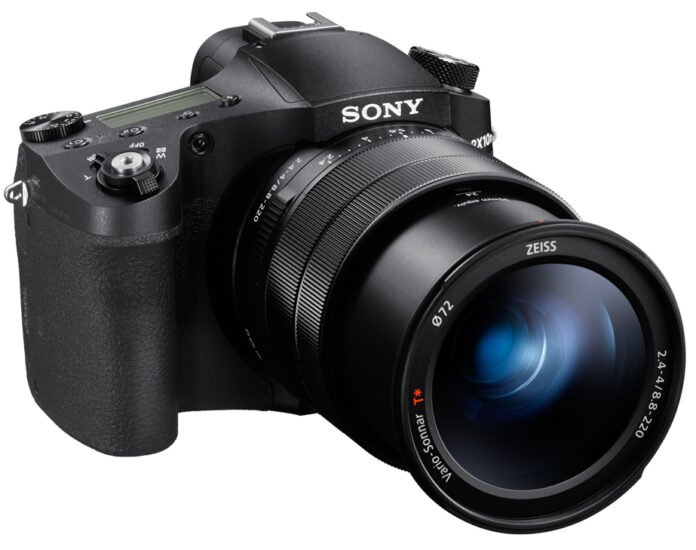
1. Best for African Wildlife Photography: Sony RX10 IV

Here’s why:

  • Unmatched Zoom Range for Wildlife Photography

The ZEISS® Vario-Sonnar T 24-600mm f/2.4-4 lens* is an incredible asset in the field. From wide-angle landscape shots to ultra-telephoto close-ups of elusive leopards or birds in flight, the 600mm reach ensures that photographers can capture wildlife from a safe and respectful distance. The bright aperture (f/2.4-4) enables superior low-light performance—essential for dawn and dusk shooting when wildlife is most active.

  • Lightning-Fast Autofocus (AF) for Action Shots

Wildlife photography is unpredictable, requiring a camera with fast and accurate focus. The 315-point phase-detection AF system covers 65% of the frame, locking onto subjects in just 0.03 seconds—one of the fastest AF systems in its class. This makes it ideal for capturing fast-moving predators, galloping antelopes, or birds in mid-flight without missing critical moments.

  • Superior Image Quality and Detail

Equipped with a 1-inch 20.1 MP Exmor RS CMOS sensor, the RX10 IV delivers high-resolution images with outstanding dynamic range, ensuring rich colors and fine textures—crucial for showcasing the unique tones of an African sunset or the intricate patterns of a zebra’s coat. The BIONZ X image processor further enhances image sharpness while minimizing noise, even at higher ISO levels.

  • High-Speed Shooting: Never Miss a Moment

The RX10 IV offers 24 frames per second (fps) continuous shooting with full AF/AE tracking, making it ideal for capturing split-second wildlife action, such as a lion’s hunt or an eagle’s dive. The large buffer allows up to 249 RAW+JPEG shots, ensuring you never miss the perfect frame.

  • Pro-Quality 4K Video for Stunning Wildlife Films

For those who want to capture the motion and sounds of Africa, the RX10 IV records full pixel readout 4K UHD video without pixel binning. Features like super slow-motion at 960 fps allow for dramatic wildlife sequences, while advanced stabilization (Optical SteadyShot) ensures smooth footage even when shooting handheld at extreme zoom levels.

  • Travel-Friendly and Weather-Sealed for Harsh Conditions

Unlike bulky DSLR setups with multiple lenses, the RX10 IV is an all-in-one package, weighing just 1.1 kg (2.4 lbs)—perfect for travel and quick movements in the field. Its dust- and moisture-resistant design makes it ideal for harsh African conditions, whether you’re in the Serengeti, the Namib Desert, or the rainforests of Uganda.

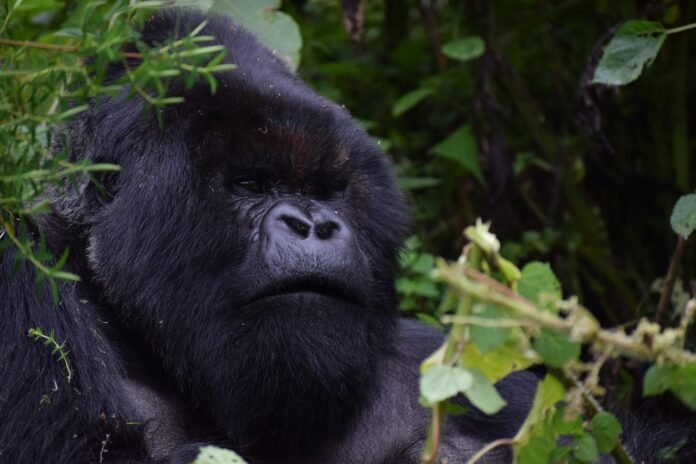
The Sony RX10 IV is the best camera for African wildlife photography because it combines a powerful 600mm zoom, lightning-fast autofocus, high-speed shooting, and professional-grade 4K video in a compact, travel-friendly body. Whether you’re capturing the Big Five in Kenya’s Maasai Mara or documenting gorillas in Rwanda, this camera ensures you never miss a moment.

For photographers who want DSLR-like performance without the hassle of carrying multiple lenses, the RX10 IV is an unbeatable choice for capturing Africa’s breathtaking wildlife.

2. Best for Safari Landscapes: Panasonic Lumix FZ2500

Here’s why this camera is an excellent choice for landscape photographers and videographers exploring Africa’s breathtaking scenery.

  • Exceptional Image Quality for Stunning Safari Landscapes

The 20.1MP 1-inch High-Sensitivity MOS sensor ensures superb image quality with excellent detail, dynamic range, and color depth. Whether you’re capturing the golden dunes of Namibia, the acacia-dotted plains of the Serengeti, or the misty peaks of Mount Kilimanjaro, the FZ2500 delivers breathtaking images that truly bring out the essence of Africa’s wild landscapes.

  • Versatile 24-480mm Zoom Range for Wide & Telephoto Shots

The Leica DC Vario-Elmarit 24-480mm f/2.8-4.5 lens provides both ultra-wide and super-telephoto capabilities. This is crucial for landscape photography, allowing you to:
Capture sweeping vistas at 24mm for dramatic wide-angle compositions.
Zoom in on distant elements at 480mm, perfect for compressing rolling hills, isolated baobab trees, or wildlife in their natural environment.
✅ Maintain excellent low-light performance with the bright f/2.8-4.5 aperture, great for sunrise and sunset shots.

  • Built-In ND Filters for Perfect Exposure in Harsh Light

African safaris often involve shooting in intense sunlight, which can lead to overexposed images. The built-in variable ND filter in the FZ2500 helps control exposure in bright conditions, allowing for beautiful long-exposure shots of clouds drifting over the savanna or rivers flowing through a gorge without needing extra gear.

  • Professional 4K Video for Cinematic Landscape Footage

For those looking to capture Africa’s landscapes in motion, the FZ2500 records 4K video at 30p/24p with full pixel readout. Features like Cinelike D and V-LogL gamma profiles allow for professional-grade color grading, ensuring that the reds of the desert, the greens of the wetlands, and the golden hues of the grasslands are captured with stunning accuracy.

Additional Video Benefits:
🎥 Slow-motion Full HD recording at 120fps for dynamic time-lapse sequences.
🎥 10-bit 4:2:2 HDMI output for professional video work.
🎥 5-axis Hybrid Optical Image Stabilization for smooth, handheld shots.

  • Lightweight and Travel-Friendly for Safari Adventures

Unlike bulky DSLRs with multiple lenses, the FZ2500 offers an all-in-one setup in a compact body. Weighing just 966g (2.1 lbs), it’s easy to carry around safari vehicles, on hikes, or even hot air balloon rides over the Maasai Mara—without sacrificing professional quality.

  • Fully Articulating Touchscreen for Flexible Shooting

The 3-inch free-angle touchscreen LCD makes it easy to shoot from high or low angles, ideal for capturing:
📸 Ground-level perspectives of grasslands and rivers.
📸 Overhead shots of vast plains or herds of elephants.
📸 Vlogs or self-recorded travel content with smooth touchscreen controls.

The Perfect Safari Landscape Camera

The Panasonic Lumix FZ2500 is the best camera for safari landscapes because it combines:
✔️ A versatile 24-480mm zoom for wide and telephoto compositions.
✔️ Outstanding image quality from a 1-inch sensor.
✔️ Built-in ND filters to handle Africa’s bright light.
✔️ Professional 4K video with advanced color profiles.
✔️ Lightweight and travel-friendly design for effortless portability.

For photographers and filmmakers seeking DSLR-like performance in a single, all-in-one package, the FZ2500 is the ideal camera for capturing the beauty of Africa’s landscapes—from desert dunes to lush savannas, vast valleys, and rolling hills.

3. Best for Fast Wildlife Action: Nikon P1000

Here’s why it’s the ultimate choice for photographers seeking to capture the thrilling speed and agility of Africa’s wildlife.

  • Unmatched 125x Optical Zoom (24-3000mm) for Distant Action

The Nikon P1000’s 24-3000mm f/2.8-8 lens is the longest zoom lens in any consumer camera, making it ideal for photographing fast-moving wildlife without disturbing them.

🐆 Cheetah Sprinting Across the Plains? No problem—track the action from a distance without getting too close.
🦅 Birds in Flight? The extreme zoom allows you to fill the frame with sharp, detailed shots of eagles, falcons, or vultures soaring above.
🐘 Shy or Dangerous Animals? Easily capture leopards resting in trees, elephants from afar, or predators on the hunt—without risk.

The Dual Detect Optical VR (Vibration Reduction) compensates for camera shake, allowing for sharp handheld shots even at extreme focal lengths.

  • Rapid Autofocus and Subject Tracking

When shooting fast wildlife action, autofocus speed is crucial. The P1000 features:

Fast contrast-detect AF system for locking onto moving subjects.
Target Finding AF that automatically detects and focuses on animals, perfect for unpredictable motion.
Manual focus assist with focus peaking, allowing photographers to fine-tune sharpness for challenging shots.

This ensures you don’t miss a split-second moment—whether it’s a lion leaping at its prey or a gazelle evading a predator.

  • 7 FPS Continuous Shooting for Capturing Motion

Wildlife photography often involves split-second reactions. The Nikon P1000 shoots at 7 frames per second (fps) in burst mode, enabling photographers to capture a sequence of motion and select the best frame later.

🦓 Zebra stampede? Shoot a burst sequence to freeze every step.
🐊 Crocodile lunging for prey? The high-speed burst ensures you catch the exact moment of impact.
🦜 Hummingbird wings in motion? 7fps helps freeze intricate details in flight.

  • 4K UHD Video for High-Quality Action Footage

For wildlife filmmakers, the P1000 records stunning 4K UHD video at 30p with stereo sound.

🎥 Super-zoomed video capabilities make it easy to capture fast animal interactions.
🎥 Slow-motion Full HD recording at 60p provides smooth, cinematic footage of quick movements.
🎥 Time-lapse and manual exposure controls let you create dramatic safari sequences.

With focus peaking and mic input support, you can enhance your storytelling and create professional-level wildlife documentaries.

  • Lightweight & Compact for Easy Maneuverability

At 1.4kg (3.1 lbs), the P1000 is much lighter than a DSLR + 3000mm lens setup, making it highly portable for safaris.

✔️ No need to swap lenses—perfect for dynamic wildlife encounters.
✔️ Great for handheld shooting thanks to advanced image stabilization.
✔️ Comfortable grip and intuitive controls make it easy to track moving subjects.

Whether you’re in a safari vehicle, on foot, or in a boat, the P1000’s all-in-one design ensures you’re always ready to capture the action.

The Ultimate Camera for Fast Wildlife Action

The Nikon P1000 is the best camera for fast wildlife action because it combines:

A record-breaking 3000mm zoom to capture animals at a distance.
Rapid autofocus and subject tracking to keep fast-moving wildlife in sharp focus.
7fps continuous shooting to freeze action-packed moments.
4K UHD video with slow-motion capabilities for cinematic wildlife footage.
Lightweight, all-in-one design for hassle-free travel.

For photographers seeking DSLR-like reach in a compact, powerful package, the Nikon P1000 is the ultimate safari companion—allowing you to capture every thrilling chase, flight, and hunt with stunning detail.

4. Best for Birdwatching: Canon PowerShot SX70 HS

The Canon PowerShot SX70 HS excels in all these areas, making it the best choice for bird enthusiasts looking to capture detailed close-ups of birds in their natural habitats. Here’s why the SX70 HS is the ultimate birdwatching camera.

  • Powerful 65x Optical Zoom for Close-Up Bird Photography

The Canon SX70 HS features a 21-1365mm equivalent f/3.4-6.5 zoom lens, giving birdwatchers the ability to:

🦉 Photograph distant birds with incredible detail at 1365mm.
🐦 Capture birds in their environment with the wide-angle 21mm setting.
🦅 Frame birds in flight with the Zoom Framing Assist feature, which helps locate and track subjects at extreme zoom.

The 65x optical zoom makes it easy to photograph birds perched in tall trees, flying across open skies, or camouflaged in dense foliage without disturbing them.

  • Fast and Accurate Autofocus for Quick Bird Movements

Birds are often unpredictable and move rapidly, making autofocus speed essential. The Canon SX70 HS uses Dual Pixel CMOS AF, offering:

Quick subject detection for locking onto birds in motion.
Smooth and accurate focus tracking to keep fast-flying birds sharp.
Face and subject detection AF, ensuring birds remain in focus even when surrounded by branches or leaves.

This is perfect for capturing hummingbirds hovering, falcons diving, or songbirds hopping between branches.

  • Excellent Image Stabilization for Handheld Shooting

Since birdwatchers often shoot handheld at extreme zoom, the 5-stop Optical Image Stabilization (IS) is a major advantage.

📸 Reduces blur when photographing handheld at 1365mm.
📸 Keeps images sharp even in low light, such as during early morning or late afternoon birdwatching.
📸 Enables smooth video recording without a tripod, ideal for tracking moving birds.

The combination of zoom and stabilization allows you to capture sharp, detailed shots of birds from a distance without needing heavy gear.

  • High-Resolution 20.3MP Sensor for Stunning Detail

The 20.3MP CMOS sensor, combined with Canon’s DIGIC 8 image processor, delivers:

✔️ Sharp, high-resolution images that capture fine feather details.
✔️ Excellent color accuracy, bringing out the vibrant hues of exotic birds.
✔️ Great dynamic range, preserving details in bright skies and shaded forest areas.

Whether you’re photographing flamingos in the wetlands, eagles in flight, or kingfishers near water, the SX70 HS delivers beautifully detailed images.

  • 4K UHD Video for Capturing Birds in Motion

For birdwatchers who love video, the SX70 HS records in 4K UHD at 30fps, allowing you to document bird behavior in stunning clarity.

🎥 Slow-motion video capabilities to capture detailed wing movements.
🎥 4K time-lapse for unique footage of birds nesting or migrating.
🎥 Smooth zoom transitions to follow birds as they move through different environments.

The camera’s silent operation mode is also a plus, ensuring you don’t disturb birds while recording.

Lightweight & Portable for Long Birdwatching Trips

Weighing just 610g (1.34 lbs), the SX70 HS is much lighter than a DSLR + telephoto lens setup, making it perfect for long hikes and extended birdwatching sessions.

🦜 No need to carry multiple lenses—the all-in-one zoom covers everything.
🦜 Comfortable grip for extended use in the field.
🦜 Compact and travel-friendly, ideal for birdwatching trips in forests, wetlands, or open plains.

Whether you’re tracking migratory birds, exploring dense jungles, or observing backyard species, the SX70 HS is easy to carry and quick to use.

The Perfect Camera for Birdwatching

The Canon PowerShot SX70 HS is the best camera for birdwatching because it combines:

65x optical zoom (21-1365mm) to get close-up shots of distant birds.
Fast autofocus and subject tracking to capture birds in motion.
5-stop image stabilization for sharp handheld shots.
20.3MP high-resolution sensor for detailed and vibrant images.
4K UHD video capabilities for stunning motion capture.
Lightweight and portable design for easy travel and long birding excursions.

For birdwatchers who want a powerful yet compact camera that delivers professional-quality images without the need for heavy DSLR gear, the Canon SX70 HS is the ultimate choice—helping you capture every rare and beautiful moment in nature with ease.

5. Best All-Rounder: Panasonic Lumix FZ1000 II

Key Features:

  • 16x zoom (25-400mm)
  • 1-inch 20.1MP sensor
  • 12 fps burst mode
  • 5-axis image stabilization

Why It’s Great:

  • Excellent balance of zoom, image quality, and portability
  • Great low-light performance
  • Fast autofocus and burst speed for action shots

If you need one camera that does it all—wildlife, landscapes, action, and birds—the FZ1000 II is a solid all-rounder

Final Thoughts: Which Superzoom Camera is Right for Your Safari?

Choosing the right superzoom camera depends on your specific needs:

  • For general safari wildlife: Sony RX10 IV
  • For breathtaking landscapes: Panasonic Lumix FZ2500
  • For extreme telephoto reach: Nikon P1000
  • For birdwatching: Canon SX70 HS
  • For a balanced, all-purpose option: Panasonic Lumix FZ1000 II

A superzoom camera is the perfect travel companion for safari photography, offering exceptional zoom range, high-quality images, and ease of use. Whether you’re photographing the Big Five in Africa, vast open plains, or a fast-running cheetah, the right superzoom camera will help you capture memories that last a lifetime.

What Luggage Do the Wealthy Use?

0
traveler traveling during festive season with luggage

When you see someone at an airport or hotel with a particular type of luggage, you can often tell a lot about them—especially if they are wealthy. Luxury luggage is more than just a way to carry personal belongings; it’s a statement of status, taste, and sophistication. The wealthy invest in high-end luggage not only for its aesthetic appeal but also for superior craftsmanship, durability, and cutting-edge technology.

In this guide, we will explore the most luxurious luggage brands, the types of luggage preferred by the rich, and how to keep your luggage safe while traveling. If you’re looking to elevate your travel game, choosing luggage used by the elite is a great place to start.

How to Judge Wealth Based on Luggage

People often judge others by their accessories, and luggage is no exception. The wealthy tend to choose brands that reflect their lifestyle—ones known for heritage, craftsmanship, and exclusivity. Here are some key indicators that a traveler is wealthy based on their luggage:

  1. Brand Recognition – High-net-worth individuals prefer brands like Louis Vuitton, Rimowa, Goyard, and Tumi, which are known for their exclusivity.
  2. Material & Build Quality – Expensive luggage is often made from premium materials such as aluminum, high-end polycarbonate, or handcrafted leather.
  3. Customization – Many luxury brands offer monogramming, initials, or unique color combinations to reflect the owner’s personality.
  4. Technology & Security Features – Wealthy travelers invest in luggage with integrated GPS trackers, biometric locks, and smart compartments.
  5. Matching Sets – A full set of coordinated luggage, from carry-ons to trunks, indicates a traveler who spares no expense.

Now, let’s dive into the top luxury luggage brands that the wealthy prefer.

Urecity Vintage Luggage Set, 2 Piece Retro Leather Suitcase for Women

The suitcase body is combined with the heat of artificial leather and PP materials, lightweight yet durable; durable aluminum alloy telescopic handle; heavy-duty and mute spinner wheels.

Hard Shell Zipperless TSA Approved Carry On Luggage

Conveniently access your electronic devices passport, snacks or other essentials with carry on luggage with laptop compartment; suggested maximum laptop size of 15.6 inches. Crafted with premium materials, this zipperless aluminum luggage features an unbreakable hard shell and sturdy aluminum frame, providing excellent durability and scratch resistance.

Top Luxury Luggage Brands Used by the Wealthy

1. Louis Vuitton – The Ultimate Status Symbol

Price Range: $3,000 – $20,000+

Few brands scream luxury like Louis Vuitton (LV). Since the 19th century, Louis Vuitton has been a symbol of status and elegance. The brand’s iconic monogram trunks and rolling suitcases are a favorite among celebrities, business moguls, and royalty.

Popular Choices:

  • Horizon 55 Carry-On – A sleek, hard-sided rolling suitcase with leather trim and an extendable handle.
  • Bisten Trunk – A classic hard-sided trunk often customized with monograms.

2. Rimowa – German Precision and Durability

Price Range: $800 – $4,000

Rimowa is a favorite among the wealthy due to its high-quality aluminum suitcases that are both stylish and durable. Known for their sleek design, Rimowa suitcases often have grooved exteriors that make them instantly recognizable.

Popular Choices:

  • Rimowa Classic Cabin – A lightweight yet sturdy aluminum carry-on.
  • Essential Check-In Luggage – A high-tech polycarbonate suitcase with a sleek finish.

3. Goyard – Exclusivity at Its Finest

Price Range: $5,000 – $15,000+

Goyard is a heritage brand known for its hand-painted monograms and nearly impossible-to-buy luggage. The brand doesn’t advertise and sells only in select boutiques, making it a favorite among those who value discretion.

Popular Choices:

  • Goyard Bourget – A sophisticated rolling suitcase with a unique coated canvas.
  • Goyard Trunk – A traditional, handcrafted trunk used by the elite for generations.

4. Tumi – The Business Traveler’s Luxury Choice

tumi luggage

TUMI – 19 Degree International Expandable 4 Wheeled Carry-On – Hard Shell Suitcase

Elegant, Effortless Travel Accessories: The TUMI 19 Degree International Expandable 4 Wheeled Carry-On is a lightweight, resilient carry-on for international and domestic travel.

Price Range: $500 – $2,500

Tumi combines practicality with premium quality, making it the go-to choice for corporate executives and frequent fliers. Its suitcases are often made from high-end ballistic nylon or aluminum, ensuring long-lasting durability.

Popular Choices:

  • Tumi Alpha 3 Carry-On – A durable soft-sided carry-on with expandable space.
  • 19 Degree Aluminum Suitcase – A sleek, hard-sided case designed for style-conscious travelers.

5. Globe-Trotter – Vintage Luxury for the Elite

Price Range: $2,000 – $10,000+

British brand Globe-Trotter is famous for its handcrafted suitcases with a vintage aesthetic. They have been used by James Bond, the British Royal Family, and high-profile travelers who appreciate classic designs.

Popular Choices:

  • Centenary Carry-On – A timeless, leather-trimmed carry-on.
  • Globe-Trotter Safari Trunk – Perfect for long, luxurious trips.

6. Bric’s – Italian Elegance

Price Range: $500 – $2,000

For those who love Italian craftsmanship, Bric’s offers sophisticated luggage with a mix of leather and lightweight materials. It’s a popular choice among European jet-setters.

Popular Choices:

  • Bric’s Bellagio Spinner – A stylish suitcase with Tuscan leather accents.
  • Bric’s Life Collection – A luxurious soft-sided luggage set.

Keeping Your Luxury Luggage Safe While Traveling

Owning expensive luggage is one thing, but keeping it safe during your travels is just as important. Here are some strategies to ensure your high-end luggage remains secure:

1. Use Luggage Trackers

Wealthy travelers often use luggage trackers to keep an eye on their bags. Some of the best options include:

  • Apple AirTag – Perfect for tracking luggage through the Find My app.
  • Tile Pro – A great alternative for non-Apple users.
  • Samsung SmartTag – Ideal for those in the Samsung ecosystem.

2. Opt for Smart Luggage

Many luxury brands now offer smart luggage with built-in GPS tracking, biometric locks, and even charging ports. Rimowa and Tumi offer high-tech luggage with these features.

3. Secure Your Luggage with TSA-Approved Locks

Using TSA-approved locks ensures that your bag stays secure but can still be opened by airport security if needed. Brands like TravelMore and Samsonite make high-quality options.

4. Use Luggage Wrapping Services

At many international airports, you can have your luggage wrapped in plastic for added protection. This prevents tampering and scratches on high-end suitcases.

5. Consider Private Luggage Delivery Services

The ultra-wealthy often avoid checking in luggage altogether by using companies like Luggage Free or DUFL, which transport their bags directly to their destination.

Invest in Luxury Luggage Like the Wealthy

If you want to travel in style and make a statement, investing in luxury luggage is a great choice. Brands like Louis Vuitton, Rimowa, Goyard, and Tumi offer durability, style, and status that set them apart from mass-market options.

But beyond just looks, keeping your luggage safe with trackers, smart locks, and private luggage services ensures a seamless travel experience. Whether you’re a frequent flyer or simply want to upgrade your travel gear, choosing high-end luggage is a worthwhile investment that speaks volumes about your status and taste.

So, the next time you see someone at the airport with a Rimowa aluminum suitcase or a Louis Vuitton trunk, you’ll know—you’re looking at someone who appreciates the finer things in life.

Do Mirrorless Cameras Take Better Pictures?

0
Mirrorless Camera

The debate between mirrorless cameras and DSLRs has been a hot topic in the photography world for years. With the rapid advancement in technology, mirrorless cameras have gained significant traction, often being touted as the future of photography. But do they truly take better pictures than DSLRs?

To answer this question, we must first understand the fundamental differences between the two technologies, explore their advantages and disadvantages, and compare their performance in critical aspects such as image clarity, slow-motion capture, and shooting fast-moving subjects.

What Is a Mirrorless Camera?

A mirrorless camera is a digital camera that does not use a mirror or an optical viewfinder, unlike a traditional Digital Single-Lens Reflex (DSLR) camera. Instead, it relies on an electronic viewfinder (EVF) or the rear LCD screen to preview images.

How Is It Different from a DSLR?

The main difference between a mirrorless camera and a DSLR is in the internal mechanism:

  • DSLRs use a mirror mechanism to reflect light from the lens up into an optical viewfinder (OVF). When you press the shutter button, the mirror flips up, allowing light to reach the image sensor, which then captures the image.
  • Mirrorless cameras, as the name suggests, lack this mirror mechanism. Instead, light passes directly through the lens to the image sensor, and the preview is displayed on an electronic viewfinder or LCD screen.

Key Differences Summarized

FeatureDSLRMirrorless
Mirror MechanismYesNo
ViewfinderOpticalElectronic or LCD
Size & WeightLarger & heavierSmaller & lighter
AutofocusPhase detection (better in low light)Contrast & hybrid detection (faster in some cases)
Battery LifeLongerShorter due to power consumption from the EVF
Lens SelectionMore extensiveGrowing rapidly but still catching up

Advantages of Mirrorless Cameras

Mirrorless cameras come with several benefits that have made them increasingly popular:

1. Smaller and Lighter

Since they lack a mirror mechanism, mirrorless cameras tend to be more compact and lightweight compared to DSLRs. This makes them an excellent choice for travel and street photographers.

2. Faster Autofocus

Most modern mirrorless cameras use on-sensor phase-detection autofocus (PDAF), which can be significantly faster than the contrast-based autofocus in DSLRs, especially in video mode and live view shooting.

3. Better for Video Recording

Mirrorless cameras are widely preferred for video because:

  • They offer fast and accurate autofocus during recording.
  • Many models support 4K, 6K, and even 8K video recording.
  • They often have higher frame rate capabilities, making them great for slow-motion video.

4. Electronic Viewfinder (EVF) Benefits

The EVF provides a real-time preview of exposure, white balance, and depth of field before taking the shot. This allows photographers to make precise adjustments without trial and error.

5. Silent Shooting

Mirrorless cameras allow for completely silent shooting using an electronic shutter, which is ideal for wildlife, weddings, and street photography.

6. More Advanced Computational Photography

Features like real-time subject tracking, eye autofocus, and in-body image stabilization (IBIS) are often more advanced in mirrorless cameras compared to DSLRs.

Disadvantages of Mirrorless Cameras

While mirrorless cameras have many advantages, they also come with some drawbacks:

1. Shorter Battery Life

The constant use of the EVF or LCD drains battery life faster than the optical viewfinder of a DSLR.

2. Limited Lens Selection (Compared to DSLRs)

Though growing rapidly, mirrorless lens options still lag behind DSLRs in some specialized areas like ultra-telephoto and tilt-shift lenses.

3. Electronic Viewfinder Lag

Some lower-end mirrorless cameras suffer from lag or blackout issues in the EVF, which can make tracking fast-moving subjects more challenging.

4. Overheating Issues in Video Mode

High-resolution video recording (such as 8K) can lead to overheating, causing limitations in recording time.

Best Mirrorless Cameras in 2025

Here are some of the top-rated mirrorless cameras currently available:

1. Sony A1

  • Resolution: 50.1MP
  • Video: 8K 30p, 4K 120p
  • Autofocus: Real-time tracking & Eye AF
  • Why It’s Great: The Sony A1 is a powerhouse, excelling in both photo and video performance. It’s perfect for sports, wildlife, and cinematography.

2. Canon EOS R5

  • Resolution: 45MP
  • Video: 8K RAW, 4K 120p
  • Autofocus: Dual Pixel CMOS AF II
  • Why It’s Great: Offers incredible image quality, superb autofocus, and is excellent for hybrid shooters who need both stills and video.

3. Nikon Z9

  • Resolution: 45.7MP
  • Video: 8K 30p, 4K 120p
  • Autofocus: AI-based subject tracking
  • Why It’s Great: No mechanical shutter, meaning zero shutter lag, making it one of the best for sports and action photography.

Best DSLR Cameras in 2025

Despite the rise of mirrorless cameras, some photographers still prefer DSLRs for their reliability and lens compatibility.

1. Canon EOS-1D X Mark III

  • Resolution: 20.1MP
  • Autofocus: Dual Pixel CMOS AF
  • Why It’s Great: One of the best DSLRs for sports and wildlife due to its fast burst shooting (16 fps) and durable build.

2. Nikon D850

Nikon D850

Nikon D850

High resolution DSLRs, a camera that allows photographers to capture fast action in 45.7 megapixels of brilliant resolution. With remarkable advancements across the board – sensor design, auto focus, dynamic range, sensitivity, Speed light control, battery life, shutter and mirror drive mechanisms, Silent Photography in Live-View mode, focus shift capability and more.

  • Resolution: 45.7MP
  • Autofocus: 153-point AF system
  • Why It’s Great: Exceptional image quality, high dynamic range, and excellent low-light performance.

3. Pentax K-1 Mark II

  • Resolution: 36.4MP
  • Why It’s Great: One of the best DSLRs for landscape photography, with in-body image stabilization and weather-sealing.

Comparison of Technologies

FeatureMirrorlessDSLR
Image QualityEqualEqual
Autofocus SpeedFaster (real-time tracking)Slower (except high-end models)
Slow-Motion VideoSuperior (higher frame rates)Limited
Shooting Fast-Moving ObjectsTop models like Sony A1 and Nikon Z9 excelStill excellent, but lagging in tracking speed

Do Mirrorless Cameras Take Better Pictures?

The image quality between mirrorless and DSLR cameras is virtually identical because both use high-quality sensors and lenses. However, mirrorless cameras often outperform DSLRs in areas such as autofocus, video capabilities, and portability.

For professionals shooting sports, wildlife, and video, mirrorless is often the better choice. However, DSLRs remain relevant for photographers who prefer an optical viewfinder, longer battery life, and broader lens compatibility.

In the end, whether a mirrorless camera takes better pictures depends on how and what you shoot.

What to Pack for Rwanda

0
Rwanda Gorilla

Rwanda, the “Land of a Thousand Hills,” is a breathtaking travel destination known for its stunning landscapes, rich culture, and unique wildlife. Whether you’re visiting Kigali’s bustling markets, embarking on a thrilling safari, or trekking to see the majestic mountain gorillas, packing wisely is essential. This guide provides a comprehensive list of essentials to ensure a comfortable, safe, and enjoyable journey.

Rwanda’s Seasons & What to Wear

Rwanda experiences four distinct seasons:

  1. Long Rainy Season (March–May)
  2. Long Dry Season (June – August)
  1. Short Rainy Season (September–December)
  2. Short Dry Season (January–February)

Each season brings different weather conditions that can impact your wardrobe choices. Here’s a breakdown of what to expect and what to wear during each period:

Long Rainy Season (March–May)

This is Rwanda’s wettest season, with heavy and frequent rainfall, particularly in mountainous and forested areas. The temperature remains mild, ranging between 15°C and 25°C (59°F–77°F), but the high humidity can make it feel warmer. Roads and trails can become muddy and slippery, especially in national parks.

What to Wear:

  • Waterproof rain jacket or poncho – Essential for staying dry during sudden downpours.
  • Water-resistant hiking boots – A must-have if you plan on trekking, as trails can get muddy.
  • Quick-dry, moisture-wicking fabrics – Helps keep you comfortable in the humid conditions.
  • Long-sleeved shirts and pants – Protects against insects, particularly in forested areas.
  • Gaiters – Useful for keeping mud out of your boots during treks.
  • Layered clothing – Temperatures can drop in higher altitudes, so bring a light fleece or sweater.

Best Activities for This Season:

  • Gorilla trekking (rain gear is crucial)
  • Cultural and city tours
  • Lake Kivu relaxation (expect occasional rain)

Long Dry Season (June–August)

This is Rwanda’s most popular travel season, with clear skies, less rainfall, and cooler temperatures, ranging from 12°C to 26°C (54°F–79°F). Evenings, particularly in high-altitude areas like Volcanoes National Park and Nyungwe Forest, can be quite cold.

What to Wear:

  • Lightweight layers – Mornings and evenings can be chilly, so pack a warm sweater or fleece.
  • Comfortable walking shoes or sandals – Ideal for exploring cities and towns.
  • Neutral-colored, breathable clothing – If going on safari, choose khaki or olive-colored clothes.
  • Warm jacket or hoodie – Needed for early morning game drives and hikes in high-altitude regions.
  • Sunscreen, sunglasses, and a hat – The equatorial sun is strong even in cooler months.

Best Activities for This Season:

  • Gorilla and chimpanzee trekking (best time for clear trails)
  • Safari in Akagera National Park
  • Exploring Kigali and cultural sites

Short Rainy Season (September–December)

This period brings moderate rainfall, but showers are typically shorter and less intense than in the long rainy season. Temperatures range between 16°C and 27°C (61°F–81°F), with increased humidity.

What to Wear:

  • Light rain jacket or poncho – Essential for unexpected showers.
  • Hiking boots with good grip – Useful for jungle treks and exploring muddy paths.
  • Breathable long-sleeved shirts and pants – Helps with sun protection and keeping insects away.
  • A light sweater or fleece – Evenings in highland areas can still be cool.

Best Activities for This Season:

  • Safari trips (wildlife is still easy to spot)
  • Gorilla and chimpanzee trekking (forests are lush and beautiful)
  • Visiting Lake Kivu (expect occasional showers)

Short Dry Season (January–February)

Similar to the long dry season, this period sees minimal rainfall and warm temperatures, ranging from 15°C to 28°C (59°F–82°F). It’s an excellent time for outdoor adventures before the heavy rains return.

What to Wear:

  • Light, breathable fabrics – Cotton and linen are ideal for staying cool.
  • Comfortable walking shoes – Essential for city tours and cultural visits.
  • Neutral-colored clothing for safaris – Helps with blending into the environment.
  • A light sweater or jacket – Nights can still be chilly, especially in hilly regions.
  • Sunscreen, sunglasses, and a hat – Sun protection is important during this dry, warm period.

Best Activities for This Season:

  • Gorilla and chimpanzee trekking
  • City and cultural explorations
  • Hiking in Volcanoes or Nyungwe National Park

Essential Clothing for Every Traveler

Regardless of your itinerary, some clothing essentials apply across the board:

  • Lightweight, breathable fabrics – Opt for cotton or linen to stay cool in Rwanda’s warm climate.
  • Modest attire – Rwandan culture values modest dressing, especially for women. Avoid overly revealing outfits such as short shorts, miniskirts, and crop tops.
  • Comfortable footwear – Whether exploring cities or embarking on adventures, supportive shoes are a must.
  • Sun protection – A wide-brimmed hat, sunglasses, and sunscreen will help protect against the strong equatorial sun.
  • Layering options – Rwanda’s weather varies by region and altitude, so packing a light jacket or sweater is advisable.

What to Wear in Kigali & Towns

While Kigali is a modern, stylish city, dressing modestly and appropriately is important:

  • Casual yet smart outfits – Women can wear knee-length dresses, skirts, or loose-fitting pants with blouses, while men can opt for casual trousers and short-sleeved shirts.
  • Comfortable walking shoes or sandals – Kigali’s hilly terrain makes good footwear essential.
  • A light jacket or sweater – Evenings can get cool, especially during the dry season (June–August).

What to Wear on Safari in Akagera National Park

Game drives in Akagera National Park require comfortable, practical clothing to enhance the safari experience:

  • Neutral-colored clothing – Shades like khaki, olive, and brown help blend into the environment and avoid attracting insects. Avoid bright colors like red, which can startle wildlife, and dark colors like black or blue, which attract tsetse flies.
  • Long-sleeved shirts and pants – Essential for sun protection and keeping biting insects at bay.
  • Breathable fabrics – The park can get hot, so lightweight clothing is best.
  • Sturdy hiking shoes or sneakers – While most safari game drives don’t involve walking, proper footwear is useful for any bush walks.
  • Binoculars and a hat – Perfect for spotting distant wildlife and shielding yourself from the sun.

What to Wear for Gorilla Trekking in Volcanoes National Park

One of Rwanda’s biggest attractions, gorilla trekking, demands careful clothing choices to handle the rugged terrain and rainforest conditions:

  • Waterproof hiking boots – A sturdy pair with ankle support is crucial for navigating muddy and uneven trails.
  • Moisture-wicking base layers – Helps manage sweat while trekking.
  • Long pants and long-sleeved shirts – Protects against stinging nettles, insects, and scratches from dense vegetation.
  • Lightweight rain jacket – Rain showers are common in the rainforest, so a waterproof layer is a must.
  • Warm layers – The high-altitude forests can be chilly, especially in the early mornings. A fleece or thermal layer is recommended.
  • Garden gloves – Useful for gripping branches and plants while trekking.
  • Gaiters – Helps prevent mud, dirt, and small insects from entering your boots.

What to Wear at Lake Kivu & Relaxing Resorts

For those unwinding by the scenic shores of Lake Kivu, pack comfortable and casual beachwear:

  • Swimwear – A must-have for swimming or lounging by the lake.
  • Light cover-ups or sarongs – Ideal for modesty when walking around resort areas.
  • Flip-flops or sandals – Perfect for the beach or lakeside resorts.
  • Casual summer outfits – Flowy dresses, linen shorts, and loose-fitting shirts are great choices.

Travel Essentials & Accessories

  • Lightweight daypack for excursions.
  • Power bank and universal travel adapter.
  • Travel documents (passport, visa, travel insurance).
  • Reusable water bottle with a filter to stay hydrated and reduce plastic waste.
  • First-aid kit with bandages, antiseptic, painkillers, any personal medications, and motion sickness pills if traveling on winding roads.
  • High-quality insect repellent to protect against mosquitoes.
  • A compact travel umbrella for unexpected rain showers.
  • Packing cubes or compression bags to keep luggage organized.
  • A flashlight or headlamp, especially for early morning treks or potential power outages in remote areas.
  • Notepad and pen for journaling or taking notes during cultural experiences.
  • Travel laundry detergent for washing clothes on extended trips.
  • Ziplock bags for protecting electronics and documents from moisture.
  • Lightweight scarf or shawl for additional warmth and cultural visits.

Packing for Health & Safety

  • Vaccinations: Check for required vaccines like Yellow Fever, Hepatitis A/B, and Typhoid.
  • Malaria prevention: Mosquito repellent and anti-malaria pills if advised.
  • High SPF sunscreen and lip balm.
  • Hand sanitizer and travel-size hygiene products.

Gadgets & Photography Gear

  • DSLR or mirrorless camera with a zoom lens for wildlife.
  • Extra batteries and memory cards.
  • Drone (note: Rwanda has specific regulations for drone usage).
  • Noise-canceling headphones for flights and long drives.

Sustainable & Ethical Packing

  • Eco-friendly toiletries (biodegradable shampoo, soap, and toothpaste).
  • Reusable shopping bags (plastic bags are banned in Rwanda).
  • Refillable water bottle to reduce plastic waste.

Packing Tips for Different Travelers

  • Solo Travelers: Pack light and bring security items like a money belt.
  • Families: Include kid-friendly snacks, travel games, and a first-aid kit.
  • Business Travelers: Pack business-casual attire for meetings in Kigali.

Conclusion

Packing smartly ensures a stress-free and enjoyable trip to Rwanda. From city adventures to gorilla trekking, having the right gear enhances your experience. Check out our recommended packing items for the best travel essentials!

- Advertisement -

POPULAR ARTICLES