Home Blog Page 4

Tanzania Safari Holidays

0
Tanzania safari holidays

Tanzania is one of Africa’s most spectacular safari destinations. From the sweeping plains of the Serengeti to the remote wilderness of Selous, from volcanic craters teeming with wildlife to white sand beaches on the Indian Ocean, this country delivers big on nature, adventure, and unforgettable experiences. Whether you’re traveling solo, as a couple, or with kids in tow, Tanzania offers something for everyone.

Traveling to Tanzania with Kids

A Tanzanian safari with kids can be one of the most memorable experiences you’ll ever share as a family if you plan it right. Wildlife encounters, cultural experiences, and epic landscapes inspire awe in young travelers, but safaris can also involve long drives, strict safety rules, and remote settings. Setting realistic expectations and tailoring your trip to your children’s needs is key to a smooth, fun adventure.

What to Know Before You Go

1. Age Recommendations

  • While every child is different, most safari experts recommend children be at least 5 or 6 years old to truly enjoy and participate in a safari.
  • Some lodges only accept children above a certain age (often 6, 8, or even 12 years).
  • For active safaris (like walking safaris or fly camping), minimum ages typically start at 12–16 years.

2. Health and Safety First

  • Tanzania is a malaria-endemic country. Speak to your pediatrician about antimalarial medication appropriate for children.
  • Stay up-to-date on routine vaccines and consider additional vaccinations like yellow fever, depending on your route.
  • Bring plenty of child-safe insect repellent, sunscreen, and a solid first aid kit.
  • Stick to bottled or purified water to avoid stomach issues.

3. Pacing Is Everything

  • Safaris involve a lot of driving, often on rough, dusty roads.
  • Limit daily drive times: Aim for 2–3 hours per session, with lots of breaks.
  • Incorporate downtime between game drives. Kids need time to relax, swim, and just play.
  • Choose accommodations that offer activities outside of game drives like nature walks, crafts, or even simple playgrounds.

4. Private Safaris Are Worth It

  • If your budget allows, book a private vehicle and guide. This gives you flexibility on when you go out, when you head back, and how long you stay at sightings.
  • Guides who are good with kids can tailor explanations to young minds, making the experience more engaging and educational.

5. Engage Kids Before and During the Trip

  • Build excitement before the trip with books, documentaries, or even games like safari animal bingo.
  • Give kids their own binoculars and animal checklists.
  • Encourage them to keep a safari journal, sketch animals, or take photos.

Important Practical Tips for Parents

AspectDetails
FoodTanzanian lodges cater well for Western tastes. Let your lodge know ahead of time about allergies or fussy eaters.
Restroom BreaksSafari vehicles often travel hours between stops and always have “emergency” toilet supplies. Some vehicles carry portable toilets.
ClothingPack layers: mornings and evenings are cold, midday is hot. Long sleeves and pants protect from sun and insects.
Travel InsuranceAbsolutely essential. Ensure it covers medical evacuation, cancellations, and children’s health emergencies.
Money and TipsCarry small bills in US dollars for tips and purchases. Many lodges include tips, but guides and trackers often appreciate direct gratuities.

Kid-Friendly Safari Etiquette

Teaching your kids a few basic safari rules will ensure their safety — and that of the animals:

  • Stay quiet and seated during game drives.
  • No sudden movements near animals.
  • No food in open vehicles — smells can attract animals.
  • Respect the guide’s instructions at all times.

Safari etiquette isn’t about stifling fun; it’s about ensuring everyone — humans and wildlife — stays safe and undisturbed.


Bonus: Family Travel Tips Specific to Tanzania

  • Domestic Flights: Tanzania’s safari circuits often involve small bush planes. Some airlines have strict weight limits for luggage and may require young children to sit on laps or in child seats.
  • Entry Requirements: Ensure every traveler has a valid passport (at least 6 months validity) and a visa (often available online through Tanzania’s e-visa system).
  • Cultural Sensitivity: Teach your children a few basic Swahili words like “jambo” (hello) and “asante” (thank you). Tanzanians appreciate friendliness and respect.

Tanzania Safari Experiences

Tanzania is not just about game drives. The country is packed with unique experiences:

1. Balloon Safaris (Serengeti)

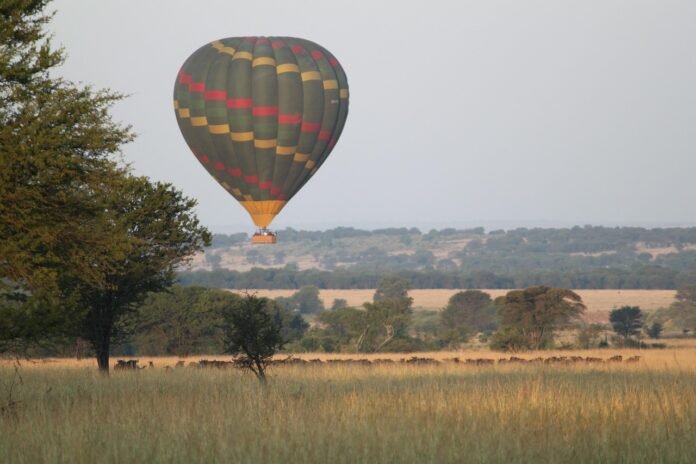
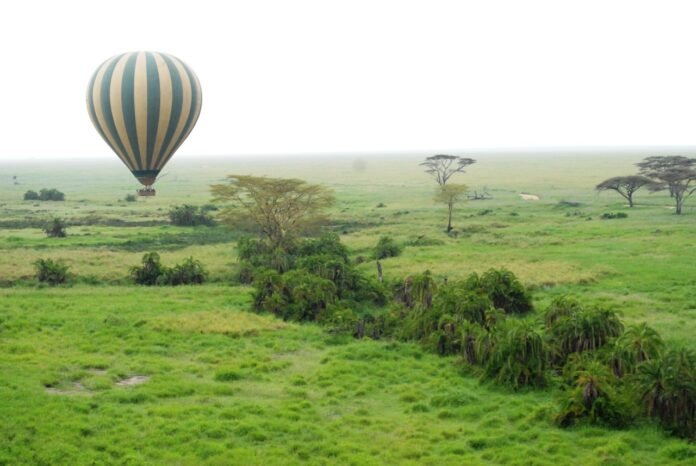
Float silently above the plains at sunrise and watch wildlife from above. While most balloon safaris have age restrictions (usually 7+), it’s a once-in-a-lifetime experience for older kids and adults.

2. Climbing Mount Kilimanjaro

At 5,895 meters, Kilimanjaro is Africa’s highest peak and a bucket-list item. It’s not technically difficult but physically demanding. Most routes take 6–9 days.

  • Best Time to Climb: January–March and June–October (dry, stable weather).
  • Age Requirement: Trekkers must be at least 10–12 years old, and very fit.
  • Popular Routes: Lemosho and Machame are scenic; Marangu is the only route with huts.

3. Fly Camping (Selous, Ruaha)

A raw, immersive experience where you sleep under the stars in simple tents, often set up for a night or two during a walking safari. Suitable for adventurous adults or families with older teens.

4. Safari and Beach

Tanzania combines the best of both worlds. After dusty game drives, relax on tropical beaches.

  • Zanzibar: Pristine beaches, spice tours, historic Stone Town.
  • Mafia Island: Quieter, great for snorkeling and swimming with whale sharks (Oct–Mar).
  • Pemba Island: Lush, remote, excellent diving and a peaceful vibe.

5. Sundowners

A classic safari tradition: watching the sun set over the savanna with a drink in hand. While adults sip G&Ts, kids can enjoy fresh juice and snacks while scanning the horizon for wildlife.

Best Time to Travel

Calving Season (Serengeti): Late January – Early March

  • This is when thousands of wildebeest give birth in the southern Serengeti.
  • Great for predator action as lions and cheetahs stalk vulnerable calves.
  • Excellent for photographers and families wanting to see baby animals.

For Safari (General):

  • Dry Season (June–October): Best wildlife visibility, no rain, peak migration in northern Serengeti.
  • Green Season (November–March): Fewer tourists, lush landscapes, great birding.

For Safari + Beach:

  • June–October: Ideal for game viewing and dry weather at the coast.
  • January–March: Good mix of warm beach days and calving season in the Serengeti.

For Climbing Kilimanjaro:

  • January–March: Fewer climbers, cooler, drier weather.
  • June–October: Most popular, with clear skies and warmer temperatures.

Well-Known & Lesser-Known Destinations

Tanzania’s geography is safari gold. The country is split into popular circuits. The Northern Circuit (famous parks like Serengeti and Ngorongoro) and the Southern and Western Circuits, which are less visited but offer wild, off-the-grid adventures. Here’s a breakdown of what each destination offers and who it’s best for.


Well-Known Safari Destinations

1. Serengeti National Park

  • Why It’s Famous: Iconic for the Great Migration — nearly two million wildebeest, zebras, and gazelles cross the plains annually, followed by predators like lions and cheetahs.
  • Wildlife: Big Five, plus frequent sightings of cheetahs, hyenas, and vultures.
  • Highlights:
    • Calving season in the south (Jan–Mar)
    • River crossings in the north (Jul–Sep)
    • Hot-air balloon safaris
  • Who It’s For: First-timers, wildlife photographers, families wanting dramatic animal encounters.
  • Tips: Fly-in safaris help avoid long overland drives. Pair with Ngorongoro for variety.

2. Ngorongoro Crater

  • Why It’s Unique: A volcanic caldera packed with wildlife — a UNESCO World Heritage site.
  • Wildlife: High chance of seeing rhino, elephant, and large lion prides in one game drive.
  • Highlights:
    • Dramatic scenery and dense wildlife in a compact area
    • Cultural visits to nearby Maasai villages
  • Who It’s For: Families, those short on time, or anyone wanting to see a lot with minimal travel.
  • Tips: Can feel crowded — go early in the morning or outside peak months.

3. Tarangire National Park

  • Why It’s Underrated: Less busy than Serengeti but full of elephants, especially during the dry season.
  • Wildlife: Elephants, giraffes, lions, leopards, and over 550 bird species.
  • Highlights:
    • Giant baobab trees
    • Seasonal river attracts huge wildlife concentrations
  • Who It’s For: Families (shorter drives), birdwatchers, anyone wanting a quieter alternative to Serengeti.
  • Tips: Visit between June and October for peak wildlife around the Tarangire River.

4. Lake Manyara National Park

  • Why It’s Known: Compact, beautiful park with diverse habitats — forest, lake, and grasslands.
  • Wildlife: Tree-climbing lions, baboons, flamingos, hippos.
  • Highlights:
    • Canopy walkway (great for kids)
    • Excellent birdwatching
  • Who It’s For: Great stop on the way to Ngorongoro, ideal for first or last safari day.
  • Tips: Best visited in the dry season for clearer animal viewing.

Lesser-Known (But Awesome) Safari Destinations

5. Nyerere National Park (formerly Selous Game Reserve)

  • Why It’s Special: One of Africa’s largest protected areas — remote, wild, and less developed.
  • Wildlife: Wild dogs, elephants, hippos, crocs, buffalo, and over 400 bird species.
  • Highlights:
    • Boat safaris on the Rufiji River
    • Walking safaris and fly camping
    • Less crowded than northern parks
  • Who It’s For: Second-time safari-goers, adventurers, couples seeking seclusion.
  • Tips: Fly-in safaris from Dar es Salaam are easiest. Dry season (June–Oct) is best for wildlife.

6. Ruaha National Park

  • Why It’s Wild: Tanzania’s largest national park, yet one of its most under-touristed.
  • Wildlife: Huge lion prides, elephants, sable and roan antelopes, wild dogs.
  • Highlights:
    • Rugged terrain, baobab forests, and near-total solitude
    • Excellent predator action
  • Who It’s For: Hardcore wildlife lovers, photographers, and those wanting privacy.
  • Tips: Combines well with Nyerere for a full southern circuit. Dry season (June–Oct) is peak.

7. Katavi National Park

  • Why It’s Remote: Few people make it this far — which is exactly the appeal.
  • Wildlife: Huge herds of buffalo, hippos packed into muddy pools, crocodiles, lions, leopards.
  • Highlights:
    • Raw, unfiltered safari experience
    • No crowds, true wilderness
  • Who It’s For: Experienced safari-goers, those who want something truly off the grid.
  • Tips: Best in dry season (July–Oct). Reachable by charter flights only.

8. Mahale Mountains National Park

  • Why It’s Different: Offers one of Africa’s top chimpanzee tracking experiences.
  • Wildlife: Chimpanzees, monkeys, birds, butterflies — not a classic “Big Five” park.
  • Highlights:
    • Chimp trekking in dense rainforest
    • White sand beaches on Lake Tanganyika
  • Who It’s For: Adventurers, primate lovers, couples looking for a unique mix of forest and beach.
  • Tips: Combine with Katavi for a wild western circuit. Dry season (June–Oct) is best for tracking.

How to Choose Between Them

Destination TypeBest ForSuggested Trip Style
Northern CircuitFirst-time safari-goers, familiesRoad or fly-in lodge safari
Southern CircuitRepeat travelers, adventure seekersFly-in, mobile camps or rustic lodges
Western ParksPrimates, off-the-beaten-path journeysCharter flights, fly-in luxury safaris

Pro Tip:
If it’s your first safari, stick with the Northern Circuit (Serengeti, Ngorongoro, Tarangire). You’ll get high wildlife density, great infrastructure, and a smoother family experience. If you’ve done safaris before, or want isolation and unique wildlife behavior, head south or west — you’ll feel like you have Africa to yourself.


Packing Essentials

  • Lightweight neutral clothes (avoid white or bright colors)
  • Layers (mornings and nights are cold)
  • Sunscreen, hat, sunglasses
  • Binoculars and camera with zoom lens
  • Reusable water bottle
  • Power bank (some camps have limited electricity)

Final Thoughts

Tanzania offers one of the richest safari experiences in Africa, whether you want to witness the Great Migration, trek to the roof of the continent, or relax on a tropical beach after days of spotting lions and elephants. With thoughtful planning, even families with young kids can enjoy this wild and beautiful country.

From well-known icons like Serengeti and Ngorongoro to remote gems like Selous and Ruaha, Tanzania delivers the safari dream and then some.
Best Time to Visit Kenya and Tanzania

0
balloon safari

Combining Kenya and Tanzania in one trip is the ultimate East African safari experience. These two countries offer unmatched wildlife spectacles, iconic landscapes, and rich cultures. Whether you’re drawn by the Great Migration, dream of summiting Mount Kilimanjaro, or want to unwind on world-class beaches, Kenya and Tanzania complement each other in ways few destinations can. This guide covers when to visit, why and how to combine both countries, key differences, and how to plan your journey smartly with Safari Travel Plus.

Why Combine Kenya and Tanzania?

Kenya and Tanzania share the Serengeti-Mara ecosystem, home to the Great Migration and some of the most iconic safari parks in Africa. While each country can stand alone, combining them offers a deeper, more varied experience:

  • Wildlife Diversity: From Kenya’s Masai Mara to Tanzania’s Serengeti and Ngorongoro Crater, you’ll see a full spectrum of African wildlife.
  • Landscape Variety: Kenya’s dramatic escarpments and Great Rift Valley lakes contrast with Tanzania’s vast plains and volcanic highlands.
  • Cultural Immersion: Experience the Maasai, Samburu, and other cultures unique to each country.
  • Better Migration Coverage: Depending on the month, the herds may be in Kenya or Tanzania—combining both ensures you catch the action.

How to Combine a Kenya and Tanzania Safari

Combining the two is easier than many travelers think:

  • Start in Nairobi or Arusha: Most international flights land in Nairobi (Kenya) or Kilimanjaro International Airport near Arusha (Tanzania). Either makes a great starting point.
  • Drive or Fly Across the Border: Some safaris involve scenic drives across the Isebania or Namanga border. Alternatively, short bush flights connect parks across both countries.
  • Tour Operator Coordination: A company like Safari Travel Plus ensures seamless transfers, proper documentation, and expertly timed itineraries.

Example Combo:

  • Days 1–3: Masai Mara (Kenya)
  • Days 4–6: Serengeti (Tanzania)
  • Days 7–8: Ngorongoro Crater (Tanzania)
  • Days 9–12: Zanzibar beach extension

Unique Activities in Kenya and Tanzania

A safari is more than just game drives. Here are some standout experiences:

Sunrise On Mount Kilimanjaro
  • Climb Mount Kilimanjaro (Tanzania): Africa’s tallest mountain is a major bucket list item. Multiple routes suit different fitness levels.
  • Hot Air Balloon Safari (Masai Mara or Serengeti): Float above the herds at sunrise.
  • Cultural Visits: Spend time in Maasai villages or visit Hadzabe hunter-gatherers in Tanzania.
  • Lake Naivasha & Lake Nakuru (Kenya): Boat rides, flamingos, and rhino spotting.
  • Chimpanzee Trekking (Mahale or Gombe, Tanzania): Lesser-known but incredibly rewarding.
  • Hiking Mount Kenya: For an alpine experience with fewer crowds than Kilimanjaro.

Park Fees and Country Differences

Kenya:

  • National Park Fees: Ranges from $60–$100 per adult per day depending on the park during low season and $200 per person high season in Masai Mara .
  • Private Conservancies: Offer exclusivity and night drives, but often cost more.
  • Infrastructure: Kenya has a more developed road network, more domestic flights, and a wider range of accommodations.

Tanzania:

  • Park Fees: Generally higher—up to $70–$83/day in Serengeti and $250 for Ngorongoro Crater.
  • Tourism Approach: More focused on premium experiences. Fly-in safaris are common.
  • Fewer Roads Inside Parks: This helps preserve the environment but adds cost.

Key Differences:

  • Kenya: More budget-friendly options, better for first-time safari-goers.
  • Tanzania: Higher costs, but more remote and pristine landscapes.

Best Time and Place to See the Great Migration

The Great Migration is a year-round event, with over 1.5 million wildebeest and hundreds of thousands of zebras and gazelles following seasonal rains. The key is knowing where to be when:

  • December to March (Southern Serengeti): Calving season—great for predator action.
  • April to June (Western Corridor): Herds head northwest, river crossings begin.
  • July to October (Masai Mara): Peak river crossing season at the Mara River.
  • November (Back to Serengeti): Herds return south.

Tip: For the famous river crossings, July to September in the Masai Mara or August to October in Northern Serengeti is ideal. Combining both ensures you don’t miss out.

Beaches: Zanzibar vs. Lamu vs. Mombasa

After your safari, unwind on the Indian Ocean coast. Here’s how the main beach options compare:

Zanzibar (Tanzania):

  • Pros: Powder-white beaches, rich Swahili culture, Stone Town’s UNESCO heritage, diving and snorkeling.
  • Cons: Can be crowded in high season.

Lamu (Kenya):

  • Pros: Laid-back island charm, no cars, dhow sailing, strong Arabic influence.
  • Cons: More limited infrastructure.

Mombasa (Kenya):

  • Pros: Larger resorts, family-friendly, vibrant nightlife.
  • Cons: More commercial, less exclusive.

Low Season Travel: Benefits and Savings

Low Season: March to May and November

Why Consider It?

  • Lower Costs: Discounts on accommodation, park fees, and flights.
  • Fewer Crowds: More intimate wildlife encounters.
  • Green Landscapes: Beautiful for photography.
  • Drawback: Higher chance of rain and some lodges may close.

For experienced travelers or those on a budget, low season offers exceptional value without sacrificing experience.

Why Book with Safari Travel Plus?

Safari Travel Plus specializes in tailor-made Kenya and Tanzania safaris. Here’s why they’re a smart choice:

  • Expert Itineraries: They know the best routes, seasons, and park combinations.
  • Seamless Border Crossings: Avoid the hassle—STP handles all logistics.
  • Local Knowledge: Their guides and planners are East African natives.
  • Accommodation Access: From boutique lodges to luxury tented camps, they’ve got the connections.
  • 24/7 Support: On-the-ground assistance throughout your journey.
  • Value for Money: They work with a range of budgets while ensuring a top-tier experience.

Whether you’re a first-timer or a seasoned safari-goer, combining Kenya and Tanzania with Safari Travel Plus delivers unforgettable wildlife, cultural, and coastal experiences all in one go.

Final Thoughts

Kenya and Tanzania are natural safari companions. From the thunder of the Great Migration to the whisper of waves in Zanzibar and Lamu, these countries offer a mix of thrill, serenity, and beauty that few destinations can match. Travel smart, time it right, and let Safari Travel Plus handle the rest.

Safari Land Cruiser for Hire in Kenya

0

A safari in Kenya is an unforgettable experience, and choosing the right vehicle can make all the difference. The 4×4 Land Cruiser is the ultimate safari vehicle, offering comfort, durability, and unmatched off-road performance. If you’re looking for a Safari Land Cruiser for hire in Kenya, this guide will provide you with all the details you need, including pricing, vehicle features, and what makes a great safari experience.

How Much Does It Cost to Rent a Land Cruiser in Kenya?

Renting a 4×4 Toyota Land Cruiser for a safari in Kenya is one of the best decisions you can make. It ensures a smooth and comfortable journey, allowing you to focus on the wildlife and scenery rather than worrying about the terrain. The cost of renting a safari Land Cruiser depends on the season, as well as the specific itinerary and number of travelers.

Safari Land Cruiser Rental Prices in Kenya

  • $200 per day during the low season (March to May, November)
  • $250 per day during the high season (June to October, December to February)

What’s Included in the Cost?

When you rent a safari Land Cruiser, the cost includes more than just the vehicle. Here’s what you get:

Professional Driver-Guide – A knowledgeable and experienced safari driver who also acts as a guide, ensuring you get the best wildlife sightings and expert insights.
Driver’s Allowance and Accommodation – The driver’s food and lodging expenses while on safari are already covered.
Fuel Costs – The rental price includes unlimited fuel, so you don’t have to worry about extra charges while driving between parks.
Vehicle Park Entrance Fees – The fee for the safari vehicle to enter national parks and game reserves is already included in the daily rate.
Game Drives – You can explore the parks at your own pace without worrying about mileage restrictions.

What’s Not Included in the Cost?

While the rental price covers most expenses, a few additional costs are not included:

🚫 Driver Tips – It is customary to tip your safari guide based on the quality of service. A recommended tip is $10-$20 per day.
🚫 Personal Park Entrance Fees – When you hire the vehicle alone and not as a package then visitor park fees are not included. These fees vary by park and nationality.
🚫 Accommodation & Meals – The rental fee does not include your own lodging and food expenses. However, we can assist in booking your safari accommodations at no extra charge.

How to Save on Safari Vehicle Costs

One great advantage of renting a Land Cruiser is that the cost is charged per vehicle, not per person. This means that the more people sharing the safari vehicle, the cheaper it becomes per traveler.

For example:

  • If one person rents the Land Cruiser alone, they pay $250 per day in high season.
  • If seven people share the vehicle, they still pay $250 per day, but split between seven people, making it much more affordable per person.

What If You Need Airport or Airstrip Transfers?

If you are flying into Masai Mara, Amboseli, Samburu, or other parks, we can arrange for your safari Land Cruiser to meet you at the airstrip upon arrival. In this case, the vehicle will depart from Nairobi earlier to be ready when you land.

Do You Offer Self-Drive Safari Vehicles?

No, we do not offer self-drive rentals for safari Land Cruisers. All vehicles come with a professional driver-guide to ensure safety, navigation, and a seamless safari experience.

What is the Best Vehicle for a Safari in Kenya?

When planning a safari in Kenya, choosing the right vehicle is crucial. The African terrain can be unpredictable, with rough dirt roads, muddy trails, and deep sand in game reserves. The 4×4 Toyota Land Cruiser stands out as the best safari vehicle due to its unmatched durability, stability, and comfort.

Why is the 4×4 Toyota Land Cruiser the Best?

  1. Unmatched Off-Road Capability
    The Land Cruiser is designed to handle Kenya’s rugged terrain with ease. Whether you’re driving through the vast plains of the Masai Mara, navigating rocky paths in Samburu, or crossing muddy tracks in Amboseli, a 4×4 Land Cruiser ensures a smooth and safe journey.
  2. All-Terrain Performance
    Equipped with a powerful 4×4 drivetrain, high ground clearance, and all-terrain tires, the Land Cruiser can tackle wet, sandy, or rocky roads without getting stuck. This is particularly useful during the rainy season when dirt roads become difficult to navigate.
  3. Spacious and Comfortable Interior
    Safari game drives can last several hours, and comfort is key. The Land Cruiser provides:
    • Ample legroom and headspace for passengers.
    • Well-cushioned seats to absorb shocks from rough roads.
    • Large windows ensuring every seat is a window seat for optimal wildlife viewing.
  4. Pop-Up Roof for Game Viewing
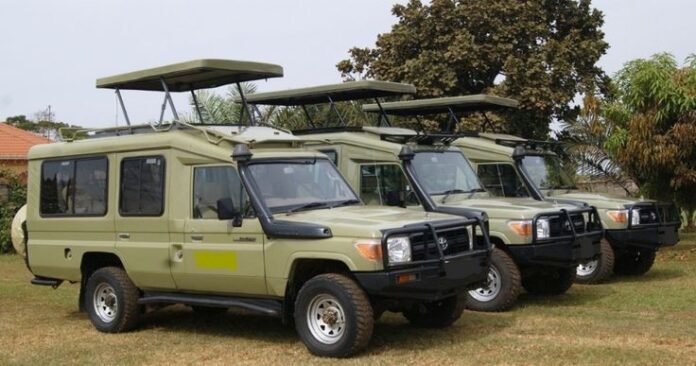
    A standout feature of safari Land Cruisers is the pop-up roof, which allows passengers to stand up and get an unobstructed 360-degree view of the surroundings. This is essential for:
    • Spotting wildlife from a distance.
    • Taking clear photographs without glass reflections.
    • Enjoying a panoramic view of Kenya’s breathtaking landscapes.
  5. Durability and Reliability
    The Toyota Land Cruiser has a reputation for being one of the most reliable vehicles in Africa. It can withstand extreme temperatures, rough terrain, and long hours on the road without frequent breakdowns, making it the perfect choice for safaris.
  6. Customizable for Different Safari Needs
    Different versions of the safari Land Cruiser are available, each suited to specific preferences:
    • Pop-Up Roof Land Cruiser – Ideal for standing and game viewing.
    • Open-Sided Land Cruiser – Perfect for photography safaris, allowing for unobstructed views.
    • Enclosed Land Cruiser with Large Windows – Provides comfort and excellent wildlife visibility.
  7. Safety and Connectivity Features
    A great safari vehicle must ensure safety and communication in remote areas. Safari Land Cruisers are equipped with:
    • Long-range high-frequency radios – Allowing communication with lodges, rangers, and other safari guides.
    • Phone charging ports – Ensuring you never run out of battery while capturing memories.
    • Cooler boxes – Keeping drinks and snacks fresh for long game drives.

Why Not Use Other Vehicles Like Minivans?

While some safari operators offer 4×4 minivans, they don’t perform as well as Land Cruisers in rough terrain. Minivans may struggle in muddy conditions and lack the high ground clearance necessary for off-road adventures. The Land Cruiser remains the gold standard for safari travel because of its reliability, off-road capability, and comfort.

If you’re planning a safari in Kenya, choosing a Land Cruiser ensures a seamless, comfortable, and immersive experience, allowing you to focus on what truly matters—witnessing Kenya’s incredible wildlife and landscapes.

What’s Inside a Safari Land Cruiser?

Our Safari Land Cruisers are well-equipped to ensure a comfortable and enjoyable safari experience. Here’s what you can expect inside the vehicle:

  • Phone Charging Ports – Stay connected and keep your devices powered during your trip.
  • Cooler Boxes – Keep your food and beverages cool without using ice packs.
  • Long-Range High-Frequency Radio – Essential for communication, especially in remote safari locations.
  • Comfortable Seats – Every seat is a window seat, ensuring everyone has the best view.

These features enhance your safari experience, making long drives through the wild more enjoyable and convenient.

Why Choose a Jeep Safari?

A Jeep Safari in Kenya refers to using a 4×4 Land Cruiser for game drives. Unlike standard tour vans, Jeep Safaris offer superior comfort, stability, and off-road performance.

Types of Safari Land Cruisers Available for Hire

At Safari Travel Plus, we offer different Land Cruiser models based on your group size:

  1. Eight-Seat 4×4 Land Cruisers – Ideal for larger groups and families.
  2. Seven-Seat 4×4 Land Cruisers – A great balance between space and comfort.
  3. Five-Seat 4×4 Land Cruisers – Perfect for smaller private safaris.

All vehicles are customized for safari adventures, with options for pop-up roofs or open-sided designs to maximize game viewing.

How to Make Your Safari More Affordable

Since the vehicle is rented per day, the cost per person decreases when you share the Land Cruiser with others.

For example:

  • If you rent a Land Cruiser for $250 per day and you’re traveling alone, you’ll pay the full amount.
  • If you’re in a group of 7 people, you can split the cost, making it only $35 per person per day.

This makes group safaris much more budget-friendly without compromising on comfort and experience.

Safari Land Cruiser for Fly-In Safaris

If you’re flying into a safari destination such as the Masai Mara, we can arrange for a Land Cruiser to meet you at the airstrip when you land.

How it works:
✅ The vehicle leaves Nairobi earlier and arrives at the airstrip on time.
✅ Your driver-guide will be waiting for you upon landing.
✅ You start your safari immediately without delays.

This is a great option for travelers who prefer to save time and enjoy more game drives instead of long road trips.

What Makes a Great Safari?

A safari in Kenya is more than just spotting the Big Five—it’s about creating an unforgettable experience. From the choice of vehicle to the quality of the guide, several factors can make or break your adventure. Here’s what you should consider to ensure your safari is truly spectacular.

1. An Experienced Driver-Guide

Your driver-guide plays a crucial role in shaping your safari experience. A knowledgeable guide doesn’t just drive; they:

Know the best wildlife spotting locations – Experienced guides understand animal movements and where to find them, increasing your chances of incredible sightings.
Understand animal behavior – They can interpret how animals react and anticipate moments like a lion’s hunt or an elephant’s charge.
Share insightful stories and information – A great guide will enrich your journey with fascinating details about the wildlife, local cultures, and conservation efforts.
Know when to talk and when to let you enjoy the moment – Sometimes, silence is golden. A skilled guide knows when to give information and when to let you immerse yourself in the wild beauty of Kenya.

2. Choosing the Right Safari Vehicle

A safari vehicle isn’t just a mode of transport—it’s your window into the wilderness. The right vehicle enhances your experience by:

  • Providing comfort during long drives – A well-maintained 4×4 Land Cruiser ensures smooth navigation over rough terrain.
  • Offering optimal game-viewing options – Pop-up roofs, open sides, and large windows give you the best view of wildlife.
  • Ensuring reliability in remote areas – A vehicle breakdown in the middle of the savannah can disrupt your safari. A sturdy and well-maintained Land Cruiser minimizes such risks.

3. The Best Time to Go on Safari

Most travelers assume the peak season (June to October, December to February) is the best time for a safari, but this isn’t always true. While it does offer fantastic wildlife viewing, the parks can be crowded, and prices for accommodations are higher.

Why Consider Traveling in the Low or Shoulder Season?

  • Fewer Crowds – You won’t have to compete with dozens of other safari vehicles for the best wildlife sightings.
  • Better Hotel and Safari Lodge Rates – Luxury lodges and camps often offer discounts during the off-season.
  • More Intimate Wildlife Encounters – With fewer tourists around, animals may behave more naturally.
  • Lush Green Landscapes (During the Green Season: March-May, November) – The parks are beautifully lush, and birdlife is abundant.

The best time to travel depends on your priorities—whether it’s witnessing the Great Migration, avoiding crowds, or getting great deals on accommodations.

4. The Choice of Accommodation

Where you stay significantly impacts your safari experience. Your options range from budget camps to luxury lodges—each offering a different level of comfort and exclusivity.

  • Budget Camps – Ideal for adventurous travelers who want an authentic experience close to nature. Tented camps offer a rustic but immersive feel.
  • Mid-Range Lodges – These provide comfortable accommodations with excellent amenities without the high cost of luxury lodges.
     
  • Luxury Safari Lodges & Tented Camps – Perfect for those seeking privacy, exclusivity, and personalized service. Expect infinity pools, gourmet dining, and stunning views.

How to Choose the Best Accommodation for Your Safari

  • Location matters – A lodge inside the park allows early morning and late evening game drives when animals are most active.
  • Style of accommodation – Decide if you prefer a tented camp, a lodge, or a mobile safari camp.
  • Amenities & comfort level – Consider whether you need Wi-Fi, private decks, en-suite bathrooms, or a spa.

5. The Condition of the Safari Vehicle

An aging, poorly maintained safari vehicle can ruin your experience. Imagine getting stuck in the mud or breaking down in the middle of nowhere! A well-serviced 4×4 Land Cruiser ensures you:

✔️ Travel comfortably across rough terrain.
✔️ Enjoy uninterrupted game drives without mechanical issues.
✔️ Feel safe in remote areas with reliable communication equipment.

6. Customizing Your Safari Experience

A great safari isn’t just about ticking off the Big Five—it’s about personalizing the journey to match your interests.

  • Photography Safari – Travel with a private guide who understands wildlife photography.
     
  •  Birdwatching Safari – Kenya is home to over 1,000 bird species, making it a paradise for bird lovers.
     
  • Big Five Safari – Focus on spotting lions, elephants, rhinos, buffalo, and leopards.
     
  • Romantic Safari – Stay in luxury lodges, enjoy sundowners, and have private bush dinners under the stars.

7. Mode Of Safari Transport

  • Fly-In Safaris – Perfect for travelers who want to avoid long road trips. You can fly directly to the Masai Mara, Amboseli, or Samburu and start your safari upon landing.
     
  • Road Safaris – Great for experiencing Kenya’s landscapes, rural life, and diverse ecosystems along the way.

Booking Your Safari with Safari Travel Plus

At Safari Travel Plus, we don’t offer self-drive safari vehicles. We believe that having a professional driver-guide enhances your safari experience and ensures your safety.

Additional Services We Offer:

Hotel Bookings – We can assist in securing accommodation based on your budget and preferences.
Safari Itinerary Planning – We help design the perfect itinerary at no extra cost when you hire a Land Cruiser from us.

Whether you need a custom safari package or simply a Land Cruiser for hire, we’re here to help you plan the perfect adventure.

Conclusion

A Safari Land Cruiser is the best vehicle for exploring Kenya’s wilderness. With its rugged build, comfort features, and superior off-road capability, it ensures a smooth and enjoyable safari experience.

At Safari Travel Plus, our rental rates start at $200 per day in low season and $250 in high season, inclusive of a professional driver-guide, fuel, and vehicle accommodation.

  • The more people you have, the cheaper it gets per person.
  • We offer different Land Cruiser models, including five, seven, and eight-seat options.
  • Fly-in safari options are available, with vehicles ready to meet you at airstrips.
  • We provide hotel booking and itinerary planning at no extra cost when you rent from us.

For a hassle-free safari experience, book your 4×4 Land Cruiser with Safari Travel Plus today and enjoy the adventure of a lifetime!

Best Portable Solar Generator for Travel

Solar Generator

Traveling often comes with the challenge of keeping devices powered, especially when venturing into remote areas or locations with limited electricity access. A portable solar generator can be an invaluable companion, providing a reliable and eco-friendly power source. However, the best generator for your needs depends on factors like portability, power capacity, and specific travel conditions.

This guide explores the best portable solar generators for different types of travelers, from backpackers and safari-goers to business travelers. It also covers air travel regulations, packing considerations, and practical scenarios where these generators prove useful.

Air Travel Considerations: Packing and Regulations

Flying with a portable solar generator requires awareness of airline restrictions and proper packing techniques:

Battery Restrictions

  • Most airlines restrict lithium-ion batteries above 100Wh in checked luggage. Batteries between 100Wh and 160Wh may be allowed in carry-on luggage with airline approval.
  • Batteries above 160Wh are generally prohibited on flights.
  • Always check with your airline before traveling to ensure compliance.

Packing and Carry-On vs. Checked Luggage

  • Carry-On Only: Most airlines require lithium-ion batteries to be carried in hand luggage due to safety regulations.
  • Protective Packing: To prevent short circuits, ensure battery terminals are covered and place the generator in a protective case or bag.
  • Size and Weight Limits: Make sure the generator fits within the airline’s carry-on baggage dimensions and weight restrictions.

Portability for Different Travel Modes

Backpacking

Backpackers require lightweight, compact, and durable solar generators, as they will be carrying them for extended periods.

  • Weight Consideration: The best option should weigh under 5 pounds to avoid unnecessary strain.
  • Compact Design: A small footprint ensures it fits inside or attaches easily to a backpack.
  • Built-in Solar Panels: Some models have integrated panels to eliminate the need for separate solar chargers.
  • Water Resistance & Durability: Since backpackers often travel through unpredictable weather, a water-resistant and rugged design is essential.

Vehicle Travel (Car or Motorcycle)

Traveling with a vehicle allows for larger and more powerful solar generators, which can support more devices:

  • Higher Capacity: Since weight is less of a concern, you can opt for generators with 300Wh–1000Wh capacity.
  • Multiple Charging Ports: Ensures compatibility with laptops, cameras, and even small appliances.
  • Car Charging Option: Some models allow recharging via a car’s 12V outlet, providing an alternative power source while on the move.

Hotels vs. Safari Camps

Your accommodation type influences the kind of generator you need:

  • Hotels: Usually have consistent power, so a small generator (100Wh–300Wh) is sufficient for emergencies.
  • Safari Camps: Many are off-grid and rely on limited solar or generator power. A mid-sized solar generator (300Wh–1000Wh) ensures continuous access to electricity.

Safari Camps: The Reality of Off-Grid Power

Most safari lodges and camps operate in remote areas with unreliable or intermittent power supply. Many use solar power or generators that may only run during specific hours, making a portable solar generator an essential travel accessory.

  • Charging Devices: Families on safari need to charge phones, cameras, and laptops while ensuring power availability throughout the day.
  • Eco-Friendly Option: Solar generators reduce reliance on fuel-based generators, aligning with sustainable travel.
  • Energy Independence: Some safari locations have no electricity at all, making a personal power source a necessity.

Best Portable Solar Generators for Different Travel Needs

Best for Backpackers

  1. Goal Zero Yeti 200X
    • Capacity: 187Wh
    • Weight: 5 lbs
    • Features: USB-C fast charging, AC inverter, durable and lightweight design
    • Best For: Solo travelers needing lightweight power for phones, cameras, and small gadgets.
  2. Jackery Explorer 300
    • Capacity: 293Wh
    • Weight: 7.1 lbs
    • Features: Solar panel compatibility, multiple USB ports, compact design
    • Best For: Hikers and backpackers who need slightly more power.
  3. BLUETTI Handsfree 1
    • Capacity: 268.8Wh
    • Weight: 5 lbs
    • Features: Built-in backpack design with power station, waterproof cover
    • Best For: Photographers or remote workers needing a portable but robust power source.

Best for Safari Holidays

Anker SOLIX C300 DC Power Bank Station

Anker SOLIX C300 DC Power Bank Station

Anker SOLIX C300 DC Power Bank Station

9.5 Our Score

Whether you’re camping under the stars or staying at a remote eco-lodge, the Anker SOLIX C300 provides reliable, off-grid power for all your essential devices. Its long battery life, solar charging capability, and multiple output ports make it an indispensable travel companion for any African safari.

The Anker SOLIX C300 DC Power Bank Station is an excellent travel generator for an African safari, whether you’re camping in the wilderness or staying at an eco-friendly lodge with limited electricity access. Here’s why it’s a must-have for your adventure:

1. Powering Your Essential Devices on Safari

With its 288Wh (90,000mAh) LiFePO4 battery and 300W output, the SOLIX C300 can charge multiple devices essential for a safari, including:

  • Smartphones (iPhone, Samsung, etc.) – 20+ charges
  • Laptops (MacBook, Dell, etc.) – 4-5 charges
  • Cameras (DSLR, GoPro, etc.) – 15-20 charges
  • Drones (DJI Mini, Mavic, etc.) – 5-8 recharges
  • CPAP machines (for those needing one overnight) – 5-10 hours
  • Portable fridges or coolers – 5-6 hours
  • LED camping lights – 20+ hours
  • Walkie-talkies & GPS devices – Multiple charges

This means you won’t have to worry about running out of power for your communication, photography, or navigation devices during your safari.

2. Reliable Battery Life for Multi-Day Use

  • If used exclusively for charging a phone, camera, or drone, the SOLIX C300 can last several days before needing a recharge.
  • If used for a mix of devices, expect 1-2 full days of power.

3. Multiple Charging Options – Stay Powered Anywhere

Given the remote nature of an African safari, the SOLIX C300 offers versatile charging methods:

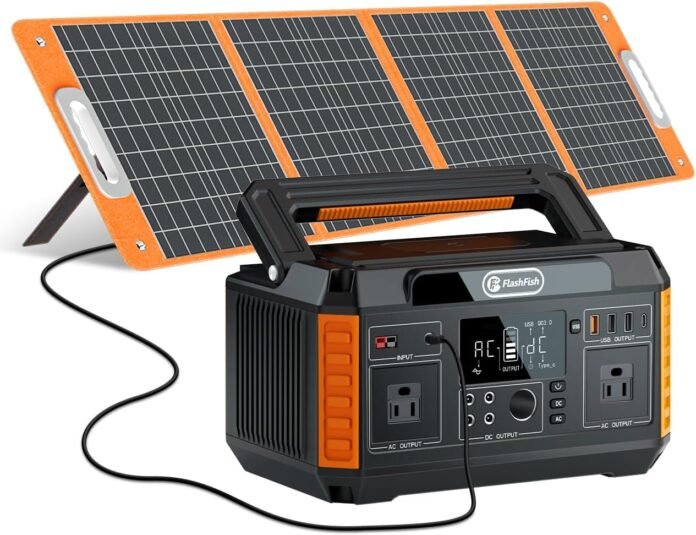
  • Solar Panel Charging – Pair it with a 100W solar panel for continuous off-grid power during the day. Perfect for eco-lodges and campsites with no electricity at night.
  • Car Charging (12V DC Port) – Recharge from your safari vehicle’s cigarette lighter port while on game drives.
  • Wall Charging (AC Adapter) – Charge fully at an eco-lodge when electricity is available.

4. Wide Range of Output Ports for Maximum Compatibility

The SOLIX C300 is designed to charge multiple devices simultaneously, making it ideal for group safaris:

  • 1x AC Outlet (300W, Pure Sine Wave) – Powers laptops, CPAP machines, small appliances.
  • 2x USB-C Ports (60W & 100W) – Fast-charges MacBooks, drones, and smartphones.
  • 2x USB-A Ports (12W each) – Charges cameras, power banks, and accessories.
  • 1x Car DC Port (12V/10A) – Powers car fridges and 12V devices.

5. Built for the Outdoors – Durable & Safe

  • LiFePO4 Battery – Longer lifespan (2,500+ charge cycles) and safer than traditional lithium-ion batteries.
  • Rugged, Portable Design – Compact and lightweight, perfect for transport in safari vehicles.
  • Eco-Friendly & Silent – Unlike gas generators, it’s completely silent, ensuring a peaceful safari experience without disturbing wildlife.

A Must-Have for Any Safari Adventure

Whether you’re camping under the stars or staying at a remote eco-lodge, the Anker SOLIX C300 provides reliable, off-grid power for all your essential devices. Its long battery life, solar charging capability, and multiple output ports make it an indispensable travel companion for any African safari.

  1. Jackery Explorer 1000
    • Capacity: 1002Wh
    • Weight: 22 lbs
    • Features: AC outlets, USB-C, solar charging, high power output
    • Best For: Families needing to charge multiple devices for an extended period.
  2. BLUETTI AC50S
    • Capacity: 500Wh
    • Weight: 13.6 lbs
    • Features: Wireless charging pad, multiple output options, solar input
    • Best For: Medium-power users, ideal for camera charging and family needs.

Best for Business Travelers

  1. EcoFlow River Pro
    • Capacity: 720Wh
    • Weight: 16.8 lbs
    • Features: Fast charging, high-wattage output, compact size
    • Best For: Business travelers needing reliable power for laptops, printers, and phones.
  2. Anker 535 PowerHouse
    • Capacity: 512Wh
    • Weight: 16.5 lbs
    • Features: 60W USB-C, pure sine wave AC outlets, compact and travel-friendly
    • Best For: Business professionals requiring stable and portable power.

Adapter Types and Plug Considerations

When traveling internationally, ensure your solar generator is compatible with local power outlets and devices:

  • Plug Types: Different regions use varying plug types (e.g., Type C in Europe, Type G in the UK, Type D in Africa).
  • Voltage Compatibility: Some generators offer 110V–240V compatibility for worldwide use.
  • Universal Travel Adapters: Carry a universal adapter to ensure seamless charging.

Conclusion

A portable solar generator can be a game-changer for travelers, providing reliable, sustainable power in diverse scenarios. Whether you’re a backpacker needing a lightweight power source, a family on a safari requiring energy for multiple devices, or a business traveler needing uninterrupted productivity, the right solar generator ensures you stay connected and powered up. By choosing a generator that aligns with your travel needs and packing smartly for flights, you can enjoy your journey without worrying about power shortages.

Best Compact Travel Camera

0
compact cameras

Travel photography has become a beloved passion for millions around the globe. Whether you’re exploring bustling city streets, hiking remote trails, or simply enjoying a weekend getaway, capturing memories on the go is a must. Compact cameras have emerged as the go-to solution for travelers who want high-quality images without the bulk of traditional DSLRs. In this comprehensive guide, we delve into why compact cameras are excellent travel companions, review some of the best affordable options—including those under $500—and highlight models that cater to beginners, professionals, vloggers, and everyone in between. We’ll also walk you through the criteria used in selecting the best compact travel cameras, ensuring you can make an informed decision for your next adventure.

Are Compact Cameras Great Travel Cameras?

When it comes to travel photography, convenience is key. Compact cameras are small, lightweight, and versatile, making them the ideal choice for travelers. Here are several reasons why they shine in a travel setting:

Portability and Convenience

Compact cameras are designed with portability in mind. Their small size allows them to fit easily into a pocket, purse, or backpack, freeing you from the need to lug around a heavy, cumbersome camera bag. This is particularly advantageous when navigating crowded cities, climbing scenic mountains, or riding public transportation.

Simplicity and Ease of Use

Modern compact cameras have evolved significantly. Many models offer automatic settings, scene modes, and intuitive interfaces that make it easy for even a beginner to capture stunning images. Despite their simplicity, these cameras often pack advanced features that rival those of larger, more expensive models.

Versatility

Despite their small size, many compact cameras feature versatile zoom ranges, macro modes, and video capabilities. Whether you’re shooting landscapes, portraits, or even high-quality vlogs, these cameras can handle a variety of shooting scenarios. Their ability to quickly switch between settings makes them an excellent choice for spontaneous moments.

Advanced Technology in a Small Package

Today’s compact cameras integrate sophisticated sensors, powerful image processors, and connectivity options such as Wi-Fi and Bluetooth. This means you can share your photos instantly with friends and family or back them up on the cloud while on the go. For the tech-savvy traveler, these features offer a seamless blend of modern technology with ease-of-use.

Best Affordable Compact Cameras

Travel doesn’t always come with a big budget. Luckily, there are plenty of affordable compact cameras that offer stellar performance without breaking the bank. Here are a few standout models to consider:

1. Canon PowerShot SX620 HS

The Canon PowerShot SX620 HS is a reliable option for travelers on a budget. With a 20.2-megapixel sensor and a 25x optical zoom, it provides excellent image quality and flexibility. Its compact design means it’s easy to slip into your bag, while its built-in Wi-Fi allows for instant sharing of your photos.

Key Features:

  • 20.2 MP CMOS sensor
  • 25x optical zoom
  • Wi-Fi and NFC connectivity
  • Full HD video recording

2. Sony Cyber-shot WX500

The Sony Cyber-shot WX500 is another great choice for affordable travel photography. It boasts an 18.2-megapixel sensor and a 30x optical zoom, which is ideal for capturing distant subjects. Its tiltable LCD screen also makes it easy to take selfies and vlogs.

Key Features:

  • 18.2 MP Exmor R CMOS sensor
  • 30x optical zoom
  • 180-degree tiltable LCD screen
  • Optical image stabilization

3. Panasonic Lumix DMC-ZS50

For travelers seeking a balance of affordability and advanced features, the Panasonic Lumix DMC-ZS50 is an excellent pick. This camera features a 12.1-megapixel sensor that performs well even in low light conditions, and its Leica lens offers exceptional image clarity.

Key Features:

  • 12.1 MP sensor with low-light capabilities
  • 30x optical zoom
  • Electronic viewfinder (EVF)
  • 1080p full HD video recording

These models prove that you don’t have to spend a fortune to capture stunning travel photos. They offer the right mix of performance, portability, and user-friendly features—perfect for both budding photographers and seasoned travelers.

Best Compact Travel Camera Under $500

For many travelers, affordability is a primary concern. If you’re looking for a compact travel camera under $500 that still delivers excellent performance, consider the following options:

1. Canon PowerShot SX620 HS

Already mentioned for its affordability, the Canon PowerShot SX620 HS stands out in this price category. Its robust feature set, including the 25x optical zoom and Wi-Fi connectivity, makes it a compelling choice for travelers on a budget. The camera’s ease of use combined with its portability ensures that you won’t miss any photo opportunities on the go.

2. Nikon COOLPIX A900

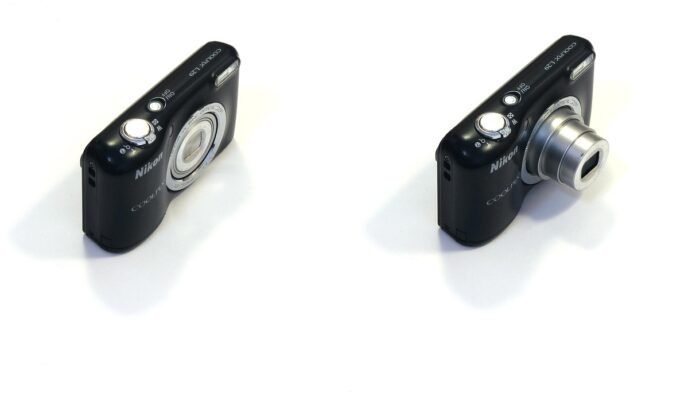
The Nikon COOLPIX A900 offers an excellent combination of affordability and advanced features. With a 20.1-megapixel sensor and a 35x optical zoom, this camera is perfect for capturing everything from sweeping landscapes to close-up shots. Its 4K video capability also makes it a great option for those who love recording their adventures.

Key Features:

  • 20.1 MP sensor
  • 35x optical zoom
  • 4K UHD video recording
  • Intelligent scene recognition

3. Sony Cyber-shot WX500

The Sony Cyber-shot WX500 is another fantastic option under $500. Its 30x optical zoom and compact design make it a versatile choice for travel photography. The tiltable LCD screen enhances its usability for selfies and vlogging, providing an added bonus for content creators on the move.

These cameras provide excellent performance without straining your budget, ensuring that you can capture your travel experiences in stunning detail while keeping your expenses in check.

Best Compact Cameras for Beginners

If you’re new to photography, a compact camera can serve as the perfect starting point. Here’s why beginners should consider these models:

User-Friendly Interfaces

Many compact cameras feature intuitive interfaces that are designed with beginners in mind. Automatic shooting modes, scene recognition, and guided menus allow new users to focus on composition and creativity rather than technical details. This ease of use fosters confidence, enabling beginners to quickly learn the fundamentals of photography.

Versatile Shooting Modes

For those just starting out, versatility is key. Compact cameras often come with a variety of shooting modes—from portrait to landscape and macro—which let beginners experiment with different styles and techniques. This versatility not only enhances the learning experience but also helps in discovering one’s unique photographic style.

Portability Encourages Practice

One of the best aspects of compact cameras for beginners is their portability. Unlike bulkier DSLRs, compact cameras are easy to carry around. This convenience means that beginners are more likely to have their cameras with them, leading to more practice and improved skills over time.

Recommendations for Beginners

Canon PowerShot SX620 HS

Ideal for beginners, the Canon PowerShot SX620 HS offers a balanced blend of simplicity and functionality. Its automatic shooting modes and robust connectivity features make it easy for beginners to learn and share their photos.

Sony Cyber-shot WX500

The Sony Cyber-shot WX500 is another excellent option for those just starting out. Its intuitive controls, combined with a versatile zoom range and tiltable LCD, provide an engaging and user-friendly experience for budding photographers.

Best Compact Cameras for Professionals

While compact cameras are often associated with ease of use and portability, many models now offer features that meet the demands of professional photographers. Here’s what professionals look for in a compact travel camera:

High Image Quality

Professionals demand high resolution, superior sensor performance, and excellent color accuracy. Modern compact cameras often feature advanced sensors and image processors that produce images with high detail and low noise—comparable to larger, more traditional cameras.

Advanced Manual Controls

For professionals, having manual control over settings such as ISO, aperture, and shutter speed is essential. Many high-end compact cameras offer full manual control, allowing photographers to fine-tune their images according to their creative vision.

Robust Build Quality and Weather Sealing

Travel photography can take you to harsh environments, so a professional-grade compact camera should be durable and, ideally, weather-sealed. This ensures that the camera can withstand rain, dust, and extreme temperatures, making it a reliable companion for all your adventures.

Recommendations for Professionals

Panasonic Lumix LX100 II

The Panasonic Lumix LX100 II is an excellent choice for professionals looking for a compact travel camera. Its large Four Thirds sensor, fast Leica lens, and manual controls make it a powerful tool for creative photography. The camera’s robust build quality and intuitive design further enhance its appeal to seasoned professionals.

Sony RX100 VII

While it may be slightly above the budget range for some, the Sony RX100 VII is a favorite among professionals. It packs a 20.1-megapixel sensor, advanced autofocus, and high-speed shooting capabilities into a small, pocketable body. Its versatility and high performance make it one of the top picks for professionals on the move.

Best Pocket Travel Camera

When traveling, sometimes the smallest camera can be the most convenient. Pocket travel cameras are ultra-compact and designed to fit into the smallest pockets or bags without sacrificing essential features.

Advantages of Pocket Cameras

  • Extreme Portability: The main selling point of pocket cameras is their size. They are designed to be as unobtrusive as possible, ensuring that you’re always ready to capture spontaneous moments.
  • Simplicity: These cameras typically offer straightforward functionality, allowing you to focus on capturing the moment rather than fiddling with settings.
  • Discreet: Due to their small size, pocket cameras are less intimidating in public spaces, making them ideal for candid shots and street photography.

Top Recommendation for a Pocket Travel Camera

Canon IVY CLIQ+

The Canon IVY CLIQ+ is a compact, all-in-one instant digital camera that’s perfect for travel. Despite its small size, it offers a user-friendly interface, built-in printer, and creative filters that let you quickly print and share memories on the go. Its lightweight design makes it an excellent choice for travelers who want to document their adventures without drawing too much attention.

Best Point-and-Shoot Camera

Point-and-shoot cameras have long been the go-to for those seeking a balance of convenience and quality. They are engineered for simplicity, enabling photographers to “point, shoot, and go” without worrying about manual adjustments.

Why Choose a Point-and-Shoot Camera?

  • Ease of Use: With fully automatic settings, point-and-shoot cameras take the guesswork out of photography.
  • Quick Operation: Ideal for capturing fast-moving scenes, these cameras ensure that you don’t miss a moment during your travels.
  • Compact and Lightweight: Similar to other compact cameras, their small size and minimal weight make them perfect for travel.

Top Recommendation for a Point-and-Shoot Camera

Sony Cyber-shot WX350

The Sony Cyber-shot WX350 is a highly capable point-and-shoot camera that is perfect for travelers. Its 18.2-megapixel sensor and 20x optical zoom ensure high-quality images, while its compact design makes it easy to carry. With features like Optical SteadyShot image stabilization and full HD video recording, the WX350 is an excellent option for those looking for a simple yet effective travel camera.

Best Compact Travel Camera for Vlogging

In the age of social media, vlogging has become a popular way to document travels and share experiences with a global audience. Compact cameras designed for vlogging combine high-quality video recording with features that make on-the-go shooting a breeze.

Essential Features for Vlogging Cameras

  • Flip or Tilting Screen: A screen that rotates or tilts is essential for vloggers, as it allows you to monitor yourself while recording.
  • High-Quality Video: Look for cameras that can shoot in at least 1080p, although 4K capabilities are increasingly common.
  • Microphone Input: Clear audio is crucial for vlogs. Some advanced compact cameras come with a microphone input, which allows you to use an external mic for better sound quality.
  • Image Stabilization: Smooth, shake-free video is a must, especially when shooting handheld.

Top Recommendation for Vlogging

Canon G7X Mark III

The Canon G7X Mark III is a standout option for vloggers. It features a 20.1-megapixel sensor, a bright 24-100mm f/1.8-2.8 lens, and a 3-inch tilting touchscreen that makes it easy to record yourself. With 4K video recording (albeit without a crop) and a microphone input, this camera strikes the perfect balance between size and functionality. Its fast autofocus and impressive low-light performance further solidify its position as a favorite among traveling vloggers.

Criteria for Selection and Testing

Choosing the right compact travel camera can be a daunting task, given the myriad options available. To help simplify the process, we’ve developed a set of criteria for selecting and testing these cameras. Here are the main factors to consider:

1. Image Quality

  • Sensor Size and Resolution: The quality of images largely depends on the sensor’s size and the camera’s resolution. Larger sensors generally perform better in low-light conditions and produce images with higher detail.
  • Lens Quality: The lens is equally important. A good lens with a wide aperture will allow you to capture sharp, vibrant images in various lighting conditions.

2. Portability and Design

  • Size and Weight: For a travel camera, compactness is key. The camera should be lightweight enough to carry around all day without causing fatigue.
  • Ergonomics: A comfortable grip and intuitive button layout can make a significant difference when you’re shooting in dynamic environments.

3. Zoom Capabilities

  • Optical Zoom: Unlike digital zoom, optical zoom maintains image quality. A good compact travel camera should offer a versatile zoom range to capture both wide-angle landscapes and detailed close-ups.
  • Image Stabilization: Optical SteadyShot or other stabilization technologies help reduce blur, especially when zooming in on distant subjects.

4. Video Capabilities

  • Resolution and Frame Rate: For vloggers and travel videographers, the ability to shoot high-quality video is essential. Look for cameras that support at least 1080p, with many models now offering 4K.
  • Audio Quality: Built-in microphones should capture clear audio, but the option for an external mic is a bonus for professional-quality vlogging.

5. Connectivity and Sharing

  • Wi-Fi/Bluetooth: Seamless connectivity allows you to quickly share your photos and videos on social media or backup your files to the cloud.
  • User Interface: A responsive and intuitive user interface can streamline your shooting and editing process, making it easier to adjust settings on the fly.

6. Battery Life and Storage

  • Battery Longevity: Travel often means long days away from power sources. A camera with excellent battery life ensures you won’t miss any important moments.
  • Storage Options: Whether using SD cards or internal memory, ample storage is essential for capturing high-resolution images and videos without constantly having to offload files.

7. Build Quality and Durability

  • Weather Sealing: For those who travel in various climates, a weather-sealed camera can provide peace of mind against dust, moisture, and light rain.
  • Robust Construction: The camera should be durable enough to handle the rigors of travel, from accidental bumps to extreme temperatures.

8. Price and Value for Money

  • Affordability: While professional-grade features are important, the best travel cameras also offer great value for money. There are plenty of excellent options under $500 that do not compromise on quality.
  • Warranty and Support: A good warranty and reliable customer support can enhance the overall ownership experience, ensuring that any issues are promptly addressed.

Putting It All Together

The best compact travel camera isn’t just about having the highest megapixel count or the longest zoom. It’s about balancing performance, portability, and affordability to suit your unique travel style. Whether you’re a beginner eager to explore the basics of photography, a professional needing a reliable backup camera, or a vlogger capturing every moment of your journey, there’s a compact camera out there that’s perfect for you.

For the Avid Traveler

For those who live for adventure and spontaneous travel, compact cameras like the Canon PowerShot SX620 HS and Sony Cyber-shot WX500 offer an unbeatable combination of ease-of-use and advanced features. Their portability means you’re always ready to snap that perfect shot, while their connectivity features ensure that your images are never more than a few taps away from being shared with your social network.

For the Budget-Conscious Explorer

Not everyone has a huge budget for travel gear. The best compact travel cameras under $500 provide exceptional value without sacrificing quality. With models like the Nikon COOLPIX A900 and Panasonic Lumix DMC-ZS50, you can enjoy high-quality imaging and video recording capabilities that rival those of higher-end cameras.

For the Aspiring Photographer

If you’re just starting out in photography, the intuitive designs of many compact cameras make learning the craft enjoyable and accessible. With easy-to-use controls and versatile shooting modes, beginners can experiment with different techniques and gradually build their skills before investing in more specialized equipment.

For the Professional on the Go

Professionals aren’t left behind in the compact camera market. Models like the Panasonic Lumix LX100 II and Sony RX100 VII deliver exceptional image quality and advanced manual controls, ensuring that even in challenging environments, you’re equipped to produce stunning photographs. Their robust build and weather sealing make them reliable tools for the most demanding travel conditions.

For the Modern Vlogger

The rise of social media has turned travel vlogging into a popular way to document and share experiences. Compact cameras like the Canon G7X Mark III offer features specifically designed for content creators, such as tiltable screens, external microphone inputs, and high-resolution video recording. These cameras make it easy to capture high-quality video on the go, ensuring your vlogs are as engaging as they are visually appealing.

Tips for Using Your Compact Travel Camera on the Road

Now that you have a better understanding of the best compact travel cameras available, here are some additional tips to get the most out of your device while traveling:

1. Keep Your Camera Accessible

When you’re exploring new places, always have your camera on hand. Consider using a wrist strap or a compact camera bag that allows for quick access so you never miss an unexpected moment.

2. Experiment with Settings

While automatic modes are convenient, take some time to experiment with manual settings if your camera allows it. Understanding how to adjust ISO, shutter speed, and aperture can significantly enhance your creative control and the quality of your photos.

3. Utilize Connectivity Features

Modern compact cameras come equipped with Wi-Fi and Bluetooth. Use these features to back up your photos, share your experiences on social media, or even control your camera remotely through a mobile app.

4. Protect Your Investment

Invest in a good quality camera case or pouch to protect your gear from bumps, scratches, and the elements. If you’re planning on venturing into extreme environments, consider additional protective accessories like weather-resistant covers.

5. Practice Regular Maintenance

Keep your camera clean and well-maintained. Regularly check for dust on the sensor, clean the lens, and update the firmware if necessary. This proactive approach will ensure that your camera remains in top condition, ready for every adventure.

6. Learn Basic Post-Processing

Even the best photos can benefit from a bit of post-processing. Familiarize yourself with basic editing techniques to adjust exposure, contrast, and color balance. Many compact cameras also allow you to make quick edits directly on the device or via a connected smartphone.

Real-Life Experiences with Compact Travel Cameras

To better understand how these cameras perform in real-world scenarios, consider these anecdotal experiences from travel photographers:

Capturing Urban Landscapes

Many travel photographers love using compact cameras in urban settings due to their discreet nature. The Canon PowerShot SX620 HS, for example, has been praised for its ability to capture vibrant cityscapes without drawing attention. Its small size means it can be easily concealed, allowing photographers to shoot candid street scenes without disturbing the environment.

Documenting Nature and Wildlife

When exploring natural landscapes, portability is crucial. The Panasonic Lumix DMC-ZS50’s robust zoom capabilities have allowed users to capture distant wildlife without the need for a bulky telephoto lens. Its low-light performance also shines during early morning and late afternoon shoots when natural lighting is at its most dramatic.

Vlogging on the Move

For travel vloggers, the Canon G7X Mark III has become a staple. Its ability to record 4K video with a tilting screen has proven invaluable when recording on the go. Users appreciate the camera’s fast autofocus and image stabilization, which combine to deliver smooth, professional-quality footage—even when walking through busy streets or capturing the action in dynamic environments.

Frequently Asked Questions

Are Compact Cameras Worth It for Travel?

Absolutely. Compact cameras offer a unique blend of portability, ease-of-use, and high-quality imaging, making them ideal for capturing travel memories without the bulk and complexity of larger cameras.

What Should I Look for in a Compact Travel Camera?

Focus on key features such as sensor size, zoom capabilities, image stabilization, connectivity options, and battery life. Additionally, consider the camera’s weight and overall design to ensure it fits your travel needs.

How Do Compact Cameras Compare to DSLRs for Travel?

While DSLRs offer superior image quality and advanced features, compact cameras provide a more practical option for travel due to their smaller size and ease of use. For many travelers, the benefits of portability and convenience outweigh the need for the highest-end specifications.

Can I Use a Compact Camera for Vlogging?

Yes, many modern compact cameras, like the Canon G7X Mark III, are equipped with features tailored for vlogging, including high-quality video recording, tilting screens, and microphone inputs.

What’s the Best Compact Travel Camera Under $500?

The Canon PowerShot SX620 HS and Nikon COOLPIX A900 are excellent choices in this price range, offering a solid balance of performance and affordability without compromising on essential features.

Conclusion

In the ever-evolving landscape of travel photography, the best compact travel cameras stand out by offering an impressive blend of portability, functionality, and advanced features. Whether you’re a budget-conscious traveler, an aspiring photographer, a seasoned professional, or a modern vlogger, there is a compact camera that perfectly fits your needs. These cameras not only capture the essence of your adventures but also empower you to share your stories with clarity and creativity.

From affordable options that deliver exceptional value to high-end models that rival DSLRs in performance, compact travel cameras have something for everyone. By focusing on key selection criteria—such as image quality, portability, zoom capabilities, and connectivity—you can confidently choose the camera that will accompany you on your journeys and help preserve your memories for years to come.

Embrace the freedom of travel without sacrificing quality, and let your compact camera be your passport to capturing every moment, from the bustling urban landscapes to the serene natural vistas. With the right camera in hand, every trip becomes an opportunity to create stunning visuals that tell your unique story.

Surviving the Heat: Top Tips for Sleeping Comfortably on Safari

0
A woman sleeping

A safari is one of those bucket-list adventures that makes you feel like you’ve stepped into a National Geographic documentary—majestic wildlife, stunning landscapes, and that thrilling sense of being just close enough to nature. But let’s be real—sleeping in the African heat? That’s a different kind of wild.

I learned this the hard way on my first safari. Picture me, flopped on a bed in a tented camp, sweating like I’d just run a marathon in a sauna, and seriously considering whether I should just sleep in the shower. Turns out, African nights don’t come with the crisp breeze I naively expected. But after some trial and (very sweaty) error, I figured out a few tricks to keep cool. Here’s how you can avoid melting into your safari sheets and actually get some rest.

1. Wear the Right Pajamas (Or Ditch Them)

You might think sleeping in just your birthday suit is the coolest option, but trust me, waking up stuck to a mattress is not fun. Instead, go for lightweight, breathable pajamas made from moisture-wicking fabrics like bamboo or cotton. Brands like Cool-Jams make womens nightgowns that helps keep you dry instead of feeling like a human sponge.

Why it works:
✔ Breathable fabrics = less sweating
✔ Loose-fitting styles let air circulate
✔ Prevents that awful “peeling yourself off the sheets” moment

2. Hydrate Smartly (Because Midnight Bathroom Runs Are No Fun)

Yes, drink water. No, don’t chug a gallon right before bed unless you enjoy stumbling through a dark tent at 2 AM, trying not to trip over your boots. Stay hydrated throughout the day and taper off about an hour before bedtime.

Why it works:
✔ Prevents dehydration, which makes you feel even hotter
✔ Helps regulate body temperature
✔ Reduces those inconvenient wake-up calls to nature

3. Bring Cooling Sheets (Because Sleeping in a Sauna is Overrated)

If your lodge or camp allows, bring along a lightweight, breathable sleep sheet. Linen and cotton are your best bets. Some lodges even offer damp, chilled towels to drape over yourself. It’s like air conditioning… but DIY.

Why it works:
✔ Absorbs moisture instead of trapping heat
✔ Improves airflow so you don’t feel suffocated
✔ A chilled towel = instant relief from the heat

4. Keep the Air Moving (Or at Least Try)

No AC? No problem (sort of). Open screened windows for airflow, and if your tent comes with a fan, embrace it like it’s your new best friend. Pro tip: A battery-powered fan is a game-changer when the air is so still it feels like time has stopped.

Why it works:
✔ Helps sweat evaporate faster
✔ Keeps air from getting stale and stuffy
✔ Makes you feel cooler, even if the temperature hasn’t budged

5. Take a Cool Shower Before Bed

After a long day of game drives, you’re probably covered in dust and sweat anyway. A cool (not freezing) shower before bed lowers your core temperature and helps you feel fresh enough to actually sleep.

Why it works:
✔ Lowers body temperature before crawling into bed
✔ Rinses away dust, sweat, and safari grime
✔ Feels like a mini spa moment in the wild

6. Sleep Low (Because Heat Rises, Science Says So)

If your safari tent is raised, consider sleeping on a lower cot or a ground mat if it’s comfortable and safe. Heat rises, and the closer you are to the floor, the cooler it will be.

Why it works:
✔ Avoids heat trapped near the tent roof
✔ Feels noticeably cooler at lower levels
✔ Might make you feel a little more adventurous

7. Skip the Heavy Meals and Nightcaps

A big, greasy dinner or a few too many sundowners might seem like a good idea at the time, but digestion generates heat, and alcohol dehydrates you. Stick to lighter meals in the evening and swap that extra beer for a cool glass of water.

Why it works:
✔ Prevents that ugh, why am I so hot feeling
✔ Avoids dehydration headaches
✔ Helps you sleep more soundly (instead of waking up regretting your choices)

8. Use a Cold Compress or Ice Pack

If ice is available, wrap some in a cloth and place it on your pulse points—wrists, neck, ankles. If ice is as rare as WiFi in the wilderness, even a damp, cool cloth can work wonders.

Why it works:
✔ Quickly cools you down
✔ Helps prevent overheating
✔ Gives you an excuse to lie very still (as if you needed one)

9. Consider Sleeping Outside (If You’re Brave)

Some safari lodges offer open-air beds or hammocks. If the setting is safe (read: no lions lurking nearby), this can be an amazing way to sleep under the stars while getting maximum airflow.

Why it works:
✔ 360-degree ventilation (nature’s air conditioning)
✔ Keeps you from feeling trapped in a hot tent
✔ Lets you fall asleep to the sounds of the wild

10. Embrace the Siesta Life

If sleeping at night is a struggle, take a cue from the locals—nap during the hottest part of the day. Many lodges build in a midday break, so don’t fight it. A well-timed siesta can make all the difference when nighttime sleep is a sweaty battle.

Why it works:
✔ Helps make up for lost sleep
✔ Works with the natural safari schedule
✔ Lets you feel a little fancy—like a relaxed explorer

Final Thoughts

Safari nights can be sweltering, but a little preparation can keep you from tossing and turning all night. With the right pajamas, smart hydration, and a few cooling hacks, you’ll be able to rest up and enjoy the adventure. After all, you don’t want to be the one nodding off on the morning game drive while everyone else is spotting lions!

DSLR vs. Mirrorless: Which is Best?

0
Mirrorless camera in use at the office

Photography and videography have evolved tremendously over the years, and the debate between DSLR (Digital Single-Lens Reflex) cameras and mirrorless cameras continues to be a hot topic. Each camera system offers unique benefits and caters to different types of photographers and videographers. This guide explores their differences and determines which is best for various categories, including beginners, professionals, sports photography, landscape photography, wildlife photography, low-light photography, videography, vlogging, photoshoots, and cinematography.

DSLR vs. Mirrorless: The Basics

DSLR Cameras

DSLRs use a mirror mechanism to reflect light into an optical viewfinder. When you press the shutter, the mirror flips up, allowing light to hit the image sensor.

Pros:

  • Optical viewfinder (OVF) provides a real-time view with no lag.
  • Longer battery life due to the absence of an electronic viewfinder.
  • More lens options, especially for older systems like Canon EF and Nikon F.
  • Better ergonomics and handling for some users.

Cons:

  • Larger and heavier due to the mirror mechanism.
  • Slower autofocus in live view compared to mirrorless.
  • No real-time exposure preview in the optical viewfinder.

Mirrorless Cameras

Mirrorless cameras do not have a mirror and rely on electronic viewfinders (EVFs) or LCD screens for composing shots.

Pros:

  • Compact and lightweight design.
  • Faster and more accurate autofocus with eye detection and tracking.
  • Silent shooting with electronic shutter.
  • Real-time exposure preview on the EVF/LCD.

Cons:

  • Shorter battery life due to constant electronic usage.
  • Some models may overheat during extended video recording.
  • Fewer lens options compared to DSLRs (though improving rapidly).

Best for Beginners

Winner: Mirrorless

For beginners, mirrorless cameras are the better choice due to their ease of use, compact size, and real-time exposure preview. Features like intelligent autofocus, touchscreen operation, and in-camera guides make learning photography simpler.

Best Mirrorless for Beginners: Sony ZV-E10

  • Lightweight and user-friendly.
  • Excellent autofocus with eye tracking.
  • Great for both photography and vlogging.

Best DSLR for Beginners: Canon EOS Rebel T8i

  • Affordable with solid image quality.
  • Optical viewfinder for a traditional experience.
  • Good battery life.

Best for Professionals

Winner: Mirrorless

Professionals demand the highest image quality, speed, and versatility. Mirrorless systems now outperform DSLRs in almost every area, including autofocus, burst rates, and dynamic range.

Best Mirrorless for Professionals: Sony A1

  • 50MP full-frame sensor for unparalleled detail.
  • 30fps burst shooting.
  • 8K video capabilities.

Best DSLR for Professionals: Canon EOS-1D X Mark III

  • Exceptional image quality and reliability.
  • Robust build for tough environments.
  • Fast and accurate autofocus for sports and wildlife.

Best for Sports Photography

Winner: Mirrorless

Sports photography requires fast autofocus, high burst rates, and excellent tracking. Mirrorless cameras now excel with AI-driven autofocus and silent, high-speed shooting.

Best Mirrorless for Sports: Canon EOS R3

  • 30fps burst mode.
  • Eye-control AF for precise subject selection.
  • Superior low-light performance.

Best DSLR for Sports: Nikon D6

  • 14fps burst with mechanical shutter.
  • Durable, weather-sealed body.
  • Reliable autofocus in challenging conditions.

Best for Landscape Photography

Winner: Mirrorless

Landscapes demand high resolution, dynamic range, and portability. Mirrorless cameras provide better sensor performance and adaptability with electronic viewfinders.

Best Mirrorless for Landscapes: Fujifilm GFX 100S

  • 102MP medium-format sensor for incredible detail.
  • In-body image stabilization (IBIS) for handheld shots.
  • Excellent dynamic range.

Best DSLR for Landscapes: Nikon D850

  • 45.7MP full-frame sensor.
  • Great battery life.
  • Excellent lens ecosystem.

Best for Wildlife Photography

Winner: Mirrorless

Wildlife photographers need silent shooting, fast autofocus, and high-resolution sensors. Mirrorless cameras offer better subject tracking and higher burst rates.

Best Mirrorless for Wildlife: Sony A9 II

  • 20fps blackout-free shooting.
  • Advanced real-time tracking.
  • Excellent low-light performance.

Best DSLR for Wildlife: Canon EOS-1D X Mark III

  • Fast and accurate autofocus.
  • 16fps mechanical burst shooting.
  • Rugged build for extreme conditions.

Best for Low-Light Photography

Winner: Mirrorless

Mirrorless cameras now outperform DSLRs in low-light situations due to advanced sensor technology and superior noise handling.

Best Mirrorless for Low Light: Sony A7S III

  • Exceptional high ISO performance.
  • 12MP full-frame sensor optimized for low light.
  • Dual native ISO for clean images.

Best DSLR for Low Light: Nikon D750

  • Excellent dynamic range.
  • Reliable noise control at high ISOs.

Best for Videography

Winner: Mirrorless

Mirrorless systems dominate videography with 4K/8K recording, in-body stabilization, and superior autofocus.

Best Mirrorless for Videography: Panasonic GH6

  • 5.7K video recording.
  • Robust video tools.
  • Exceptional stabilization.

Best DSLR for Videography: Canon EOS 90D

  • Solid 4K video quality.
  • Dual Pixel AF for smooth focusing.

Best for Vlogging

Winner: Mirrorless

Vloggers need a lightweight, compact camera with excellent autofocus and flip-out screens.

Best Mirrorless for Vlogging: Sony ZV-1

  • Compact and vlogger-friendly.
  • Face and eye-tracking autofocus.
  • Great built-in microphone.

Best DSLR for Vlogging: Canon EOS Rebel SL3

  • Vari-angle touchscreen.
  • Decent autofocus.

Best for Photoshoots

Winner: Mirrorless

Mirrorless cameras excel in studio and portrait settings with real-time exposure previews and high-resolution sensors.

Best Mirrorless for Photoshoots: Canon EOS R5

  • 45MP full-frame sensor.
  • Outstanding color accuracy.
  • Advanced autofocus.

Best DSLR for Photoshoots: Nikon D850

  • High resolution with excellent color depth.
  • Solid battery life.

Best for Cinematography

Winner: Mirrorless

Mirrorless cameras now rival cinema cameras with 8K recording, RAW video, and advanced color profiles.

Best Mirrorless for Cinematography: Sony FX3

  • Compact cinema-quality camera.
  • 4K 120fps for slow motion.
  • High dynamic range.

Best DSLR for Cinematography: Canon EOS-1D X Mark III

  • Solid video capabilities but limited compared to mirrorless.

Conclusion

Mirrorless cameras are the clear winner in most categories due to their advanced autofocus, superior video capabilities, compact size, and real-time exposure previews. However, DSLRs remain reliable workhorses for those who prefer optical viewfinders and longer battery life. The choice ultimately depends on your needs, budget, and shooting style.

Kenya in April

0
Rain hitting leaves

April in Kenya marks the peak of the long rainy season, a period characterized by frequent downpours and lush, green landscapes. While the increased rainfall can present certain challenges, it also offers unique opportunities for travelers seeking a quieter, more budget-friendly experience. This article delves into the weather conditions, terrain, wildlife visibility, tourist crowds, accommodation costs, and recommended activities across various Kenyan regions in April, including Nairobi, Masai Mara, Amboseli, Samburu, Mombasa, Lamu, and Malindi.

Nairobi

Weather and Terrain

In April, Nairobi experiences significant rainfall, with temperatures typically ranging from 14°C to 26°C (57°F to 79°F). The city’s roads can become slippery due to the rain, but they remain navigable. The urban landscape is interspersed with green spaces that flourish during this period.

Wildlife and Activities

While Nairobi is a bustling metropolis, it offers wildlife experiences at locations like the Nairobi National Park. However, the dense vegetation during April can make spotting animals more challenging. Despite the rains, indoor attractions such as museums and cultural centers remain accessible and are less crowded.

Tourist Crowds and Accommodation

April falls within Nairobi’s low tourist season due to the heavy rains. Consequently, visitor numbers are lower, and accommodations often offer discounted rates to attract travelers. This period provides a more tranquil experience for those who don’t mind occasional downpours.

Masai Mara

Weather and Terrain

The Masai Mara experiences heavy rainfall in April, leading to lush, green landscapes. The terrain can become muddy and challenging, especially for self-drive safaris. A 4×4 vehicle is essential to navigate the slippery roads.

Wildlife Visibility

While the rejuvenated vegetation is picturesque, it can hinder wildlife spotting. Animals may be more dispersed due to the abundance of water sources, making them less reliant on specific watering holes. However, this period is excellent for bird watching, with migratory species present.

Tourist Crowds and Accommodation

April is part of the low season in the Masai Mara, resulting in fewer tourists and more intimate wildlife experiences. Many lodges and camps offer reduced rates during this time. It’s advisable to check the operational status of accommodations, as some may close during the peak of the rainy season.

Recommended Accommodations

  • Mara Serena Safari Lodge: Known for its strategic location and panoramic views, this lodge remains operational year-round and offers comfortable accommodations even during the rainy season.
  • Sarova Mara Game Camp: This camp provides luxury tents and is equipped to handle the challenges of the rainy season, ensuring guests have a memorable experience.

Activities

While traditional game drives might be affected by the rains, hot air balloon safaris are still operational and offer a unique perspective of the reserve’s lush landscapes. Walking safaris are generally discouraged due to the slippery terrain and increased vegetation density.

Amboseli National Park

Weather and Terrain

April brings substantial rainfall to Amboseli, transforming its typically dry plains into verdant fields. The terrain can become muddy, particularly in areas with black cotton soil, which becomes challenging to traverse when wet.

Wildlife Visibility

The expanded vegetation and plentiful water sources can make wildlife spotting more difficult, as animals no longer congregate around specific watering holes. However, the park’s elephant herds are still commonly seen, and the snow-capped peaks of Mount Kilimanjaro provide a stunning backdrop on clear days.

Tourist Crowds and Accommodation

Similar to other parks, Amboseli sees fewer tourists in April. Accommodations often offer discounted rates, making it an attractive option for budget-conscious travelers.

Recommended Accommodations

  • Ol Tukai Lodge: Renowned for its excellent views of Mount Kilimanjaro and proximity to elephant herds, this lodge remains a top choice even during the rainy season.
  • Amboseli Serena Safari Lodge: This lodge offers comfortable accommodations and is well-equipped to handle the challenges posed by the rainy season.

Activities

Game drives are feasible but may be limited to certain areas due to road conditions. Bird watching is particularly rewarding during this time, with numerous species present. Walking safaris are generally not recommended because of the muddy terrain.

Samburu National Reserve

Weather and Terrain

Samburu experiences rainfall in April, though it is typically less intense than in southern regions. The arid landscape becomes greener, and the Ewaso Ng’iro River flows more robustly. Some roads may become challenging to navigate, necessitating a 4×4 vehicle.

Wildlife Visibility

The increased vegetation can make wildlife spotting more challenging, but the reserve’s unique species, such as the Grevy’s zebra, Somali ostrich, and reticulated giraffe, are still observable. Birdlife is abundant, with migratory species enhancing the diversity.

Tourist Crowds and Accommodation

April is a low season for tourism in Samburu, leading to fewer visitors and more personalized experiences. Accommodation rates are often reduced, providing good value for travelers.

Recommended Accommodations

  • Samburu Intrepids Tented Camp: Offering riverfront views and excellent wildlife spotting opportunities, this camp is well-suited for the rainy season.
  • Elephant Bedroom Camp: Known for its luxury tents and frequent elephant visitors, this camp provides a unique experience even during wetter months.

Activities

Game drives remain the primary activity, with some limitations due to road conditions. Cultural visits to the Samburu communities are also enriching and less affected by the weather. Walking safaris are typically suspended during April for safety reasons.

Kenyan Coast: Mombasa, Lamu, and Malindi

Weather and Terrain

April on the Kenyan coast, including Mombasa, Lamu, and Malindi, is characterized by warm temperatures averaging between 24°C and 30°C (75°F to 86°F). However, it is also part of the long rainy season, meaning frequent tropical downpours, high humidity, and occasional storms. The ocean remains warm, and despite the rain, there are still many opportunities for beach activities during the drier spells of the day.

Wildlife and Marine Life

Unlike the inland national parks, where vegetation makes wildlife harder to spot, the coastal region’s marine biodiversity is still vibrant in April. The coral reefs around Malindi and Watamu offer excellent snorkeling and diving opportunities, though visibility may be slightly reduced due to rain runoff. Dolphins and sea turtles are often spotted, and deep-sea fishing is still possible on clearer days.

Animals Likely to Spot and Those Less Visible

  • Masai Mara: Easier to spot – lions, elephants, buffalo, giraffes, cheetahs, and zebras. Harder to spot – leopards and rhinos due to dense vegetation. Birdlife includes lilac-breasted rollers, secretary birds, and various raptors.
  • Amboseli: Easier to spot – large elephant herds, hippos, wildebeests, and zebras. Harder to spot – cheetahs and smaller cats. Birdlife includes flamingos, pelicans, and crowned cranes.
  • Samburu: Easier to spot – Grevy’s zebras, Somali ostriches, reticulated giraffes, and elephants. Harder to spot – rhinos. Birdlife includes vulturine guineafowl and kingfishers.
  • Coastal Areas: Easier to spot – dolphins, turtles, and reef fish. Harder to spot – deep-sea game fish in rough weather. Birdlife includes crab plovers, terns, and sunbirds.

Best Time for Game Drives

  • Masai Mara: Rain mostly falls in the evening and overnight, leaving mornings and afternoons clear for game drives.
  • Amboseli: Early mornings offer the best visibility, as Mount Kilimanjaro is most visible before clouds form.
  • Samburu: Mid-morning and late afternoons are best to avoid the heat while still seeing active wildlife.

Tourist Crowds and Accommodation Costs

April is a low season for tourism on the Kenyan coast, meaning fewer crowds on the beaches and significantly lower accommodation costs. Many high-end resorts and boutique hotels offer attractive discounts. However, some beach resorts and lodges may close temporarily for renovations or to prepare for the high season starting in June.

Recommended Accommodations

  • Serena Beach Resort & Spa (Mombasa): A luxurious beachfront property with excellent dining and spa facilities, ideal for a relaxing stay during the quieter season.
  • Peponi Hotel (Lamu): A boutique hotel known for its Swahili architecture, ocean views, and tranquil setting.
  • Medina Palms (Malindi): Offers elegant accommodations with easy access to marine reserves and water activities.

Activities and Limitations

Despite the rains, there are still plenty of activities to enjoy along the coast:

  • Snorkeling and Diving: Watamu Marine Park and Kisite-Mpunguti Marine Park remain excellent choices, though visibility may vary.
  • Cultural Tours: Lamu Old Town, a UNESCO World Heritage site, is a great place to explore traditional Swahili culture and architecture.
  • Dhow Safaris: Sailing along the coastline on a traditional dhow remains an unforgettable experience, though some trips may be postponed due to weather conditions.

Places to Avoid

While most of Kenya remains accessible during April, certain areas may be less ideal for travel due to the dense vegetation and rain-soaked roads:

  • Tsavo National Parks: The heavy clay soil in Tsavo East and Tsavo West makes driving difficult, with some roads becoming impassable.
  • Some parts of Masai Mara: Though still open, the thicker vegetation can make wildlife spotting difficult, and certain roads may be challenging to navigate.

Conclusion

April in Kenya presents a unique blend of opportunities and challenges for travelers. While the rains create lush landscapes and fewer crowds, they also bring dense vegetation that can make wildlife harder to spot in some parks. However, accommodations are more affordable, and certain activities, such as hot air balloon safaris and marine excursions, remain worthwhile. The Kenyan coast offers a different experience from the inland parks, with tropical beachscapes and marine life thriving despite the rainy season. Additionally, predators tend to take advantage of the rain, actively hunting when it’s raining, increasing the chances of witnessing dramatic wildlife interactions. For those willing to embrace the green season, April is an excellent time to explore Kenya at a more relaxed pace and budget-friendly rates.

Best Travel Camera For Backpacking

0
A backpacker traveling.

When it comes to choosing the best travel camera for backpacking, practicality is key. Whether you’re an avid photographer, a vlogger, or simply want to document your adventures, the right camera should be lightweight, easy to use, and built for the rugged demands of backpacking. Our top picks are based on a comprehensive rating system, considering:

  • Weight (Highest Priority) – Backpackers need compact and lightweight cameras that won’t add unnecessary burden.
  • Ease of Use – Simple controls and intuitive interfaces are crucial, especially when capturing moments on the go.
  • Designed for Backpacking? – Some cameras are more travel-friendly than others.
  • Durability – Backpacking exposes gear to the elements, so cameras should be tough and resilient.
  • Does It Call Attention? – A flashy camera can make you a target for theft in certain areas.
  • Vlogging or Photography? – Some cameras excel in video, while others shine in still photography.
  • Quality of Photos and Videos – Resolution, stabilization, and lens quality matter.
  • Space Considerations – If a camera requires a separate bag, it becomes less practical for backpacking.
  • Extras (Waterproofing, Accessories, Battery Life, etc.)

1. GoPro Hero12 Black – Best Action Camera for Backpacking

gopro best for backpacking

GoPro Hero12

The perfect backpacking camera, built to handle any adventure with its rugged, waterproof design that withstands depths of up to 33 feet (10m). Its lightweight, compact size makes it easy to carry without adding bulk to your gear, while its advanced stabilization ensures smooth footage even on rough trails.

Pros:

  • Ultra-lightweight and compact
  • 5.3K video with HyperSmooth stabilization
  • Waterproof up to 33ft (10m)
  • Strong durability and impact resistance
  • Wide range of mounting options

Cons:

  • Limited zoom capabilities
  • Short battery life (approx. 1.5 hours per charge)

For those who prioritize video and adventure recording, the GoPro Hero12 Black is a solid choice. It’s waterproof, shock-resistant, and can easily be attached to a helmet, chest, or selfie stick. However, its photography features are not as advanced as some dedicated cameras.

2. Insta360 X3 – Best 360 Camera for Backpacking

Insta360 X3 great for backpacking

Insta360 X3

Ideal backpacking camera, offering immersive 360-degree capture in a lightweight, pocket-sized design. Its rugged, waterproof build ensures durability in any environment, letting you shoot in rain, snow, or even underwater up to 33 feet (10m). The ability to reframe shots after recording means you’ll never miss the perfect angle, making it perfect for adventurers who want a versatile, high-quality camera without the bulk.

Pros:

  • 360-degree video capabilities
  • Compact and lightweight
  • Good battery life for a 360 camera
  • Waterproof and durable
  • Easy post-production editing

Cons:

  • Not ideal for traditional photography
  • Requires software editing for best results

The Insta360 X3 is an excellent travel companion for those who want to capture immersive 360-degree footage. It’s small enough to fit in a pocket and produces unique, cinematic content. However, it might not replace a traditional camera for photography.

3. Sony ZV-1 – Best Compact Camera for Vlogging

Sony ZV-1

Its compact, lightweight design makes it easy to carry, while the large 1-inch sensor and fast autofocus deliver crisp, high-quality images and vibrant 4K video. The flip-out touchscreen is perfect for vlogging or capturing creative angles, and the built-in directional microphone ensures clear audio on the go.

Pros:

  • Excellent video quality with 4K resolution
  • Lightweight and compact
  • Flip-out screen for vlogging
  • Great autofocus and stabilization

Cons:

  • Not waterproof
  • Limited zoom range
  • Requires extra batteries for extended use

If you’re a vlogger, the Sony ZV-1 is a fantastic option. It offers impressive video and audio quality in a small, travel-friendly package. The downside is its lack of waterproofing and limited zoom range.

4. Fujifilm X-T30 II – Best Mirrorless Camera for Backpacking

Fujifilm X-T30 II

Weighing just 378g, it’s easy to carry on long treks without adding bulk. Its 26.1MP APS-C sensor delivers stunning detail and vibrant colors, while Fujifilm’s renowned film simulations give photos a unique, cinematic look straight out of the camera. Fast autofocus and 4K video capabilities make it great for capturing both spontaneous moments and breathtaking landscapes.

Pros:

  • Exceptional image quality with 26.1MP sensor
  • Compact for a mirrorless camera
  • Retro design that doesn’t scream “expensive”
  • Good battery life

Cons:

  • Not weather-sealed
  • Requires interchangeable lenses
  • Bulkier than action cameras

For those who want high-quality photography without carrying a DSLR, the Fujifilm X-T30 II is an excellent choice. It offers stunning image quality while maintaining a relatively compact form factor.

5. DJI Osmo Pocket 3 – Best Handheld Camera for Backpacking

DJI Osmo Pocket 3

DJI Osmo Pocket 3

The DJI Osmo Pocket 3 is a perfect backpacking camera, offering pro-level video quality in an ultra-compact, pocket-sized design. Its 1-inch sensor captures stunning 4K footage with rich detail, even in low light, while the 3-axis gimbal ensures ultra-smooth stabilization on bumpy trails.

Pros:

  • Ultra-compact and pocket-sized
  • 4K video with gimbal stabilization
  • Good battery life
  • Ideal for travel vlogging

Cons:

  • Small sensor limits low-light performance
  • No interchangeable lens option

The DJI Pocket 2 is perfect for minimalist travelers who need an ultra-portable camera that delivers smooth footage. Its built-in gimbal ensures excellent stabilization, making it ideal for capturing travel moments on the go.

6. Olympus Tough TG-6 – Best Waterproof Camera for Backpacking

Tough-TG-6 perfect for backpackers

Olympus Tough TG-6

The Olympus Tough TG-6 is the ultimate backpacking camera for adventurers who need durability without compromising on quality. Built to withstand extreme conditions, it’s waterproof up to 50ft (15m), shockproof, crushproof, and freezeproof—ready for any rugged journey.

Pros:

  • Fully waterproof (up to 50ft/15m)
  • Shockproof, dustproof, and freezeproof
  • Compact and rugged design
  • Excellent macro photography mode

Cons:

  • Limited manual controls
  • Small sensor affects low-light performance

For adventure travelers heading to beaches, jungles, or snowy terrains, the Olympus Tough TG-6 is an ideal choice. It’s virtually indestructible, perfect for harsh environments.

7. Canon EOS R10 – Best Travel-Friendly APS-C Mirrorless Camera

Canon EOS R10

travelers who want high-quality images and powerful features in a lightweight, mirrorless design. Its 24.2MP APS-C sensor delivers sharp, detailed photos and stunning 4K video, while Canon’s fast Dual Pixel autofocus ensures you never miss a moment.

Pros:

  • Excellent image quality with a 24MP sensor
  • Compact for a mirrorless camera
  • Fast autofocus system

Cons:

  • Requires extra lenses
  • Not as lightweight as action cameras

For those who want pro-level photography without the bulk of a full-frame camera, the Canon EOS R10 strikes a great balance between portability and performance.

Final Verdict: Which Travel Camera is Best for Backpacking?

Where Should I Go In Kenya?

0

Kenya is a land of breathtaking landscapes, abundant wildlife, and vibrant cultures. But with so many destinations to explore, choosing where to go can be overwhelming. Why not let the stars guide you? Whether you’re an adventurous Aries, a peace-loving Libra, or a dreamy Pisces, Kenya has a perfect destination just for you. Here’s where you should visit in Kenya based on your zodiac sign, along with the best activities tailored to your personality.


Aries (March 21 – April 19): Maasai Mara – The Thrill of the Wild

Aries is known for its adventurous and energetic nature. You thrive on excitement and challenges, making the Maasai Mara the perfect destination for you.

Why Maasai Mara?

  • Home to the Big Five and the Great Migration, offering adrenaline-pumping safari experiences.
  • The opportunity to take part in a hot-air balloon safari over the vast savannah.
  • Cultural interactions with the Maasai warriors, who embody strength and courage, much like Aries individuals.
masai mara balloon safari
1 Our Pick
4 Day Masai Mara On Wings
$1500.00

4 day Masai Mara fly In Safari includes a balloon safari and delicious champagne breakfast on the plains as the sun rises in the sky.

Must-Do Activities:

  • Game drives to spot lions, leopards, and elephants.
  • Bushwalking safaris for a closer encounter with nature.
  • Hot air balloon safari at sunrise for a breathtaking aerial view of the Mara.

Taurus (April 20 – May 20): Diani Beach – A Luxurious Escape

Taurus loves beauty, comfort, and indulgence. You enjoy the finer things in life, making Diani Beach your ideal getaway.

Why Diani Beach?

  • Stunning white sandy beaches and turquoise waters for relaxation.
  • High-end beach resorts that offer spa treatments and fine dining.
  • A laid-back vibe perfect for unwinding and indulging in luxurious experiences.

Must-Do Activities:

  • Pampering at a luxury spa with ocean views.
  • Sunset dhow cruise for a romantic experience.
  • Snorkeling and diving at Kisite Mpunguti Marine Park to explore vibrant marine life.

Gemini (May 21 – June 20): Nairobi – The City of Diversity

Geminis are social, curious, and love variety. Nairobi, with its mix of urban excitement and natural beauty, is perfect for your dynamic personality.

Why Nairobi?

  • A mix of bustling city life and nature escapes.
  • Plenty of social activities, including vibrant nightlife and cultural spots.
  • Close proximity to Nairobi National Park for wildlife experiences.

Must-Do Activities:

  • Visit the Giraffe Centre and feed Rothschild’s giraffes.
  • Explore Karen Blixen Museum for a dose of history and literature.
  • Experience Nairobi’s nightlife at Westlands and Kilimani hotspots.

Cancer (June 21 – July 22): Lake Naivasha – A Serene Retreat

Cancer craves emotional connection and tranquility, making the peaceful Lake Naivasha an ideal escape.

Why Lake Naivasha?

  • A romantic and serene destination surrounded by natural beauty.
  • Perfect for reconnecting with yourself or loved ones.
  • A great mix of relaxation and soft adventure.

Must-Do Activities:

  • Boat rides on Lake Naivasha to spot hippos and birds.
  • Nature walks at Crescent Island Game Sanctuary.
  • Relaxing stays at charming lakeside lodges.

Leo (July 23 – August 22): Lamu – A Majestic Coastal Haven

Leos love attention, culture, and experiences that make them feel regal. Lamu’s historic charm and exotic appeal fit your grand personality.

Why Lamu?

  • Rich Swahili culture and architecture to immerse yourself in.
  • Exclusive, picturesque beaches for a luxurious retreat.
  • A blend of adventure and cultural depth.

Must-Do Activities:

  • Exploring the UNESCO-listed Lamu Old Town.
  • Traditional dhow sailing at sunset.
  • Indulging in Swahili delicacies at beachfront restaurants.

Virgo (August 23 – September 22): Mount Kenya – A Challenging Climb

Virgos are detail-oriented and disciplined, making the challenge of climbing Mount Kenya a rewarding experience.

Why Mount Kenya?

  • A structured yet exhilarating adventure that requires planning and precision.
  • One of the best trekking experiences in Africa.
  • A chance to connect deeply with nature in solitude.

Must-Do Activities:

  • Hiking the scenic trails of Mount Kenya.
  • Camping under the stars at high-altitude camps.
  • Wildlife spotting in Mount Kenya National Park.

Libra (September 23 – October 22): Nanyuki – A Harmonious Escape

Libras seek balance and beauty, making Nanyuki, with its blend of nature and sophistication, an ideal destination.

Why Nanyuki?

  • A mix of adventure and relaxation.
  • Upscale lodges with stunning views of Mount Kenya.
  • Vibrant arts and culture scene.

Must-Do Activities:

  • Horseback riding at Ol Pejeta Conservancy.
  • Visiting the Equator marker for a fun geographical experience.
  • Exploring the charming cafes and boutiques in town.

Scorpio (October 23 – November 21): Tsavo – A Mysterious Wilderness

Scorpios are intense and love deep, transformative experiences. Tsavo’s vast landscapes and dramatic scenery will captivate you.

Why Tsavo?

  • The largest national park in Kenya, offering solitude and mystery.
  • Home to the legendary ‘Man-Eaters of Tsavo.’
  • Rugged terrain perfect for deep exploration.

Must-Do Activities:

  • Game drives to see red elephants and big cats.
  • Exploring the lava flows and caves of Shetani.
  • Birdwatching in the diverse ecosystems of Tsavo.

Sagittarius (November 22 – December 21): Samburu – A Wild and Free Spirit

Sagittarius craves adventure and off-the-beaten-path destinations, making Samburu the perfect fit.

Why Samburu?

  • A unique ecosystem with rare species like the Grevy’s zebra.
  • Open landscapes perfect for exploration.
  • Authentic cultural experiences with the Samburu people.

Must-Do Activities:

  • Camel safaris through the semi-arid landscapes.
  • Visiting the Samburu villages to learn about their culture.
  • Sundowner drives along the Ewaso Ng’iro River.

Capricorn (December 22 – January 19): Aberdare National Park – A Structured Retreat

Capricorns value discipline, solitude, and structured activities. Aberdare National Park provides an organized yet enriching retreat.

Why Aberdare?

  • Cool climate and lush landscapes perfect for introspection.
  • Unique wildlife like the elusive bongo antelope.
  • Historic lodges with a deep sense of heritage.

Must-Do Activities:

  • Waterfall hikes in the dense forests.
  • Staying at The Ark Lodge for nocturnal wildlife viewing.
  • Trout fishing in the mountain streams.

Aquarius (January 20 – February 18): Hell’s Gate – The Trailblazer’s Playground

Aquarians love innovation and unique experiences, making Hell’s Gate National Park a perfect match.

Why Hell’s Gate?

  • One of the few parks where you can cycle alongside wildlife.
  • Dramatic landscapes that inspired The Lion King.
  • A paradise for rock climbing and geothermal exploration.

Must-Do Activities:

  • Biking safaris through canyons and cliffs.
  • Rock climbing on Fischer’s Tower.
  • Relaxing in the Olkaria Geothermal Spa.

Pisces (February 19 – March 20): Watamu – A Dreamy Coastal Paradise

Pisces are imaginative and love escaping to tranquil, mystical places. Watamu’s pristine beaches and marine parks are perfect for you.

Why Watamu?

  • Crystal-clear waters and serene surroundings for relaxation.
  • A vibrant marine ecosystem for underwater adventures.
  • A magical Swahili coastal charm.

Must-Do Activities:

  • Snorkeling in Watamu Marine National Park.
  • Exploring the ancient ruins of Gede.
  • Kayaking through the mangrove forests.
- Advertisement -

POPULAR ARTICLES