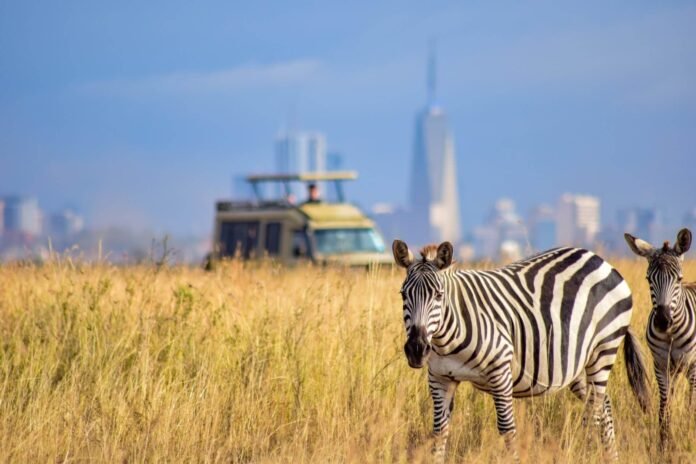
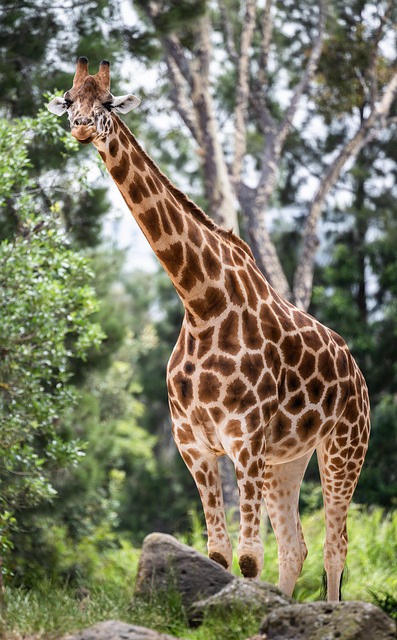
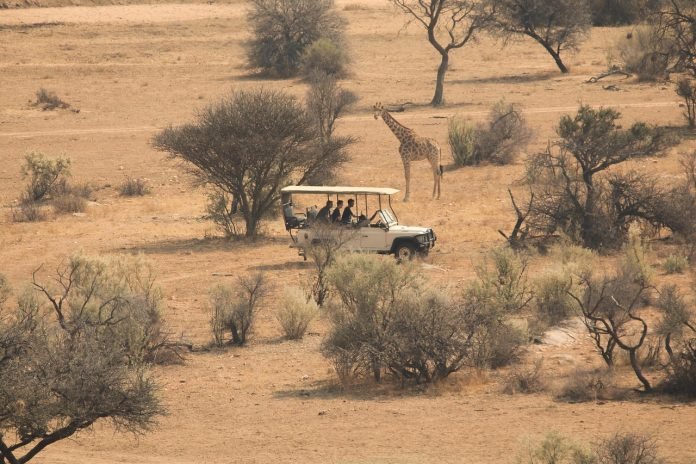
Imagine enjoying a delicious lunch while surrounded by the wild beauty of Nairobi National Park with lions lazing in the distance, giraffes striding gracefully across the plains, and the city skyline visible just beyond the horizon. A meal here is more than just food, it’s an unforgettable experience. At Safari Travel Plus, we make it possible for you, whether you’re a couple looking for a romantic outing, a family celebrating a birthday, or a corporate group hosting a special event.
Where to Enjoy Lunch Inside Nairobi National Park
The park is home to several designated picnic sites, each offering a different atmosphere for your safari lunch:
Kingfisher Picnic Site – A shaded and spacious spot, perfect for families and larger groups. Equipped with benches and rest areas.
Hippo Pools – Overlooking the Mbagathi River, this site gives you a chance to enjoy your meal while spotting hippos, crocodiles, and a variety of birds.
Leopard Cliff (Leopard Gorge) – A scenic and secluded spot ideal for smaller, intimate gatherings.
Impala Observation Point – Elevated with sweeping views of wildlife and Nairobi’s skyline, excellent for photography enthusiasts.
Mokoiyet Picnic Site – Family-friendly, with ample space for children to play and opportunities to spot wildlife nearby.
Ivory Burning Site – A historic and symbolic location, great for those looking to combine history with their meal.
How Safari Travel Plus Creates Your Safari Lunch
At Safari Travel Plus, we take care of everything so that you can focus on enjoying the moment. Whether you’re coming in as a small group of friends or planning for a large corporate team, we customize your lunch experience to fit your needs:
Packed Picnic Lunches – Freshly prepared meals ready to enjoy at one of the picnic sites, perfect for day trips.
Bush Barbecues – Nothing beats the aroma of grilled meats and vegetables in the heart of the wild. We set up and manage everything safely and responsibly.
Birthday Parties in the Wild – Celebrate your special day with cake, decorations, and activities in one of the park’s scenic picnic areas.
Corporate Lunches & Team Building – Combine wildlife viewing with an outdoor meal and optional team activities designed for bonding.
Anniversary & Special Occasions – We create intimate, romantic setups with champagne, flowers, and personalized menus.
Why Choose Safari Travel Plus?
Planning a lunch in Nairobi National Park requires permits, logistics, catering, and an understanding of the park rules. That’s where we step in. With Safari Travel Plus:
We handle all logistics, including park entry, catering, site setup, and clean-up.
Our team can manage groups of any size—from a family of four to corporate groups of fifty or more.
We partner with trusted caterers to ensure fresh, delicious meals for all dietary preferences.
Our experience in safari planning ensures your lunch is safe, seamless, and memorable.
We add those extra touches—from themed décor to wildlife photo opportunities—to elevate your experience.
A Meal You’ll Never Forget
A lunch inside Nairobi National Park is more than a meal—it’s a story you’ll tell for years. Whether it’s a picnic under the acacia trees, a barbecue by the river, or a surprise anniversary setup at Impala Point, we turn an ordinary lunch into an extraordinary experience.
Safari Travel Plus is here to make it happen—personalized, professional, and always unforgettable.
📞 Get in touch today to start planning your Nairobi National Park lunch experience with us.
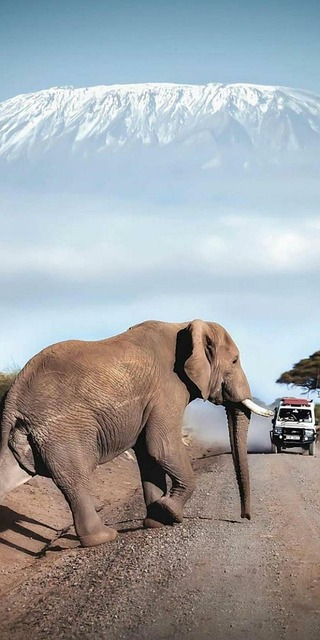
There’s nothing quite like photographing wildlife in its natural habitat. The thrill of waiting for the perfect moment, the golden light of an African sunrise, and the excitement of capturing a lion mid-yawn or an elephant framed against Mount Kilimanjaro — this is what a Kenya photo safari is all about.
Whether you’re a beginner eager to learn, an intermediate photographer fine-tuning your skills, or an expert chasing that once-in-a-lifetime shot, Kenya offers some of the world’s most spectacular photographic opportunities. At Safari Travel Plus, we design photo safaris that go beyond sightseeing — we give you the chance to tell stories through your camera.
Kenya’s Top Photo Safari Destinations
Kenya is home to some of the most iconic wildlife regions in Africa, each offering a distinct photographic canvas. From open savannahs teeming with big cats to arid landscapes showcasing rare species, every park brings something special to your portfolio.
Masai Mara – The Big Cat Capital and Migration Drama
The Masai Mara is often described as the crown jewel of Kenya safaris — and for photographers, it’s simply unmatched.
Wildlife Highlights: Known as the best place in Africa to photograph big cats — lions, cheetahs, and leopards. The density of predators here means incredible chances to capture interactions, hunts, and intimate family moments.
The Great Migration: From July to October, millions of wildebeest and zebra cross into the Mara from the Serengeti. For photographers, this means action-packed shots of dramatic river crossings, dust-filled herds moving across the plains, and predators waiting in ambush.
Landscapes: Rolling grasslands and acacia-dotted savannahs provide classic African backdrops, while the Mara River adds drama with crocodiles and hippos.
Why Photographers Love It: The sheer abundance of wildlife makes every game drive unpredictable, offering endless opportunities to hone your skills.
Amboseli – Elephants with Kilimanjaro Backdrop
Amboseli is a favorite for photographers seeking those iconic African images.
Wildlife Highlights: Home to some of the largest elephant herds in Africa, Amboseli allows close-up encounters with these gentle giants. You’ll often capture multi-generational family groups, sometimes hundreds strong, moving across the plains.
Kilimanjaro Views: The snow-capped peak of Mount Kilimanjaro rises above the horizon, creating one of the most photographed backdrops in Africa. Early mornings are best for clear views.
Other Species: Amboseli also supports lions, cheetahs, buffalo, giraffes, and over 400 bird species, giving you variety beyond elephants.
Why Photographers Love It: Few places in the world offer such dramatic contrast between wildlife and landscape, perfect for wide-angle shots that capture the grandeur of Africa.
Ol Pejeta Conservancy – Rare Species and Conservation Stories
Ol Pejeta blends excellent game viewing with a powerful conservation mission.
Wildlife Highlights: Home to the last two northern white rhinos, Ol Pejeta offers a once-in-a-lifetime chance to photograph these critically endangered animals. It also has a thriving black rhino population, lions, cheetahs, hyenas, and elephants.
Special Access: Unique experiences include visiting the Endangered Species Enclosure, tracking lions with researchers, or photographing chimpanzees at the Sweetwaters Chimpanzee Sanctuary.
Night Drives: Unlike many national parks, Ol Pejeta allows night game drives, opening up opportunities to capture nocturnal species such as aardvarks, bat-eared foxes, and lions on the hunt.
Why Photographers Love It: Beyond the wildlife, Ol Pejeta tells a story of conservation. It’s a chance to document both rare animals and the human efforts to protect them.
Samburu – Rugged Beauty and Rare Wildlife
Samburu is a photographer’s dream for those seeking something beyond the classic safari.
Wildlife Highlights: Known for the “Samburu Special Five” — reticulated giraffe, Somali ostrich, Grevy’s zebra, gerenuk, and beisa oryx — species not commonly found in southern Kenya.
Predators: Lions, leopards, and cheetahs thrive along the Ewaso Nyiro River, providing excellent predator photography against a rugged backdrop.
Landscapes: Samburu’s semi-arid terrain, with dramatic rocky outcrops and thorny acacia trees, creates a different photographic mood — stark, wild, and uniquely beautiful.
Culture: The Samburu people add a rich cultural element, with opportunities for portrait and lifestyle photography that capture the human side of Kenya’s wilderness.
Why Photographers Love It: Samburu offers variety and contrast — from rare species to cultural encounters — making it a destination that broadens any photographer’s portfolio.
Why These Destinations Together Make the Perfect Photo Safari
What makes Kenya so special for photographers is the diversity across these destinations:
Masai Mara delivers drama and predator action.
Amboseli provides iconic elephant and mountain backdrops.
Ol Pejeta offers rare species and conservation storytelling.
Samburu showcases unique wildlife and rugged landscapes.
Together, they ensure that every photographer — from beginner to expert — returns home with a portfolio as diverse as Kenya itself.
Preparing for a Kenya Photo Safari
Choosing the Right Equipment
Beginners: A DSLR or mirrorless camera with a zoom lens (70–300mm) is enough to get started. Carry spare batteries and memory cards.
Intermediate Photographers: Add a telephoto lens (100–400mm or 200–600mm) and possibly a second body for wide-angle landscapes.
Experts: Prime lenses (400–600mm), wide-angle glass, and sturdy supports like monopods or beanbags are essential.
Not bringing your gear? No problem. At Safari Travel Plus, we can help you hire professional equipment, so you won’t miss a single shot.
Expert Photographic Guides
Our guides are more than safari drivers. They’re trained in photographic guiding, which means they understand light, angles, and animal behavior. They know when to position the vehicle, when to wait patiently, and when to move for the action — helping you capture images that tell a story rather than just document a sighting.
A Typical Photo Safari Day
Early Morning: Set out at first light, when wildlife is most active and the golden hues create perfect conditions for shooting. Lions are on the move, elephants feed in misty grasslands, and birds take flight in the soft dawn.
Midday: Wildlife rests under the heat of the sun, and so do we. This is a great time to review your photos, recharge batteries, and even join a photo workshop session with your guide.
Afternoon to Evening: Head back out for the golden hour. The light turns warm, predators become active again, and silhouettes form as the sun dips behind the horizon. Often, the day ends with a sundowner in the bush, camera in hand.
Optional Night Drives: In conservancies like Ol Pejeta, you can extend your photography into the dark, capturing nocturnal creatures in action.
The Best Times for Wildlife Photography
Timing is everything in wildlife photography, and in Kenya, the light and animal behavior work hand in hand to create unforgettable moments. While wildlife can be photographed at any time of day, certain windows offer the most rewarding conditions:
Early Morning – The Golden Dawn
The first hours after sunrise are often considered the best time for wildlife photography. The soft, golden light adds warmth and depth to your images, while the cool temperatures mean animals are more active. Lions and leopards may still be on the move from a night of hunting, elephants are often seen feeding in mist-covered grasslands, and birds are at their most vocal and vibrant. This is the time for capturing both behavioral action shots and dramatic landscapes with glowing skies.
Midday – Harsh Light but Unique Opportunities
By late morning, the sun grows stronger, creating harsher shadows and flat light that many photographers shy away from. But midday offers its own rewards. This is the best time to experiment with:
Close-up portraits of animals resting in the shade.
High-contrast black-and-white photography, which thrives in strong light.
Behavioral photography, such as elephants bathing or hippos yawning in rivers.
Many photographers also use the midday hours to back up photos, review shots with guides, or take part in optional editing sessions before heading out again.
Late Afternoon – The Golden Hour Returns
The second golden hour begins in the late afternoon as the sun dips lower in the sky. Colors grow warmer, shadows lengthen, and activity in the bush picks up again. Predators often begin to stir, giraffes and zebras graze in soft light, and elephants silhouette beautifully against the horizon. It’s a magical time for shooting wide-angle scenes of wildlife within landscapes.
Sunset and Twilight – Silhouettes and Drama
Just before and after the sun sets, Kenya’s skies explode with color — deep oranges, fiery reds, and soft purples. This is a perfect opportunity to create silhouette shots of giraffes, acacia trees, or elephants against the sky. Even after the sun has dipped, the twilight glow can provide atmospheric lighting for moody, creative compositions.
Nighttime – A Different World
In conservancies like Ol Pejeta and Samburu, night drives open up a whole new world of photography. With specialized spotlights and fast lenses, you can capture nocturnal hunters such as lions, leopards, and hyenas in action, or rare creatures like aardvarks and porcupines. Night photography requires patience and technical skill, but the results are some of the most unique safari images you can bring home.
👉 By structuring game drives around these prime windows, we make sure you’re always in the right place at the right time to capture Africa’s most breathtaking moments.
When to Go on a Kenya Photo Safari
Kenya is a year-round safari destination, but the timing of your trip can shape the kind of images you bring home. Different seasons highlight different behaviors, landscapes, and moods — giving photographers a variety of creative opportunities. Here’s what to expect at different times of the year:
January – March: Clear Skies and Predator Action
This is one of the driest periods in Kenya, which means wildlife is easier to spot as animals gather around scarce waterholes. The grass is short, offering clear lines of sight for photographers. Predators are highly active, and this is a particularly good time for capturing big cats in action. The skies are usually crisp and clear, making for striking sunrises and sunsets.
👉 Best for: Predator photography, crisp light conditions, uncluttered landscapes.
April – May: The Green Season
April and May bring the long rains. While many travelers avoid this period, photographers often find it magical. The landscapes turn lush and green, skies are filled with dramatic storm clouds, and the bush is alive with young animals born at the start of the year. Yes, you may encounter muddy roads and occasional showers, but the light after rain is extraordinary, and lodges tend to be quieter.
👉 Best for: Lush landscapes, dramatic skies, fewer crowds, young animals.
June: Transition Season
June marks the end of the long rains and the beginning of the dry season. Vegetation is still fresh, but the skies begin to clear, creating crisp air and beautiful contrast. Wildlife movements increase, and photographers benefit from both green backdrops and clear animal visibility.
👉 Best for: Balanced conditions — greenery plus increasing wildlife activity.
July – October: The Great Migration
This is the most famous period for safaris in Kenya, thanks to the Great Wildebeest Migration in the Masai Mara. Over two million wildebeest, zebra, and gazelle move across the plains, chased by predators. The drama peaks at the Mara River crossings, where thousands of animals leap into crocodile-filled waters.
For photographers, this is high-adrenaline shooting: dust, action, and dramatic encounters. It’s also an excellent time for predator sightings as lions, leopards, and cheetahs take advantage of the migration herds.
👉 Best for: Action photography, river crossings, predator-prey drama.
November: The Short Rains
November sees the arrival of the short rains, which freshen up the landscape after months of dryness. The light is softer, and the skies often dramatic. The rains don’t last long, and they create great opportunities for landscape photography with wildlife against stormy backdrops.
👉 Best for: Dramatic skies, vibrant greenery, fewer tourists.
December: Festive Season Safaris
December is a popular month for family safaris, and the landscapes are still fresh from the short rains. Wildlife is plentiful, and the weather is warm. For photographers, this is a good month for variety: lush scenes, predator sightings, and beautiful sunsets.
👉 Best for: Family safaris, mixed wildlife and landscape photography.
Our Safari Vehicles
Photography requires space and flexibility, which is why our customized Land Cruisers are designed with photographers in mind:
Maximum of four guests per vehicle for comfort.
Pop-up roofs and open sides for 360° shooting.
Beanbag mounts for stability.
Private vehicles as standard on our itineraries — though you can request to join a group photo safari with scheduled departures.
Why Choose Safari Travel Plus for Your Photo Safari?
At Safari Travel Plus, we combine expert knowledge, small group sizes, and carefully designed itineraries to ensure your safari is more than just a trip — it’s a photographic journey.
Expert guides who know both wildlife and photography.
Private vehicles designed for space and shooting freedom.
Equipment hire assistance if you don’t want to travel with heavy gear.
Itineraries designed for photographers, maximizing light and wildlife opportunities.
From the drama of the Mara to the elephants of Amboseli, from Samburu’s unique species to Ol Pejeta’s conservation focus, our photo safaris are crafted to deliver the best of Kenya through your lens.
FAQs About Kenya Photo Safaris
Do I need professional camera gear to join a photo safari? No. Beginners with a good zoom lens can capture amazing shots. We also help arrange equipment hire if you don’t want to bring your own.
How many people will be in the safari vehicle? Our photo safari vehicles host a maximum of four guests, ensuring enough room for comfort and photography gear.
Can I join a group safari instead of a private one? Yes. While our itineraries are priced as private safaris, we also run scheduled group departures where you can join other photography enthusiasts.
What’s the best time of year for a photo safari? The Great Migration runs from July to October, but January to March offers excellent predator sightings. Kenya is a year-round photo destination, with each season offering something different.
How do the guides help with photography? Our guides are trained in photographic guiding, meaning they’ll position the vehicle for the best light, anticipate animal behavior, and share tips to help you improve your shots.
Are night drives possible? Yes, in private conservancies like Ol Pejeta and parts of Samburu, you can enjoy night game drives for rare nocturnal photography.
Final Thoughts
A Kenya photo safari isn’t about snapping quick pictures — it’s about slowing down, observing, and capturing the essence of wild Africa. With the right guidance, the right setup, and the right destinations, your camera becomes more than a tool. It becomes your window into the raw, untamed beauty of Kenya.
At Safari Travel Plus, we’ll help you make sure every click counts.
Choosing the “best” safari company is a little like asking for the best running shoe: the right fit depends on your goals, destination, comfort level, budget, and how much hand-holding you want from planning to wheels-up. The good news? There is a clear way to evaluate companies so you avoid nasty surprises—like hidden fees, generic cookie-cutter itineraries, or poor communication once you’ve paid a deposit.
Below is a practical, traveler-first guide to help you pick the right partner for your Africa trip. You’ll learn what to look for beyond glossy photos, how to read reviews (including the negative ones) like a pro, what typical booking and refund policies look like, and how costs compare between different operators. You’ll also see where a regional specialist—like Safari Travel Plus—makes a real difference, and why local presence in Kenya and Uganda can save you money and stress while still enabling seamless multi-country journeys.
What to Look For When Booking an African Safari
Think of this as your shortlist of non-negotiables—the “bones” of a great safari.
1) Proven on-the-ground presence in your destination(s).
Safari is intensely local. Park rules, seasonal wildlife movements, lodge relationships, and road conditions change constantly. A company with operational teams based in the countries you’ll visit typically negotiates better rates with lodges, reacts faster to last-minute hiccups (flight delays, weather, park closures), and avoids outsourcing your trip to a second operator you’ve never spoken to. If you do work with a company that partners locally, ensure they’re transparent about who will actually run your safari day to day.
2) Specialist itinerary design (not just “package pushing”).
The best companies start with your goals—specific wildlife (Big Five, mountain gorillas, wild dogs), photography, family needs, mobility considerations, or celebration travel—and then design around those goals. Watch for thoughtful sequencing (minimize dead travel time), smart park combinations (e.g., Mara + Naivasha for variety), and pacing (don’t pack three flights into one day just to “tick boxes”).
3) Quality of guides and vehicles.
Guides make your safari. A great guide is equal parts naturalist, storyteller, driver, and fixer. Ask about guide experience and training, guest-to-guide ratios for shared vehicles, vehicle configuration (pop-up roof vs. open-sided, seating layout, charging points, fridges), and recovery plans if a vehicle breaks down.
4) Transparent pricing (line-item clarity).
Your quote should show what’s included (park fees, game drives, flights, transfers, conservation levies, laundry, drinks, tips policy) and what isn’t (visas, premium spirits, optional activities, balloon rides). Hidden fees often hide in the grey zone—e.g., “park fees payable direct” or “domestic baggage fees not included.” Clear beats clever.
5) Reputation you can read, not just count.
Don’t stop at “They have 1,000 reviews.” Check recency, content, and the company’s responses—more on that in the review section below.
6) Responsiveness and communication style.
Safari plans evolve. If every reply takes three days, imagine what happens when weather diverts your bush flight. Speed and substance matter—how quickly they reply and whether they actually address your questions.
7) Booking, deposit, and refund policies you can live with.
You should not need to prepay 100% six months out unless a specific lodge, charter, or permit demands it. Clear deposit schedules (often 25–50% depending on season and suppliers), milestone payments, and straightforward cancellation terms are the mark of a professional operator. More detail below.
8) Ethical operations and conservation alignment.
Ask where your money goes. Do they support local conservancies, hire locally, and follow park guidelines? Sustainable safaris protect the very experiences you’re flying across the world to enjoy.
How to Read Safari Reviews Like a Pro
Reviews are gold—if you know how to mine them.
Don’t just count—analyze:
Recency: Reviews in the last 6–12 months reflect current staffing, vehicles, and partners.
Pattern-spotting: One lone complaint about a delayed flight? Maybe unavoidable. Multiple comments about poor communication or last-minute itinerary changes? Red flag.
Negative reviews (the useful ones): Look for specifics: “Park fees weren’t included and we had to pay on arrival,” or “Guide seemed inexperienced in the Mara Conservancy.” This tells you what to ask before you book.
Company response quality: Are they empathetic and factual, or defensive and vague? Professional replies often include what they changed so it won’t happen again.
Platform variety: A healthy mix (Google, TripAdvisor, SafariBookings, direct testimonials) reduces review “tunnel vision.”
Tip: Search reviews for terms like communication, vehicle, guide, hidden fees, refund, family, and last-minute to surface relevant details fast.
Cost Comparison: Why Prices Differ (and a Transparent Example)
Safari pricing isn’t random. Your total is shaped by:
Season: Peak migration weeks or holiday periods cost more.
Lodging tier: Classic camps vs. ultra-luxury lodges.
Logistics: Road vs. fly-in, private vehicle vs. shared.
Park fees & levies: Can be significant per day.
Exchange rates & taxes: Fluctuate and impact totals.
Who’s operating: A local operator may pass on net rates negotiated with lodges. A distant middleman may add an extra layer of margins.
Below is an illustrative apples-to-apples comparison for a 7-day private Kenya “Classic” safari (Amboseli → Naivasha → Masai Mara), 2 adults, mid-range lodges, private 4×4 vehicle, mixed road/short flight logistics. This is a sample for guidance; actual quotes vary by dates, availability, room category, and exchange rates.
Company
Per Person (USD)
What’s Included
Customization Flexibility
Notes You’d Ask To Confirm
Local Regional Operator (e.g., Safari Travel Plus)
$2,450–$2,850
Private vehicle/guide, park fees, mid-range lodges, most meals, internal flight MARA→NBO, airport transfers
High (daily pacing, lodge swaps, add-ons like balloon ride)
Exact park fee totals, any seasonal supplements, cancellation tiers
Global “Brand” Agency
$3,000–$3,600
Similar inclusions; brand add-ons (concierge line)
Medium (pre-defined packages with some swaps)
Who is on the ground? Any partner hand-off? Margin layers?
Marketplace Broker (multi-operator)
$2,600–$3,100
Varies by supplier; may show “from” pricing
Medium to High (but quality varies by vendor)
Are park fees included? Vehicle type? Clear refund path if
Why the spread?
Local operators (with real teams in-country) often secure better lodge contracted rates and avoid extra intermediaries—so your dollars go further. “From” prices elsewhere may exclude park fees or use shared vehicles. Always insist on a line-item quote so you can compare like-for-like.
Are Safari Packages Customizable?
They should be. Customization can mean:
Swapping a lodge for a smaller camp with a different vibe.
Upgrading one location to luxury while keeping others mid-range (a smart way to splurge).
Adding special experiences (balloon safaris, cultural visits, walking safaris).
Building multi-country arcs (e.g., Kenya & Seychelles beach finale).
Reality check: Not every “package” is flexible—some big-box offers are pre-priced and rigid. If the company hesitates when you request a tweak (earlier start to catch a flight, extra night in the Mara, specific family rooming), that’s a sign they don’t control the operation—or don’t want to do the extra work.
Speed of Response: Why It Matters (a Lot)
Safari planning is dynamic, and top lodges book early. The best companies:
Acknowledge new inquiries same day (often within a few hours during business hours).
Provide a substantive first reply (not just “we’ll get back to you”).
Proactively suggest options if your first choice is full.
Offer WhatsApp for quick clarifications (time zones + bush Wi-Fi make this a lifesaver).
How to test it:
Send an inquiry with 2–3 specific questions (e.g., “Can we do a private vehicle day 2 only?” “Is ballooning age-restricted?” “Is laundry included at X Lodge?”). A quality operator will answer each question clearly, not just attach a generic brochure.
Booking Policy: Deposits, Final Payments, and When You
Don’t
Need 100% Upfront
While policies vary by country, lodge, and season, here’s what’s typical for well-run operators:
Deposit to secure: Commonly 25–40% at confirmation. Some peak-season or ultra-premium lodges may require 50% (or occasionally full prepayment) earlier than usual—this is driven by lodge policy, not the operator’s preference.
Final balance: Often due 45–60 days before travel. For high-demand dates or specialty permits, earlier milestones may apply.
No need to pay 100% six months in advance unless your specific itinerary has supplier terms that require it (e.g., non-refundable special offers, charter planes, certain exclusive camps).
What you should receive:
A clear pro forma invoice laying out dates, amounts, currency, what triggers each payment, and accepted methods (bank transfer, card, mobile payments where available). You should also get booking T&Cs in writing.
Refund & Cancellation Policies: The Fine Print That Protects You
Read this carefully before you pay a deposit:
Time-banded refunds: Many operators align with lodge terms, e.g., fully refundable (less admin) if you cancel 90+ days out; sliding scales (e.g., 50% refund at 60–89 days; 25% at 45–59 days; 0–25% inside 44 days). The exact bands vary—insist on seeing them.
Non-refundable items: Some permits and flights are non-refundable or only partially refundable once issued. This can include gorilla and chimp permits, balloon safaris, and certain regional air tickets. If your plan includes these, ask how they’re handled in a cancellation.
Force majeure & flexibility: Check if credits or rebooking are allowed for unexpected disruptions.
Insurance: Strongly consider comprehensive travel insurance covering cancellation, medical, and evacuation. Ask your operator for typical policy ranges and what recent guests have used successfully.
Bottom line: Make sure your deposit risk matches your comfort level, and that you know exactly how your money flows to lodges and third-party suppliers.
Where in Africa Are You Going? Why Local Matters (But Partners Can Be Great, Too)
Choosing a company with real teams in the countries you’ll visit usually means:
Smoother operations (airport meet-and-greet, vehicle dispatch, fast problem-solving).
Consistent quality control (they know the guides and vehicles by name).
There is nothing inherently wrong with a company contracting a trusted local partner—this is how multi-country trips often run. Transparency is the key: you should know who the partner is, how standards are enforced, and who’s accountable if anything goes wrong.
Making the Case for Safari Travel Plus
If you’re considering Kenya or Uganda, Safari Travel Plus is a strong fit:
We’re based in Kenya and Uganda.
That means we operate your safaris ourselves in these two countries—designing routes, assigning vehicles and guides, and coordinating every on-the-ground detail. The benefit to you is local pricing and fast response if plans change mid-trip.
Competitive, vetted partnerships across the region.
For Tanzania, Mozambique, Zambia, Namibia, South Africa, and Zimbabwe, we work with carefully chosen partners whose service and safety standards match our own. We remain your single point of accountability and price competitively by leveraging long-standing relationships.
Seamless multi-country itineraries.
Popular combos like Kenya & Seychelles, Kenya & Tanzania, Kenya & Uganda, and Kenya & South Africa are our bread-and-butter. We book the pieces, coordinate the transfers, and ensure your luggage and timings work across borders.
Family focus and concierge-level care.
Traveling with kids? We obsess over pacing, rooming, mealtimes, and downtime. Our client relations team—headed by Emma, our Client Relations Manager—keeps tabs on the details that make a family trip feel effortless: interconnecting rooms, car seats, snack stops, downtime by the pool, and age-appropriate activities.
No hidden fees.
Your quote spells out what’s included and what isn’t—park fees, road and air transfers, conservation levies, activities—so you can plan your spend confidently.
Customization as standard.
Want an extra night in the Mara? Prefer a small, owner-run camp to a larger lodge? Need a private vehicle for photography? We build around you, not the other way around.
Sample Cost Snapshots (So You Know What to Expect)
Again, these are illustrative ranges to help with planning conversations, assuming mid-range properties, shoulder-to-peak seasons, and private vehicles. Your exact quote will depend on your dates, final lodge choices, and availability.
Family of 4 (2 adults + 2 kids 6–12): ~$1,850–$2,350 per person
Includes: private vehicle/guide, park fees, most meals, internal flight MARA→Nairobi, all transfers.
Excludes: international flights, visas, premium drinks, optional balloon ride, tips.
Kenya & Uganda (9 days: Masai Mara + Bwindi/Kibale region)
2 adults: ~$3,800–$4,800 per person (range widens based on lodge level and permits)
Includes: private guiding in Kenya, scheduled flights to connect, ground handling in Uganda, most meals.
Note: Certain wildlife permits are high-demand and may be non-refundable once issued; we’ll brief you clearly before booking.
Kenya & Seychelles (10–12 days: safari + beach)
2 adults (honeymoon level): ~$4,200–$6,500 per person
Includes: Kenya safari (private or quality shared), flights to Mahé/Praslin (or boat), boutique beach resort B&B/HB.
These ranges show why a locally based operator with strong relationships is valuable—you’ll typically see more inclusions per dollar and fewer surprises at checkout.
Deposits & Refunds—What We Do at Safari Travel Plus (Plain English)
Deposits: Usually 35–40% is enough to confirm most itineraries. If a particular lodge or supplier requires more (some peak-season or exclusive properties do), we’ll tell you upfront and explain why.
Final balance: Typically 45–60 days before travel (earlier for peak).
Refunds/cancellations: We align your terms with lodge and flight policies so you’re not caught out. You’ll see your time-banded refund schedule before you pay, plus any items that are partially/fully non-refundable.
No hidden fees: We itemize park fees, conservancy levies, flights, transfers, and optional activities—so you can compare quotes fairly.
If you’re comparing our quote with others, ask us for a quick apples-to-apples check. We’ll show you where inclusions and vehicle types differ—no pressure, just clarity.
A Simple 12-Point Checklist to Choose Your Safari Company
Use this to evaluate any operator (including us):
Local operations in your destination(s) or transparent partner setup
Recent, content-rich reviews (and professional responses to complaints)
Clear line-item quotes with park fees and levies visible
Guide credentials and continuity (same guide throughout?)
Customization (pacing, lodges, special interests)
Fast, substantive replies via email and WhatsApp
Booking/deposit terms you understand—no 100% six months out unless required
Refund policy including non-refundable items flagged before you pay
Ethical approach (local hiring, conservation support, respect for wildlife)
Insurance guidance and practical pre-departure support (visas, packing, meds)
Single point of accountability (who fixes things if a link in the chain fails?)
If an operator ticks at least 10 of these—especially #1, #3, #7, #8, #9—you’re in very good hands.
Frequently Asked Questions
Q: Are more reviews always better?
Not necessarily. A smaller specialist with recent, detailed reviews can be better than a giant with a high count but stale feedback. Read for substance and patterns, not just stars.
Q: Do I need a private vehicle?
For families, photographers, mobility concerns, or if you want maximum flexibility, yes. Otherwise, high-quality shared vehicles in certain camps can be excellent value.
Q: How early should I book?
For peak seasons or special migrations, 8–12 months is ideal. Shoulder seasons can be more forgiving, but the best small camps still sell out.
Q: Why do similar itineraries vary in price?
Hidden differences: park/conservancy fees, room categories, private vs. shared vehicles, internal flights vs. long road days, or simply extra middleman margins.
Q: Can I change plans after I’ve paid a deposit?
Often yes—subject to availability and supplier terms. Some items (permits, certain flights) may be non-refundable or incur change fees. We’ll outline this before you commit.
The Bottom Line
The best safari company for you is the one that:
Operates (or transparently partners) on the ground where you’re going,
Customizes your trip around your goals,
Communicates fast and clearly,
Shows every cost upfront (no hidden fees),
Has booking and refund policies you can live with,
And has recent reviews that say what you need to hear—not just “amazing trip,” but details about guides, vehicles, and problem-solving.
Safari Travel Plus ticks those boxes—especially if you’re headed to Kenya or Uganda, where we operate directly, and for multi-country journeys where seamless coordination matters most. In Tanzania, Mozambique, Zambia, Namibia, South Africa, and Zimbabwe, we collaborate with vetted partners to deliver the same standard of service at competitive rates. Whether it’s a first safari, a family adventure with complex rooming needs, or a honeymoon pairing Kenya’s savannahs with Seychelles’ beaches, our team—led by Emma in Client Relations—sweats the details so you don’t have to.
If you’d like a transparent, line-item quote (with clear deposit and refund terms) or a quick apples-to-apples comparison against another proposal you’ve received, share your dates, group size, comfort level (mid-range, high-end, or a mix), and any must-see wildlife. We’ll respond promptly—email or WhatsApp both work—and build something that fits you, not the other way around.
No hidden fees. Just honest advice, careful planning, and a safari you’ll remember for the rest of your life.
The Masai Mara is one of Africa’s most iconic safari destinations, home to the Big Five and the world-famous Great Migration. While private safaris offer exclusivity, many travelers find Masai Mara group tours a practical and affordable way to explore this incredible reserve. At Safari Travel Plus, we specialize in organizing joining safaris that balance cost savings with unforgettable wildlife experiences.
Our Popular Masai Mara Joining Safaris
If you’re looking for a hassle-free safari option, here are some of our most requested Masai Mara group tour packages:
3-Day Masai Mara Joining Safari – Perfect for travelers with limited time. Enjoy two nights in the Mara with multiple game drives for a chance to spot lions, elephants, and more. Ideal for a quick but immersive safari experience.
5-Day Masai Mara, Lake Nakuru & Naivasha Safari – This extended safari combines the Masai Mara with two of Kenya’s most scenic parks. Visit Lake Nakuru, famous for its rhinos and birdlife, and Lake Naivasha, where you can enjoy a boat ride among hippos and diverse bird species.
These joining safaris are designed to give you the best wildlife encounters while keeping costs low through shared vehicles and flexible accommodation options.
Why Choose a Group Safari in the Masai Mara?
A safari vehicle in Kenya can cost up to $250 per day if hired privately. By joining a group safari, you share this cost with other travelers—making it budget-friendly without compromising the experience. Our tours use 4×4 safari Land Cruisers for comfort and great game-viewing opportunities.
Group safaris also allow you to meet like-minded adventurers, creating opportunities to share the excitement of spotting lions on a hunt or elephants crossing the plains.
How Group Safaris Work
When you book a Masai Mara joining safari with Safari Travel Plus, here’s what you can expect:
Shared Vehicle – You will travel in a safari Land Cruiser with other travelers.
Accommodation in One Area – To make pickups and drop-offs practical, we arrange group accommodations within a defined zone. For us, most of our tours are centered around the Mara Sopa Lodge area. While Mara Sopa itself is mid-range, there are nearby budget and luxury options, allowing you to upgrade your stay while still sharing the vehicle.
Pickups and Drop-offs – Since travelers may stay at different lodges around the same area, expect short delays during pickups and drop-offs.
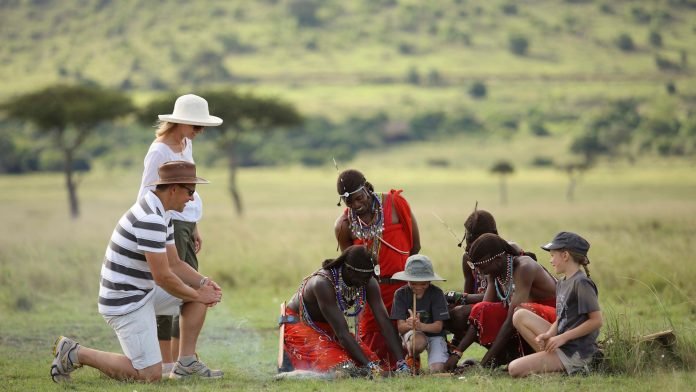
Activities – Daily game drives in the Mara, plus optional extras like Maasai village visits or a balloon safari (must be requested early to plan smoothly).
What to Consider When Booking a Masai Mara Joining Safari
When choosing a group safari, it’s important to weigh a few key factors:
Comfort with Sharing – You’ll be sharing your vehicle with strangers, and sometimes even families with kids. If you prefer privacy, a private safari may be better.
Delays Are Normal – Pickups and drop-offs can take time, especially if guests are staying in different lodges. Patience is key to enjoying the group experience.
Accommodation Flexibility – While you can choose your lodge, it should be within the same general area as other participants to avoid long transfers.
Social Aspect – Group safaris are a great way to connect with other travelers. If you’re open to meeting people from different cultures, it adds to the fun.
Budget vs. Luxury – Joining safaris usually use budget or mid-range accommodations, but you can upgrade to luxury lodges while still sharing the safari vehicle.
Why Book with Safari Travel Plus?
At Safari Travel Plus, we ensure your Masai Mara group safari is seamless and rewarding. Here’s why travelers choose us:
Expert Planning – We have years of experience organizing group safaris, ensuring efficient routes, comfortable vehicles, and trusted accommodations.
Flexibility – Choose between budget, mid-range, or luxury stays, all within the Mara Sopa area for convenience.
Added Value – All our packages include park fees and meals, and you can add unique experiences like balloon safaris or Maasai cultural visits.
Daily Departures – Whether traveling solo or with friends, we guarantee departures even if the vehicle isn’t full.
With us, you don’t just save money—you also get peace of mind, expert guidance, and unforgettable wildlife encounters.
FAQs on Masai Mara Group Tours
Are the departures daily?
Yes, we have daily departures to the Masai Mara.
Does the vehicle need to be full to depart?
No. We guarantee departures even if the vehicle isn’t full.
Can I select my accommodation?
Yes, you can choose from budget, mid-range, or luxury lodges. However, accommodations must be within the same general area as other participants for practical pickups and drop-offs.
Are there optional extras?
Yes. You can add a balloon safari or a Maasai village visit, but it’s best to request these early so we can organize them in advance.
Are park fees and meals included?
Yes. Our joining safaris cover park entrance fees, accommodation, and meals.
Final Thoughts
A Masai Mara group safari is a fantastic way to experience Kenya’s premier game reserve without the high cost of a private trip. While it requires some flexibility and patience, the rewards are incredible—close encounters with wildlife, the thrill of adventure, and the joy of sharing the experience with fellow travelers.
At Safari Travel Plus, we make group safaris smooth, affordable, and unforgettable. Whether you choose budget or luxury, you’ll leave the Mara with memories that last a lifetime.
Family “Green Season Discovery” (10–12 days): Nairobi → Ol Pejeta → Masai Mara → Diani Beach
Fewer crowds and friendlier lodge rates, easy Big Five chances in Ol Pejeta, predator action in the Mara, then warm Indian Ocean downtime. Short afternoon showers = perfect for pool time and rest between drives; lush backdrops make awesome family photos.
Couples “Amboseli & Mara Fly-In” (6–8 days): Amboseli → Mara Conservancy
Romantic lodges, private sundowners, and clear post-shower views of Kilimanjaro in Amboseli; then big-cat territory in Mara conservancies with off-road freedom and night drives. Fewer vehicles, dramatic skies—an intimate, cinematic safari.
Solo “Big Cats & Rhinos Circuit” (7–9 days): Nairobi → Ol Pejeta → Lake Naivasha → Masai Mara
Small-group departures keep costs sensible. Rhino tracking and hands-on conservation at Ol Pejeta, birds and boating on Naivasha, and resident lions/cheetahs in the Mara. Sociable camps with communal dining make it easy to meet fellow travelers.
Tell us your dates and travel style and we’ll tailor one of these for you—same wildlife, smarter pacing for November.
Quick take: Is November a good time?
Yes—if you like fewer crowds, lower prices, dramatic skies and vibrant green landscapes. November is the short-rains month: showers are typically brief (often late afternoon/evening) and safaris run normally. Birding is exceptional thanks to Palearctic migrants; cats hunt actively; and Amboseli’s post-rain views of Kilimanjaro can be spectacular.
Weather in November (vs other seasons)
Short-rains in a nutshell: Expect warm days with bursts of rain rather than day-long washouts. Mornings are great for game drives; showers are more likely late afternoon or at night.
Compared with July–October (peak dry season): Greener grass, softer light, far fewer vehicles, less dust and more moody cloudscapes.
Compared with March–May (long rains): November is much less disruptive. The long rains (especially April) can close remote tracks; November rarely does.
Coast (Diani/Watamu/Lamu): Warm, humid and beach-friendly between passing showers; sea temperatures are lovely.
Wildlife expectations in November
Masai Mara: The big migration herds have usually moved back toward Tanzania by November, but resident plains game and very active predators (lion, cheetah, leopard) remain excellent. Green backdrops make photos pop and you’ll find fewer vehicles at sightings.
Amboseli: Shallow wetlands and open plains come alive; elephants abound and, after showers, Kilimanjaro often appears crystal clear.
Ol Pejeta Conservancy (Laikipia): East Africa’s flagship black-rhino stronghold (and the last two northern white rhinos). Guided rhino experiences, lion tracking and night drives are big November wins.
Aberdares: Misty forest, waterfalls and lodge waterholes draw elephant, buffalo and forest antelope. It’s cool and damp—great if you like moody, highland scenery.
Birding everywhere: With migrants arriving Oct–Nov, species counts balloon across the Mara, Rift Valley lakes, Tsavo and the coast.
Best places to visit in November
Amboseli National Park – Elephant families, green swamps and potential post-rain Kili views.
Masai Mara (especially conservancies) – Big cats + fewer crowds; conservancies allow off-road and night drives.
Ol Pejeta Conservancy – World-class rhino viewing and conservation activities; easy link from Nairobi.
Rift Valley lakes (Nakuru/Naivasha/Elementaita) – Peak birding; flamingo returns at times depending on water/algae.
Tsavo East/West – Vast, wild and uncrowded; landscapes flush green after showers.
Coastal Kenya (Diani, Watamu, Lamu) – Warm seas, culture and cuisine; excellent value in the shoulder season.
Aberdare Range – Forest lodges with night-lit waterholes; pack layers and waterproofs.
Festivals & events in November
Mombasa Carnival – Kenya’s biggest street festival with parades and coastal culture, typically in November (dates vary).
Lamu Cultural Festival – Dhow races, donkey derbies and Swahili heritage—often late November.
Tip: Confirm the year’s exact dates before locking flights.
What to wear in November
Safari basics:
Light, breathable layers; a packable waterproof or poncho; quick-dry trousers/shorts; neutral tones (olive/khaki/grey); closed shoes/light boots with grip; a warm layer for early drives; sun hat + sunscreen.
By region:
Nairobi (city & day trips): Smart-casual works—jeans, light shirts, compact umbrella/rain jacket, closed shoes for wet pavements.
Masai Mara & Amboseli: Neutral layers, hat, sunscreen and a light rain shell; add a fleece/soft-shell for breezy, cool drives.
Ol Pejeta (Laikipia): Similar to the Mara but mornings can be crisp—bring a warmer layer and rain shell.
Aberdares: It’s cool and wet—think fleece/light puffer, waterproof jacket and waterproof footwear.
Coastal region (Diani/Watamu/Lamu): Airy cotton/linen, sandals, and a light shawl for evenings. Away from resorts, dress modestly (cover shoulders/knees in towns/villages).
Park fees snapshot (2024/25)
Fees change periodically and sometimes vary by season—please confirm at booking. Citizens/Residents pay in KSh at lower rates.
KWS-managed parks (per adult, per day, non-resident):
Amboseli, Lake Nakuru: ~US$60
Nairobi National Park: ~US$43
Tsavo East/West: ~US$52
Aberdare/Meru/Mt Kenya (selected gates): ~US$43
Masai Mara National Reserve (Narok County):
Jul–Dec: US$200 per adult per 12-hour day
Jan–Jun: US$100 per adult per 12-hour day
(November falls in the Jul–Dec bracket.)
Ol Pejeta Conservancy:
Non-resident adult ~US$110; child ~US$55 (daily)
November vs other seasons—pros & trade-offs
Game viewing:
Resident wildlife is excellent—expect strong big-cat chances, energetic grazers and great birding. You trade dramatic migration river crossings for quieter sightings and lush scenery.
Weather reliability:
Showers are common but usually brief. All-day downpours are more a March–May thing.
Photography:
Cleaner air, stormy skies, rainbows, rich greens and less heat-haze than dusty peak months—superb for images.
Value & availability:
Better availability and softer rates than July–October; many properties offer green-season specials.
Sample 8-day November outline
Day 1–2: Nairobi
Warm-up game drive in Nairobi National Park or visit the Giraffe Centre; dinner at a local favorite.
Day 3–4: Ol Pejeta (Laikipia)
Rhino tracking, possible lion tracking and an optional night drive.
Day 5–7: Masai Mara Conservancy
Big-cat focus, fewer vehicles. Optional hot-air balloon at sunrise.
Day 8: Fly to the Coast (add 2–4 days if you can)
Diani or Lamu for beach time, Swahili culture and seafood.
Practical planning tips
4×4 matters: Black-cotton soils can turn slick; we use proper 4×4 vehicles and guides experienced in wet conditions.
Flexible timing: Guides may shift drive times to dodge showers (early morning + late afternoon often win).
Health: It’s mosquito season—use repellent and wear long sleeves/pants in the evenings. Ask your clinician about malaria prophylaxis suitable for you.
Coast add-on: Expect warm seas with passing showers—great value in November.
Insurance: Because weather can be changeable, consider robust trip interruption coverage.
Ready to plan?
Whether you’re a family after gentle pacing and great value, couples seeking romance and privacy, or a solo traveler keen on conservation and big cats, November plays to your strengths: fewer crowds, photo-friendly light and budgets that stretch further. Share your dates and wishlist—we’ll tailor one of our November itineraries to you.
If you’re asking “What is the best safari in Kenya?” — you’re not alone. Kenya is where the modern safari was born, and today, it offers a rich mix of wildlife, luxury, local culture, and off-the-grid adventures. But the best safari isn’t one-size-fits-all. It depends on what you want, when you travel, and how you do it.
This guide covers everything — from the Big Five to bush breakfasts, from luxury lodges to Airbnbs, and why Safari Travel Plus is your go-to partner for making it all happen smoothly.
What Makes a Classic African Safari?
A great Kenyan safari should deliver the full package:
✅ Big Five Game Viewing
Lion. Leopard. Elephant. Rhino. Buffalo. Kenya’s top parks and reserves — like Maasai Mara, Amboseli, and Laikipia — are all Big Five territory. But it’s not just about ticking boxes. It’s about witnessing these animals in the wild, doing what they do best.
✅ Luxury in the Bush
Think sundowners with a view, private verandas overlooking the plains, infinity pools, and gourmet meals served under the stars. Top-tier lodges like Angama Mara, Saruni Samburu, and Elewana offer true luxury without disconnecting you from nature.
✅ Immersive Safari Experiences
Safari isn’t just game drives anymore. Some of the best moments come from:
Walking safaris with armed guides
Bush breakfasts in the wild
Sundowners overlooking a waterhole
Night game drives in private conservancies
Cultural visits to Maasai or Samburu communities
Best Safari Destinations in Kenya (And When to Go)
🐾
Maasai Mara National Reserve
Why go: Big Five + Great Migration (July–October)
Peak season park fees: $200 per adult/day
Pro tip: Visit private conservancies (e.g., Mara North, Naboisho) for fewer crowds and exclusive experiences.
🐘
Amboseli National Park
Why go: Huge elephant herds + views of Mt. Kilimanjaro
Best time: June to October, January to March
Pro tip: Great for photographers and short safari trips.
🏜
Samburu National Reserve
Why go: Unique species (Grevy’s zebra, gerenuk) and rugged landscapes
Less crowded: Even in high season, Samburu stays relatively quiet.
🏞
Laikipia Plateau
Why go: Walking safaris, rhino conservation, and private ranches
Good for: Couples, families, or anyone wanting something different.
Safari Timing: How Seasons Affect Your Experience.
When you go on safari in Kenya matters just as much as where you go. Wildlife behavior, scenery, crowd levels, road conditions, and even park fees fluctuate dramatically with the seasons.
Here’s how each part of the year affects your safari experience — so you can time it right based on your goals, budget, and travel style.
🌞
High Season (July–October, mid-December–February)
This is the peak of safari season in Kenya — and for good reason.
What to Expect:
Dry weather: Clear skies and minimal rainfall mean excellent game-viewing conditions.
Great Migration: The wildebeest migration in Maasai Mara peaks from July to October, drawing massive herds — and predators.
Best visibility: Animals gather at waterholes and are easier to spot in the thin vegetation.
Premium experiences: Perfect for photography, luxury safaris, and first-time visitors.
What to Watch Out For:
Crowds: Popular parks like the Mara can get busy, especially around river crossings.
Higher costs: Lodges charge premium rates, and park fees spike. For example:
Maasai Mara National Reserve:
$200 per adult/day in high season
$100 per adult/day in low season
Early bookings required: Top lodges sell out months in advance.
Best For:
Wildlife enthusiasts, photographers, honeymooners, and those chasing the Great Migration.
Best time to visit Maasai Mara, Kenya safari high season, Great Migration safari Kenya
🌤️
Shoulder Season (June & November)
Often overlooked, June and November are hidden gems for savvy travelers.
What to Expect:
Good wildlife sightings: Animals are still active and easy to spot.
Mild weather: June marks the end of the long rains; November follows the short rains.
Fewer tourists: Less competition for views and more personalized experiences.
Lower rates: Many camps still offer low-season pricing, but with high-season perks.
Best For:
Travelers seeking value, fewer crowds, and decent wildlife without the high price tag.
🌧️
Low Season (March–May)
Known as the long rains season, this is the quietest — and most affordable — time to visit.
What to Expect:
Heavy rains: Roads can become muddy and harder to navigate, especially in remote parks.
Lush landscapes: Green scenery, blooming flora, and newborn animals.
Birdwatching paradise: Migratory birds are abundant.
Drastic price drops: Lodges slash rates by up to 50%. You’ll often have parks nearly to yourself.
What to Watch Out For:
Some lodges close: Especially in Mara and Samburu, where access may be limited.
Not ideal for road travel: Stick to parks with good infrastructure or consider fly-in safaris.
Best For:
Repeat travelers, bird lovers, budget-conscious adventurers, and those who don’t mind a bit of rain.
Season-Specific Safari Tips
If you’re traveling with kids: Avoid the long rainy season (March–May) due to mud, malaria risk, and fewer activity options.
Photographers: July to October gives you crisp, clear lighting and prime predator-prey action.
Honeymooners or romantic escapes: Go in the shoulder season for privacy, serenity, and great deals.
Beach + Bush: Consider November or June — both offer good coast weather and solid wildlife viewing.
When you go on safari in Kenya matters just as much as where you go. Wildlife behavior, scenery, crowd levels, road conditions, and even park fees fluctuate dramatically with the seasons.
Here’s how each part of the year affects your safari experience — so you can time it right based on your goals, budget, and travel style.
🌞
High Season (July–October, mid-December–February)
This is the peak of safari season in Kenya — and for good reason.
What to Expect:
Dry weather: Clear skies and minimal rainfall mean excellent game-viewing conditions.
Great Migration: The wildebeest migration in Maasai Mara peaks from July to October, drawing massive herds — and predators.
Best visibility: Animals gather at waterholes and are easier to spot in the thin vegetation.
Premium experiences: Perfect for photography, luxury safaris, and first-time visitors.
What to Watch Out For:
Crowds: Popular parks like the Mara can get busy, especially around river crossings.
Higher costs: Lodges charge premium rates, and park fees spike. For example:
Maasai Mara National Reserve:
$200 per adult/day in high season
$100 per adult/day in low season
Early bookings required: Top lodges sell out months in advance.
Best For:
Wildlife enthusiasts, photographers, honeymooners, and those chasing the Great Migration.
SEO tip: Best time to visit Maasai Mara, Kenya safari high season, Great Migration safari Kenya
🌤️
Shoulder Season (June & November)
Often overlooked, June and November are hidden gems for savvy travelers.
What to Expect:
Good wildlife sightings: Animals are still active and easy to spot.
Mild weather: June marks the end of the long rains; November follows the short rains.
Fewer tourists: Less competition for views and more personalized experiences.
Lower rates: Many camps still offer low-season pricing, but with high-season perks.
Best For:
Travelers seeking value, fewer crowds, and decent wildlife without the high price tag.
Kenya safari in June, best off-peak safari months Kenya
🌧️
Low Season (March–May)
Known as the long rains season, this is the quietest — and most affordable — time to visit.
What to Expect:
Heavy rains: Roads can become muddy and harder to navigate, especially in remote parks.
Lush landscapes: Green scenery, blooming flora, and newborn animals.
Birdwatching paradise: Migratory birds are abundant.
Drastic price drops: Lodges slash rates by up to 50%. You’ll often have parks nearly to yourself.
What to Watch Out For:
Some lodges close: Especially in Mara and Samburu, where access may be limited.
Not ideal for road travel: Stick to parks with good infrastructure or consider fly-in safaris.
Best For:
Repeat travelers, bird lovers, budget-conscious adventurers, and those who don’t mind a bit of rain.
Kenya safari in April, low season travel Kenya, green season safari deals
Season-Specific Safari Tips
If you’re traveling with kids: Avoid the long rainy season (March–May) due to mud, malaria risk, and fewer activity options.
Photographers: July to October gives you crisp, clear lighting and prime predator-prey action.
Honeymooners or romantic escapes: Go in the shoulder season for privacy, serenity, and great deals.
Beach + Bush: Consider November or June — both offer good coast weather and solid wildlife viewing.
Customizing Your Safari: Personal Preferences Matter
Not every traveler dreams of the same safari. Some want a luxury escape with champagne and canvas tents. Others want to eat street food in Nairobi, stay in local homes, and mix game drives with market visits. The beauty of a Kenyan safari is that it can be shaped around your lifestyle, interests, and budget.
Here’s how to make your safari deeply personal and unforgettable.
🏖️ 1. Bush and Beach: The Best of Both Worlds
A popular way to structure your Kenyan adventure is by combining the thrill of safari with relaxation at the coast.
Start with the bush: Spend 4–7 days tracking wildlife in Maasai Mara, Samburu, or Tsavo.
End with the beach: Fly to Diani, Watamu, or Lamu to relax by the Indian Ocean.
Why it works:
Wildlife fatigue is real — after 5+ days of game drives, switching gears helps.
Coastal Kenya offers snorkeling, dhow sailing, Swahili cuisine, and rich culture.
Direct flights from national parks to coastal towns make the transition seamless.
Kenya bush and beach safari, safari and beach combo in Kenya
🍛 2. Food & Culture: Go Beyond the Game Drive
If you’re the kind of traveler who wants to taste, touch, and talk your way through a country, Kenya offers plenty of immersive options:
Try local dishes like nyama choma (roast meat), sukuma wiki (collard greens), chapati, and coastal biryani.
Take a cooking class in Nairobi or Mombasa with local chefs.
Visit a Maasai or Samburu village to learn about traditional customs and storytelling.
Explore Nairobi’s art and food scene: From local cafes to design studios and matatu culture tours.
These experiences are easily built into your itinerary — especially if you work with a local operator like Safari Travel Plus.
Kenyan food experiences, cultural tours in Kenya, live like a local in Kenya
🛏️ 3. Airbnb vs Lodges: Living Like a Local
While luxury safari lodges offer all-inclusive comfort, Airbnbs and homestays offer freedom, privacy, and a deeper connection to local life — especially in Nairobi, Naivasha, or Diani.
Benefits of choosing local stays:
More space and privacy for families or groups.
Flexible schedules — cook your own meals, explore at your own pace.
Local hosts can recommend hidden gems you won’t find in guidebooks.
Cost-effective for longer stays or slow travel.
Pro tip: Do safari in a private lodge, then switch to an Airbnb on the coast or in Nairobi for a more local lifestyle experience.
👨👩👧👦 4. Who You Travel With Matters
Your safari needs to fit your travel group. Here’s how to adapt based on who’s coming along:
🧒
With Kids?
Skip 6+ hour drives — fly between destinations if possible.
Choose family-friendly camps with pools, child-friendly guides, and shorter drives.
Add educational stops like David Sheldrick Elephant Orphanage or Giraffe Centre in Nairobi.
👵
With Seniors?
Prioritize comfort: 4×4 cruisers, smooth travel routes, and minimal movement between camps.
Choose lodges with excellent service, few stairs, and medical support nearby.
❤️
On Honeymoon or Couples Retreat?
Go for private tented camps, bush dinners, and hot air balloon rides.
Combine safari with luxury beach time at a private villa or boutique resort.
✈️ 5. Transport, Terrain, and Travel Style
Your comfort depends heavily on how you move through Kenya.
4×4 Land Cruisers are ideal for rough terrain. They’re more comfortable, have better suspension, and offer elevated views.
Safari Vans are more budget-friendly, but not ideal in muddy or rugged areas.
Fly-in Safaris save time and energy, especially with kids or on tight schedules.
Tip: Roads to places like Samburu, Masai Mara, and Tsavo can be rough and bumpy — avoid spending hours on them if you don’t have to.
Why Safari Travel Plus Is Your Best Bet
Planning a Kenyan safari sounds easy — until you’re knee-deep in logistics, park fees, lodge bookings, and travel times.
Here’s what Safari Travel Plus brings to the table:
✅ Local expertise — We know which parks are thriving, which roads are bad, and which lodges are actually worth your money.
✅ Tailored itineraries — Whether you’re on a honeymoon, family trip, or solo adventure, we build safaris that fit you.
✅ One point of contact — Flights, transfers, park permits, lodging — all handled.
✅ Cost efficiency — We work directly with camps and guides, cutting out middlemen.
✅ Flexibility — Want to swap a lodge last-minute or mix safari with the beach? We make it happen.
Final Word: So, What Is the Best Safari in Kenya?
The best safari in Kenya is one that fits your travel style, your budget, and your pace. Whether it’s lions in the Mara, elephants in Amboseli, or rhinos in Laikipia — what matters most is how you experience it.
And with Safari Travel Plus, your safari isn’t just a trip. It’s an experience designed around you.
Is Kenya a good place to visit in August? Absolutely. From the world-famous wildebeest migration to clear skies over Mount Kenya and sunny beaches along the Indian Ocean, August is peak season in Kenya—and for good reason. This guide gives you everything you need to know about visiting Kenya in August, from weather and wildlife to destinations, costs, and travel tips.
What’s the Weather Like in Kenya in August?
August is deep in Kenya’s long dry season—a period that typically runs from late June through October. The skies are clear, rainfall is minimal, and humidity levels are low in most inland areas. This makes August one of the most comfortable and predictable months for travel across the country. However, due to Kenya’s varied topography and regional climates, weather conditions differ between the highlands, savannahs, and coast.
Here’s a detailed breakdown by region:
Nairobi & Central Highlands (e.g., Nyeri, Nanyuki)
Temperature Range: 16°C – 23°C (61°F – 73°F)
Climate: Cool, dry, and mild. Mornings and nights are chilly, but days are sunny and pleasant.
Humidity: Low to moderate
Best For: City tours, coffee farm visits, hiking in the Ngong Hills or Aberdare Range
Insight: Nairobi’s elevation (1,795m/5,889ft) means it stays cooler than coastal and lowland areas. While you won’t need heavy winter clothing, a warm fleece or sweater for early mornings is essential.
Climate: Dry and sunny with excellent visibility. Vegetation is thinner, making it easier to spot wildlife.
Humidity: Low
Best For: Game drives, bird watching, the Great Migration
Insight: The Masai Mara reaches peak safari conditions in August. Rivers shrink, forcing animals to congregate at remaining waterholes. This creates perfect opportunities for wildlife photographers.
Mount Kenya & Central Highlands
Temperature Range: 5°C – 20°C (41°F – 68°F), colder at higher altitudes
Climate: Cold but dry with clear skies—ideal for trekking and mountaineering.
Best For: Summit treks, alpine scenery, highland hiking
Insight: August is one of the safest and clearest months to climb Mount Kenya, with minimal risk of rainfall or slippery trails. Still, nights above 3,000m can drop below freezing.
Northern Kenya (e.g., Samburu, Marsabit, Turkana)
Temperature Range: 22°C – 34°C (72°F – 93°F)
Climate: Hot and arid, especially in semi-desert areas.
Best For: Cultural safaris, camel trekking, desert landscapes
Insight: These areas are sunny and extremely dry in August. Carry plenty of water, sun protection, and light, breathable clothing. Roads can be dusty but passable.
Coastal Kenya (e.g., Mombasa, Diani, Watamu, Lamu)
Temperature Range: 25°C – 30°C (77°F – 86°F)
Climate: Warm, humid, and sunny with ocean breezes
Rainfall: Minimal — the short dry season is beginning
Best For: Beach relaxation, snorkeling, Swahili culture
Insight: August is a great month for a coastal getaway, with calm seas, ideal water temperatures for diving, and fewer mosquitos than during the rainy season. It’s also one of the most scenic times to visit Lamu or enjoy dhow cruises in Watamu.
What the August Weather Means for Travelers
A giraffe one of the animals easy to spot on August Safari
Excellent travel conditions for both safari and beach destinations
Pack layers – It’s common to need a jacket in Nairobi at night and a t-shirt by noon
Best for photographers – Dust-free air and golden early light
Wildlife viewing is at its peak – Especially in the Masai Mara, Laikipia, and Amboseli
Coastal resorts are vibrant – Water clarity improves for snorkelers and divers
Wildlife & Safari Experience in August
August is arguably the best month for a Kenyan safari.
The Great Wildebeest Migration reaches the Masai Mara, with thrilling river crossings at the Mara River.
Predator activity peaks—expect to see lions, cheetahs, and leopards hunting.
Dry conditions drive wildlife to waterholes, making viewing easier in parks like Amboseli, Tsavo, and Ol Pejeta.
Pro Tip: Book lodges and camps at least 3–6 months in advance. The Masai Mara is in high demand in August.
Top Places to Visit in Kenya in August
Destination
Why Visit in August
Masai Mara
Peak of the migration season, big cats and river crossings
Laikipia (Ol Pejeta)
Rhino conservation, private safari experience
Amboseli
Dry season reveals huge herds of elephants & Mt. Kilimanjaro views
Mount Kenya
Dry trekking trails, scenic alpine beauty
Diani, Lamu, Watamu
Gorgeous weather for beach holidays and marine activities
Things to Do in Kenya in August
1. Witness the Great Migration
The Masai Mara is alive with drama—herds crossing crocodile-filled rivers, lions stalking prey, and endless photo ops.
2. Go on a Classic Safari
Explore Amboseli, Samburu, Lake Nakuru, or Tsavo for varied landscapes and rich biodiversity.
3. Beach Holiday on the Coast
August is one of the best months to relax on Diani Beach, snorkel in Watamu, or explore Lamu’s Old Town.
4. Climb Mount Kenya
Dry trails and clear views make August ideal for summiting Kenya’s highest mountain.
5. Cultural & Historical Tours
Tour Nairobi’s museums, Karen Blixen’s house, or coastal Swahili ruins in Gedi or Lamu.
Festivals & Events in August
While not a heavy festival month, August features public holidays and local cultural events:
Huduma Day (formerly Moi Day) – A public holiday for community service.
Local music, dance, and Swahili festivals occur in towns like Lamu and Mombasa.
International Camel Derby in Maralal (late August) – a unique desert adventure experience.
What to Pack for Kenya in August
Light jackets or fleeces for chilly mornings and evenings
Sun protection: Hat, sunglasses, sunscreen
Neutral safari clothing (avoid bright colors)
Swimwear & flip-flops for beach days
Hiking boots if visiting Mt. Kenya or highland parks
Binoculars & camera gear for safaris
Travel Tips for August in Kenya
Book early – Lodges and flights get filled fast during peak season.
Prices are higher, especially in Mara and coastal resorts.
Roads are dry and generally easy to navigate.
Malaria risk is lower in highlands but precautions still advised.
Internet access is decent in towns and major lodges.
Jomo Kenyatta International Airport (NBO) is the main hub; Mombasa has a coastal airport for beach access.
Kenya August Itineraries
6 Days Masai Mara & Lake Nakuru Safari – is exceptionally well-timed for August travel, aligning perfectly with Kenya’s peak safari season and offering rich wildlife experiences, breathtaking scenery, and diverse ecosystems during one of the country’s most rewarding months.
7 Day Classic Kenya Safari – This is an exceptional choice for an August safari, offering a seamless luxury fly-in experience to three of Kenya’s most iconic and ecologically diverse parks—Amboseli, Samburu, and the legendary Masai Mara. August is part of the dry, peak safari season, making it one of the best times for wildlife viewing across all three locations.
Pros & Cons of Visiting Kenya in August
Pros
Cons
Peak safari season – migration, clear wildlife views
Higher prices & limited availability
Dry weather perfect for travel, hiking, photography
More crowds in Masai Mara & top spots
Great beach conditions along the coast
Need to book early for best deals
Perfect climbing weather on Mount Kenya
Some inland lakes may have low water levels
Frequently Asked Questions
Is August a good time to visit Kenya? Yes. It’s peak safari season, and the weather is dry across most regions.
Can I see the migration in August? Absolutely. August is the heart of the Great Wildebeest Migration in the Masai Mara.
What’s the weather like in Mombasa in August? Warm and sunny (26–30°C), perfect for beach holidays.
Is Mount Kenya climbable in August? Yes. It’s one of the driest and clearest months for trekking.
Are prices higher in August? Yes. Expect premium rates for accommodation and tours—book early to secure deals.
Final Thoughts: Why You Should Visit Kenya in August
Kenya in August is magical, whether you’re tracking lions in the Mara, watching the sunrise from Mt. Kenya, or sipping a cocktail on Diani Beach. The dry season brings clarity, adventure, and unforgettable encounters with wildlife and culture. Just remember to plan ahead and pack smart.
October is one of the best months to visit Kenya. It is a time when wildlife viewing is at its peak, the landscapes are lush, and both the savannahs and the coastline offer world-class travel experiences. As part of the peak season, Kenya in October sees excellent safari conditions, especially in the Masai Mara, where the tail end of the Great Migration may still be underway.
Whether you’re seeking a thrilling safari, a serene beach escape, or an immersive cultural experience, October delivers big with comfortable weather and rich wildlife action.
What’s the Weather Like in Kenya in October?
October marks a transition between the long dry season and the short rainy season in Kenya. It’s still considered part of the peak safari season, especially in places like the Masai Mara and Laikipia, where conditions remain excellent for wildlife viewing.
The short rains (light, scattered showers) typically begin late in the month, starting in the central and western regions before reaching the coast. Despite this, most of the month remains dry and sunny, and rainfall is usually brief, falling in the late afternoon or overnight.
Here’s a breakdown of what to expect across Kenya’s major regions:
Nairobi & Central Highlands (e.g., Aberdare, Mount Kenya, Kiambu)
Temperatures: Daytime highs of 24–27°C (75–81°F), nighttime lows around 14–17°C (57–63°F)
Conditions: Mostly sunny with some overcast mornings and increasing chances of afternoon showers in the last week.
Best for: Cultural tours, city breaks, hiking, day trips to tea/coffee farms, Mount Kenya trekking.
🧭 Tip: Early October is generally dry, with crisp mornings and warm days—ideal for sightseeing in Nairobi and hiking in the Aberdares.
Rift Valley & Masai Mara
Temperatures: 26–30°C (79–86°F) during the day, cooler evenings around 12–16°C (54–61°F)
Conditions: Dry for most of the month, especially early October. The short rains may begin toward the end but don’t usually disrupt game drives.
Best for: Big Five safaris, Great Migration viewing (especially early in the month), photography.
🧭 Tip: Grass is still relatively short from the dry season, improving visibility for wildlife sightings.
Northern Kenya (Samburu, Turkana, Marsabit)
Temperatures: Hot and dry — 30–38°C (86–100°F), especially in lowland areas like Turkana.
Conditions: Very little rainfall in October. Dusty landscapes and intense heat are common.
Best for: Unique species like the reticulated giraffe and Grevy’s zebra; cultural immersion with local communities.
🧭 Tip: Hydration is key! Carry water and dress lightly. This region offers dramatic landscapes and off-the-beaten-path experiences.
Temperatures: 28–32°C (82–90°F), with high humidity
Conditions: Generally hot and sunny. Coastal regions may start experiencing humidity build-up and isolated showers by the end of the month.
Best for: Beach relaxation, diving, snorkeling, dhow sailing, Swahili culture.
🧭 Tip: Early October is especially great for beach holidays — fewer crowds and calm sea conditions before the rainy season intensifies.
Western Kenya (Kisumu, Kakamega, Lake Victoria)
Temperatures: 25–30°C (77–86°F)
Conditions: More rainfall than other regions due to proximity to Lake Victoria. Afternoon showers are common but short.
Best for: Birdwatching, rainforest exploration, community tourism.
🧭 Tip: Travel with a light raincoat and waterproof footwear if visiting Kakamega Forest or lakeside areas.
October Weather Summary by Region
Region
Day Temp (°C)
Rainfall Pattern
Travel Conditions
Nairobi & Highlands
24–27
Increasing late rains
Excellent for sightseeing
Maasai Mara & Rift Valley
26–30
Dry, possible late showers
Peak safari conditions
Northern Kenya
30–38
Very dry
Hot, remote, adventurous
Coast
28–32
Mostly sunny, humid
Perfect for beach
Western Kenya
25–30
Frequent late showers
Lush but wetter
What Kind of Rain Should You Expect?
The “short rains” of October–November are:
Usually localized and brief.
Often occur in the late afternoon or night.
Bring a refreshing change after the long dry season.
Rarely disrupt travel plans, even in safari areas.
You won’t typically encounter long rainy days like those in April or May.
Weather-Smart Packing Tips for October:
Lightweight, breathable clothing
A light rain jacket or poncho
Safari hat and sunglasses
Waterproof daypack (especially if visiting forests or lakes)
Warm sweater or fleece for chilly mornings in the highlands
Quick-dry clothing and a pair of sturdy walking shoes
Why Visit Kenya in October?
Spotting wildlife like this is easier during dry season
Kenya in October strikes a perfect balance between exceptional safari conditions, vibrant landscapes, fewer tourist crowds (compared to the August-September peak), and the last stretch of high season weather before the short rains begin in earnest. It’s a rewarding time for first-time and repeat travelers looking to experience the country’s diversity — from the savannah plains to Indian Ocean beaches and mountain treks.
Here’s why October is an especially smart month to visit:
1. Peak Safari Conditions Without the Peak Season Crowds
October is technically still part of the peak travel season, especially in safari destinations like the Masai Mara, Amboseli, Laikipia, and Samburu. However, the rush from July–September begins to taper off, giving you the best of both worlds: excellent wildlife viewing and slightly less crowded lodges and parks.
You’ll still enjoy:
Easy Big Five sightings
Active predators and grazers preparing for the rains
Dramatic skies and lush green landscapes
Comfortable game drive conditions (dust down, grass still low)
2. Possibility of Catching the Tail End of the Great Migration
In the first half of October, you may still catch the Great Wildebeest Migration in the Maasai Mara, including thrilling river crossings at the Mara and Talek rivers.
Even if the main herds have started moving back into Tanzania’s Serengeti, the resident wildlife (lions, elephants, cheetahs, leopards, buffalo) are abundant year-round, and predator activity remains high as the ecosystem adjusts post-migration.
3. Excellent Beach Weather Along the Kenyan Coast
October is one of the best beach months in Kenya, with long, sunny days, warm waters, and manageable humidity.
Top beach destinations like:
Diani
Watamu
Malindi
Lamu
… offer perfect conditions for snorkeling, scuba diving, dhow sailing, and kitesurfing. You can also enjoy fewer crowds and lower rates compared to the festive December peak.
4. Cultural & Historical Experiences with Local Flavor
Kenya’s cultural life becomes more vibrant in October thanks to national holidays and localized festivals. This gives tourists an opportunity to go beyond wildlife and beaches:
Notable Annual Events & Holidays in October
Mashujaa Day (October 20th)
A national public holiday celebrating Kenya’s heroes — both historical and modern.
Expect colorful parades, performances, and speeches in major cities like Nairobi, Mombasa, Nakuru, and Kisumu.
A great chance to witness patriotic celebration and engage with local history.
🧭 Tourist tip: Visit the National Museums of Kenya or the Uhuru Gardens Memorial in Nairobi to connect with Kenya’s freedom struggle and heroes.
Maulid Festival – Lamu (Date varies by Islamic calendar)
Celebrates the birth of the Prophet Muhammad and is one of Lamu’s most anticipated cultural events.
Features Swahili poetry (Baraza), traditional dances, dhow races, and recitations.
Typically held in late October or early November.
🧭 Tourist tip: Combine the Maulid Festival with a Lamu Old Town tour (a UNESCO World Heritage Site).
Nairobi City Marathon (Late October, some years)
Attracts local and international runners.
A unique way to explore Nairobi’s urban and natural beauty, with race routes often skirting Nairobi National Park.
There are shorter runs and charity fun runs for tourists and families.
🧭 Tourist tip: Plan early if you’d like to join — or simply enjoy the festive atmosphere in the city.
Local Music, Art & Food Pop-Ups
While not fixed annual events, Nairobi, Naivasha, and Diani often host small-scale:
Open-air music events
Food and wine festivals
Sunday brunch markets with crafts and Swahili/continental cuisine
🧭 Tourist tip: Follow local social media or ask your lodge/guide about weekend pop-up events for a local vibe.
5. Ideal for Photography
Golden morning light, dramatic afternoon clouds, and clear air after brief showers make for excellent photographic conditions.
The landscape is still green from previous rains, but not overgrown — making animals easier to spot.
October skies produce stunning sunsets, especially in the Mara, Amboseli, and Tsavo.
6. Better Lodge & Safari Availability
While October is still considered peak season, it doesn’t sell out as aggressively as July or August. This gives travelers:
More flexibility with bookings
Slightly better deals on mid-range lodges
Better chances to secure private vehicles or custom itineraries
7. Best Month to Combine Safari + Beach + Culture
If you’re planning a multi-experience itinerary, October is a dream month. You can:
Start with a Maasai Mara safari,
Fly down to the coast for white sands and turquoise waters,
Catch Mashujaa Day in Nairobi or the Lamu Maulid Festival,
And return refreshed — all with mostly stable weather.
What to Pack for Kenya in October
Light, breathable safari wear (neutral colors)
Warm layers for early morning game drives
Light raincoat (especially for late October)
Hiking boots (for inland or mountain areas)
Swimsuits and flip-flops (for the coast)
Sunscreen, sunglasses, insect repellent
Festivals & Events in October
Mashujaa Day (October 20) – National holiday celebrating Kenyan heroes. Public parades and ceremonies.
Nairobi Marathon – Held in late October in many years.
Lamu Cultural Festival – Sometimes scheduled around late October or November.
Is October a Good Time to Visit Kenya?
Pros
Cons
Excellent wildlife viewing
Some light rain late in the month
Part of the peak safari season
High-season lodge pricing
Smaller crowds than July–September
Popular camps may still be booked early
Great for safari + beach combo
Humid at the coast
Final Verdict: October is one of the best all-around months to visit Kenya — with superb wildlife action, ideal weather, and the flexibility to explore both safari parks and the coastline.
Itinerary Ideas for October
6 Days Masai Mara & Lake Nakuru Safari – is exceptionally well-timed for October travel, aligning perfectly with Kenya’s peak safari season and offering rich wildlife experiences, breathtaking scenery, and diverse ecosystems during one of the country’s most rewarding months.
7 Day Classic Kenya Safari – This is an exceptional choice for an October safari, offering a seamless luxury fly-in experience to three of Kenya’s most iconic and ecologically diverse parks—Amboseli, Samburu, and the legendary Masai Mara. October is part of the dry, peak safari season, making it one of the best times for wildlife viewing across all three locations:
FAQs: Kenya in October
Q: Is October a rainy season in Kenya? A: Not fully — it’s the start of the short rains, but most of the month remains dry and excellent for travel.
Q: Do I need to book safaris early in October? A: Yes, because October is still peak season. Top lodges in the Mara and Laikipia can book out.
Q: Is the Great Migration still happening in October? A: Yes, especially in the first 1–2 weeks of the month in the Maasai Mara.
Q: Is October good for the beach? A: Absolutely. It’s hot and humid on the coast — perfect for beach holidays and water activities.
In Summary
Kenya in October is ideal for safari-goers, adventure travelers, and beach lovers alike. You’ll enjoy one of the best months for wildlife viewing while still being able to escape to Kenya’s tropical coastlines. With fewer crowds than the busiest months and high chances of spotting the Big Five, October is a prime window for unforgettable experiences in East Africa.
At Safari Travel Plus, we’re not just safari planners, we’re parents too. We understand what it takes to keep toddlers smiling, teens engaged, and parents relaxed while exploring one of the world’s most exciting destinations: Kenya. We’ve taken our own families on safari. We’ve packed the extra snacks, coaxed grumpy kids onto morning game drives, and watched as their faces lit up at the sight of a lioness in the wild.
If you’re wondering whether a Kenyan safari is right for your family, the answer is a resounding yes. And here’s why.
1. Kenya is a Living, Breathing Classroom
Forget textbooks and tablets. In Kenya, your children will learn through their senses. Imagine your child spotting a giraffe for the first time or learning how to identify animal tracks with the help of a Maasai guide. Safari Travel Plus customizes every itinerary to include rich educational experiences:
Tracking lessons and wildlife identification
Visits to animal rescue centers and conservancies
Guided nature walks that teach about ecosystems, plants, and survival skills
These aren’t just activities, they’re immersive lessons that create a lifelong connection to the natural world.
2. Cultural Immersion Builds Empathy and Awareness
In addition to Kenya’s iconic wildlife, the human stories here are just as powerful. Your children will have the chance to:
Learn traditional beadwork from Samburu women
Dance with Maasai warriors
Visit local schools and play with Kenyan children
Help prepare local dishes with village hosts
These interactions help children appreciate cultures beyond their own. They learn that curiosity, respect, and kindness transcend language or borders. It’s not just a vacation it’s a educational opportunity.
3. Tailor-Made Accommodations for Families
We’ve been there: toddlers with early bedtimes, picky eaters who don’t eat spicy food, teenagers who need Wi-Fi and their own space. That’s why we hand-pick accommodations that are designed with families in mind.
With Safari Travel Plus, you can expect:
Family tents, villas, or interconnected rooms
Swimming pools for play and cooling off
Junior ranger programs and kids’ nature clubs
Flexible meal times
Babysitting or activity coordinators
Got toddlers with early mealtime schedules? No problem. We work directly with camp chefs to prepare special meals at your child’s preferred time and dietary needs. Whether that’s plain pasta at 5 PM or a veggie-packed smoothie at breakfast, we make it happen.
4. Safaris Designed Around Your Kids
Not all kids are the same. Some love early mornings and bush walks; others want to sleep in and go fishing. We understand these differences and design your safari accordingly.
For active kids, we can include:
Nature walks with local guides
Fishing excursions
Camel rides or horseback safaris
Tree planting activities
For creative minds, we arrange:
Photography workshops
Storytelling by the campfire
Bead-making or cooking lessons
For quiet explorers, we provide:
Birdwatching and journaling kits
Calm, scenic drives with minimal disruption
Your children won’t be passengers on this trip. They’ll be participants. And that’s where the magic lies.
5. Volunteering Opportunities for Kids and Teens
Want to give your children something meaningful to bring home beyond photos? We offer child-friendly volunteer programs designed to fit within your travel timeline while adding value to their learning experience.
These programs are structured, safe, and offer certificates of participation your children can proudly present at school or add to their future applications.
Examples include:
Beach Clean-Up and Mangrove Planting (Mombasa): Learn about coastal ecosystems and take real action to protect them.
School Engagement in Nairobi or Nakuru: Kids can assist in peer-to-peer programs, help with reading circles, or assist teachers with fun activities.
Wildlife Conservation Workshops: Learn how rangers protect endangered species and help with light duties in conservation centers.
We ensure these experiences are age-appropriate, emotionally positive, and fun. Your child could leave Kenya with a deeper understanding of the difference they can make and a signed certificate to prove it.
6. Yes, It’s Safe. And Yes, It’s Practical.
We know what parents worry about: safety, hygiene, food, medical care, long car rides, jet lag, tantrums in the bush. We’ve handled all of it, and we plan for it all.
Safari Travel Plus ensures:
Private transportation for your family
Lodges that are fenced and child-safe
24/7 on-ground support from our team
Packing lists and parenting tips tailored to Kenya safaris
Plus, we help you plan your route with smart pacing. This means no exhausting travel days, no long stretches in the car without breaks, and no over-scheduling.
7. Build Core Memories as a Family
We’re not exaggerating when we say that a Kenya family safari is one of the most bonding experiences you can have as a family. There’s something about sharing a jeep on a misty morning, spotting your first cheetah together, or watching the stars over the savannah that changes how you connect as a family.
You’ll:
Laugh during game drives
Learn new things together
Problem-solve as a team
Tell stories by firelight
These aren’t just travel moments—they’re core memories your children will carry into adulthood.
8. Add Beach Days, Forest Escapes, or City Tours
A Kenya safari can be as wild or as diverse as you want it to be. With us, you can combine your safari with:
A beach break in Diani or Mombasa
A rainforest trek in Kakamega
City fun in Nairobi (visit giraffe centers, museums, and art galleries)
We tailor your trip to your vibe. Want rest days by the pool? Want to break up bush days with a beach stay? Want a mix of history, nature, and adventure? Done.
9. Supportive Guidance From People Who’ve Done It
When you work with Safari Travel Plus, you’re not just hiring a company you’re getting:
Parents who understand your needs
Travel experts with insider knowledge
A team that listens and cares
We’ll talk you through everything. We help you figure out:
What to pack for toddlers
How to keep kids entertained on the road
What medications you might need
How to structure nap times or downtime into the day
And we’ll be available during your trip if anything comes up.
10. Let’s Make It Magical
Your safari should feel like a dream that actually works in real life. When we say we customize every family safari, we mean it.
Whether your kid loves rhinos or reptiles, whether your toddler naps at noon or needs a high chair, whether you’re traveling with one child or four we’ll make it work.
Because we’ve done it. Because we care. Because it matters.
Let’s Get Started
There’s no better time to plan a Kenya family safari. And no better partner than Safari Travel Plus. Let’s design something unforgettable together. A trip where your kids grow, laugh, and connect with the world in a way no ordinary holiday can offer.
Ready to give your family the safari of a lifetime?
Get in touch with Safari Travel Plus today for your tailor-made family safari itinerary. Safe, meaningful, fun and full of adventure.
January is one of the best months to experience Kenya’s rich diversity, especially when it comes to safari and coastal vacations. Sandwiched between the rains, the month brings dry, moderate weather inland—perfect for welcoming the Great Wildebeest Migration in the Masai Mara. The skies are clear, accommodation rates dip, park entry fees reduce, and the coast offers sunny beaches minus the intense heat of mid‑summer. It’s a compelling time to immerse yourself in wildlife, culture, and relaxation, all in one unforgettable trip.
2. Safari Park Fees & Travel Savings
One of the biggest draws of traveling to Kenya in January is cost savings. In a bid to attract shoulder‑season travelers, many parks significantly reduce fees:
2.1 Masai Mara National Reserve
Park entry: Usually $200 per adult per day during peak season, but drops to $100 in January.
Vehicle fees: Often lowered too—bring savings to your whole group.
Why it matters: A family of four doing a two‑day safari could shave $800–$1,000 off the budget.
2.2 Other Reserves
Amboseli, Lake Nakuru, Samburu, and Tsavo often follow suit with January discounts, typically slashing prices by 25–50%.
Game‑drive savings: Lower fees mean more time in parks without burning through your budget.
These savings make Kenya an especially attractive option for holiday travelers or those looking to maximize safari days at lower cost.
3. Lodge & Camp Rates in January
Accommodation in Kenya—from luxury lodges to intimate tented camps—follows seasonal pricing. In January, expect to find:
Luxury lodges: Discounts of 20–40% off rates that apply November–December or June–August.
Mid-range camps: Nightly rates often fall from $300–$400 to $180–$250.
Budget camps and mobile tented safaris: Average $80–$120 per night, often down from $120–$160.
Lowered rates aren’t limited to park fees—they extend to flights, transfers, and optional activities like hot‑air ballooning or bush dinners. Putting all of it together, January is an unmissable chance to lux up affordably.
4. January Weather & Safari Conditions
The weather is one of the primary reasons you’ll love Kenya in January:
4.1 Inland Climate (Masai Mara, Amboseli, etc.)
Temperature: Daily highs hover 25–30 °C (77–86 °F), lows at night/two early morning game drives sit around 12–14 °C (54–57 °F).
Rain: Virtually nil; skies are typically clear, offering pristine visibility for photography.
Bush conditions: Slight greening from earlier short rains, but still ideal with thinning grass—perfect for wildlife viewing and close contact sightings.
Temperature: Warm and humid in the high‑mid 20s °C (about 77–88 °F) with ocean moderating extremes.
Rain: Coastal regions see some short, light showers, but no major wet weather.
Sea conditions: Calm, sparkling and warm turquoise waters—ideal for swimming, snorkeling, and chill beach lounging.
5. Big Five Safari in January
Elephant In Amboseli
January is peak season to catch quintessential safari experiences:
5.1 The Great Wildebeest Migration – Masai Mara
Massive herds are nearly always present in the Mara in January.
January sits between seasonal park discounts and high wildlife density—this is the golden intersection.
River crossings may or may not be happening, but abundant plains game and predator activity ensure memorable game drives.
5.2 Big Cat Spotlight
Clear terrain gives exceptional visibility of lions, leopards, cheetahs.
Dry riverbeds serve as wildlife magnets—perfect photo ops.
5.3 Elephant, Giraffe & Plains Game
Water scarcity clusters species around waterholes.
Amboseli offers iconic view of elephants with Mount Kilimanjaro in the background.
6. Beyond Safaris: Activities in January
On top of safari, Kenya in January offers an array of enriching experiences:
6.1 Birdwatching
Over‑wintering migrants abound.
Nakuru and Bogoria are hotspots for flamingo, pelicans, kingfishers, and more.
6.2 Cultural Connections
Visit Maasai and Samburu villages to learn about traditions—beadwork, dances, livestock.
January’s pleasant weather makes community visits comfortable.
6.3 Adventure Options
Balloon safaris in Masai Mara—fly at sunrise, land in the bush and enjoy champagne breakfasts.
Walking safaris in conservancies like Laikipia or Ol Pejeta allow you to track animals on foot accompanied by armed guides.
Hot‑air balloon alternatives: tethered balloon rides, guided nature walks, and sundowner evenings by rivers or termite mounds.
6.4 Mountain Excursions
February wind patterns start shifting in January—making high‑altitude hikes like Mount Kenya more manageable for day treks (not the full summit push, but shorter hikes at 3,000–4,000 m are possible with local guiding).
7. Chill at the Coast After Safari
Once you’ve soaked up the wildlife and landscapes inland, head to Kenya’s beaches for a recovery phase that’s both relaxing and rejuvenating:
7.1 Best Beach Destinations
Diani Beach: Powder‑white sand, palm‑lined coast, excellent snorkeling and diving.
Watamu: Marine reserve, turtle‑nesting sites, rich in biodiversity.
Malindi & Mombasa: For history lovers—forts, old Stone Town architecture, and coral reefs.
7.2 Beach‑side Activities
Water sports: Snorkeling, scuba, kitesurfing, windsurfing, fishing (deep‑sea or traditional).
Marine tours: Dolphin‑spotting cruises or excursions to Kisite‑Mpunguti Marine Park.
Sun & sea: With highs around 30 °C and evening breezes, lounging with a book, beach massage, or slow walks is ideal.
7.3 Accommodation Deals
Lodges and beachfront hotels often reduce rates by 10–30% in January compared to peak seasons (December/New Year, April).
All‑inclusive deals and midday discounts on spa or water activities are common.
8. Travel Logistics & Planning
To make the most of January, smart planning helps:
8.1 Internal Flights
Daily flights connect Nairobi to domestic airports near key parks: Masai Mara (Keekorok/Kisima), Amboseli (Emali), Aberdares.
8.2 Transportation & Transfers
Book safari vehicles in advance—January fills up fast for safari begins and beach escapes.
Road travel inland: avoid unnecessary transfers; internal flights reduce travel time and fatigue.
8.3 Entry & Visas
Kenya’s e‑Visa system is straightforward.
Check requirements for yellow fever or any health cards.
8.4 Travel Insurance & Safety
Essential—includes flight delays, health coverage, safari inclusion.
If you’re looking to enjoy all of this without the stress, Safari Travel Plus is a seasoned Kenya safari operator that specializes in January travel. They offer:
Custom itineraries blending safari and beach, tailored for your group size, interests, and budget.
Park‑fee savvy planning, ensuring you reap the full $100/pp savings in Masai Mara and other parks.
Smart logistics, booking the best-value lodges and camps in high season.
Expert guides who know January wildlife behavior, birding hotspots, Maasai communities, beach hidden gems.
Full‑service management: internal flights, transfers, optional activities including hot-air balloon or turtle-spotting tours.
We’ve built a reputation with glowing testimonials and promise a smooth all-inclusive experience, from your Nairobi arrival to your final plunge in the Indian Ocean.
Summary & Travel Tips: January in Kenya
Theme
Highlight
Park Savings
Masai Mara fees drop from $200→$100; other parks offer 25–50% discounts
Accommodation
Lodge/camp rates fall 20–40%—great value across all categories
Inland Weather
Dry, clear, comfortable 25–30 °C days, 12–14 °C dawn drives
Beach Climate
Warm, slightly humid ~28 °C, calm azure water, short coastal showers
Safari Experiences
Migration sightings, big cats, elephants & plains game, excellent birding
Activities
Balloon safaris, walking experiences, cultural visits, snorkeling
Logistics
Airlines, transfers, visas, travel insurance—handle early
Safari Travel Plus
Custom, cost‑smart planning with local knowledge and full support
Final Word
January in Kenya offers a rare trifecta: affordability, top-tier wildlife sightings, and world-class beaches—all wrapped in ideal weather. From catching the Great Migration on game drives through golden grasslands, to cooling off on powder‑white shores, this month delivers an unforgettable deep‑Africa adventure.
With guided support from Safari Travel Plus, you unlock smarter spending, richer experiences, and peace of mind throughout your journey. Whether you’re trekking with the wildebeest, sharing stories around a bush campfire, or drifting to sleep by the Indian Ocean, your January Kenya trip will exceed expectations—without exceeding the budget.
If you like, we can help you with a detailed itinerary, packing list, or quote. Let’s make this Kenya dream a reality!