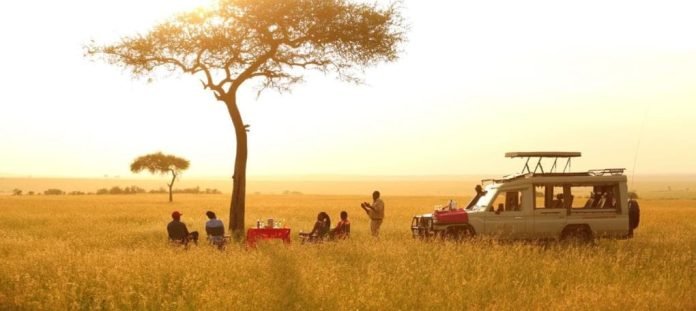
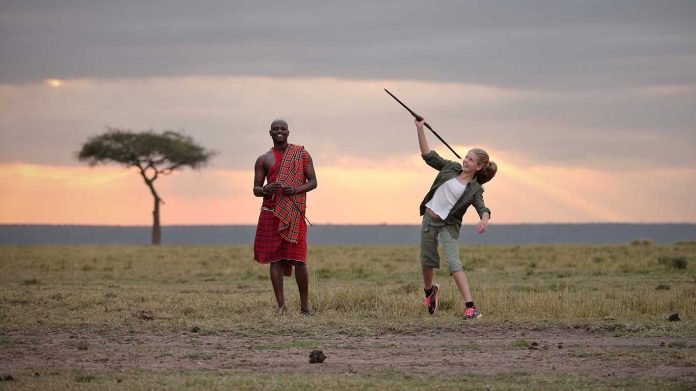
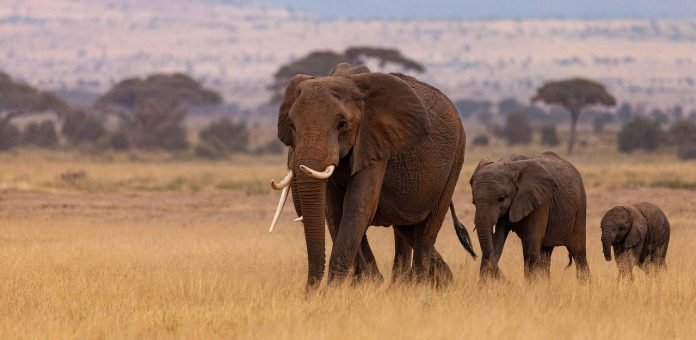
The Masai Mara National Reserve is Kenya’s most famous safari destination and one of the best wildlife areas in Africa. Whether you are planning a luxury fly-in safari, a budget road trip, or combining the Mara with other parks like Amboseli National Park, Samburu National Reserve, or Ol Pejeta Conservancy, understanding how to get there is important when planning your safari.
At Safari Travel Plus, we help travelers organize both Masai Mara flights and 4×4 road safaris, including private safaris using our custom safari Land Cruisers.
Where is the Masai Mara?
The Masai Mara is located in southwestern Kenya, near the Tanzania border and adjacent to the famous Serengeti National Park.
The reserve is approximately:
5 to 6 hours by road from Nairobi
Around 45 minutes to 1 hour by flight from Nairobi’s Wilson Airport
Ways to Get to the Masai Mara
There are two main ways to get to the Masai Mara:
1. By Road (4×4 Safari Vehicle)
Traveling by road is one of the most popular and affordable ways to visit the Mara.
Most safaris use:
4×4 Toyota Land Cruisers
Safari vans (for budget safaris)
At Safari Travel Plus, we highly recommend 4×4 Land Cruisers for comfort, better wildlife viewing, and easier access during the rainy season.
Road Travel Time from Nairobi
The journey from Nairobi to the Masai Mara usually takes:
5 to 6 hours to Narok and Sekenani Gate
Longer if traveling to camps deep inside conservancies
The drive passes through:
The Great Rift Valley viewpoint
Narok town
Scenic Maasai countryside
Road Conditions
The road from Nairobi to Narok is mostly tarmac and generally good.
However:
Some sections after Narok can be rough
During rainy seasons, roads inside the reserve and conservancies can become muddy
Certain luxury camps require proper 4×4 vehicles
This is why many travelers prefer experienced safari operators with dedicated safari vehicles and professional guides.
Getting to Masai Mara by Plane
Flying is the fastest and most comfortable way to reach the Mara.
Flights mainly depart from:
Wilson Airport
Flight time is usually:
45 minutes to 1 hour
Flying is especially popular for:
Luxury safaris
Honeymoons
Families with children
Short safaris
Travelers combining multiple destinations
Masai Mara Airstrips
One thing many travelers do not realize is that the Masai Mara does not have just one airport.
Instead, there are multiple airstrips serving different areas and camps.
Your landing airstrip depends on:
Your accommodation
Which conservancy or area you are staying in
The airline routing for the day
Common Mara airstrips include:
Keekorok
Ol Kiombo
Musiara
Mara North
Serena
Kichwa Tembo
Ngerende
Your camp or lodge will usually arrange game drive transfers from the airstrip.
2026 AirKenya Flight Rates to Masai Mara
Below are some popular 2026 flight routes operated by AirKenya.
Route
Fare Type
Rate
Taxes
Wilson to Masai Mara
One Way
USD 258
USD 25
Wilson to Masai Mara
Return
USD 429
USD 34
Nanyuki to Masai Mara
One Way
USD 446
USD 25
Meru to Masai Mara
One Way
USD 474
USD 25
Rates are per person and subject to change.
How to Get to the Masai Mara from Nairobi
Option 1: By Road
This is the most common route.
Ideal for:
Budget travelers
Families
Travelers who enjoy scenery
Private safaris
A typical safari departs Nairobi in the morning and reaches the Mara in time for lunch or an afternoon game drive.
Option 2: By Flight
Flights depart daily from Wilson Airport.
This is ideal for:
Luxury travelers
Short stays
Travelers wanting to maximize safari time
Our most popular package at Safari Travel Plus is the:
4 Days Masai Mara by Flight Safari
We also offer:
3 Days Masai Mara by Road Safari
How to Get to the Masai Mara from Mombasa
Travelers from Mombasa usually connect through Nairobi first.
Option 1: Train + Flight/Road
You can:
Take the SGR train from Mombasa to Nairobi
Continue to the Mara either:
By road
Or by flight from Wilson Airport
Option 2: Flight via Nairobi
Many travelers fly:
Mombasa → Nairobi
Then Nairobi → Masai Mara
This is the fastest option.
Option 3: Long-Distance Road Safari
It is technically possible to drive all the way from Mombasa to the Mara, but it is a very long journey and usually not recommended unless part of a longer Kenya safari itinerary.
How to Get to the Masai Mara from Samburu
If you are already on safari in Samburu National Reserve, there are a few options.
Scheduled Flights
There are limited scheduled flight connections between Samburu and the Mara.
Sometimes airlines like AirKenya operate:
Samburu → Masai Mara
Loisaba → Masai Mara
Nanyuki → Masai Mara
Meru → Masai Mara
However, these routes depend heavily on passenger demand.
Why Are There Limited Flights Between Parks?
Many travelers wonder why there are not more direct flights between Kenya safari parks.
The main reason is demand.
Flights between parks only operate efficiently when there are enough passengers. Operating small safari aircraft can be expensive, and airlines avoid flying empty planes.
In some cases, airlines may only operate if there are at least two passengers booked on a route.
This is why many routes are:
Seasonal
Subject to demand
Combined with multiple stopovers
For example, a flight may route:
Samburu → Nanyuki → Mara
instead of a nonstop service.
How to Get to the Masai Mara from Amboseli
Travelers from Amboseli National Park typically connect through Nairobi.
Usually the routing is:
Amboseli → Nairobi
Then:
Flight to Masai Mara
Or road transfer to Masai Mara
Direct scheduled flights between Amboseli and the Mara are limited and not always available.
Because of this, most safari itineraries use Nairobi as the main connection hub.
Should You Fly or Drive to the Masai Mara?
Choose Road Travel If:
You want a more affordable safari
You enjoy landscapes and road trips
You want flexibility for stops along the way
You are doing a longer Kenya safari
Choose Flights If:
You want to save time
You prefer comfort
You are staying at luxury camps
You are on a honeymoon or family trip
You only have a few days in Kenya
Why Book Your Masai Mara Safari with Safari Travel Plus?
At Safari Travel Plus, we specialize in Kenya safaris and Masai Mara experiences.
We can help you with:
Masai Mara flight bookings
4×4 safari vehicle hire
Private safari guides
Luxury, midrange, and budget safaris
Family safaris
Honeymoon safaris
Combined Kenya itineraries
Our safari fleet includes custom 4×4 Toyota Land Cruisers designed for safari comfort and photography.
Popular packages include:
4 Days Masai Mara by Flight
3 Days Masai Mara by Road
Kenya safari combinations with Amboseli, Samburu, Ol Pejeta, and Diani Beach
Frequently Asked Questions
How long does it take to get to Masai Mara from Nairobi?
By road: 5 to 6 hours
By flight: Around 45 minutes to 1 hour
Can I fly directly from Samburu to Masai Mara?
Sometimes yes, but flights depend on demand and airline schedules.
Is it better to fly or drive to Masai Mara?
It depends on your budget, time, and travel style. Flights save time while road safaris are more affordable and scenic.
Which airport do I fly into for Masai Mara?
Most flights depart from Wilson Airport in Nairobi and land at one of several Mara airstrips depending on your lodge location.
Do I need a 4×4 vehicle in Masai Mara?
Yes, especially during rainy seasons and for deeper conservancy areas. A 4×4 Land Cruiser offers the best safari experience.
Can Safari Travel Plus arrange both flights and road safaris?
Yes. Safari Travel Plus can arrange:
Flights
4×4 safari vehicles
Accommodation
Park fees
Full safari packages
Plan Your Masai Mara Safari
Whether you want a luxury fly-in safari or an adventurous road trip through Kenya, the Masai Mara remains one of Africa’s greatest wildlife destinations.
Safari Travel Plus can help you organize the perfect Masai Mara safari with flights, accommodation, and expert safari planning tailored to your budget and travel style.
A family safari in the Masai Mara National Reserve is one of the most unforgettable experiences you can give your children. From spotting lions and elephants to learning about Maasai culture and sleeping under the African sky, the Masai Mara offers incredible adventures for families of all ages.
One of the most common questions parents ask when planning a safari is:
“What age are kids allowed in Masai Mara?”
The good news is that children of all ages are generally allowed into the Masai Mara. However, the rules, costs, and safari experiences can vary depending on the camp, lodge, and type of safari you choose.
Are Children Allowed in Masai Mara?
Yes. The Masai Mara National Reserve welcomes children, including infants and toddlers. There is no official minimum age requirement to enter the reserve itself.
However, individual lodges and camps may have their own policies regarding:
Minimum age for game drives
Sharing tents with parents
Child discounts
Babysitting services
Family rooms or interconnecting tents
Safety around wildlife
Some luxury camps are designed specifically for honeymooners and adult travelers, while others focus heavily on families with children.
Masai Mara Park Fees for Children
For non-resident visitors, children enjoy reduced park entry fees.
Current Non-Resident Child Park Fee
Children aged 8 years and below: Free entry in many cases within the reserve fee structure referenced by operators
Children above 8 years: $50 USD per child, per day
This makes the Masai Mara more affordable for families traveling with younger children.
Important Things to Keep in Mind
Age Verification
You must carry a valid passport or birth certificate for your children. Gate officials strictly verify ages, and failure to provide proof may result in the child being charged the full adult rate.
Ticket Validity
Park tickets operate on a 12-hour or single-day cycle and expire at 6:00 PM, regardless of what time you enter the reserve.
Lodge and Camp Child Policies
Every safari camp and lodge has its own child policy, and these policies can differ significantly.
Camps That Allow Infants
Many family-friendly camps allow infants and toddlers, especially camps with:
Family tents
Private villas
Exclusive-use safari vehicles
Babysitting services
Some camps even provide:
Baby cots
High chairs
Bottle warming assistance
Flexible meal times
Special baby meals prepared by the chef
This can make traveling with a baby much easier than many parents expect.
Child Rates at Safari Lodges
Most safari camps offer discounted child rates.
Common structures include:
Infants staying free
Children below 12 paying 50% of the adult rate
Reduced rates when sharing with parents
Free accommodation for very young children in some family suites
Policies vary greatly depending on:
Season
Camp category
Room setup
Number of children traveling
Some luxury lodges may charge full adult rates for older teens.
Child-Friendly Lodges in Masai Mara
Several camps and lodges in the Masai Mara National Reserve are particularly popular with families because they provide activities and facilities designed for children.
Family-Friendly Features May Include:
Family tents and interconnected rooms
Swimming pools
Junior ranger programs
Maasai cultural visits
Nature walks
Bush treasure hunts
Shortened game drives for younger kids
Educational wildlife talks
Child-friendly menus
Some lodges also allow chefs to prepare meals based on your child’s feeding schedule, which is especially helpful for babies and toddlers.
What If You Are Traveling With a Toddler?
Traveling with a toddler on safari requires a little extra planning, but it can absolutely be done comfortably and safely.
Tips for Safari Travel With Toddlers
Choose the Right Lodge
Not all safari properties are toddler-friendly. Family-focused lodges usually offer:
Safer room layouts
Easier access paths
Flexible dining
Staff experienced with young children
Consider a Private Safari Vehicle
A private vehicle gives you flexibility to:
Stop when needed
Return to camp early
Adjust game drive durations
Work around nap and feeding schedules
Pack Essentials
Bring:
Snacks and formula
Favorite toys or comfort items
Baby wipes
Lightweight blankets
Sun protection
Basic medication recommended by your doctor
Plan Slower Days
Young children can become overwhelmed with long drives. Mixing safari time with relaxation at camp works best.
Why Family Safaris Are Growing in Popularity
Many parents are now choosing safari holidays over traditional beach vacations because safaris offer:
Educational experiences
Wildlife exposure
Family bonding
Reduced screen time
Outdoor adventure
Cultural learning opportunities
Children often return home with a much deeper appreciation for animals and nature.
Let Safari Travel Plus Help You Plan a Child-Friendly Safari
At Safari Travel Plus, we help families plan smooth and stress-free safaris in Kenya.
If you are traveling with a baby or toddler, we can:
Recommend genuinely child-friendly lodges
Arrange family rooms or baby cots
Notify lodges about feeding schedules
Request flexible meal times
Arrange private safari vehicles
Suggest suitable flight or road safari options for young children
Every family is different, and we tailor the safari experience around your children’s ages, comfort, and travel style.
A safari with kids can be magical with the right planning — and the Masai Mara remains one of the best family safari destinations in Africa.
If you are planning a safari to the world-famous Masai Mara National Reserve, one of the first practical questions you may ask is: Is there internet in Masai Mara?
The short answer is yes — most lodges and camps in Masai Mara have internet access. However, the real answer depends on where exactly you are staying and what type of connection you expect.
Internet in Masai Mara Depends on the Camp or Lodge
The Masai Mara National Reserve is a vast wilderness area with different conservancies, luxury camps, tented camps, and lodges spread across remote regions. While many properties now offer Wi-Fi, the quality and availability can vary significantly.
In most mid-range and luxury camps:
Wi-Fi is available in common areas such as:
Reception areas
Lounges
Restaurants
Bars
Viewing decks
However, internet may not always be available inside your room or tent, especially in more remote eco-camps that intentionally limit connectivity to preserve the authentic safari atmosphere.
Some ultra-luxury properties offer stronger private in-room connections, while budget camps may have slower or intermittent service.
It is also important to understand that internet in the Mara relies heavily on mobile networks and satellite systems. Because of this:
Speeds can fluctuate
Rain and weather can affect connectivity
Power outages occasionally interrupt service
Streaming and large uploads may be difficult in remote areas
That said, basic browsing, messaging, emails, video calls, and social media are usually possible at many camps.
Mobile Internet Options for Travelers in Kenya
If staying connected is important during your Kenya safari, it is a good idea to have your own backup internet solution in addition to lodge Wi-Fi.
1. Buy a Kenyan SIM Card
The easiest and most affordable option for travelers is purchasing a local Kenyan SIM card.
Popular providers include:
Safaricom
Airtel Kenya
Telkom Kenya
Among these, Safaricom generally has the strongest coverage in safari areas including parts of the Mara.
You can easily purchase:
Data bundles
Weekly internet packages
Unlimited night bundles
Tourist SIM packages
SIM cards are available at:
Airports
Shopping malls
Official stores
Supermarkets
Most travelers simply hotspot their phones for laptops and tablets.
Portable Routers and Modems in Kenya
For travelers staying longer in Kenya or working remotely while traveling, portable Wi-Fi routers can be an excellent solution.
One of the most popular options currently is the:
Safaricom 5G Router
Safaricom 5G router
This router typically costs around KES 6,000 and often comes bundled with promotional data packages that may exceed 400GB at high-speed 5G connectivity.
Benefits include:
Fast internet speeds in cities and towns
Ability to connect multiple devices
More stable than phone hotspotting
Useful for remote work and uploads
However, there are a few things to know:
Coverage depends on location
In remote safari regions, the router may switch from 5G to 4G
Speeds can fluctuate in the wilderness
Some conservancies have weaker signals than others
Still, many digital nomads and long-stay travelers in Kenya find these routers extremely useful.
Can You Get Wi-Fi in Safari Vehicles?
Yes — and this is becoming increasingly popular.
At Safari Travel Plus, we can arrange Wi-Fi-enabled safari vehicles on request for clients who need connectivity during their journey.
This is especially useful for:
Remote workers
Content creators
Families
Business travelers
Guests sharing live safari moments online
Vehicle Wi-Fi can help during long drives between parks such as:
Amboseli National Park
Lake Nakuru National Park
Tsavo East National Park
Masai Mara National Reserve
Coverage still depends on the mobile network available in each region, but many travelers appreciate having internet access while on the road.
Why Booking Your Safari Through Safari Travel Plus Makes a Difference
Planning a safari is about much more than simply choosing a lodge online.
At Safari Travel Plus, we work with a wide range of camps and lodges across Kenya and East Africa. Because we are able to sell many different properties, we can provide non-biased recommendations based on:
Your budget
Internet needs
Location preferences
Wildlife interests
Travel style
Family or honeymoon requirements
Some camps are better for:
Reliable Wi-Fi
Remote work
Luxury experiences
Photography
Families
Migration viewing
Privacy
Cultural experiences
We help match you with the right property instead of simply pushing one lodge.
We can also organize:
Kenya-only safaris
Kenya and Tanzania combinations
Multi-country East Africa safaris
Beach and bush combinations
Luxury fly-in safaris
Road safaris
Family safaris
Honeymoon safaris
Whether you want to combine the Mara with:
Serengeti National Park
Zanzibar
Diani Beach
Amboseli National Park
—we can tailor the experience around exactly how you want to travel.
Final Thoughts
So, is there internet in Masai Mara?
Yes, most lodges and camps do offer internet access, but the quality and availability vary depending on where you stay. In many cases, Wi-Fi is strongest in common areas rather than inside tents or rooms.
For travelers who need more reliable connectivity, Kenya also offers excellent mobile internet options through local SIM cards, portable routers, and even Wi-Fi-equipped safari vehicles.
If you are planning a safari and want expert advice on where to stay, what connectivity to expect, and how to combine the best wildlife experiences across East Africa, Safari Travel Plus can help you design the perfect itinerary.
Ready to Plan Your Kenya Safari?
Contact Safari Travel Plus today and let us help you plan a safari that balances adventure, comfort, connectivity, and unforgettable wildlife experiences.
There is something incredibly empowering about traveling solo. And few places in the world reward solo female travelers the way Kenya does.
From sunrise game drives in the Masai Mara to Swahili cooking experiences along the coast, solo travel in Kenya can be adventurous, social, peaceful, luxurious, or deeply personal — depending on the kind of traveler you are.
At Safari Travel Plus, we understand that not every solo female traveler wants the same experience.
Some women travel to:
disconnect and recharge quietly
spend time in nature
enjoy privacy and reflection
Others want to:
meet people
explore local culture
enjoy guided evening entertainment
try local food and social experiences
That is why we create flexible female-focused itineraries built around your travel style.
Is Kenya Safe for Solo Female Travelers?
Yes — Kenya can absolutely be safe and enjoyable for solo female travelers when planned properly.
The key is:
choosing the right accommodations
having trusted guides and drivers
using reliable airport transfers
understanding local customs
having local support throughout your trip
At Safari Travel Plus, we help make your journey smoother by arranging:
vetted accommodations
trusted safari guides
domestic flights and transfers
beach extensions
local experiences
flexible support during your stay
We also carefully advise solo travelers on:
where to stay
where to avoid at night
appropriate transport options
safe evening experiences
what areas work best depending on your personality and travel goals
Two Types of Solo Female Safari Travelers
1. The Social & Adventurous Traveler
Some solo travelers want more than game drives.
They want:
connection
culture
experiences
music
food
conversation
shared adventures
For this type of traveler, Kenya becomes incredibly rewarding.
Experiences We Can Include
Swahili & Kenyan Cooking Classes
Learn how to prepare authentic East African dishes during your coastal stay in Mombasa or other destinations across Kenya.
You may learn to make:
Swahili biryani
coconut fish curry
chapati
pilau rice
samosas
fresh tropical juices
Cooking classes are a wonderful way to meet locals and other travelers in a relaxed environment.
Wasini Dolphin & Dhow Excursion
Join a shared excursion to Wasini Island for:
dolphin spotting
snorkeling
Swahili seafood lunches
sailing on a traditional dhow
This is especially popular among solo travelers because it naturally creates opportunities to interact with others without pressure.
Evening Entertainment & Coastal Social Experiences
Not every traveler wants clubs or late nights — and that is perfectly okay.
We prefer the term evening entertainment and social experiences because the experiences can range from:
live coastal bands
rooftop lounges
sunset cocktails
guided food tours
beach restaurants
cultural performances
dancing
social dining experiences
For travelers who enjoy going out, we can arrange guided evenings in parts of Mombasa or Diani Beach where you can safely experience:
local food
music
cocktails
popular social venues
beach bars
Afro-fusion lounges
These experiences depend heavily on:
the day of the week
local events
season
your comfort level
Weekend evenings usually offer the best atmosphere and live entertainment options.
For travelers who prefer quieter evenings, we can instead arrange:
romantic-style dhow dinners
sunset cruises
beachfront seafood dinners
spa evenings
live acoustic music venues
candlelit dining experiences
Traditional Dhow Cruises
A sunset dhow cruise along the Kenyan coast remains one of the most relaxing solo travel experiences.
You can enjoy:
ocean sunsets
Swahili cuisine
live music
peaceful sailing
social interaction or quiet reflection
Depending on your preference, this can be:
private
semi-private
or shared with other travelers
2. The Quiet & Reflective Solo Traveler
Not every solo traveler wants to meet people constantly.
Many women travel solo because they specifically want:
peace
quiet
healing
photography
wildlife
rest
slower travel
Kenya is also perfect for this.
We can design itineraries focused on:
private safaris
boutique lodges
wellness-focused stays
beach relaxation
scenic train journeys
photography experiences
spa lodges
nature walks
slower-paced safaris
Some travelers prefer:
reading by the beach
silent sunrise game drives
journaling in the bush
enjoying wildlife without busy group tours
And that is completely okay.
Your safari does not need to be social to be meaningful.
Why Kenya Works So Well for Solo Female Travel
1. English Is Widely Spoken
Communication is generally easy throughout Kenya.
2. Excellent Safari Infrastructure
Kenya has:
quality safari lodges
experienced guides
domestic flights
organized safari routes
3. Diverse Experiences
You can combine:
safari
beaches
culture
food
nightlife
wellness
adventure
all in one trip.
4. Flexible Travel Styles
Kenya works for:
luxury travelers
backpackers
first-time Africa travelers
introverts
extroverts
photographers
honeymooners
digital detox travelers
Extend Your Safari Beyond Kenya
Your itinerary does not need to stop in Kenya.
At Safari Travel Plus, we can:
shorten your itinerary
extend your safari
combine destinations
Popular combinations include:
Kenya + Tanzania safari
Kenya + Zanzibar
Kenya safari + Diani Beach
Kenya safari + Mombasa coast
Kenya + gorilla trekking extensions
Some travelers replace the Mombasa beach stay entirely with Zanzibar for a different island atmosphere.
What We Do Differently at Safari Travel Plus
At Safari Travel Plus, we understand that solo female travelers often have concerns that traditional safari companies overlook.
We focus on:
comfort
communication
flexibility
safety
pacing
personality matching
We help you choose experiences that fit you.
Whether you want:
lively beach evenings
meaningful cultural interactions
private luxury safaris
peaceful retreats
photography-focused travel
wellness escapes
or social adventures
we tailor the experience around your comfort level.
Explore Our Female-Focused Safari Itineraries
We have designed specialized itineraries for:
solo female travelers
women’s groups
first-time Africa visitors
adventurous female travelers
wellness-focused trips
safari & beach combinations
Explore our female-focused safari experiences at:
Safari Travel Plus Female-Focused Safaris
Your safari can be:
adventurous
social
luxurious
peaceful
cultural
transformative
And most importantly — it can feel truly comfortable traveling as yourself.
If you’re planning your first safari, one of the first questions you’ll probably ask is:
“How much does an African safari cost per person?”
The answer depends on:
where you go,
how you travel,
the type of accommodation,
the season,
and the kind of experience you want.
In Kenya, safari prices can range from surprisingly affordable to ultra-luxury. A simple shared safari may cost under $200 per person per day, while a luxury fly-in safari to Maasai Mara National Reserve can easily exceed $2,000 per night.
The good news is that Kenya remains one of the best-value safari destinations in Africa. You can still experience:
lions,
elephants,
giraffes,
cheetahs,
wildebeest migration crossings,
luxury tented camps,
and breathtaking landscapes
without spending what you would in countries like Botswana.
In this guide, we’ll break down the real cost of a Kenya safari per person, explain what affects pricing, and help you understand where your money actually goes.
Quick Answer: Average African Safari Cost Per Person
In Kenya, the average safari cost per person is approximately:
Safari Type
Average Cost Per Person Per Day
Budget Safari
$150 – $350
Mid-Range Safari
$350 – $700
Luxury Safari
$700 – $2,500+
These prices may include:
accommodation,
transport,
park fees,
meals,
game drives,
and guiding services.
International flights are usually separate.
Why Kenya Offers Some of the Best Safari Value in Africa
Kenya is often considered the best balance between:
wildlife quality,
safari infrastructure,
accommodation variety,
and overall cost.
Unlike some safari destinations where internal flights are almost mandatory, Kenya allows travelers to access many parks by road, helping reduce costs significantly.
You also have a huge range of safari styles available:
budget camping safaris,
family-friendly lodges,
boutique tented camps,
luxury fly-in safaris,
and exclusive conservancy experiences.
Popular safari destinations include:
Maasai Mara National Reserve
Amboseli National Park
Samburu National Reserve
Lake Nakuru National Park
Tsavo National Park
Ol Pejeta Conservancy
Kenya also combines exceptionally well with beach destinations like:
Diani Beach
Watamu
Zanzibar
What Determines the Cost of a Safari?
Safari pricing is influenced by several major factors.
1. Accommodation Type
Accommodation is usually the biggest cost.
Budget Safari
You may stay in:
basic lodges,
tented camps,
or campsites.
Rooms are simple but comfortable.
Mid-Range Safari
This is the most popular category.
Expect:
ensuite rooms,
better food,
swimming pools,
scenic locations,
and more personalized service.
Luxury Safari
Luxury safaris often include:
private plunge pools,
gourmet dining,
premium guiding,
fly-in access,
and exclusive wildlife areas.
Some luxury camps cost over $2,000 per person per night during migration season.
2. Park Fees
Park fees in Kenya can significantly affect the total safari cost.
For example:
Maasai Mara National Reserve has some of the highest fees in Kenya during high season.
Conservancies around the Mara can cost even more but offer lower vehicle density and off-road driving opportunities.
Parks like Tsavo National Park are often more affordable.
Park fees are typically charged per person per day.
3. Safari Transport
Transport style dramatically changes safari pricing.
Shared Safari
Cheapest option. You share the vehicle with other travelers.
Best for:
solo travelers,
backpackers,
budget-conscious couples.
Private Safari
More expensive but far more flexible.
Ideal for:
families,
photographers,
honeymooners,
and travelers wanting personalized pacing.
Fly-In Safari
Fastest and most luxurious option.
Instead of driving long distances, you fly directly into safari camps using bush flights.
This saves time but increases cost substantially.
4. Travel Season
Safari prices change dramatically depending on the time of year.
High Season (July – October)
Most expensive period.
This is when:
the Great Migration occurs,
wildlife viewing peaks,
and demand is highest.
Prices can double during this period.
Green Season (March – May)
Often the best value.
You may find:
discounted camps,
fewer crowds,
lush landscapes,
and excellent photography conditions.
Wildlife viewing remains good in many parks.
Average Safari Cost by Style
Budget Safari in Kenya
Average:
$150 – $350 per person per day
Usually includes:
shared vehicle,
simple lodges,
road transport,
standard meals.
Best for:
younger travelers,
students,
travelers prioritizing wildlife over luxury.
Possible compromises:
longer drive times,
less privacy,
simpler accommodations.
Mid-Range Safari in Kenya
Average:
$350 – $700 per person per day
This is the sweet spot for many travelers.
You typically get:
quality lodges,
better locations,
private safari options,
excellent guiding,
comfortable rooms.
Most families and couples choose this category.
Luxury Safari in Kenya
Average:
$700 – $2,500+ per person per day
Luxury safaris focus heavily on:
exclusivity,
comfort,
guiding quality,
food,
and unique experiences.
You may enjoy:
champagne bush breakfasts,
private conservancies,
spa treatments,
helicopter excursions,
sundowners overlooking wildlife plains.
Safari Costs by Destination in Kenya
Maasai Mara National Reserve
Most famous safari destination in Kenya.
Best for:
big cats,
Great Migration,
classic safari scenery.
Typically more expensive due to demand.
Amboseli National Park
Known for:
large elephant herds,
Mount Kilimanjaro views.
Often slightly cheaper than the Mara.
Excellent for photographers.
Samburu National Reserve
More remote and unique.
Known for:
rare northern species,
fewer crowds,
authentic wilderness feel.
Usually mid-range to luxury pricing.
Ol Pejeta Conservancy
Excellent for families.
Known for:
rhino conservation,
chimpanzee sanctuary,
child-friendly experiences.
Can be pricier due to conservancy fees.
Hidden Safari Costs Most Travelers Forget
Many travelers budget only for the safari package and forget additional costs.
These may include:
international flights,
visas,
travel insurance,
tips,
alcoholic drinks,
laundry,
balloon safaris,
Maasai village visits,
domestic flights,
souvenirs.
For example, a hot air balloon safari in the Mara can cost around $450–$550 per person.
Realistic Kenya Safari Budgets Per Person
Budget Example
5-Day Group Safari
Approximate cost:
$1,200 – $1,800 per person
May include:
shared transport,
budget lodges,
Maasai Mara,
Lake Nakuru,
Amboseli.
Mid-Range Example
7-Day Private Safari
Approximate cost:
$3,000 – $5,500 per person
May include:
private vehicle,
quality tented camps,
Mara,
Amboseli,
Ol Pejeta,
internal flights.
Luxury Example
10-Day Fly-In Safari
Approximate cost:
$8,000 – $20,000+ per person
May include:
luxury camps,
charter flights,
private conservancies,
fine dining,
premium guiding,
beach extension.
How to Save Money on an African Safari
You do not necessarily need a luxury budget for an unforgettable safari.
Here are some ways travelers reduce costs:
Travel During Shoulder Season
You can save thousands simply by avoiding peak migration dates.
Combine Parks Strategically
Some travelers spend too much time driving between distant parks.
A well-designed itinerary reduces unnecessary transport costs.
Choose Fewer Lodges
One-night stays increase logistics and costs.
Slower travel often improves the safari experience.
Consider a Private Road Safari
For families or groups, private safaris can sometimes offer better value than fly-in safaris.
Is an African Safari Worth the Cost?
For many travelers, safari becomes one of the most memorable experiences of their lives.
Watching elephants cross in front of Mount Kilimanjaro. Hearing lions at night from your tent. Seeing children spot giraffes for the first time. Watching the sunrise over the Mara plains.
These are experiences that are difficult to compare to ordinary vacations.
A safari is not simply about accommodation or transport. It’s about:
wildlife,
landscapes,
culture,
guiding,
and immersion in nature.
Frequently Asked Questions
How much does a safari in Kenya cost per day?
Most Kenya safaris cost between $150 and $700 per person per day depending on comfort level and season.
Is Kenya cheaper than Tanzania for safari?
In many cases, yes.
Kenya often offers:
more road-accessible parks,
greater accommodation variety,
and lower logistics costs.
What is the cheapest way to do a safari?
Joining a shared road safari during low season is usually the most affordable option.
Are luxury safaris worth it?
For travelers prioritizing comfort, exclusivity, photography, and premium service, luxury safaris can be exceptional value.
How much spending money should I bring on safari?
This depends on activities and shopping, but many travelers budget:
$300 – $1,000+
for extras during the trip.
Final Thoughts
The cost of an African safari per person varies widely, but Kenya remains one of the best destinations for balancing affordability, wildlife quality, and unforgettable experiences.
Whether you are planning:
a budget adventure,
a family safari,
a romantic honeymoon,
or a luxury fly-in journey,
there are safari options available for almost every travel style and budget.
The key is understanding what affects pricing and choosing the experience that fits your priorities best.
The Great Wildebeest Migration 2026 is expected to once again be one of the most spectacular wildlife events on Earth—featuring over 1.5 million wildebeest, alongside zebras and gazelles, moving across the ecosystems of Serengeti National Park and Masai Mara National Reserve in search of fresh grazing.
This guide breaks down everything you need to know for 2026: timing, expectations, costs, and whether to choose Kenya or Tanzania.
Kenya Migration Season 2026 (Masai Mara)
The migration in Kenya is expected to follow its typical seasonal pattern:
Arrival in Masai Mara: Mid-July 2026
Peak river crossings: August – early September
Gradual decline: Late September – October
Exit back to Tanzania: November (depending on rains)
What makes Kenya special in 2026?
Dramatic Mara River crossings (the highlight)
High predator density (lions, crocodiles, cheetahs)
Open savannah → easier wildlife viewing
The best viewing window remains mid-August to mid-September.
What to Expect in 2026
While the migration is unpredictable (rain-driven), here’s what experts and trends suggest:
1. Strong but variable movement
Migration still follows rainfall patterns, so timing may shift slightly by 1–3 weeks.
2. River crossings still dominant
Crossings will remain the main attraction, especially in the Mara Triangle.
3. Slight ecological pressure
There are growing concerns about habitat pressure and fencing affecting smaller migration systems in Kenya, though the main Serengeti–Mara migration remains intact.
4. Higher demand
2026 is expected to be a peak safari year
Lodges near river crossings will sell out early
Recommendation: Book 6–12 months in advance
What Was the Migration Like in 2025?
The 2025 migration season was:
Good river crossings in August
Slightly delayed movement due to rainfall variability
Strong herd presence in both northern Serengeti and Mara
Key takeaway: Flexibility matters more than exact dates
Travelers who stayed 4–5 nights had significantly better sightings than short trips.
Migration Season in Serengeti (Tanzania)
The migration is year-round, but shifts location:
January – March (Southern Serengeti)
Calving season (best for predator action)
~500,000 calves born in a few weeks
April – June (Central/Western Serengeti)
Long trekking herds
Grumeti River crossings (less crowded than Mara)
July – October (Northern Serengeti)
Herds move toward Kenya
Crossings begin before entering Masai Mara
November – December
Herds return south with the rains
Masai Mara Migration Packages & Prices (2026)
Typical Price Ranges (Per Person)
Safari Type
Price Range
Budget group safari
$1,800 – $2,800
Mid-range private safari
$3,200 – $4,800
Luxury fly-in safari
$6,000 – $10,000+
Short Migration Packages
3-day safari: from $2,130+
2–4 day fly-in safaris: $850 – $1,785
Entry-level packages: from $1,575 (excluding park fees)
What’s Included
4×4 safari vehicle
Accommodation (camp/lodge)
Meals
Game drives
Guide
Extra costs:
Park fees (~$200/day peak season)
Balloon safari ($400–$500)
Best Time for Masai Mara Migration
Best overall: Mid-August – mid-September
Alternative good periods:
Late July → fewer crowds, early arrivals
October → fewer herds but still good sightings
If your goal is river crossings, August is your best bet.
Masai Mara vs Serengeti in October
October Verdict:
Masai Mara
Still good migration viewing
Higher concentration of animals
More crowds
Serengeti (Northern)
Fewer mega-herds
More peaceful experience
Still possible sightings
Best choice in October: ✔ Masai Mara (higher certainty) ✔ Serengeti (better for exclusivity)
Masai Mara vs Serengeti Migration Cost Comparison
Factor
Masai Mara (Kenya)
Serengeti (Tanzania)
Park fees
Higher (~$200/day peak)
Slightly lower
Access
Easier (from Nairobi)
Requires longer travel
Safari cost
Moderate–high
Often higher overall
Luxury camps
Premium pricing
Wider range of ultra-luxury
Budget options
More available
Limited
Key Insight:
Masai Mara = better value & accessibility
Serengeti = more space & exclusivity
Final Verdict: Which Is Better?
Choose Masai Mara if:
You want guaranteed river crossing action
You prefer shorter trips from Nairobi
You want better value for money
Choose Serengeti if:
You want fewer crowds
You’re doing a longer luxury safari
You want to follow the full migration cycle
Travel Tips for 2026
Book early (especially for August)
Stay near Mara River or northern Serengeti
Spend at least 4 nights in the migration zone
Combine Mara + Serengeti for the ultimate experience
Why Book Your Migration Safari with Safari Travel Plus?
Planning a Wildebeest Migration safari is not just about choosing dates—it’s about being in the right place at the right time. That’s where Safari Travel Plus makes the difference.
1. Strategic Migration Positioning
The migration moves based on rainfall, not calendars. Safari Travel Plus tracks real-time movement patterns and positions you in high-probability crossing zones—whether in the Masai Mara or the northern Serengeti.
2. Handpicked Camps Near the Action
Instead of generic lodge bookings, you get access to:
Camps near the Mara River crossing points
Mobile camps that follow the herds
Exclusive conservancies for fewer crowds and better sightings
This dramatically increases your chances of witnessing actual crossings, not just scattered herds.
3. Flexible Itineraries (Built Around You)
Unlike fixed group tours, Safari Travel Plus designs:
Custom Kenya-only migration safaris
Kenya + Tanzania combined migration experiences
Fly-in luxury or road safaris depending on your style and budget
4. Expert Safari Guides
Your guide can make or break your safari. You’ll travel with experienced, locally based guides who:
Understand animal behavior
Communicate with other guides for live sightings
Know exactly where to be for predator action and crossings
5. Better Value for Money
Because Safari Travel Plus is based in Kenya:
You avoid unnecessary international markups
Get direct local pricing
Benefit from strong relationships with lodges and camps
This means your trip isn’t just a safari—it’s a well-crafted experience.
7. End-to-End Planning Support
From your first inquiry to the moment you leave Africa, everything is handled:
Airport transfers
Domestic flights
Accommodation and park logistics
On-ground support during your trip
Conclusion
The Wildebeest Migration 2026 promises to deliver unforgettable wildlife drama—from thundering hooves to life-and-death river crossings. Whether you choose Masai Mara National Reserve or Serengeti National Park, timing and planning will make all the difference.If you want the best balance of action, cost, and accessibility, Kenya’s Masai Mara remains the top choice for most travelers in 2026.
Kenya has become one of Africa’s most attractive relocation destinations—offering a unique mix of modern city living, natural beauty, investment potential, and a vibrant lifestyle. Whether you’re moving for work, retirement, remote work, or simply a lifestyle change, Kenya offers opportunities that are hard to match.
This guide covers everything you need to know before relocating.
Why More People from the West Are Choosing Kenya
The shift toward Kenya as a relocation destination isn’t accidental—it’s driven by a powerful combination of economic, lifestyle, and social factors that are becoming increasingly important to Western professionals, families, and retirees.
Here’s a deeper look at what’s behind this growing trend:
1. A Better Quality of Life for Less
One of the biggest motivators is simple: you get more for your money.
In cities like London or New York City, high rent and daily expenses can limit lifestyle choices. In contrast, Nairobi offers:
Spacious homes with gardens
Access to domestic help (nannies, housekeepers, drivers)
Affordable dining, entertainment, and wellness services
This allows many expats to enjoy a level of comfort and convenience that would be considered luxury back home.
2. Rise of Remote Work & Location Freedom
The global shift to remote work has changed everything.
Many professionals working for companies in the US, UK, or Europe are no longer tied to a physical office. Kenya has become attractive because:
Strong internet infrastructure in major areas
Time zone compatibility with Europe and partial overlap with the US
Availability of co-working spaces and cafés
Nairobi, in particular, has emerged as a remote work hub, often compared to other global digital nomad cities.
3. Lifestyle Over Hustle Culture
A growing number of people are actively rejecting high-stress, fast-paced lifestyles.
Kenya offers a more balanced way of living:
Short getaways to the Maasai Mara for safari
Weekend trips to Diani Beach
Outdoor living, sunshine, and nature
Instead of living to work, many expats find themselves working while actually enjoying life.
4. Access to Nature Like Nowhere Else
Few countries offer the kind of access Kenya does:
Wildlife safaris within a few hours of the city
Beaches, mountains, lakes, and conservancies
Unique experiences like the Great Rift Valley
For many Westerners, this connection to nature is a major upgrade from urban living.
5. Entrepreneurial & Investment Opportunities
Kenya is widely known as the gateway to East Africa, with Nairobi often referred to as “Silicon Savannah.”
Expats are drawn by:
Lower barriers to starting businesses
Growing middle class and consumer market
Opportunities in tourism, real estate, agriculture, and tech
Compared to saturated Western markets, Kenya offers room to grow and scale ideas faster.
6. A Welcoming, English-Speaking Environment
Relocating becomes much easier when language isn’t a barrier.
Kenya stands out because:
English is an official language
Most business, education, and government services operate in English
Locals are generally warm, social, and welcoming
This makes integration smoother compared to many other relocation destinations.
7. Strong Expat & International Community
Kenya has a well-established expat ecosystem, especially in Nairobi.
Areas like Gigiri and Westlands host:
Diplomats and UN staff
NGO workers
Entrepreneurs and remote professionals
This creates a built-in social and professional network that helps newcomers settle in quickly.
8. International Schools & Family-Friendly Living
For families, Kenya offers access to high-quality international education.
Combined with:
Safe, gated communities
Outdoor activities for children
Affordable childcare
…it becomes a very attractive option for raising a family abroad.
9. Unique Cultural Experience
Kenya offers a rich cultural environment that blends:
Modern urban life
Traditional heritage
Diverse communities and cuisines
For many Westerners, this is more than relocation—it’s a chance to experience something meaningful and different.
10. Strategic Location for Travel
From Kenya, it’s easy to explore:
The rest of East Africa
The Middle East
Europe (relatively short flights)
Nairobi is a major regional hub, making it ideal for people who love to travel.
Why You Should Visit Kenya Before Relocating
Relocating to a new country is a major life decision—and while Kenya offers incredible opportunities, what you see online and what you experience on the ground can be very different.
If you’re moving by choice (not through a job relocation), visiting Kenya first isn’t just recommended—it’s essential.
Here’s why:
1. Kenya Is Not One Experience—It’s Many
Kenya is incredibly diverse, and your experience will depend heavily on where you choose to live.
For example:
Karen offers leafy, quiet, family-oriented living
Westlands is fast-paced, urban, and ideal for young professionals
Diani Beach provides a relaxed coastal lifestyle
Photos and online descriptions won’t fully capture:
Traffic patterns
Noise levels
Community feel
Accessibility to schools, shops, and hospitals
A visit helps you feel which environment suits you.
2. Avoid Expensive Housing Mistakes
One of the biggest challenges expats face is choosing the wrong home or location.
Without visiting:
You may overpay due to “expat pricing”
Choose a house too far from daily amenities
Underestimate commute times (especially in Nairobi traffic)
Seeing properties in person allows you to:
Compare value across neighborhoods
Understand what different budgets actually get you
Identify must-haves vs nice-to-haves
3. Understand the True Cost of Living
While Kenya can be affordable, costs vary depending on lifestyle.
A short stay helps you realistically assess:
Grocery prices (local vs imported goods)
School fees
Transport and fuel
Entertainment and dining
Many people are surprised that:
Imported goods can be expensive
International schools are a significant cost
Lifestyle choices greatly affect monthly spending
4. Explore Schools Before Committing
If you’re relocating with children, schooling is one of the most critical decisions.
Visiting allows you to:
Tour campuses
Meet teachers and administrators
Understand different curricula (British, IB, American, French)
Evaluate commute distances from potential homes
Schools in areas like Gigiri and Runda are popular, but availability can be limited—so early planning is key.
5. Experience Daily Life, Not Just Tourist Highlights
A safari in the Maasai Mara is amazing—but it’s not everyday life.
Before relocating, you need to experience:
Weekday routines
Shopping at local supermarkets
Driving or commuting
Healthcare access
Internet reliability
This helps you answer the real question: “Can I see myself living here long-term?”
6. Build Local Connections Early
Relocation becomes much easier when you already have:
A trusted agent
School contacts
Service providers (drivers, nannies, cleaners)
Business or investment networks
A pre-relocation visit gives you a head start in building these relationships, which are often more valuable than any online research.
7. Understand Cultural & Lifestyle Differences
Kenya is welcoming and easy to adapt to—but it’s still different from Western countries.
During your visit, you’ll notice:
A more relaxed pace in some aspects of life
Different approaches to time and service delivery
Strong community and social culture
Experiencing this firsthand helps you adjust expectations and avoid frustration later.
8. Test Your Preferred Lifestyle
You might think you want city living—but fall in love with nature. Or plan for the coast—then realize you prefer the energy of Nairobi.
A visit allows you to try:
Urban living in Nairobi
Coastal life in Mombasa
Quiet, scenic environments like Laikipia
This clarity is invaluable before making a long-term commitment.
9. Evaluate Security Firsthand
Security in Kenya varies by area and lifestyle.
While online information can be helpful, nothing replaces:
This gives you confidence in choosing a safe and comfortable place to live.
10. Turn Uncertainty Into Confidence
Relocation involves a lot of unknowns—but a visit replaces uncertainty with clarity.
Instead of guessing, you’ll know:
Where you want to live
Which schools suit your children
What your budget realistically looks like
Whether Kenya truly fits your lifestyle goals
The Smart Approach: A Relocation Tour
The most effective way to do this isn’t a holiday—it’s a structured relocation visit.
With the right guidance, you can:
Tour multiple neighborhoods
View pre-selected homes
Visit top international schools
Explore business and investment opportunities
Experience both lifestyle and logistics
Best Areas to Live in Kenya
Choosing where to live is one of the most important decisions when relocating to Kenya. The country offers a variety of lifestyles—from bustling urban centers to serene coastal towns and nature-rich retreats. Your choice will depend on work, family needs, lifestyle preferences, and investment goals. Here’s a comprehensive look at the top relocation destinations:
1. Nairobi – The Urban Hub
Nairobi, Kenya’s capital, is the most popular choice for expats, professionals, and families. It is a modern, cosmopolitan city with vibrant business districts, international schools, and easy access to nature.
Popular Neighborhoods:
Karen & Lang’ata:
Known for spacious homes, large gardens, and quiet streets.
Family-friendly with proximity to international schools and shopping malls.
Close to nature attractions like the Nairobi National Park.
Gigiri & Runda:
High-security neighborhoods home to diplomats, UN staff, and international organizations.
Modern homes, gated estates, and top-notch amenities.
Ideal for expats seeking convenience and security.
Westlands & Kilimani:
Fast-growing urban districts popular with young professionals.
Excellent restaurants, entertainment, and shopping.
Apartments and modern complexes dominate the housing market.
Why Nairobi:
Strong job and business opportunities
Multiple international schools (IB, British, American)
Well-developed healthcare facilities
Central hub for travel within Kenya and East Africa
2. Mombasa – Coastal Living & Relaxed Lifestyle
Mombasa is Kenya’s main coastal city and is ideal for retirees, beach lovers, and remote workers seeking a slower pace of life.
Highlights:
White sandy beaches like Diani Beach and Nyali
Warm, tropical climate year-round
Popular for water sports, fishing, and marine tourism
Mtwapa & Bamburi: More affordable options with easy access to beaches
Why Mombasa:
Relaxed, beach-oriented lifestyle
Growing expat community
Strong tourism-driven investment opportunities
3. Nakuru – Emerging Urban Center
Nakuru is a rapidly developing city in the Great Rift Valley, offering a balance between urban amenities and access to nature.
Highlights:
Lower cost of living compared to Nairobi or Mombasa
Scenic surroundings, including Lake Nakuru National Park
Excellent potential for property investment and agriculture
Popular Neighborhoods:
Residential estates and gated communities in the city outskirts for expats
Lake-view properties for nature enthusiasts
Why Nakuru:
Affordable housing and lifestyle
Growing business and investment opportunities
Close proximity to nature and wildlife
4. Laikipia – Luxury, Nature & Conservation Living
Laikipia is perfect for those seeking a private, high-end lifestyle in Kenya’s wilderness.
Highlights:
Large ranches, conservancies, and eco-lodges
Ideal for outdoor activities, safari, and conservation projects
Peaceful, low-density living away from city noise
Popular Areas:
Private estates near Nanyuki and Ol Pejeta Conservancy
Luxury ranches for hobby farming or equestrian pursuits
Why Laikipia:
Exclusive and secure properties
Investment potential in eco-tourism
Close to Nairobi yet far enough for tranquility
5. Naivasha – Lakeside & Agricultural Lifestyle
Naivasha is a growing hub for nature lovers and those interested in agriculture or horticulture.
Highlights:
Lake Naivasha for boating, bird-watching, and lakeside living
Flower farms and greenhouse agriculture create investment and employment opportunities
Moderate climate with fresh air and open spaces
Popular Neighborhoods:
Lakeside estates
Gated communities catering to families and expats
Why Naivasha:
Affordable living and natural beauty
Potential for lifestyle and investment in agriculture and tourism
Excellent weekend getaway from Nairobi
Other Considerations
When choosing an area to live, consider:
Proximity to schools if you have children
Healthcare access for family well-being
Security—gated estates and compounds are recommended for expats
Lifestyle—urban vs coastal vs rural/nature-oriented living
Visa Types & Requirements for Kenya
Understanding Kenya’s visa and immigration system is one of the most important steps when planning your relocation. The country has modernized its entry process in recent years, but choosing the right visa or permit depends entirely on your purpose—whether it’s work, business, remote work, or long-term living.
Here’s a clear and practical breakdown:
1. Electronic Travel Authorisation (eTA) – Your First Step
Before entering Kenya, most travelers are required to apply for an Electronic Travel Authorisation (eTA).
Key Details:
Applied online before travel
Typically processed within a few days
Required for short stays (tourism, business visits, relocation scouting trips)
What You Need:
Valid passport (minimum 6 months validity)
Travel itinerary and accommodation details
Passport photo
Processing fee
💡 Important: Even if you plan to relocate long-term, you’ll usually enter Kenya first using an eTA before transitioning to a longer-term permit.
2. Work Permits (For Employment in Kenya)
If you are relocating because of a job, your employer will sponsor your work permit.
Kenya issues several classes of work permits depending on your profession.
Common Types:
Class D Permit: For individuals with specific skills employed by a Kenyan company
Class G Permit: For investors or self-employed individuals
Requirements:
Employment contract or business registration
Proof that your skills are not readily available locally
Academic and professional certificates
Immigration approval
💡 Reality Check: Work permits can take time and require proper documentation—this is where local guidance is extremely valuable.
3. Digital Nomad Visa (Work Remotely from Kenya)
Kenya has introduced a Digital Nomad Visa aimed at remote workers.
Ideal For:
Freelancers
Remote employees working for companies outside Kenya
Online business owners
Typical Requirements:
Proof of employment or business outside Kenya
Minimum income threshold (around $50,000–$55,000 annually)
Valid passport
Proof of accommodation in Kenya
Clean criminal record
Benefits:
Live in Kenya legally while working remotely
No need for a Kenyan employer
Access to Kenya’s lifestyle without entering the local job market
4. Investor / Business Permit
If you plan to start or invest in a business, this is the right route.
Ideal For:
Entrepreneurs
Real estate investors
Tourism and hospitality investors
Requirements:
Minimum investment capital (often around $100,000+)
Business plan
Company registration in Kenya
Tax compliance
Benefits:
Ability to run a business legally
Pathway to long-term residency
5. Dependent Pass (For Families)
If one family member has a valid work or residence permit, dependents (spouse and children) can apply for a Dependent Pass.
Covers:
Spouse
Children (usually under 18 or in school)
Requirements:
Proof of relationship (marriage/birth certificates)
Valid permits of the primary applicant
💡 Note: Dependents cannot automatically work unless they obtain their own work permits.
6. Student Pass
If your children will be attending school in Kenya, they may require a Student Pass.
Requirements:
Admission letter from an accredited school
Valid passport
Immigration approval
This is especially relevant for families enrolling children in international schools.
7. Special Pass (Short-Term Stay While Processing)
A Special Pass is often used as a temporary solution.
When It’s Used:
While waiting for a work permit approval
Short-term professional assignments
Duration:
Usually issued for 1–6 months
8. Permanent Residency (Long-Term Option)
Kenya does offer pathways to permanent residency, though they are more limited compared to some countries.
Possible Routes:
Long-term work permit holders
Significant investors
Spouses of Kenyan citizens
Important Things to Know
1. Immigration Processes Take Time
Delays are common, and paperwork must be accurate. Planning ahead is critical.
2. Rules Can Change
Immigration policies evolve, so always confirm current requirements before applying.
3. Documentation Is Key
Expect to provide:
Certified copies of documents
Academic and professional credentials
Financial proof
4. You May Need Local Support
Navigating immigration alone can be confusing—many expats rely on relocation experts to:
Recommend the right visa
Handle applications
Avoid costly errors or delays
Common Mistakes to Avoid
Entering on a tourist status and overstaying
Choosing the wrong permit type
Underestimating processing timelines
Not preparing proper documentation
How Safari Travel Plus Helps
Visa and immigration processes are one of the biggest stress points when relocating.
Safari Travel Plus can:
Guide you on the right visa for your situation
Connect you with trusted immigration experts
Help coordinate your relocation timeline
Align your visa process with housing, schooling, and travel plans
Ever seen a sunrise so grand it makes you forget the cold, the climb, and even your aching legs? Well, that is the Poon Hill for you, an amphitheater where the Himalayas perform their daily light show.
You will see at the heart of the Poon Hill Valley, this spectacle has become a rite of passage for trekkers in Nepal. With snow-capped mountains casting pink and golden glow and sunbeams sliding in between rugged mountains, it is not very much like observing the sun coming up but more like a world coming to life.
In this article, we will guide you step-by-step in what you have to know before you go hunting that memorable sunrise.
How to Reach Poon Hill from Pokhara
When you begin Poon hill circuit trek, it is a fresh change. Most journeys kick off in Pokhara, the laid-back lakeside city known as Nepal’s adventure capital.
After that, it is a rough, picturesque hilltop ride to Nayapul, the trailhead. The trekkers normally go through Tikhedhunga and Ghorepani before a final climb.
It is two to four days of trekking depending on your speed. So, be prepared for steep steps made of rocks and trails in the forest which requires you to keep asking yourself whether the view is worth the sweat- it is.
What Time to Start the Trek for Sunrise
The sunrise doesn’t wait for anyone, so timing is everything.
Most trekkers roll out of bed around 4:30 a.m. in Ghorepani. I know it’s early, and yes, the chill will bite you but trust me it’s worth it. But believe me, put on several clothes, take a headlamp and with the snaking line of trekkers moving towards the summit, follow them. It is a 45 minutes – 1-hour climb.
And at 5.15 or thereabouts you will want to be in position at the view point. The beginning of the dawn generally starts at 5:30-5:45 am and the slow process of converting the night to dawn is as tantalizing as the definite illumination in your heart.
Mountain Ranges Visible from Poon Hill
Here’s the real showstopper.
From Poon Hill’s 3,210-meter vantage point, you’ll feast your eyes on a panorama straight out of a mountaineer’s dream. Annapurna South, Annapurna I, Machhapuchhre, Dhaulagiri, and Hiunchuli, just to name a few.
On a clear day you can count up how many dozens of peaks, blushing pink and gold in the morning sun there are. If you’re raising your eyes, you feel yourself as the mountains waking, just with you, stretching long, one at a time, under a warmer spotlight.
Photography Tips for Capturing the Sunrise
Now, let’s talk about the tricky business of freezing this beauty in time.
First, make sure you are not lost behind the lens, that you are not behind the lens to the point that you miss the experience with your own eyes. Second, use the smartphone, keep it still, tripods are not only the professionals, and there is a difference even with a small travel-sized bag.
Play with silhouettes; the line of trekkers against a glowing sky makes for a killer shot. And remember, sometimes less is more. A single frame of one peak capturing the initial ray of sunrise is more effective than a broad and crowded shot.
Local Culture and Hospitality on the Trek
Of course, Poon Hill isn’t just about peaks, it’s about people too.
Gurung and Magar along the trail accept trekkers with the hospitality that no amount of money can ever buy. There are tea houses along the trail with steaming dal bhat and warm blankets if you are lucky enough to get a fire side story.
Sharing tea with locals or watching kids run down stone-paved village paths adds another layer of memory that rivals the mountains themselves. You will witness that the culture is truly the heart of this trek deserving of attention in its own right even beyond the splendid scenery destined to make it to Instagram.
The Bottom Line
When all’s said and done, Poon Hill isn’t just about ticking off a sunrise. It is about the excitement of an expedition, of joining the fellow trekkers, of the expectancy of the dawn and the sublimity of the Himalayas all put into one.
When you do decide to do this, try trekking with Mosaic Adventure, a local and trusted tour company who is indeed familiar with the trails backwards and forwards.
They will take care of the logistics and you are left to enjoy the magic carefree. They will respond to them at info@mosaicadventure.com or you can contact them directly via WhatsApp at https://wa.me/+9779823816556. Start planning today!
Kenya is a country that sits at the very heart of Africa’s safari story. Its wildlife reserves and national parks are legendary, from the sweeping savannahs of the Masai Mara to the flamingo-filled lakes of the Rift Valley, to Amboseli’s elephant herds set against the dramatic backdrop of Mount Kilimanjaro. For travelers, a common question arises: is it possible to explore all this on a self drive safari?
The short answer is yes—but it requires preparation, the right vehicle, the right itinerary, and in many cases, the right support system behind you. That’s where Safari Travel Plus comes in. We help make your Kenya self drive adventure smooth, safe, and unforgettable, while also giving you the option to add driver-guides, tailor itineraries, or combine self drive with guided elements.
This article will cover everything you need to know about a Kenya self drive safari, how we assist, the best places to go, and sample itineraries ranging from Kenya-only safaris to cross-border adventures that include Tanzania and Uganda.
Is It Possible to Self Drive in Kenya?
Yes, self driving in Kenya is absolutely possible. The country has a reasonably good road network, especially along the main highways connecting Nairobi to popular parks like Amboseli, Maasai Mara, Nakuru, and Samburu. However, driving conditions can vary:
Urban traffic: Nairobi traffic is dense and chaotic, requiring patience and alertness.
Rural and park roads: Once you leave the main highways, roads may be rough, muddy in rainy seasons, or dusty tracks. A reliable 4×4 is essential.
Navigation: With modern GPS and offline maps, getting around is manageable, but local knowledge still helps avoid delays.
Rules and safety: Driving is on the left, and speed limits are enforced. Wildlife can also appear unexpectedly, even near major roads.
While many travelers imagine self driving as pure freedom, the reality in Kenya is that a balance often works best: independent driving where it’s straightforward, with the option of a driver-guide for challenging areas or days when you’d prefer to focus on the scenery instead of the road.
Things You Need to Know Before a Kenya Self Drive Safari
A self drive safari in Kenya is an unforgettable adventure, but it requires careful planning and awareness of local conditions. Here’s a detailed breakdown of what you need to know before hitting the road:
1. Vehicle Choice is Critical
Kenya’s terrain is diverse, ranging from smooth highways to rugged dirt tracks inside national parks. Choosing the right vehicle will make or break your safari.
4×4 Required: A high-clearance 4×4 is essential for game drives and park access. Toyota Land Cruisers, Land Rover Defenders, and Toyota Prados are popular for reliability.
Spare Equipment: Always have at least one spare tire, a jack, and a basic toolkit. Punctures are common on gravel roads.
Roof Hatch or Pop-Top: Vehicles equipped with roof hatches make wildlife viewing much easier.
2. Licensing, Insurance, and Documents
Make sure you’re legally covered before setting off.
International Driving Permit (IDP): Required alongside your national driver’s license.
Insurance: Comprehensive insurance covering third-party liability and theft is a must. Confirm that off-road use is included.
Vehicle Papers: Always carry the vehicle’s logbook copy (or car hire letter), insurance documents, and your passport.
Park Permits: Some parks require advance booking via the eCitizen portal; others allow payment at the gate.
3. Understanding Park Rules and Regulations
Kenya’s parks and reserves are strictly managed to protect wildlife and travelers.
Driving Hours: Most parks are open from 6:00 am to 6:00 pm. Night driving is prohibited unless on a guided night drive arranged by a lodge.
Stay on Designated Tracks: Off-roading is not allowed in most parks. Fines apply for rule-breaking.
Respect Wildlife: Keep at least 20 meters from animals, especially elephants, rhinos, and big cats. Never attempt to feed wildlife.
Noise Discipline: Loud music, honking, or shouting disturbs animals and other visitors.
4. Best Times to Travel
Kenya has two main safari seasons, and when you travel can shape your experience.
Dry Season (June–October, January–February): Easier driving, fewer mosquitoes, and excellent game viewing as animals gather near water sources.
Rainy Season (March–May, November–December): Lush landscapes and fewer tourists, but roads can be muddy and slippery. Some remote parks may become inaccessible.
5. Road Conditions and Navigation
Driving in Kenya is an adventure in itself.
Highways: Major roads (Nairobi to Nakuru, Nairobi to Amboseli) are tarmacked and generally good.
Rural Roads: Expect potholes, rough gravel, and occasional river crossings. A 4×4 is indispensable in rainy months.
Navigation: Offline GPS apps like Maps.me or Google Maps downloads work well. A paper map as backup is wise.
Fuel: Fill up in towns—stations in remote areas are rare. Carry jerry cans if heading into northern Kenya or Tsavo.
6. Safety and Security
Kenya is safe for travelers, but sensible precautions are necessary.
Wildlife Safety: Never step out of the vehicle in parks, except at designated picnic or camp areas. Animals can appear suddenly.
Driving Safety: Avoid driving at night—roads lack lighting, and livestock often cross highways.
Personal Safety: Keep valuables out of sight. In towns, lock doors and keep windows rolled up in traffic.
Police Checks: Routine roadblocks are common. Always stay polite, show documents, and avoid offering bribes.
7. Communication and Connectivity
Mobile Networks: Safaricom has the widest coverage, even in many remote areas.
SIM Card: Buy a local SIM card for data and easy communication.
Emergency Numbers: Keep the Kenya Wildlife Service (KWS) helpline and Safari Travel Plus emergency contact handy.
8. Health and Safety Preparations
Vaccinations: Yellow fever certificate may be required. Other recommended shots: typhoid, hepatitis A & B, tetanus.
Malaria Prevention: Take prophylaxis and carry mosquito repellent.
First Aid Kit: Essential items include bandages, antiseptic, painkillers, and rehydration salts.
9. Money and Payments
Park Fees: Paid in US dollars or Kenyan shillings; some parks accept card payments through eCitizen.
Local Expenses: Carry cash for fuel and small purchases in rural areas. Mobile money (M-Pesa) is widely used and very convenient.
10. Cultural Awareness
Kenya is diverse, with over 40 ethnic groups. A little cultural sensitivity goes a long way.
Respect Communities: Ask before taking photos of people.
Learn a Few Phrases: Basic Swahili greetings (like jambo for hello) are appreciated.
Support Local Guides: In community conservancies, hiring local guides enhances your safari and benefits the community.
11. Backup & Support
Even the best-prepared traveler can face challenges—vehicles break down, roads flood, or routes get confusing. This is where Safari Travel Plus steps in with:
24/7 phone assistance.
Vehicle replacement if needed.
Advice on road closures or rerouting.
Optional driver-guides for difficult legs of your journey.
How Safari Travel Plus Assists with Your Self Drive
At Safari Travel Plus, we specialize in making your self drive safari seamless, safe, and enriching. Here’s how we help:
1. Reliable Self Drive Vehicles
We provide well-maintained 4x4s equipped for safari conditions, including:
High clearance and strong suspension for rough roads.
Unlimited mileage options.
Emergency support and replacement vehicles if needed.
2. Optional Driver-Guides
Want the freedom of self driving but also the knowledge of a guide for certain days? We can provide professional driver-guides on request. You can self drive in parks where you’re confident, and have a guide join you in regions that benefit from expert navigation and local insight.
3. Tailored Itinerary Planning
We don’t just hand over the keys—we help plan your route, book accommodations, and advise on travel times, ensuring your adventure flows smoothly. Whether it’s a short 5-day trip or a 3-week cross-border journey, we tailor it to your needs.
4. Seamless Experiences
From airport pickup, vehicle handover, park permits, and lodge bookings to cross-border paperwork—we handle the logistics so you can focus on the adventure.
Best Places for a Self Drive Safari in Kenya
Kenya has a long list of parks and reserves, but not all are equally suited for self drive safaris. Some have easy access and good infrastructure, while others are wilder, demanding more skill behind the wheel. Here are the top destinations and what makes each of them stand out:
1. Maasai Mara National Reserve
Why go: This is Kenya’s most famous reserve, home to the Big Five and the stage for the Great Migration between July and October. It’s the classic safari experience, with golden plains, abundant lions, and dramatic predator-prey encounters.
Driving conditions: The roads are manageable in the dry season, but can be muddy and challenging during rains. A 4×4 is essential.
Self drive tips: The Mara is vast, so plan your routes to avoid wasting time. Having offline maps or a GPS is invaluable. Early mornings and late afternoons are the best times for wildlife sightings.
2. Amboseli National Park
Why go: Famous for its elephant herds and stunning backdrop of Mount Kilimanjaro. It’s also one of the best parks for photography, with elephants silhouetted against Africa’s highest peak.
Driving conditions: Well-connected by road from Nairobi (around 4–5 hours). Inside the park, the roads are relatively good compared to other reserves.
Self drive tips: The park can get dusty during the dry season, so be prepared. Wildlife is concentrated around swamps, making it easier to find animals without long drives.
3. Lake Nakuru National Park
Why go: Known for rhinos (both black and white), Rothschild giraffes, and seasonal flamingo displays on the lake. It’s a compact park that delivers a lot in just one or two days.
Driving conditions: Easily accessible from Nairobi via a tarmac road. Inside the park, roads are straightforward and not too challenging.
Self drive tips: Because of its small size, you can cover the highlights in a short stay—ideal for travelers with limited time.
4. Samburu National Reserve
Why go: Set in northern Kenya, Samburu offers a different safari experience. It’s home to the “Samburu Special Five”: Grevy’s zebra, reticulated giraffe, Beisa oryx, Somali ostrich, and gerenuk.
Driving conditions: About 6–7 hours from Nairobi on mixed tarmac and gravel roads. Roads inside the reserve can be rough, but the remote wilderness makes it worthwhile.
Self drive tips: Samburu is drier and hotter than other parks—carry enough water, and be mindful of fuel since stations are limited.
5. Tsavo East & Tsavo West National Parks
Why go: Together, these parks form one of the largest protected areas in the world. Tsavo East is known for its “red elephants” (coated in red soil), while Tsavo West offers lava flows, springs, and dramatic landscapes.
Driving conditions: Access is via the Nairobi–Mombasa highway, making it ideal for travelers heading to or from the coast. Roads are rough in places, particularly in Tsavo East.
Self drive tips: These parks are less crowded than Mara or Amboseli, giving a real sense of wilderness. Be prepared for long drives between sightings.
6. Ol Pejeta Conservancy
Why go: A private conservancy near Mount Kenya, Ol Pejeta is famous for its rhino sanctuary and strong conservation focus. It’s also one of the few places where you can see chimpanzees in Kenya.
Driving conditions: About 4–5 hours from Nairobi on good roads. Inside the conservancy, roads are well maintained.
Self drive tips: Because it’s private, Ol Pejeta offers a more controlled environment, making it a good choice for first-time self drivers.
7. Mount Kenya National Park & Surroundings
Why go: While not a traditional safari destination, the forests around Mount Kenya are home to elephants, buffalo, and leopards. The mountain scenery adds a dramatic element to your drive.
Driving conditions: Roads vary from good tarmac near Nanyuki to rugged tracks closer to the park gates.
Self drive tips: Combine this area with Laikipia Plateau for a mix of wilderness and community conservancies.
8. Aberdare National Park
Why go: Dense forests, waterfalls, and high-altitude moorlands create a very different safari feel. Leopards and rare bongo antelope roam here, though wildlife is harder to spot.
Driving conditions: Steep, winding, and often muddy roads—best tackled by confident drivers in 4x4s.
Self drive tips: The Aberdares are great for adventurous travelers who want variety beyond the savannahs. Carry warm clothing, as it can get chilly at altitude.
9. Hell’s Gate National Park
Why go: A unique park where you can step out of your vehicle and hike or cycle among wildlife. Towering cliffs, geothermal activity, and gorges make it unlike anywhere else.
Driving conditions: Close to Nairobi and Naivasha, with easy roads. Inside, tracks are simple and short.
Self drive tips: Best as a one-day stopover combined with Lake Naivasha or Nakuru.
10. Nairobi National Park
Why go: Wildlife against a city skyline. Just minutes from Nairobi’s airport, this park offers lions, rhinos, and giraffes—making it a perfect first or last stop.
Driving conditions: Simple access and good roads. Can get busy, especially on weekends.
Self drive tips: Ideal for travelers with limited time or as a warm-up for longer safaris.
Together, these destinations give you a wide spectrum: iconic big-game parks, remote wilderness reserves, forested highlands, and even urban wildlife. With Safari Travel Plus, you can mix and match based on your comfort level and interests, creating a self drive safari that’s both diverse and balanced.
Suggested Self Drive Circuits in Kenya
10-Day Classic Kenya Self Drive Circuit
This route balances iconic wildlife destinations with manageable driving distances.
Day 1: Nairobi – Amboseli (4–5 hrs) Pick up your 4×4 in Nairobi and head south. Arrive at Amboseli in time for an afternoon drive.
Day 2–3: Amboseli National Park Explore elephant herds and Kilimanjaro views.
Day 4: Amboseli – Lake Naivasha (6–7 hrs) Scenic drive via Nairobi to the Rift Valley. Overnight at Naivasha.
Day 5: Hell’s Gate National Park Spend the day hiking or cycling among zebras and giraffes. Overnight at Naivasha.
Day 6: Naivasha – Lake Nakuru (2 hrs) Short drive. Explore Nakuru’s rhinos, giraffes, and birdlife.
Day 7: Nakuru – Maasai Mara (5–6 hrs) Drive west to the Mara.
Day 8–9: Maasai Mara National Reserve Full days of self drive safari across the Mara’s plains.
Day 10: Maasai Mara – Nairobi (5–6 hrs) Return to Nairobi, drop off the vehicle, or extend to the coast.
This circuit offers three of Kenya’s headline parks—Amboseli, Mara, and Nakuru—plus Naivasha’s activities, without overly long drives.
14-Day Extended Kenya Self Drive Circuit
For travelers who want to dive deeper and see contrasting landscapes.
Day 1: Nairobi – Samburu (6–7 hrs) Drive north to Samburu.
Day 2–3: Samburu National Reserve Track the Samburu Special Five in a dramatic, arid setting.
Day 4: Samburu – Ol Pejeta (3–4 hrs) Head south to this private conservancy near Mount Kenya.
Day 5: Ol Pejeta Conservancy Visit the rhino sanctuary and chimpanzee sanctuary.
Day 6: Ol Pejeta – Aberdare National Park (3–4 hrs) Explore forests and waterfalls. Overnight in a lodge overlooking waterholes.
Day 7: Aberdare – Lake Nakuru (4–5 hrs) Drive west into the Rift Valley.
Day 8: Lake Nakuru National Park Full day exploring rhinos, giraffes, and flamingos.
Day 9: Nakuru – Lake Naivasha/Hell’s Gate (2 hrs) Relax by the lake or enjoy outdoor adventures.
Day 10–12: Naivasha – Maasai Mara (5–6 hrs) Three days of big-game action in the Mara.
Day 13: Maasai Mara – Amboseli (8 hrs, via Nairobi) Long drive, but Amboseli rewards with elephants and Kilimanjaro.
Day 14: Amboseli – Nairobi (4–5 hrs) Return to Nairobi for departure—or fly onward to the coast.
This longer loop captures Kenya’s variety: northern species in Samburu, conservation at Ol Pejeta, mountain forests in the Aberdares, Rift Valley lakes, and the iconic Mara and Amboseli. It’s a comprehensive self drive safari.
Combining Self Drive with a Beach Experience
One of Kenya’s greatest strengths is the ability to combine safari with a beach escape. After days of dusty game drives, you can unwind on the Indian Ocean coastline:
Diani Beach: White sands, vibrant nightlife, and easy access from Nairobi or via Mombasa.
Watamu & Malindi: Quieter, with great snorkeling and diving.
Lamu Island: A cultural gem with Swahili heritage.
We at Safari Travel Plus can arrange seamless transfers so your safari ends with a stress-free beach stay—driving part of the way or flying directly to the coast.
Cross-Border Self Drive Adventures
For travelers seeking a deeper African journey, we design self drive itineraries that combine Kenya with neighboring countries.
Kenya & Tanzania (14 Days)
Explore Maasai Mara, Amboseli, Serengeti, and Ngorongoro Crater.
Witness the migration across borders.
Self drive across major routes, with our support on border paperwork and logistics.
Kenya & Uganda (14 Days)
Mix wildlife safaris with cultural experiences.
Track mountain gorillas in Bwindi Impenetrable Forest.
Drive through Rift Valley lakes and western Kenya before entering Uganda.
Kenya, Tanzania & Uganda (21 Days)
A grand journey through East Africa.
Highlights: Maasai Mara, Serengeti, Ngorongoro, Bwindi, and Lake Victoria.
A balanced mix of self drive and guided segments for a smooth experience.
Sample Kenya Self Drive Itineraries
Here are some of our recommended routes:
7-Day Classic Kenya Self Drive
Day 1: Nairobi – Amboseli
Day 2-3: Amboseli National Park
Day 4-5: Maasai Mara
Day 6: Lake Naivasha
Day 7: Return to Nairobi
10-Day Kenya Safari & Coast
Days 1-3: Maasai Mara
Day 4-5: Lake Nakuru & Naivasha
Day 6-7: Amboseli
Day 8-10: Fly to Diani Beach for relaxation
14-Day Kenya & Tanzania Migration Safari
Split between Maasai Mara, Serengeti, Ngorongoro, and Amboseli.
Designed to maximize wildlife encounters during migration seasons.
Why Choose Safari Travel Plus?
When it comes to self drive safaris in Kenya, experience and support matter. Here’s why travelers choose us:
Expert knowledge: We’ve been organizing safaris across East Africa for years.
Flexible options: From pure self drive to hybrid trips with guides, we adapt to your style.
Seamless logistics: From vehicle prep to border crossings, we take care of the details.
Safety & reliability: Our vehicles are maintained to the highest standards, with backup support always available.
Personalized itineraries: No cookie-cutter trips—your safari is designed around your interests, schedule, and comfort.
Final Thoughts
A Kenya self drive safari is not only possible—it’s one of the most rewarding ways to experience Africa. The thrill of being behind the wheel, setting your own pace, and discovering wildlife on your own terms is unmatched. With the right preparation, the right vehicle, and the right partner like Safari Travel Plus, your journey becomes less about logistics and more about living the adventure.
Whether you dream of a week-long safari loop in Kenya, a coast-and-bush combo, or a three-country expedition across East Africa, we’re here to make it seamless, safe, and unforgettable—from start to finish.
At Safari Travel Plus, we specialize in creating unforgettable travel experiences. Among our most popular offerings are our Kenya and Seychelles safari packages, which bring together the thrill of African wildlife safaris with the relaxation of a tropical island escape. Whether you’re planning a honeymoon, family holiday, or solo trip, this combination delivers the best of both worlds.
Why a Kenya and Seychelles Holiday is Perfect
A Kenya and Seychelles vacation blends adventure with serenity:
Safari in Kenya – Explore world-renowned reserves like Masai Mara, Amboseli, and Samburu. Spot lions, elephants, giraffes, and more, while enjoying breathtaking landscapes.
Luxury in Seychelles – After safari, unwind on white sandy beaches, swim in turquoise waters, and enjoy world-class service in exclusive resorts.
Full-Service Packages – At Safari Travel Plus, we handle everything: safaris, beach stays, flights, and transfers between Kenya and Seychelles.
If you’re booking your own international flights, you’ll only need to book from your departure city to Nairobi and your return flight from Mahé, Seychelles. We handle all flights and transfers in between. That’s why it’s best to contact us first, design your trip with us, then book your international flights afterward.
Sample Kenya & Seychelles Itineraries
✦ 10-Day Safari & Beach Holiday
Day 1–2: Amboseli National Park – Game drives with Kilimanjaro as your backdrop.
Day 3–4: Maasai Mara – Big Five safaris and optional hot air balloon rides.
Day 5: Nairobi → Seychelles – Evening direct flight to Mahé.
Day 6–9: Seychelles – Stay on Mahé or Praslin; enjoy beaches, snorkeling, island excursions.
Day 10: Departure – Transfer to Mahé International Airport for your flight home.
✦ 14-Day Safari & Beach Holiday
Day 1: Nairobi arrival – Dinner and overnight in Nairobi.
Day 2–4: Samburu Reserve – See rare species like Grevy’s zebra and reticulated giraffe.
Day 5–7: Maasai Mara – Iconic safaris, bush dinners, and sundowners.
Day 8: Flight to Seychelles – Transfer to your beach resort.
Day 9–13: Seychelles – Split stay between Mahé and Praslin; excursions to La Digue, Vallée de Mai, snorkeling, diving, and spa treatments.
Day 14: Departure – Fly home from Mahé.
Who a Kenya & Seychelles Package is For
Families – Kids get the adventure of spotting wildlife on safari, parents get relaxation on Seychelles beaches, and everyone enjoys a balanced, memorable holiday.
Honeymooners – Romantic bush dinners, champagne sundowners, and luxurious beach villas make this the ultimate couple’s escape.
Solo Travelers – Kenya safaris offer adventure and social connections, while Seychelles provides peace, reflection, and natural beauty.
Comparison: Kenya vs Seychelles vs Kenya + Seychelles
Feature
Kenya Safari Only
Seychelles Only
Kenya + Seychelles Combo
Main Experience
Wildlife safaris, Big Five, African landscapes
Beach relaxation, luxury resorts, water sports
Thrilling safari + relaxing beach holiday
Best For
Adventure seekers, photographers, wildlife lovers
Honeymooners, beach lovers, relaxation seekers
Families, couples, honeymooners, solo travelers wanting both adventure & relaxation
Duration
5–10 days
7–14 days
10–14+ days
Activities
Game drives, hot air balloon, cultural visits
Snorkeling, island hopping, hiking, spa
Safaris, game drives + beaches, diving, island tours
Scenery
Savannahs, mountains, wildlife reserves
White sandy beaches, turquoise waters, granite boulders
Contrast of wild savannahs and tropical beaches
Budget Range
USD 3,000–6,000 pp
USD 3,500–7,500 pp
USD 4,200–10,000+ pp
Flights
Fly in/out of Nairobi
Fly in/out of Mahé
Fly into Nairobi, out of Mahé (direct Nairobi–Seychelles flight)
Wow Factor
Seeing lions, elephants, giraffes up close
Secluded beaches & luxury
Watching lions on safari then sipping cocktails on a tropical beach the next day
Pricing Tiers for Kenya + Seychelles
✦ Mid-Range: USD 4,200–5,500 pp
Comfortable safari lodges & 4-star beach resorts
Game drives, direct Nairobi–Mahé flight, transfers
✦ Luxury: USD 6,500–8,500 pp
Luxury safari camps + 5-star Seychelles resorts
Bush dinners, sundowners, premium beachfront experiences
Can you fly direct from Kenya to Seychelles? Yes, direct flights operate from Nairobi to Mahé.
How many hours is it from Kenya to Seychelles? Approximately 3 hours and 15 minutes.
What to pack for Kenya and Seychelles? Lightweight safari clothes, swimwear, sunscreen, insect repellent, a camera, and soft-sided luggage (hard cases are discouraged for local flights in Kenya).
Are there safaris in Seychelles? No traditional safaris, but plenty of excursions: island hopping, snorkeling, diving, Vallée de Mai tours, and hiking in Morne Seychellois.
How many days are enough in Seychelles?
Only Seychelles: 9–14 days
With Kenya safari: 5–7 days in Seychelles (total trip 10–14+ days)
Is Seychelles a cheap holiday? Seychelles is known for luxury, but deals exist for all budgets, with even affordable resorts offering excellent service.
What to combine with Seychelles? A Kenya safari, Tanzania safari, or even destinations like Dubai or South Africa.
Best month to visit Seychelles? April–May and October–November (warm, dry, and less windy).
Seychelles vs Mauritius?
Mauritius: culture, hiking, and activities
Seychelles: exclusivity, secluded beaches, and luxury resorts
Do I need a visa for Seychelles? No, but all visitors must apply online for a Travel Authorization (TA) before arrival.
Why Choose Safari Travel Plus
Booking with Safari Travel Plus means more than just accommodation – it’s a full experience. We carefully craft itineraries, balance safari adventure with beach relaxation, and handle all the logistics.
✔ Tailor-made packages for families, couples, and solo travelers ✔ Handpicked lodges and resorts across Kenya and Seychelles ✔ Seamless connections with flights and transfers ✔ Local expertise and 24/7 supportA Kenya + Seychelles safari isn’t just a holiday – it’s a once-in-a-lifetime journey. Let us plan yours today.