Nairobi Hotels That Have Great Service And Are Doing Good (CSR)
Our recommendation for tourists on safari and business travelers to Kenya’s capital is to stay in one of the best hotels in Nairobi.
But with over 400 registered hotels in Nairobi, how do you know which are the best? We’ve checked them out for you and these are our top picks for the best hotels in Nairobi, Kenya.
This Nairobi hotel guide takes you through what in our view are the best hotels in Nairobi for the different types of travelers needs and have made an impact by doing good in the communities they are located.
Use these reviews to find the best Nairobi hotel that meets your specific needs and is the best value for money and know that the money you pay will be used in part to improve the lives of the communities or the environment.
Best Hotels In Nairobi
So maybe you are planning your Kenya safari or are in Nairobi for business take some time and consider some of these hotels that not only meet your needs but are also giving back to the communities they are part of or are dedicated to maintaining the fragile eco-system that we all are part of.
The Boma Nairobi (Best Overall) Nairobi Serena Sarova Stanely PrideInn Plaza Hotel and Convention Center Tamarind Tree Hotel (A child friendly Option) prideinn azure hotel nairobi Eka Hotel Nairobi Fairmont The Norfolk ( Giraffe Manor
Nairobi Serena
Nairobi Serena Hotel
Nairobi Serena hotel is one of the most luxurious hotels in Nairobi and it’s perfect for those who want to be pampered during their stay. The rooms are beautifully decorated and the beds are extremely comfortable. The service is impeccable and the food is fantastic.
Average Price: $157
Doing Good:- Serena hotels responsible tourism practices have made an impact by doing good in the communities they are located.
Sarova Stanely
Sarova Stanely – Image Credit Agoda
Sarova Stanely is one of Nairobi’s most iconic and historic hotels. It’s located in the heart of the city center and it offers stunning views of the cityscape. The rooms are spacious and elegantly furnished and the service is excellent.
Average Price:$158
Why We Love It:- The Stanely hotel is one of the best hotels in Nairobi town for those who want a hotel in Nairobi town as it is located at the center of the city.
Doing Good:- As part of the Sarova group of Hotels, Each Sarova Property has CSR projects aimed at supporting their local communities and empowering in the hope to create sustainable development as well as environmental conservation through awareness.
Their CRS include supporting Moi girls blind, anti-poaching campaigns, catering during tragedies and supporting springs of life restoration center.
During the covid-19 pandemic Sarova embanked on a meals for medics. The program saw Sarova hotels provide meals for hundreds of health care workers.
PrideInn Plaza Hotel and Convention Center
PrideInn Plaza Hotel
The PrideInn Plaza Hotel and Convention Center is one of the newest hotels in Nairobi and it offers excellent value for money. The rooms are spacious and well-equipped with all the amenities
Doing Good:- PrideInn Plaza Hotel and Convention Center in partnership with SOS Children’s Villages, work to empower youth and improve the lives of youths from low income areas in Nairobi by offering them training and an opportunity to work at prideInn hotels or within the hospitality industry.
Tamarind Tree Hotel (A child friendly Option)
Tamarind Tree Hotel
The Tamarind Tree Hotel is located 5kms from the city center. It’s a beautiful hotel within Carnivore grounds where the Carnivore Restaurant known for its game meat including crocodile meat and Ostrich is also located. The rooms are spacious and well appointed and the service is fantastic.
Facilities
-Conference facilities
-Fitness center
-Kids Pool
-Heated Pool
Price: Starting $ 111
Pros
-Nearby is the Wilson airport used for fly In safari and domestic flights. -Has easy access to Nairobi national park -The nearby Langata and Karen suburbs -Nearby are world-class shopping malls -Nearby are excellent restaurants
Doing Good:- Each guest at Tamarind Tree Hotel is gifted with a bracelet written Blissful or Relax when they check into the room. Guests can request a customized bracelet (with their name on it) at a cost of KES 500 ($5). All the proceeds from the bracelet of hope go towards educating young women from the Kibera and other slums in Nairobi. One bracelet sold will provides 3 young women with a 12-month certificate course in a local hospitality college that Tamarind Group sponsors.
Prideinn Azure Hotel Nairobi
Pride Inn Azure
Average Price: 110
Doing Good:- As part of the Prideinn hotel group which is in partnership with SOS Children’s Villages, Prideinn azure hotel nairobi work to empower youth and improve the lives of youths from low income areas in Nairobi by offering them training and an opportunity to work at prideInn hotels or within the hospitality industry.
Eka Hotel Nairobi
Eka Hotel Nairobi
The Eka Hotel is located along Mombasa Road. It’s a beautiful hotel with modern rooms and great views of the city. The service is excellent and the food is fantastic.
Doing Good:-Eka Hotel has CSR initiatives in line with the organization’s SDGs; healthcare, education, relief efforts & environmental conservation.
Fairmont The Norfolk
Fairmont The Norfolk Exterior View
A luxury hotel located in the center of Nairobi, the hotel has a rich colonial history and it offers an elegant and refined experience. The rooms are spacious and well-appointed, and the service is excellent.
Average Price: $203
Doing Good:- Norfolk hotel is part of Accor have an initiative which combines development with growth that respects the environment and local communities, by involving all of its hotels and customers in a new sustainable development program they call PLANET 21.
Giraffe Manor
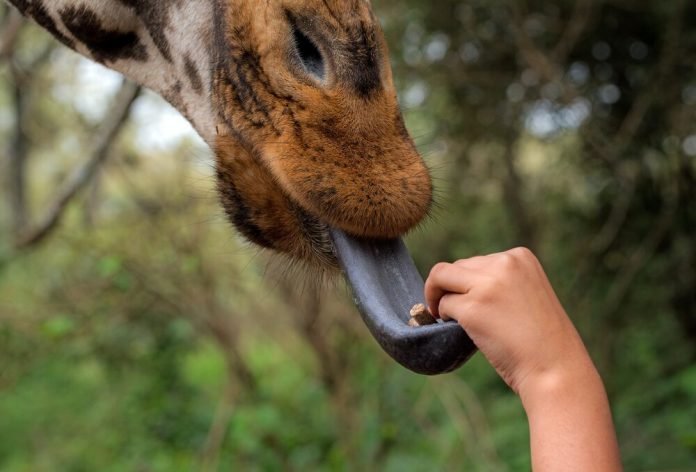
Giraffe Feeding From a guest bedroom window
A luxury hotel located on the outskirts of Nairobi. The hotel is set in 12 acres of private land within 140 acres of indigenous forest, and it is home to a herd of endangered Rothschild giraffes. The rooms are spacious and beautifully decorated, and the service is outstanding.
Doing Good:- Giraffe Manor is part of the safari collection group of hotels. The Safari Collection are proud members of the long run, and organization which helps conserve over 20 million acres of biodiversity and improves the lives of 750,000 people. As members of the movement, The Safari Collection is committed to a continuous sustainability journey and to achieving a balance in the 4Cs: Conservation, Community, Culture and Commerce.
Things We Consider When Ranking Nairobi Hotels
Doing Good:- We select hotels that are doing good in the community or environment in some way.
Proximity to the airport :- Its always preferable to book a hotel near the airport as Nairobi has in the past had huge traffic jams and even though this has improved with the opening of the Nairobi Express way its always good to consider the distance of your hotel from the airport or the routes available to you.
Budget :- Nairobi has a wide range of hotels from 5 star international chain hotels to more modest local Kenyan hotels. It’s important to consider your budget when deciding on a hotel as some of the 5 star hotels can be quite pricey.
Location :- Depending on the reason for your visit to Nairobi, you’ll want to choose a hotel in a location that is convenient for you. If you will be doing business in the Nairobi’s central business district then consider getting a hotel in the CBD. If not then you are better off avoiding the city center as traffic can be quite congested and there is also significant air and noise pollution.
Amenities :- Consider what amenities are important to you when choosing a hotel. If you need to be connected to the internet for work then make sure the hotel has good wifi. If you are traveling with children, then you’ll want to make sure the hotel has a swimming pool and other family-friendly amenities.
Security :- Nairobi can be a safe city to visit but like any large city, there are areas that are best avoided and you should take precautions when out and about. When choosing a hotel, make sure to choose one that has good security measures in place such as security guards and a safe in the room.
Level Of Service :- The level of service in Nairobi hotels can vary greatly depending on the hotel you choose. If you want to be sure to receive good service consider what other travelers have said in the past about a hotel.
Despite a few high-profile incidents in recent years, Kenya is generally considered a safe country to travel to. The vast majority of visitors experience no problems at all and have a great time exploring everything that this vibrant country has to offer.
Is Kenya Safe For Tourists
Kenya is a beautiful country with plenty to offer tourists, but is it safe to visit? The short answer is yes, Kenya is generally safe for tourists. Every year , thousands of tourists visit Kenya without incident.
Of course, no destination is completely free of risk and there are some safety concerns to be aware.
Is Kenya Safe For Americans?
There is no specific threat to Americans traveling in Kenya, but it is always advisable to exercise caution and be aware of your surroundings. The US State Department recommends that American citizens enroll in the Smart Traveler Enrollment Program (STEP) before traveling to Kenya. This will allow the US Embassy to contact you in the event of an emergency, such as a terrorist attack or natural disaster.
Americans That Call Kenya Home
There have been a number of Americans who can to Kenya for business or safari and were smitten with its wildife, beauty and climate that they opted to take up Kenyan citizenship. This was made much easier by the new 2010 constitution that Kenya adpoted that made dual Citizenship is permissible in Kenya.
Michael Joseph
Michael Joseph Safaricom co-founder Image credit businesstoday.co.ke
An American citizen, Michael Joseph has grown Safaricom a mobile and data service provider which he co-founded with Vodafone to East Africa’s most profitable company. The company is best known for its innovative m-pesa platform that enables Kenyan to pay for goods and service, transfer money on their mobile phones.
Michael Joseph acquired Kenyan citizenship in 2014, and currently has a home in Lewa Conservancy Laikipia.
Is Kenya Safe For Female Travelers?
Kenya is generally safe for female travelers, but it is always important to take precautions and be aware of your surroundings. It also important to know which areas to avoid but for female tourists who take these precautions, Kenya can be a safe and enjoyable destination.
Is Kenya Safe For Expatriates?
There is no specific threat to expatriates living in Kenya, but it is always advisable to exercise caution and be aware of your surroundings. Kenya is probably one of the best place to work as an expatriate as has been witnessed by the number of expatriates that have decided to make Kenya their permanent home.
Is Kenya Safe For LGBTQ+
There is no specific threat to LGBTQ+ travelers in Kenya, but it is always advisable to exercise caution and be aware of your surroundings. homosexuality is not recognized by the Kenyan government and same-sex relations are technically illegal, but in practice there is little discrimination or violence against LGBTQ+ people.
How Safe Are Kenyan Towns and Tourist Destination
Kenya is generally a safe country to visit, but there are some areas that are best avoided especially at night. All the major towns and cities have slum areas and these can be dangerous if not accompanied by a local who knows the area well.
The tourists parks of masai mara, amboseli, Lake Nakuru, Samburu to name but a few are very safe as they have a strong security presence to protect both the animals and visitors.
At Bars and Clubs
Never leave your drink open or unattended:- Although rear in high end bars and clubs there have been incidents of drinks getting spiked and people getting robbed of their valuables after passing out. If you have to go and relieve yourself ensure that you take your drink with you or ask a friend to watch it for you.
In Hotel Rooms
Keep valuables in the hotel safe as most hotels will have one. If possible leave electronics and other valuables in your room when going out as these are easy targets for thieves.
ATM Withdrawals
When Withdrawing Money from ATMs use machines that are located in well-lit areas and avoid using ones that are hidden away or in secluded areas. Be aware of your surroundings when entering your PIN and try to shield the keypad when entering it.
When Traveling By Road
When traveling by road in Kenya be aware of your surroundings and try not to attract too much attention to yourself. Avoid hailing taxis off the street and instead use a reputable taxi company or request an uber.
Avoid getting to a taxi alone when drunk as this makes you an easy target for criminals.
When using public transport such as matatus or buses only use ones that look safe and are in good condition and if late at night avoid being the only passenger in the vehicle.
How Safe Are Boda Bodas
Boda Bodas are the local names given to motor cycles that are used as a form of transport, they can be found all over Kenya.
Although they are a cheap and convenient way to get around, they can be dangerous as most do not have helmets and the drivers are often inexperienced.
It is advisable to only use a boda boda if absolutely necessary and if you do use one make sure that you wear a helmet.
Health Precautions
Ensure that you are up to date with all your vaccinations and take precautions against mosquito bites as there is a risk of contracting malaria in Kenya.
What To Do If You Need Help?
If you find yourself in a difficult or dangerous situation the best thing to do is to contact the police or your embassy.
-Don’t drink tap water
Always drink bottled water which is readily available in shops, supermarkets and hotels.
-Risks of Typhoid
Typhoid is contracted by consuming contaminated water or food, so it is important to be careful about what you eat and drink.
-Cholera
Cholera is also contracted by consuming contaminated water or food and symptoms can include severe diarrhoea and vomiting.
-Rabies
Rabies is a virus that is transmitted through the saliva of infected animals, so it is important to avoid coming into contact with any animals that may be infected.
-Yellow Fever
Yelow fever is a risk in rural areas and it is advisable to get vaccinated before travelling.
-HIV/AIDS
There is a high prevalence of HIV/AIDS in Kenya and it is important to take precautions to protect yourself.
Is It Safe To Drive In Kenya
There is a lot to say about Kenyan roads for starters matatus which are the main means of public transport are often overcrowded and driven erratically.
Road infrastructure is also not the best, especially outside of major cities. So, if you’re planning to rent a car and drive around Kenya, you definitely need to be prepared for some challenges.
Expect poor road, conditions, potholes, and topes (speed bumps) which can damage your car if you’re not careful.
Areas outside the city center will have poorly lit roads and you’re more likely to encounter animals on the road. Cattle and donkeys on the road are a common sight, so you need to be extra cautious when driving at night.
In terms of crime, carjacking is not as common in Kenya as it is in other countries in Africa, but it does happen from time to time, so you need to be vigilant.
That being said, driving in Kenya can be safe if you take some precautions and drive defensively. Here are a few tips:
-Plan your route in advance and try to avoid driving at night if possible.
-Make sure your rental car is in good condition and that you have a valid driver’s license.
-Be aware of matatus as they are known to stop abruptly and drive erratically.
-Keep your doors locked and windows up at all times.
-Do not pick up hitchhikers.
-Drive defensively and be prepared for the unexpected.
Past Terror Attacks In Kenya
In 1998, the United States embassy in Nairobi was bombed by al-Qaeda, killing 213 people and injuring more than 4,000.
In 2011 a French woman was kidnapped in a Kenyan resort in Lamu
In 2013, 21 people were killed when terrorists attacked the Westgate shopping mall in Nairobi
In 2015, 148 students were killed in an attack on Garissa University
in 2022 , 7 people were killed in a a Kenya bus ambush in Mandera next to the somali border.
Sources Of Kenya’s Insecurity
Several factors have contributed to Kenya’s insecurity over the years.
The Neighbouring Country Of Somalia
Since the overthrow of the military regime of President Siad Barre of Somalia in 1991 Kenya has had an increase in insecurity brought about by the smuggling of arms and ammunition, drug trafficking and human trafficking. The porous nature of the Kenyan-Somali border has made it difficult to control these illegal activities.
Somalia over the years has become a target of various terrorist groups. The main group operating in the country is Al-Shabaab, although its influence and its ability to carry out terror attacks has diminished after Kenya, Uganda and Ethiopia sent troops into Somalia to fight the group.
Al-Shabaab has been responsible for a number of terror attacks in Kenya, the most notable being the Westgate shopping mall attack in 2013 and the Garissa University College attack in 2015.
The presence of these terrorist groups has made Kenya a target for retaliatory attacks. In addition, the Kenyan government’s involvement in the conflict in Somalia has also made the country a target for terrorist groups.
Pastoral Communities In Kenya
Kenya’s pastoral communities include well known tribes like theTurkana, Pokots, Samburu, and others. These groups live a semi or fully nomadic lifestyle with cattle as their main source of livelihood.
They also occupy some of the dries areas in Kenya and as a result they often loose their cattle to drought and because cattle is everything to them, they often raid other communities to get more cattle.
These raids are usually bloody and deadly as these groups have over the years acquired fire arms from the porous Somali border and South Sudan. These raids have often led to Kenyans being displaced from their homes as they flee the violence.
The presence of small arms has also led to an increase in banditry and crime in some of these areas. In addition, the pastoralists are often in conflict with the government over issues such as grazing land and water resources.
What Parts Of Kenya Are Considered Dangerous
Certain parts of Kenya are considered dangerous due to their closeness to the high rate of crime. These areas include:
Nairobi
Kenya’s Capital Nairobi
Nairobi Kenya’s capital city is the most populous city in the country. It is also the economic hub of Kenya. The high population density in the city has made it a hotbed for crime.
Mombasa
Mombasa is Kenya’s second largest city and is a major tourist destination. The city has a high rate of crime, especially pickpocketing and petty theft.
Nakuru
Nakuru is a city in the Rift Valley region of Kenya. The city has a high rate of crime, especially robberies and muggings.
Garissa
This town is located in north-eastern Kenya and is close to the Somali border. The town has been the site of a number of terrorist attacks by Al-Shabaab.
Mandera
Mandera is the closest town to the Somali border in north-eastern Kenya. The town has also been the site of a number of terrorist attacks and on January 2022 Seven people were killed in a Kenyan bus ambush. Its believed that the attack was carried out by Al-Shabaab.
In Summary
The risk of terrorism in Kenya is low especially in tourist areas. There have been a number of terror attacks in Kenya in the past, but these have mostly been targeting government buildings or military personnel. The chances of a terror attack happening in a tourist area are low.
Despite the US Government Travel Warnings, the current situation in Uganda is relatively calm and stable. However, as with any country, there is always the potential for civil unrest and political instability. It is important to stay up-to-date on current events and be aware of your surroundings at all times while traveling.
Uganda Is Safe For Tourists
The tourism industry in Uganda and Uganda Safaris are growing rapidly, and the country is becoming increasingly popular with travelers from all over the world. The Ugandan government has made a concerted effort to make the country safe for tourists, and crime levels are low.
Is Uganda Safe For Americans?
Uganda is safe for American visitors. The United States has a strong relationship with Uganda, and there is no history of anti-American sentiment. However, it is always important to be aware that there have been a few terrorism incidences in the past but not targeting citizens of a specific country.
Uganda is Safe for Women Travelers
Women travelers should feel safe in Uganda. There is no specific threat against women, and harassment is not common. However be should to avoid traveling alone at night and in remote areas.
Uganda is Safe for LGBTQ Travelers
Uganda is generally safe for LGBTQ travelers, but it is important to be aware of the legal situation. Homosexuality is currently illegal in Uganda, as the Ugandan parliament passed a sexual offenses bill that further criminalized same sex relationships and sex work.
Uganda Is Safe For Business Travelers
Uganda is also safe for business travelers. The country has a burgeoning economy, and business opportunities are plentiful. However, as with any country, it is always important to exercise caution when doing business in Uganda.
How Safe Is Kampala City
Kampala, the capital of Uganda, is relatively safe. However, as with any city, there is always the potential for crime. It is important to be aware of your surroundings at all times and take precautions when traveling or living in Kampala.
How Safe Is Entebbe
Entebbe, the main airport in Uganda, is safe. However, as with any airport, there is always the potential for crime. It is important to be aware of your surroundings at all times and take precautions when traveling or living in Entebbe.
How Safe Is It To Use A Bajaj
A bajaj is the name given to the motor cycles that are commonly used for public transportation in Uganda. While the majority of Ugandans who use this form of transportation do so without incident, there are always risks associated with any form of transportation. However, we can say that in general, bajaj are safe for tourists and business travelers to use. Just make sure you are wearing a helmet and some protective motor cycle gear.
How Safe Is It To Use Public Transport in Uganda
In general, we would say that public transport in Uganda is safe. However, as with any form of transportation, there are always risks associated with using it. We would recommend that you use caution when using public transport and be aware of your surroundings at all times.
How Safe Is Street Food In Uganda
The most famous of Uganda’s street food is the rolex which is a chapati rolled around an egg. This is a very popular breakfast dish among locals and tourists alike. While there are always risks associated with eating street food, as long as you are careful about what you eat and where you eat it from, you should be fine.
The best rolex is the one that was prepared while you waited.
How Safe Is Tap Water?
Tap water in Uganda just like in most African countries is not safe to drinks so it is best to stick to bottled water. Bottled water is widely available and relatively cheap.
Malaria In Uganda
Malaria In Uganda
Malaria is a serious disease in certain parts of Uganda. It is important to take precautions to avoid getting infected. These include using mosquito nets and insect repellent, and wearing long pants and sleeves during the evening hours when mosquitoes are most active. If you are traveling to a malaria-risk area, it is also advisable to take anti-malarial medication.
The following are vaccinations are recommended by the WHO and CDC for travel into Uganda.
-Yellow Fever
-Typhoid
-Hepatitis A
-Hepatitis B
-Rabies
Check the vaccines and medicines list and visit your doctor at least a month before your trip to get vaccines or medicines you may need.
What Regions To Avoid In Uganda
Uganda is generally a safe country to visit, but there are some areas that are best avoided. These include the northern regions of Karamoja as well as the eastern region around Mount Elgon. These areas can be quite volatile and are best avoided by travelers.
When To Avoid Traveling To Uganda
When Ugandans go to the polls to vote, it is usually a peaceful process. However, there have been some instances of violence in the past and it is best to avoid traveling to Uganda during election season.
The most recent elections were held in February 2016 and the next ones are scheduled for 2021.
How To Stay Safe When Traveling To Uganda
Staying safe when traveling or living in Uganda is a matter of taking a few precautions:-
-Try to blend in as much as possible by dressing conservatively.
-Avoid walking alone at night, especially in areas that are known to be unsafe.
-Keep your valuables close and whenever possible do not walk with them.
-Be cautious when using public transportation and be aware of your surroundings.
-When possible, travel with a group of people.
-Avoid eating street food.
-Drink only bottled water.
-Make sure you are up to date with all your vaccinations.
-If you are traveling to a malaria-risk area, take anti-malarial medication.
-If you are traveling to an Ebola-risk area, get vaccinated against the disease.
-Avoid travel to the north Karamoja and Mount Elgon regions.
-Keep away from large cities and towns during election season.
-Avoid taking taxis alone when drunk or late at night. If you must take a taxi, only use reputable companies.
Follow the above tips to help you stay safe while traveling or living in Uganda.
In Conclusion
Uganda is a safe country to travel to. There is a low risk of crime and violence, and tourists are unlikely to be targeted. However, it is always important to take precautions and be aware of your surroundings. Keep your belongings close to you at all times, and don’t flash valuables in public.
There is just so much for the African safari adventure seeker to do. So many different places to visit and things to see. It can be hard to decide where to go and what to do. But don’t worry, we are here to help you out. We have put together a list of the best safaris in Africa, so you can make the most of your trip.
Must Try Safari Activities in Africa
1. Hot air ballooning over the Serengeti
One of the most unique ways to see Africa’s wildlife is from above, in a hot air balloon. As you gently float over the plains of the Serengeti, you’ll spot zebra, gazelle, and maybe even a lion or two. Ballooning is the perfect way to get an aerial view of this incredible landscape and its resident wildlife.
2. Going on a night drive in Kruger National Park
Most safari activities take place during the day, but for a truly unique experience, try going on a night drive. You’ll spot different animals than you would during the day, and the experience of driving through Kruger National Park after dark is truly unforgettable.
3. Tracking gorillas in Uganda
Gorilla tracking is one of the most popular safari activities in Africa, and for good reason. It’s an incredible experience to see these massive creatures up close, and it’s something you won’t soon forget. gorilla tracking is best done in Uganda, where there are several national parks that offer this activity.
4. Swimming with humpback whales in Mozambique
Mozambique is one of the best places in Africa to go whale watching, and swimming with humpback whales is an unforgettable experience. These gentle giants are truly a sight to behold, and swimming with them is an experience you’ll never forget.
5. Going on a walking safari in Zambia
Walking safaris are a great way to get up close and personal with Africa’s wildlife. You’ll likely see different animals than you would on a traditional safari, and the experience of walking through the bush is truly unique. Zambia is one of the best places to go on a walking safari, as there are many national parks and reserves that offer this activity.
6.Horseback Safaris in Masai Mara
One of the best ways to explore Africa’s wilderness is on horseback. Horseback safaris are a great way to see wildlife up close and personal, and they’re also a lot of fun. The Masai Mara is one of the best places to go on a horseback safari.
These are just a few of the must-try safari activities in Africa. So get out there and explore all that this amazing continent has to offer!
Best Africa Safari Lodges
Loisaba star beds – The loisaba star beds in Kenya are handcrafted four-poster wooden beds that sit on raised wooden platforms jutting out from a thatched-roof accommodation and are rolled out each night for guests to enjoy the most memorable sleep under the endless African sky.
Giraffe manor – The Giraffe Manor in Nairobi is one of the most iconic lodges in Africa. The lodge is set in 12 acres of private land within 140 acres of indigenous forest in the Langata suburb of Nairobi. Here you will enjoy delicious home-cooked meals, walks in the forest with giraffes and even the opportunity to feed them from your bedroom window.
Sossusvlei desert lodge – Sossusvlei Desert Lodge in Namibia is a luxurious lodge situated in the heart of the Namib Desert. The lodge is surrounded by towering red dunes and offers guests stunning views of the desert landscape. Sossusvlei Desert Lodge is the perfect base from which to explore the world’s oldest desert.
Top 5 Best African Safari Parks
1. Kruger National Park, South Africa
Why we love Kruger:- The Big Five animals are all present in Kruger- There is a greater chance of seeing leopards here than in any other African park- The landscape is varied and there are several different ecosystems to explore
2. Maasai Mara National Reserve, Kenya
Why we love Maasai Mara:- The annual wildebeest migration takes place here- You can see all of the Big Five animals in Maasai Mara- The landscapes are beautiful and there is a wide variety of wildlife to see
3. Serengeti National Park, Tanzania
Why we love Serengeti:- The annual wildebeest migration takes place here- and the Serengeti has one of the highest population of lions in the wild- The landscapes are varied and there is a wide variety of wildlife to see
Why we love Ngorongoro:- The crater is home to the Big Five animals- It is one of the best places in Africa to wildlife – The crater is an awe-inspiring sight.
Why we love Amboseli:- The park is home to huge herds of elephants- The views of Mount Kilimanjaro are stunning- There is a wide variety of wildlife to see, including a large number of birds.
Best African Safari Companies
We would love to plan your Africa Safari. We have a wide variety of safari itineraries to choose from, and we can customize an itinerary to fit your specific needs. We work with the best African safari lodges and camps to ensure that you have a truly once in a lifetime experience. Visit our website or contact us today to start planning your African safari.
Here are other African safari companies:
Go2Africa – Go2Africa is one of the largest online Africa travel planners. They offer a wide variety of safari itineraries and can customize an itinerary.
Rhino Africa – Rhino Africa is a luxury African safari company that specializes in tailor-made safaris.
Africa Travel Co. – Africa Travel Co. offers a wide variety of safari itineraries and can customize an itinerary to fit your specific needs and interests.
The Luxury Safari Company – The Luxury Safari Company offers luxurious and customized safari experiences. They can tailor an itinerary to fit your specific needs and interests.
Things Moms Need To Consider When Choosing A Travel Bag
A travel bag is any luggage be it a suitcase or soft -sided bag that helps you carry your belongings while on the go. It’s one of the most important travel accessories that you need to have, especially if you’re a mom.
Here are some factors that you need to consider when choosing the best travel bag for you as a mom.
The number of kids traveling
The number of kids traveling will dictate the size of the bag. Moms need to make sure that they have enough room for all of their kids’ things, as well as their own.
The type of trip
The type of trip will dictate the type of bag that you as a mom will need. If you are going on a long trip, you will need a bag that is large enough to hold everything. However, if you are just going on a short trip, you can get away with a smaller bag.
The amount of stuff you need to bring
Of course, the amount of stuff you need to bring will also dictate the size of the bag. You need to make sure that you have enough room for all of your things, as well as your kids’ things.
The age of your kids
The age of your kids will also dictate the type of bag you need. For younger kids, you will need a bag that has a lot of compartments and pockets. This will help you keep everything organized. For older kids, you can get away with a simpler bag.
Who else is traveling with you
If you are traveling with other adults, your spouse for example certain stuff for the kids can be put on the adults bags. An important thing to remember is to put those items you will need on transit in your own bag, this will save you a lot of hassle.
Where you are going
If you are going on safari for example you may need more durable bags and if you are going to the beach you will need a bag that can get wet without soaking your stuff. Check out our best luggage for an African safari if Africa is your travel destination.
The Weather and Climate Of Where You Are Going
This goes hand in hand with the previous point, if you are going somewhere with a lot of rain or snow you will need bags that can keep your stuff dry.
What Is Your Budget
Your budget will also play a role in what type of bag you can get. There are many different types and brands of travel bags, so you need to find one that fits your budget.
Weight
For travel you always want to consider the lightest bag that meets your needs, this will help you avoid overweight baggage fees.
Size restrictions
When flying some airlines have size restrictions on bags, so you need to make sure that your bag is within the size limits.
Durability
A durable bag is important because you don’t want your bag to fall apart while you are traveling. You need a bag that can withstand the rigors of travel.
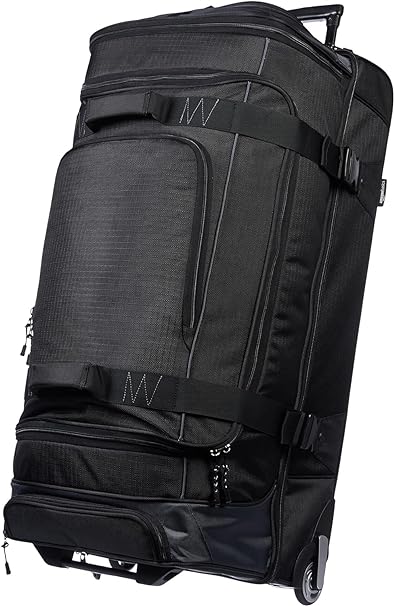
Moms often have to juggle multiple responsibilities, including managing their own items and those of their children. The Basics Ripstop Wheeled Duffel, 35″, Black, is an excellent choice for moms due to its spaciousness, durability, and ease of use. Here’s why:
Ideal Use Cases for Moms:
Family Vacations: With 137 liters of interior capacity, this duffel can accommodate clothing, toiletries, toys, and other essentials for the whole family.
Weekend Getaways: Perfect for short trips where you need to pack efficiently but still want to keep everything organized.
Sports and Activities: Whether it’s for carrying sports gear or packing for a weekend tournament, this duffel handles bulk and weight with ease.
Everyday Errands: Useful for shopping trips or carrying larger items that don’t fit in a regular bag.
Pros and Cons
Pros:
Spacious Interior:
Pros: The duffel’s 137-liter capacity means moms can pack everything they need, from clothes to toys to snacks, without worrying about space.
Cons: Its large size may be cumbersome for those with limited storage space at home or in their car.
Durability:
Pros: Made from 100% polyester with a ripstop design, this duffel is built to withstand rough handling. The double stitching in strategic places enhances its durability.
Cons: Some users have mentioned mixed opinions on the zippers’ quality, which could be a potential weak point.
Ease of Use:
Pros: The upright, telescopic handle and in-line wheels ensure smooth mobility, making it easy to maneuver, even with one hand.
Cons: The duffel may not stand upright when fully loaded, which can be inconvenient when you need to stop and rest.
Multiple Compartments:
Pros: Several zippered compartments allow for organized packing, making it easier to find items quickly.
Cons: The mesh divider inside the bag can reduce space, but it’s removable if not needed.
Value for Money:
Pros: With a rating of 4.5 out of 5 stars from 3,876 ratings, it’s clear that many customers find it to be a great investment. It’s also part of Amazon’s Choice, indicating a good balance of quality and price.
Cons: The bag is priced at $106.90, which might be a bit high for some budgets, especially considering additional shipping and import fees to Kenya.
Versatility:
Pros: Whether for travel, sports, or everyday use, this bag is versatile enough to handle various needs, making it a practical choice for moms on the go.
Cons: Its size and structure may not be suitable for those who prefer more compact or structured luggage options.
The Basics Ripstop Wheeled Duffel, is an excellent choice for moms looking for a durable, spacious, and versatile travel bag. Its capacity and ease of use make it ideal for various activities, from family vacations to daily errands. Despite some minor drawbacks, such as the potential for zipper issues and its large size, the overall value and functionality make it a worthy investment.
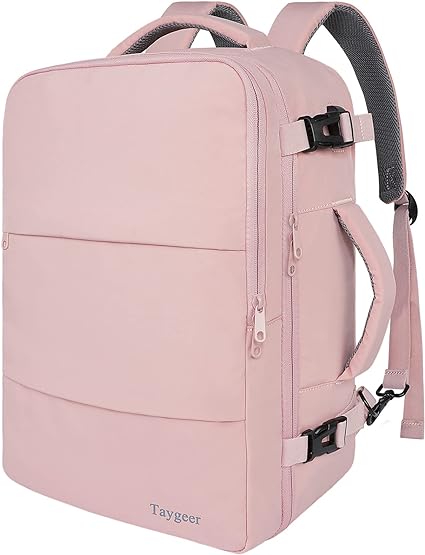
This is a versatile and stylish option that stands out for its functionality and features, making it an ideal choice for moms on the go. Here’s a detailed case for why this backpack is a must-have:
Key Features
USB Charging Port: The built-in USB charger outside and charging cable inside offer a convenient way to charge your phone while walking, making it perfect for busy moms who need to stay connected.
Roomy Capacity & Multi-Pocket Design: With dimensions of 17117 inches and weighing just 2.5 lbs, this backpack includes three main large compartments and nine allocated inner and side pockets. It can hold a 17-inch laptop and a 12.9-inch iPad, ensuring that all essentials, from electronics to clothes, are organized and easily accessible.
Flight Approved: The 180-degree zipper closure helps pass through security checks quickly, and it meets airline carry-on requirements, fitting both overhead and under-seat compartments. This makes it an excellent choice for travel.
Convertible Design: The padded adjustable shoulder straps and two padded handles allow the backpack to be used as both a handbag and a backpack. This flexibility is beneficial for various scenarios, from daily commutes to weekend getaways.
Versatility: Suitable for various uses, including as a travel bag, teacher backpack, nurse backpack, and more. It’s perfect for both professional and personal use.
Ideal Scenarios
Daily Commutes and Errands: The backpack’s multiple compartments and organized design make it easy for moms to carry everything they need, from laptops and documents to snacks and personal items.
Travel: Its flight-approved size and convenient features like the USB port and suitcase-like opening make it perfect for travel. It fits perfectly under the seat, making it a great personal item for flights.
Work and Business: The professional yet stylish design makes it suitable for business settings. Moms who need to transition from work to personal life seamlessly will find this backpack incredibly useful.
Outdoor Activities and Hobbies: Whether it’s hiking, weekend trips, or other outdoor activities, the backpack’s durable and spacious design accommodates all necessary gear.
Why It’s a Must-Have for Moms
Organized Storage: With designated spaces for laptops, shoes, water bottles, and more, moms can keep their items well-organized, which is essential for managing both work and family responsibilities.
Convenience: The USB charging port ensures that moms can keep their devices charged on the go, which is crucial for staying connected and managing schedules.
Comfort: The padded shoulder straps and handles provide comfort during extended use, whether carrying as a backpack or a handbag.
Style and Durability: Available in various colors like Amourpink, Blue, Creambeige, and more, the backpack is both stylish and durable, appealing to moms who want to look good while having a practical bag.
The Aygeer Travel Backpack for Women is an excellent choice for moms who need a versatile, durable, and stylish bag to manage their busy lives. Whether for daily use, travel, or work, this backpack offers the perfect blend of functionality and style.
Is a versatile and practical choice, especially well-suited for moms who need a reliable and stylish bag for various activities. Here’s why this tote bag is an essential addition:
Key Features
Generous Size: Measuring 19.3” x 6.3” x 13.8”, this tote bag can comfortably fit a 15.6-inch laptop, tablet, A4 folders, magazines, and more. It provides ample space for all your essentials.
Spacious Compartment: The large main compartment can hold clothes, cosmetics, documents, work supplies, and other necessary items. Side pockets offer easy access to water bottles, umbrellas, and other quick-grab items.
Yoga Mat Buckle: Unique to this bag, the yoga mat buckle allows for easy carrying of a yoga mat, making it convenient for those who practice yoga regularly.
Fashionable and Versatile: This tote can function as a work bag, laptop bag, gym bag, casual shoulder bag, or travel bag. It’s suitable for various occasions including work, study, travel, shopping, gym, and school.
Perfect Gift: Its practicality makes it an ideal gift for loved ones, including friends, family, and significant others. It’s perfect for daily use, ensuring it’s always a welcome present.
Ideal Scenarios
Work and Professional Use: The tote’s large capacity and organized compartments make it perfect for carrying work essentials like laptops, documents, and personal items.
Travel: Its spacious design and multiple pockets make it an excellent travel companion, able to hold travel documents, a change of clothes, and other travel necessities.
Gym and Yoga: The yoga mat buckle is a standout feature for those who attend yoga classes. It also has enough space to carry gym clothes and other workout gear.
Daily Errands and Shopping: The tote’s roomy interior and side pockets make it ideal for running errands and shopping, easily holding everything from groceries to personal items.
School and Study: Students can benefit from its large size, fitting books, a laptop, stationery, and other school essentials comfortably.
Why It’s a Must-Have for Moms
Organized and Spacious: The multiple compartments and generous size allow moms to keep their belongings organized, from work items to baby essentials.
Versatile Use: Whether for work, gym, travel, or daily errands, this tote bag adapts to various needs, making it a versatile addition to any mom’s collection.
Comfortable and Durable: The lightweight yet sturdy design ensures comfort even when the bag is fully packed. The quilted material is soft yet durable, ensuring long-lasting use.
Stylish Design: Available in multiple colors like Pink, Baby Blue, Beige, Black, Grey, Navy Blue, and Purple, the tote bag is both stylish and functional, appealing to moms who want to look good while staying practical.
The BAGSMART Large Tote Bag for Women is an excellent choice for moms who need a reliable, spacious, and stylish bag for various activities. Its versatility, organized compartments, and unique features like the yoga mat buckle make it a practical and fashionable option for daily use.
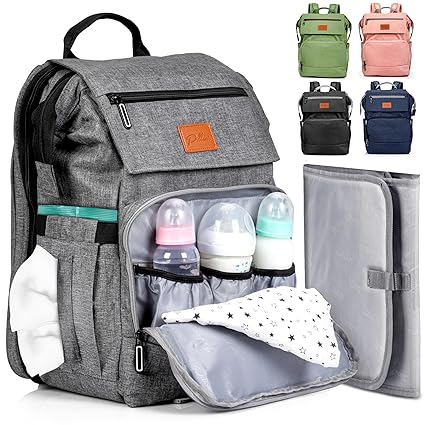
This is a versatile and practical diaper bag designed to meet the needs of parents on the go. Here’s why this diaper bag is an essential addition for moms and dads:
Key Features
Versatile Design: The 4-in-1 multifunction design makes this diaper bag an essential for parents with kids. It’s spacious enough to carry most baby items and newborn essentials while maintaining a compact and organized appearance.
Superior Quality & Structure: Made of durable and waterproof 300D Oxford fabric, this diaper bag is built for years of use. Its lightweight design (less than 3 lbs) and extra reinforced seams make it deform and tear-resistant.
Exceptional Organization: Featuring 16 functional pockets, this bag provides ample space for all baby essentials and more. The front flap zipper pocket and key loop allow for easy access to house and car keys without needing to open the main compartment.
Comfortable & Travel-Friendly: With thick padding and adjustable straps, this bag offers ultimate comfort and easy organization. Its large compartment (17″ x 12″ x 9″) ensures that you won’t have to squeeze in any items.
Excellent Gift Idea: This stylish and functional diaper bag makes a great baby shower gift for new parents. It’s a practical addition to any baby registry and is suitable for both moms and dads.
Ideal Scenarios
Daily Use: The spacious and organized design makes it perfect for everyday use, keeping all baby essentials within easy reach.
Travel: Its large capacity and multiple compartments make it ideal for longer trips, ensuring you have everything you need on the go.
Outdoor Activities: The built-in stroller buckles and waterproof material make it a convenient choice for outdoor adventures, from walks in the park to family outings.
Why It’s a Must-Have for Moms
Organized and Spacious: With multiple compartments and pockets, this diaper bag keeps all baby items organized, from diapers to bottles.
Durable and Waterproof: Made with high-quality, waterproof fabric, this bag is perfect for all weather conditions, ensuring durability and longevity.
Comfortable and Convenient: The padded straps and lightweight design make it comfortable to carry, even when fully packed. The bag also features insulated pockets for baby bottles and elastic side pockets for water bottles, wipes, and tissues.
Stylish and Practical: Available in various colors and styles (Classic and Modern), this diaper bag combines style with functionality, making it a fashionable choice for any parent.
The PILLANI Baby Diaper Bag Backpack is an excellent choice for parents who need a reliable, spacious, and stylish diaper bag. Its versatile design, durable construction, and thoughtful features make it a practical and fashionable option for daily use and travel.
This bag is perfect for moms who are going on long trips. It is large enough to hold everything, but it is also lightweight and easy to roll. It has a lot of compartments and pockets, which will help you keep everything organized.
The LightWire frame suspension transfers the load from harness to hipbelt. A mesh backpanel improves ventilation and the mesh on the harness and hipbelt reduces chafing under load. The entire suspension stows away under a zippered panel creating a sleek silhouette for transport.
This bag is perfect for moms who are going on long trips. It is large enough to hold everything, but it is also lightweight and easy to carry. It has a lot of compartments and pockets, which will help you keep everything organized.
5. The Kipling Daiper Bag
The kipling daiper bag has all the features that moms need when they are traveling with young kids. It is large enough to hold everything, but it is also lightweight and easy to carry.
These are our top picks of the best travel bags for moms. When choosing a travel bag, make sure to consider your needs and choose the bag that best suits your needs.
Types Of Bags That Moms Should Have
3 Bag Types Every Mom should Have Depending on What They Are Doing
Having considered that, you want a bag that best suits your needs. Here are a few different types of bags and what they offer:
Yes, Tanzania is safe for business travelers, students doing volunteer work, relief workers and tourists. The general rule of thumb is that if you are cautious and take basic safety precautions, you will be fine. There are areas of Tanzania that are off-limits to foreigners, but these areas are clearly marked and usually well away from tourist destinations.
The most common safety concerns in Tanzania are petty crime and scams. Petty crime, such as pickpocketing and bag snatching, is common in urban areas.
To avoid becoming a victim of petty crime, be aware of your surroundings and keep your belongings secure.
Scams are also common in Tanzania. Be wary of anyone who offers you a deal that sounds too good to be true or asks for money upfront. If you are unsure about someone, it is best to walk away.
Safe For Business Travelers
Business travelers to Tanzania will find a safe and welcoming environment. The country has a long history of stability, and the government is supportive of foreign investment and businesses. Travelers will need to take the same precautions as they would in any other country, such as being aware of their surroundings and not carrying large amounts of cash or valuables.
Requirements for Foreigners Working In Tanzania
Foreigners wishing to work in Tanzania must obtain the proper work permit and visa.
Work permits are obtained through the employer and are specific to the individual and the job they will be doing.
Visas are obtained from a Tanzanian embassy or consulate prior to travel.
Safe For Students Doing Volunteer Work
Tanzania is a popular destination for students doing volunteer work. There are many reputable organizations that offer volunteer opportunities in Tanzania, and the country is generally safe for students. Students should take precautions such as not travelling alone and being aware of their surroundings.
Volunteer opportunities in Tanzania
These are varied and range from teaching English to working in healthcare.
Safe For Relief Workers
Tanzania is a safe country for relief workers. The government is supportive of foreign aid organizations, and many relief agencies have a presence in Tanzania. Relief workers should take the same precautions as they would in any other country, such as being aware of their surroundings and not carrying large amounts of cash or valuables.
Safe For Tourists
Tourists to Tanzania will find a safe and welcoming environment. Tanzanians are a friendly and hospitable people, and the country is generally safe for visitors. Tourists should take precautions such as not travelling alone and being aware of their surroundings.
Safe To Travel With Kids
Tanzania is generally a safe country to travel with kids. However, as with any country, there are some risks that parents should be aware of.
To keep kids safe, parents should take precautions such as not letting them wander off alone and being aware of their surroundings and being aware of were your kids are at all times.
At National parks and game reserves you children should taught way in advance the importance of not sticking their hands outside the vehicle and not leaving the vehicle at any time during the game drive even if they see the toilet.
Encourage your kids to go to the toilet before setting off on game drives.
As with general hygiene encourage your kids to wash their hands as often as possible.
Safe For LGBTQ+ Travelers?
Yes, Tanzania is safe for LGBTQ+ travelers. There is however explicit law against homosexuality in Tanzania, so exercise caution and don’t openly display affection in public. There is a growing LGBTQ+ community in Tanzania, and you’ll not find gay bars and clubs however there are some places where gay men meet.
Homosexuality has been illegal in Zanzibar since 1864, and the penalties are up to 14 years in prison. Although these laws exists they are hardly if ever enforced.
While on the mainland, homosexuality is not openly accepted but there is more tolerance than on Zanzibar. There have been police raids on gay clubs in the past, but this is not common.
Overall, Tanzania is safe for LGBTQ+ travelers as long as they exercise caution.
The Major Tourist Areas Are Safe
The major tourist areas in Tanzania, such as Serengeti National Park, Ngorongoro, Lake Manyara, Zanzibar and Kilimanjaro, are safe for visitors. These areas are well-policed and have a strong presence of security forces. Tourists should take the same precautions as they would in any other country.
Tanzania safaris are safe as long as you follow the advice of your tour operator and take the necessary precautions. The animals like lions, leopards and elephants are not a threat to humans if you give them space and don’t try to interact with them.
Tanzania Health Wise
It’s also important to be aware of the risks of contracting diseases such as malaria and to take the necessary precautions such as taking vaccines and using mosquito nets.
Malaria In Tanzania
Malaria is a risk in Tanzania, so it’s important to take precautions such as using mosquito nets and taking antimalarial medication. Mosquito repellants and long-sleeved clothing can also help to protect you from mosquito bites.
Recommended Vaccines for Tanzania
The following vaccines are recommended for Tanzania:
-Hepatitis A
-Typhoid
-Yellow Fever
-Cholera
-Rabies
Bilharzia in Tanzania
Bilharzia is a parasitic worm that can be found in fresh water in Tanzania. The worm enters the body through the skin, and can cause symptoms such as fever, abdominal pain, and diarrhea. Bilharzia can be treated with medication, and travelers should take precautions to avoid contact with fresh water in ponds and lakes in parts of Tanzania.
Do not drink tap water in Tanzania unless it has been boiled, filtered or treated. It’s advisable to drink bottled water which is widely available in supermarkets and shops.
Stick to well know water brands and check the bottle seal is intact before purchasing.
When traveling in rural areas, it’s best to drink boiled water or water that has been treated with iodine tablets.
Is It Safe To Eat Food In Local Restaurants In Tanzania?
Yes, it is safe to eat food in local restaurants in Tanzania. As a safety precaution make sure the food is hot or properly packaged.
Is Tanzania A Safe Place To Travel For Solo Female Travelers?
Tanzania is generally a safe place to travel for solo female travelers. However, as with any country, it’s important to take precautions such as not travelling alone at night, being aware of your surroundings and not carrying large amounts of cash or valuables.
Is It Safe To Use Credit Cards In Tanzania?
Credit cards are widely accepted in Tanzania, however it’s advisable to have some cash on hand as well.
Use credit cards in major hotels, restaurants and shops, but be aware that not all establishments will accept credit cards.
When using ATMs in Tanzania, only use machines that are in well-lit, busy areas. Be aware of your surroundings and cover the keypad when entering your PIN.
Is It Safe To Take Public Transportation In Tanzania?
Public transportation in Tanzania is generally safe, however it’s important to:
Known where you are going
Have loose change for fares in the local Tanzania currency
Carry your belongings with you at all times
Keep an eye on your belongings while on the bus
Using Taxis In Tanzania
Taxis are widely available in Tanzania and are generally safe, however there are certain precautions you should take when using local taxis.
Find a taxi that is marked taxi and avoid unmarked cars.
Before getting into the car, agree on the fare with the driver.
Do not use a taxi that is already occupied by someone else.
Sit in the back seat.
Do not carry large amounts of cash or valuables with you.
Pay in local currency or ask the driver before the ride to agree on the fare in US dollars or Euros.
Never take a taxi alone if you are drunk.
Know where you are going and give the driver clear instructions.
What Are The Crime Rates Like In Tanzania?
Tanzania has a relatively low crime rate, however there have been incidents of petty crime such as pickpocketing and mugging. It’s important to take precautions such as not carrying large amounts of cash or valuables and being aware of your surroundings.
What Are The Political Tensions Like In Tanzania?
Tanzania is generally a stable country with no recent history of political violence. However, it’s important to stay up to date with the latest travel advisories.
What Are The Natural Disaster Risks In Tanzania?
Tanzania has in the recent years had natural disasters such as floods and earthquakes but these are not common. It’s important to be aware of the risks and to follow the advice of local authorities.
What Are The Terrorism Risks In Tanzania?
There is a low risk of terrorism in Tanzania. However, it’s important to be aware of the risks and to follow the advice of local authorities.
The country has a long history of stability, and the government is supportive of foreign investment and businesses. Travelers will need to take the same precautions as they would in any other country, such as being aware of their surroundings at all times and dressing down to avoid unwanted attention.
Slum Areas
Just like any developing country there are slum areas in cities like Dar es Salaam and Arusha. It’s important not to go into these areas alone or at night, and to be aware of your surroundings if you do find yourself in one.
Things To Do In Tanzania
There are so many things to do in Tanzania! Here are just a few ideas:
1. Climb Mount Kilimanjaro – this is one of the most popular tourist activities in Tanzania and it is easy to see why. Reaching the summit of Africa’s tallest mountain is an incredible achievement.
2. Go on a safari – Tanzania is home to some of the best game reserves in Africa. Here you can see lions, elephants, giraffes and many other amazing animals in their natural habitat.
3. Visit Zanzibar – this beautiful island off the coast of Tanzania is a perfect place to relax and enjoy the beach. There is also a lot of history and culture to explore.
4. Go diving or snorkelling – the waters around Tanzania are teeming with marine life and there are many great dive sites to choose from.
5. Take a walk in the Usambara Mountains – this stunning mountain range is perfect for hiking and offers incredible views.
6. Experience a traditional Maasai village – the Maasai are a nomadic people who live in Tanzania and Kenya. Visiting one of their villages is a fascinating way to learn about their culture and way of life.
7. Learn about Tanzania’s history – there is a lot of history to discover in Tanzania. From the ancient ruins of Kilwa Kisiwani to the colonial history of Zanzibar, there is much to explore.
8. Go mountain biking – Tanzania has some great trails for mountain biking and it is a great way to see the country.
9. Take a boat trip on Lake Tanganyika – this vast lake is one of the highlights of Tanzania and there are many different boat trips that you can take.
10. Relax on the beach – Tanzania has some beautiful beaches where you can simply relax and soak up the sun.
These are just a few ideas of things to do in Tanzania. There is so much more to see and do.
When it comes to tipping on your African safari its not a one size fits all scenario. Depending on the country you are visiting, the company you are traveling with and your own personal preferences, the amount you tip your guide and staff can vary greatly.
Here we provide you with a complete guide on tipping in Kenya to help you prepare for your Kenya Safari.
Should You Tip in USD(Dollars) EUROS or Kenya Shillings?
This is entirely up to you. If you have US dollars cash on hand, it is perfectly acceptable to tip in dollars. However, if you would prefer to tip in Euros or Kenya Shillings, this is also perfectly fine and most safari guides will be happy to accept either currency.
Outside tourist areas such as hotels and restaurants that serve mostly locals for example if you go to a local restaurant then tip in Kenya shillings as most locals will have a difficult time finding places to exchange foreign currencies such as Euros or USD and forex bureaus and money changers will not take the same rate to exchange lower denomination notes such as 5s and 10s as they would $50 or $100 notes.
Kenya Safari Guides
In Kenya, tipping is generally expected and appreciated by safari guides and other staff members who provide services to tourists.
Even thought there is no set amount that you are required to tip, and it is ultimately up to you how much you want to give, it helps to put certain factors into consideration.
The level of service you are paying for.
If you are on a luxury safari and a luxury Kenya safari can easily exceed $5,000 per person for your trip, then you may not need to tip a little more as compared someone who is on a lower budget tour.
For drivers and safari guides who work for mid-range and lower budget tour companies, they largely depend on tips to supplement their income so a little extra goes a long way.
Between $10-$20 per person, per day is considered a good tip for your driver/guide.
Of course, you are free to give more or less depending on your budget and the level of service you received.
The company you are traveling with.
Some companies automatically include a gratuity fee in their safari prices, so it is always best to check with your tour operator beforehand.
The number of people in your group.
If you are traveling solo or with just a few people, you may want to tip more generously than if you were part of a large group.
A vehicle of six persons could tip $60-$120 per day which can be divided among the driver and the guide.
Your own personal preferences.
Some travelers prefer to give a larger tip at the end of their safari as a way of showing their appreciation for the experience, while others like to spread out their tips throughout the trip.
Nairobi, Mombasa, Lamu, Malindi & Kisumu
These major Kenyan towns are also tourist destinations in their own right and have a more international feel to them. Here you will find plenty of places that accept foreign currencies such as Euros and US dollars, so if you have cash to spare it is perfectly fine to tip in either of these currencies.
Masai Mara, Amboseli, Tsavo, Samburu and Other Parks
Kenya’s parks and national reserves have lodges and camps with restaurants and bars. In these areas, it is fine to tip in USD or Euros and even Kenyan shillings as most of the staff have lots of interactions with tourists and will not have difficulty finding places to exchange foreign currencies.
Maasai Village Visit
When visiting a Maasai village as part of your safari, it is perfectly acceptable to leave a tip.
A good rule of thumb is to leave around $5 -$ 10 per person but you can see how it could easily get expensive so only do this as an appreciation of something for example if a family invites you into their home to see how they live.
Usually, at the end of your tour, you will be taken to their “market” where the ladies often sell items like jewelry, belts, and scarves.
Much better to spend your money here than to give any cash directly.
Your guide will usually get a commission from anything you buy here so if you are happy with the service he has provided it is a nice way to show your appreciation.
Tips at Hotels, Bars & Restaurants
In addition to tipping your safari guides and staff, you may also want to leave a gratuity for hotel staff, bartenders and waiters/waitresses at restaurants.
A good rule of thumb is to leave 10-15% of your bill as a tip, although this amount can vary depending on the level of service you received.
For example, if you had exceptional service at a restaurant, you may want to leave a larger tip of 20% or more.
On the other hand, if you felt that the service was poor, you may want to leave a smaller tip or none at all as tips are expected but not mandatory.
Staff At The Hotel Lobby
Bellhops & Housekeeping
If you are staying at a hotel during your Kenya Safari, you may also want to leave tips for staff members who provide services at the hotel.
For bellhops who help carry your luggage to your room, a good rule of thumb is to tip $2 -$5 for the service.
For housekeeping, you can leave a tip of $2 – $4 per day depending on the level of service you received.
You can leave the tip in cash in an envelope with a note of thanks or you can add it to your bill when you check out of the hotel.
What about credit cards?
While most places in the major towns, cities and tourist areas in Kenya accept credit cards, this is not always the case in more remote areas.
Always ask beforehand if the hotel or restaurant takes credit cards.
It is always best to have some cash on hand when you are traveling in case you need to tip or pay for any unexpected expenses.
Whereas you will be able to pay your bills using credit cards do not tip using credit cards as is common practice in other countries to write the amount you wish to tip on your receipt, then sign the receipt to confirm the total amount (tip + bill) to be charged to your card, this is not common practice in Kenya and the chances that the waitress or bartender will receive it is next to nothing.
Tip on currency conversion
If you are looking to change your US dollars or Euros to local Kenyan currency you will always get better deals at forex bureaus than banks or ATM machines.
The same goes for when you are looking to change your Kenyan shillings back into foreign currency, it is always best to do this at a bureau de change.
Finally you are better off paying all your tips in the local Kenyan currency if you are looking to save.
This is because the dollar and Euro are stronger than the local currency and so when you pay in local currency generally you will be paying less.
Case in point at the time of writing this article $2 = Ksh 236
If you are tipping its easier to round that off to a Ksh 200 tip which will be just fine.
In Conclusion
Tipping on your Kenyan safari is not mandatory but it is always appreciated by safari guides and other staff members who provide services to tourists. A good rule of thumb is to base your tips on the quality of service you received and work within your budget. If your guide went above and beyond to make sure you had a great safari experience, you may want to leave a larger tip.
When you are planning your trip to Kenya, one of the things you will definitely want to do is book a Masai Mara safari. This is an amazing experience that will allow you to see some of the most beautiful and wild animals in their natural habitat.
There are a few different ways that you can go about booking a Masai Mara safari. The first option is to book through a travel and tour company in your area or country of residence. This is often the simplest way to book a safari, as the tour company will take care of all of the details for you.
Another option is to contact a local Kenyan safari operator. This can be a great option if you are looking for a more personalized experience, as you will be able to work directly with the safari company to plan your trip and the trip is likely to cost you less because foreign tours and travel agents usually require a ground handling agent who are usually local tour operators.
Game Drive In Masai Mara. Photo by Craig Stevenson on Unsplash
Pros Of Using a Local Tour Operator
You will often have the same driver or guides for your entire safari, which can create a more intimate experience.
Local tour operators are typically very knowledgeable about the animals and areas you will be visiting, so they can provide valuable insight and information.
If you use a local tour operator, your safari will likely be more affordable than booking through a larger company.
Cons Of Using a Local Tour Operator
There is always the potential that a local tour operator might not be as reliable or professional as a larger company.
It can be more difficult to find customer reviews for local tour operators, so you will have to do your research to make sure you are booking with a reputable company.
The third option would be to book your Masai Mara Safari through a masai mara lodge or camp. This option is becoming increasingly popular, as it allows you to have a more intimate and authentic experience provided by that safari lodge or tented camp. You will be able to stay in one of the lodges or camps located within the reserve, which will give you a front row seat to all of the action.
Pros of Using a Safari Camp or Lodge to Book Your Masai Mara Safari
When you book your masai mara safari through a lodge or camp at the mara you
Cons Of Using a Safari Camp or Lodge to Book Your Masai Mara Safari
Unlike tour operators that have the ability to customize your safari a lodge can only sell you what is available in their property.
If you are interested in using a lodge or camp to book your Masai Mara Safari, there are a few things to keep in mind. The first is that you will want to make sure that the lodge or camp is located within the reserve itself. This will allow you to be as close to the animals as possible, and will also give you the opportunity to explore the reserve on foot if you so choose.
The last option is to book your safari online. There are a number of websites that specialize in booking African safaris, and they can often offer great deals on Masai Mara safaris. However, it is important to do some research before booking any trip online, as there are a number of scams that exists.
Pros Of Booking Your Safari Online
You can often find good deals and discounts by booking your safari online and compare prices and offers.
It is typically very easy to compare different safari packages and operators online
You will have a wide range of different options to choose from when booking online
Cons Of Booking Your Safari Online
It can be difficult to confirm the quality of the tour operator when booking online. Always check out past client reviews to get an idea of the company you are booking with.
When booking online, there is always a slight risk that something could go wrong and you might not end up getting what you paid for. Make sure you book with a reputable company to avoid any issues.
You might not have as much flexibility when it comes to customizing your safari as some of these online packages cannot be customized.
Book In Advance
Something to keep in mind is that you will want to book your safari well in advance whenever possible. This is especially important if you are planning on traveling during peak season, as lodges and camps can fill up very quickly.
How Much It Costs For A Masai Mara Safari
The cost of a Masai Mara Safari can vary greatly depending on the time of year you travel, the type of safari you take, and the lodge or camp you stay in. That being said, you can expect to pay anywhere from $600-$1500 per person for a 3-5 day safari.
Budget Masai Mara Safaris
If you are looking to take a budget safari, there are a few things you can do to save money. First, try to travel during the shoulder or low season. Rates for lodges and camps are usually much cheaper during these times.
You can also opt for a group safari instead of a private safari. Group safaris are usually much cheaper than private safaris, and you will still get to see all the amazing wildlife that the Masai Mara has to offer.
Mid-Range Masai Mara Safaris
If you are willing to spend a bit more money, you can take a mid-range safari. Mid-range safaris usually include stays at nicer lodges and camps, as well as private game drives. These safaris typically cost $1000-$5000 per person.
Luxury Masai Mara Safaris
For those who want to experience the ultimate African safari, there are luxury Masai Mara safaris. Luxury safaris usually include stays at 5-star lodges, private game drives, and other amenities. These safaris can cost $6000 or more per person.
Where You Will Stay In The Mara
There are two types of accommodation options in Masai Mara. You can stay in a lodge which is a more permanent structure or you can stay in a tented camp which are large tents set up for luxury safaris.
Tented camps
Tented camps are usually more expensive than lodges, but they offer a more authentic safari experience. If you are looking for a luxury safari, you will likely stay in a tented camp.
Lodges
Lodges are a bit cheaper than tented camps, but they still offer a great safari experience. If you are looking for a mid-range safari, you will likely stay in a lodge.
When To Go
Masai Mara is one of the few destinations that is great all year round however several facts might help you decide when is the best time for you to visit.
If you want to save money – The best time to find cheaper rates is between late October to December and April to May as this is considered the low seasons in Mara. However, keep in mind that this is also the time when there rainfall so the roads could be muddy. If you choose to travel at this time the combination of smaller crowds, lower prices and the green landscape could be a winner for you.
If you want to see the great migration – The best time to witness the great wildebeest migration is from July to September. This is when the animals are migrating from the Serengeti in Tanzania to the Masai Mara in Kenya.
A Safari Itinerary
A safari itinerary is a document that lists all aspects of your safari, from start to finish as well as a detailed schedule of events. Your itinerary should also list any equipment or supplies that you will need to bring with you on your safari.
A sample Masai Mara Itinerary
Planning Your Itinerary
A safari itinerary is created by your tour operator and sent to you or it might already be part of a safari package on offer. It is this document that you must carefully look at adjust to meet your needs before you book your safari.
When you book your safari, your tour operator will help you plan your itinerary and activities.
But it is always a good idea to have an idea of what you want to do and see while you are on safari so that you can make the most of your time.
The Mara is a large reserve and there is so much to see and do.
To help you plan, here are a few ideas of things you can do on your safari:
-Game drives
The most popular type of safari is the game drive safari. This is where you go out into the reserve in a safari vehicle and look for animals. Game drives are often done several times a day. At dawn, mid morning and late afternoon.
-Walking Safaris
Another popular type of safari is the walking safari. This is where you go out into the reserve with a guide and walk around looking for animals. Walking safaris are a great way to see the smaller things that you would otherwise miss on a safari vehicle.
-Night Game Drives
Night game drives are not permitted within the boundaries of Masai Mara game reserve but some of the conservancies around the Mara do.
Balloon Safari Masai Mara Photo by David Clode on Unsplash
-Hot air balloon rides
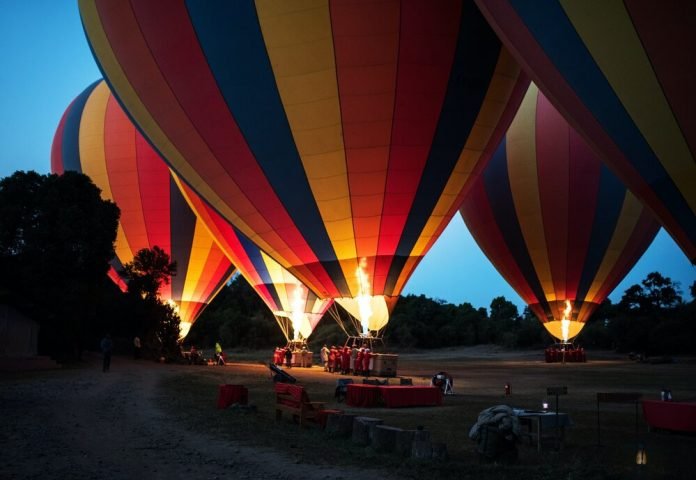
Balloon safaris start at dawn, with a spectacular view of the Mara as the sun rises. It costs $ 450 per person
-Cultural visits
If you want to learn more about the local Maasai culture, there are a number of cultural visits that can be arranged. These often include a visit to a Maasai village where you will get to see how they live and learn about their culture.
-Horse Riding Safaris
There is nothing quite like horse riding safaris. You can go at your own pace and really get close to the animals. Horse riding safaris are only possible in specific areas within the reserve and are usually set up as part of a safari itinerary.
-Bush meals
A bush meal is a special meal that is prepared for you in the middle of the bush. It is a great way to experience being out in the bush.
-Sundowners
A sundowner is a drink taken at sunset while watching the sun go down. This is a very popular activity on safari and one not to be missed.
-Photography Safaris
-Spotting the big five
-Bird watching
Bird watching is great during and after the rainy season. April to November is the best time for this. This is also the time when migrating birds from Europe and North Africa arrive.
-Wildebeest migration
The wildebeest migration usually lasts from July to October. This is when the animals are migrating from the Serengeti in Tanzania to the Masai Mara in Kenya.
As you can see, there is no shortage of things to do in the Mara.
You will want to plan your days so that you can make the most of your time and see and do as much as possible.
But don’t forget to leave some time for relaxation! After all, you are on vacation.
Your safari itinerary is an important document, as it will help to ensure that your trip goes smoothly and according to plan. Be sure to review your itinerary carefully before you depart, and make sure that all of the details are correct.
Things that your tour operator should include in your safari itinerary are:
-The name and contact information for your tour operator
-Day to Day activities and a detailed schedule
-The names of all the accommodations you will be staying at.
-The meal plan for example, full board, half board or all inclusive
-The mode of transportation that will be used
-A list of any additional excursions or activities that are available and if you safari cost includes those activities listed
-A list of any special requirements or requests that you have made
-The cost of the safari usually per person
-Cost per child if there are children on safari
-All Inclusions on the cost
-All Exclusions on the cost
The cost on an itinerary is usually calculated per person and is based on the number of people in your group, the season you are travelling and the accommodations that you have chosen.
Be sure to read your itinerary carefully so that you understand what is included in the price and what is not.
If an activity is not listed on your itinerary, then it is likely that it is not included in the price.
Some of the things that may be excluded from the cost of your safari are:
-Additional excursions or activities that are not listed on your itinerary
-Gratuities for your guides and drivers
-Items of a personal nature such as laundry, phone calls, etc.
-Travel insurance
-Visas and vaccinations
Private Safaris
For private safaris you should have exclusive use of the safari vehicle. That means that you will not be sharing the vehicle with other people who are not part of your group, family. If you are traveling alone you should have the vehicle to yourself.
The number of people on a private safari is usually 1 to 6 people per vehicle. If you have a larger group, there are companies that offer custom built safari vehicles that can accommodate up to 10 people.
Be sure to ask what type of vehicle you will be using on your safari.
Groups and Scheduled Departures
Some tour operators offer scheduled departures which means that you will be joining a group of people on your safari. The number of people on these safaris can range from 2 to 20 people.
The upside of scheduled departures is that they are usually less expensive then private safaris. The downside is that you will be sharing the vehicle with other people.
When booking a group safari, be sure to ask about the size of the group and what type of vehicle will be used.
Types Of Safari Vehicles Used On A Masai Mara Safari
The type of vehicle you will be using on safari will depend on the size of your group and the tour operator you have chosen.
The two types of safari vehicles used in East Africa are 4×4 Land Cruisers or Minivans.
Both vehicles will have a pop up roof so that you can stand up and have a 360 degree view while on game drives.
The mini van is a cheaper option as the Land cruiser tends to be more expensive and will be factored in on the cost of your safari.
Masai Mara Park Fees
Masai Mara park fees are based on the location of the camp or lodge one is staying at. For accommodation inside the main reserve park fee is $70 per person per day for adults and $40 per child per day for children under 12 years.
For those staying in accommodation outside the main reserve there is a $10 increase to $ 80 per person per day and $45 per child per day for children under 12 years.
Your tour operator should include park fees in the cost of your safari.
Before you commit to the safari you need to:-
Check For Safari Reviews
Regardless of how you choose to book your Masai Mara Safari, the most important thing is to do your research and make sure you are booking with a reputable and trustworthy company. This will ensure that you have a safe and memorable experience that you will never forget.
A great way would be to Google the tour operator name “Tour Operator Name Reviews” and see what you find.
Reviews from third parties are always better and more credible than the reviews on the tour operators website.
When looking at reviews, always keep in mind that there will always be a few bad reviews no matter how good the company is.
The best way to get an accurate idea of what the company is like is to look at the overall rating as well as the number of reviews.
Once you have done some research on the company you intend on using for your Masai Mara safari and have reviewed your itinerary and are happy with all the details, you will need to sign and return a copy to your tour operator.
This is your confirmation that you understand the itinerary and agree to the terms and conditions of the safari.
Some tour operators will not ask you to sign but rather a deposit to secure your booking.
Secure Your Booking By Paying a Deposit
Once you have settled on a Masai Mara safari itinerary package or tailor-made to meet your needs and preferences, and you have details of your safari as well as what is included in the price in writing, the next step is to make a deposit to confirm and secure your booking.
The reason you want all costs and inclusions in writing is so that should any misunderstandings arise you can always refer to the document.
As mentioned earlier a well written itinerary will have all the details.
If your tour operator sends you an invoice it should include all the details of what is included in the safari as well as the company’s terms and conditions.
A deposit is usually between 20-30% of the total cost of the safari.
The balance is then due before your departure date or on arrival. Check with your tour operator for their specific policy.
Some companies might require full payment upfront, while others give you the option to pay a deposit with the balance due later.
If you are booking your safari last minute, you might have to make a full payment upfront as most companies will not hold spots without a deposit.
Be sure to check on their cancellation policies and terms and conditions before payment as this will vary from company to company.
Mode Of Payment
Different companies will accept different modes of payments. From credit cards to wire transfers. Its important to consider the charges that come with the different modes of payments.
For example, if you are paying by credit card, there might be a surcharge of 2-5% that is added to your total cost.
What Happens Once You Have Paid Your Deposit?
After you have paid your deposit, the next step is for your tour operator to start making all the necessary arrangements for your trip.
They will send you a confirmation email or letter that your safari has been booked.
If there is anything that you are unsure about, be sure to contact your tour operator to clarify.
It is always better to ask too many questions than not enough as this will ensure that you are fully prepared for your safari.
A few weeks or days before your departure date, you should receive another email from your tour operator and if you don’t be sure to email or call them. This is just to ensure that everything is on track and that there have been no changes to the itinerary as there shouldn’t be.
Some tour operators will also send you a list of things to pack as well as a suggested packing list.
This is very helpful as they know exactly what you will need for the safari as they have done it many times before.
Once you have received all your documents, the only thing left to do is pack your bags and get ready for the adventure of a lifetime.
Travel Insurance For Your Safari
Once you have booked your safari, the next step is to get travel insurance. This is an important step, as it will protect you in case of any unforeseen circumstances such as cancellations, medical emergencies, or lost baggage.
There are a number of different companies that offer travel insurance, so be sure to shop around and find the best policy for you.
When you are looking for travel insurance, be sure to read the fine print and make sure that you are covered for everything that you might need. For example, some policies will not cover you if you have to cancel your trip due to illness, so be sure to check this before you buy.
Your Kenya Tourist Visa
If you are a citizen of the United States, Canada, or the European Union, you will need to get a tourist visa before you can enter Kenya. Visas can be obtained from your local Kenyan embassy or consulate, or you can apply for it online.
The cost of a tourist visa is $50 for Americans and Canadians, and €60 for Europeans. Visas are valid for 90 days from the date of issue.
You can opt for an East African visa if you will be travelling to Tanzania Uganda or Rwanda as well in addition to Kenya. The cost of this visa is $100 for Americans, Canadians, and Europeans, and it is valid for 90 days from the date of issue.
Health Requirements
Your Kenya Health requirements may change from time to time. To be sure you meet every health requirement including vaccinations, check the CDC website prior to your travels. The last thing you want is to get sick on your safari!
Your Kenya vaccine requirements may differ depending on which areas you will be visiting while in Kenya or East Africa.
Some of the vaccinations that may be required for travel to Kenya include:
-Yellow Fever
-Hepatitis A and B
-Typhoid
-Polio
-Meningitis
-Rabies
Be sure to consult with your doctor or a travel clinic at least 8 weeks before your departure to ensure you have enough time to get all the necessary vaccinations.
In addition to getting the recommended and required vaccines for Kenya, you should follow safety advice such as avoiding areas with poor sanitation and always drinking bottled water as tap water is not safe.
Booking Your Flights
Once you have everything in order, the next step is to book your international flight. Your safari dates will determine your departure and return dates.
If you are flying into Kenya, the best airport to fly into is Nairobi. From there, you will be either taking a domestic flight from Wilson airport to Masai Mara or going there by road, depending on what is on your safari itinerary.
The Masai Mara has several airstrips and depending on where you will be staying at the Mara, your domestic flight will land at one of these.
The main airstrips in the Mara are Keekorok, Musiara, Serena, Kichwa Tembo, Olkiombo, and Talek.
You may require accommodation at a Nairobi hotel when you arrive on your international flight to catch some sleep and freshen up before your safari starts. This can be arranged by your tour operator and included into your safari itinerary in advance.
Also do not forget to ask about airport transfers as you will need it from the airport to your hotel.
Getting A Local Sim Card
Phone Sim Cards
When you get to Kenya it is advisable to get yourself a local sim card so that you can stay connected by buying local airtime and internet bundle packages. This will come in handy in case of any emergencies and allow you to be online as Wi-Fi is not always accessible.
There are a number of different service providers to choose from, so be sure to shop around and find the best one for you.
The Two Major Mobile Service Providers are Airtel and Safaricom
We recommend that you buy a Safaricom line which costs around Ksh. 100 ($1) you can then buy data bundles.
Safaricom Data Bundles
Ksh 20 ($0.17) (70MB+Whatsapp)
Ksh 50 ($0.42)(175MB+Whatsapp)
Ksh 100 ($0.84)(500MB+Whatsapp)
Ksh 250 ($2.11)(1250MB+Whatsapp)
Ksh 500 ($4.22)(2500MB+Whatsapp)
Ksh 1000 ($8.44)(5000MB+Whatsapp)
Airtel Data Bundles
Ksh 10 ($0.084) (70MB+Whatsapp)
Ksh 20 ($0.17)(200MB+Whatsapp)
Ksh 50 ($0.42)(600MB+Whatsapp)
Ksh 99 ($0.84)(2GB+Whatsapp)
Of the two networks safaricom has a wider coverage across the country.
What To Pack For Your Masai Mara Safari
Now that you know how to book a Masai Mara safari, and have probably booked one it’s time to start packing!
When you are packing for your trip, there are a few things you should keep in mind such as the your luggage and weight, weather, what activities you will be doing and of course, comfort.
Airlines have luggage restrictions in place, so be sure to check the weight and size restrictions of your airline before packing. We recommend packing light as you will be doing a lot of travelling while on safari.
The weather in the Masai Mara is mostly hot and dry with a cool breeze, so pack light, breathable clothing that covers most of your skin to protect you from the sun and insects. Long pants, long sleeves shirts, and a hat are all recommended.
The evenings can get chilly so it is also a good idea to pack a light jacket or sweater.
Comfortable walking shoes are a must as you will be doing a lot of walking on your safari.
Other important items to pack include:
-Sunscreen
-Bug spray
-Binoculars
-Camera
-Chargers
-Cash (USD)
-First Aid Kit
Packing light is always best as you will be doing a lot of moving around and you don’t want to be lugging around a heavy suitcase. It will also save you money when it comes to flights as most airlines have weight restrictions.
A good rule of thumb is to pack items that can be layered so that you can easily adjust to the changing temperatures.
Tips For Tipping While On Safari
Tipping is not mandatory but it is appreciated by your guides and drivers who work hard to make sure you have a great safari experience.
A general guideline is to tip $5-$7 per person, per day for those who frequently serve you through out the day like your driver or guide. This can be given at the end of your stay.
Occasionally when someone goes out of their way to assist you then you can tip them as a thank you.
For example, if your driver drives you to an animal that you really wanted to see or helps you spot something special.
When leaving Kenya you will be required to pay a departure tax of $50.
This tax is included in the price of your flight ticket, so be sure to check with your airline before you travel.
Conclusion
We hope this guide on how to book a Masai Mara safari has been helpful. If you have any questions or would like help booking your safari, please contact us and we would be more than happy to assist you.
The Serengeti National Park is a Tanzanian National park in the Serengeti ecosystem that includes Kenya’s Masai Mara National Reserve. It is famous for its annual migration of over 1.5 million white-bearded wildebeest, 300,000 Thomson’s gazelle, and 200,000 zebra and for its numerous Nile crocodiles.
The park covers 5,700 square miles (14,763 km2) of land area.
Here Are Facts About The Serengeti You May Not Know
Serengeti National park is bigger than the Bahamas, Montenegro, Vanuatu, Falkland Islands, Qatar, Jamaica, Gambia, Lebanon, Cyprus or Puerto Rico.
The park contains more large mammals than any other park in Africa and there are over 3 million large animals living in the Serengeti, the big five animals which include the lion, leopard, rhinoceros, elephant, and Cape buffalo all call the Serengeti home.
The Serengeti landscape has been shaped by elephants. They knock down trees to create clearings where new grass can grow. The animals that eat this new grass help keep the clearing open as the trees try to regrow.
The Serengeti has some of the world’s highest concentrations of predators and there are over 3,000 lions in the Serengeti more than in any other African park with lion numbers in the wild numbering less than 24,000
The Serengeti is thought to have the largest population of cheetahs in Africa.
There are more than 500 species of birds in the Serengeti.
The oldest rocks in the park date back over three billion years.
The word Serengeti comes from the Maasai language and means “endless plains”.
The area now known as the Serengeti was first established as a game reserve in 1921 and became a national park in 1929.
It is one of the oldest and most popular national parks in Africa and is now a UNESCO World Heritage Site.
The Serengeti is famous for the Great Migration, a massive movement of animals that takes place every year. Over 1.5 million wildebeest, 250,000 zebra, and 300,000 Thomson’s gazelle travel from the southern part of the park to the northern part in search of food and water. This journey takes them through the Maasai Mara National Reserve in Kenya.
The Serengeti is also one of the few places in Africa where you can find Africa’s Big Five: lions, leopards, elephants, buffalo, and rhinos.
The park is open all year round, but one best time to visit the Serengeti is between June and October which is the wildebeest migration season and also a dry season so the animals are easier to see.
Temperatures can get really cold in the Serengeti, with lows of 7 degrees Celsius (44.6 degrees Fahrenheit) in July and August. The rainy season
Foreigners pay more park fees around $70 per person per day while residents of Tanzania pay $ 35
Serengeti is accessible by road and by air and there are many daily flights from Arusha, Dar es Salaam, and Zanzibar to one of the several airstrips in the park.
In Conclusion
As one of the best parks in Africa , Serengeti National Park should definitely be on your bucket list. With an endless supply of plains and wildlife, there is no shortage of things to do and see in this park. The Serengeti is also one of the best places in Africa to see the Big Five: lions, leopards, elephants, buffalo and rhino. It has the highest concentration of lions in Africa at 3,000, Over 7,000 elephants and 50,000 buffalo.
Here are the best Kenya safari packages for solo travelers, families, luxury safari travelers, honeymooners
Best Kenya Safari Parks, Concessions and Conservation Areas
Kenya as one of the top destinations for Safaris and African Adventure seekers offers a wide variety of Safari experiences. Here are some of the best Safari Parks that Kenya has to offer;
Amboseli
Gazelle Grazing At Amboseli
The Amboseli National Park is one of the most popular parks in Kenya. The park is home to some of the largest elephant population in Africa. The park also offers incredible views of Mount Kilimanjaro, the tallest free standing mountain in the world.
Amboseli is best for birding safaris, wildlife safaris and photographic safaris.
When To Go:
How To Get There:
Best Amboseli Safari packages:
Best Amboseli Camps & Lodges
Ol Tukai Lodge
Amboseli Serena Safari Lodge
Kilima Safari Camp
Tortilis Camp
Masai Mara
A sundowner In Masai Mara
The Masai Mara National Reserve is one of the most iconic parks in Africa. The park is home to the annual wildebeest migration, which is one of the most spectacular wildlife events in the world.
Masai Mara has several private concessions that offer a more intimate and exclusive Safari experience. The reserve is also home to the Big Five animals, which are the most sought after animals by Safari travelers.
Masai Mara is best for riding safaris, wildlife safaris and photographic safaris.
When To Go:
How To Get There:
Best Masai Mara Safari packages:
Best Masai Mara Camps & Lodges
Bateleur camp Masai Mara
Governors’ Camp
Mara Explorer Camp
Mara Intrepids Camp
Mara Serena Safari Lodge
Bateleur Camp
Laikipia Plateau
The Laikipia Plateau is a large stretch of privately owned land in central Kenya. The plateau is home to some of the most endangered animals in the world, including the black rhino and the Grevy’s zebra.
Laikipia is best for night game drives, riding safaris and photographic safaris.
When To Go:
How To Get There:
Best Laikipia packages:
Best Laikipia Camps & Lodges
Loisaba Tented Camp
Ol Pejeta Bush Camp
Samburu
The Samburu National Reserve is located in northern Kenya and is home to some of the most iconic animals in Africa, including the Grevy’s zebra, the reticulated giraffe and the Somali ostrich.
Samburu is best for wildlife safaris and photographic safaris.
When To Go:
How To Get There:
Best Samburu Safari packages:
Best Samburu Camps & Lodges
Samburu Intrepids Camp
Samburu Serena Safari Lodge
Kenya Combination Safaris
One of the best ways to experience Kenya on safari is to combine other safari parks in Kenya and beyond.
Here are some of the best Kenya safari combinations:
Kenya and Tanzania Safari
A Kenya and Tanzania safari is a perfect way to experience the best of both countries. A typical itinerary would include a few days in the Masai Mara National Reserve in Kenya followed by a few days in the Serengeti National Park in Tanzania.
Kenya and Seychelles Safari
A Kenya and Seychelles safari is the perfect way to combine a beach vacation with an African Safari. A typical itinerary would include a few days in at least one of Kenya’s safari parks followed by a beach vacation to unwind in the Seychelles.
Kenya and Uganda Safari
A Kenya and Uganda safari is a great way to experience the best of East Africa. A typical itinerary would include a few days in at least one of Kenya’s safari parks followed by a few days in Uganda’s Bwindi Impenetrable Forest for a gorilla trekking experience.
Kenya and Rwanda Safari
A Kenya and Rwanda safari is a great way to experience the best of East Africa. A typical itinerary would include a few days in at least one of Kenya’s safari parks followed by a visit to see the mountain gorillas in Rwanda
Kenya and Mozambique Safari
Mozambique has one of the best beaches in Africa and a Kenya and Mozambique safari is a great way to experience the best of both countries. A typical itinerary would include a few days in at least one of Kenya’s safari parks followed by a beach vacation in Mozambique.
Kenya and Victoria Falls Safari
A Kenya and Victoria Falls safari is a great way to experience the best of both countries. A typical itinerary would include a few days or a week in at least one of Kenya’s safari parks followed by a visit to see the spectacular Victoria Falls in Zambia or Zimbabwe.
Kenya and South Africa Safari
A Kenya and South Africa safari is a great way to experience the best of both countries. A typical itinerary would include a few days in at least one of Kenya’s safari parks followed by a visit to South Africa’s Kruger National Park, Cape Town, or the cape wineland.
Kenya and Botswana Safari
A Kenya and Botswana safari is a great way to experience the best of both countries. A typical itinerary would include a few days in at least one of Kenya’s safari parks followed by a visit to Botswana’s Okavango Delta or Chobe National Park
Kenya Beach Safaris
Kenya has some of the best beaches in Africa and there are a number of ways to experience them on safari.
One of the most popular beach safaris is to combine a visit to one of Kenya’s safari parks with a beach vacation. A typical itinerary would include a few days in at least one of Kenya’s safari parks followed by a beach vacation in one of Kenya’s coastal towns such as Diani Beach, Watamu Beach, Lamu or Kilifi Beach.
Another popular option is to take a fly-in safari to one of Kenya’s private Islands like chale Island.
Best Safari Vehicles For A Kenya Safari
One thing that will make or break your Kenya safari experience is the safari vehicle you are in.
In East Africa, the most popular safari vehicles are four-wheel drive Land Cruisers and minivans.
The main reasons why these vehicles are so popular is because they are:
1. Reliable
Toyota tops the list of Africa’s best selling vehicle for a reason. They are reliable and can handle the tough African terrain. The toyota landcruiser used for Kenya safaris are specially designed for African safaris with features like a pop-up roof for game viewing and air conditioning to combat the heat.
2. Comfortable
The safari vehicles may not be the most comfortable and luxurious of the toyata land cruiser class but they are comfortable enough on game drives and the African roads.
3. Off-road Capable
The Land Cruisers and minivans used for Kenya safaris are 4WD vehicles and are capable of handling the tough off-road conditions found in many Kenyan parks.
4. Have a rooftop for game viewing
One of the best features of the safari vehicles used in Kenya is the pop-up roof. The rooftop gives you an unobstructed view of the animals and the African landscape.
Of the two vehicles the mini van and toyota land cruiser the mini van is the cheaper option. If you are going on a budget safari, then the minivan is the way to go. However, if you can afford it, the Land Cruiser is the better option. The Land Cruiser is more comfortable, has a smoother ride.
When choosing a safari vehicle, it is important to remember that the vehicle is only as good as the driver. The driver is the one who will make or break your safari experience. Our drivers are some of the best in Kenya with years of experience driving on Kenyan roads and game drives.
They are also trained travel guides who will be able to share their knowledge of the animals, plants, and culture with you on your safari.
Best Time To Go On A Kenya Safari
The conventional wisdom is that the best time to go on a Kenya safari is during the peak season here we say the best time to go on safari is when the crowds have all gone, the accommodation option are way cheaper sometimes up to 20% cheaper and the animals are more active because there is no competition for food and water.
Peak season in Kenya is from July to October and December to March. The best time to go on safari is during the shoulder seasons of April – June and November.
The weather is still good during these months although there might be the occasional rain shower. The prices for safari lodges and camps are significantly cheaper during this time of the year.
How To Choose The Best Safari
Now that you know the best time to go on safari and what vehicle to choose, it is time to start planning your trip.
The first step is to decide what exactly you would want to do on your safari.
Are you interested in game drives, bush walks, historical tours or cultural visits?
The next step is to consider who you are traveling with.
Are you traveling with your spouse, partner or children.
You want to customize your safari to also consider their interests.
For example, if you are traveling with young children, then you might want to choose a lodge or camp that has a swimming pool and children’s activities.
If you are traveling with older children or teenagers, then you might want to consider a safari that has more adventurous activities like bush walks, balloon safaris and game drives.
If you are traveling with your spouse or partner you might want to consider a safari that sundowners and romantic dinners.
It now time to start looking at the different safari options.
There are many different safaris to choose from in Kenya. You can go on a budget safari, mid-range safari or luxury safari.
What Makes a Kenya Safari Luxurious? Your accommodation determines what type of safari you will have.
A luxury safari is one where you will be staying in 5-star lodges and camps, eating gourmet food, and enjoying personal service throughout your stay.
You will also have a private guide and driver who will customize your safari experience to ensure that you have a once in a lifetime trip.
What Makes A Kenya Mid-Range Safari?
A Mid-Range safari is one where you will be staying in 3 to 4-star lodges and camps, eating good food, and enjoying friendly service throughout your stay.
You will also have a private guide and driver who will customize your safari experience to ensure that you have a great trip.
What makes for a budget Safari?
A budget safari is one where you are camping or sharing your safari vehicle with other travelers. The food is basic, and the service is functional.
You will still have a guide or driver who will make sure that you see all the animals and sights that you want to see on your safari.
You can also decide how long you want to go on safari for, from a few days to a couple of weeks.
Best Family Safaris
What is the best Safari for families with young children?
What is the best Safari for families with older children or teenagers?
Best Safaris For Couples
Best Honeymoon Safaris
Kenya Photographic Safaris
Kenya is a photographer’s paradise with an abundance of wildlife and scenic landscapes. There are a number of ways to experience Kenya on safari as a photographer.
One option is to join a photographic safari which is run by a professional photographer who will teach you how to take better photos and help you to get the most out of your camera.
Another option is to go on a regular safari but make sure to bring along your camera and take advantage of the many photo opportunities that will present themselves.
Kenya Birding Safaris
Kenya is a birder’s paradise with over 1,150 species of birds recorded, more than any other country in Africa. There are a number of ways to experience Kenya as a birder.
One option is to join a birding safari which is run by a professional guide who will help you to find and identify the different bird species.
Another option is to go on a regular safari but make sure to bring along your binoculars and take advantage of the many birding opportunities that will present themselves.
Kenya Walking Safaris
One of the best ways to experience Kenya’s wildlife is on foot. There are a number of walking safaris that you can join which will take you into the heart of the bush where you can see animals up close and personal.
Another option is to go on a regular safari but make sure to ask your guide if there are any opportunities for walking safaris.
Kenya Balloon Safaris
A balloon safari is a truly unique way to experience Kenya’s wildlife. You will float above the plains in a hot air balloon and get a bird’s eye view of the animals below.
Most balloon safaris include a Champagne breakfast after your flight.
Kenya Camel Safaris
A camel safari is a great way to experience Kenya’s desert landscapes. You will ride a camel through the sand dunes and get to see the sunset over the horizon.
Your camel safaris include a night stay in a camp where you can sleep under the stars.
Kenya Fly-In Safaris
A fly-in safari is the best way to see Kenya if you have limited time. You will fly into a remote airstrip and then be transferred to your lodge or camp by light aircraft.
This type of safari is perfect for those who want to avoid long road transfers.