Kenya is a beautiful country located in East Africa. The weather is perfect for safaris and other outdoor activities. September is a great time to visit Kenya because the weather is not too hot and the rainy season has not yet begun.
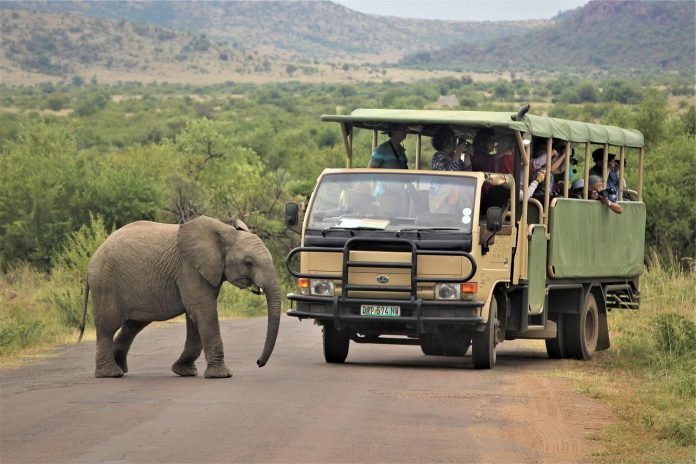
There are many things to see and do in Kenya in September. You can go on safari and see the Big Five animals – lion, elephant, buffalo, leopard, and rhinos.
If you are lucky you can still see the migration. The wildebeest migration is one of the most amazing natural phenomena in the world. Millions of animals travel from Tanzania to Kenya in search of better grazing grounds.
The average minimum temperature (usually the minimum temperature is noted during the night) in Masai Mara in September is 15.0°C (59°F). The average maximum temperature in September is 30.0°C (86°F).
Other activities you can do in Kenya in September include going on a hot air balloon ride, and hiking up Mount Kenya.
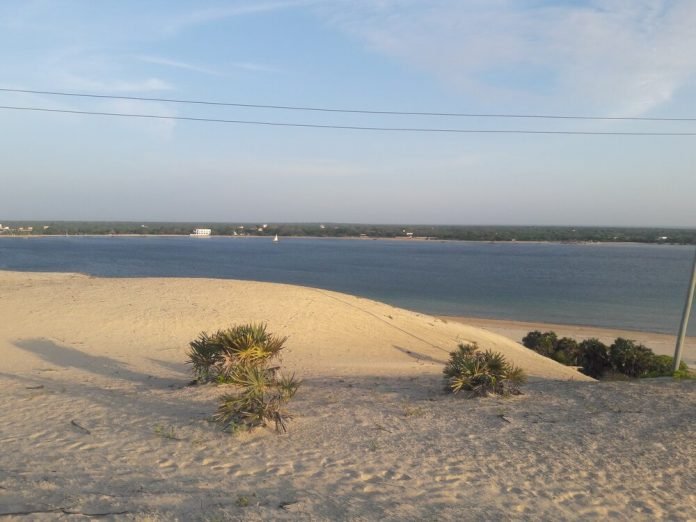
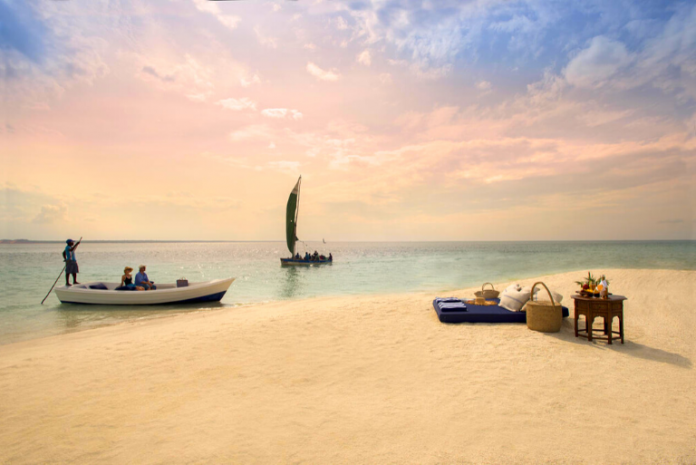
September is also a great time to visit the Kenyan coast. Lamu, Mombasa and Malindi. The water is warm and the beaches are beautiful.
Whale watching is also possible in September off the coast of Kenya. Humpback whales can be seen migrating from their feeding grounds in the Antarctic to their breeding grounds in the Indian Ocean.
If you are looking for an adventure, Kenya is the perfect place for you. There are many activities to keep you busy, such as hiking, biking, and kayaking. September is a great time to visit Kenya because the weather is perfect for outdoor activities.
Kenya is a safe and welcoming country to visit. The people are friendly and there is a lot to see and do. If you are looking for an adventure, Kenya is the perfect place to be in September!
There is no one-size-fits-all answer to the question of when the best time to go on safari. The timing depends largely on what you want to see and do while you’re on safari, as well as where in Africa you plan to visit.
The Best Time To Visit South Africa For Wildlife Viewing
The best time to visit South Africa for wildlife viewing is generally considered to be between May and October. This is the region’s dry season, when animals congregate around water sources and are easier to spot. However, this also coincides with the peak tourist season, so you may have to contend with large crowds at popular game-viewing destinations.
What To Expect If You Travel To South Africa:
June to August – Winter / Low Season
If you visit South Africa during the winter months of June to August, you can expect relatively dry conditions and cooler temperatures. This is considered the low season for safari travel, so you may be able to find lower prices on lodges and tours. However, some areas may be inaccessible due to heavy rains earlier in the year and the weather cold.
How much can you save on safari during low season compared to peak tourist season?
You can typically save about 20% on the cost of safari lodges during low season. However, you may have to pay a bit more for flights and other transportation, as demand is generally lower during this time of year.
Rhinos at Kapama Private Game Reserve – South Africa
What are the advantages of traveling during low season?
One advantage of traveling during the winter months is that you’ll have a better chance of seeing baby animals. This is because many animals give birth during the rains, when food is more plentiful. another advantage is that you’ll have fewer crowds to contend with at popular game-viewing destinations.
What are the disadvantages of traveling during low season?
One disadvantage of traveling during low season is that some lodges and parks may be closed due to the rains. another disadvantage is that mosquitoes and other insects can be more prevalent during this time of year. You’ll also need to pack warm clothing if you’re traveling to Africa during the winter months.
Tours That Include South Africa Safaris:
This 10 Day Southern Africa AdventureTakes you to Kruger National park and Mozambique for a beach holiday. It can be customized to start anywhere.
12 Day Cape Town To Windhoek A safari itinerary that starts in Cape Town then takes you to Sossusvlei desert, Namib-Naukluft National Park and Etosha National Park.
3 Day Kruger Safari A short safari that takes you to South Africa’s Kruger National Park for 2 Nights.
Whale Watching In South Africa
South Africa is a great place to go whale watching, with peak season running from June to November. This is when the southern right whales come to the country’s coasts to mate and calve. You’ll also have a good chance of seeing humpback and Bryde’s whales during this time.
What To Expect If You Go Whale Watching South Africa:
December – May
The best time to go whale watching in South Africa is generally considered to be between June and November. This is when the southern right whales come to the country’s coasts to mate and calve. You’ll also have a good chance of seeing humpback and Bryde’s whales during this time.
What are the advantages of going whale watching during peak season?
The main advantage of going whale watching during peak season is that you’re almost guaranteed to see whales. This is because there are so many of them in the area at this time of year. Another advantage is that the weather is generally more pleasant during the winter months.
What are the disadvantages of going whale watching during peak season?
One disadvantage of going whale watching during peak season is that it can be quite crowded. another disadvantage is that the prices for lodges and tours are generally higher during this time of year.
Tours That Include Whale Watching:
We offer whale watching tours in South Africa. Most of these tours depart from Cape Town. Talk to us today
The Cape Winelands of South Africa are a great destination for wine lovers. The best time to visit is during the harvest season, which runs from February to April. This is when you’ll be able to see the grapes being picked and enjoy the festive atmosphere at the many wineries in the region. Generally you can’t go wrong visiting between November to April which are the hot dry summer months.
What To Expect If You Visit The Winelands Of South Africa:
June – August
Because the weather is cold at this time of the year you will need to dress up warm but the air is crisp and clean. No crowds and the accommodations around here including Stellenbosch and Franschhoek have discounted rates at this time of the year.
The Okavango Delta in Botswana is one of the best places in Africa for game viewing. The best time to visit is between June and August, when the floodwaters from the Angola highlands start to fill the delta. This creates a unique wetland ecosystem that supports a large variety of wildlife.
What To Expect If You Went:
March – May or November – December
If you’re looking for a more relaxed safari experience, consider visiting during the low season, between March-May and November-December. Game viewing is still good at this time, but there will be fewer crowds and lower prices. The weather is also more pleasant during low season, and everything is greener making it a better time to visit if you’re not a fan of the heat.
What are the advantages of visiting the Okavango during this time?
One advantage of visiting the Okavango during the low season is that there will be fewer crowds. another advantage is that the prices for lodges and tours are generally lower during this time of year.
Expect to spend less on your safari at this time of the year. Anywhere between 15% – 20% off on your safari accommodation.
What are the disadvantages of visiting the Okavango during this time?
The main disadvantage of visiting the Okavango during the low season is that some lodges and camps close down during this time. another disadvantage is that the game viewing can be more difficult because of the lack of water in the delta.
Tours That Include Game Viewing In The Okavango Delta:
We offer a variety of tours that include game viewing in the Okavango Delta. Most of these tours depart from Maun. Talk to us today
Our 9 Day Southern African Safari includes game viewing in the Okavango Delta and can be customized to your specific interests.
A 7 Day Botswana Safarithat takes you to the Okavango for a few days before heading to Chobe National Park.
Non of these safari packages are cast in stone and can all be modified to better suit your needs.
The Best Time For An East African Wildlife Safari
East Africa is one of the best places to go on a wildlife safari and it consists of Kenya, Uganda, Tanzania and Rwanda.
Best Time To Visit Serengeti National Park
The Serengeti National Park in Tanzania is one of the most popular game-viewing destinations in Africa. The best time to visit Serengeti for the wildebeest calving season is between January to early March, June to July you have the opportunity see the wildebeests crossing the Grumeti River and June to October are the drier months and the animals are usually concentrated near waterholes making it great for game viewing.
Sunrise In Serengeti National Park – Source Unsplash
What To Expect:
The Calving Season – January to Early March
This is the time when the wildebeests are giving birth to their young. The animals are concentrated in the southern part of the Serengeti and you can expect to see a lot of predators such as lions, cheetahs and leopards preying on the newborns. There are a lot of young ones around as other animals are giving birth too including Zebra and Thompson gazelle which often follow the wildebeest on the great annual migration.
Grumeti River Crossing Of The Great Migration – June to July
Although not as dramatic as the Mara river crossing as the grumeti river is smaller compared to the Mara river, it is still an amazing sight to see. The animals have to swim across the river and there are a lot of crocodiles waiting to prey on them.
The Dry Season – June to October
This is the best time for game viewing as the animals are concentrated near waterholes and predators will be waiting to ambush them as they drink water. You can also expect to see a lot of elephants as they are forced travel long distances to find water during this time.
The Wildebeest Crossing Serengeti – June to July
The wildebeest and Zebra herds head north along the western edge of the park toward an even bigger barrier: the Mara River in the north of the Serengeti and will be crossing the Mara river around July although the timings can vary from year to year. This is nature at its most brutal as there are a lot of animals trying to cross the river and many of them will be eaten by crocodiles and some drown as stampedes often occur.
Tours That Include Serengeti Safaris:
A 5 Day Tanzania Safari that starts in Arusha but can be tailored to start anywhere in Tanzania. Takes you to Serengeti, Ngorongoro and Lake Manyara.
4 Day Tanzania Safari A Tanzania Safari Package that covers two Tanzania Parks in 4 days and you stay in Mid-Range accommodations.
5 Day Big Five Tanzania Safari A safari package that is tailored to give you the opportunity to see the Big five on a Tanzania Safari.
Best Time To Visit Kenya
Kenya is a great place to go on a safari year-round, but the best time to visit depends on what you want to see. For example, if you want to see the wildebeest migration, you should visit between July and October.
Just like any other safari destination the best time for Kenya wildlife safaris is during the dry months of the year which are between June and October. The rains usually start around November and continue until May which can make game viewing difficult as the animals are dispersed throughout the bush and it is also more difficult to get around.
Kenya Safari Masai Mara – Image Source unsplash
What To Expect If You Visit Kenya for a Safari During The Rainy Season
The rains usually start around November and continue until May which can make game viewing difficult as the animals are dispersed throughout the bush and it is also more difficult to get around. The upside to visiting during the rainy season is that there are fewer tourists and you can get better deals on accommodation and safari tours.
Also this is a great time for birding safaris as the vegetation is green.
The Down Side
The parks will be muddy and some areas inaccessible and the animals will be more difficult to spot.
3 Day Amboseli Safari A safari itinerary that takes you to Amboseli often referred to as elephant country because of it large herds of elephants. Also a great safari for bird lovers as Amboseli is known for its birds.
13 Day Kenya and Seychelles A safari package that combines a wildlife safari in Kenya and an beach vacation in Seychelles.
Best Time For Masai Mara Wildebeest Migration
The best time to witness the annual wildebeest migration is between July and October. This is when the herds move from the Serengeti plains of Tanzania into Kenya’s Maasai Mara reserve in search of greener pastures. The best place to see this is on the Kenyan side of the Mara river in Masai Mara.
Wildebeest Migration Tours:
A 3 Day Migration Safari that takes you for 2 Nights in Masai Mara during the wildebeest migration season.
Planning A Trip To Mount Kilimanjaro When Should you go?
The best time to climb Mount Kilimanjaro is December to mid-March and June to the end of October. This is the region’s dry season, so you’ll have the best weather conditions for your ascent. However, this is also the busiest time of year on the mountain, so you may have to share the trail with large crowds of other climbers.
Mount Kilimanjaro Climbing Tours
10 Day Mount Kilimanjaro Climb – This Kilimanjaro climbing package through lemosho route it is possible to do this route in 6 days but this itinerary allows you to ascend steadily getting acclimatized to the high altitudes in the process.
6 Day Mount Kilimanjaro Climb This Climbing itinerary takes the Rongai Route which has a 98% chance of getting to the summit.
5 Day Mount Kilimanjaro Climb A Kilimanjaro climbing itinerary through the Marangu route providing first timers with an easier climb to the top of Kilimanjaro.
Best Time For Gorilla Trekking In Uganda And Rwanda
Gorilla Trekking Rwanda
Uganda and Rwanda offer year-round gorilla trekking, but the best time to go is during the dry season from December to February and from June to September. This is when conditions are at their best for hiking through the jungle in search of these elusive apes.
Tours and Safaris That Include Gorilla Trekking:
11 Day Gorilla and Wildlife Safari A Uganda Safari that takes you to Murchison falls, Kibale National Park for chimpanzee trekking, Queen Elizabeth National Park and finally Bwindi for Gorilla trekking.
3 Day Uganda Safari A Three day safari Uganda gorilla trekking safari to Bwindi.
What Time Of The Day Should You Go On A Game Drive
If your goal is to see big cats like lions and leopards, for example, you’ll have the best luck spotting them from dusk to dawn when they’re most active. The best time to see the predators on a game drive therefore would be very early in the morning or late in the afternoon/evening.
On the other hand, if your focus is on seeing herbivores then anytime before and after the hot mid-day sun is perfect. That is the early and late hours of the morning as well as the late hours of the evening.
In Conclusion
Keep in mind that the best time to go on a African safari will also depend on what you want to see and do while you’re on safari and where in Africa you are going. For example, if you’re interested in bird watching, you’ll want to visit during the wet season, when the birds are breeding and there are more of them around. If you’re interested in seeing big cats, you’ll want to visit during the dry season, when they congregate around water sources and are easier to spot. Ultimately, the best time to go on safari is whenever is most convenient for you and your schedule.
If you’re planning an African safari, you’ll need to choose the right luggage to take with you. There are a few things to consider when choosing the best luggage for an African safari, including the type of terrain you’ll be traveling over and the climate of the region you’re visiting.
An important factor to consider is the terrain you’ll be traveling over. If you’re planning to hike through the jungle or travel over rugged, sandy terrain, you’ll need luggage that can stand up to the elements. A hard-sided suitcase is a good option for this type of travel, as it will protect your belongings from the elements and won’t get damaged easily.
Another important factor to consider is the climate of the region you’re visiting. If you’re traveling to a hot, humid region, you’ll need luggage that can breathe. A duffel bag or soft-sided suitcase is a good option for this type of travel. These bags are made from materials that allow air to circulate, keeping your belongings cool and dry.
What you will be carrying is also an important factor to consider. If you are carrying laptops and camera equipment for example, you will need a bag that has good padding to protect your electronics. On the other hand, if you are only carrying clothes, you can get away with a lighter bag.
A bag with wheels and telescope handle is also a good option as it will make it easier to carry your luggage over long distances.
As a rule of thumb always look for the lightest bag that meets your requirements. A heavy bag will only slow you down on your African safari.
The best type of luggage for an African safari is a soft-sided suitcase or duffel bag. These bags are made from materials that allow air to circulate, keeping your belongings cool and dry. They are also easy to carry, which is important when you’re traveling.
Here Are The Best Duffel Bags For An African Safari:
1. The Osprey Porter 46: This bag is perfect for short trips or extended safaris. It’s made from durable materials and features a comfortable shoulder strap for easy carrying.
2. The North Face Base Camp Duffel: This duffel bag is a great option for travel in hot, humid regions. It’s made from durable materials and features a ventilation system to keep your belongings cool and dry.
3. The Patagonia Black Hole Duffel: This duffel bag is perfect for travel in rugged, sandy terrain. It’s made from durable materials and features a waterproof bottom to protect your belongings from the elements.
4. The Eagle Creek Load Warrior 22: This bag is perfect for extended safaris. It’s made from durable materials and features a variety of pockets and compartments to keep your belongings organized.
5. The Columbia Silver RidgeLite 25L: This bag is perfect for travel in hot, humid regions. It’s made from lightweight materials and features a ventilated back panel to keep you cool and dry.
Mozambique is well-known for its stunning beaches, and there are plenty to choose from up and down the coast. Whether you’re looking for a secluded spot to relax or a bustling beach town with plenty of activities, you’ll find it here. Here are some of the best beaches in Mozambique.
Praia do Tofo
Praia do Tofo is one of the most popular beaches in Mozambique, and for good reason. This beautiful stretch of sand is located on the country’s east coast, making it the perfect spot to catch a glimpse of the sunrise. The beach itself is wide and open, with plenty of space to relax and soak up the sun. There are also plenty of restaurants and bars in the area, so you can find something to eat or drink no matter what time of day it is.
Barra Beach
Barra Beach is located on the island of Mozambique, just off the coast of the mainland. This beach is well-known for its beautiful white sand beaches, which are perfect for relaxing and soaking up the sun. There are also plenty of restaurants and bars in the area, so you can find something to eat or drink no matter what time of day it is.
Inhambane Beach
Inhambane Beach is another popular choice for those looking for a beautiful beach to relax on. This beach is located on the mainland of Mozambique, just north of the island of Inhambane. The beach itself is long and wide, with plenty of space to spread out and enjoy the sun. There are also several restaurants and bars in the area, so you can find something to eat or drink.
Ponta do Ouro
Ponta do Ouro is a beach located on the southern tip of Mozambique. This beach is well-known for its beautiful white sand beaches, which are perfect for relaxing and soaking up the sun. Ponta do Ouro is known as a hotspot for surfers, fishermen, and scuba divers with spectacular reef sites just offshore.
Xefinao Beach
Xefinao Beach is a secluded beach located on the island of Mozambique. This beach is known for its beautiful white sand
If you are planning a beach vacation, Mozambique should definitely be on your list! With its beautiful beaches, warm weather, and plenty of things to do, you’ll have a great time no matter which beach you choose.
Laikipia is a county located in the former Rift Valley Province of Kenya. The county has an area of 16,636.7 square kilometers and a population of 518,560 (2019 census). Laikipia is home to several wildlife conservancies including Lewa Downs, Ol Pejeta, Borana, Langata Linkages, Laikipia North, Maasai Mara National Reserve, among others. The county also has several tourist attractions including the Aberdare National Park, Lake Nakuru National Park, and Mount Kenya National Park.
Laikipia County is located in central Kenya, north of Nairobi. It borders Nyandarua County to the west, Nyeri County to the south, Meru County to the east, and Samburu County to the north. Laikipia County has a semi-arid climate with an average annual rainfall of between 600 and 700 millimeters.
The county is divided into four administrative divisions: Laikipia West, Laikipia North, Laikipia East, and Laikipia Central. The county has a total of thirty wards.
Largest Conservation Area
Laikipia is second in size only to Tsavo National Park. It has an area of 9,500 square kilometers and is home to a variety of wildlife including lions, leopards, elephants, rhinos, and buffalo. Laikipia is also home to half of Kenya’s highly endangered black rhino population.
Laikipia County is also an important tourism destination for Kenya Safari travelers.
Tourist attractions in Laikipia County include the nearby Aberdare National Park, Mount Kenya National Park, and Ol Pejeta Conservancy.
The Ol Pejeta Conservancy is a 360 km² not-for-profit wildlife conservancy in Central Kenya’s Laikipia County. It is situated on the equator west of Nanyuki, between the foothills of the Aberdares and Mount Kenya. The conservancy is home to several animals including the African elephant, black rhinoceros, cheetah, and leopard.
Aberdare National Park lies on a long stretch volcanic range from South Kinangop, east of Naivasha, up to the Laikipia Escarpment northwest of Nyahururu.. The park is home to several animals including the African elephant, black rhinoceros, Cape buffalo, leopard, and lion.
Mount Kenya National Park is located in the eastern part of the county and covers an area of 715 square kilometers. The park is home to several animals including the African elephant, black rhinoceros, cape buffalo, leopard, and lion. Lying on the edge of the Northern Frontier, the Laikipia Plateau stretches from the slopes of snow-capped Mt Kenya to the rim of the Great Rift Valley.
Activities
Tourists can enjoy a variety of activities in Laikipia County including game drives, bird watching, hiking, and horse riding.
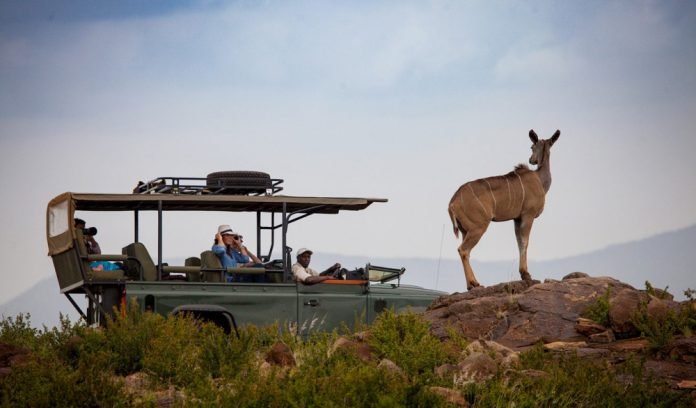
Game drives are a popular activity in Laikipia County as they offer tourists the opportunity to see a variety of wildlife up close. Game drives are typically conducted in safari vehicles and last for several hours.
Night games drives are also conducted in some parts of the county and offer tourists the opportunity to see nocturnal animals such as owls, hyenas, and leopards when they are most active.
Bird watching is a popular activity in Laikipia County as the county is home to a variety of bird species. The Laikipia Plateau offers good bird watching throughout the year, but the best time is from November to April when the migrants from Europe and north Africa are present.
Hiking is a popular activity in Laikipia County as it offers tourists the opportunity to explore the county’s landscapes and see a variety of wildlife. Hikes can be conducted on foot or by camel, and there are a variety of trails to choose from depending on fitness level and interests.
Horse Riding is a popular activity in Laikipia County as it offers tourists the opportunity to explore the county on horseback. Horse riding safaris are typically conducted in the morning or late afternoon when it is cooler.
How to get there
Laikipia County is accessible by air and road. By air, the county is served by the Nanyuki Airport and the Lewa Downs Airport and there are direct flights with a light aircraft from Wilson Airport in Nairobi.
By road, the county is served by he A2 highway and the B4 highway.
Yes, Laikipia County is safe for tourists. However, visitors should take precautions when travelling to any unfamiliar place and always be aware of their surroundings.
Talk to us today for a tailor-made safari to Laikipia or any other Kenyan destination.
Kenya is a land of great contrasts, and August is a particularly good time to visit. The country is home to some of Africa’s most iconic wildlife, including lions, elephants, and rhinos. And while the animals are the main attraction for many visitors, Kenya has much more to offer. From its stunning beaches to its vibrant cities.
August is a great time to visit Kenya for several reasons. First, the weather is typically very good during this time of year. The rains have usually ended by August, so the days are sunny and dry. This makes it ideal for safari-goers, as the vegetation is not too thick and animals are easier to spot. Additionally, August is high season for tourism, so prices are typically higher than they are during other times of the year.
If you’re interested in seeing some of Kenya’s amazing wildlife, there are several national parks and reserves that are worth visiting. The most popular park is probably the Masai Mara.
Wildebeest Migration
One of the biggest draws to the Masai Mara is the annual wildebeest migration. From July to October, millions of Wildebeest and Zebra travel from the Serengeti in Tanzania to the Masai Mara in Kenya in search of greener pastures. It is truly an amazing sight to behold.
Other popular parks include Amboseli National Park, which is home to some of the largest elephants in Africa, and Lake Nakuru National Park, where you can see flamingos and other interesting wildlife.
Kenya is also home to several beautiful beaches. If you’re looking for a place to relax and soak up some sun, then head to one of the many beaches on the Indian Ocean. Some of the most popular beaches include Diani Beach, Watamu Beach, and Malindi Beach.
Humpback Whales
Humpback whales are also often seen off the coast over August-September.
Maralal Camel Derby
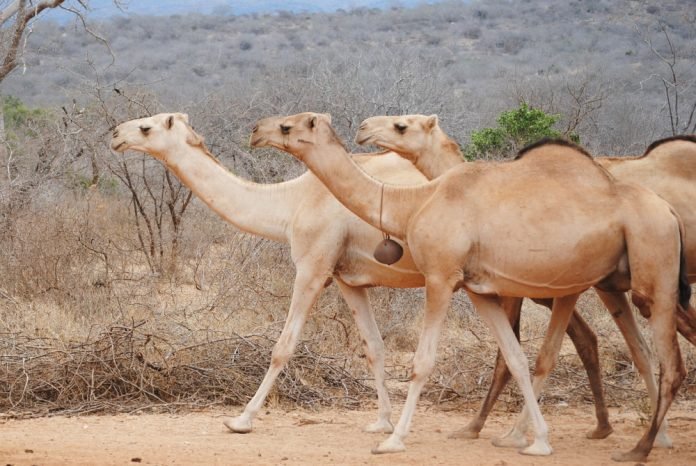
If you’re looking for a more unique experience, then consider attending the Maralal Camel Derby. Held every August, this event is a must-see for anyone visiting Kenya. During the derby, camel owners from all over the country compete in races and other competitions. It’s a great opportunity to see some of the country’s most beautiful camel herds and to learn more about this fascinating animal.
No matter what your interests are, Kenya is sure to have something for you. So why not plan a trip and see for yourself? You won’t be disappointed.
Talk to us today to learn more about Kenya and start planning your dream vacation!
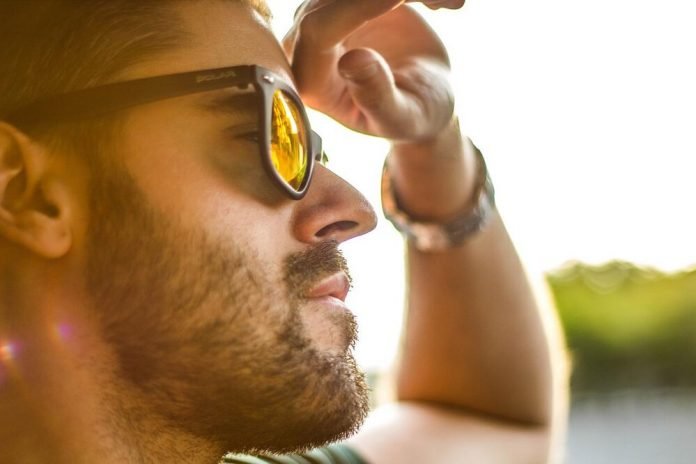
If you’re planning an African safari, you’ll want to make sure you have the best sunglasses for the trip or figure out if you actually need sunglasses. There are a few things to consider when choosing the right pair of shades, including lens type, frame style, and fit.
When it comes to lens type, you’ll want to choose a pair that offers good UV protection. African sun can be brutal, so it’s important to have a lens that can block out the harmful rays. You’ll also want to consider the type of terrain you’ll be encountering on your safari. If you’re planning on doing a lot of walking or hiking, a polarized lens might be a good option as it will help reduce glare.
As for frame style, it’s really a matter of personal preference. However, you’ll want to make sure the frames are comfortable and won’t slip down your nose when you’re sweating.
Finally, fit is important when choosing sunglasses. You don’t want them to be too loose or too tight. If they’re too loose, they could fall off when you’re walking or hiking. If they’re too tight, they might be uncomfortable to wear for long periods of time.
Now that you know what to look for, here are the best sunglasses for African safari.
Polarized Lenses for Glare Reduction: Safaris often involve long hours under the bright African sun, where glare can be a significant issue. The polarized lenses of the KastKing Skidaway sunglasses help reduce glare from reflective surfaces such as water bodies and vehicle hoods, ensuring clear and comfortable vision.
Impact Resistant TAC Lenses: Safaris can be unpredictable, with chances of encountering flying debris or dust. The impact-resistant TAC lenses provide essential protection for your eyes, ensuring that your adventure remains safe and enjoyable.
100% UV Protection: Protecting your eyes from harmful UVA and UVB rays is crucial, especially in the open savannahs. These sunglasses offer complete UV protection, keeping your eyes shielded from potential sun damage.
Lightweight and Durable Frames: Made from Grilamid material, the frames are not only lightweight for all-day comfort but also durable and flexible, making them ideal for the rugged conditions of a safari.
Versatile Lens Colors: With various lens color options, you can choose the one that best suits the lighting conditions of your safari. Whether it’s bright sunlight or partly cloudy conditions, there’s a lens color that will enhance your visual experience.
Affordable Price: These sunglasses offer great value for their quality. The option to join Prime for an even lower price makes them an attractive choice for budget-conscious travelers.
Advanced Polarized Lens Technology: With a TAC polarized lens that blocks 99% of harmful UVA and UVB rays, these sunglasses ensure your eyes are protected from the intense African sun. The 7-layer lens construction also provides durability and shatterproof protection, which is essential for the rugged safari environment.
Durable and Lightweight Frame: The full-rimmed design not only offers a stylish appearance but also wraps around your eyes for complete protection. Made from high-quality polycarbonate, the frame is stress-resistant, lightweight, and comfortable for all-day wear, making it ideal for long game drives and outdoor activities.
Versatile for All Outdoor Activities: Whether you’re running, cycling, fishing, or embarking on a safari, the Duduma sunglasses are designed to stay securely in place. The specially designed legs provide a perfect fit on your ears, ensuring the sunglasses won’t slip during your adventures.
Multiple Color Options: With a variety of lens and frame color options, you can choose the pair that best suits your style and the lighting conditions of your safari. Whether you prefer a classic black lens or something more colorful like blue or green, there’s an option for every preference.
Affordable Price with Great Savings: Their price makes them an excellent value for their quality and features.
HD Polarized Lens: The high-definition polarized lens effectively filters scattered light and eliminates glare, providing clear and natural views without dazzling. This is crucial for spotting wildlife and navigating through varying light conditions on a safari.
Lightweight and Comfortable Design: With an ultra-light plastic frame, these sunglasses offer a comfortable fit that is suitable for a range of outdoor activities such as driving, cycling, running, and of course, safaris. The stylish design also ensures you look great while exploring the wilderness.
Secure Fit: The dimensions of the sunglasses (lens width: 63mm, lens height: 44mm, temple length: 122mm, nose bridge: 16mm) are designed to provide a secure fit, ensuring they stay in place during your safari adventures.
Convenient Accessories: The sunglasses come with a case, sports rope, soft cloth, soft pouch, and a polarized test card for convenient use and care. The sports rope is particularly useful for keeping your sunglasses secure during active pursuits.
Affordable Price: These sunglasses offer great value for their quality and features. They are an excellent option for budget-conscious travelers looking for reliable eye protection.
Variety of Color Options: With multiple color combinations available, including the striking Blue Mirror option, you can choose the pair that best suits your style and preferences.
These are just a few of the best sunglasses for African safari. Be sure to try on a few pairs before you buy to ensure they’re comfortable and offer the right amount of UV protection.
Great addition to your African safari must haves is a hat with a brim. The sun in Africa can be brutal, so having a hat to protect your face is essential. You’ll want to choose a hat that’s comfortable and breathable so you don’t get too hot while wearing it.
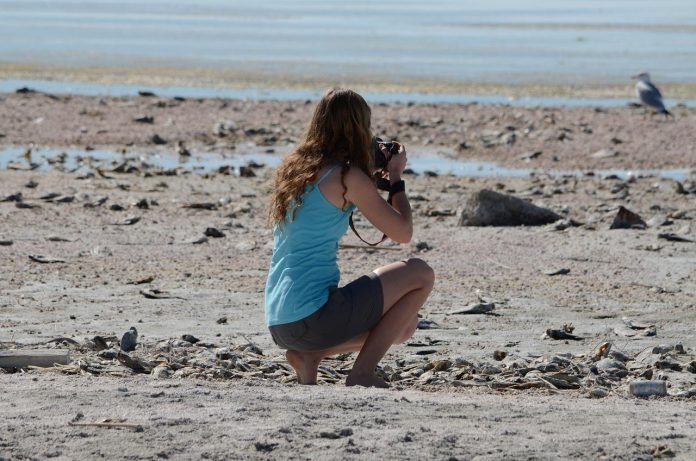
An African safari offers unparalleled opportunities to capture stunning images of wildlife and breathtaking landscapes. However, the right camera gear can make a significant difference in the quality of your photos. This guide will walk you through the essential factors to consider when choosing the best camera for your safari adventure, ensuring you have the tools to capture unforgettable moments.
The Canon EOS R5 is a powerhouse mirrorless camera that excels in various photographic scenarios, making it an excellent choice for safari photography.
Pros:
Image Quality: 45MP full-frame sensor delivers exceptional detail and resolution.
Autofocus: Advanced Dual Pixel CMOS AF II with 1,053 AF points ensures fast and accurate focusing.
Burst Rate: 20 fps (electronic shutter) and 12 fps (mechanical shutter) for capturing fast-moving wildlife.
Video Capabilities: 8K video recording for high-quality video content.
Weather Sealing: Robust construction with excellent weather resistance, ideal for harsh safari conditions.
Cons:
Price: High cost, making it a significant investment.
Battery Life: Relatively short battery life, requiring extra batteries for extended shoots.
Overheating: Potential for overheating during prolonged 8K video recording sessions.
Why We Like It: The Canon EOS R5’s combination of high resolution, advanced autofocus, and impressive burst rate makes it a versatile and reliable choice for capturing stunning safari images. Its robust build ensures it can withstand challenging environments.
The Nikon Z9 is Nikon’s flagship mirrorless camera, offering top-tier performance and features suitable for professional wildlife photographers.
Pros:
Image Quality: 45.7MP full-frame sensor with excellent dynamic range and low-light performance.
Autofocus: Advanced 493-point AF system with subject detection and tracking.
Burst Rate: 20 fps (RAW) and 120 fps (JPEG) for capturing fast action.
Video Capabilities: 8K video recording with advanced video features.
Battery Life: Long battery life, suitable for extended shooting sessions.
Build Quality: Durable, weather-sealed body designed for tough conditions.
Cons:
Price: Premium price point.
Size and Weight: Heavier and bulkier than some mirrorless counterparts, potentially cumbersome for extended use.
Why We Like It: The Nikon Z9 offers exceptional performance in both photography and videography. Its robust autofocus system, high burst rate, and durable build make it a top choice for capturing fast-moving wildlife in demanding safari environments.
Menu Complexity: Extensive features can make the menu system complex and challenging to navigate.
Why We Like It: The Sony A1’s combination of high resolution, incredible speed, and advanced autofocus system makes it a top contender for safari photography. Its versatility in both stills and video ensures you can capture every moment with precision and clarity.
4. Fujifilm X-T4
The Fujifilm X-T4 is an excellent APS-C mirrorless camera that offers a great balance of performance, portability, and value, making it a solid choice for safari enthusiasts.
Pros:
Image Quality: 26.1MP APS-C sensor with excellent color reproduction and detail.
Autofocus: Fast and reliable autofocus system with face and eye detection.
Burst Rate: 15 fps (mechanical shutter) and 20 fps (electronic shutter) for action shots.
Stabilization: In-body image stabilization (IBIS) for steady shots.
Battery Life: Improved battery life compared to previous models.
Portability: Compact and lightweight design, easy to carry on safari.
Cons:
Sensor Size: APS-C sensor may not perform as well in low light as full-frame options.
Lens Selection: Limited availability of high-end telephoto lenses compared to full-frame systems.
Why We Like It: The Fujifilm X-T4 offers a great balance of image quality, speed, and portability. Its compact size and robust feature set make it an excellent option for those seeking a lightweight and versatile camera for safari photography.
5. Olympus OM-D E-M1 Mark III
The Olympus OM-D E-M1 Mark III is a highly portable Micro Four Thirds camera with impressive features, suitable for wildlife photography.
Pros:
Image Stabilization: Industry-leading in-body image stabilization (IBIS) for sharp images.
Autofocus: Fast and accurate autofocus system with subject tracking.
Burst Rate: 18 fps (continuous AF/AE) for capturing fast action.
Weather Sealing: Highly durable and weather-sealed body.
Portability: Extremely compact and lightweight, ideal for travel.
Cons:
Sensor Size: Micro Four Thirds sensor has limitations in low-light performance compared to larger sensors.
Dynamic Range: Less dynamic range than full-frame and APS-C sensors.
Resolution: 20.4MP resolution may not satisfy those needing ultra-high resolution.
Why We Like It: The Olympus OM-D E-M1 Mark III’s portability, excellent stabilization, and fast autofocus make it a great choice for safari photographers who prioritize lightweight gear without sacrificing performance. Its durability ensures it can handle the rigors of an African safari.
Crop Sensor vs. Full-Frame Cameras
Overview
When choosing a camera for safari photography, one of the critical decisions is between crop sensor (APS-C) and full-frame cameras. Each type has its strengths and weaknesses, and understanding these can help you make an informed choice.
Pros and Cons of Crop Sensor Cameras
Pros:
Cost: Generally more affordable than full-frame cameras.
Reach: Crop sensors provide a magnification effect, effectively increasing the focal length of lenses, which is beneficial for capturing distant wildlife.
Size and Weight: Typically smaller and lighter, making them more portable.
Cons:
Low-Light Performance: Generally inferior to full-frame cameras due to smaller sensor size.
Depth of Field: Limited ability to achieve shallow depth of field compared to full-frame cameras.
Dynamic Range: Usually lower than full-frame cameras, impacting image quality in high-contrast scenes.
Pros and Cons of Full-Frame Cameras
Pros:
Image Quality: Superior image quality with better resolution, dynamic range, and color depth.
Low-Light Performance: Better performance in low-light conditions due to larger sensor size.
Depth of Field: Greater control over depth of field, allowing for more creative effects.
Professional Features: Often come with more advanced features and robust build quality.
Cons:
Cost: More expensive than crop sensor cameras.
Size and Weight: Typically larger and heavier, which can be cumbersome on long safaris.
Lens Cost: Full-frame lenses are generally more expensive.
Why We Recommend Full-Frame for Safaris
While crop sensor cameras have their advantages, we recommend full-frame cameras for safari photography due to their superior image quality, low-light performance, and dynamic range. These factors are crucial when capturing the vibrant and often unpredictable scenes on an African safari. The investment in a full-frame camera can significantly enhance your photographic experience and results.
What to Look for in a Safari Camera
Choosing the right camera for a safari involves considering various features that will ensure you capture the best possible images.
Durability and Weather Resistance
African safaris often involve harsh environments with dust, moisture, and extreme temperatures. A camera with a rugged build and weather sealing will withstand these conditions, ensuring reliability throughout your trip.
Autofocus System
A fast and accurate autofocus system is essential for capturing moving subjects, such as wildlife in action. Look for cameras with advanced autofocus capabilities, including multiple focus points and tracking features.
Burst Mode
Wildlife photography often requires capturing rapid movements. A camera with a high burst rate (frames per second) will allow you to take a series of shots in quick succession, increasing the chances of getting the perfect shot.
Battery Life
Long battery life is crucial when you’re out in the field with limited access to charging facilities. Ensure your camera has a robust battery and consider carrying spare batteries.
Portability
While full-frame cameras offer superior quality, their size and weight can be a drawback. Balance the need for quality with portability, especially if you’ll be carrying your gear for extended periods.
Lens Selection for Safari Photography
The choice of lenses is just as important as the camera body. Different lenses serve various purposes, and having the right selection can make a significant difference in your safari photography.
Telephoto Lenses
Telephoto lenses are essential for capturing distant wildlife. A lens with a focal length of at least 200mm is recommended, but 400mm or longer is ideal for getting close-up shots without disturbing the animals.
Wide-Angle Lenses
While telephoto lenses are crucial, wide-angle lenses are useful for capturing landscapes and wide shots of wildlife in their natural habitat. A lens with a focal length between 16mm and 35mm is ideal.
Prime vs. Zoom Lenses
Prime Lenses: Offer superior image quality and larger apertures but are less versatile due to fixed focal lengths. Zoom Lenses: Provide flexibility with variable focal lengths, allowing you to adjust your composition without changing lenses. Modern zoom lenses offer excellent image quality, making them a practical choice for safaris.
Recommended Lenses
Telephoto Zoom: Canon EF 100-400mm f/4.5-5.6L IS II USM or Nikon AF-S NIKKOR 200-500mm f/5.6E ED VR.
Wide-Angle Zoom: Canon EF 16-35mm f/2.8L III USM or Nikon AF-S NIKKOR 14-24mm f/2.8G ED.
All-Purpose Zoom: Sony FE 24-105mm f/4 G OSS or Tamron 18-400mm f/3.5-6.3 Di II VC HLD (for APS-C).
Camera Accessories for Safari
Having the right accessories can enhance your safari photography experience, ensuring you’re well-prepared for any situation.
Tripods and Monopods
A stable support system is essential for sharp images, especially with telephoto lenses. Tripods provide stability but can be cumbersome, while monopods offer a good balance between stability and portability.
Extra Batteries and Memory Cards
Safaris often involve long days with limited access to charging facilities. Carry extra batteries and high-capacity memory cards to ensure you don’t miss any shots.
Camera Bags
A sturdy, weather-resistant camera bag will protect your gear from the elements and provide easy access to your equipment. Look for bags with padded compartments and quick-access features.
Lens Cleaning Kits
Dust and moisture are common on safaris, so having a lens cleaning kit is essential to maintain image quality. Ensure you have microfiber cloths, lens cleaning solution, and a blower.
Tips for Safari Photography
To make the most of your safari photography, consider these tips to enhance your skills and increase your chances of capturing stunning images.
Understanding Animal Behavior
Observing and understanding animal behavior can help you anticipate their movements, increasing your chances of capturing dynamic and engaging shots. Learn about the animals you’ll be photographing and their habits.
Composition Tips
Rule of Thirds: Position your subject off-center to create a more balanced and interesting composition.
Leading Lines: Use natural lines in the environment to guide the viewer’s eye towards the subject.
Framing: Use elements like trees or rocks to frame your subject, adding depth to your images.
Lighting and Time of Day
The golden hours (early morning and late afternoon) offer the best lighting conditions for photography, with soft, warm light that enhances colors and textures. Midday light can be harsh and create strong shadows, so try to avoid shooting during this time.
Choosing the best camera for an African safari involves careful consideration of various factors, including sensor type, camera features, lens selection, and essential accessories. While both crop sensor and full-frame cameras have their pros and cons, full-frame cameras are generally recommended for their superior image quality and performance in diverse conditions.
There are a few things to consider when deciding what to wear on safari in South Africa. The most important factor is of course, comfort. You want to be able to enjoy your safari experience without being uncomfortable the whole time. Here are a few more factors to keep in mind:
The Weather When You Travel To South Africa
The weather In January in South Africa is HOT. The temperature can get up to 40 degrees Celsius (104 Fahrenheit). So, you want to make sure you pack light, breathable clothing. Cotton is always a good choice. You might also want to consider packing a hat or scarf to protect your head and neck from the sun.
In February, the weather starts to cool down a bit, with temperatures averaging around 25 degrees Celsius (77 Fahrenheit). This is still warm enough to wear light, breathable clothing. However, you might want to pack a sweater or jacket for the evenings when it can get chilly.
In March, the weather is cool and dry. Temperatures average around 20 degrees Celsius (68 Fahrenheit). This is a great time to visit South Africa as it’s not too hot and not too cold. Again, pack light, breathable clothing with a sweater or jacket for the evenings.
In April, the weather starts to heat up again, with temperatures averaging around 30 degrees Celsius (86 Fahrenheit). This is still a great time to visit as it’s not too hot. Pack light, breathable clothing and be sure to stay hydrated.
May is the start of winter in South Africa. The average temperature is around 15 degrees Celsius
June in South Africa is cool and dry, with temperatures averaging around 10 degrees Celsius (50 Fahrenheit). This is a great time to visit as the weather is not too hot or too cold. Pack light, breathable clothing with a sweater or jacket for the evenings.
July is the coldest month of winter in South Africa. The average temperature is around 5 degrees Celsius.
August is still winter in South Africa, but the weather starts to warm up a bit, with temperatures averaging around 10 degrees Celsius (50 Fahrenheit). This is a great time to visit as the weather is not too hot or too cold. Pack light, breathable clothing with a sweater or jacket for the evenings.
September is spring in South Africa. The weather is lovely at this time of year, with temperatures averaging around 20 degrees Celsius (68 Fahrenheit). This is a great time to visit as the weather is not too hot or too cold. Pack light, breathable clothing with a sweater or jacket for the evenings.
October is still spring in South Africa. The weather is lovely at this time of year, with temperatures averaging around 25 degrees Celsius (77 Fahrenheit). This is a great time to visit as the weather is not too hot or too cold. Pack light, breathable clothing with a sweater or jacket for the evenings.
November is summer in South Africa. The weather is HOT, with temperatures averaging around 30 degrees Celsius (86 Fahrenheit). Your clothing in November should be light, breathable and comfortable. A hat or scarf is a good idea to protect your head and neck from the sun.
December is summer in South Africa. The weather is HOT, with temperatures averaging around 30 degrees Celsius (86 Fahrenheit). Your clothing in December should be light, breathable and comfortable. A hat or scarf is a good idea to protect your head and neck from the sun.
What To Wear On Safari In South Africa
When going on safari in South Africa, comfort is key. You want to be able to enjoy your experience without being uncomfortable the whole time. The best way to achieve this is by wearing light, breathable clothing.
What Activities You’ll Be Doing On Your Safari
Apart from game drives South Africa offers a lot for the safari traveler. Below are some examples of activities you can do on your safari and what type of clothing would be best for each activity.
Game drives are the most popular activity on safari. You’ll be sitting in a vehicle for long periods of time, so comfort is key. Wear light, breathable clothing with a hat or scarf to protect your head and neck from the sun.
Walking safaris are a great way to get up close and personal with the animals. As you’ll be doing a lot of walking, comfortable shoes are a must. Wear light, breathable clothing with a hat or scarf to protect your head and neck from the sun.
Hot air balloon safaris are a popular activity in South Africa. It’s a great way to see the wildlife from above. Wear light, breathable clothing with a hat or scarf to protect your head and neck from the sun.
Horseback riding is another popular activity on safari. You’ll be spending long periods of time in the saddle, so comfortable clothing is a must. Wear light, breathable clothing with a hat or scarf to protect your head and neck from the sun.
Where You Will Be In South Africa
Its important to keep in mind the fact that different regions in South Africa will from time to time have different weather patterns.
The Kruger National Park is located in the north of the country. The weather is hot and dry with very little rainfall. Your clothing should be light, breathable and comfortable.
The Garden Route is located in the south of the country. The weather is mild with some rainfall. Wear light, breathable clothing with a hat or scarf.
Cape Town weather is mild with average temperatures around 20 degrees Celsius (68 Fahrenheit). The city experiences a lot of rainfall, so pack a raincoat or umbrella. Wear light, breathable clothing with a sweater or jacket for the evenings.
The weather in Durban is hot and humid with average temperatures around 25 degrees Celsius (77 Fahrenheit). Your clothing should be
Clothing You Should Avoid Wearing On Safari
There are certain items of clothing that you should avoid wearing on safari. These include:
– Jeans: Not all jeans are comfortable so if you choose jeans be sure they are comfortable to wear for long periods of time and breathable.
– Shirts: Make sure your shirt is breathable and will not make you sweat.
– Hoodies: They are not breathable and can be constricting.
– Dark colors: Dark colors absorb heat, making you sweat more.
Africa is one of the most popular travel destinations in the world, and safaris are a big part of what makes the continent so special. While there are many factors that contribute to a successful safari, having a professional and experienced guide is one of the most important.
Professional Safari Guides
Whether you are on a Kenya, Tanzania, Uganda or even a South Africa Safari you will need an professional guide to help you make the most of your experience.
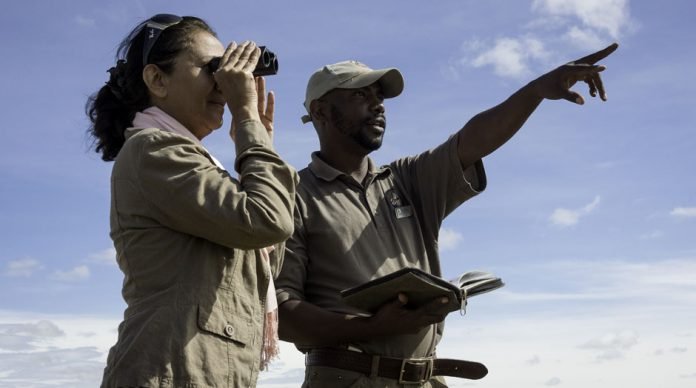
Safari guides play a vital role in ensuring that the safari is a success. They are responsible for transferring their knowledge to the guests in an engaging way, informing them of the itinerary and providing in-depth information about the destination. Guides also play a key role in ensuring that guests arrive and depart on time at each destination.
Helping Guests Understand Their Destination and Itinerary
While there are many benefits to having a professional guide, one of the most important is that help ensure that guest get to see and do all that is on their itinerary while on safari.
Most often your safari guide will be with you every step of the way, from the time you arrive in Africa until you depart. They will help you to understand your destination and itinerary so that you can make the most of your time on safari.
Expert Knowledge
In addition to providing information about the destination, your guide will also be able to answer any questions that you may have as relates to the animals you encounter on game drives, the vegetation and physical features and landscape.
Sometimes your tour guide will double as driver/guide. This is not always the case but it is becoming more and more common.
A driver/guide is a guide who is also trained and licensed to drive the safari vehicles. This can be especially helpful if you are on a budget and cannot afford to hire both a driver and guide.
Where there are large groups of people involved a tour leader who is not the driver is often required. When the group is small consisting of one or two persons then a knowledgeable and trained safari driver will often play both roles.
For An African Safari talk to us today our travel consultants will help you plan an unforgettable trip.