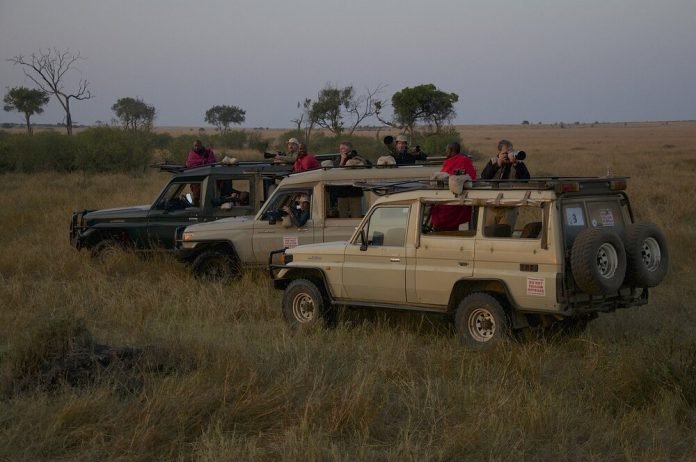
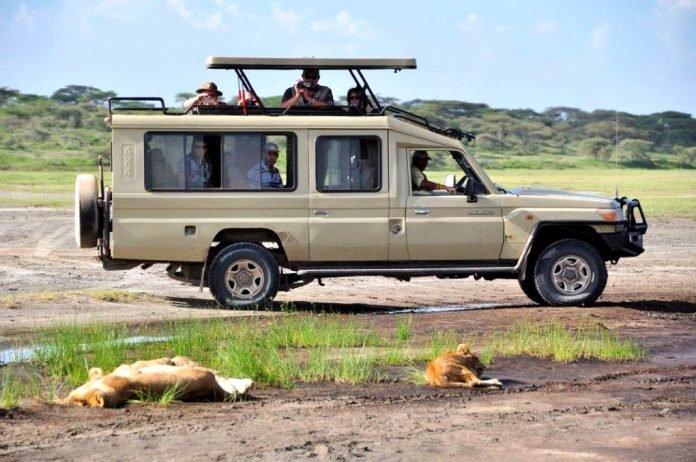
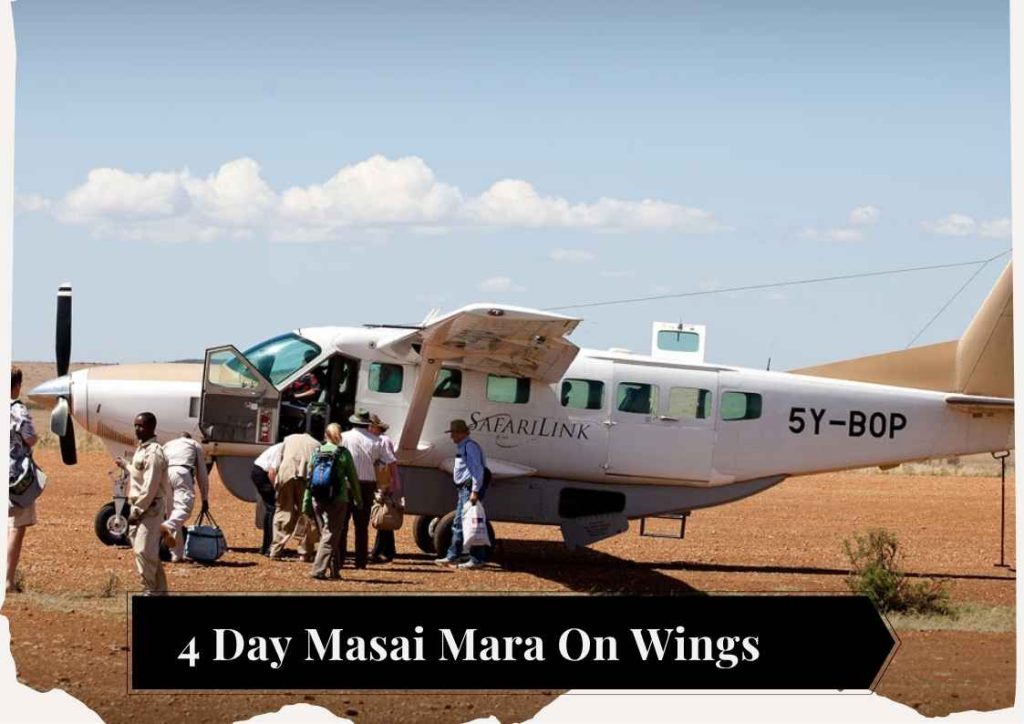
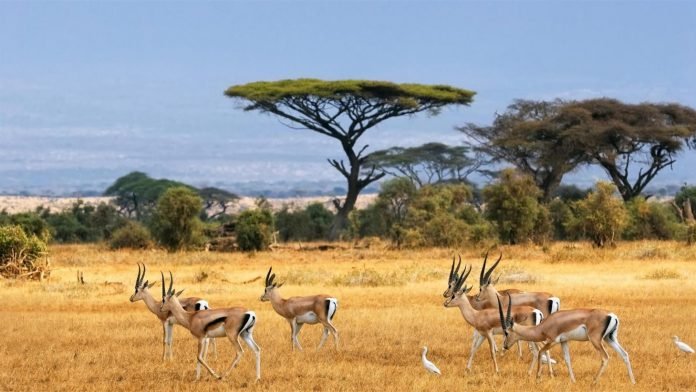
When it comes to safaris, Masai Mara is one of the most popular destinations in Africa. And rightly so – the park is teeming with wildlife and offers some of the best game viewing opportunities on the continent. But is a safari in Masai Mara expensive? The answer to that question depends on a few factors, but overall, yes, it can be quite costly. Let’s take a closer look at what goes into determining the cost of a safari in Masai Mara, and how you can find an affordable option that suits your budget.
A fragile Eco-System
One of the reasons Masai Mara is so expensive is because the park is home to a fragile eco-system. The park fees are high, and the local county council that manages it tries to limit the number of visitors in order to protect the environment. This means that there are only a limited number of safari lodges and camps allowed to operate.
To maintain this fragile eco-system the county council also charges park fees which is charged per night when you stay inside the masai mara game reserve. The park fees are used for conservation and to pay for game wardens and the anti-poaching units that protect the wildlife from being hunted illegally.
So, while the high park fees might seem like a deterrent, it’s actually helping to preserve this unique and beautiful environment for future generations to enjoy.
Safaris for Every Budget
One of the great things about Masai Mara is that there is a safari option for just about every budget. For those looking for camping there are sites where you can camp in a tent.
For those looking for mid-range accommodation there is a variety of options available including safari lodges.
And for those wanting to splurge, there are luxurious tented camps where you can enjoy all the comforts of home while being immersed in the African wilderness.
What Determines the Cost of Your Safari?
There are a few factors that will determine how much your safari cost but the most important factor is where you stay in the mara.
The type of accommodation you choose will have the biggest impact on your safari budget.
Other factors that can affect the cost of your safari include how many people are in your group, what time of year you travel, and what activities you want to do while in Masai Mara and how long you stay at the mara.
How Long Should You Stay?
The length of your Masai Mara Safari will be determined by the activities you engage in while in the park.
If you’re primarily interested in game drives, then a two to three-night safari should be sufficient.
But if you want to add other activities like horse riding, walking safaris, balloon safaris, maasai village visits or night game drives, then you’ll need to extend your stay.
The bottom line is that there is no one-size-fits-all answer when it comes to how long your safari should be. It all depends on what you want to see and do while in the park.
Masai Mara is one of the most popular destinations in Africa for a reason – it offers some of the best game viewing opportunities on the continent. However, because it is home to a fragile eco-system, it can be quite expensive. The good news is that there is a safari option for just about every budget. So, if you’re planning a trip to Masai Mara, don’t let the cost deter you – there is an affordable option out there that will suit your needs.
Planning a trip to Kenya in July? You’re in for a truly magical experience. With clear skies, crisp mornings, and the start of the Great Wildebeest Migration in the Maasai Mara, July is one of the best times to visit Kenya for a safari, mountain trekking, or even a beach escape on the Indian Ocean coast.
This comprehensive guide covers everything you need to know about visiting Kenya in July—including weather conditions, where to go, what to pack, wildlife highlights, accommodation options, and smart travel tips.
What’s the Weather Like in Kenya in July?
If you’re planning to visit Kenya in July, you’re choosing one of the most favorable months for travel, especially for wildlife viewing. July is part of Kenya’s long dry season, which typically spans from late June to October. This means sunny days, minimal rainfall, cool mornings and evenings, and excellent conditions for safaris, trekking, and even beach holidays.
July Marks the Start of Kenya’s Peak Season
After the rains of April and May, July brings a welcome shift:
Dry and stable weather returns
Dust-free skies, perfect for photography
Minimal humidity, making travel more comfortable, even in tropical zones
Average Temperatures in Key Regions
Location
Daytime Temp
Night Temp
Weather Notes
Nairobi
19–23°C
10–13°C
Cool and dry; bring a light jacket
Maasai Mara
20–25°C
8–12°C
Cold mornings, warm days
Amboseli
22–28°C
12–15°C
Warm days, cool evenings
Mount Kenya
10–18°C
2–8°C
Chilly with occasional frost at night
Mombasa / Diani
26–29°C
22–24°C
Pleasant beach weather, lower humidity
☁️ Note: Kenya’s climate is influenced by elevation. Higher-altitude areas like Nairobi and the Masai Mara are noticeably cooler than coastal and lowland regions.
Kenya in July – Updated Weather Patterns
July falls right in the middle of Kenya’s dry season, and it remains one of the most reliable months for safari travel. However, recent years have shown some subtle shifts in weather behaviour that are worth noting when planning your trip.
Across most regions, July is still generally cool, dry, and stable, but temperatures and rainfall patterns can vary slightly more than in the past. In places like Nairobi and the central highlands, daytime conditions remain mild (around 20°C–23°C), while early mornings and evenings can feel noticeably colder, especially in higher altitude areas such as Nanyuki, Naivasha, and Eldoret, where temperatures can drop to around 10°C or lower at night.
Rainfall in July is usually at its lowest point of the year, but it is no longer completely “dry” in all regions. Some highland and western areas can still experience light, short showers or drizzles, often driven by localised weather systems rather than long rainy seasons. This makes the landscapes slightly greener than the traditional dry-season image of Kenya.
On the coast, destinations like Mombasa, Diani, and Malindi remain warm and humid but slightly breezy, with occasional cloud cover and brief light showers. Sea conditions are generally calm, making it still a good beach season, though not as hot or sunny as January–March.
One of the most important patterns in recent years is the slightly increased weather variability—with occasional colder-than-usual mornings in central Kenya and unpredictable short rain bursts even during the dry season. However, these changes do not disrupt travel and often add atmosphere to safari experiences.
Overall, July continues to offer excellent safari conditions, with clear skies, great visibility, and concentrated wildlife around water sources. It also coincides with the Great Migration in the Maasai Mara, making it one of the most sought-after months for game viewing.
How to Dress for July Weather in Kenya
Layering is key. Mornings on safari can be quite cold, especially in the Mara, Samburu, or Laikipia. But once the sun rises, it warms up quickly.
Here’s what to pack:
Lightweight, breathable clothing for daytime
Warm fleece or jacket for early game drives
Hat and sunglasses for sun protection
Scarf or buff for dust on open-top vehicles
Swimsuit and sandals for the coast or pool lodges
Pro Tip: Lodges in safari areas often provide hot water bottles or blankets for morning drives.
How July Weather Affects Safari and Travel
The dry weather in July has a huge impact on safari success:
Animals gather at permanent water sources, making them easier to find
Grass is shorter, making predators and big cats easier to spot
Roads and airstrips are dry and accessible, reducing travel delays
Fewer insects and mosquitoes compared to the wet season
Even in traditionally humid regions like the coast, July brings cooler, more pleasant conditions, making it an ideal time for both bush and beach holidays.
Special Note: Weather on Mount Kenya in July
If you’re trekking or climbing Mount Kenya in July:
Expect cold mornings, sometimes below freezing at higher elevations
Skies are mostly clear and dry, which makes July a prime time for summiting
Carry thermals, gloves, and a waterproof jacket—conditions can shift quickly in the mountains
Why Visit Kenya in July?
Kenya in July delivers a perfect blend of adventure and comfort. Here’s why travelers love it:
The Great Migration begins in the Maasai Mara
Wildlife is concentrated around water sources due to dry conditions
National parks are accessible, with fewer muddy roads
Best time for trekking Mount Kenya
Great beach weather on the coast, with fewer crowds than December
Best Places to Visit in Kenya in July
1. Maasai Mara National Reserve
Highlight: The Great Wildebeest Migration kicks off
Thousands of wildebeest and zebras move from the Serengeti into the Mara
Famous for huge elephant herds and views of Mt. Kilimanjaro
July’s clear skies make it a photographer’s dream
3. Lake Nakuru
Great for spotting flamingos, rhinos, and giraffes
Ideal for bird watchers in dry season
4. Mount Kenya
July is one of the best months for trekking and climbing
Clear trails, minimal rainfall
5. Diani Beach / Mombasa
Lower humidity and calm waters make July a great time for relaxing after safari
Wildlife & Safari Experience in July
July is one of the best months to go on safari in Kenya. It marks the official start of peak safari season, thanks to the dry weather, excellent wildlife visibility, and the dramatic arrival of the Great Wildebeest Migration in the Maasai Mara.
Whether you’re a first-time visitor or a seasoned safari-goer, July offers extraordinary wildlife encounters across Kenya’s parks and conservancies.
2026 Great Migration Timing Outlook: What Travelers Should Expect
Following the earlier-than-usual movement patterns seen in 2025, safari experts expect the 2026 Great Migration season to remain somewhat dynamic and less predictable than the traditional safari calendars of the past.
In 2025, wildebeest herds began arriving around the northern Serengeti and Sand River regions earlier than many operators expected, with some of the first notable Mara River crossings recorded by mid-July. Favorable rainfall across parts of the Serengeti ecosystem encouraged steady northward movement earlier in the season compared to 2024, when the most dramatic crossings were concentrated mainly from late July into August.
Based on these recent patterns, many guides and trackers expect that July 2026 could once again see earlier migration activity, particularly if rainfall in Tanzania decreases sooner and grazing conditions begin improving toward Kenya’s Maasai Mara ecosystem.
However, one of the clearest lessons from recent years is that the Great Migration is becoming increasingly weather-driven rather than strictly calendar-driven. Rainfall distribution across the Serengeti-Mara ecosystem now plays a major role in determining exactly when and where the herds move. In some seasons, the wildebeest may remain longer in northern Serengeti if water and grazing conditions stay favorable there, while in other years they may push into the Mara earlier than expected.
For 2026, travelers should therefore think in terms of migration windows rather than exact guaranteed crossing dates. While dramatic Mara River crossings can never be promised on a specific day, the overall period from late July through September is still expected to offer the highest chances of witnessing large herd movements, predator interactions, and iconic crossing scenes.
Another trend increasingly observed is that migration activity often stretches later into the season than older safari guides suggest. In 2025, crossing activity continued well into September and even October in some sectors due to uneven rainfall patterns across the region. Similar extended movement patterns may continue in 2026 depending on weather conditions.
For travelers planning a Kenya safari, July 2026 remains one of the strongest periods to visit the Masai Mara — especially for those hoping to combine peak safari conditions, cooler dry-season weather, and the possibility of early migration action before the busiest peak crowds later in the season.
Pro Tip: Book accommodations in the Mara Triangle or near river crossing points like Kichwa Tembo or Talek for front-row seats to the action.
Why July Is Ideal for General Wildlife Viewing
Even beyond the migration, July offers exceptional game viewing conditions throughout Kenya:
Dry weather causes animals to congregate near water sources, making them easier to spot.
Bush and grassland vegetation is sparse, enhancing visibility on game drives.
Predators are active, taking advantage of easier hunting conditions.
Fewer mosquitoes and biting insects make the experience more comfortable.
This is the best time to see the Big Five—lion, elephant, buffalo, leopard, and rhino—especially in:
Maasai Mara
Ol Pejeta Conservancy
Amboseli National Park
Lake Nakuru National Park
Highlight Parks & What You’ll See in July
Maasai Mara National Reserve
Great Migration (wildebeest, zebras, gazelles)
Big Cats (lions, leopards, cheetahs)
River crossings and predator-prey interaction
Amboseli National Park
Herds of up to 100+ elephants with Mount Kilimanjaro as a backdrop
Giraffes, buffalo, lions
Drier plains make animals easier to locate
Lake Nakuru National Park
High rhino population (both black and white rhino)
Water birds including flamingos (water levels depending)
Baboon cliffs, lions, and Rothschild’s giraffes
Ol Pejeta Conservancy
Home to the last two northern white rhinos on Earth
Great place to spot leopards, chimps, and black rhinos
Night game drives and conservation experiences available
Samburu National Reserve
Unique “Samburu Special Five”: Grevy’s zebra, Somali ostrich, Beisa oryx, gerenuk, and reticulated giraffe
Fewer crowds than southern parks
Excellent for photographers and returning visitors
Game Viewing Timeline in a Typical July Safari Day
Early Morning (6:00–9:00am): Best time for predators and big cats
Midday (11:00–3:00pm): Animals are less active, but elephants and hippos may be spotted near water
Late Afternoon (4:00–6:30pm): Golden hour for photography, and a second chance at big sightings
Travel Tip: Choose lodges that offer private vehicles or guided walking safaris for more personalized wildlife experiences.
Borana Conservancy helps fund anti-poaching initiatives and community development while offering intimate safari experiences with fewer vehicles.
Family & First-Time Safaris in July
July is a great month for family travel:
Reliable sightings keep kids engaged
Many lodges offer family tents, child-friendly guides, and shorter game drives
Dry conditions = fewer bugs and muddy roads
Lodges like Sarova Mara, Porini Mara Camp, and Tortilis Camp Amboseli offer well-organized safari programs for families.
Photography in July: Crisp, Golden, and Wild
Clear skies and low humidity mean less atmospheric distortion
Morning and evening light is rich and golden—ideal for landscape and wildlife shots
Dry season dust adds a dramatic tone to images, especially with backlighting
Bring a zoom lens (200mm or more), plenty of memory cards, and dust protection for your gear.
Cultural Experiences & Local Activities
While July is mostly known for safaris, there are rich cultural experiences to explore:
Visit a Maasai village near the Mara
Cooking classes in Nairobi or the coast
Explore open-air craft markets in Nairobi or Mombasa
Cultural festivals may vary by year—check for updated events listings
July Travel Costs and Crowds
July is peak season, so:
Safaris and lodges charge high-season rates
Book at least 3–6 months in advance for best availability
Parks can be busy, especially the Mara—consider private conservancies for exclusivity
TIP: Book early morning game drives and avoid midday crowds in high-traffic parks.
Updated Kenya National Park Fees (2025–2026 Overview)
Kenya Wildlife Service (KWS) recently revised park entry fees, with most adjustments taking effect in late 2025 and continuing through 2026. The changes mainly affect non-resident entry fees, while East African citizen and resident categories remain significantly lower.
Most KWS-managed parks such as Amboseli, Lake Nakuru, Tsavo East, Tsavo West, Nairobi National Park, Meru, and Aberdare now follow a more structured tier system based on park category.
Premium Parks (e.g. Amboseli, Lake Nakuru)
Non-resident adults: ~USD 90 per person per day
Children (3–17 years): ~USD 45
These are now considered Kenya’s “premium safari parks” due to wildlife density and demand.
Urban & Popular Parks (e.g. Nairobi National Park)
Non-resident adults: ~USD 80 per person per day
Slightly lower than premium parks, but still increased compared to previous years.
Standard Wilderness Parks (e.g. Tsavo East, Tsavo West, Meru, Aberdare)
Non-resident adults: ~USD 70–80 per person per day
These remain more affordable while still offering strong wildlife experiences.
Masai Mara (County-managed reserve – separate system)
High season (July–December): ~USD 200 per adult per day
Low season (Jan–June): ~USD 100 per adult per day
Children (9–17 years): ~USD 50 per day
Under 8 years: free
The Mara remains the most expensive park in Kenya during peak migration season.
What This Means for July Travel
July falls in the high season, meaning:
Masai Mara fees are at their peak (migration season pricing applies)
Demand-driven parks (Amboseli, Nakuru) are busier
Budget planning is more important due to higher conservation costs
KWS parks remain stable in pricing, but overall safari cost increases due to peak-season demand
Where to Stay in Kenya in July
Budget Options
Enchoro Wildlife Camp (Maasai Mara)
Mara Manyatta Camp
Affordable Airbnbs in Nairobi or Mombasa
Mid-Range Options
Ashnil Mara Camp
Amboseli Serena Safari Lodge
Voyager Beach Resort, Mombasa
Luxury Options
Angama Mara
Elewana Sand River
andBeyond Bateleur Camp
Hemingways Watamu (coastal luxury)
Look for lodges with family tents, kids’ clubs, or private guides for added value.
Domestic flights are available between parks and to the coast to reduce travel time.
Frequently Asked Questions
Is July a good time to visit Kenya?
Absolutely. It’s part of the dry season—ideal for safaris, trekking, and beach trips. It’s also the beginning of the Great Wildebeest Migration.
Can I see the wildebeest migration in July?
Yes, in mid to late July, large herds typically cross into Kenya from the Serengeti.
Are lodges expensive in July?
Yes. That’s because July is high season. Expect to pay more, but also get excellent wildlife viewing and dry weather in return.
What should I wear on safari in July?
Layers. Mornings and evenings are cold, but days are sunny. Think: light long sleeves, fleece, comfortable shoes, and a hat.
Final Thoughts: Why July May Be the Best Time to Visit Kenya Before 2027
Kenya in July is truly unforgettable. From witnessing the dramatic Great Migration in the Maasai Mara to relaxing on the coast or exploring Kenya’s cool highlands, July offers some of the country’s very best safari and travel experiences.
It is also worth noting that 2027 will be an election year in Kenya, which can sometimes bring periods of political campaigning, uncertainty, demonstrations, or temporary disruptions in major towns and cities. While Kenya’s main tourism destinations such as the Masai Mara, Amboseli, Samburu, Diani, and other safari areas are typically calm and unaffected, election periods can still influence traveller confidence, logistics, and international travel advisories.
For this reason, many travellers may find that July 2026 offers an ideal opportunity to experience Kenya at its best before the 2027 election cycle begins dominating headlines and travel discussions.
Safari regions generally continue operating normally even during election years, but some visitors prefer travelling beforehand to avoid:
possible advisory updates from foreign governments,
increased political activity in cities,
occasional transport or scheduling disruptions,
and the uncertainty that can affect tourism demand overall.
For families, honeymooners, photographers, and first-time safari travellers, July remains one of Kenya’s ultimate sweet spots — combining peak wildlife viewing, cooler comfortable weather, and world-class safari experiences.
These two Kenya Safari parks are the most visited in the country and for good reason as each is distinctively different. For those who can afford to do both we would advise that you do so but if you had only one option then which of these parks should you go to?
If you’re looking for an African safari experience, both destinations offer incredible wildlife viewing opportunities, but there are some key differences between them. Here’s a quick guide to help you decide which one is right for you.
It Depends On Where You Are
If you are at the Kenyan coast then a trip to amboseli on road is more viable that a trip to Kenya’s Masai Mara. But if you can afford to fly there then you can do either or combine both as there are regular flights to Amboseli and Masai Mara from Mombasa.
Both the Masai Mara Safari and Amboseli Safari are a great African wildlife experience. While the Mara is the most famous of the two, Amboseli is not far behind.
The Masai Mara is one of the most popular safari destinations in Africa. It’s known for its large concentration of lions, elephants, and other big cats. The Amboseli National Park is also home to a large number of elephants, but it’s more sparsely populated with other wildlife.
What Do You Want To Do
What you want to do will determine where you decide to go. If your priority is to see the big cats, then the Masai Mara is the better option. If you’re more interested in elephants, then Amboseli is the place to be.
How Much Time Do You Have
The Masai Mara is a large reserve, and it can take several days to explore it fully. Amboseli is smaller, and you can see a lot of it in one day. If you only have a few days to spare, then Amboseli is the better option.
What’s Your Budget
Both the Masai Mara and Amboseli are expensive places to visit. Amboseli is slightly cheaper, but the difference is not significant. If you’re on a tight budget, then you might want to consider another destination.
What’s The Weather Like
The weather is similar in both the Masai Mara and Amboseli. The mornings and evenings can be cool, but it warms up during the day.
Masai Mara Safari Cost
The cost of your Masai Mara Safari will be determined by a number of factors, including the time of year you visit, the length of your stay, the type of accommodation you choose, how you choose to get there by road or flight and whether you book a private or group tour.
Amboseli Safari Cost
Like wise the cost of your Amboseli Safari will be determined by a number of factors, including the activities you choose to engage in while in Amboseli, the time of year you visit amboseli, the length of your stay, the type of accommodation you choose as amboseli have various options from budget camps to luxury tented camps and lodges, and whether you book a private or group tour.
Landscape
The Masai Mara has a more diverse landscape than Amboseli. It includes open plains, woodlands, and riverine forests. Amboseli is mostly open grassland with some acacia trees.
The Masai Mara is considered as part of the Serengeti eco-system. This means that the wildlife populations of wildebeest , Zebra and Impala in the Mara are constantly on the move, following the rains. The animals in Amboseli are more static, with the animals staying in one place all year round.
Its is however important to note that not all the animals in Masai Mara migrate. A good number of animals, including elephants, giraffes, and birds are resident in the Mara all year round.
Although the Masai Mara is an all year round destination, the best time to see the wildlife migration in the Masai Mara is from July to October, when the wildebeest migration is taking place.
Wildlife At Masai Mara
Lions are the most popular animals in Masai Mara. They are often seen basking in the sun during the hotter times of the day or hunting for their prey in the early mornings or late evenings when the sun is not so strong.
Cheetah are also a common sighting in Masai Mara especially in areas where the ground is relatively flat and they can be seen chasing after gazelles or antelope. They are the fastest land animal in the world and can run up to speeds of 70 miles per hour!
Wildebeest are another popular animal in Masai Mara and at certain times of the year they can be seen migrating in large herds.
Zebra are also a common sight in Masai Mara and they can often be seen grazing on the grasslands they are also part of the migration although not all Zebras in Masai Mara migrate.
Giraffe are also a common sight in Masai Mara and they can be seen browsing on the leaves of acacia trees.
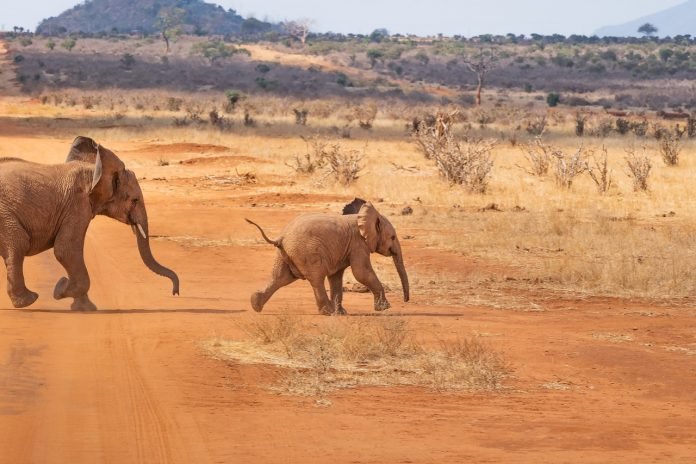
Elephant are another popular animal in Masai Mara and they can often be seen bathing in the rivers or roaming through the savannah a landscape they have helped to create by falling down trees as they feed.
Buffalo are also a common sight in Masai Mara and they can be seen grazing on the grasslands.
Black Rhino are also a common sight in Masai Mara and they can often be seen browsing on the leaves of trees. While there larger white Rhino can be seen grazing on grass or rubbing off mud on the backs of trees .
Leopard are another popular animal in Masai Mara but they are harder to spot as they blend well in their surroundings. When they are spotted they can often be seen resting in the trees or stalking their prey through the long grass.
Some of the less well known but no less amazing animals that can be seen in Masai Mara include:-
Monkeys, Reptiles, Birds, Spotted hyena, Warthog, Pangolin, Spring Hare, Eland, Gerenuk, Red Fox, Honey badger, Bat eared fox, Vervet monkey, Lappet faced vulture, White backed vulture, Black kite, Bateleur eagle, Beisa oryx, Bushbuck and Secretary bird to name but just a few.
Things To Do In Masai Mara
-Walking Safaris -Night Game Drives -Balloon Safaris -Maasai Village Visits -Horseback Safaris -Annual Wildebeest Migration -Visit Areas where documentaries and movies like “Big Cat Diary” and “Out of Africa” were filmed. -Birding in the Masai Mara National Reserve -Sleep under the stars at Ishara star beds -Tracking cheetahs in Lemek Conservancy -Stargazing at Sekenani Camp -Learning about the Maasai culture -Sundowners -Bush dinners and Breakfast
Things To Do In Amboseli
Sundowner At Observation Hill.
Serena Sundowner at observation hill is a great experience. A sundowner is a cocktail or drink taken at sunset. Timed to begin as the sun begins its descent, the sundowner begins with a gentle evening game drive, arriving at the sundowner site just as the evening sky turns gold-pink.
Cost $ 55 per person (Minimum of 4 people required)
-Kilimanjaro balloon safaris -Bird watching -Bush dinners and breakfasts -Lunch picnics -Balloon safaris -Cultural tours -Night Game Drives
Accommodation Options
When it comes to accommodation, the Masai Mara has a wider range of options to choose from, ranging from luxury lodges to more affordable campsites. Amboseli also has a selection of luxury accommodations and basic accommodation but the mara being bigger, your choices are more.
Because Kenya’s Masai Mara is a more popular destination than Amboseli, so it can be more crowded during peak times so if you are looking for a more intimate safari experience, depending on your dates of travel, Amboseli may be a better option for you.
Amboseli is also located close to the border of Tanzania and has great views of Mount Kilimanjaro in Tanzania.
How To Get To Amboseli And Masai Mara
Amboseli is a 220km drive from Nairobi and takes approximately 4 hours. Masai Mara is a 240km drive from Nairobi and takes approximately 5 hours.
There are several flights daily from Nairobi to Amboseli and Masai Mara.
There are also tour companies offering Masai Mara and Amboseli
Here are some of our safari packages that include Masai Mara and Amboseli.
What to pack for Amboseli and Masai Mara:- When packing for a safari to either Amboseli or Masai Mara remember to pack for the hot days and cold nights.
Some essential items to pack for Masai Mara or Amboseli are:-
-Sunhat -Sunscreen -Sunglasses -Lightweight long sleeved shirts and pants -Comfortable walking shoes (Check out our article on best safari shoes) -Binoculars -Camera -Telephoto lens (if you have one) -Insect repellent
Packing for a safari can be daunting but our seasoned travelers and agents have put together this helpful Amboseli and Masai Mara packing list to help you plan for your trip.
When To Visit Amboseli And Masai Mara
Amboseli is great all year round because the landscape is flat making it easier to spot animals at a distance. The best time to visit is between June to October when the animals are concentrated around the waterholes and there is less rainfall. April to June is low season and the rains have made the park green so its beautiful. Also you are likely to pay between 10% – 18% less for your safari compared to the peak season.
The best time to visit Masai Mara is between July and October during the wildebeest migration. This is also when the animals are concentrated around the waterholes and there is less rainfall. April to June is low season and the rains are heavier the park could also get muddy but the rates are far cheaper than peak season.
How To Book Our Masai Mara and Amboseli Safaris
Go through our safari packages and choose the one that best suits your budget and preferences. We can customize any safari package to suit your specific needs.
Once you have decided on a package, fill in our inquiry form and one of our travel experts will get back to you. You can also chat with one of our travel experts who can help you choose a safari that best suits your needs.
You can also book by calling us on +254-737 559620
In Conclusion
Kenya’s Masai mara ranks higher than Amboseli for wildlife viewing, the sheer size of the park, things to do and accommodation options. If you are looking for an action packed safari then Masai Mara is the place for you.
Ithumba camp is an exclusive stylishly rustic hideaway, designed for the intrepid traveller who relishes being off the beaten track, with big skies, star-studded nights and a rich array of fascinating species in the surrounding wild landscape.
Located on the north of Tsavo East, above the Galana River and situated between bush and acacia trees.
Based at the foot of Ithumba Hill with commanding views across the Yatta Plateau, guests can immerse themselves in the sounds of nature whilst close by is the Ithumba Reintegration Unit
This camp belongs to the David Sheldrick Wildlife Trust and primarily reserved for it donors.
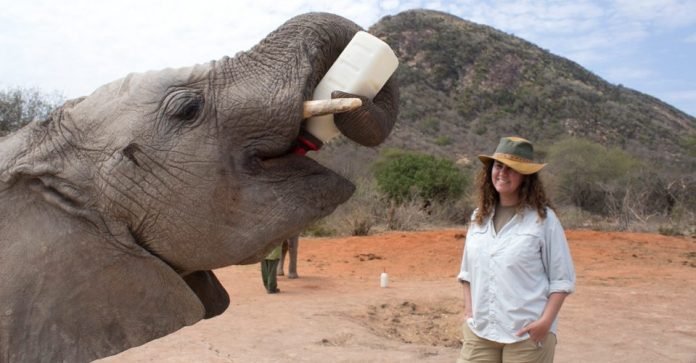
Donators can visit the elephant orphans in the near by Ithumba station two times a day and they will enjoy even the midday mud-bath and the feeding of the lovely elephant orphan!
It really is a unique as you get to interact with the elephants completely in the wild.
During the evenings you will have an opportunity to enjoy the solitude at night, listening to stories of the bush told by the guides.
On your arrival to Ithumba camp you will be led to the mud baths to meet the orphans and ex-orphans that don’t require milk anymore and are usually around 8 years old.
The Galana Conservancy is one of the true wildlife treasures of County Kilifi and Kenya.
A 60,000 acre wildlife haven for some of the world’s most renowned and rarest African wildlife species is situated on the eastern boundary of Tsavo East National Park and on the northern banks of the Galana River.
The Galana Conservancy is one of Kenya’s real wildlife treasures, offering a truly personal experience of the African bush. You may not encounter another soul as you explore the Lali Hills or drive along the Galana River on your way to a sun-downer in the Lali Hills.
The beautiful Lali Hills and the twisting Galana River dominate the rugged landscape and offer a magnificent glimpse of the real Kenya. With the unfortunate exception of rhino you can expect to encounter all the wonderful wildlife associated with East Africa, like hundreds of elephants, Masai giraffes, zebras, buffalos and the wildlife living in the wooded savannah such as kudu, eland and gerenuk.
Within the Conservancy you are allowed to do night safaris, get off of main tracks, do walking safaris and have thrilling bush dinners; activities not allowed in most national parks in Kenya.
Access to the Conservancy is by road from Malindi and Watamu in the East, from Voi in the West
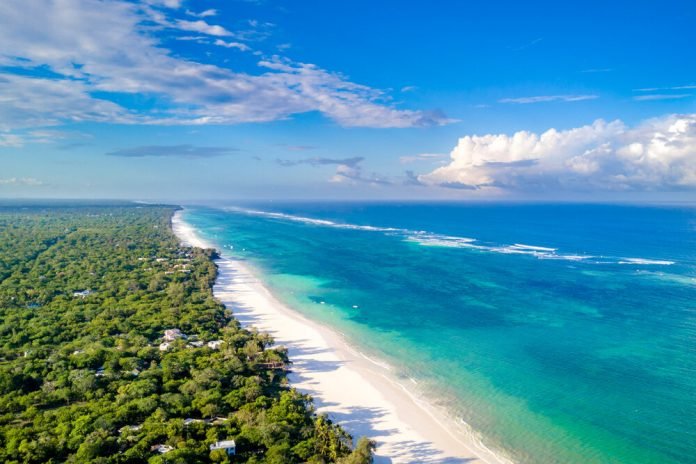
Stretching along Kenya’s Indian Ocean coast and located 30km south of Mombasa, this south coast beach is surrounded by the warm Indian Ocean, with countless beach resorts.
Diani is the sliver of paradise marking the border where the Kenyan coastline meets the vast Indian Ocean.
Diani Beach is a gorgeous setting for a beach vacation. Against the backdrop of forests echoing with the cries of wildlife, visitors can relax in a truly idyllic destination.
Perfect for everyone from families to couples, it’s often added at the end of a safari in Kenya for a few days unwinding but it’s great as a standalone getaway too.
Marine parks have been established all along Diani Beach – these are areas of protected waters that conserve marine life and the ecosystem. They’re well worth a visit, and a great place for snorkelling and diving.
Diani Beach is one of the greatest water sports destinations in East Africa. Kayaking, jet-skiing, windsurfing, kitesurfing, paddle boarding and scuba-diving are all possible – whatever your pace or skill level, you’ll find something to experience at Diani.
Deep Sea Fishing
Deep-Sea Fishing: The availability of fish depends on the season, temperature and bait available. For most fish, the best months to take this trip is between September to April.
Go On Safari Nearby
Shimba Hills National Reserve is a small rainforest park located just 15km from Diani Beach.
As one of the largest coastal forests in East Africa after Arabuko-Sokoke Forest, Shimba Hills National Reserve is rich in animals and plant life. It also hosts the highest density of African elephant in Kenya. Other animal species found in the area are Sable antelope, elephant shrew, bushy tailed mongoose and other small mammals like fruit bats.
Over 100 bird species have also been recorded, of which 22 are coastal endemic among them are: Ostrich Eagle, African Hawk; Falcon, Cuckoo; Guinea-fowl, Kenya Crested; Honey guide, Greater; Hornbill, Crowned; Quail, Blue; Sunbird, Uluguru
Amboseli National Park – From Diani you can go on an Amboseli Safari 495km from Diani. There are several ways to get there by road or by flight.
Safaris From Diani Beach
We will pick you up from your diani hotel and whisk you off to one of our highly rated Kenya safari tours. Choose a day trip or a few nights safari adventure. Wildlife Parks range from the Tsavo East, Tsavo West, Amboseli and to the world-famous savannahs of the Masai Mara. Other parks and conservancies on our tour packages include Rift valley Lakes, Samburu, Ol pejeta and the nearby Shimba hills.
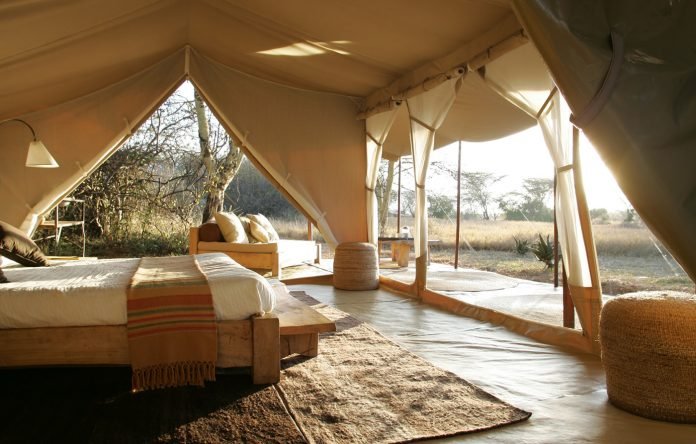
No where will you experience luxury safari tents like on an African Safari. From designer tents suspended in the air to family-oriented tented camps and anything in between, you can rest assured to find the perfect luxury safari tent for you.
These Luxury safari tents, inspired by the dramatic African landscape and often set up in some of the most remote locations in Africa, offer a romantic and feeling of the old style of travel which you cannot experience anywhere else.
There is something inexplicably magical about staying in a tent when on safari. Instead of being shut away behind brick and glass, you can enjoy the glow of lantern light on canvas walls and drift off to sleep to the sounds of the surrounding untouched nature.
If however your idea of staying in a tent means having to rough it in a brightly coloured, polyester ‘dome’, you’re in for a wonderful surprise. Africa’s top tented camps offer a softer kind of adventure with all the comfort and the trimmings you’d expect from a luxury safari lodge.
Richard’s River Camp – Masai Mara, Kenya
Ideally situated on the banks of the Ntiakatek River and incredibly private, Richard’s River Camp is one of only eleven safari camps in the exclusive Mara North Conservancy.
The camp’s surroundings are simply lovely. It overlooks Ngoyanai Springs, a permanent spring that attracts a steady stream of wildlife to the area and keeps the surroundings lush and green. Believe it or not, the camp even has its own resident pride of lions.
Activities at Richard’s River Camp
Richard’s River Camp offers a wide range of adventurous activities to its guests. You can choose from game drives by day or night, scenic guided bush walks and walking safaris, birdwatching, sundowners, bush meals, visits to a rhino sanctuary and cultural visits to a local Masai village. For an even more spectacular means of going on safari, you can book a hot-air balloon safari
Cottars 1920s Camp – Masai Mara, Kenya
This world famous luxury tented camp in it’s own private conservancy in the Masai Mara really does take you back to the grand safaris of yesteryear – everything in this camp was used by Africa’s first great explorers and the camp is still owner run.
They have been operating this and other camps under the Cottar flag for over 100 years (five generations). That they’ve done so successfully is noticeable through the many awards the camp has been presented with throughout the years. The camp is known for its stunning marquee tents, world-class Maasai guides and trackers and arguably some of the best food in the Mara. The camp’s staff is extremely attentive and will do all they can to make sure your stay is very memorable.
A Spa At Cottar’s 1920s Safari Camp
Activities at Cottar’s 1920s Safari Camp
Cottar’s Camp has a slightly different approach to safari activities than other safari lodges. The act of going on a safari and spotting the big five has become fairly standardised at most lodges.
Cottar’s now also offers the following unique and engaging activities to its guests. Additional fee may apply for some activities:
vulture / raptor rehabilitation experience Masai Mara’s all-female conservation ranger unit meet-up pangolin project talk wild dog talk medicinal plant walk & talk Mara predator project experience foraging adventure and foraged dining experience led by a Maasai staff member tour of the Maasai community-owned private Olderkesi Conservancy complete with a lovely sundowner e-bike tour of the surrounding area reforestation seed dispersal bushwalk stargazing Maasai warrior school history of safari talk Cottar’s sustainability talk game walk or run with Maasai guide visit to local Maasai school professional photography experience hot-air balloon safari bush bath
Bush Bath At Cottars 1920s Camp
This area where this camp is situated boasts the largest concentrations of terrestrial wildlife on Earth as well as some of the most dramatic vistas in Africa. Established in 1919, Cottar’s exudes the same grandeur of the era in which it was born and perfectly captures the spirit of the early explorers with its Hemingway-style tents. The suites are lavishly furnished with authentic antiques – picture canopied beds, faded Louis Vuitton trunks and fine candlelit dinners followed by a glass of port as the gramophone crackles into life.
Sayari Camp – Serengeti, Tanzania
Sayari Camp is a seasonal camp that offers front-row seats to the annual wildebeest migration, where massive herds of animals move in a circular passage, following the rains and fresh grazing from the Serengeti to Kenya’s Masai Mara. For those who wish to get away from the crowds, this seasonal camp, lying in the northern Serengeti and far off the usual tourist track, is the perfect accommodation choice. Besides the serene atmosphere and outstanding game viewing, its spacious, stylish tents make it easy to see why Africa Geographic considers Sayari one of its ‘Special Places in Africa’.
Activities at Sayari Camp
The camp offers a great range of activities – game drives, bush walks, culture and community visits, and hot air balloon rides.
Drives take place in early morning and late afternoon into evening. They are expertly guided, and a wonderful opportunity to see a real wealth of wildlife! As Sayari is close to the River Mara, you can enjoy watching the world-famous Great Migration river crossings while the huge herds of wildebeest, zebra, and gazelles are in residence, typically from July to November. Look out for scary crocs too! Outside the migration months, there’s still a lot to see, such as all Big Five – lion, rhino, leopard, elephant, and buffalo – in addition to numerous smaller predators and herbivores. There are hundreds of bird species too, not least a thrilling assortment of raptors and oodles of songbirds! Sayari’s bush walks are fantastic for anyone seeking a closer look at all the wildlife, in the company of a knowledgeable guide. If you have an interest in culture, you will relish visiting a nearby village, Merenga, to find out about the Kuria tribe. You can even pop in to a local garden to pick a few ingredients for dinner! And if you are looking for a really special experience, we recommend paying a little extra to go on a hot air balloon ride. The balloon launches at dawn, drifting over the Serengeti plains for about an hour before descending to a bush breakfast – a real treat.
Sausage Tree Camp – Lower Zambezi, Zambia
Sausage Tree is one of Africa’s best luxury tented camps with white canvas stretching from the roof, and with stunning views of the Zambezi.
It’s location within the Lower Zambezi National Park on the banks of the Zambezi River means that game viewing activities take place both on the water, by boat and canoes, and on the land by four-wheel drive game viewing vehicles or on foot (bush walks).
Here you will be utterly spoilt for elephant and hippo viewing, and will see leopard and lion too. The camp is relaxed and informal with exquisite food and huge rooms which all have verandahs above the Zambezi itself. Sausage Tree have some of the best guides in Africa, their knowledge is unbelievable and they know the Lower Zambezi like the back of their hands – it is a pure pleasure to go out on a game drive with them.
Activities At Sausage Tree Camp
The location offers an ease of safari activities including walking safaris, day game drives, night game drives (with sundowners to start the drive), canoeing, fishing and boat safaris. Something that is unique to Sausage Tree Camp is that they offer lunches out on the shallow parts in the river – they set up a table and chairs and as you eat your lunch, your feet are dipped into the Zambezi River! Of course shallow and safe areas are strategically picked beforehand!
Walking Safaris are also an activity at sausage tree camp.
Experience Zambia Safaris on an elephant back safari. An elephant ride on one of these magnificent and intelligent animals. What will strike you about your Elephant encounter is the immense strength and size of these giants of the bush.
How often can you climb onto the back of an African Elephant and set off at an easy rolling pace in search of other wild game; wild elephant, giraffe, buffalo and much more.
The Elephants you are riding have formed a close bond with their personal elephant handler who live permanently with the elephants and understand each elephant’s unique character. Participate in a breakfast or sunset Elephant Ride and seize the opportunity to ride on these magnificent animals in their natural habitat.
View wildlife on safari on another level while riding these gentle giants. These majestic creatures will take you through the bush and enable you to see game from another perspective.
The elephants are trained to walk along side – when you first get on you feel a bit unsettled and it certainly feels a very long way down. You sit on a type of saddle with stirrups for your feet to rest in. Two people per elephant and one handler.
The sheer exhilaration of sitting on an enormous African Elephant, touching, hearing, smelling and seeing them this close is incredible.
Along the walk you get to enjoy views of the African wilderness. The African bushveld varies from dense forest to open grasslands. Beautiful sunrises and sunsets will be unforgettable as you amble along in this expansive landscape. While on your Elephant Back Safari you’ll be able to watch the herd interact with the group and the handlers, eat, play and even swim in the river. Even if only for a short while, you’ll be part of a unique inner circle.
At the end of the ride, guests are brought back to the Elephant Boma to dismount and interact with the elephants on the ground giving the guides an opportunity to make an interesting and informative explanation about the African Elephant and their relationship with man.
When you’re planning a trip to Africa, one of the most important things to consider is how you’re going to get around. While there are many options for transportation, one of the best ways to see the continent is by renting a car.
Car rental gives you the freedom to explore at your own pace and see the sights that interest you the most. It also allows you to travel between countries easily and without having to rely on public transportation.
If you’re planning on renting a car for your African safari, there are a few things you need to keep in mind. First, make sure you’re familiar with the driving rules and regulations in the country or countries you will be driving in.
Also its important to know the type of vehicle available to you and the type you will need for the terrain you’ll be driving on.
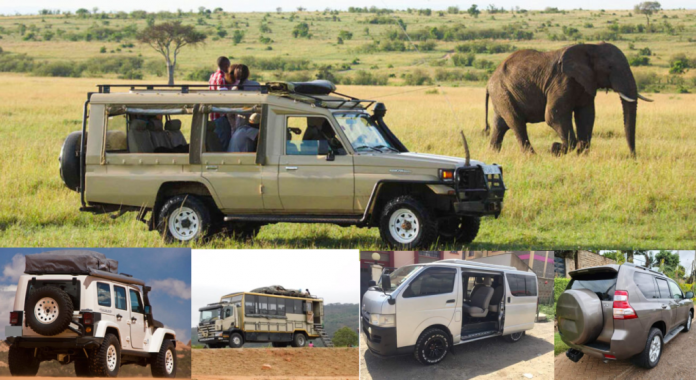
Here at Safari Travel Plus, we have a wide selection of 4×4 vehicles available for rent in Kenya, Tanzania, South Africa, and Namibia. Whether you’re looking for a SUV, safari jeep, or even a truck, we have the perfect vehicle for your African safari.
Malindi Marine National Park is located in the Indian Ocean, off the coast of Kenya.
Established in 1968 Malindi Marine park is Africa’s first and now oldest marine park. and was designated as a Biosphere Reserve under the Man & Biosphere programme of UNESCO in 1979.
It is a beautiful piece of Kenya’s Indian Ocean coastline as it provides the perfect getaway, from swimming with zebrafish to windsurfing.
It is located South of Malindi town from the famous Vasco-Da-Gama Pillar and extending to Watamu.
Malindi Marine National Park is endowed with magnificent resources such as fringing reefs, coral gardens in the lagoons, seagrass beds, mudflats, mangroves, marine mammals, turtles and various species of shorebirds. Its a great place to visit while you are on a Malindi safari holiday.
Ocean marine life
These are various magnificent sea creatures such as Octopus, dolphins, star fish, zebra fish and deep sea turtles which you can experience in the water.
Diving and Snorkeling
The clarity of the water and unending variety of the park’s marine life guarantees near-perfect diving and snorkeling.
Water Sports
Various water sports that visitors can partake include; sailing, windsurfing, kite surfing, kayaking and water jet skiing. This beautiful slice of Kenya’s Indian Ocean coastline provides the perfect getaway for relaxation.
Other Activities
Other activities include:- Bird watching, Camping, Glass bottom boat rides Scenic and sun bathing.
Conferencing Facilities
A resource center with a conference hall up to a capacity of 50 people with audio visual equipment.
Park Fees
Malindi National Park fees vary between Residents and Non-Residents. East African residents pay Ksh 100 while Non-Residents pay $15 per Adult and $ 10 per child.
Mode of Payment
MPesa. Visa Card. Direct deposits to KWS bank accounts. Electronic Funds Transfer (EFT)
How To Get There
By Road: Malindi Marine National Park is situated about 5km from Malindi town via Casuarina road.